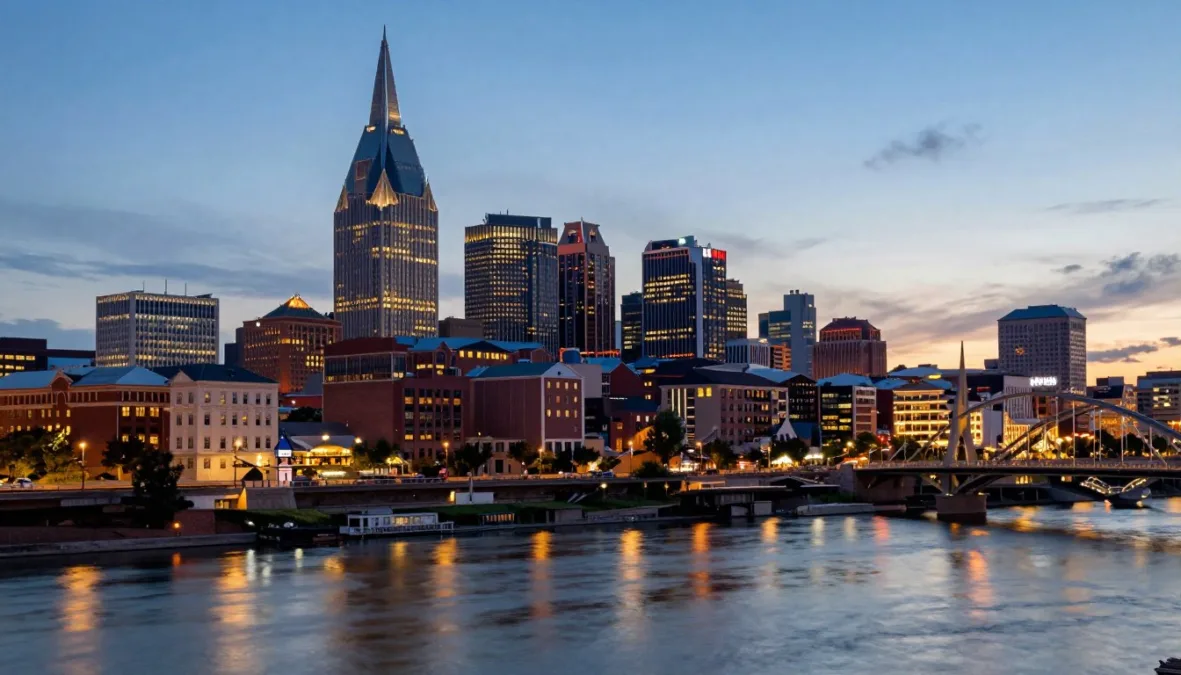
The definitive attractions across Music City unite legendary musical performance stages, expansive cultural archives, historic architectural monuments, and welcoming public green spaces. Experiencing the city at its peak involves balancing world-famous concert halls with immersive historical museums, vibrant street performance districts, and serene botanical grounds. A well-designed trip centers on these foundational institutions while leaving room for casual neighborhood exploration and regional culinary traditions.
Selecting the right stops depends heavily on personal artistic interests, scheduling availability, and how one prefers to navigate between urban corridors and tranquil outer neighborhoods. Advance planning plays a decisive role in securing venue access, especially for historic auditoriums and specialty museum tours that manage building capacities carefully. Exploring both time-honored country music landmarks and broader civic highlights delivers a well-rounded perspective on Tennessee culture.
1. Grand Ole Opry Live Performance
The Grand Ole Opry stands as the longest-running radio broadcast in American history and represents the spiritual heart of the country music genre. Hosting multiple shows each week, the venue gathers a rotating lineup of contemporary chart-toppers, bluegrass innovators, and hall of fame veterans on a single stage. Every performance follows an authentic variety-show format, punctuated by historic stage announcements and spontaneous artistic collaborations.
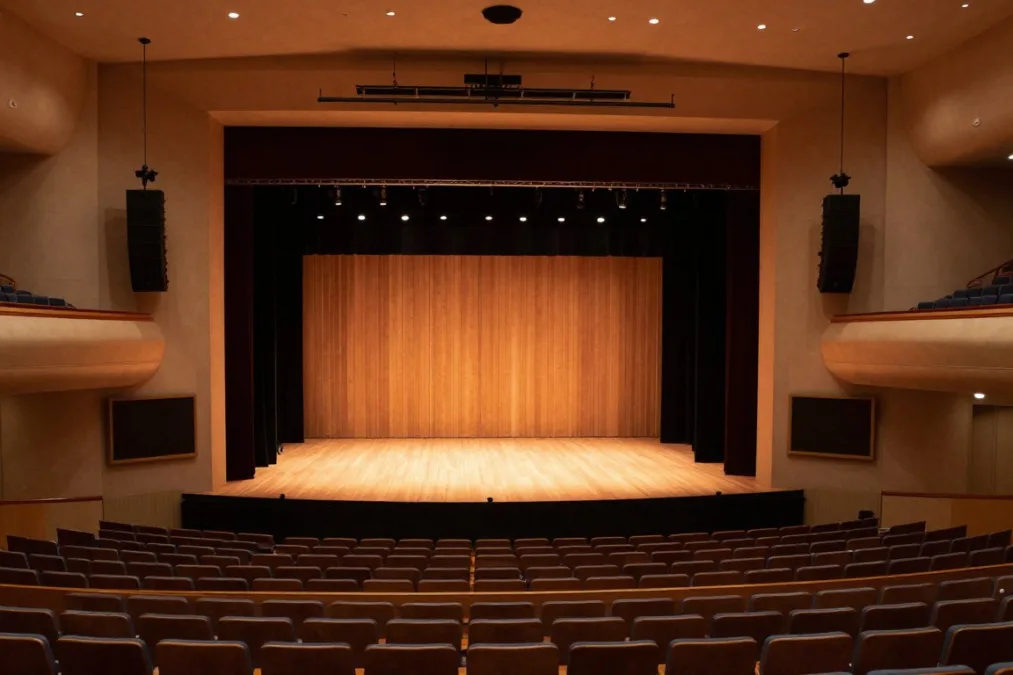
Located in the Music Valley area northeast of downtown, the Opry House provides expansive theater-style seating alongside specialized backstage tour options. Attending an evening show provides direct access to live American music heritage that has continuously operated since the nineteen-twenties. Visitors can also reserve daytime or post-show backstage access to walk past artist dressing rooms and stand inside the legendary wooden stage circle.
Reserving show tickets several weeks ahead remains essential, particularly during spring and autumn weekend performance runs. Arriving early allows ample time to navigate outer campus parking areas and explore the artist memorial displays in the central lobby.
During the final weeks of the calendar year, the broadcast often relocates downtown to its historic former residence, altering standard arrival logistics. Confirming the specific venue location on the ticket confirmation avoids navigational mix-ups between the suburban Opry House and downtown stages. Comfortable casual attire suits the auditorium, though many attendees dress up to celebrate special performance evenings.
2. Country Music Hall of Fame and Museum
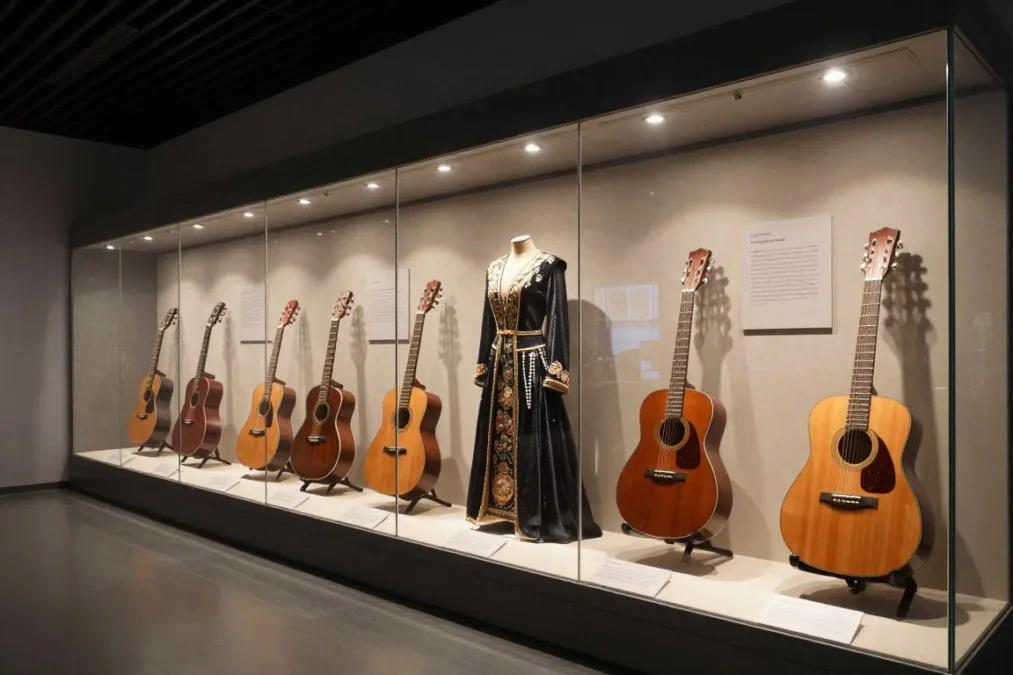
The Country Music Hall of Fame and Museum preserves hundreds of thousands of artifacts, recorded songs, stage costumes, and historic instruments within a striking downtown facility. Spanning two expansive floors of permanent galleries, the core narrative traces the roots of folk, hillbilly, and gospel sounds through mid-century honky-tonk up to modern global arena tours. Rotating specialty galleries examine specific subgenres, pivotal songwriting movements, and legendary solo careers in deep material detail.
Situated in the heart of downtown Nashville, the museum connects easily to neighboring convention and arena facilities on foot. The building itself incorporates architectural nods to musical themes, including exterior windows designed to resemble piano keys and a tower styled after a radio transmitter. Visitors routinely spend several hours exploring the multimedia listening booths, rare archival footage, and the tranquil third-floor rotunda displaying bronze member plaques.
| Visitor Aspect | Detail Level | Planning Guidance |
| Gallery Scope | Comprehensive | Plan ample morning time to read artifact labels and hear historical recordings. |
| Reservation Need | High | Reserve timed entry slots online to bypass peak ticket lines at the entrance. |
| Add-On Tours | Optional | Combine admission with Historic RCA Studio B departures for complete context. |
| Crowd Density | Moderate | Midweek mornings offer the quietest gallery atmosphere for viewing costumes. |
On-site dining options and the operational letterpress facility of Hatch Show Print offer valuable extensions to standard museum visits. Hatch Show Print allows guests to view historic relief printing equipment producing live concert posters using antique wood blocks. Securing a bundled ticket that pairs gallery admission with a print shop tour adds tactile appreciation for classic design traditions.
3. Ryman Auditorium Tour and Concerts
Ryman Auditorium, revered internationally as the Mother Church of Country Music, delivers an intimate performance atmosphere renowned for pristine acoustic quality. Originally erected in the late nineteenth century as the Union Gospel Tabernacle, the auditorium retains its authentic curved oak pews and stained-glass lancet windows. The stage served as the pivotal home of the Grand Ole Opry for over three decades, hosting defining moments in modern musical history.
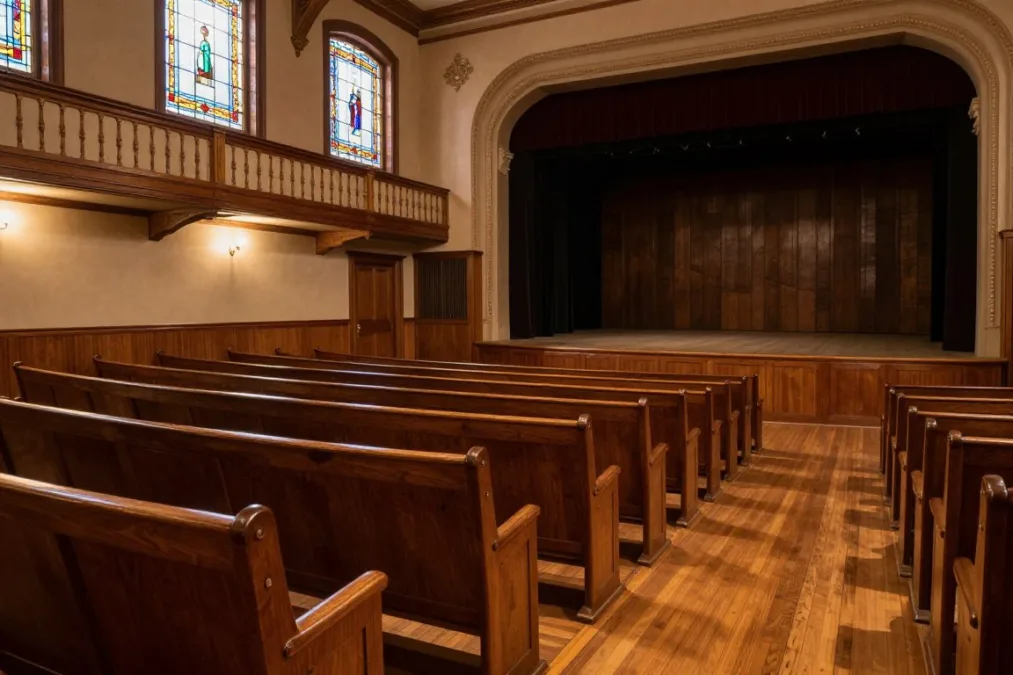
Located on Fifth Avenue North just steps from Lower Broadway, the Ryman operates as both a daytime history museum and an active evening concert hall. Self-guided and guided daytime tours feature an immersive theater presentation detailing the property’s transformation from revival hall to global musical beacon. Walking the upper balcony provides unmatched vantage points of the architectural timber framing and the intimate historic proscenium arch.
Attending an evening concert requires booking tickets months in advance, as world-touring musicians across rock, roots, and country seek out the venue for its acoustic clarity. Daytime tours require separate admission and can be completed efficiently before afternoon crowds peak.
Standing on the historic stage for a commemorative photograph represents a highlight for music historians and casual travelers alike. Hatch Show Print posters commemorating past Ryman performances line the interior perimeter walls, presenting a visual timeline of modern performance art. The auditorium remains fully air-conditioned and accessible, though historic pew seating features firm upright wooden backs.
4. Honky Tonk Highway on Lower Broadway
Honky Tonk Highway encompasses the world-famous entertainment strip of Lower Broadway, where multi-level music clubs produce live performances morning, noon, and night. Unlike traditional entertainment districts with steep cover charges, standard honky-tonks offer admission-free entry, relying instead on artist tip buckets and refreshment purchases. The four-block stretch pulses with vibrant guitar solos, classic fiddle standards, and modern rock covers pouring directly through open-air front windows.
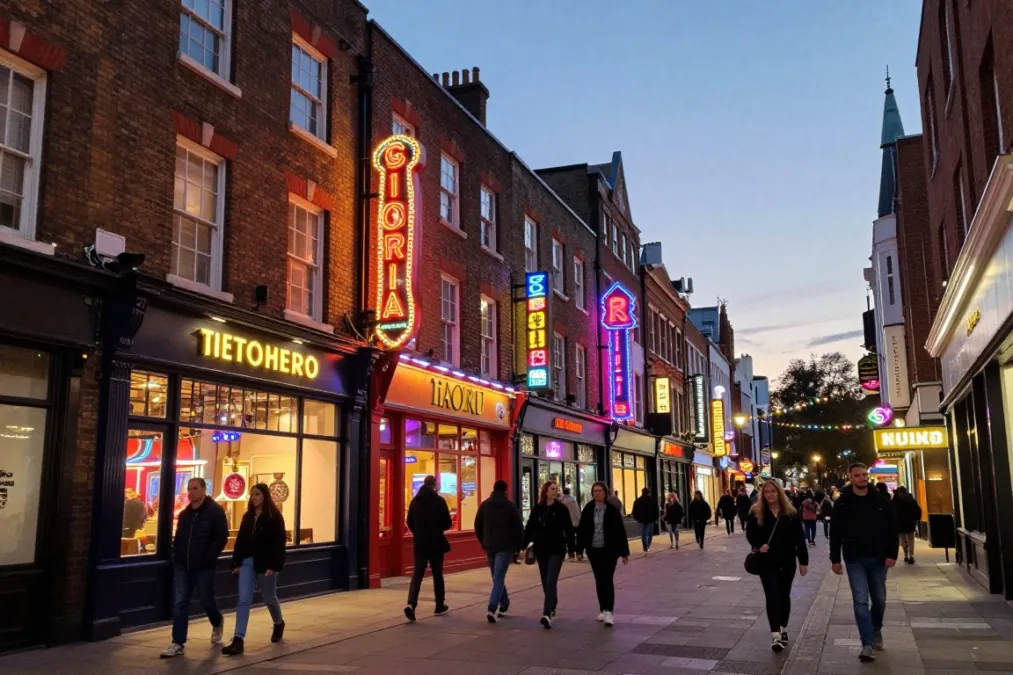
Occupying Lower Broadway between First Avenue and Fifth Avenue, the strip sits immediately adjacent to the Cumberland River waterfront. Historic staples share the boulevard with celebrity-branded multi-story complexes featuring rooftop patio bars and open-air skyline views. The district transitions markedly throughout the day, providing distinct experiences depending on the hour of arrival.
Daytime Visits
- Family-friendly dining options and lower baseline ambient volume.
- Uncrowded dance floors with accessible seating near stages.
- Relaxed pacing suitable for walking between historic storefronts.
Late Night Visits
- Dense pedestrian congestion along sidewalks and interior stairwells.
- Elevated noise levels requiring ear protection for sensitive listeners.
- Stricter door queues and identification checks across venues.
Cash remains helpful for tipping the hardworking house bands that maintain uninterrupted stage rotations throughout the day. Navigating between levels inside modern venues reveals different bands performing alternative genres on separate floors simultaneously. Travelers seeking a balanced perspective should visit during early afternoon hours before evening party crowds fill the sidewalks.
5. The Parthenon at Centennial Park
The Parthenon in Centennial Park stands as the world’s only full-scale, exact architectural replica of the ancient Athenian temple. Constructed initially for Tennessee’s Centennial Exposition in the late nineteenth century, the monumental structure celebrates Nashville’s longstanding reputation as the Athens of the South. The upper hall houses an awe-inspiring, gold-leaf-adorned statue of Athena, towering over visitors as one of the largest indoor sculptures in the western hemisphere.
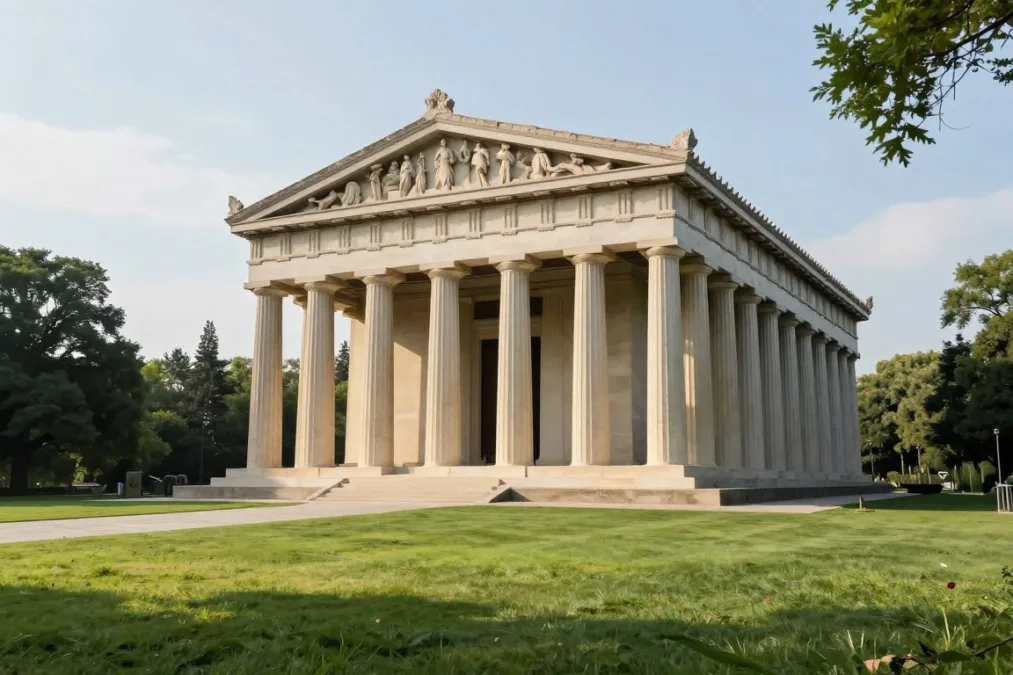
Positioned along West End Avenue approximately two miles west of downtown, the attraction anchors the sprawling open lawns of Centennial Park. The lower level operates as an art museum, displaying a permanent collection of nineteenth- and twentieth-century American paintings alongside seasonal contemporary exhibits. Outside, paved walking paths encircle Lake Watauga, creating a peaceful outdoor respite from urban corridors.
- View the colossal indoor statue of Athena along with classical plaster casts of the original Elgin Marbles.
- Browse the permanent Cowan Collection of American oil paintings on the lower museum level.
- Stroll the scenic perimeter path of Centennial Park to observe local waterfowl and historic monument gardens.
- Pack an outdoor lunch to enjoy on the broad stone steps overlooking the central park greenspace.
Centennial Park features ample free public parking, making it an accessible destination when traveling by personal vehicle or rideshare. The attraction appeals strongly to families, architecture enthusiasts, and casual travelers interested in Tennessee’s civic ambitions. Museum admission fees remain modest, while exploring the surrounding exterior grounds and temple colonnade requires no admission ticket.
6. National Museum of African American Music
The National Museum of African American Music highlights the foundational contributions of Black creators across more than fifty distinct musical genres and styles. Situated within the contemporary Fifth + Broadway complex, the museum uses cutting-edge interactive technology to trace traditions from spirituals and blues to jazz, gospel, rhythm and blues, and hip-hop. Each gallery examines the social, political, and cultural movements that propelled American musical evolution forward.
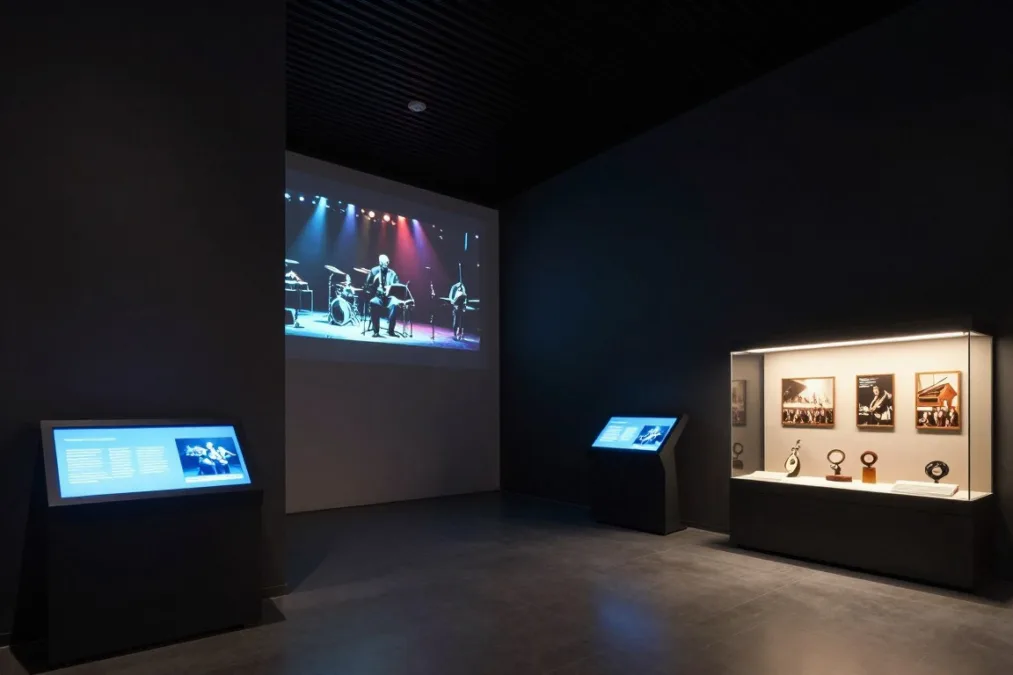
Occupying a prime downtown corner at Fifth Avenue and Broadway, the facility sits directly across the intersection from Ryman Auditorium. Visitors receive interactive wristbands upon entry, allowing guests to record custom musical mixes, sing in virtual gospel choirs, and save curated historical playlists. The foundational introductory film, screened inside the central Roots Theater, sets an illuminating historical baseline for the surrounding thematic galleries.
Allocate substantial gallery time to engage with interactive audio stations, as brief walkthroughs overlook deep archival recordings and customized digital exhibits. Mid-afternoon weekend slots can experience queues at popular interactive mixing stations.
The museum provides essential cultural balance to Nashville’s music tourism offerings, illustrating how deeply interconnected diverse American musical styles remain. Traveling through the Rivers of Rhythm corridor allows visitors to navigate lineage trees connecting early field hollers to contemporary electronic production. Timed-entry passes purchased online help secure seamless access during high-volume travel periods.
7. Johnny Cash Museum and Patsy Cline Museum
The Johnny Cash Museum houses the most comprehensive public collection of personal artifacts, handwritten lyrics, instruments, and stage outfits honoring the Man in Black. Authorized directly by the Cash estate, the museum displays candid family letters, military documents, iconic performance footwear, and historic record awards. The narrative spans his rural Arkansas upbringing, early Sun Records rockabilly breakthroughs, prison performance tours, and late-career collaborative revivals.
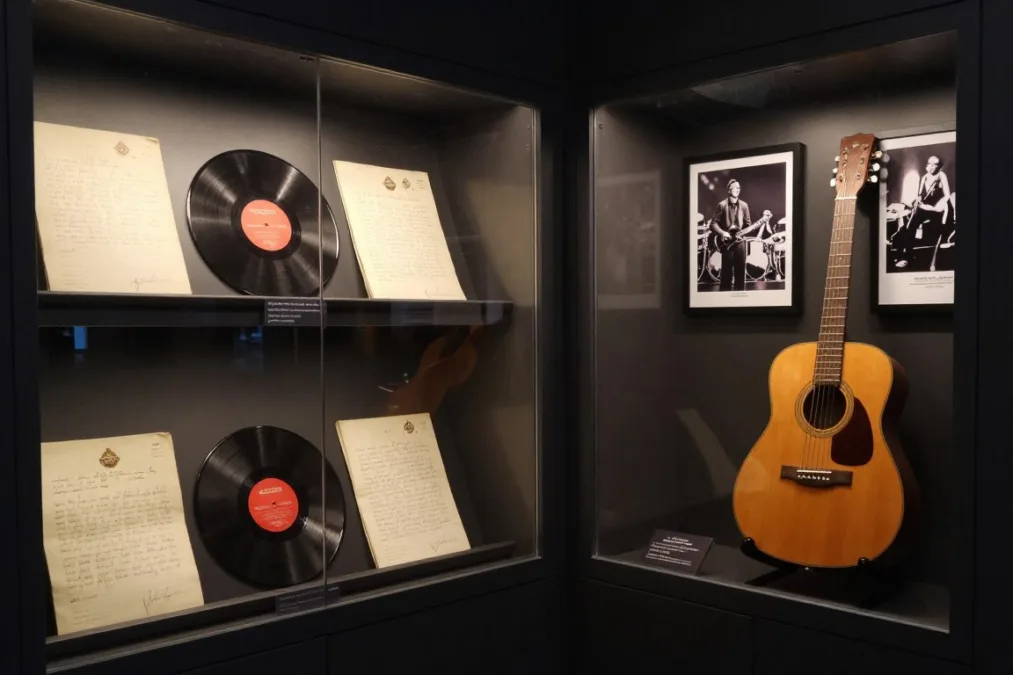
Located on Third Avenue South just half a block off Lower Broadway, the facility shares building space with the Patsy Cline Museum on its upper level. The companion museum celebrates the pioneering female country vocalist whose smooth vocal delivery helped establish the international Nashville Sound production style. Exploring both exhibits back-to-back delivers an intimate snapshot of mid-century studio recording culture.
Lower Level Archive
Focuses entirely on Johnny Cash, featuring original instruments, handwritten manuscripts, and documentary screening stations detailing his social advocacy.
Upper Level Collection
Honors Patsy Cline through mid-century personal furnishings, tailored stage costumes, and rare studio audio recordings from the golden era of country radio.
The intimate scale of these boutique galleries permits thorough viewing without the extensive walking required by larger civic institutions. Early morning arrival guarantees an unhurried look at delicate handwritten artifacts and rare television broadcast reels. On-site retail shops carry exclusive specialty merchandise, curated vinyl reissues, and classic printed autobiographies.
8. Bicentennial Capitol Mall State Park and State Capitol
Bicentennial Capitol Mall State Park offers an urban green space designed to celebrate the state’s geographic regions, history, and civic accomplishments. Stretched across nineteen manicured acres just north of the statehouse, the park features a massive granite map of Tennessee, a ninety-five-bell carillon representing local counties, and a shaded pathway wall inscribed with historical timelines. Walking the park offers peaceful recreation paired with educational civic monuments.
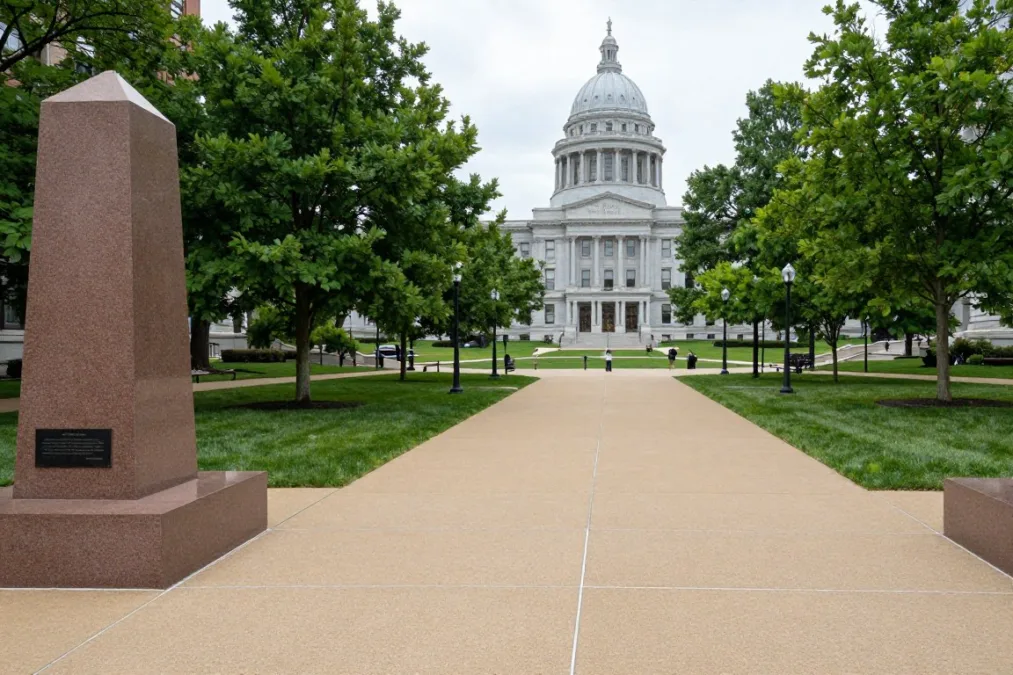
Perched on an adjacent prominent hill, the Tennessee State Capitol operates as one of the oldest working state capitols in the nation. Designed by renowned architect William Strickland in the Greek Revival style, the limestone structure overlooks the downtown skyline and Cumberland River basin. Free self-guided tours permit visitors to inspect the historic legislative chambers, antique chandeliers, and adjacent presidential tombs on the grounds.
- Begin at the northern plaza to view the carillon bell tower and listen to the automated quarter-hour chimes.
- Walk the central timeline path to read about pivotal political and cultural milestones etched into the stone walls.
- Climb the southern terraces toward the state capitol for commanding photographic panoramas of downtown towers.
- Step inside the adjacent Nashville Farmers’ Market food hall for regional artisan snacks and fresh bakery goods.
The park remains open throughout the year with no admission fees, providing a budget-friendly option for morning strolls. Wide paved promenades accommodate strollers, wheelchairs, and casual walking groups with ease. Pairing a morning monument walk with lunch at the farmers market creates a relaxed, informative itinerary component.
9. Historic RCA Studio B on Music Row
Historic RCA Studio B represents the foundational studio where musical innovators developed the polished, string-laden Nashville Sound during the late nineteen-fifties and sixties. Thousands of classic hit records were tracked within this modest brick facility, including groundbreaking sessions by Elvis Presley, Dolly Parton, the Everly Brothers, and Roy Orbison. The room’s distinct acoustics and signature mood lighting helped position Nashville as a premier global recording destination.
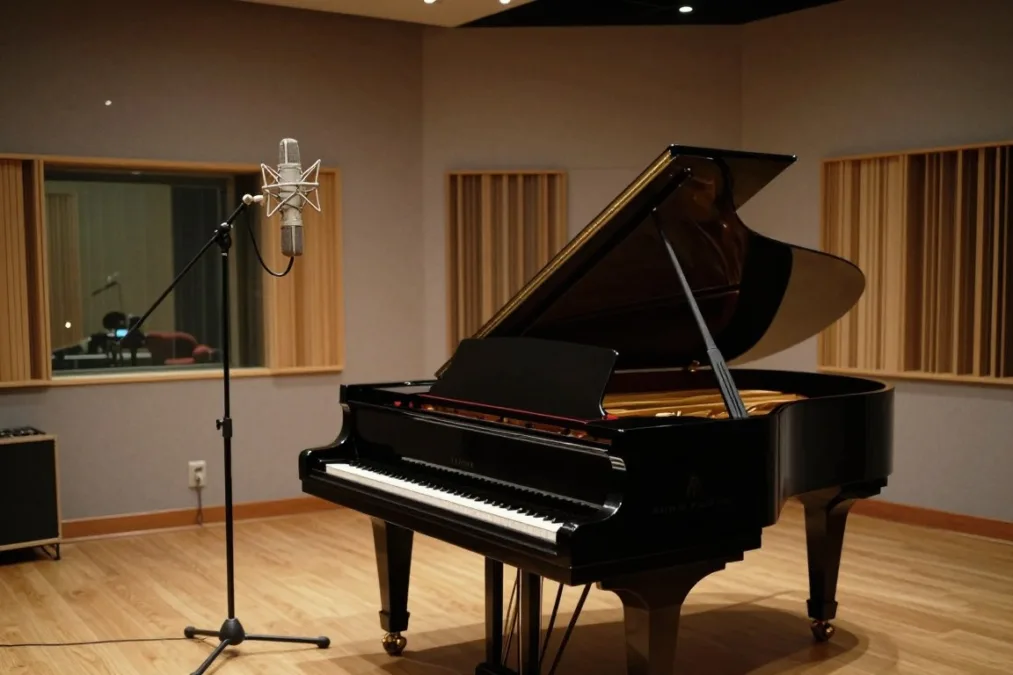
Situated in the historic Music Row district southwest of downtown, the studio can only be visited through specialized guided museum departures. Tour shuttles depart exclusively from the Country Music Hall of Fame downtown, transporting small groups directly to the preserved studio doors. Inside, knowledgeable docents illuminate the technical recording tricks, eccentric musician habits, and historic equipment that shaped mid-century pop music.
Tour departures feature strict passenger caps for each departure window to preserve the fragile historic recording room. Reserving combined studio and museum tickets weeks in advance avoids missing out during peak spring and autumn travel periods.
Standing beside the studio’s famed grand piano while listening to original session master tapes provides an evocative journey back to the analog recording era. Visitors learn how structural ceiling acoustic tiles and customized studio lighting helped legendary vocalists capture signature emotional performances. Photography is encouraged throughout the studio, though touching historic instruments and mixing consoles is strictly restricted.
10. Cheekwood Estate & Gardens
Cheekwood Estate & Gardens covers fifty-five pastoral acres of botanical displays surrounding a restored nineteen-thirties Georgian revival mansion. Originally built by the entrepreneurs behind Maxwell House Coffee, the limestone manor now serves as an art museum housing extensive collections of American art and decorative craftsmanship. The sprawling grounds feature twelve distinct gardens, including traditional Japanese rock landscapes, woodland sculpture trails, and formal boxwood parterres.
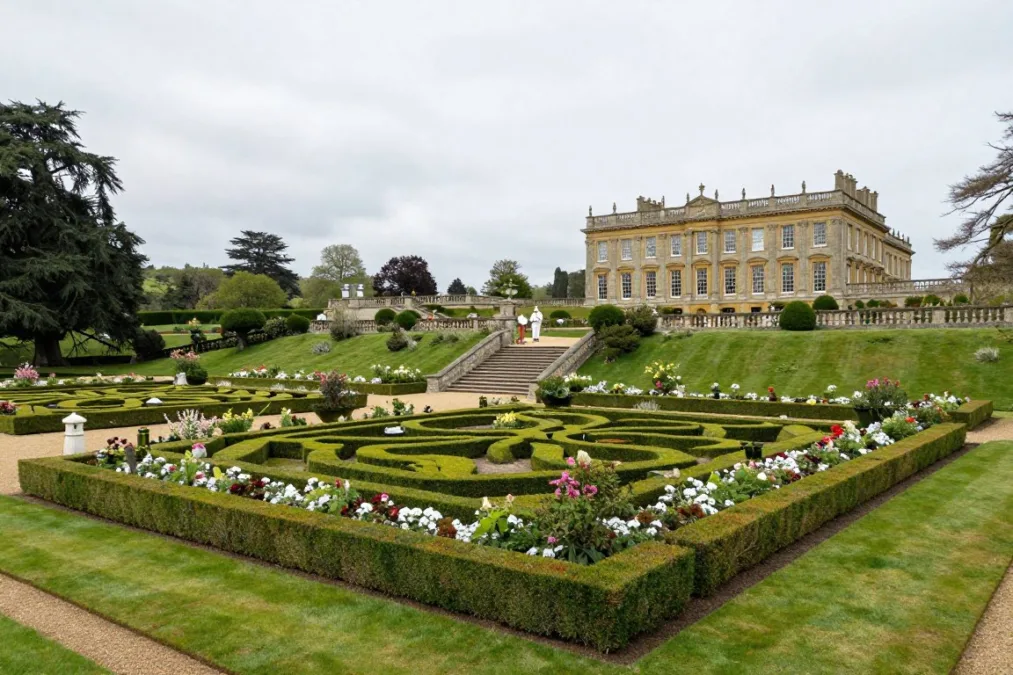
Located in the residential Belle Meade neighborhood roughly eight miles southwest of downtown, Cheekwood offers a restorative nature retreat. The property rotates prominent seasonal events throughout the year, featuring vast spring bulb displays, whimsical autumn pumpkin villages, and elaborate winter holiday light installations. Shaded pathways wind through native dogwood groves and hillside water features, providing gentle hiking options for visitors of all fitness levels.
- Original limestone architectural detailing and period-accurate decorative antiques.
- Galleries displaying American paintings, historic bronzes, and rotating visual art.
- Sweeping panoramic terrace views over the rolling Warner Park hillsides.
Historic Mansion Highlights
- Twelve specialized gardens including Japanese contemplation and water displays.
- Expansive woodland sculpture trails highlighting modern international outdoor art.
- Family-friendly seasonal landscape exhibits and children’s garden play areas.
Botanical Garden Highlights
Guests should secure timed parking passes and garden admission online before traveling to the outer estate gates. On-site cafes provide garden-view dining, while picnic areas allow guests to relax under mature canopy trees. The property demands substantial walking over stone steps and grass paths, making comfortable walking shoes essential for a complete visit.
Frequently Asked Questions About the Top 10 Things to Do in Nashville 2026
What is the best time of year to visit Nashville?
Spring and autumn provide comfortable outdoor temperatures, making these months ideal for walking downtown streets, exploring urban parks, and attending outdoor music gatherings. Summer features vibrant festival calendars but brings elevated humidity and warmer afternoons, while winter offers lighter venue crowds and festive seasonal light displays.
How many days are needed to experience the city highlights?
Planning a stay of three to four full days provides sufficient time to tour major downtown museums, attend an evening performance at the Opry or Ryman, and visit outer landmarks like Cheekwood. A shorter weekend trip requires focusing tightly on downtown corridors, whereas a longer visit accommodates day trips to surrounding historic towns.
What transportation options work best for getting around Nashville?
Downtown Nashville, Lower Broadway, and the Gulch are easily navigated on foot, while rideshares and taxis handle journeys to Midtown, Music Valley, and Belle Meade efficiently. Renting a vehicle proves helpful for travelers planning extensive excursions to outer botanical parks, historic plantations, or scenic state parks.
Are advance reservations recommended for major attractions?
Securing advance reservations remains strongly advised for Grand Ole Opry performances, Ryman Auditorium concert tickets, and timed museum entries such as Historic RCA Studio B. Popular downtown dining rooms and distillery tours also book out weeks ahead during peak spring and autumn travel periods.
Key Takeaways for Visiting Nashville in 2026
A memorable itinerary in Nashville pairs celebrated live stages and historical music repositories with peaceful civic parks and regional cultural estates. Reserving tickets for headlining performance venues well in advance supports a smooth, low-stress journey through the city. Balancing high-energy entertainment corridors on Broadway with unhurried mornings in local neighborhoods unlocks the full cultural character of Music City.

Priyanka Pandey
Senior Research Editor · Top10Sense
Priyanka specializes in tech, consumer products, and digital trends. She combines hands-on testing, vendor interviews, and database research to create trustworthy “Top 10” rankings. Her work has been referenced by industry blogs and brand report pages.