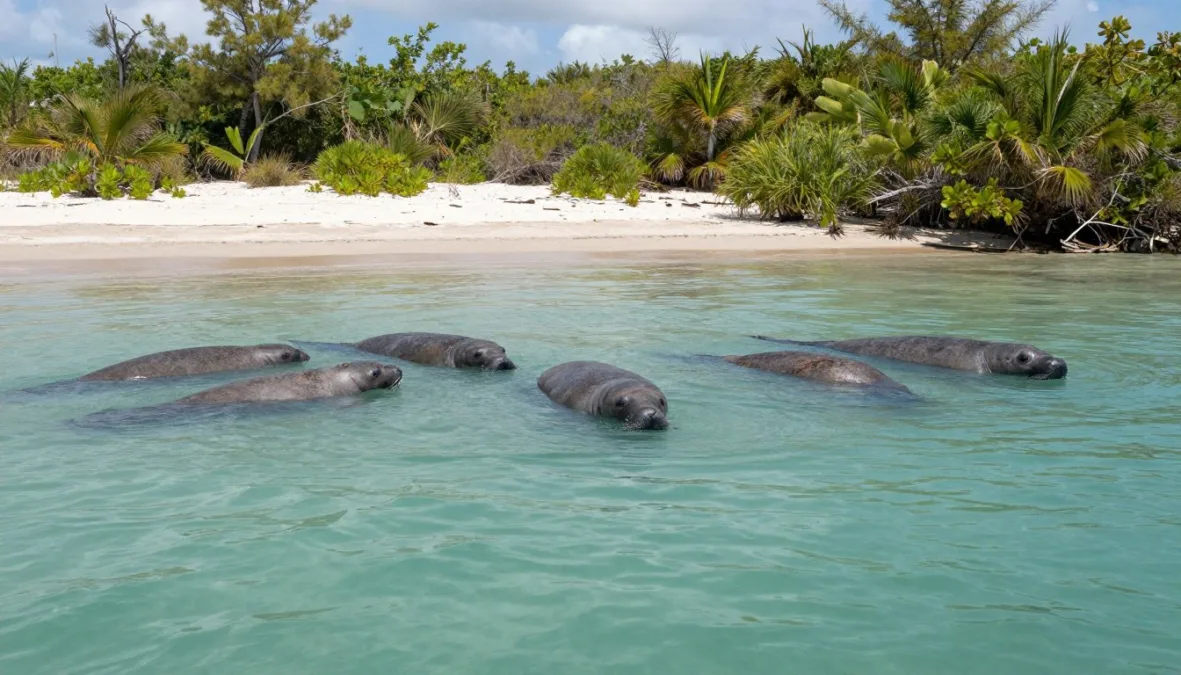
Florida manatees depend on stable warm-water sites whenever coastal and river temperatures drop below sixty-eight degrees. Finding the top places to see manatees in Florida in winter 2026 involves choosing between inland freshwater springs with constant natural temperatures and designated coastal power plant discharge canals. The most rewarding locations provide designated, elevated boardwalks that grant clear overhead perspectives while keeping wildlife completely undisturbed.
Selecting the ideal destination depends on preferred travel styles, mobility requirements, and proximity to regional waterways across the Gulf and Atlantic coasts. Facilities range from county-run observation parks with free admission to expansive state parks and national wildlife refuges requiring entry fees or seasonal shuttles.
Florida Manatee Protections and Responsible Viewing Practices
Federal and state laws establish strict safeguards for the West Indian manatee across all inland and coastal waters. Both the Marine Mammal Protection Act and the Endangered Species Act prohibit feeding, touching, pursuing, or attempting to ride these gentle marine mammals. Disturbing a resting manatee causes it to burn precious energy reserves needed to survive cold weather spells.
Waterway managers institute strict idle-speed and slow-speed zones throughout designated winter manatee sanctuaries to prevent vessel strikes. Kayakers, paddleboarders, and swimmers must stay outside roped-off seasonal sanctuaries demarcated by regulatory buoys. Even in waters where passive human presence remains permitted, observers must keep a respectful distance and avoid cutting off an animal’s travel path.
Never offer water from a hose, food, or physical contact to wild manatees. Touching or feeding alters natural migration behaviors, leads animals toward dangerous boat basins, and carries severe federal and state penalties.
Comparing Viewing Formats and Boardwalk Access
Land-based viewing setups vary widely in visibility, pedestrian space, and protection from winter weather. Elevated timber boardwalks running through spring runs offer overhead, glare-reduced vantage points that allow visitors to count resting herds without disturbing the water surface. In contrast, coastal industrial viewing pavilions provide open-air concrete promenades with high-capacity railing space suitable for large crowds.
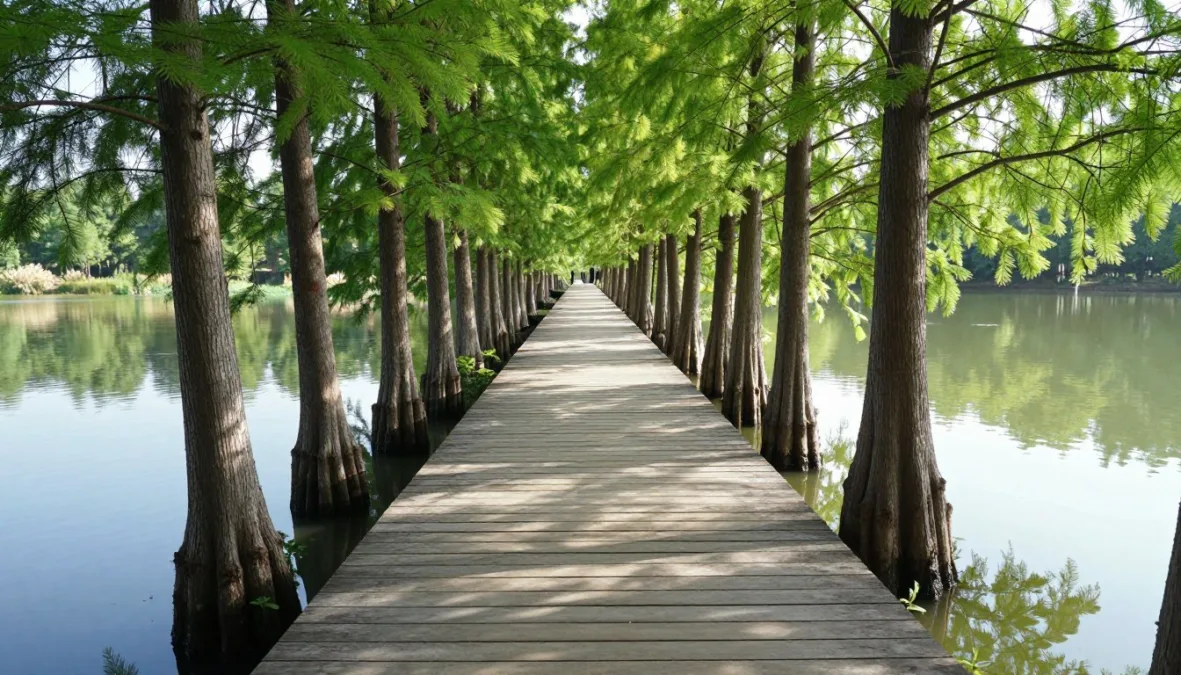
Elevated boardwalks protect natural banks while giving observers clear, glare-reduced views of gathering manatees.
Photography opportunities reach their peak on elevated structures during bright mornings when sunlight illuminates shallow sandy bottoms. Visitors with limited mobility often find paved, level promenades at industrial centers easier to navigate than long, rustic boardwalk trails in state parks. Comparing these physical setups helps travelers match their personal mobility needs with realistic viewing conditions.
- Crystal-clear water visibility across shallow sandy runs.
- Canopied timber walkways that shield visitors from wind.
- Strict winter water-access closures to protect resting herds.
- Limited parking capacity requiring early arrival or shuttle transit.
Freshwater Spring Boardwalks
- Spacious concrete viewing decks handling heavy visitor traffic.
- Direct wheelchair-accessible ramps, elevators, and wide railings.
- Free parking lots and modern educational center facilities.
- Darker coastal estuary water requiring closer surface sightings.
Industrial Discharge Promenades
1. Three Sisters Springs and Crystal River National Wildlife Refuge
Three Sisters Springs inside Crystal River National Wildlife Refuge serves as one of Florida’s premier winter thermal refuges. Hundreds of manatees congregate inside this natural spring basin in Citrus County when Gulf of Mexico temperatures fall. Visitors gaze down from a quarter-mile elevated boardwalk encircling the spring vents, observing resting mothers and nursing calves through translucent blue water.
The site offers paved paths, modern restrooms, accessible platforms, and an off-site visitor center that operates continuous shuttle buses to the spring boardwalk. Waterborne access inside the spring basin remains closed throughout cold snaps to prevent human interaction from displacing vulnerable animals. Travelers must purchase visitor center admission tickets to ride the shuttle or walk the access path.
Water-access restrictions activate inside Three Sisters Springs whenever local water temperatures plummet. Check refuge alerts early in the day, as shore-based boardwalk viewing remains the only permitted viewing format during emergency freeze events.
2. Blue Spring State Park
Blue Spring State Park in Volusia County protects a designated manatee sanctuary along the St. Johns River. The constant seventy-two-degree spring discharge draws record-breaking numbers of manatees during peak winter freezes. A half-mile accessible wooden boardwalk parallels the entire spring run, connecting several viewing pavilions from the river mouth up to the boil.
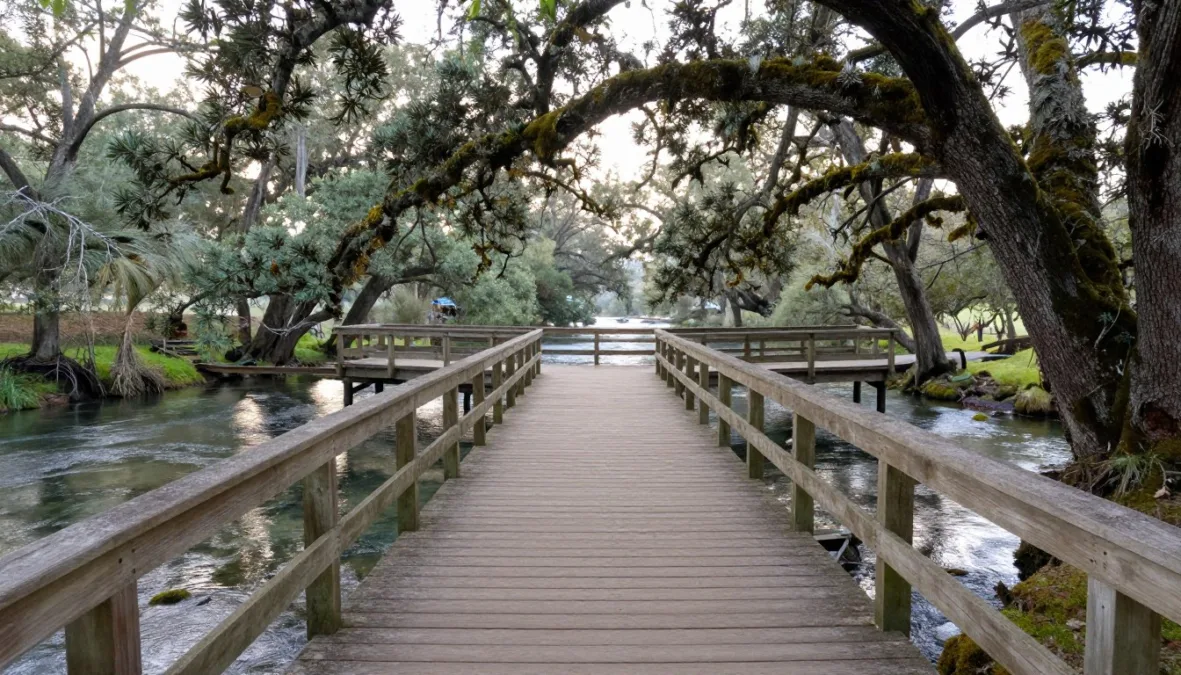
Multiple viewing decks along the spring run allow visitors to track manatee movement toward the warmer headspring.
All in-water recreational activities, including swimming, snorkeling, and personal paddlecraft launching, are strictly prohibited in the spring run from mid-November through March. Park staff frequently close vehicle gates once parking fills to capacity on cold weekend mornings. Arriving well before park gates open prevents long delays along the entry drive.
Blue Spring State Park charges a standard state park vehicle entry fee. When capacity limits occur, vehicles must wait outside the gate until other guests depart the recreation grounds.
3. Tampa Electric Big Bend Manatee Viewing Center
The Tampa Electric Manatee Viewing Center in Apollo Beach offers unmatched views of wild manatees gathered in the clean, warm water discharge canal of the Big Bend Power Station. When Tampa Bay cools, hundreds of animals pack into this protected saltwater canal. An extensive, elevated boardwalk network guides guests past educational displays, canal-side railings, and a tidal habitat nature trail.
This Hillsborough County destination provides free admission, free on-site parking, modern restrooms, and comprehensive wheelchair access across all observation structures. Elevated walkways span high above the discharge canal, allowing outstanding photography even when dense crowds gather. Because water quality in the industrial canal is dark, polarizing sunglasses significantly enhance visibility beneath the surface.
The Big Bend facility operates seasonally from November through mid-April. Swimming or launching personal watercraft into the discharge canal remains strictly prohibited under all circumstances.
4. Manatee Lagoon in Riviera Beach
Manatee Lagoon, an FPL Eco-Discovery Center located in Riviera Beach, sits along the Atlantic Intracoastal Waterway in Palm Beach County. Manatees congregate in the warm-water outflow channel created by the Riviera Beach Next Generation Clean Energy Center. Visitors observe the animals from two levels of outdoor observation decks overlooking Lake Worth Lagoon.
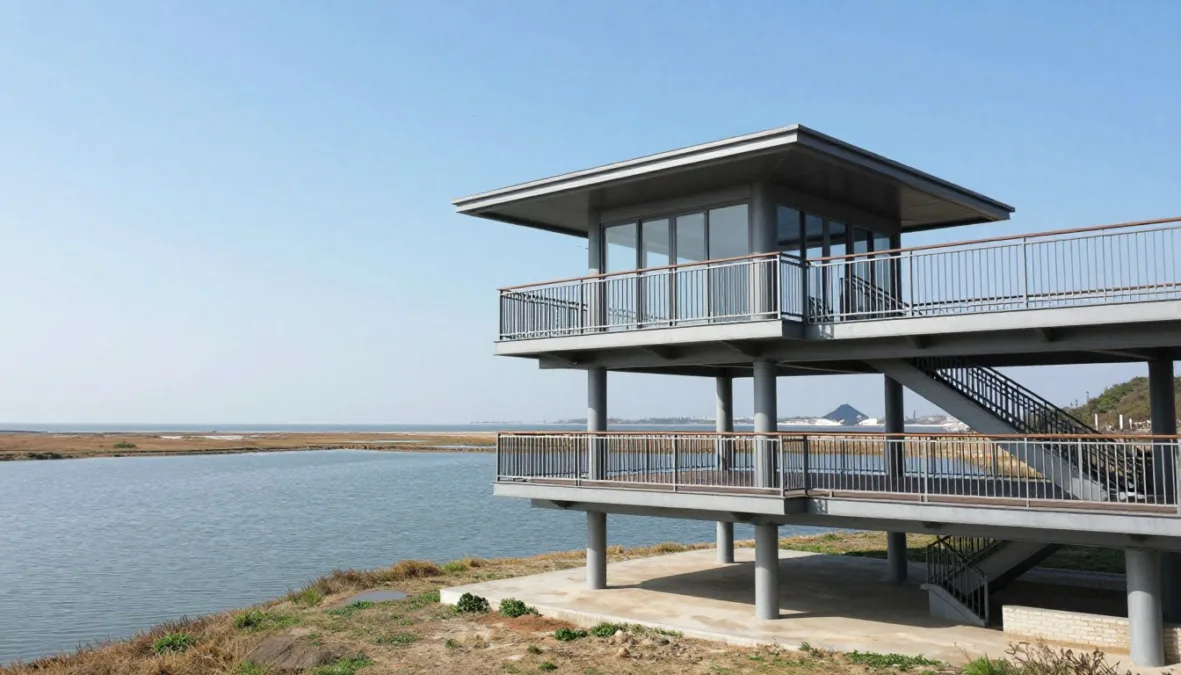
Multi-level observation decks provide panoramic views across the warm outflow channel of Lake Worth Lagoon.
The facility provides complimentary admission and convenient free parking directly adjacent to the center. Inside, climate-controlled interactive exhibits, a clean cafe, and family-oriented science presentations welcome guests of all ages. Wheelchair ramps and elevators connect all indoor exhibit spaces with the upper and lower outdoor viewing platforms.
Manatee numbers at Manatee Lagoon depend heavily on ambient coastal air temperatures. Plan visits following sustained northern cold fronts for the greatest concentrations of animals resting near the seawall.
5. Manatee Park in Lee County
Manatee Park in Fort Myers provides a vital non-captive refuge along the warm-water discharge canal flowing into the Orange River. When Gulf water cools, manatees travel miles upriver to seek shelter in this designated Lee County preserve. Paved walking loops and wooden viewing piers line the canal banks, bringing visitors close to the water’s edge.
The park charges a modest hourly or daily parking fee while offering picnic shelters, educational gardens, and clean public restrooms. On-site concessionaires rent kayaks for paddling outward onto the Orange River, though watercraft must never enter designated manatee resting chums. Children and multi-generational families benefit from gentle, level walkways that accommodate strollers and wheelchairs easily.
Manatee Park does not release warm water on a fixed human timetable; gathering numbers respond directly to regional temperature drops. Kayakers must keep neutral drift and avoid pursuing animals that surface nearby.
6. Ellie Schiller Homosassa Springs Wildlife State Park
Ellie Schiller Homosassa Springs Wildlife State Park offers a unique combination of natural spring habitat and managed wildlife rehabilitation. The park’s famous underwater observatory, known as the Fish Bowl, sits floating inside the main headspring, allowing visitors to walk below the waterline to view wild and recovering manatees eye-to-eye. Elevated boardwalks wind through the cypress swamp, linking shoreline overlooks with captive native wildlife habitats.
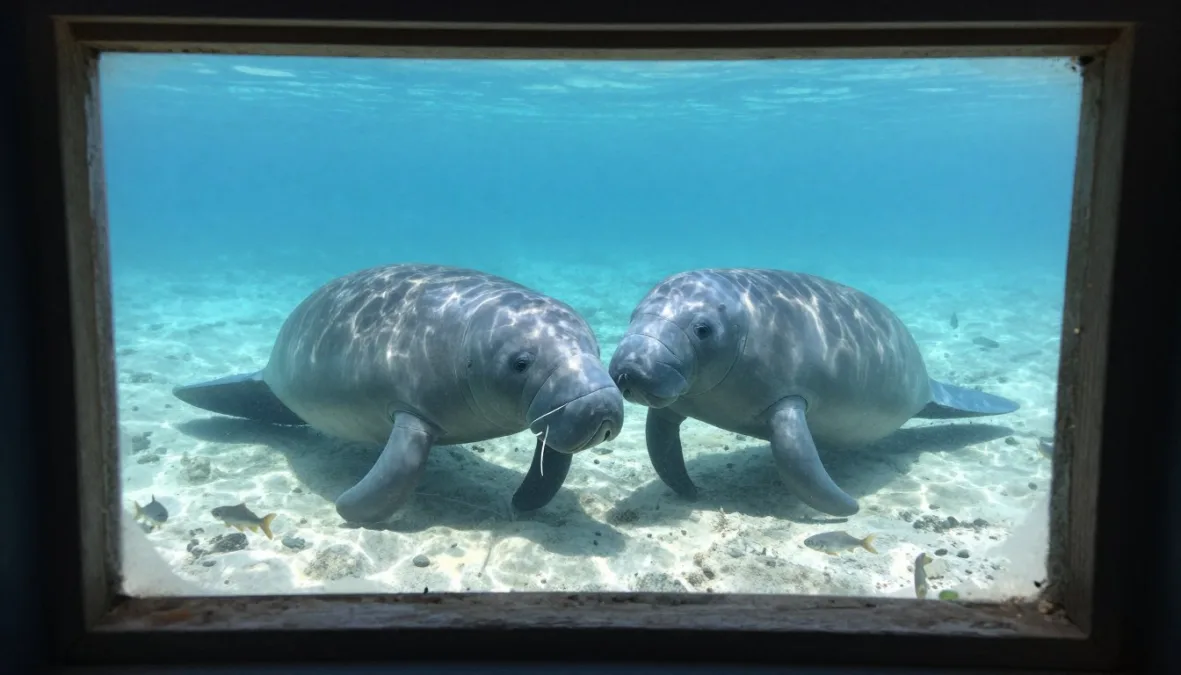
The submerged observatory windows allow eye-level perspective without entering the water.
Visitors pay a per-person state park admission fee at the visitor center before taking a scenic pontoon boat ride or walking a paved path to the spring basin. The park features complete wheelchair accessibility, accessible tram service, full-service restrooms, and educational wildlife programs. Because the main spring basin functions as a refuge and rehabilitation facility, wild manatees enter through special gates during freezing weather.
Entry fees apply per guest rather than per vehicle at Homosassa Springs. Pets are not permitted past the visitor center, though certified service animals may accompany guests throughout the park grounds.
7. Merritt Island National Wildlife Refuge Haulover Canal
The manatee observation deck along Haulover Canal in Merritt Island National Wildlife Refuge offers an unpolished, authentic coastal viewing experience. Situated near Titusville in Brevard County, the canal links Mosquito Lagoon with the Indian River. A sturdy wooden viewing platform equipped with polaroid-tinted viewing screens sits along the northern canal shoreline.
Access to the canal deck is free, with unpaved gravel parking areas located directly off the main refuge road. Amenities are rustic, featuring vault toilets without running water or on-site concessions. The open shoreline allows photographers to frame expansive shots against the backdrop of natural coastal mangroves, though brisk winter winds call for warm outer layers.
Cellular reception along Haulover Canal can prove intermittent. Check refuge road conditions and canal bridge closures before departing the Titusville mainland.
8. Edward Ball Wakulla Springs State Park
Edward Ball Wakulla Springs State Park, south of Tallahassee, protects one of the world’s deepest freshwater springs. While manatees historically favored central and southern Florida waterways, increasing numbers now migrate into Wakulla’s constant seventy-degree basin during northern panhandle winters. Guests observe manatees from the historic two-story dive platform and through guided river boat tours.
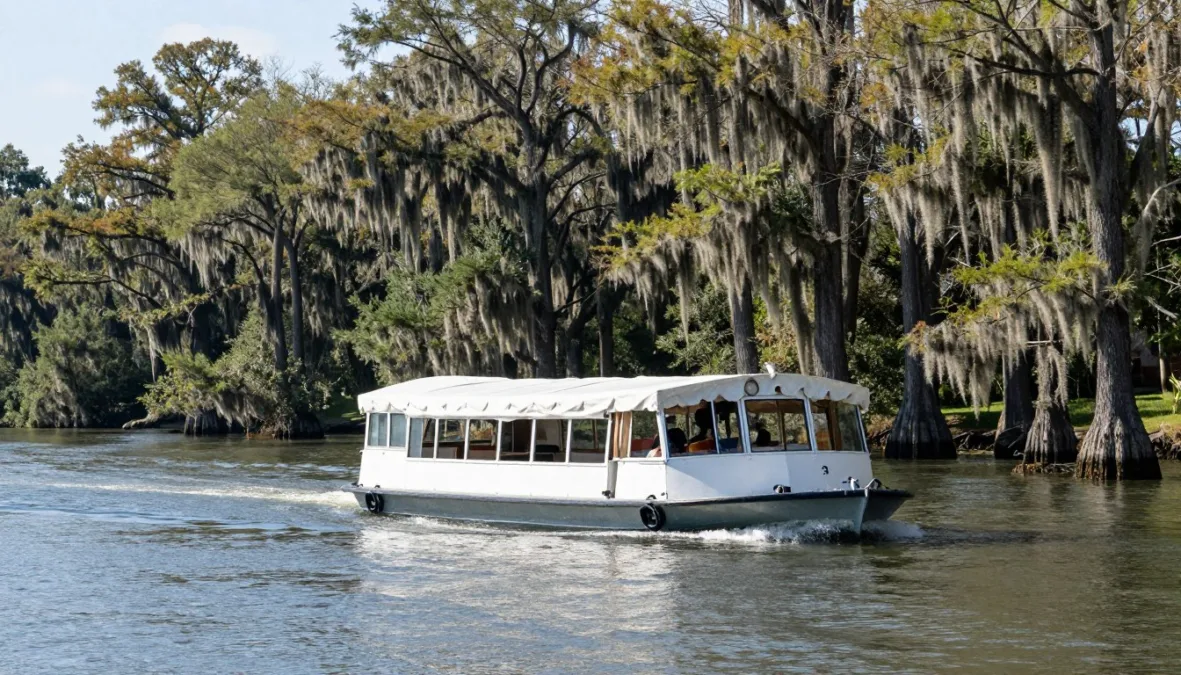
Guided river boat tours navigate alongside the spring run, spotting manatees resting near river bends.
The park requires standard vehicle admission and maintains accessible tour boats equipped with wheelchair ramps. Paved walkways surround the historic Wakulla Springs lodge, where indoor dining and full guest facilities operate daily. Manatee numbers here remain lower than at peninsular springs, yet the prehistoric spring basin provides stunning visibility.
Boat tour tickets frequently sell out early during sunny winter weekends. Secure tour times at the park ticket counter immediately upon arrival through the main vehicle gate.
9. Weeki Wachee Springs State Park
Weeki Wachee Springs State Park in Hernando County combines historic family attractions with a critical winter manatee rest zone. As manatees push up the Weeki Wachee River from the Gulf, they congregate in the warm spring run just below the attraction’s headwaters. Visitors view passing herds from the park’s riverboat cruise and elevated bankside railings.
The park charges per-person admission that includes access to wildlife educational programs and boat excursions. Dedicated parking lots accommodate family vehicles, though early arrival remains essential when parking fills during peak holidays. Launching private paddlecraft requires advance reservations, and boaters must observe seasonal non-wake boundaries along the upper river run.
Paddlers along the Weeki Wachee River must remain inside their watercraft at all times. Landing on sandbars or stepping into spring vents inside state-managed boundaries is strictly prohibited.
10. Chassahowitzka River Sanctuary
The Chassahowitzka River in southwestern Citrus County provides a secluded coastal spring ecosystem for overwintering manatee family groups. Fed by several limestone vents, the river run features pristine shallow pools that remain sheltered from coastal breezes. Visitors view manatees from the public boat ramp docks, shoreline park benches, or quiet paddleboards rented nearby.
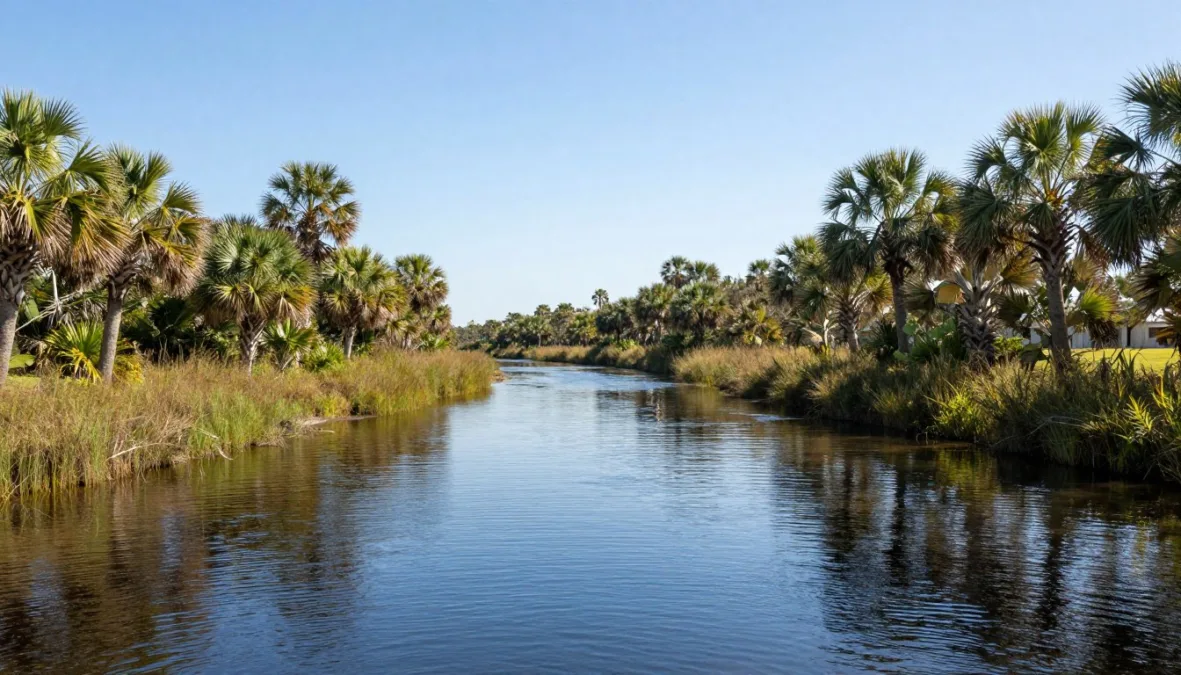
Shallow spring runs along the Chassahowitzka River offer peaceful shoreline vantage points.
A modest county launch fee applies to vehicles using the boat ramp and parking area. Facilities remain basic, including restrooms and a small camp store near the water’s edge. Because motorized vessels navigate the main channel, land-based visitors find the calmest viewing along designated non-motorized shoreline reaches.
Chassahowitzka enforces strict no-wake regulations across all spring tributaries. Respect posted navigation markers and never anchor directly inside spring boils where manatees rest.
Places to See Manatees in Florida in Winter 2026 Comparison Table
The table below compares the primary Florida manatee viewing sites across access costs, viewing formats, and operational restrictions for winter 2026. Park schedules and water conditions shift according to weather patterns, so verifying local rules before travel helps prevent unexpected closures.
| Destination | Viewing Format | Access Cost | Accessibility | Facilities | Key Restrictions |
| Three Sisters | Elevated boardwalk | Refuge fee | Paved paths | Shuttle and restrooms | Winter water access closed during severe cold snaps |
| Blue Spring | Timber boardwalk | Vehicle fee | Accessible decks | Restrooms and concessions | Entire spring run closed to all watercraft and swimmers |
| TECO Big Bend | Elevated walkway | Free admission | Full ramps | Exhibit center and cafe | No in-water recreation permitted inside industrial canal |
| Manatee Lagoon | Viewing decks | Free admission | Elevator access | Educational center and shop | No shoreline or water entry allowed from observation area |
| Manatee Park | Paved piers | Parking fee | Level walkways | Kayak rental and shelter | Watercraft prohibited from entering marked warm canal chums |
| Homosassa Park | Submerged chamber | Per person fee | Accessible boats | Full park amenities | Pets prohibited beyond the main mainland visitor center |
| Haulover Canal | Canal platform | Free admission | Gravel path | Rustic vault toilets | No running water or services available on site |
| Wakulla Springs | Boat and deck | Vehicle fee | Accessible boats | Historic lodge and cafe | Swimming restricted to designated seasonal headspring area |
| Weeki Wachee | Cruise and banks | Per person fee | Paved grounds | Restrooms and rentals | Paddlecraft must reserve ahead and stay off sandbars |
| Chassahowitzka | Docks and launch | Ramp fee | Paved ramp | Camp store and restrooms | Idle speed zones strictly enforced in all spring runs |
Wildlife regulations, spring closures, and park admission policies change based on sudden weather shifts and environmental mandates. Recheck official state, county, and wildlife refuge websites immediately before departing for your destination.
Frequently Asked Questions About Winter Manatee Viewing
What are the peak winter months to see manatees in Florida?
Manatees congregate in the highest numbers between December and February when air and coastal water temperatures reach seasonal lows. Cold snaps force manatees to seek constant seventy-two-degree springs and industrial warm-water canals. Milder winter periods cause herds to disperse back into open bays and rivers to forage.
Are visitors allowed to swim with manatees in Florida?
Swimming with manatees is prohibited in almost all Florida state parks, industrial discharge canals, and county preserves during winter. Crystal River remains one of the only areas where passive in-water observation tours occur under federal guidelines, though sanctuaries like Three Sisters Springs close to swimmers during cold weather. Observers must practice passive floating without touching or pursuing animals.
What time of day offers the best chance to spot manatees?
Early morning hours generally provide the most consistent manatee sightings because overnight temperatures push animals into the warmest thermal zones. Morning sunlight also reduces water surface glare on boardwalks before afternoon winds kick up chop. Arriving at park openings avoids gate closures caused by full parking lots.
How does weather affect manatee gathering behavior?
Manatee gatherings intensify following cold northern weather fronts that lower open water temperatures below sixty-eight degrees. Warm, sunny weather allows manatees to leave protected thermal basins to feed on regional seagrass beds. Viewing platforms see their largest concentrations on crisp, freezing mornings.
Planning Responsible Winter 2026 Manatee Excursions
Visiting Florida’s winter manatee gathering spots provides an exceptional opportunity to watch wild marine mammals in natural and artificial thermal refuges. Choosing elevated boardwalks and dedicated observation decks supports conservation efforts while granting unobstructed, family-friendly wildlife views. Checking real-time conditions on official refuge and park websites before setting out guarantees a smooth, rewarding winter viewing experience.

Priyanka Pandey
Senior Research Editor · Top10Sense
Priyanka specializes in tech, consumer products, and digital trends. She combines hands-on testing, vendor interviews, and database research to create trustworthy “Top 10” rankings. Her work has been referenced by industry blogs and brand report pages.