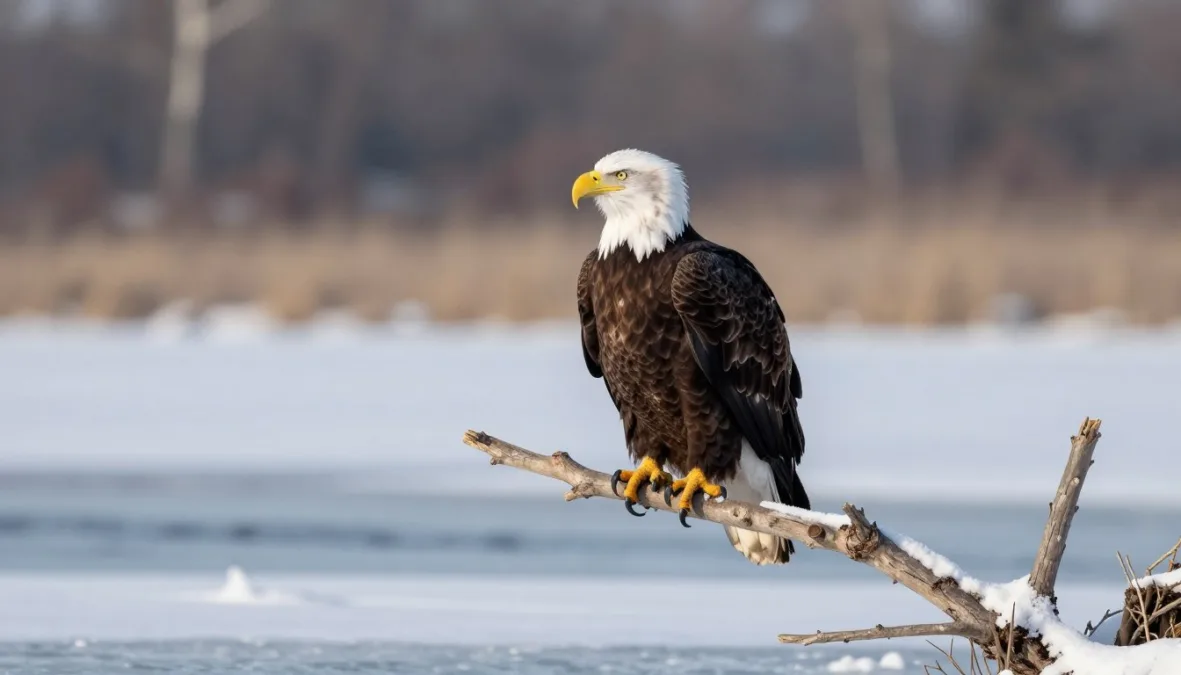
Public river overlooks, navigation dams, and protected national wildlife refuges provide premier places to see bald eagles in the Midwest in winter 2026. Thousands of migratory raptors journey south from northern Canada and the Great Lakes each winter, gathering along major river corridors where flowing currents maintain ice-free feeding water.
Viewing success depends directly on winter freeze levels, early morning activity, and using quality optics to scan mature shoreline trees. Selecting designated viewing platforms and public trails preserves critical roosting areas while offering unobstructed observation points across wide river valleys.
Winter Eagle Behavior and Open-Water Habitats
Freezing temperatures north of the Midwest force bald eagles to migrate southward in search of accessible prey. When northern lakes and smaller tributaries freeze solid, raptors concentrate along major waterways such as the Mississippi, Illinois, and Des Moines rivers.
Hydraulic churning around dams, power generation discharge points, and natural riffles keeps river water from freezing into solid sheets. These open turbulent pools trap or stun fish, creating dependable hunting grounds that attract dozens or hundreds of wintering raptors to shared perches.
- Morning hours immediately after sunrise feature peak hunting dives along open water channels.
- Midday periods see birds conserving caloric energy on sheltered shoreline perches and interior forested islands.
- Late afternoon brings active feeding flights before eagles return to communal inland timber roosts protected from cold winds.
Responsible Wildlife-Watching and Distance Guidelines
Winter is a precarious survival period during which unnecessary flight expends precious caloric reserves needed to withstand bitter nighttime temperatures. Ethical observation maintains substantial physical separation between human spectators and wintering eagles.
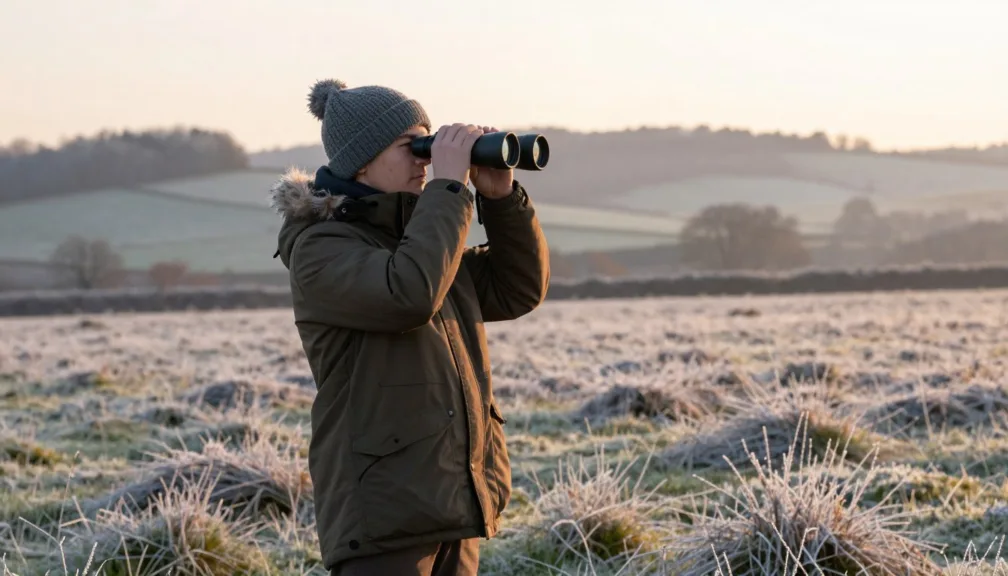
Approaching birds on foot causes flushes that disrupt hunting and roosting routines. Using high-powered binoculars, spotting scopes, or vehicle pullouts allows clear observation without alerting or stressing wildlife.
Never enter marked sanctuary zones, approach active nests, or cross safety barriers. Keep dogs leashed at all times where permitted, remain inside designated observation shelters or parked vehicles when eagles are nearby, and never use drones or playback calls near roosting groves.
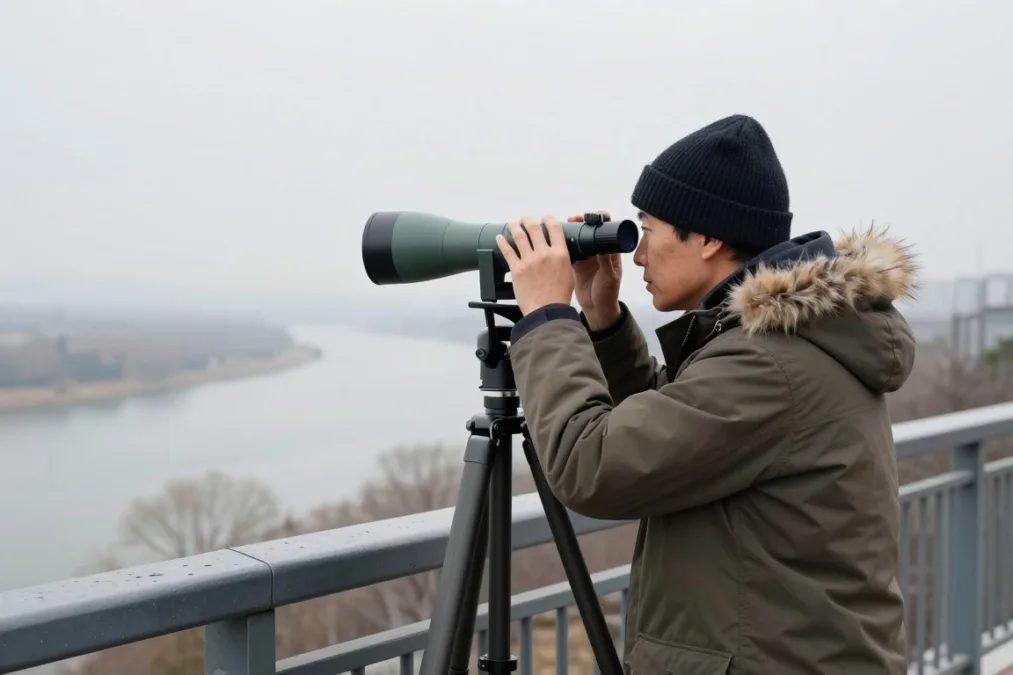
Pere Marquette State Park, Illinois
Situated near Grafton at the scenic junction of the Illinois and Mississippi rivers, Pere Marquette State Park ranks among the premier eagle destinations in the region. Towering limestone bluffs and extensive riverside bottomlands offer abundant perches for wintering raptors hunting along the open river confluence.
Visitors can scan river channels from the lower park road, harbor pullouts, and elevated bluff trails that remain open throughout cold weather. Early winter through late February provides the most consistent raptor tallies as migrating birds pause along the ice-free channel cuts.
Park entrance roads and riverfront viewing turnouts are publicly accessible free of charge. The park visitor center offers area trail maps and local birding information during regular operating hours.
Starved Rock State Park, Illinois
Starved Rock State Park in Oglesby offers dramatic river canyon geology and immediate proximity to the Starved Rock Lock and Dam. Turbulent tailwaters downstream from the dam churn up river fish, drawing large concentrations of wintering eagles to the adjacent trees on Plum Island.
Because Plum Island is maintained as a dedicated wildlife sanctuary closed to foot traffic, eagles roost and feed without disruption. The elevated observation platform atop Starved Rock and the riverfront trail near the visitor center provide sweeping sightlines across the water directly toward the island.
The Starved Rock Visitor Center patio features public spotting scopes overlooking the river channel. Trails can develop slick ice layers during freeze-and-thaw cycles, making traction cleats helpful for navigating outdoor overlook stairs.
Lock and Dam 14 Recreation Area, Iowa
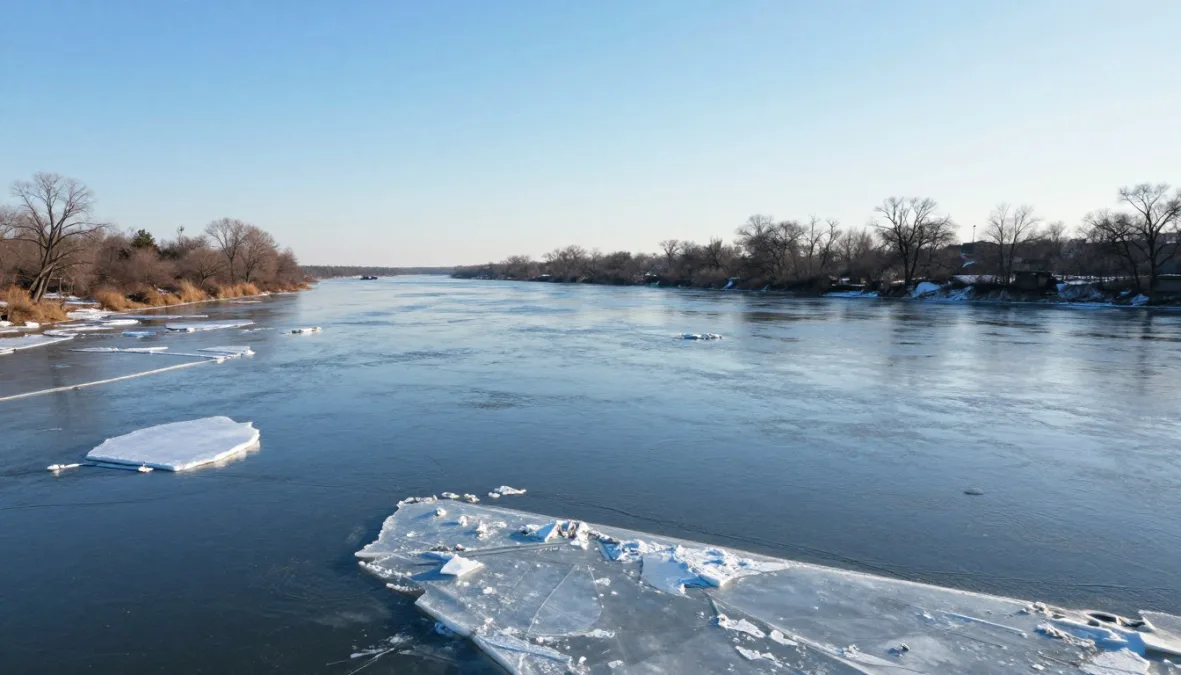
Located near LeClaire along the Mississippi River, Lock and Dam 14 is widely celebrated for close yet non-intrusive raptor observation. The swift current below the dam prevents total freezing even during severe cold snaps, ensuring an abundant winter food source.
The site features paved public parking, an elevated downstream viewing platform, and an extensive shoreline walkway directly opposite favored perch trees on the Illinois bank. Photographers and casual observers can witness dramatic aerial dives as birds snatch shad and catfish from open river seams.
| Site Feature | Access Level | Observation Details |
| Viewing Pier | Paved Deck | Positioned directly downstream of the dam spillway gates. |
| Parking Area | Free Access | Allows vehicle-based viewing during extremely windy days. |
| Canal Trail | Level Path | Follows the historic canal wall with unobstructed river vistas. |
Clarksville Riverfront and Lock and Dam 24, Missouri
The historic river town of Clarksville sits along a major winter corridor on the Mississippi River, directly adjacent to Lock and Dam 24. Cold winter winds push hunting eagles to the churning waters immediately below the dam gates, visible from public shoreline parks.
Clarksville Riverfront Park provides continuous public vantage points equipped with benches and viewing clearings. The Missouri Department of Conservation frequently partners with municipal sites in this corridor to support seasonal birding education.
- Spectators can view eagles fishing from the warmth of parked vehicles along the downtown levee drive.
- Mature cottonwood stands on upstream and downstream islands provide sheltered day roosts visible with binoculars.
- The open river navigation channel maintains moving water even when shoreline bays freeze over.
Keokuk Riverfront and Lock and Dam 19, Iowa
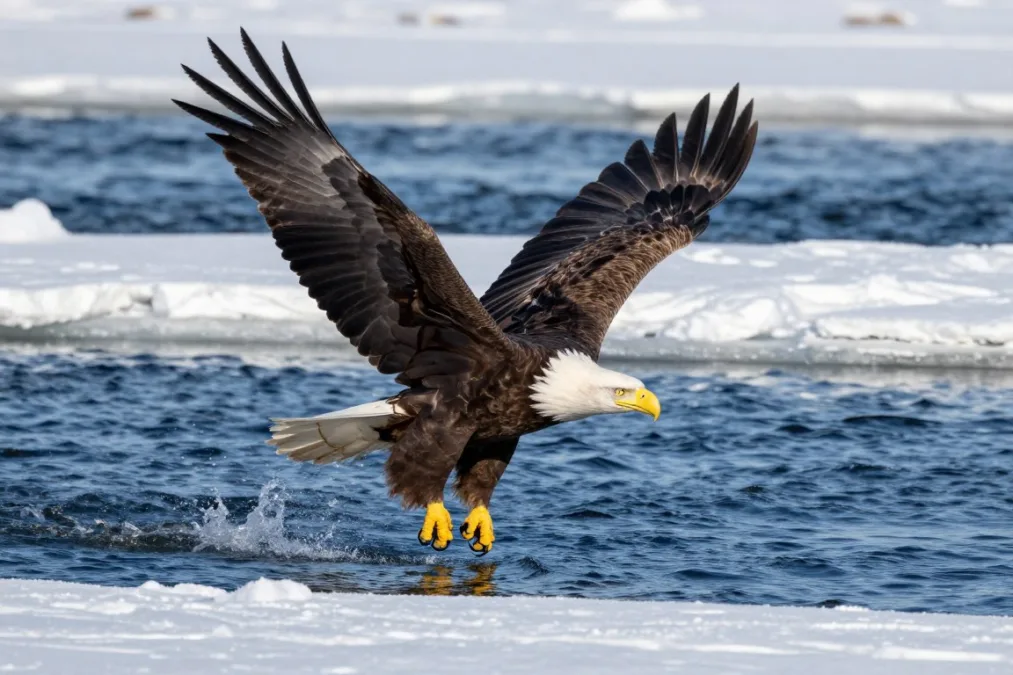
Lock and Dam 19 at Keokuk spans an expansive stretch of the Mississippi River bordering both Iowa and Illinois. The massive dam structure and hydro station keep a vast basin of river water open during the harshest regional cold snaps.
As northern river pools freeze solid, bald eagles gather here in extraordinary concentrations to fish the turbulent tailrace. Public viewing zones along River City Park and the Southside Boat Harbor road offer sweeping panoramas across the open water and wooded blufflines.
Southside Boat Harbor provides open vehicle pull-ins that face the tailrace islands. Visitors should bring heavy tripods to stabilize high-magnification optics against brisk river winds blowing across the open pool.
Loess Bluffs National Wildlife Refuge, Missouri
Loess Bluffs National Wildlife Refuge, located in northwest Missouri near Mound City, offers a different winter eagle habitat centered on managed wetland pools rather than dam spillways. The refuge sits beneath the eastern edge of the central migratory flyway along the Missouri River valley.
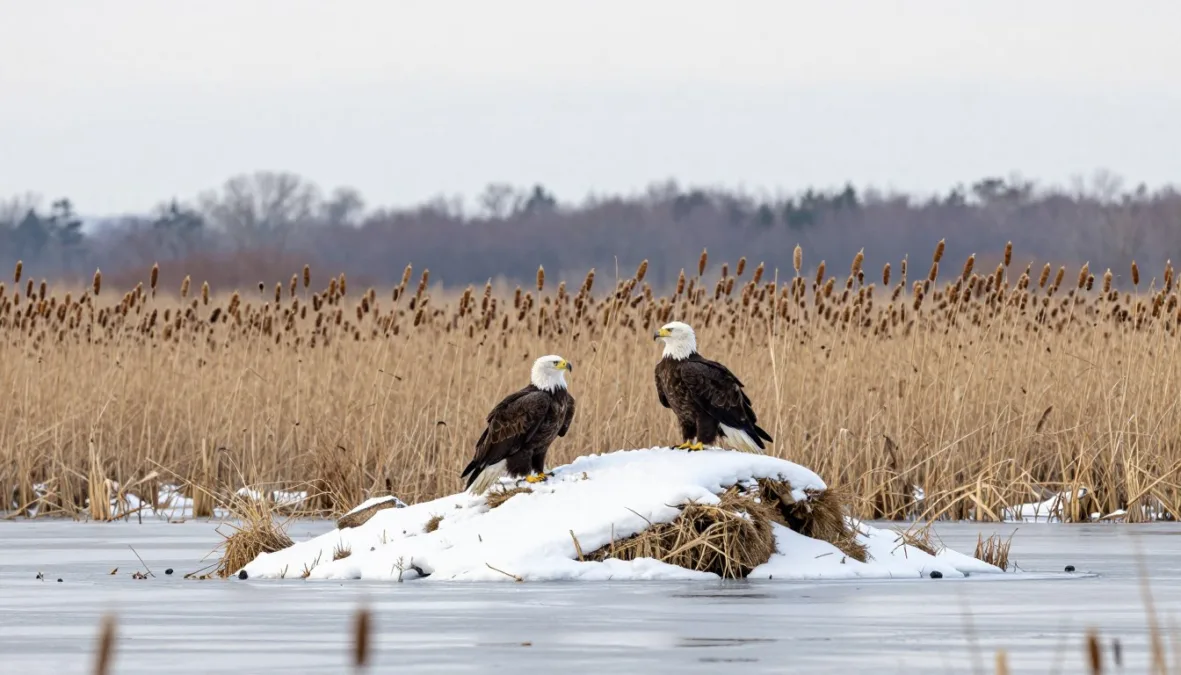
During early winter, vast flocks of migrating snow geese and mallards stop at the refuge impoundments, drawing dozens of bald eagles that hunt over the marshes. An auto tour route encircles the wetland basins, allowing visitors to view eagles perching on ice mounds and muskrat lodges from their cars.
The auto tour loop remains open daily from sunrise to sunset, weather permitting. Staying inside your vehicle functions as a mobile blind, allowing close observation of eagles without causing them to flush from marsh perches.
Wabasha Riverfront and National Eagle Center, Minnesota
Wabasha occupies a remarkable natural geographic position on the Upper Mississippi River, where the inflow of the Chippewa River prevents Lake Pepin from freezing entirely. This natural inflow keeps river channels open throughout the winter, establishing Wabasha as a historic year-round haven for eagles.
Public observation platforms along the Wabasha riverfront provide elevated vistas over the main river channel and surrounding sandbars. Outdoor riverfront decks located near the National Eagle Center give visitors direct views of wild eagles fishing the channel edges and perching in floodplain trees.
- Direct sightlines over open water channels
- Mounted outdoor spotting scopes available
- Paved walkway with cleared winter surfaces
Riverfront Deck Viewing
- Sheltered vehicle observation from public lots
- Sweeping views of bluff roosting sites
- Easy access to downstream park paths
Shoreline Drive Pullouts
Upper Mississippi River Refuge at Alma, Wisconsin
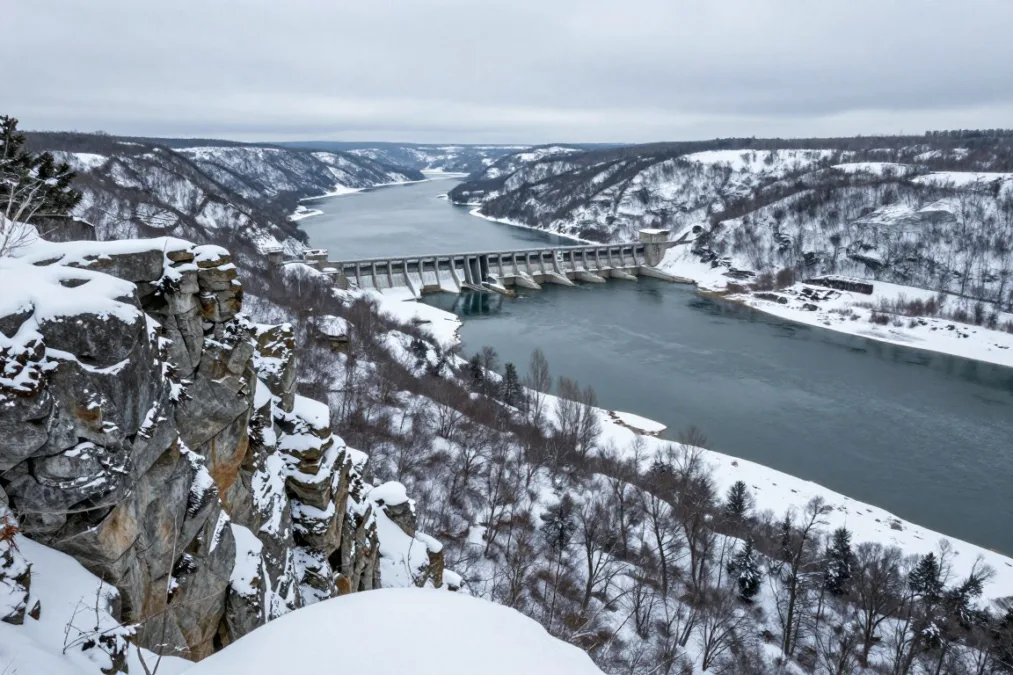
The city of Alma sits nestled between towering sandstone bluffs and the main navigation channel of the Mississippi River at Lock and Dam 4. This section of the Upper Mississippi River National Wildlife and Fish Refuge features expansive braided channels, islands, and open tailwaters.
The community maintains an extended pedestrian viewing platform that crosses over the active railway tracks, providing safe access to an enclosed outdoor overlook above the dam. Visitors can observe eagles hunting above the dam gates or resting in mature hardwood stands on adjacent refuge islands.
The Alma viewing float and bridge platform are free and open to the public during daylight hours. Buena Vista Park, situated high atop the bluff above town, offers an aerial panorama of the entire river valley and winter roosting timber.
Trempealeau National Wildlife Refuge, Wisconsin
Situated along the eastern bank of the Mississippi River backwaters, Trempealeau National Wildlife Refuge preserves critical bottomland hardwood forests and backwater sloughs. The refuge offers tranquil sanctuary conditions away from commercial barge traffic and highway congestion.
During the winter months, bald eagles patrol the open channels where spring-fed creeks enter the frozen backwaters. The public observation deck on the refuge nature trail and the auto drive along the main marsh dike provide quiet vantage points for watching raptors soar along the bluff faces.
Advantages
- Tranquil natural environment with low human noise and traffic
- Extensive wetland habitat supporting diverse winter waterfowl
- Elevated observation deck overlooking backwater pools
Limitations
- Portions of the gravel auto tour may close during heavy snow events
- Eagles often perch farther out across wide marsh channels
- Brisk northern winds require heavy thermal windbreakers
Lake Red Rock and Howell Station, Iowa
Lake Red Rock, located southwest of Pella on the Des Moines River, forms Iowa’s largest reservoir and serves as a premier winter raptor gathering site. The powerful discharge below the Red Rock Dam maintains extensive areas of open water even during periods of sustained subzero temperatures.
The Howell Station Recreation Area and North Overlook provide commanding sightlines of both the tailwaters and the forested bluffs lining the river canyon. Mature cottonwood groves downstream host communal evening roosts where dozens of eagles gather to spend cold winter nights.
The tailrace shoreline trail below the dam provides level, accessible footing for spotting scope setups. Visitors should position themselves along the designated riverbank overlooks to keep from disturbing birds perched in low trees along the southern bank.
Frequently Asked Questions
What time of day is best to see bald eagles during the winter?
Early morning immediately after sunrise provides the highest level of eagle activity as birds leave overnight roosts to hunt along open water channels. Late afternoon also brings a secondary period of active feeding before eagles return to sheltered timber stands for the night.
Why do bald eagles gather near river dams in winter?
Dams create turbulent tailwaters that resist freezing even during severe winter weather. This rushing water stuns fish and concentrates prey in ice-free pools, providing an easy and dependable food supply for wintering raptors.
What equipment should visitors bring for winter eagle viewing?
A high-quality pair of binoculars or a spotting scope mounted on a sturdy tripod is essential for observing birds at respectful distances. Warm layered clothing, wind-resistant outer shells, thermal gloves, and insulated footwear will keep observers comfortable during prolonged outdoor viewing.
How can observers tell if they are standing too close to a bald eagle?
An eagle that stops grooming, extends its neck, vocalizes repeatedly, or fidgets nervously on its perch is signaling distress caused by human presence. Observers should immediately take several quiet steps backward or remain inside their vehicle if a perched bird changes its behavior.
Are pets permitted at Midwest eagle viewing locations?
Refuges and state parks enforce strict pet regulations to protect wintering wildlife from disturbance. While some state park scenic overlooks allow leashed dogs on paved paths, many national wildlife refuges prohibit pets entirely or require them to stay inside vehicles.
Planning a Respectful Winter Eagle Excursion
Observing wild bald eagles across the frozen waterways of the Midwest is one of North America’s most inspiring winter wildlife experiences. Selecting designated public overlooks, dressing for changing river winds, and keeping a respectful distance allows these magnificent birds to conserve vital energy throughout the cold season.

Priyanka Pandey
Senior Research Editor · Top10Sense
Priyanka specializes in tech, consumer products, and digital trends. She combines hands-on testing, vendor interviews, and database research to create trustworthy “Top 10” rankings. Her work has been referenced by industry blogs and brand report pages.