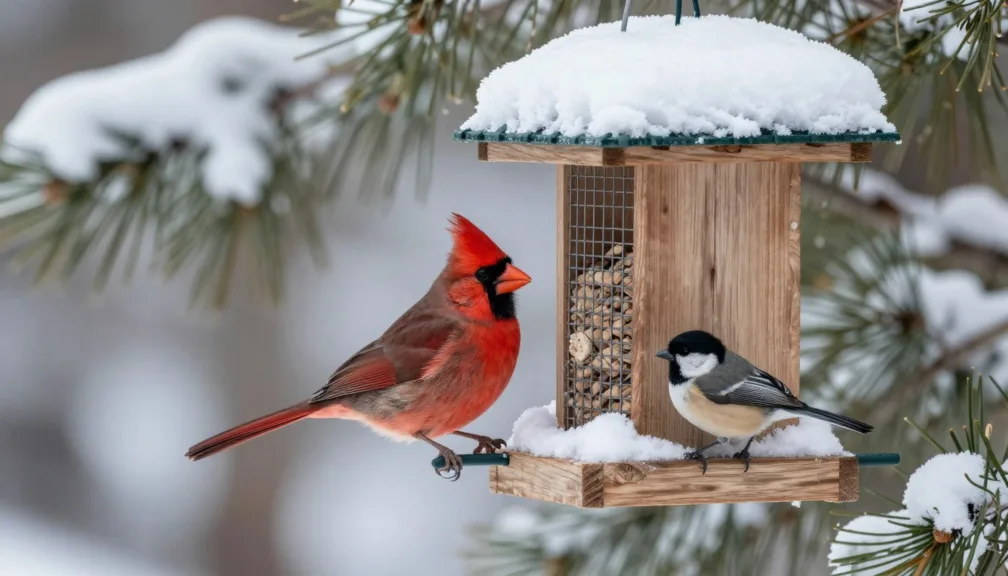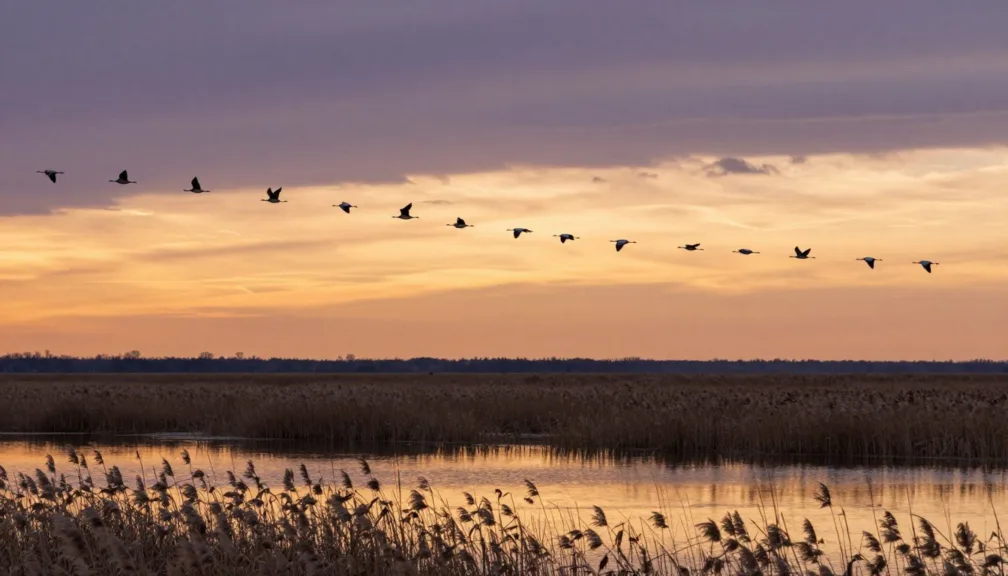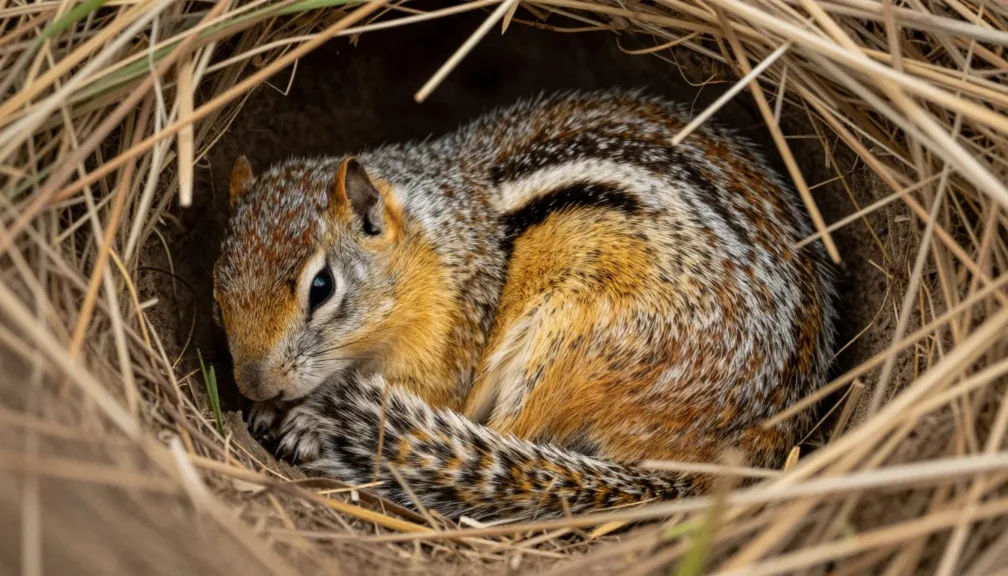
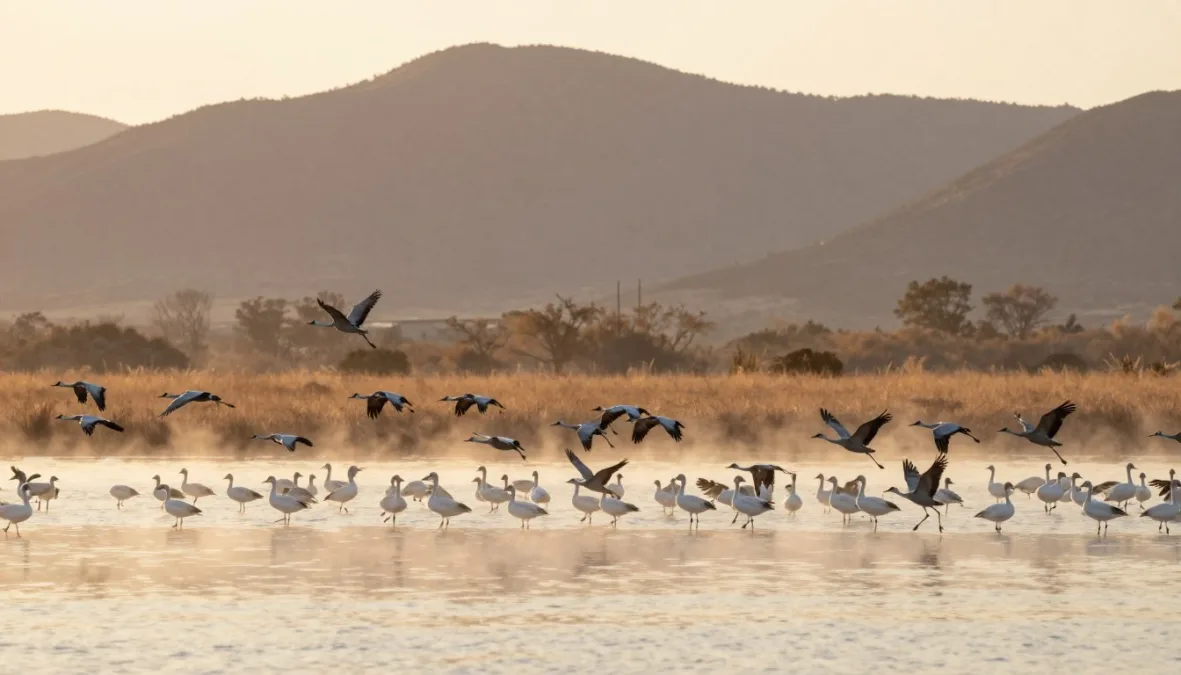
National wildlife refuges deliver some of the most spectacular animal congregations during the colder months, making the Top 10 Winter Wildlife Refuges to Visit in the USA 2026 prime destinations for seasonal exploration. Dropping temperatures, reduced foliage, and continental migrations compress hundreds of thousands of birds and mammals into sheltered wetland basins, warm-water springs, and protected valleys. These protected public lands offer clear sightlines and predictable feeding routines that rarely occur during the summer months.
Target species, regional weather tolerance, and desired travel style dictate the best refuge choice for any winter itinerary. Southern wetlands provide mild conditions and massive wading bird colonies, while northern and mountain sanctuaries offer snowbound tracking and large ungulate herds against dramatic alpine backdrops. Careful route selection aligns peak wildlife arrivals with accessible roads and open visitor facilities.
1. Bosque del Apache National Wildlife Refuge, New Mexico
Bosque del Apache National Wildlife Refuge sits along the Rio Grande in central New Mexico, renowned for its legendary winter gathering of tens of thousands of sandhill cranes and light geese. Between late fall and early spring, carefully managed wetlands create an essential food supply of native seeds and grain crops that sustain massive migratory flocks. The juxtaposition of frozen marsh ponds and arid Chihuahuan Desert foothills creates one of the most celebrated avian backdrops on the continent.
Wildlife watching centers along the twelve-mile auto tour loop, divided into northern and southern circuits flanked by observation decks and accessible walking paths. Dawn and dusk trigger massive communal movements, as birds lift off from nocturnal water roosts toward farm fields in dense, synchronized clouds before returning at sunset. Quiet observation from designated turnouts allows visitors to hear the rolling, bugling calls of cranes echoing across the basin.
Winter morning temperatures routinely dip well below freezing before warming into pleasant desert afternoons, requiring layered clothing and sturdy footwear. Standard federal recreational lands passes or daily refuge entrance fees apply at self-pay kiosks and the visitor center. Vehicles must remain on designated roadways to safeguard roosting flocks resting along the marsh edges.
Arrive at the roost ponds before official sunrise to view the morning fly-out, when thousands of snow geese launch simultaneously in a dramatic swirl of wings and sound.
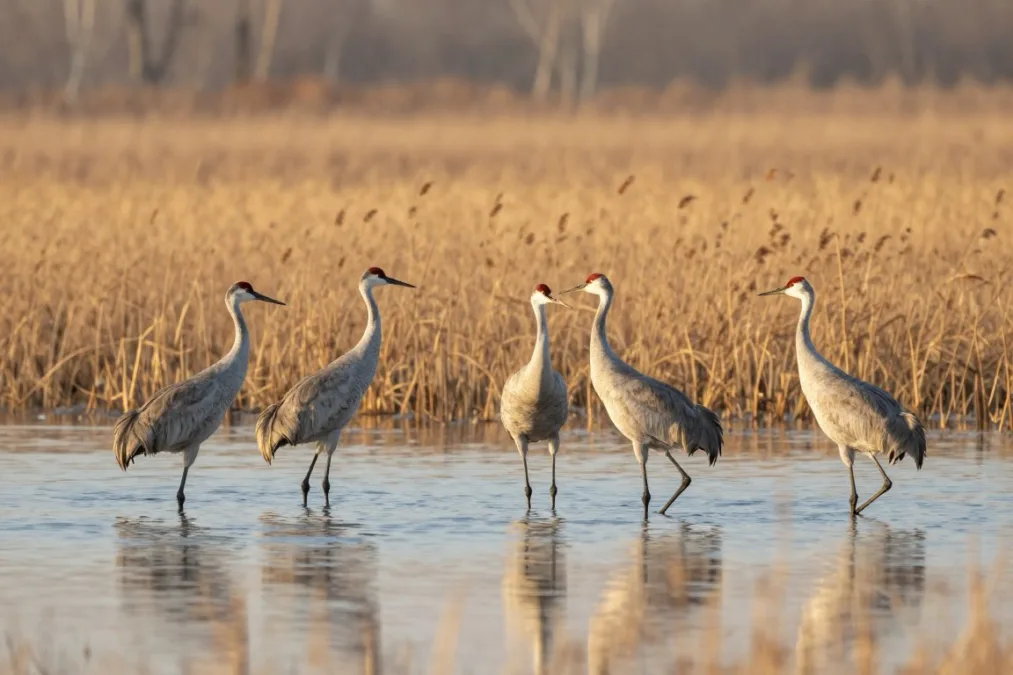
Sandhill cranes gather in shallow wetland roosts throughout the winter season at Bosque del Apache.
2. National Elk Refuge, Wyoming
Sprawling across Jackson Hole directly south of Grand Teton National Park, the National Elk Refuge serves as the primary wintering ground for one of North America’s largest migratory elk herds. As heavy snowpack accumulates in the surrounding mountain ranges, thousands of elk descend into the sheltered valley meadow complex to graze on valley grasses and supplemental feed. This harsh winter sanctuary also harbors wintering bison, trumpeter swans along open creek corridors, coyotes, and hunting packs of gray wolves.
Horse-drawn sleigh tours operated under refuge contracts provide an exceptional, close-up perspective of the resting herds between mid-December and early April. Experienced teamsters guide visitors across the snowfields, where the animals view the traditional sleighs as a normal part of the landscape rather than an alarming intrusion. For self-guided travel, the refuge road bordering the eastern hills allows excellent scope viewing of bighorn sheep browsing among rocky outcrops.
Extreme winter conditions require complete cold-weather preparedness, including thermal layers, insulated boots, and wind-resistant outer gear. Public vehicle access remains strictly confined to designated county roads to prevent herd displacement during critical caloric conservation periods.
- Book horse-drawn sleigh tickets in advance through the Jackson Hole and Greater Yellowstone Visitor Center.
- Scan the rocky cliffs along Refuge Road with binoculars to spot wintering bighorn sheep rams.
- Check open spring creeks for wintering trumpeter swans and common mergansers.
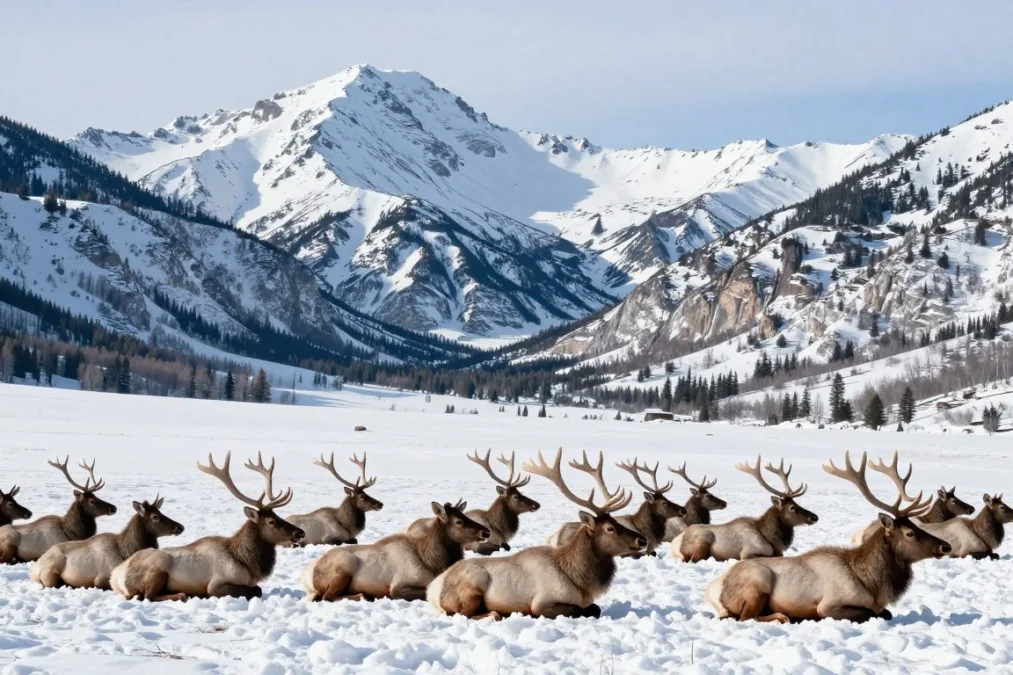
Thousands of elk winter across the protected valley floor of Jackson Hole each season.
3. Aransas National Wildlife Refuge, Texas
Aransas National Wildlife Refuge protects a crucial stretch of Gulf Coast barrier islands, tidal marshes, and oak mottes north of Rockport, Texas. This coastal landscape represents the primary wintering territory for the last wild flock of endangered whooping cranes, which migrate thousands of miles from northern Canada to winter in the brackish salt marshes. The refuge also supports abundant winter wildlife including coastal deer, javelinas, American alligators, and dozens of wading bird species.
Viewing whooping cranes requires either exploring the refuge trails and observation towers or boarding dedicated wildlife-watching charter boats from nearby harbors. The sixteen-foot observation tower on the auto tour loop overlooks expansive tidal flats where crane family groups establish and defend distinct feeding territories. Commercial boat tours operating along the Intracoastal Waterway often provide closer, eye-level views of cranes probing the mud for blue crabs and wolfberries.
Coastal winter weather swings rapidly from humid warmth to chilly, windy conditions during sudden northern fronts. Refuge day-use fees cover access to the nine-mile auto loop, paved walking boardwalks, and elevated viewing decks. Insect repellent remains helpful during calm, sunny afternoons, while spotting scopes dramatically improve crane identification at long distances across coastal bays.
Pair an observation tower visit along the auto tour loop with a licensed water tour departing from Fulton to view whooping crane territories from complementary vantage points.
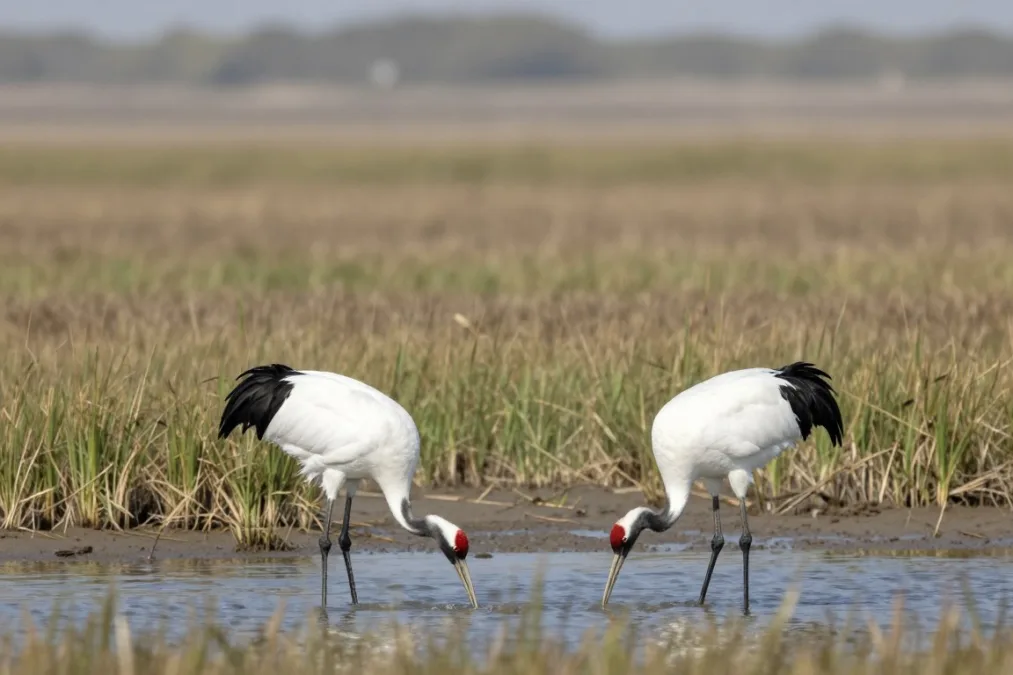
Endangered whooping cranes spend the winter months foraging along the protected coastal shallows of Aransas.
4. Crystal River National Wildlife Refuge, Florida
Crystal River National Wildlife Refuge preserves the essential warm-water habitat of Kings Bay on Florida’s Nature Coast, the only refuge established specifically for the protection of the Florida manatee. When Gulf of Mexico water temperatures drop in winter, hundreds of cold-sensitive manatees seek shelter in the spring systems, where natural spring discharge stays a constant warm temperature year-round. Three Sisters Springs serves as the primary sanctuary within the system, drawing massive gatherings on the coldest mornings.
Visitors can view dozens or even hundreds of resting manatees from the elevated boardwalks surrounding Three Sisters Springs without entering the water. Controlled paddlecraft and licensed swim tours operate within designated areas of Kings Bay, adhering to strict federal wildlife protection laws. Specially marked manatee sanctuaries close water access completely to vessels and swimmers during cold snaps, ensuring the resting mammals remain undisturbed in their warm-water refuge.
Respectful passive observation maintains a safe environment for these protected marine mammals. Touching, pursuing, surrounding, or cornering a manatee violates federal law and incurs severe penalties. Boardwalk access passes can be obtained at the Three Sisters Springs center, with proceeds supporting ongoing habitat restoration and shoreline protection.
Boardwalk Observation
- Panoramic overhead views of clear spring pools.
- Zero disturbance to resting or nursing manatees.
- Fully accessible walking paths with interpretive staff.
In-Water Guided Tours
- Strict cold-weather sanctuary closures limit water entry.
- Requires passive floating gear and cold-water wetsuits.
- Vulnerable to churned sediments that reduce underwater visibility.
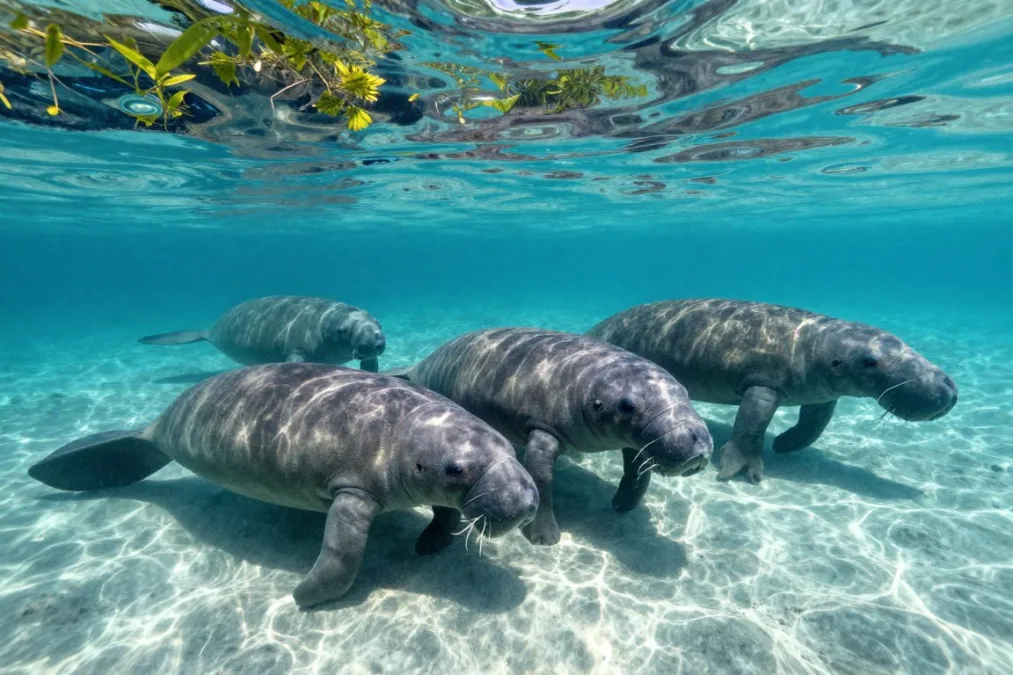
Clear spring waters shelter hundreds of Florida manatees during cold winter weather snaps.
5. Klamath Basin National Wildlife Refuge Complex, California and Oregon
Straddling the California-Oregon state line, the Klamath Basin National Wildlife Refuge Complex hosts one of the largest concentrations of wintering bald eagles in the contiguous United States outside Alaska. Frozen agricultural fields, open water canals, and marsh impoundments sustain thousands of wintering waterfowl, which in turn draw hundreds of bald eagles and diverse raptor species. Golden eagles, rough-legged hawks, northern harriers, and prairie falcons hunt across the open basin alongside the eagle populations.
Driving the designated auto tour routes through Lower Klamath and Tule Lake refuges offers premier raptor viewing directly from the vehicle. Roadside irrigation dikes and cottonwood tree rows serve as favorite resting perches for adult and juvenile bald eagles watching for prey. Early morning drives often reveal dozens of eagles perched close together on ice sheets bordering open channels.
Freezing temperatures, blowing snow, and dense valley fog frequently characterize winter driving in the Klamath Basin. Gravel refuge roads can become slick or rutted with ice, making four-wheel drive or snow-rated tires beneficial during midwinter storms. Staying inside vehicles acts as a mobile viewing blind, allowing close observations without flushing resting raptors from their perches.
Do not step outside your vehicle when viewing raptors along auto routes, as human silhouette outlines immediately cause resting bald eagles to abandon their perches and waste valuable winter energy.
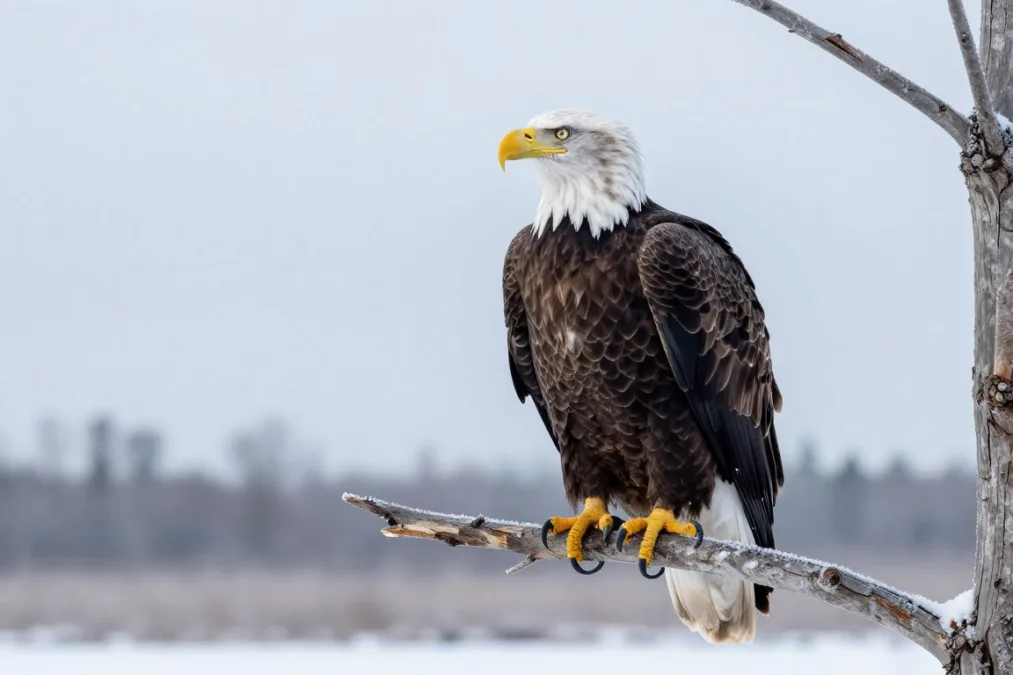
Bald eagles perch along basin waterways and tree lines throughout the cold midwinter months.
6. J.N. “Ding” Darling National Wildlife Refuge, Florida
J.N. “Ding” Darling National Wildlife Refuge occupies a large expanse of mangrove wetlands and tidal flats on Sanibel Island along Florida’s southwest coast. As winter settles across North America, the refuge welcomes an extraordinary variety of wintering shorebirds, pelicans, herons, and the iconic roseate spoonbill. Warm subtropical conditions make it an accessible winter sanctuary for outdoor enthusiasts looking to escape northern cold.
The four-mile paved Wildlife Drive accommodates personal vehicles, bicycles, and open-air tram tours operated by the refuge concessionaire. Tidal cycles govern the quality of bird watching across the shallow lagoons, with falling low tides exposing nutrient-rich mudflats where hundreds of birds gather to feed simultaneously. Accessible observation towers, boardwalk trails through mangrove forests, and paddle launches provide diverse vantage points across the ecosystem.
A modest per-vehicle entrance fee applies at the entrance to Wildlife Drive, which remains closed to public access every Friday to give wildlife a day of minimal disturbance. Planning a visit to coincide with extreme low tide maximizes sightings of feeding spoonbills, reddish egrets, and white pelicans. Insect protection and sun defense remain necessary throughout the winter season.
| Activity | Best Time | Accessibility | Viewing Focus |
| Wildlife Drive | Morning low tide | Paved road | Wading birds, spoonbills, and feeding raptors. |
| Guided Tram | Midday tours | Open-air tram | Narrated ecology and seasonal mangrove birding. |
| Indigo Trail | Early morning | Boardwalk path | Alligators, night herons, and woodland species. |
| Tarpon Bay | Afternoon calm | Kayak launch | Manatees, jumping mullet, and roosting pelicans. |
7. Sacramento National Wildlife Refuge, California
Resting in the heart of California’s Central Valley, the Sacramento National Wildlife Refuge complex forms a critical winter haven along the Pacific Flyway. Seasonal wetland impoundments and adjacent agricultural floodlands host millions of wintering waterfowl, including massive flocks of lesser snow geese, Ross’s geese, greater white-fronted geese, and northern pintails. The sheer acoustic volume and density of feeding flocks make it an unparalleled stop for winter birding enthusiasts.
A multi-mile gravel auto tour route guides vehicles through managed wetland cells, complete with elevated observation platforms and interpretive exhibits. Visitors can watch undulating clouds of geese lift off from feeding basins when hunting peregrine falcons or bald eagles cross the horizon. Designated walking trails wind through riparian oak stands and perimeter dikes, providing close-range photography opportunities for dabbling ducks and marsh passerines.
Central Valley winter weather regularly features dense Tule fog that shrouds the wetlands during early morning hours before clearing under afternoon sun. Daily entrance fees or valid federal duck stamps grant vehicle access to the auto tour and visitor center grounds. Staying within designated viewing zones prevents disturbance to vulnerable birds resting during high-energy winter conditions.
Tune car radios to the refuge audio tour station while navigating the loop for synchronized commentary on wetland ecology and seasonal flyway dynamics.
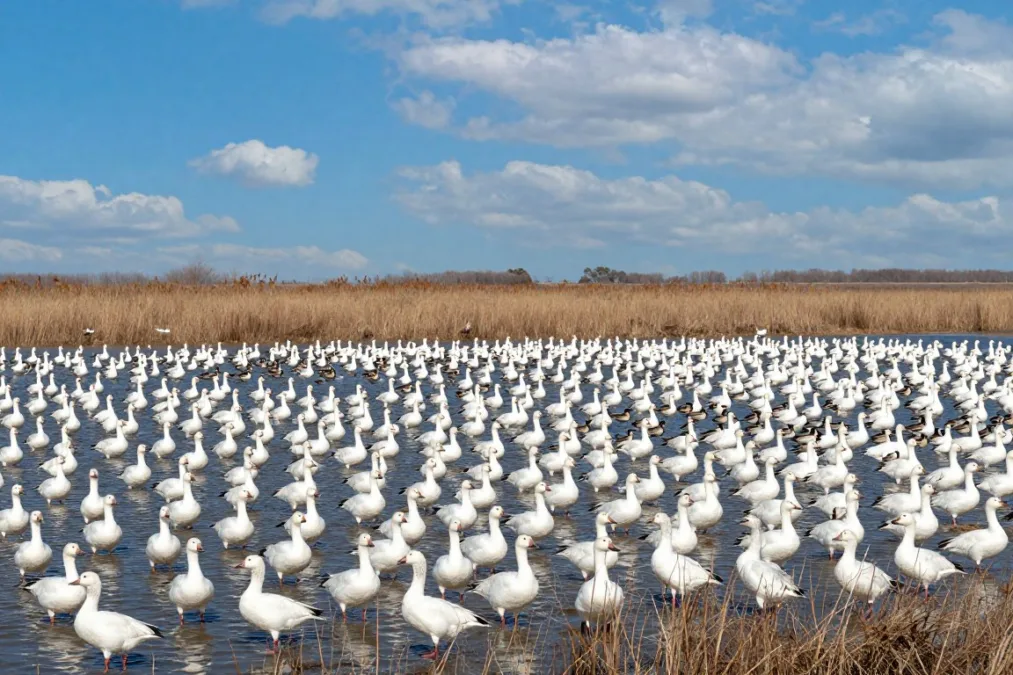
Flocks of migratory geese and dabbling ducks crowd the Central Valley wetlands through late winter.
8. Blackwater National Wildlife Refuge, Maryland
Blackwater National Wildlife Refuge spans tidal marshes, freshwater ponds, and loblolly pine forests on Maryland’s Eastern Shore along Chesapeake Bay. Revered as an essential winter station on the Atlantic Flyway, Blackwater shelters wintering tundra swans, snow geese, green-winged teal, and one of the highest breeding densities of bald eagles along the East Coast. Low winter water levels and open marshes create expansive sightlines for spotting raptors and waterfowl resting across open water pools.
The four-mile paved Wildlife Drive offers seamless access for passenger vehicles, road cyclists, and walkers seeking winter wildlife views. Strategically positioned observation blinds and shoreline pullouts face expansive brackish pools where tundra swans emit their haunting, resonant calls. Woodland trails venturing into the loblolly pines often yield glimpses of the endangered Delmarva fox squirrel, an oversized tree squirrel thriving within the refuge’s mature timber stands.
Mild coastal weather can turn brisk and damp with incoming Atlantic weather systems, making windproof gear essential for observation platform visits. Standard federal passes or daily entrance permits are required at the entrance kiosk. Dawn and late afternoon provide peak light conditions for wildlife photography across the quiet marsh waters.
- Scan tall dead snags along the marsh edge for roosting bald eagles and perched osprey nests.
- Listen for the musical whistling of wintering tundra swans feeding in the shallow marsh pools.
- Explore the paved walking trail loops to locate rare Delmarva fox squirrels among the pine trees.
9. Laguna Atascosa National Wildlife Refuge, Texas
Laguna Atascosa National Wildlife Refuge covers expansive coastal prairies, dense thornscrub, and saline wetlands at the southern tip of Texas near the Rio Grande. Its subtropical latitude and unique habitat support an exceptional mix of wintering temperate waterfowl and rare tropical bird species found nowhere else in the United States. This remote coastal reserve also preserves critical brushland habitat for the northernmost wild population of the endangered ocelot.
The Bayside Drive auto tour and surrounding walking trails wind through salt flats, loma formations, and brush thickets teeming with winter activity. Birders frequently locate green jays, great kiskadees, altamira orioles, and aplomado falcons hunting across the coastal prairie grasses. At freshwater feeding stations near the visitor center, painted buntings and olive sparrows regularly visit seed trays within arm’s reach of viewing benches.
Winter brings pleasant, dry temperatures with lower humidity and reduced mosquito activity compared to other seasons. Daily entrance fees support trail maintenance and ongoing brush restoration projects designed to reconnect ocelot travel corridors. Visitors must obey all posted speed limits, as vehicle collisions represent a primary threat to endangered wild cats crossing refuge roads.
Spend time at the visitor center bird feeding stations early in the morning to view colorful South Texas specialty birds without extensive trail hiking.
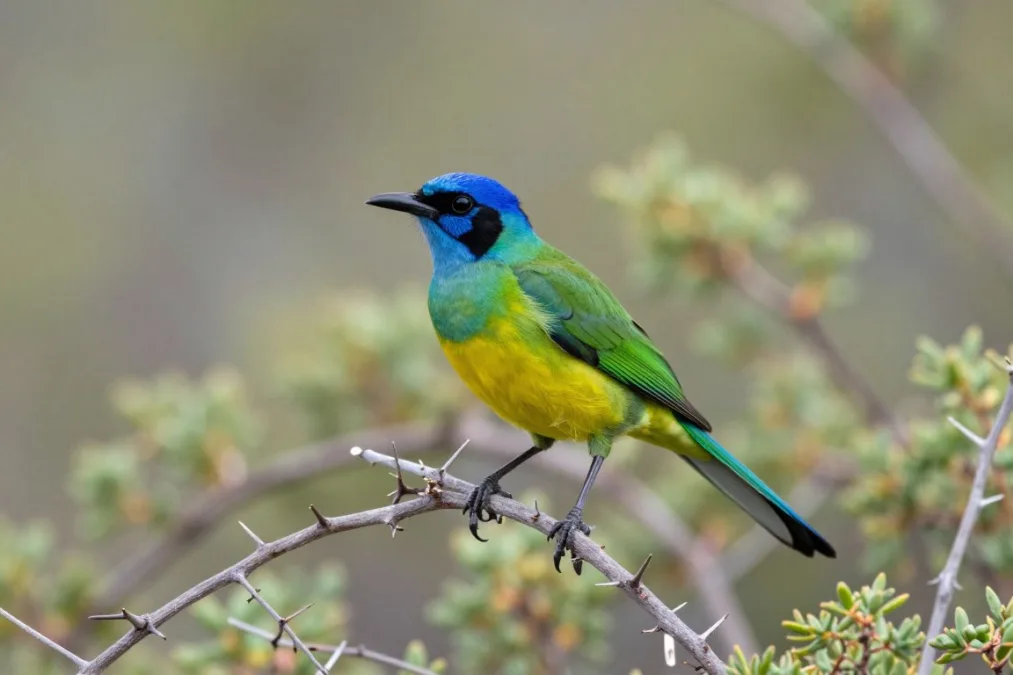
Subtropical species such as the green jay remain active throughout the mild winter across south Texas brushlands.
10. Kenai National Wildlife Refuge, Alaska
Kenai National Wildlife Refuge spans two million acres of diverse subarctic terrain on Alaska’s Kenai Peninsula, extending from ice fields and alpine tundra to boreal forests and lowland lakes. Winter transforms this vast wilderness into a quiet wonderland where moose browse along willow corridors and elusive predators like Canadian lynx, wolves, and coyotes leave fresh tracks across pristine snow. Accessible winter trailheads near Soldotna and Sterling offer rare cold-season access to wild Alaska.
Winter recreation opportunities abound along groomed and backcountry ski trails, snowshoe routes, and designated multi-use corridors. The Headquarters Trail system and Seven Lakes Trail offer safe access for tracking moose feeding among birch stands and willow thickets. Ice fishing on open lakes yields catches of landlocked char, trout, and salmon beneath deep winter ice decks.
Sub-zero temperatures, minimal daylight hours, and remote trail conditions demand thorough cold-weather preparation and wilderness navigation skills. Snowshoes, traction cleats, and specialized winter survival gear are necessary when venturing beyond road corridors. Winter access points generally feature no entry fees, though users must heed local avalanche warnings and wildlife setback rules.
- Equip vehicles with winter-rated snow tires, recovery gear, and cold-weather emergency kits.
- Maintain substantial buffer distance from wintering moose, which aggressively defend travel corridors when snow is deep.
- Carry satellite communication devices and navigation tools due to limited winter cell coverage across backcountry tracts.
Winter Refuge Travel Planning and Responsible Viewing
Winter exploration across the National Wildlife Refuge System requires careful alignment between seasonal wildlife patterns and responsible field conduct. Because wintering animals operate on razor-thin caloric margins, maintaining respectful distances prevents unnecessary energy expenditure caused by defensive flight. Adhering to ethical viewing standards supports long-term wildlife health and sustains unpressured natural behaviors for future visitors.
Advance trip planning should incorporate daily operational schedules, seasonal auto tour conditions, and official pass requirements. The America the Beautiful interagency pass or Federal Duck Stamp provides economical entry to fee-charging refuges nationwide while directly funding wetland habitat conservation. Checking local weather alerts and refuge road status reports before departure prevents unexpected detours caused by snow closures or seasonal flooding.
| Refuge Name | State | Primary Focus | Key Winter Consideration |
| Bosque del Apache | New Mexico | Cranes, snow geese | Freezing mornings, dry dirt roads. |
| National Elk Refuge | Wyoming | Elk, bighorn sheep | Sub-zero temperatures, sleigh tours. |
| Aransas | Texas | Whooping cranes | Coastal cold fronts, boat access. |
| Crystal River | Florida | Florida manatees | Strict water sanctuary closures. |
| Klamath Basin | CA / OR | Bald eagles, raptors | Icy gravel loops, valley fog. |
| Ding Darling | Florida | Spoonbills, wading birds | Closed Fridays, tidal schedule. |
| Sacramento | California | Waterfowl, snow geese | Dense morning fog, auto tour. |
| Blackwater | Maryland | Tundra swans, eagles | Brisk coastal winds, water blinds. |
| Laguna Atascosa | Texas | Subtropical birds, ocelot | Strict speed limits for wildlife. |
| Kenai | Alaska | Moose, lynx, winter trails | Extreme cold, short daylight. |
Frequently Asked Questions About Winter Wildlife Refuges
What passes cover entry to national wildlife refuges in winter?
The Federal Duck Stamp and the America the Beautiful Interagency Pass cover standard amenity entrance fees across all national wildlife refuges. Visitors can also pay daily vehicle fees at self-serve kiosks located near visitor centers.
What is the best time of day for viewing winter wildlife?
Early morning directly after sunrise and late afternoon before sunset offer peak wildlife movement and feeding activity. Birds fly between roosting pools and grain fields, while mammals actively forage during these lower-light windows.
Why should vehicles serve as wildlife observation blinds?
Animals along established auto tour routes become accustomed to the shapes and sounds of motorized vehicles without perceiving them as threats. Stepping outside breaks that familiar profile, causing wildlife to flee and expend critical winter survival energy.
Are national wildlife refuges accessible for travelers with limited mobility?
Many refuges feature paved auto tour routes, accessible viewing platforms, and level boardwalk trails designed to accommodate all travelers. Specific mobility access details remain available through individual refuge administration offices.
Planning a Winter Wildlife Refuge Adventure
Exploring national wildlife refuges during winter reveals unforgettable wildlife spectacles, from sweeping migrations along continental flyways to tranquil warm-water springs crowded with sheltering mammals. Checking local weather updates, timing visits with daily feeding rhythms, and maintaining ethical viewing distances support both personal travel goals and ongoing wildlife conservation. Prepare weather-appropriate gear and set out to experience the wild beauty of America’s protected public lands this winter season.

Priyanka Pandey
Senior Research Editor · Top10Sense
Priyanka specializes in tech, consumer products, and digital trends. She combines hands-on testing, vendor interviews, and database research to create trustworthy “Top 10” rankings. Her work has been referenced by industry blogs and brand report pages.