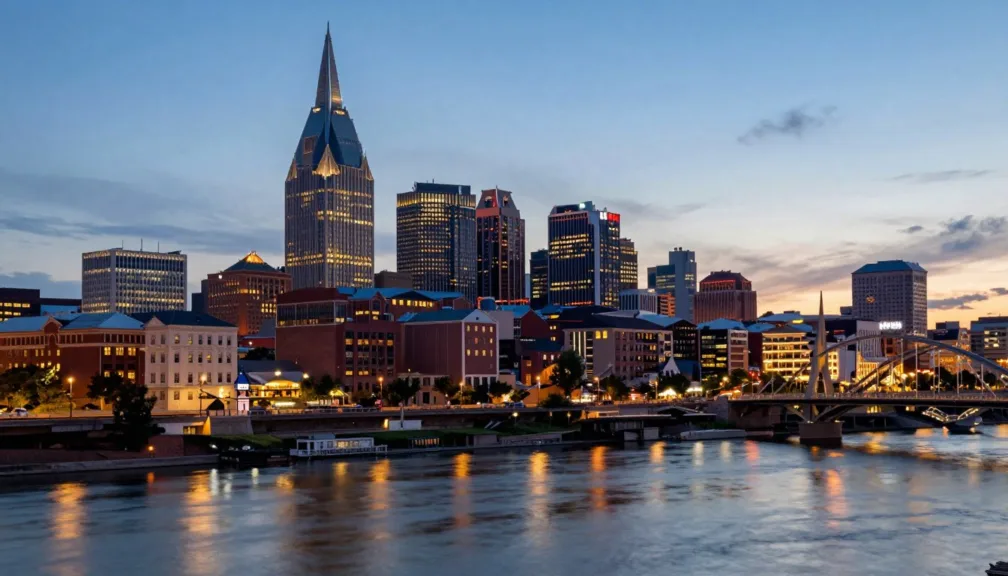
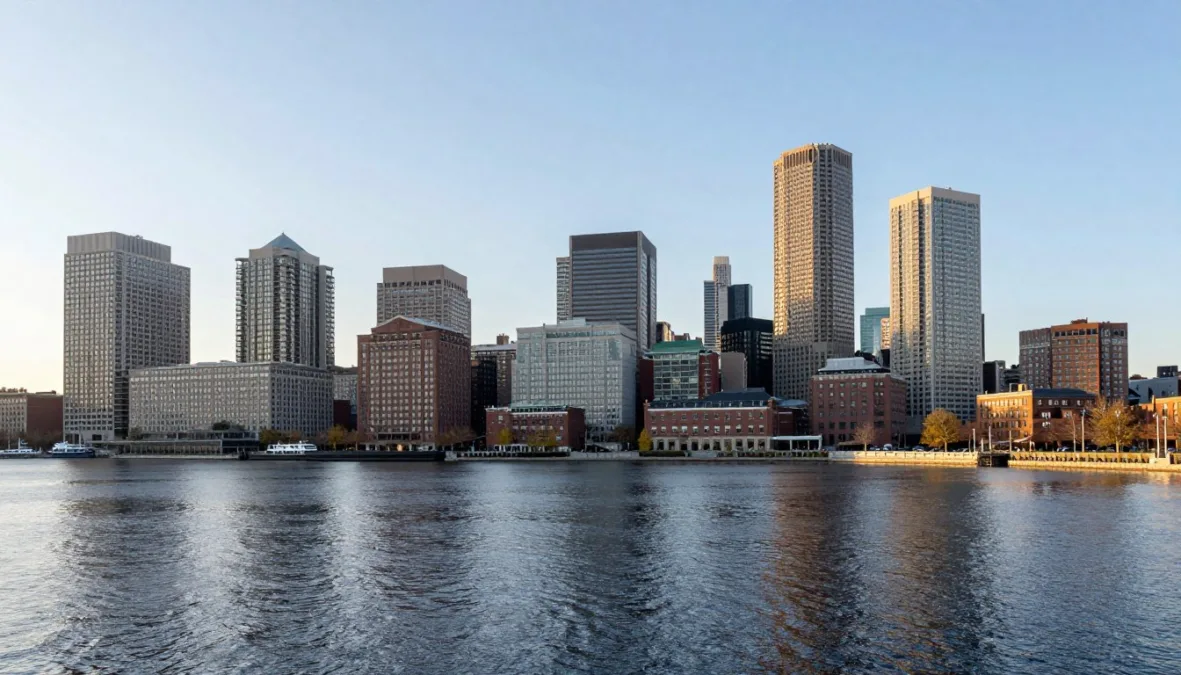
The premier experiences in Boston combine centuries of American history with picturesque coastal parks, dynamic neighborhood food scenes, and celebrated cultural institutions. A balanced itinerary for the Top 10 Things to Do in Boston 2026 emphasizes walkable historic districts, revitalized waterfront access, and legendary cultural collections that showcase the distinctive heritage of New England. These standout locations provide a deep sense of place alongside accessible urban navigation.
Seasonal weather patterns, neighborhood geography, and major commemorative programming determine the ideal approach for an itinerary. Evaluating public transit convenience alongside advance ticketing guidelines allows travelers to navigate smoothly between downtown landmarks and outlying coastal excursions.
Walking the Freedom Trail and Boston Common
The Freedom Trail connects significant revolutionary landmarks through a marked red-brick pedestrian route that begins at Boston Common. Travelers encounter historic meeting houses, burial grounds of founding figures, and the Massachusetts State House while traversing the city center. Exploring this path provides an immediate introduction to the colonial origins and civic milestones of the nation.
Visiting in 2026 carries exceptional significance due to the nationwide United States Semiquincentennial commemorations. Boston serves as a central focal point for 250th anniversary civic programs, historical reenactments, and special educational exhibitions along the trail. Downtown public squares host rotational interpretive demonstrations throughout the warmer months, elevating the standard self-guided experience into an immersive historical journey.
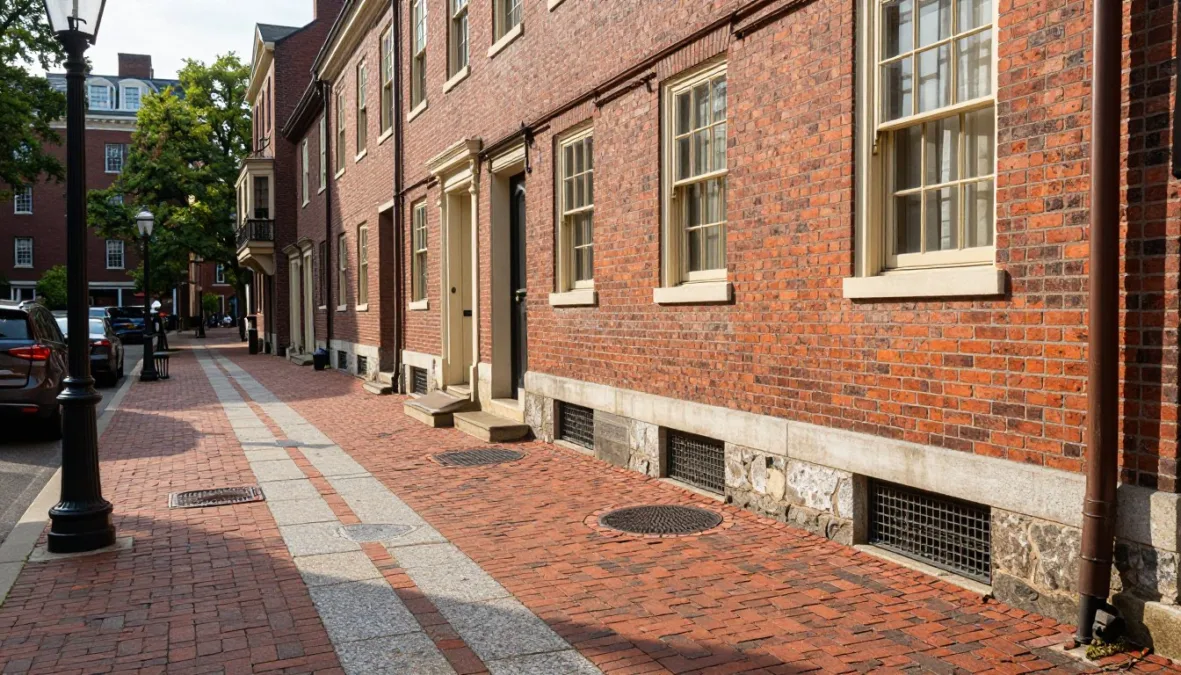
The marked red path of the Freedom Trail leads pedestrians directly to key colonial landmarks.
Spring through autumn provides comfortable walking conditions, with fall foliage adding vivid color to the tree canopy of Boston Common. Early morning departures help avoid the largest pedestrian gatherings near popular stops like Faneuil Hall and King’s Chapel. Public transit access is straightforward, with the Park Street and Downtown Crossing subway stations serving the starting grounds.
- Neighborhood location: Downtown Boston, extending through the North End to Charlestown.
- Recommended time: Allow a full morning or afternoon to explore the trail stops at an unhurried pace.
- Access and ticketing: The walking trail itself is free to access outdoors, while individual historic sites along the route require separate entry admissions or advance passes.
- Transit stop: Park Street Station via the Green Line or Red Line provides immediate access to the visitor center.
Exploring Boston Harbor and the Harborwalk
Boston Harbor anchors the maritime identity of the city with miles of continuous shoreline trails, public docks, and scenic ferry connections. The Harborwalk allows visitors to stroll past historic working piers, modern architectural plazas, and waterside open-air cafes. Taking a public passenger ferry opens up sweeping views of the downtown skyline across the sheltered coastal waters.
Continued waterfront revitalization projects have expanded continuous public access around the wharves, making 2026 an ideal period to explore newly linked pedestrian segments. Harbor cruises and ferry routes to the Boston Harbor Islands National and State Park allow convenient day trips to historic coastal forts and quiet island beaches. Seasonal maritime festivals and heritage boat displays celebrate the deep seafaring traditions of Massachusetts.
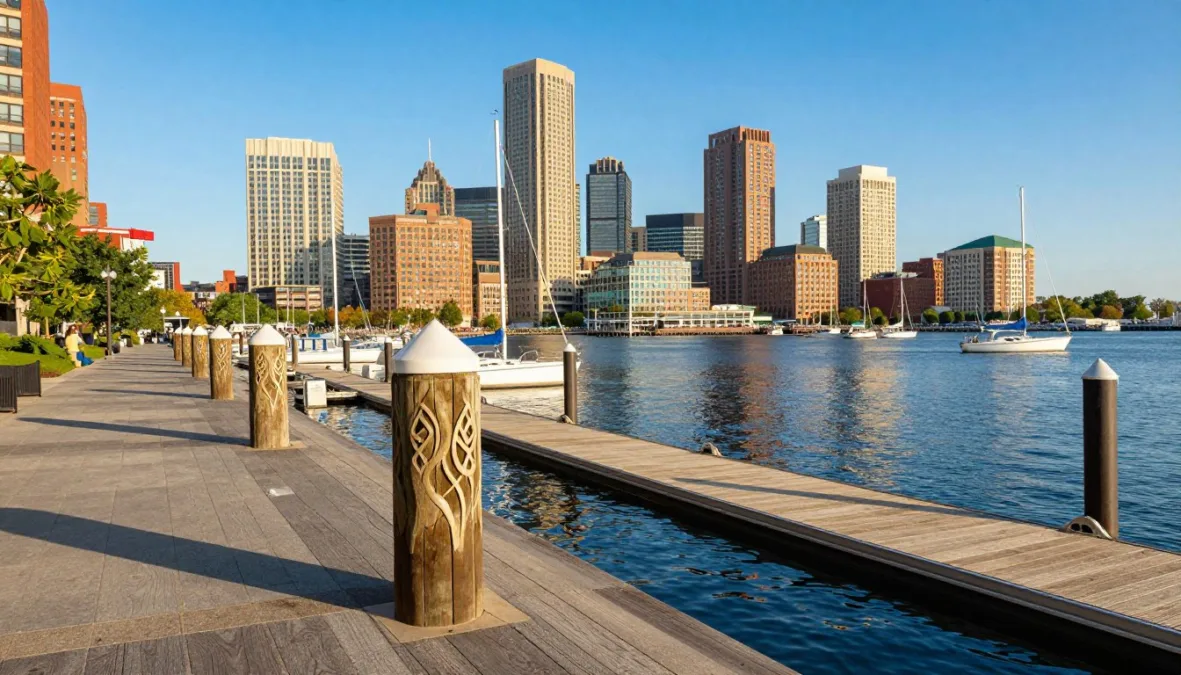
The Harborwalk offers continuous shoreline walking paths and direct connections to regional ferries.
Late spring through early autumn is the best window for harbor activities, when island passenger ferries run daily schedules and waterside breezes temper summer heat. Coastal winds can feel brisk during early spring and late fall, so layered clothing helps keep walks pleasant. Long Wharf serves as the primary marine departure point, positioned adjacent to downtown attractions.
Boarding a commuter ferry to Charlestown or an island excursion boat from Long Wharf provides scenic harbor views without the expense of private boat rentals. Advance ticket reservations are recommended for weekend island departures during peak summer months.
The Blue Line subway at Aquarium Station delivers visitors right to the edge of the wharves. Most travelers allocate a half-day outing when including an island ferry landing or a waterfront museum visit along the pathway.
Strolling Historic Beacon Hill and Acorn Street
Beacon Hill showcases preserved nineteenth-century residential architecture characterized by red-brick row houses, decorative wrought-iron railings, and antique gas lanterns. Walking the narrow sloping streets provides a tranquil contrast to the bustling commercial corridors nearby. Acorn Street remains one of the most photographed cobblestone thoroughfares in the country, evoking early American urban living.
The neighborhood preserves its distinct historic character through rigorous civic conservation efforts that maintain authentic stone surfaces and decorative period facades. Along Charles Street, independent boutiques, neighborhood bakeries, and antique galleries offer pleasant browsing between historic walks. Seasonal floral planters in spring and festive lamppost wreaths in late autumn enhance the visual appeal of each block.
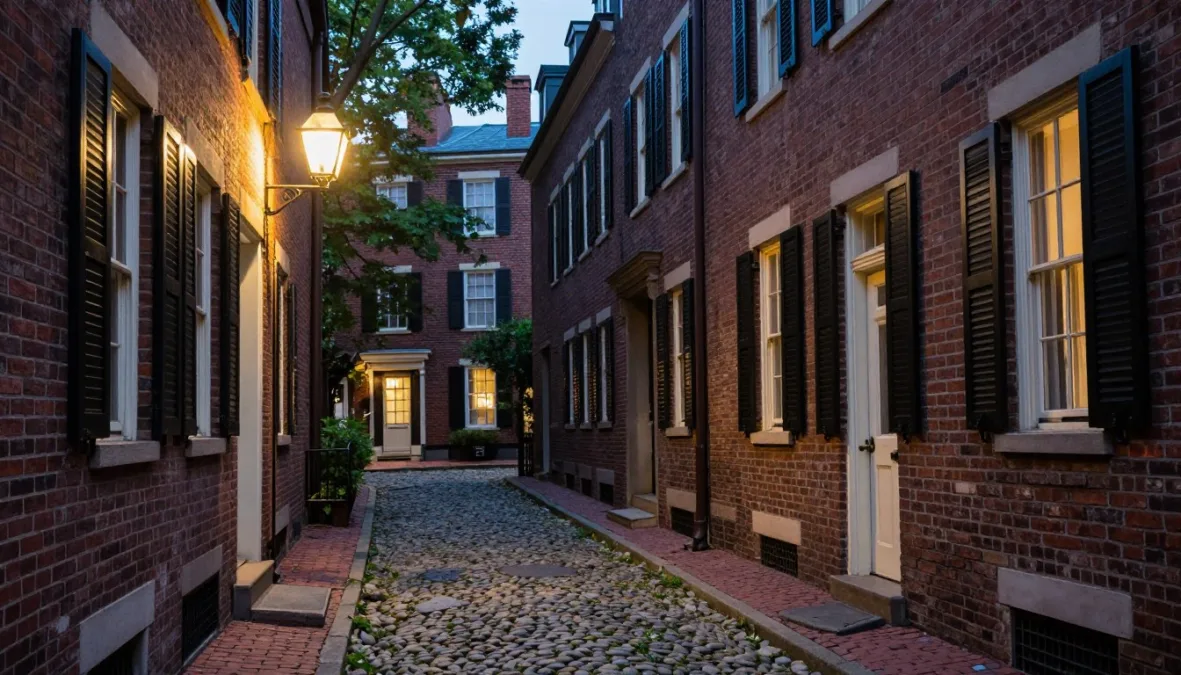
Beacon Hill features historic cobblestones and well-preserved federal-style brick homes.
Late afternoon is an appealing time to visit, as the soft glow of gas streetlights creates a warm atmosphere across the brick pathways. Comfortable, flat walking shoes are strongly advised due to uneven cobblestones and steep grades along the hill. Charles/MGH Station on the Red Line and Arlington Station on the Green Line flank the neighborhood borders.
Architectural Strolls
Quiet residential side streets offer preserved historic doorways, hidden garden gates, and gas-lit brick corridors suited for self-guided exploration.
Charles Street Shopping
The primary commercial lane features local coffee spots, regional literature shops, and curated home goods within historic storefronts.
Visitors typically spend a leisurely morning or afternoon wandering the avenues, browsing the retail shops, and stopping for refreshments. Because the neighborhood consists primarily of private residences, visitors should maintain quiet courtesy along the side streets.
Immersing in the Museum of Fine Arts
The Museum of Fine Arts houses an encyclopedic collection spanning ancient civilizations, classical European masterworks, Asian art treasures, and American decorative arts. The Art of the Americas wing presents several stories of historic painting, furniture, and folk craft from pre-Columbian eras through modern times. Rotating contemporary galleries introduce diverse creative voices and large-scale installations throughout the year.
The institution continues its ambitious schedule of global loan exhibitions and scholarly permanent gallery updates scheduled through 2026. Specialized presentations examining American revolutionary art and material culture align with broader semiquincentennial historical events. Upgraded digital guides and gallery accessibility features provide intuitive navigation through the extensive multi-level complex.
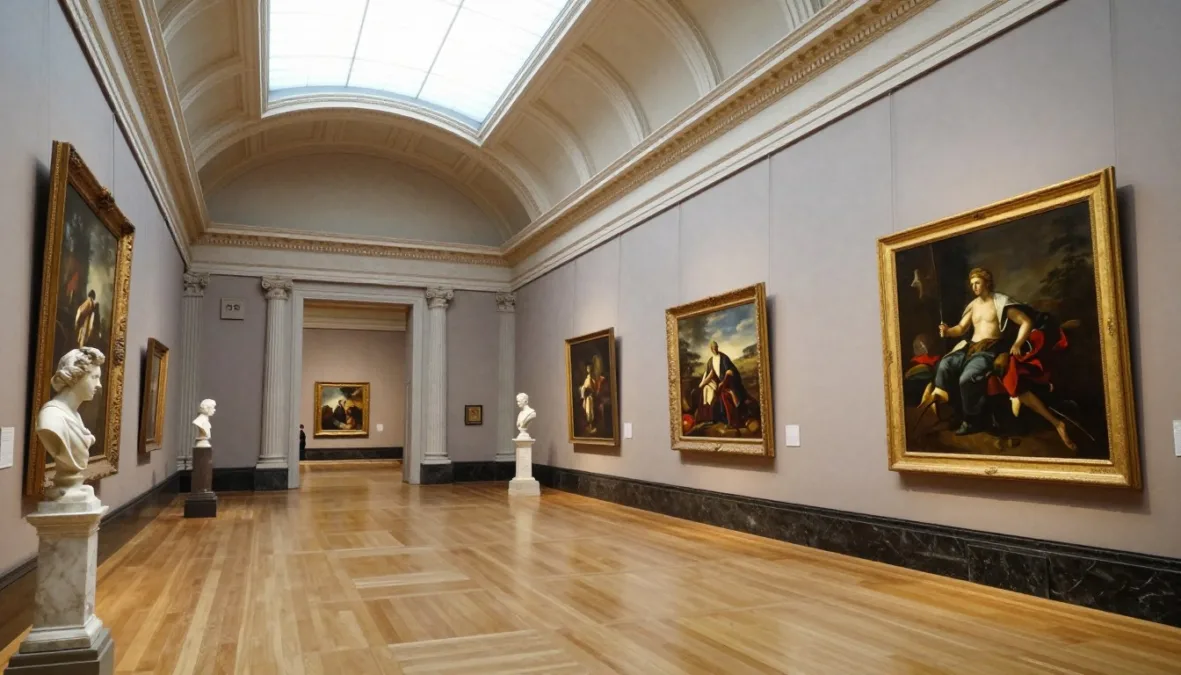
Extensive permanent galleries display masterworks ranging from antiquity to contemporary movements.
Weekday mornings provide the quietest viewing atmosphere before student groups and afternoon visitors arrive. Midweek evening hours offer a relaxed option for viewing major special exhibitions with lighter foot traffic. The Green Line E Branch stops immediately in front of the museum at the Museum of Fine Arts Station.
Advantages
- Vast collections allow extensive viewing across multiple historic cultures and artistic eras.
- Direct Green Line transit access drops visitors right at the main entryway.
- On-site dining options range from casual cafe seating to formal museum restaurant service.
Limitations
- Navigating the sprawling building layout requires substantial walking across multiple wings.
- Special ticketed exhibitions often require reserved entry slots well ahead of arrival.
Plan for a dedicated half-day visit to see the highlights without experiencing fatigue. Reserving timed admission online before arriving helps streamline entry during busy travel weekends.
Savoring History and Italian Dining in the North End
The North End stands as the oldest continuously inhabited residential neighborhood in the city, celebrated for its colonial history and vibrant Italian-American food culture. Narrow lanes wind past historic churches, family-owned bakeries, fresh pasta shops, and lively outdoor restaurant patios. The aroma of roasted espresso beans and simmering tomato sauces defines the sensory environment along Hanover Street.
Historic sites in the district connect directly to the opening chapters of the American Revolution. Visitors can tour the Paul Revere House, dating to the late seventeenth century, and see the Old North Church where signal lanterns hung in 1775. In 2026, educational tours and special programming around these sites offer focused insights into colonial craftsmanship and community resistance.
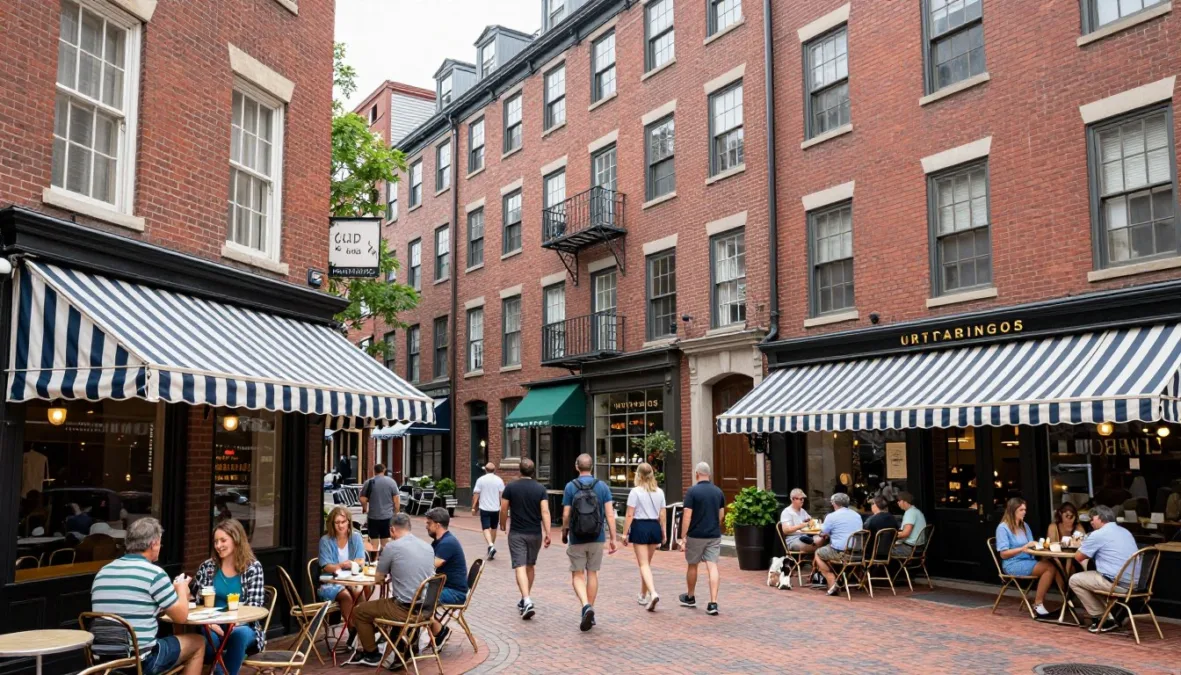
Hanover Street features historic brick storefronts, specialty pastry shops, and popular trattorias.
Visiting during summer or early fall allows travelers to enjoy lively outdoor seating and neighborhood saint feast processions that occur on select weekends. Arriving before peak evening dinner crowds helps secure bakery treats like fresh cannoli without lengthy sidewalk lines. Haymarket Station and North Station provide convenient walking access via orange and green subway lines.
| Site | Primary Focus | Reservation Status | Visitor Guidance |
| Paul Revere House | Colonial Home | Walk-Up Friendly | Tour preserved seventeenth-century architecture and personal historical artifacts. |
| Old North Church | Historic Church | Advance Recommended | Climb to the bell gallery on specialized guided architectural programs. |
| Hanover Street | Italian Dining | Table Reservations Advised | Book evening dinner tables ahead to avoid lengthy waits on weekend evenings. |
Set aside a leisurely afternoon that extends into dinner to balance historic exploration with authentic dining. Parking is scarce in this dense district, making public transit the most efficient travel choice.
Riding the Swan Boats in Boston Public Garden
The Boston Public Garden serves as the botanical counterpart to the open lawns of neighboring Boston Common. Established as the first public botanical garden in the United States, it features formal floral displays, weeping willows, and winding footpaths around a tranquil lagoon. The famous bronze Make Way for Ducklings statues attract families and book lovers near the Charles Street entrance.
A ride on the historic pedal-powered Swan Boats offers a relaxing tradition that has operated on the central lagoon since the nineteenth century. These passenger vessels glide quietly across the shallow water, passing beneath a miniature suspension bridge surrounded by lush waterfowl habitat. The garden maintains colorful rotating floral plantings from spring tulip blooms through rich autumn foliage transitions.
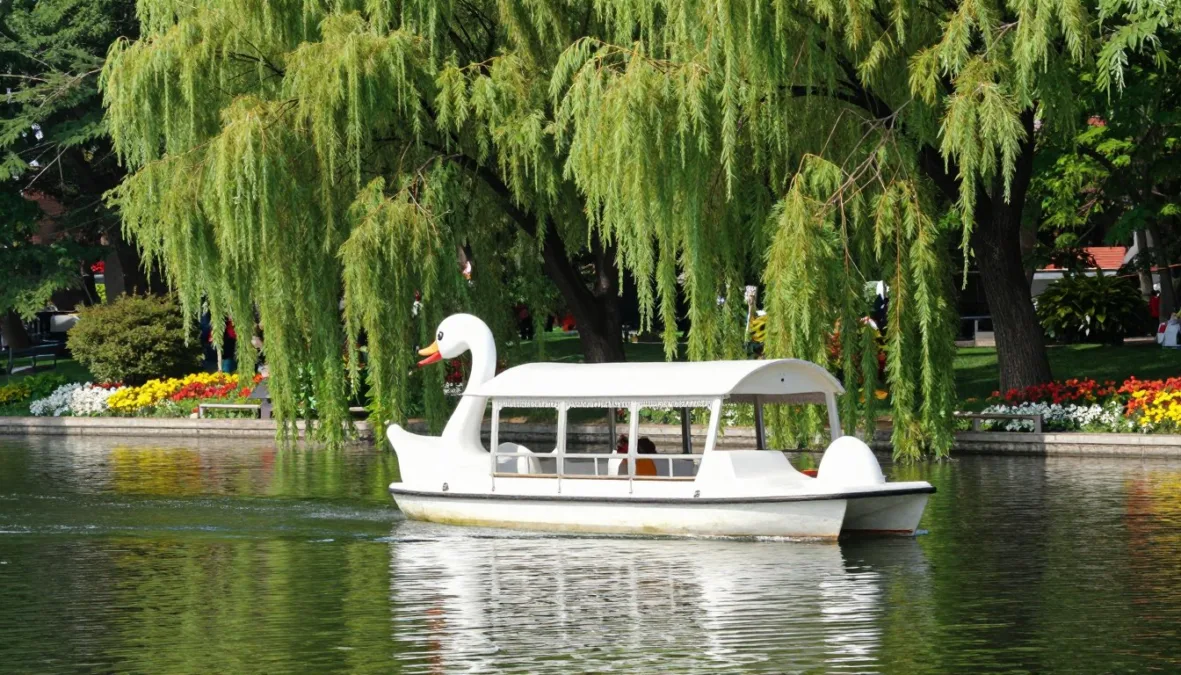
The historic Swan Boats glide across the lagoon beneath weeping willows during the warm months.
The Swan Boats operate seasonally from mid-spring through early autumn, weather permitting. Spring brings vibrant botanical color as thousands of bulbs emerge across the manicured garden beds. The Arlington Station on the Green Line sits directly opposite the garden gates, making arrival simple from anywhere downtown.
Swan Boat tickets are purchased at the small dockside booth on the day of your ride, without advance reservations required. Early morning visits offer calm water reflections and smaller crowds along the main garden paths.
Plan for a peaceful hour or two to stroll the garden grounds, photograph the statues, and complete a boat tour. Combining this stop with a walk down the Commonwealth Avenue Mall provides an extended outdoor architectural tour.
Touring Legendary Fenway Park
Fenway Park is the oldest active ballpark in Major League Baseball, serving as the storied home of the Boston Red Sox. Even when the team is out of town, guided venue tours take sports enthusiasts onto the field warning track, through historic press boxes, and atop the famous Green Monster wall. The surrounding Fenway neighborhood features bustling sports bars, music halls, and vibrant modern food markets.
Visiting in 2026 offers an energetic atmosphere as the park hosts regular season baseball alongside summer concert tours and community civic events. Ongoing preservation of the venue balances modern amenities with the vintage steel-and-brick intimacy that has characterized the stadium for over a century. Walking through the concourses reveals decades of historic sports memorabilia, vintage scoreboards, and authentic wooden grandstand seating.
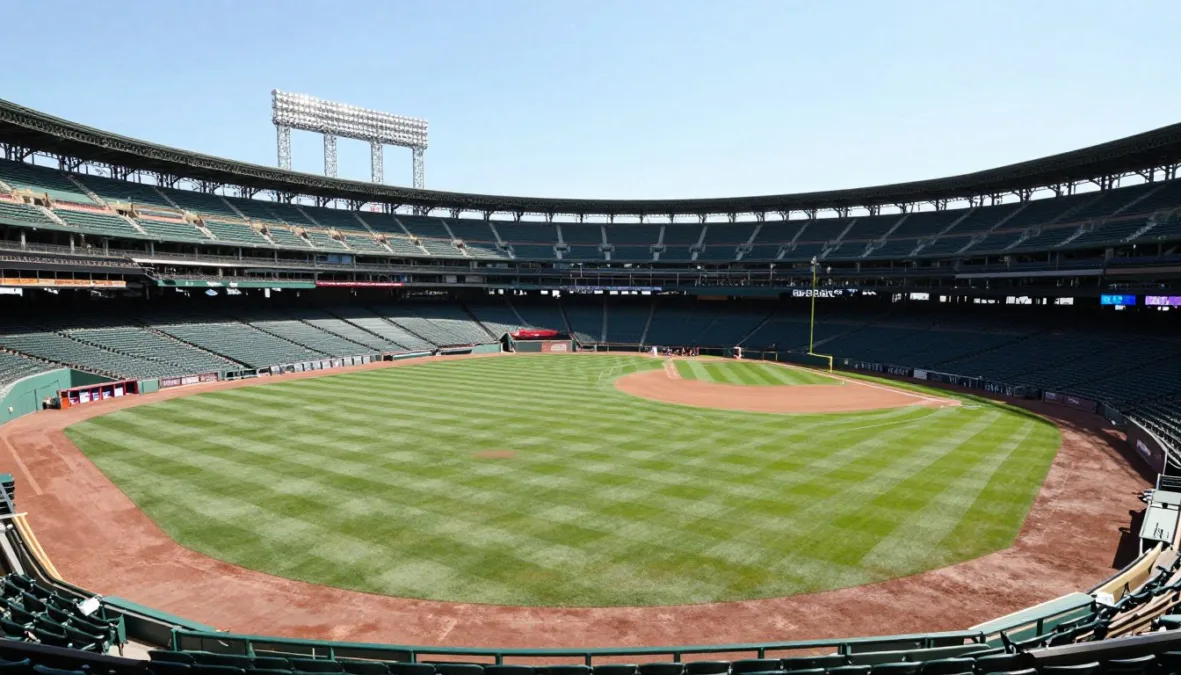
Guided walking tours explore the historic grandstands, press boxes, and the iconic outfield wall.
Baseball season runs from April through early autumn, providing game-day excitement alongside daily public tour operations. Game days create high foot traffic and lively street scenes along Lansdowne and Jersey Streets. Kenmore Station on the Green Line provides the primary transit link, located just a short walk from the entry gates.
- Select your preferred tour format online, choosing between standard historical overviews and specialized game-day batting practice access.
- Arrive with minimal bags to speed up security checks at the stadium turnstiles.
- Ascend to the Green Monster seating deck to view the stadium architecture and neighboring city skyline.
- Explore surrounding Jersey Street before or after your tour for street food and sports retail.
Ballpark tours generally take an hour to complete, though visitors often spend extra time exploring the neighborhood sports pubs and restaurants. Booking tour tickets online in advance is advised, particularly during summer weekends and home-stand dates.
Visiting the Isabella Stewart Gardner Museum
The Isabella Stewart Gardner Museum presents an exceptional personal collection housed inside a Venetian-style palazzo centered on a lush indoor courtyard. Historic tapestries, masterwork paintings, rare sculptures, and decorative arts are arranged according to the founder’s distinct aesthetic vision. The central glass-covered courtyard features rotating floral installations that burst with botanical color regardless of outdoor winter weather.
The modern museum wing, designed by architect Renzo Piano, provides dedicated contemporary gallery spaces, an intimate concert hall, and visitor amenities that complement the historic palace. In 2026, the museum continues its celebrated artist-in-residence programs, staging fresh creative interventions alongside classical permanent galleries. Concert programming in Calderwood Hall brings world-class chamber ensembles and innovative soloists into an acoustically refined environment.
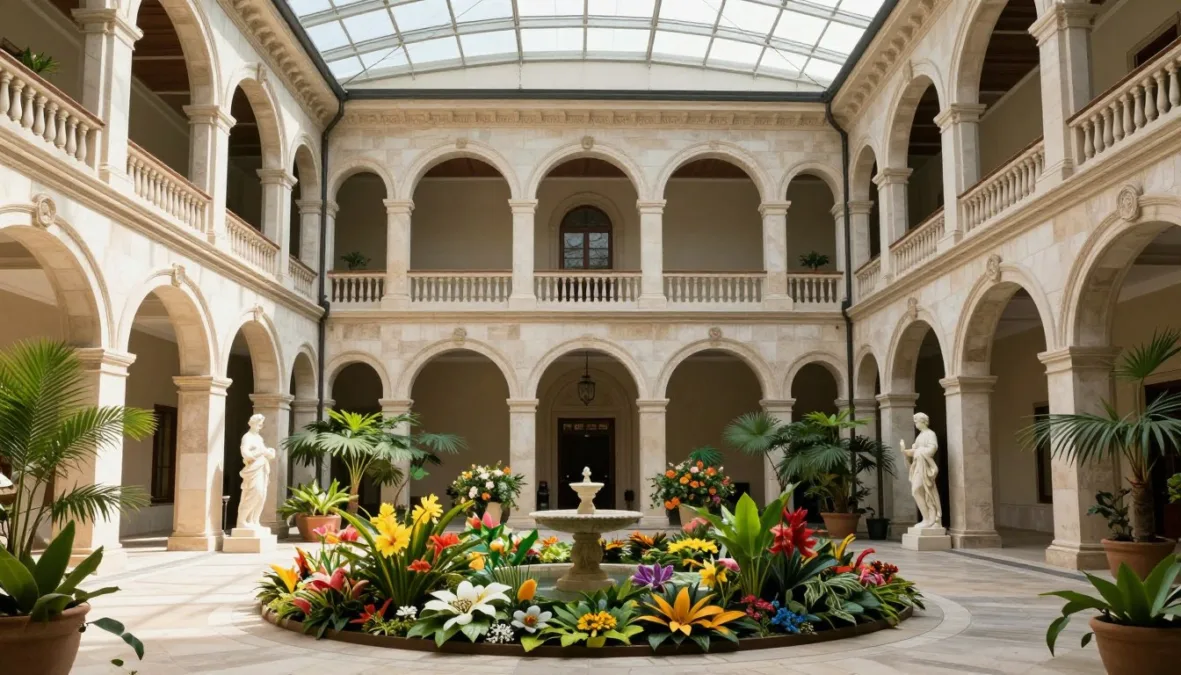
The four-story courtyard palazzo showcases year-round botanical displays surrounded by historic galleries.
Midweek visits during late morning provide the quietest setting for admiring the courtyard and viewing intimate gallery details. The museum is located in the Fenway cultural district, a short walk from the Museum of Fine Arts and steps from the Museum of Fine Arts Green Line stop. Timed admission tickets are mandatory for entry and must be selected before arriving.
All visitors must reserve timed entry tickets online prior to their visit, as the museum frequently sells out its limited daily capacity. Coat and large bag checks are required at the entrance to protect the open, unbarricaded art installations.
Allow two to three hours to absorb the artwork, walk the garden spaces, and enjoy refreshments at the on-site cafe. Combining this visit with the nearby Museum of Fine Arts creates a comprehensive full-day arts excursion.
Discovering Back Bay and the Boston Public Library
Back Bay showcases Victorian brownstone architecture, grand avenues, and bustling commercial strips along Newbury and Boylston Streets. At the heart of the district lies Copley Square, anchored by Trinity Church and the historic McKim Building of the Boston Public Library. As the first large free municipal library in the country, the complex features palatial Italian renaissance architecture, grand reading rooms, and an interior courtyard fountain.
Bates Hall, the majestic main reading room, impresses visitors with its high barrel-vaulted ceiling, classical plaster busts, and traditional green shaded reading lamps. Mural cycles by John Singer Sargent and Edwin Austin Abbey adorn the upper corridors and staircases, rewarding self-guided architectural walks. Copley Square’s revitalized public plaza offers open gathering lawns, seasonal farmers markets, and civic performances throughout 2026.
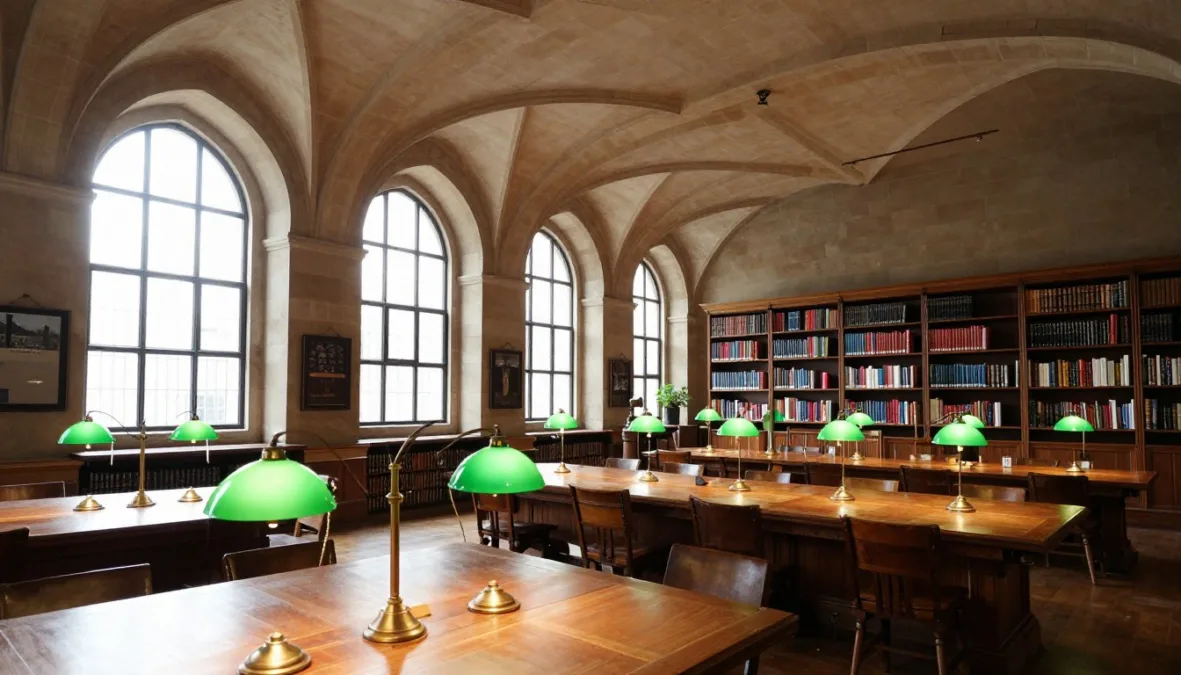
Bates Hall features majestic barrel-vaulted ceilings and historic oak study tables open to the public.
Spring and autumn provide comfortable weather for combining indoor library visits with outdoor brownstone strolls and Newbury Street cafe dining. Weekday mornings offer the quietest atmosphere inside the historic reading rooms. Copley Station on the Green Line and Back Bay Station on the Orange Line and regional rail provide immediate access.
Historic Murals
Climb the main staircase to inspect preserved narrative mural cycles painted by John Singer Sargent and European masters.
Central Courtyard
The arcaded open-air courtyard garden provides a quiet fountain terrace for reading and light conversation.
Newbury Street
Walk two blocks north to explore brownstone retail shops, independent fashion boutiques, and outdoor dining patios.
Admission to the Boston Public Library is free for all visitors, making it one of the city’s most accessible cultural experiences. Allocate a morning or afternoon to explore the historic wings, relax in the courtyard, and wander neighboring shopping avenues.
Whale Watching and the New England Aquarium
The New England Aquarium anchors Central Wharf with interactive marine exhibits and a towering four-story Giant Ocean Tank home to a Caribbean coral reef community. Visitors observe sea turtles, stingrays, and diverse fish species through curved viewing windows as they ascend the spiral walkway. Outside the main building, harbor seals swim in an open-air public viewing pool alongside the waterfront walkway.
High-speed whale watching catamarans depart directly from the aquarium docks, transporting travelers out to the Stellwagen Bank National Marine Sanctuary. In 2026, marine research naturalists continue leading seasonal offshore excursions, interpreting sightings of humpback, finback, and minke whales feeding in productive coastal waters. The facility also emphasizes interactive educational programming on marine conservation and climate resilience along the New England coast.

Seasonal boat excursions from the aquarium docks travel to offshore feeding grounds.
Whale watch excursions operate seasonally from late spring through autumn, when marine mammal feeding activity reaches its peak in offshore channels. Early morning aquarium departures allow families to experience indoor exhibits with minimal wait times at popular touch tanks. Aquarium Station on the Blue Line drops passengers just steps from the ticket pavilion on Central Wharf.
- Activity duration: Set aside a full morning for the aquarium exhibits, or a full half-day when taking an offshore boat trip.
- Advance reservations: Booking aquarium entry and whale watch tickets online ahead of arrival is strongly recommended for summer weekends.
- Packing advice: Bring warm outer layers and wind protection for boat trips, as ocean temperatures feel noticeably cooler than downtown streets.
- Family amenities: On-site cafe dining, wide stroller-friendly ramps, and touch tanks make this a practical family destination.
Frequently Asked Questions About Visiting Boston in 2026
What is the best time of year to visit Boston?
Late spring through autumn provides the most comfortable weather for walking historic trails and enjoying outdoor waterfront activities. Autumn is especially popular for brilliant regional foliage, while summer offers full ferry schedules and outdoor dining.
Do visitors need a rental car to get around Boston?
A car is unnecessary and often inconvenient due to dense historic street grids and limited parking facilities. The public subway and bus system, known as the MBTA, connects major neighborhoods, cultural centers, and Logan International Airport efficiently.
How far in advance should attraction tickets be booked for 2026?
Timed entry tickets for popular spots like the Isabella Stewart Gardner Museum and Fenway Park tours should be reserved several weeks ahead during peak travel months. Major semiquincentennial historical events and seasonal boat excursions also benefit from early online planning.
How many days are recommended for a first-time Boston itinerary?
A stay of three to four days allows travelers to experience core historic trails, top art museums, scenic harbor views, and distinctive neighborhood dining without rushing. Adding extra days enables relaxed day excursions to coastal islands or historic nearby towns.
Practical Planning for a Boston 2026 Itinerary
Experiencing Boston at its best involves grouping activities by neighborhood, balancing historic walking trails with relaxed indoor gallery afternoons, and utilizing public transit between districts. Reserving timed admissions early for high-demand cultural sites creates a smooth journey, especially during milestone commemorative dates in 2026. Taking time to wander tranquil park paths and waterfront promenades ensures an authentic appreciation for the cultural capital of New England.

Priyanka Pandey
Senior Research Editor · Top10Sense
Priyanka specializes in tech, consumer products, and digital trends. She combines hands-on testing, vendor interviews, and database research to create trustworthy “Top 10” rankings. Her work has been referenced by industry blogs and brand report pages.