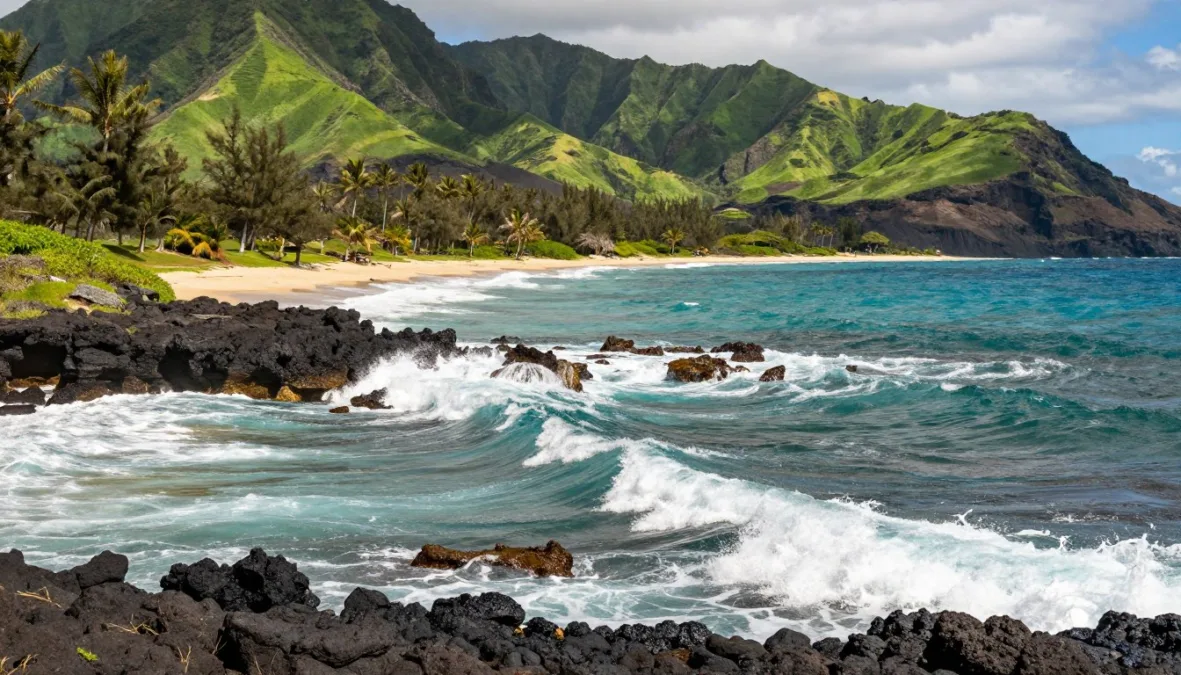
Planning an itinerary across the Valley Isle pairs volcanic summits and rainforest drives with coastal sanctuaries and deep cultural traditions. The Top 10 Things to Do in Maui 2026 feature a balance of outdoor recreation, marine encounters, and protected cultural landmarks. Visiting these highlights with advance planning and care for local communities creates a memorable Hawaiian journey.
Geographic variety defines the island, shifting rapidly from the arid leeward coast to misty upland agricultural belts and wind-whipped shorelines. Travel timing, permit requirements, and regional weather conditions dictate which activities fit best into specific parts of each day. Respecting environmental protections and cultural access rules preserves these fragile landscapes for future generations.
Haleakalā National Park Summit and Trails
Rising above the clouds, Haleakalā National Park encompasses a dormant shield volcano that showcases dramatic alpine terrain and rare native flora. Visitors arrive to observe the changing colors across the crater floor or hike into the quiet expanse along the Keoneheʻeheʻe Trail. The stark cinder cones and rare silversword plants create an atmosphere distinct from the tropical coastlines below.
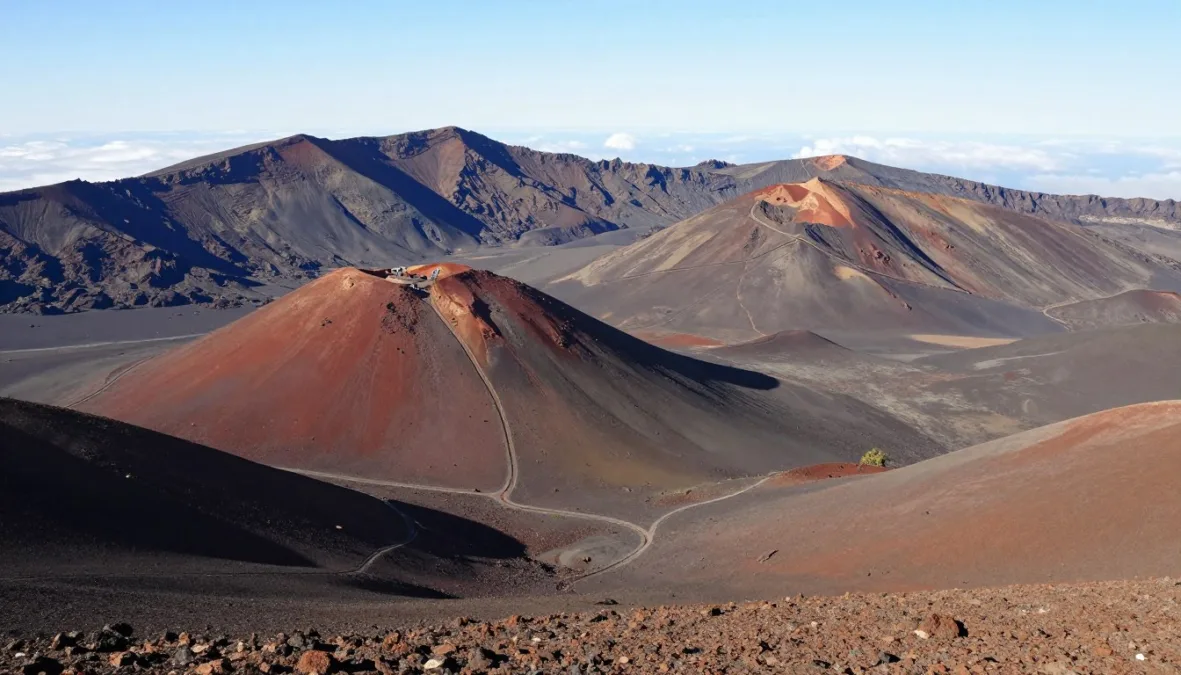
Early morning visits for sunrise require advance vehicle reservations through the national park reservation portal. Temperatures at the high summit drop significantly below freezing, making warm winter layers, windbreakers, and sturdy closed-toe shoes essential gear. Midday arrivals avoid the predawn vehicle rush while offering clear views of the crater trails and visitor center exhibits.
Allocating several hours allows for steady acclimatization to the altitude before walking along crater rim overlooks. Hikers should pack ample drinking water and sun protection, as the high-elevation sun is intense and cloud cover can shift within minutes. Respecting sacred cultural spaces across the summit means remaining on marked footpaths and leaving all rocks undisturbed.
Summit vehicle reservations open online on rolling release windows, so verify current national park recreation policies prior to arrival. Pack thermal gloves, thick jackets, and headlamps if planning an early morning or evening visit.
The Scenic Road to Hāna
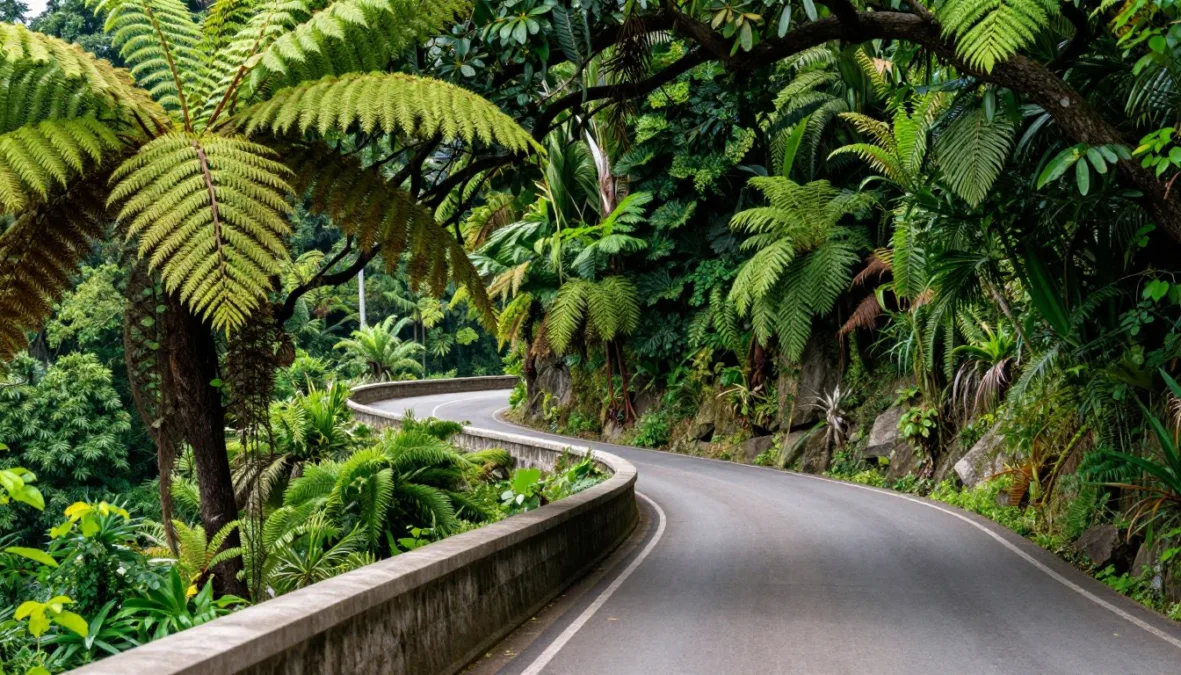
The iconic highway weaving along the northeastern shore connects lush rainforests, cascading waterfalls, and historic oceanfront settlements. Navigating the twisting route rewards travelers with stops at botanical gardens, roadside fruit stands, and panoramic ocean vistas. The journey emphasizes the winding drive itself rather than rushing to reach the quiet town of Hāna.
Single-lane bridges and hairpin bends require defensive driving, patient etiquette, and yields to oncoming residents. Departing early in the morning helps avoid vehicle congestion along narrow stretches of highway and provides unhurried time at popular viewpoints. Visitors should also plan their return journey well before dusk to avoid navigating unfamiliar, unlit curves in total darkness.
- Yield promptly to oncoming vehicles at single-lane bridges and pull over safely to let local traffic pass.
- Avoid parking on private driveways, residential frontage, or unmarked soft road shoulders.
- Pack cash for roadside farm fruit stands offering fresh banana bread and local tropical produce.
- Check state highway condition advisories before departure for real-time weather and maintenance notices.
Snorkeling and Diving at Molokini Crater
Positioned a few miles off the south shore, this partially submerged volcanic caldera forms a protected marine life conservation district. The crater’s crescent shape shelters clear interior waters, creating visibility that regularly extends deep into the sea. Snorkelers and scuba divers encounter vibrant coral reefs, schools of colorful reef fish, and passing pelagic species.
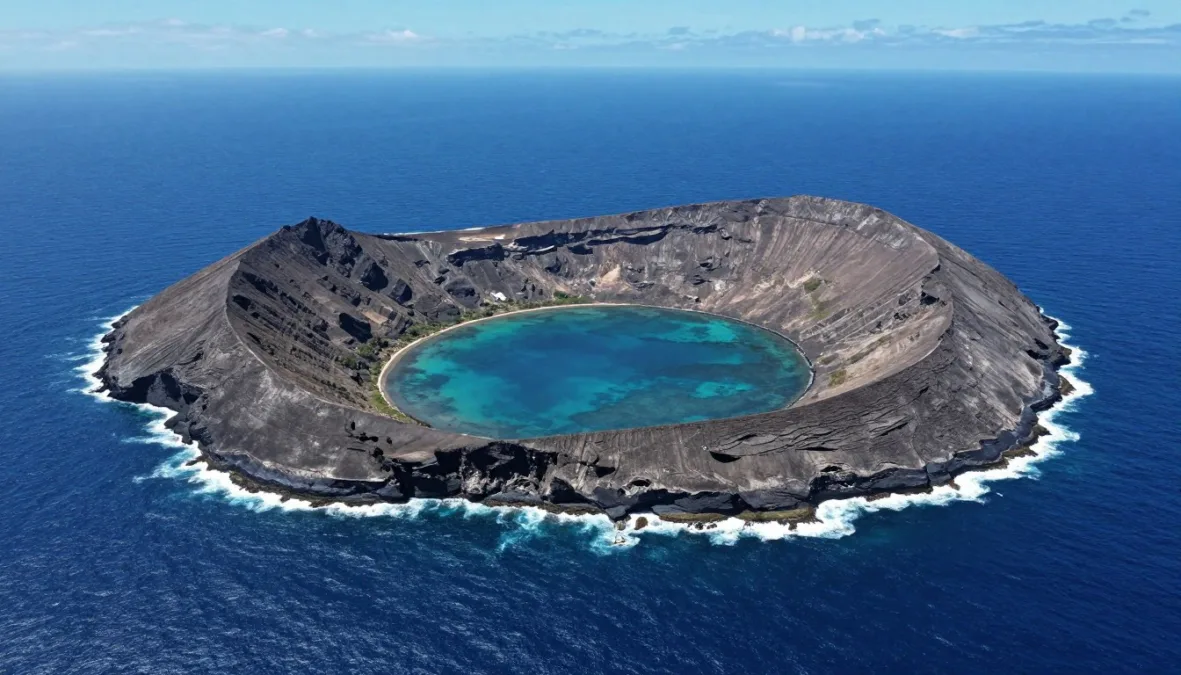
Most guided boat charters depart during early morning hours from Maʻalaea Harbor or the Kihei boat ramp. Morning winds remain calmest before trade winds build in the afternoon, providing steady surface conditions for swimmers of varied skill levels. Visitors should select mineral-based sunscreen approved under Hawaiian environmental guidelines to protect fragile coral ecosystems.
Advantages
- Exceptional underwater visibility with diverse coral formations and schooling marine life.
- Calm sheltered waters inside the caldera during early morning boat departures.
- Professional crew supervision with flotation equipment suited for diverse swimmer abilities.
Limitations
- Requires booking an organized boat charter since the offshore crater is inaccessible from shore.
- Afternoon trade winds can produce choppy open-ocean conditions on the return voyage.
Kāʻanapali Beach and the Puʻu Kekaʻa Cliff Dive
Stretching along the western coast, Kāʻanapali Beach offers soft golden sand, resort-front walking paths, and calm coastal swimming. Clear nearshore waters allow for easy swimming, paddleboarding, and shoreline snorkeling near the prominent northern promontory. A paved pedestrian path connects oceanfront dining, casual shops, and expansive public access points along the water.
The northern end of the beach centers around Puʻu Kekaʻa, also known as Black Rock, a sacred promontory in native tradition. Each evening at sunset, a traditional torch-lighting and cliff-diving ceremony honors the history and heritage of King Kahekili. Spectators gather on the sand to watch the runner light torches along the shoreline before leaping into the ocean.
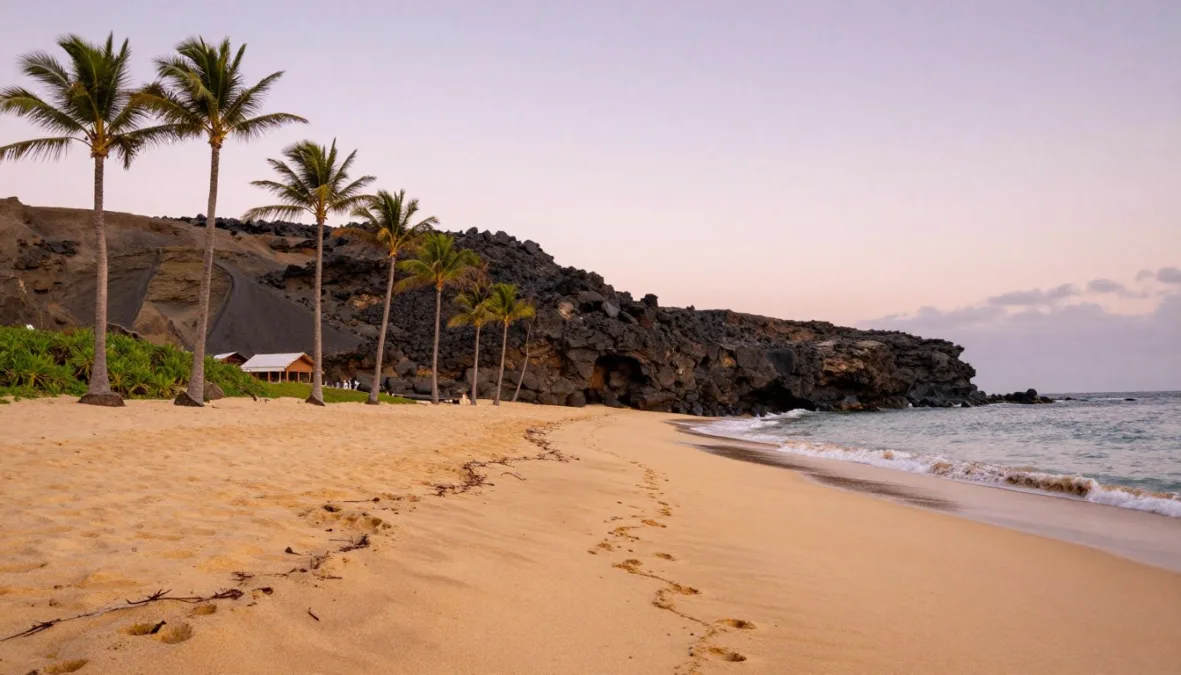
Puʻu Kekaʻa holds deep cultural and spiritual significance in Hawaiian heritage. Respect the site by observing the evening ceremony quietly from the beach and obeying posted caution signs regarding strong currents near the point.
Seasonal Whale Watching in the ʻAuʻau Channel
During winter and early spring, thousands of North Pacific humpback whales migrate south to the shallow waters between Maui, Molokaʻi, and Lānaʻi. The sheltered ʻAuʻau Channel serves as a primary nursery and mating ground, making it an extraordinary location for whale observation. Travelers can watch mother whales nursing calves, energetic males competing in surface displays, and dramatic breaching.
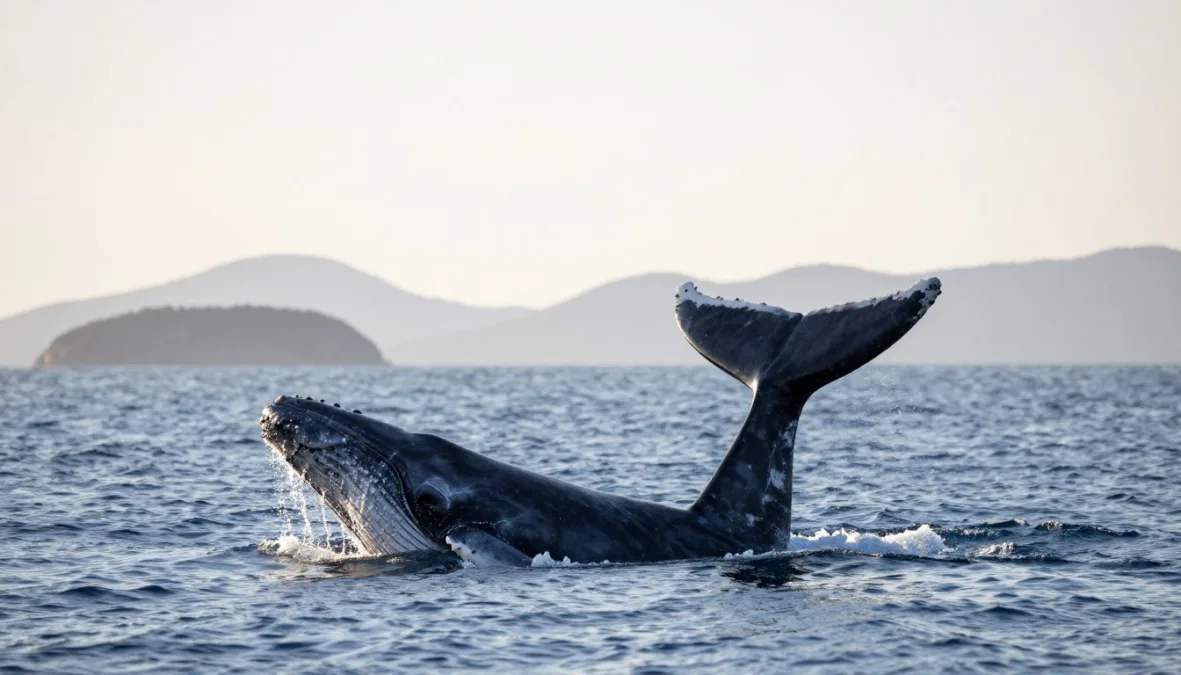
Guided whale-watching vessels depart daily from harbors along the western and southern coasts, often equipped with hydrophones to hear underwater whale songs. Shore-based viewing is also productive from elevated coastal lookouts, oceanfront walking paths, and scenic road pullouts. Federal laws mandate that all watercraft maintain safe distances from marine mammals, preventing disruptive interference with natural behaviors.
Federal wildlife regulations prohibit approaching humpback whales closer than mandated safety distances by boat, kayak, or swimming. Choose boat operators committed to responsible wildlife viewing practices that follow marine mammal protection laws.
Waiʻānapanapa State Park Black Sand Beach
Situated near the eastern terminus of the Hāna Highway, Waiʻānapanapa State Park showcases dramatic contrasts of jet-black volcanic pebbles and emerald foliage. Paʻiloa Beach rests inside an inlet carved into ancient lava flows, framed by sea stacks, natural stone arches, and ocean blowholes. Walking trails trace the rugged coastline past historic native burial sites and freshwater cave systems.
State park regulations require out-of-state visitors to make timed parking and entry reservations online prior to arriving at the gate. Reservations fill up quickly during peak travel weeks, making it wise to reserve access slots well before driving the highway. Ocean conditions along this exposed coast can feature heavy surf and strong undertows, requiring caution near the water’s edge.
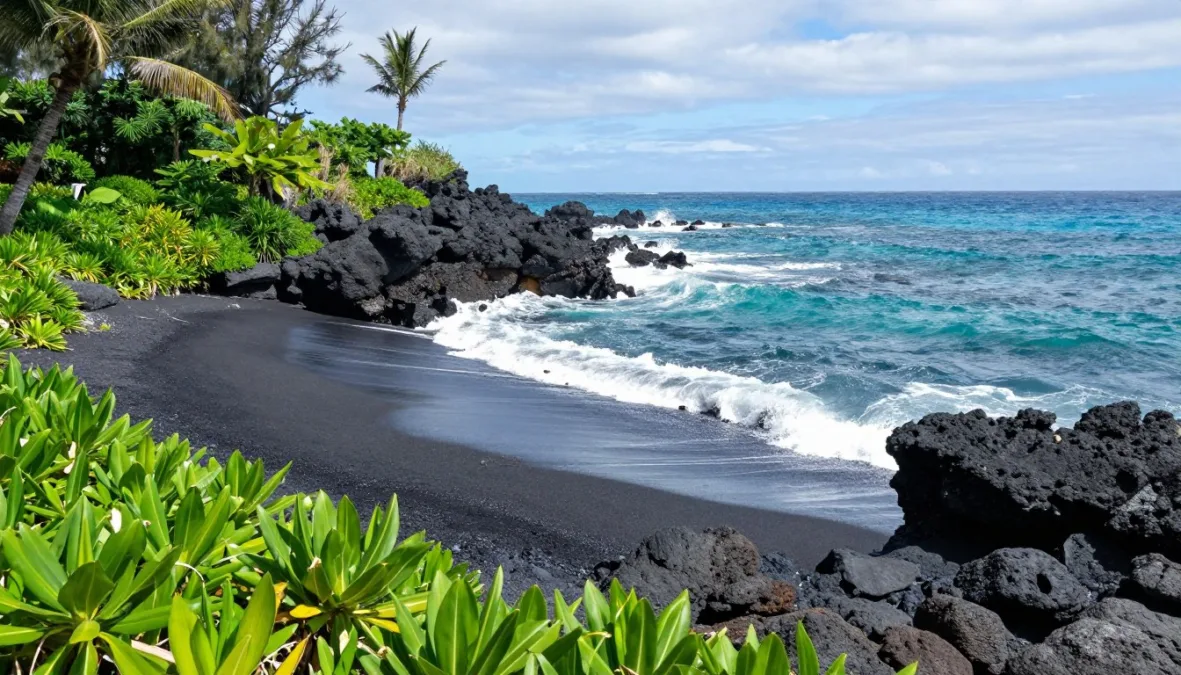
Entry and parking reservations are required for all non-residents and cannot be purchased at the park gate. Book your timed window online several weeks in advance and verify current park access hours before travel.
Exploring West Maui Cultural Heritage and Recovery
West Maui holds deep historical importance as an early capital of the Hawaiian Kingdom, royal residence, and center of Pacific seafaring. Travelers visiting West Maui in 2026 should do so with mindfulness, compassion, and sensitivity toward community rebuilding efforts. Respecting ongoing recovery zones while patronizing locally owned businesses in open commercial areas supports regional revitalization.
Cultural centers, heritage foundations, and local craft cooperatives offer opportunities to understand the layered history of the area. Engaging with local storytellers, artisans, and farmers provides meaningful context for the resilience of native families and long-time residents. Checking municipal guidance clarifies which corridors welcome visitors and which neighborhoods remain reserved for resident privacy.
- Follow all posted local access regulations and respect private recovery zones across West Maui.
- Direct dining, retail, and activity expenditures to locally owned family businesses and regional artisans.
- Visit regional historical centers to learn about the royal history of the Hawaiian Kingdom.
- Practice quiet courtesy and patience while interacting with service workers and community members.
North Shore Ocean Watching and Turtles at Hōʻokipa
The rugged coastline along Maui’s north shore contrasts sharply with the tranquil waters of resort areas on the leeward side. Hōʻokipa Beach Park is renowned worldwide as a premier venue for professional windsurfing, kitesurfing, and winter big-wave surfing. Spectators gather on elevated cliff lookouts to watch skilled watermen navigate massive ocean swells breaking over shallow offshore reefs.
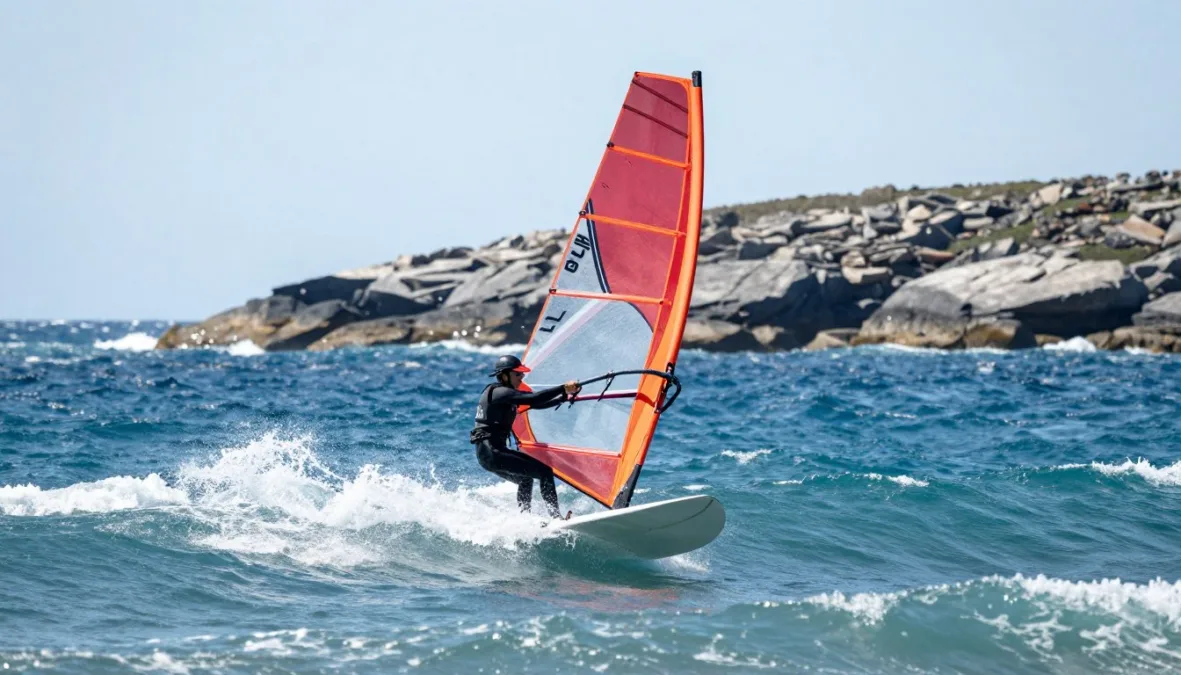
At the eastern edge of the beach, green sea turtles, known locally as honu, frequently haul out onto the sand to rest. Wildlife volunteers and state conservation staff place safety perimeters around the resting animals to maintain appropriate human separation. Visitors should keep a respectful distance, avoid blocking paths to the water, and never touch, harass, or crowd wild marine species.
Hawaiian green sea turtles are protected under state and federal wildlife laws. Always maintain a generous distance from resting honu, remain outside cordoned resting areas, and never use flash photography around wildlife.
Touring Upcountry Maui and Farm Country
Perched on the fertile, cool slopes of Haleakalā, Upcountry Maui reveals the island’s rich agricultural bounty and paniolo ranching culture. The higher elevations produce crisp air, rolling pastures, protea flower farms, and organic orchards. Exploring towns like Makawao and Kula connects visitors with local heritage, art galleries, and farm-to-table culinary operations.
Agritourism experiences invite guests to tour botanical gardens, sample regional cheeses, walk through fragrant lavender fields, and taste fresh fruit wines. Makawao retains the wooden false-front buildings of its historic cowboy past, filled with boutique clothing shops, bakeries, and working studios. Spending an afternoon in the cooler climate provides a refreshing contrast to coastal beach days.
Makawao Historic Town
Historic paniolo architecture housing independent art galleries, island boutiques, and legendary regional bakeries.
Kula Agricultural Slopes
Scenic hillside farms offering lavender walks, native botanical gardens, and fresh produce tastings with valley views.
ʻĪao Valley State Monument Cultural History
Located in Central Maui, ʻĪao Valley State Monument protects a lush, mist-covered amphitheater of dramatic green spires and rushing streams. The centerpiece of the park is the Kūkaʻemoku, also known as the ʻĪao Needle, rising above the valley floor. Paved walking paths wind through botanical gardens showcasing plants brought to Hawaii by early Polynesian voyagers.
The valley served as a sacred burial site for Hawaiian royalty and was the location of the pivotal Battle of Kepaniwai. Interpretive signage along the trails explains the natural history, native watershed protection, and significant cultural events of the valley. Because rainfall in this mountainous valley is frequent, visitors should wear slip-resistant footwear and carry light rain protection.
Non-resident visitors must secure online reservations for parking and entrance prior to visiting ʻĪao Valley State Monument. Mountain weather shifts rapidly, causing flash floods in valley streams, so remain on designated paved trails at all times.
Planning a Maui Vacation: Days, Transport, and Respect
Building a successful itinerary requires realistic driving expectations, thoughtful scheduling, and adherence to reservation policies. Traveling between distinct regions often takes longer than anticipated due to two-lane roads and natural topography. Allocating sufficient time to explore individual districts without rushing helps reduce road stress and supports community well-being.
Renting a car remains the most practical method for reaching trailheads, national parks, and dispersed scenic attractions across the island. Public transit options connect major towns but do not provide direct access to remote national parks or mountain highways. Visitors should also practice malama by packing out trash, choosing reef-friendly sunscreen, and staying on marked trails.
| Planning Aspect | Recommended Approach | Primary Focus | Travel Details to Verify |
| Trip Length | Moderate | Regional Pacing | Allow ample time across multiple days to explore without rushing |
| Transportation | Rental Car | Island Navigation | Reserve vehicle well in advance for airport pickup flexibility |
| Park Access | Online Permits | Advance Booking | Check rolling release windows for park sunrise and parking passes |
| Ocean Safety | Daily Awareness | Reef Protection | Use mineral sunscreen and assess current surf advisories before entering |
Frequently Asked Questions About Visiting Maui
How many days should travelers spend in Maui?
Spending at least a week allows visitors to explore distinct regions without spending entire days driving. This pacing provides ample time for scenic drives, marine activities, mountain hikes, and restful days along the coast.
Which Maui attractions require advance reservations?
Haleakalā National Park summit sunrise visits, Waiʻānapanapa State Park entry and parking, and ʻĪao Valley State Monument require advance online bookings. Popular guided boat charters and farm tours also fill quickly during peak holiday travel periods.
What kind of sunscreen is allowed in Maui?
County and state laws require the use of mineral-based sunscreens containing zinc oxide or titanium dioxide without chemical filters. Chemical ingredients like oxybenzone and octinoxate are prohibited to prevent damage to fragile coral reef ecosystems.
When is the best time of year to see humpback whales in Maui?
Humpback whales arrive in late autumn and stay through early spring, with peak activity occurring during the mid-winter months. Travelers visiting outside this migration window can focus on year-round marine encounters such as reef snorkeling and dolphin watching.
Practical Next Steps for Maui 2026
Preparing early by securing required park permits, arranging reliable ground transportation, and packing appropriate mountain and reef gear sets the stage for an enriching trip. Approaching the island with cultural respect, environmental awareness, and flexibility ensures that your time on Maui remains rewarding for both travelers and local communities alike.

Priyanka Pandey
Senior Research Editor · Top10Sense
Priyanka specializes in tech, consumer products, and digital trends. She combines hands-on testing, vendor interviews, and database research to create trustworthy “Top 10” rankings. Her work has been referenced by industry blogs and brand report pages.