Top 10 Floods in India by Year: List Till 2026
India’s flood history is more than a list of dates. It shows how monsoon rainfall, swollen rivers, cyclones, cloudbursts, poor drainage, and landslides can combine in a single disaster.
This guide ranks the top 10 floods in India by year using scale, deaths, displacement, economic damage, geographic spread, and long-term impact. Figures are estimates from government agencies, disaster reports, and reputable news sources.
How to read this list
The ranking is a research guide, not an official government order. Figures can differ by source, especially for displaced people and financial losses.
Ranking Method and Flood Types
The list considers the number of people affected, deaths, homes and crops lost, duration, area covered, and the disaster’s effect on policy. A short flash flood can rank highly when it causes severe deaths and landslides. A long river flood can rank highly because it affects millions of people.
River floods occur when rivers rise beyond their banks. Monsoon floods follow heavy rainfall across a wide basin. Flash floods develop within hours after intense rain, cloudbursts, or a sudden release of water. Cyclone floods may combine rain, river flooding, and storm surge.
Evidence first
Use official bulletins where possible. State disaster reports often provide the clearest local totals.
- Death counts
- Displacement totals
- Damage estimates
- Affected districts
2026 caution
As of the current review, a complete and verified annual total for 2026 is not available.
- No invented event
- Confirmed facts only
- Reports may change
- Use official updates
Visual context
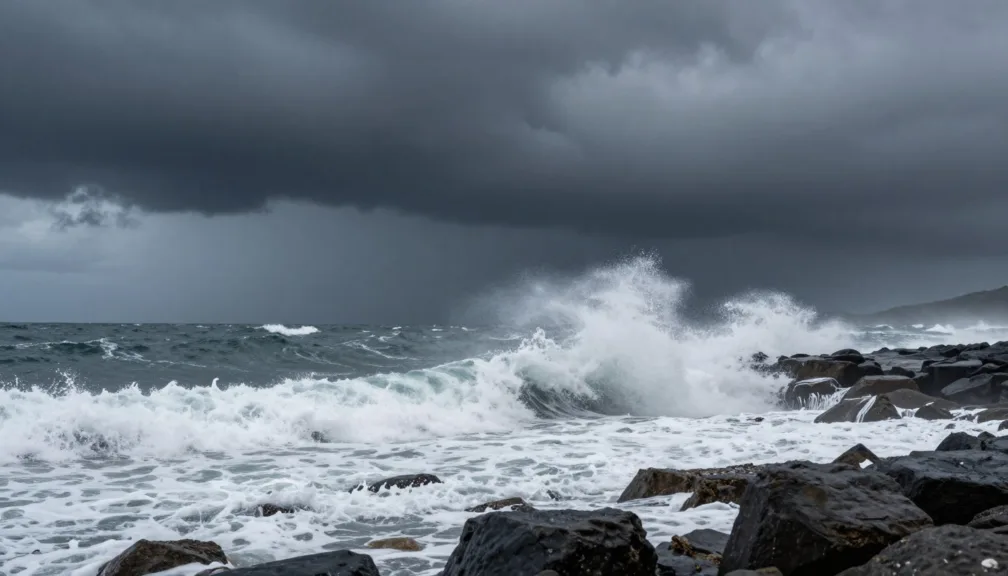
Images help readers compare river flooding, urban water, flash floods, and landslides.
- Rivers
- Roads
- Homes
- Rescue work
Top 10 Floods in India by Year: Quick Table
| Rank | Year and event | Main region | Type | Reported human impact |
| 1 | 2013 Uttarakhand floods | Uttarakhand | Flash floods and landslides | Thousands dead or missing; mass displacement |
| 2 | 2008 Bihar floods | Bihar and Kosi basin | River flood | Millions affected; large-scale evacuation |
| 3 | 2018 Kerala floods | Kerala | Monsoon and river floods | Hundreds of deaths; major displacement |
| 4 | 2015 Chennai floods | Tamil Nadu | Urban and monsoon flood | Hundreds killed; severe city disruption |
| 5 | 2014 Jammu and Kashmir floods | Jammu and Kashmir | River and rainfall flood | Hundreds died; homes and infrastructure damaged |
| 6 | 2006 Gujarat floods | Gujarat | River and monsoon flood | Deaths, evacuations, and crop losses |
| 7 | 2005 Mumbai floods | Maharashtra | Urban flash flood | Hundreds died; transport and homes affected |
| 8 | 1979 Morbi flood | Gujarat | Dam-related flood | Large loss of life; disputed estimates |
| 9 | 1970 Andhra Pradesh cyclone | Andhra Pradesh coast | Cyclone and coastal flood | Severe deaths and coastal destruction |
| 10 | 1924 Kerala flood | Kerala | Extreme monsoon flood | Historical totals remain uncertain |
Major Floods from 2005 to 2015
1. Uttarakhand floods, 2013
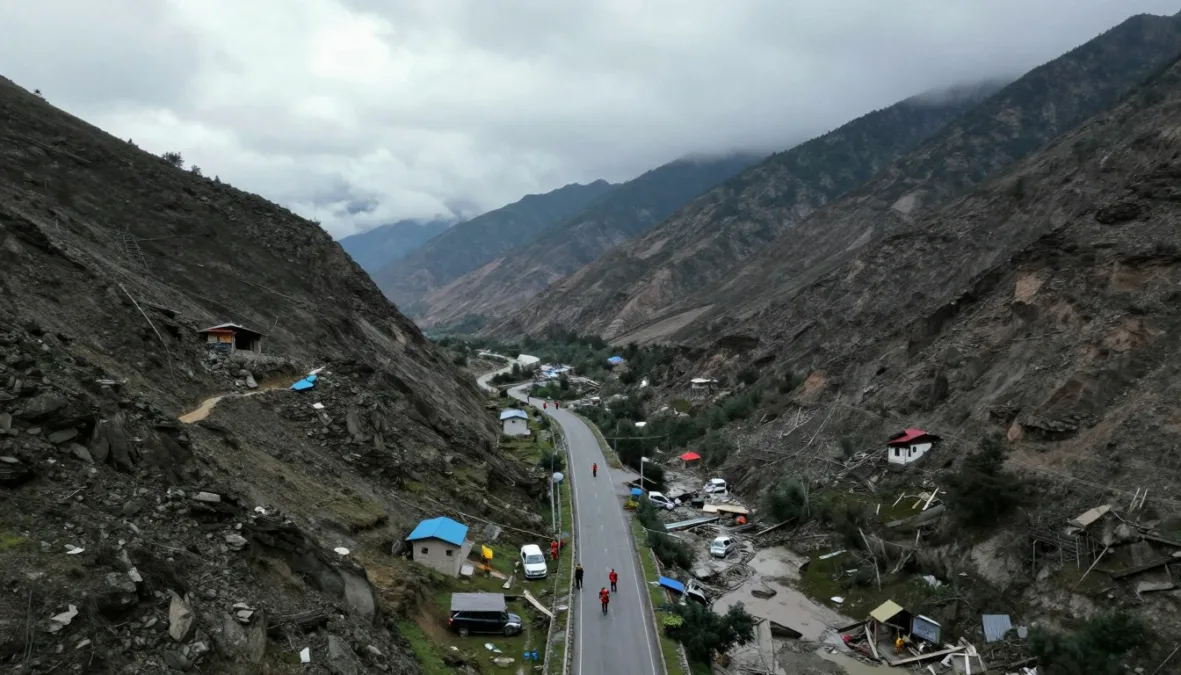
Heavy rainfall caused flash floods in river valleys. Landslides cut roads and isolated towns. The Kedarnath area suffered catastrophic damage. Official counts recorded thousands of deaths and missing people, while many more lost homes and livelihoods. The disaster changed Himalayan building, pilgrimage, and early-warning policy.
2. Bihar floods, 2008
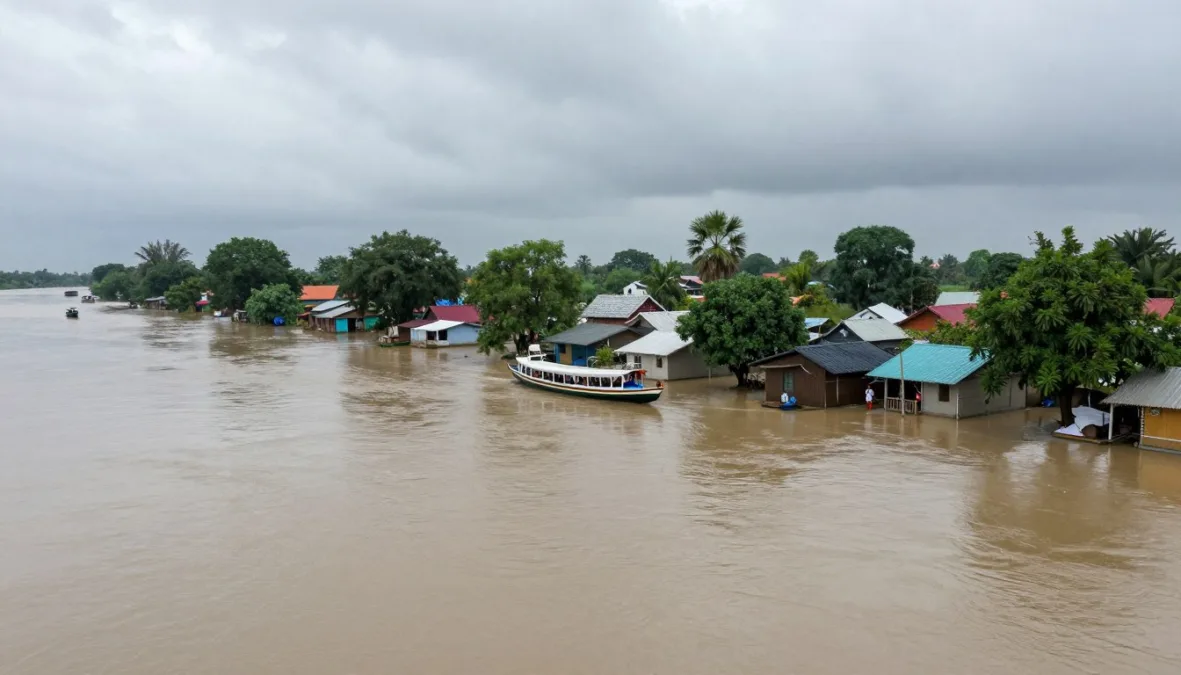
A breach in the Kosi embankment shifted the river into areas that had not faced its full force for decades. More than two million people were widely reported as affected or displaced. Homes, roads, schools, animals, and crops suffered major losses. The event renewed debate about embankment maintenance and river planning.
3. Kerala floods, 2018
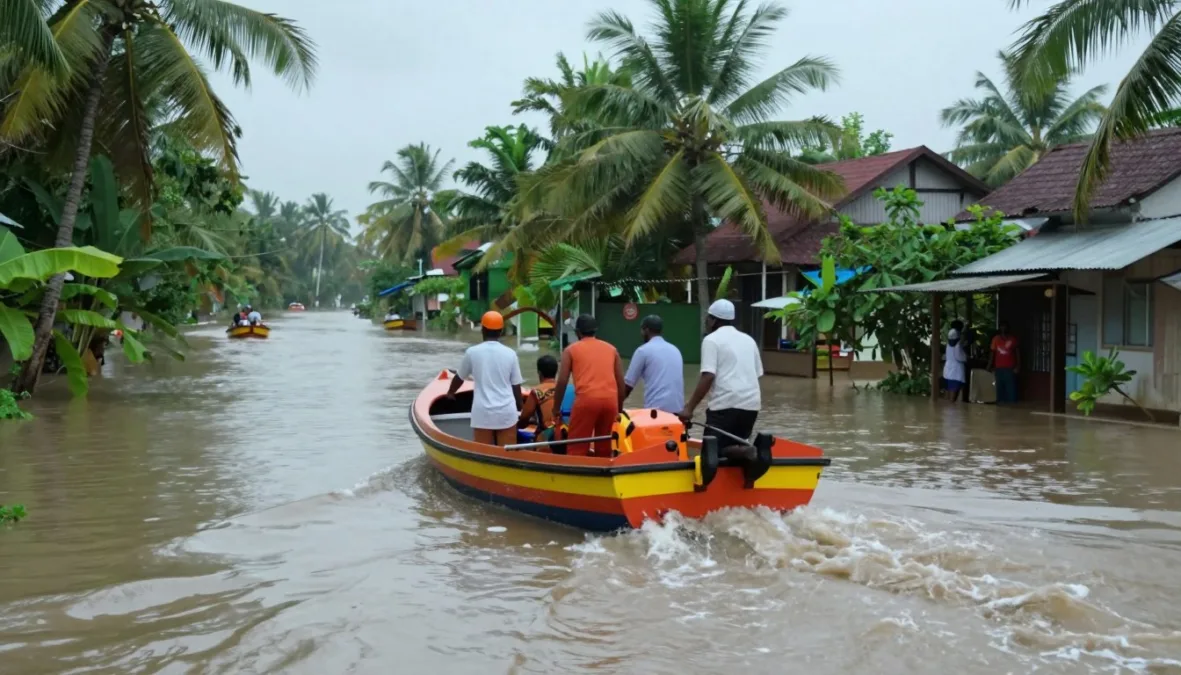
Very heavy rainfall filled reservoirs and pushed rivers over their banks. Kerala reported hundreds of deaths and large displacement. Damage to homes, roads, farms, tourism, and public services reached many billions of rupees. The floods also highlighted the need for basin-wide rainfall forecasts and safer land use.
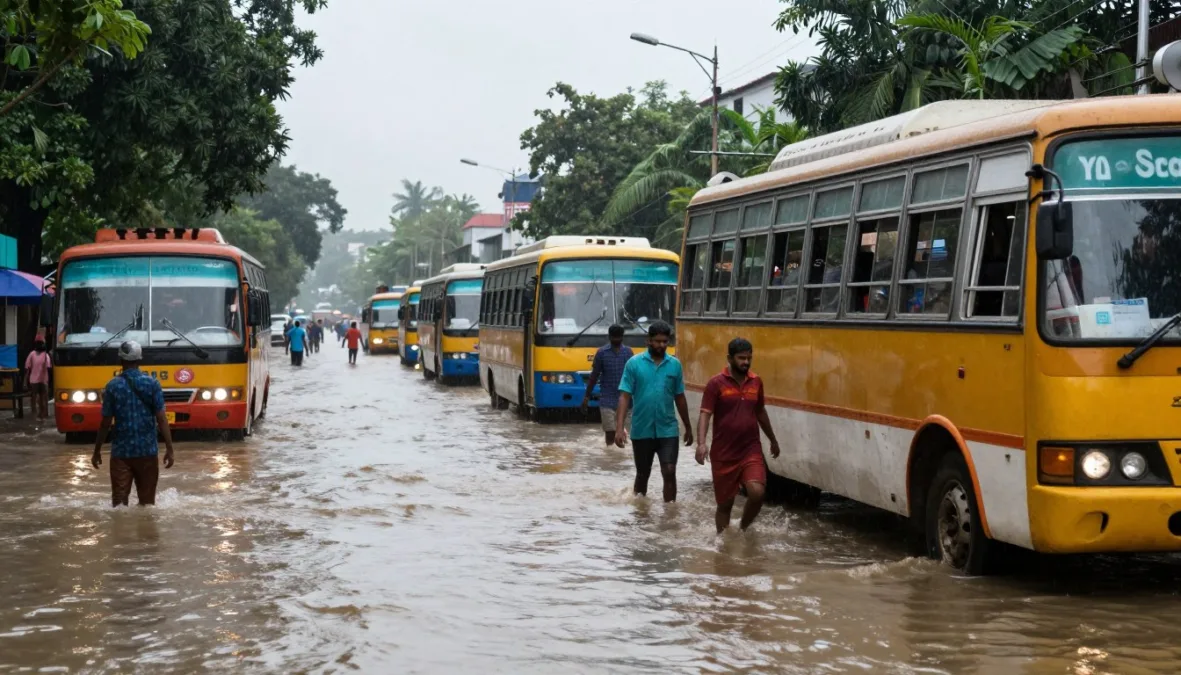
4. Chennai floods, 2015
Exceptional rainfall overwhelmed lakes, drains, roads, and low-lying areas. The urban flood affected homes, hospitals, transport, and businesses. Hundreds of people died across Tamil Nadu according to official and media reports. It also exposed the cost of building over wetlands and planning for rainfall extremes.
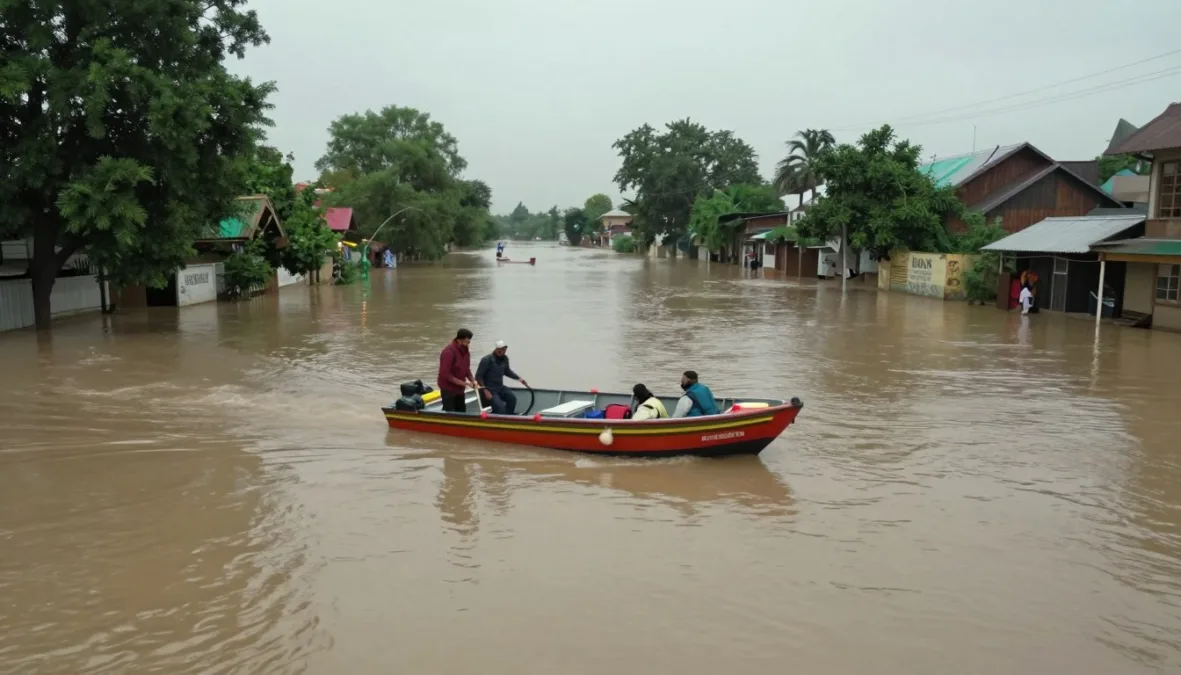
5. Jammu and Kashmir floods, 2014
Heavy rain raised the Jhelum and flooded Srinagar and nearby districts. Hundreds of people died, while homes, bridges, crops, and public buildings were damaged. The event disrupted communications and health services for a long time. It remains one of the region’s worst floods in recent history.
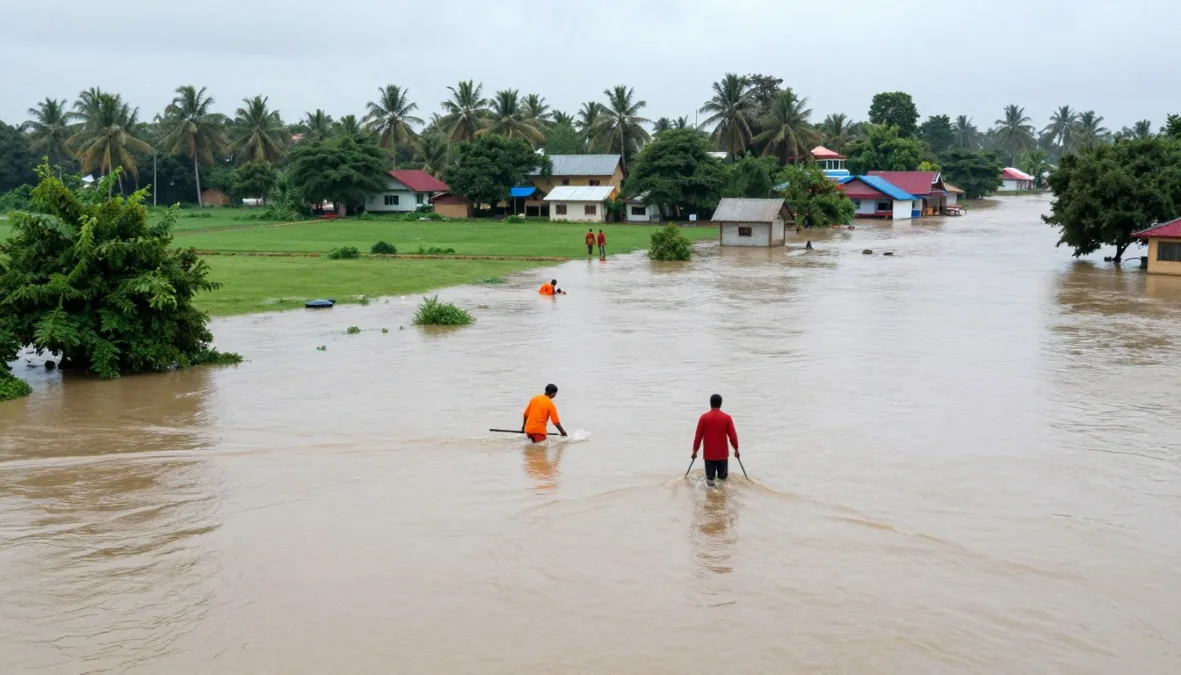
6. Gujarat floods, 2006
Heavy rains caused rivers and reservoirs to rise across Gujarat. Surat and other areas faced flooding, evacuations, power disruption, and crop losses. Reports recorded deaths and extensive property damage. The floods showed how rainfall upstream can quickly affect towns downstream.
Urban, Cyclone, and Historical Floods
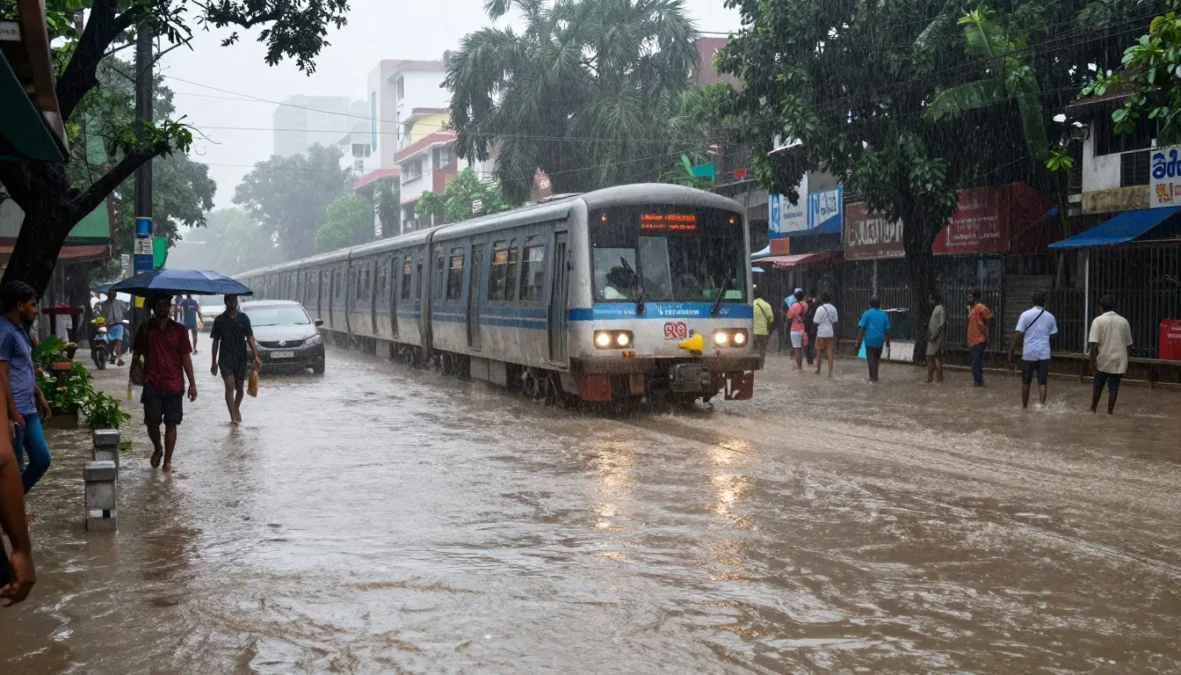
7. Mumbai floods, 2005
Record rainfall in a short time overwhelmed drainage systems and low-lying areas. Hundreds of people died, and transport stopped across the city. Homes, shops, roads, and workplaces were flooded. The disaster pushed urban authorities to improve drainage, rainfall monitoring, and emergency communication.
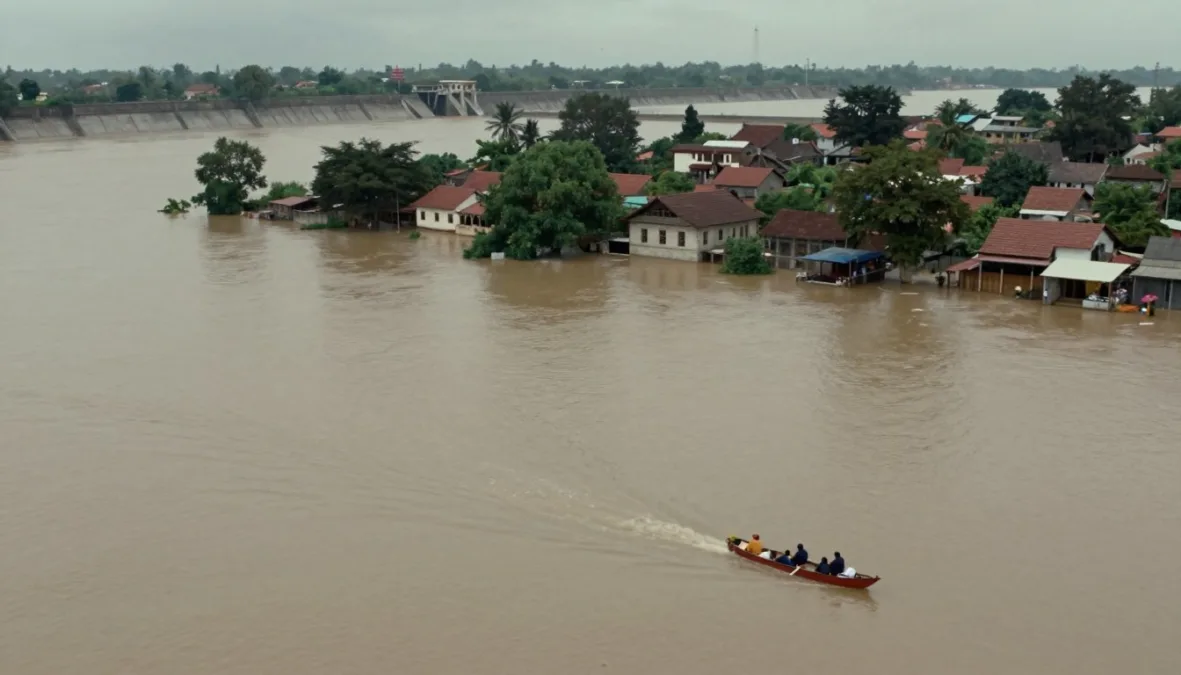
8. Morbi flood, 1979
The failure of the Machhu II dam released a destructive wall of water toward Morbi. The number of people killed remains disputed because records from the time differ. The disaster caused extensive destruction and became a major lesson in dam safety, warning systems, and downstream evacuation.
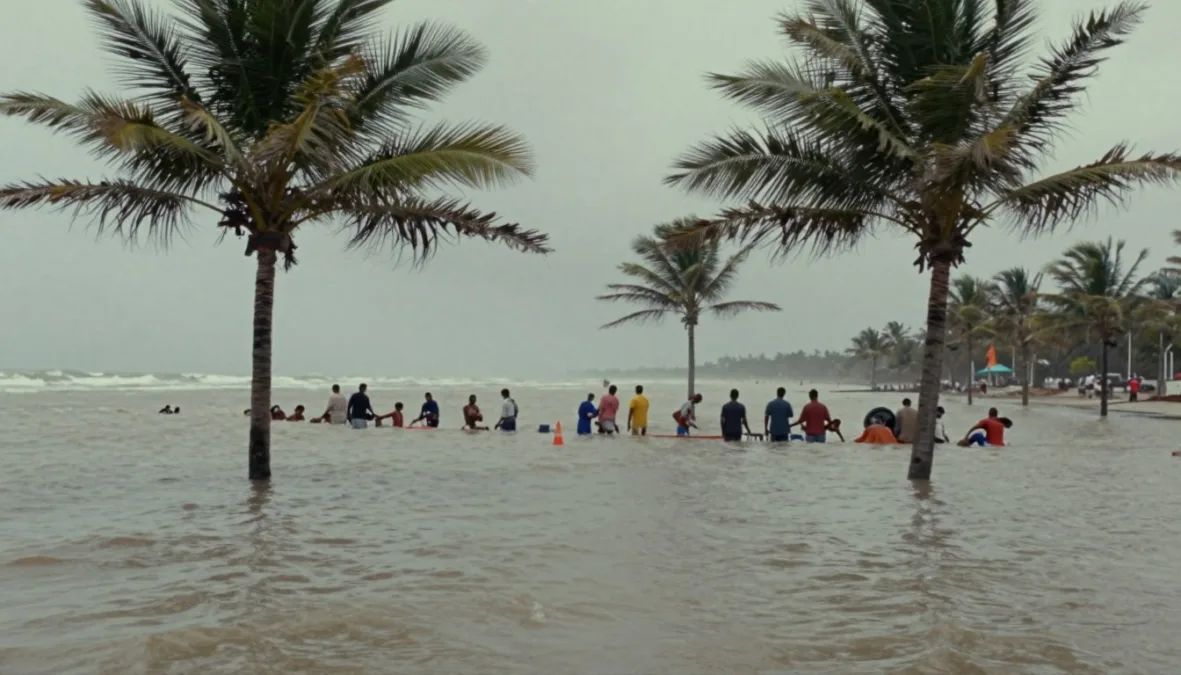
9. Andhra Pradesh cyclone flood, 1970
A powerful cyclone struck the Andhra Pradesh coast with destructive winds, rainfall, and coastal flooding. People died, homes were destroyed, and farming areas were inundated. The event showed that cyclone risk is not limited to wind. Storm surge, river water, and poor access can multiply losses.
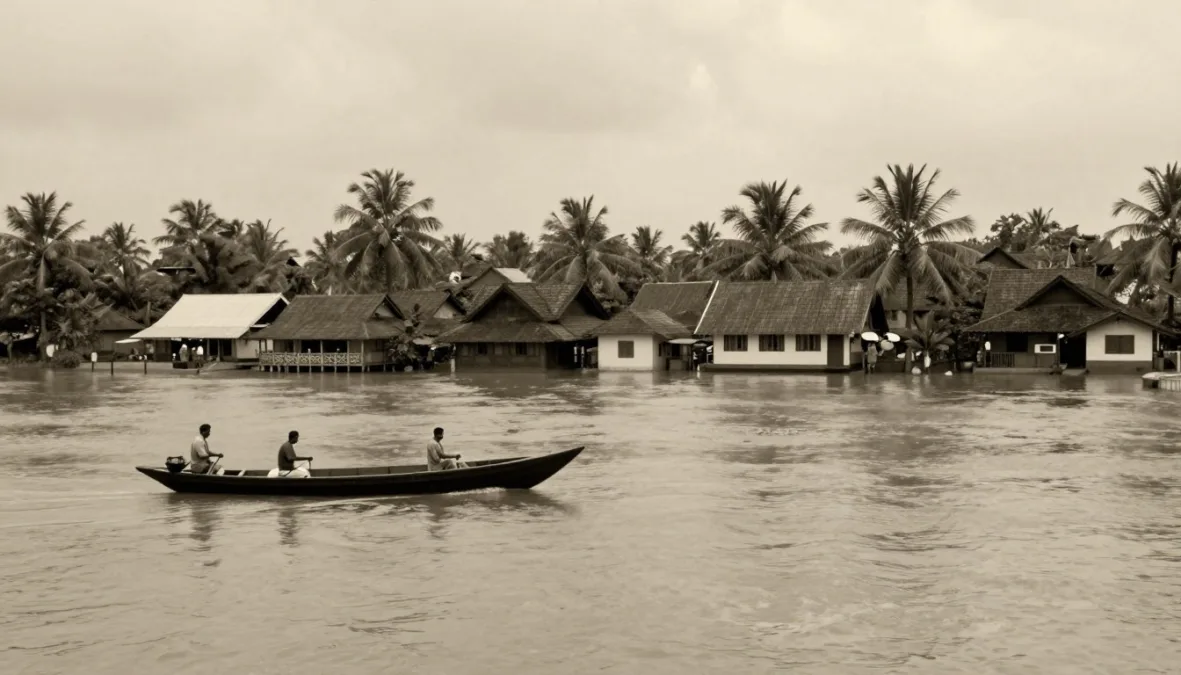
10. Kerala flood, 1924
The 1924 flood is remembered as one of the worst floods in Kerala’s history. Months of heavy rain caused rivers to overflow and landslides to affect hill areas. Exact deaths and displaced people are uncertain because modern disaster records did not exist. Its memory remains important in discussions about rainfall, forests, and river basins.
Visual Evidence: How Flood Risk Changes
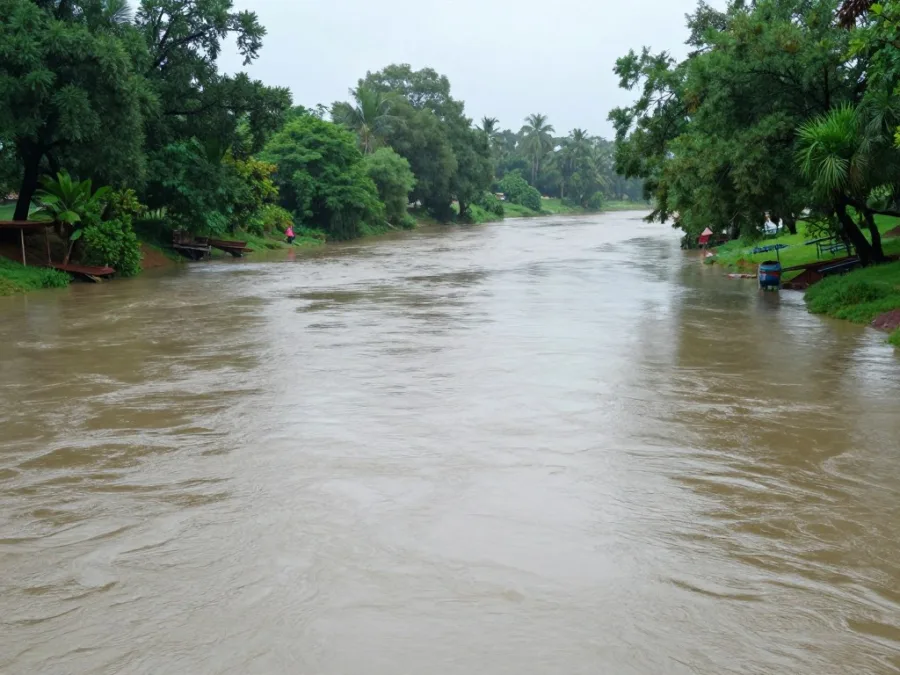
River flooding can spread across a wide basin.
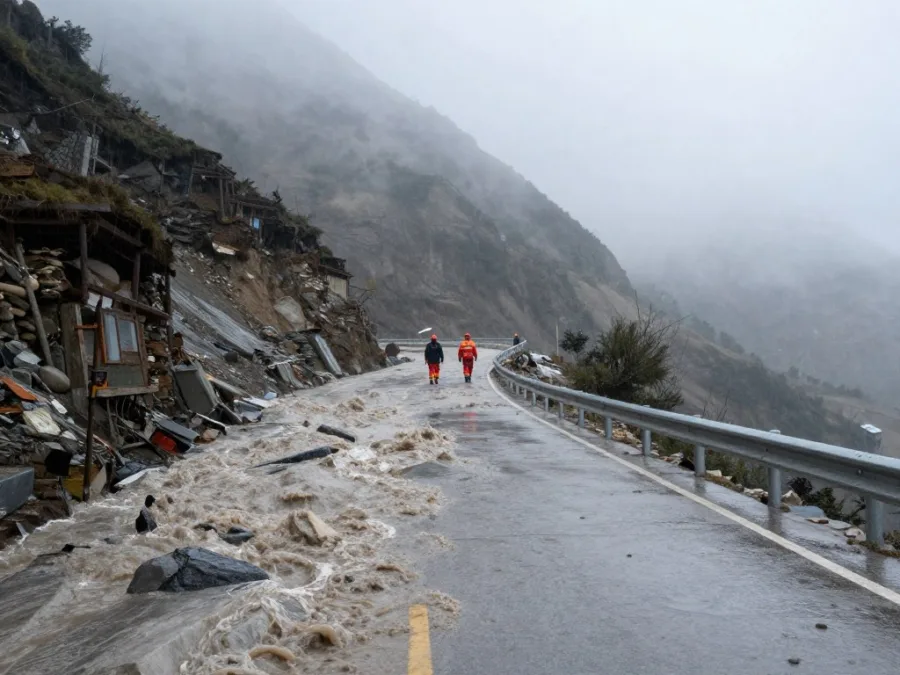
Mountain flash floods can also trigger landslides.
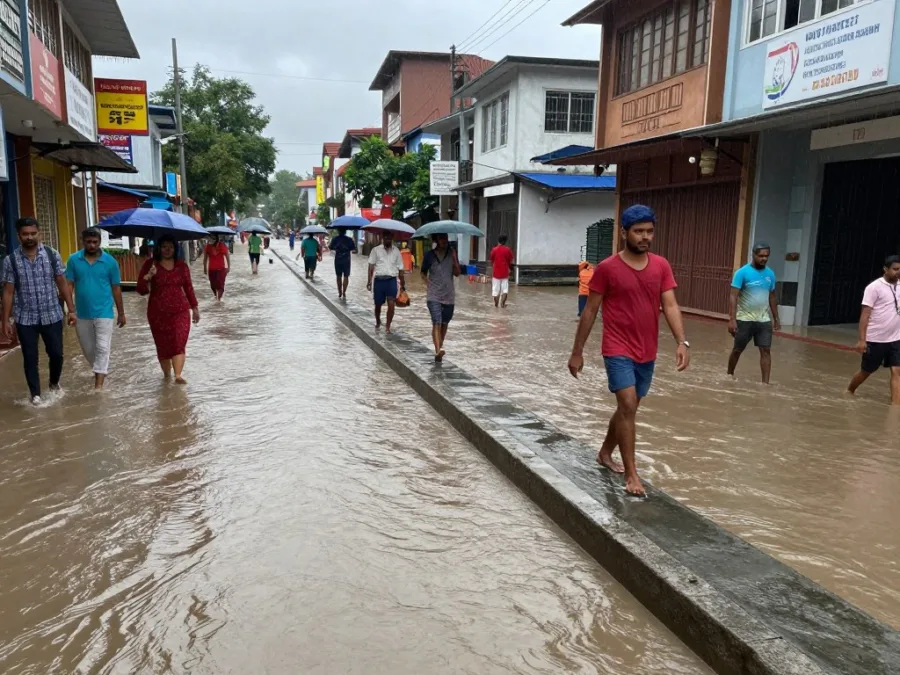
Urban flooding is worsened by blocked drains.
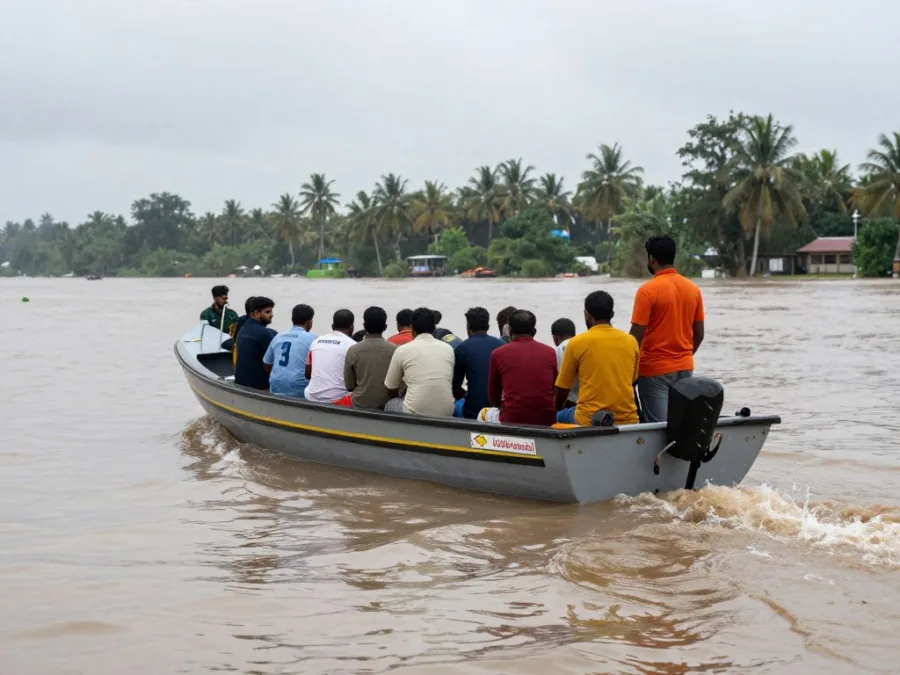
Early evacuation can save lives.
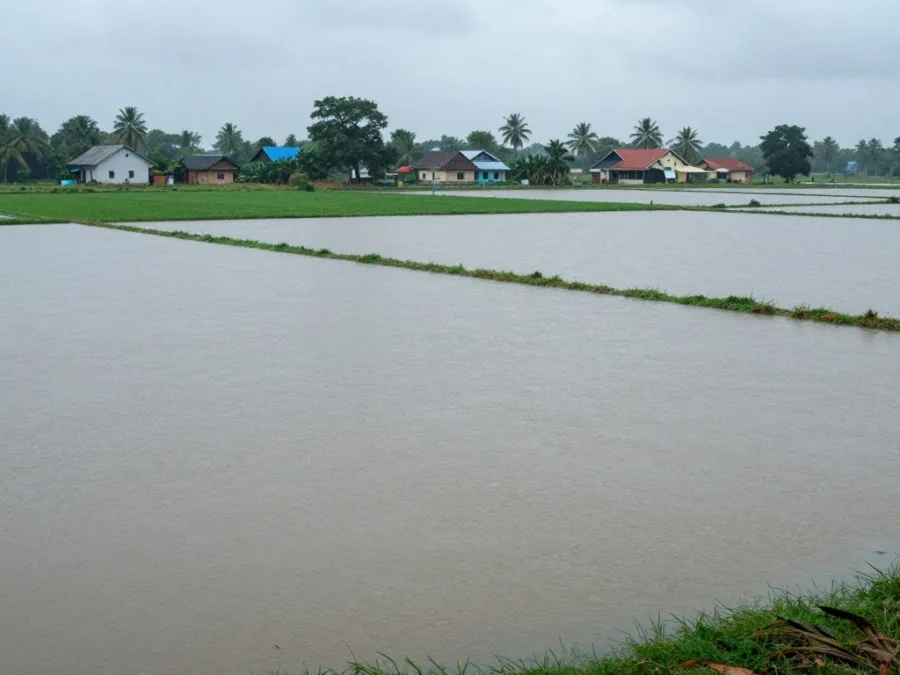
Floods damage crops and rural income.
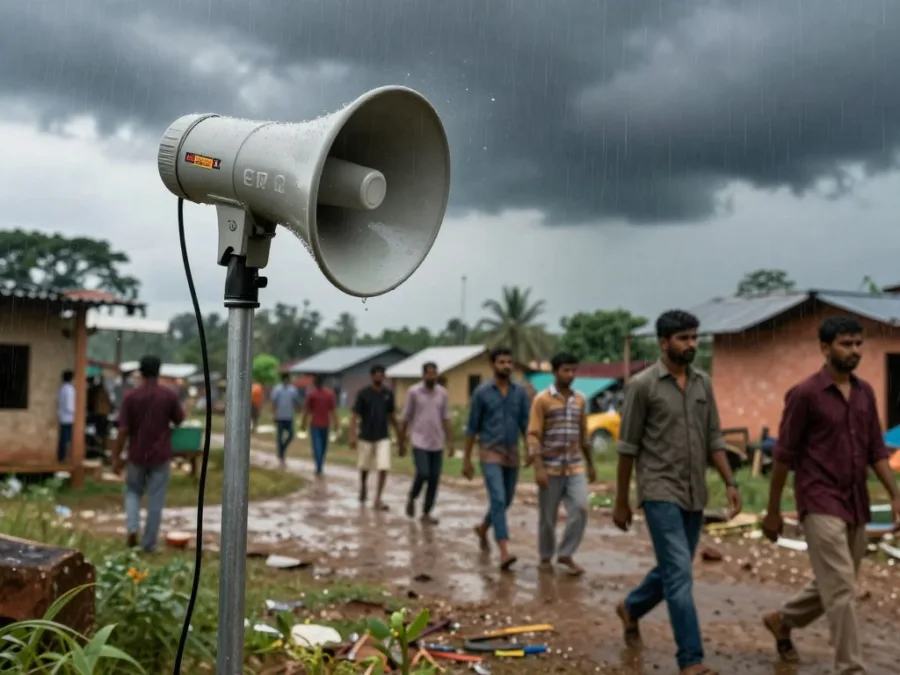
Warnings work best when people trust and understand them.
Sources, Limits, and a Useful Reader CTA
Flood statistics change as rescue teams verify records. A report may count people affected, displaced, evacuated, or temporarily sheltered in different ways. Economic damage also varies by whether it includes private property, public infrastructure, crops, livestock, or lost business time.
For a reliable update, compare the India Meteorological Department, Central Water Commission, National Disaster Management Authority, state disaster agencies, and post-disaster assessments. News archives help explain what happened, but official records should support key numbers.
Check official flood and rainfall updates
Use these sources before sharing figures or making safety decisions. The links are more useful than a sales message for readers researching a disaster.
FAQs About Floods India
Which was one worst floods in India?
The 2013 Uttarakhand floods are often described as one of the worst because flash floods, heavy rainfall, and landslides caused extreme loss of life and blocked many routes.
Why are Bihar floods so widespread?
Bihar lies in a low-lying river region. Rivers carry water and sediment from the Himalayas, and embankment breaches can quickly flood large areas.
Are all floods caused by rainfall?
No. Heavy rainfall is common, but floods can also follow dam failure, cyclone storm surge, riverbank breaches, snowmelt, or sudden water releases.
Is a confirmed 2026 flood ranking available?
No complete ranking should be presented as confirmed without verified 2026 disaster records. New events and final figures must be checked against official sources.
Conclusion: Lessons from India’s Flood History
The top 10 floods in India by year show several repeating risks: intense rainfall, exposed river settlements, weak drainage, unsafe construction, and delayed warnings. Climate variability may increase heavy rain in short periods, while urban growth puts more people in flood-prone areas.
Preparedness must match the hazard. River basins need better forecasting and embankment care. Cities need open drains, protected wetlands, and stronger building policy. Mountain regions need landslide mapping and safe routes. Families should follow alerts, avoid moving water, and keep essential documents protected.
The 2026 record should remain open until reliable evidence is available. Careful sourcing is the best way to understand past floods and reduce future loss of lives, homes, crops, animals, and public assets.

Priyanka Pandey
Senior Research Editor · Top10Sense
Priyanka specializes in tech, consumer products, and digital trends. She combines hands-on testing, vendor interviews, and database research to create trustworthy “Top 10” rankings. Her work has been referenced by industry blogs and brand report pages.