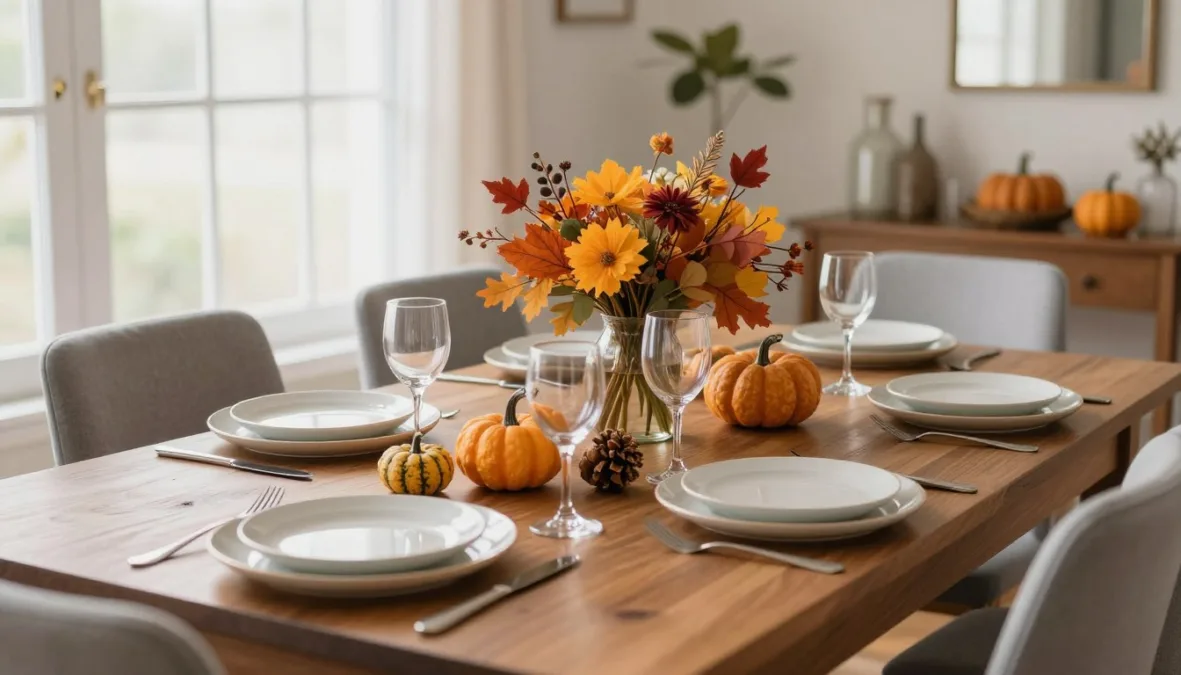
Thanksgiving trivia questions and answers 2026 bring festive entertainment, lively debate, and shared history to family gatherings across the United States. A well-designed dinner-table game engages mixed generations by balancing documented historical events, culinary traditions, parade milestones, and seasonal sports culture.
Selecting verified questions prevents the spread of popular folklore while honoring both indigenous heritage and modern civic customs. Clear question wording allows participants of all ages to test their knowledge without spoiling the answers before dessert arrives.
Thanksgiving Trivia Questions and Answers 2026: The Dinner-Table Quiz
Read these questions aloud during dinner or distribute printed copies to guests before the meal begins. Each question focuses on a verifiable fact concerning the origins, evolution, or cultural traditions of Thanksgiving in the United States.
- Which Native American tribe took part in the famous 1621 harvest feast alongside English colonists at Plymouth Colony?
- Which nineteenth-century female editor and author campaigned for decades to establish Thanksgiving as a recurring national holiday?
- Which United States President issued the 1863 proclamation establishing an annual national day of Thanksgiving on the final Thursday of November?
- In what year did the Macy’s Thanksgiving Day Parade make its street debut in New York City?
- What famous cartoon character became the very first giant helium balloon featured in the Macy’s Thanksgiving Day Parade?
- Which professional football team hosted the first regular Thanksgiving Day NFL game in 1934 and remains a holiday staple today?
- Which United States President formalized the modern official pardoning ceremony for the National Thanksgiving Turkey in 1989?
- Which American state ranks first in commercial cranberry production, yielding over half of the national harvest?
- In what year did federal legislation permanently designate Thanksgiving Day as the fourth Thursday in November?
- On what exact calendar date will the United States celebrate Thanksgiving Day in the year 2026?
Keep responses private until all ten questions have been read aloud. Scoring works best when answers are written down individually or submitted as collaborative household teams.
Practical Tips for Hosting Dinner Table Trivia
Organizing a smooth trivia game during Thanksgiving dinner keeps conversations upbeat and inclusive. The right pacing keeps guests engaged without interrupting the flow of food service or holiday storytelling.
Multi-Generational Teams
Pair younger participants with older family members to balance knowledge of historical dates with modern pop culture. This setup encourages collaborative discussion across generations.
Mealtime Pacing
Read five questions during the appetizer course and five questions during the main dinner. Announce the full answer key right before serving pumpkin pie.
Low-Stress Scoring
Use a single point system per question with no deductions for incorrect guesses. Simple scoring keeps the atmosphere friendly and accessible for casual players.
Designating an enthusiastic host to read questions clearly helps maintain attention throughout the meal. Modulating the pace ensures everyone has time to chew, discuss clues, and write down their answers.
Quick-Reference Answer Key for Scoring
Check player sheets against this direct answer key before reviewing the detailed historical explanations. Each entry provides the precise factual answer needed to award a point.
- Question 1: The Wampanoag (specifically the Pokanoket band led by Massasoit Ousamequin).
- Question 2: Sarah Josepha Hale (editor of Godey’s Lady’s Book and author of “Mary’s Lamb”).
- Question 3: Abraham Lincoln.
- Question 4: 1924 (originally billed as a Christmas parade).
- Question 5: Felix the Cat (debuted in 1927).
- Question 6: The Detroit Lions.
- Question 7: George H.W. Bush.
- Question 8: Wisconsin.
- Question 9: 1941 (signed by Franklin D. Roosevelt).
- Question 10: November 26, 2026.
Award one point for each exact match. Accept reasonable alternative spellings for proper names like Wampanoag or Massasoit to keep scoring fair and supportive.
Historical Origins: The 1621 Harvest Feast and Sarah Josepha Hale
Primary historical documents provide a vivid picture of early colonial gatherings that differs substantially from popular folklore. Understanding what primary sources actually record deepens appreciation for the historic relationship between English settlers and the Wampanoag people.
In autumn 1621, English colonists in Plymouth and approximately ninety Wampanoag men gathered for a three-day harvest celebration. Surviving accounts written by Edward Winslow and William Bradford describe meals featuring wild waterfowl, flint corn meal, and five deer provided by the Wampanoag. The participants engaged in military drills and target shooting rather than a formal religious ceremony, and the gathering was not termed a “Thanksgiving” by the participants.
The modern national holiday owes its institutional existence to Sarah Josepha Hale, the influential editor of Godey’s Lady’s Book. Hale spent nearly four decades writing letters to governors, military leaders, and five separate presidents advocating for a unified civic holiday. Her advocacy bore fruit in October 1863, when President Abraham Lincoln issued a proclamation establishing an annual day of Thanksgiving to promote unity during the American Civil War.
Historical records confirm that the 1621 gathering was a political and diplomatic harvest assembly rather than an annual religious tradition. Sarah Josepha Hale’s persistent civic campaigning between 1827 and 1863 transformed the regional New England custom into a permanent nationwide observance.
Parades, Football, and White House Ceremonies
Twentieth-century cultural institutions turned Thanksgiving into a showcase for mass entertainment and shared community spectacles. From morning street parades to afternoon athletic broadcasts and presidential ceremonies, these traditions remain central to family celebrations.
| Tradition | Inaugural Year | Key Milestones | Historical Cultural Significance |
| Macy’s Parade | 1924 | Helium balloons added in 1927 | Began as an employee-led festival honoring immigrant heritage and retail commerce. |
| Detroit Lions | 1934 | Nationally broadcast on radio | Owner G.A. Richards established the game to build a loyal regional football fan base. |
| Dallas Cowboys | 1966 | Record stadium television draw | General manager Tex Schramm secured a regular late-afternoon national broadcast slot. |
| Turkey Pardon | 1989 | Permanent Rose Garden event | President George H.W. Bush formalized sporadic presidential bird gifts into official ritual. |
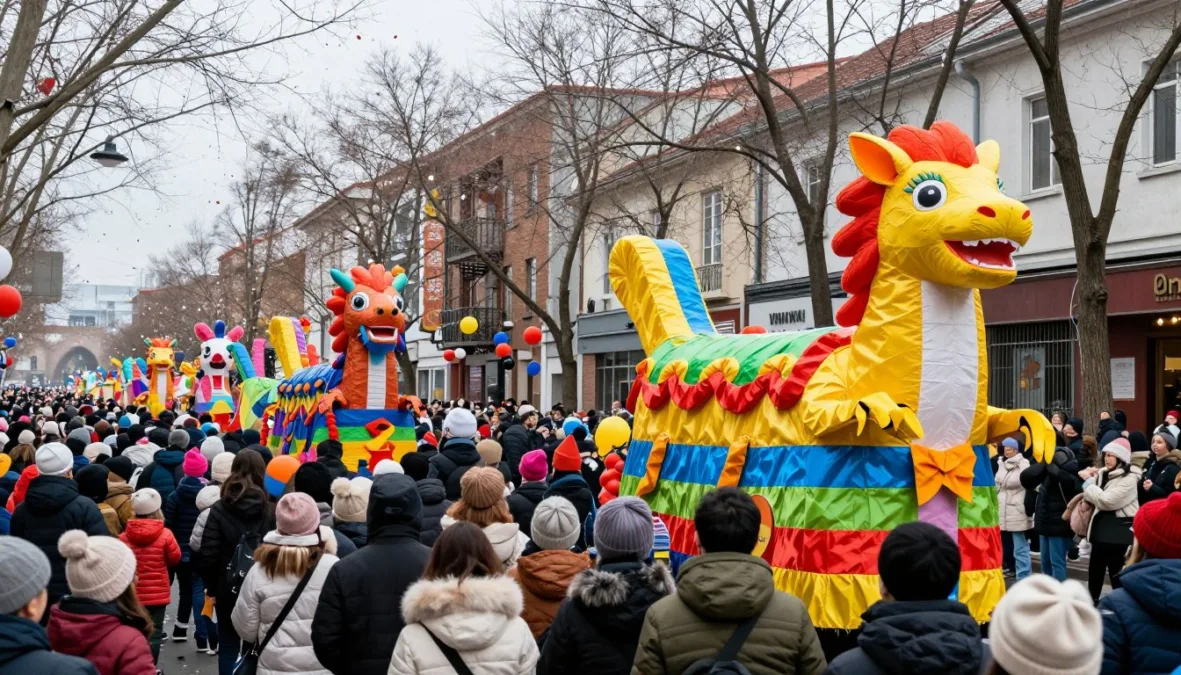
The Macy’s Thanksgiving Day Parade initially featured live animals borrowed from the Central Park Zoo before handlers transitioned to helium-filled fabric balloons designed by puppeteer Tony Sarg. Felix the Cat was the first balloon to float along the Manhattan route in 1927, setting the stage for icons like Mickey Mouse and Snoopy.
In football, the Detroit Lions played their first Thanksgiving game in 1934 against the Chicago Bears to draw crowds to the newly relocated franchise. Broadcaster NBC carried the matchup across ninety radio stations, cementing the football tradition in living rooms across the nation.
Food History: Cranberries, Turkeys, and Harvest Staples
Thanksgiving dinner menus reflect an evolving blend of native North American agricultural crops and twentieth-century commercial culinary inventions. While wild game and native plants sustained early gatherings, standard side dishes developed through regional farming advances and corporate test kitchens.
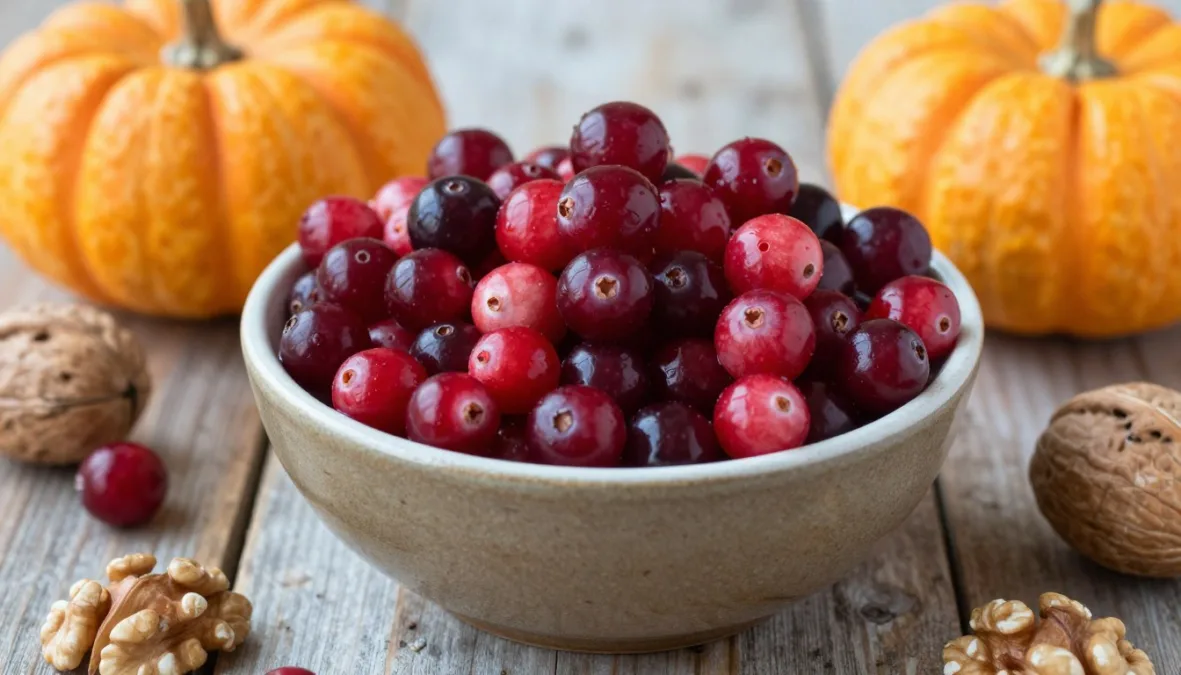
Commercial cranberry harvesting relies on native wetland bogs primarily situated in Wisconsin, Massachusetts, New Jersey, Oregon, and Washington. Wisconsin consistently leads production, supplying over half of the cranberries consumed in juices, baked goods, and jellied sauces. Cranberries were used extensively by indigenous nations for food, fabric dyeing, and wound healing long before commercial cultivation began in nineteenth-century Cape Cod.
Domesticated broad-breasted white turkeys dominate modern grocery counters, differing significantly from the agile wild turkeys native to American woodlands. Wild turkeys can fly short distances and forage on acorns and seeds, producing leaner, more intensely flavored meat. Meanwhile, popular accompaniments like green bean casserole were created by corporate home economists in 1955, rapidly becoming an indispensable element of holiday dinners.
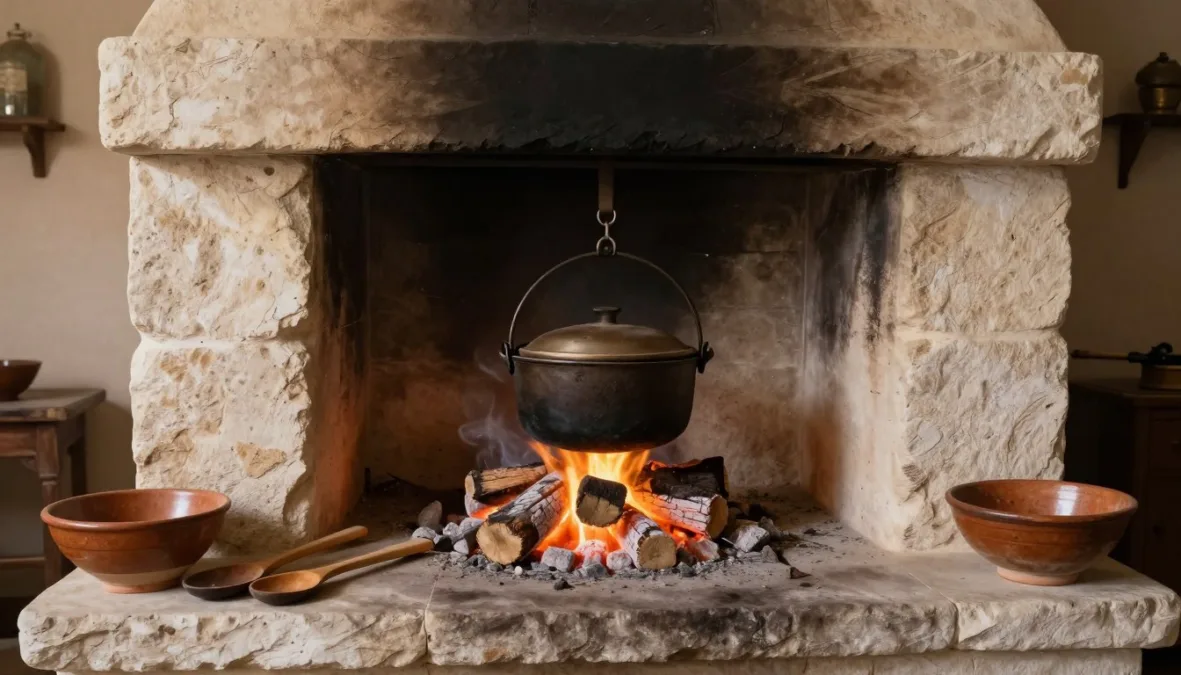
Early colonial autumn feasts did not feature modern sweet pumpkin pies with pastry crusts. Instead, English settlers hollowed out whole pumpkins, filled the cavity with spiced milk and honey, and roasted the squash directly in fireplace embers to create a rich custard.
Modern Observances, Federal Laws, and the 2026 Date
The placement of Thanksgiving on the modern calendar resulted from intense economic debate and federal legislative action during the twentieth century. Clarifying the statutory history explains why the holiday date shifts each autumn while adhering to a strict calendar pattern.
The 1939 Calendar Dispute
President Franklin D. Roosevelt attempted to expand holiday shopping during the Great Depression by moving Thanksgiving forward one week. The controversial change sparked nationwide debate and created conflicting regional observance dates.
The 1941 Federal Resolution
Congress ended the calendar confusion by passing House Joint Resolution 41 in late 1941. President Roosevelt signed the measure, officially establishing Thanksgiving Day as the fourth Thursday of November.
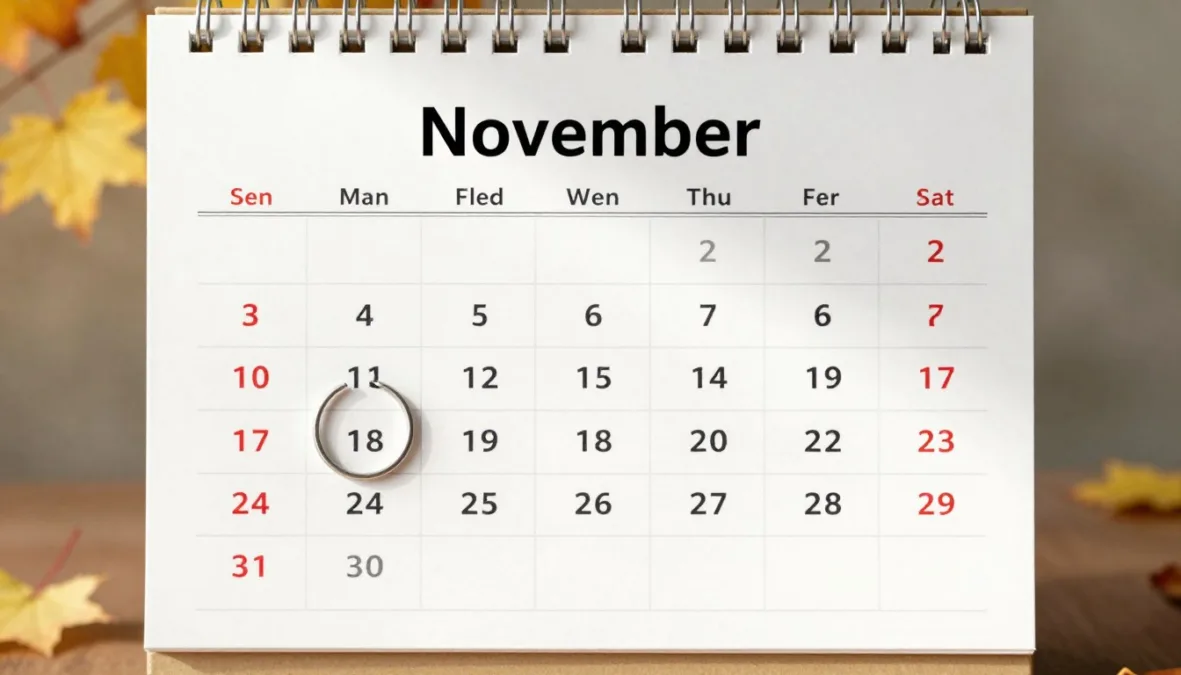
Because the federal statute mandates the fourth Thursday rather than the last Thursday, Thanksgiving falls on November 26 in the year 2026. In months where November begins on a Friday, Saturday, or Sunday, a fifth Thursday occurs, making the distinction between fourth and last legally significant.
Modern observances also encompass broader cultural reflection across the country. Since 1970, many Native Americans and allies gather at Cole’s Hill in Plymouth on Thanksgiving Day for the National Day of Mourning, honoring indigenous resilience and remembering the historical losses caused by colonization.
Distinguishing Thanksgiving Myths From Documented History
Classroom plays, advertising campaigns, and nineteenth-century romantic paintings created persistent myths about early colonial life. Comparing popular assumptions against authenticated historical records clarifies what truly occurred during seventeenth-century harvest gatherings.
- Pilgrims wore tall black hats adorned with prominent silver buckles.
- The 1621 feast featured roasted turkey, mashed potatoes, and cranberry sauce.
- Colonists used metal forks to consume their multi-course banquet.
- The celebration was a quiet religious event limited exclusively to church members.
Popular Cultural Myths
- Settlers wore practical woolens in diverse vegetable dyes like red, green, and brown.
- The documented menu included waterfowl, flint corn, venison, and indigenous seafood.
- Guests ate primarily using knives, spoons, and linen napkins rather than table forks.
- The assembly lasted three days and included athletic competitions and military drills.
Documented Historical Facts
Buckled clothing was an expensive high-fashion trend in seventeenth-century Europe and was entirely absent from Plymouth workwear. Victorian illustrators in the late nineteenth century added decorative buckles to colonial depictions to make historical figures look visually distinct.
Forks were not widely adopted in English households until the late seventeenth and early eighteenth centuries. Colonists in 1621 relied on personal knives, carved wooden spoons, and large linen towels to handle hot venison, roasted fowl, and boiled grain porridges.
Frequently Asked Questions About Thanksgiving Trivia
Why does Thanksgiving fall on a different calendar day every year?
Thanksgiving changes calendar dates each year because federal law defines the holiday by weekday rather than a fixed calendar day. The holiday occurs specifically on the fourth Thursday of November, which ranges between November 22 and November 28.
Did the colonists eat turkey at the 1621 harvest gathering?
Historical records by Edward Winslow mention that English hunters brought back wild waterfowl, which likely included ducks and geese. While William Bradford noted that wild turkeys lived in the area, venison and waterfowl formed the confirmed centerpiece of the 1621 meals.
Who started the tradition of watching football on Thanksgiving?
Intercollegiate football teams began playing on Thanksgiving in the late nineteenth century, led by early matchups between Yale and Princeton. The modern professional tradition solidified in 1934 when the Detroit Lions partnered with NBC to broadcast their holiday game nationwide.
What is the best way to handle tiebreakers in a dinner trivia game?
A numeric estimate question provides an effective tiebreaker for Thanksgiving trivia games. Asking teams to estimate the weight of the largest recorded turkey or the total route distance of the Macy’s parade allows the closest guess to claim victory.
When did pumpkin pie become a standard Thanksgiving dessert?
Pumpkin puddings and stewed squashes were common autumn foods throughout the seventeenth century in New England. Crust-baked pumpkin pies became standard holiday centerpieces in the early nineteenth century as refined flour, sugar, and baking spices became widely accessible.
Bringing Trivia to the 2026 Dinner Table
Hosting a structured trivia challenge enriches the Thanksgiving gathering by blending lighthearted competition with accurate historical insights. Reading these ten verified questions between dinner courses encourages lively family discussion and sets the stage for a memorable holiday meal. Take time between the main course and dessert to reveal the answer key, share the background facts, and celebrate the shared traditions of Thanksgiving 2026.

Priyanka Pandey
Senior Research Editor · Top10Sense
Priyanka specializes in tech, consumer products, and digital trends. She combines hands-on testing, vendor interviews, and database research to create trustworthy “Top 10” rankings. Her work has been referenced by industry blogs and brand report pages.