
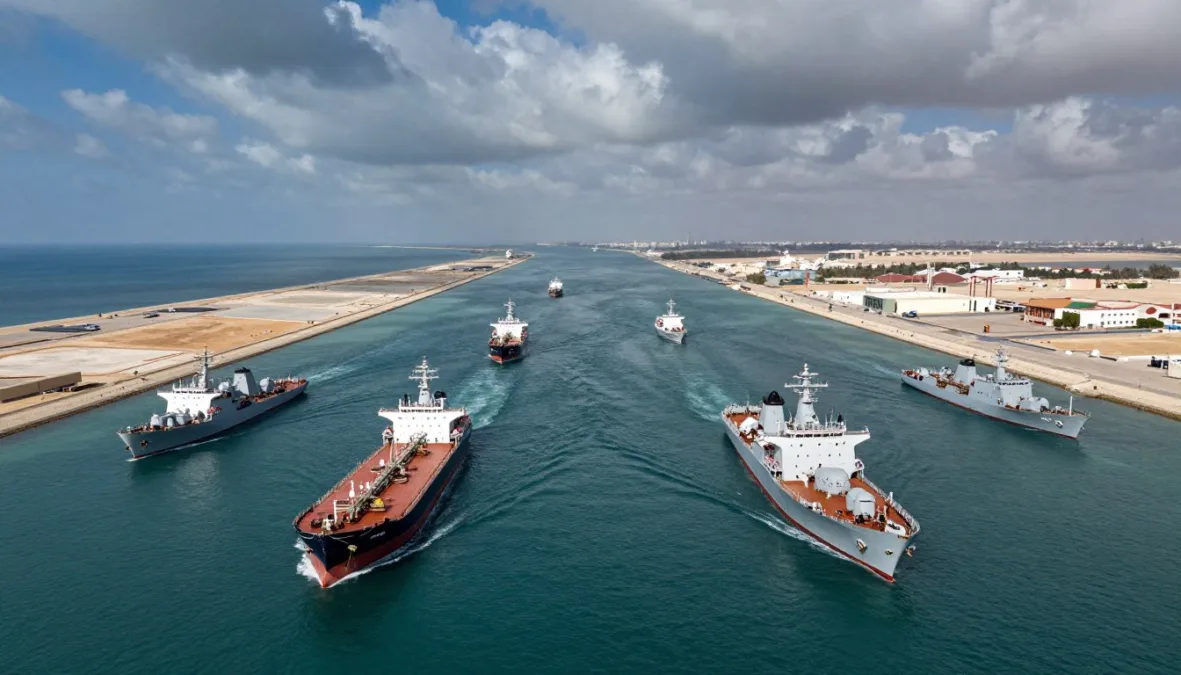
The 2026 Strait of Hormuz War erupted in February 2026 and fundamentally reshaped global geopolitics. This conflict centered on the world’s most critical oil transit chokepoint. The strait carries approximately 21 million barrels per day of crude oil and petroleum products.
The war’s impact rippled far beyond the Persian Gulf region. Countries dependent on Middle Eastern energy exports faced unprecedented economic challenges. Global supply chains experienced severe disruptions that lasted throughout 2026 and into 2027.
This comprehensive analysis examines the ten nations most profoundly affected by the 2026 Iran War. Each country faced unique combinations of economic hardship, strategic vulnerabilities, and diplomatic pressures. Understanding these impacts provides crucial insights into modern geopolitical dependencies and energy security.
Stay Updated on Middle East Developments
Receive weekly expert analysis on the ongoing impacts of the 2026 Strait of Hormuz War and evolving geopolitical dynamics across the Middle East.
Understanding the 2026 Iran War and Its Global Significance
The 2026 Iran War began on February 12, 2026, when escalating tensions between Iran and the United States reached a critical breaking point. Supreme Leader Ali Khamenei authorized retaliatory strikes against American military installations across the Middle East. This decision followed months of deteriorating diplomatic relations and increased economic sanctions.
Operation Epic Fury launched on February 15, 2026, marking the official US military response. American forces conducted extensive missile and drone strikes against Iran’s nuclear program facilities and military infrastructure. The campaign intensified throughout February 2026 and continued into June 2026 with varying degrees of intensity.
Timeline of Major Events
The conflict unfolded through several distinct phases that shaped its ultimate impact on global affairs.
- February 2026: Initial strikes and Operation Epic Fury commencement
- March 2026: Iran closes Strait of Hormuz to international shipping
- April 2026: Oil prices reach $147 per barrel
- May 2026: International coalition forms to reopen maritime passage
- June 2026: Partial ceasefire negotiations begin
- July 2026: Limited Strait traffic resumes under naval escort
The Strategic Importance of the Strait of Hormuz
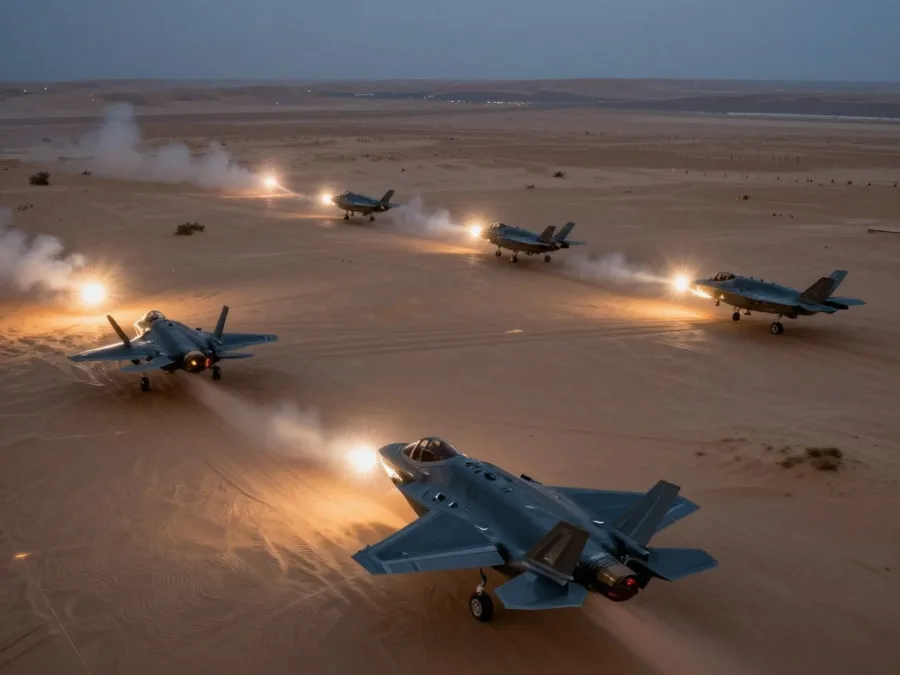
The Strait of Hormuz represents the world’s most critical energy chokepoint. Approximately one-third of all seaborne traded oil passes through this narrow waterway. The strait spans just 21 miles at its narrowest point between Iran and Oman.
Before the 2026 Iran War, traffic through the Strait of Hormuz included tankers carrying crude oil from Saudi Arabia, Iraq, Kuwait, the United Arab Emirates, and Iran itself. The daily traffic exceeded 400 vessel transits during peak periods. This maritime corridor connected Persian Gulf oil producers to Asian, European, and American markets.
Critical Statistics: The closure of the Strait of Hormuz during February 2026 through June 2026 removed approximately 17 million barrels per day from global markets, representing the largest supply disruption in petroleum history.
Escalation Factors Leading to Conflict
Several interconnected factors precipitated the outbreak of the 2026 Iran War. Iran’s nuclear program advancement alarmed regional powers and Western nations throughout 2025. Supreme Leader Ali Khamenei consistently rejected international inspection protocols despite mounting diplomatic pressure.
The United States under President Donald Trump reinstated comprehensive economic sanctions in June 2025. These measures targeted Iran’s oil exports, banking sector, and international trade relationships. Iranian attacks on commercial shipping escalated in response to these economic pressures.
By January 2026, Iran had conducted missile drone strikes against Saudi Arabian oil facilities and international shipping in the Red Sea. The Axis of Resistance, comprising Iranian-aligned forces across the Middle East, launched coordinated operations against American interests. This regional coordination signaled Iran’s willingness to expand the conflict beyond bilateral confrontation.
1. United Arab Emirates: Front-Line Impact and Economic Transformation

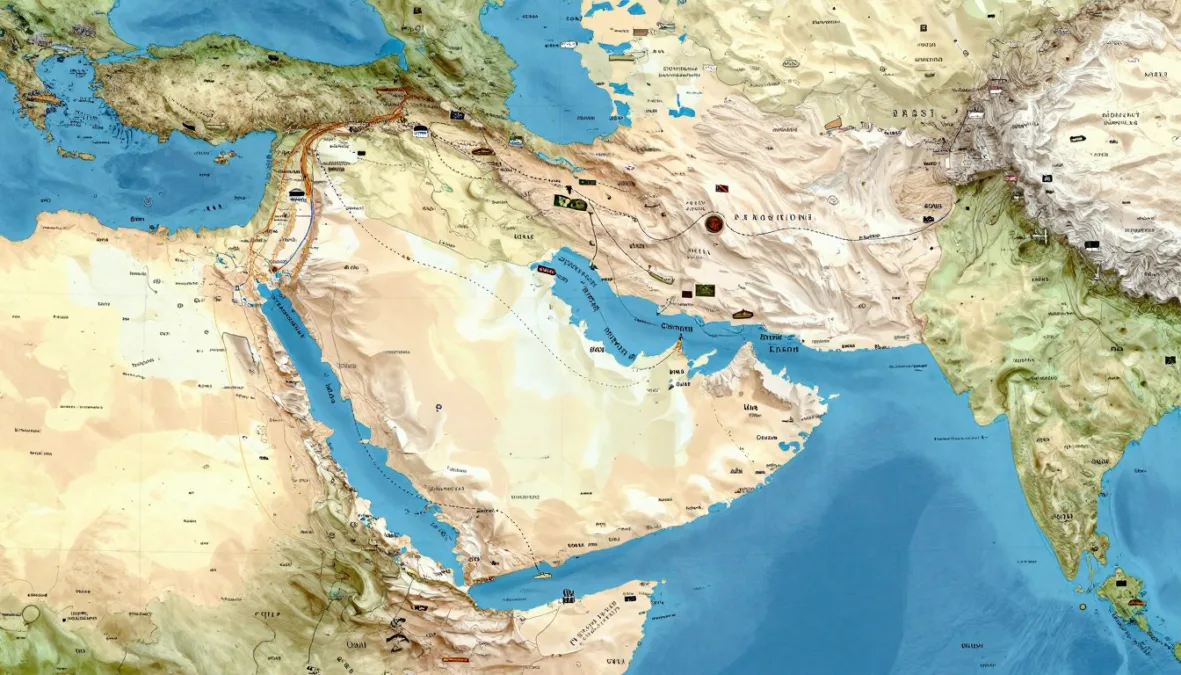
The United Arab Emirates experienced the most immediate and severe consequences of the 2026 Iran War. The UAE’s geographical proximity to Iran placed it directly in the conflict zone. Dubai International Airport, one of the world’s busiest aviation hubs, faced unprecedented operational challenges as regional airspace became contested.
Iranian strikes on UAE territory occurred on multiple occasions during February 2026 and March 2026. Missile and drone attacks targeted energy infrastructure, particularly facilities in Abu Dhabi and northern emirates. These attacks aimed to demonstrate Iran’s capability to strike Gulf Arab states supporting American operations.
Economic Devastation and Oil Industry Disruption
The UAE’s oil export capacity collapsed during the Strait of Hormuz closure. The nation produces approximately 3 million barrels per day, with over 90% traditionally exported through the strait. Alternative export routes proved insufficient to maintain pre-war production levels.
Dubai’s economy, heavily dependent on trade, tourism, and aviation, contracted sharply. International visitor arrivals dropped 67% between February 2026 and June 2026. Major hotels reported occupancy rates below 30%, compared to typical rates exceeding 80%. The hospitality sector laid off an estimated 45,000 workers during this period.
Strategic Military Considerations
The United Arab Emirates served as a critical logistics hub for Operation Epic Fury. American military forces utilized Al Dhafra Air Base and other UAE facilities to conduct operations against Iranian targets. This partnership made the UAE a primary target for Iranian retaliation throughout the conflict.
UAE security forces mobilized extensively to defend critical infrastructure. The nation activated comprehensive air defense systems and coordinated with American military assets. Despite these preparations, several Iranian missile drone strikes penetrated defenses and caused significant damage to energy facilities.
Direct Military Impacts
- 15 confirmed Iranian missile strikes on UAE territory
- Al Dhafra Air Base attacked three times in March 2026
- Abu Dhabi National Oil Company facilities damaged
- Fujairah oil storage terminals struck in April 2026
- Coastal radar installations destroyed
Economic Consequences
- GDP contracted 11.3% in Q2 2026
- Tourism revenue declined $23 billion annually
- Real estate market values dropped 28%
- Foreign direct investment fell 54%
- Banking sector stressed by corporate defaults
Diplomatic Realignment and Regional Relations
The 2026 Iran War forced the United Arab Emirates into difficult diplomatic positions. The nation maintained complex relationships across the Middle East before the conflict. These relationships became untenable as regional polarization intensified.
UAE leadership faced pressure to publicly support American operations while managing concerns about long-term regional stability. The nation’s previous efforts at diplomatic engagement with Iran completely collapsed. Trade relationships that had persisted despite tensions evaporated within weeks of the conflict’s outbreak.
Relations with other Gulf Arab states strengthened through shared security concerns. The UAE coordinated closely with Saudi Arabia and other Gulf Cooperation Council members on defense and economic stabilization measures. This cooperation created a more unified front among Gulf Arab states than had existed before the 2026 Iran War.
Recovery Initiatives: By July 2026, the UAE government announced a $45 billion economic stimulus package focusing on infrastructure repair, tourism revival, and diversification away from oil dependency. The initiative represented the largest domestic investment program in UAE history.
Long-Term Transformation
The impact of the 2026 Iran War on the United Arab Emirates extended far beyond immediate damage. The conflict accelerated existing diversification strategies away from oil dependence. Dubai and Abu Dhabi invested heavily in technology sectors, renewable energy, and financial services as alternatives to traditional energy revenues.
The nation’s approach to regional security fundamentally shifted. Defense spending increased 34% in the 2026-2027 budget cycle. The UAE pursued advanced missile defense systems and enhanced domestic military capabilities. The goal became reducing dependence on external security guarantees while maintaining strategic partnerships.
2. Saudi Arabia: Economic Giant Under Pressure
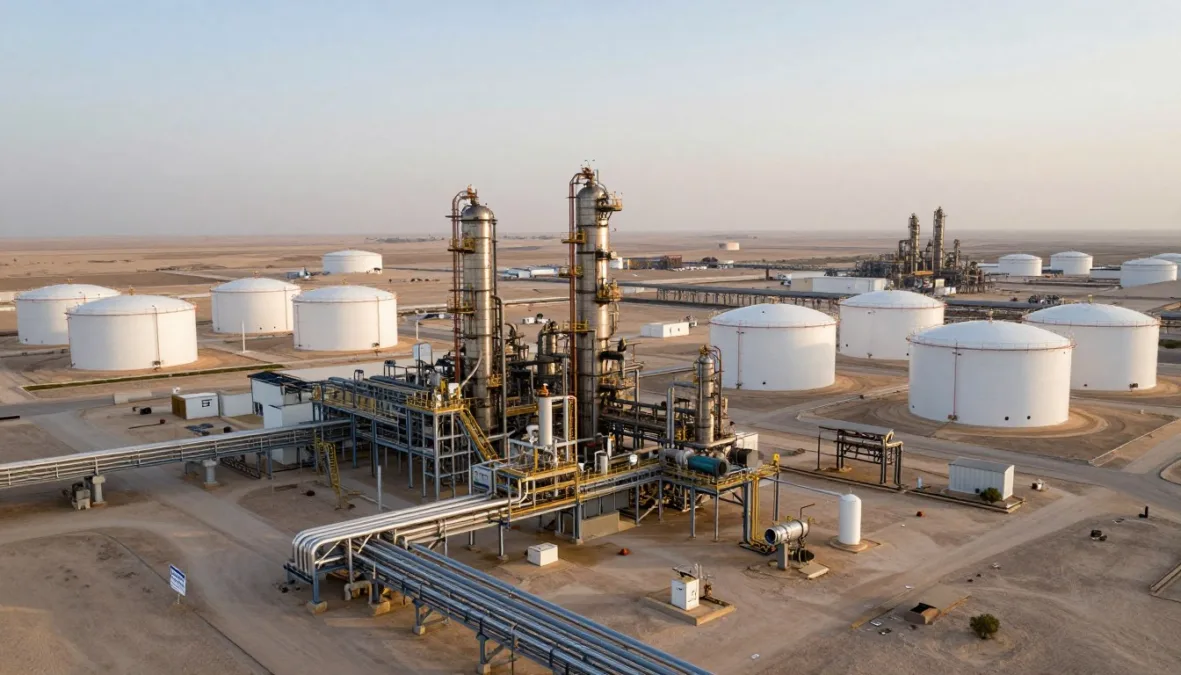
Saudi Arabia confronted existential threats to its economic model during the 2026 Iran War. The kingdom produces approximately 11 million barrels per day, making it the world’s largest oil exporter. The Strait of Hormuz closure eliminated the primary export route for this massive production volume.
The conflict represented a direct challenge to Saudi regional influence. Iranian attacks targeted Saudi oil infrastructure with sophisticated precision. These strikes demonstrated Iran’s capability to threaten the kingdom’s economic foundation despite extensive defensive investments.
Infrastructure Attacks and Production Disruption
Iranian forces and aligned militias conducted sustained attacks on Saudi Arabian energy infrastructure throughout the 2026 Iran War. The campaign built upon previous strikes, including the devastating September 2019 attack on Abqaiq processing facilities. The 2026 attacks exceeded previous incidents in scale and coordination.
Abqaiq facilities suffered renewed damage in March 2026 from missile and drone strikes. The attacks temporarily shut down processing capacity of 5.7 million barrels per day. Repair efforts required six weeks to restore partial functionality and three months for complete restoration.
The East-West Pipeline, also known as Petroline, became a critical asset during the Strait of Hormuz closure. This 746-mile pipeline connects eastern oil fields to Red Sea export terminals. Saudi authorities redirected available production through this route, but its capacity of 5 million barrels per day could not replace strait-based exports.
| Month | Production (Million bpd) | Exports (Million bpd) | Revenue (Billion USD) | Major Incidents |
| February 2026 | 10.8 | 7.2 | 18.4 | Initial strait closure |
| March 2026 | 6.3 | 2.8 | 9.7 | Abqaiq attacked |
| April 2026 | 7.1 | 3.4 | 14.2 | Pipeline sabotage |
| May 2026 | 7.9 | 4.1 | 16.8 | Ras Tanura shelling |
| June 2026 | 8.6 | 4.9 | 18.1 | Partial strait reopening |
| July 2026 | 9.4 | 6.3 | 21.6 | Escorted tanker operations |
Economic Crisis and Budget Deficits
The Saudi government faced unprecedented fiscal challenges as oil revenues collapsed during the 2026 Iran War. The kingdom’s budget depends heavily on petroleum exports for government funding. Revenue declines forced difficult choices between maintaining services and preserving foreign currency reserves.
Government spending cuts affected major infrastructure projects across the kingdom. Vision 2030 initiatives faced delays and budget reductions. The NEOM megacity project saw its timeline extended and immediate funding reduced by 40%. Other planned developments experienced similar adjustments.
The Public Investment Fund deployed reserves to stabilize the economy. Foreign asset sales generated necessary liquidity for immediate needs. Saudi Arabia’s sovereign wealth fund reduced its international holdings by an estimated $78 billion between February 2026 and July 2026.
Download: Economic Impact Analysis
Access our comprehensive infographic detailing the economic consequences across all Gulf nations during the 2026 Strait of Hormuz War. Includes production data, revenue analysis, and recovery timelines.
Regional Leadership and Coalition Building
Saudi Arabia assumed a leading role in coordinating Gulf Arab states’ response to Iranian aggression. The kingdom hosted emergency meetings of the Gulf Cooperation Council to formulate unified positions. Crown Prince Mohammed bin Salman personally engaged with regional leaders to strengthen cooperation.
The nation worked closely with the United States throughout Operation Epic Fury. Saudi military facilities supported American operations against Iran. This partnership reinforced the longstanding security relationship between the two countries despite previous tensions.
Saudi diplomacy extended beyond immediate military concerns. The kingdom sought international support for maintaining oil market stability. Saudi representatives engaged with major consuming nations to coordinate strategic petroleum reserve releases and demand management.
Defense Mobilization and Military Response
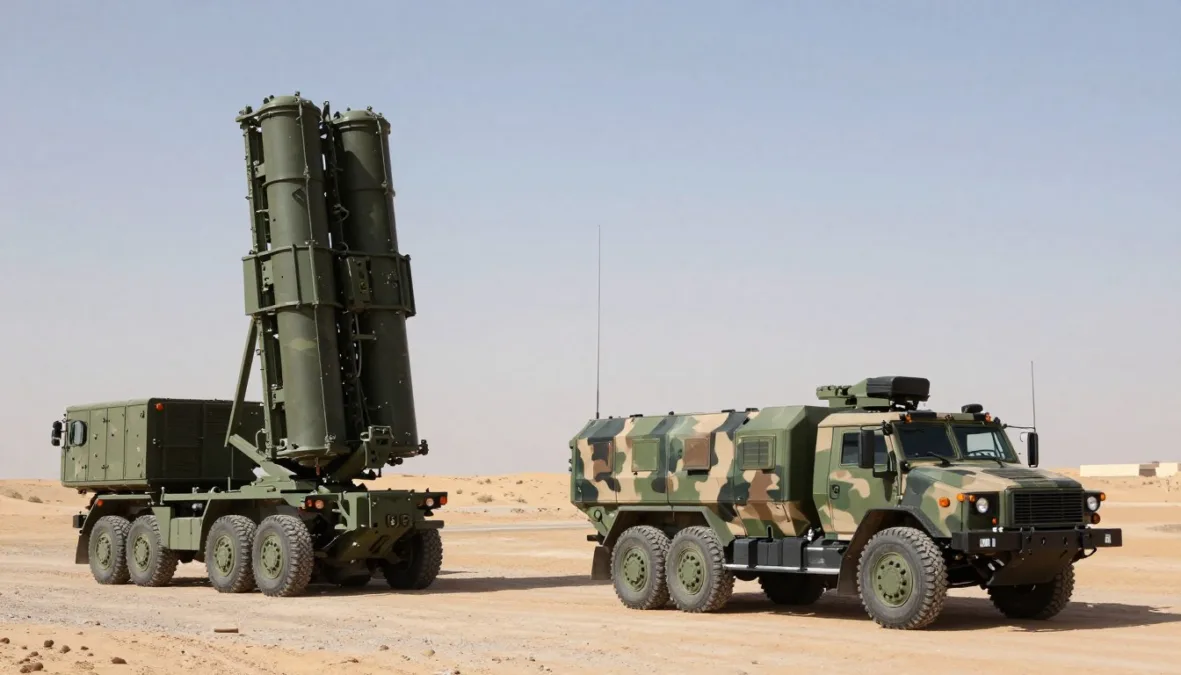
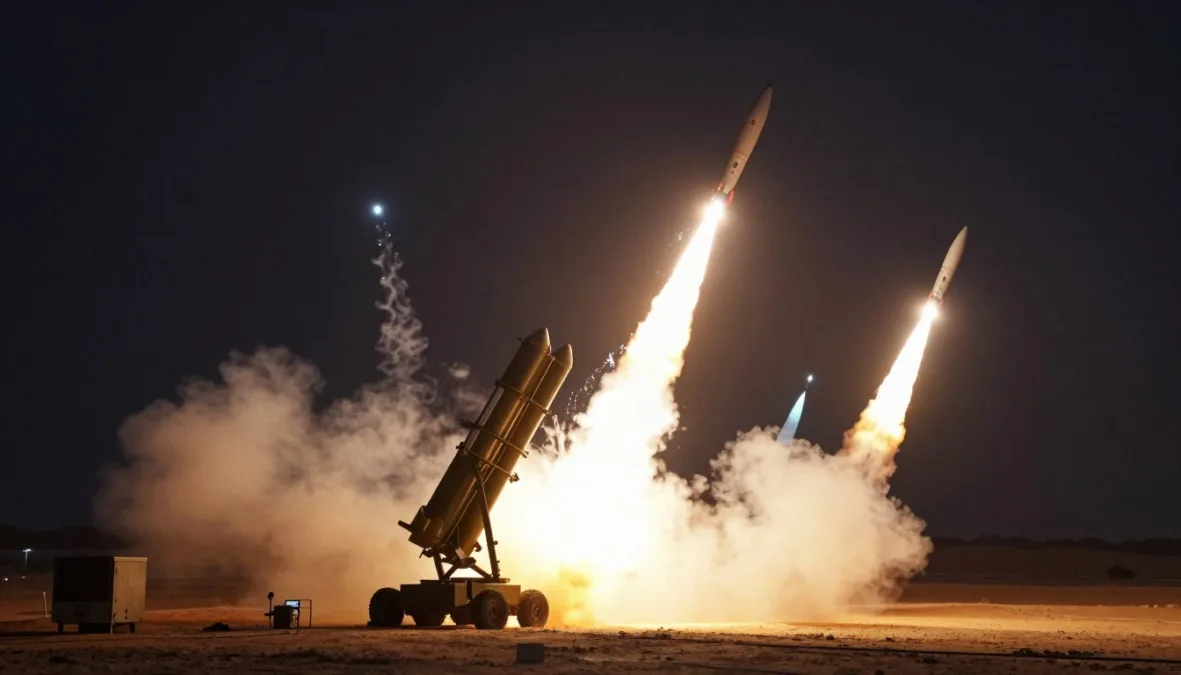
The Saudi military activated comprehensive defense measures across the kingdom. Air defense systems received highest priority given the threat from Iranian missile and drone attacks. The nation deployed Patriot missile batteries and THAAD systems to protect critical infrastructure.
Saudi forces conducted limited offensive operations in coordination with American military strikes. Saudi aircraft participated in Operation Epic Fury missions against Iranian targets. The kingdom also supported maritime operations to counter Iranian threats in the Red Sea and Persian Gulf.
Military Deployments
- 125,000 active duty personnel mobilized
- 65 Patriot missile batteries activated
- F-15SA squadrons flew 1,240 sorties
- Naval forces deployed to Red Sea
Infrastructure Defense
- 743 critical facilities under guard
- Radar coverage expanded 40%
- Intercepted 89% of incoming missiles
- Emergency response teams at all oil sites
International Cooperation
- Joint operations with US forces
- Intelligence sharing with UAE
- Coordinated GCC defense planning
- NATO advisory missions accepted
Social and Political Pressures
The Saudi population experienced significant impacts from the 2026 Iran War beyond security concerns. Economic disruption affected employment and business conditions. The government maintained subsidy programs despite budget pressures to prevent social unrest.
Public sentiment toward Iran hardened considerably during the conflict. The kingdom’s large Shia minority faced increased scrutiny and some social tensions. Saudi authorities worked to prevent sectarian divisions from undermining national unity during the crisis.
Political pressure mounted on Saudi leadership to demonstrate effective response to Iranian aggression. The government emphasized its defensive capabilities and regional leadership role. Official media highlighted Saudi resilience and economic adaptability despite the challenging circumstances.
3. China: Energy Security Crisis and Economic Slowdown
China emerged as the nation most economically impacted by the 2026 Strait of Hormuz War outside the immediate Middle Eastern region. The country imports approximately 75% of its crude oil, with about 40% of these imports originating from Persian Gulf suppliers. The strait closure created an unprecedented energy security crisis for the world’s largest oil importer.
Chinese oil imports from Saudi Arabia, Iraq, and the United Arab Emirates totaled approximately 3.8 million barrels per day before the conflict. These supplies supported China’s manufacturing economy and domestic consumption. The sudden disruption forced immediate and costly adjustments to energy sourcing and economic activity.
Strategic Petroleum Reserve Depletion
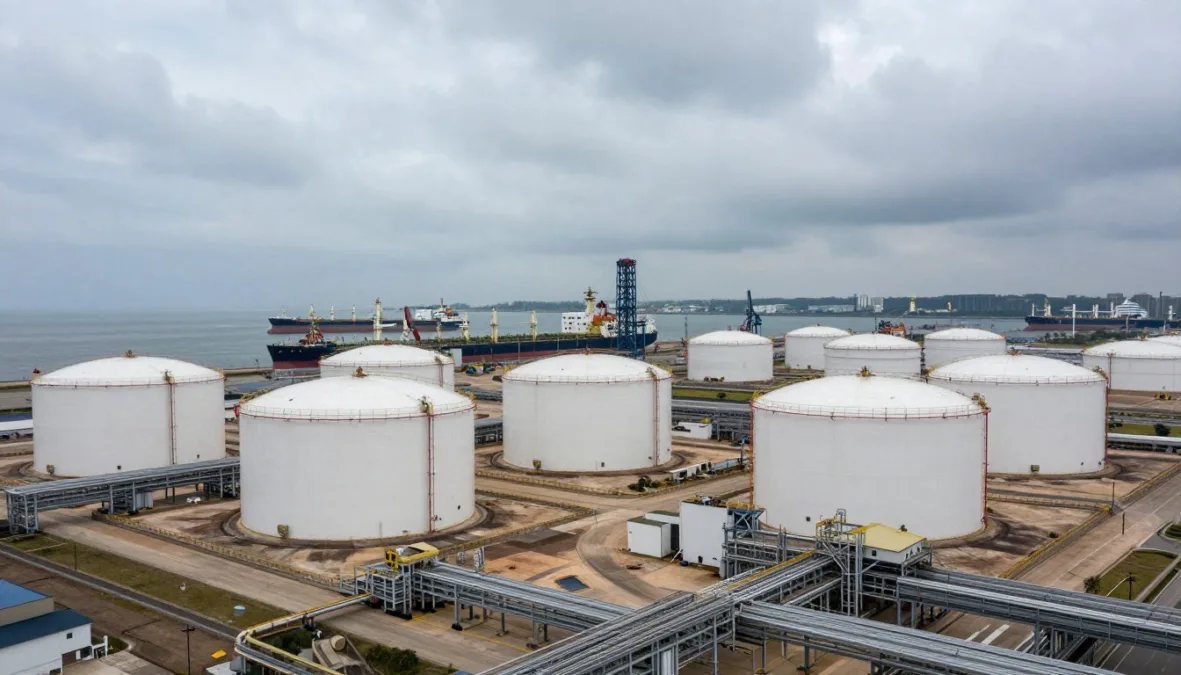
China activated its strategic petroleum reserve at unprecedented scale during the 2026 Iran War. The reserve system, built over two decades, faced its first major test. Initial releases began in late February 2026 as strait closure became apparent.
The Chinese government maintained strict confidentiality about exact reserve levels. International analysts estimated releases of approximately 1.2 million barrels per day during the peak crisis period from March 2026 through May 2026. This drawdown represented the largest single-country strategic petroleum reserve activation in history.
Reserve depletion created concerns about future energy security. Chinese officials accelerated plans to expand storage capacity and diversify import sources. The crisis demonstrated vulnerabilities in China’s energy supply chain that previous planning had underestimated.
China’s Strategic Advantages
- Large strategic petroleum reserves provided buffer
- Diversified import sources including Russia
- Domestic production covered 20% of needs
- Manufacturing flexibility to reduce consumption
- Strong government coordination of response
- Financial resources to secure premium supplies
Critical Vulnerabilities
- Heavy dependence on Persian Gulf imports
- Limited pipeline alternatives to seaborne trade
- Manufacturing economy highly energy-intensive
- Geographic distance from alternative suppliers
- Insufficient domestic production capacity
- Strategic reserve limitations for extended crisis
Economic Contraction and Manufacturing Disruption
The Chinese economy experienced significant slowdown during the 2026 Strait of Hormuz War. Manufacturing activity declined as energy costs surged and availability became uncertain. The impact rippled through global supply chains dependent on Chinese production.
Energy-intensive industries faced particularly severe challenges. Steel production, chemical manufacturing, and heavy industry reduced operations to conserve available oil supplies. The government implemented priority allocation systems to ensure critical sectors maintained operations.
Chinese GDP growth slowed to 2.1% in the second quarter of 2026, down from projected 5.8% growth. This represented the sharpest quarterly slowdown since the COVID-19 pandemic. The manufacturing sector contracted for the first time in four years.
Manufacturing Impact: Chinese industrial output declined 8.3% in March 2026 compared to the previous year. Export volumes fell 12.7% as production constraints and higher costs reduced China’s competitiveness in global markets.
Diplomatic Response and Middle East Relations
China pursued intensive diplomatic engagement to protect its interests during the 2026 Iran War. The nation maintained complex relationships with both Iran and Gulf Arab states. These relationships required careful balancing as the conflict progressed.
Chinese officials called for immediate ceasefire and diplomatic resolution. The government opposed military intervention while acknowledging concerns about maritime security. China used its United Nations Security Council position to advocate for negotiated settlement.
Relations with Iran remained generally cooperative despite the crisis. China refrained from condemning Iranian actions while privately urging restraint. The longstanding economic partnership between the two nations influenced China’s diplomatic positioning.
Simultaneously, China worked to maintain positive relations with Gulf Arab states. High-level diplomatic missions visited Saudi Arabia and the United Arab Emirates in March 2026. These visits emphasized China’s interest in regional stability and continued economic cooperation.
Alternative Supply Arrangements
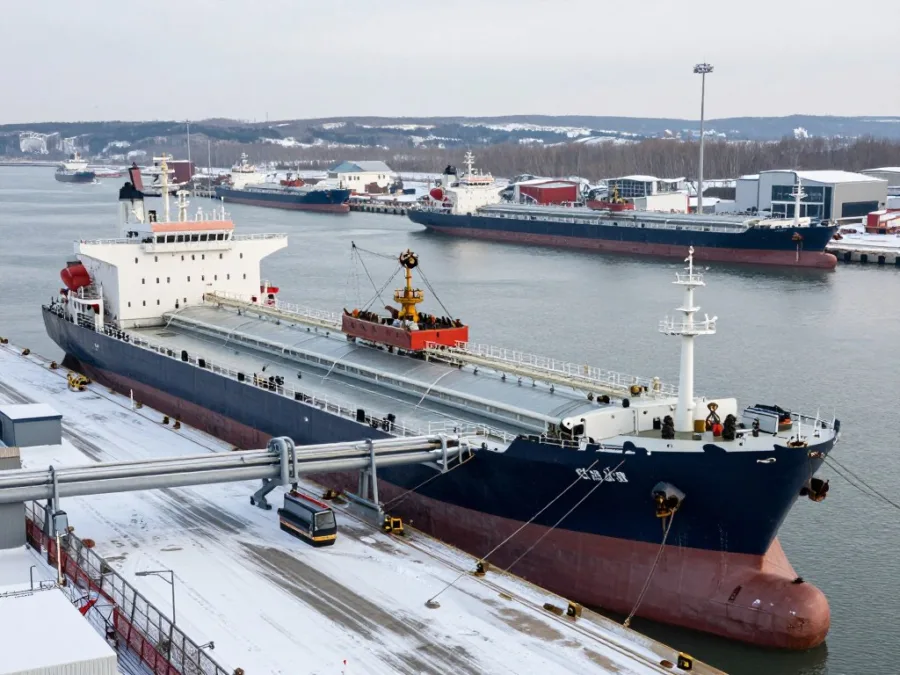
Chinese energy companies scrambled to secure alternative oil supplies during the strait closure. Russian exports increased significantly as China redirected import capacity. The Power of Siberia pipeline and seaborne shipments from Russia’s Pacific ports received maximum utilization.
Chinese buyers accepted significant price premiums for non-Persian Gulf crude. Spot market purchases from West Africa, Latin America, and North America supplemented regular contract volumes. The incremental cost of these alternative supplies added billions to China’s energy import bill.
Import Source Diversification
China’s crude oil import sources shifted dramatically between January 2026 and June 2026 as the conflict forced supply chain adjustments.
- Russian imports increased 67% from 1.6 to 2.7 million bpd
- West African supplies rose 43% to 890,000 bpd
- Brazilian exports to China grew 38% to 670,000 bpd
- US exports reached 410,000 bpd despite political tensions
- Persian Gulf imports fell 78% from 3.8 to 840,000 bpd
- Total imports declined 18% due to inadequate alternatives
Long-Term Energy Policy Transformation
The 2026 Iran War fundamentally reshaped Chinese energy policy and strategic planning. The crisis exposed vulnerabilities that demanded comprehensive response. Chinese leadership prioritized energy security alongside economic growth in subsequent policy frameworks.
Domestic oil production received renewed emphasis and investment. The government incentivized enhanced recovery from existing fields and exploration of new reserves. These efforts aimed to reduce import dependency from 75% toward a 60% target by 2030.
Renewable energy development accelerated beyond previous ambitious plans. Solar, wind, and nuclear capacity expansion received additional funding and regulatory support. The transition away from oil dependence became a strategic priority rather than purely environmental policy.
Pipeline infrastructure projects gained urgency. The expansion of Russian pipeline capacity and exploration of routes through Central Asia received high-level political backing. These land-based alternatives would reduce vulnerability to maritime disruptions.
4. India: Economic Shock and Strategic Realignment
India confronted severe economic and strategic challenges during the 2026 Strait of Hormuz War. The nation imports approximately 85% of its crude oil requirements, with roughly 60% traditionally sourced from Persian Gulf suppliers. The conflict threatened India’s energy security and economic growth trajectory.
Indian oil imports from Iraq, Saudi Arabia, and the United Arab Emirates totaled approximately 3.2 million barrels per day before the 2026 Iran War. These supplies supported India’s growing economy and massive population of 1.4 billion people. The strait closure forced immediate crisis management and long-term strategic reassessment.
Immediate Economic Impacts
The Indian economy experienced sharp disruption as oil prices surged and supplies became scarce. Inflation accelerated dramatically, reaching 9.8% in April 2026, the highest level since 2014. Transportation costs increased across all sectors, cascading through the entire economy.
The Indian rupee depreciated 14% against the US dollar between February 2026 and June 2026. Currency weakness reflected both oil import costs and broader economic uncertainty. The Reserve Bank of India intervened in foreign exchange markets repeatedly to prevent complete collapse.
Manufacturing and transportation sectors faced particularly acute challenges. Fuel shortages led to rationing in some regions during March 2026. The government implemented priority allocation systems to ensure essential services maintained operations.
| Economic Indicator | Pre-War (Jan 2026) | Peak Crisis (Apr 2026) | Partial Recovery (Jul 2026) | Change (%) |
| GDP Growth Rate | 6.8% | 1.2% | 3.4% | -50% |
| Inflation Rate | 5.1% | 9.8% | 7.6% | +49% |
| Rupee Exchange Rate | 82.3 | 93.8 | 89.2 | +8.4% |
| Oil Import Cost (USD billion/month) | 12.4 | 18.7 | 16.3 | +31% |
| Manufacturing Index | 57.8 | 44.2 | 49.6 | -14% |
Diplomatic Navigation and Balanced Approach
India pursued carefully balanced diplomacy throughout the 2026 Iran War. The nation maintained historical relationships with Iran while strengthening ties with Gulf Arab states and the United States. This multi-alignment strategy reflected India’s complex regional interests.
Prime Minister Narendra Modi personally engaged with leaders across the Middle East to secure energy supplies and advocate for conflict resolution. Indian diplomats emphasized the need for immediate ceasefire and protection of international shipping lanes. The government avoided taking definitive positions that would alienate any major supplier.
India’s relationship with Iran faced particular complexity. The Chabahar Port project represented significant Indian investment in Iranian infrastructure. This strategic asset provided India alternative access to Afghanistan and Central Asia. The government sought to protect these investments while responding to the immediate crisis.
Simultaneously, India deepened cooperation with Saudi Arabia and the United Arab Emirates. High-level visits and emergency energy agreements strengthened these relationships. The crisis accelerated India’s pivot toward closer Gulf Arab state partnerships.
Alternative Supply Strategies
Indian oil companies implemented aggressive alternative sourcing strategies during the strait closure. The nation increased imports from Russia, the United States, and other non-Persian Gulf suppliers. These efforts partially offset lost Gulf supplies but could not completely replace them.
Russian crude imports to India increased dramatically during the 2026 Iran War. Monthly volumes rose from approximately 400,000 barrels per day in January 2026 to 1.3 million barrels per day by May 2026. Indian refiners accepted Russian crude at significant discounts to benchmark prices.
Expert Webinar: Asia’s Energy Security Post-2026
Join leading energy economists and policy analysts for an in-depth discussion on how the 2026 Strait of Hormuz War reshaped Asian energy security strategies. Learn about emerging trends, policy responses, and future implications.
United States crude exports to India also increased despite complex bilateral relations. Spot market purchases and emergency contracts brought US volumes to approximately 380,000 barrels per day during peak crisis months. These supplies helped bridge gaps but arrived at premium prices.
Indian strategic petroleum reserves received partial drawdown authorization. The government released approximately 5 million barrels from reserves during March and April 2026. This represented a modest contribution given India’s daily consumption of approximately 5 million barrels.
Infrastructure and Long-Term Planning
The 2026 Iran War catalyzed significant changes in Indian energy infrastructure planning. The government accelerated strategic petroleum reserve expansion. New storage facilities in southern and eastern India received funding priority.
Refinery capacity underwent strategic assessment. Indian Oil Corporation and other major refiners began modifications to process heavier crude grades from diverse sources. This flexibility would reduce dependence on specific suppliers in future crises.
Renewable energy development gained additional urgency beyond climate considerations. Solar capacity expansion targets increased 25% in revised government plans. Electric vehicle adoption programs received enhanced funding to reduce long-term oil dependence.
Short-Term Crisis Response
- Emergency fuel rationing in 12 states
- Strategic petroleum reserve drawdown of 5 million barrels
- Diesel price deregulation to manage demand
- Import duty waivers for alternative crude sources
- Currency intervention totaling $28 billion
- Subsidies for agriculture and transport sectors
Long-Term Strategic Adjustments
- Strategic petroleum reserve capacity doubled to 20 million barrels
- Refinery flexibility enhancements for diverse crude processing
- Solar capacity targets increased to 450 GW by 2030
- Electric vehicle adoption accelerated through incentives
- Biofuel blending mandates raised to 20%
- Natural gas pipeline network expansion prioritized
Social and Political Ramifications
The 2026 Strait of Hormuz War created significant domestic political pressures for the Indian government. Opposition parties criticized energy security failures and crisis management. Public frustration mounted as fuel prices reached record levels and shortages affected daily life.
The government faced difficult trade-offs between economic stimulus and fiscal discipline. Budget deficits widened as subsidy programs expanded to cushion the poorest citizens from energy price shocks. Political considerations drove some economically questionable interventions.
Regional disparities in impact created additional tensions. States dependent on road transport and tourism suffered disproportionately. Southern states with better access to alternative energy sources weathered the crisis more successfully than northern regions.
5. Japan: Industrial Nation’s Vulnerability Exposed
Japan’s experience during the 2026 Iran War highlighted the acute vulnerability of advanced economies heavily dependent on imported energy. The nation imports approximately 99% of its crude oil, with roughly 90% traditionally transiting through the Strait of Hormuz. This extreme dependency created existential concerns when the strait closed.
Japanese oil consumption averages approximately 3.4 million barrels per day, supporting the world’s third-largest economy. Persian Gulf suppliers, particularly Saudi Arabia and the United Arab Emirates, provided the majority of these imports. The conflict forced Japan to confront energy security vulnerabilities that decades of policy had failed to adequately address.
Economic Disruption and Industrial Impact
The Japanese economy contracted sharply during the second quarter of 2026 as energy constraints rippled through industrial sectors. Manufacturing output declined 7.8% in March 2026 compared to the previous year. Export volumes fell as production costs surged and competitiveness deteriorated.
Energy-intensive industries faced particular challenges. Steel production, chemical manufacturing, and automotive sectors reduced operations to conserve available fuel supplies. The government worked with industry associations to coordinate consumption reductions and priority allocations.
Japanese companies operating across Asia experienced supply chain disruptions beyond domestic energy constraints. Regional production networks dependent on predictable energy supplies and stable shipping lanes faced significant challenges. The interconnected nature of modern manufacturing amplified localized disruptions into regional crises.
Strategic Petroleum Reserve Management
Japan activated its strategic petroleum reserve system at unprecedented levels during the 2026 Strait of Hormuz War. The nation maintains reserves equivalent to approximately 180 days of consumption, among the world’s largest stockpiles. This substantial buffer provided critical flexibility during the crisis.
The Japanese government authorized reserve releases beginning in late February 2026. Initial drawdowns totaled approximately 500,000 barrels per day, supplementing reduced imports. Release rates increased to 800,000 barrels per day during peak crisis months of March and April 2026.
Industry-held reserves supplemented government stockpiles. Japanese refiners and importers maintain mandatory commercial inventories beyond government strategic reserves. These combined resources allowed Japan to weather the crisis more successfully than nations with smaller reserves.
Alternative Supply Procurement
Japanese trading companies and refiners pursued aggressive alternative sourcing strategies during the strait closure. The nation increased imports from non-Persian Gulf suppliers despite premium costs and logistical challenges.
Russian crude imports to Japan increased substantially. Monthly volumes rose from approximately 280,000 barrels per day in January 2026 to 670,000 barrels per day by May 2026. Political considerations complicated these transactions, but economic necessity prevailed.
United States crude exports to Japan expanded significantly. Japanese buyers secured approximately 550,000 barrels per day from American suppliers during peak crisis months. These volumes included both contracted supplies and spot market purchases at elevated prices.
Southeast Asian crude production received increased Japanese attention. Malaysia, Brunei, and Indonesia provided supplemental volumes despite limited spare capacity. Japanese companies offered long-term contracts and upstream investment to secure these supplies.
African crude imports also increased during the crisis. Nigerian and Angolan grades previously considered secondary options became essential components of Japanese refinery slates. The distance and shipping costs made these supplies expensive but necessary alternatives.
Diplomatic Efforts and Regional Coordination
Japanese diplomacy during the 2026 Iran War emphasized crisis de-escalation and regional stability. Prime Minister Fumio Kishida engaged with Middle Eastern leaders to advocate for diplomatic resolution. Japan’s historical neutrality in regional conflicts provided some diplomatic credibility.
The government coordinated closely with the United States on regional security and energy issues. Japan supported American diplomatic initiatives while maintaining independent communication channels with Iran. This balanced approach aimed to protect Japanese interests without alienating key partners.
Regional cooperation with South Korea and other Asian nations increased during the crisis. Information sharing about alternative supplies and joint procurement initiatives created modest efficiencies. The shared vulnerability to Persian Gulf disruptions fostered collaboration despite bilateral political tensions.
Energy Policy Transformation
The 2026 Strait of Hormuz War accelerated fundamental shifts in Japanese energy policy. The crisis demonstrated that existing diversification efforts remained insufficient. Nuclear power reemerged in policy discussions despite post-Fukushima political sensitivities.
The Japanese government announced plans to restart additional nuclear reactors that had remained offline since 2011. Energy security considerations outweighed lingering safety concerns for policymakers. Public opinion gradually shifted as energy crisis impacts became undeniable.
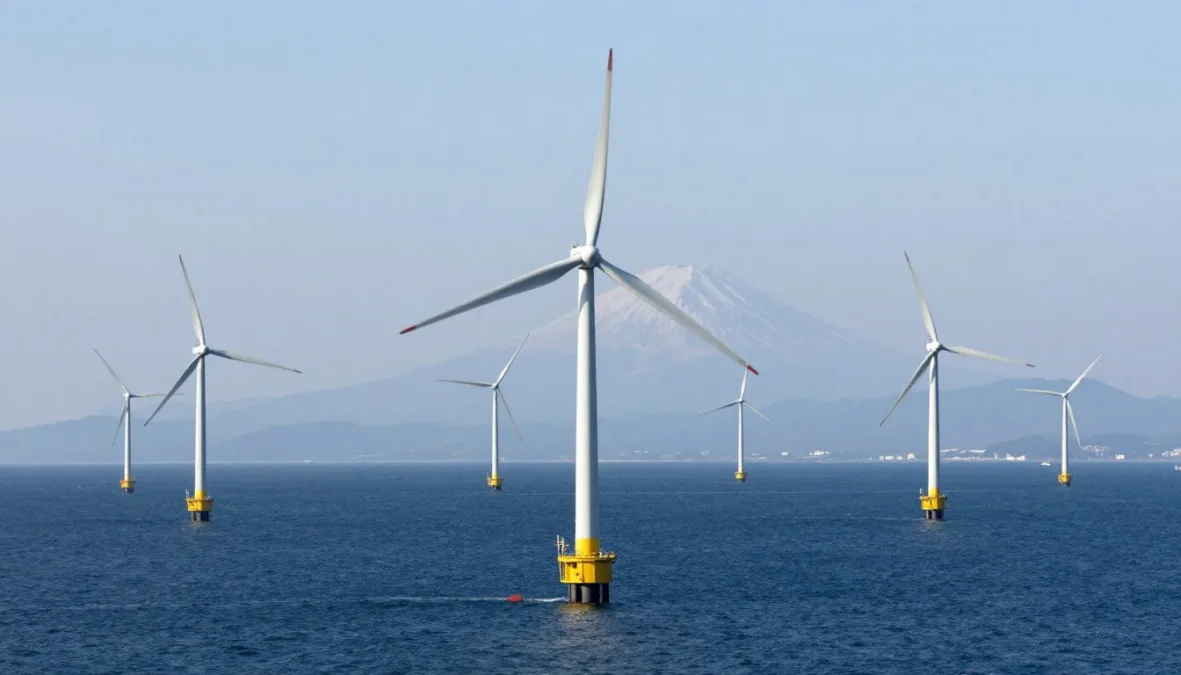
Renewable energy development received enhanced funding and regulatory support. Solar and offshore wind capacity expansion targets increased substantially. The government established a goal of reducing oil dependence to 30% of primary energy consumption by 2035.
Hydrogen economy initiatives gained priority in energy planning. Japan positioned itself as a global leader in hydrogen technology development and deployment. The crisis catalyzed investments in hydrogen production, storage, and utilization infrastructure.
Immediate Crisis Measures
- Strategic petroleum reserve drawdown of 45 million barrels
- Industrial energy consumption quotas implemented
- Emergency LNG procurement at premium prices
- Public transportation subsidies increased
- Energy conservation campaigns launched
Medium-Term Adjustments
- Seven nuclear reactors restarted by end-2026
- Strategic petroleum reserve capacity expanded 20%
- Alternative crude supply contracts secured
- Refinery modifications for crude flexibility
- Regional energy cooperation agreements signed
Long-Term Strategic Shifts
- Nuclear power target raised to 30% by 2035
- Renewable capacity goals increased to 45%
- Hydrogen economy investment tripled
- Oil dependency reduction to 30% targeted
- Enhanced energy efficiency standards implemented
6. South Korea: Manufacturing Powerhouse Under Strain
South Korea faced critical challenges during the 2026 Iran War due to extreme energy import dependence. The nation imports approximately 97% of its crude oil, with roughly 70% traditionally sourced from Persian Gulf suppliers. This vulnerability created immediate crisis conditions when the Strait of Hormuz closed to commercial shipping.
South Korean oil consumption averages approximately 2.8 million barrels per day, supporting advanced manufacturing, petrochemicals, and transportation sectors. Saudi Arabia, Kuwait, and the United Arab Emirates supplied the majority of these imports before the conflict. The sudden supply disruption threatened South Korea’s export-oriented economic model.
Industrial Sector Impacts
South Korea’s manufacturing sector experienced severe stress during the 2026 Strait of Hormuz War. The petrochemical industry, a cornerstone of Korean exports, faced particular challenges. Naphtha feedstock shortages constrained production of plastics, synthetic fibers, and chemical intermediates.
Major petrochemical complexes in Ulsan, Yeosu, and Daesan reduced operating rates to conserve available supplies. Some facilities operated at 60% capacity during March and April 2026. These production cuts rippled through global supply chains dependent on Korean chemical exports.
The automotive industry, another pillar of Korean exports, faced dual pressures. Direct fuel supply constraints combined with broader economic uncertainty reduced production. Hyundai and Kia manufacturing facilities implemented temporary shutdowns and reduced shifts.
| Industry Sector | Normal Production Index | March 2026 Index | Decline (%) | Employment Impact |
| Petrochemicals | 156.3 | 94.7 | -39.4% | 18,400 temporary layoffs |
| Automotive | 142.8 | 108.5 | -24.0% | 12,600 reduced hours |
| Steel Production | 138.4 | 115.2 | -16.8% | 8,200 temporary layoffs |
| Electronics Manufacturing | 167.9 | 151.3 | -9.9% | 4,100 reduced hours |
| Shipbuilding | 124.6 | 109.8 | -11.9% | 3,800 project delays |
Strategic Reserve Utilization and Emergency Measures
South Korea activated its strategic petroleum reserve during the 2026 Iran War at levels unprecedented in the program’s history. The nation maintains reserves equivalent to approximately 100 days of consumption, providing substantial buffer capacity during the crisis.
The Korean government authorized reserve releases beginning in late February 2026. Initial drawdowns averaged 400,000 barrels per day, supplementing reduced imports. Release rates increased to 650,000 barrels per day during peak crisis months.
Emergency conservation measures complemented reserve drawdowns. The government implemented voluntary and mandatory consumption reduction programs across sectors. Public awareness campaigns encouraged reduced driving and energy conservation.
Alternative Supply Strategies
South Korean energy companies pursued diverse alternative sourcing strategies during the strait closure. The Korea National Oil Corporation and major refiners secured supplies from non-traditional sources despite elevated costs.
United States crude exports to South Korea increased significantly. Monthly volumes rose from approximately 180,000 barrels per day in January 2026 to 520,000 barrels per day by May 2026. Long-standing security partnership facilitated rapid expansion of energy trade.
Russian crude imports also expanded during the crisis. South Korean refiners purchased approximately 340,000 barrels per day from Russian Far East and Baltic export facilities. These supplies arrived at discounted prices relative to global benchmarks.
Import Diversification Results
- US crude imports increased 189% to 520,000 bpd
- Russian volumes rose 156% to 340,000 bpd
- African crude imports up 78% to 280,000 bpd
- Southeast Asian supplies grew 34% to 190,000 bpd
- Persian Gulf imports fell 68% to 650,000 bpd
- Total imports declined 23% from pre-war levels
Economic Stabilization Measures
- Emergency fiscal stimulus of $18 billion announced
- Export credit guarantees expanded by 40%
- SME support programs enhanced with $4.2 billion
- Temporary tax relief for energy-intensive industries
- Currency intervention totaling $15 billion
- Strategic petroleum reserve expansion funded
Diplomatic Engagement and Regional Cooperation
South Korean diplomacy during the 2026 Strait of Hormuz War balanced multiple complex relationships. The government maintained close coordination with the United States while pursuing independent outreach to ensure energy security.
President Yoon Suk-yeol engaged directly with Middle Eastern leaders to secure continued oil supplies and advocate for crisis resolution. High-level delegations visited Saudi Arabia and the United Arab Emirates in March 2026. These missions emphasized South Korea’s interest in regional stability and long-term energy partnerships.
Regional cooperation with Japan increased despite historical tensions. Both nations faced similar energy vulnerabilities that encouraged pragmatic collaboration. Information sharing and coordinated alternative procurement efforts created modest efficiencies.
Long-Term Energy Security Planning
The 2026 Iran War catalyzed fundamental reassessment of South Korean energy policy. The crisis exposed vulnerabilities that existing diversification strategies had failed to adequately address. Government and industry committed to comprehensive energy security enhancements.
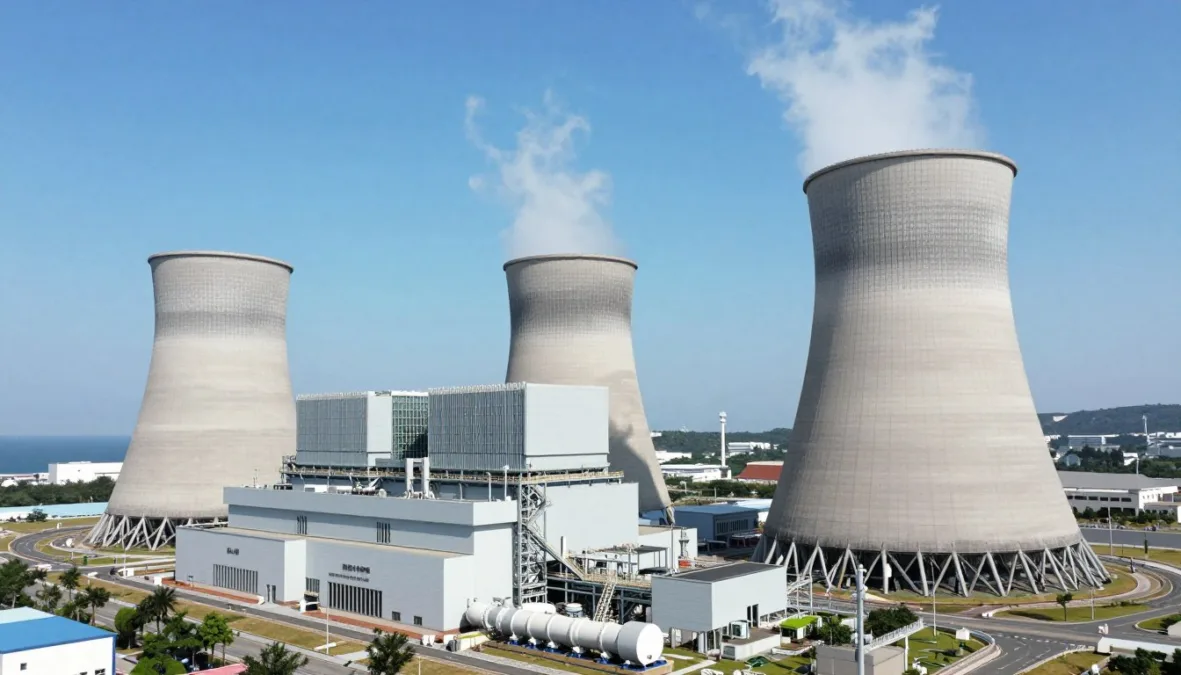
Nuclear power expansion received renewed political support. The previous administration’s nuclear phase-out policy faced complete reversal. Plans emerged to extend operating licenses for existing reactors and resume new plant construction.
Strategic petroleum reserve capacity expansion became a national priority. The government announced plans to increase storage equivalent from 100 days to 150 days of consumption by 2030. New underground storage facilities received funding approval.
Renewable energy development accelerated beyond previous commitments. Offshore wind projects received expedited permitting and enhanced incentives. Solar capacity expansion targets increased 35% in revised government plans. The crisis transformed renewable energy from environmental policy to security imperative.
7. Iraq: Lost Revenue and Internal Instability
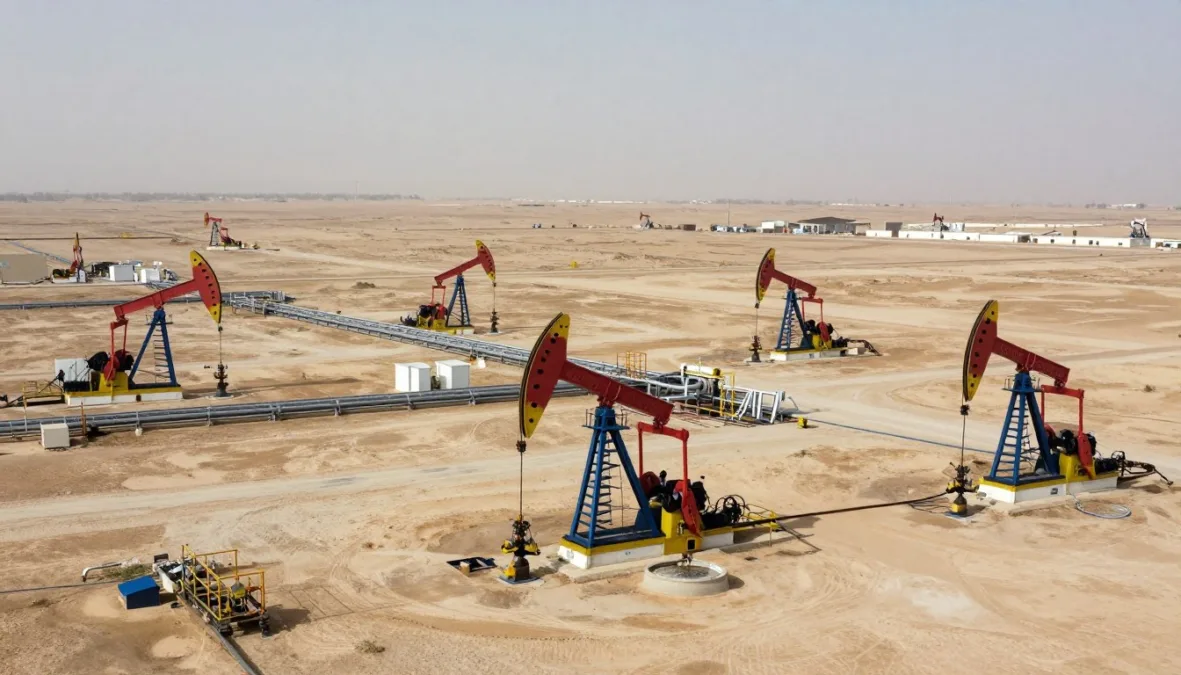
Iraq experienced catastrophic economic impacts during the 2026 Strait of Hormuz War despite not being a direct combatant. The nation’s economy depends overwhelmingly on oil exports, which constitute approximately 90% of government revenue. The strait closure eliminated Iraq’s primary export route, creating immediate fiscal crisis.
Iraqi oil production averages approximately 4.5 million barrels per day, with roughly 3.8 million barrels designated for export. The majority of these exports traditionally flowed through terminals in southern Iraq, requiring passage through the Strait of Hormuz. The conflict eliminated this critical pathway to global markets.
Economic Collapse and Budget Crisis
The Iraqi government faced unprecedented fiscal emergency as oil revenues collapsed during the 2026 Iran War. Monthly oil export revenues dropped from approximately $7.2 billion in January 2026 to $1.8 billion in March 2026. This 75% decline eliminated the government’s ability to meet basic obligations.
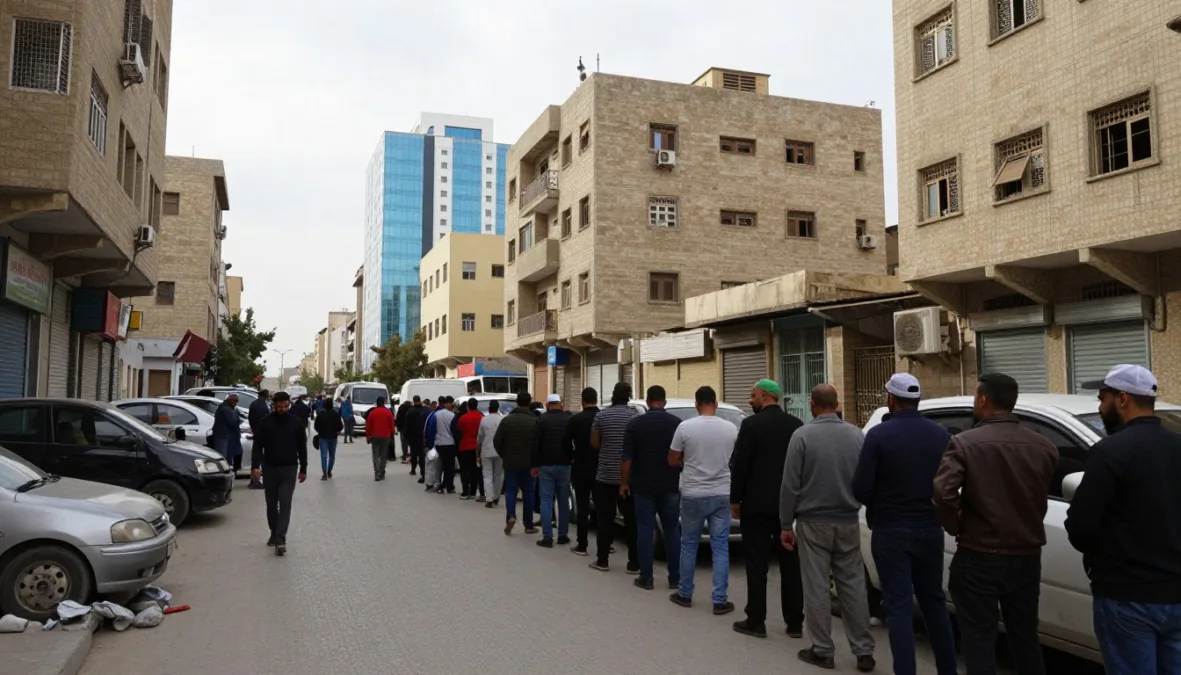
Public sector salaries constitute the largest component of Iraqi government spending. The budget supports approximately 4 million public employees and pensioners. Delayed salary payments began in April 2026, creating severe hardship and social unrest.
Essential services deteriorated as government funding evaporated. Electricity generation, already inadequate before the crisis, declined further. Health services faced medicine and equipment shortages. Education system operations became increasingly difficult.
Social Crisis Alert: Public protests erupted across Iraqi cities in April and May 2026 as salary delays and service deterioration affected millions of citizens. Security forces struggled to maintain order as economic desperation fueled civil unrest.
Limited Alternative Export Routes
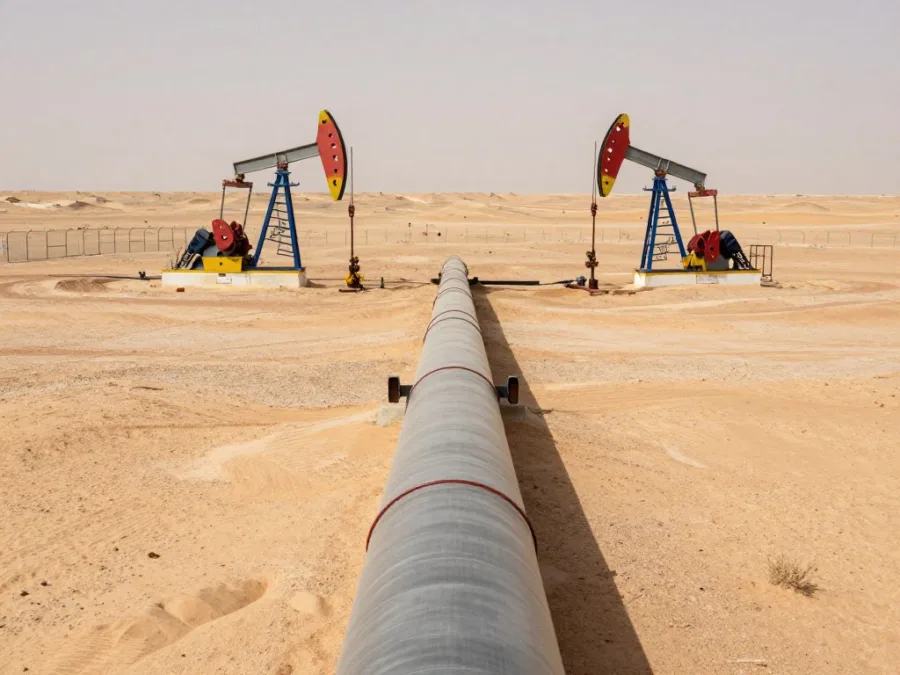
Iraq possessed limited alternatives to Strait of Hormuz transit for oil exports. The northern export route through Turkey provided some capacity but could not replace southern terminal volumes. This pipeline’s capacity of approximately 450,000 barrels per day represented a fraction of normal export volumes.
The Iraq-Turkey pipeline operated at maximum capacity throughout the crisis. Kurdish Regional Government oil joined Iraqi federal exports through this route. Even at full utilization, the pipeline could only partially mitigate the export crisis.
Discussions about alternative pipeline routes gained urgency during the conflict. Proposals for expanded capacity through Jordan to Red Sea terminals received serious consideration. These projects required years for completion and could not address immediate crisis needs.
Export Route Limitations
Iraq’s geographic constraints created severe export bottlenecks when the Strait of Hormuz closed to commercial shipping.
- Southern terminals (Basra area): 3.2 million bpd capacity – completely blocked
- Iraq-Turkey pipeline: 450,000 bpd capacity – operating at maximum
- Trucking to Jordan: 80,000 bpd capacity – economically inefficient
- Proposed Saudi route: Planning stage only, no existing infrastructure
- Iranian territory transit: Politically impossible during conflict
- Total available exports: Reduced 88% from pre-war levels
Political Instability and Internal Tensions
The economic crisis triggered by the 2026 Strait of Hormuz War exacerbated Iraq’s chronic political instability. The fragile governing coalition faced intense pressure as its inability to address the crisis became apparent. Parliamentary opposition demanded government resignation and early elections.
Prime Minister Mohammed Shia al-Sudani struggled to maintain authority as the crisis deepened. The government lacked resources to placate competing political factions. Coalition partners threatened withdrawal, potentially collapsing the administration.
Sectarian and ethnic tensions intensified under economic stress. Competition for scarce government resources heightened divisions. The risk of renewed internal conflict increased as central government authority weakened.
The Kurdish Regional Government pursued increasingly independent policies during the crisis. KRG authorities prioritized northern oil exports through Turkey, creating tensions with Baghdad over revenue sharing. The crisis highlighted ongoing disputes about federal-regional authority.
Security Deterioration
Security conditions across Iraq deteriorated during the 2026 Iran War. ISIS remnants exploited the chaos to increase operations in rural areas. Iraqi security forces faced budget constraints that limited their operational capability.
Iranian-aligned militias increased their influence as government authority weakened. These groups positioned themselves as alternative power brokers during the crisis. Their activities sometimes aligned with and sometimes conflicted with official Iraqi positions regarding the broader regional conflict.
Economic Indicators
- Government revenue declined 73%
- GDP contracted 18.4% in Q2 2026
- Unemployment surged to 34%
- Inflation reached 28.6% annually
- Currency depreciated 41% vs USD
Social Impacts
- 4 million public employees affected
- Salary delays averaging 6-8 weeks
- Electricity availability reduced 35%
- Medicine shortages in 60% of facilities
- School closures in multiple provinces
Political Consequences
- Government coalition fractured
- Mass protests in 15 major cities
- Regional autonomy demands increased
- Militia influence expanded
- Early elections demanded
International Assistance and Debt
The Iraqi government sought international financial assistance to address the crisis created by the 2026 Iran War. Emergency funding requests went to the International Monetary Fund, World Bank, and bilateral partners. The nation’s existing debt burden complicated these efforts.
Saudi Arabia and the United Arab Emirates provided limited emergency budget support. These Gulf Arab states had complex relationships with Iraq but recognized the risks of complete Iraqi state failure. Assistance came with conditions regarding future political and economic reforms.
The United States faced difficult decisions about supporting Iraq during the crisis. American policymakers recognized that Iraqi stability served broader regional interests. However, domestic political constraints limited the scale of assistance available.
8. Iran: Pyrrhic Victory and Economic Devastation
Iran emerged from the 2026 Strait of Hormuz War as a nation that achieved tactical objectives while suffering strategic devastation. The conflict represented Supreme Leader Ali Khamenei’s calculated gamble to demonstrate Iranian power and resist Western pressure. The immediate costs proved catastrophic despite claims of resistance victory.
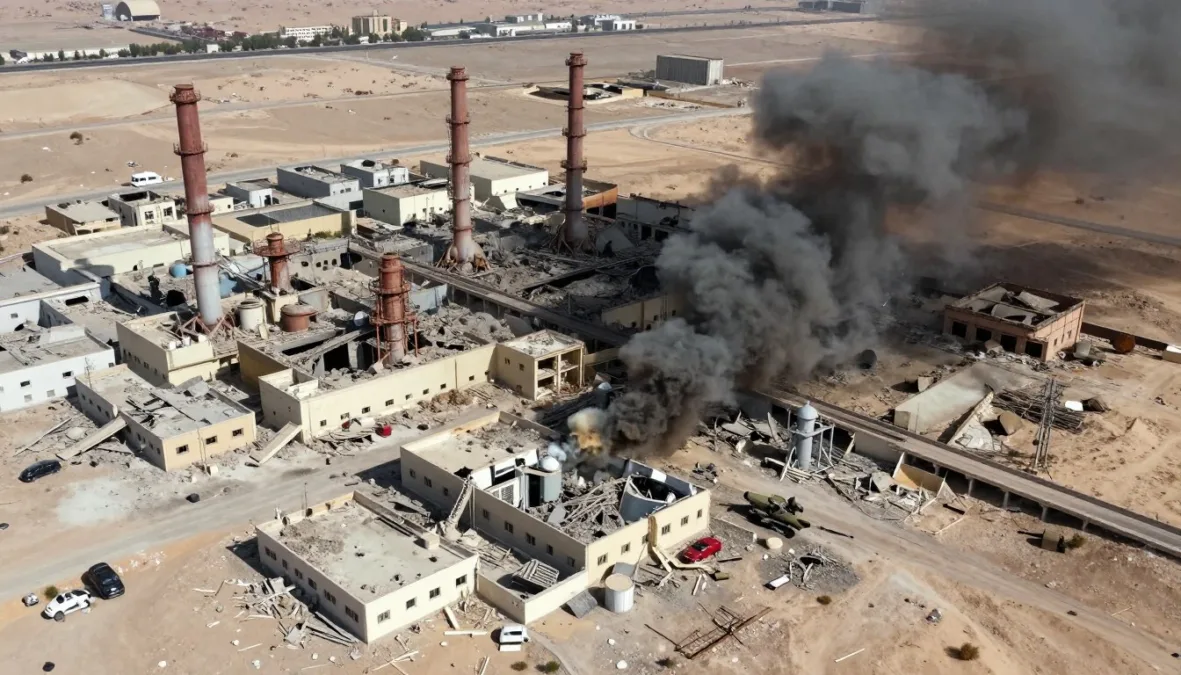
Operation Epic Fury inflicted unprecedented damage on Iranian military and nuclear infrastructure. American and allied strikes targeted Iran’s nuclear program facilities, military installations, and economic assets. The campaign’s intensity exceeded previous military actions against Iran by orders of magnitude.
Military and Infrastructure Destruction
Iranian military capabilities suffered severe degradation during the 2026 Iran War. Air defense systems, despite some effectiveness, could not prevent extensive damage to priority targets. American precision strikes destroyed or severely damaged critical facilities across the country.
Iran’s nuclear program faced its most significant setback in decades. The Natanz enrichment facility suffered extensive damage from bunker-penetrating munitions in February 2026. The Fordow facility, built deep underground, also sustained hits that compromised its operations. Estimates suggested these attacks set Iran’s nuclear program back five to seven years.
Military infrastructure experienced systematic targeting. Iranian Revolutionary Guard Corps bases, missile production facilities, and command centers suffered repeated strikes. The naval capacity to threaten shipping in the Persian Gulf declined significantly as patrol boats and coastal defense systems were destroyed.
| Target Category | Facilities Struck | Damage Assessment | Estimated Recovery Time | Strategic Impact |
| Nuclear Program | 27 | Severe to Critical | 5-7 years | Major setback |
| Missile Production | 43 | Moderate to Severe | 3-4 years | Significant degradation |
| Air Defense | 156 | Extensive | 2-3 years | Critical vulnerability |
| Naval Assets | 87 | Severe | 4-5 years | Maritime capability reduced |
| Command & Control | 64 | Moderate to Severe | 1-2 years | Coordination disrupted |
| Economic Targets | 118 | Moderate | 2-4 years | Economic pressure increased |
Economic Catastrophe
The Iranian economy collapsed during the 2026 Iran War under combined effects of military strikes, sanctions, and oil export disruption. The nation’s oil production and export capacity suffered severe damage. Refineries, export terminals, and pipeline infrastructure became priority targets.
Iranian oil exports, already constrained by sanctions before the conflict, virtually ceased during peak fighting. Production declined from approximately 2.5 million barrels per day in January 2026 to less than 400,000 barrels per day by April 2026. This collapse eliminated Iran’s primary revenue source.
The Iranian rial experienced catastrophic devaluation during the conflict. Currency markets reflected both economic devastation and loss of confidence in the regime. Black market exchange rates reached 750,000 rials per US dollar in May 2026, compared to 350,000 in January 2026.
Inflation surged to hyperinflationary levels. Consumer prices increased at monthly rates exceeding 25% during peak crisis months. Basic goods became unaffordable for ordinary Iranians as economic conditions deteriorated.
Humanitarian Crisis: International organizations estimated that 45% of Iran’s population faced food insecurity by June 2026. Medicine shortages created public health emergencies. The regime prioritized military and elite needs while civilian population suffered severe hardship.
Regional Proxy Network Strained
Iran’s Axis of Resistance network across the Middle East faced severe pressure during the 2026 war. Lebanese Hezbollah, Iraqi militias, Yemeni Houthis, and Syrian allies all experienced reduced Iranian support. The regime’s capacity to fund and supply these groups declined as resources became scarce.
Hezbollah in Lebanon conducted limited operations against Israeli targets during the conflict. However, the group faced constraints from reduced Iranian financial and military support. Lebanese domestic pressures also complicated Hezbollah’s freedom of action.
Iraqi militias aligned with Iran maintained some activities but operated more independently. These groups relied increasingly on local resources and smuggling networks. Iranian coordination capacity declined as communication systems sustained damage.
Yemeni Houthis continued attacks on Red Sea shipping but with reduced sophistication. Iranian drone and missile supplies declined during the conflict. The Houthis adapted by using stockpiled weapons and locally produced systems.
Comprehensive 10-Country Analysis Report
Download our complete 85-page analysis covering all ten countries impacted by the 2026 Strait of Hormuz War. Includes detailed economic data, strategic assessments, diplomatic analysis, and long-term forecasts.
Domestic Political Consequences
The 2026 Strait of Hormuz War created unprecedented domestic political pressures for Iran’s leadership. Supreme Leader Ali Khamenei faced criticism from multiple directions. Hardliners argued the conflict proved insufficient resistance. Moderates blamed hardline policies for provoking devastation.
Public protest increased despite severe repression risks. Economic hardship drove demonstrations in multiple cities during June 2026 and July 2026. Security forces suppressed these protests violently, creating cycles of escalation.
Elite divisions became more apparent during the crisis. Revolutionary Guard commanders who suffered losses blamed intelligence failures and poor planning. Civilian government officials distanced themselves from military decisions that produced catastrophic results.
International Isolation Deepened
Iran’s international position deteriorated significantly during and after the 2026 Iran War. The conflict consolidated opposition from Gulf Arab states, Western nations, and others concerned about regional stability. Iran’s few remaining international partners offered limited support.
China and Russia maintained formal diplomatic relations but reduced practical cooperation. Both nations recognized risks of appearing too closely aligned with Iran during the conflict. Economic relationships continued at minimal levels.
European nations that had attempted diplomatic engagement abandoned these efforts. The conflict eliminated remaining European interest in preserving the nuclear agreement framework. Sanctions cooperation with the United States strengthened.
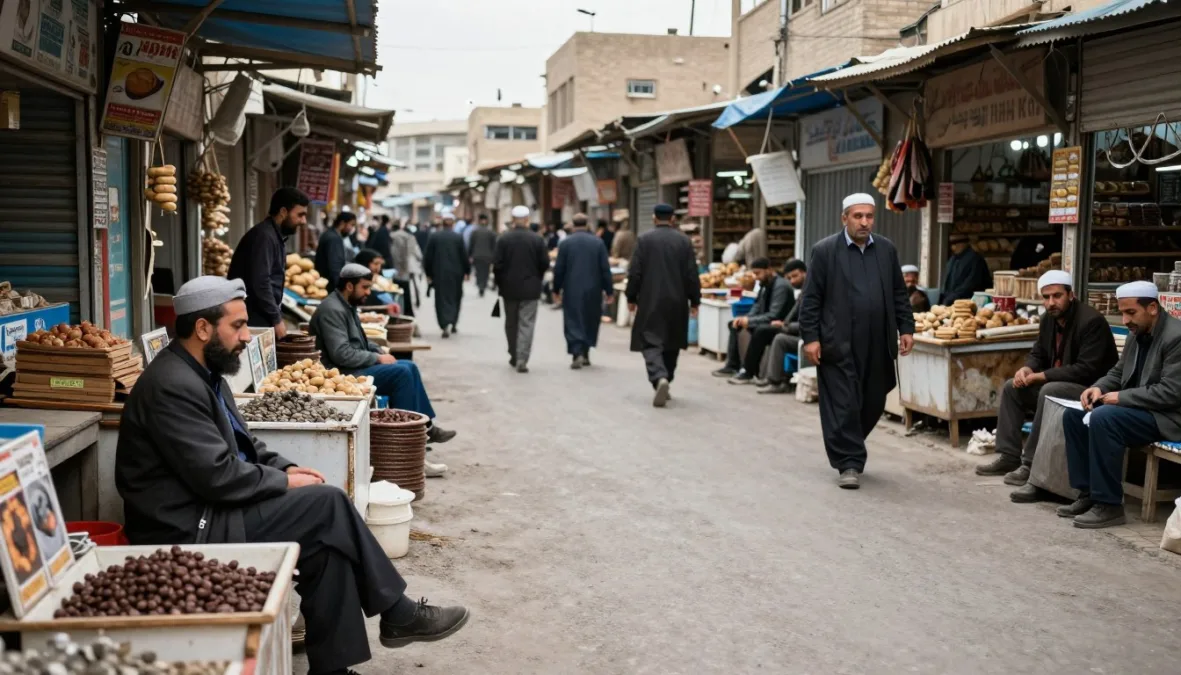
9. Turkey: Strategic Calculations and Economic Pressures
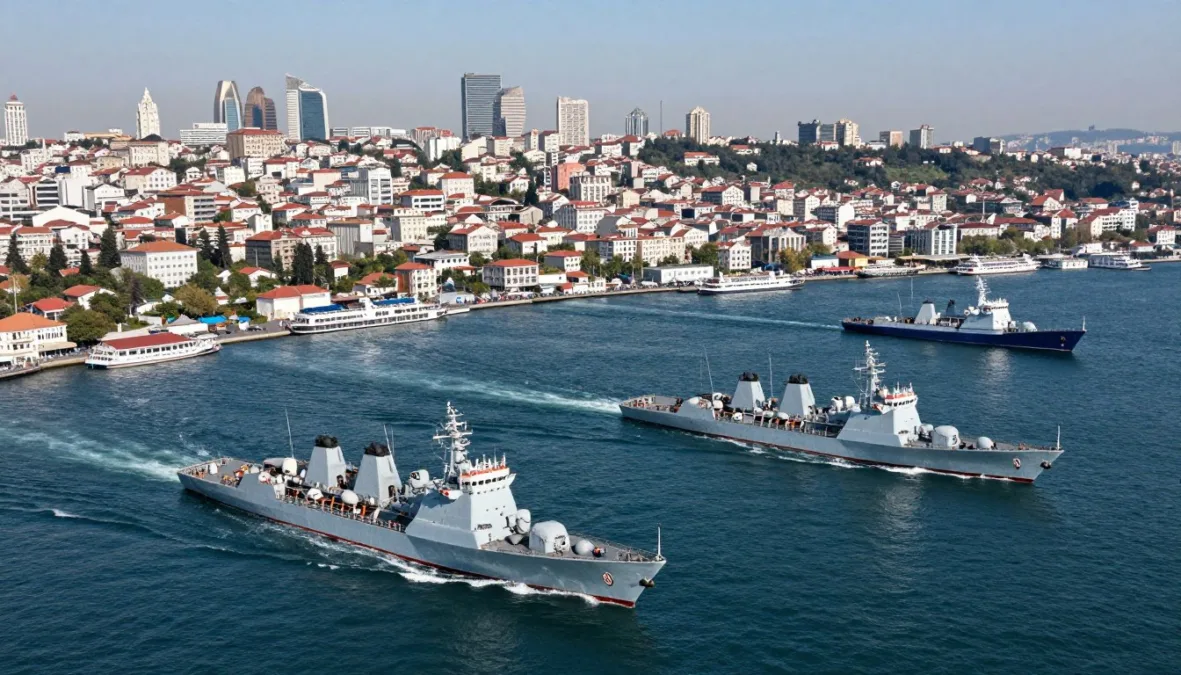
Turkey occupied a unique position during the 2026 Strait of Hormuz War as a NATO member with complex regional interests. The nation balanced security commitments to Western allies against economic relationships with Iran and energy security concerns. President Recep Tayyip Erdogan pursued characteristically independent policies that frustrated alliance partners.
Turkey’s geographic position provided leverage during the crisis. The Bosphorus and Dardanelles straits under Turkish control became more significant as alternative routes gained importance. The nation also hosted the Iraq-Turkey pipeline, providing Iraq’s only viable export route during the Hormuz closure.
Energy Security Challenges
Turkey imports approximately 90% of its oil and natural gas, creating significant vulnerability during the 2026 Iran War. The nation traditionally received substantial energy supplies from Russia, Iraq, and Azerbaijan. Persian Gulf disruptions affected Turkey less directly than East Asian nations but still created challenges.
Turkish refineries faced feedstock supply uncertainties as global oil markets destabilized. The nation competed for available supplies at elevated prices. Currency weakness complicated Turkey’s ability to secure necessary energy imports.
Natural gas supplies received particular attention. Turkey imports Russian gas via pipeline and receives Azerbaijani gas through the Southern Gas Corridor. The nation also imports LNG from various sources. Energy diversification strategies pursued before the conflict provided some resilience.
Economic Impacts and Trade Disruption
The Turkish economy experienced significant stress during the 2026 Iran War despite geographic distance from direct combat. Global economic disruption and energy price surges created multiple challenges. Turkey’s existing economic fragilities amplified crisis impacts.
The Turkish lira depreciated 23% against the US dollar between February 2026 and June 2026. Currency weakness reflected both specific Turkish economic challenges and broader emerging market pressures during global crisis. The Central Bank of Turkey intervened repeatedly with limited success.
Inflation accelerated to 64% annually by May 2026, exacerbating pre-existing price stability problems. Energy costs contributed significantly to inflation acceleration. Food prices increased particularly rapidly, creating hardship for ordinary Turkish citizens.
Tourism revenues declined as regional instability deterred international visitors. Turkish tourism depends heavily on European and Russian visitors. Both source markets reduced travel during the crisis. Hotel occupancy rates in major tourist destinations fell below 50% during traditionally peak spring months.
Diplomatic Balancing Act
Turkish diplomacy during the 2026 Iran War exemplified President Erdogan’s independent foreign policy approach. Turkey maintained dialogue with all parties to the conflict while avoiding definitive alignment with any side. This balancing act served Turkish interests but frustrated NATO allies.
Turkey opposed Operation Epic Fury publicly while allowing continued use of Incirlik Air Base under existing agreements. This contradictory position reflected Turkish efforts to preserve relationships with both the United States and regional actors. American officials expressed frustration but accepted Turkish posture as preferable to complete non-cooperation.
Relations with Iran remained complex throughout the conflict. Turkey maintained diplomatic and economic engagement despite Western pressure for isolation. Trade continued at reduced levels. Turkish officials positioned themselves as potential mediators for conflict resolution.
Engagement with Gulf Arab states intensified during the crisis. Turkey sought to improve relationships damaged by previous policy disputes. Economic incentives motivated Turkish outreach as Gulf investment became more attractive amid domestic economic challenges.
Turkey’s Strategic Advantages
- NATO membership provided security guarantees
- Control of Bosphorus/Dardanelles straits
- Iraq-Turkey pipeline provided economic benefit
- Diversified energy import sources
- Strong military capable of self-defense
- Diplomatic relationships across all parties
Turkish Vulnerabilities
- High energy import dependence
- Pre-existing economic fragility
- Currency weakness and inflation
- Tourism sector vulnerable to regional instability
- Complex refugee population challenges
- Political tensions with Western allies
Iraq-Turkey Pipeline Economics
The Iraq-Turkey pipeline became significantly more valuable during the 2026 Strait of Hormuz War. Iraqi oil exports through this route operated at maximum capacity throughout the crisis. Turkey collected substantial transit fees as the only viable export option for Iraqi crude.
Pipeline transit revenues provided welcome economic benefit during a challenging period. Turkey earned approximately $45 million monthly in transit fees during peak crisis months. These revenues exceeded normal levels as Iraqi dependence on the route increased.
The pipeline’s strategic importance created complications with Kurdistan Regional Government. KRG oil exports also utilized this route, creating disputes about revenue sharing and operational control. These tensions persisted throughout the crisis despite mutual benefit from continued operations.
Regional Security Concerns
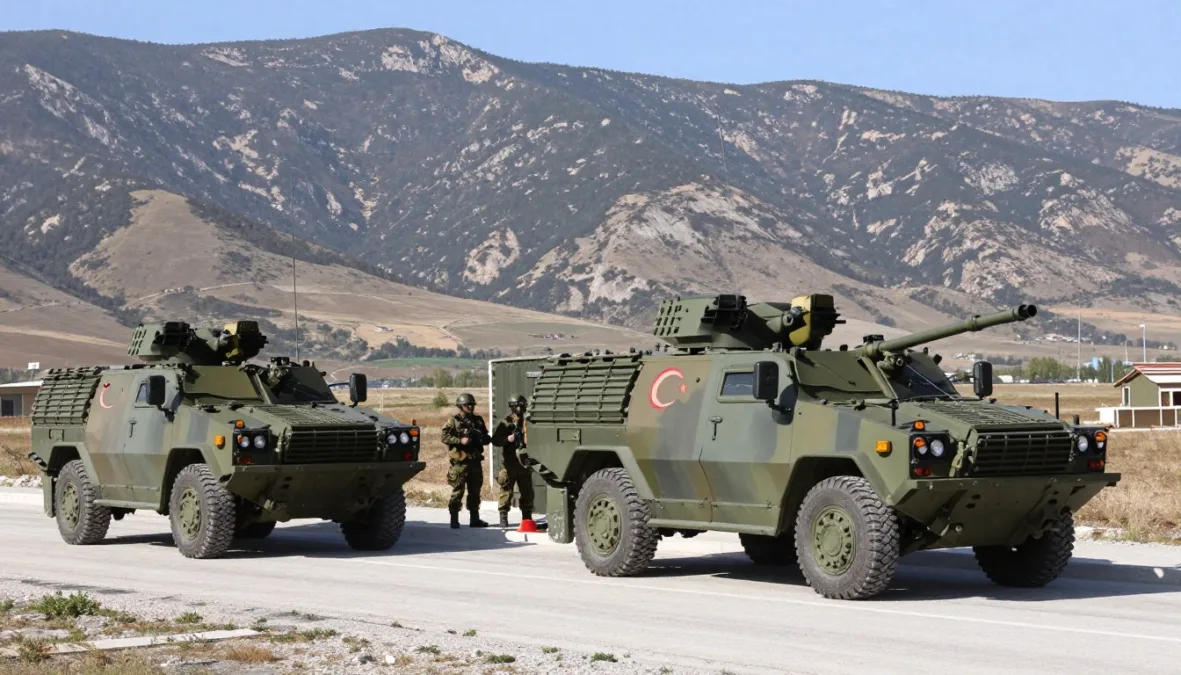
Turkey maintained heightened military readiness throughout the 2026 Iran War despite not being a direct combatant. The Turkish military monitored borders with Syria, Iraq, and Iran for potential spillover effects. Air defense systems received enhanced alert status.
The conflict exacerbated existing concerns about Kurdish armed groups operating along Turkey’s southern borders. Turkish military operations against PKK and affiliated groups continued during the broader regional crisis. Ankara feared these groups might exploit regional chaos to strengthen their positions.
Syrian situation remained a Turkish priority throughout the crisis. Turkey maintained military presence in northern Syria and supported opposition groups. The war complicated Turkish position in Syria but did not fundamentally alter Turkish objectives.
10. Oman: Caught Between Conflict and Neutrality
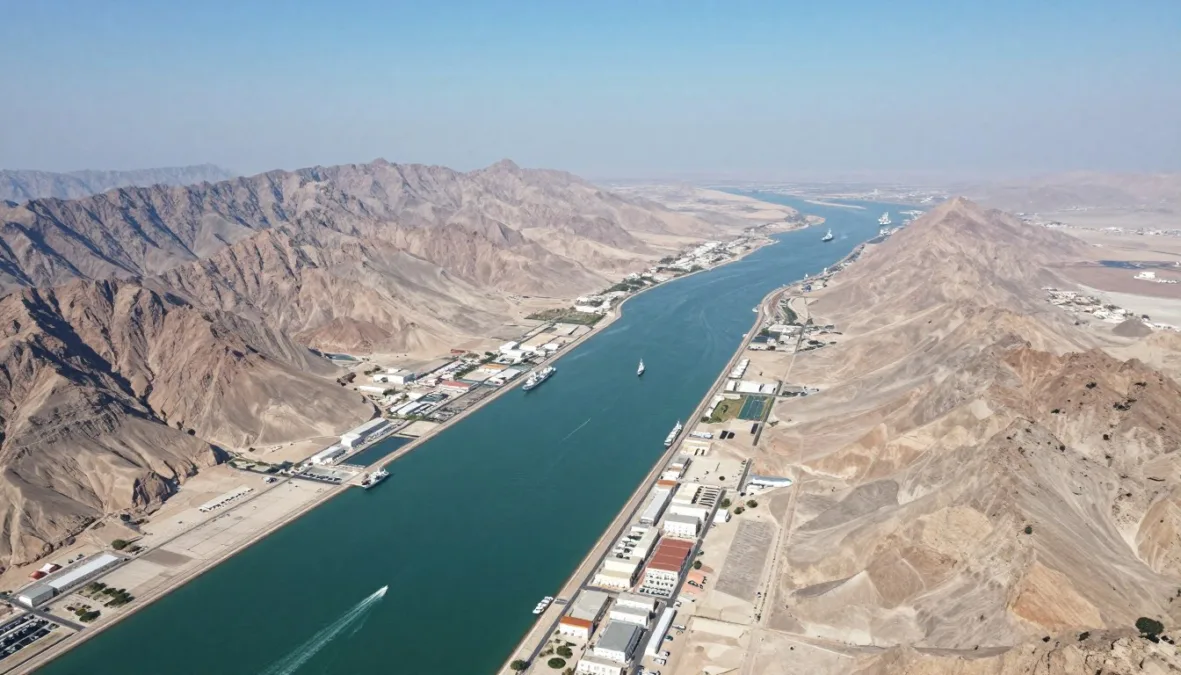
Oman experienced unique pressures during the 2026 Strait of Hormuz War due to its geographic position and traditional neutrality policy. The nation controls the southern shore of the strait, making its territory integral to any conflict affecting the waterway. Oman’s longstanding balanced approach to regional relations faced severe testing.
Sultan Haitham bin Tariq maintained Oman’s historical neutrality despite pressure from multiple directions. The nation refused to allow its territory to be used for operations against Iran. This position reflected both principle and pragmatic recognition of vulnerability to Iranian retaliation.
Geographic Vulnerability and Strategic Position
Oman’s coastline along the Strait of Hormuz placed it in the direct conflict zone during the 2026 Iran War. The narrow waterway separates Omani territory from Iran by just 21 miles at its closest point. This proximity created existential security concerns.
Iranian missile and drone capabilities threatened Omani territory throughout the conflict. While Iran generally avoided striking Oman given its neutrality, the risk remained constant. Omani defense forces maintained maximum alert status from February 2026 through July 2026.
The port of Sohar and other Omani facilities gained importance as alternative routes around the strait closure received consideration. Limited capacity prevented Oman from serving as a major alternative route, but discussions emphasized the nation’s strategic position.
Economic Impacts Despite Neutrality
Oman’s economy suffered significant damage during the 2026 Strait of Hormuz War despite the nation’s neutral stance. Tourism virtually collapsed as regional instability deterred visitors. Foreign investment inflows stopped as uncertainty dominated decision-making.
Omani oil exports faced disruption despite the nation not being a direct target. The country produces approximately 950,000 barrels per day, with the majority exported. Alternative routing around the strait proved challenging and expensive.
The liquefied natural gas sector experienced particular stress. Oman LNG facilities on the Gulf of Oman coast normally export substantial volumes. Shipping disruptions and market uncertainty reduced operations and revenues.
| Economic Sector | Pre-War Revenue (USD Million/Month) | War Period Revenue (USD Million/Month) | Decline (%) |
| Oil Exports | 1,840 | 980 | -46.7% |
| LNG Exports | 620 | 410 | -33.9% |
| Tourism | 285 | 67 | -76.5% |
| Port Services | 178 | 94 | -47.2% |
| Foreign Investment | 420 | 45 | -89.3% |
Diplomatic Neutrality Under Pressure
Oman maintained its traditional neutral foreign policy throughout the 2026 Iran War despite pressure from multiple directions. The United States and Gulf Arab states sought Omani cooperation for operations against Iran. Iran expected Omani neutrality to translate into active opposition to Western military operations.
Sultan Haitham bin Tariq personally engaged in diplomatic efforts to de-escalate the conflict. Omani officials maintained communication channels with all parties. The nation positioned itself as a potential mediator, though actual mediation opportunities proved limited during peak fighting.
Relations with the United Arab Emirates and Saudi Arabia faced some strain due to Omani neutrality. Gulf Arab states expected greater solidarity against Iranian aggression. Oman’s refusal to join the anti-Iran coalition created diplomatic tensions despite historical ties.
The United States accepted Omani neutrality while expressing disappointment. American officials recognized that Omani cooperation would provide limited military benefit while potentially exposing Oman to Iranian retaliation. Pragmatic considerations outweighed pressure for alignment.
Internal Security and Stability
Oman maintained domestic stability throughout the 2026 Strait of Hormuz War more successfully than many regional neighbors. The nation’s political system and social cohesion proved resilient despite economic pressures. Sultan Haitham’s leadership enjoyed broad public support.
Economic challenges created some social stress. Youth unemployment increased as economic opportunities contracted. The government implemented modest stimulus measures to cushion the most vulnerable populations.
Oman’s military remained focused on territorial defense rather than regional projection. Force readiness increased during the crisis but no offensive operations were conducted. The nation’s defense strategy emphasized deterrence and protection of critical infrastructure.
Neutrality Benefits
- Avoided direct military targeting
- Maintained relations with all parties
- Preserved diplomatic influence
- Protected civilian population
- Potential mediator position
Neutrality Costs
- Limited security assistance access
- Diplomatic isolation from GCC partners
- Economic impacts still severe
- Vulnerability to pressure from all sides
- Limited influence over outcomes
Strategic Choices
- Maintained military readiness
- Enhanced coastal defense
- Diplomatic engagement continued
- Economic diversification accelerated
- Regional relationships balanced
Long-Term Strategic Adjustments
The 2026 Strait of Hormuz War reinforced Oman’s commitment to neutrality as a strategic choice. The nation’s experience during the crisis demonstrated both benefits and limitations of this approach. Post-war planning emphasized maintaining neutrality while enhancing resilience.
Economic diversification received renewed priority in Omani development planning. Vision 2040 objectives emphasized reducing oil dependence and developing alternative revenue sources. Tourism, logistics, and manufacturing sectors received enhanced focus.
Defense capabilities underwent reassessment following the crisis. Oman committed to modest military modernization focused on territorial defense. Air defense systems and coastal surveillance received investment priority.
Global Economic Impacts of the 2026 Strait of Hormuz War

The 2026 Iran War created the most significant global economic disruption since the 2008 financial crisis. The conflict’s impact extended far beyond the ten countries most directly affected. Energy price shocks, supply chain disruptions, and financial market volatility affected the entire global economy.
Oil Price Volatility and Supply Disruption
Global oil prices experienced unprecedented volatility during the 2026 Strait of Hormuz War. Brent crude prices surged from $78 per barrel in January 2026 to a peak of $147 per barrel in March 2026. This 88% increase represented the sharpest oil price spike in history.
The International Energy Agency coordinated the largest strategic petroleum reserve release ever attempted. Member countries released approximately 240 million barrels between February and June 2026. These releases partially offset lost Persian Gulf supplies but could not fully replace them.
Alternative suppliers increased production but faced capacity constraints. The United States, Canada, Brazil, and others maximized output. However, spare global capacity proved insufficient to replace 17 million barrels per day of lost exports from the Persian Gulf region.
Oil Price Timeline
Brent crude oil prices fluctuated dramatically throughout the 2026 conflict based on military developments and supply expectations.
- January 2026: $78/barrel – Pre-war baseline pricing
- February 15, 2026: $94/barrel – Operation Epic Fury begins
- February 28, 2026: $118/barrel – Strait closure confirmed
- March 12, 2026: $147/barrel – Peak crisis pricing
- April 2026: $132/barrel – Sustained high prices
- May 2026: $126/barrel – Slight moderation begins
- June 2026: $109/barrel – Partial strait reopening announced
- July 2026: $96/barrel – Escorted tanker operations resume
Transportation and Aviation Sectors
Global transportation sectors faced severe challenges as fuel costs surged during the 2026 Iran War. Airlines implemented emergency fuel surcharges and reduced service frequencies. Several smaller carriers ceased operations entirely as losses became unsustainable.
Shipping costs increased dramatically as available vessels prioritized highest-value cargoes. Container shipping rates from Asia to Europe and North America doubled during peak crisis months. These increased costs passed through to consumer goods prices globally.
Aviation rerouting around Middle Eastern airspace created additional costs and delays. European-Asian flights avoided Iranian and contested airspace. Longer routes increased fuel consumption and journey times, reducing profitability and capacity.
Manufacturing and Supply Chains
Global manufacturing faced widespread disruption as energy costs surged and supply chains fractured. Just-in-time production systems proved particularly vulnerable to sudden shocks. Industries from automotive to electronics experienced production constraints.
Petrochemical feedstock shortages affected plastics and chemical production globally. These materials form critical inputs for countless products. Shortages cascaded through supply chains, creating bottlenecks far removed from direct energy impacts.
Asian manufacturing hubs experienced particularly severe impacts given their energy import dependence. Production costs increased substantially even for operations not directly energy-intensive. Competitiveness of Asian exports declined as costs rose.
Supply Chain Breakdown: The combination of energy disruption, shipping constraints, and manufacturing challenges created the most severe global supply chain crisis since the COVID-19 pandemic. Recovery required over 18 months to restore normal operations.
Financial Markets and Investment
Global financial markets experienced extreme volatility during the 2026 Strait of Hormuz War. Equity markets declined sharply in February 2026 as the conflict erupted. The S&P 500 fell 18% from pre-war levels to its March 2026 trough. Asian and European markets experienced similar or greater declines.
Energy sector stocks showed divergent performance. Upstream oil and gas producers benefited from higher prices. Downstream refiners and consumers faced margin pressure and operational challenges. Overall energy sector performance exceeded broader market indices.
Emerging market currencies weakened broadly as risk aversion increased. Capital flows reversed from developing nations toward perceived safe havens. The US dollar, Japanese yen, and Swiss franc strengthened against most other currencies.
| Market Index | Pre-War Level (Jan 2026) | Crisis Low (Mar 2026) | Decline (%) | Recovery Level (Jul 2026) |
| S&P 500 | 4,725 | 3,875 | -18.0% | 4,340 |
| FTSE 100 | 7,568 | 6,234 | -17.6% | 7,012 |
| Nikkei 225 | 28,456 | 22,187 | -22.0% | 25,634 |
| Shanghai Composite | 3,289 | 2,548 | -22.5% | 2,897 |
| MSCI Emerging Markets | 1,087 | 824 | -24.2% | 948 |
Inflation and Central Bank Responses
The 2026 Iran War created severe inflationary pressures globally. Energy and food prices surged, driving headline inflation to multi-decade highs in most economies. Central banks faced difficult trade-offs between controlling inflation and supporting economic growth.
The US Federal Reserve maintained relatively hawkish policy despite growth concerns. Interest rate increases continued through April 2026 before pausing as recession risks increased. The Fed prioritized inflation control over growth support during the acute crisis phase.
The European Central Bank faced particularly complex challenges. Energy dependence and exposure to Middle Eastern disruption affected eurozone economies severely. The ECB implemented modest rate increases while providing targeted support for struggling sectors.
Developing economy central banks generally raised rates aggressively to defend currencies and control inflation. These actions often exacerbated economic pain but prevented currency collapse and hyperinflation scenarios.

International Diplomatic Responses and Conflict Resolution
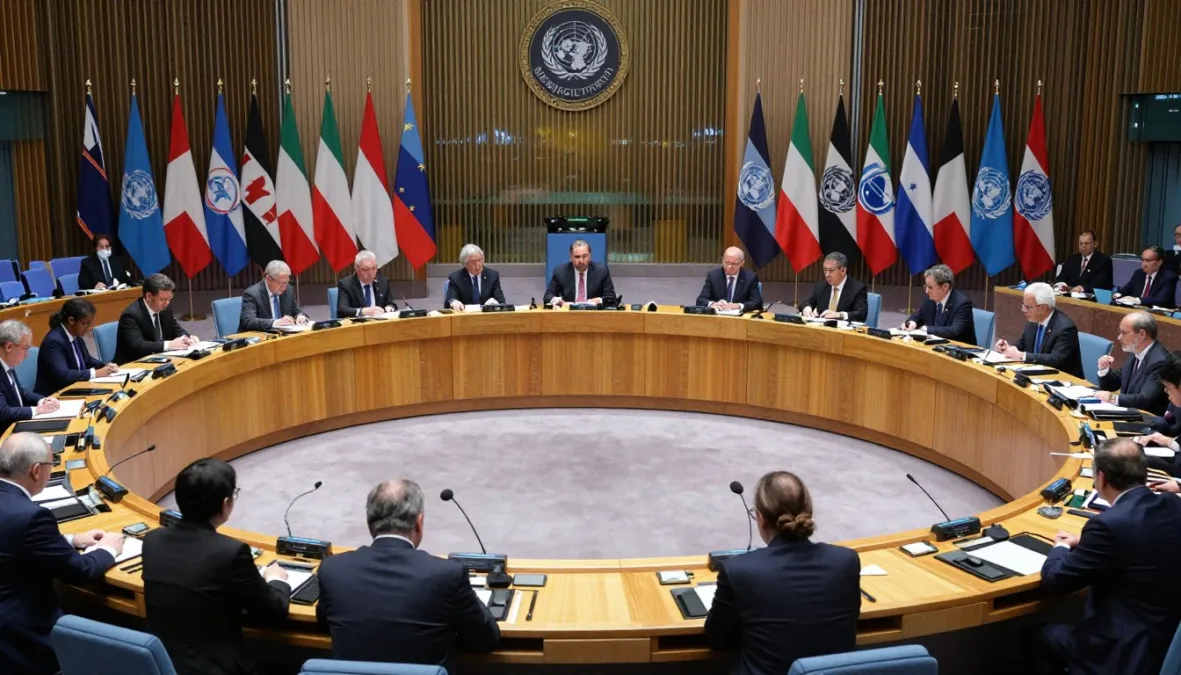
The 2026 Strait of Hormuz War prompted intensive diplomatic activity from the conflict’s first days through eventual partial resolution. International organizations, regional powers, and individual nations pursued various initiatives to contain the fighting and address underlying tensions.
United Nations Security Council Divisions
The United Nations Security Council convened emergency sessions within hours of Operation Epic Fury’s commencement. The body remained deeply divided throughout the crisis. Fundamental disagreements among permanent members prevented unified action.
The United States defended Operation Epic Fury as necessary response to Iranian aggression and threats to international commerce. American representatives highlighted Iranian attacks on shipping and regional partners. The legal justification emphasized collective self-defense under the UN Charter.
Russia and China opposed military action against Iran consistently. Both nations called for immediate ceasefire and diplomatic resolution. Russia vetoed proposed Security Council resolutions condemning Iranian actions. China abstained on most votes while advocating for negotiation.
European Security Council members pursued middle positions. France and the United Kingdom generally supported the United States while calling for restraint. These nations sought to balance alliance commitments with concerns about regional stability and economic impacts.
Why couldn’t the UN Security Council agree on a unified response?
Permanent member divisions prevented consensus. Russia and China opposed Western military action against Iran as a matter of principle and strategic interest. These nations viewed the conflict as reflecting broader US-Iran tensions rather than threats to international peace. Veto power allowed blocking of resolutions the permanent members opposed, preventing unified Security Council action despite international concern about the conflict’s impacts.
What role did regional organizations play in diplomatic efforts?
The Gulf Cooperation Council coordinated member state positions supporting military action against Iran. The Arab League issued statements condemning Iranian aggression while calling for diplomatic resolution. The Organization of Islamic Cooperation remained divided given membership including both Iran and countries opposing it. Regional organizations lacked the unity or authority to broker meaningful agreements during the acute crisis phase.
Were there any successful diplomatic initiatives during the conflict?
Limited diplomatic progress occurred primarily through backchannel communications. Oman facilitated some indirect contacts between Iranian and American officials. Switzerland’s protecting power role enabled minimal communication. These channels helped establish basic rules of engagement and eventually contributed to partial ceasefire arrangements in June 2026, though comprehensive resolution remained elusive.
Mediation Attempts and Ceasefire Negotiations
Multiple nations and international figures attempted mediation during the 2026 Iran War. These efforts achieved limited success during active fighting but established frameworks for eventual partial resolution.
Oman emerged as the most active potential mediator given its neutral stance and relationships with all parties. Sultan Haitham bin Tariq personally engaged with Iranian, American, and Gulf Arab leaders. Omani officials hosted several rounds of indirect talks in Muscat during April and May 2026.
Turkey also positioned itself as a potential mediator despite NATO membership. President Erdogan’s conversations with Supreme Leader Ali Khamenei and President Donald Trump explored possibilities for de-escalation. Turkish efforts achieved minimal concrete results but maintained dialogue channels.
European nations, particularly France and Germany, pursued diplomatic initiatives separate from American positions. These efforts emphasized immediate humanitarian concerns and maritime security. European mediation achieved modest success in establishing protected humanitarian corridors but could not broker comprehensive agreements.
Ceasefire Framework and Partial Resolution
Partial ceasefire arrangements emerged in June 2026 after four months of intensive fighting. The agreements remained limited and fragile but allowed reduction in active hostilities and partial resumption of shipping through the Strait of Hormuz.
The ceasefire framework included several key elements. Both sides agreed to suspend offensive military operations while maintaining defensive postures. Naval forces would allow escorted commercial shipping through designated lanes in the strait. International monitors would oversee adherence to arrangements.
The agreements explicitly avoided addressing underlying disputes. Iranian nuclear program issues, sanctions, regional influence, and other fundamental disagreements remained unresolved. The ceasefire focused narrowly on stopping active fighting and reopening critical shipping lanes.
Ceasefire Agreement Terms
- Suspension of offensive military operations
- Escorted commercial shipping through designated lanes
- International monitoring of compliance
- Humanitarian corridor establishment
- Prisoner exchange framework created
- Preliminary damage assessment allowed
- No preconditions for further negotiations
Unresolved Issues
- Iranian nuclear program status
- US and international sanctions regime
- Iranian regional activities and proxy support
- Gulf Arab state security guarantees
- Reparations and accountability questions
- Long-term Strait of Hormuz governance
- Regional security architecture framework
Long-Term Diplomatic Challenges
The partial resolution achieved in June 2026 left fundamental issues unresolved. All parties recognized that sustainable peace required addressing root causes of the conflict. However, positions remained far apart on essential questions.
The United States maintained that Iranian nuclear program restraint was essential for any comprehensive agreement. Sanctions would continue until verifiable limitations were established. Regional security concerns also required addressing Iranian activities throughout the Middle East.
Iran insisted that sanctions removal and security guarantees must precede any nuclear program discussions. Supreme Leader Ali Khamenei viewed the conflict as validating resistance to Western pressure. Iranian negotiating positions hardened rather than softened despite military losses.
Gulf Arab states demanded long-term security arrangements protecting against future Iranian aggression. These nations sought formal American security guarantees and regional defense cooperation frameworks. The vulnerability exposed by the 2026 Iran War created lasting security concerns.
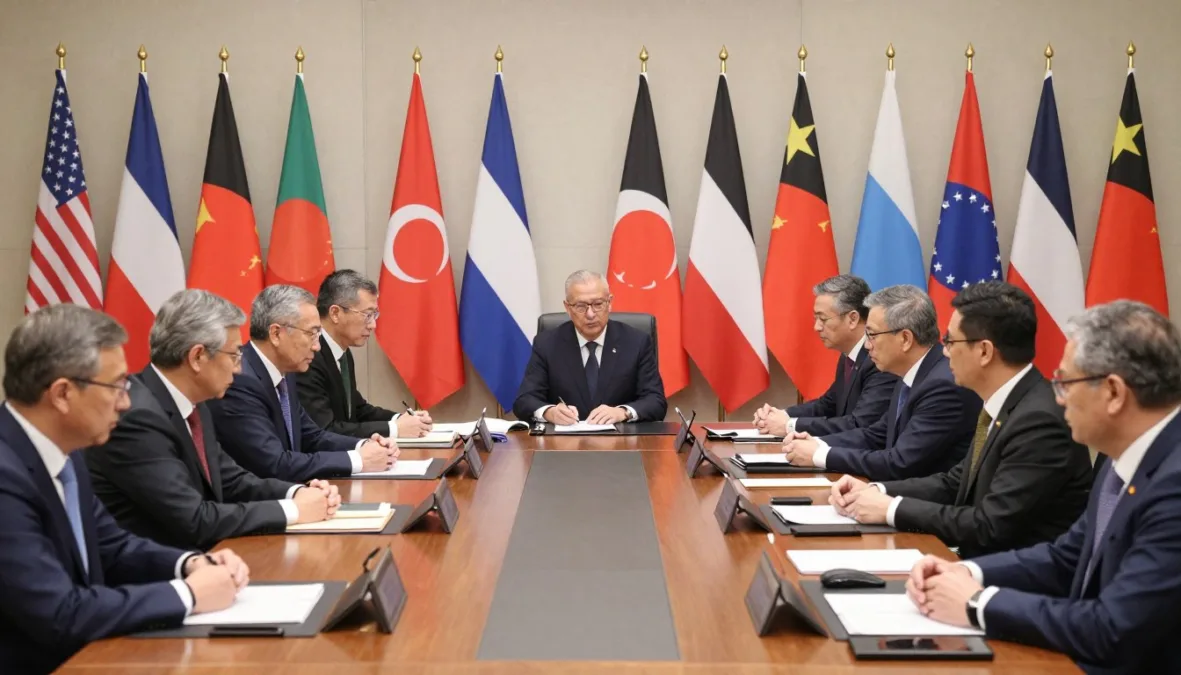
Humanitarian Consequences Across the Region
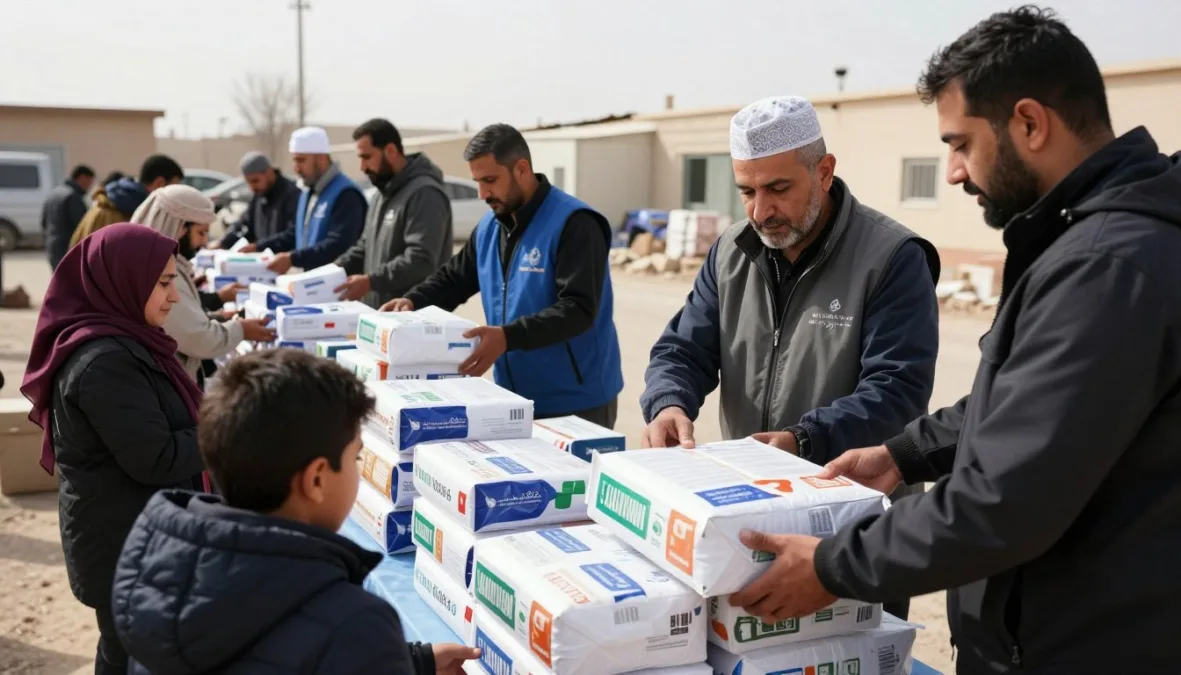
The 2026 Strait of Hormuz War created severe humanitarian crises across multiple countries. Civilian populations bore significant costs from direct military action, economic collapse, and disrupted essential services. International humanitarian organizations struggled to meet overwhelming needs.
Civilian Casualties and Displacement
Direct civilian casualties from military operations remained relatively limited compared to other regional conflicts. Precision weapons reduced collateral damage during most strikes. However, thousands of civilians died or suffered injuries from the fighting.
Iranian civilians experienced the highest casualty numbers. Operation Epic Fury strikes occasionally affected civilian areas despite targeting military and nuclear facilities. Estimates suggested 2,800-3,400 Iranian civilian deaths between February 2026 and June 2026. Injuries exceeded 8,000 people.
United Arab Emirates civilians also suffered casualties from Iranian retaliatory strikes. Missile and drone attacks on UAE territory killed an estimated 340 civilians and injured over 1,200. Most casualties occurred in Abu Dhabi and northern emirates near military facilities.
Internal displacement affected hundreds of thousands across the region. Iranians living near targeted facilities evacuated to safer areas. UAE residents in affected emirates temporarily relocated. Iraqi displacement increased as economic crisis and instability worsened.
Humanitarian Assessment: The International Committee of the Red Cross estimated that 2.3 million people across the region required humanitarian assistance directly related to the 2026 Strait of Hormuz War. Food insecurity, medical needs, and displacement created complex emergency response requirements.
Healthcare System Stress
Healthcare systems across affected countries faced overwhelming demands during the 2026 Iran War. Direct casualties from fighting combined with economic crisis impacts created perfect storms for medical services.
Iranian healthcare suffered particularly severe stress. International sanctions limited medical supply imports even before the conflict. Wartime disruptions exacerbated existing shortages. Medicine availability declined dramatically for chronic disease management and routine care.
Iraqi healthcare faced collapse as government funding disappeared. Hospitals operated without adequate supplies or staff compensation. Many medical professionals left public facilities for private practice or emigration. The most vulnerable populations lost access to basic healthcare.
Even relatively wealthy Gulf states experienced healthcare challenges. The UAE and Saudi Arabia diverted medical resources to treat casualties and prepare for potential chemical or biological threats. Routine healthcare access declined as systems focused on crisis response.
Food Security and Nutrition
Food security deteriorated across the Middle East during the 2026 Strait of Hormuz War. Import disruptions, currency devaluation, and inflation combined to create widespread food access challenges.
Iran faced the most severe food security crisis. International sanctions already constrained food imports before the conflict. Wartime disruptions and currency collapse made imported food unaffordable for many Iranians. Domestic production could not compensate for import losses.
Iraq’s food security situation worsened significantly as economic crisis deepened. The country imports approximately 80% of food consumed. Currency depreciation and budget shortfalls made food imports increasingly difficult. Subsidized food distribution programs faced budget cuts.
Yemen’s already catastrophic humanitarian situation deteriorated further. The country’s civil war continued throughout the regional crisis. Houthi involvement in the broader conflict and economic disruptions worsened conditions for Yemeni civilians.
| Country | Food Insecure Population (Millions) | Percentage Increase | Primary Causes | International Assistance Required |
| Iran | 38.4 | +127% | Sanctions, currency collapse, import disruption | Critical |
| Iraq | 14.7 | +89% | Economic collapse, import constraints | Severe |
| Yemen | 21.3 | +34% | Ongoing civil war, regional disruption | Catastrophic |
| Syria | 12.8 | +42% | Civil war continuation, economic impacts | Critical |
| Lebanon | 3.2 | +56% | Economic crisis, import disruption | Moderate |
Education Disruption
Educational systems across the region experienced severe disruptions during the 2026 Strait of Hormuz War. School closures, displaced students, and resource constraints affected millions of children and young adults.
Iranian schools faced closures in conflict-affected areas and resource shortages everywhere. Teacher salaries went unpaid for extended periods as government budgets collapsed. Many educators left the profession or emigrated. Educational quality declined even where schools remained nominally open.
Iraqi education system dysfunction intensified during the crisis. Government funding cuts forced school closures and teacher layoffs. Families facing economic hardship withdrew children from school. An estimated 1.4 million Iraqi children lost educational access during peak crisis months.
Even relatively stable countries experienced education impacts. The UAE and Saudi Arabia maintained school operations but faced teacher shortages as expatriate educators departed. Educational quality concerns emerged despite continued government funding.
Refugee and Migration Pressures
The 2026 Iran War triggered new refugee flows and intensified existing migration pressures. Economic crisis drove emigration from multiple countries. Those with resources sought opportunities elsewhere. Those without resources often became internally displaced or trapped.
Iranian emigration accelerated during and after the conflict. Educated professionals, young people, and those with financial means left when possible. Neighboring countries received some refugees while many traveled to Turkey en route to Europe. Brain drain intensified Iran’s long-term challenges.
Iraqi emigration continued trends from previous decades of instability. The 2026 crisis added new impetus for those able to leave. Jordan, Turkey, and Gulf states received Iraqi refugees despite their own challenges. European migration pressures increased as Iraqis joined other Middle Eastern populations seeking asylum.
Syrian refugees in neighboring countries faced additional hardship as host nation economies weakened. Lebanon, Jordan, and Turkey struggled to maintain services for existing refugee populations. International assistance declined as donor nations focused resources elsewhere.
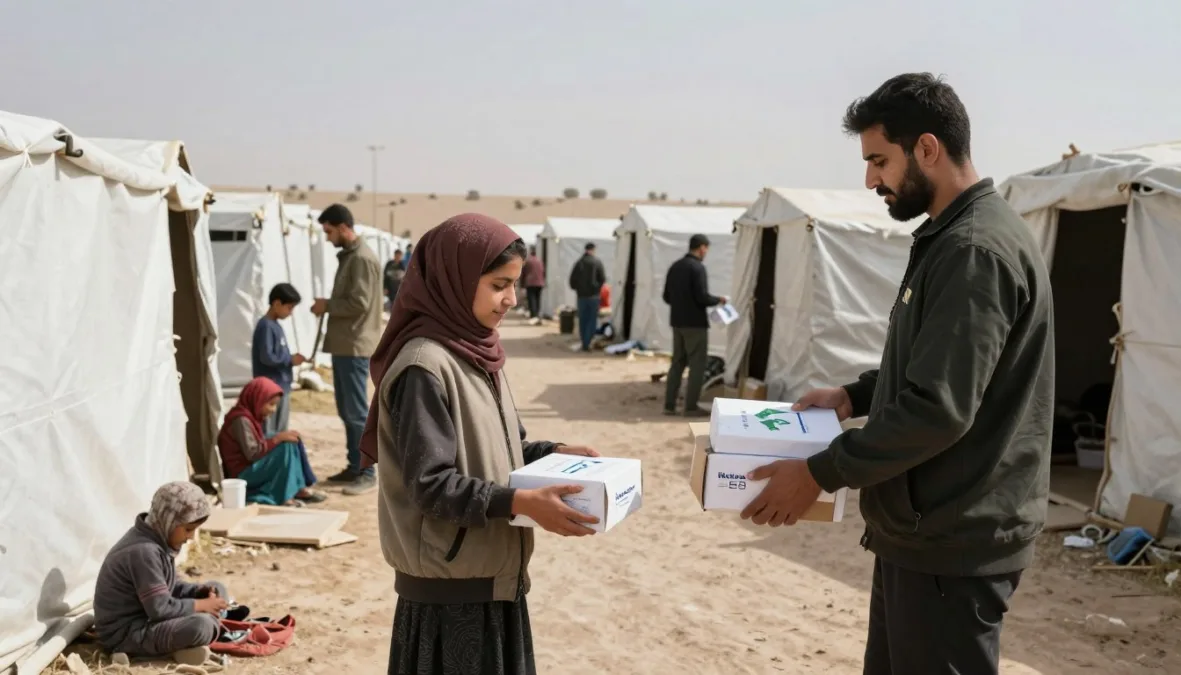
Environmental and Ecological Impacts
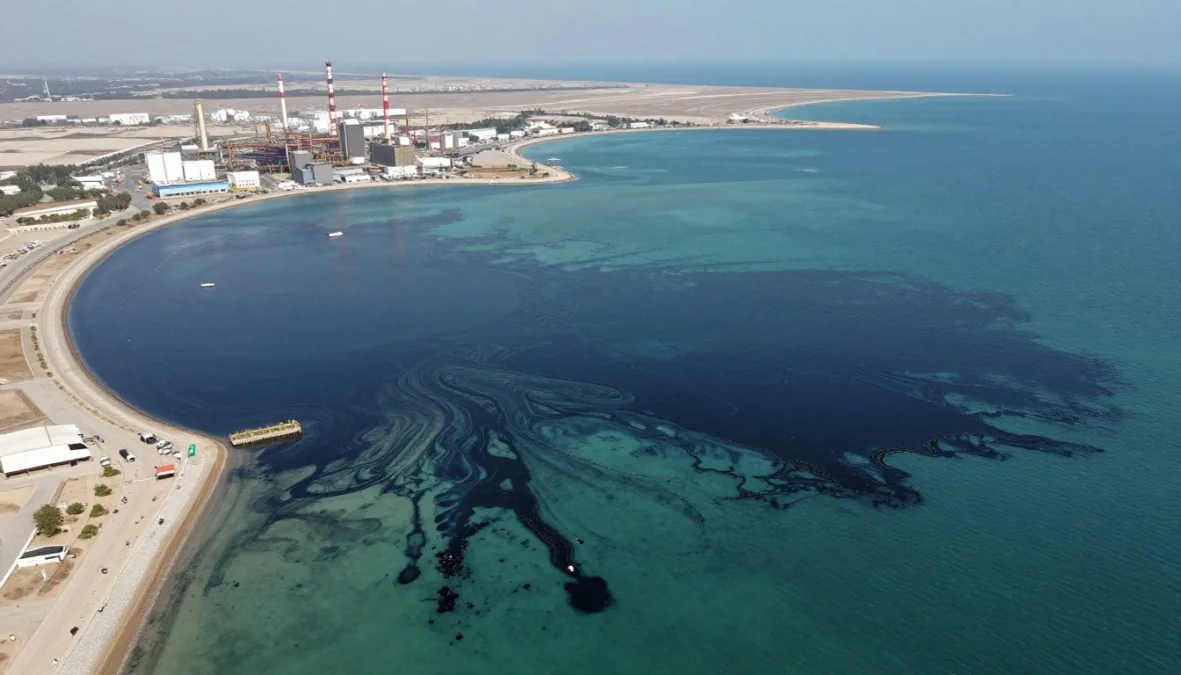
The 2026 Strait of Hormuz War created significant environmental damage across the Persian Gulf region and beyond. Oil pollution, military ordnance impacts, and infrastructure destruction caused ecological harm that will require years or decades to remediate.
Marine Environment Pollution
The Persian Gulf suffered severe marine pollution during the 2026 Iran War. Oil spills from damaged facilities and sunken vessels released an estimated 2.8 million barrels of crude oil into Gulf waters. This represented one of the largest marine oil pollution events in history.
Tanker attacks and terminal damage created multiple pollution sources. Iranian strikes on UAE and Saudi export terminals caused significant spills. Several oil tankers sustained damage during the conflict, releasing cargo into surrounding waters. Cleanup efforts faced delays due to ongoing security concerns.
Marine ecosystems throughout the Persian Gulf experienced severe damage. Coral reefs, seagrass beds, and mangrove forests suffered from oil contamination. Fish populations declined sharply in affected areas. The Gulf’s limited water exchange with the open ocean concentrated pollution.
Desalination plants throughout the region faced operational challenges from oil-contaminated intake water. UAE, Saudi Arabia, and other Gulf nations depend on desalinated seawater for drinking water. Pollution forced temporary shutdowns and expensive filtration measures.
Long-term Environmental Damage: Marine biologists estimated that full ecosystem recovery in the most severely affected areas of the Persian Gulf could require 15-25 years. Some coral reef damage may prove permanent given the slow regeneration rates of these ecosystems.
Air Quality and Atmospheric Impacts
Air quality deteriorated significantly during the 2026 Iran War. Burning oil facilities created massive smoke plumes that affected air quality across the region. Residential areas near industrial facilities experienced particularly poor conditions.
Iranian oil infrastructure fires burned for weeks in some cases. Damaged refineries and storage facilities released toxic smoke containing heavy metals, sulfur compounds, and particulate matter. Winds carried this pollution across Iran and into neighboring countries.
Saudi Arabian facility fires also contributed to regional air quality degradation. The Abqaiq attacks in March 2026 created smoke visible from satellite imagery. Local populations experienced respiratory problems from exposure to industrial fire emissions.
Soil and Groundwater Contamination
Terrestrial environments near military and industrial targets suffered contamination from explosives, fuel spills, and damaged infrastructure. Soil contamination will require extensive remediation in some areas before land can safely return to productive use.
Unexploded ordnance created hazards across affected areas. Thousands of missiles, bombs, and other munitions failed to detonate on impact. These devices will require systematic clearance operations lasting years. Until clearance, affected areas remain dangerous for civilian activity.
Groundwater contamination occurred in areas with damaged industrial facilities. Fuel and chemical storage facility destruction released contaminants that percolated into aquifers. This pollution threatened drinking water sources and agricultural irrigation systems.
Marine Environmental Damage
- 2.8 million barrels of oil spilled into Gulf waters
- 430 square miles of coral reef damaged
- Seagrass beds reduced by estimated 35%
- Commercial fish populations declined 67%
- 17 desalination plants affected
- Cleanup costs estimated at $8.4 billion
Terrestrial Environmental Damage
- 127 square miles of land contaminated
- Estimated 4,200 unexploded ordnance items
- Soil remediation needed in 38 locations
- Groundwater contamination in 23 aquifers
- Air quality degradation across 6 countries
- Remediation timeline: 10-20 years
Wildlife and Biodiversity Impacts
Regional wildlife populations suffered significant impacts from the 2026 Strait of Hormuz War. The Persian Gulf hosts unique marine ecosystems and important migratory bird routes. The conflict disrupted these natural systems with consequences extending beyond immediate conflict zones.
Seabird populations experienced catastrophic losses from oil pollution. Species including socotra cormorants, greater flamingos, and various tern species suffered mortality rates exceeding 40% in some colonies. Breeding failures occurred across multiple species as nesting sites became contaminated.
Marine mammals including dugongs suffered from habitat degradation and pollution. The Persian Gulf’s dugong population, already threatened before the conflict, faced additional pressure from seagrass bed destruction and contamination. Population recovery prospects diminished significantly.
Terrestrial ecosystems near conflict zones experienced disruption from military activity and infrastructure damage. Desert ecosystems proved particularly vulnerable to vehicle traffic and infrastructure construction associated with military operations.

Strategic Lessons and Future Implications

The 2026 Strait of Hormuz War provided critical lessons for policymakers, military planners, and energy security strategists worldwide. The conflict exposed vulnerabilities in the global system and challenged assumptions about modern warfare, economic interdependence, and international relations.
Energy Security Vulnerabilities
The conflict demonstrated that global energy security remains fragile despite decades of diversification efforts. The world’s continued dependence on Persian Gulf oil created systemic vulnerabilities that a regional conflict could exploit. These vulnerabilities proved more severe than most pre-war assessments predicted.
Strategic petroleum reserves provided essential buffers but proved insufficient for extended crises. The largest reserve drawdown in history only partially offset lost Persian Gulf supplies. This reality forced fundamental reassessment of reserve adequacy and utilization strategies.
Alternative supply sources could not immediately replace Persian Gulf exports. Geographic concentration of spare capacity in the Middle East meant that regional conflict inherently threatened global energy security. This concentration will require decades to meaningfully diversify.
- Strategic reserves adequate for 3-6 month disruptions
- Alternative suppliers could quickly increase production
- Market mechanisms would efficiently allocate scarce resources
- Conflict would remain limited and short-duration
- International cooperation would address crises
- Economic interdependence would prevent major conflicts
Pre-War Assumptions
- Reserves depleted faster than anticipated under stress
- Spare capacity insufficient to replace Gulf volumes
- Market panic and hoarding exceeded economic models
- Conflict duration and intensity underestimated
- International cooperation limited by divisions
- Economic ties proved insufficient conflict deterrent
Post-War Realities
Military and Strategic Lessons
The 2026 Iran War validated some military technologies and strategies while challenging others. Precision strike capabilities demonstrated in Operation Epic Fury exceeded expectations. American and allied forces achieved unprecedented accuracy destroying intended targets.
However, achieving strategic objectives through military force proved more challenging than tactical success suggested. Iran sustained severe damage but avoided complete capitulation. The regime’s survival despite military losses highlighted limits of precision warfare for achieving political goals.
Asymmetric capabilities demonstrated effectiveness despite conventional military inferiority. Iranian missile and drone systems, while ultimately overwhelmed, imposed significant costs on opponents. The relatively low cost of these systems compared to defending against them created strategic challenges.
Air and missile defense systems performed better than in previous conflicts but still allowed some strikes through. Layered defenses provided protection for critical assets but could not achieve perfect interception rates. This reality validated continued investment in active defense while highlighting inherent limitations.
Economic and Financial System Resilience
Global economic and financial systems demonstrated both resilience and vulnerability during the 2026 Strait of Hormuz War. Markets experienced severe disruption but avoided complete collapse. However, recovery required extensive government intervention beyond normal market mechanisms.
Just-in-time supply chains proved extremely vulnerable to sudden shocks. Manufacturing systems optimized for efficiency lacked resilience when disruptions occurred. The crisis accelerated reconsideration of supply chain strategies toward incorporating redundancy and flexibility.
Financial market circuit breakers and intervention mechanisms prevented panic from becoming complete system failure. Central bank actions, coordinated somewhat across major economies, stabilized markets during peak crisis periods. However, these interventions created longer-term consequences requiring management.
Effective Response Measures
- Coordinated strategic petroleum reserve releases
- Central bank liquidity provision
- Emergency supply chain coordination
- International diplomatic engagement
- Humanitarian assistance mobilization
Inadequate Preparations
- Strategic reserve capacity insufficient
- Alternative supply development delayed
- Supply chain resilience overlooked
- Conflict prevention diplomacy inadequate
- Humanitarian response planning limited
Necessary Future Improvements
- Expanded strategic reserves globally
- Enhanced alternative energy development
- Supply chain redundancy investment
- Preventive diplomacy enhancement
- Pre-positioned humanitarian resources
Diplomatic and International Relations Implications
The 2026 Strait of Hormuz War exposed significant weaknesses in international conflict prevention and resolution mechanisms. The United Nations Security Council proved unable to effectively address the crisis due to permanent member divisions. This dysfunction highlighted fundamental challenges in the post-Cold War international order.
Regional security architectures demonstrated inadequacy for preventing or managing major conflicts. The Gulf Cooperation Council provided some coordination among members but lacked capacity to deter or defeat threats. More robust regional security frameworks will require development.
Economic interdependence proved insufficient to prevent conflict despite theoretical expectations. Iran’s integration into regional and global economies provided limited restraint on decisions to pursue confrontational policies. This reality challenged assumptions about globalization’s pacifying effects.
However, diplomatic channels maintained during the conflict enabled eventual partial resolution. Backchannel communications, neutral mediators, and protecting power arrangements created mechanisms for de-escalation when parties sought exits from fighting. These diplomatic tools retained value despite their inability to prevent conflict.
Long-Term Energy Transition Acceleration
The 2026 Iran War accelerated global energy transition trends already underway. Nations reconsidered dependence on oil imports as security liability rather than purely economic question. Renewable energy, nuclear power, and efficiency received enhanced support as energy security measures.
Electric vehicle adoption gained momentum as transportation oil dependence became politically unacceptable in major economies. Government policies promoting electrification strengthened significantly. Private sector investment in electric vehicle technology and infrastructure accelerated.
Hydrogen economy development received particular attention in energy-import-dependent nations. Japan, South Korea, and European countries increased hydrogen investments as long-term oil alternative. The technology’s versatility for transportation, power generation, and industry made it attractive for diversification.
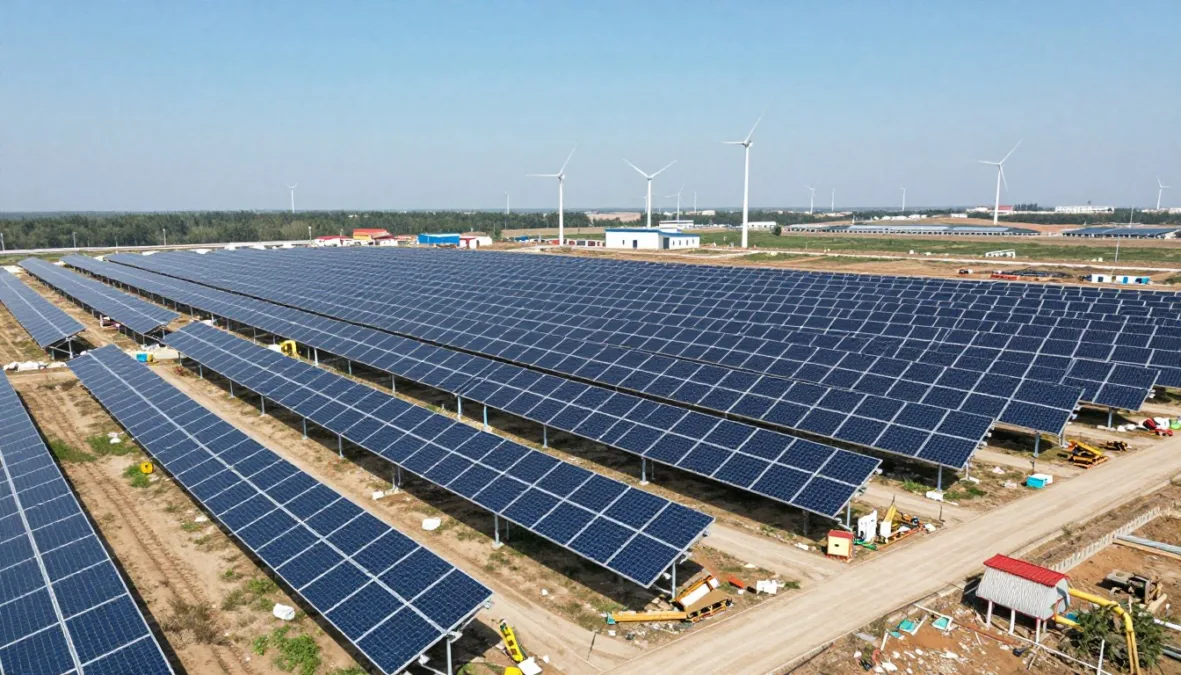
Conclusion: Lasting Impacts and Ongoing Recovery
The 2026 Strait of Hormuz War fundamentally reshaped the Middle East and global energy security landscape. The conflict demonstrated the catastrophic costs of regional war in an interconnected world economy. No nation emerged unscathed from a crisis that rippled across continents.
The ten countries most directly impacted each faced unique combinations of economic devastation, security challenges, and political pressures. The United Arab Emirates and Saudi Arabia suffered direct military attacks and export disruptions. China, India, Japan, and South Korea confronted energy security crises threatening their economic models. Iraq and Iran experienced comprehensive economic collapse. Turkey and Oman navigated complex diplomatic pressures while managing significant economic impacts.
Global economic disruption extended far beyond these ten nations. Energy price shocks, supply chain breakdowns, and financial market volatility affected every economy. The crisis created the most severe global economic challenge since 2008, with recovery requiring years of sustained effort.
Ongoing Recovery: As of 2027, full economic recovery from the 2026 Strait of Hormuz War remains incomplete. Oil production has returned to approximately 90% of pre-war levels. Regional reconstruction costs are estimated at $340 billion. Political tensions persist despite partial ceasefire arrangements.
The conflict accelerated trends toward energy diversification and renewable development. Nations dependent on oil imports recognized existential risks in continued vulnerability. Investment in alternatives surged as energy security became inseparable from national security.
Diplomatic lessons from the crisis emphasized the need for enhanced conflict prevention mechanisms. The international community’s inability to prevent or quickly resolve the war highlighted institutional weaknesses requiring address. Regional security architectures need fundamental strengthening to prevent future catastrophes.
Humanitarian consequences continue affecting millions of people across the region. Economic hardship, displaced populations, healthcare challenges, and environmental damage will require sustained international attention and assistance. The most vulnerable populations bear disproportionate costs of a conflict they did not cause.
The 2026 Strait of Hormuz War stands as a sobering reminder of modern warfare’s costs in an interconnected world. Regional conflicts inevitably create global consequences. Energy security vulnerabilities create systemic risks requiring proactive management. International cooperation remains essential despite its demonstrated limitations.
Understanding the impacts across these ten critical nations provides insights into vulnerabilities requiring attention. Economic dependencies create shared risks that transcend borders. Security challenges in one region affect prosperity worldwide. The lessons of 2026 must inform policies preventing future conflicts and building resilient systems capable of weathering inevitable crises.
Stay Informed on Middle East Developments
The impacts of the 2026 Strait of Hormuz War continue evolving. Receive our weekly analysis covering ongoing recovery efforts, diplomatic developments, energy market trends, and regional security dynamics.
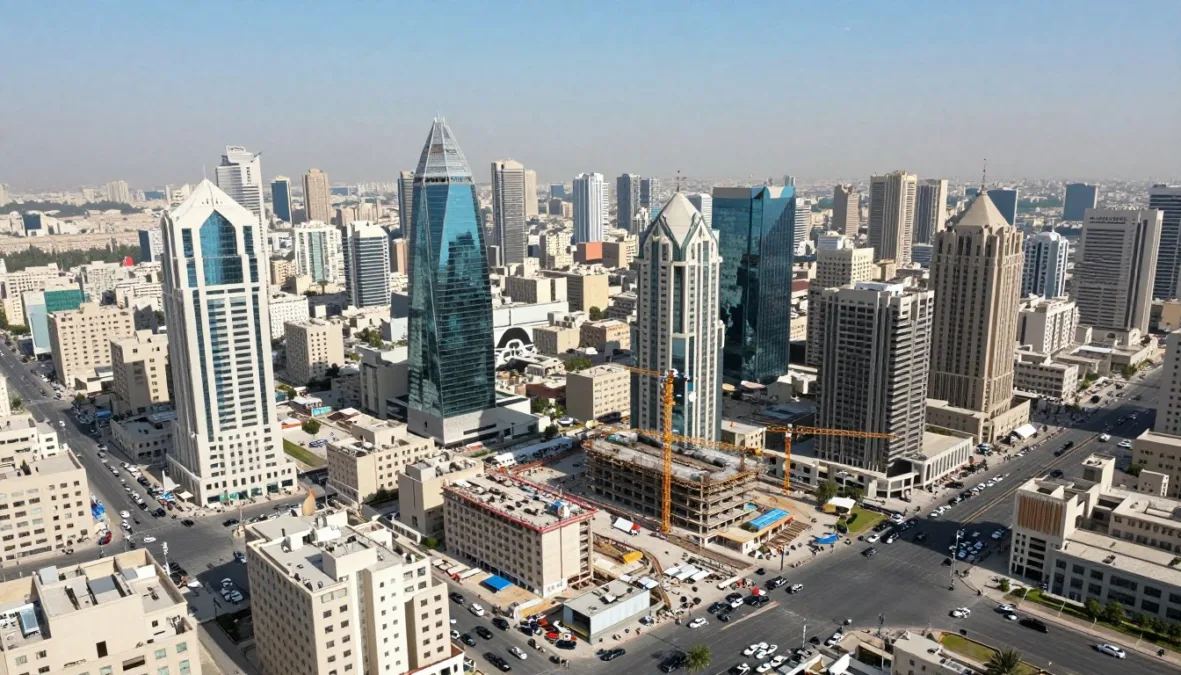

Priyanka Pandey
Senior Research Editor · Top10Sense
Priyanka specializes in tech, consumer products, and digital trends. She combines hands-on testing, vendor interviews, and database research to create trustworthy “Top 10” rankings. Her work has been referenced by industry blogs and brand report pages.