
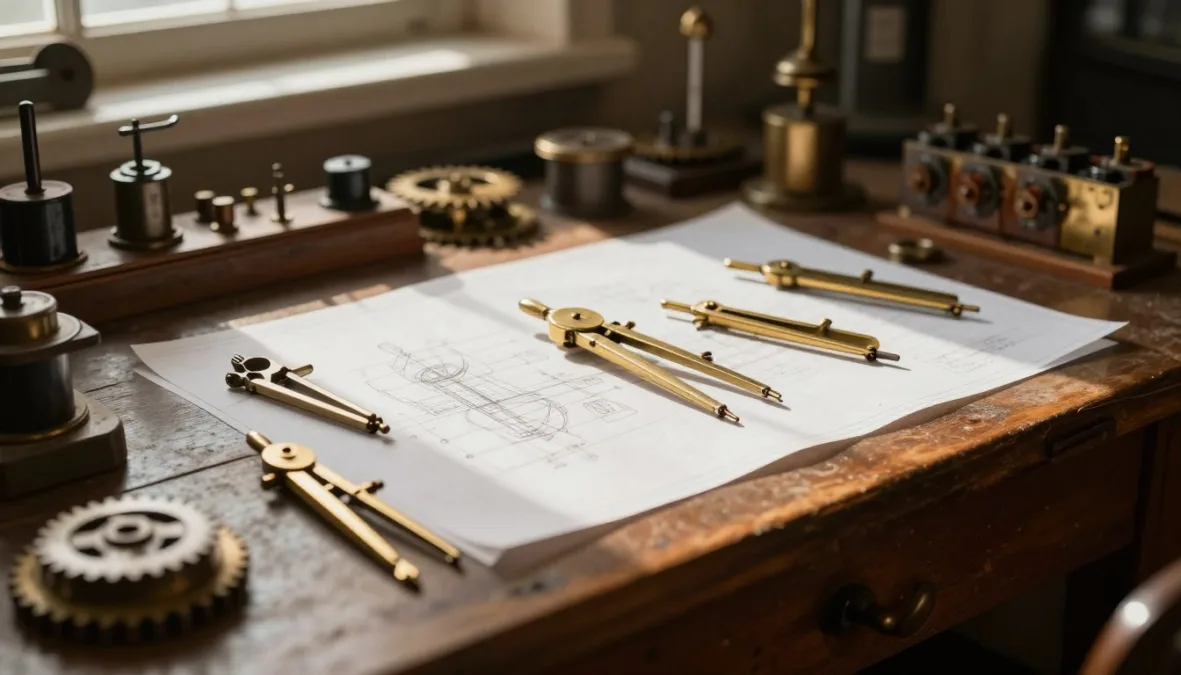
The Top 10 American Inventions share a common foundation in solving immediate mechanical, communicative, or electrical bottlenecks to reshape modern industry. Each breakthrough moved beyond theoretical experimentation by delivering scalable, practical systems that permanently altered physical movement, information sharing, and manufacturing output across the globe.
Evaluating historical significance requires examining patent records, engineering mechanisms, and the distinction between original mechanical discovery and the commercial refinement of earlier concepts. Geographic resources, industrial incentives, and patent frameworks established under early constitutional principles provided fertile ground for sustained technological expansion.
1. The Cotton Gin: Mechanizing Agricultural Production
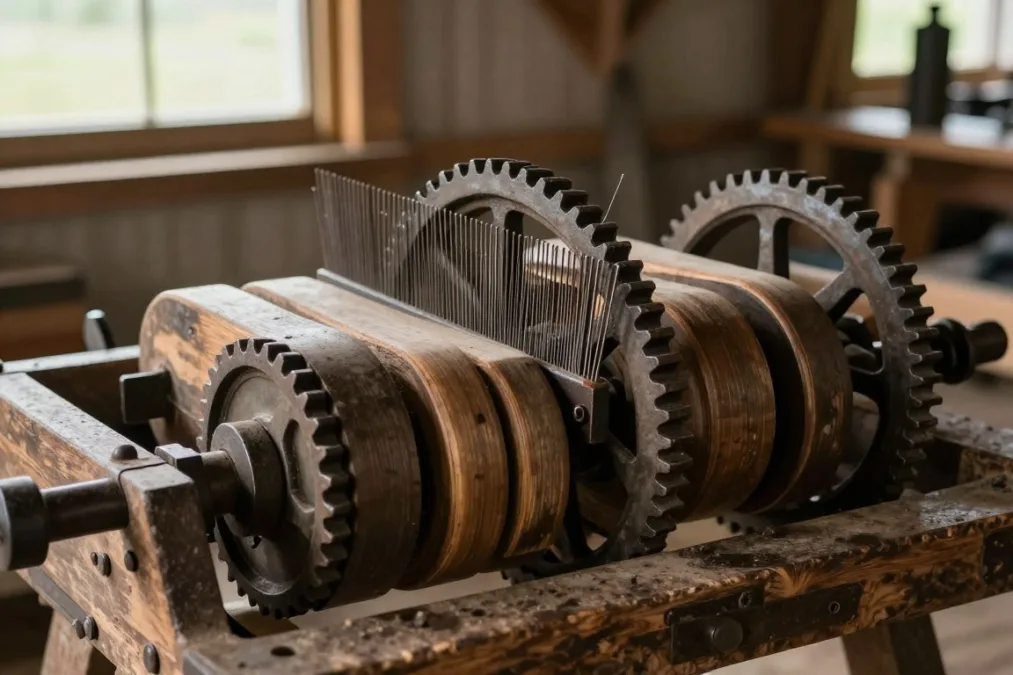
Patented by Eli Whitney in 1794, the mechanical cotton gin resolved a critical labor choke point in processing short-staple upland cotton. Before Whitney designed the machine in Georgia, separating sticky green seeds from cotton fibers required tedious manual work that yielded roughly one pound of lint per worker each day.
The device operated through an intuitive mechanical assembly. A hand-cranked wooden cylinder fitted with wire teeth pulled raw cotton through narrow wire grates that blocked the seeds, while a rotating brush cylinder cleaned the fibers off the teeth to keep the machine running smoothly.
The invention brought profound, dual-edged consequences to the United States. While it turned raw cotton into the nation’s primary export and fueled the Northern textile industry, it also drastically intensified the domestic slave trade and expanded plantation slavery across the American South.
Whitney struggled to enforce his patent rights because local carpenters easily replicated the simple mechanical design across regional plantations. His subsequent shift toward manufacturing firearms with interchangeable parts helped establish standard industrial production principles across New England factories.
2. The Electric Telegraph: Instant Long-Distance Communication
Samuel Morse, along with collaborators Leonard Gale and Alfred Vail, developed a practical electromagnetic recording telegraph during the 1830s and 1840s. In 1844, Morse transmitted the historic phrase from Washington to Baltimore over a line funded by Congress, proving instant communication across distant regions was possible.
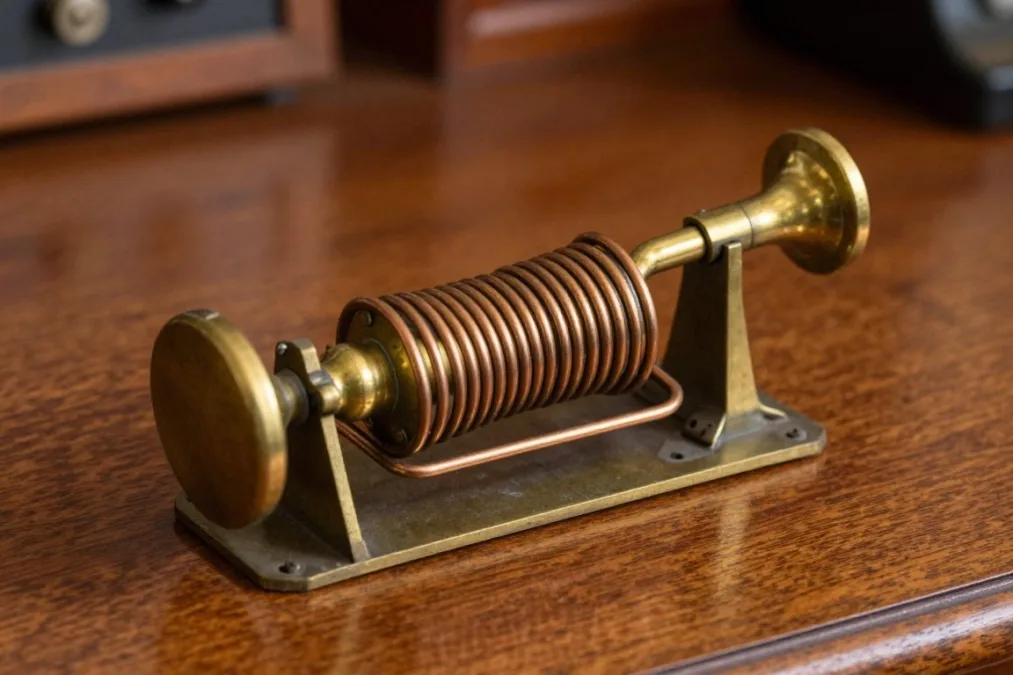
The telegraph functioned by completing and interrupting an electrical circuit using a spring-loaded key. An operator pushed the switch to send electric pulses down an iron wire, where an electromagnet at the receiving station pulled an inked stylus or brass sounder against a paper strip to mark dots and dashes.
The implementation of Morse code created the world’s first electronic network. Telegraph lines soon followed railway tracks across the American landscape, transforming journalism, financial markets, and military coordination by eliminating the physical travel time of written messages.
- Electromagnetic circuits enabled instantaneous signal transmission over hundreds of miles using relay stations.
- The standardized code transformed textual letters into simple electrical pulses using short and long intervals.
- Commercial news gathering adapted immediately, leading to shared wire services and coordinated railway dispatching.
3. The Telephone: Transmitting the Human Voice
Alexander Graham Bell filed his foundational patent for the electric telephone in March 1876, capturing the principle of transmitting vocal speech along electrical wires. Bell worked alongside skilled mechanician Thomas Watson in Boston, converting physical sound waves into fluctuating electrical currents that traveled along wire conductors.
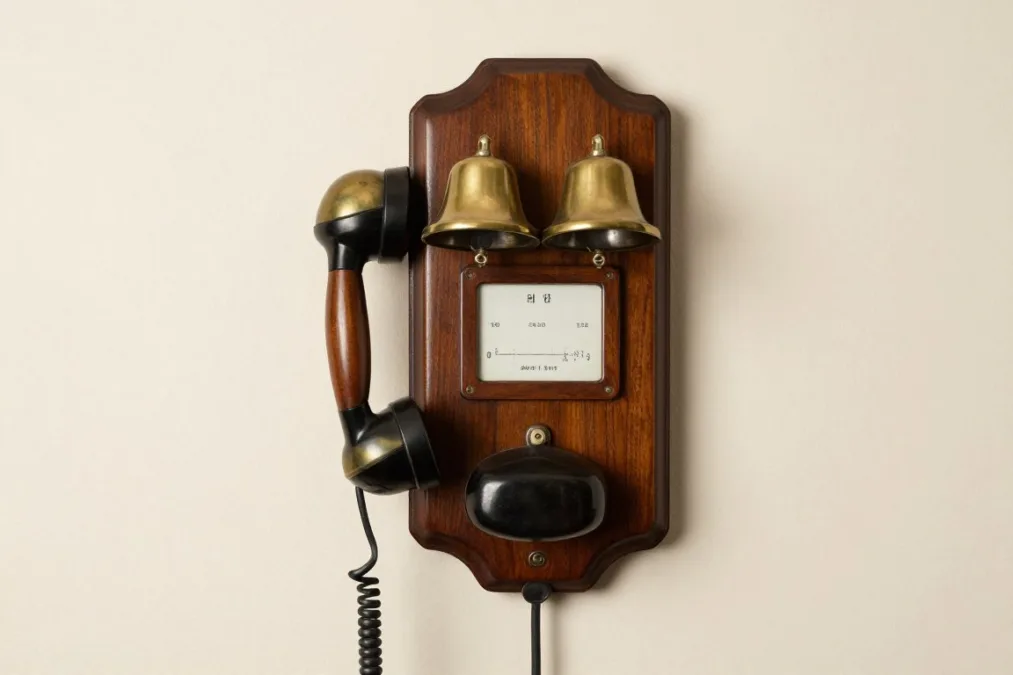
The early telephone transmitter utilized a flexible diaphragm attached to a needle suspended in a conductive liquid solution. Speaking into the mouthpiece caused sound waves to vibrate the diaphragm, varying electrical resistance in the circuit and recreating matching sound vibrations through an electromagnetic receiver at the opposing end.
The technology revolutionized corporate administration and personal contact, leading to rapid expansion of regional switchboards and commercial networks. It faced intense legal challenges from rival inventor Elisha Gray, who filed a caveat on the same day as Bell, and earlier research conducted by Antonio Meucci.
System Strengths
- Delivered real-time conversational exchange without requiring specialized code translation.
- Accelerated business decision-making and expanded emergency communication across urban communities.
Historical Complications
- Decades of patent disputes highlighted parallel research conducted by multiple independent inventors.
- Early analog connections suffered severe signal degradation over long distances before electronic amplification.
4. The Commercially Viable Incandescent Light Bulb: Powering Modern Life
Thomas Edison produced a commercially practical incandescent light bulb in 1879 at his Menlo Park laboratory in New Jersey. Inventors like Joseph Swan in England and Hiram Maxim had already built functional incandescent lamps, but early designs burned out quickly, drew too much current, or cost too much to manufacture.
Edison succeeded by engineering a high-resistance carbonized bamboo filament operating inside a glass globe evacuated to a high vacuum. When direct current passed through the carbon thread, resistance heated the filament to incandescence without oxidizing or burning up the material inside the oxygen-depleted enclosure.

Crucially, Edison developed the entire electrical delivery system alongside the bulb, including central generators, insulated underground copper cables, sockets, and metering equipment. This infrastructure transformed factory work into twenty-four-hour cycles, dramatically improved residential safety by reducing open-flame gas lighting, and sparked the expansion of the modern electrical grid.
Attributing the initial invention of incandescent lighting solely to Edison overlooks decades of prior research by British, Russian, and American scientists. Edison’s critical achievement centered on creating a durable filament and pairing it with a functional high-resistance parallel electrical circuit.
5. The Airplane: Achieving Controlled Powered Flight
Wilbur and Orville Wright achieved the first sustained, controlled flight of a heavier-than-air powered aircraft on December 17, 1903, at Kitty Hawk, North Carolina. While European gliders and American steam-powered experiments had preceded them, none solved the fundamental problem of dynamic aerodynamic control.
The Wright Flyer succeeded because the brothers devised a coordinated three-axis control system that mirrored avian mechanics. Wing warping twisted the wing tips to control roll, a forward horizontal elevator adjusted pitch, and a linked rear vertical rudder compensated for adverse yaw during turns.
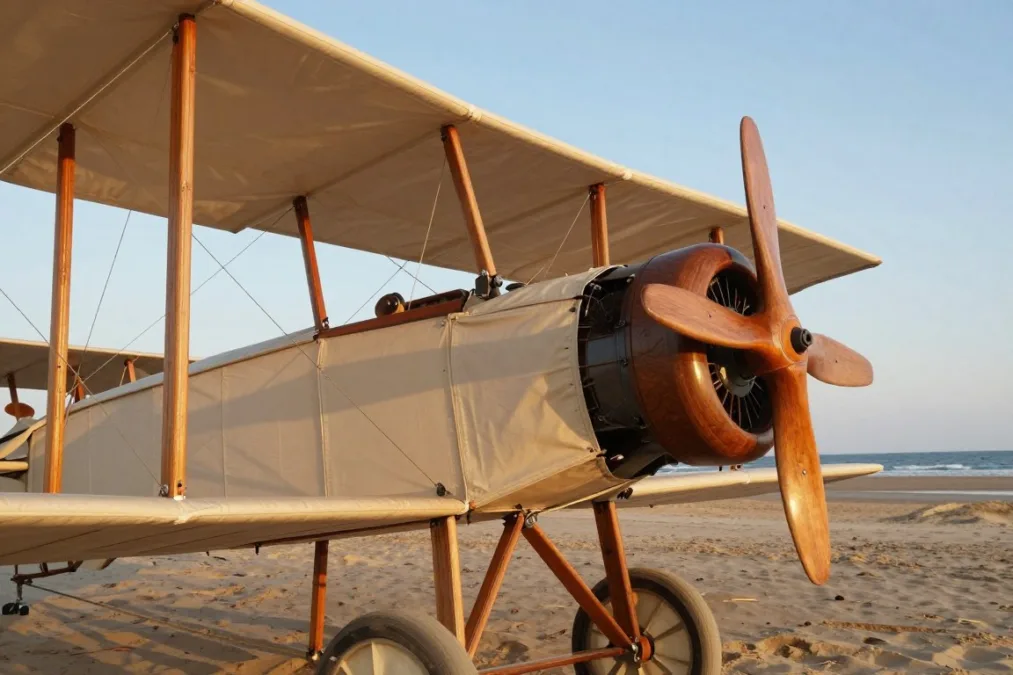
To propel the aircraft, the Wrights designed an aluminum-block combustion engine and efficient wooden propellers acting as rotating airfoils. Their systematic wind-tunnel testing and control patents established the operational baseline for global aviation, fundamentally shrinking international travel times and reshaping modern military strategy.
The Wright brothers approached aviation as an aerodynamic balancing problem rather than simply building a powerful motor. Their three-axis control method remains the fundamental principle governing modern fixed-wing aircraft worldwide.
6. The Moving Assembly Line: Standardizing Mass Manufacturing
Henry Ford and his production engineers introduced the moving assembly line at the Highland Park, Michigan, plant in 1913. While meatpacking plants had utilized gravity-fed disassembly tracks and Ransom Olds had assembled automobiles with stationary parts carts, Ford transformed the concept into a continuous, mechanized manufacturing system.
The line used endless chain-driven conveyors to pull vehicle chassis past stationary work stations at regulated speeds. Workers performed single, specialized mechanical tasks repeatedly using standardized, interchangeable steel components, eliminating the wasted time workers previously spent walking around the shop floor gathering tools and fitting parts by hand.
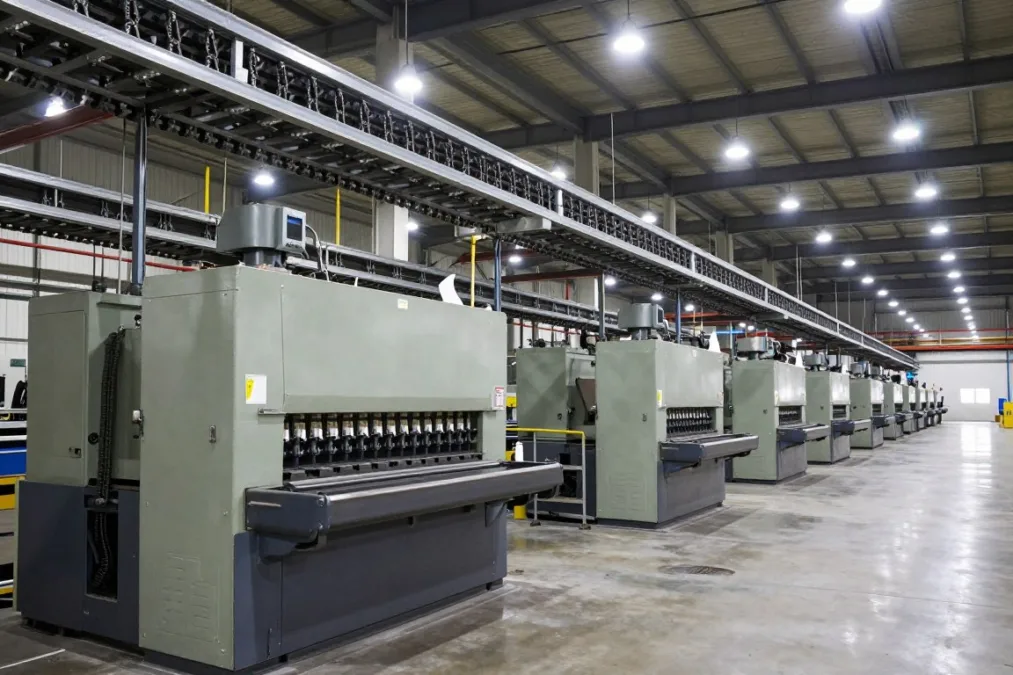
This method drastically cut Model T production time from over twelve hours to under ninety minutes per vehicle, slashing production costs and making personal automobiles affordable to working-class families. The assembly line quickly became the operational standard for manufacturing everything from domestic appliances to industrial machinery.
- Craftsmen fitted multiple subassemblies manually.
- Workers moved across the shop floor to retrieve components.
- Production volumes remained modest and unit costs stayed high.
Stationary Assembly
- Conveyors moved the work piece directly to the assembler.
- Standardized components snapped together without filing or reshaping.
- High-speed throughput supported reduced prices and higher wages.
Continuous Moving Line
7. The Transistor: The Solid-State Foundation of Modern Computing
Invented in December 1947 at Bell Laboratories in New Jersey by John Bardeen, Walter Brattain, and William Shockley, the point-contact transistor launched the solid-state electronics era. The breakthrough arose from scientific investigations into quantum mechanics and the behavior of crystalline semiconductor elements.
The original device utilized two closely spaced gold foil contacts resting on the surface of a small germanium crystal slab. By applying a tiny electrical voltage to one contact, the team could regulate a substantially larger electric current flowing through the crystal substrate, allowing the component to function both as an amplifier and as a switch.
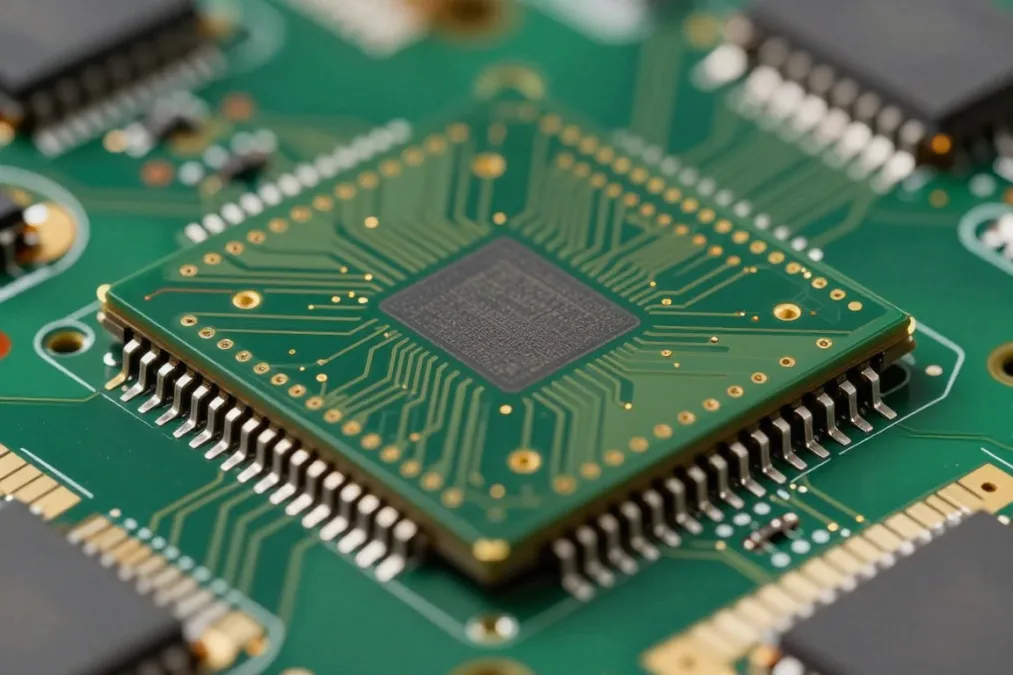
Transistors eliminated the fragility, massive heat output, and heavy power consumption of thermionic vacuum tubes. This single invention paved the way for silicon microprocessors, digital memory storage, and modern consumer electronics, laying the foundation for every digital system in operation today.
Bardeen, Brattain, and Shockley received the Nobel Prize in Physics in 1956 for their discovery. The eventual transition from germanium to silicon crystals in subsequent decades enabled the mass fabrication of integrated circuits holding billions of nanoscale switches on a single chip.
8. The Personal Computer: Decentralizing Digital Processing
The transition toward personal computers gained momentum across California and New Mexico during the mid-1970s, driven by machines like the MITS Altair 8800 and the Apple II. Engineers such as Steve Wozniak, Ed Roberts, and Chuck Peddle designed hardware that moved computing away from centralized institutional mainframes and directly onto home desks.
Personal computers combined silicon microprocessors with dynamic memory chips, localized input keyboards, and dedicated video monitors. Instead of using punched paper cards, operators ran software programs stored on magnetic floppy disks that sent immediate visual feedback to a desktop cathode-ray tube screen.
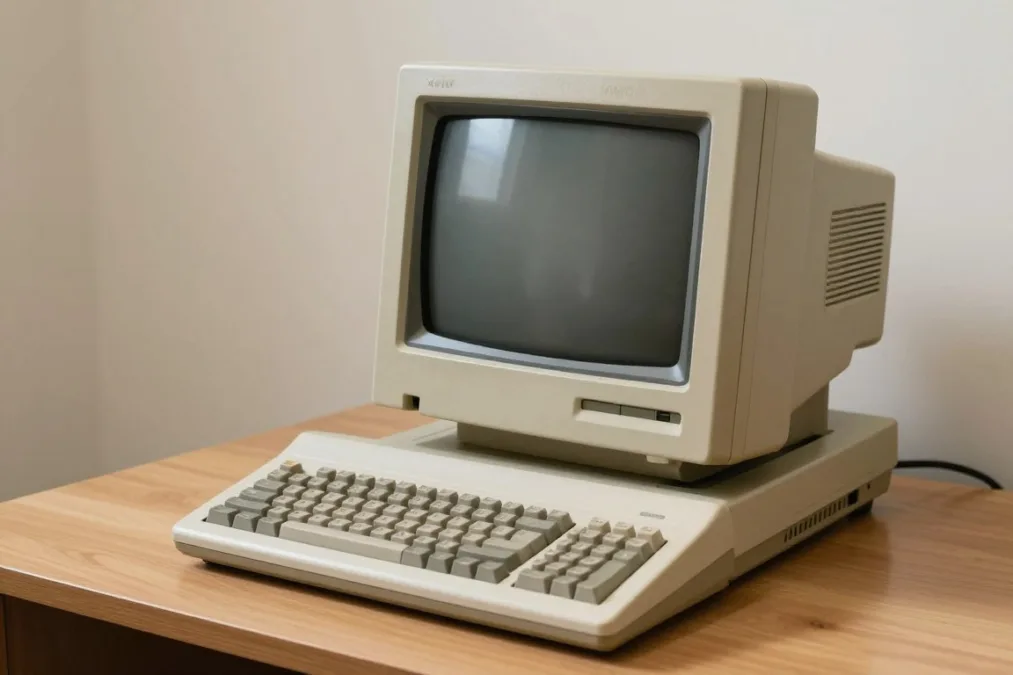
When IBM entered the consumer market in 1981 with an open hardware architecture, personal computing became a standardized business tool across the nation. The desktop computer decentralized data processing, democratized software creation, and prepared global commerce for consumer internet adoption.
- Self-contained desktop motherboards combined the microprocessor, system memory, and input ports into a unified chassis.
- Standardized text and graphic monitors provided immediate user feedback, replacing delay-prone paper punch cards.
- Accessible productivity software enabled small enterprises to handle accounting, typesetting, and record keeping internally.
9. The Internet and ARPANET: Packet Switching and Global Networking
The foundations of the internet emerged in the late 1960s through funding from the Advanced Research Projects Agency, an arm of the U.S. Department of Defense. Computer scientists such as J.C.R. Licklider, Paul Baran, Vint Cerf, and Bob Kahn designed an experimental network called ARPANET to share computing resources among university laboratories.
The system abandoned traditional circuit switching in favor of packet switching. Digital data was sliced into small numbered packets, routed independently across alternate telephone circuits, and reassembled in original order at the target destination, keeping the communication link resilient even if individual physical lines failed.
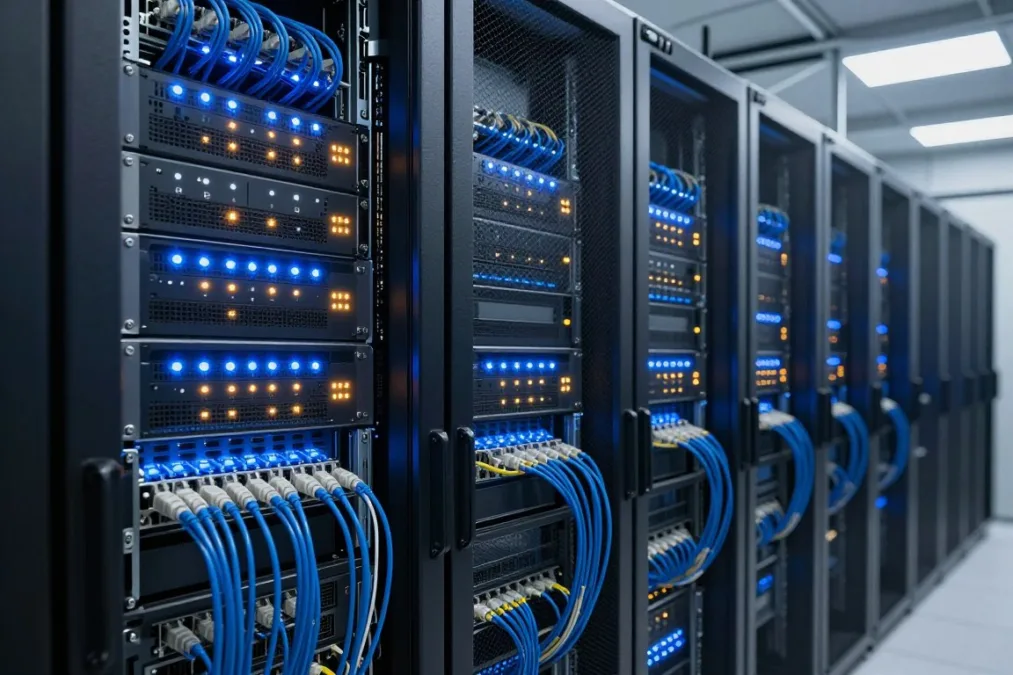
Cerf and Kahn subsequently authored the Transmission Control Protocol and Internet Protocol, creating a standardized language that permitted disparate hardware architectures to interconnect seamlessly. ARPANET’s military and academic foundation matured into the global public network that currently underpins global communications, finance, and media exchange.
Packet switching prioritized decentralized network survivability over linear connections. TCP/IP protocols established open communication standards that allowed local networks worldwide to link into a single global internetwork without a central authority.
10. The Global Positioning System: Precision Satellite Navigation
The Global Positioning System originated in 1973 under the direction of the U.S. Department of Defense to satisfy military positioning requirements. Engineers and mathematicians including Bradford Parkinson, Ivan Getting, Roger Easton, and mathematician Gladys West contributed foundational satellite mechanics and geodetic algorithms to establish the constellation.
The system operates through passive satellite trilateration. A network of at least twenty-four medium Earth orbit satellites continuously broadcasts synchronized time signals generated by onboard atomic clocks; a ground receiver picks up signals from at least four satellites simultaneously to calculate its precise latitude, longitude, altitude, and time offset.
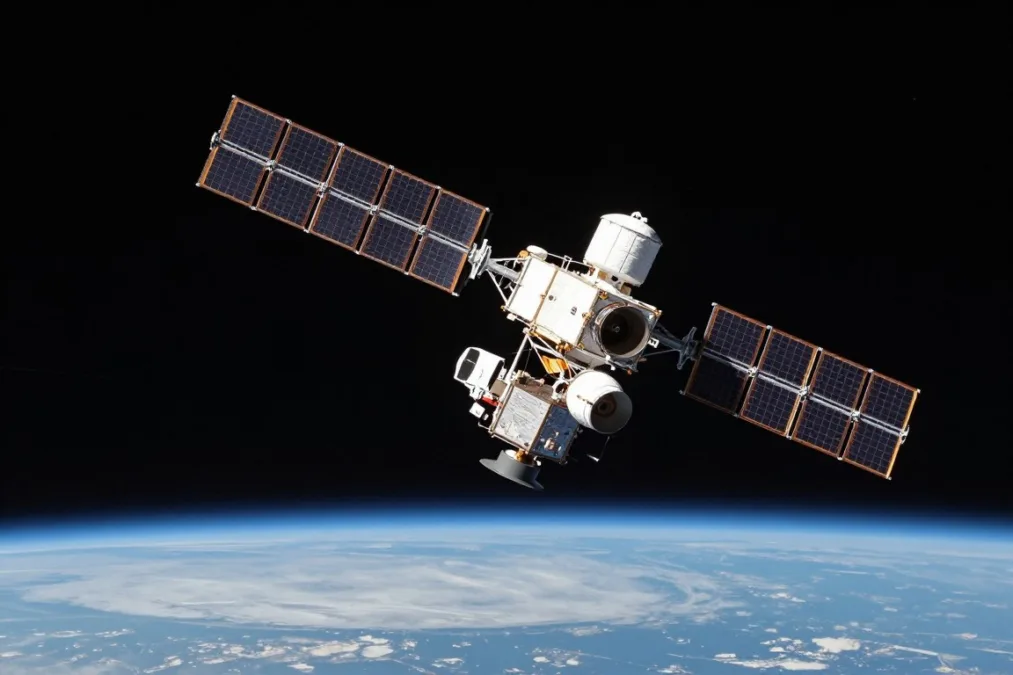
The civilian unlocking of high-accuracy satellite signals spurred a revolution in commercial shipping, aviation routing, farming, and emergency dispatch. Today, GPS satellites maintain the microsecond timing synchronization required by national power grids, mobile telecommunications, and international financial exchanges.
| System Element | Core Function | Operational Scope |
| Space Segment | Satellite Constellation | Transmits synchronized radio signals continuously from medium Earth orbit. |
| Control Segment | Ground Tracking | Monitors orbital trajectories and updates onboard satellite atomic clocks. |
| User Segment | Receiver Processing | Calculates geographical position and atomic-scale time offsets on local devices. |
Frequently Asked Questions
What distinguishes an original invention from a commercial refinement?
An original invention establishes a novel mechanical or electronic operating principle that did not exist before. Commercial refinements redesign existing experimental devices into durable, cost-effective systems that the public can reliably use.
Did Thomas Edison invent the light bulb entirely on his own?
Edison developed a commercially practical carbonized filament and complete power distribution grid, but multiple European and American inventors built working electric lamps before him. His Menlo Park laboratory team perfected the bulb design to operate efficiently in parallel electrical circuits.
Why did the Wright brothers succeed when other flight pioneers failed?
The Wright brothers prioritized aerodynamic control over brute engine horsepower by inventing three-axis flight control. Their wing warping, elevator, and rudder mechanisms enabled a pilot to steer and stabilize an aircraft in active flight.
How did government agencies influence early computing and internet technologies?
Federal research initiatives funded the core developments behind both the internet and satellite navigation. ARPANET and the Global Positioning System began as U.S. Department of Defense programs before opening to civilian and commercial applications.
The Enduring Legacy of American Innovation
American innovation has consistently centered on transforming laboratory science into scalable commercial systems that meet large-scale infrastructure challenges. From nineteenth-century mechanical devices to twentieth-century digital protocols, these breakthroughs established modern standards for production, communication, and electronic computing worldwide.

Priyanka Pandey
Senior Research Editor · Top10Sense
Priyanka specializes in tech, consumer products, and digital trends. She combines hands-on testing, vendor interviews, and database research to create trustworthy “Top 10” rankings. Her work has been referenced by industry blogs and brand report pages.