Some flood events changed the course of nations. Others erased towns within hours. This evidence-based list examines the top 10 worst floods in world history, using deaths, affected people, geographic scale, property damage, and long-term impact. Historical records are not equal, so several figures remain estimates.
How the worst floods are ranked
“Worst” has more than one meaning. A flood may cause the highest death toll, affect the largest area, or create the greatest economic loss. A modern event often has better records than an ancient disaster. That does not always mean it was less severe.
This ranking weighs five factors: estimated deaths, people affected, geographic area, direct damage, and lasting social effects. It also separates river flooding, sea flood events, storm surge, flash flooding, and dam failure. Estimates may differ by source.
Check the evidence behind the ranking
Compare historical records, government reports, and uncertainty notes before treating any figure as exact.
The top 10 deadliest floods in history
1. China floods, 1931
The 1931 China floods remain one of the deadliest flood disasters ever recorded. Heavy rain followed drought, snowmelt, and several major storms. The Yangtze River, Yellow River, and Huai River overflowed across a huge area. Estimates commonly range from hundreds of thousands to several million deaths, depending on whether famine and disease are included. Millions of people lost homes, crops, and transport links.
2. Yellow River flood, 1887
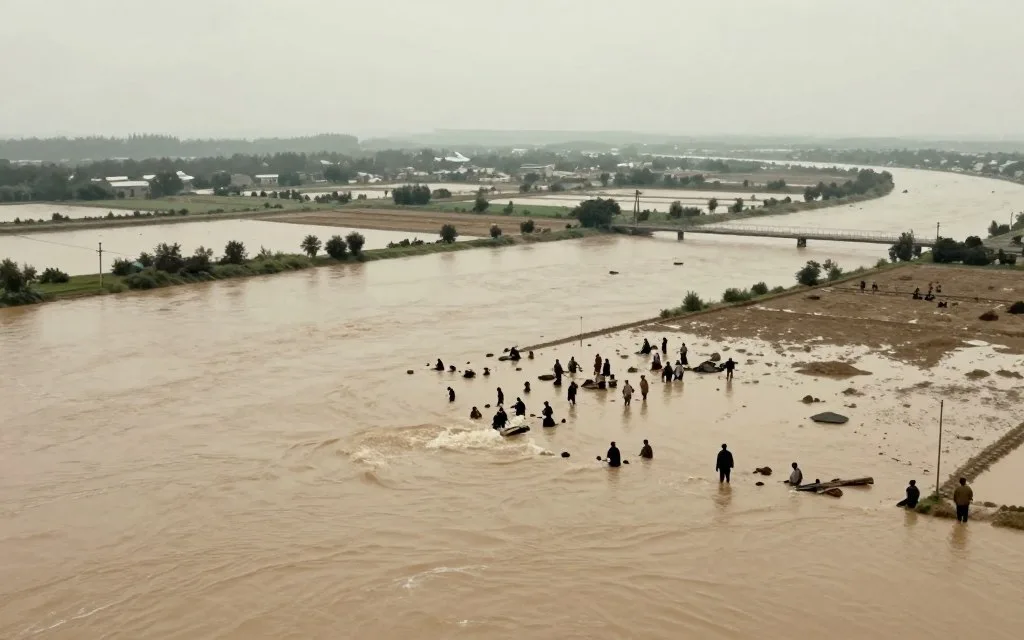
The Yellow River flood of 1887 struck densely settled areas in China after the river broke through its banks. Poor defenses and low-lying farms made recovery difficult. Death toll estimates range from hundreds of thousands to nearly two million. Disease, hunger, and displacement continued long after the water withdrew.
3. Banqiao Dam failure, 1975
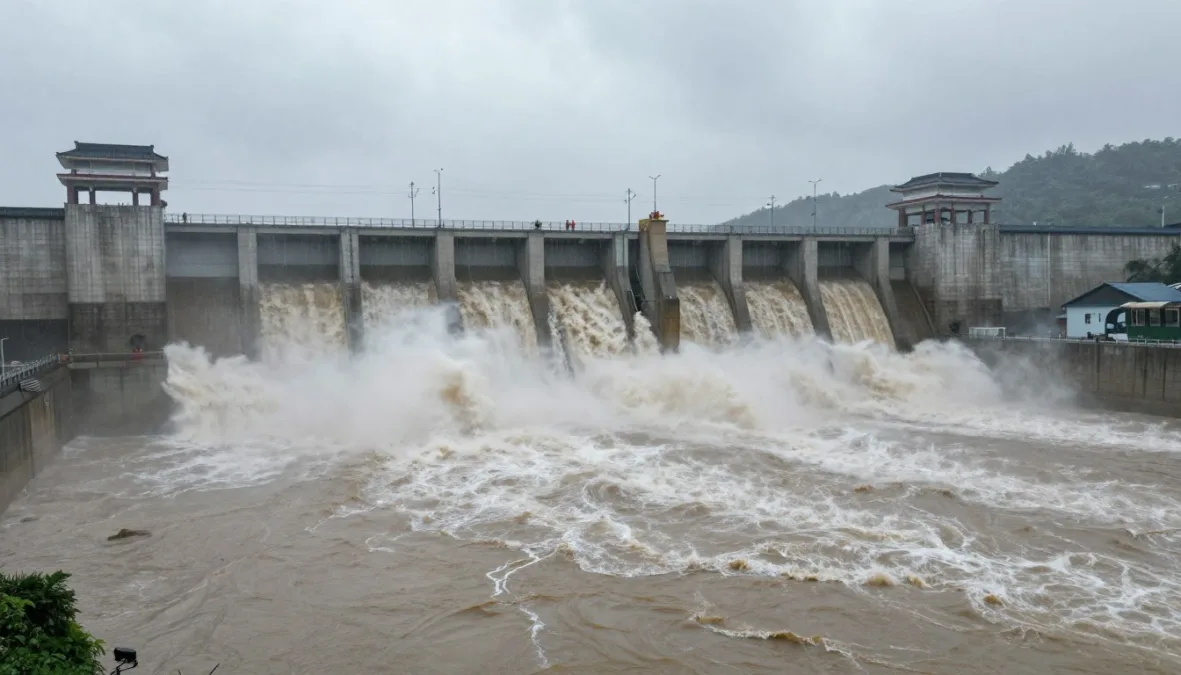
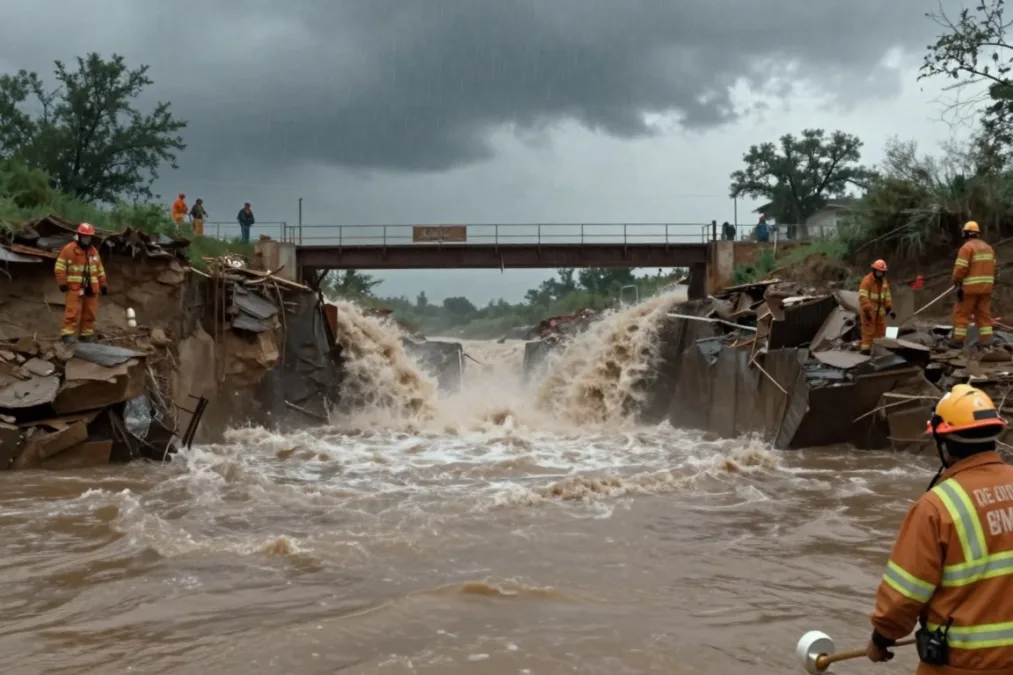
The Banqiao Dam failure followed extreme rain from Typhoon Nina. The dam failed, and a chain reaction affected nearby reservoirs. A fast-moving wall of water destroyed communities and infrastructure in Henan, China. Official deaths were lower than some later estimates. The disaster exposed weak warning systems, communication failures, and the danger of designing a dam for rainfall that proved far more intense than expected.
4. North Sea flood, 1953
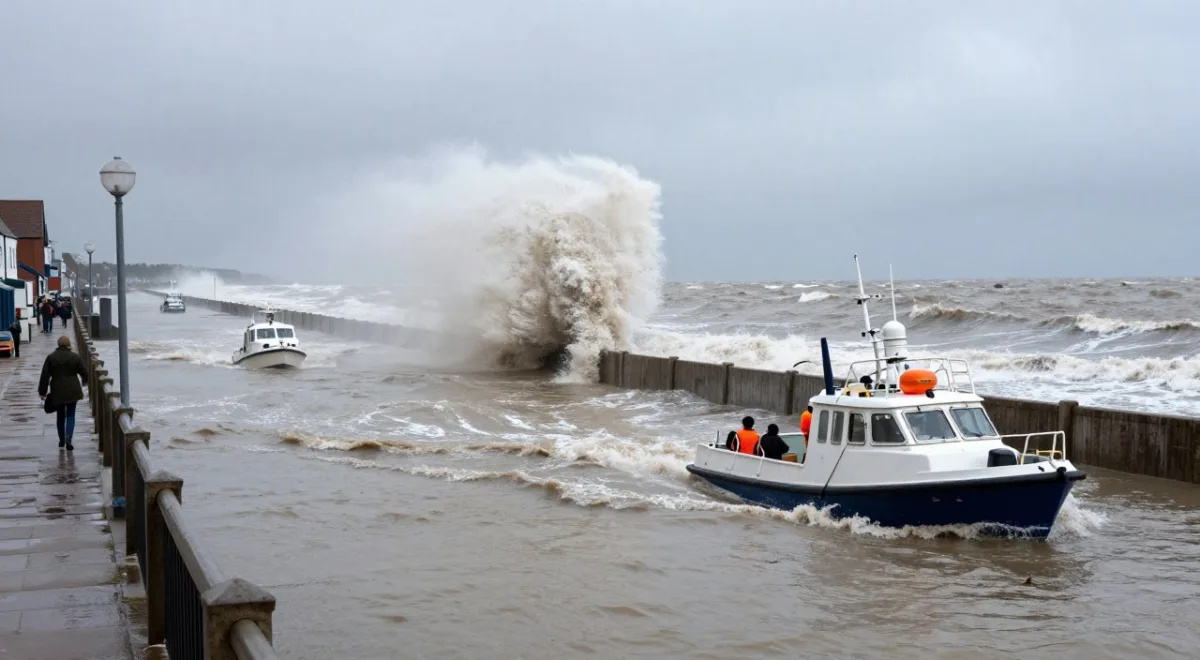
The North Sea flood of 1953 combined a severe winter storm with a powerful storm surge. Water crossed coastal defenses in the Netherlands, the United Kingdom, and parts of Belgium. More than 1,800 people died in the United Kingdom, while the Netherlands suffered a higher toll. The event led to stronger barriers, improved forecasting, and new warning systems across the North Sea region.
5. Yangtze River flood, 1935
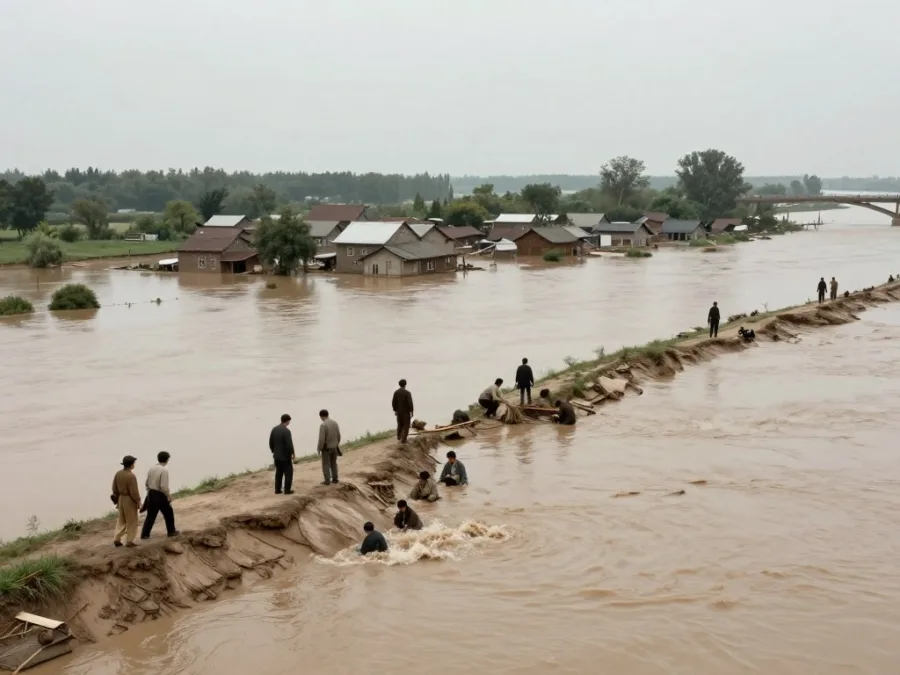
The 1935 Yangtze River flood caused extensive deaths and displacement in central China. Heavy rain filled tributaries and pushed the river over natural and built defenses. Floodwater damaged homes, farmland, roads, and food supplies. Records from the period are incomplete, so estimates vary widely. The event remains an important example of how river flood risk grows where large populations depend on fertile lowlands.
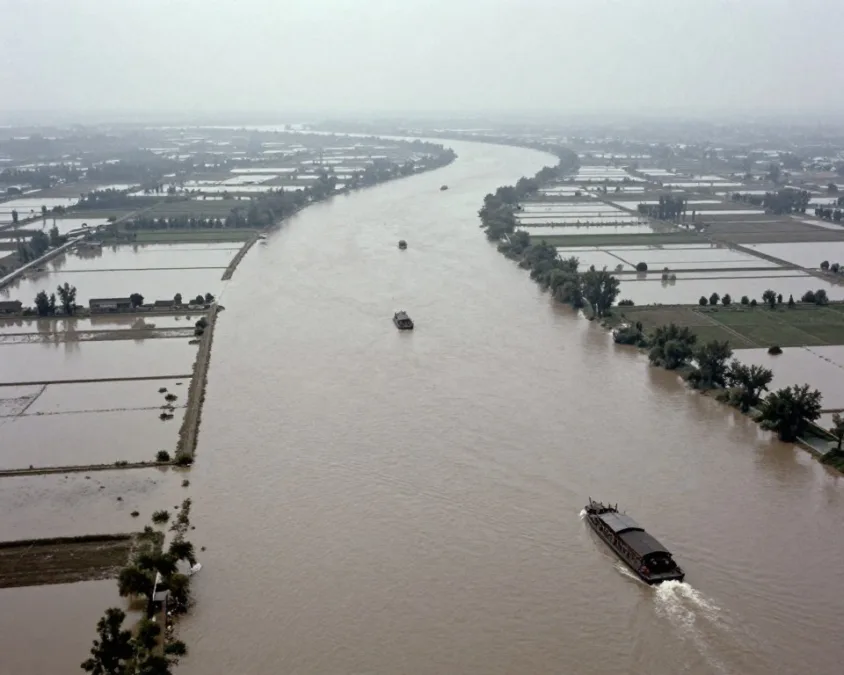
6. Great Mississippi Flood, 1927
The Great Mississippi Flood of 1927 was among the most damaging flood events in United States history. Months of rain caused the Mississippi River and connected waterways to rise across several states. Levees failed in many places. Hundreds of thousands of people were displaced, with Black communities facing forced relocation and unequal relief. The disaster changed federal flood policy and river engineering.
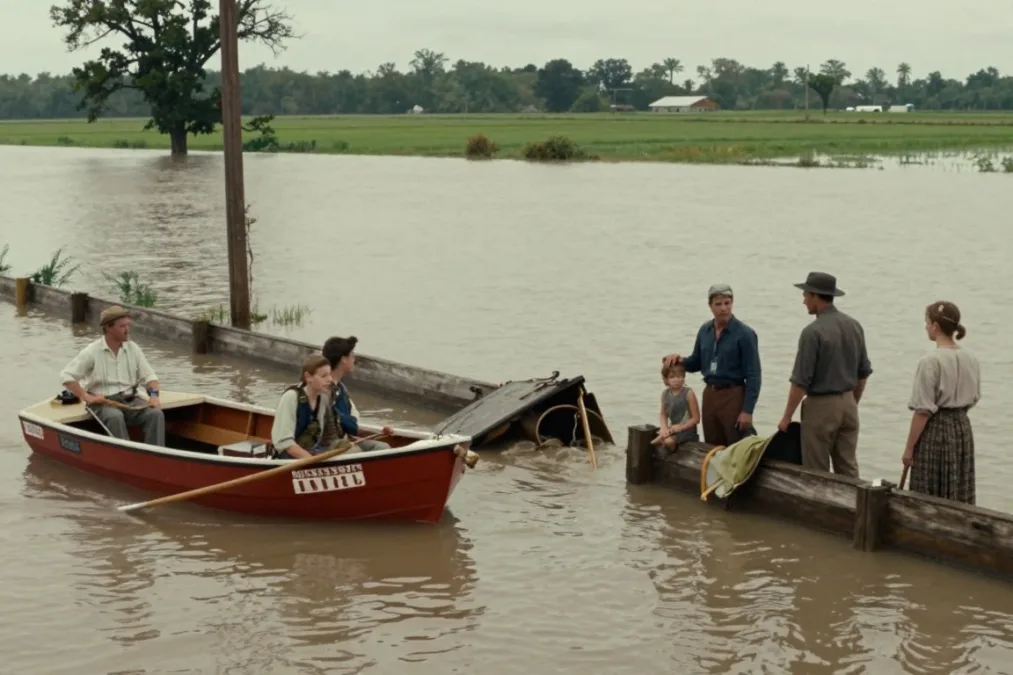
7. Hurricane Katrina, 2005
Hurricane Katrina caused catastrophic flooding in the United States after storm surge overwhelmed coastal defenses around New Orleans. Levee failures allowed water into large parts of the city. More than 1,800 people died, and damage reached well over $100 billion. The disaster revealed the combined risks of a major storm, weak infrastructure, poverty, delayed warnings, and fragmented emergency response.
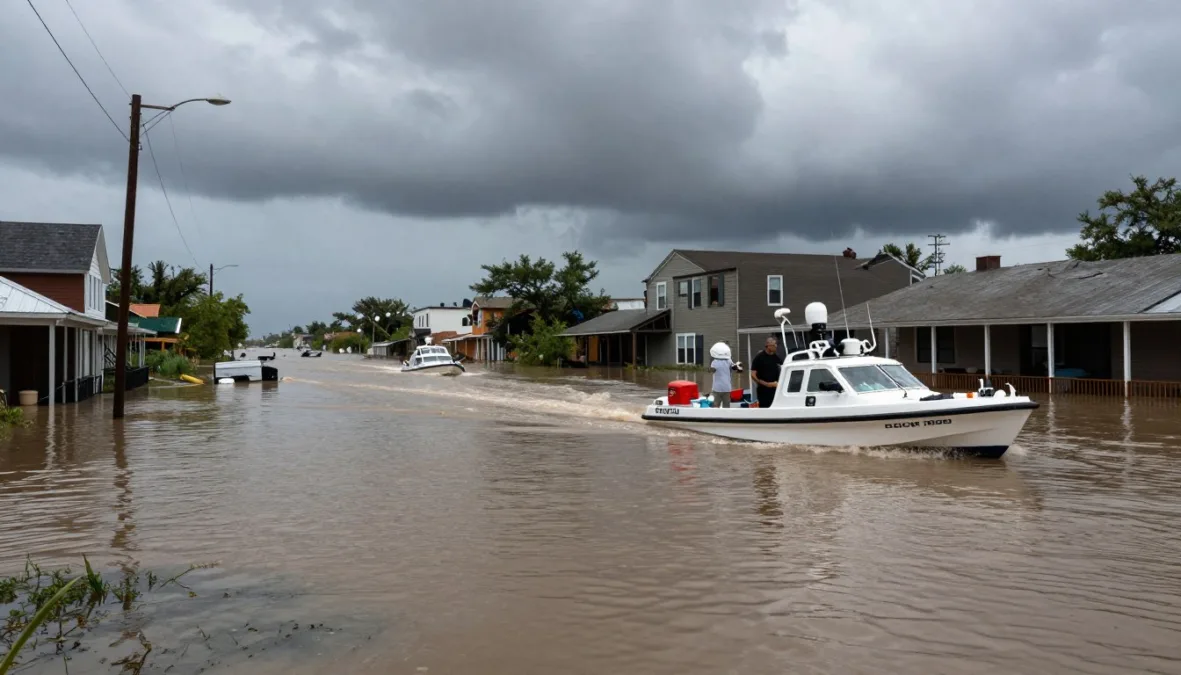
8. Ohio River flood, 1937
The Ohio River flood of 1937 followed persistent heavy rain across the watershed. The river reached record levels in several communities across the United States. Kentucky, Indiana, Ohio, and surrounding states reported major losses. Hundreds of thousands of people were affected, while deaths and property damage exposed the limits of early flood forecasting and local defenses.
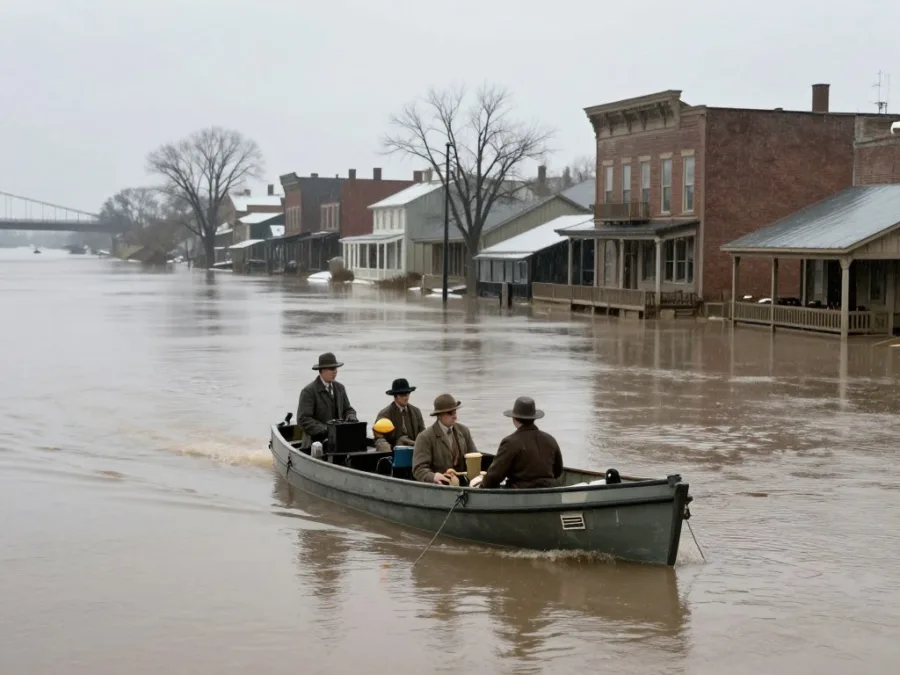
9. Great Dayton flood, 1913
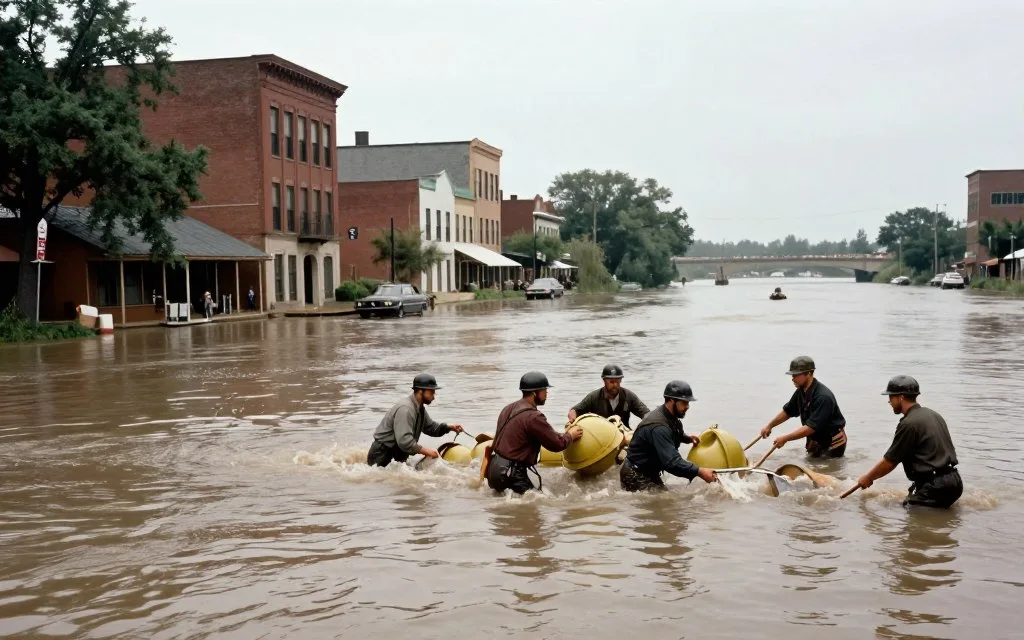
The Great Dayton flood struck Ohio after several days of intense rain in March 1913. The Great Miami River rose quickly and overwhelmed the city. More than 300 people died, and thousands lost homes. The event encouraged major investment in flood-control channels, levees, and storage dams. It also showed why rapid flash flooding demands clear warnings and fast evacuation.
10. Black Hills flood, Rapid City, 1972
The Rapid City flood of 1972 began when intense rain fell over the Black Hills in South Dakota. Canyon streams became destructive flash floods, and Canyon Lake Dam failed. More than 200 people died. The flood damaged roads, bridges, homes, and businesses. Its lasting lesson is that a short burst of rain can create extreme danger far from a large river.
Read a broader flood reference list
Use a wider historical index to compare death tolls, dates, locations, and disputed estimates across documented disasters.
Why these flood disasters became so severe
The worst floods rarely have one cause. Heavy rain may combine with snowmelt, a tropical storm, a coastal surge, or a dam failure. Low-lying land increases exposure. Rapid population growth can place homes and roads on floodplains.
Older disasters also suffered from weak warning systems. People often had little time to move. Modern forecasts can reduce deaths, but only when alerts reach residents and emergency plans are trusted.
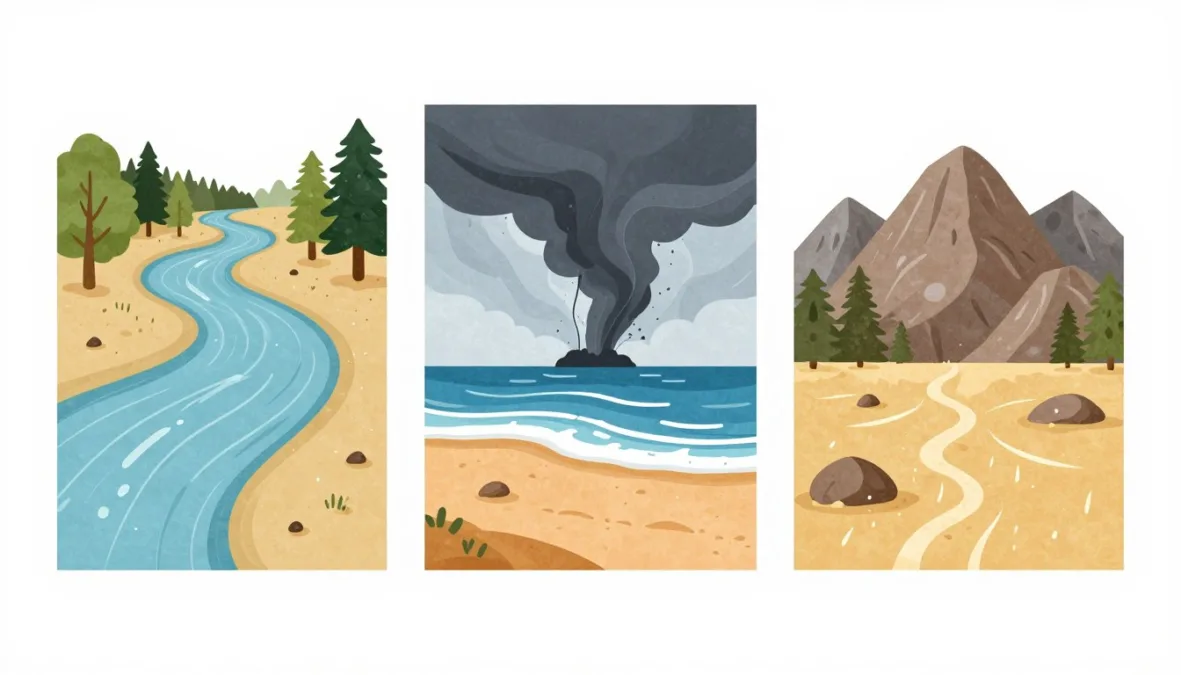
River flood
Long periods of rain push major rivers beyond their banks.
- Yangtze River
- Yellow River
- Ohio River
Sea flood
Storm surge and high tides push seawater across coastal defenses.
- North Sea flood
- Coastal cities
- Barrier failure
Flash flood
Fast water forms after intense rain or a dam failure.
- Rapid City
- Great Dayton
- Banqiao dam
How reliable are historical death tolls?
Death tolls are often uncertain. Records may omit rural communities, indirect deaths, or people who died from disease and hunger weeks later. Political conditions can also affect reporting. For that reason, a range is more honest than a single precise number.
Modern events usually provide stronger counts, satellite images, insurance records, and census data. Even then, affected population and property damage may be revised. This list reflects available evidence through 2026, not a claim of perfect certainty.
Important: A ranking is a research aid, not an exact measurement. Compare the definition used by each source before comparing flood events.
Use evidence before sharing a flood statistic
Check the event date, location, counting method, and whether indirect deaths are included.
What the worst floods teach us
The top 10 worst floods in world history show that danger comes from more than water volume. Exposure, warning systems, infrastructure, poverty, land use, and emergency response all shape the final death toll. A river flood may build for weeks, while a flash flood can arrive in minutes.
China floods, the North Sea flood, the Ohio River flood, Hurricane Katrina, and the Rapid City disaster each reveal a different risk pattern. Studying them helps communities plan evacuation routes, protect critical facilities, improve alerts, and avoid repeating preventable mistakes.
Through 2026, the historical record still contains gaps. The most responsible conclusion is not that one list settles every debate. It is that reliable evidence, careful definitions, and clear warnings save people when the next flood arrives.

Priyanka Pandey
Senior Research Editor · Top10Sense
Priyanka specializes in tech, consumer products, and digital trends. She combines hands-on testing, vendor interviews, and database research to create trustworthy “Top 10” rankings. Her work has been referenced by industry blogs and brand report pages.