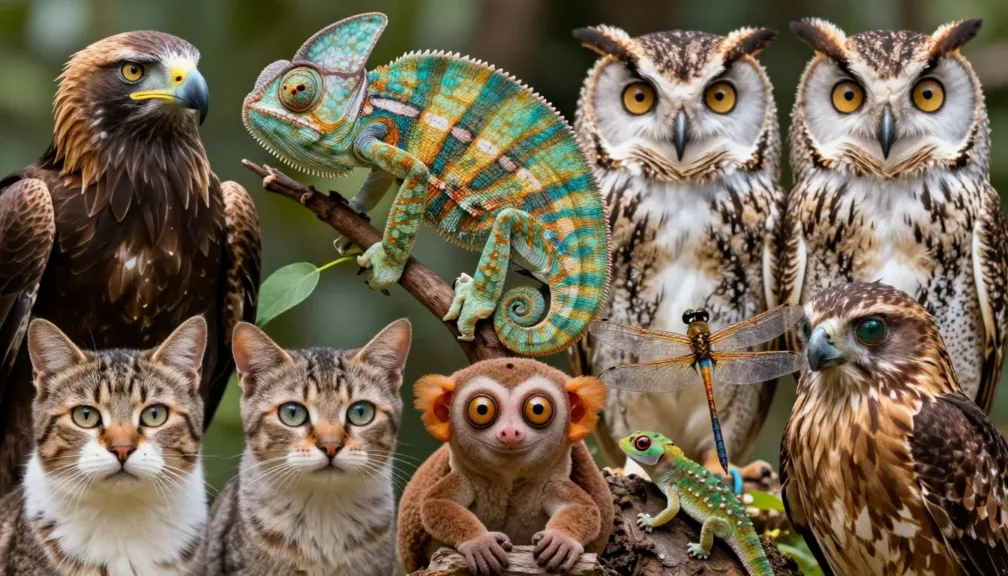

Choosing the right pet for your child can feel overwhelming. Parents face countless questions about safety, care requirements, and whether their family has the time and space for a new animal companion. The decision matters deeply because the right pet can teach children responsibility, empathy, and provide years of joy.
Every family situation differs. Some children thrive with active dogs that need daily exercise. Others connect better with quieter companions like fish or small rodents. Age matters too. A rambunctious puppy might overwhelm a toddler but delight a teenager ready for serious commitment.
This comprehensive guide examines ten excellent pet options for children. We explore each animal’s unique characteristics, care needs, costs, and ideal age ranges. You’ll discover practical insights to match your child’s maturity level with the perfect pet companion.
Get Your Free Pet Selection Checklist
Download our expert-created guide to help you choose the perfect pet for your family’s lifestyle, budget, and space.
Understanding Pet Ownership for Children
Before exploring specific animals, parents must understand what pet ownership truly demands. Every pet requires daily care, financial commitment, and long-term responsibility. Children often promise to handle everything, but reality usually requires significant parental involvement.
Consider your family’s lifestyle honestly. Active families who enjoy outdoor time might embrace an energetic dog. Busy households with limited space may prefer low-maintenance options like fish. Time availability matters enormously. Some pets need just minutes of daily attention while others demand hours of exercise and interaction.
Key Factors to Consider
- Available space in your home
- Family schedule and time availability
- Budget for food, supplies, and veterinary care
- Child’s age and maturity level
- Allergies or health concerns
- Long-term commitment capability

Financial planning prevents future stress. Starter pets like goldfish cost minimal amounts monthly. Larger animals like dogs can require hundreds of dollars for food, supplies, grooming, and veterinary care. Budget discussions help children understand the real commitment involved.
Age-appropriate matching ensures success. Young children under six typically need pets that tolerate gentle handling and require minimal complex care. Older kids can manage more sophisticated care requirements and build deeper bonds with animals that live many years.
1. Dogs: The Classic Family Companion

Dogs remain America’s favorite family pet for excellent reasons. These loyal animals form powerful bonds with children and teach invaluable lessons about commitment, empathy, and routine care. The right dog becomes a child’s best friend and devoted protector.
Not all breeds suit families with kids equally well. Gentle giants like Golden Retrievers and Labrador Retrievers typically show patience with children. Smaller breeds like Beagles and Cavalier King Charles Spaniels offer affection in compact packages. Research breed temperaments thoroughly before choosing.
Advantages
- Build strong emotional bonds with children
- Encourage physical activity and outdoor play
- Teach responsibility through daily care routines
- Provide companionship and emotional support
- Enhance family security
Challenges
- Require significant time for exercise and training
- Need considerable space for comfortable living
- Generate substantial ongoing costs
- Demand long-term commitment spanning years
- May cause allergies in sensitive family members
Care Requirements and Costs
Dogs need daily walks, regular feeding schedules, and consistent training. Puppies demand even more attention during housebreaking and early socialization periods. Exercise requirements vary by breed but most dogs need at least thirty minutes to two hours of activity daily.
Initial costs include adoption fees, vaccinations, spaying or neutering, and basic supplies like collars, leashes, and food bowls. Monthly expenses cover quality dog food, preventative medications, and occasional grooming. Veterinary care adds hundreds annually for checkups and emergency situations.
| Expense Category | Initial Cost | Monthly Cost |
| Adoption/Purchase | $50-$2000 | – |
| Vaccinations & Spay/Neuter | $200-$500 | – |
| Food & Treats | – | $50-$150 |
| Supplies & Toys | $100-$300 | $20-$50 |
| Veterinary Care | – | $30-$100 |
Ideal Age Range: Children aged 6 years and older can participate meaningfully in dog care. Teenagers can handle primary responsibility with parental oversight. Young children need constant supervision during interactions with dogs of any size.
2. Cats: Independent Yet Affectionate

Cats offer wonderful companionship for families seeking a more independent pet. These elegant animals bond deeply with their human family while requiring less intensive care than dogs. Cats adapt well to apartment living and various family schedules.
Feline personalities vary dramatically. Some cats crave constant attention and lap time. Others prefer observing family activities from comfortable perches. Many cats tolerate children’s affection beautifully when handled gently. Teaching kids proper cat interaction prevents scratches and builds mutual respect.
What Makes Cats Great for Kids
Cats teach children about consent and reading animal body language. Unlike dogs that typically welcome endless petting, cats clearly communicate when they want space. This dynamic helps kids develop empathy and respect for boundaries.
Maintenance demands remain moderate. Daily feeding, fresh water, and litter box cleaning constitute primary tasks. Cats groom themselves fastidiously, eliminating bathing needs. Interactive play sessions strengthen bonds and provide necessary exercise for indoor cats.
Veterinary care includes annual checkups, vaccinations, and parasite prevention. Spaying or neutering prevents unwanted behaviors and health issues. Indoor cats typically live fifteen to twenty years, creating a long-term commitment that spans much of childhood.
Ideal Age Range: Children aged 5 years and up can learn gentle handling techniques. Older children from age 8 onward can manage feeding and litter duties with reminders. Cats suit families wanting affectionate pets without dog-level time demands.
3. Fish: Peaceful Aquatic Companions
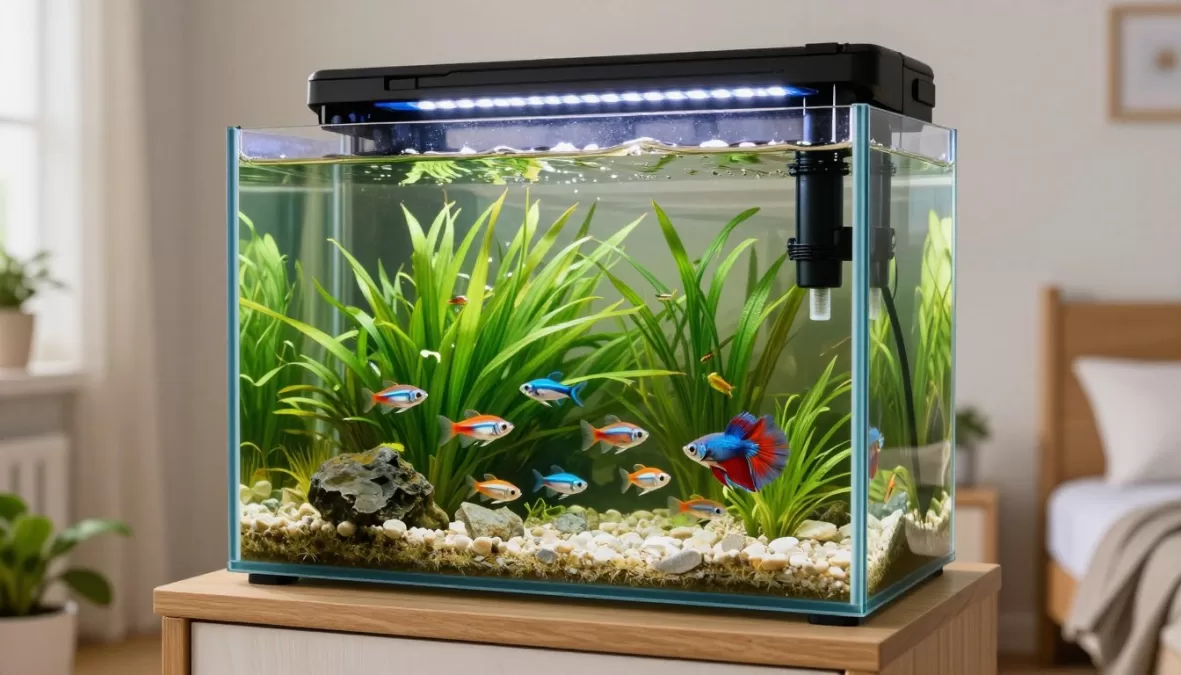
Fish provide excellent starter pets for younger children. These aquatic animals introduce kids to pet responsibility without overwhelming care requirements. Watching fish glide peacefully through water also offers calming benefits that reduce stress and anxiety.
Goldfish and betta fish rank among the most popular choices for beginners. Goldfish tolerate various water conditions and live many years with proper care. Betta fish display stunning colors and personalities despite their small size. Both species teach children about habitat maintenance and daily feeding routines.
Setting Up for Success
Proper aquarium setup determines fish health and longevity. Small bowls create unhealthy environments despite their popularity. A ten-gallon tank provides adequate space for goldfish while a five-gallon tank suits betta fish perfectly. Filtration systems maintain water quality between partial water changes.
Temperature and water chemistry matter significantly. Most tropical fish need heaters maintaining temperatures between seventy-five and eighty degrees. Regular testing ensures pH levels and ammonia stay within safe ranges. These tasks teach children about environmental science and ecosystem balance.
Essential Equipment
Start with these fundamental supplies for healthy fish keeping.
- Appropriately sized aquarium
- Filtration system
- Water heater (for tropical species)
- LED lighting
- Water testing kit
- Decorations and hiding spots
Ongoing Maintenance
Regular care keeps your aquarium thriving and beautiful.
- Daily feeding (2-3 minutes)
- Weekly partial water changes
- Monthly filter cleaning
- Regular water testing
- Algae removal as needed
- Equipment checks
Cost Considerations
Fish keeping remains budget-friendly compared to other pets.
- Initial setup: $100-$300
- Monthly food: $5-$15
- Water treatments: $10-$20 monthly
- Electricity: $5-$15 monthly
- Replacement fish: varies
- Rare equipment replacement
Learning Opportunities
Fish teach valuable lessons beyond basic pet care.
- Water chemistry and pH balance
- Ecosystem understanding
- Daily routine and consistency
- Observation skills
- Patience and delayed gratification
- Environmental responsibility
Ideal Age Range: Children as young as 3-4 years can enjoy watching fish with supervision. Kids aged 6 and older can participate in feeding and simple maintenance tasks. Teenagers can manage entire aquarium systems independently, including advanced species and planted tanks.
4. Guinea Pigs: Gentle Social Rodents

Guinea pigs make wonderful pets for children seeking cuddly, interactive companions. These social animals enjoy gentle handling and produce adorable sounds expressing contentment. Their manageable size suits younger kids while their docile nature makes them safer than many other small animals.
Social creatures by nature, guinea pigs thrive best in pairs or small groups. Single guinea pigs often become lonely and depressed. Housing multiple guinea pigs teaches children about animal social needs and group dynamics. The animals communicate through wheeks, purrs, and chirps that delight young caretakers.
Care and Housing Needs
Guinea pigs require spacious cages with solid flooring to protect delicate feet. A minimum of eight square feet per guinea pig provides adequate room for movement and enrichment. Cages need daily spot-cleaning to remove soiled bedding and weekly complete bedding changes.
Diet consists primarily of unlimited hay, daily fresh vegetables, and small amounts of pellets. Guinea pigs cannot produce vitamin C naturally, making fresh veggies like bell peppers and leafy greens essential. This nutritional requirement teaches children about species-specific dietary needs.
Important Note: Guinea pigs are prey animals that startle easily. Children must learn calm, gentle handling techniques. Supervise young children during all interactions to prevent accidental drops or squeezing that could injure these delicate pets.
Veterinary care includes annual wellness exams and nail trims. Some guinea pigs require dental care as their teeth grow continuously. Medical costs remain moderate compared to larger pets. Guinea pigs typically live five to seven years, providing a meaningful but manageable long-term commitment.
Ideal Age Range: Children aged 5 years and older can help with feeding and cleaning tasks. Kids aged 8 and up can handle guinea pigs independently after learning proper techniques. These animals suit families wanting interactive pets without dog or cat commitments.
Still Unsure Which Pet Fits Your Family?
Schedule a free 15-minute consultation with our pet selection experts. We’ll discuss your specific situation and help you make the perfect choice for your children and lifestyle.
5. Rabbits: Quiet and Affectionate

Rabbits combine the cuddliness of guinea pigs with more complex personalities. These intelligent animals can learn their names, use litter boxes, and perform simple tricks. Rabbits bond strongly with family members who invest time in gentle interaction and training.
Different breeds offer varied characteristics. Smaller breeds like Netherland Dwarfs weigh just two to three pounds while giant breeds exceed fifteen pounds. Lop-eared rabbits often show calmer temperaments. Research breed traits carefully as personality and care needs differ significantly.
Housing and Exercise Requirements
Rabbits need large living spaces despite common misconceptions. A cage should measure at minimum four times the rabbit’s length. Many families choose exercise pens or dedicate rabbit-proofed rooms. Rabbits require several hours of supervised exercise daily outside their enclosure.
Rabbit-proofing prevents destructive chewing and protects your pet. These animals instinctively chew everything, including electrical cords, baseboards, and furniture. Providing appropriate chew toys and supervision during playtime prevents household damage and keeps rabbits safe.
Litter Training Success: Most rabbits naturally choose one corner for bathroom needs. Place a litter box with paper-based bedding in their preferred spot. Rabbits learn quickly, making them surprisingly clean house pets. This trait amazes children and reduces overall maintenance.
Diet mirrors guinea pig requirements with unlimited hay, fresh vegetables, and limited pellets. Rabbits also need constant access to fresh water. Their sensitive digestive systems require consistent diet and immediate veterinary attention if appetite decreases or droppings change.
Annual veterinary visits and spaying or neutering promote health and better behavior. Rabbits live eight to twelve years with proper care. This substantial commitment requires family discussion before adoption.
Ideal Age Range: Children aged 8 years and older can learn proper rabbit handling and care. Teenagers can manage primary responsibility. Young children need close supervision as rabbits have delicate spines that injury easily from improper holding.
6. Hamsters: Compact Nocturnal Friends
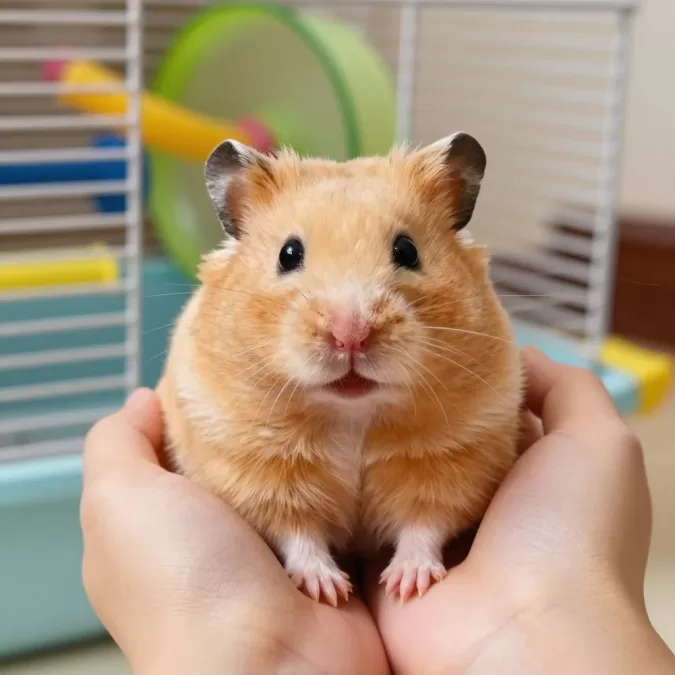
Hamsters rank among the most popular starter pets for children. These tiny rodents require minimal space and moderate care. Their entertaining antics and compact size appeal to families with limited room. Hamsters work well for introducing young children to pet responsibility.
Syrian hamsters, also called golden hamsters, make the best choice for kids. These solitary creatures live alone and grow larger than dwarf varieties, making handling easier. Dwarf hamsters often nip more and their small size challenges young children. Syrian hamsters typically show calmer temperaments with regular gentle handling.
Understanding Hamster Behavior
Hamsters are nocturnal animals most active during evening and nighttime hours. This schedule can frustrate children expecting daytime interaction. Place cages away from bedrooms to avoid sleep disruption from wheel running and nighttime activities. Schedule bonding time during early evening when hamsters wake naturally.
These animals need appropriately sized cages with solid floors and deep bedding for burrowing. A twenty-gallon aquarium or larger wire cage provides adequate space. Exercise wheels, tunnels, and hideouts keep hamsters mentally stimulated and physically active.
Benefits
- Require minimal living space
- Low ongoing costs for food and supplies
- Entertaining to observe and handle
- Short lifespan suits first-time pet owners
- Teach basic responsibility concepts
Drawbacks
- Nocturnal schedule limits interaction times
- Short two to three year lifespan
- Can bite when startled or mishandled
- Require daily cage maintenance
- Escape easily through small openings
Diet consists of commercial hamster pellets, small amounts of fresh vegetables, and occasional treats. Avoid citrus fruits and sugary foods. Fresh water must always be available through a sipper bottle. Hamsters store food in cheek pouches, creating adorable appearances that charm children.
Ideal Age Range: Children aged 6 years and older can participate in feeding and cleaning with supervision. The short lifespan of two to three years makes hamsters appropriate for families uncertain about long-term pet commitment. Prepare children for eventual loss as part of the pet ownership experience.
7. Birds: Colorful and Vocal Companions
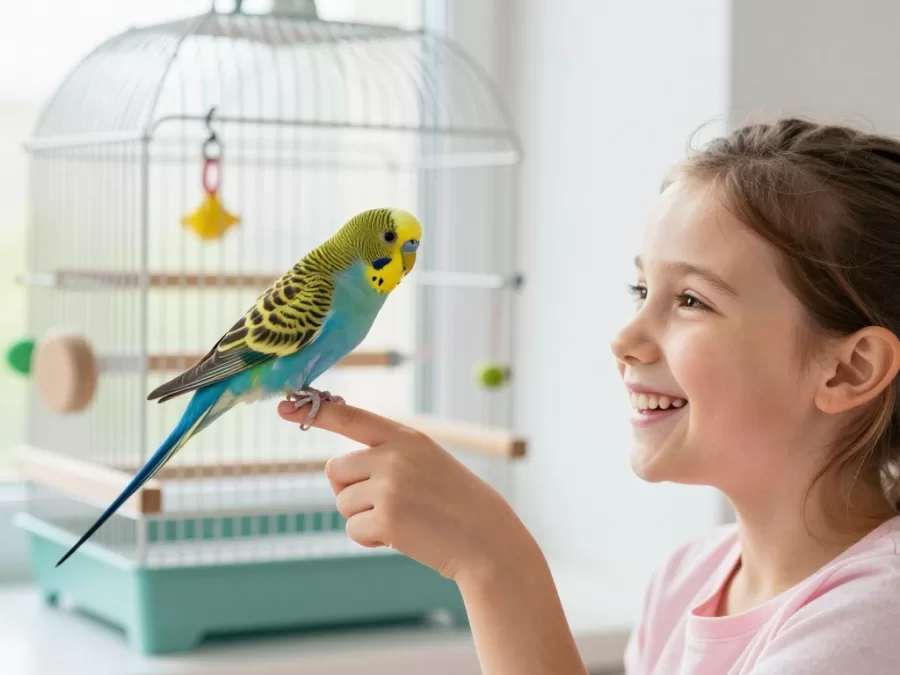
Birds bring unique personalities and beautiful songs into family homes. These intelligent creatures form strong bonds with caretakers and learn impressive tricks. Smaller species like parakeets and cockatiels make excellent choices for children ready for interactive pets.
Parakeets, also called budgies, offer vibrant colors and playful dispositions in compact sizes. These social birds thrive on interaction and can learn to mimic words and sounds. Cockatiels grow larger and often develop deeper bonds but require more space and time commitment. Both species suit families seeking engaging pets.
Bird Care Fundamentals
Birds need spacious cages allowing flight between perches. The cage should measure at minimum twice the bird’s wingspan in width and height. Daily out-of-cage time in bird-proofed rooms provides essential exercise and mental stimulation. Supervise children during these sessions to prevent accidents.
Diet extends beyond basic seed mixes. High-quality pellets should form the diet foundation, supplemented with fresh fruits, vegetables, and occasional seeds. Many seeds lack nutritional completeness and promote obesity. Teaching children about balanced nutrition applies to both pets and themselves.
Safety Alert: Birds have sensitive respiratory systems. Never use non-stick cookware, scented candles, air fresheners, or cleaning products around birds. Fumes from these items can kill birds within minutes. Educate the entire family about bird-safe household practices.
Social interaction sustains bird mental health. These flock animals become lonely and develop behavioral problems without adequate attention. Daily talking, singing, and playtime strengthen bonds. Birds can live fifteen to thirty years depending on species, representing significant commitment.
Veterinary care requires avian specialists rather than standard vets. Annual checkups, nail trims, and wing clipping if desired maintain health. Initial costs include large cages, perches, toys, and food dishes. Monthly expenses remain moderate for food and periodic toy replacement.
Ideal Age Range: Children aged 8 years and older can learn gentle bird handling. Teenagers can manage daily care responsibilities. Birds suit families wanting vocal, entertaining pets. Their long lifespan makes them companions potentially lasting through childhood into young adulthood.
8. Bearded Dragons: Unique Reptile Pets
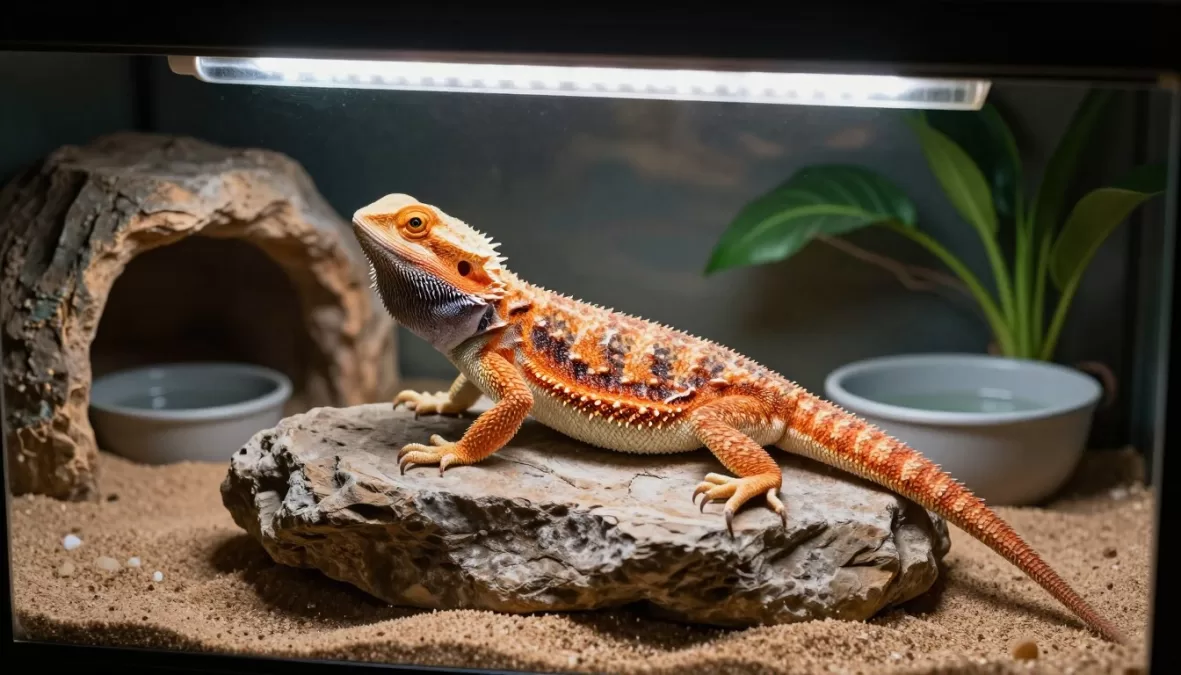
Bearded dragons offer fascinating alternatives for families considering reptiles. These docile lizards tolerate handling well and display unique personalities. Their calm demeanor and manageable size make them safer reptile choices than many species. Children fascinated by dinosaurs often adore these miniature dragons.
Native to Australia, bearded dragons adapt well to captive environments with proper setup. Adults reach eighteen to twenty-four inches in length. Their relatively slow movements and predictable behavior suit children learning reptile care. Unlike mammals, these cold-blooded animals require completely different husbandry.
Specialized Housing Requirements
Bearded dragons need large glass terrariums measuring at minimum forty gallons for adults. Habitat must include temperature gradients with basking spots reaching ninety-five to one hundred five degrees and cool areas around seventy-five to eighty-five degrees. Special UVB lighting prevents metabolic bone disease.
Substrate choices matter significantly. Avoid sand for young dragons due to impaction risks. Reptile carpet, tile, or paper towels create safer surfaces. Furnish enclosures with basking rocks, hiding spots, and climbing branches. These environmental elements support natural behaviors and mental stimulation.
| Care Component | Requirements | Frequency |
| Feeding | Live insects, vegetables | Daily |
| Fresh Water | Shallow dish | Daily |
| Basking Temperature | 95-105°F | Constant during day |
| UVB Lighting | 10-12 hours daily | Daily cycle |
| Habitat Cleaning | Remove waste, sanitize | Daily spot-clean, weekly deep clean |
| Veterinary Checkup | Reptile specialist exam | Annually |
Diet combines live insects like crickets and dubia roaches with fresh vegetables. Young bearded dragons eat primarily protein while adults shift toward more vegetables. All insects require dusting with calcium and vitamin supplements. This feeding complexity teaches children about nutritional science and life stages.
Bearded dragons can live ten to fifteen years with excellent care. Initial setup costs run higher than traditional pets due to specialized equipment. Monthly expenses include live feeders, vegetables, and electricity for heating and lighting. Reptile veterinarians may be harder to locate in some areas.
Ideal Age Range: Children aged 10 years and older can manage bearded dragon care with parental guidance. These reptiles suit families seeking unique, low-allergen pets. Their specialized needs teach responsibility and scientific concepts about temperature regulation and species-specific requirements.
9. Rats: Intelligent and Trainable

Rats surprise many families with their intelligence, affection, and personality. These highly social rodents form genuine bonds with their humans and can learn tricks rivaling dogs. Despite misconceptions, domesticated rats make clean, loving pets that teach children about looking beyond appearances.
Pet rats differ dramatically from their wild cousins. Selective breeding created gentle animals in various colors and coat types. Rats recognize their names, come when called, and seek out human interaction. Their cognitive abilities provide endless entertainment and learning opportunities.
Social and Environmental Needs
Rats must live in same-sex pairs or groups minimum. Solitary rats develop depression and health problems. This social requirement teaches children about animal welfare and the importance of companionship. Watching rats interact, groom each other, and play together delights all ages.
Housing demands multi-level cages with vertical space for climbing. A minimum of two cubic feet per rat provides adequate room. Rats need daily out-of-cage time for exercise and bonding. Their intelligence requires regular enrichment through new toys, puzzles, and exploration opportunities.
“Rats are incredibly underrated as children’s pets. They’re as smart as dogs, as affectionate as cats, and as entertaining as any animal I’ve worked with. Families who give rats a chance become lifelong advocates.”
Diet consists of quality rodent blocks supplemented with fresh fruits, vegetables, and occasional protein sources like cooked eggs. Avoid citrus fruits for male rats and limit sugary treats. Fresh water must always be available. Rats enjoy foraging behaviors, making treat-hiding games excellent enrichment.
Regular health monitoring matters significantly as rats hide illness instinctively. Check for respiratory symptoms like wheezing or discharge. Rats live just two to three years on average, shorter than many pets. This brief lifespan teaches children about mortality while limiting long-term commitment.
Ideal Age Range: Children aged 7 years and older can participate in rat care and handling. Rats suit families wanting interactive, intelligent small pets. Their trainability and affection surprise those unfamiliar with these remarkable animals.
10. Tortoises: Long-Lived Shelled Friends
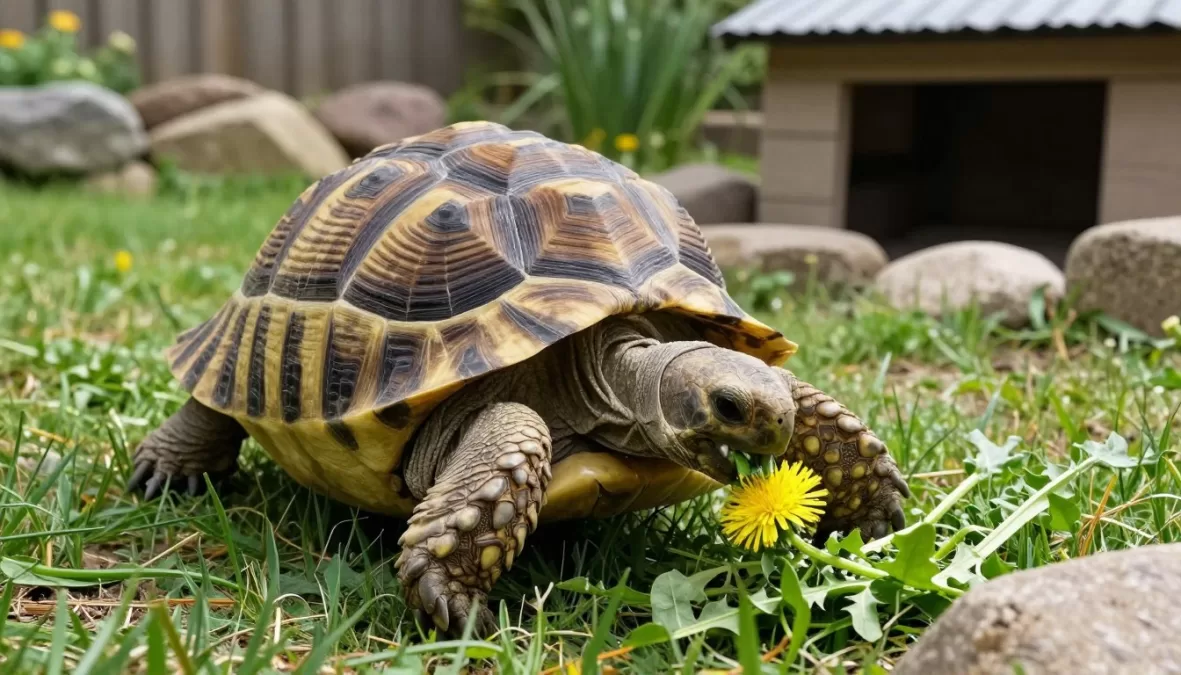
Tortoises bring unique appeal to families considering reptiles. These gentle, herbivorous animals live incredibly long lives, potentially becoming multigenerational family members. Smaller species like Russian tortoises adapt well to backyard enclosures in suitable climates. Their slow pace and predictable behavior suit patient children.
Unlike aquatic turtles, tortoises live exclusively on land. They require outdoor housing or very large indoor enclosures. Russian tortoises reach eight to ten inches and thrive in arid environments. Mediterranean species like Greek and Hermann’s tortoises offer similar sizes with slightly different care requirements. Research species thoroughly before committing.
Long-Term Commitment Considerations
Tortoises live exceptionally long lives. Smaller species may survive forty to sixty years while larger varieties can exceed one hundred years. This extraordinary lifespan means children’s pet could outlive them. Families must plan for long-term care including potential rehoming should circumstances change.
Outdoor enclosures work best in warm climates with proper security. Predators, including dogs, birds, and coyotes, threaten tortoises. Enclosures need solid walls preventing escape and overhead protection. Indoor housing requires large custom-built enclosures with UVB lighting and heat sources.
Essential Tortoise Care
- Large outdoor enclosure or indoor habitat
- UVB lighting for indoor tortoises
- Heated basking area
- Hide box for security
- Shallow water dish for soaking
- Varied diet of leafy greens and vegetables
- Annual veterinary checkups
- Proper humidity levels by species

Diet consists entirely of plant matter. Leafy greens like dandelion, collard, and turnip greens form the foundation. Supplement with vegetables like squash and bell peppers. Avoid high-protein foods and fruits except occasional treats. Calcium supplementation prevents shell deformities.
Initial costs include enclosure construction, heating, and lighting equipment. Monthly expenses remain minimal for food and occasional substrate replacement. Veterinary specialists in reptile medicine handle tortoise care. Annual checkups ensure proper growth and health.
Ideal Age Range: Children aged 8 years and older can help with feeding and basic maintenance. Teenagers can manage primary care with oversight. Tortoises suit families seeking unique, low-maintenance pets. Their extreme longevity requires serious commitment discussion before adoption.
How to Choose the Right Pet for Your Child
Selecting the perfect pet requires honest evaluation of multiple factors. No single animal suits every family perfectly. Consider space availability, financial capacity, time commitment, and your child’s personality when making decisions. The right match creates rewarding experiences while poor matches lead to stress and disappointment.

Matching Pet to Child’s Age and Maturity
Age provides rough guidelines but maturity matters more. Some eight-year-olds demonstrate responsibility exceeding many teenagers. Assess your child’s ability to follow routines, handle gentle living creatures, and accept correction when making mistakes. Honest evaluation prevents problems later.
Younger children under six typically need pets requiring minimal handling and interaction. Fish and hermit crabs allow observation and simple feeding tasks. Children aged six to ten can manage more interactive pets like guinea pigs and rabbits with substantial parental involvement. Preteens and teenagers can handle primary responsibility for most animals including dogs and cats.
- Fish (observation and simple feeding)
- Hermit crabs (minimal handling)
- Leopard geckos (supervised interaction)
- Small birds with parent involvement
Best for Younger Kids (Ages 3-7)
- Guinea pigs (interactive and gentle)
- Rabbits (with supervision)
- Rats (intelligent and social)
- Cats (independent but affectionate)
Best for School-Age Kids (Ages 8-12)
- Dogs (active and demanding)
- Bearded dragons (specialized care)
- Birds (long-term commitment)
- Tortoises (ultimate responsibility)
Best for Teens (Ages 13+)
Space and Living Situation
Available space constrains pet choices significantly. Apartment dwellers may face restrictions on dogs and multiple animals. Small homes benefit from compact pets like fish, hamsters, or birds. Families with yards can consider outdoor enclosures for rabbits, guinea pigs, or tortoises during appropriate weather.
Consider future moves when choosing pets. Long-lived animals like birds and tortoises may need accommodation across multiple residences. Some rental properties prohibit certain species. Research local regulations regarding exotic pets as some cities restrict reptiles and other non-traditional animals.
Budget Reality Check
Financial planning prevents unpleasant surprises. Calculate initial setup costs including habitat, supplies, and initial veterinary care. Then estimate monthly expenses for food, bedding, and maintenance items. Add annual costs for routine veterinary visits and unexpected emergency fund reserves.
Budget-friendly options include fish, hamsters, and guinea pigs. Mid-range costs apply to rabbits, rats, and small birds. Dogs and cats generate highest ongoing expenses. Exotic animals like reptiles have high initial costs but often moderate monthly maintenance. Emergency veterinary care can cost hundreds to thousands regardless of pet type.
Time Commitment Assessment
Evaluate realistic time availability honestly. Dogs demand multiple daily walks, play sessions, and training time totaling several hours. Cats need less direct interaction but still require daily attention. Small animals like guinea pigs and rabbits need feeding, cleaning, and socialization time daily.
Lower maintenance pets include fish requiring just minutes daily and hamsters needing fifteen to thirty minutes. However, even simple pets deserve attention and enrichment beyond bare minimum care. Match time commitment to current family schedule rather than idealized hopes about future availability.
Ready to Welcome Your Perfect Pet?
Get your complete Pet Parent Starter Kit including our comprehensive care guides, budget planner, and weekly tips delivered to your inbox.
Frequently Asked Questions About Pets for Kids
What is the best low-maintenance pet for kids?
Fish represent the best low-maintenance option for children. They require just minutes of daily feeding and weekly partial water changes. Betta fish and goldfish suit beginners perfectly. Other low-maintenance choices include hermit crabs and leopard geckos. These starter pets teach responsibility without overwhelming young children or busy families.
At what age can a child care for a pet independently?
Most children can handle primary pet care responsibilities around age ten to twelve for simpler animals. Teenagers aged thirteen and older can manage most pets including dogs and cats with minimal supervision. However, maturity varies significantly between individuals. Always maintain parental oversight regardless of age to ensure animal welfare and child safety.
Are guinea pigs or hamsters better for kids?
Guinea pigs generally make better pets for children than hamsters. Guinea pigs are larger, easier to handle, stay awake during daytime hours, and rarely bite. They also live longer at five to seven years compared to hamsters’ two to three years. However, guinea pigs need more space and should live in pairs. Hamsters require less room but are nocturnal and more likely to nip when startled.
How much does it cost to keep a pet per month?
Monthly pet costs vary dramatically by animal type. Fish cost approximately ten to twenty dollars monthly for food and supplies. Small mammals like hamsters and guinea pigs run twenty to forty dollars. Rabbits and rats average thirty to fifty dollars monthly. Cats typically cost fifty to one hundred dollars while dogs range from one hundred to three hundred dollars including food, supplies, and veterinary care savings.
What pets are best for teaching responsibility?
Dogs teach the most comprehensive responsibility lessons due to their demanding care requirements and strong bonds with families. However, any pet teaches valuable lessons when children participate actively in care. Guinea pigs, rabbits, and rats offer excellent middle ground between simple fish care and intensive dog ownership. Choose pets matching your child’s current capability while providing growth opportunities.
Can children with allergies have pets?
Children with allergies have several pet options. Fish, reptiles, and amphibians produce no dander and suit allergic families perfectly. Some children tolerate certain dog breeds better than others, though no truly hypoallergenic dogs exist. Birds may trigger allergies through feather dust. Always spend time with specific animals before adoption to test allergic reactions. Consult pediatricians about allergy management strategies.
Making Your Final Decision
Choosing the best pet for your child represents an important family decision with lasting impacts. The right animal companion teaches invaluable life lessons about responsibility, empathy, and commitment. Children develop confidence through successfully caring for another living being. They learn that consistent effort produces rewarding results.
Remember that no perfect pet exists for every situation. Each family must weigh space, budget, time, and individual circumstances against their child’s needs and interests. Start with honest assessment rather than idealized expectations. Consider beginning with simpler starter pets before advancing to more demanding animals as children mature.
Research thoroughly before bringing any animal home. Visit shelters and pet stores to interact with different species. Talk with current pet owners about realistic care requirements and challenges. Prepare housing and supplies before adoption day to reduce stress for both animals and family members.
Parent involvement remains crucial regardless of pet type or child’s age. Even responsible teenagers need guidance, veterinary appointment coordination, and financial support. View pet ownership as a family commitment rather than solely your child’s responsibility. The strongest human-animal bonds develop when everyone participates in care and affection.
The best pets for kids ultimately depend on your unique situation. Whether you choose a loyal dog, an affectionate cat, peaceful fish, cuddly guinea pigs, or fascinating reptiles, proper preparation ensures success. Take time making this important decision. The perfect pet companion awaits your family.

Priyanka Pandey
Senior Research Editor · Top10Sense
Priyanka specializes in tech, consumer products, and digital trends. She combines hands-on testing, vendor interviews, and database research to create trustworthy “Top 10” rankings. Her work has been referenced by industry blogs and brand report pages.