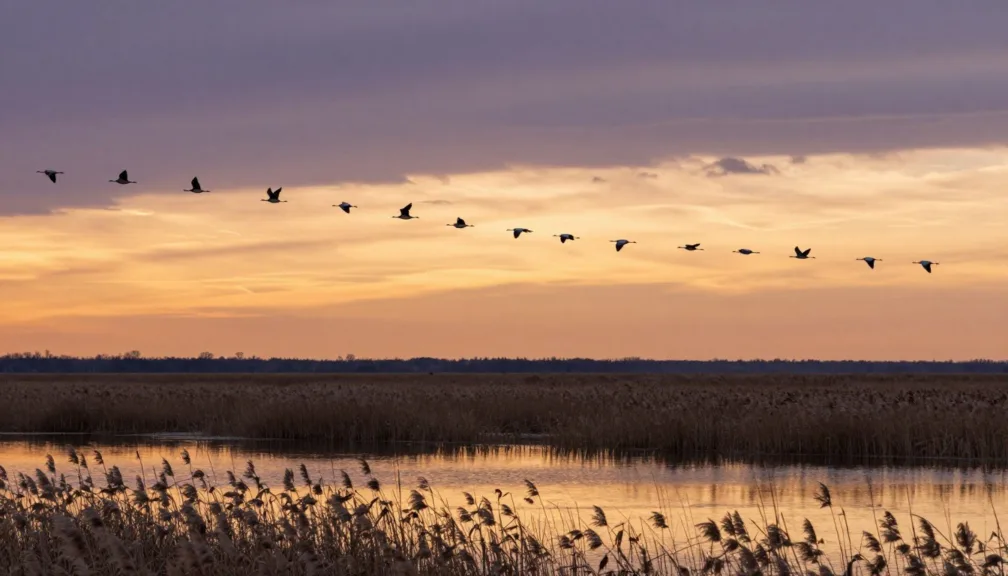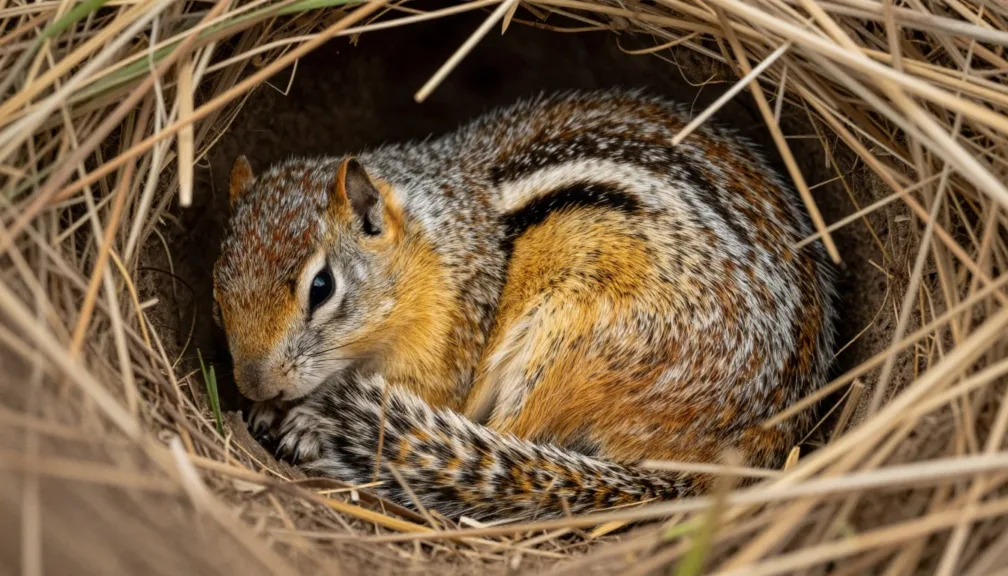
India stands as one of the world’s most biodiverse countries. The nation shelters remarkable wildlife across varied habitats. From the snow-capped mountains of the Himalayas to the dense forests of the Western Ghats, wild animals thrive in India’s protected areas.
This guide explores the top ten wild animals that make India a wildlife paradise. Each species plays a vital role in maintaining ecological balance. These magnificent creatures face challenges from habitat loss and other threats. Yet conservation efforts continue to protect them for future generations.
Witnessing these animals in their natural habitat remains an unforgettable experience. National parks across the country offer opportunities to observe these species. The journey into India’s wilderness reveals nature’s most stunning creations.
1. Bengal Tiger: The Majestic Big Cat of India
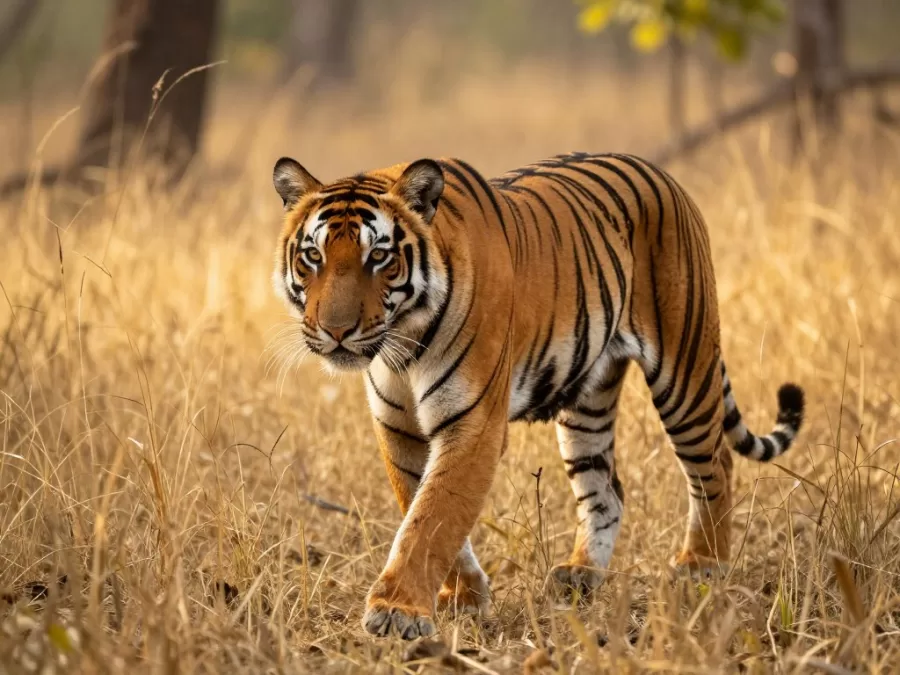
The Bengal tiger represents India’s most iconic wildlife species. This magnificent big cat holds the title of India’s national animal. The tiger’s presence in forests across the country symbolizes strength and grace.
Bengal tigers inhabit various forest types throughout India. These big cats prefer areas with dense vegetation and water sources. The species requires large territories for hunting prey such as deer, wild boar, and other animals.
Physical Characteristics and Behavior
Male Bengal tigers can weigh between 180 to 260 kilograms. Females typically weigh less, ranging from 100 to 160 kilograms. The tiger’s distinctive orange coat features unique black stripes. No two tigers share identical stripe patterns.
These solitary hunters demonstrate remarkable strength and agility. Tigers possess powerful jaws and sharp claws for capturing prey. They can consume up to 40 kilograms of food in a single meal. The big cats rest during hot daytime hours and hunt primarily at dawn and dusk.
Habitat and Distribution
India hosts the largest population of Bengal tigers in the world. Approximately 70 percent of the global tiger population lives in India today. Major tiger reserves include Jim Corbett National Park, Bandhavgarh National Park, and Kanha National Park.
These national parks in Madhya Pradesh and other states protect critical tiger habitat. The Western Ghats region also supports viable tiger populations. Dense forests provide the cover these big cats need for successful hunting.
Conservation Status
The Bengal tiger faces ongoing threats from habitat loss and poaching. India’s Project Tiger initiative has worked since 1973 to protect the species. Conservation efforts have helped increase tiger numbers from around 1,400 in 2006 to nearly 3,000 today.
Protected areas form the backbone of tiger conservation. National parks provide safe spaces where tigers can breed and hunt. Anti-poaching patrols work continuously to prevent illegal killing. Community involvement in conservation has proven essential for long-term success.
Did You Know? A tiger’s roar can be heard from up to 3 kilometers away. This powerful vocalization helps tigers communicate across their vast territories in the forest.
2. Asiatic Lion: The Pride of Gir Forest
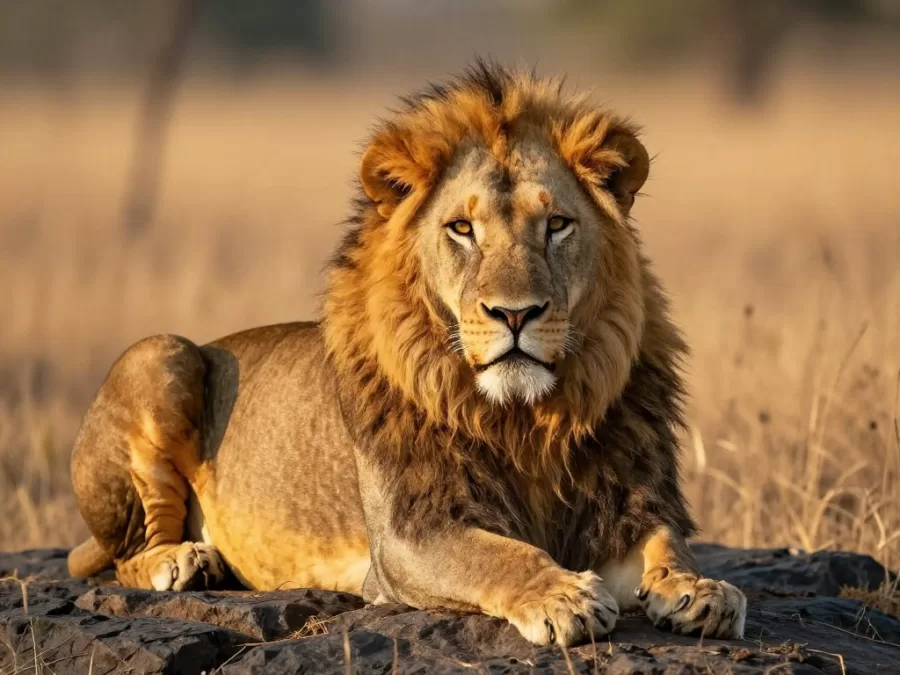
Asiatic lions survive only in one location on Earth today. Gir National Park in Gujarat protects the world’s entire wild population. These magnificent cats once roamed across Asia and the Middle East. Today, conservation efforts focus on preserving this single population.
The Asiatic lion differs slightly from its African cousin. These lions feature a distinctive belly fold and less developed manes in males. The species has made a remarkable recovery from near extinction.
Unique Features and Social Structure
Male Asiatic lions display shorter, sparser manes compared to African lions. This adaptation suits India’s warmer climate. Males weigh between 160 to 190 kilograms, while females weigh 110 to 120 kilograms.
Lions live in social groups called prides. Asiatic lion prides tend to be smaller than those in Africa. Females hunt cooperatively, targeting prey like spotted deer, nilgai, and wild boar. Males often feed separately from the pride.
Life in Gir National Park
Gir National Park spans 1,412 square kilometers in Gujarat. The park’s dry deciduous forests provide ideal habitat for lions. Water sources remain crucial, especially during the dry season from March to June.
The lion population in Gir has grown steadily. From just 12 animals in the early 1900s, numbers now exceed 670 individuals. This success story demonstrates effective wildlife management. However, the single population remains vulnerable to disease or natural disasters.
Conservation Challenges
Protecting Asiatic lions requires ongoing dedication. Habitat loss outside protected areas limits population expansion. Human-wildlife conflict occurs when lions venture into nearby villages. Conservation teams work to minimize such conflicts through community education.
Scientists recommend establishing a second lion population elsewhere in India. This would reduce extinction risk from catastrophic events. Several potential sites have been identified for future reintroduction efforts.
Conservation Success: The Asiatic lion recovery represents one of conservation’s greatest achievements. Dedicated protection has brought the species back from fewer than 20 individuals to a thriving population of over 670 lions.
3. Indian Elephant: Gentle Giants of the Forest
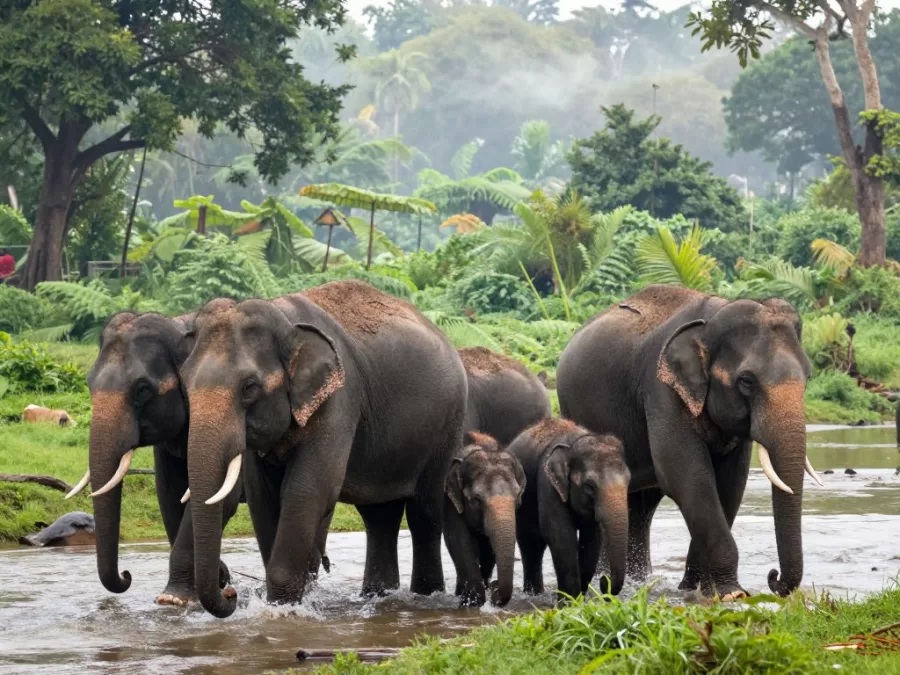
Indian elephants rank among Asia’s most impressive animals. These intelligent creatures play vital roles in forest ecosystems. Elephants shape their habitat by creating pathways and dispersing seeds. Their presence indicates healthy forest conditions.
The species inhabits forests across central and southern India. The Western Ghats region supports significant elephant populations. These areas provide the diverse food sources elephants require daily.
Physical Characteristics
Indian elephants are smaller than their African relatives. Males can reach heights of 2.7 meters at the shoulder. They weigh between 4,000 to 5,000 kilograms. Females are considerably smaller and lighter.
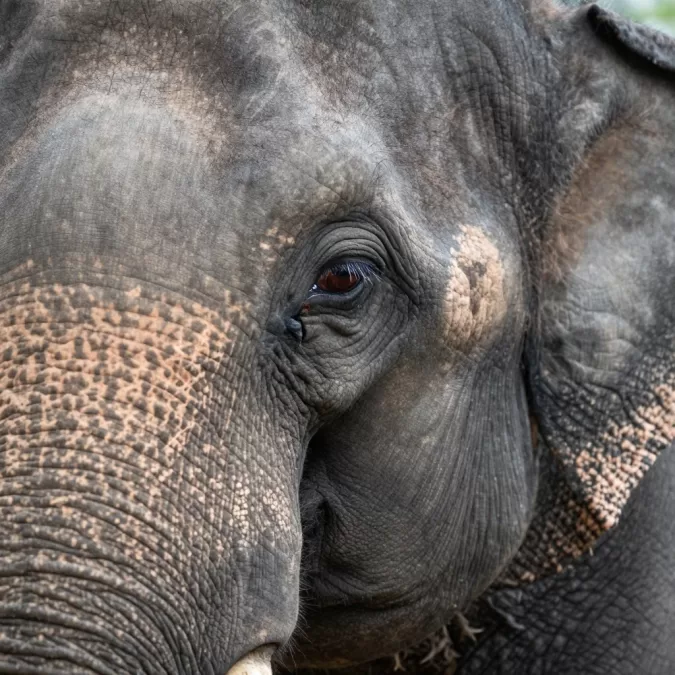
These elephants feature smaller, rounded ears compared to African species. Their heads display twin domes rather than a single dome. Only some male Indian elephants develop tusks. Female elephants typically have small tushes instead.
Behavior and Social Life
Elephants live in matriarchal family groups. The oldest female leads the herd with decades of knowledge. Groups typically include related females and their offspring. Adult males live solitary lives or form bachelor groups.
These herbivores spend up to 18 hours daily feeding. Elephants consume grasses, leaves, bark, and fruits. An adult can eat 150 kilograms of food each day. Water remains essential, especially during the hot season.
Habitat and Range
Indian elephants roam through multiple habitat types. They prefer forests with adequate water and food supplies. The Western Ghats mountain range provides crucial elephant corridors. These pathways connect fragmented forest patches.
Several national parks protect important elephant populations. Jim Corbett National Park, Bandipur National Park, and Periyar Tiger Reserve all harbor elephants. The animals migrate seasonally between different forest areas.
Conservation Concerns
Habitat loss poses the greatest threat to Indian elephants. Expanding agriculture fragments traditional elephant ranges. This leads to increased human-elephant conflict. Elephants raid crops when natural food becomes scarce.
Conservation programs focus on maintaining wildlife corridors. These pathways allow elephants to move safely between forest patches. Community-based initiatives help reduce conflict through early warning systems. Protected areas remain vital for long-term elephant survival.
Elephant Intelligence
Elephants demonstrate remarkable cognitive abilities. They recognize themselves in mirrors, showing self-awareness. These animals remember locations of water sources for decades.
Herds display complex social behaviors. They mourn deceased family members and help injured companions. Communication includes infrasound calls traveling several kilometers through the forest.
Their intelligence makes habitat protection even more critical. Elephants adapt to changing conditions but need sufficient space and resources to thrive in the wild.
Experience India’s Magnificent Wildlife in Person
Witness Bengal tigers, Asiatic lions, and elephants in their natural habitats. Our expert-guided safaris take you deep into India’s premier national parks. Discover the thrill of seeing these majestic animals while supporting conservation efforts.
4. Snow Leopard: The Phantom of the Mountains
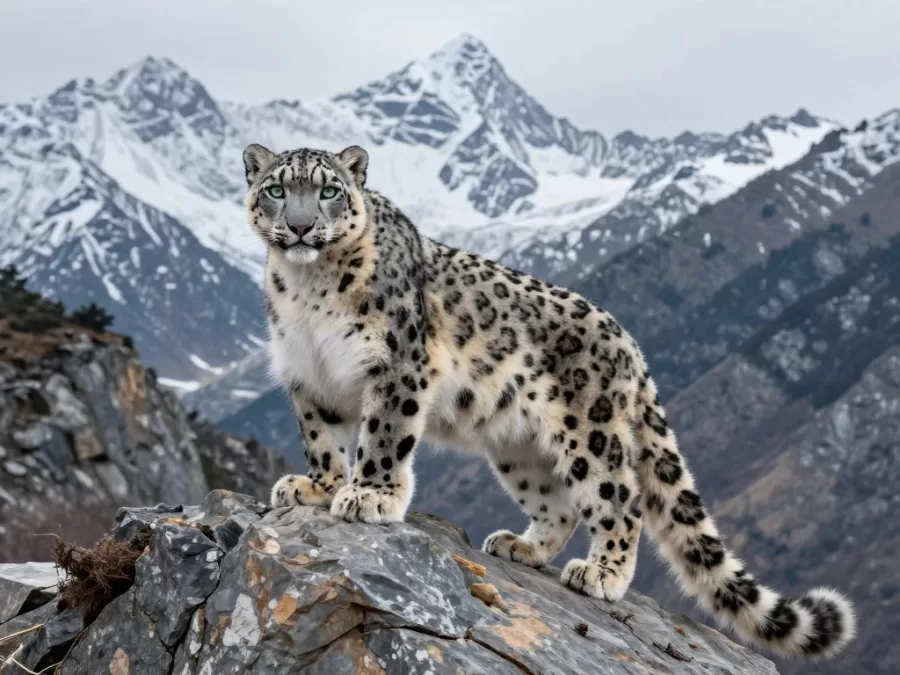
The snow leopard remains one of Earth’s most elusive big cats. These solitary predators inhabit the high mountains of the Himalayas. Snow leopards have adapted perfectly to extreme cold and rugged terrain. Their mysterious nature has earned them the nickname “ghost of the mountains.”
India protects a significant portion of global snow leopard habitat. The species lives at elevations between 3,000 to 5,500 meters. These harsh mountain environments challenge both the animals and those who study them.
Adaptations to Mountain Life
Snow leopards possess remarkable adaptations for mountain survival. Their thick fur provides insulation against freezing temperatures. The coat features a pale grey or cream base with dark rosette markings.
A snow leopard’s tail measures nearly as long as its body. This long tail serves multiple purposes in the mountains. The tail provides balance on steep slopes and narrow ledges. The animal wraps it around its body for additional warmth during rest.
Wide paws act like natural snowshoes. This adaptation allows snow leopards to walk on deep snow without sinking. Their powerful legs enable incredible leaps across mountain chasms. These cats can jump distances of up to 15 meters.
Hunting and Diet
Snow leopards are apex predators in their mountain habitat. They primarily hunt blue sheep, also called bharal. Other prey includes Himalayan tahr, marmots, and mountain hares. A single snow leopard requires a large territory to find sufficient food.
These cats hunt using stealth and surprise. They stalk prey using rocky terrain for cover. A snow leopard can take down animals three times its own body weight. The species typically weighs between 27 to 55 kilograms.
Habitat and Distribution in India
Snow leopards inhabit five Himalayan states in India. These include Jammu and Kashmir, Himachal Pradesh, Uttarakhand, Sikkim, and Arunachal Pradesh. Each region offers rugged mountain terrain and alpine meadows.
Hemis National Park in Ladakh provides prime snow leopard habitat. The park protects 4,400 square kilometers of high-altitude landscape. Winter months offer the best chances of spotting these elusive cats. Snow leopards descend to lower elevations when prey becomes scarce at higher altitudes.
Conservation Status and Threats
Snow leopards face numerous conservation challenges. Habitat loss occurs as human activities expand into mountain areas. Poaching for fur and bones continues despite protective laws. Climate change threatens to alter their mountain habitat fundamentally.
Retaliatory killing poses another significant threat. Snow leopards occasionally prey on livestock when wild prey is scarce. Herders sometimes kill the cats in response. Conservation programs work to reduce such conflicts through livestock insurance schemes.
India’s Snow Leopard Project works to protect the species. Camera traps help monitor population numbers and movements. Community-based conservation involves local people in protection efforts. These initiatives aim to secure the future of snow leopards in the mountains.
Snow Leopard Population Estimates
Scientists estimate India harbors between 400 to 700 snow leopards. Accurate counts remain difficult due to the species’ elusive nature. The cats inhabit some of the world’s most remote and inaccessible terrain.
- Ladakh region hosts the highest concentration
- Camera trap studies reveal population trends
- DNA analysis from scat helps identify individuals
- Satellite collaring tracks movement patterns
5. Indian Rhinoceros: The Armored Giant
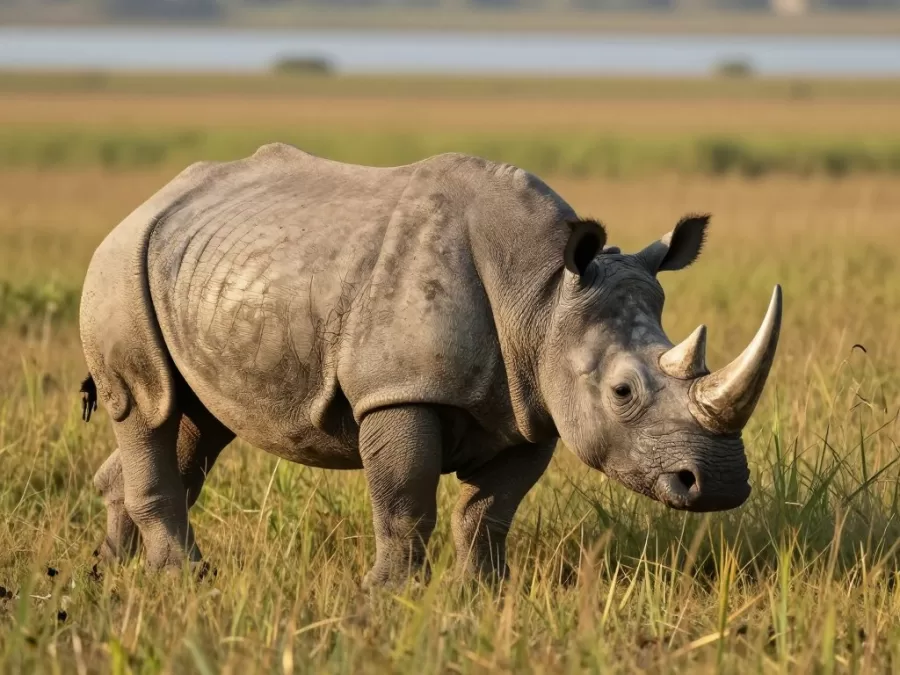
The Indian rhinoceros ranks among the world’s largest land animals. These impressive creatures are also called greater one-horned rhinoceros. Their distinctive armor-like skin gives them a prehistoric appearance. Once widespread across the Indo-Gangetic Plain, the species now survives in protected areas.
Conservation success has brought Indian rhinos back from the brink. From fewer than 200 individuals in the early 1900s, populations have recovered. Today, over 3,700 rhinos live in the wild across India and Nepal.
Physical Features
Indian rhinoceros display remarkable physical characteristics. Adults stand up to 1.8 meters tall at the shoulder. Males can weigh between 2,000 to 3,200 kilograms. Their grey-brown skin forms thick folds that resemble armor plates.
A single horn grows from the nasal area. This horn consists of compressed keratin fibers. Males use their horns for combat and display. The horn can grow up to 60 centimeters in length. Despite its impressive size, the horn serves no essential biological function.
Habitat and Behavior
These rhinos prefer grassland and riverine habitats. They thrive in areas with tall grasses and abundant water. Wallowing in mud helps regulate body temperature and protect skin from insects. Rhinos spend several hours daily in water or mud.
Indian rhinos are generally solitary animals. Adult males maintain territories that they mark with dung piles. Females are more tolerant of other rhinos in their range. These herbivores graze on various grasses, leaves, and aquatic plants.
Conservation Success Story
Kaziranga National Park in Assam protects the largest rhino population. The park harbors over 2,400 individuals, representing two-thirds of the world’s population. Kaziranga’s grasslands and wetlands provide ideal rhino habitat. The park’s success demonstrates effective protection strategies.
Other important populations exist in Pobitora Wildlife Sanctuary and Manas National Park. West Bengal’s Jaldapara National Park also protects breeding rhinos. Translocation programs have established new populations in suitable areas.
Ongoing Threats
Poaching remains the primary threat to Indian rhinos. Illegal trade in rhino horn continues despite international bans. The horn fetches high prices in certain markets. Armed guards patrol rhino habitats around the clock.
Habitat loss outside protected areas limits population expansion. Floods can devastate populations concentrated in small areas. Climate change may alter suitable habitat conditions. Conservation efforts focus on maintaining existing populations and establishing new ones.
Rhino Horn Myths
Rhino horn has no proven medicinal properties. Scientific analysis shows it consists of the same material as human fingernails. Traditional beliefs drive demand despite lack of evidence.
Education campaigns work to reduce demand for horn products. International cooperation strengthens anti-poaching efforts across borders.
Rhino Reproduction
Female rhinos give birth to a single calf after a 16-month gestation. Calves stay with their mothers for about three years. Population growth remains slow due to this long reproductive cycle.
Protected areas must maintain high security to ensure successful breeding.
6. Indian Leopard: The Adaptable Predator
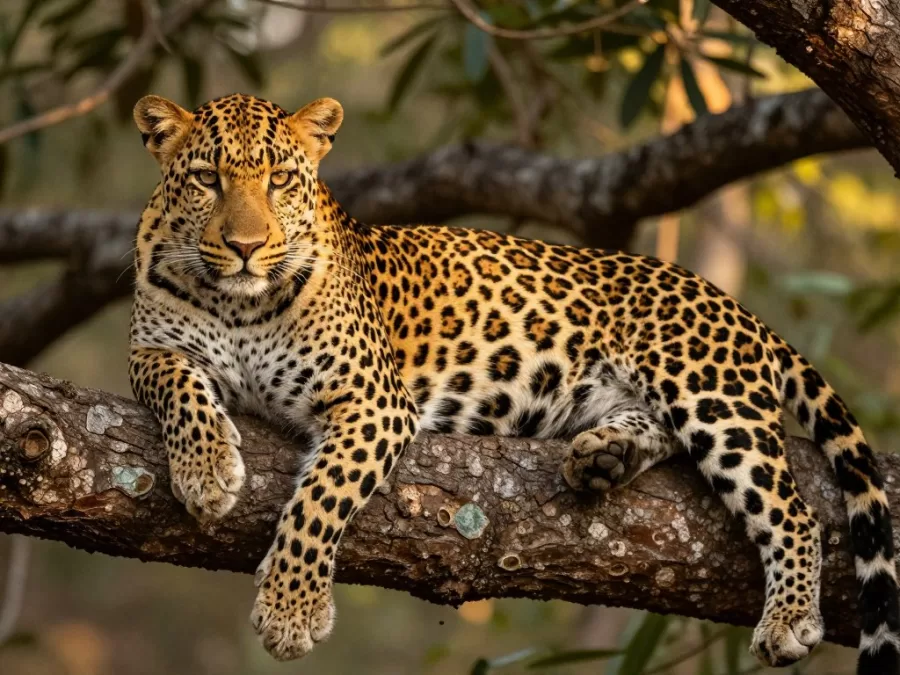
Indian leopards demonstrate remarkable adaptability among big cats. These spotted predators survive in diverse habitats across the country. From dense forests to semi-arid regions, leopards adjust to available conditions. Their ability to live near human settlements sets them apart from other large predators.
Leopards represent the most widespread big cat in India. They occupy more territory than tigers or lions. This adaptability has helped the species maintain stable population numbers. However, habitat loss and human conflict remain ongoing concerns.
Physical Characteristics and Hunting
Indian leopards display beautiful golden-yellow coats covered with dark rosettes. These markings provide camouflage in varied habitats. Males weigh between 50 to 77 kilograms. Females are smaller, typically weighing 29 to 34 kilograms.
Leopards are solitary, nocturnal hunters. They possess incredible climbing abilities among big cats. These predators often drag prey up into trees. This behavior protects kills from scavengers like tigers and wild dogs. Leopards feed on a diverse range of prey species.
Common prey includes deer, wild boar, monkeys, and rodents. In areas near human habitation, leopards sometimes take livestock or dogs. This opportunistic feeding helps them survive in fragmented habitats. Their varied diet contributes to their widespread distribution.
Habitat Range
Leopards inhabit nearly every forest type in India. They thrive in the Western Ghats rainforests and dry deciduous forests. The cats also survive in scrubland and even semi-urban areas. This habitat flexibility exceeds that of other Indian big cats.
Several national parks support healthy leopard populations. These include Bandhavgarh National Park, Nagarhole National Park, and Ranthambore National Park. The Western Ghats region harbors substantial numbers. Leopards often live closer to villages than tigers prefer.
Human-Wildlife Conflict
Leopard-human interactions occur more frequently than with other big cats. Expanding human settlements encroach on leopard territory. The cats sometimes enter villages searching for food. Such encounters can result in attacks on livestock or people.
Conservation programs address conflict through various methods. Wildlife corridors help leopards move between forest patches. Compensation schemes reimburse farmers for livestock losses. Education efforts teach communities how to coexist with leopards safely.
Rescue and relocation teams respond to problem leopards. Camera traps monitor leopard movements near settlements. Understanding leopard behavior helps prevent dangerous encounters. Maintaining natural prey populations reduces livestock predation.
Melanistic Leopards: Black panthers are actually melanistic leopards with excess pigmentation. These animals possess the same rosette pattern as regular leopards. The markings remain visible under certain lighting conditions. Melanistic leopards occur throughout India, particularly in forests with dense canopy cover.
7. Sloth Bear: The Shaggy Forest Dweller
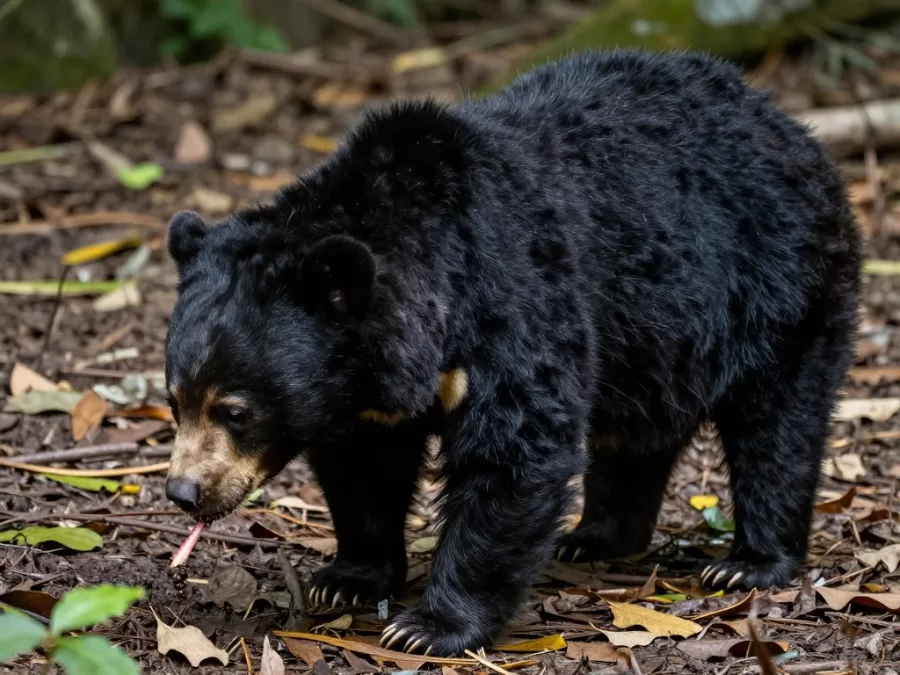
Sloth bears represent one of India’s most distinctive wildlife species. These shaggy-coated bears roam forests across the Indian subcontinent. Despite their name, sloth bears are quite active and agile. They earned this name from early observers who mistook them for sloths due to their long claws and hanging posture.
The species plays an important ecological role as seed dispersers. Sloth bears feed on fruits and spread seeds throughout forests. Their insect-eating habits also help control termite and ant populations. These bears face threats from habitat loss and human conflict.
Distinctive Features
Sloth bears display several unique physical characteristics. Their shaggy black coat appears unkempt and messy. A distinctive white or cream V-shaped mark adorns the chest. This marking varies in size and shape between individuals.
Long, curved claws equip sloth bears for digging and climbing. These claws can reach up to 8 centimeters in length. The bears use them to excavate termite mounds and ant nests. Adults typically weigh between 80 to 140 kilograms. Males are larger than females.
Sloth bears possess specialized features for insect eating. Their lips are long and mobile, forming a tube-like structure. They lack upper incisors, creating a gap. This adaptation allows them to suck up insects efficiently. The sound of a feeding sloth bear can be heard from considerable distances.
Diet and Feeding Behavior
Insects form a major part of the sloth bear diet. Termites and ants provide protein throughout the year. Bears tear open termite mounds with powerful claws. They then vacuum up insects using their specialized lips and tongue.
Fruits become important food sources during certain seasons. Bears climb trees to access fruit in the canopy. They feed on figs, jamun, ebony fruits, and many other species. Honey represents a favorite food when available. Sloth bears will raid bee hives despite stings.
Habitat and Distribution
Sloth bears inhabit forests throughout most of India. They prefer areas with termite mounds and fruiting trees. These bears adapt to various forest types from dry scrub to moist deciduous forests. The Western Ghats supports significant sloth bear populations.
Several national parks protect important bear habitat. Satpura National Park, Tadoba National Park, and Daroji Bear Sanctuary all harbor bears. The species also survives in less protected forest areas. However, habitat fragmentation increasingly isolates populations.
Conservation Challenges
Habitat loss threatens sloth bear populations across India. Forest clearing reduces available territory and food sources. Bears sometimes raid agricultural areas when natural foods become scarce. This leads to conflict with farmers and villagers.
Sloth bears have poor eyesight and can be aggressive when surprised. Encounters with humans sometimes result in attacks. The bears use their claws defensively, causing serious injuries. Education programs teach people how to avoid dangerous encounters in forest areas.
Poaching for body parts continues in some regions. Bear bile and other parts are used in traditional medicine. Conservation efforts work to protect bears and their habitats. Community-based initiatives help reduce human-bear conflict through various strategies.
Sloth Bear Mothers
Female sloth bears give birth to one or two cubs. Cubs are born in underground dens during winter months. Young bears ride on their mother’s back for several months. This behavior is unusual among bear species worldwide.
Mothers are fiercely protective of their cubs. They will confront much larger predators including tigers. Cubs stay with their mother for two to three years. During this time, they learn essential survival skills including finding food and avoiding danger.
8. Indian Gaur: The Mighty Forest Bison
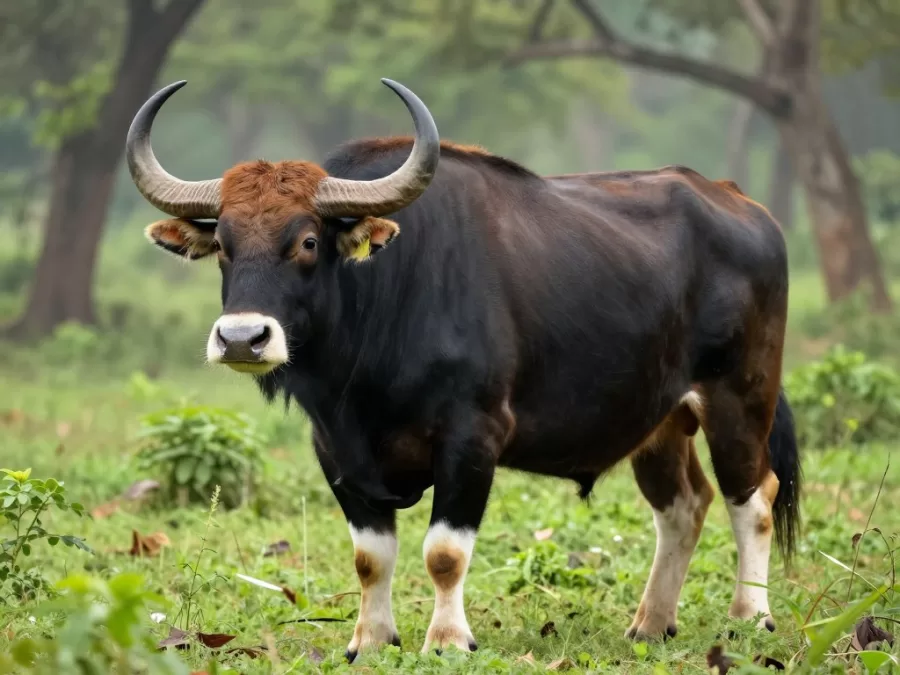
The Indian gaur stands as the world’s largest wild cattle species. These massive herbivores inhabit forests across India and Southeast Asia. Adult male gaurs present an imposing sight in the forest. Their incredible size and strength command respect from all forest inhabitants including tigers.
Gaurs serve as important herbivores in forest ecosystems. Their grazing patterns influence plant communities and forest structure. These animals create pathways through dense vegetation. Such trails benefit other wildlife species moving through forests.
Physical Attributes
Male gaurs rank among the most powerful animals in India. Bulls can stand up to 2.2 meters tall at the shoulder. Their weight reaches between 650 to 1,000 kilograms. Females are considerably smaller but still impressively sized.
These animals display a dark brown to black coat. White or tan “stockings” mark the lower legs. This distinctive coloration helps identify the species from a distance. A prominent ridge runs along the back, especially pronounced in males.
Both sexes carry impressive curved horns. The horns grow outward and upward from the skull. In males, horns can span up to 80 centimeters between tips. These horns serve as formidable weapons when defending against predators.
Social Structure and Behavior
Gaurs live in herds led by an adult female. Groups typically include 8 to 11 individuals. Herds consist of females, calves, and young males. Adult bulls often live solitary lives except during breeding season.
These herbivores feed on grasses, leaves, and bark. They prefer areas with a mix of grassland and forest. Gaurs graze primarily during early morning and evening hours. The animals rest and ruminate during the hot midday period.
Water remains essential for gaurs, especially during summer. They visit streams and waterholes daily. Mineral-rich soil deposits called salt licks attract gaurs. These locations concentrate gaur populations and provide excellent viewing opportunities.
Habitat and Distribution
Indian gaurs inhabit forested hills and mountains. The Western Ghats supports the largest gaur populations in India. Eastern state forests also harbor significant numbers. These animals require areas with adequate food, water, and cover.
Several national parks protect important gaur habitat. Nagarhole National Park and Bandipur National Park in Karnataka host large herds. Kanha National Park in Madhya Pradesh also supports healthy populations. The species thrives in well-managed protected areas.
Conservation Status
Gaurs face threats from habitat loss and disease. Expanding agriculture reduces available forest area. Diseases transmitted from domestic cattle can devastate gaur populations. Several outbreaks have caused significant mortality in the past.
Hunting pressure has declined due to legal protection. However, some poaching continues for meat and trophies. Conservation efforts focus on maintaining large, connected forest areas. Disease monitoring helps prevent transmission from livestock to wild gaurs.
Gaur Strength: Male gaurs possess incredible power that even tigers respect. While tigers occasionally hunt young or sick gaurs, healthy adult bulls rarely fall prey. A gaur’s horns and hooves serve as effective defensive weapons. Groups of gaurs will collectively defend calves from predators.
9. Indian Wild Dog (Dhole): The Pack Hunter
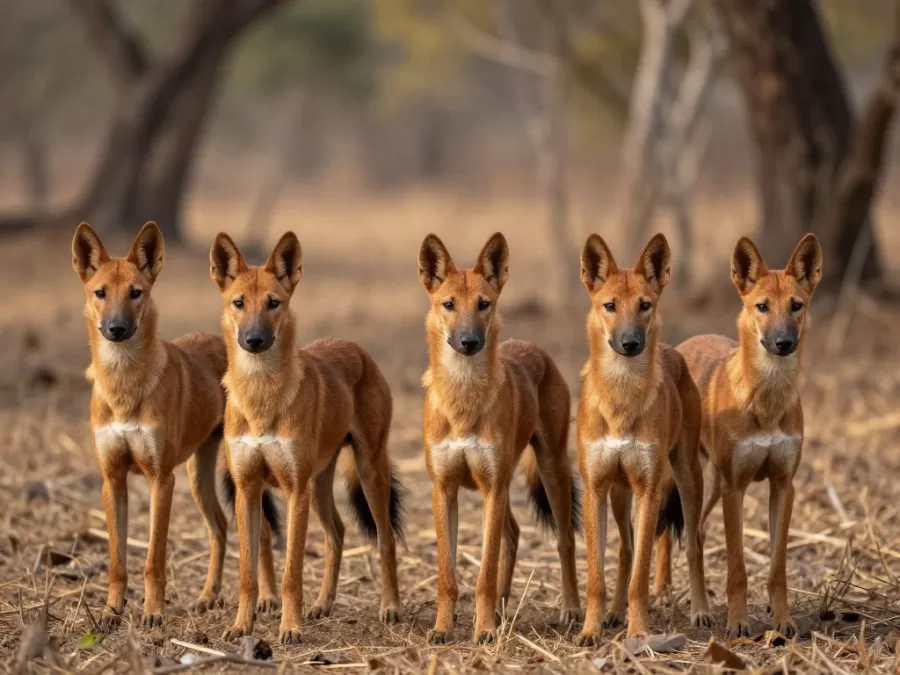
The dhole, or Indian wild dog, represents one of Asia’s most efficient predators. These social canids hunt in coordinated packs. Their cooperative hunting strategy allows them to take down prey much larger than themselves. Dholes once ranged widely across Asia but now survive in fragmented populations.
Unlike many predators, dholes are diurnal hunters. They actively pursue prey during daylight hours. This behavior makes them more visible than nocturnal predators. However, the species remains endangered due to various threats.
Physical Characteristics
Dholes display a distinctive rusty-red coat color. Their fur appears dense and woolly. The tail is long, bushy, and dark-tipped. White markings often appear on the chest, throat, and feet.
These wild dogs are medium-sized canids. Adults weigh between 12 to 20 kilograms. They stand about 50 centimeters tall at the shoulder. Despite their moderate size, dholes can bring down animals many times their weight through pack coordination.
Dholes possess several unique features among canids. They have fewer molars than other dogs. Their skull shape differs from domestic dogs and wolves. Dholes produce unusual whistling calls for pack communication.
Pack Dynamics and Hunting
Dhole packs typically contain 5 to 12 individuals. Large packs may include up to 20 animals. These groups consist of related family members. A dominant breeding pair leads the pack.
Pack hunting demonstrates remarkable cooperation. Dholes pursue prey in relay formations, with fresh pack members taking over from tired ones. They communicate constantly during hunts using whistles and calls. This coordination allows them to exhaust and bring down large deer.
Primary prey includes chital, sambar deer, and wild boar. Dholes also hunt smaller animals like hares and rodents. A pack can consume an entire deer in less than an hour. This rapid feeding prevents theft by larger predators like tigers or leopards.
Habitat and Distribution
Dholes inhabit various forest types across India. They prefer areas with adequate prey populations. The Western Ghats and central Indian forests support important populations. Several national parks protect dhole habitat.
Kanha National Park in Madhya Pradesh hosts well-studied dhole packs. Bandipur and Nagarhole National Parks in Karnataka also harbor dholes. The species requires large territories with sufficient prey. Habitat fragmentation threatens population connectivity.
Conservation Concerns
Dholes face multiple threats across their range. Habitat loss reduces available territory. Prey depletion affects pack survival and reproduction. Competition with other predators for food can be intense.
Disease transmission from domestic dogs poses a serious risk. Canine distemper and rabies can devastate wild dog populations. Dholes sometimes face persecution from livestock owners. Some people mistakenly view them as threats to domestic animals.
Conservation programs work to protect remaining dhole populations. Research helps understand pack dynamics and habitat needs. Vaccination programs in areas near dhole habitat reduce disease risk. Maintaining healthy prey populations remains crucial for dhole survival.
Dhole Communication
Dholes use a variety of vocalizations. Their whistling calls help maintain pack cohesion. These sounds differ significantly from wolf or dog howls. The calls allow pack members to locate each other in dense forest vegetation.
Breeding Behavior
Only the dominant pair typically breeds in a pack. Other pack members help raise the pups. Females give birth in dens, producing 4 to 6 pups. The entire pack participates in feeding and protecting young.
10. King Cobra: The World’s Longest Venomous Snake
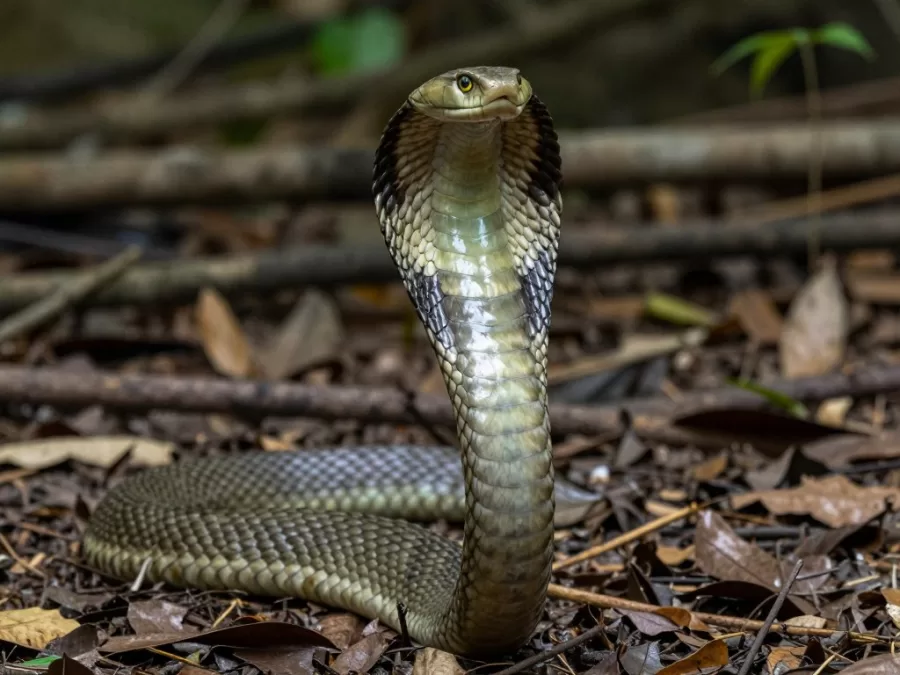
The king cobra holds the title of world’s longest venomous snake. This impressive reptile can exceed 5 meters in length. King cobras command respect and inspire fear across India. Despite their fearsome reputation, these snakes play vital roles in forest ecosystems.
King cobras are the only snake species that build nests for their eggs. Females guard nests fiercely until eggs hatch. This parental care is unusual among snakes. The species demonstrates complex behaviors that fascinate researchers and wildlife enthusiasts.
Physical Features and Venom
King cobras display olive-green, tan, or black coloration. Lighter bands may cross the body, especially in younger snakes. The famous hood expands when the snake feels threatened. Hood markings resemble eye-like patterns in some individuals.
These snakes possess potent neurotoxic venom. A single bite delivers enough venom to kill an elephant. The venom attacks the nervous system, causing paralysis. However, king cobras are generally not aggressive toward humans. They prefer to retreat when given the opportunity.
The species has excellent eyesight for a snake. King cobras can detect moving prey from significant distances. They hunt primarily by sight rather than heat-sensing like some other snakes. Their forked tongue also helps detect chemical signals in the environment.
Diet and Hunting Behavior
King cobras specialize in eating other snakes. Their scientific name Ophiophagus means “snake eater.” They consume both venomous and non-venomous species. Rat snakes, pythons, and even other cobras serve as prey.
These predators actively hunt rather than ambushing prey. King cobras move through forest understory searching for snake trails. Their venom quickly immobilizes snake prey. The cobra’s flexible jaw allows it to swallow snakes nearly as large as itself.
Habitat and Behavior
King cobras inhabit forests throughout India. They prefer areas near streams and dense vegetation. The Western Ghats supports substantial populations. These snakes also live in bamboo thickets and agricultural lands.
During breeding season, males engage in combat for females. These wrestling matches involve two males intertwining. They push against each other, attempting to dominate. The winner earns mating rights with nearby females.
Females construct nests from leaves and vegetation. She coils on or near the nest to guard eggs. The guarding female can be highly aggressive toward any intruders. After hatching, baby king cobras are independent and venomous immediately.
Conservation and Human Interaction
King cobras face threats from habitat loss and persecution. Many people kill snakes out of fear. The species suffers from declining forest quality. Loss of prey species also affects king cobra populations.
These snakes rarely attack humans without provocation. Most bites occur when people accidentally step on snakes. King cobras will retreat if given an escape route. Understanding their behavior reduces dangerous encounters.
Conservation efforts include habitat protection and education. Snake rescue teams safely remove cobras from villages. Education programs help reduce fear and unnecessary killing. Protected forest areas provide safe havens for these remarkable reptiles.
King Cobra Intelligence: Research suggests king cobras possess higher intelligence than many other snake species. They show individual personality variations and can recognize their handlers in captivity. Their complex nesting behavior and parental care indicate advanced cognitive abilities for reptiles.
Best Practices for Viewing Wild Animals in India
Experiencing India’s wildlife requires preparation and respect. Following proper guidelines ensures safety for both visitors and animals. Responsible wildlife viewing supports conservation efforts and enriches the experience.
Choosing the Right Time and Place
Different seasons offer varying wildlife viewing opportunities. Winter months from October to March provide the best conditions in most national parks. Temperatures remain comfortable and vegetation is less dense. Animals visit water sources more frequently during this season.
Summer months from April to June can be excellent for tiger sightings. High temperatures drive animals to waterholes. However, the heat can be challenging for visitors. Monsoon season from July to September sees many parks closed due to flooding and difficult access.
Essential Equipment and Preparation
- Binoculars for distant wildlife observation
- Camera with appropriate lenses for photography
- Neutral-colored clothing that doesn’t disturb animals
- Sun protection including hats and sunscreen
- Insect repellent for mosquitoes and other bugs
- Water bottles to stay hydrated during safaris
- Field guides for identifying species
Safari Etiquette and Safety
Maintaining silence improves wildlife sighting chances. Loud noises frighten animals and disturb other visitors. Follow guide instructions at all times. Experienced guides understand animal behavior and prioritize safety.
Never leave designated vehicles or marked areas. Wild animals can be dangerous when threatened or surprised. Maintain safe distances from all wildlife. Use camera zoom functions rather than approaching too closely.
Littering harms wildlife and degrades habitat. Carry all trash out of parks. Avoid using flash photography, which can disturb animals. Respect park rules regarding safari timing and restricted zones.
Top National Parks for Wildlife Viewing
India’s extensive network of protected areas offers numerous options. Each park has unique strengths for different species viewing.
For Tiger Sightings:
- Jim Corbett National Park, Uttarakhand
- Kanha National Park, Madhya Pradesh
- Bandhavgarh National Park, Madhya Pradesh
- Ranthambore National Park, Rajasthan
For Diverse Wildlife:
- Kaziranga National Park, Assam
- Nagarhole National Park, Karnataka
- Periyar Tiger Reserve, Kerala
- Gir National Park, Gujarat
Conservation Challenges Facing India’s Wildlife
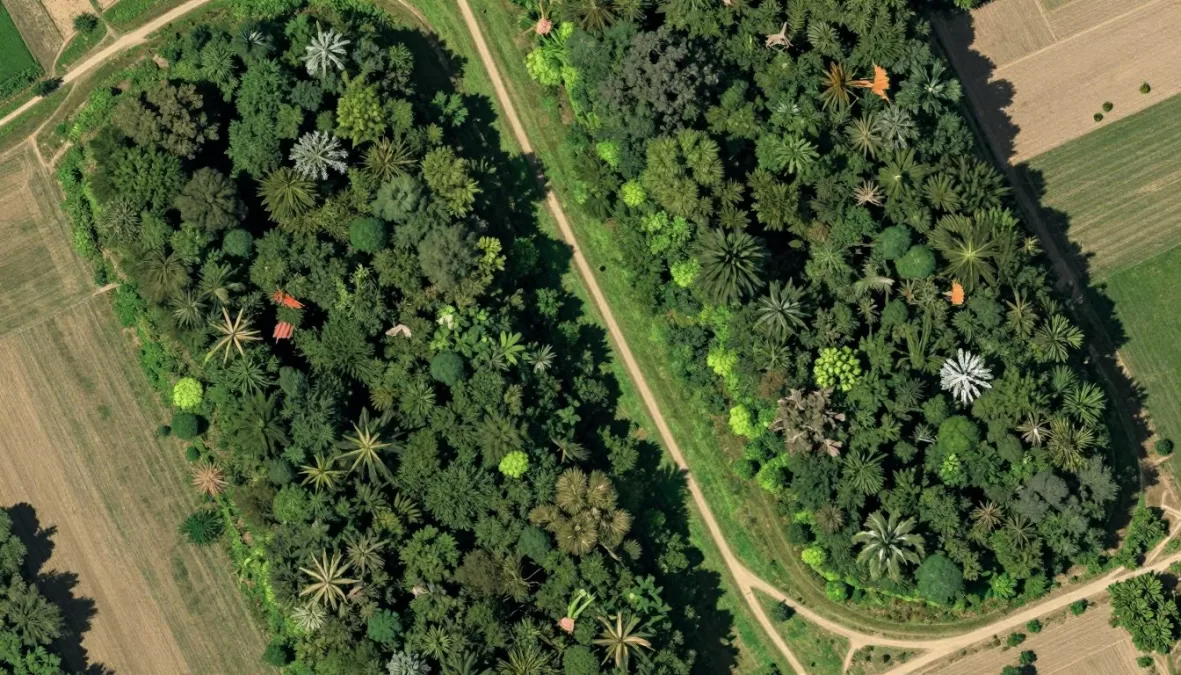
India’s wildlife faces numerous threats despite conservation successes. Understanding these challenges helps focus protection efforts. Addressing problems requires coordinated action from government, organizations, and local communities.
Habitat Loss and Fragmentation
Expanding human populations pressure wildlife habitats. Agricultural expansion consumes forest areas. Urban development fragments remaining wildlands. Animals become isolated in smaller habitat patches.
The Western Ghats region demonstrates these challenges clearly. Once continuous forests now exist as scattered fragments. Animals struggle to move between isolated populations. This isolation reduces genetic diversity and population viability.
Infrastructure development creates additional barriers. Roads and railways cut through wildlife habitat. These barriers cause animal deaths and prevent natural movement patterns. Wildlife corridors help connect fragmented areas but require careful planning.
Human-Wildlife Conflict
Encounters between people and wildlife increase as habitats shrink. Elephants raid crops causing significant economic loss. Tigers occasionally attack livestock and rarely people. Leopards venture into villages searching for food.
Communities living near forests bear the costs of wildlife conservation. Compensation programs help offset losses from crop raiding. Early warning systems alert villagers to approaching elephants. Physical barriers like electric fences reduce crop damage in some areas.
Education plays a crucial role in conflict reduction. Teaching people about animal behavior prevents dangerous encounters. Communities that benefit from wildlife tourism often become conservation allies. Involving local people in protection efforts builds support.
Poaching and Illegal Trade
Despite legal protection, poaching continues threatening species. Tigers suffer from demand for body parts. Rhinoceros horns fetch enormous prices in illegal markets. Elephants die for ivory tusks.
Anti-poaching efforts have intensified across national parks. Armed guards patrol sensitive areas. Camera traps and drones help monitor remote regions. Informant networks provide intelligence on poaching activities.
International cooperation addresses wildlife trafficking. Stricter penalties deter potential poachers. Demand reduction campaigns in consumer countries aim to eliminate markets. Success requires persistent, long-term efforts.
Climate Change Impacts
Changing climate patterns affect wildlife in multiple ways. Altered rainfall patterns impact water availability. Temperature changes shift suitable habitat zones. Mountain species like snow leopards face particular vulnerability.
Rising temperatures may force snow leopards to higher elevations. Eventually, suitable habitat could disappear entirely. Changing seasons affect prey availability for various predators. Plant communities shift, altering food sources for herbivores.
Conservation planning must account for climate change. Protected area networks need flexibility to accommodate shifting ranges. Maintaining habitat connectivity allows animals to move as conditions change. Research helps predict future impacts and guide responses.
Success Stories
Despite challenges, India has achieved notable conservation successes. Tiger populations have increased significantly. Project Tiger demonstrates that focused efforts work. Asiatic lion recovery from near extinction shows what dedicated protection can accomplish.
Rhinoceros populations in Kaziranga have grown substantially. Community-based conservation programs show promising results. Many villages now actively protect wildlife. These successes provide hope and models for future efforts.
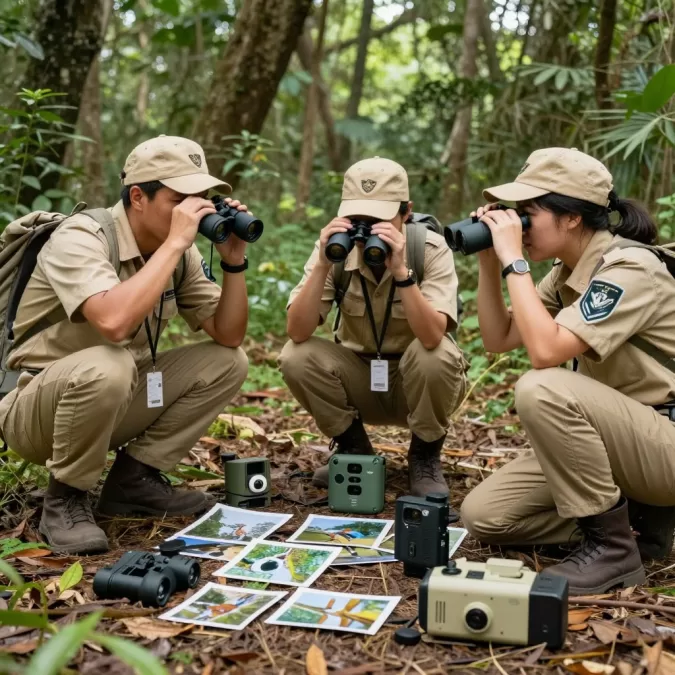
Wildlife Photography Tips for India’s Animals
Capturing India’s magnificent wildlife requires patience and skill. Understanding animal behavior improves photographic opportunities. Proper equipment and technique help create memorable images while respecting wildlife.
Camera Equipment Essentials
Telephoto lenses are crucial for wildlife photography. A lens in the 300-600mm range provides necessary reach. Image stabilization helps when shooting from moving safari vehicles. Extra batteries and memory cards prevent missing opportunities.
Fast shutter speeds freeze animal movement. Settings of 1/1000th second or faster work well for active subjects. Higher ISO settings enable fast shutter speeds in forest shade. Modern cameras handle high ISO with acceptable noise levels.
Composition and Lighting
Early morning and late afternoon provide the best natural light. Golden hour illumination creates dramatic wildlife images. Overcast days offer soft, even lighting for portraits. Avoid harsh midday sun when possible.
Include environmental context in wildlife photos. Show animals within their habitat rather than just close-ups. The rule of thirds creates balanced compositions. Leave space in the direction animals are looking or moving.
Ethical Wildlife Photography
- Never disturb animals for better photos
- Maintain safe distances from all wildlife
- Avoid flash photography that stresses animals
- Respect nesting sites and denning areas
- Follow guide instructions during photo opportunities
- Never bait or attract animals with food
- Share location information responsibly
Recommended Camera Settings
These settings serve as starting points for wildlife photography in India’s national parks:
- Mode: Shutter Priority or Manual for control
- Shutter Speed: 1/1000s or faster for action
- Aperture: f/5.6 to f/8 for adequate depth
- ISO: 400-3200 depending on light conditions
- Focus: Continuous AF tracking for moving subjects
- Drive Mode: Continuous shooting for sequences
Begin Your Indian Wildlife Adventure
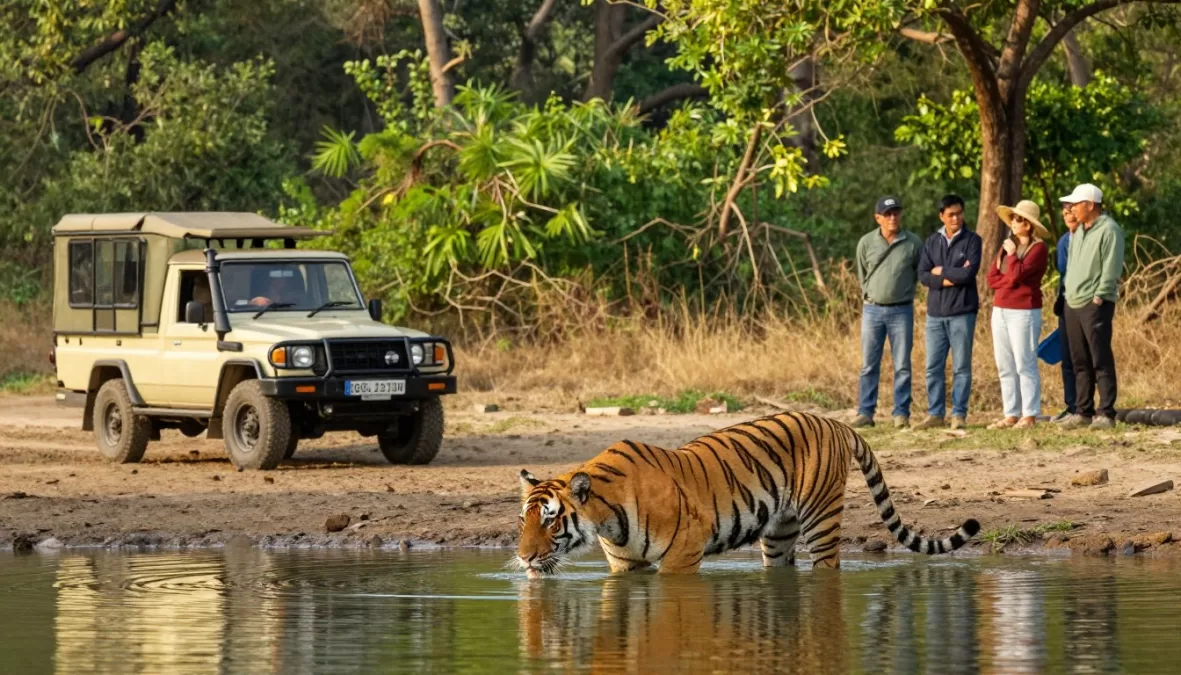
India’s wild animals represent some of Earth’s most magnificent creatures. From the powerful Bengal tiger to the elusive snow leopard, each species contributes to the country’s incredible biodiversity. These animals need continued protection to survive for future generations.
Experiencing these animals in their natural habitat creates lasting memories. Responsible wildlife tourism supports conservation while providing unforgettable encounters. Every visit to India’s national parks contributes to protection efforts.
Plan Your Wildlife Safari Experience Today
Let our wildlife experts design your perfect Indian safari. Visit Kanha National Park for tigers, Gir National Park for Asiatic lions, or explore the Western Ghats for diverse species. We arrange everything from permits to expert naturalist guides. Experience India’s wild animals responsibly while supporting conservation efforts.
Speak with a wildlife travel specialist:
Quick Inquiry Form
Why Choose Our Wildlife Safaris
- Expert naturalist guides with years of field experience
- Small group sizes for personalized attention
- Responsible tourism practices supporting conservation
- Access to prime national parks and reserves
- Flexible itineraries tailored to your interests
- Comfortable accommodations near wildlife areas
- All permits and park fees included
- Photography guidance for capturing memories
Best Season: Visit between October and March for optimal wildlife viewing conditions across most of India’s national parks. This period offers comfortable temperatures and excellent animal sightings.
Protecting India’s Wildlife Heritage
India’s top wild animals represent a precious natural heritage. These species have survived for millions of years. Today they face unprecedented challenges from human activities. Habitat loss, poaching, and climate change threaten their continued existence.
Conservation efforts have achieved remarkable successes. Tiger and lion populations have recovered from critical lows. Protected areas safeguard essential habitat. Community involvement increasingly supports wildlife protection rather than opposing it.
Every person can contribute to wildlife conservation. Supporting responsible tourism helps fund protection efforts. Choosing eco-friendly products reduces habitat destruction. Educating others spreads awareness about conservation needs. Together, these actions ensure India’s magnificent wildlife survives for generations to come.
The ten species highlighted here represent just a fraction of India’s biodiversity. Countless other animals, birds, and plants share these habitats. Protecting flagship species like tigers benefits entire ecosystems. The forests, mountains, and grasslands of India teem with life worth preserving.
Experiencing wild animals in their natural habitat transforms perspectives. The sight of a tiger in the forest or a snow leopard in the mountains creates profound connections with nature. These encounters inspire conservation action and appreciation for wildlife. India’s national parks offer windows into a world worth protecting.

Priyanka Pandey
Senior Research Editor · Top10Sense
Priyanka specializes in tech, consumer products, and digital trends. She combines hands-on testing, vendor interviews, and database research to create trustworthy “Top 10” rankings. Her work has been referenced by industry blogs and brand report pages.