Imagine living through centuries of history. While humans rarely reach 100 years, some remarkable creatures on our planet routinely survive for 200 years or more. These longest-living animals have developed extraordinary adaptations that allow them to thrive across generations.
The secret to extreme longevity in the animal kingdom involves fascinating biological mechanisms. Scientists have discovered that slow metabolism, cold-water habitats, and unique cellular repair systems help these species achieve incredible lifespans. From the depths of Arctic waters to remote islands, these ancient creatures continue to captivate researchers worldwide.
Understanding how these animals achieve such remarkable age provides insights into aging itself. Each species on this list represents a triumph of evolutionary adaptation. Their stories reveal nature’s most successful strategies for survival across time.
10. Red Sea Urchin: Spiny Survivors of the Pacific
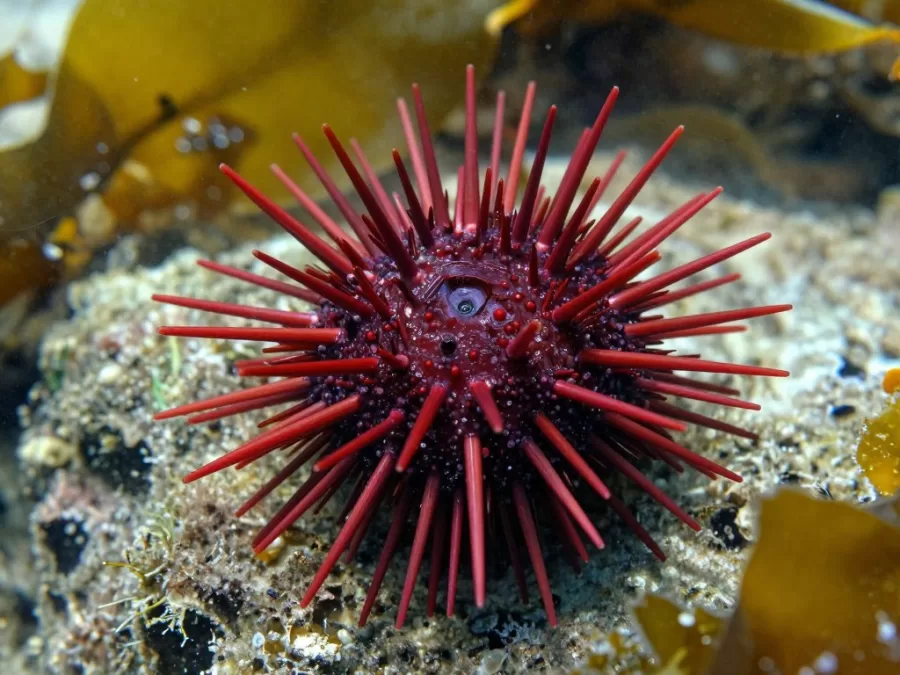
The red sea urchin (Strongylocentrotus franciscanus) claims the tenth position among Earth’s longest living animals. These spiny creatures inhabit the cold waters along the Pacific coast from Alaska to Baja California. Scientists estimate that some individuals may reach 200 years old or more.
These remarkable animals show virtually no signs of aging as they grow older. Red sea urchins maintain their ability to reproduce throughout their entire lifespan. Their cells continue regenerating without the typical decline seen in most species.
The secret to their longevity lies in their slow metabolism and minimal predators. Adult red sea urchins face few natural enemies once they reach a certain size. This protection allows them to accumulate centuries of growth in the ocean depths.
Habitat Preferences
Red sea urchins prefer rocky substrates in cold water environments. They typically inhabit depths between 30 and 100 feet.
- Cold Pacific waters maintain optimal conditions
- Rocky reefs provide attachment surfaces
- Kelp forests offer abundant food sources
- Deep waters protect from temperature fluctuations
Biological Advantages
These creatures possess remarkable cellular maintenance systems. Their bodies show negligible senescence as they age.
- Continuous cell regeneration throughout life
- Stable reproductive capacity with age
- Minimal metabolic wear and tear
- Efficient DNA repair mechanisms
Growth Patterns
Red sea urchins grow slowly throughout their extended lives. Size often indicates age in these creatures.
- Incremental test diameter increase yearly
- Larger specimens typically older individuals
- Growth rings similar to trees
- Maximum size around 7 inches diameter
Conservation Status
Commercial harvesting has impacted populations significantly. Management efforts now protect these ancient animals.
- Regulated fishing limits extraction rates
- Marine protected areas shelter populations
- Size restrictions preserve older individuals
- Ecosystem importance recognized widely
9. Rougheye Rockfish: Deep-Water Ancients
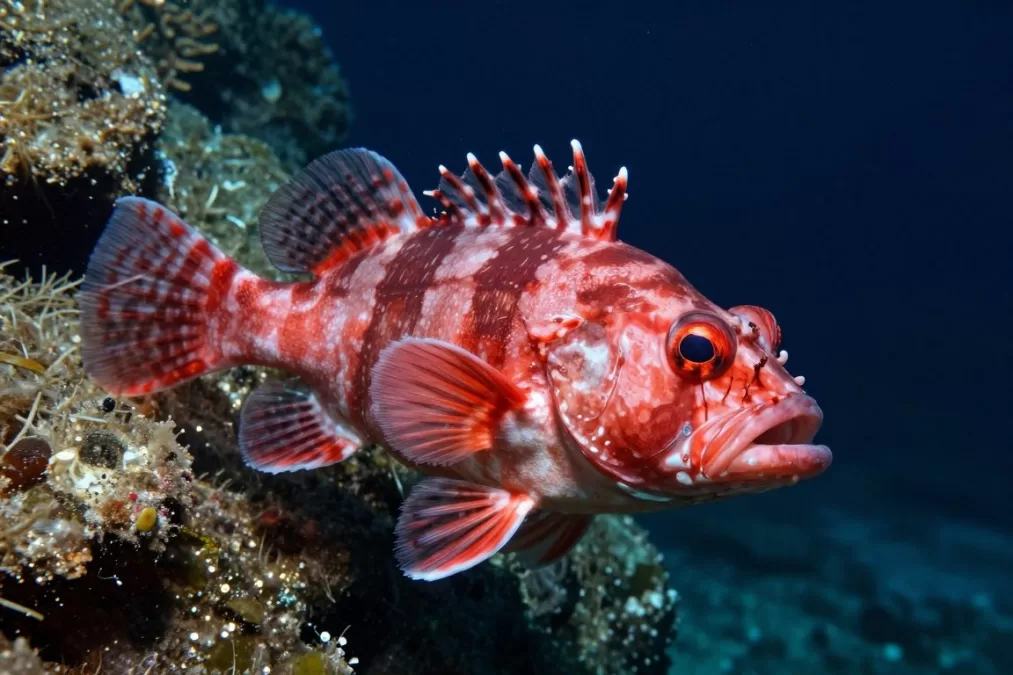
The rougheye rockfish (Sebastes aleutianus) ranks among the longest living fish species. These deep-dwelling creatures can survive well beyond 200 years in the cold waters of the North Pacific. The oldest recorded specimen reached an astounding 205 years old.
Scientists identify these fish by the characteristic spines beneath their eyes. Rougheye rockfish inhabit depths between 500 and 2,900 feet. The extreme cold and pressure at these depths contribute to their exceptional longevity.
Their slow growth rate correlates directly with their extended lifespan. Rougheye rockfish don’t reach sexual maturity until approximately 20 years of age. This delayed maturity represents an evolutionary trade-off for extreme longevity.
Research Discovery: Scientists use radiocarbon dating to determine the age of rougheye rockfish. The technique analyzes carbon-14 levels in the fish’s ear bones, revealing their true age with remarkable accuracy.
8. Geoduck Clam: Buried Treasures of Time
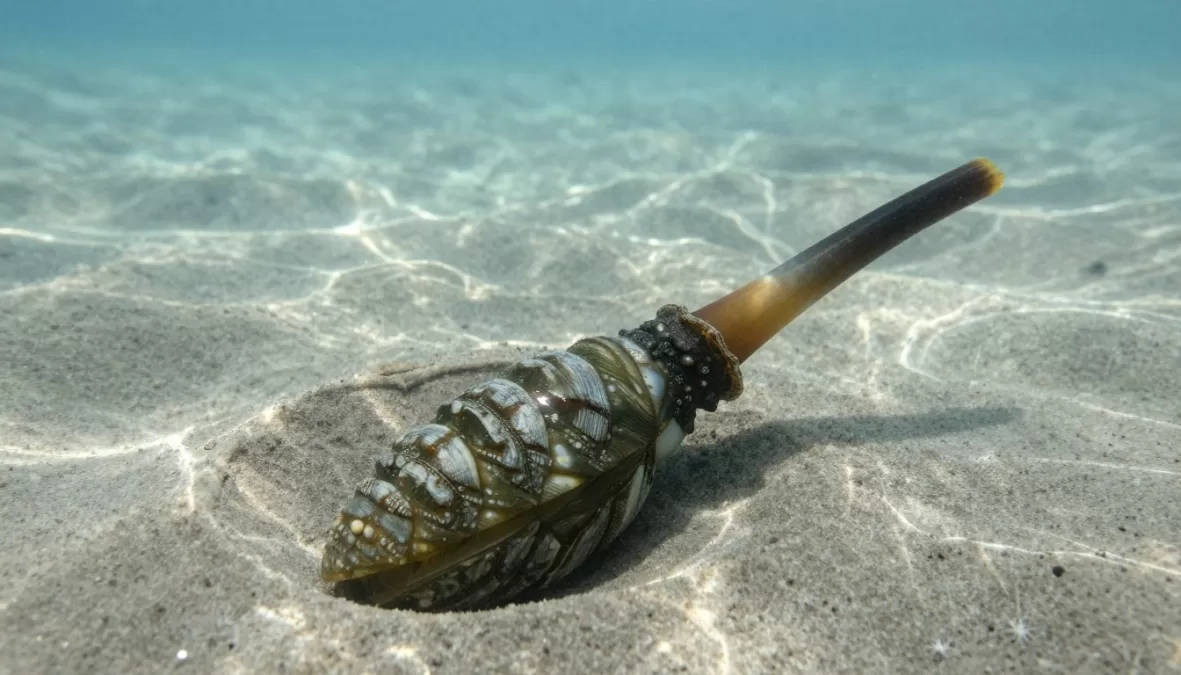
The geoduck clam (Panopea generosa) holds the record as one of the longest living animals with hard shells. These massive burrowing clams can live 140 years or more. Some specimens have reached ages exceeding 150 years in the wild.
Geoducks may look like unusual creatures with their protruding siphons. They bury themselves deep in sediment, sometimes three feet below the surface. Only their long siphon extends upward to filter nutrients from the water above.
These clams demonstrate remarkable stability in their environment. Once a geoduck settles into its burrow, it typically remains in that exact location for its entire life. This sedentary lifestyle minimizes energy expenditure and predator encounters.
The slow metabolism of geoducks contributes significantly to their longevity. Cold water temperatures in their Pacific Northwest habitat keep their metabolic processes running at reduced speeds. This biological slowdown extends their cellular lifespan considerably.
Geoduck shells show distinct growth rings similar to tree rings. Scientists count these annual markers to determine the clam’s precise age. Each ring represents one year of the animal’s long life in the ocean depths.
7. Galápagos Giant Tortoise: Island Legends
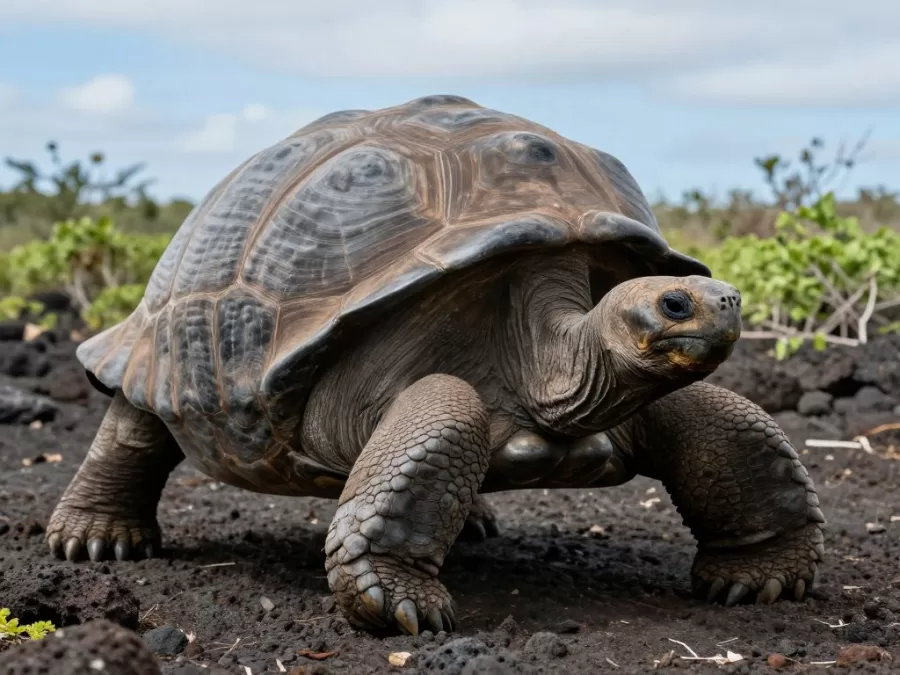
The Galápagos giant tortoise (Chelonoidis nigra) represents one of Earth’s most iconic long-living animals. These magnificent reptiles routinely survive for over 100 years in the wild. The oldest confirmed giant tortoise lived an incredible 152 years.
These giant tortoises evolved in isolation on the Galápagos Islands. Their massive size and thick shells provide protection from most predators. Adult giant tortoises can weigh over 500 pounds and measure five feet in length.
Several factors contribute to their exceptional lifespans. Giant tortoises possess slow metabolism rates that conserve energy throughout their lives. They spend much of their time resting and grazing on vegetation at a leisurely pace.
Unique Adaptations
Giant tortoises have developed remarkable survival mechanisms. Their biology favors longevity over rapid reproduction.
- Extremely slow metabolic processes
- Ability to survive without food for months
- Efficient water storage in their bodies
- Strong immune systems resist disease
- Shells provide lifelong protection
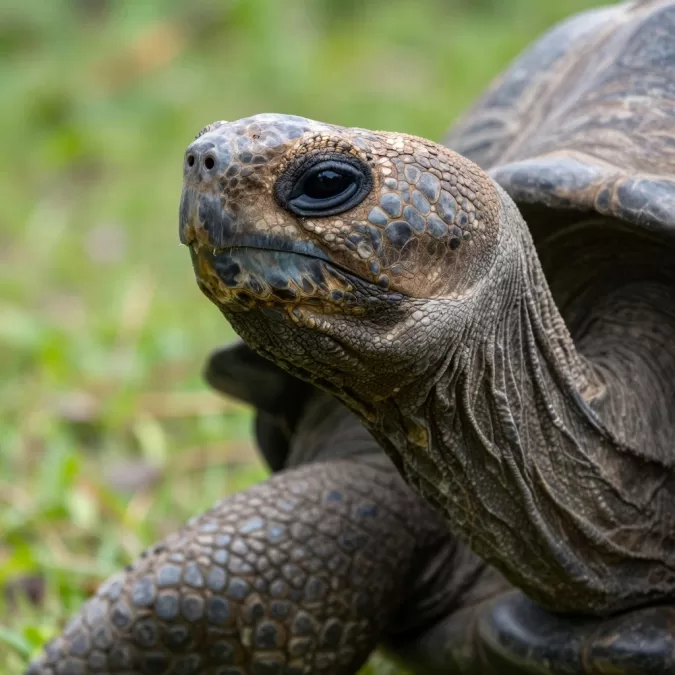
The Galápagos giant tortoise faces ongoing conservation challenges. Historical exploitation reduced populations drastically. Modern protection efforts have helped some subspecies recover, though others remain critically endangered.
6. Bowhead Whale: Arctic Giants of Time
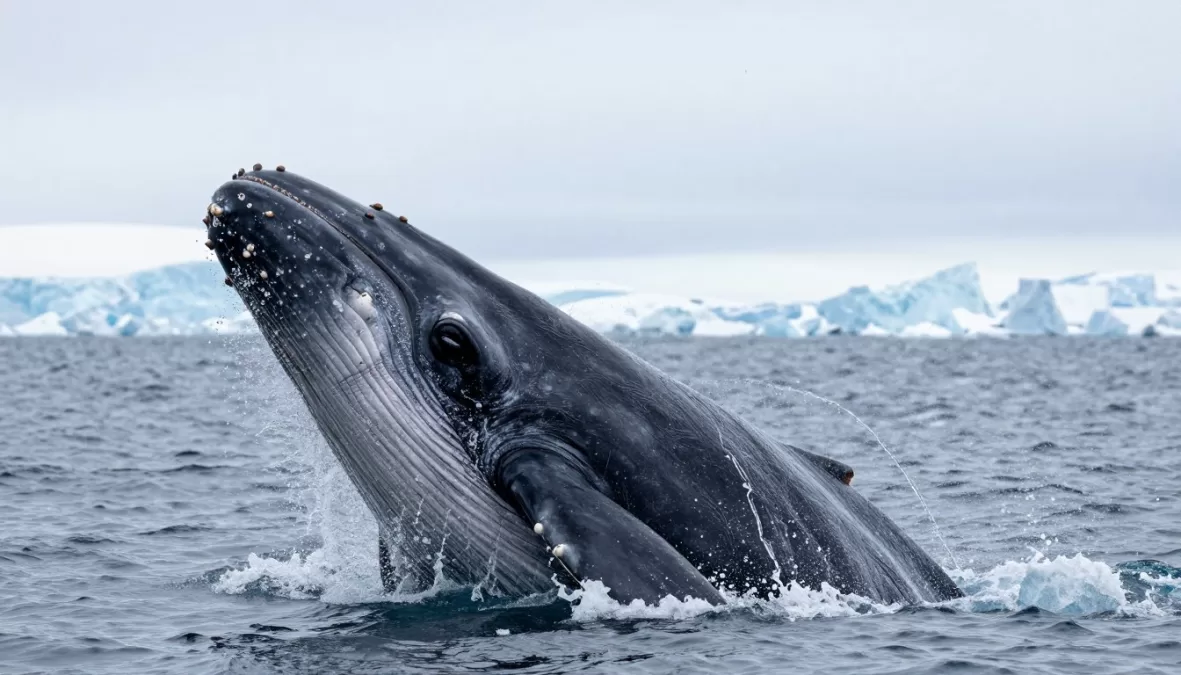
The bowhead whale (Balaena mysticetus) claims the title of longest-living mammal on Earth. These Arctic giants can live well over 200 years. Scientists have confirmed some bowhead whales reaching ages of 211 years based on recovered harpoon fragments and tissue analysis.
Bowhead whales inhabit the frigid waters of the Arctic and sub-Arctic regions. Their massive heads can break through ice up to two feet thick. Adults typically measure 50 to 60 feet in length and can weigh up to 100 tons.
The extreme longevity of bowhead whales puzzles scientists to this day. These marine mammals possess unique genetic characteristics that may protect against cancer and aging. Their slow metabolism in cold Arctic waters likely contributes to their extended lifespans.
Recent discoveries show that bowhead whale genetics include special DNA repair mechanisms. These biological systems actively fix cellular damage that normally accumulates with age. Such adaptations allow bowhead whales to maintain health across multiple centuries.
Climate change now threatens bowhead whale populations. Melting Arctic ice alters their traditional feeding and breeding grounds. Conservation efforts focus on protecting these remarkable creatures and their fragile ecosystem.

Discover More About Earth’s Ancient Creatures
These remarkable long-living animals teach us invaluable lessons about survival and adaptation. By understanding their biology, scientists work to unlock secrets that could benefit both wildlife conservation and human health research.
Join thousands of nature enthusiasts staying informed about groundbreaking discoveries in animal longevity and conservation efforts worldwide.
5. Aldabra Giant Tortoise: Seychelles Survivors
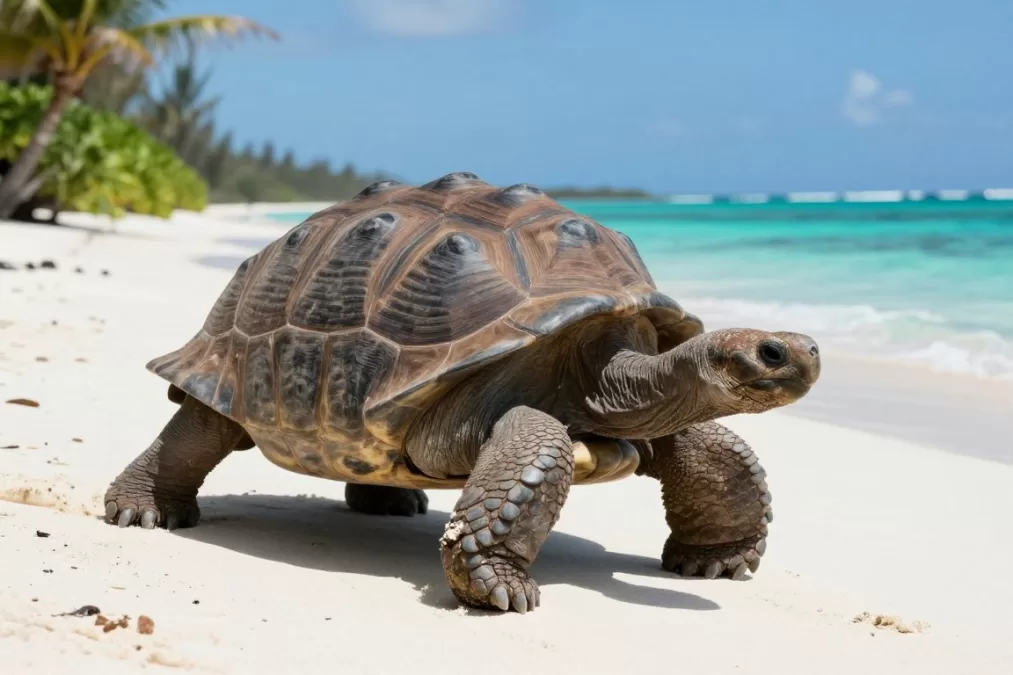
The Aldabra giant tortoise (Aldabrachelys gigantea) ranks among the longest living animals on land. These impressive reptiles frequently exceed 100 years of age. The oldest known Aldabra giant tortoise lived to approximately 152 years.
Native to the Aldabra Atoll in the Seychelles, these tortoises thrive in isolated island conditions. Aldabra giant tortoises can weigh over 550 pounds and reach lengths exceeding four feet. Their substantial size protects them from most natural predators.
Like their Galápagos relatives, Aldabra giant tortoises benefit from slow metabolism and minimal stress. They graze peacefully on grasses, leaves, and woody plant stems. Their digestive systems efficiently extract nutrients from low-quality vegetation.
Physical Characteristics
- Dome-shaped protective shell
- Thick, scaly legs
- Long, flexible neck
- Weight up to 550 pounds
Behavioral Traits
- Primarily diurnal activity
- Social interactions common
- Seasonal breeding patterns
- Territory marking behaviors
Survival Factors
- Island isolation benefits
- Efficient energy conservation
- Strong disease resistance
- Stable food sources
Conservation programs have successfully protected Aldabra giant tortoise populations. The species once faced extinction but has recovered significantly. Today, over 100,000 individuals inhabit the Aldabra Atoll, making it one of the most successful tortoise conservation stories.
4. Ocean Quahog: Ancient Clams of the Atlantic
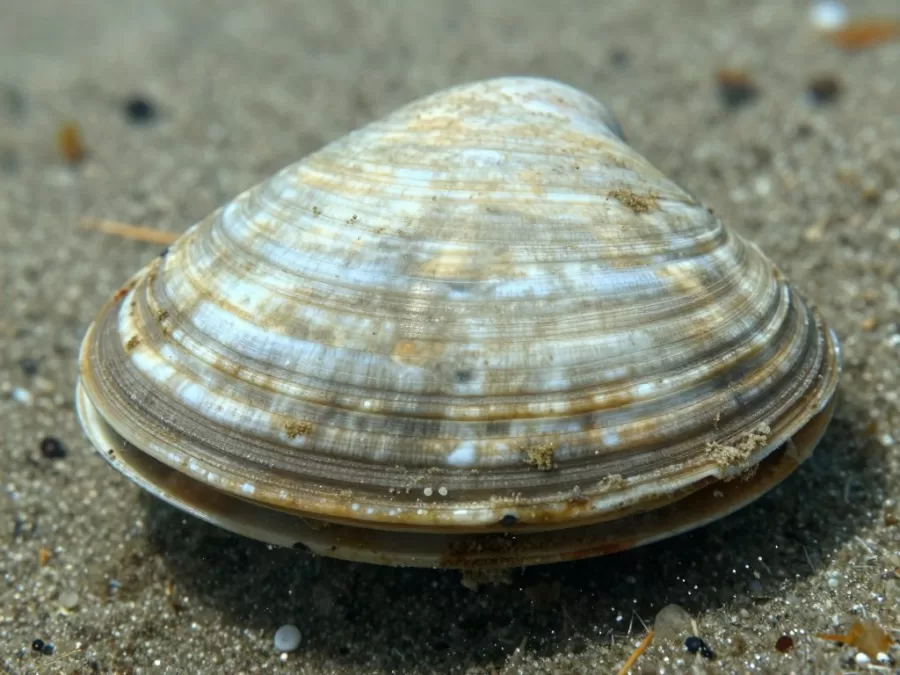
The ocean quahog (Arctica islandica) holds records as one of the longest living animals ever documented. These unassuming clams inhabit the cold waters of the North Atlantic Ocean. The oldest known specimen, nicknamed “Ming,” lived an astounding 507 years.
Ocean quahogs grow extremely slowly in frigid ocean depths. They live buried in sediment where they filter microscopic food particles from the water. Their shells accumulate distinct annual growth rings that scientists use to determine precise age.
The remarkable lifespan of ocean quahogs results from several key factors. Cold water temperatures maintain their slow metabolism throughout their lives. Limited predators and stable environmental conditions allow them to thrive for centuries undisturbed.
“The ocean quahog represents a living archive of ocean history. Each growth ring records environmental conditions from hundreds of years ago.”
Scientists study ocean quahogs to understand historical ocean conditions. The chemical composition of their shells reveals information about water temperatures and ecosystem changes across centuries. These clams serve as natural time capsules of marine environmental history.
3. Greenland Shark: Mysterious Predators of the Deep
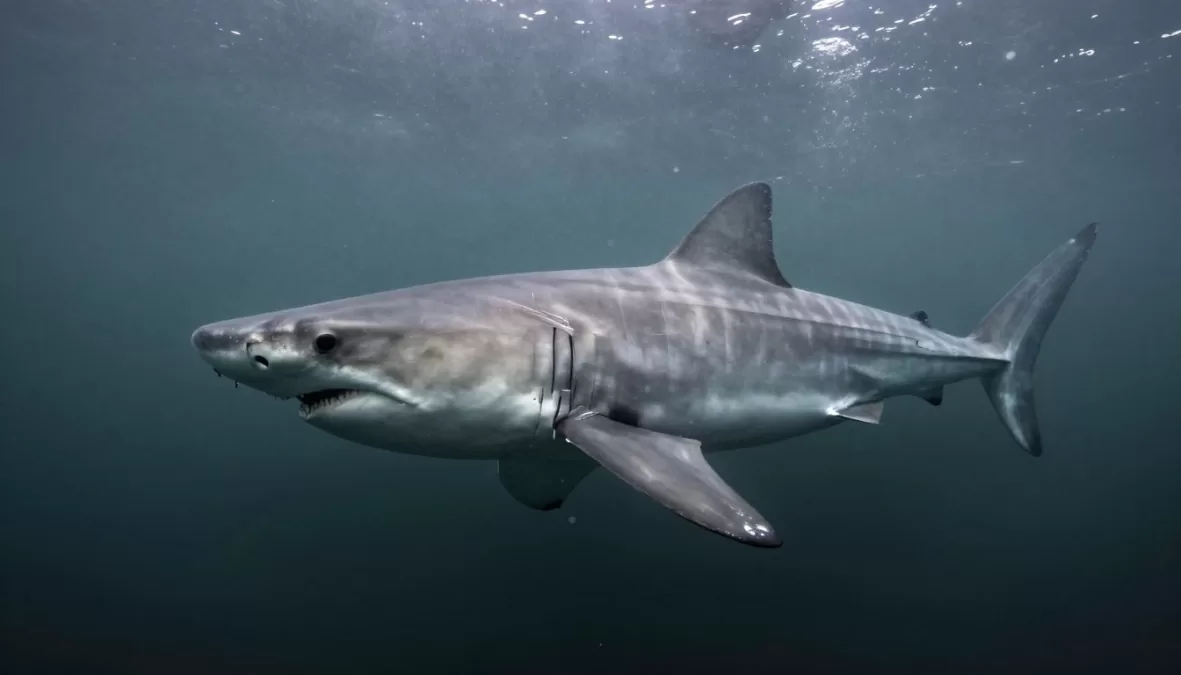
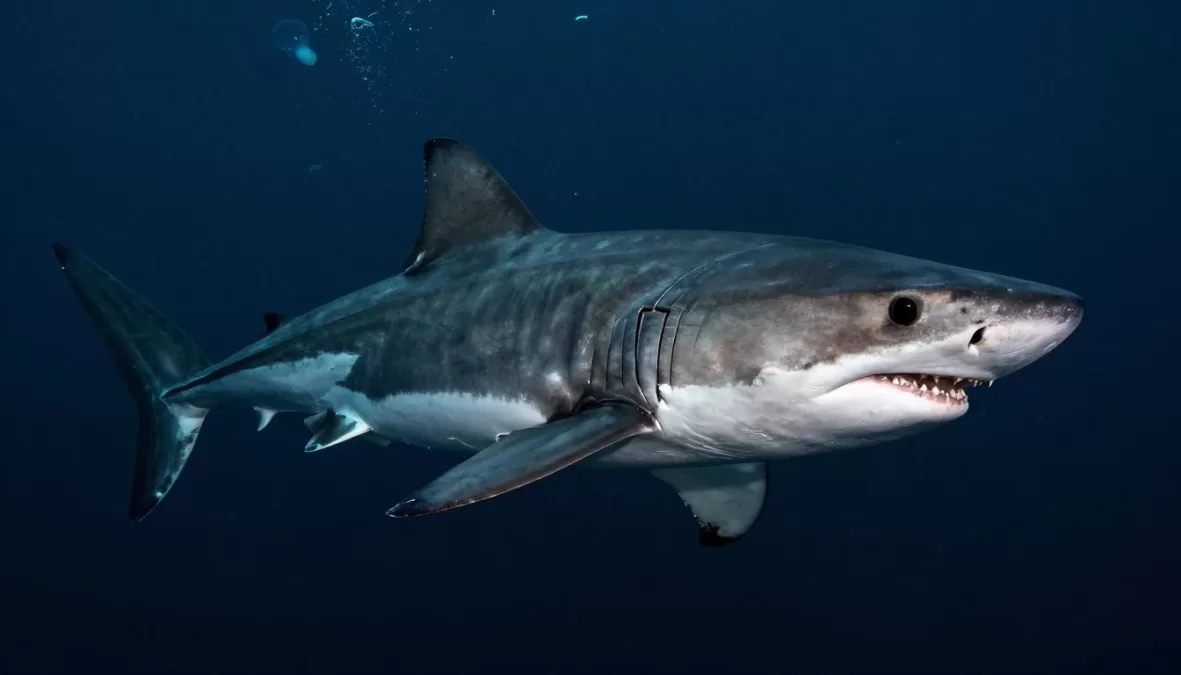
The Greenland shark (Somniosus microcephalus) ranks as one of the longest living animals and the longest-living vertebrate species. These mysterious sharks inhabit the deep, cold waters of the Arctic and North Atlantic oceans. Scientists estimate that Greenland sharks can live 200 years or potentially much longer.
Recent research suggests some Greenland sharks may reach ages of 400 to 500 years. These slow-moving predators grow at an incredibly gradual pace of less than one centimeter per year. They don’t reach sexual maturity until approximately 150 years of age.
Greenland sharks thrive in near-freezing waters at depths exceeding 7,000 feet. The extreme cold slows their metabolism to remarkably low levels. This slow metabolism conserves energy and reduces cellular damage that normally accumulates with age in other species.
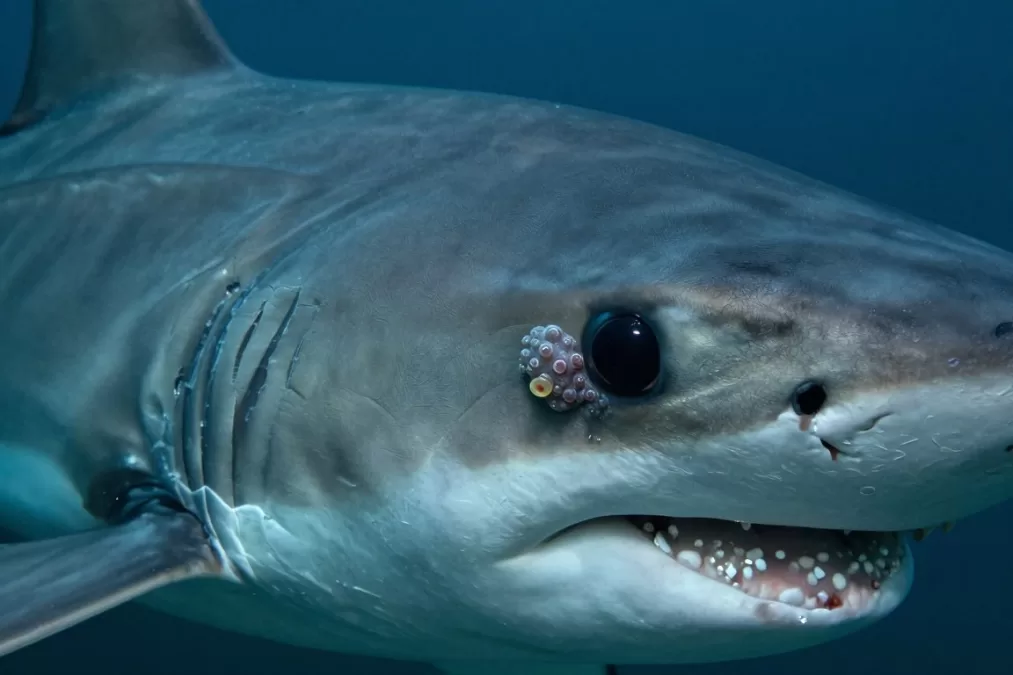
Many Greenland sharks carry parasitic copepods attached to their eyes. These parasites damage the sharks’ vision, yet the animals adapt successfully. Greenland sharks rely heavily on smell and electroreception rather than sight to hunt in the dark ocean depths.
| Characteristic | Details | Longevity Impact |
| Growth Rate | Less than 1 cm per year | Extremely slow growth extends lifespan |
| Sexual Maturity | Around 150 years old | Delayed reproduction indicates longevity |
| Habitat Depth | Up to 7,200 feet | Cold depths reduce metabolism |
| Water Temperature | 28°F to 45°F | Cold slows biological processes |
| Maximum Size | 24 feet, 2,200 pounds | Large size deters predators |
The tissue composition of Greenland sharks provides clues to their extreme age. Scientists use radiocarbon dating of eye lens proteins to estimate their birth year. The proteins in the lens nucleus form before birth and remain unchanged throughout the shark’s entire life.
Studying Greenland sharks presents significant challenges for scientists. These creatures live in remote, harsh environments that are difficult to access. Researchers continue working to understand the genetic and cellular mechanisms that enable such extraordinary lifespans in these ancient predators.
2. Glass Sponge: Silent Sentinels of the Ocean Floor
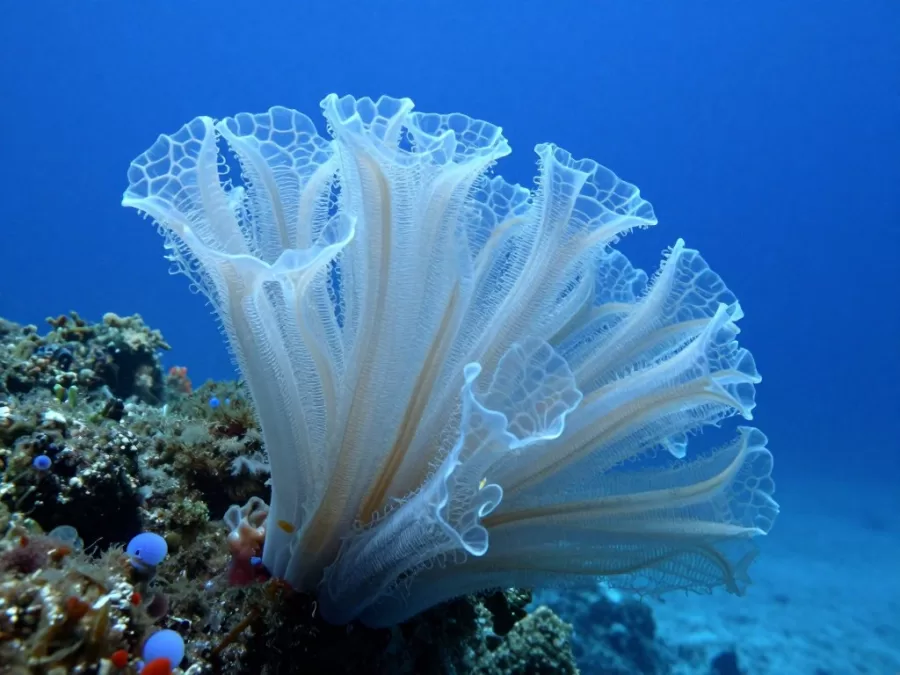
Glass sponges, particularly species like Monorhaphis chuni, represent some of the longest living animals in Earth’s oceans. These remarkable creatures can survive for thousands of years in the deep ocean. Some specimens may exceed 10,000 years of age.
Glass sponges construct their bodies from silica, the same material found in glass. Their skeletons form intricate, beautiful structures that persist long after the living tissue dies. These sponges anchor themselves to the ocean floor in deep, cold waters.
The extreme longevity of glass sponges relates directly to their simple biology and stable environment. They possess no organs, nervous system, or digestive tract. Glass sponges simply filter nutrients from water passing through their porous bodies.
Ancient Ecosystems: Glass sponge reefs create complex habitats that support diverse marine life. These reef structures, built over millennia, provide shelter for fish, crustaceans, and other deep-sea creatures in otherwise barren ocean depths.
Scientists face challenges determining the exact age of glass sponges. Their growth rates vary dramatically based on environmental conditions and food availability. Deep-sea glass sponges grow extraordinarily slowly, adding just millimeters of growth over decades or even centuries.
The slow metabolism of glass sponges enables their remarkable lifespans. Cold, stable temperatures in the deep ocean minimize cellular stress and damage. These conditions allow glass sponges to maintain their simple body structures across vast spans of time.
1. Turritopsis dohrnii: The Biologically Immortal Jellyfish
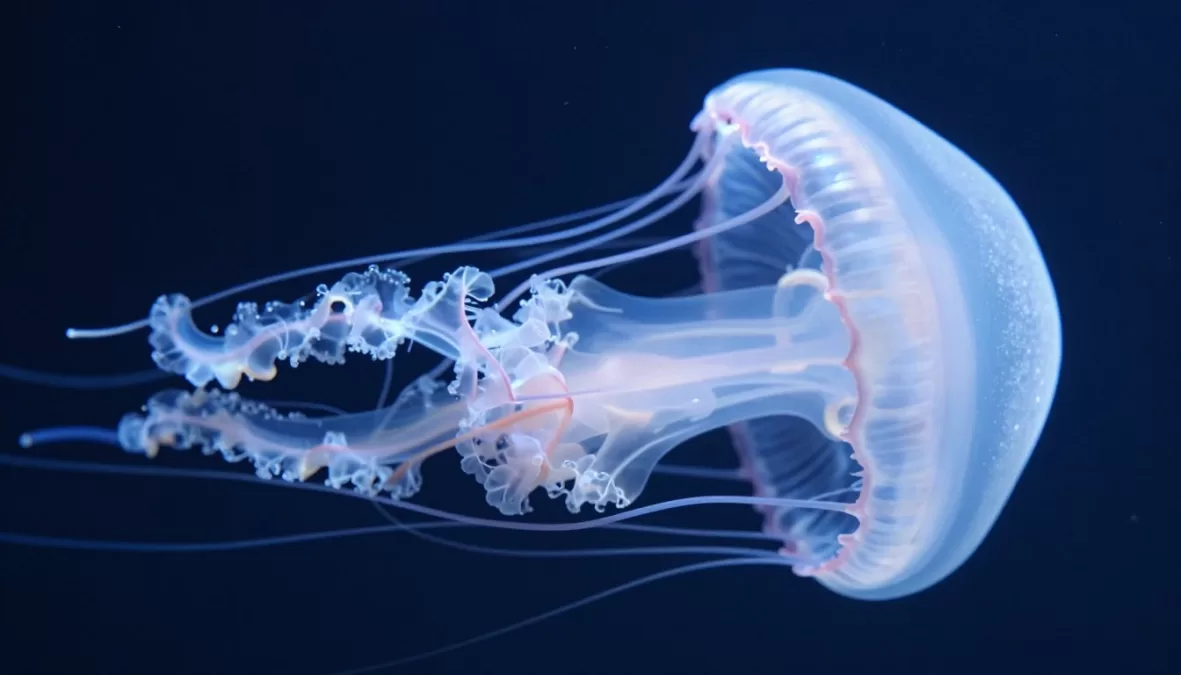
The immortal jellyfish (Turritopsis dohrnii) tops our list as the most remarkable of all longest living animals. This tiny jellyfish possesses the unique ability to reverse its aging process completely. When faced with stress, injury, or old age, it can revert to its juvenile polyp stage and begin life again.
Turritopsis dohrnii measures only about 4.5 millimeters in diameter. Despite its small size, this species has achieved what may look like biological immortality. The jellyfish can theoretically cycle through its life stages indefinitely under the right conditions.
The cellular transformation process in immortal jellyfish defies normal biological rules. Mature adult cells convert back into immature stem cells through a process called transdifferentiation. Scientists continue studying this mechanism for potential applications in regenerative medicine and aging research.
Life Cycle Stages
The immortal jellyfish cycles through multiple developmental phases. Each stage serves specific biological functions.
- Fertilized egg develops into free-swimming larva
- Larva settles and forms polyp colony
- Polyp buds off juvenile medusa jellyfish
- Medusa matures into adult form
- Adult can reverse to polyp stage when stressed
- Cycle repeats potentially forever
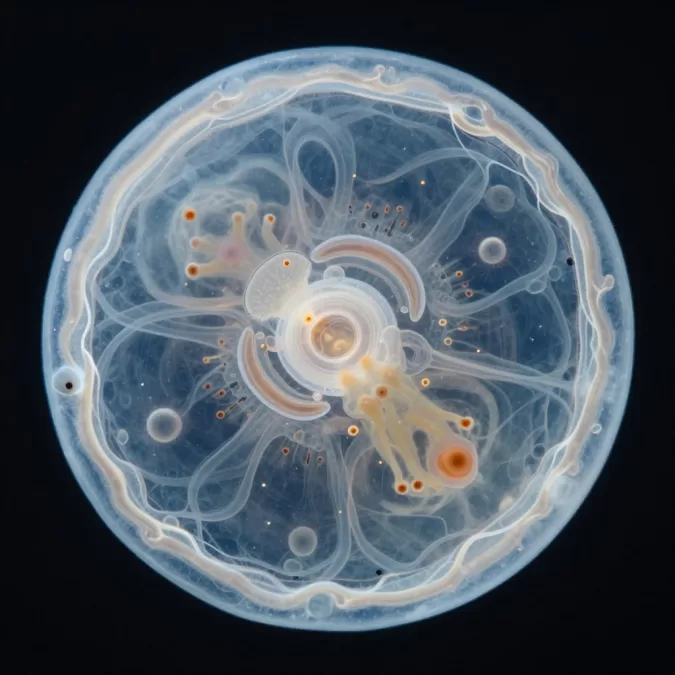
Environmental factors can still kill immortal jellyfish despite their remarkable abilities. Predators, disease, and habitat destruction pose real threats. The biological potential for immortality doesn’t guarantee survival in the wild ocean.
Researchers discovered that Turritopsis dohrnii activates specific genes during its rejuvenation process. These genes regulate cellular development and differentiation. Understanding these mechanisms could revolutionize our knowledge of aging and cellular repair in all organisms.
The immortal jellyfish has spread to oceans worldwide through ship ballast water. This distribution makes it one of the few truly cosmopolitan marine species. Scientists can now study populations across different environments to understand how conditions affect their unique life cycle.
While individual immortal jellyfish may die from various causes, the species demonstrates nature’s most extreme adaptation for longevity. Their ability to escape death through biological reversal represents a unique solution to the challenge of survival across time.
Understanding Extreme Longevity in Nature
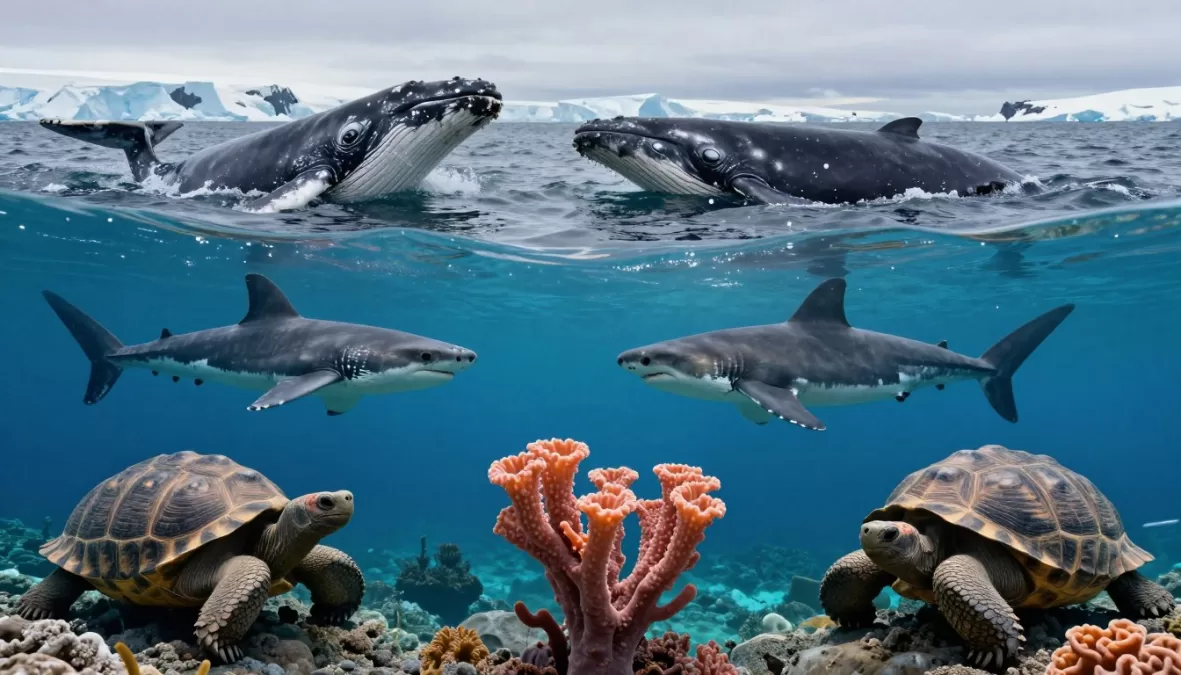
The longest living animals share remarkable characteristics that enable their extended lifespans. Cold environments, slow metabolism, and efficient cellular repair systems emerge as common themes across species. From Greenland sharks in Arctic waters to glass sponges in ocean depths, these creatures thrive where conditions favor biological longevity.
Scientists continue discovering new insights about aging through studying these animals. The mechanisms that allow bowhead whales to live 200 years or more may eventually inform human medicine. Research into Greenland shark genetics reveals protective factors against age-related diseases that affect mammals.
Each of these species demonstrates different strategies for achieving extreme age. Giant tortoises rely on physical protection and energy conservation. Ocean quahogs benefit from stable, cold environments and sedentary lifestyles. The immortal jellyfish takes a completely unique approach through cellular transformation.
Conservation efforts remain critical for protecting these ancient creatures. Many longest living animals face threats from climate change, pollution, and human activities. Bowhead whale populations still recover from historical whaling. Greenland sharks suffer from bycatch in commercial fishing operations.
Understanding and preserving these remarkable species enriches our knowledge of life on Earth. These animals survived through centuries of environmental changes and challenges. Their continued existence depends on our commitment to protecting ocean ecosystems and wildlife habitats worldwide.
Help Protect These Remarkable Long-Living Animals
The survival of Earth’s longest living animals depends on active conservation efforts and habitat protection. By supporting research and wildlife programs, you contribute directly to preserving these ancient species for future generations. Join a global community committed to protecting the remarkable creatures that have survived for centuries.
Stay informed about breakthrough discoveries in animal longevity and learn how conservation efforts are making a real difference worldwide.
Key Factors Behind Extreme Animal Longevity
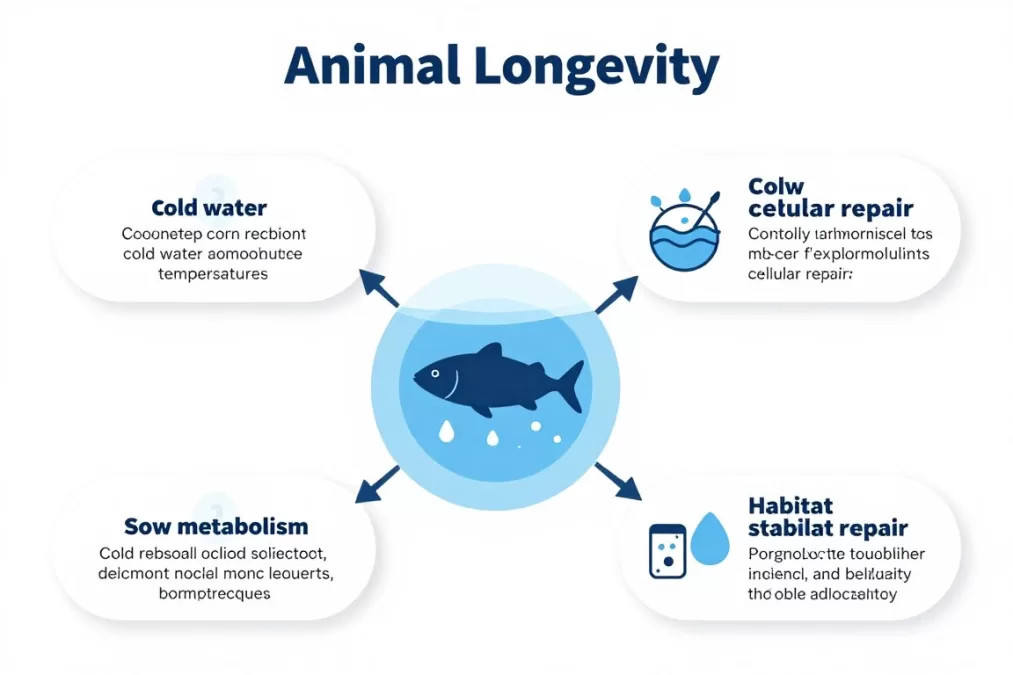
Several biological and environmental factors consistently appear among longest living animals. Temperature plays a crucial role, with many record-holders inhabiting cold waters or environments. Low temperatures slow metabolic processes, reducing cellular wear and accumulation of damage over time.
Growth rates inversely correlate with lifespan across many species. Animals that grow slowly tend to live longer than rapidly maturing creatures. Greenland sharks and bowhead whales both exhibit extremely slow growth patterns that extend across decades before reaching sexual maturity.
Longevity Advantages
- Extended reproductive opportunities over time
- Accumulation of survival experience and knowledge
- Greater genetic contribution to future generations
- Increased resilience to environmental fluctuations
- Enhanced species survival during difficult periods
Longevity Challenges
- Vulnerability to long-term environmental changes
- Extended recovery time for populations after decline
- Delayed sexual maturity reduces reproduction rate
- Greater exposure to accumulated environmental toxins
- Increased risk from human activities over time
Predation pressure significantly influences longevity potential in animal species. Many of the longest living animals face few natural predators once they reach adult size. Large mammals like bowhead whales and massive tortoises enjoy relative safety that smaller, shorter-lived creatures never experience.
Cellular repair mechanisms prove essential for extreme longevity across all species. DNA damage accumulates naturally with age, but longest living animals possess enhanced systems for identifying and fixing these problems. Bowhead whales carry genetic adaptations specifically related to DNA repair and cancer suppression.
How do scientists determine the age of longest living animals?
Scientists employ various techniques depending on the species. For fish and sharks, they analyze growth layers in bones or use radiocarbon dating of eye tissue. Clams and other mollusks show annual growth rings in their shells similar to tree rings. Marine mammals can be aged through examining teeth layers or analyzing specific proteins that change with time.
Why do cold-water animals tend to live longer than warm-water species?
Cold temperatures slow metabolic processes throughout an animal’s body. This reduction in metabolism decreases the rate of cellular damage and oxidative stress that accumulates over time. Cold-water species like Greenland sharks and bowhead whales benefit from this natural slowdown, which extends their lifespans considerably compared to animals in warmer environments.
Can studying longest living animals help humans live longer?
Research into animal longevity provides valuable insights for human medicine. Scientists study the genetic mechanisms that protect bowhead whales from cancer and allow naked mole rats to resist aging. Understanding how these animals maintain cellular health across centuries could inform treatments for age-related diseases and potentially extend human healthspan.
What threatens the survival of longest living animals today?
Climate change poses the most significant threat to many long-lived species. Warming ocean temperatures affect Greenland sharks and bowhead whales in Arctic waters. Pollution, habitat destruction, and human activities like fishing also endanger these creatures. Many longest living animals reproduce slowly, making population recovery difficult after declines.
Comparing Lifespans Across Animal Groups
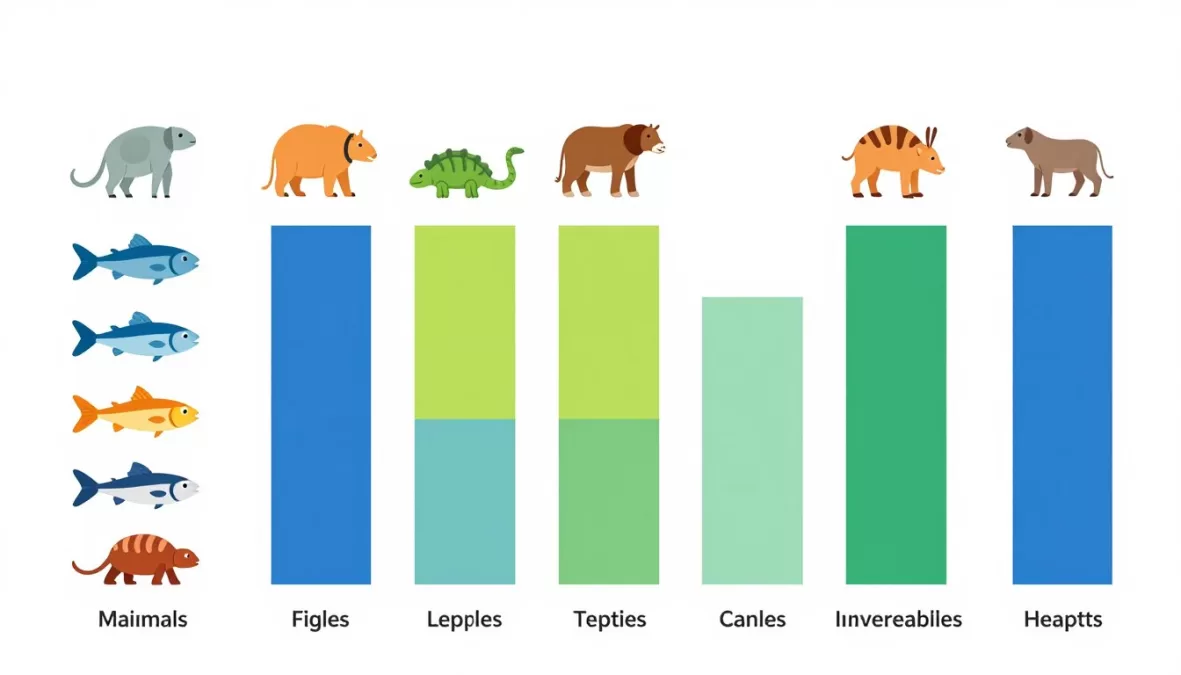
Different animal groups demonstrate varying maximum lifespans based on their evolutionary adaptations. Mammals generally live shorter lives than some fish species, yet bowhead whales break this pattern spectacularly. The longest-living mammal surpasses many fish in total years survived.
Invertebrates dominate the extreme longevity records among all creatures. Glass sponges and certain clam species far exceed vertebrate lifespans. Their simple body structures and minimal metabolic demands enable survival across millennia in stable ocean environments.
| Animal Group | Maximum Lifespan | Representative Species | Primary Longevity Factor |
| Mammals | 200+ years | Bowhead Whale | Cold habitat and large size |
| Fish | 400+ years | Greenland Shark | Extreme slow growth and cold waters |
| Reptiles | 150+ years | Giant Tortoises | Slow metabolism and low predation |
| Mollusks | 500+ years | Ocean Quahog | Sedentary lifestyle and stable environment |
| Cnidarians | Potentially immortal | Turritopsis dohrnii | Cellular transdifferentiation ability |
| Sponges | 10,000+ years | Glass Sponges | Simple structure and deep-sea stability |
Body size correlates with longevity in many animal groups. Larger animals typically live longer than their smaller relatives within the same taxonomic class. This pattern holds true for mammals, where bowhead whales outlive smaller cetaceans significantly.
The relationship between lifespan and reproduction rate shows consistent patterns across species. Animals with extended lifespans generally reproduce less frequently than short-lived creatures. This trade-off allows long-lived species to invest more energy in maintenance and survival rather than rapid reproduction.
The Future of Longevity Research

Scientific understanding of animal longevity continues advancing rapidly. Modern genetic sequencing reveals the molecular mechanisms underlying extreme lifespans. Researchers identify specific genes and proteins that protect longest living animals from age-related deterioration.
Future studies will likely uncover additional longest living animals in unexplored ocean depths. The deep sea remains largely mysterious, with new species discovered regularly. Some yet-unknown creatures may exceed current longevity records by substantial margins.
Climate change impacts on longest living animals require urgent attention from scientists and conservationists. Species adapted to stable, cold environments face unprecedented challenges as ocean temperatures rise. Monitoring these populations provides early warnings about ecosystem health and environmental changes affecting all marine life.
The knowledge gained from studying these remarkable creatures extends beyond pure science. Understanding biological longevity offers hope for addressing human aging and age-related diseases. Every discovery about how Greenland sharks live 400 years or bowhead whales resist cancer brings us closer to practical medical applications.
Protecting Earth’s longest living animals ensures these natural laboratories continue providing scientific insights for generations to come. Their survival connects us to the deep past and distant future of life on our planet.

Priyanka Pandey
Senior Research Editor · Top10Sense
Priyanka specializes in tech, consumer products, and digital trends. She combines hands-on testing, vendor interviews, and database research to create trustworthy “Top 10” rankings. Her work has been referenced by industry blogs and brand report pages.