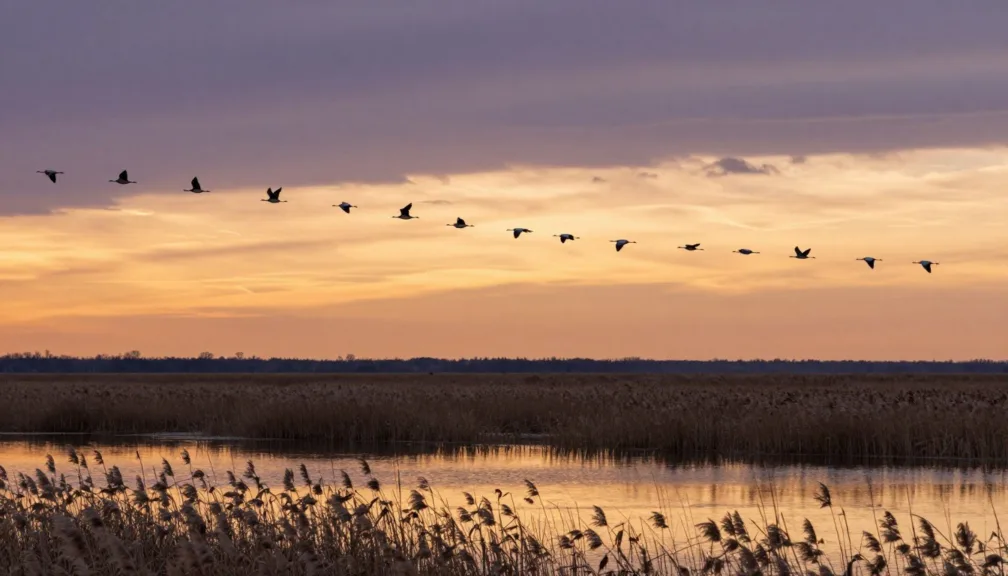
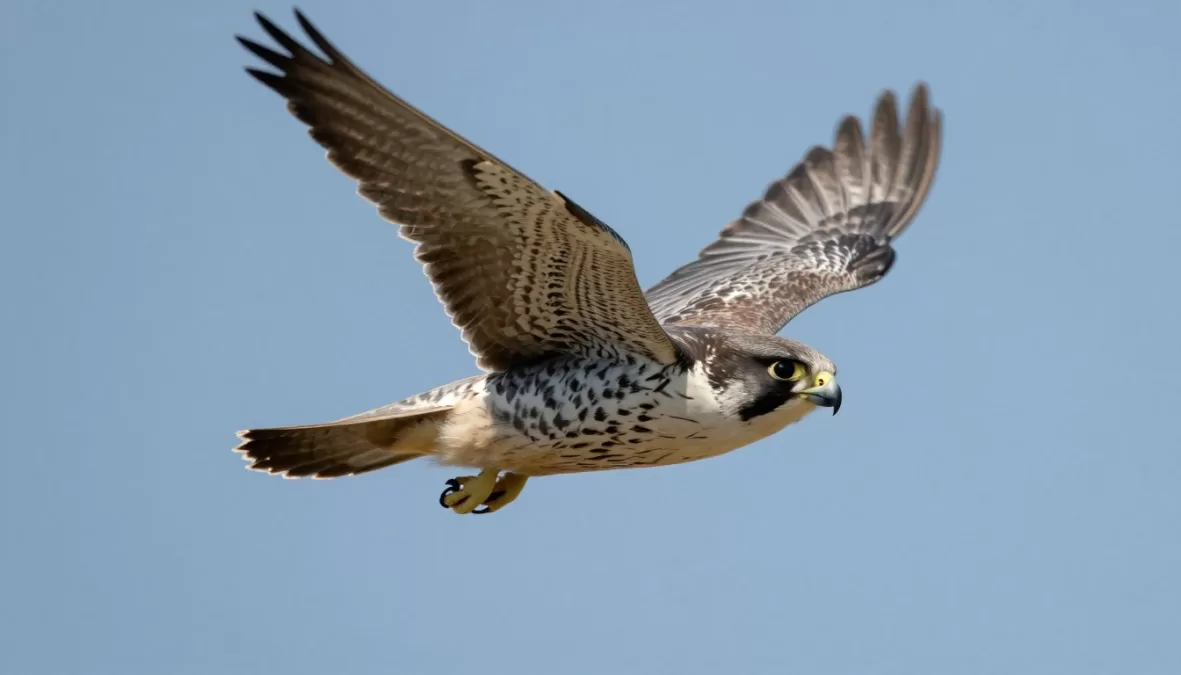
The animal kingdom showcases remarkable speed champions. Birds have evolved extraordinary flight capabilities over millions of years. These aerial predators and swift flyers demonstrate nature’s engineering at its finest.
Speed means survival in the bird world. Escaping predators requires split-second reactions and incredible velocity. Catching prey demands precision and acceleration that few animals can match.
From the diving prowess of falcons to the level flight speed of swifts, each species has adapted unique features. Their wings, body structure, and survival strategies create perfect flying machines. Let’s explore the fastest birds that dominate our skies.
Understanding Bird Flight Speed and Measurement
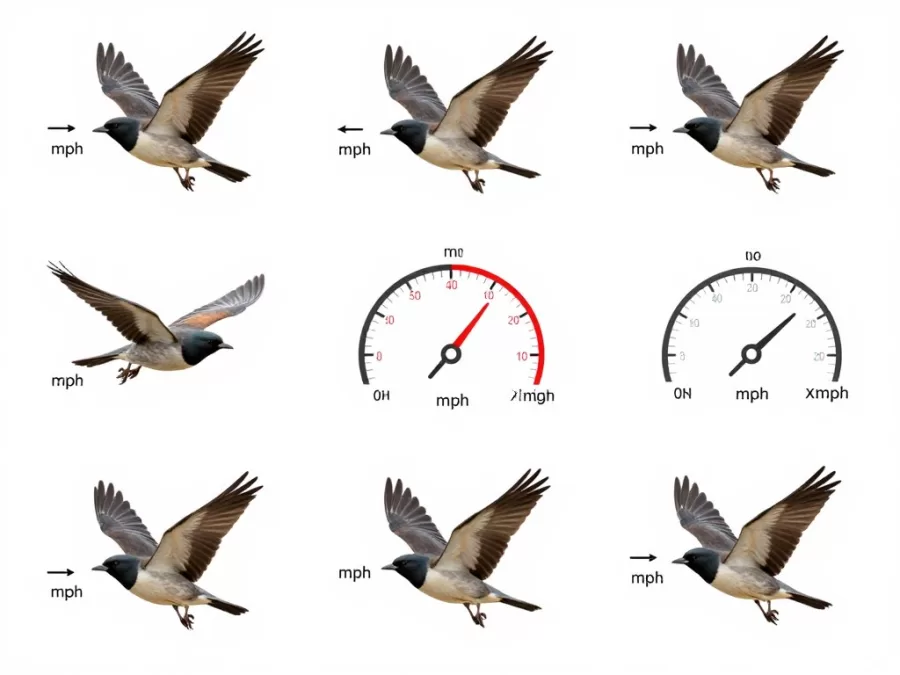
Bird speed measurements involve complex scientific methods. Researchers use radar tracking, GPS devices, and direct observation. Each method provides different insights into how birds achieve their remarkable velocity.
Two main types of speed exist in the bird world. Level flight speed refers to sustained horizontal flying. Diving speed involves steep descents where birds reach their maximum velocity.
The difference between these measurements matters significantly. A bird might achieve 200 mph in a dive but only sustain 60 mph in level flight. Understanding this distinction helps us appreciate each species’ true capabilities.
Important Note: Many speed records are estimates based on observation and tracking technology. Wind conditions, altitude, and motivation can significantly affect a bird’s actual flight speed during any given measurement.
1. Peregrine Falcon – The Ultimate Speed Champion
Speed Capabilities and Diving Records
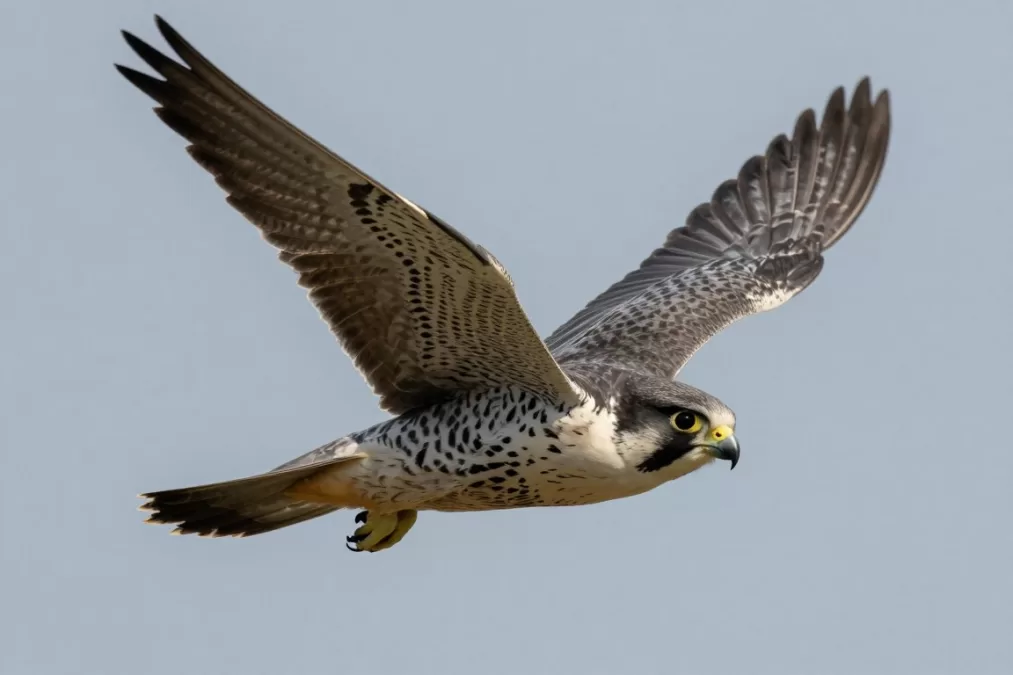
The peregrine falcon holds the title as the fastest bird in the world. This remarkable predator can reach speeds exceeding 240 mph during hunting dives. Scientists have documented dives approaching 242 mph in controlled studies.
Their hunting technique involves a spectacular stoop dive. The falcon climbs to great heights above its prey. Then it folds its wings and plummets downward at breathtaking speed.
The peregrine falcon’s body evolved specifically for high-speed hunting. Special nostril baffles regulate breathing during extreme velocity. Their eyes can withstand tremendous air pressure at top speed.
Habitat and Distribution
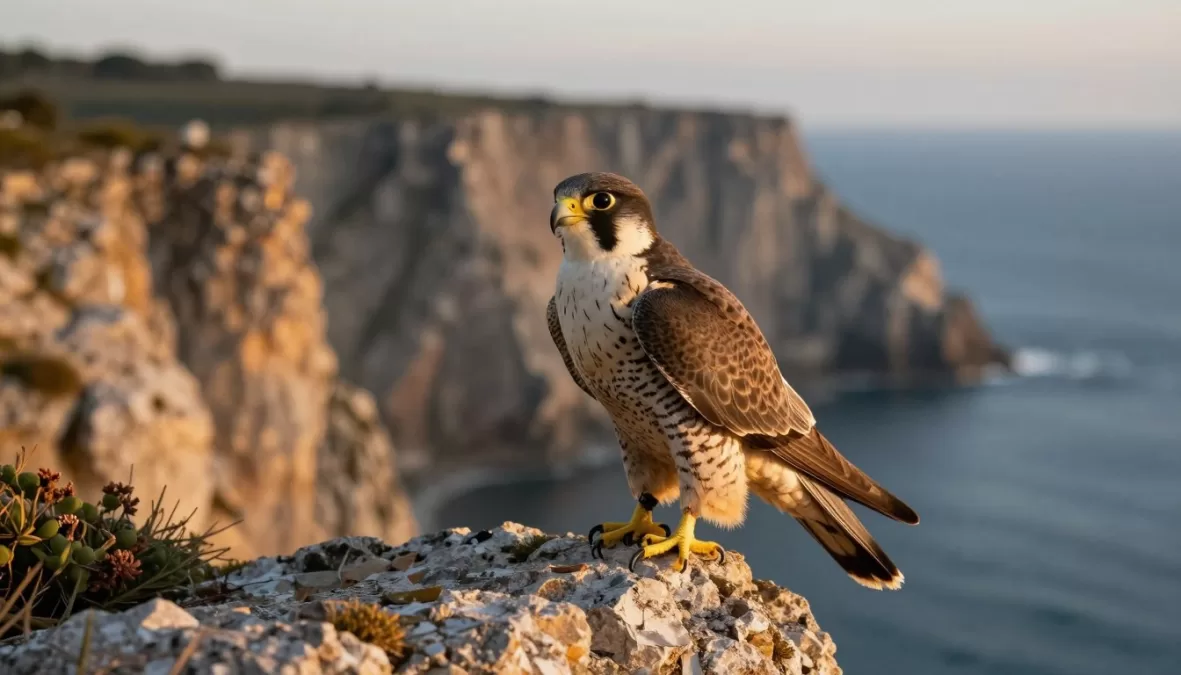
Peregrine falcons inhabit every continent except Antarctica. These adaptable birds thrive in diverse environments from Arctic tundra to tropical regions. Urban areas have become popular nesting sites in recent decades.
North America hosts healthy peregrine falcon populations after near extinction. Conservation efforts brought this species back from the brink. Today, cities provide excellent hunting grounds with abundant pigeon prey.
Hunting and Prey Selection
Medium-sized birds comprise the falcon’s primary diet. Pigeons, doves, and waterfowl frequently become targets. The high-speed impact often kills prey instantly.
Peregrine falcons demonstrate incredible precision during strikes. They adjust their trajectory mid-dive to intercept moving targets. This combination of speed and accuracy makes them supreme aerial predators.
Remarkable Falcon Adaptations
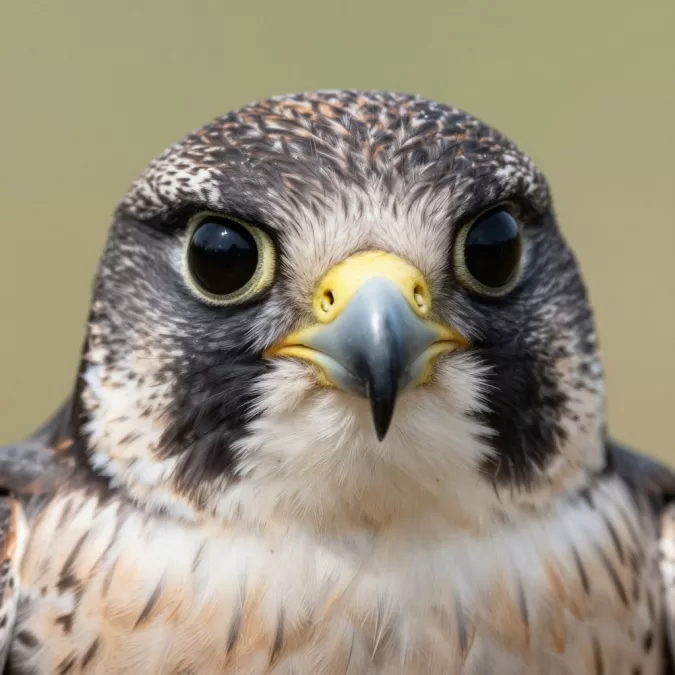
- Third eyelid protects eyes during high-speed dives
- Specialized cardiovascular system handles extreme G-forces
- Powerful breast muscles generate incredible thrust
- Keen eyesight spots prey from over a mile away
- Sharp talons deliver devastating impact force
2. Golden Eagle – Powerful High-Speed Predator
Speed and Flight Characteristics
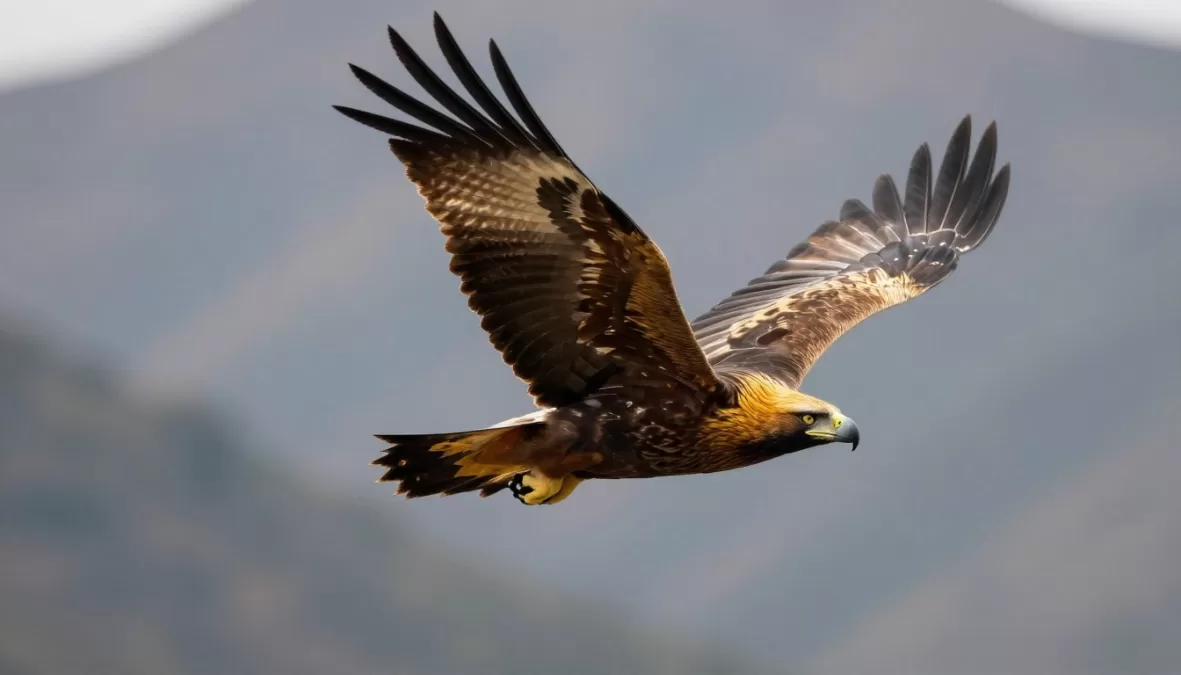
The golden eagle ranks among nature’s most impressive flyers. This powerful bird achieves diving speeds near 200 mph when pursuing prey. Their level flight speed reaches approximately 80 mph.
Size and power distinguish golden eagles from other raptors. Wingspans can exceed seven feet, providing excellent lift and maneuverability. Despite their bulk, they demonstrate remarkable agility in flight.
North American Distribution
Golden eagles prefer mountainous terrain and open landscapes. Western North America provides ideal habitat with abundant prey and nesting sites. These majestic birds also inhabit regions across Europe and Asia.
The eagle family includes several species, but golden eagles stand out for their hunting prowess. They patrol vast territories searching for rabbits, ground squirrels, and other mammals. Their exceptional eyesight detects movement from incredible distances.
Hunting Strategy and Prey
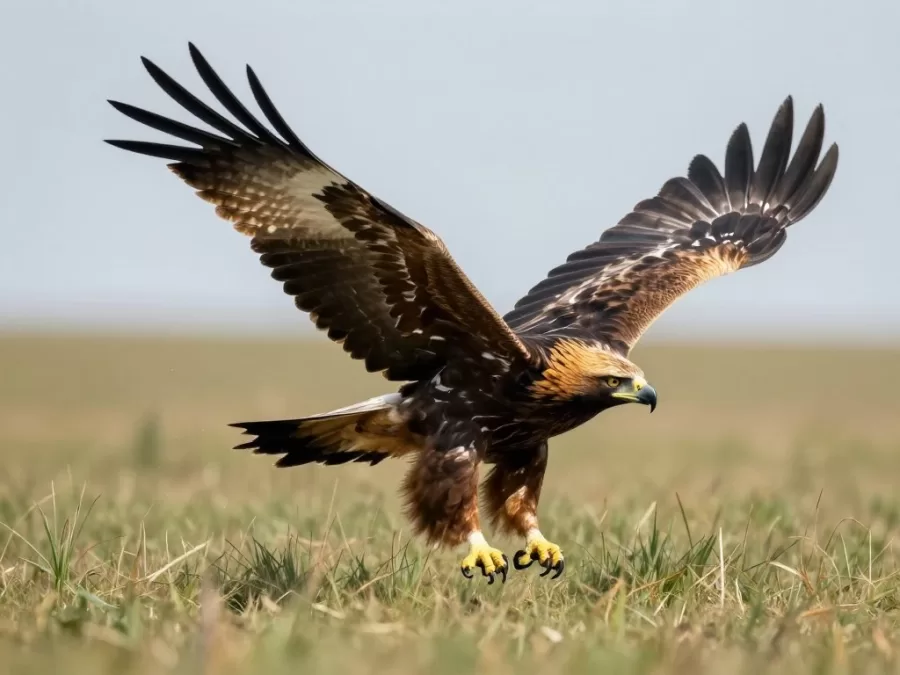
Unlike the peregrine falcon’s vertical dives, golden eagles employ varied tactics. They might swoop down from perches or pursue prey in sustained flight. Their versatility makes them successful predators across different terrains.
Larger prey items suit the golden eagle’s capabilities. Jackrabbits, marmots, and even young deer fall victim to these powerful birds. Their crushing grip strength and sharp talons ensure quick kills.
3. White-Throated Needletail – Swift Family Speed Record
Incredible Level Flight Speed
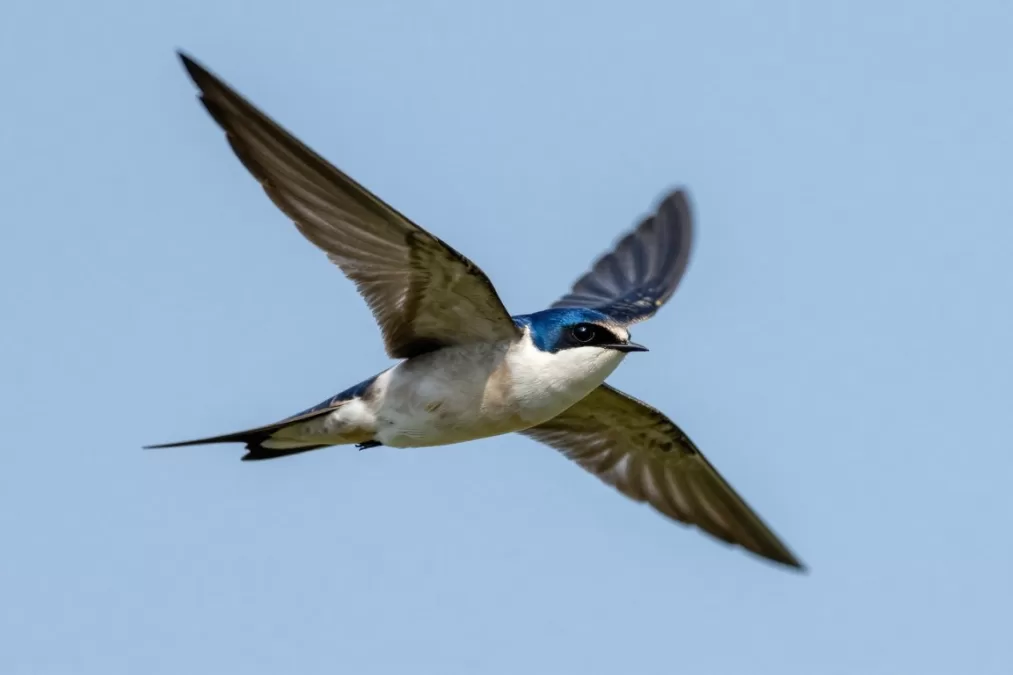
The white-throated needletail holds records for sustained horizontal flight speed. Scientists have measured this swift family member reaching 105 mph in level flight. This speed surpasses nearly every other bird in horizontal travel.
Swift species evolved for life on the wing. These birds spend most of their time airborne, even sleeping during flight. Their sickle-shaped wings provide exceptional speed and efficiency.
Habitat and Migration
This Asian species breeds in Siberia and northern Asia. Migration takes these birds south to Australia and Southeast Asia. Their long-distance journeys require sustained high-speed flight over thousands of miles.
Needletails rarely land except for nesting. Their short legs and wing structure make ground movement difficult. The air provides their natural element where speed and agility reign supreme.
Feeding Behavior
Aerial insects comprise the entire diet of these remarkable birds. They catch prey while flying at full speed with their wide mouths. High-speed flight helps them cover vast areas searching for insect swarms.
Enhance Your Bird Watching Experience
Identifying fast-flying birds requires the right tools and knowledge. Download our comprehensive field guide featuring speed comparisons, identification tips, and behavior patterns for the world’s fastest birds.
4. Eurasian Hobby – Agile Falcon Relative
Speed and Aerial Acrobatics
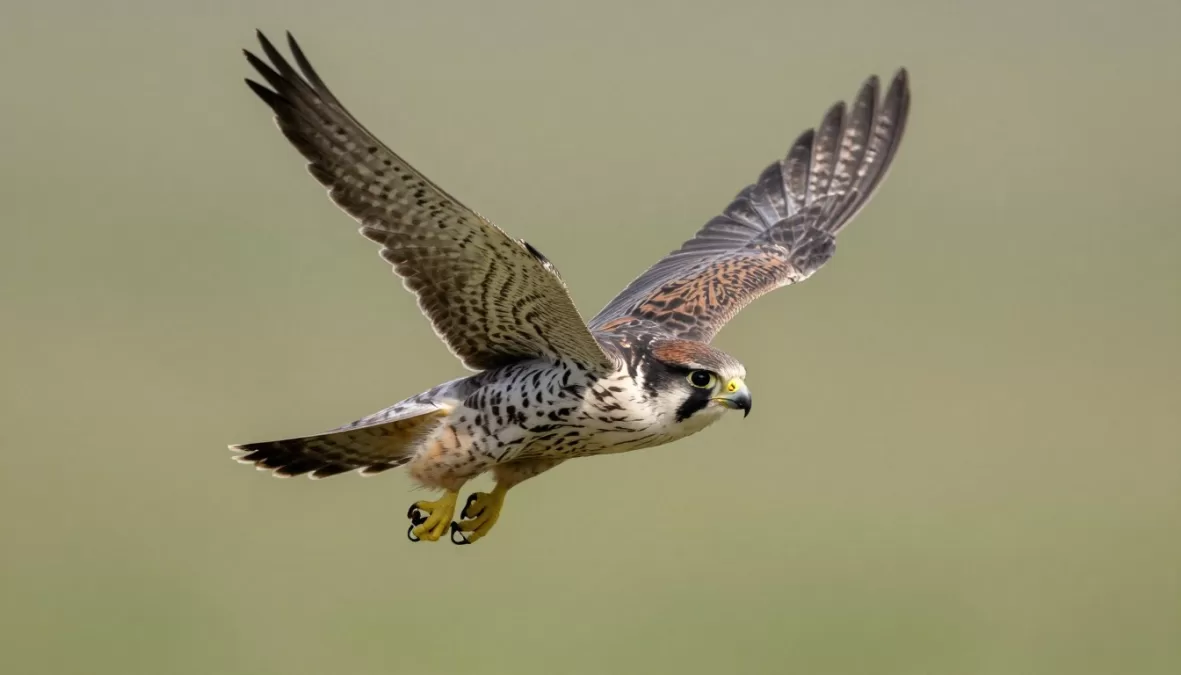
The Eurasian hobby demonstrates exceptional flight capabilities reaching 100 mph. This small falcon relative combines speed with incredible maneuverability. Their aerial acrobatics rival any bird species in the world.
Hobby falcons specialize in catching swift and swallow family members mid-flight. This requires acceleration and turning ability beyond most predators. Their compact body design facilitates rapid direction changes.
European and Asian Range
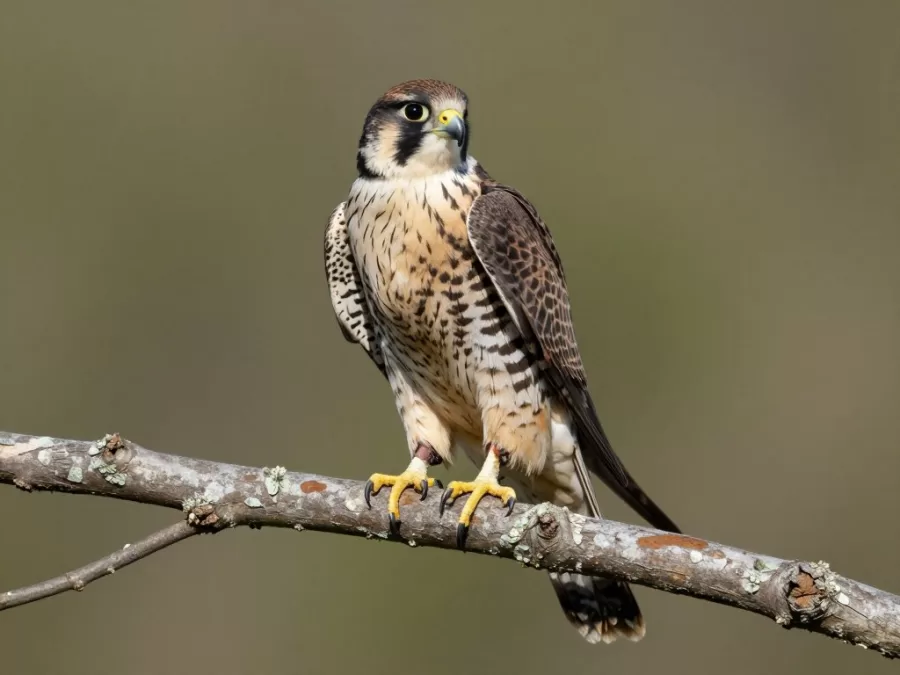
Europe and Asia provide the primary range for this species. Summer breeding occurs across temperate regions. Winter migration takes them to Africa and southern Asia.
Open woodlands and forest edges offer ideal habitat. These birds require both perching sites and open air space. Their presence indicates healthy ecosystems with abundant bird and insect populations.
Unique Hunting Style
Dragonflies and other large insects form a significant portion of their diet. The hobby catches these prey items with their feet while flying. Small birds including swallows provide additional nutrition during breeding season.
5. Magnificent Frigatebird – Ocean Speed Master
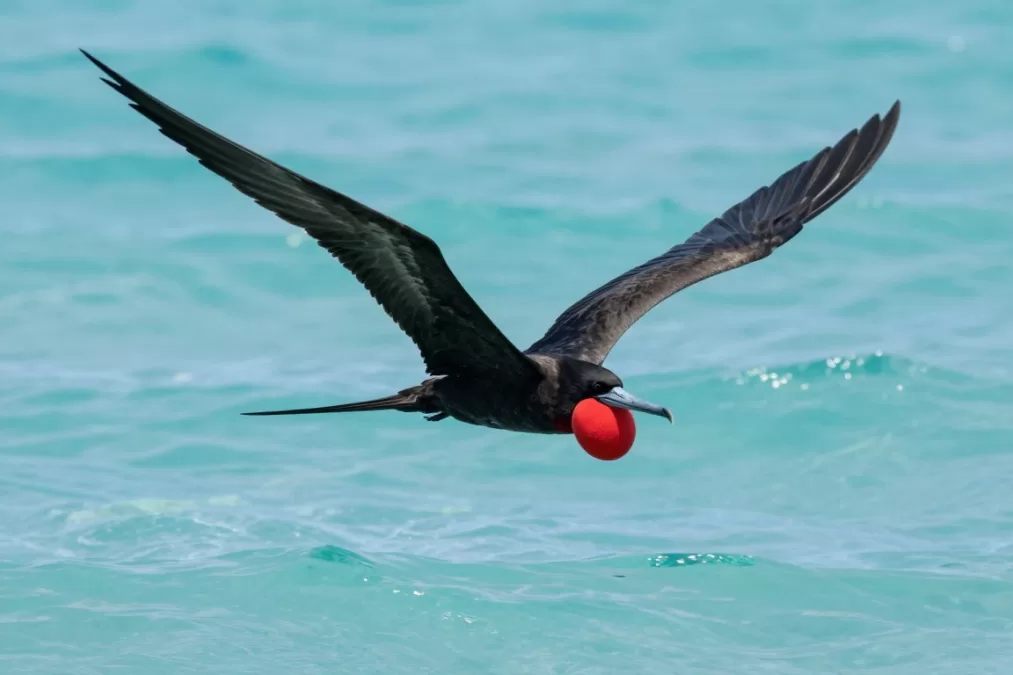
Speed Over Water
Magnificent frigatebirds achieve speeds near 95 mph during flight. These seabirds demonstrate incredible endurance combined with impressive velocity. Their unique wing design enables both speed and extended soaring.
The frigatebird’s wingspan reaches over seven feet despite their relatively light body weight. This ratio provides exceptional efficiency in flight. They can remain airborne for weeks without landing.
Tropical Coastal Habitat
Tropical and subtropical oceans provide frigatebird territory. Coastal regions throughout the Americas host breeding colonies. These birds rarely venture over land, preferring open water environments.
Island nesting sites offer protection and proximity to fishing grounds. Frigatebirds demonstrate remarkable navigation skills. They return to the same breeding locations year after year.
Specialized Feeding Strategy
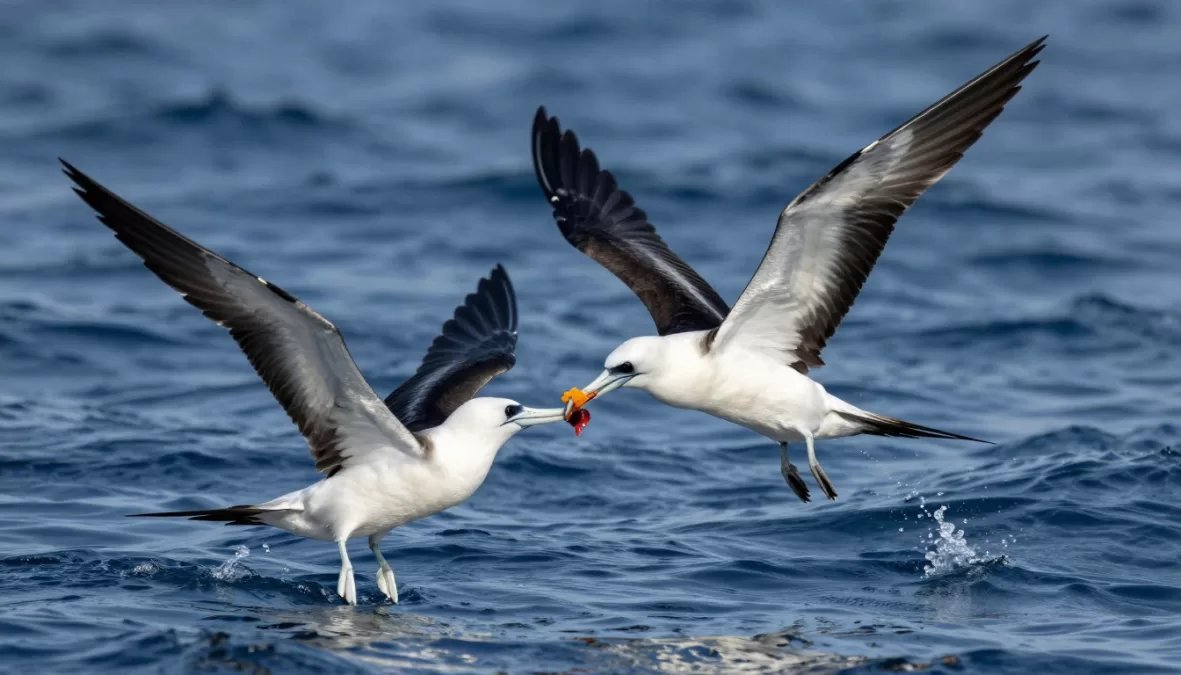
Frigatebirds employ unique foraging methods. They harass other seabirds until they drop or regurgitate their catch. This kleptoparasitic behavior requires speed and persistence.
Flying fish and squid caught at the water surface supplement their diet. Their hooked beaks snatch prey without entering the water. Unlike most seabirds, frigatebirds cannot swim or take off from water.
6. Spur-Winged Goose – Surprising Waterfowl Speedster
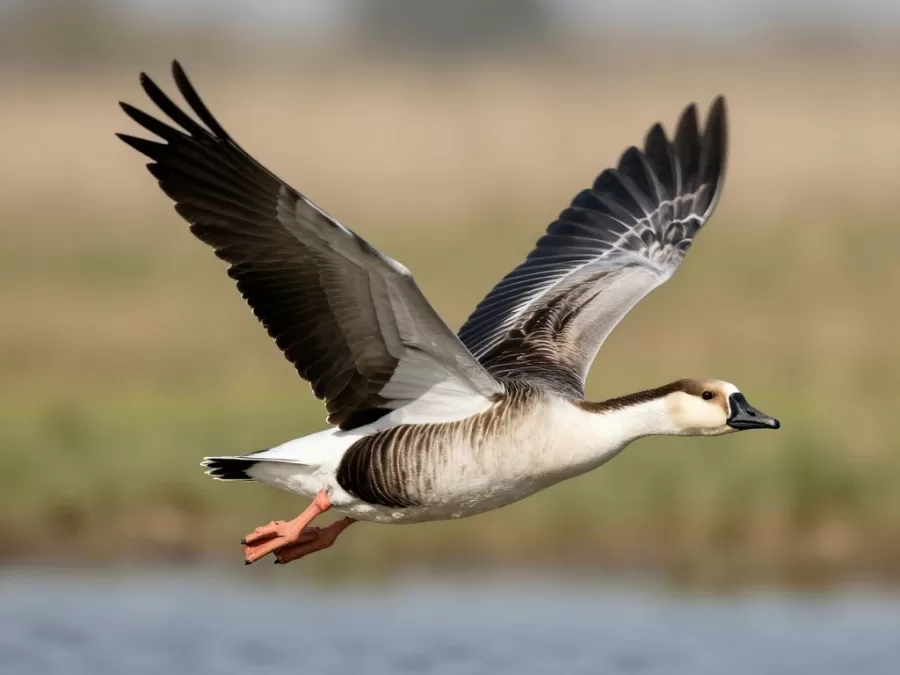
Unexpected High-Speed Capability
The spur-winged goose surprises observers with speeds reaching 88 mph. This large waterfowl breaks stereotypes about goose flight capabilities. Their size makes this velocity even more remarkable.
Males can weigh over 15 pounds, making them among the heaviest flying birds. Strong wing muscles power their substantial body mass through the air. Level flight speed approaches that of many smaller species.
African Wetland Distribution
Sub-Saharan Africa provides the range for this species. Wetlands, rivers, and lakes offer essential habitat. These large birds require extensive water bodies with surrounding vegetation.
The goose family includes many species, but spur-winged geese stand out for size and speed. They graze on land but depend on water for safety and breeding. Migration patterns follow seasonal rainfall and water availability.
Diet and Behavior
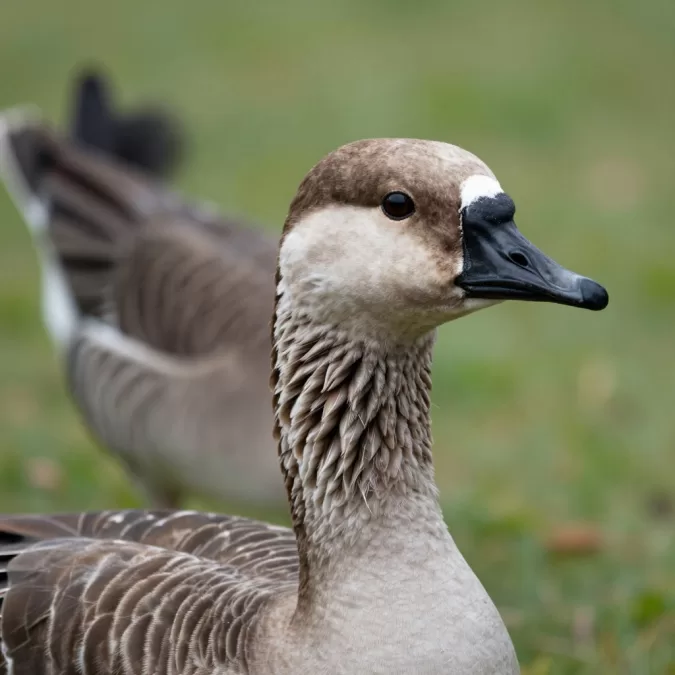
Plant material comprises the bulk of their diet. Grasses, seeds, and aquatic vegetation provide nutrition. Their grazing behavior resembles that of other goose species.
Sharp spurs on their wings give this species its name. Males use these weapons during territorial disputes. The combination of size, speed, and defensive capabilities makes them formidable birds.
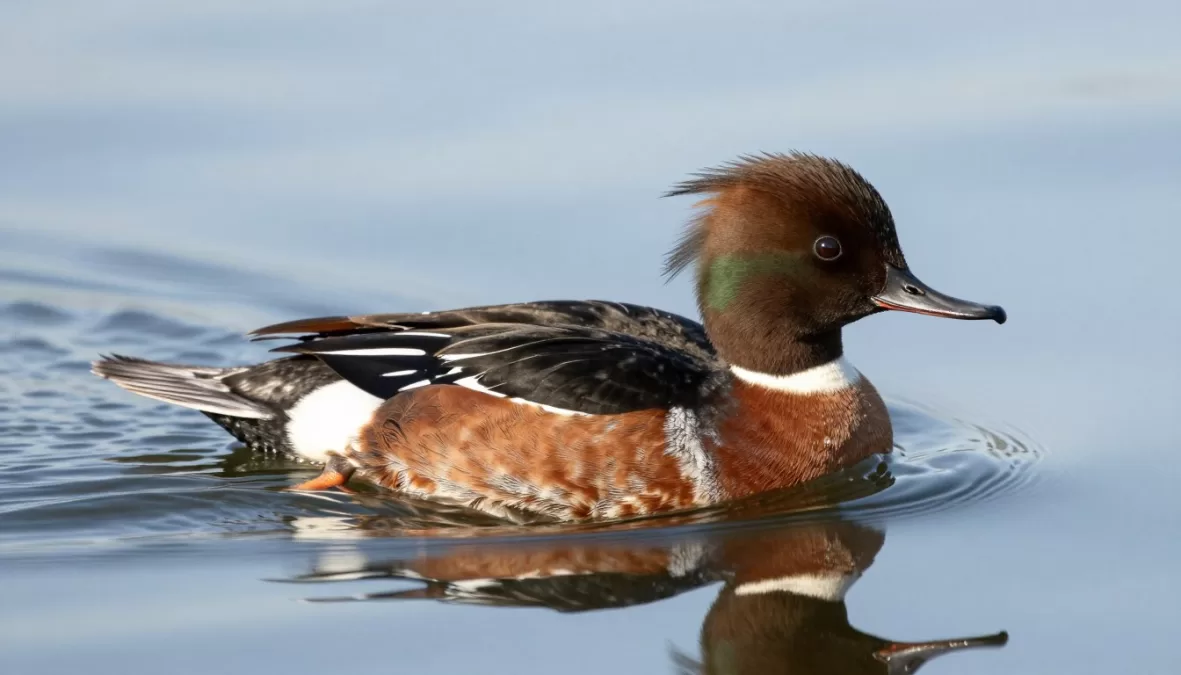
7. Red-Breasted Merganser – Fastest Duck Species
Duck Speed Record Holder
Red-breasted mergansers hold the speed record among duck species at 81 mph. This velocity exceeds most waterfowl by significant margins. Their streamlined body and powerful wings generate impressive thrust.
Mergansers belong to a specialized group of diving ducks. They pursue fish underwater using their serrated bills. Surface flight requires different adaptations than their diving behavior.
North American and Eurasian Range
Northern regions of North America and Eurasia host breeding populations. Coastal waters and large lakes provide ideal habitat. Winter migration takes them to temperate and subtropical coastlines.
These birds prefer saltwater environments during winter months. Estuaries and protected bays offer abundant fish populations. Their presence indicates healthy aquatic ecosystems.
Fishing Technique
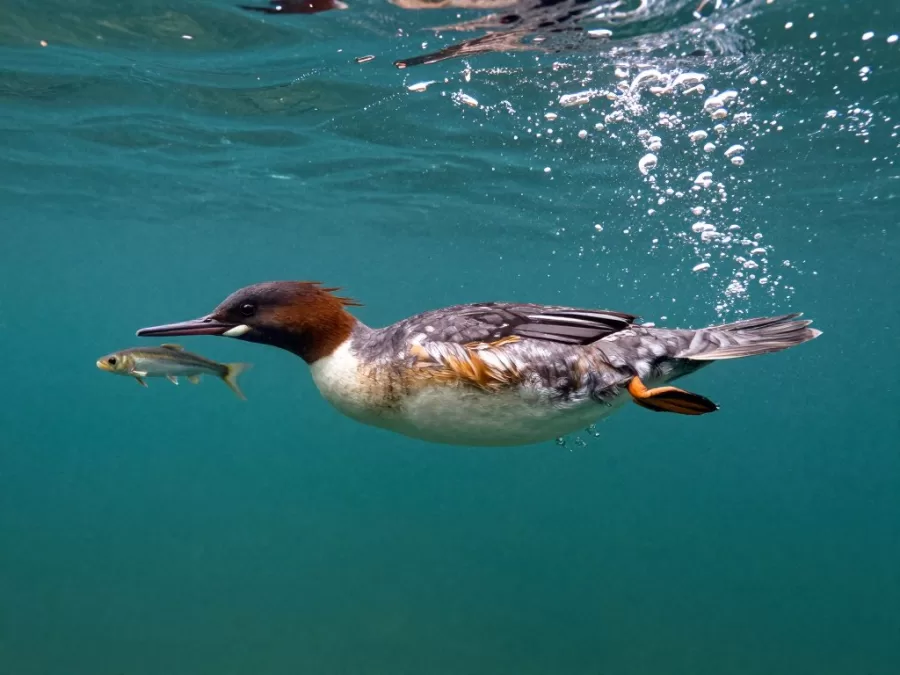
Small fish make up the primary diet of these specialized hunters. They dive beneath the surface and chase prey with incredible agility. Their saw-like bill edges grip slippery fish securely.
Cooperative hunting occurs when mergansers gather in groups. They work together to herd fish into shallow water. This behavior demonstrates intelligence beyond typical duck species.

Premium Bird Watching Optics
Observe fast-flying birds in stunning detail with professional-grade binoculars. Our recommended models provide crystal-clear views of even the swiftest species in flight.
- 10x magnification for detailed observation
- Wide field of view tracks fast movement
- Waterproof and fog-proof construction
- Lightweight design for extended use
8. Grey-Headed Albatross – Long-Distance Speed Champion
Sustained High-Speed Flight
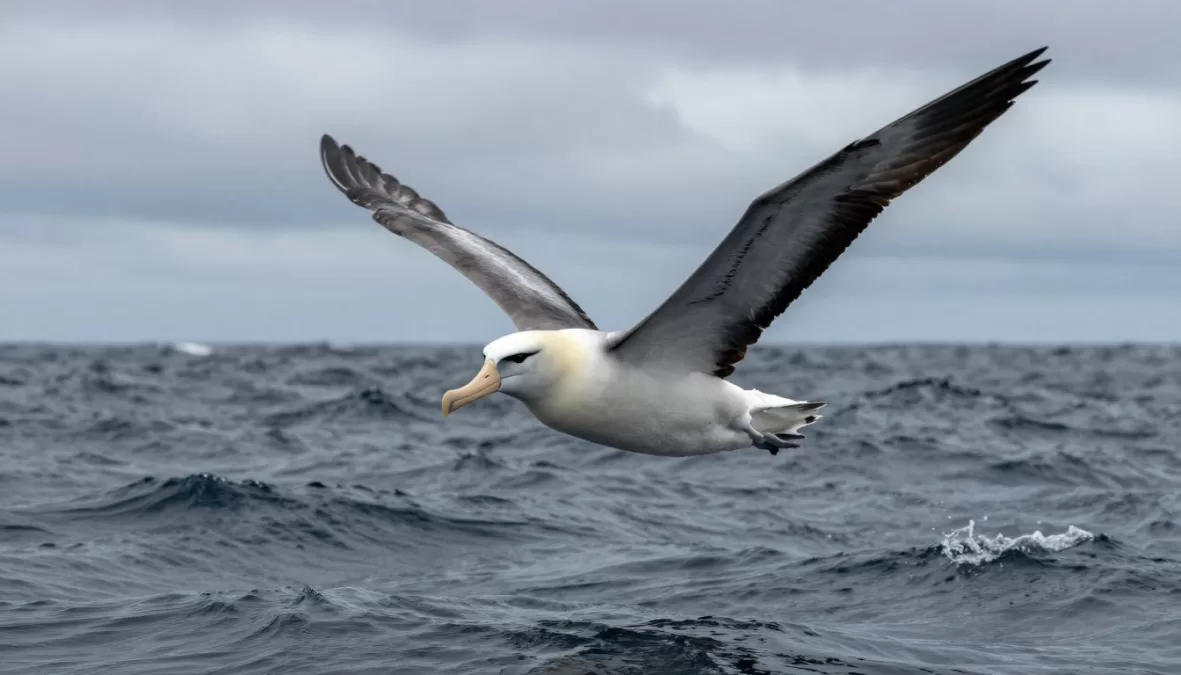
The grey-headed albatross reaches sustained speeds of 78 mph over open ocean. This represents remarkable velocity maintained for extended periods. Their efficiency in using wind currents enables such performance.
Albatross species master dynamic soaring techniques. They extract energy from wind gradients above ocean waves. This method allows near-effortless flight for thousands of miles.
Southern Ocean Habitat
The Southern Ocean provides the primary range for this species. Sub-Antarctic islands host breeding colonies. These remote locations offer protection from land-based predators.
Grey-headed albatrosses circumnavigate Antarctica during foraging trips. A single journey can cover 8,000 miles or more. Their navigation abilities remain one of nature’s great mysteries.
Oceanic Feeding
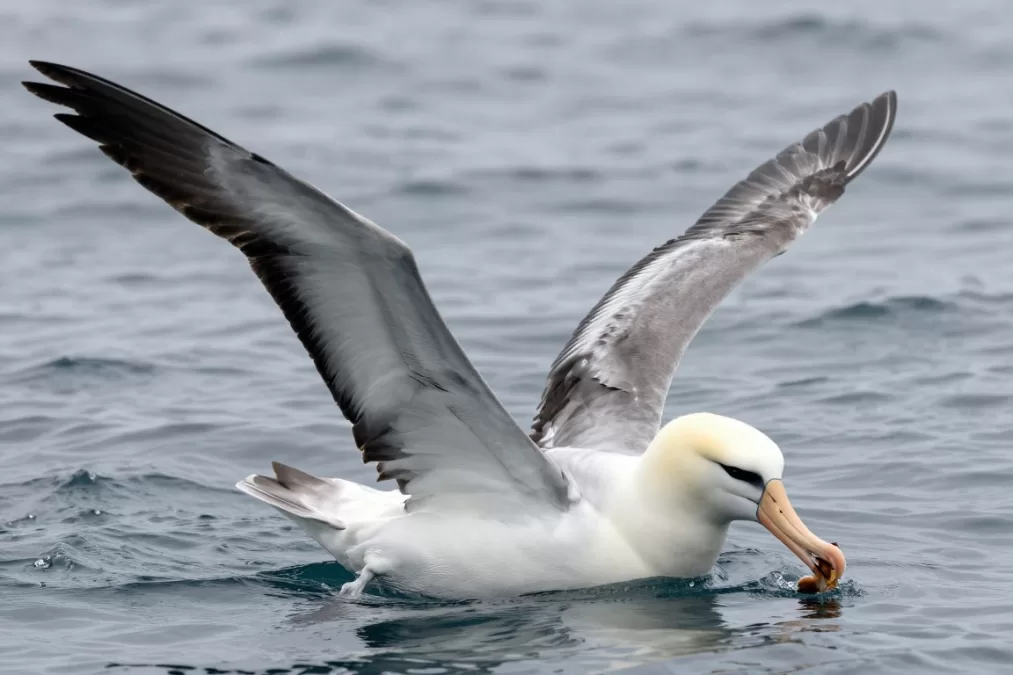
Squid and fish comprise their diet caught from the ocean surface. They also scavenge behind fishing vessels. Night feeding occurs when prey rises toward the surface.
These birds can live over 30 years in the wild. Long-term pair bonds and slow reproduction characterize albatross family life. Each breeding attempt represents significant parental investment.
9. Common Swift – Aerial Lifestyle Master
Speed and Continuous Flight
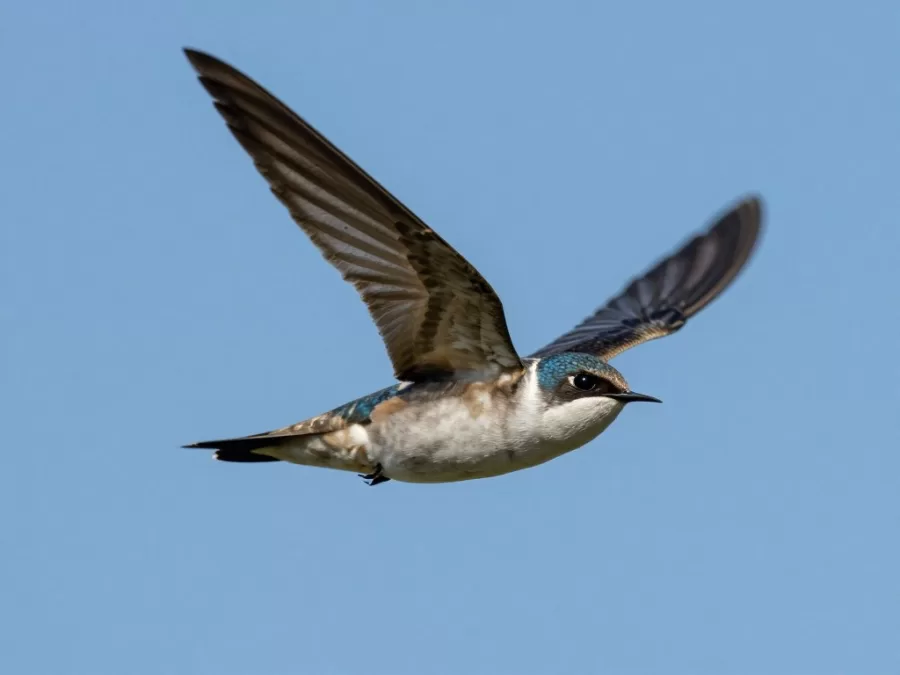
Common swifts achieve speeds near 70 mph in level flight. More impressive than raw speed is their flight duration. These birds remain airborne for months without landing.
The swift family evolved ultimate aerial specialization. They eat, sleep, and even mate while flying. Landing occurs only for nesting during breeding season.
European and Asian Distribution
Europe and Asia host breeding populations during summer months. Migration takes them to sub-Saharan Africa for winter. Their arrival signals spring in many northern regions.
Urban areas provide excellent nesting sites under building eaves. Traditional nest sites included cliffs and tree cavities. Adaptation to human structures has expanded their range.
Insect Diet and Feeding
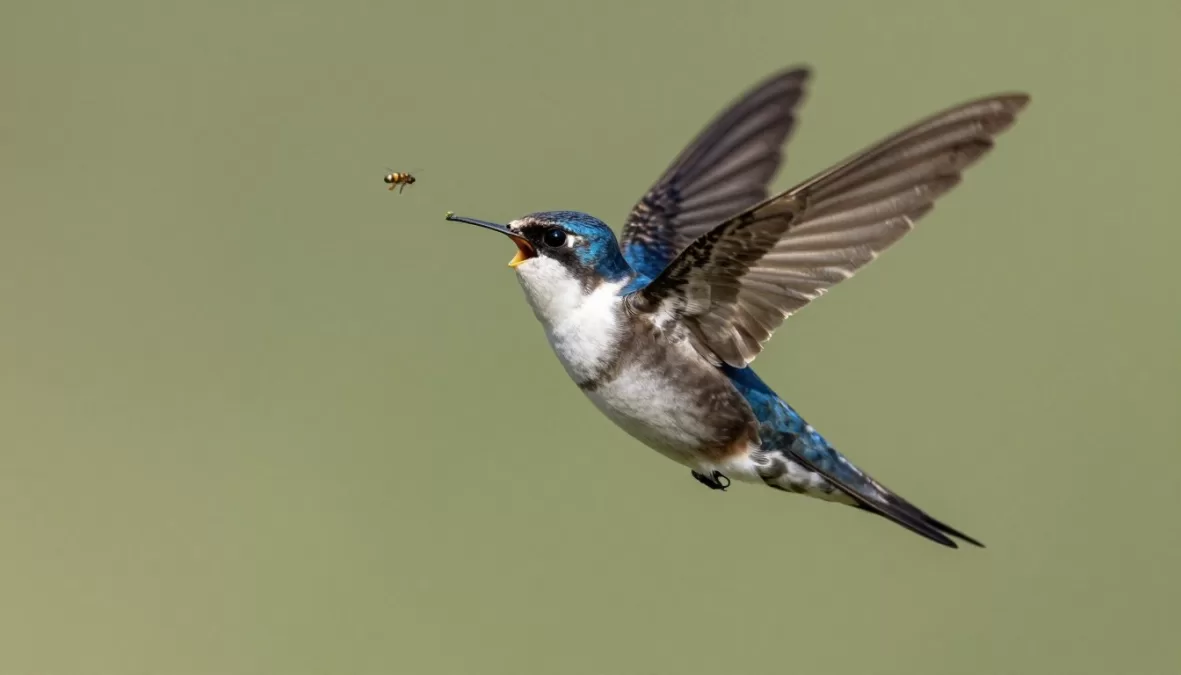
Flying insects exclusively comprise their diet. They collect prey in their throat pouches while flying. A single bird might catch thousands of insects daily.
High-altitude feeding occurs when weather conditions drive insects upward. Swift flocks gather at these aerial feeding sites. Their screaming calls echo through summer skies across their range.
10. Rock Dove (Pigeon) – Underestimated Urban Flyer
Surprising Speed Capabilities
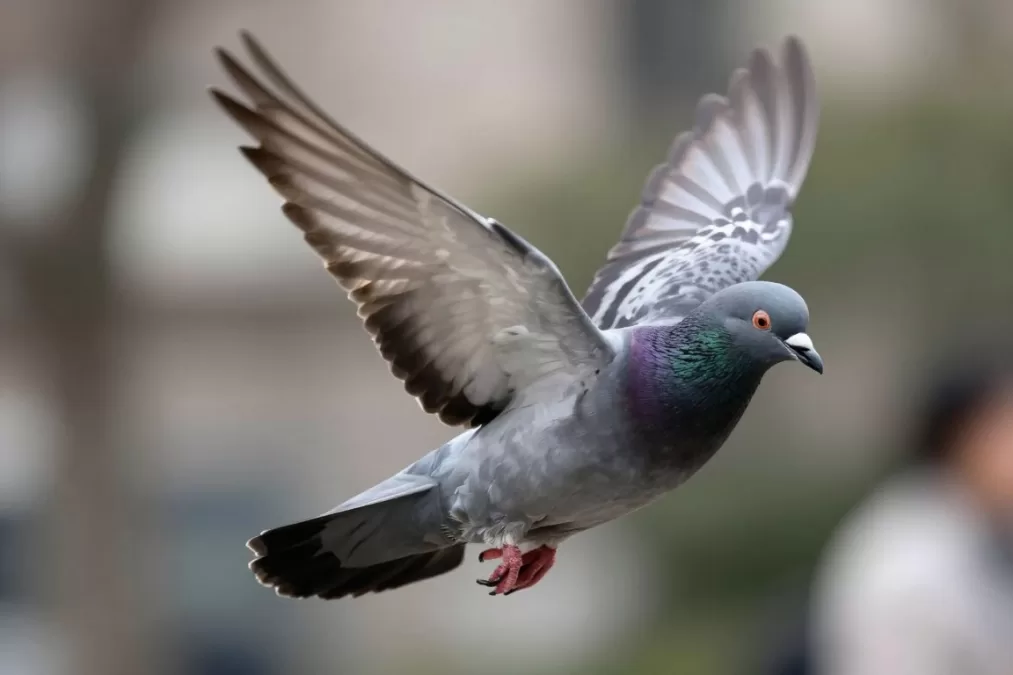
Rock doves reach speeds approaching 77 mph in measured flights. Most people underestimate pigeon flight abilities. Their speed rivals many celebrated wild bird species.
Racing pigeons demonstrate even higher performance through selective breeding. Homing instincts combined with speed made them valuable messengers historically. Modern racing continues this tradition.
Worldwide Distribution
Originally native to Europe, North Africa, and Asia, rock doves now inhabit cities worldwide. Human activity spread this adaptable species globally. Urban environments provide food and nesting sites.
Feral populations descended from domesticated birds thrive in cities. Buildings substitute for their ancestral cliff habitats. This adaptation explains their success in urban areas.
Diet and Adaptability

Seeds and grains form their natural diet. Urban pigeons consume human food scraps opportunistically. Their flexible feeding behavior contributes to population success.
Strong homing abilities enable navigation across vast distances. Pigeons released hundreds of miles from home often return successfully. Scientists continue studying their remarkable navigation systems.
Speed Comparison and Flight Adaptations
Diving Versus Level Flight
Understanding the difference between diving and level flight speed clarifies bird capabilities. The peregrine falcon achieves 240 mph in dives but only 60 mph in horizontal flight. This distinction appears across multiple species.
Diving utilizes gravity and streamlined body positioning. Level flight requires constant wing power against air resistance. Energy expenditure differs dramatically between these flight modes.
| Bird Species | Top Speed (mph) | Flight Type | Primary Habitat |
| Peregrine Falcon | 240 | Diving | Worldwide |
| Golden Eagle | 200 | Diving | North America, Eurasia |
| White-Throated Needletail | 105 | Level | Asia, Australia |
| Eurasian Hobby | 100 | Level | Europe, Asia |
| Magnificent Frigatebird | 95 | Level | Tropical Oceans |
| Spur-Winged Goose | 88 | Level | Sub-Saharan Africa |
| Red-Breasted Merganser | 81 | Level | Northern Hemisphere |
| Grey-Headed Albatross | 78 | Level | Southern Ocean |
| Common Swift | 70 | Level | Europe, Asia, Africa |
| Rock Dove | 77 | Level | Worldwide |
Physical Adaptations for Speed
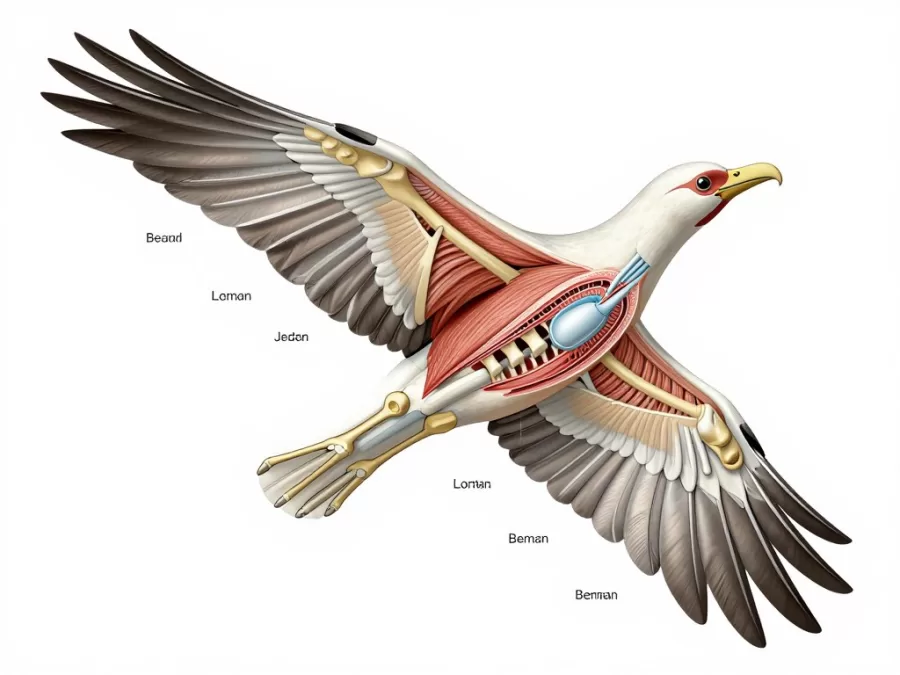
Wing shape determines flight characteristics significantly. Pointed wings suit high-speed flight while broad wings enable soaring. The fastest birds possess swept-back wing profiles minimizing drag.
Body size and weight ratios affect maximum velocity. Smaller birds achieve impressive speeds relative to their size. Larger species require more power but can sustain speed over distance.
Feather structure contributes to aerodynamic efficiency. Smooth, overlapping feathers reduce turbulence. Special adaptations appear in the fastest species for optimal airflow.
Evolutionary Pressures
Speed evolved through different selective pressures. Predators developed velocity to catch prey efficiently. Prey species gained speed for escaping predators and increasing survival chances.
Migration demands influenced some species’ speed capabilities. Long-distance travelers benefit from efficient, sustained flight. Speed reduces travel time and energy expenditure over thousands of miles.
Remarkable Facts About Fast-Flying Birds
Record-Breaking Achievements
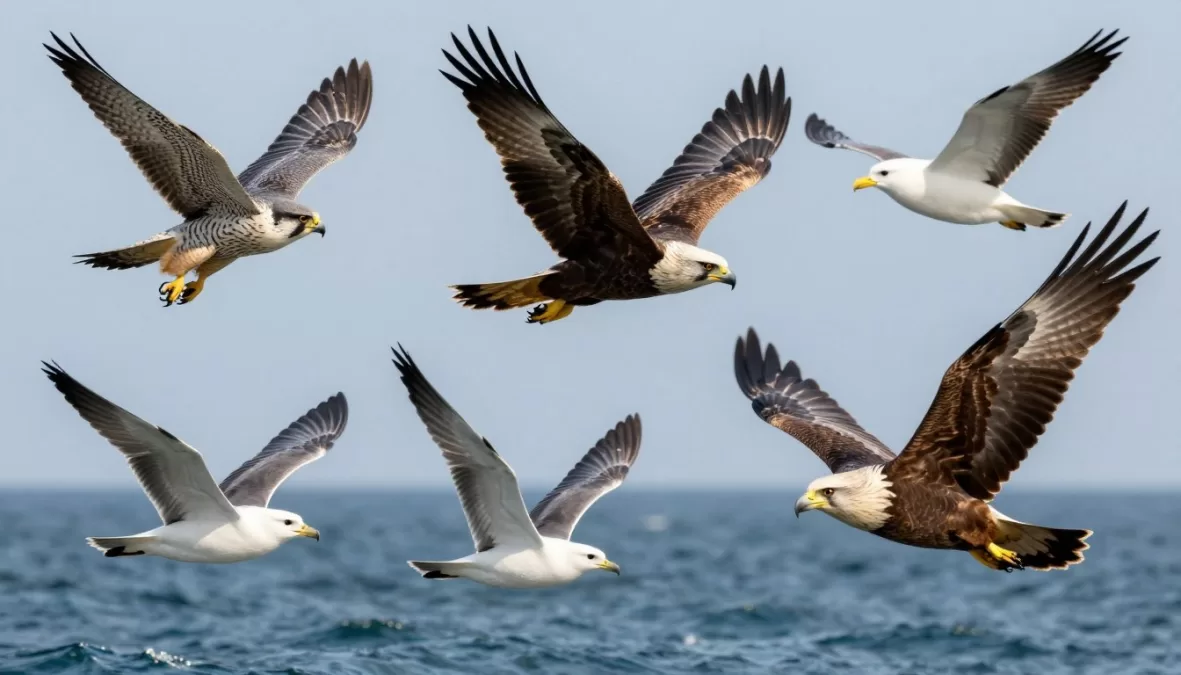
The peregrine falcon’s 242 mph dive represents the fastest speed recorded for any animal on Earth. This velocity exceeds most vehicles on highways. The impact force when striking prey can reach devastating levels.
Ruby-throated hummingbirds achieve remarkable speeds relative to body size. While their absolute speed seems modest, their acceleration and maneuverability exceed larger birds. They can fly backward and hover with precision.
Speed and Survival Strategies
Fast flight serves multiple survival functions beyond hunting and escaping predators. Migration efficiency improves with higher cruising speeds. Territory defense often involves aerial chases at maximum velocity.
Courtship displays frequently showcase speed and agility. Males demonstrate fitness through aerial acrobatics. These behaviors help females select the strongest mates.
Predatory Speed Advantages
Falcons and eagles leverage speed for hunting success across diverse environments.
- Surprise attacks before prey can react
- Overtaking swift prey species
- Expanding available prey range
- Reducing energy spent per hunt
Defensive Speed Benefits
Non-predatory birds use speed primarily for escaping predators and improving survival.
- Quick escape from danger
- Outpacing pursuing predators
- Accessing safer feeding areas
- Efficient territory coverage
Migration Efficiency
Speed significantly impacts successful long-distance seasonal migrations for many species.
- Reduced travel time between regions
- Lower overall energy expenditure
- Better timing with food availability
- Increased survival during migration
Breeding Success
Flight performance directly influences reproductive success through multiple mechanisms.
- Impressive courtship displays
- Better territory acquisition
- Efficient food delivery to young
- Enhanced nest site defense
Environmental Factors

Wind conditions dramatically affect actual flight speeds. Tailwinds can add 20-30 mph to ground speed. Headwinds reduce effective velocity and increase energy costs.
Altitude influences air density and flight efficiency. Higher elevations require more effort due to thinner air. Some species climb to optimal altitudes before high-speed flight.
Temperature affects muscle performance and air density. Warmer conditions generally improve flight efficiency. Cold environments challenge even the most adapted species.
Observing Fast Birds in Your Backyard

Attracting Diverse Species
Creating bird-friendly backyard spaces brings wildlife closer for observation. Multiple feeder types attract different species. Water sources prove essential for both drinking and bathing.
Native plants provide natural food sources and cover. Berry-producing shrubs and seed-bearing flowers support resident and migrating birds. Diverse vegetation creates layered habitat.
Some fast-flying species visit backyard feeders regularly. Ruby-throated hummingbirds frequent sugar water feeders during migration. Even peregrine falcons occasionally hunt in suburban areas.
Identification Tips
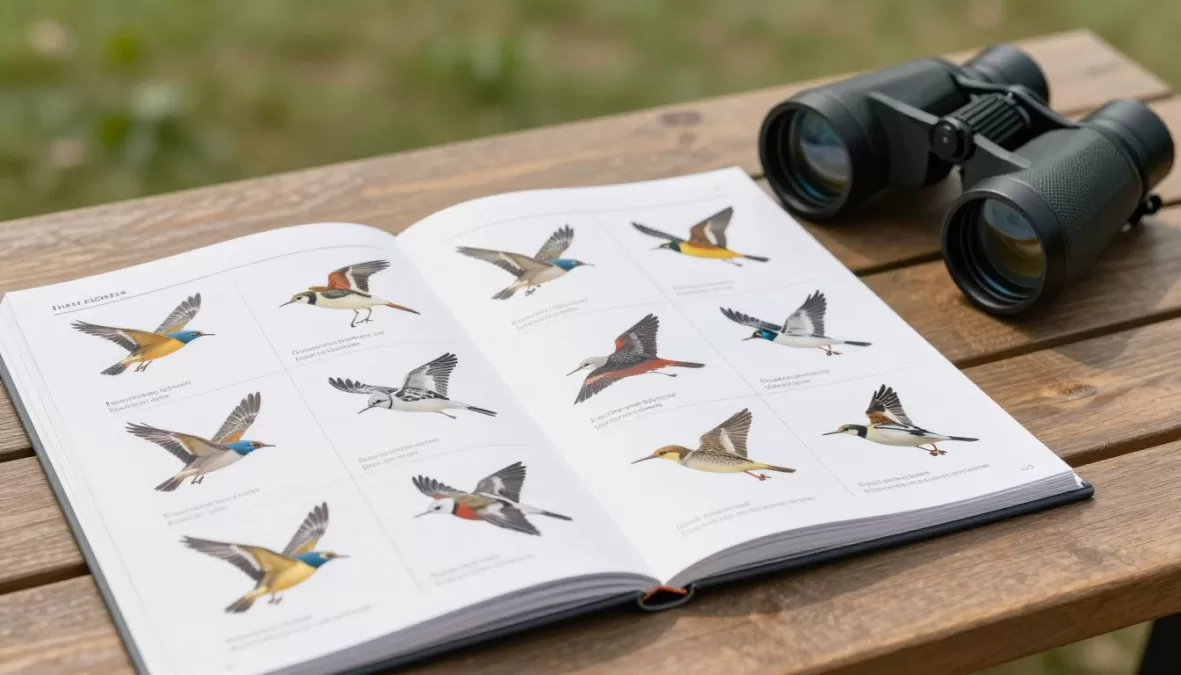
Learning to identify birds in flight requires practice and patience. Wing shape provides initial clues about species and family. Flight patterns offer additional identification markers.
Size comparison helps narrow possibilities when multiple species appear. Behavioral observations supplement physical characteristics. Note feeding habits, preferred perches, and social interactions.
Best Observation Times
Early morning hours provide peak bird activity in most regions. Dawn feeding sessions offer excellent viewing opportunities. Migration periods bring unusual species through backyard spaces.
Seasonal variations affect which species appear locally. Summer brings breeding birds while winter hosts different populations. Spring and fall migrations create the most diverse observation periods.
Pro Tip: Keep a bird journal recording species, behaviors, and weather conditions. Patterns emerge over time revealing the best conditions for observing specific birds. Note migration timing to predict future appearances.
Conservation and Protection Efforts
Threats to Fast-Flying Species
Habitat loss threatens many bird species worldwide. Development destroys nesting sites and reduces prey populations. Pollution affects both birds and their food sources.
Climate change alters migration patterns and breeding success. Shifting weather patterns disrupt timing with food availability. Some species struggle to adapt quickly enough.
Collisions with human structures kill millions of birds annually. Glass windows, communication towers, and wind turbines pose particular dangers. Fast-flying species face elevated risks due to their velocity.
Success Stories
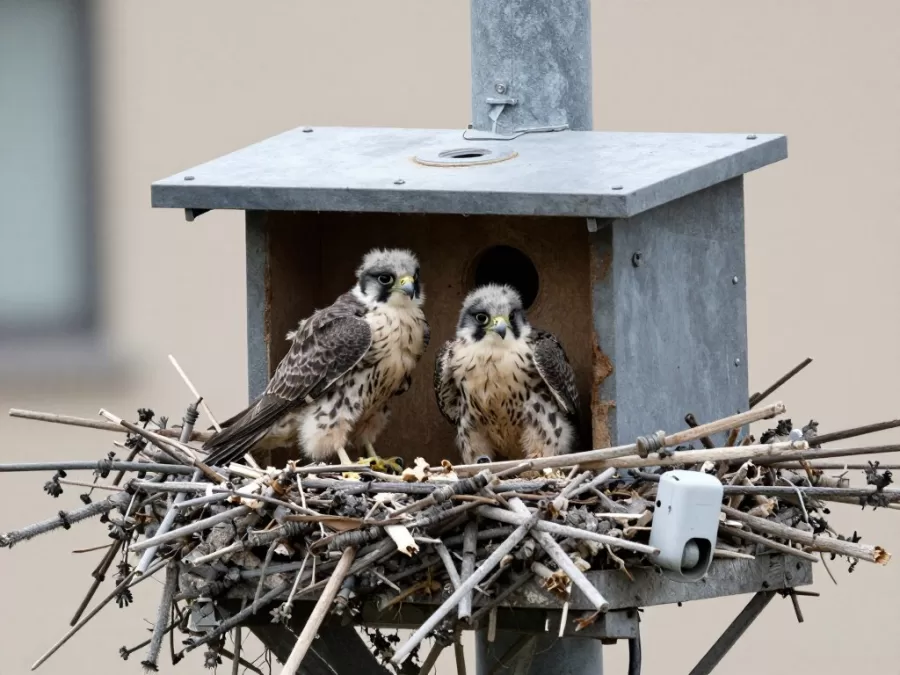
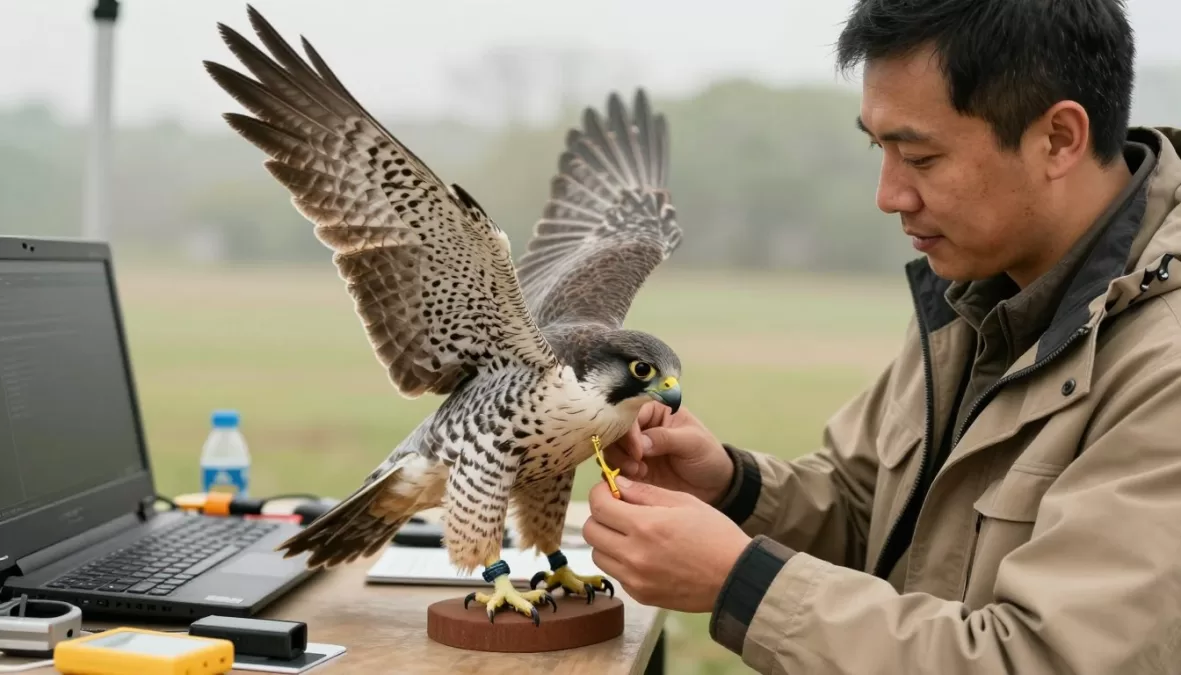
Peregrine falcon recovery represents a conservation triumph. DDT nearly eliminated this species from North America. Banning harmful pesticides and active management restored populations.
Protection of key habitats benefits numerous species simultaneously. Marine reserves help seabirds including albatrosses and frigatebirds. Protected migratory corridors support long-distance travelers.
Individual Actions
Simple steps help protect bird populations locally and globally. Installing window decals prevents collision deaths. Keeping cats indoors protects backyard birds from predation.
Supporting conservation organizations funds critical research and protection work. Citizen science projects collect valuable data. Every observation contributes to understanding bird populations and needs.
- Plant native vegetation for natural food sources
- Install bird-safe window treatments
- Keep outdoor cats indoors or supervised
- Support local and global conservation groups
- Participate in citizen science bird counts
- Reduce pesticide use in your yard
Positive Conservation Actions
- Using broad-spectrum pesticides that harm insects
- Allowing cats to roam freely outdoors
- Installing reflective windows without protection
- Removing dead trees that provide nest cavities
- Disturbing nesting birds during breeding season
- Supporting development in critical habitats
Harmful Activities to Avoid
The Wonder of High-Speed Flight
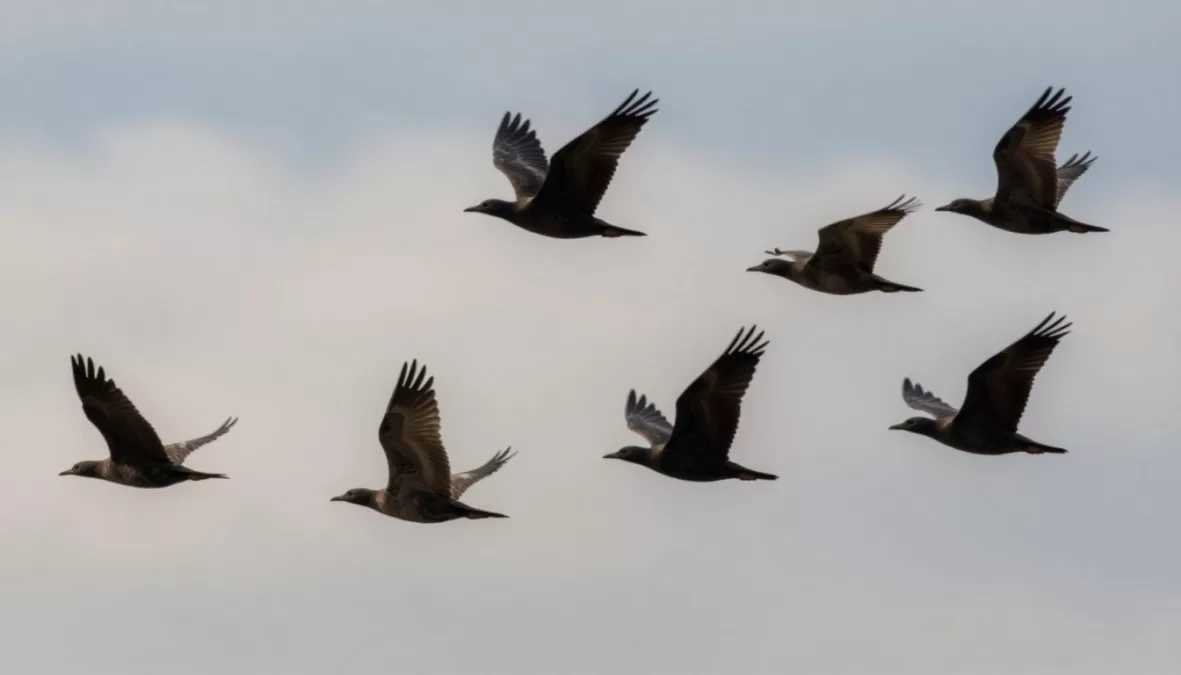
The fastest flying birds in the world demonstrate nature’s incredible engineering. From the peregrine falcon’s 240 mph dive to the common swift’s tireless aerial lifestyle, each species showcases unique adaptations. Speed serves survival through hunting, escape, migration, and reproduction.
These remarkable birds inhabit every continent and ocean. Their presence enriches ecosystems worldwide. Understanding their capabilities deepens appreciation for avian diversity and evolution.
Observing fast-flying birds connects us with the natural world. Whether watching a falcon stoop or swifts screaming overhead, these experiences inspire wonder. Conservation ensures future generations can marvel at these speed champions.
The bird world continues revealing secrets through ongoing research. New technologies enable more precise speed measurements. Citizen scientists contribute valuable observations expanding our knowledge base.
Join Our Bird Watching Community
Stay updated on the fastest birds, migration patterns, and identification tips. Receive our monthly newsletter featuring expert insights, stunning photography, and exclusive bird watching resources.
Free Bonus: Fastest Birds Speed Comparison Chart
Download our comprehensive visual guide comparing the top 20 fastest birds in the world. Includes detailed specifications, habitat maps, and identification tips for each species. Perfect for printing and field reference.

Priyanka Pandey
Senior Research Editor · Top10Sense
Priyanka specializes in tech, consumer products, and digital trends. She combines hands-on testing, vendor interviews, and database research to create trustworthy “Top 10” rankings. Her work has been referenced by industry blogs and brand report pages.