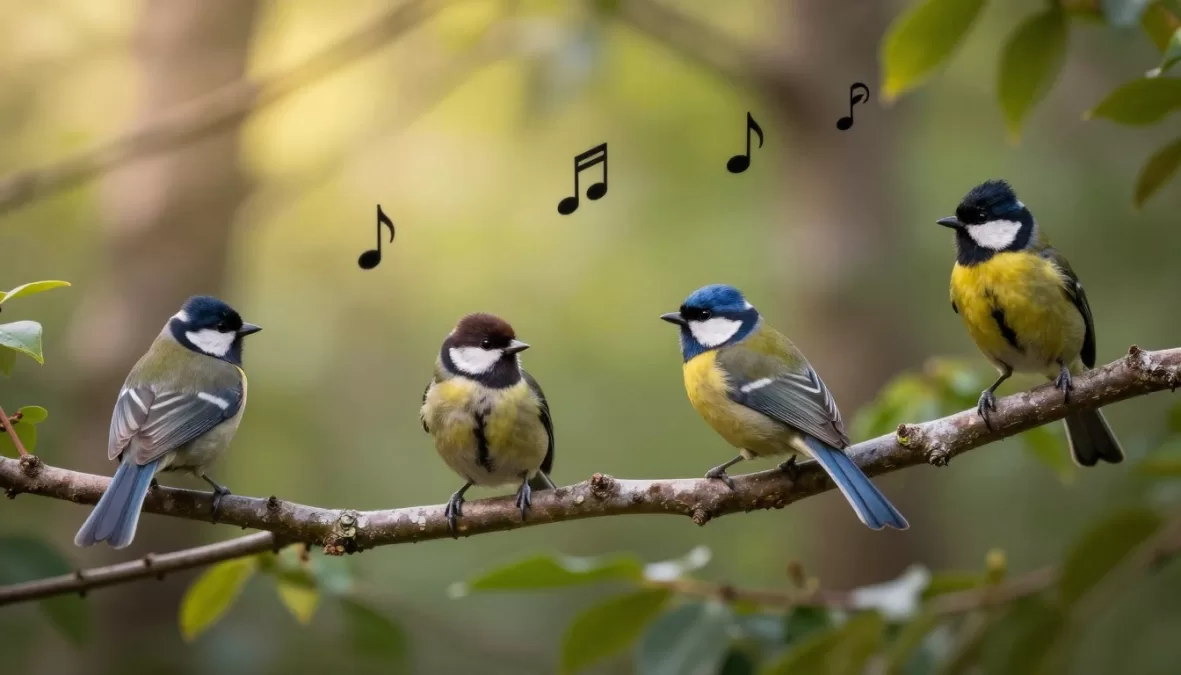
Nature offers countless wonders, but few experiences compare to hearing birds with beautiful songs fill the air with their melodies. These feathered musicians have captivated people throughout time with vocal performances that range from simple chirps to complex symphonies. Each species brings its own unique sound to the natural world.
Bird songs serve important purposes beyond entertainment. Males use their voices to attract females and defend territory. Some species sing throughout the year, while others reserve their best performances for breeding season. The variety of sounds produced by different bird species reflects millions of years of evolution.
This guide explores ten remarkable birds known for their exceptional singing abilities. From forests of north america to distant continents, these species represent the pinnacle of avian vocal artistry. Whether you’re an experienced birder or simply appreciate beautiful sounds in nature, these birds will inspire wonder and appreciation.
Love Bird Songs?
Join thousands of bird enthusiasts receiving weekly updates about seasonal songs, migration patterns, and rare species sightings in your area.
1. Nightingale: The Master of Evening Serenades
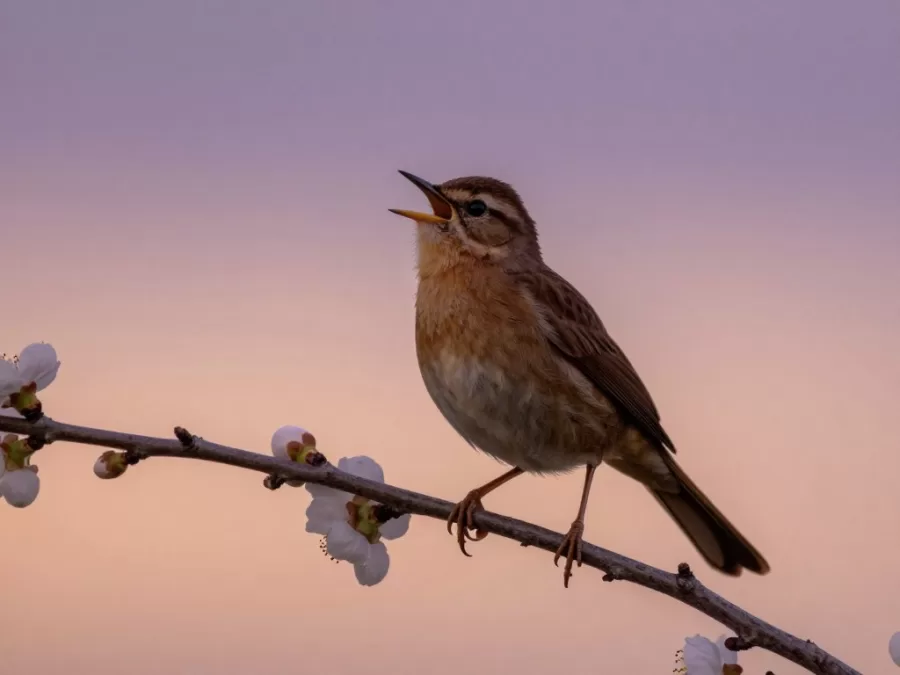
The nightingale stands as perhaps the most celebrated songbird in human culture. This small brown bird produces over 200 different phrases in its repertoire. Males sing powerfully during both day and evening hours, though their nighttime performances have earned them lasting fame.
Nightingales inhabit forests and woodlands across Europe, central asia, and northern africa. Adults measure about six inches long with reddish-brown plumage that provides excellent camouflage. Despite their plain appearance, their vocal abilities remain unmatched. The song consists of rich whistles, trills, and crescendos that sound almost orchestral.
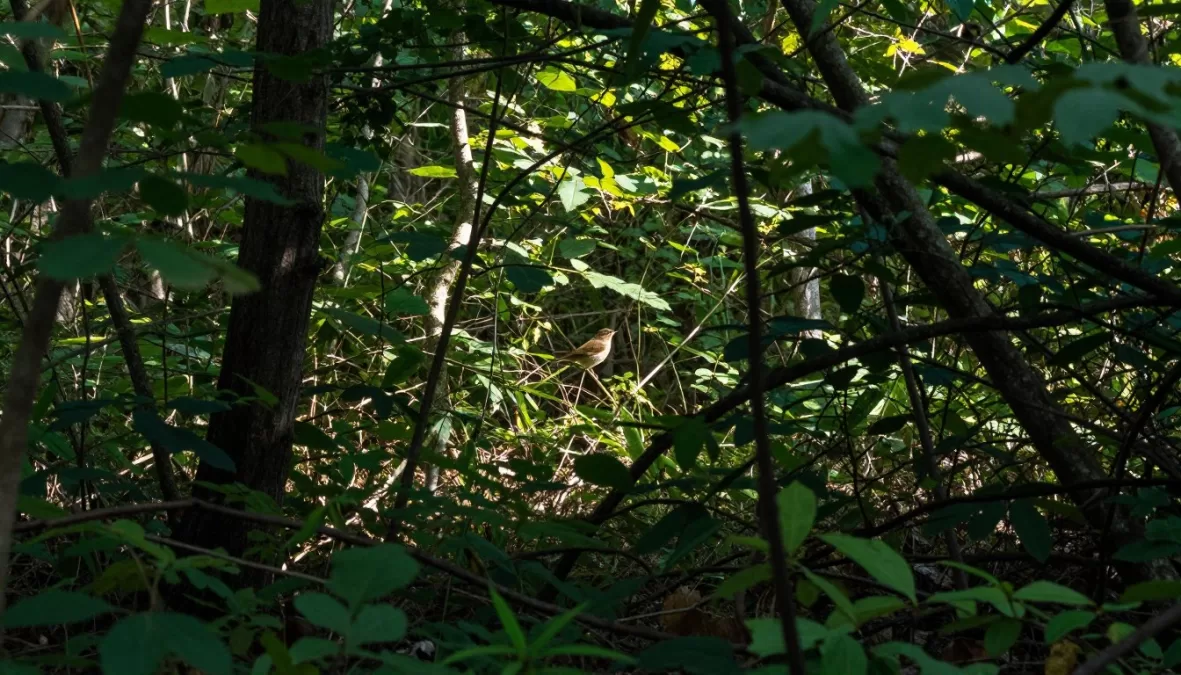
These birds arrive in Europe during spring after wintering in sub-Saharan Africa. Males establish territories immediately and begin singing to attract females. The song serves dual purposes: drawing potential mates while warning rival males to stay away. Scientists have discovered that females prefer males with larger song repertoires.
Nightingales face habitat loss as woodlands shrink across their range. Conservation efforts focus on preserving the dense undergrowth these birds require for nesting. When conditions suit them, nightingales may sing for hours without pause, filling forests with their remarkable melodies throughout the breeding season.
2. Wood Thrush: North America’s Forest Flutist
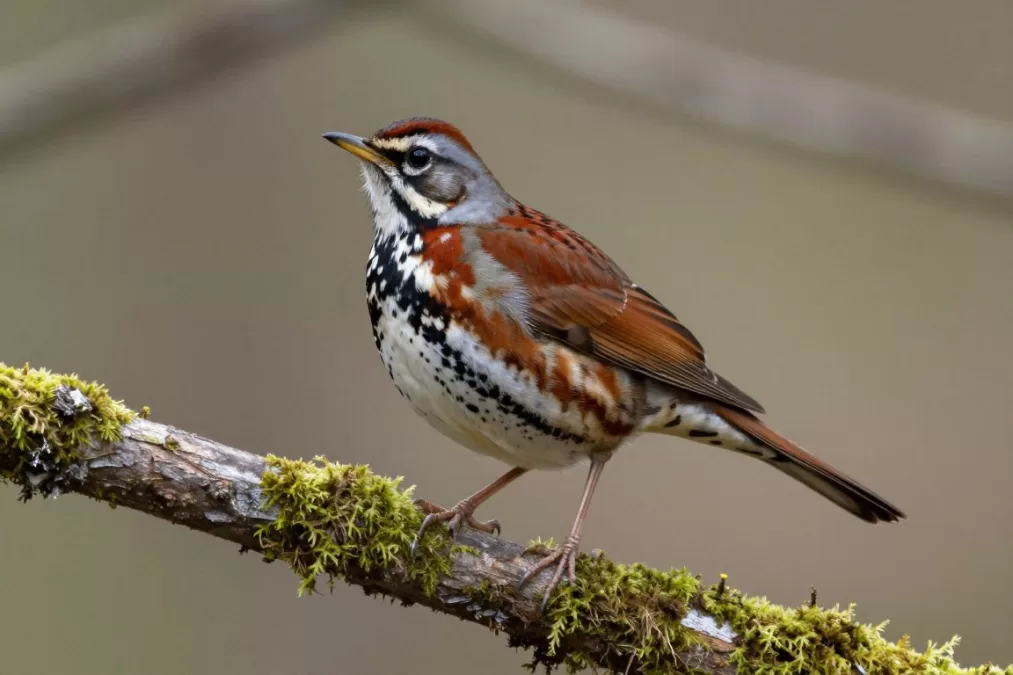
The wood thrush produces one of the most beautiful bird songs heard in north american forests. This medium-sized thrush creates a flutelike melody that sounds like liquid silver flowing through trees. The song features clear phrases that echo through mature woodlands during summer months.
Wood thrush birds inhabit deciduous and mixed forests throughout eastern united states and parts of canada. Adults display rusty-brown plumage on their backs with distinctive dark spots covering white breasts. They prefer forests with dense canopy cover and rich understory vegetation where they can forage for insects and berries.
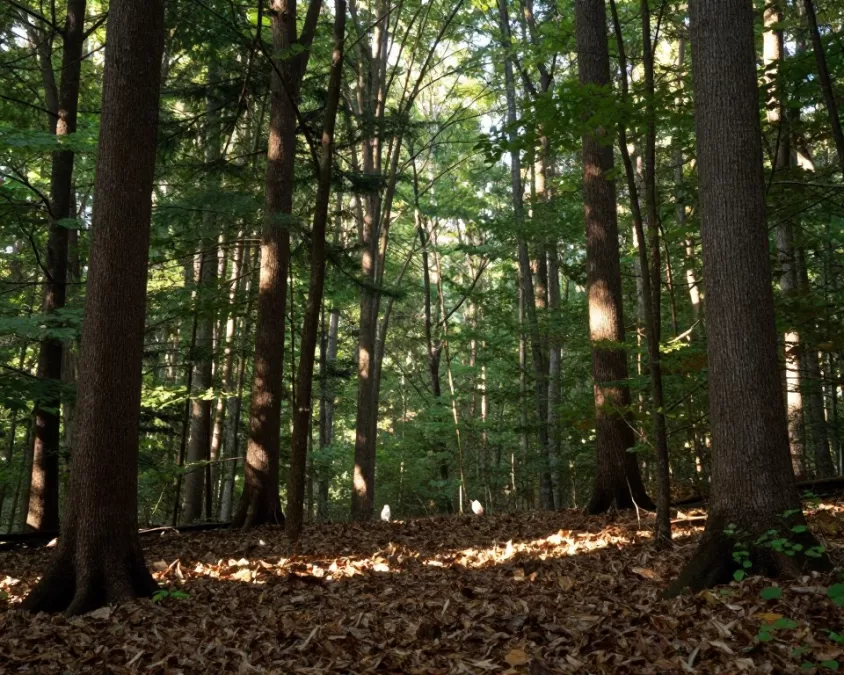
Male wood thrush arrive on breeding grounds in spring and immediately establish territories through song. Their vocalizations carry remarkable distances through forest environments. Each bird develops a unique song pattern, though all share the characteristic flutelike quality that defines the species.
These birds face challenges from habitat fragmentation and nest parasitism by cowbirds. Wood thrush populations have declined significantly over recent decades. Conservation programs work to protect large forest tracts where these thrushes can successfully raise young. Their song remains a highlight of summer walks through eastern forests.
3. Common Loon: The Haunting Voice of Northern Waters

The common loon produces calls that define wilderness experiences across northern north america. These waterbirds create multiple vocalizations including tremolo, wail, and yodel sounds. Each call serves specific communication purposes, from territorial defense to locating family members across vast lakes.
Common loon adults sport striking black and white plumage during breeding season. Their bodies are perfectly adapted for diving and swimming in cold northern waters. Loons nest on lakeshores throughout canada and northern united states, preferring remote locations away from human disturbance.
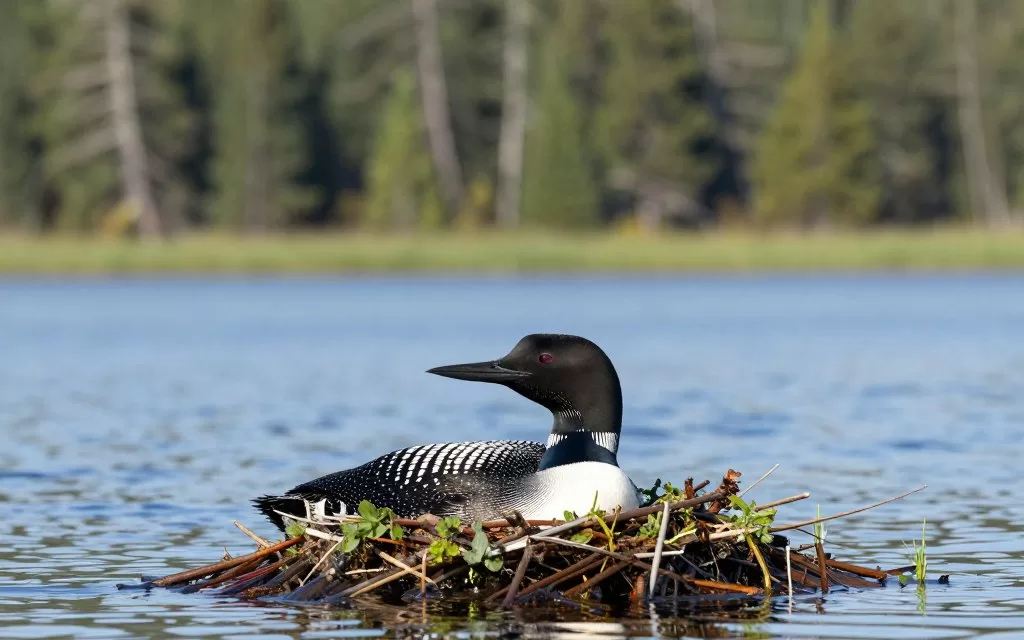
The yodel call, performed only by males, announces territory ownership to other loons. This complex vocalization varies between individuals, allowing loons to recognize their neighbors. The haunting wail often heard at night helps pairs maintain contact when separated by darkness or distance.
Loons require large, clear lakes with adequate fish populations. Adults return to the same breeding territories year after year. Climate change and water pollution threaten loon populations in some areas. Their calls continue to symbolize wilderness and inspire people who hear them echoing across northern lakes throughout summer.
4. Song Sparrow: The Persistent Suburban Songster
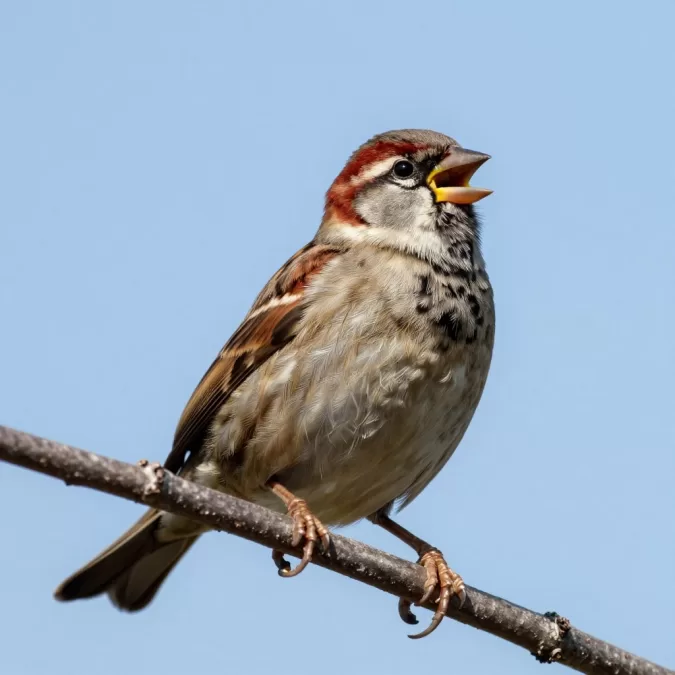
The song sparrow ranks among the most widespread and vocal bird species in north america. These sparrows sing from dawn until dusk across diverse habitats. Males learn their songs from adult birds during their first year, developing repertoires of several distinct song types.
Song sparrow adults display streaked brown plumage with a distinctive dark spot on their breast. They inhabit brushy areas, wetland edges, suburban gardens, and forest clearings throughout the united states and canada. These adaptable birds thrive near human settlements while maintaining robust wild populations.
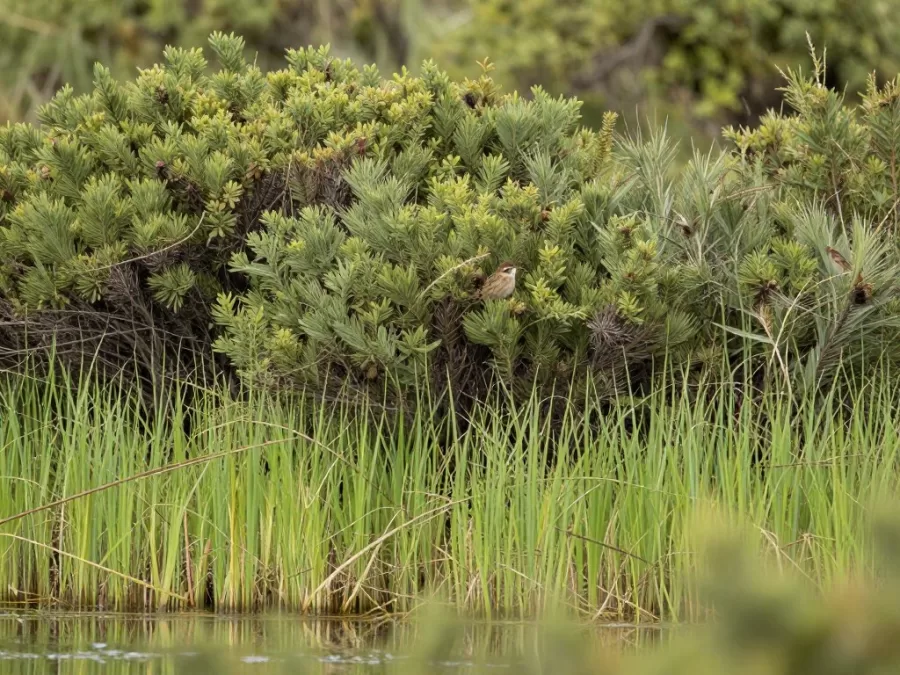
Each male song sparrow masters several song variations. They use these different versions strategically during territorial disputes and courtship. The songs begin with clear notes followed by buzzy trills and complex endings. Females assess male quality partially through song performance.
Song sparrows nest multiple times per breeding season when conditions allow. They build cup-shaped nests low in dense vegetation. These birds remain year-round residents across much of their range, providing winter bird song when most species stay silent. Their cheerful melodies brighten suburban neighborhoods and wild spaces alike.
5. Canary: The Cultivated Singing Champion
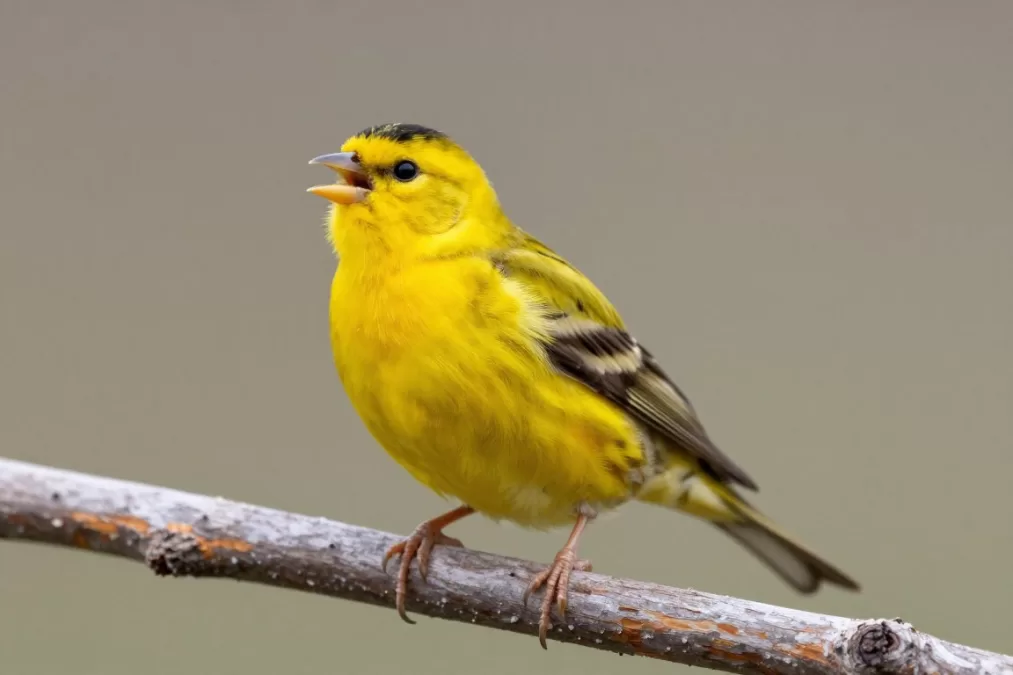
The canary has been selectively bred for centuries to enhance its already impressive vocal abilities. Wild canaries originate from islands off northwestern africa, but domesticated varieties now exist worldwide. These small birds produce continuous songs featuring trills, rolls, and melodious phrases.
Male canaries sing to establish territory and attract females, just like their wild ancestors. Domestic canary breeders have developed numerous song varieties, each with distinctive characteristics. The birds learn songs from adult males during development, making training and selective breeding possible.
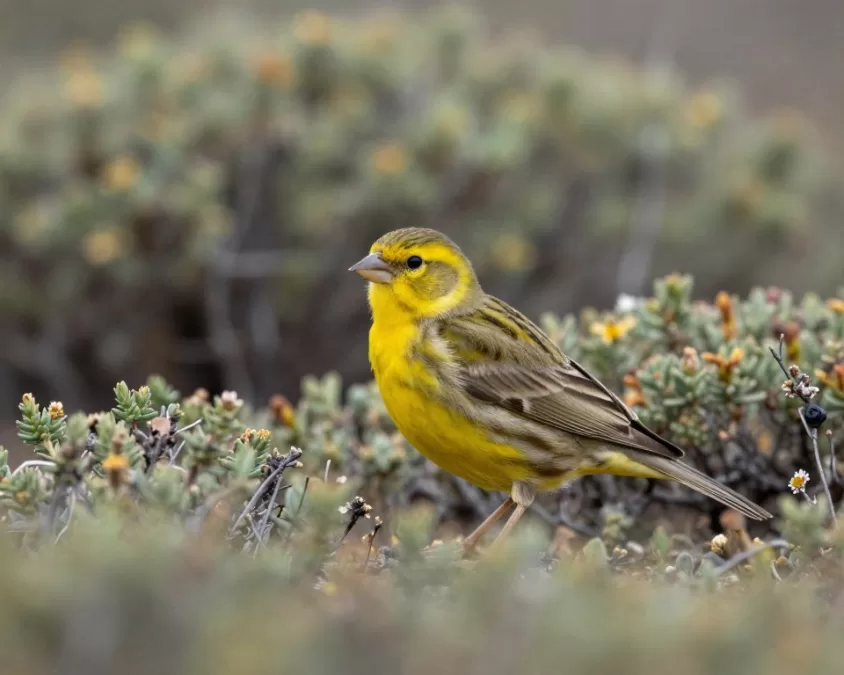
Wild canaries inhabit scrublands and forest edges where they feed primarily on seeds. Males display yellow and greenish plumage while females show more subdued coloring. Breeding season brings increased singing activity as males compete for nesting territories and female attention.
Domestic canaries come in many color varieties beyond the classic yellow. Song quality remains a primary consideration for many breeders. These birds can learn new songs throughout their lives, though young males prove most receptive to training. Their pleasant songs have made canaries popular house companions for generations.
Enhance Your Bird Watching Experience
Download our free guide featuring detailed song descriptions, audio samples, and identification tips for 50 North American songbirds. Perfect for both beginners and experienced birders.
6. American Robin: The Dawn Chorus Leader
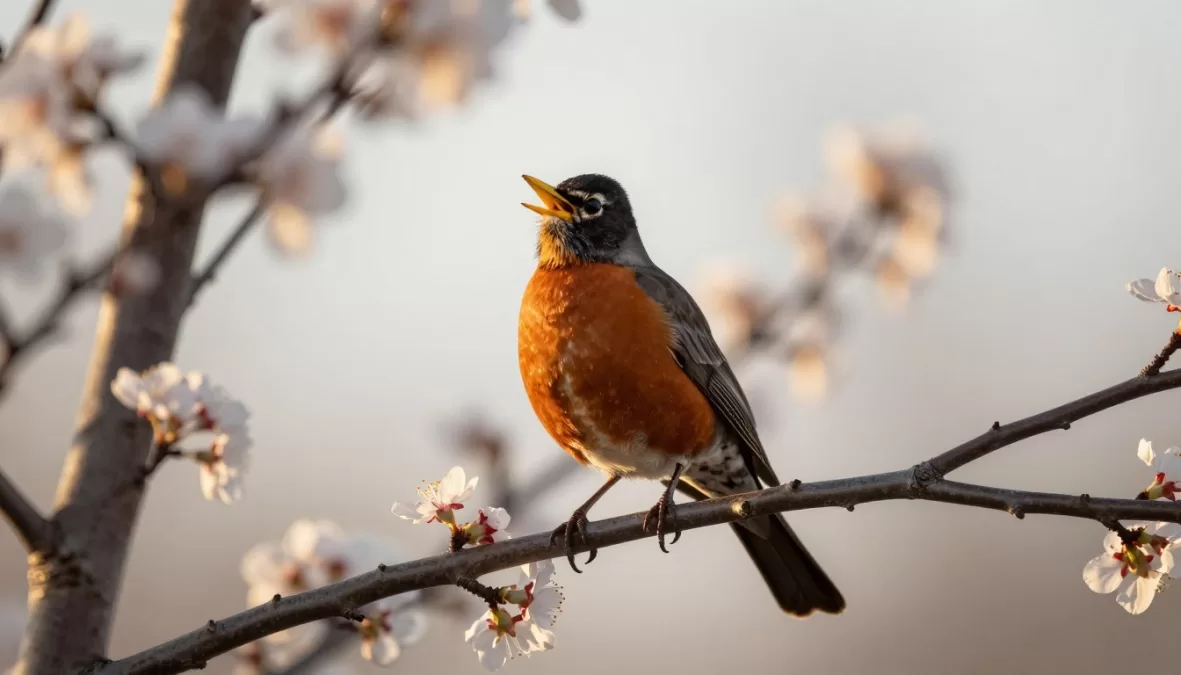
The american robin delivers one of the most familiar bird songs across north america. These thrushes sing cheerful caroling phrases from early morning until evening. Males often begin singing before sunrise, contributing prominently to the dawn chorus in spring and summer.
Robin adults feature gray-brown backs and distinctive orange breasts. They inhabit diverse environments from deep forests to suburban lawns. These adaptable birds thrive in human-modified landscapes, making them one of the most commonly observed species throughout the united states and canada.
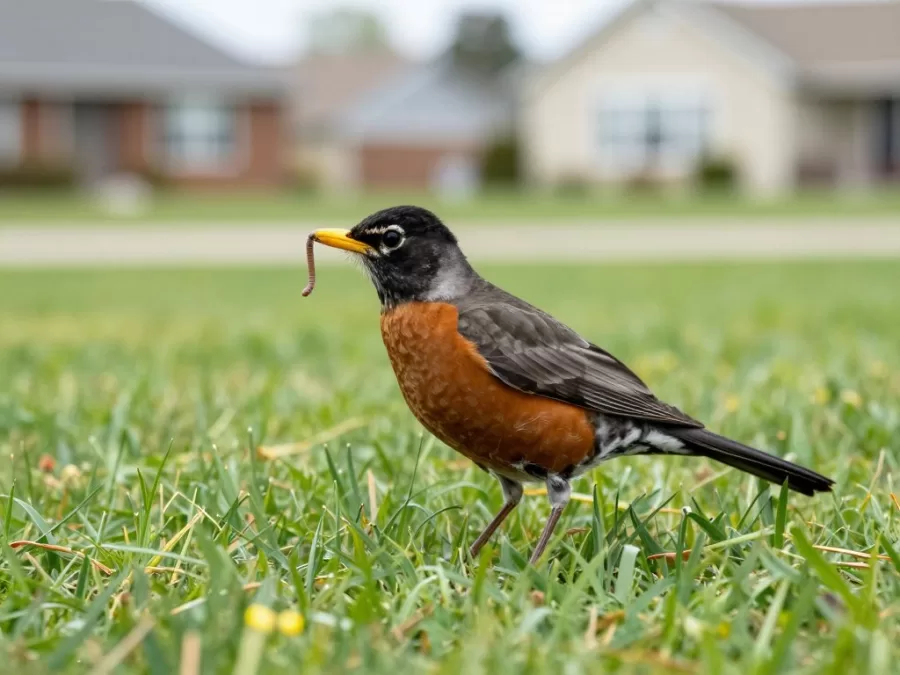
Robin songs consist of phrases that sound like ‘cheerily, cheer-up, cheerio.’ Males sing from prominent perches including treetops, rooftops, and utility wires. The song changes slightly throughout breeding season as males adjust their messages. Early season songs focus on territory establishment while later songs emphasize pair bonding.
These birds build sturdy mud-lined nests in trees, shrubs, and various structures. Robins often raise multiple broods per year across their range. They provide important pest control by consuming insects and distribute seeds through their droppings. Their song marks the arrival of spring for many people throughout north america.
7. Eurasian Blackbird: Europe’s Mellow Evening Singer
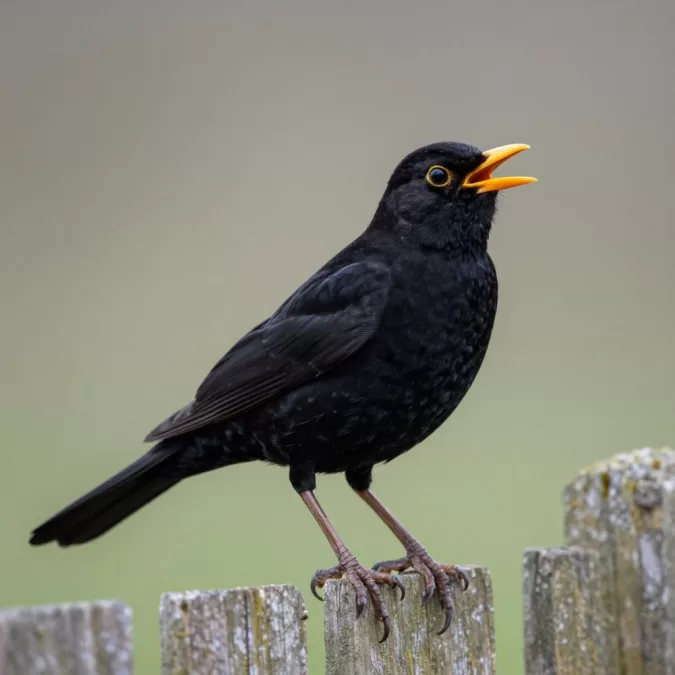
The eurasian blackbird produces rich, mellow songs that fill european gardens and woodlands. Male blackbirds deliver unhurried phrases with flutelike quality during evening hours. Their leisurely song tempo creates a peaceful atmosphere in urban and rural settings alike.
Male blackbirds display entirely black plumage with bright yellow or orange beaks. Females show brown feathers with spotted breasts. These birds inhabit gardens, parks, woodlands, and hedgerows across europe and have been introduced to australia and new zealand where they now thrive.
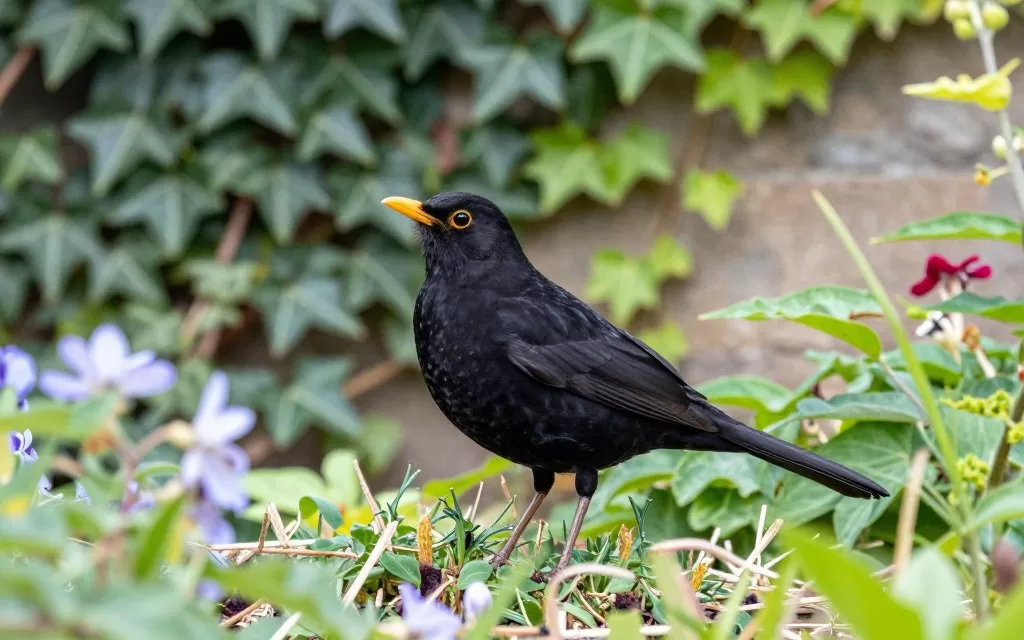
Blackbird songs feature low, rich tones interspersed with higher whistles. Males sing from prominent perches, often choosing rooftops, tall trees, or television aerials. The songs carry considerable distances, allowing males to announce territory ownership across large areas.
These adaptable birds have learned to thrive alongside humans. Urban blackbirds often sing later into the evening compared to their woodland counterparts, possibly to avoid competing with daytime noise. They nest in dense shrubs and hedges, building cup-shaped structures from grass and mud. Their songs provide the soundtrack to spring evenings throughout europe.
8. Hermit Thrush: The Ethereal Mountain Voice
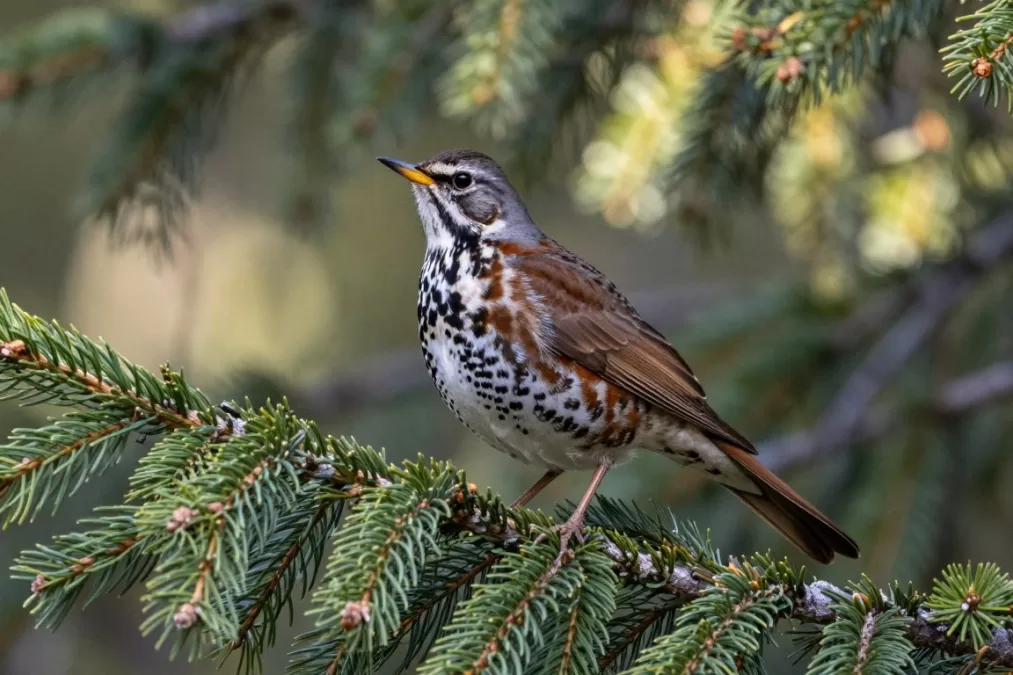
The hermit thrush creates arguably the most ethereal song among north american birds. This small thrush produces clear, flutelike phrases that spiral upward in pitch. The song echoes through mountain forests and northern woodlands, creating an almost otherworldly atmosphere.
Hermit thrush adults show brown plumage above with spotted breasts and distinctive rufous tails. They breed in coniferous and mixed forests across canada, northern united states, and mountain regions farther south. These birds prefer mature forests with open understory where they can forage on the ground.

Each hermit thrush song begins with a sustained whistle followed by a rapid series of rising and falling notes. Males develop unique song patterns that differ from their neighbors. The songs sound especially beautiful in the acoustic environment of dense forests where they breed.
These birds migrate to southern united states and central america for winter months. During migration, they occasionally sing simplified versions of their breeding songs. Hermit thrushes typically arrive on northern breeding grounds later than other thrushes. Their song remains one of the most sought-after sounds for bird enthusiasts exploring mountain wilderness areas.
9. Eurasian Skylark: The Aerial Performance Artist
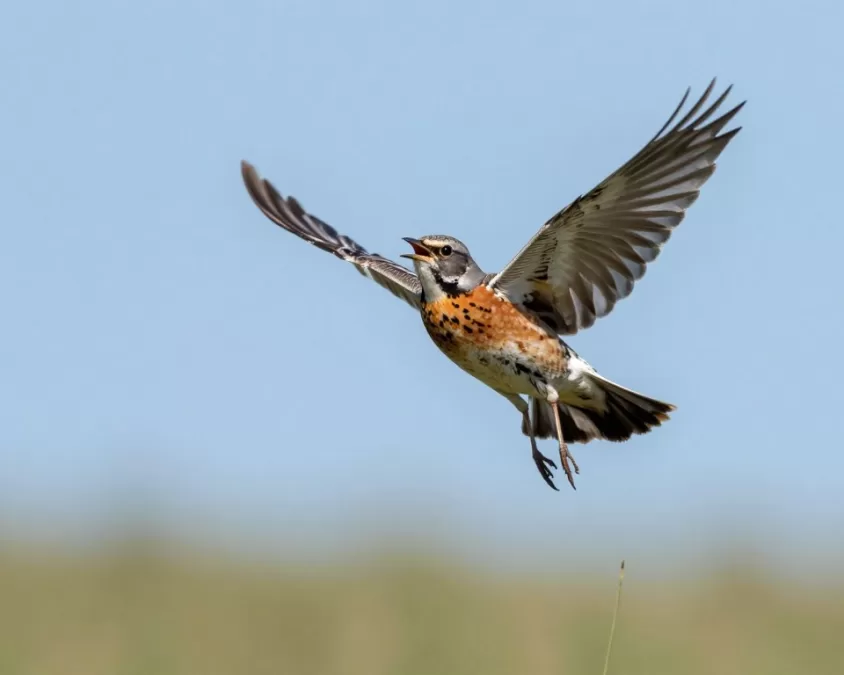
The eurasian skylark delivers one of nature’s most remarkable vocal performances while hovering high above open grasslands. These birds ascend vertically while singing continuously, sometimes remaining aloft for several minutes. The sustained song flight represents an extraordinary display of both vocal and physical endurance.
Skylark adults display streaked brown plumage that provides camouflage in grassland habitats. They show a small crest on their head that becomes visible when raised. These birds inhabit open country, farmland, and moorland across europe, asia, and northern africa. Populations have declined in some areas due to agricultural intensification.
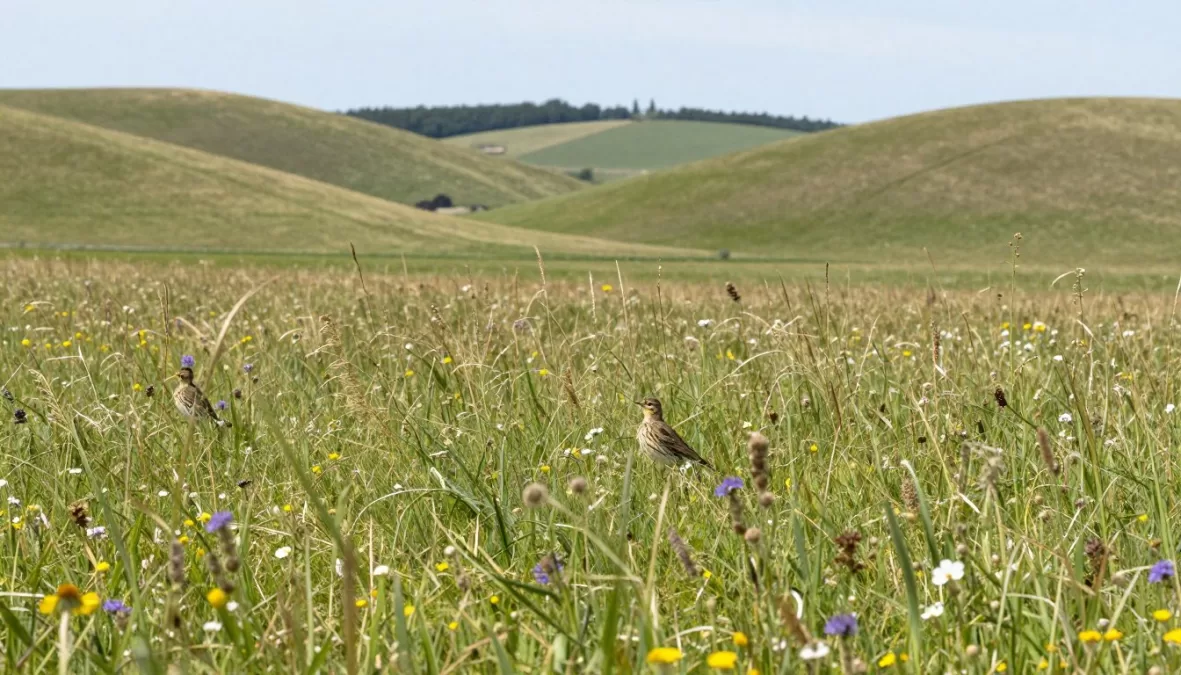
The skylark song consists of continuous warbling and trilling that incorporates mimicked sounds from other species. Males sing while climbing to heights of 150 feet or more. They hover briefly at peak altitude before descending gradually while continuing their performance. The song serves to advertise territory and attract females.
Female skylarks build well-hidden ground nests in grass tussocks. These birds face threats from habitat loss and agricultural practices that destroy nests. Conservation efforts focus on maintaining grassland habitats with appropriate vegetation structure. The skylark song flight has inspired poets and musicians throughout history.
10. Northern Mockingbird: The Versatile Vocal Mimic
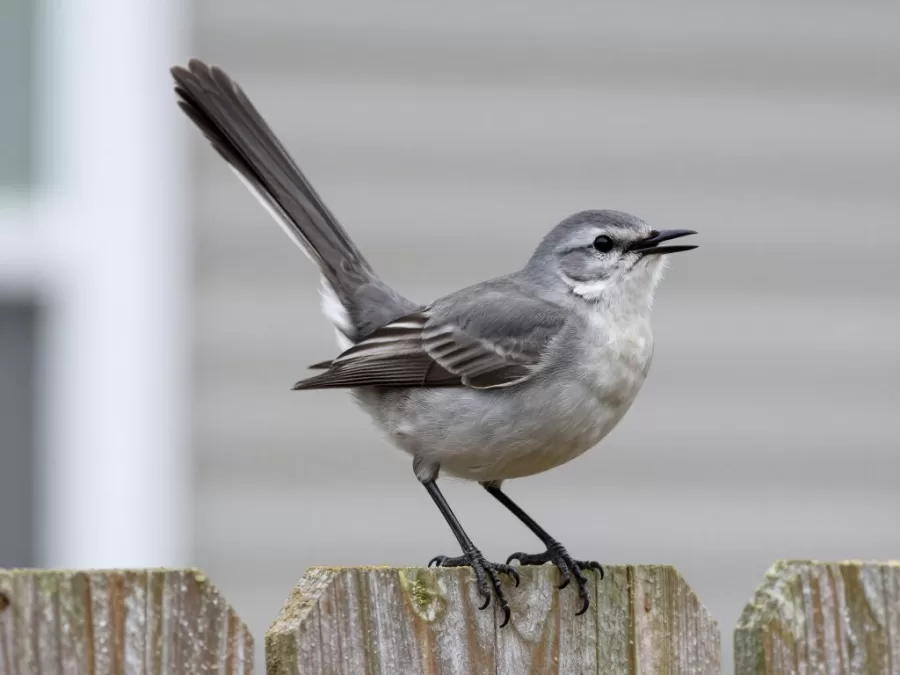
The northern mockingbird demonstrates perhaps the most varied repertoire of any north american bird. These remarkable mimics incorporate sounds from dozens of other bird species into their songs. Males may learn 200 or more song types during their lifetime, continuously adding new material.
Mockingbird adults display gray and white plumage with distinctive white wing patches visible during flight. They inhabit open habitats with scattered trees and shrubs throughout the united states and mexico. These bold birds readily adapt to suburban environments, often singing from prominent perches.

Mockingbirds sing both day and night, with unmated males being especially vocal during moonlit nights. Each song phrase is typically repeated several times before switching to a new sound. They mimic not only other birds but also mechanical sounds like car alarms and cell phone ringtones.
Males establish territories and defend them vigorously throughout breeding season. They will attack much larger birds and even animals that venture too close to nesting areas. Mockingbirds build cup-shaped nests in dense shrubs and small trees. Their adaptability and entertaining songs have made them popular across their range.

Essential Bird Watching Gear
Quality binoculars and field guides enhance your birding experience. Explore recommended equipment for identifying and enjoying songbirds in your area.

Bird Song Apps & Resources
Modern technology helps identify bird species by their songs. Discover apps and online resources for learning to recognize different bird vocalizations.
Attract Songbirds to Your Yard
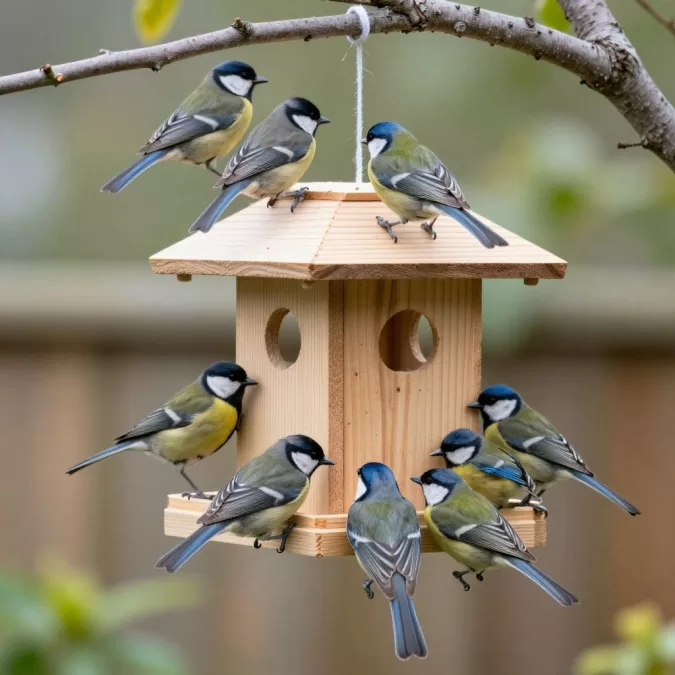
Create bird-friendly habitat with appropriate feeders, plants, and water sources. Learn how to invite these melodious species to visit your property.
What Makes Bird Songs Beautiful?

Bird song beauty emerges from multiple acoustic qualities. Melody, rhythm, tone, and complexity all contribute to how humans perceive avian vocalizations. Songs that feature clear tones, varied phrases, and pleasing intervals tend to capture human attention most effectively.
Many beautiful bird songs incorporate features found in human music. Thrushes often use intervals similar to musical scales. Some species create harmonic overtones that enrich their sound. The temporal pacing of phrases creates rhythm that appeals to human musical sensibility.
Physical Production
Birds produce songs using a specialized organ called the syrinx located where the trachea divides into bronchi. This structure allows many species to produce two different notes simultaneously. Some birds can create complex harmonies by controlling airflow through both sides of their syrinx independently.

Cultural context also influences which songs people find beautiful. Nightingales have featured prominently in european poetry and music for centuries. The wood thrush holds similar cultural significance in north america. Familiarity and cultural associations enhance appreciation for certain bird species.
Melodic Complexity
Songs with varied pitch patterns and intricate phrase structures capture attention. Species that incorporate multiple song types into their repertoire demonstrate impressive vocal versatility that humans find appealing.
Tonal Quality
Clear, pure tones with minimal harshness create pleasing listening experiences. Flute-like qualities in thrush songs exemplify tonal characteristics that humans consistently rate as beautiful.
Rhythmic Variation
Songs with distinct rhythm patterns and appropriate pacing hold listener interest. Species that vary their delivery speed and phrase spacing create dynamic performances.
How Birds Learn Their Songs
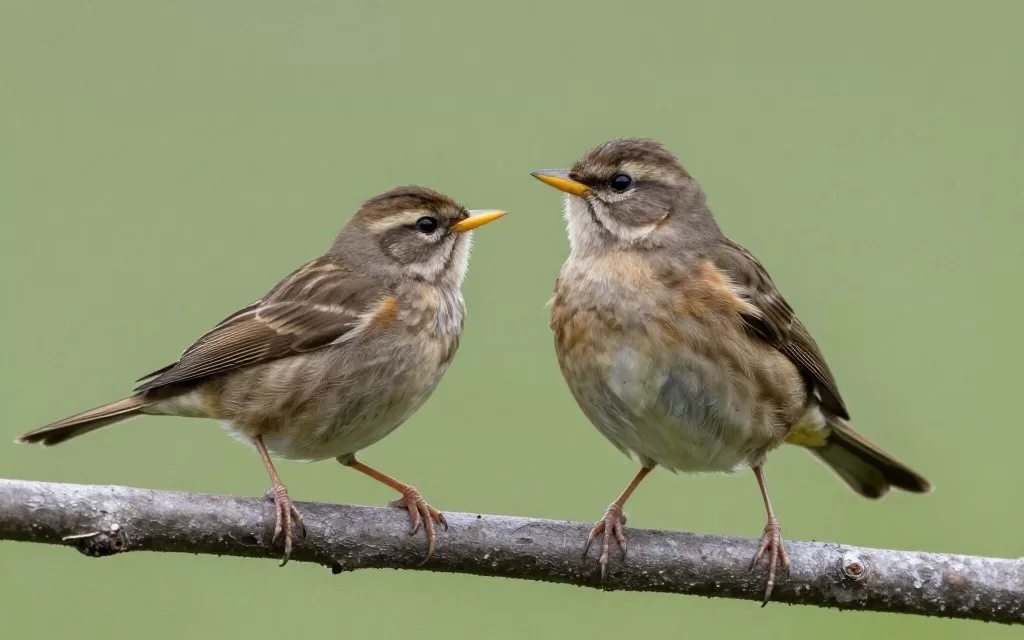
Most songbirds learn their vocalizations through a process similar to human language acquisition. Young birds listen to adult males during a critical period early in life. They memorize these songs and later practice producing similar sounds through trial and error.
The learning period varies among species. Some birds must hear adult songs during specific developmental windows or they never produce normal species-typical songs. Others can learn new songs throughout their lives. Song sparrows, for example, develop several song types during their first year based on local tutors.
Critical Learning Period: Research shows that many songbirds have a sensitive period during their first few months when they are most receptive to learning songs. Exposure to adult tutors during this time is essential for normal vocal development.
Male birds typically invest more heavily in song learning than females. In most species, males do the majority of singing for territorial and courtship purposes. However, females in some tropical species sing elaborate duets with their mates, requiring both sexes to master complex vocalizations.
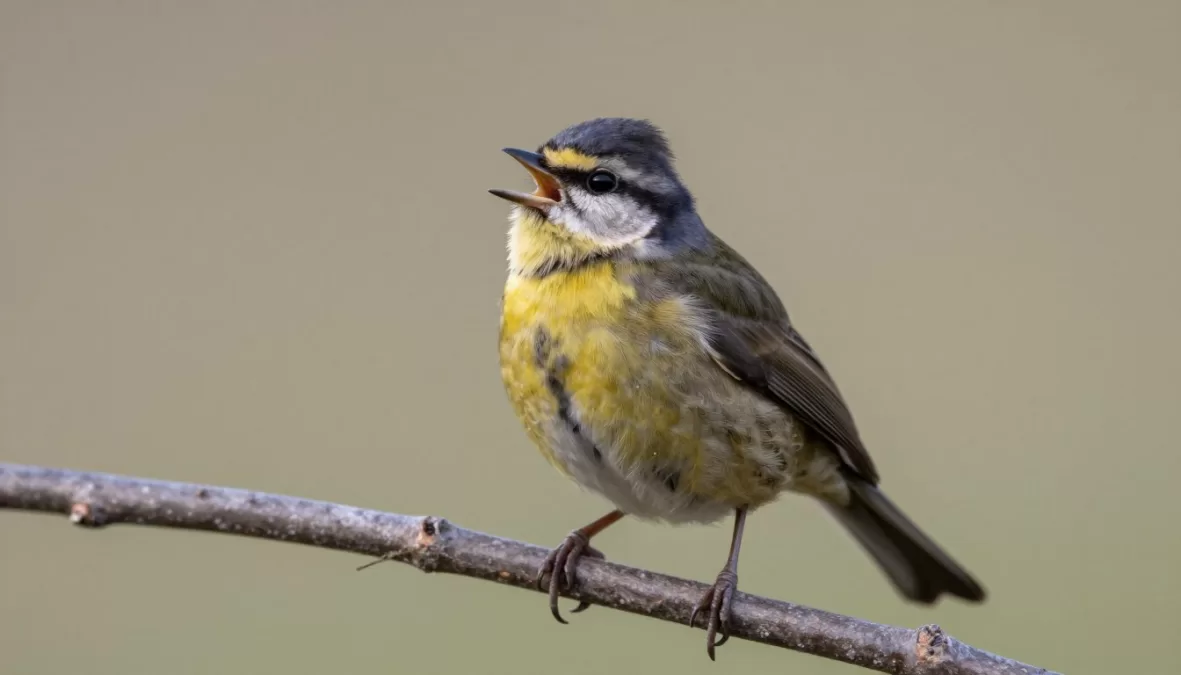
Cultural transmission of songs creates regional dialects within species. Birds in one area may sing slightly different versions compared to populations elsewhere. These dialects help individuals identify local versus foreign birds. Some research suggests females prefer males singing local dialects.
- Young birds memorize songs from adult tutors during critical developmental period
- Practice phase involves vocal experimentation until songs match memorized templates
- Neural pathways in bird brains change during song learning process
- Regional dialects emerge through cultural transmission across generations
- Some species can learn new songs throughout adult life
Seasonal Changes in Bird Song
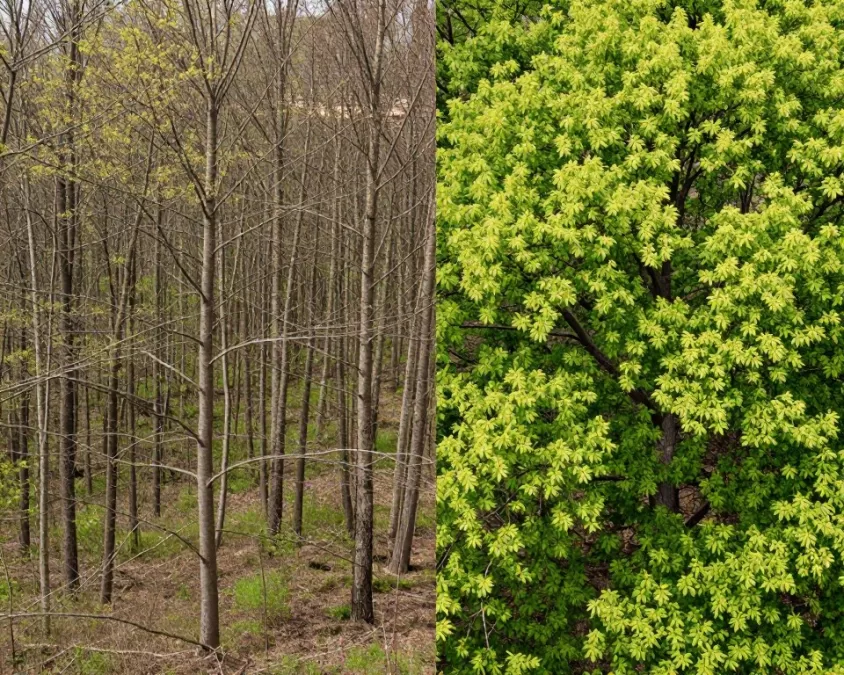
Bird singing activity follows distinct seasonal patterns across most species. Breeding season brings peak vocal activity as males establish territories and attract mates. Spring mornings in north america and europe feature intense dawn choruses when many species sing simultaneously.
The timing of singing peaks varies by species and location. Resident birds in warm climates may sing throughout year with intensity fluctuations. Migratory species concentrate their singing during breeding months after arriving on nesting grounds. Wood thrush songs fill eastern forests during summer but disappear completely by late fall.
Spring: Peak Performance Season
Male birds arrive on breeding territories and immediately begin singing to establish ownership. Early morning hours feature the most intense vocal activity. Dawn chorus typically begins before sunrise and continues for several hours. This concentrated singing helps birds avoid predators that hunt primarily by sound.
As breeding season progresses, paired males often reduce singing frequency. Unmated males continue intense vocal displays hoping to attract late-arriving females. Species that raise multiple broods may show renewed singing between nesting attempts as males re-establish pair bonds.
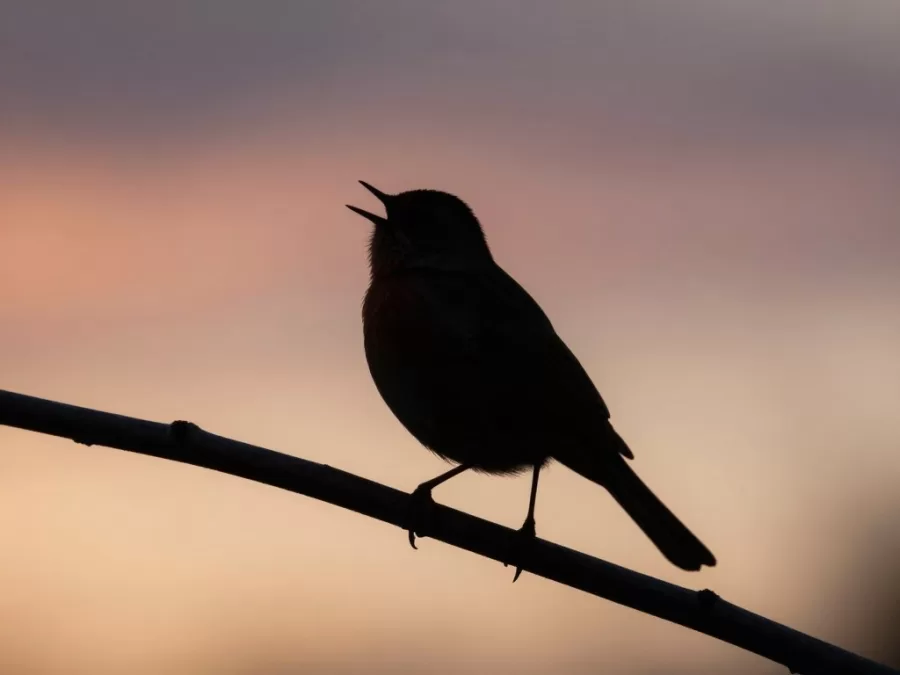
Summer singing continues but typically decreases as nesting duties demand more time and energy. Parents focus on feeding hungry nestlings rather than defending territory through song. Some species engage in quieter singing near nests, possibly to maintain pair bonds without attracting predator attention.
Autumn Singing: Many young birds practice singing during fall months as they develop adult vocal abilities. This subdued “subsong” helps them perfect techniques before the following breeding season. Some adults also sing sporadically in fall, possibly to establish winter territories.
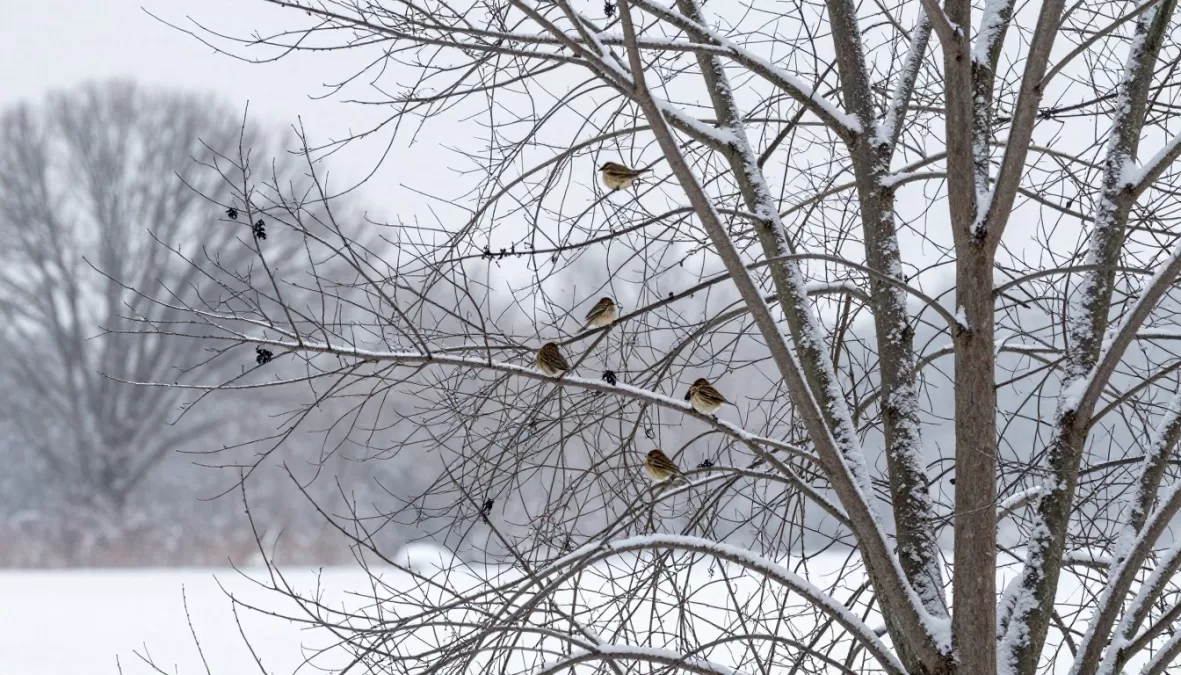
Winter brings the quietest period for most temperate species. Energy conservation becomes crucial during cold months when food availability drops. Resident birds may sing occasionally on mild winter days, particularly as spring approaches. These early songs signal the coming renewal of breeding activity.
Protecting Songbird Populations
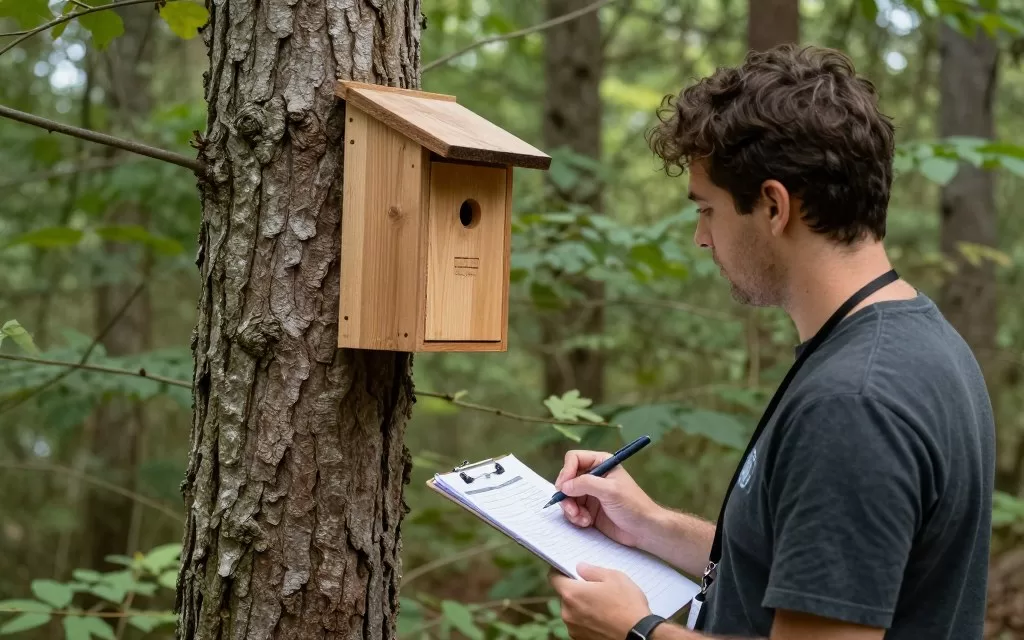
Many songbird species face population declines due to habitat loss, climate change, and other human-caused factors. Wood thrush numbers have dropped significantly as eastern forests become fragmented. Skylark populations in europe have declined with agricultural intensification. Conservation efforts focus on protecting and restoring critical habitats.
Urban and suburban development reduces available nesting habitat for many species. However, thoughtful landscaping can create bird-friendly spaces even in developed areas. Native plants provide food and shelter that support diverse bird communities. Reducing pesticide use helps maintain insect populations that birds need for feeding young.
Habitat Preservation
Protecting large forest tracts ensures breeding success for species like wood thrush and hermit thrush. Maintaining diverse vegetation structure provides resources for different species with varying habitat requirements.
- Preserve mature forest stands with closed canopy
- Maintain dense understory vegetation for nesting
- Protect riparian corridors and wetland edges
- Connect habitat patches with wildlife corridors
Reducing Threats
Minimizing hazards helps birds survive migration and breeding periods. Simple actions by individuals collectively make significant differences for songbird populations across their ranges.
- Keep cats indoors to prevent predation
- Make windows visible to prevent collisions
- Reduce outdoor lighting during migration seasons
- Minimize pesticide use in yards and gardens
Creating Bird-Friendly Spaces
Residential properties can provide valuable habitat when designed with birds in mind. Native plants support local ecosystems and attract diverse bird species throughout the year.
- Plant native trees, shrubs, and flowers
- Provide clean water sources year-round
- Leave natural areas with leaf litter
- Install appropriate nest boxes for cavity nesters
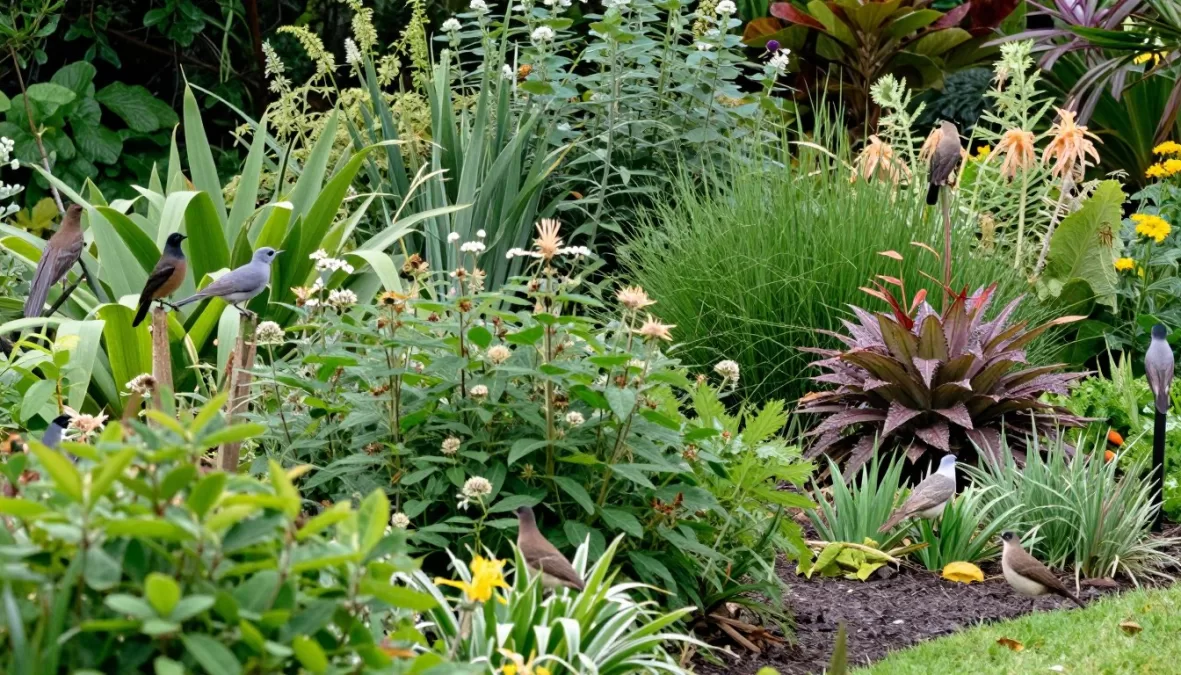
Climate change affects songbirds through multiple pathways. Shifting seasonal timing can create mismatches between food availability and nesting periods. Range shifts force species into new areas where they may face different predators or competitors. Supporting climate action helps protect birds and their habitats long-term.
Take Action for Songbirds
Join our conservation community and receive monthly tips for creating bird-friendly habitat, supporting local conservation projects, and participating in citizen science initiatives that help monitor songbird populations.
Tips for Enjoying Bird Songs

Appreciating bird songs requires patience and practice. Learning to identify different species by sound enhances outdoor experiences dramatically. Start by focusing on common local species before attempting to learn more challenging songs. Regular listening sessions in the same location help track seasonal changes and resident versus migrant species.
Early morning provides the best time for hearing diverse bird songs. Dawn chorus begins before sunrise when many species sing simultaneously. This concentrated activity creates ideal learning opportunities. Evening also brings increased singing from some species, particularly during spring breeding season.
Best Times to Listen
Strategic timing maximizes your chances of hearing beautiful bird songs.
- Dawn (30 minutes before to 2 hours after sunrise)
- Late afternoon into evening during breeding season
- Mild spring mornings with little wind
- After rain when birds resume activity
Ideal Locations
Different habitats host different species with unique songs.
- Forest edges where multiple habitat types meet
- Parks with diverse vegetation structure
- Wetland margins and riparian zones
- Your own backyard with native plantings
Helpful Equipment
Simple tools enhance your bird song learning experience.
- Smartphone bird song apps for instant identification
- Binoculars for visual confirmation of singing birds
- Field guides with song descriptions
- Recording device to capture unknown songs
Learning Techniques
Effective methods for developing song recognition skills.
- Focus on one new species per outing
- Create mental associations or mnemonics
- Record field notes describing song characteristics
- Practice with online bird song libraries
Technology offers powerful tools for learning bird songs. Apps allow you to record unknown songs and compare them against vast databases. Many programs show visual spectrograms that reveal song structure. These visual representations help distinguish similar species. Online resources provide endless opportunities to study songs from birds worldwide.
Joining local bird clubs or guided walks accelerates learning. Experienced birders can point out subtle identification features you might miss independently. Group outings introduce you to productive birding locations in your area. The social aspect makes learning more enjoyable while building connections with fellow enthusiasts.
“In every walk with nature, one receives far more than he seeks. The songs of birds are among nature’s most generous gifts, freely offered to all who take time to listen.”
The Enduring Appeal of Bird Song
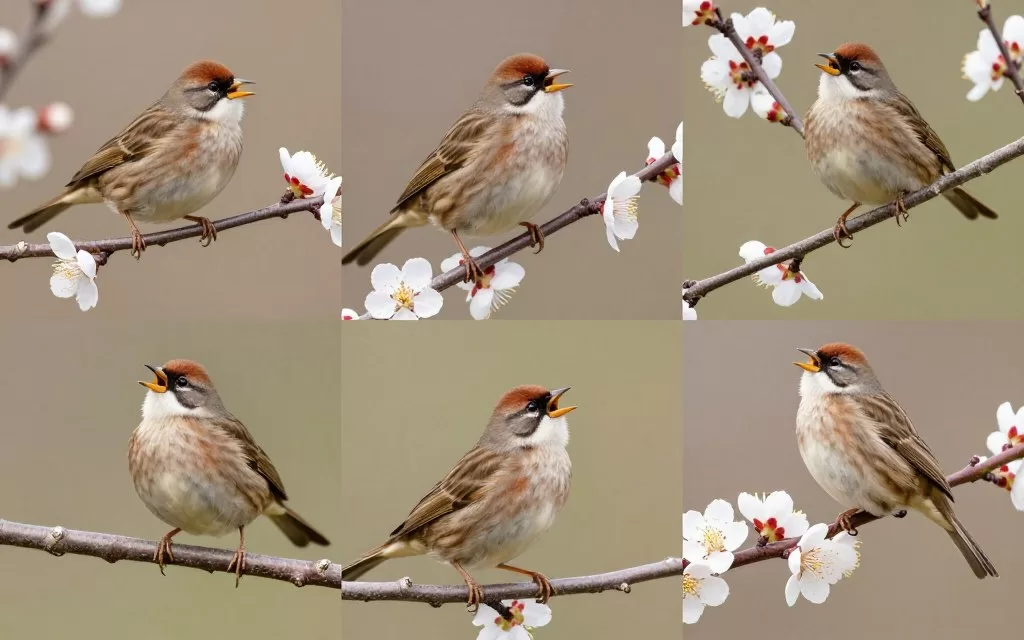
Birds with beautiful songs enrich our world immeasurably. From the haunting calls of common loon across northern lakes to the elaborate performances of northern mockingbird in suburban yards, these species demonstrate nature’s creative diversity. Each bird brings unique qualities to the global chorus.
The ten species featured here represent only a fraction of melodious birds found worldwide. Countless other species produce remarkable songs across every continent except antarctica. Exploring bird vocalizations opens doorways to deeper nature appreciation and understanding of the complex lives birds lead.
Conservation challenges threaten many songbird populations. Habitat protection, reducing environmental hazards, and supporting sustainable practices help ensure future generations can enjoy these natural symphonies. Individual actions collectively make substantial differences for bird conservation outcomes.
Whether you’re an experienced birder or just beginning to notice nature’s sounds, bird songs offer endless fascination. Each season brings new vocal performances. Every location hosts different species with distinctive voices. Time spent listening to birds provides mental health benefits while connecting us to the natural world.
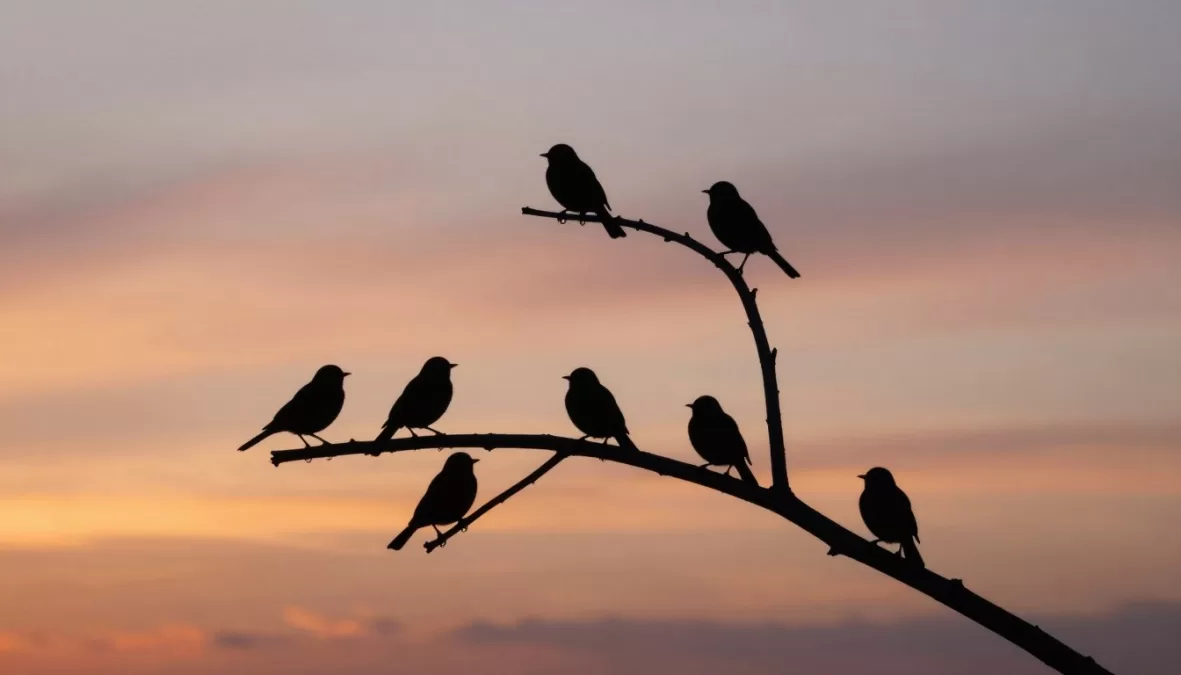
Take time to listen to the birds around you. Learn to recognize common species by their songs. Share your appreciation with others to build community connections through nature. The beautiful songs of birds remind us that we share this planet with countless remarkable species deserving our attention and protection.
Continue Your Bird Song Journey
Stay connected with our community of bird enthusiasts. Receive weekly bird song highlights, seasonal watching tips, expert identification guides, and conservation updates delivered directly to your inbox. Join over 50,000 nature lovers discovering the joy of birding.


Priyanka Pandey
Senior Research Editor · Top10Sense
Priyanka specializes in tech, consumer products, and digital trends. She combines hands-on testing, vendor interviews, and database research to create trustworthy “Top 10” rankings. Her work has been referenced by industry blogs and brand report pages.