Nature has equipped certain animals with jaw-dropping bite capabilities that can crush bones, pierce thick hides, and tear through prey with devastating efficiency. The bite force of these apex predators represents millions of years of evolutionary refinement.
Scientists measure bite force in pounds per square inch, or PSI. This measurement tells us how much pressure an animal can exert when it closes its jaws. Some animals generate enough force to crush a bowling ball, while others can slice through steel cables.
Understanding bite force helps researchers learn about animal behavior, hunting strategies, and evolutionary adaptations. From the depths of the ocean to dense jungles, the animals with the most powerful bite force dominate their ecosystems as formidable predators.
1. Saltwater Crocodile – The Ultimate Bite Champion
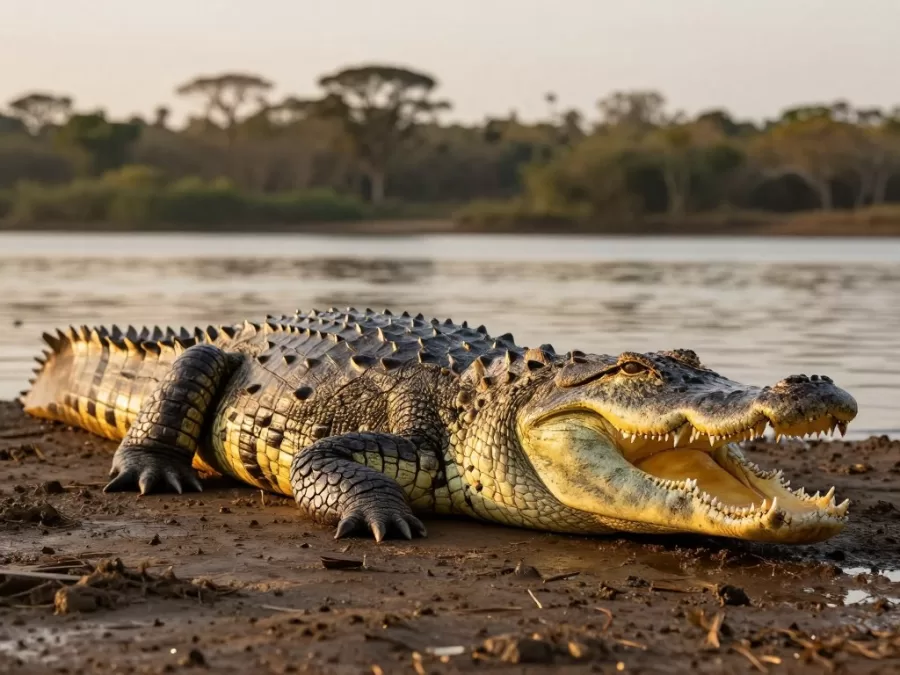
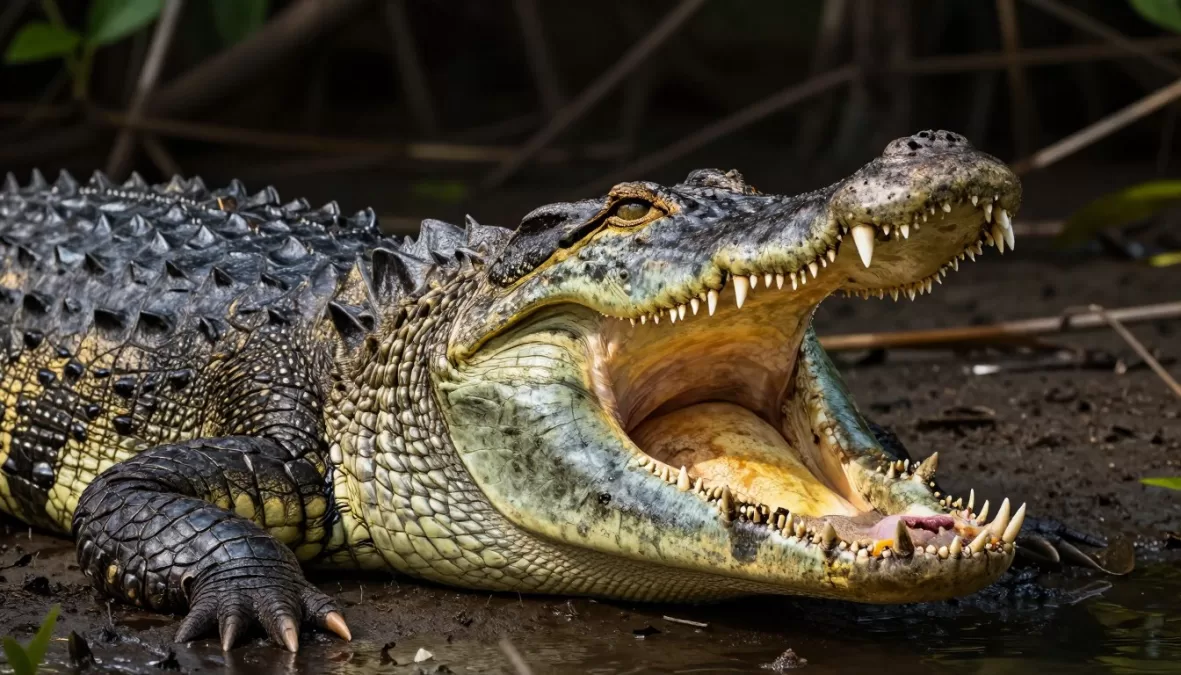
The saltwater crocodile holds the undisputed title for the strongest bite ever recorded in the animal kingdom. This massive reptile can generate an astounding 3,700 PSI of bite force, making it the most powerful biter on Earth.
These apex predators inhabit brackish and freshwater regions across Southeast Asia and northern Australia. Adult males can reach lengths of 20 feet and weigh over 2,000 pounds. Their jaw muscles have evolved over millions of years to deliver crushing power.
Saltwater crocodiles use their tremendous bite to ambush prey ranging from fish to water buffalo. They employ a “death roll” technique, clamping down and rotating their entire body to tear flesh. Their conical teeth are designed to grip rather than chew, holding prey underwater until it drowns.
Scientists from the University of Florida conducted bite force studies using pressure sensors. The research revealed that larger crocodiles generate exponentially greater force. A 17-foot specimen produced the record-breaking measurement that secured their position as bite force champions.
2. Nile Crocodile – Africa’s Apex Predator
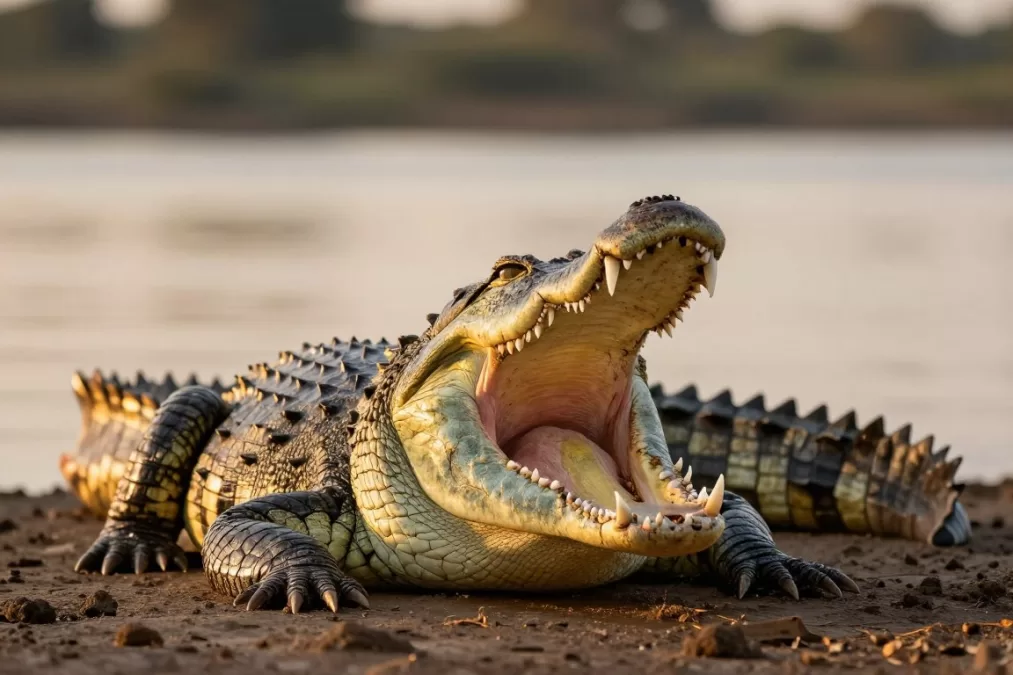
The Nile crocodile follows closely behind its saltwater cousin with a bite force measuring approximately 5,000 pounds or 2,500 PSI. These formidable reptiles dominate freshwater habitats throughout sub-Saharan Africa.
Growing up to 16 feet in length, Nile crocodiles are responsible for hundreds of human attacks annually. Their powerful jaws evolved to handle large prey including zebras, wildebeest, and even young hippopotamuses. The bite force allows them to crush bones and tear through tough hides effortlessly.
These crocodiles possess between 64 and 68 teeth that are constantly replaced throughout their lifetime. Their jaw muscles generate incredible closing force, though opening their jaws requires relatively little strength. This adaptation maximizes their hunting efficiency while conserving energy.
3. American Alligator – The Southeastern Powerhouse
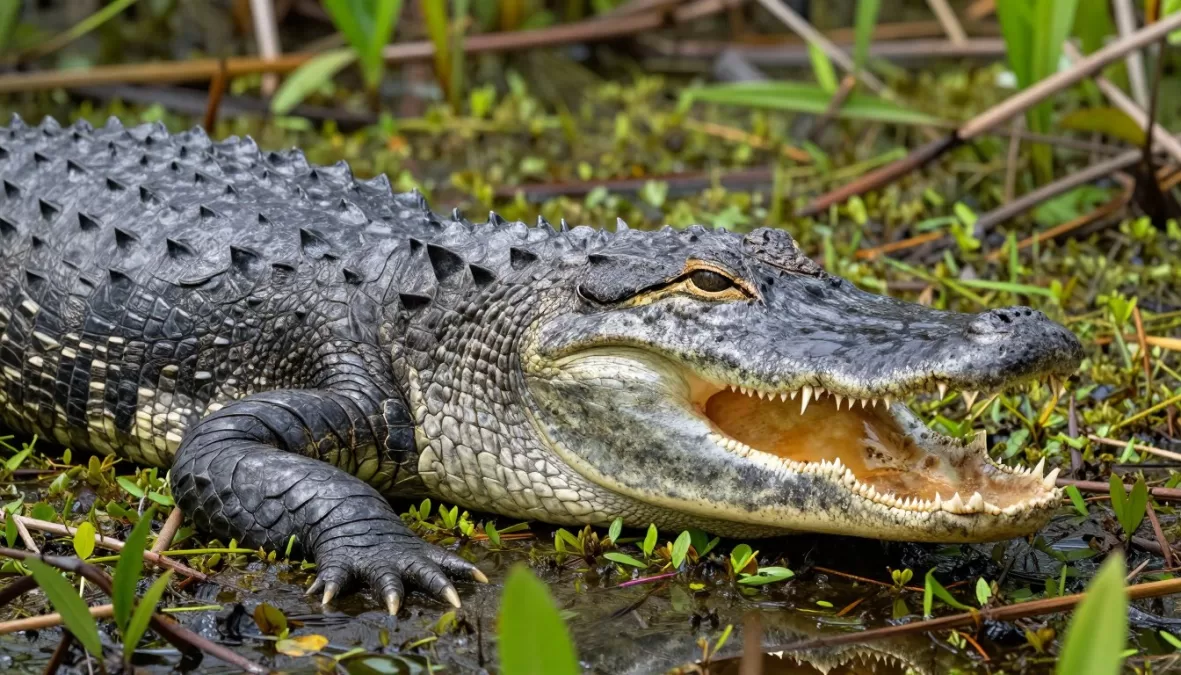
The American alligator ranks third among animals with the most powerful bite force, capable of exerting around 2,125 PSI. These reptiles thrive in freshwater environments across the southeastern United States, particularly in Florida and Louisiana.
Adult males typically reach 11 to 15 feet in length and can weigh up to 1,000 pounds. Their bite force exceeds that of most other predators their size. Alligators use this crushing power to consume turtles, breaking through shells that would defeat most other predators.
Unlike their crocodile relatives, alligators have broader, U-shaped snouts adapted for crushing rather than gripping. This anatomical difference reflects their dietary preferences. They feed on fish, birds, mammals, and even carrion, using their powerful jaws to process tough materials.
4. Hippopotamus – The Unexpected Crusher
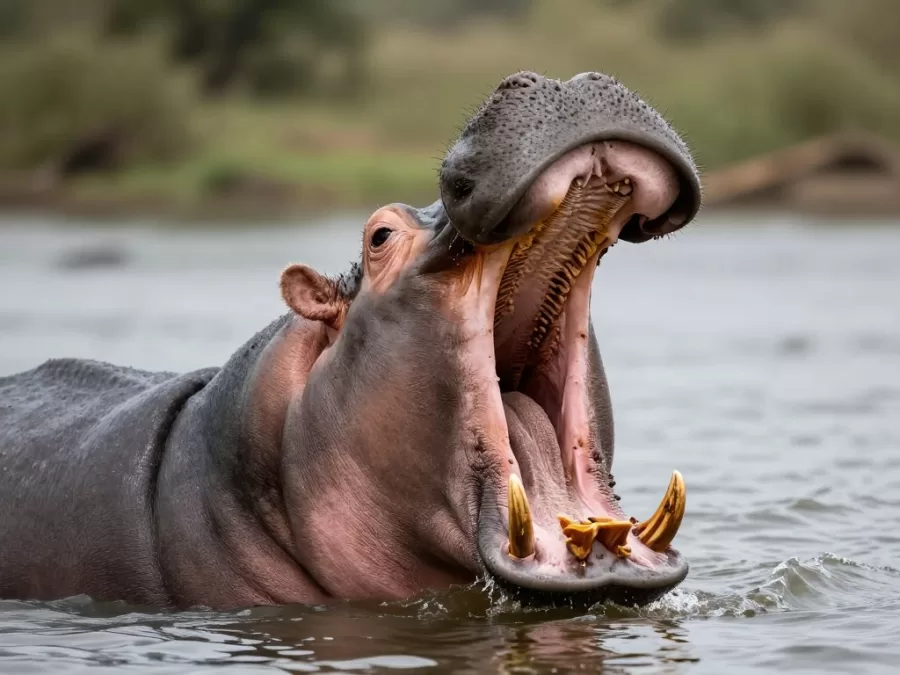
Despite being herbivores, hippos possess one of nature’s most devastating bites at approximately 1,800 PSI. These massive mammals use their incredible jaw strength primarily for defense and territorial disputes rather than hunting.
Hippos have the largest canine teeth of any land animal, with lower canines reaching up to 20 inches long. These ivory tusks combined with tremendous bite force make hippos extremely dangerous. They cause more human fatalities in Africa than any other large animal.
The jaw structure of hippos allows them to open their mouths to nearly 180 degrees. This intimidating display serves as a warning to rivals and threats. Males engage in violent battles using their teeth and bite force to establish dominance over territories and mating rights.
Their bite force evolved not for processing vegetation but for combat. Hippos graze on grass using their lips rather than teeth. The powerful jaws and massive canine teeth are purely weapons, demonstrating that bite force serves purposes beyond feeding in the animal kingdom.
5. Jaguar – The Skull-Crushing Cat
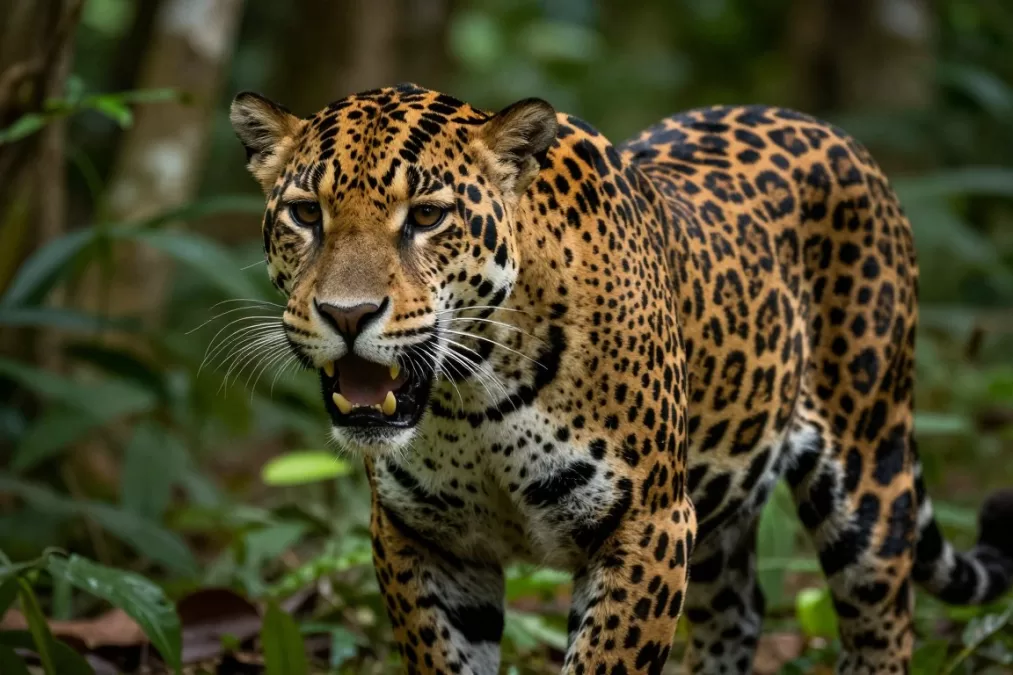
The jaguar possesses the strongest bite among big cats, with a force of approximately 1,500 PSI. This makes them pound-for-pound one of the most powerful biters in the mammal world. Their scientific name, Panthera onca, reflects their status as apex predators.
Jaguars have a unique killing technique among large cats. Rather than suffocating prey by clamping the throat, they bite directly through the skull or back of the neck. Their powerful jaws can pierce turtle shells and caiman armor, prey items other big cats cannot access.
These spotted predators have shorter, more robust jaws compared to other big cats. Their teeth are also proportionally larger and stronger. This anatomical adaptation allows them to deliver crushing bites that instantly kill prey by penetrating the brain or severing the spinal cord.
Want More Fascinating Wildlife Facts?
Join thousands of animal enthusiasts receiving exclusive wildlife insights, rare species profiles, and conservation updates delivered straight to your inbox.
6. Gorilla – The Gentle Giant’s Powerful Jaws
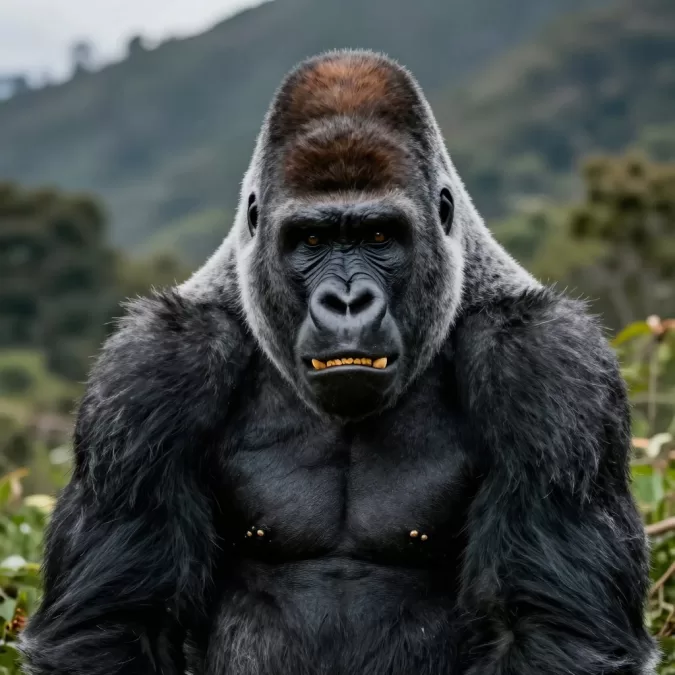
Gorillas generate a bite force of approximately 1,300 PSI, making them one of the strongest-biting primates. Despite their herbivorous diet, these great apes possess formidable jaw strength evolved for processing tough plant materials and defending territory.
Adult male silverbacks can weigh up to 430 pounds, with most of their bulk consisting of muscle. Their massive jaw muscles attach to a pronounced sagittal crest on top of the skull. This anatomical feature provides leverage for generating tremendous biting pressure.
Gorillas rarely use their bite force aggressively toward other animals. Instead, they rely on intimidation displays and chest-beating. However, males will bite during territorial disputes or when protecting their family groups. Their large canine teeth can inflict serious injuries when necessary.
7. Polar Bear – Arctic Apex Predator
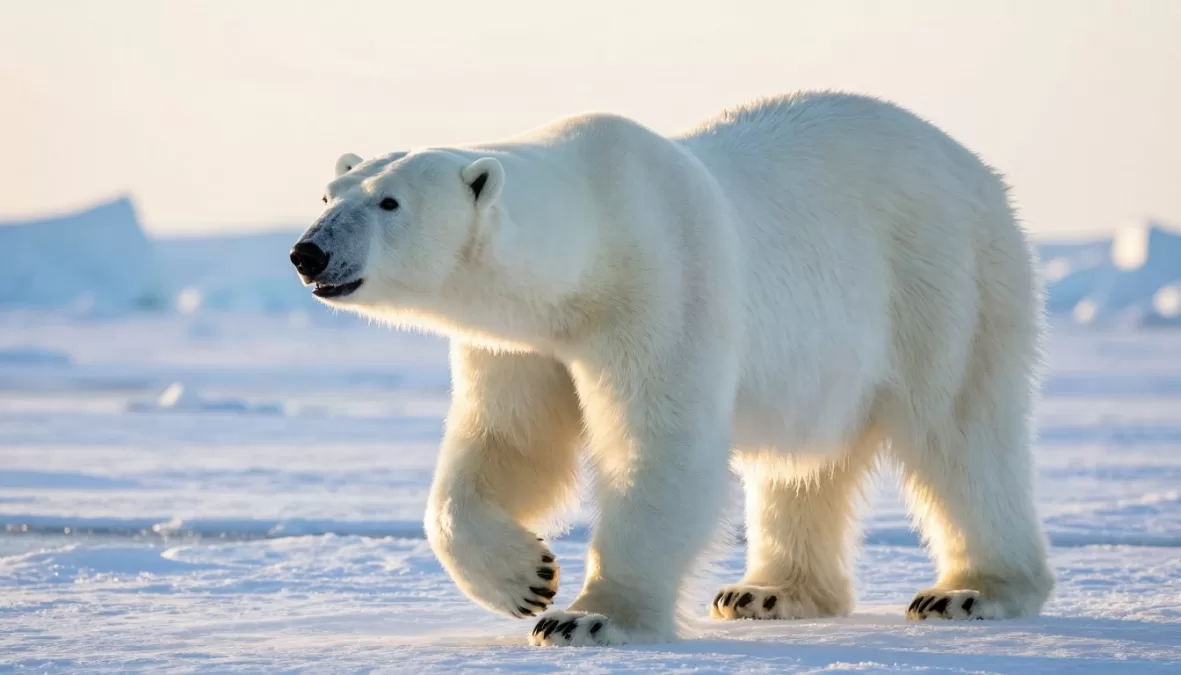
Polar bears possess a bite force estimated at 1,200 PSI, making them the most powerful biters among bear species. These massive carnivores depend on their jaw strength to hunt seals, their primary food source in the harsh Arctic environment.
As the largest land carnivores, male polar bears can weigh over 1,500 pounds and stand 10 feet tall when upright. Their canine teeth measure up to two inches long, designed for gripping slippery prey. The combination of size, strength, and bear bite force makes them formidable hunters.
Polar bears hunt primarily on sea ice, ambushing seals at breathing holes or breaking into seal dens. Their powerful jaws crush through ice and bone with equal ease. Climate change threatens their habitat, forcing these apex predators to adapt their hunting strategies as sea ice diminishes.
Unlike grizzly bears, which are omnivores, polar bears rely almost exclusively on meat. This dietary specialization required the evolution of enhanced bite force and hunting adaptations. Their jaw muscles and skull structure reflect millions of years of predatory evolution in one of Earth’s most extreme environments.
8. Grizzly Bear – North America’s Power Biter
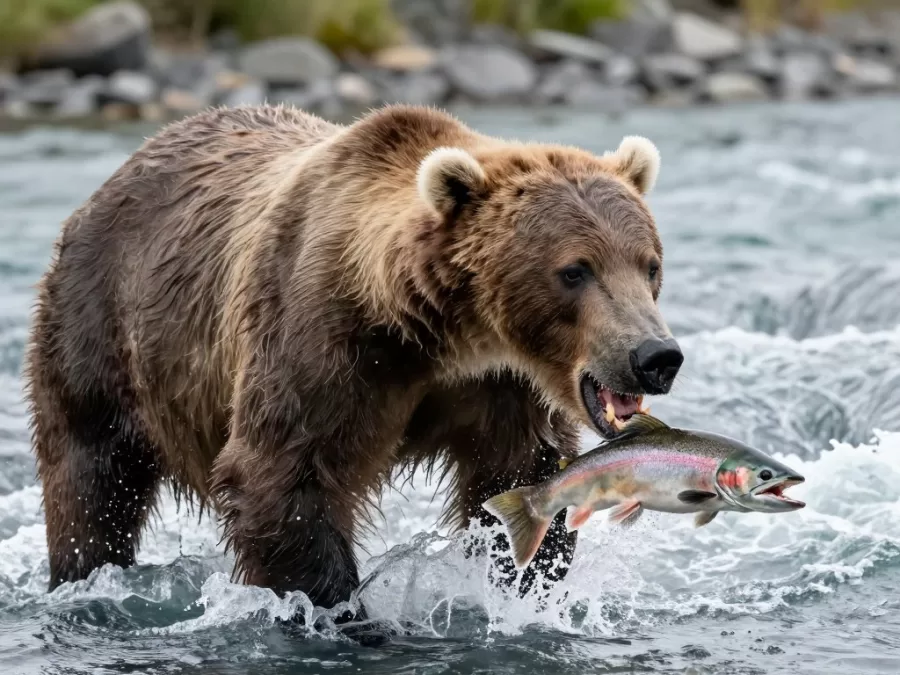
Grizzly bears generate approximately 1,160 PSI of bite force, positioning them among the most powerful biters in North America. These omnivorous mammals use their crushing jaws to process everything from berries to elk carcasses throughout their diverse diet.
Adult grizzlies typically weigh between 400 and 800 pounds, with some individuals exceeding 1,000 pounds. Their jaw structure supports both meat-tearing and plant-grinding functions. Long canine teeth puncture and grip prey, while flat molars crush and grind vegetation and bones.
The bear bite force allows grizzlies to consume salmon during spawning runs, crushing through bones to access nutrient-rich marrow. They also dig for roots and tubers, using their claws and jaws in combination. This versatility in feeding strategies contributes to their success across varied habitats from coastal regions to mountain forests.
9. Great White Shark – The Ocean’s Legendary Predator
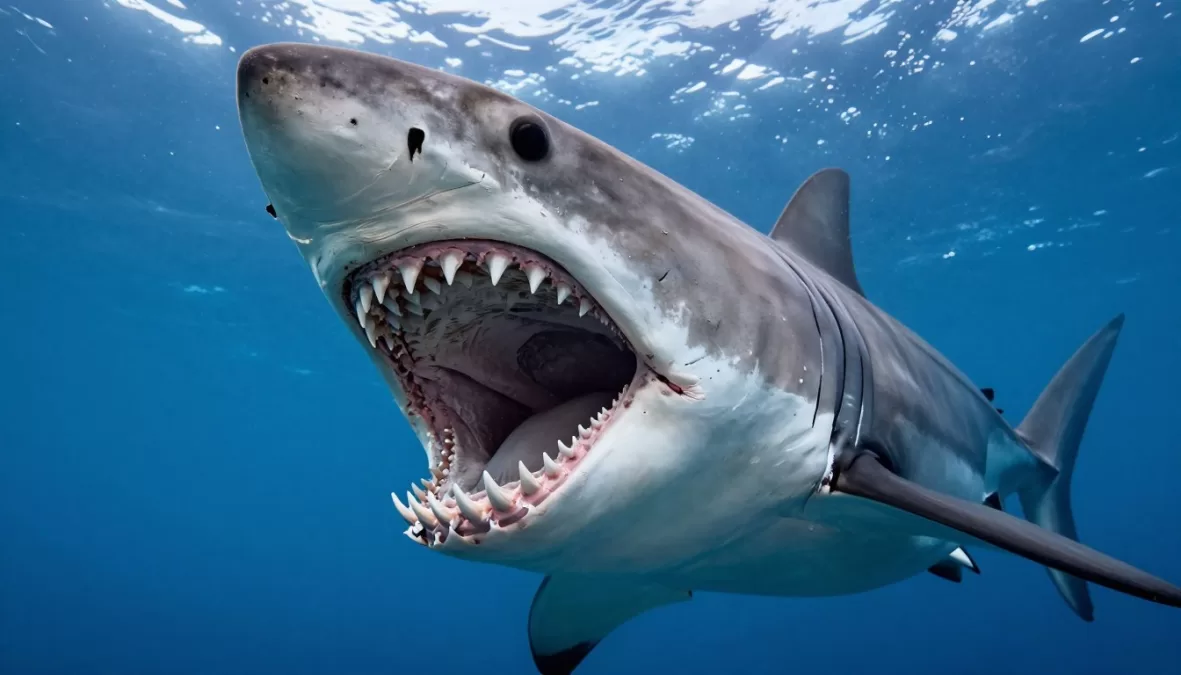
The great white shark produces a bite force estimated at 4,000 pounds or approximately 2,000 PSI. These apex predators dominate ocean ecosystems, using their formidable jaws to hunt seals, sea lions, and other marine mammals with devastating efficiency.
Great whites can grow up to 20 feet long and weigh over 5,000 pounds. Their mouths contain up to 300 serrated teeth arranged in multiple rows. Unlike mammals that generate bite force through jaw muscles alone, the white shark bite incorporates head-shaking movements that multiply the effective force.
These sharks employ a strategic hunting technique. They typically approach prey from below, delivering a massive initial bite and then retreating. This shark bite severs major blood vessels and causes massive trauma. The shark then waits for the prey to weaken before returning to feed.
Research on great white shark bite mechanics reveals sophisticated hunting adaptations. Their teeth are designed to saw through flesh and bone rather than simply pierce. The serrated edges function like steak knives, making each bite extraordinarily damaging to prey.
10. Bull Shark – The Adaptable Aggressive Hunter
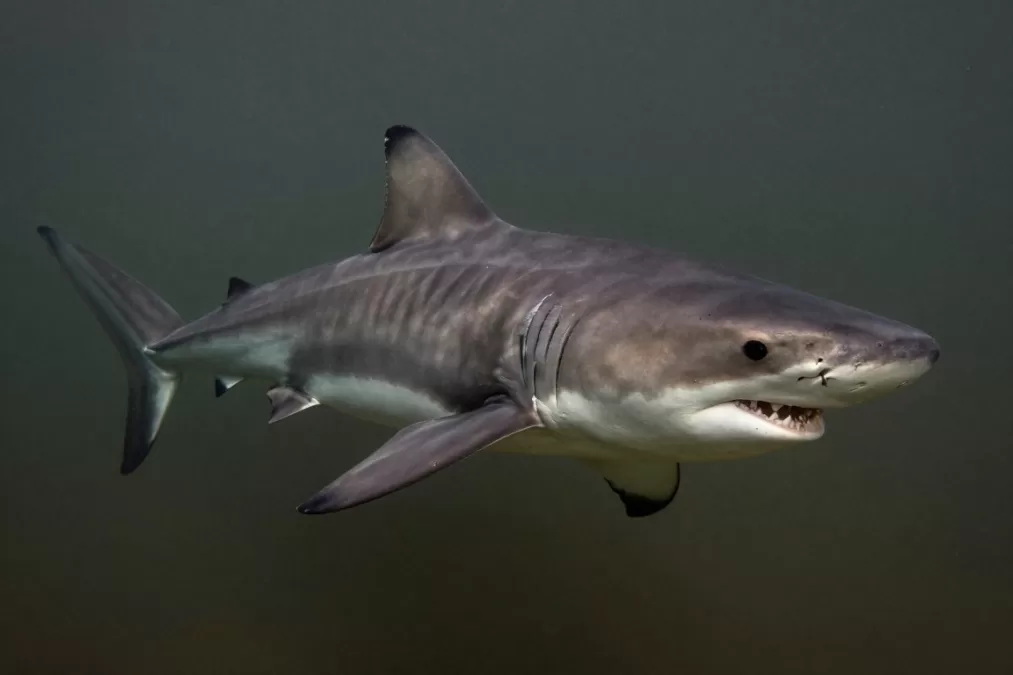
Bull sharks possess a bite force of approximately 1,350 PSI, making them one of the most powerful biters relative to their size among shark species. Their reputation for aggression combined with this biting power makes them particularly dangerous to humans.
These medium-sized sharks typically reach 7 to 11 feet in length. What makes bull sharks unique among large sharks is their ability to tolerate fresh water. They have been found hundreds of miles up rivers, bringing their powerful bite into environments where people rarely expect to encounter such predators.
Bull sharks have proportionally larger jaw muscles than many other shark species. Their stocky build and aggressive hunting style require tremendous bite force to subdue prey. They feed on fish, other sharks, rays, dolphins, and even terrestrial animals that enter the water.
Scientists consider bull sharks among the most dangerous shark species due to their combination of aggression, habitat preferences, and powerful bite. They often hunt in murky water where visibility is poor, leading to mistaken identity attacks on humans. Their bite can cause catastrophic injuries.
Understanding Bite Force Measurements
Scientists use sophisticated equipment to measure bite force in animals. Pressure sensors and force transducers record the exact amount of force an animal generates when biting. The measurements are typically expressed in pounds per square inch or Newtons.
One pound per square inch equals approximately 6.9 kilopascals. For perspective, humans generate only about 150 to 200 PSI when biting. This comparison highlights how extraordinary the strongest bite measurements truly are among top predators.
Several factors influence bite force beyond simple jaw muscle strength. Skull shape, tooth design, and jaw leverage all contribute to the total force generated. Animals with shorter, more robust jaws often produce greater PSI than those with elongated snouts, even with similar muscle mass.
Factors Affecting Bite Force
- Jaw muscle size and attachment points
- Skull structure and bone density
- Tooth shape and arrangement
- Body size and overall mass
- Jaw leverage and mechanical advantage
- Evolutionary dietary adaptations
Measurement Challenges
- Difficulty obtaining measurements from dangerous animals
- Variation between individuals of the same species
- Equipment limitations for extreme forces
- Differences between maximum and typical bite forces
- Incomplete data for extinct species
- Ethical considerations in research methods
Evolutionary Patterns in Bite Force
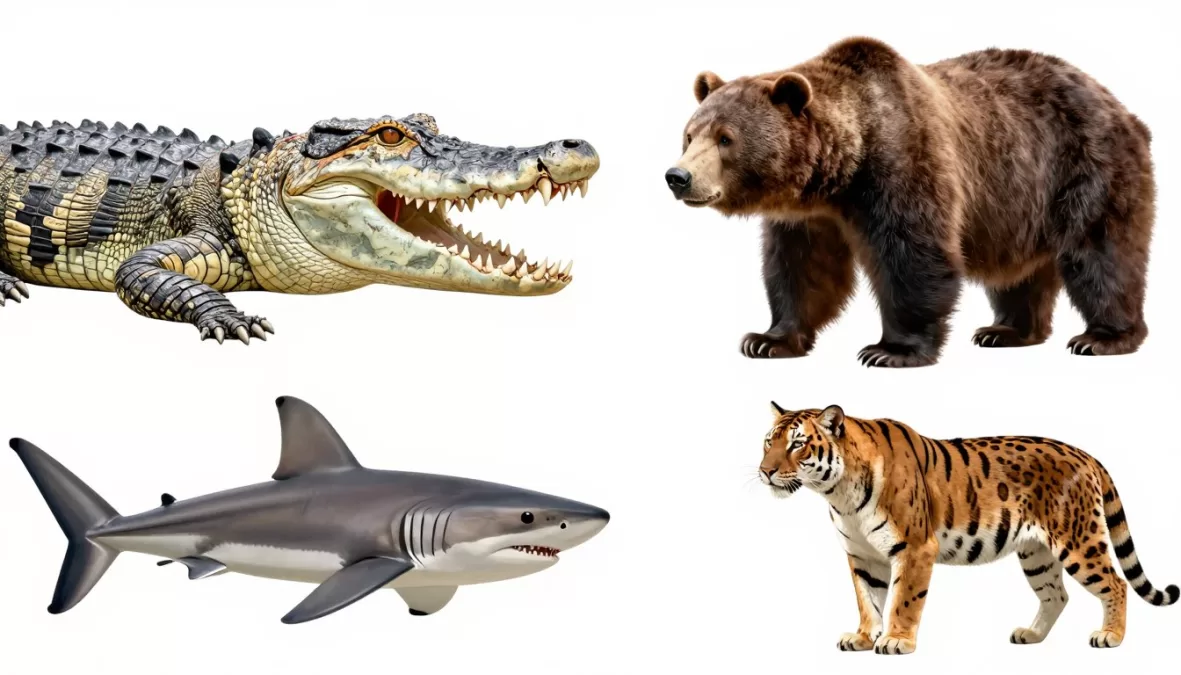
The evolution of powerful bite force represents a key survival adaptation across diverse animal lineages. Apex predators independently evolved tremendous biting power to access food resources and defend territory. These convergent adaptations reveal fundamental principles of predatory evolution.
Crocodilians developed their crushing bite over 200 million years ago. Their ancestors dominated prehistoric ecosystems alongside dinosaurs. Modern crocodiles and alligators retain this ancient adaptation virtually unchanged, demonstrating its effectiveness across geological time scales.
Mammals took a different evolutionary path. Bears, big cats, and primates evolved diverse jaw structures suited to different ecological niches. Jaguars specialized in skull-crushing bites, while bears developed versatile jaws for omnivorous diets. These variations show how bite force adapts to specific survival strategies.
Sharks have maintained powerful bites for over 400 million years. Their cartilaginous skeletons and multiple rows of teeth represent a fundamentally different approach to biting mechanics. Yet they achieve forces comparable to much larger terrestrial predators, showcasing the efficiency of their design.
Surprising Facts About Bite Force
Several unexpected patterns emerge when studying animals with the most powerful bite force. Size doesn’t always predict bite strength. The jaguar generates more PSI per pound of body weight than much larger predators like lions or tigers.
Herbivores like hippos and gorillas rank among the strongest biters despite never hunting. Their powerful jaws evolved for different purposes – defense, competition, and processing tough plant materials. This challenges assumptions that bite force primarily serves predatory functions.
The extinct Megalodon shark may have possessed the most powerful bite in history, with estimates exceeding 40,000 pounds of force. This prehistoric predator could have crushed modern whales as easily as a great white shark handles seals.
Did You Know? The saltwater crocodile’s bite force is more than 25 times stronger than a human’s, yet the muscles that open their jaws are so weak that a person can hold a crocodile’s mouth shut with their bare hands. This massive strength asymmetry optimizes energy for the crucial closing motion.
Studies show that bite force correlates more closely with prey size than body size. Animals that regularly consume large, tough prey develop proportionally stronger bites. This explains why jaguars have such powerful jaws despite being smaller than other big cats that hunt differently.
The Power of Nature’s Strongest Jaws
The animals with the most powerful bite force represent nature’s most refined predatory adaptations. From saltwater crocodiles crushing with 3,700 PSI to bull sharks patrolling coastal waters, these creatures dominate their ecosystems through jaw-dropping biting power.
Bite force measurements reveal fascinating patterns across the animal kingdom. The strongest biters include both predators and herbivores, aquatic and terrestrial species, mammals and reptiles. This diversity demonstrates that powerful jaws serve multiple evolutionary purposes beyond hunting alone.
Understanding these magnificent animals helps us appreciate the complexity of evolutionary adaptations. Each species developed its unique bite characteristics over millions of years, perfectly suited to its ecological role. The study of bite force continues to reveal new insights about animal behavior, anatomy, and survival strategies.
These apex predators remind us of nature’s raw power and the importance of conservation. Many species on this list face habitat loss and human conflicts. Protecting these animals ensures that future generations can continue learning from and marveling at the strongest jaws evolution has created.
Continue Your Wildlife Journey
Don’t miss out on more incredible animal facts, conservation news, and exclusive wildlife content. Join our community of nature enthusiasts today.

Priyanka Pandey
Senior Research Editor · Top10Sense
Priyanka specializes in tech, consumer products, and digital trends. She combines hands-on testing, vendor interviews, and database research to create trustworthy “Top 10” rankings. Her work has been referenced by industry blogs and brand report pages.