
The FIFA world rankings serve as football’s global scoreboard. These rankings determine tournament seedings and national team prestige worldwide. Understanding how teams climb or fall reveals the competitive landscape of international football.
The ranking system impacts everything from world cup qualification paths to national pride. Fans track these numbers monthly to see how their teams perform globally. The FIFA top 10 rankings change based on match results and tournament performances.
Never Miss a Ranking Update
Get instant notifications when FIFA top 10 rankings change. Subscribe for monthly updates and expert analysis delivered to your inbox.
Current FIFA World Rankings Top 10 Teams
The latest FIFA rankings reflect recent international matches and tournament results. These standings update monthly based on team performance across all competitions. Each position represents calculated points earned through victories and draws.
Top Five National Teams
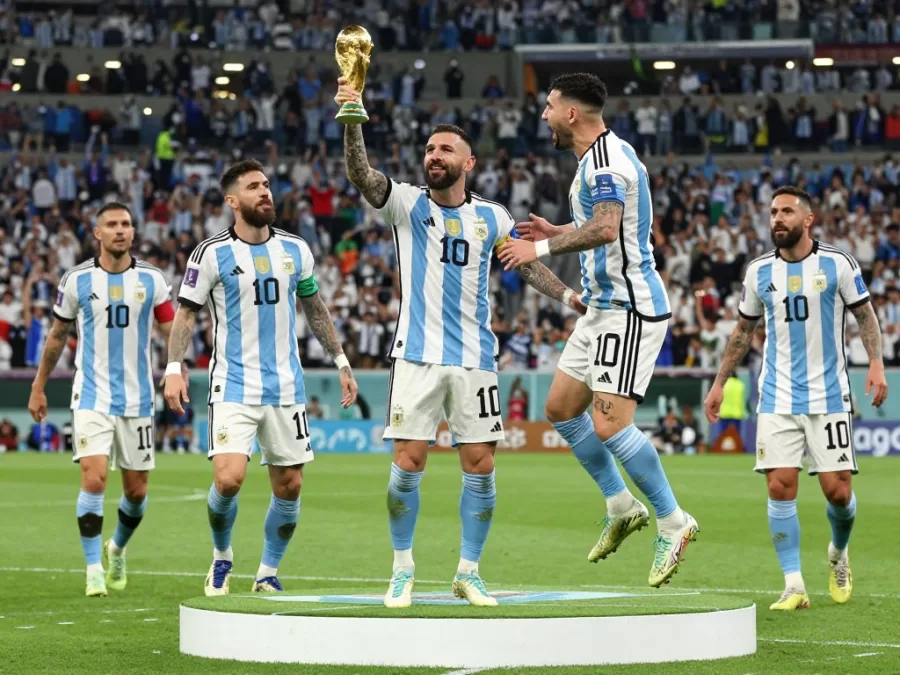
Argentina currently leads the FIFA world rankings following their world cup triumph. The team accumulated maximum points through consistent victories. France holds the second position with strong performances in recent fixtures.
Brazil maintains third place despite recent challenges in South American qualifiers. England sits fourth with impressive results in European competitions. Belgium rounds out the top five with veteran squad performances.
| Rank | Team | Points | Confederation |
| 1 | Argentina | 1889.02 | CONMEBOL |
| 2 | France | 1851.92 | UEFA |
| 3 | Brazil | 1837.56 | CONMEBOL |
| 4 | England | 1794.03 | UEFA |
| 5 | Belgium | 1789.32 | UEFA |
Positions Six Through Ten
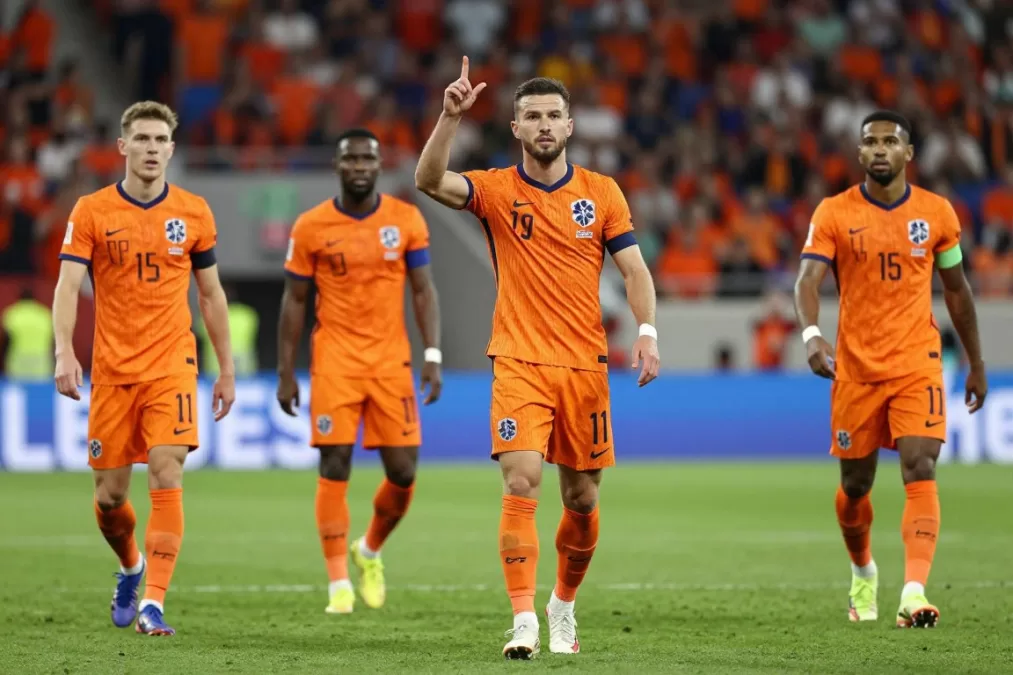
Netherlands claims sixth position with strong showings in Nations League matches. Portugal follows in seventh place powered by experienced players. Spain occupies eighth position following their recent tournament success.
Italy holds ninth place after rebuilding their squad post-tournament. Croatia completes the top ten with consistent performances in European competitions. These teams compete fiercely to maintain or improve their rankings.
| Rank | Team | Points | Recent Change |
| 6 | Netherlands | 1748.21 | ↑ 1 |
| 7 | Portugal | 1727.05 | ↓ 1 |
| 8 | Spain | 1715.22 | — |
| 9 | Italy | 1713.86 | ↑ 2 |
| 10 | Croatia | 1710.32 | ↓ 1 |
Follow Live Ranking Updates
Get real-time notifications about FIFA top 10 rankings changes on social media. Join our community of football enthusiasts.
How the FIFA Ranking System Works
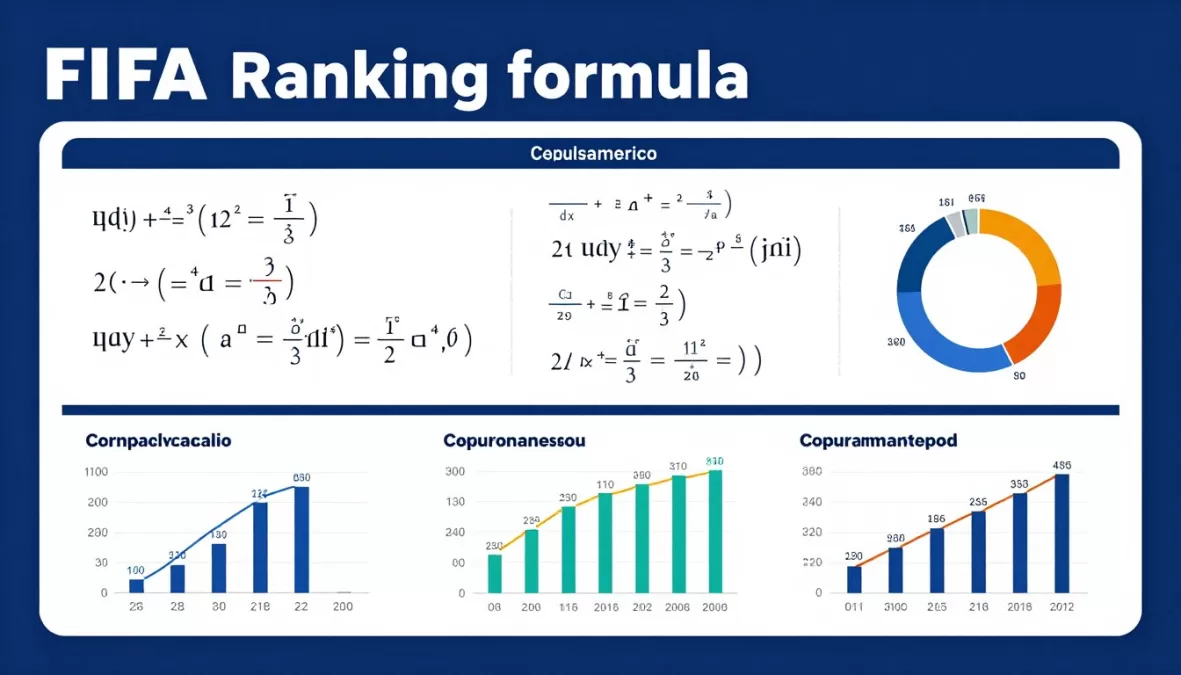
The FIFA ranking system calculates team strength through mathematical formulas. Points accumulate based on match results, opposition strength, and tournament importance. Understanding this system explains why rankings shift monthly.
Point Calculation Formula
Teams earn points through victories in international matches. The system weighs matches differently based on competition type. World cup fixtures carry more weight than friendly matches in calculations.
Match results generate base points that multiply by various factors. Tournament importance serves as one multiplier in the formula. Opposition strength provides another crucial calculation element.
Victory Points
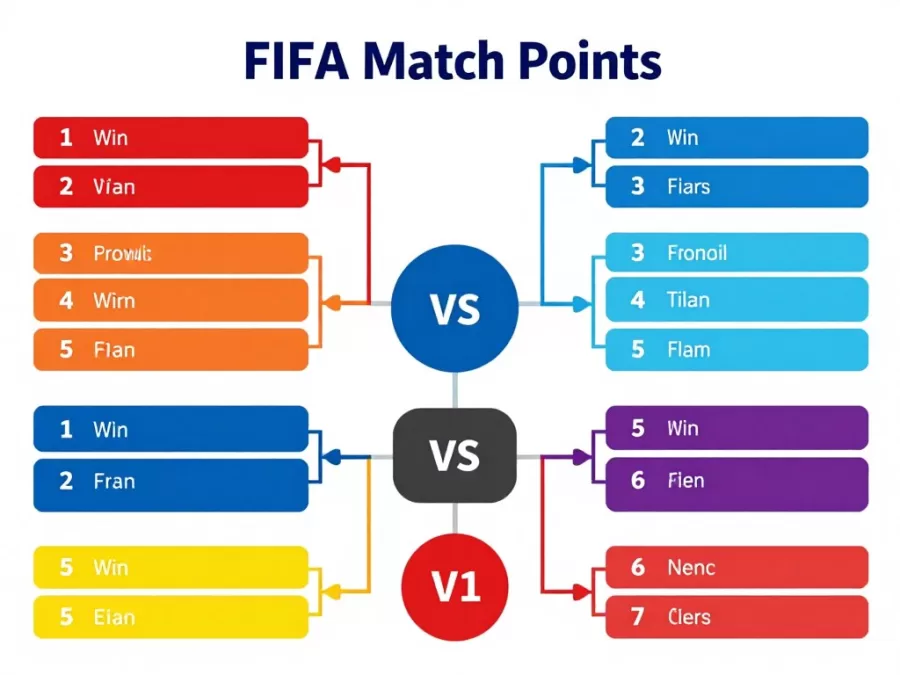
Winning teams receive three points as the base value. This multiplies by confederation strength and match importance. Additional bonuses apply for defeating higher-ranked opponents.
- Base value of 3 points for wins
- Confederation multiplier applied
- Opposition ranking bonus
- Tournament importance factor
Draw and Loss Points
Draws earn one point before multiplier calculations. Losses receive zero points in most scenarios. The system still considers match context for ranking adjustments.
- Draw base value of 1 point
- Loss typically scores zero
- Context matters for calculations
- Penalty shootout outcomes handled separately
Tournament Weighting System
FIFA world cup matches receive the highest weighting multiplier. Continental championships like Copa America rank second in importance. Nations League fixtures carry moderate weight in calculations.
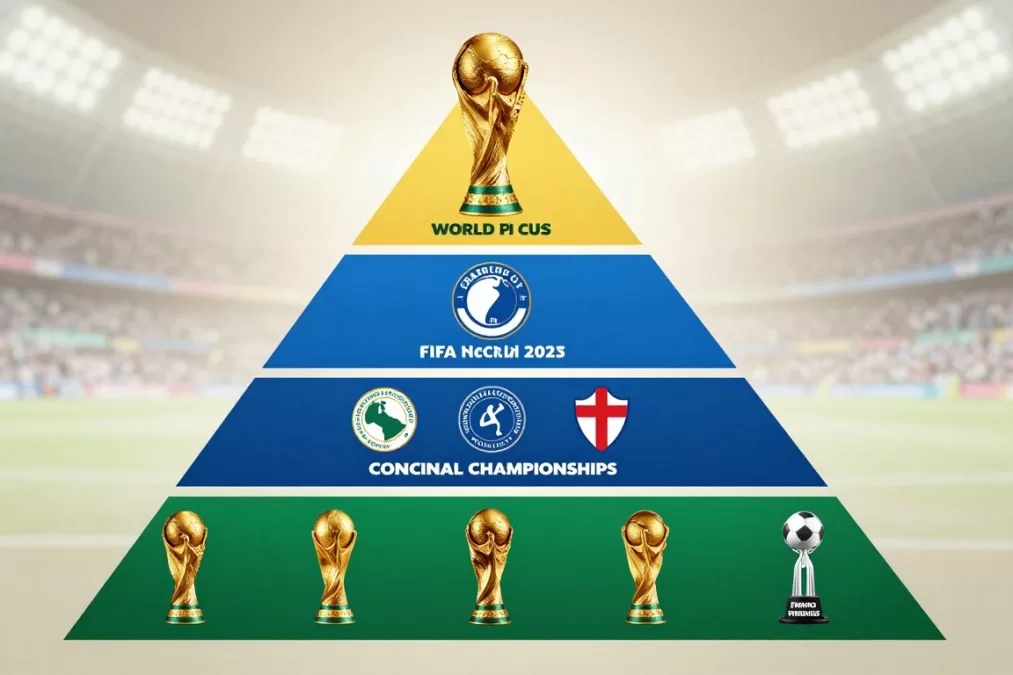
Friendly matches have the lowest multiplier value. Qualification matches fall between competitive and friendly fixtures. This weighting ensures meaningful matches impact rankings more significantly.
| Competition Type | Multiplier | Examples |
| FIFA World Cup | 4.0x | Final tournament matches |
| Continental Championship | 3.0x | Copa America, Euro, AFCON |
| Qualifiers | 2.5x | World Cup qualifiers |
| Nations League | 2.0x | UEFA Nations League |
| Friendly Matches | 1.0x | International friendlies |
Confederation Strength Factor
Each confederation receives a strength rating that affects calculations. UEFA teams benefit from the strongest confederation multiplier. CONMEBOL follows closely with high strength ratings.
This factor prevents weaker confederations from gaining inflated rankings. Teams must perform well against quality opposition for maximum points. The system balances global competition fairly through these adjustments.
Recent Changes in FIFA Top 10 Rankings
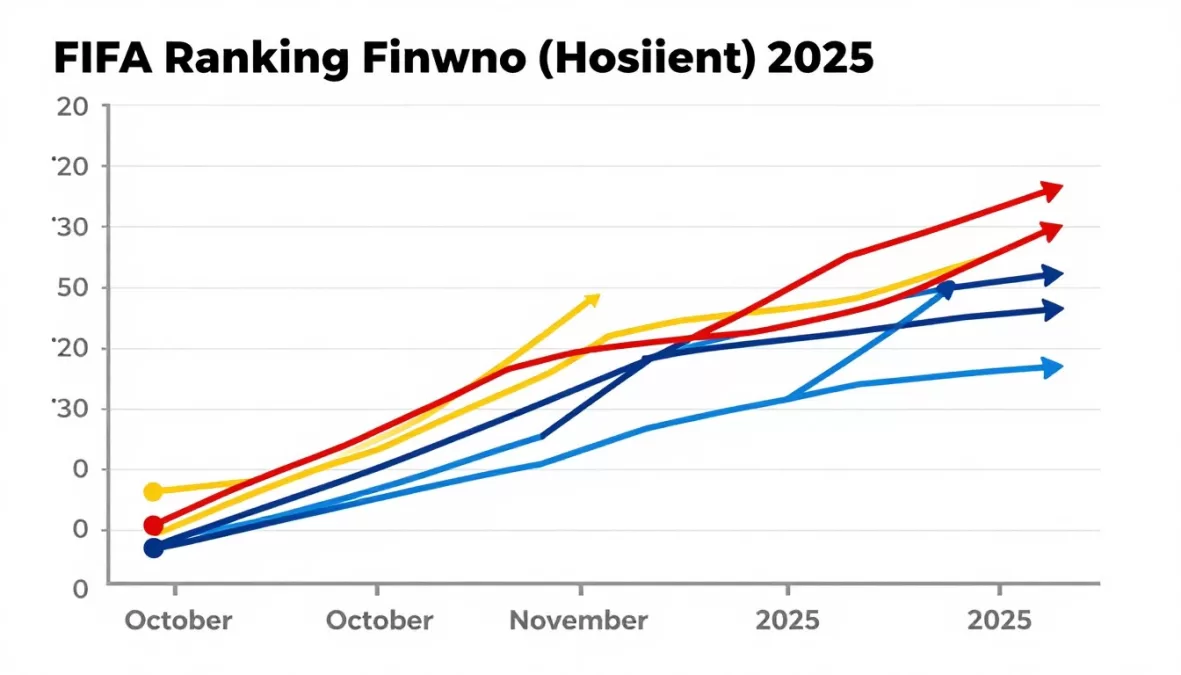
The November 2025 update brought significant movement within rankings. Several teams climbed positions following strong tournament performances. Others dropped due to disappointing results in crucial fixtures.
Major Movements in November 2025
Italy jumped two positions after winning crucial matches. Their victories against ranked opponents generated substantial points. The team benefited from tournament match multipliers in calculations.

Portugal slipped one spot despite maintaining solid performance levels. Other teams gained more points through higher-weighted matches. The competitive nature of rankings means constant fluctuation occurs.
Netherlands rose one position with impressive victories in fixtures. Their match results against top-ten opponents earned maximum points. Strong defensive performances contributed to ranking point accumulation.
Looking Ahead to June 2026
The june 2026 rankings will reflect crucial qualification matches. Teams compete in world cup qualification fixtures worldwide. These matches carry significant weighting in the ranking formula.
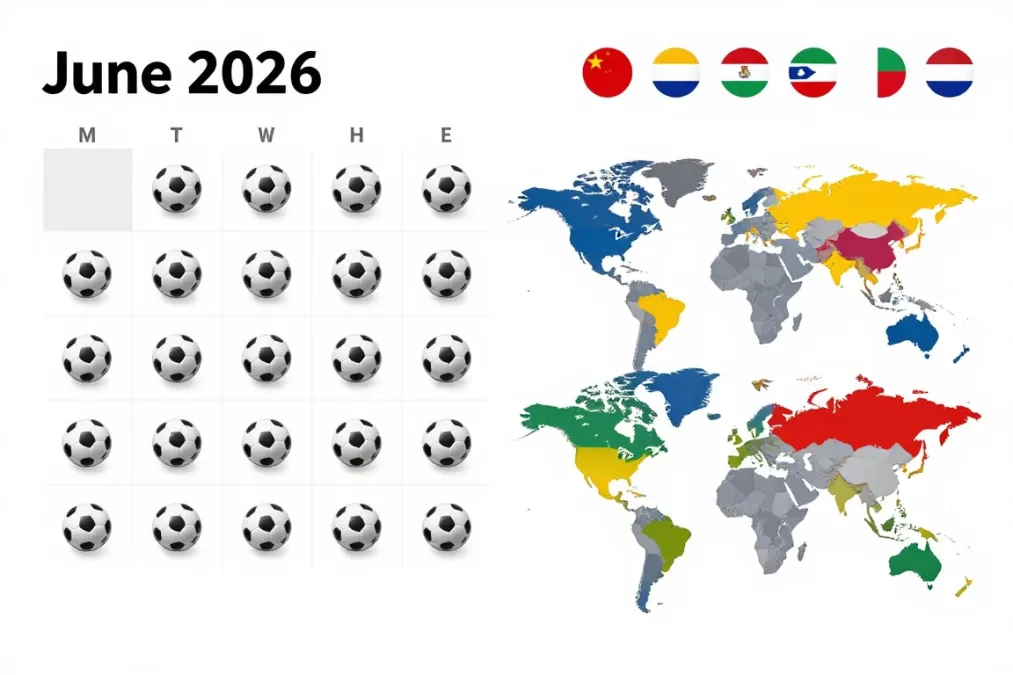
Nations prepare for intense competition as june 2026 approaches. Match results during this period dramatically affect standings. The FIFA top 10 rankings may see substantial reshuffling.
Teams strategically schedule matches to maximize ranking points. Friendly fixtures against strong opponents provide preparation value. However, competitive matches offer more significant ranking impact.
Key Teams in the FIFA Top 10 Rankings Analysis
Each team in the top ten demonstrates unique strengths. Their consistent performances earn sustained high rankings. Understanding individual team dynamics reveals ranking stability factors.
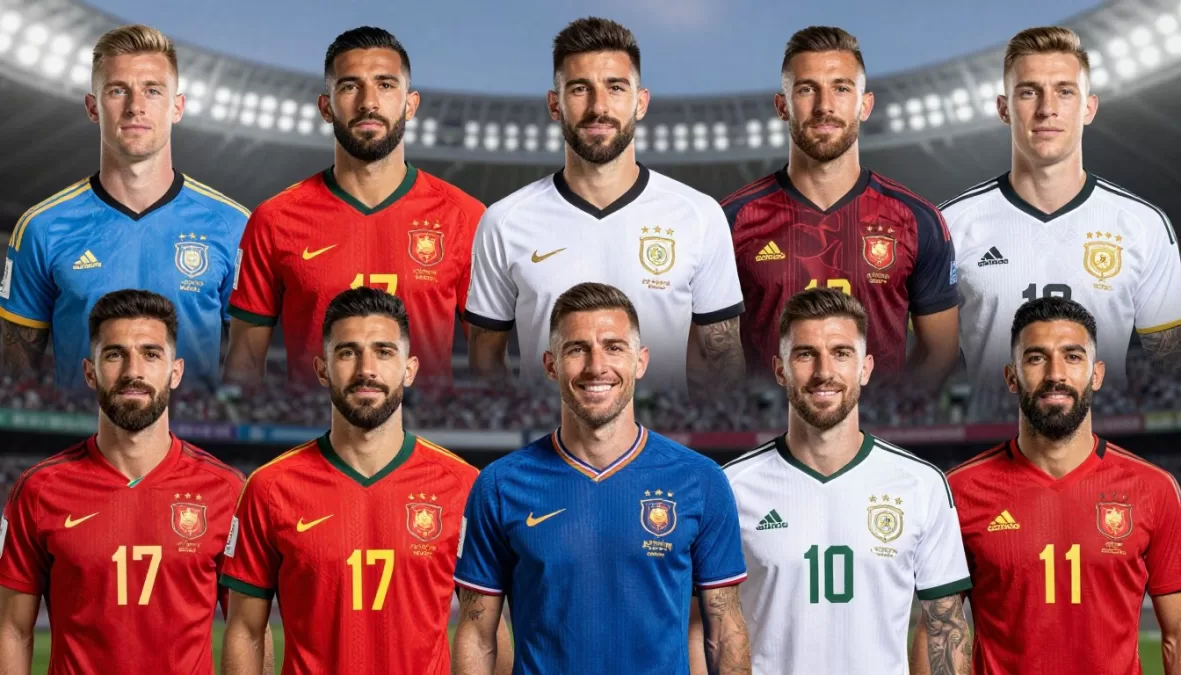
Argentina: Current World Champions
Argentina leads rankings following their world cup victory. The team maintains momentum through continued strong performances. Their balanced squad features experienced and young talent.
Recent matches saw Argentina dominating South American competition. The team secured victories in crucial qualification fixtures. Their attacking prowess combined with solid defense sustains top ranking.
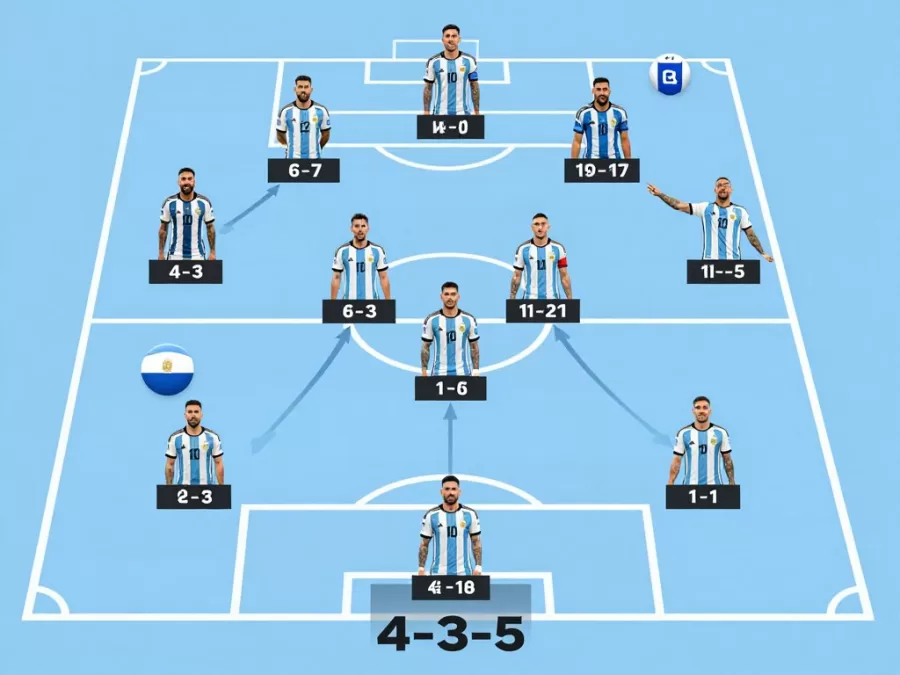
France: Consistent European Powerhouse
France holds second position with exceptional squad depth. The team features world-class players across all positions. Their tactical flexibility allows adaptation against any opponent.
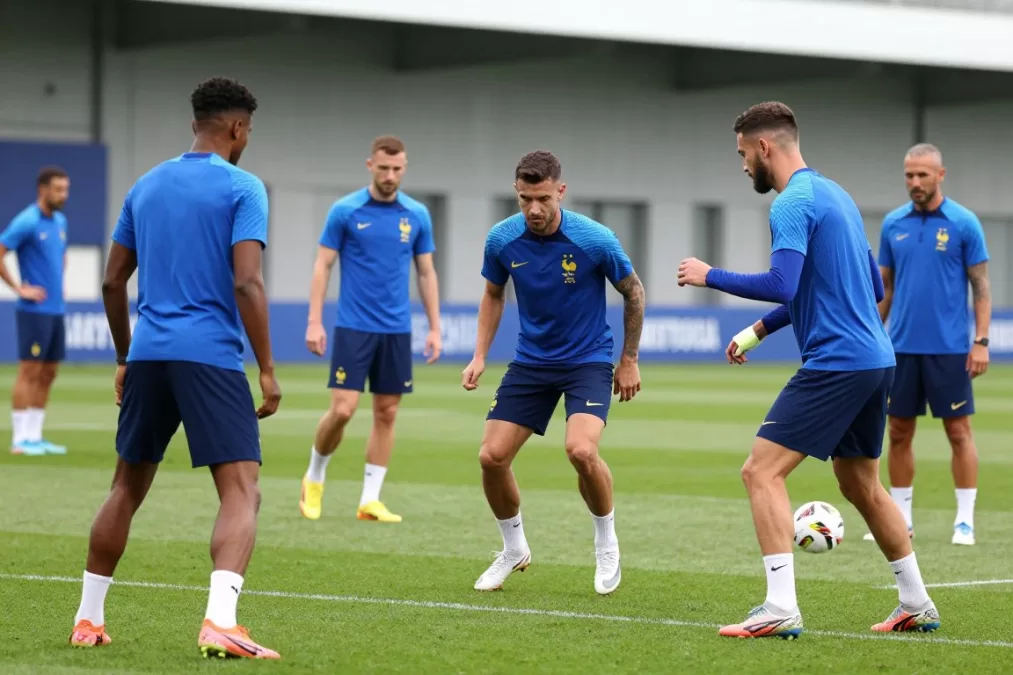
Recent fixtures demonstrated France’s attacking capabilities in matches. The team scored consistently against ranked opposition. Defensive organization remains their foundation for success.
Brazil: Traditional Football Giants
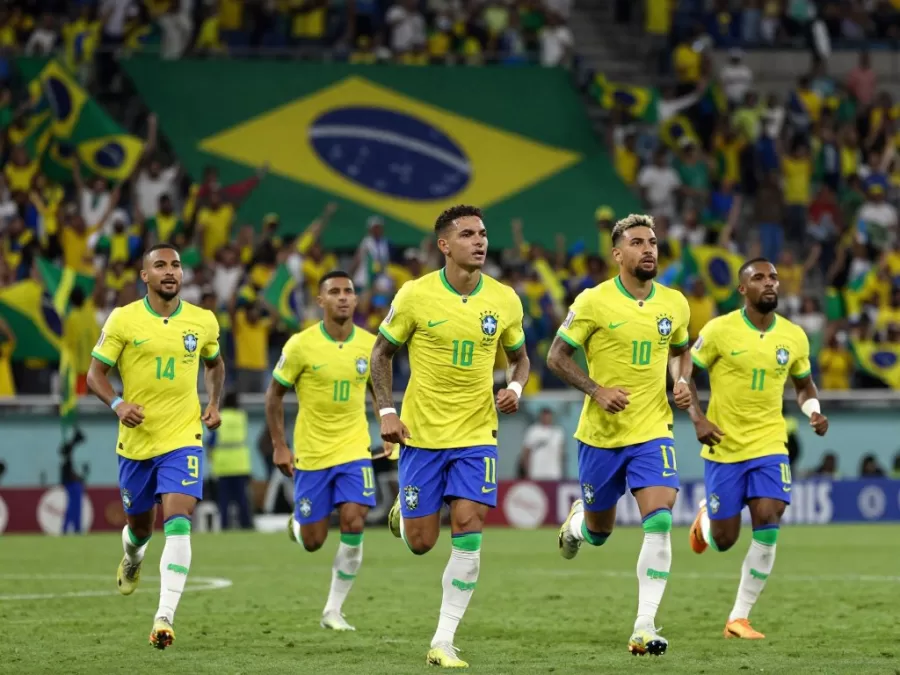
Brazil maintains third place despite facing recent challenges. The team rebuilds under new tactical approaches and systems. Their rich talent pool ensures continued competitive performances.
Qualification matches tested Brazil’s squad depth significantly. Young players stepped up in crucial fixtures time. The team aims to reclaim top ranking through consistent victories.
FIFA Rankings Outlook for July 2026
The july 2026 update will capture pre-tournament final preparations. Teams compete in crucial warm-up matches before competitions. These fixtures influence seeding for upcoming major tournaments.
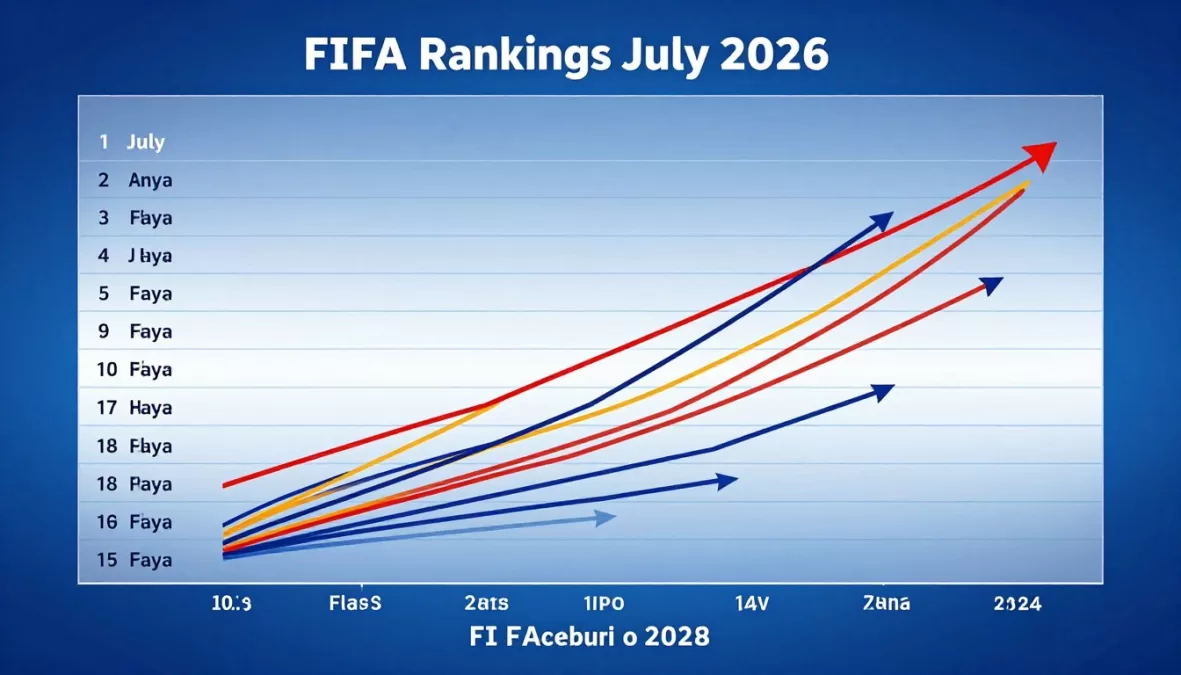
Nations schedule strategic matches to optimize ranking positions. The time between june 2026 and july 2026 proves critical. Match results during this period determine tournament seedings.
Expected Ranking Movements
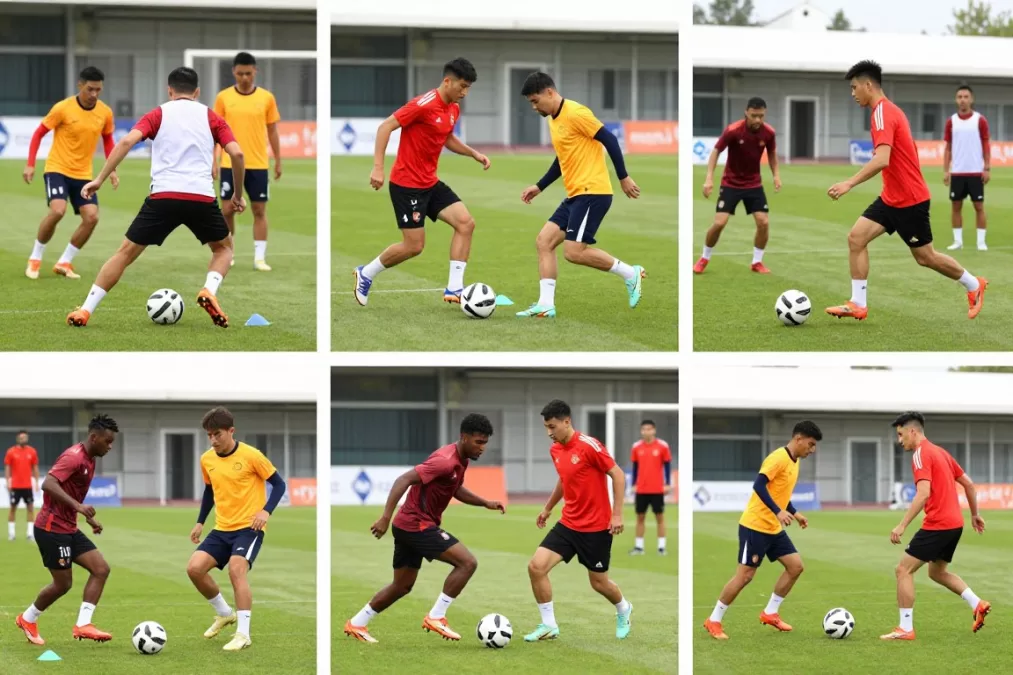
Several teams could break into top ten by july 2026. Strong performances in qualification matches enable ranking climbs. The competitive landscape remains fluid heading toward tournaments.
Current rankings favor established football nations in calculations. However, emerging teams challenge traditional powerhouses increasingly. The july 2026 rankings may surprise football observers.
Potential Risers
- Germany – Strong qualification run
- Uruguay – Consistent South American form
- Colombia – Improved team cohesion
Teams at Risk
- Belgium – Aging squad concerns
- Croatia – Generational transition
- Portugal – Competitive fixtures ahead
Stable Rankings
- Argentina – World cup momentum
- France – Squad depth advantage
- England – Consistent performance
Historical Context of FIFA Top 10 Rankings
The FIFA ranking system launched in 1993 to provide objective measurements. Initial calculations used simpler formulas than current methods. The system evolved significantly over three decades.
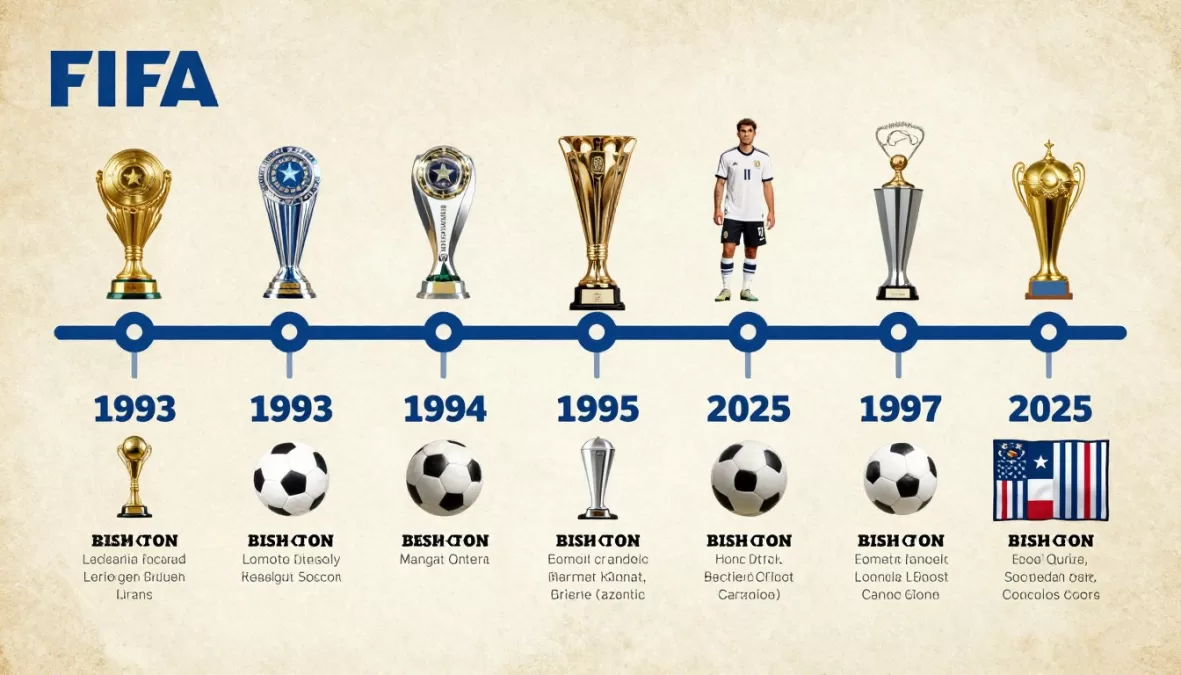
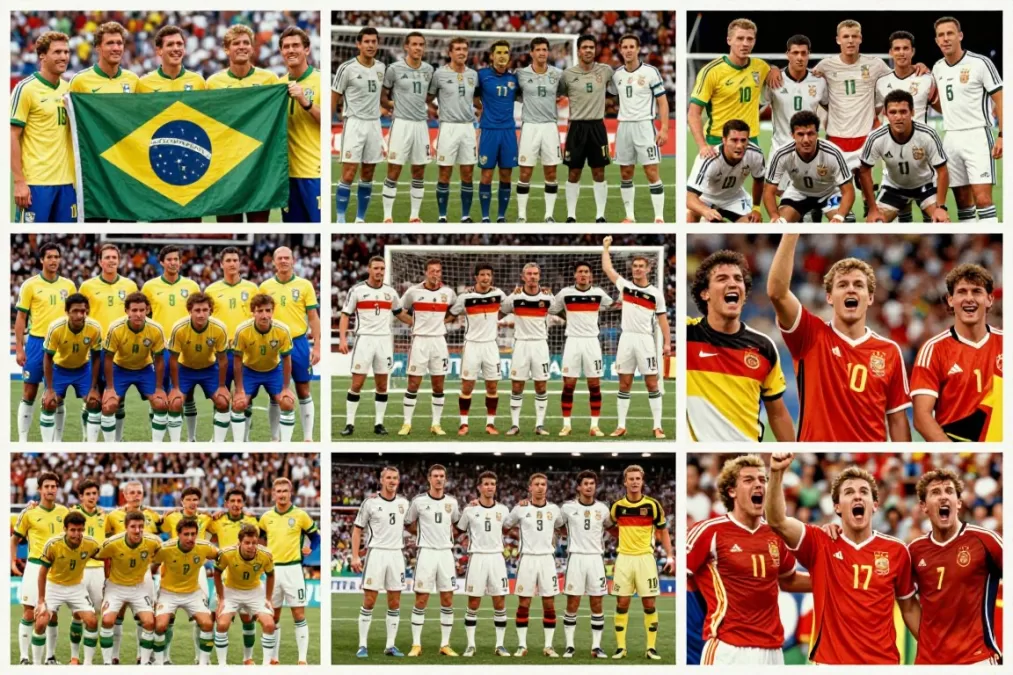
Brazil dominated early rankings with prolonged number-one positions. Germany challenged for top spots throughout the system’s history. Spain achieved sustained success during their golden generation.
Ranking System Revisions
FIFA revised the formula in 2006 to improve accuracy. Further updates occurred in 2018 addressing previous system flaws. Current calculations better reflect actual team strength and performance.
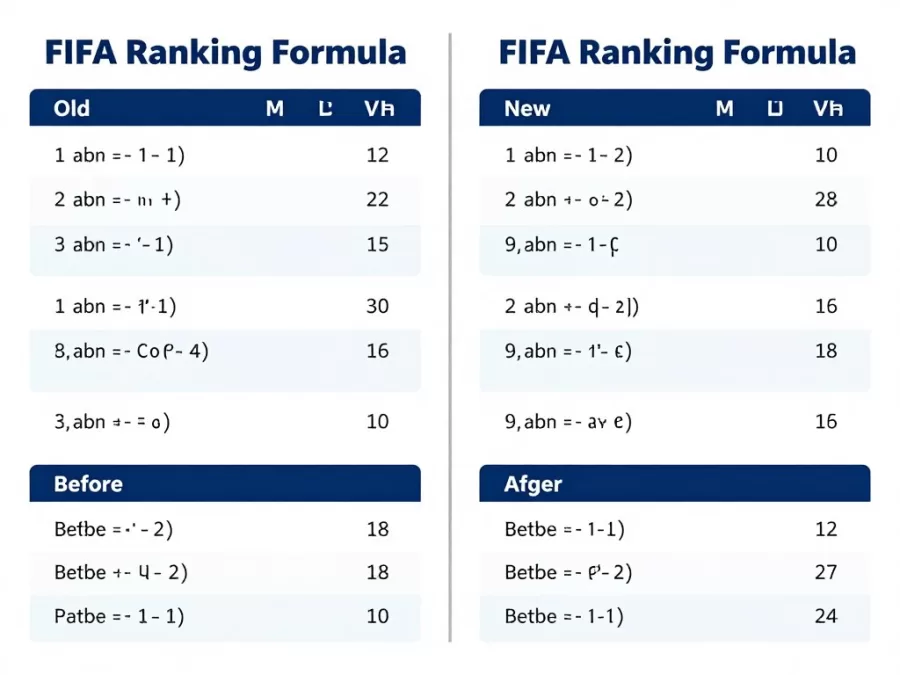
The 2018 revision eliminated average points per match calculations. New system emphasizes recent form over historical performance. Match importance weighting increased for competitive fixtures significantly.
Most Successful Teams by Time at Number One
Brazil spent the most time ranked first overall. Germany follows with substantial periods atop rankings. Spain achieved remarkable consistency during peak years historically.
| Team | Total Months at #1 | First Time at #1 | Most Recent #1 |
| Brazil | 142 | August 1994 | September 2022 |
| Germany | 89 | December 1993 | July 2017 |
| Spain | 72 | July 2008 | March 2021 |
| Argentina | 58 | March 2007 | April 2023 |
| France | 52 | May 2001 | November 2022 |
Argentina currently enjoys their period atop FIFA world rankings. Their world cup victory cemented this ranking position firmly. The team aims to extend their time as number one.
How FIFA Top 10 Rankings Impact World Cup Tournaments
Rankings directly influence world cup draw procedures and seedings. Top-ranked teams receive advantageous group placements in tournaments. This system theoretically creates balanced competition across groups.
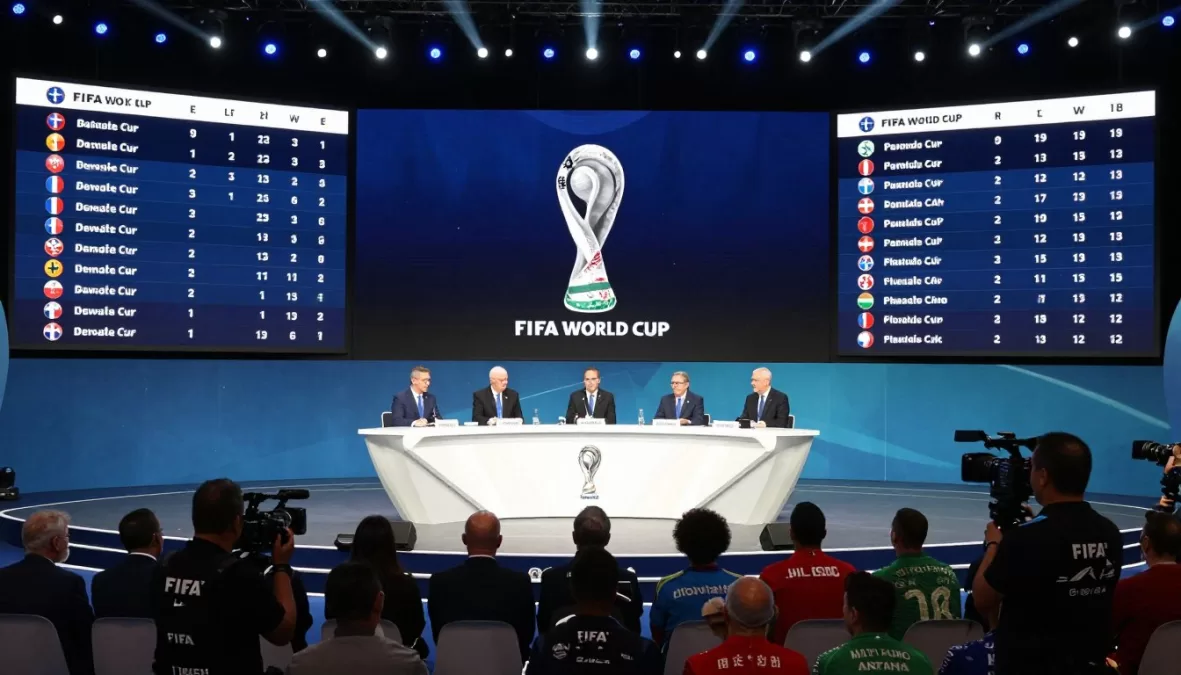
The fifa world cup uses rankings for pot allocation. Highest-ranked teams enter Pot One for draws. This prevents early matchups between top-ranked teams theoretically.
Seeding Advantages and Disadvantages
Top-seeded teams avoid other highly-ranked opponents in groups. This advantage increases advancement probability to knockout stages. However, underdog teams can still challenge favorites unpredictably.
Lower-ranked teams face tougher group stage paths typically. Fixtures against multiple strong opponents test their capabilities. Upsets remain possible regardless of ranking differences between teams.
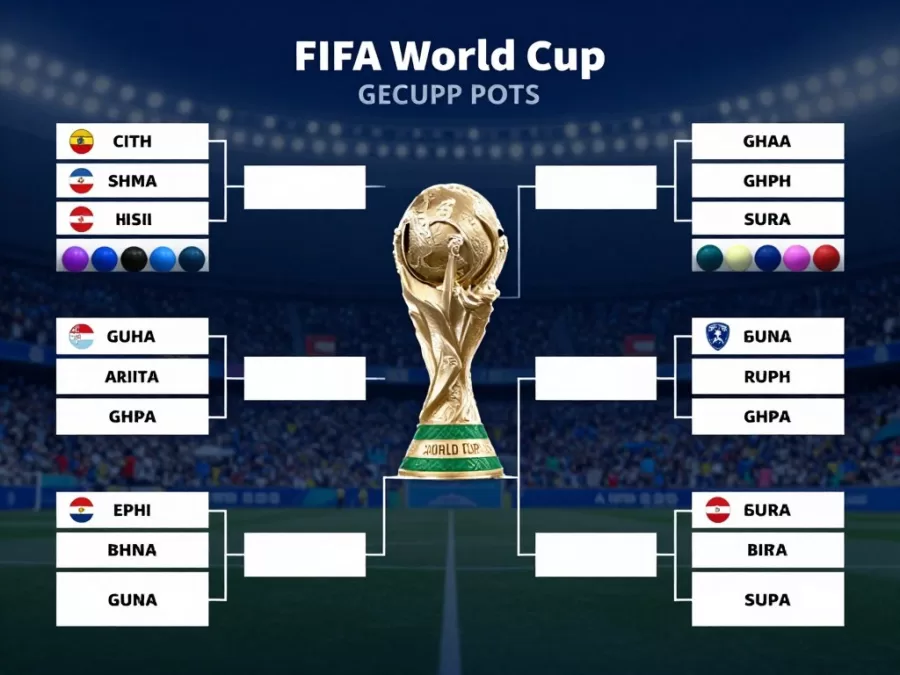
Important Note: Rankings used for world cup seeding freeze at a specific date before the tournament. Teams cannot improve seeding through late-season matches after the cutoff.
Strategic Importance of Rankings
Nations prioritize ranking position as tournaments approach strategically. Teams schedule challenging fixtures to accumulate maximum points. The balance between match difficulty and point potential requires careful consideration.
Some teams focus on maintaining position rather than climbing. Others pursue aggressive scheduling to break into top ranks. Strategic match planning reflects long-term tournament preparation goals.
Stay Ahead of FIFA Ranking Changes
Join our comprehensive FIFA rankings hub for exclusive analysis, match predictions, and tournament insights. Access premium content and interactive ranking tools.
Free access to historical data and monthly ranking reports
Frequently Asked Questions About FIFA Top 10 Rankings
How often do FIFA top 10 rankings update?
FIFA publishes updated rankings monthly on a predetermined schedule. The organization announces ranking dates at the year’s beginning. Updates reflect all international matches played since the previous release.
Can a team outside top ten reach number one quickly?
Climbing from outside the top ten to number one requires sustained excellence. Teams need multiple victories against highly-ranked opponents in weighted matches. World cup victories provide the fastest path to top ranking positions.
Do friendly matches affect FIFA top 10 rankings significantly?
Friendly matches carry the lowest multiplier in ranking calculations. They impact rankings but less than competitive fixtures or tournaments. Teams use friendlies for preparation rather than ranking point accumulation primarily.
Which confederation has most teams in FIFA top ten?
UEFA consistently places the most teams in the top ten. European teams benefit from competitive domestic leagues and frequent international matches. CONMEBOL typically maintains strong representation with South American powerhouses.
How do penalty shootouts affect FIFA ranking calculations?
Matches decided by penalty shootouts count as draws in calculations. Both teams receive draw points rather than win or loss points. This ensures shootout outcomes don’t disproportionately affect ranking movements.
Understanding FIFA Top 10 Rankings for Football Fans
The FIFA top 10 rankings provide objective measurement of national team strength. These rankings influence tournament draws, seedings, and global football prestige. Understanding the system helps fans appreciate the competitive international landscape.
Rankings change monthly based on match results and tournament performances. The calculation formula weighs match importance, opponent strength, and confederation factors. Teams strategically schedule fixtures to optimize ranking positions heading into tournaments.
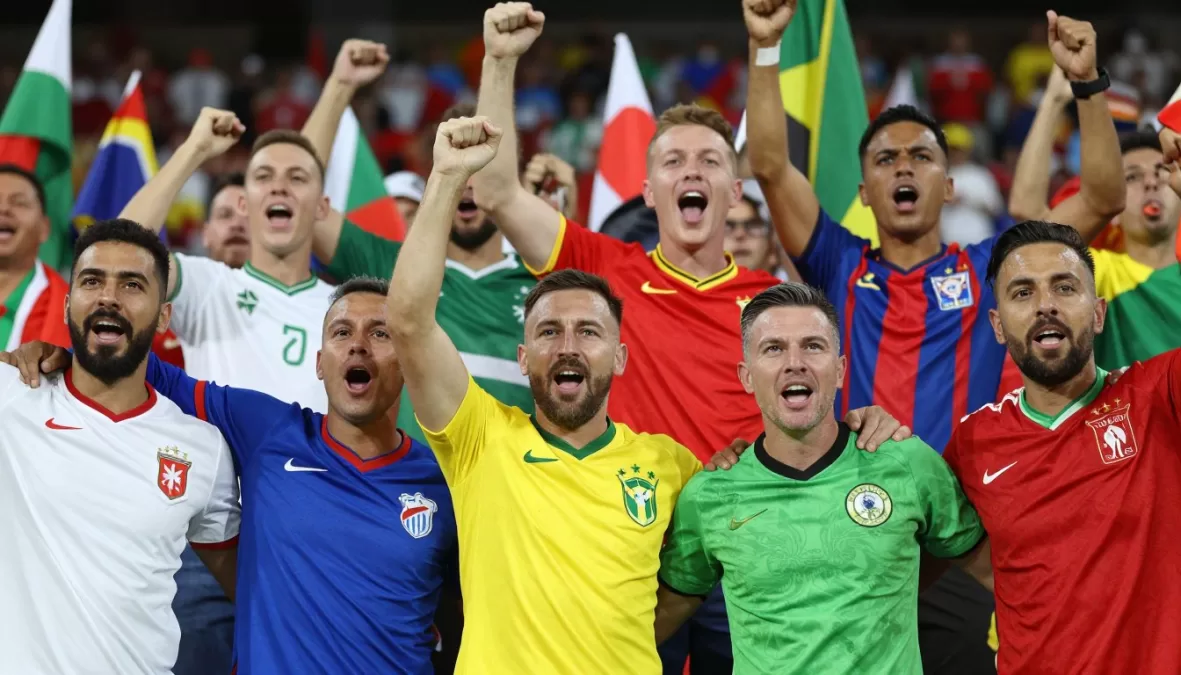
Current standings show Argentina leading with France and Brazil following closely. The top ten represents elite international football competition globally. These teams demonstrate consistent excellence across multiple matches and tournaments.
Future ranking updates will reflect ongoing qualification matches and competitions. The june 2026 and july 2026 periods prove crucial for tournament seeding. Teams compete intensely to secure advantageous positions before major competitions.
Football enthusiasts should monitor rankings to understand team trajectories. The system rewards sustained performance over temporary success streaks. Rankings provide valuable context for analyzing international football dynamics and predicting tournament outcomes.

Priyanka Pandey
Senior Research Editor · Top10Sense
Priyanka specializes in tech, consumer products, and digital trends. She combines hands-on testing, vendor interviews, and database research to create trustworthy “Top 10” rankings. Her work has been referenced by industry blogs and brand report pages.