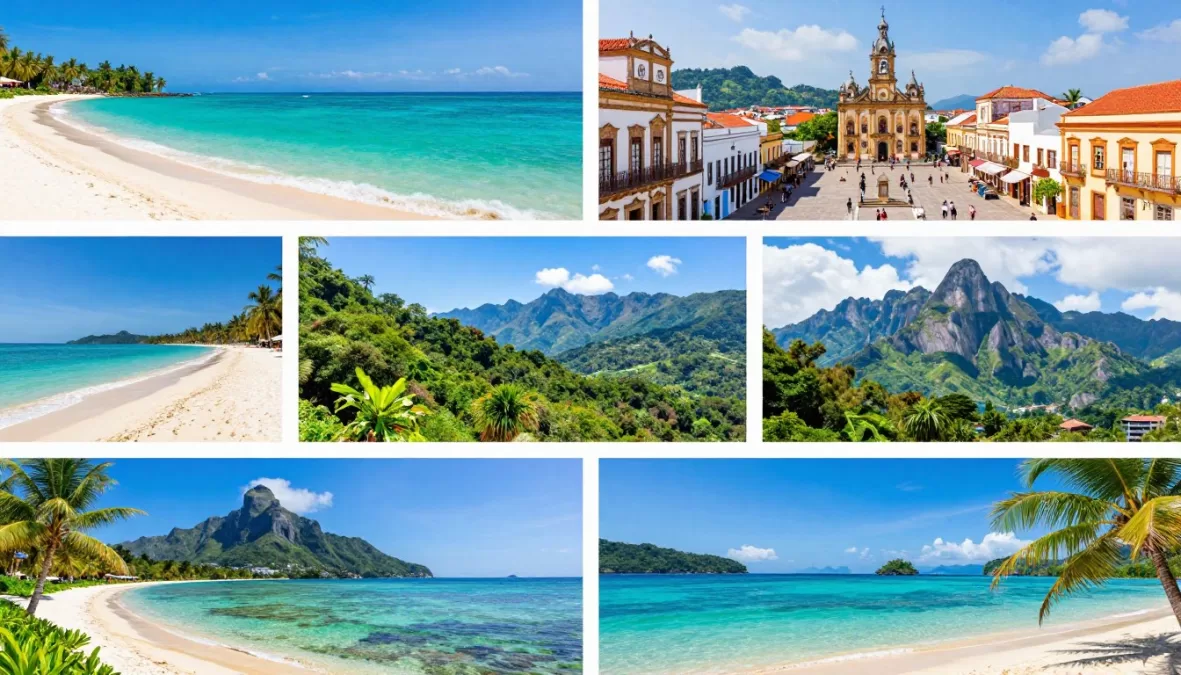
Planning your summer vacation for next year opens doors to incredible opportunities around the world. The top 10 places to visit in summer 2026 offer something special for every type of traveler.
From pristine beaches to historic cities, these destinations promise unforgettable experiences. Each location has been carefully selected based on weather conditions, cultural events, and unique attractions available during summer months.
This comprehensive list helps you decide where to spend your precious vacation days. Whether you seek adventure, relaxation, or cultural immersion, these destinations deliver exceptional value and memorable moments.
Why Start Planning Your Summer 2026 Travel Now
Early planning gives you significant advantages for your summer trip. Booking flights and accommodations months in advance often saves considerable money compared to last-minute arrangements.
Popular destinations fill up quickly during peak summer season. Securing your spot early ensures you get your first choice of hotels, tours, and experiences rather than settling for what remains available.
Benefits of Early Travel Planning
- Lower prices on flights and hotels with advance bookings
- Better selection of accommodations in prime locations
- Time to research and create the perfect itinerary
- Opportunity to spread costs over several months
- Peace of mind knowing your vacation is secured

The time you invest in planning pays dividends when you arrive at your destination. You will know exactly what to see, where to eat, and how to make the most of every day without wasting precious vacation time figuring things out.
Get Your Free Summer 2026 Travel Planning Newsletter
Join over 50,000 travelers receiving weekly destination inspiration, money-saving tips, and exclusive early-bird deals for summer 2026. Get expert advice delivered straight to your inbox.
1. Santorini, Greece – Iconic Island Paradise
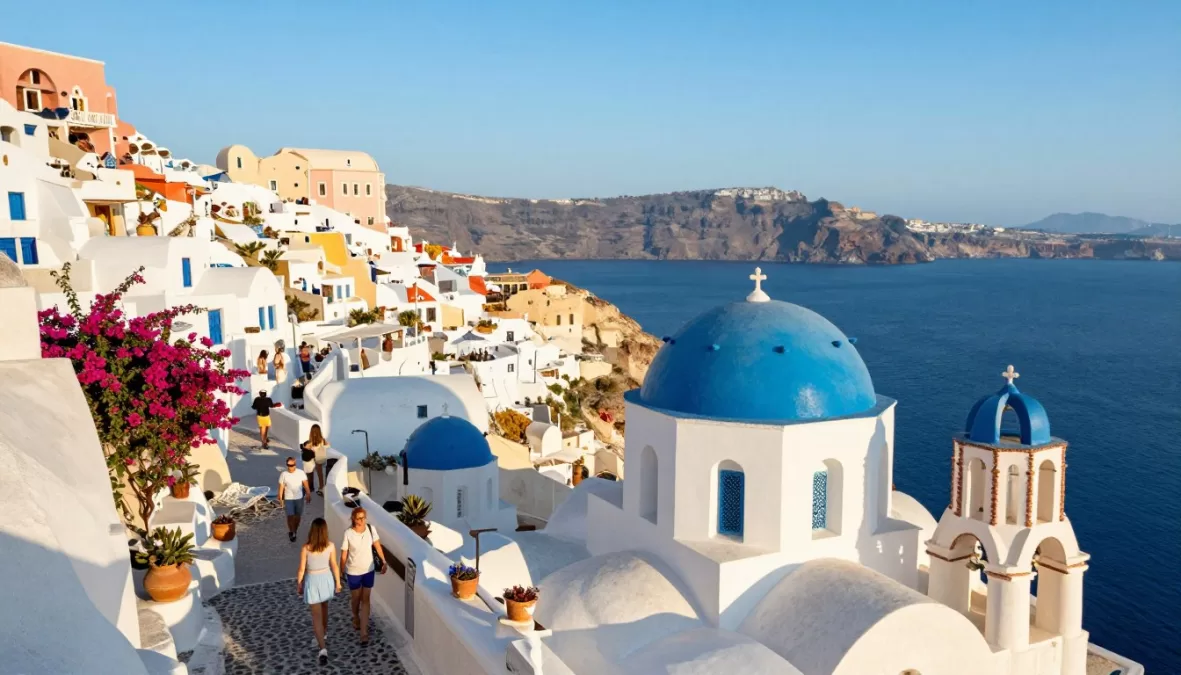
Santorini stands as one of the most photographed islands in the world for good reason. The dramatic caldera views, pristine white buildings with blue domes, and spectacular sunsets create an unforgettable Mediterranean experience.
Summer brings perfect weather to this Greek island. Temperatures range from 75 to 85 degrees Fahrenheit with minimal rainfall, creating ideal conditions for exploring villages, relaxing on unique volcanic beaches, and enjoying outdoor dining.
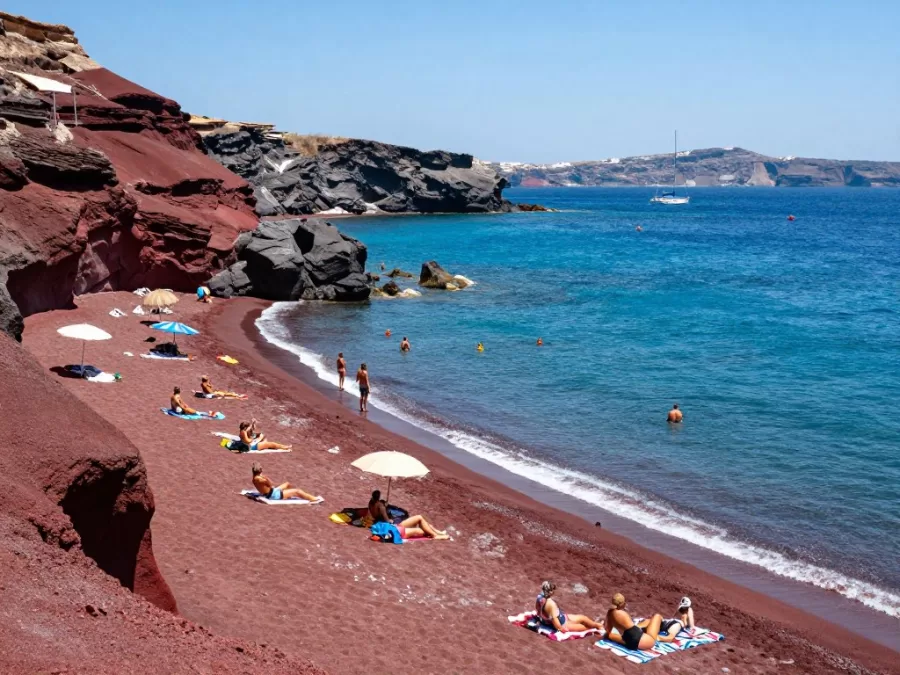
Unique Beaches
The island features extraordinary beaches with volcanic sand. Red Beach displays striking crimson cliffs, while Perissa Beach offers black sand stretching for miles along the coast.
Each beach provides different experiences. Some offer water sports and beach bars, while others remain tranquil spots perfect for relaxation and swimming in crystal-clear waters.
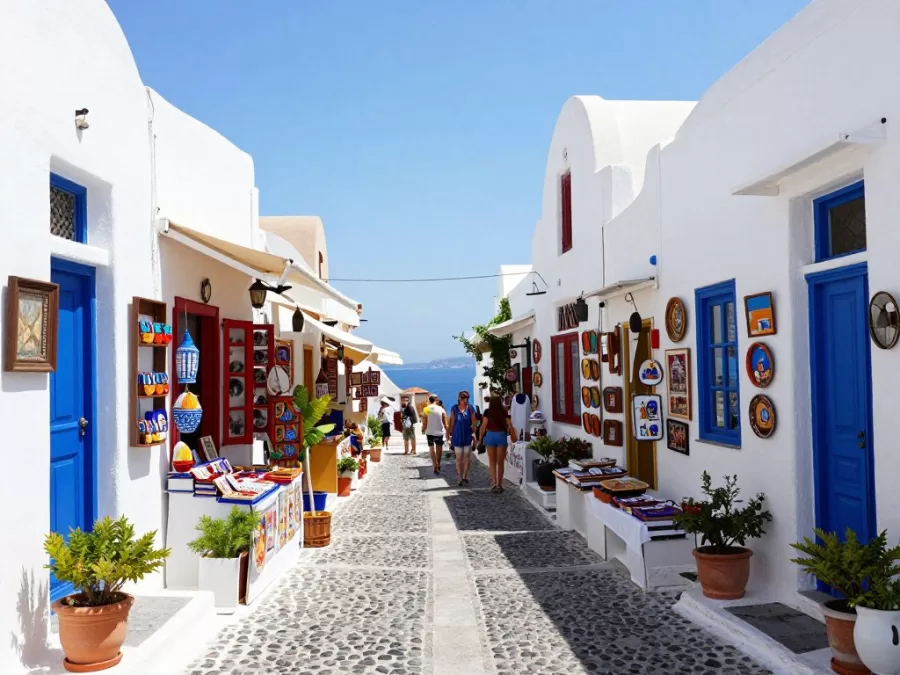
Charming Villages
Oia and Fira represent the island’s most famous villages. These settlements feature maze-like streets filled with boutique shops, art galleries, and restaurants serving traditional Greek cuisine with caldera views.
Smaller villages like Pyrgos and Megalochori offer authentic experiences. You will discover local wineries, traditional architecture, and fewer crowds while maintaining the island’s characteristic charm.
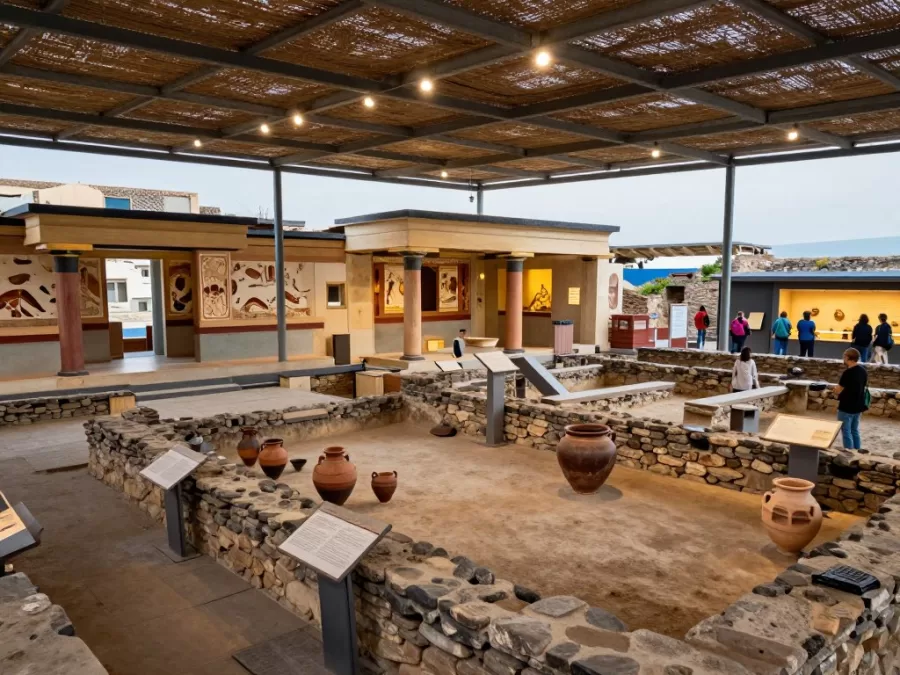
Historical Sites
Akrotiri archaeological site preserves a Minoan Bronze Age settlement buried by volcanic eruption. The remarkably preserved ruins offer insights into advanced ancient civilization that thrived here thousands of years ago.
Ancient Thera sits atop Mesa Vouno mountain. This site contains ruins from multiple periods including Greek, Roman, and Byzantine structures with panoramic island views.
Best Time to Visit Santorini in Summer 2026
June offers the perfect balance of warm weather and smaller crowds. The island comes alive with blooming flowers and pleasant temperatures ideal for hiking between villages.
July and August bring peak tourist season with the hottest weather. Expect bustling streets, higher prices, and advance reservations necessary for popular restaurants and hotels.
Essential Travel Tips
- Book accommodations at least six months in advance for summer dates
- Reserve sunset dinner spots in Oia several days ahead
- Rent an ATV or car to explore the island independently
- Visit wineries in the afternoon to avoid tour groups
- Take the scenic hiking trail from Fira to Oia for stunning views
- Bring comfortable walking shoes for cobblestone streets
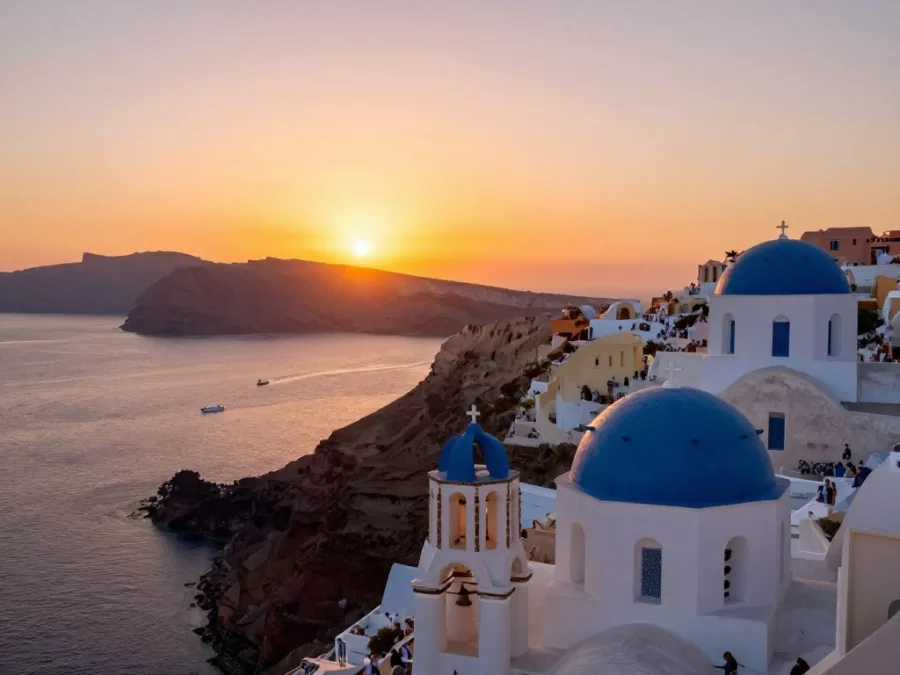
Pro Tip: The caldera-facing hotels in Oia and Fira offer incredible views but come with premium prices. Consider staying in Perissa or Kamari for budget-friendly options with easy beach access, then visit Oia for sunset.
2. Kyoto, Japan – Ancient Capital of Culture
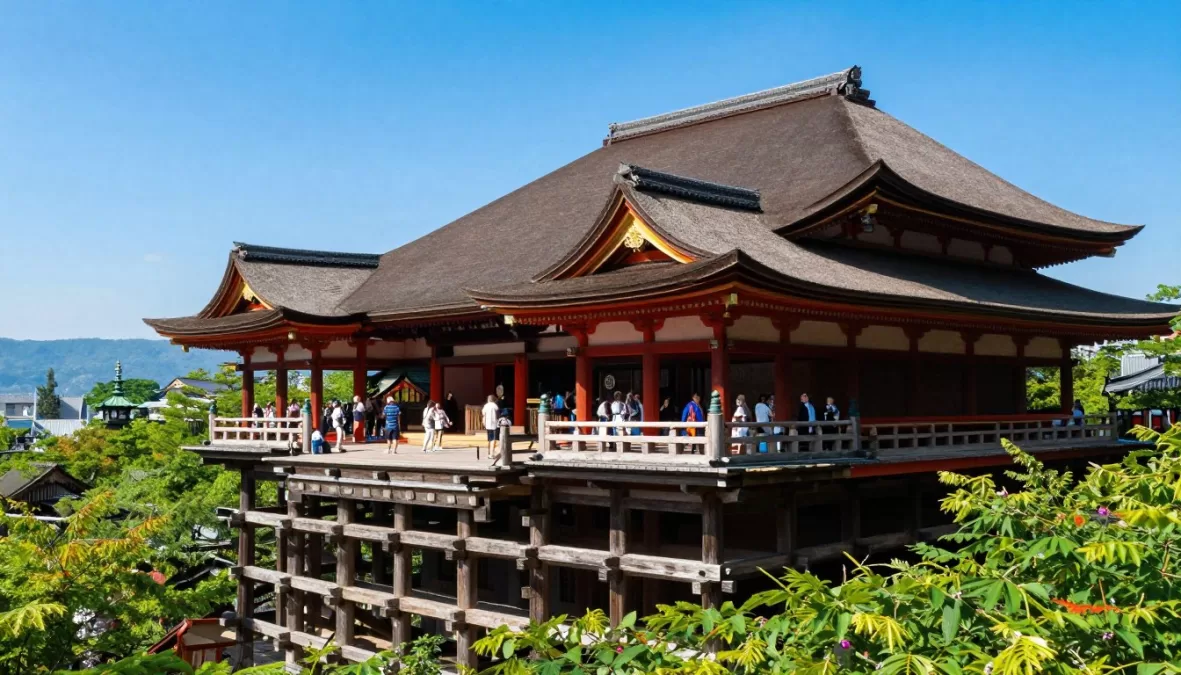
Kyoto preserves Japan’s cultural heritage through thousands of temples, traditional gardens, and historic districts. This ancient capital offers an authentic glimpse into Japanese history, art, and spirituality that modern cities cannot match.
Summer in Kyoto brings warm temperatures and occasional rain showers. The season features vibrant green landscapes, traditional festivals, and the famous Gion Matsuri celebration that transforms the city for an entire month.
Temples and Shrines
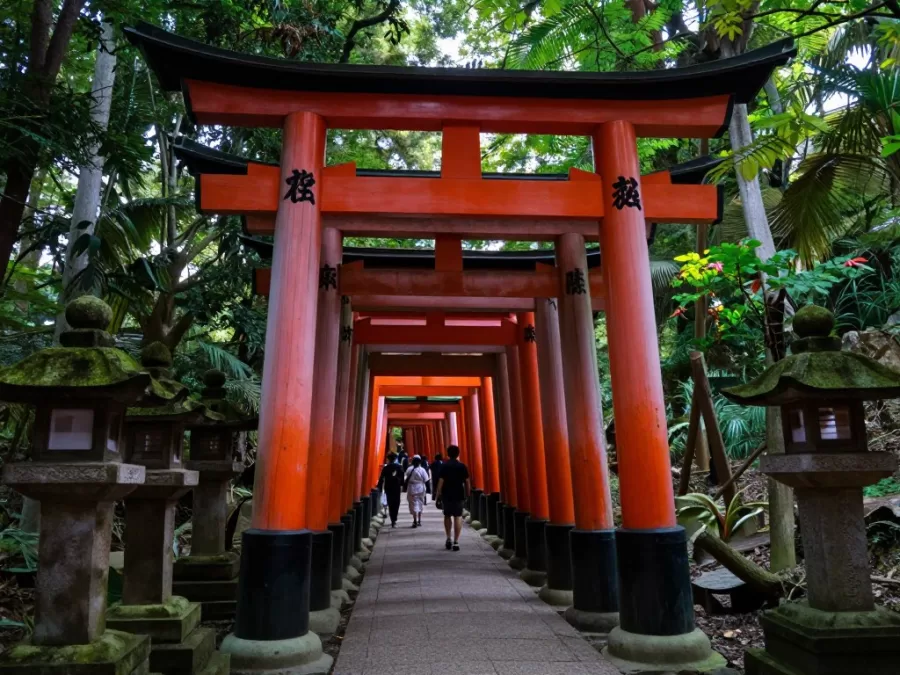
Kyoto houses over 2,000 temples and shrines. Kinkaku-ji Temple gleams with gold leaf covering, while Fushimi Inari Shrine features thousands of bright orange torii gates creating tunnels up the mountainside.
Kiyomizu-dera Temple stands on wooden pillars offering panoramic city views. The complex includes a sacred waterfall where visitors drink from three streams, each promising different benefits.
Traditional Districts
Gion district preserves traditional wooden machiya houses where geishas still practice their art. Walking these streets feels like stepping back in time with preserved architecture and cultural traditions.
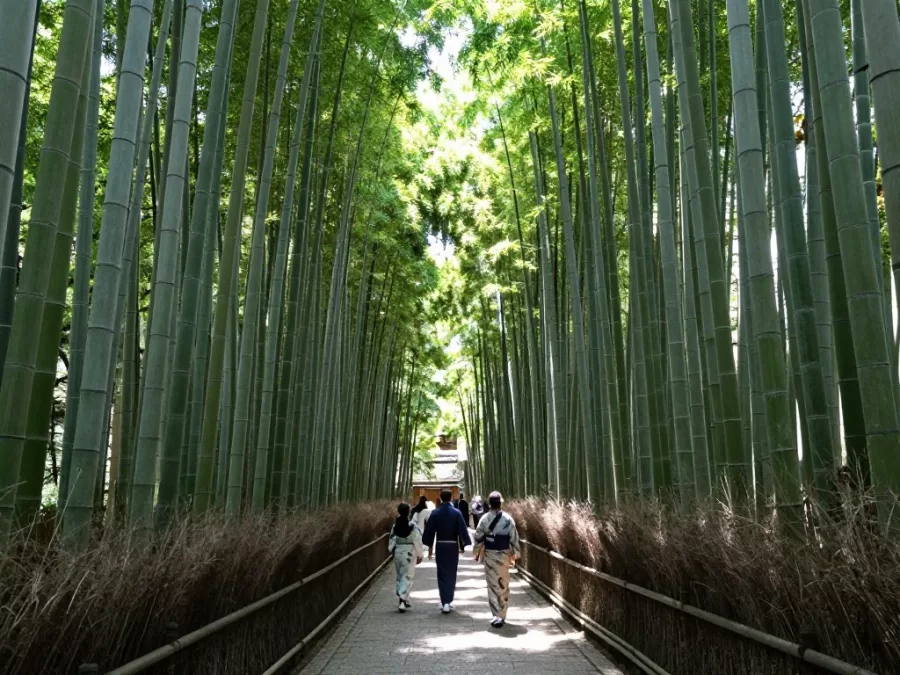
Arashiyama offers the famous bamboo grove where towering stalks create a natural cathedral. The area includes traditional shops, temples, and the scenic Togetsukyo Bridge spanning the Hozu River.
Summer Festivals and Events
Gion Matsuri runs throughout July as one of Japan’s most famous festivals. The celebration culminates with massive decorated floats parading through city streets accompanied by traditional music and performances.
The festival dates back over 1,000 years. Streets close to traffic as locals and visitors gather to enjoy food stalls, traditional games, and cultural performances wearing summer yukata robes.
| Attraction | Best Time | Duration | Highlights |
| Kinkaku-ji Temple | Early morning | 1-2 hours | Golden pavilion, Zen gardens, reflection pond |
| Fushimi Inari Shrine | Sunrise or sunset | 2-4 hours | 10,000 torii gates, mountain trails, fox statues |
| Arashiyama Bamboo Grove | Early morning | 2-3 hours | Bamboo forest, river views, traditional shops |
| Gion District | Evening | 2-3 hours | Geisha spotting, traditional architecture, tea houses |
| Philosopher’s Path | Morning or afternoon | 1-2 hours | Canal walk, small temples, local cafes |
Cultural Experiences
Tea ceremonies offer intimate introductions to Japanese traditions. Many temples and cultural centers host sessions where participants learn proper etiquette while enjoying matcha and traditional sweets.
Kimono rental shops throughout the city allow visitors to dress in traditional garments. Walking temple grounds and historic districts in kimono creates memorable photos and deeper cultural connection.
Summer in Kyoto can be hot and humid with temperatures reaching 90 degrees Fahrenheit. Start your days early to visit outdoor sites, then retreat to air-conditioned museums and indoor attractions during peak afternoon heat. Carry water and wear breathable clothing for comfort.
3. Iceland – Land of Midnight Sun and Natural Wonders
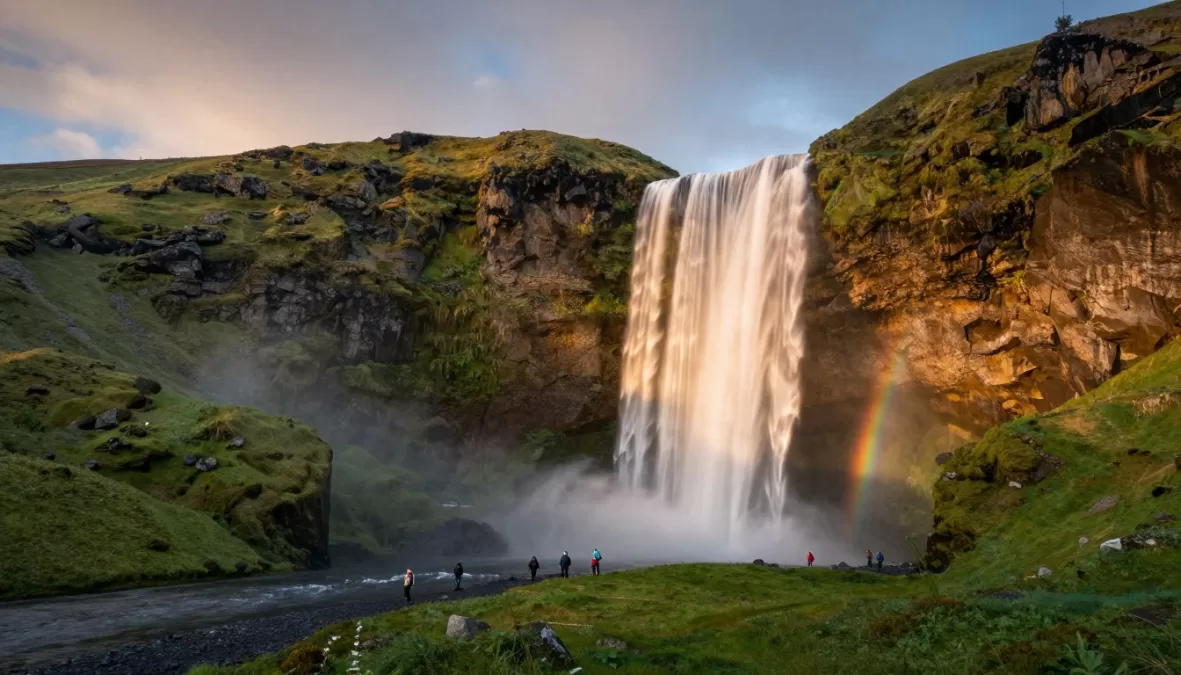
Iceland transforms into an outdoor adventure paradise during summer months. The land of fire and ice offers unique experiences found nowhere else on Earth, from volcanic landscapes to massive glaciers and geothermal hot springs.
Summer brings nearly 24 hours of daylight to Iceland. The midnight sun allows extended exploration time, making it possible to fit more activities into each day without worrying about darkness.
Geothermal Wonders
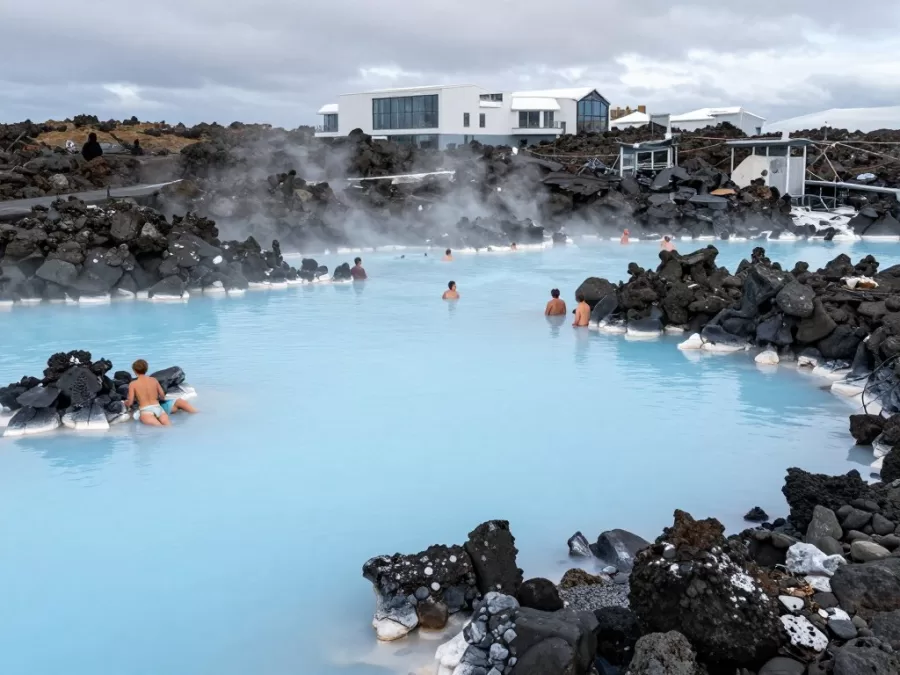
The Blue Lagoon offers the most famous geothermal spa experience. Mineral-rich milky blue waters surrounded by black lava fields create a surreal bathing environment with healing properties.
Hundreds of natural hot springs dot the countryside. Many remain free and undeveloped, offering authentic soaking experiences in stunning natural settings away from tourist crowds.
Glacier Adventures
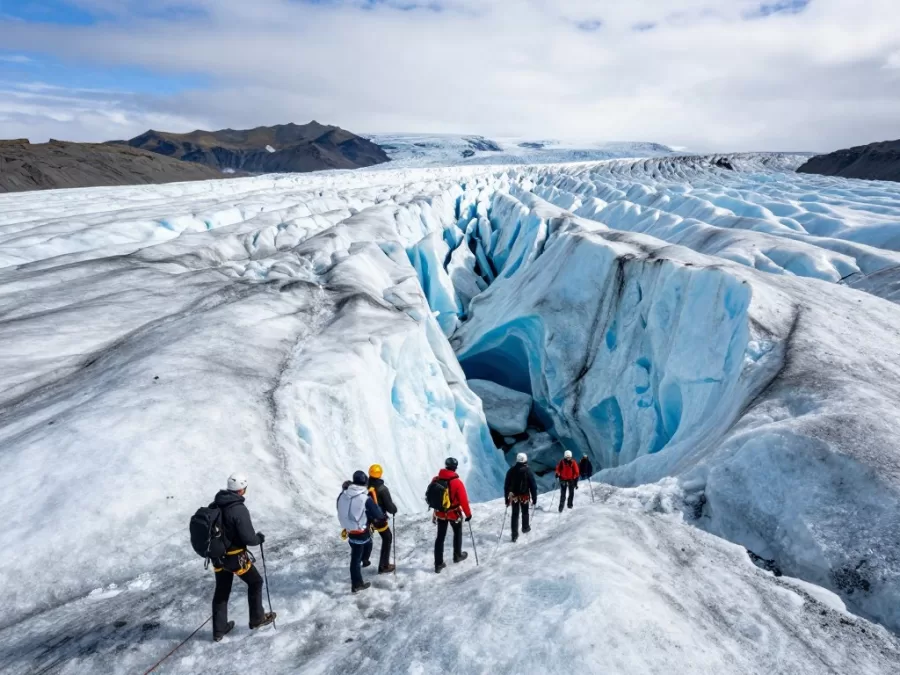
Vatnajokull represents Europe’s largest glacier covering eight percent of Iceland’s landmass. Guided tours lead visitors onto the ice for hiking, ice climbing, and exploring natural ice caves.
Glacier lagoons like Jokulsarlon showcase icebergs calving from glaciers. Boat tours navigate between floating ice sculptures while seals rest on smaller bergs.
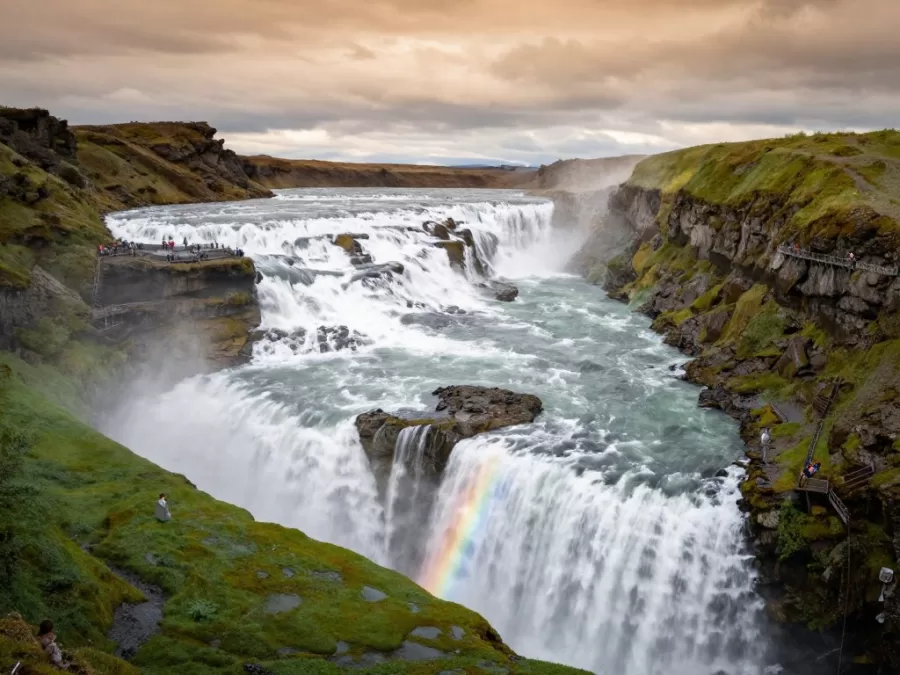
Waterfalls and Geysers
Iceland features countless spectacular waterfalls. Gullfoss cascades in two tiers into a rugged canyon, while Seljalandsfoss allows visitors to walk completely behind the falling water curtain.
Geysir geothermal area contains Strokkur geyser erupting every five to ten minutes. The spectacle shoots boiling water 100 feet into the air with clockwork regularity.
Wildlife and Nature
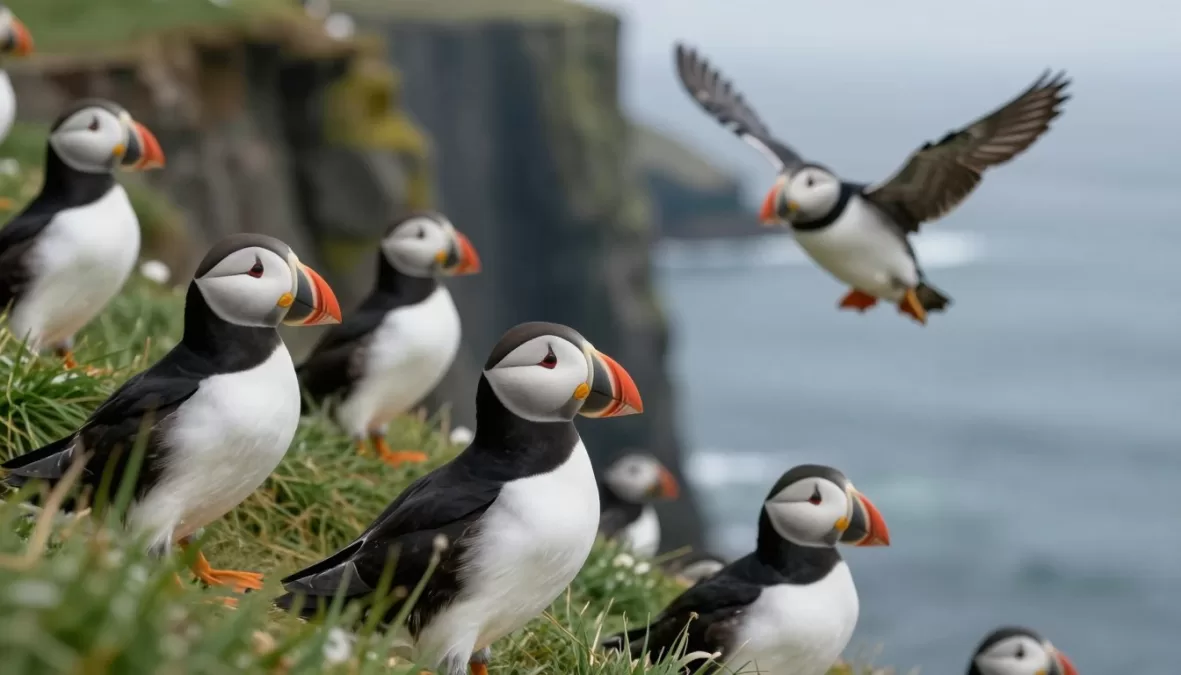
Summer brings puffin season to Iceland’s coastal cliffs. These charming seabirds nest in massive colonies along cliffsides, offering excellent photography opportunities and close wildlife encounters.
Whale watching tours depart from Husavik and Reykjavik. Humpback whales, minke whales, and occasionally blue whales feed in nutrient-rich waters around the island during summer months.
Best Wildlife Spots
- Latrabjarg cliffs for puffin viewing
- Husavik for whale watching tours
- Jokulsarlon for seal spotting
- Mývatn region for diverse bird species
The Golden Circle Route
This popular day trip from Reykjavik covers Iceland’s most iconic natural attractions. The route includes Thingvellir National Park where tectonic plates meet, powerful Gullfoss waterfall, and the active Geysir geothermal area.
The entire circle spans approximately 190 miles. Most visitors complete it in one long day, though splitting it across two days allows for deeper exploration and additional side trips.
Weather Advisory: Icelandic weather changes rapidly even in summer. Pack waterproof layers, warm clothing, and sturdy hiking boots regardless of the forecast. Temperatures typically range from 50 to 60 degrees Fahrenheit, but wind and rain can make it feel much colder.
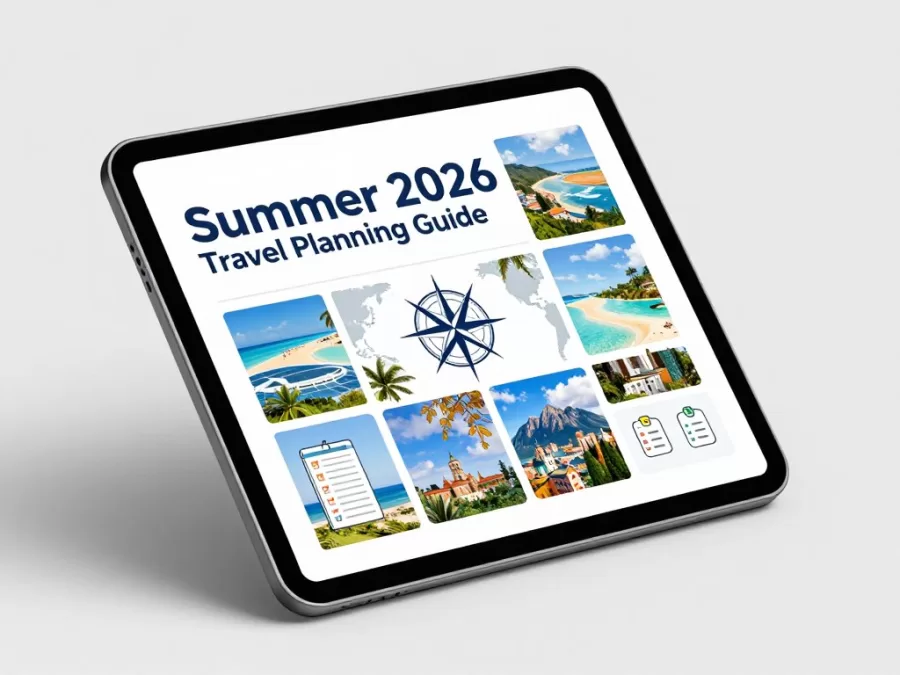
Download Your Complete Summer 2026 Travel Planning Guide
Get our comprehensive 50-page PDF guide featuring detailed destination profiles, month-by-month weather charts, budget planning worksheets, packing lists, and insider tips for all top summer destinations. Plus bonus section on avoiding tourist traps and finding authentic local experiences.
What’s Inside:
- Detailed profiles of 25 top summer destinations
- Monthly weather comparison charts
- Budget planning templates and cost breakdowns
- Customizable packing lists by destination type
- Visa and travel requirement checklists
- Local transportation guides for each city
- Restaurant and accommodation recommendations
- Day-by-day sample itineraries
4. Amalfi Coast, Italy – Mediterranean Coastal Paradise
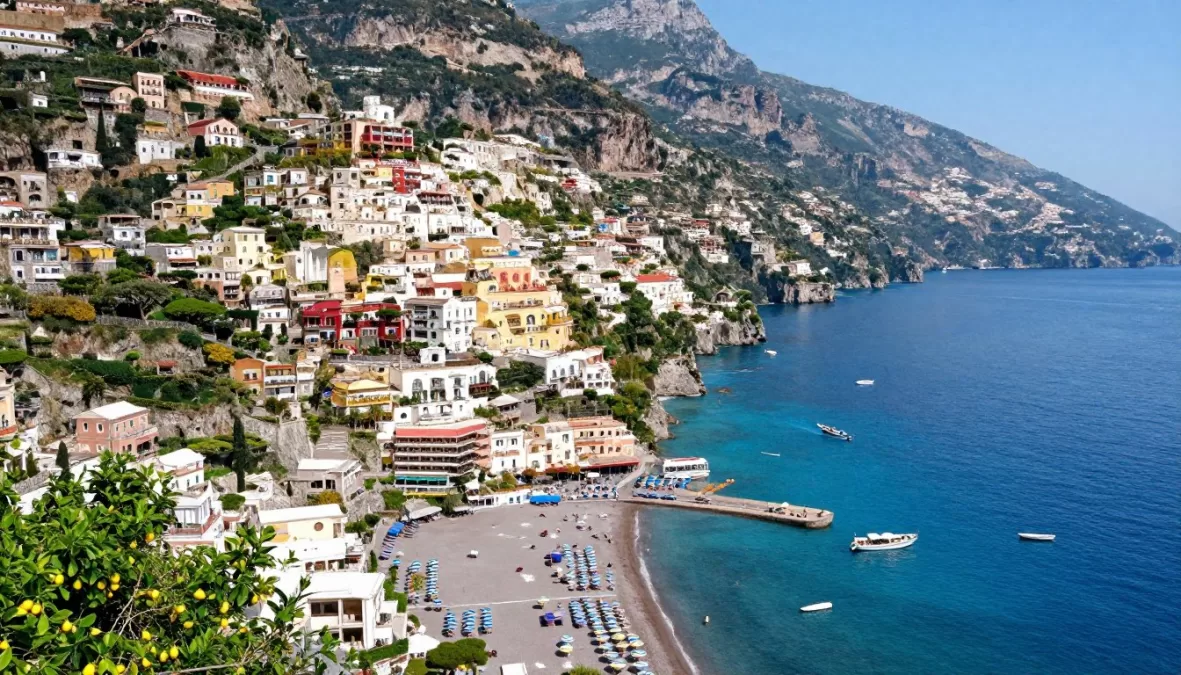
The Amalfi Coast stretches along southern Italy’s Sorrentine Peninsula. This UNESCO World Heritage site combines dramatic coastal scenery with charming villages, excellent cuisine, and Mediterranean culture at its finest.
Summer weather creates perfect conditions for beach days, boat trips, and outdoor dining. Temperatures hover in the comfortable 80s while the Mediterranean Sea warms to ideal swimming temperature.
Coastal Towns and Villages
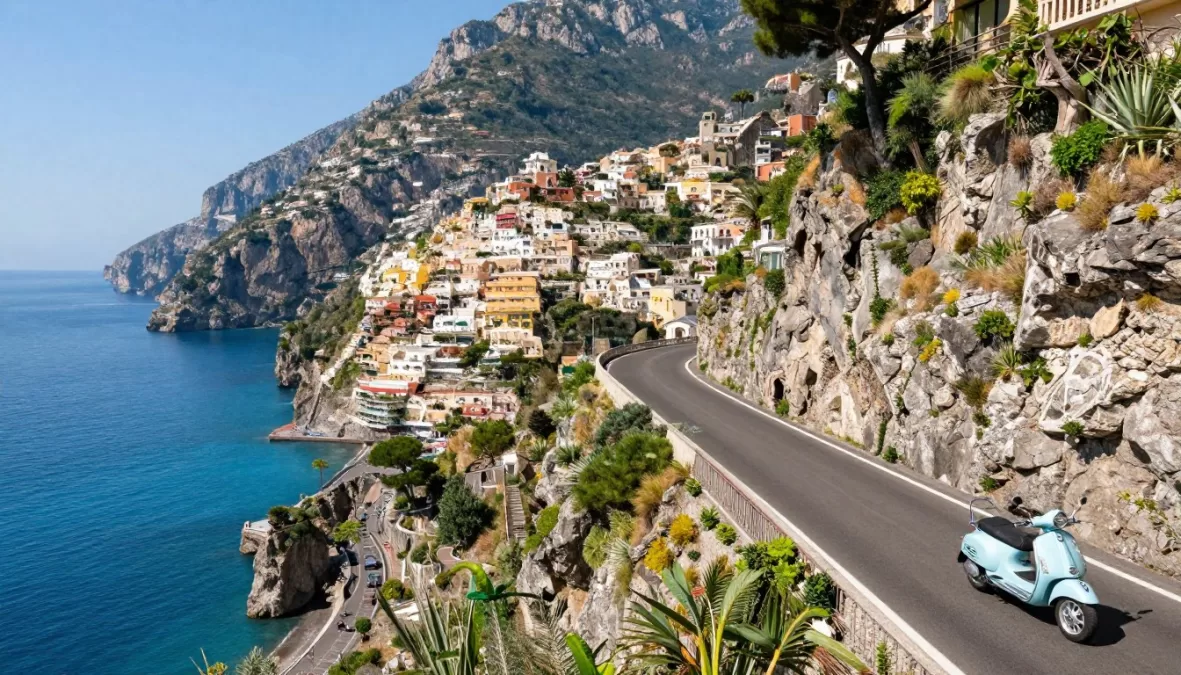
Positano cascades down cliffsides in a tumble of colorful buildings. Narrow streets lined with boutiques, ceramics shops, and restaurants lead down to the main beach where visitors lounge under striped umbrellas.
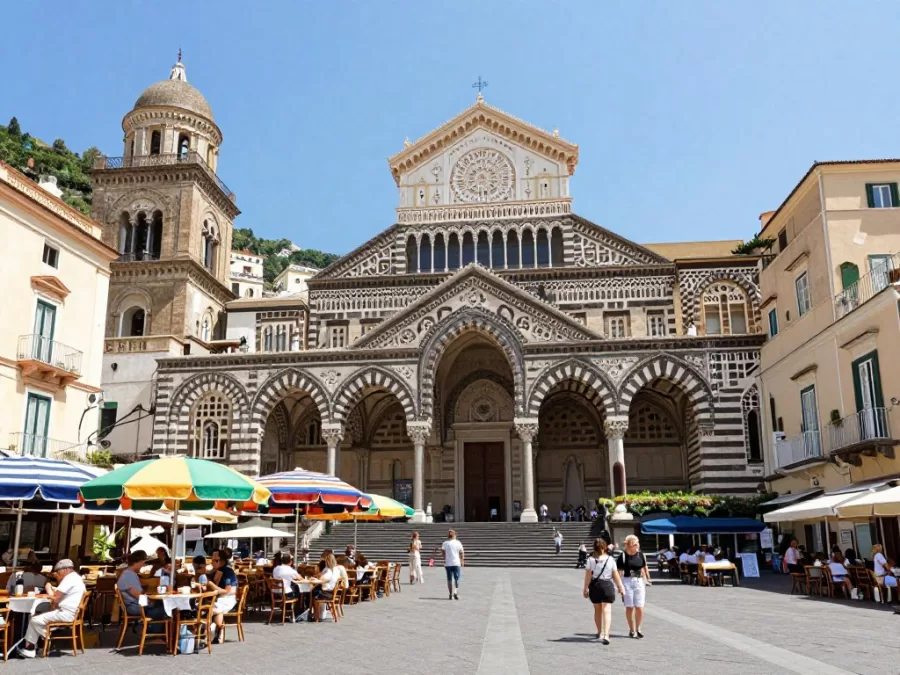
Amalfi town serves as the coast’s historic heart. The magnificent cathedral dominates the main square, while surrounding streets hide family-run restaurants serving fresh seafood and homemade pasta.
Ravello sits high above the coastline offering spectacular panoramic views. The town’s Villa Rufolo and Villa Cimbrone feature stunning gardens that host summer classical music concerts.
Beach Life and Water Activities
The coast features numerous beaches ranging from popular stretches in main towns to hidden coves accessible only by boat. Each beach club offers umbrella and lounge chair rentals with bar service.
Boat tours provide the best perspective of the dramatic coastline. Day trips explore sea caves, stop at secluded beaches, and visit the island of Capri with its famous Blue Grotto.
Kayaking and stand-up paddleboarding allow independent exploration. You can paddle along the coast discovering small beaches and caves while enjoying the clear turquoise water.
Italian Cuisine and Dining
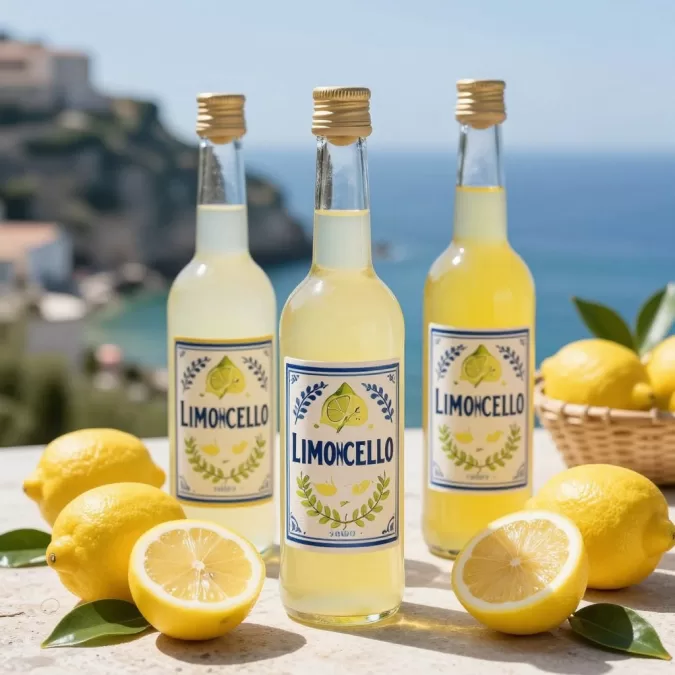
The Amalfi Coast produces some of Italy’s finest ingredients. Local lemons create the famous limoncello liqueur, while seafood comes straight from the Mediterranean to your plate each day.
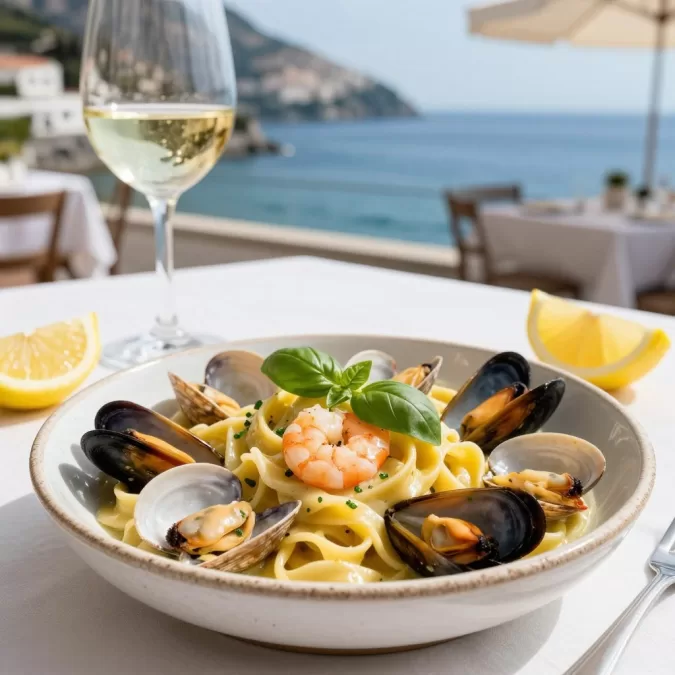
Family-run trattorias serve regional specialties. Try scialatielli ai frutti di mare, a handmade pasta with mixed seafood, or fresh mozzarella di bufala from nearby farms.
Seafood Specialties
Fresh catch defines coastal dining. Restaurants display the day’s fish on ice for you to select before preparation.

Pizza and Pasta
Nearby Naples invented pizza, and coastal restaurants maintain the tradition with perfect crust and fresh toppings.
Limoncello and Desserts
Local lemons produce exceptional limoncello. Many shops offer tastings and sell bottles to take home as souvenirs.
Getting Around the Coast
The winding coastal road connects all major towns. SITA buses run frequently, though summer crowds mean services fill up quickly during peak hours.
Ferries provide a scenic alternative to road travel. Boats connect major towns and offer the bonus of spectacular coastal views from the water.
Best Ways to Explore
- Ferry boats avoid traffic and offer scenic views
- Private boat tours provide flexibility and privacy
- Walking trails connect towns with stunning viewpoints
- Scooter rentals offer freedom despite narrow roads
Transportation Challenges
- Driving requires confidence on narrow winding roads
- Limited parking in most coastal towns
- Buses fill up quickly during peak summer season
- Some remote areas difficult to reach without a car
Accommodation Tip: Hotels and vacation rentals book up months in advance for summer season. Properties with sea views command premium prices. Consider staying in less touristy villages like Praiano or Maiori for better value while still enjoying easy access to famous towns.
5. Banff National Park, Canada – Rocky Mountain Wilderness
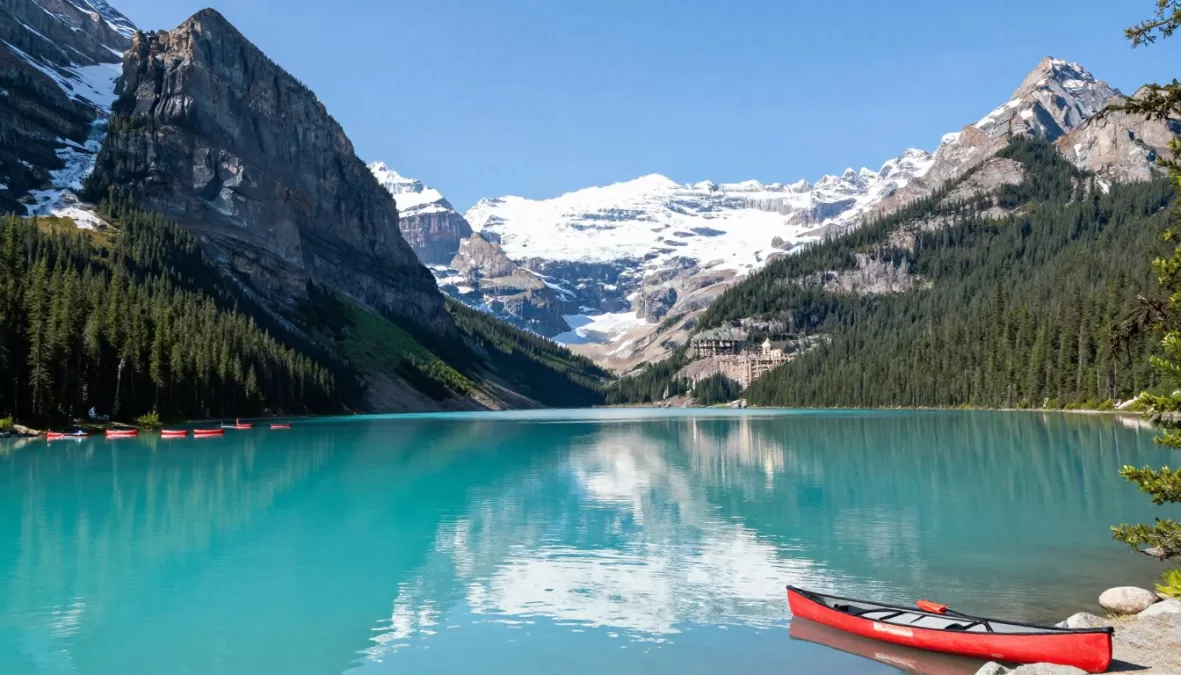
Banff National Park showcases the Canadian Rockies at their most spectacular. Towering peaks, pristine glacial lakes, and abundant wildlife create an outdoor paradise for nature lovers and adventure seekers.
Summer transforms the park into a hiking wonderland. Snow melts from lower elevation trails while wildflowers blanket alpine meadows, and wildlife becomes more active and visible throughout the region.
Iconic Mountain Lakes
- Lake Louise displays impossible turquoise color from glacial flour
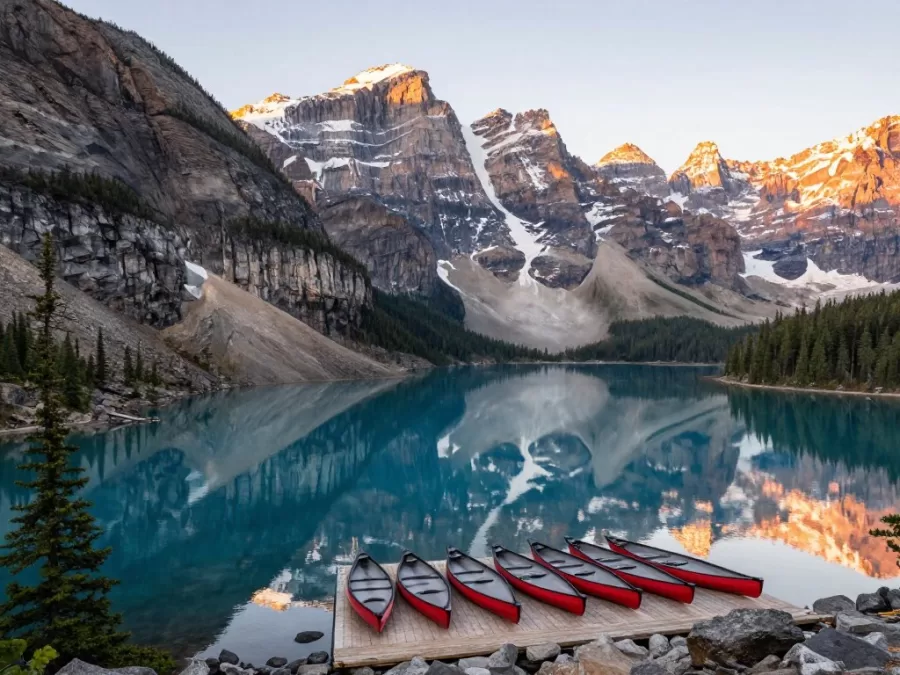
- Moraine Lake sits in the Valley of the Ten Peaks
- Peyto Lake offers viewpoint overlooking bright blue waters
- Emerald Lake features vibrant green-blue coloring
- Two Jack Lake provides peaceful alternative to crowded spots
These glacial lakes achieve their distinctive colors from fine rock particles suspended in the water. The particles reflect sunlight creating the signature turquoise and emerald hues.
Arrive at popular lakes early in the morning. Parking lots fill by mid-morning during summer, and some require timed entry reservations to manage visitor numbers.
Wildlife Viewing Opportunities
Banff hosts incredible wildlife diversity. Grizzly bears and black bears roam throughout the park, while elk often graze near the town of Banff and along roadways.
Mountain goats scale rocky cliffs in higher elevations. Bighorn sheep frequent areas around Bow Valley Parkway, and you might spot wolves, cougars, or lynx if particularly fortunate.
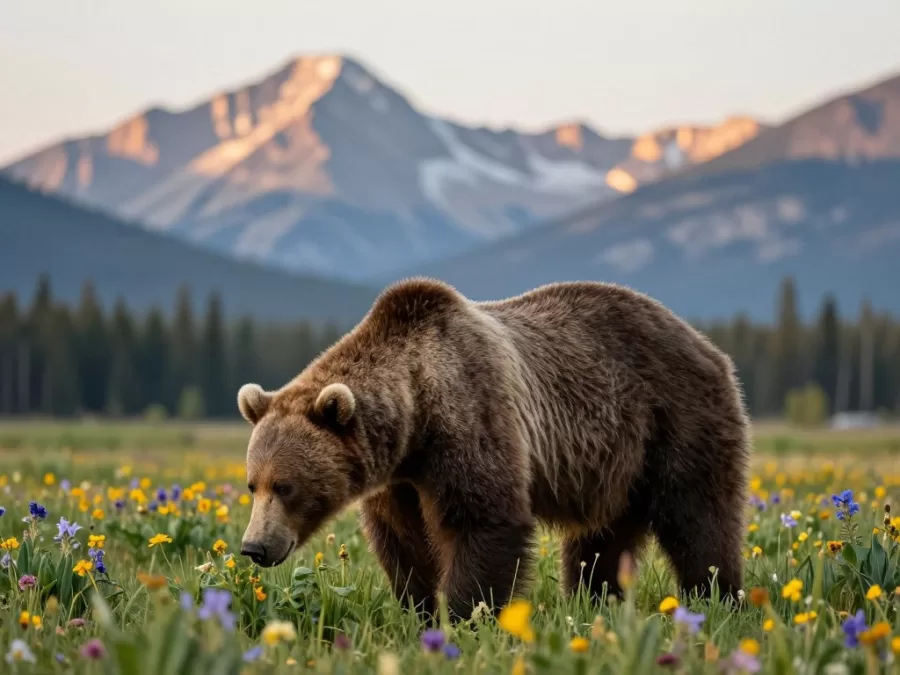
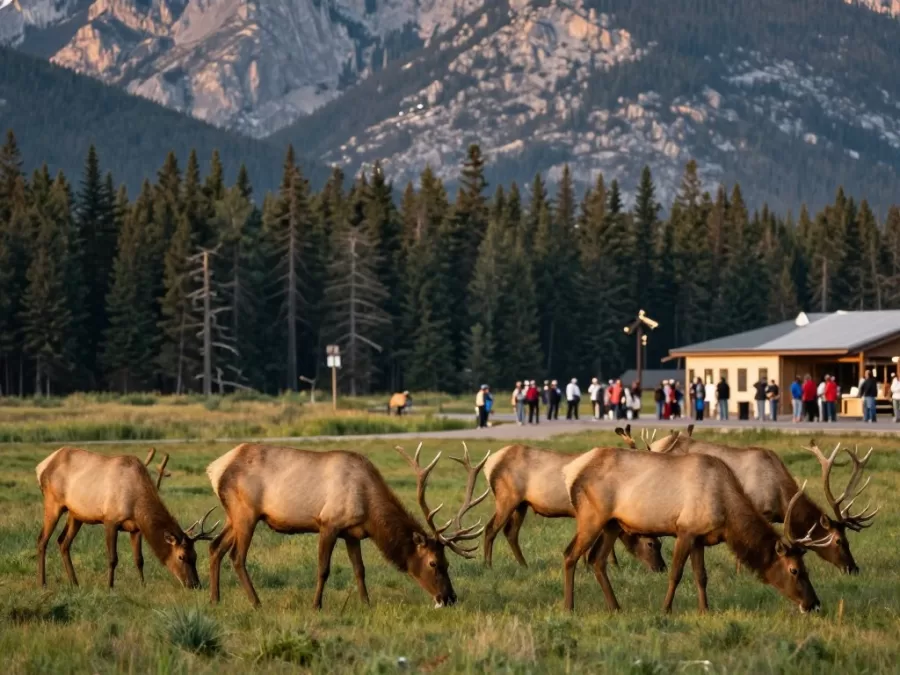
Wildlife Safety: Maintain minimum distances of 100 meters from bears and 30 meters from other wildlife. Carry bear spray on all hikes and make noise on trails to avoid surprising animals. Never approach or feed wildlife – it’s dangerous and illegal.
Hiking Trails for Every Level
Over 1,000 miles of trails wind through Banff. Options range from easy lakeside walks to challenging multi-day backcountry routes requiring wilderness camping permits.
Popular day hikes include the Plain of Six Glaciers from Lake Louise and Sulphur Mountain for panoramic views. Johnston Canyon features waterfalls accessible via catwalk trails clinging to canyon walls.
| Trail Name | Difficulty | Distance | Highlights | Best For |
| Johnston Canyon | Easy | 3.4 miles | Waterfalls, canyon views, catwalks | Families, beginners |
| Lake Agnes Tea House | Moderate | 4.4 miles | Mountain tea house, Mirror Lake, views | Day hikers |
| Plain of Six Glaciers | Moderate | 8.7 miles | Glaciers, tea house, mountain scenery | Experienced hikers |
| Sentinel Pass | Challenging | 7.3 miles | Alpine pass, wildflowers, ten peaks | Advanced hikers |
| Skyline Trail | Challenging | 27.2 miles | Multi-day backpacking, alpine ridges | Backcountry camping |
Town of Banff
The charming mountain town serves as the park’s main hub. Banff Avenue features outdoor gear shops, restaurants serving Canadian cuisine, and galleries showcasing local art.
The Banff Gondola carries visitors to the summit of Sulphur Mountain. The ride reveals 360-degree views of six mountain ranges, and summit trails lead to additional viewpoints.
Natural hot springs provide relaxation after days of hiking. The Upper Hot Springs facility operates year-round with outdoor pools heated by thermal springs at comfortable temperatures.
Purchase a Parks Canada Discovery Pass for unlimited access to Banff and other national parks. The pass costs less than paying daily entry fees for multiple days and supports park conservation efforts. Reserve campsites and popular hiking trails that require permits well in advance of your summer visit.
6. Bali, Indonesia – Island of Gods and Beaches
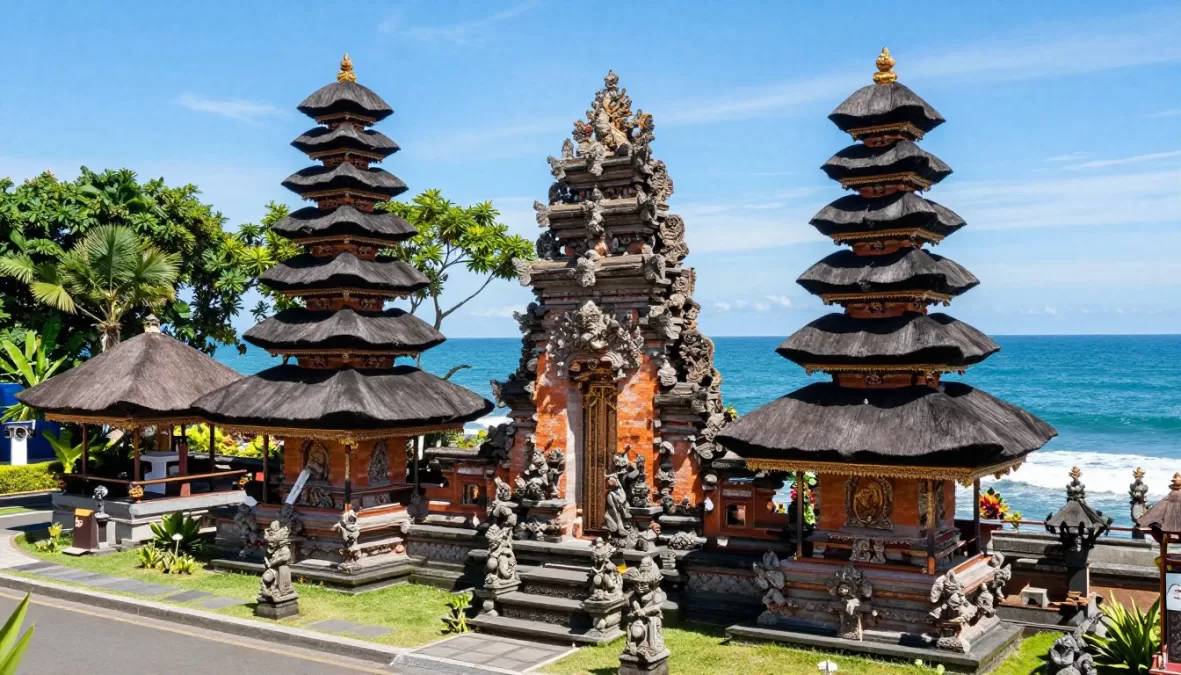
Bali combines spiritual culture, stunning beaches, lush rice terraces, and warm hospitality. This Indonesian island offers diverse experiences from surf breaks to ancient temples and world-class wellness retreats.
Summer falls during Bali’s dry season. The weather stays consistently sunny and warm with minimal rainfall, making it ideal for beach activities, temple visits, and exploring the island’s natural beauty.
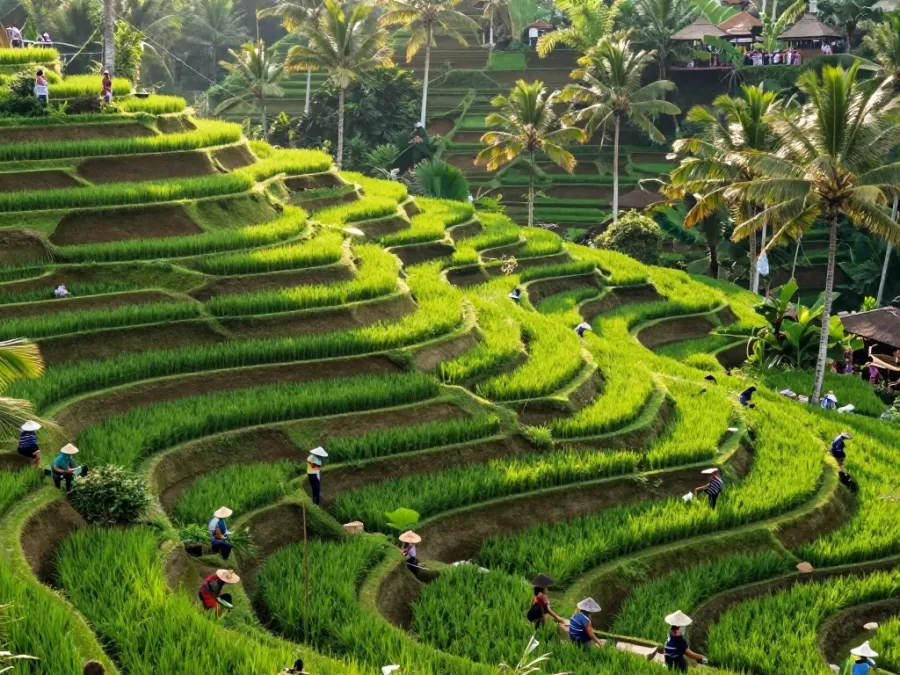
Rice Terraces
Tegallalang rice terraces showcase Bali’s ancient agricultural traditions. The stepped paddies create dramatic green landscapes that photographers love.
Jatiluwih represents UNESCO-protected terraces. This area remains less touristy while offering equally stunning views of traditional farming methods still practiced today.
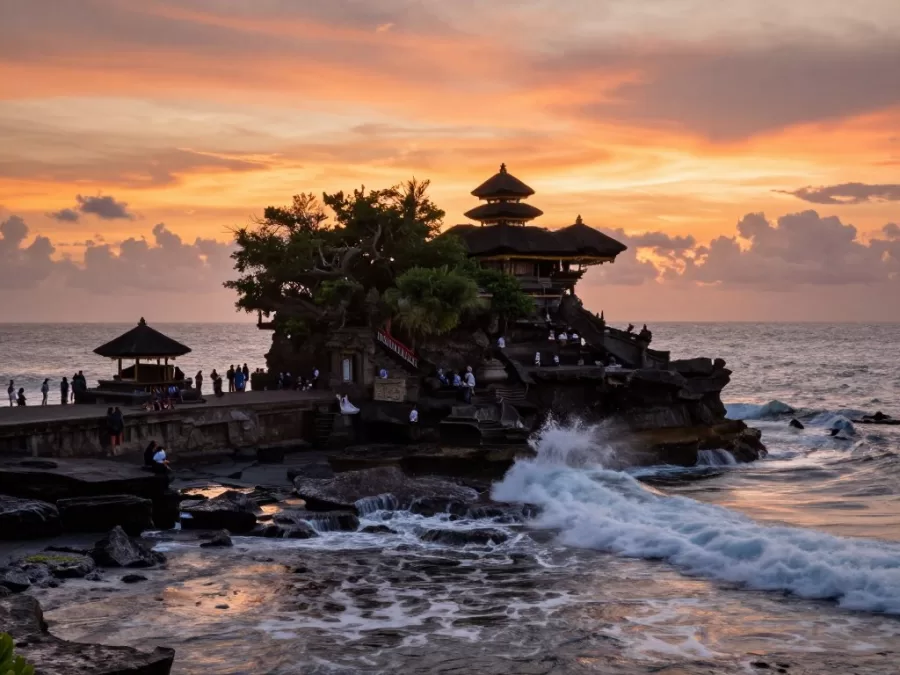
Ancient Temples
Thousands of temples dot the island. Tanah Lot sits on a rocky outcrop surrounded by ocean, creating one of Bali’s most photographed scenes.
Uluwatu Temple perches on dramatic cliffs. Evening kecak dance performances take place here with sunset ocean views providing a stunning backdrop.
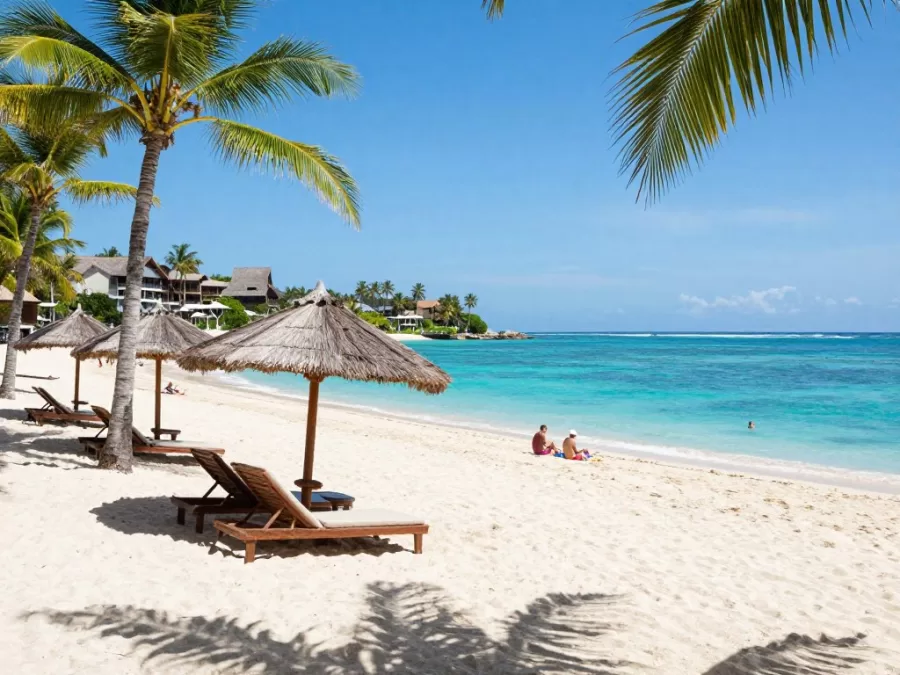
Beach Paradise
Bali offers diverse beach experiences. Seminyak features beach clubs and sunset cocktails, while Nusa Dua provides calm waters perfect for families.
Surf breaks attract riders worldwide. Uluwatu and Padang Padang offer world-class waves, while Kuta provides gentler conditions for beginners learning to surf.
Ubud Cultural Heart
Ubud serves as Bali’s artistic and cultural center. The town sits inland surrounded by rice paddies, rivers, and monkey forests, offering a different atmosphere from coastal areas.
Traditional dance performances take place nightly at various venues. Artisan workshops teach Balinese crafts including wood carving, painting, and silver jewelry making.
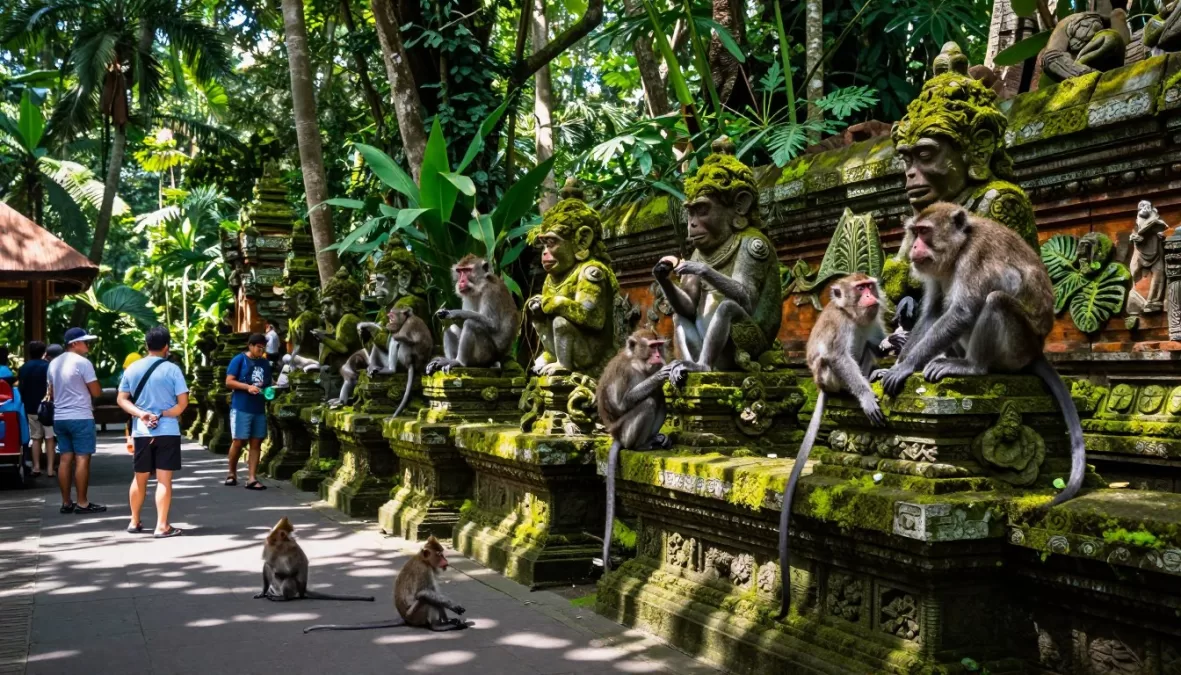
Ubud Highlights
- Sacred Monkey Forest with temples and playful macaques
- Ubud Palace traditional dance performances
- Art galleries and craft markets
- Yoga studios and wellness centers
- Organic cafes and restaurants
Wellness and Spa Experiences
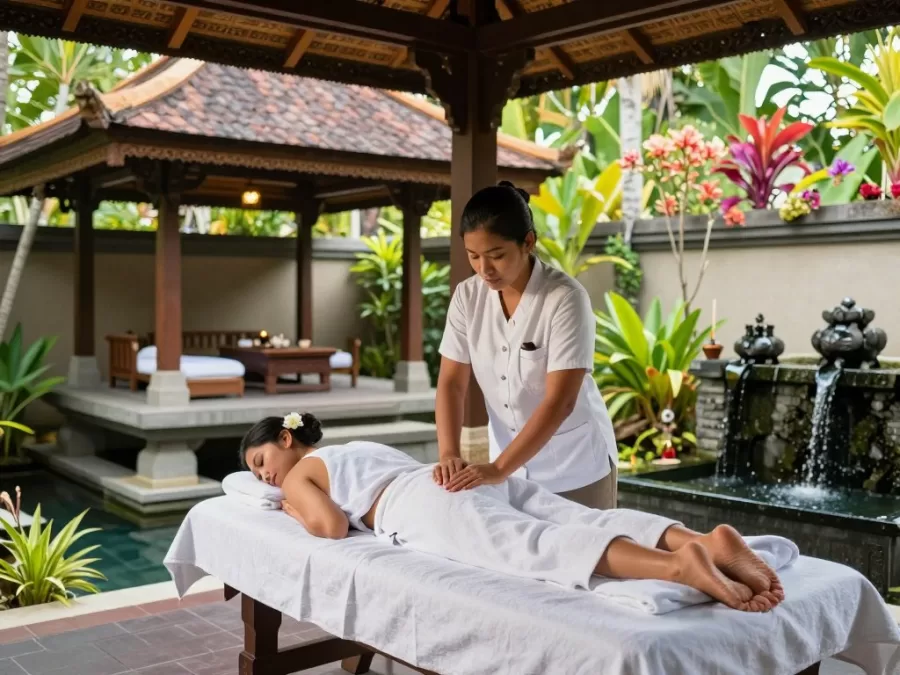
Bali pioneered the wellness retreat concept. Spas range from luxury hotel facilities to affordable traditional massage parlors offering authentic Balinese treatments.
Yoga retreats and meditation centers attract practitioners from around the world. Many programs combine daily yoga practice with healthy cuisine, cultural activities, and spiritual teachings.
Popular Wellness Activities
- Traditional Balinese massage using aromatic oils
- Yoga classes in rice paddy settings
- Meditation sessions at sunrise
- Sound healing and energy work
- Detox programs with organic cuisine
- Spiritual cleansing ceremonies with local healers
Indonesian Cuisine
Balinese cuisine offers rich flavors and fresh ingredients. Traditional dishes feature aromatic spices, coconut, and fresh seafood prepared using centuries-old recipes.
Warungs serve authentic local food at very affordable prices. Try nasi goreng, satay, and the famous babi guling roasted pork served at ceremonies and special occasions.
Respect local customs when visiting temples. Wear a sarong and sash (usually provided at temple entrances), dress modestly, and observe ceremony etiquette. Women who are menstruating should not enter temple grounds according to Balinese Hindu tradition.
7. Norwegian Fjords – Dramatic Coastal Landscapes
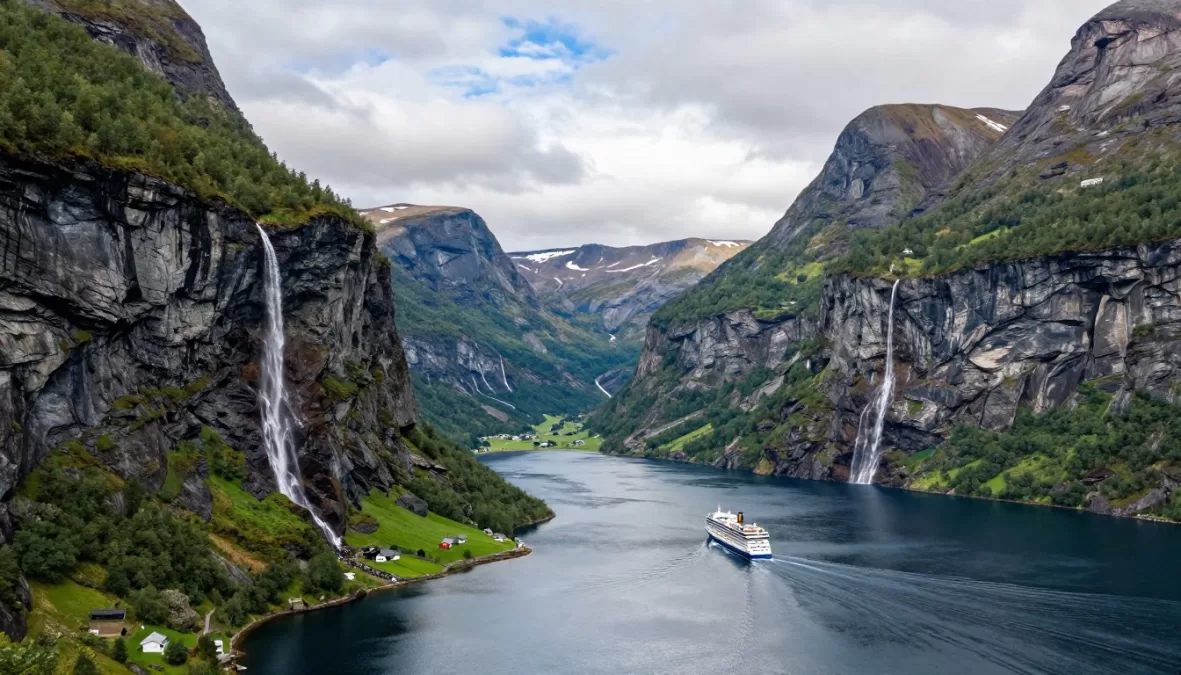
The Norwegian fjords represent some of Earth’s most dramatic natural scenery. These deep glacial valleys filled with seawater create spectacular landscapes of towering cliffs, cascading waterfalls, and pristine wilderness.
Summer brings the midnight sun to Norway’s fjord region. Extended daylight hours allow for full days of exploration, while warmer temperatures make hiking and outdoor activities comfortable.
Major Fjord Regions
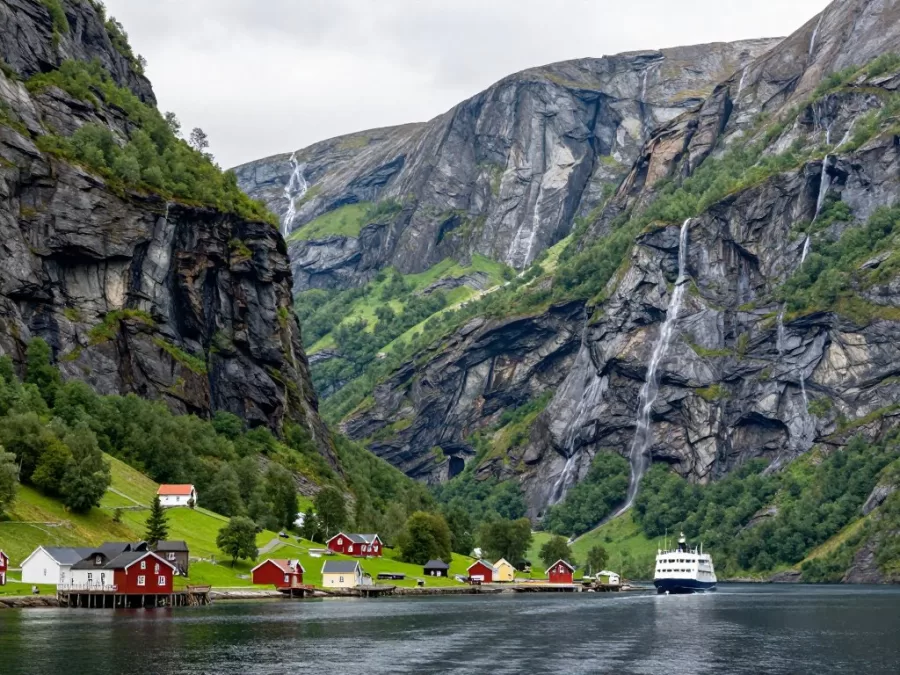
Geirangerfjord ranks among UNESCO World Heritage sites. This 9-mile-long fjord features waterfalls plunging from heights over 800 feet and abandoned mountain farms clinging to impossibly steep slopes.
Sognefjord stretches as Norway’s longest and deepest fjord. The main channel reaches over 100 miles inland with numerous scenic branches including Nærøyfjord, another UNESCO site.
Hardangerfjord displays fruit orchards blooming in spring along its shores. The region produces cider and other fruit products while offering excellent hiking in nearby national parks.
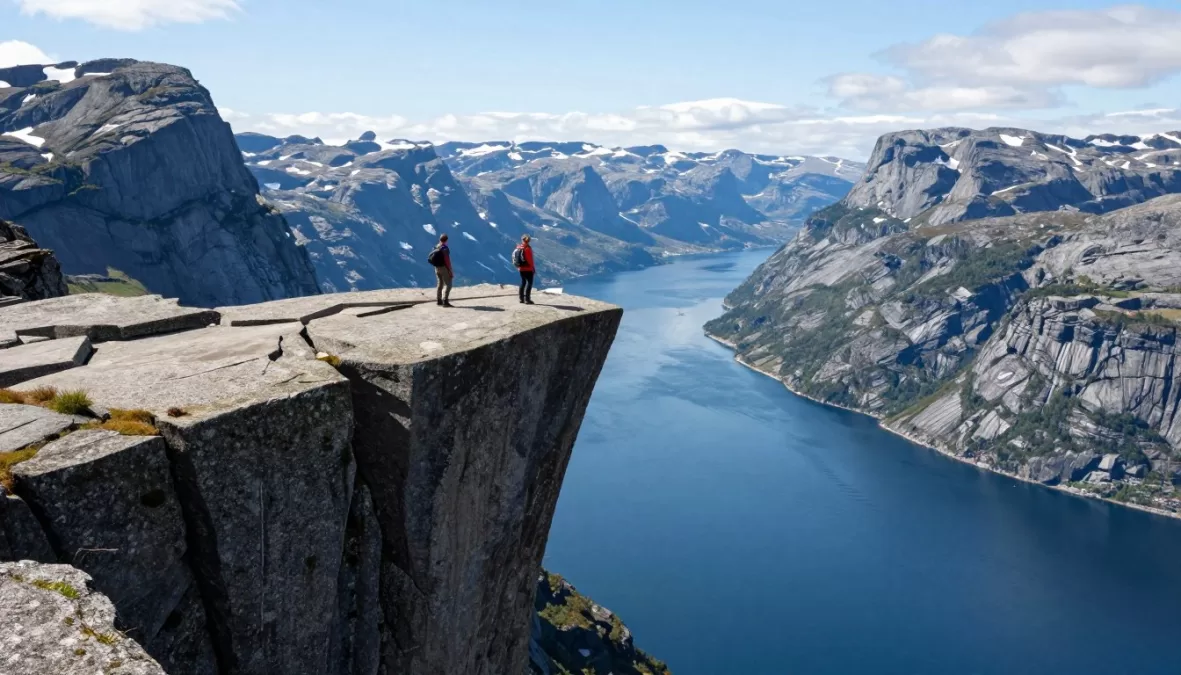
Iconic Viewpoints
Preikestolen offers one of the world’s most famous cliff viewpoints. The flat-topped rock formation juts out 1,982 feet above Lysefjord, requiring a moderate four-hour round-trip hike to reach.
Trolltunga presents a more challenging adventure. This horizontal rock formation extends from a mountain like a troll’s tongue, providing dramatic photo opportunities high above the valley.
Stegastein viewpoint features a modern platform cantilevered over Aurlandsfjord. The architectural landmark provides stunning perspectives without requiring difficult hiking.
Fjord Cruise Experiences
Cruising offers the best way to appreciate fjord scale and beauty. Ships navigate narrow passages where waterfalls cascade from cliffs so close you feel the spray.
Options range from large cruise ships to small boat tours. The Norway in a Nutshell tour combines trains, buses, and boats for a comprehensive fjord experience in one long day.
Recommended Cruise Routes
- Geiranger-Hellesylt scenic one-hour cruise
- Nærøyfjord cruise from Gudvangen to Flåm
- Full Sognefjord day cruise with stops
- Hardangerfjord loop from Bergen
- Lysefjord cruise to see Preikestolen from below
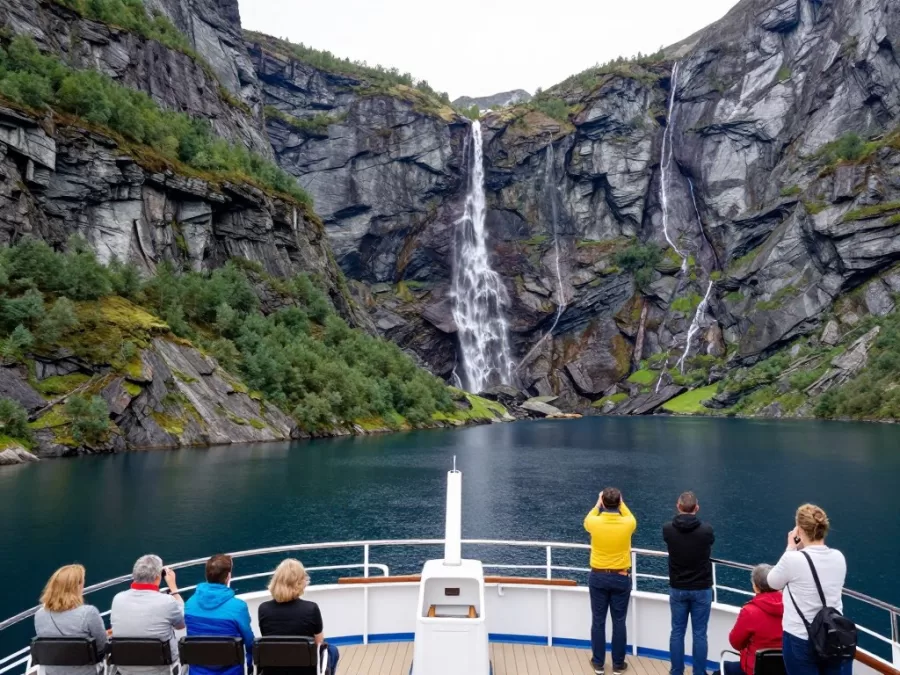
Charming Fjord Villages
Flåm sits at the head of Aurlandsfjord. This tiny village serves as the base for the spectacular Flåm Railway, one of the world’s steepest standard gauge train lines climbing through dramatic mountain scenery.
Bergen acts as the gateway to the fjords. Norway’s second-largest city features the historic Bryggen wharf with colorful wooden buildings, a fish market, and funicular access to mountain viewpoints.
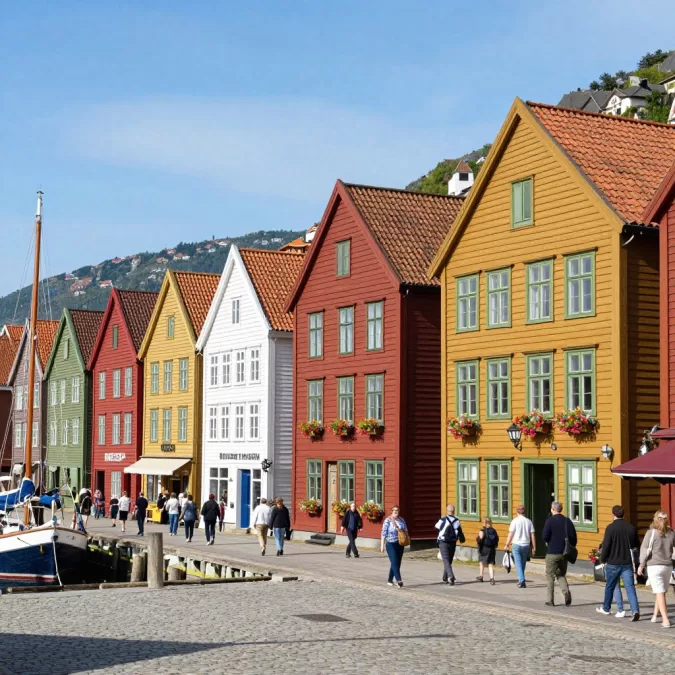
Bergen
Historic harbor city with UNESCO wharf district, excellent seafood restaurants, and funicular to Mount Fløyen for city views.
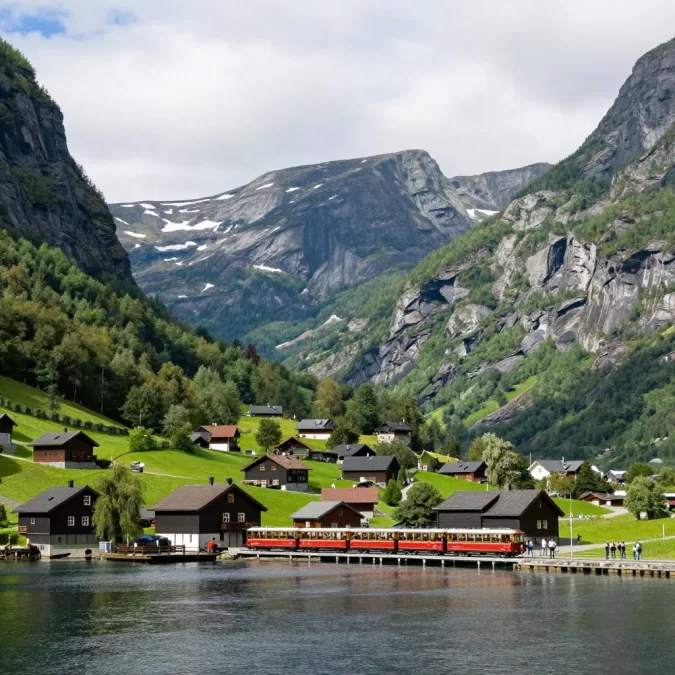
Flåm
Gateway to Aurlandsfjord with spectacular railway journey, kayaking opportunities, and hiking trails to surrounding mountains.
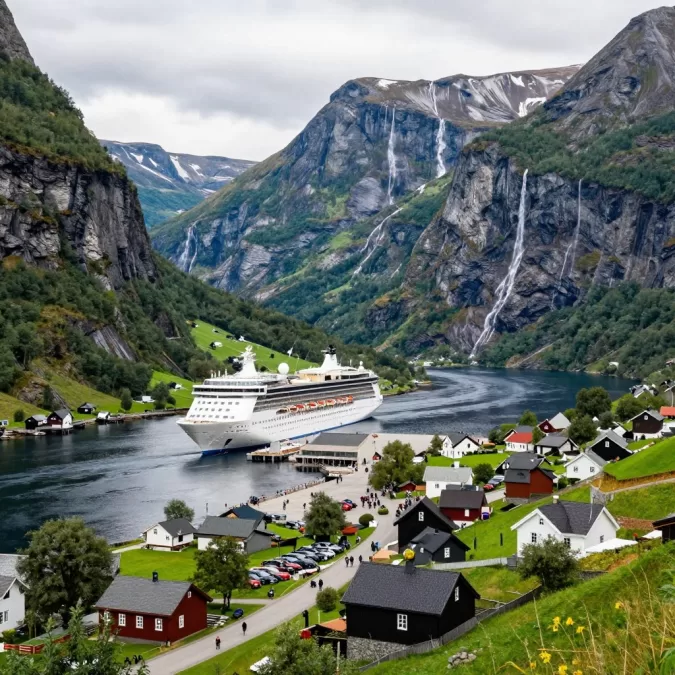
Geiranger
Picture-perfect village at the head of UNESCO fjord, base for waterfall hikes and scenic mountain road drives.
Outdoor Activities
Hiking trails provide access to spectacular viewpoints and remote areas. Routes range from easy valley walks to challenging mountain ascents requiring proper equipment and experience.
Kayaking allows intimate fjord exploration. Paddle among waterfalls, wildlife, and dramatic cliffs while experiencing the landscape from water level.
Transportation Tip: The best way to explore the fjords combines multiple transport modes. Use the efficient train network, local ferries, and rental cars to reach remote areas. Book ferries in advance during peak summer season as they fill up quickly, especially on popular routes like Geiranger-Hellesylt.
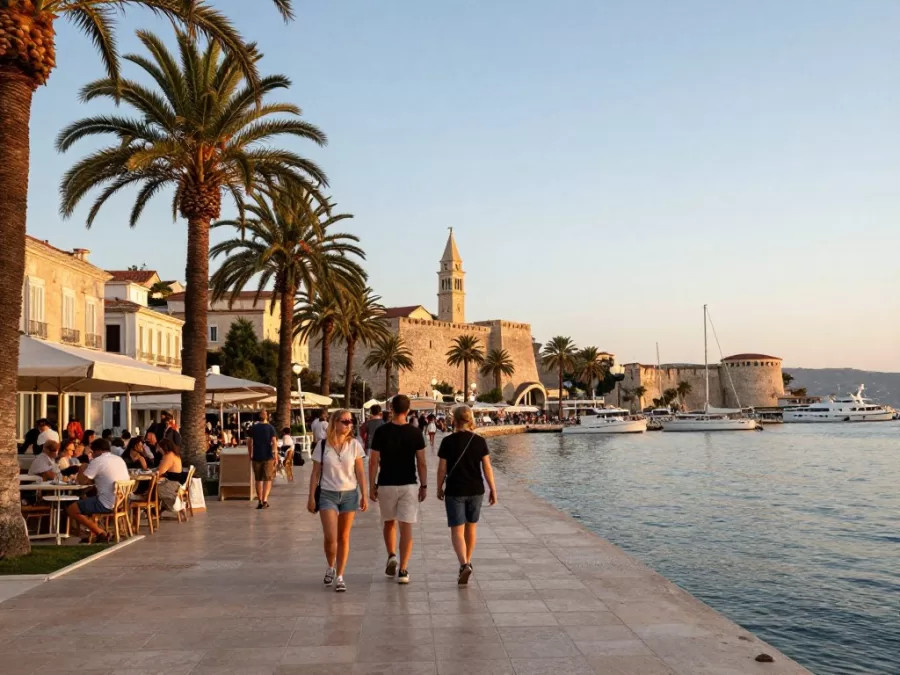
8. Croatia – Dalmatian Coast and Historic Cities
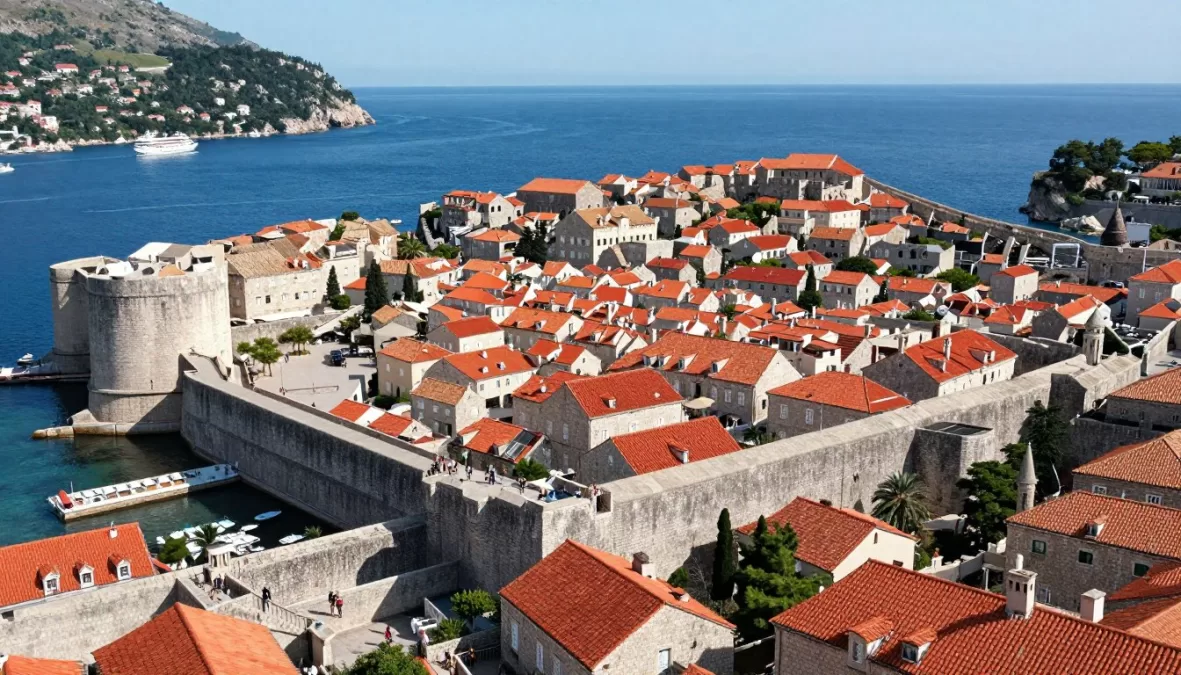
Croatia’s Dalmatian Coast combines crystal-clear Adriatic waters with medieval walled cities and over 1,000 islands. This Mediterranean destination offers history, natural beauty, and excellent value compared to Western European alternatives.
Summer provides ideal weather for island hopping, swimming, and exploring historic sites. The Adriatic Sea reaches perfect swimming temperature while consistent sunshine ensures beach days and outdoor activities.
Dubrovnik – Pearl of the Adriatic
Dubrovnik’s perfectly preserved medieval old town earns its UNESCO World Heritage status. Massive stone walls encircle marble streets, baroque buildings, and historic churches dating back centuries.
Walking the city walls provides spectacular views over terracotta rooftops to the Adriatic beyond. The 1.2-mile circuit takes about two hours with numerous photo opportunities.
Game of Thrones filming locations attract fans to specific spots. The show used Dubrovnik extensively as King’s Landing, making it a pilgrimage site for series enthusiasts.
- Explore Stradun main street lined with cafes and shops
- Visit Fort Lovrijenac outside the city walls
- Take cable car to Mount Srđ for panoramic views
- Kayak to Lokrum island nature reserve
- Swim at Banje Beach near the old town
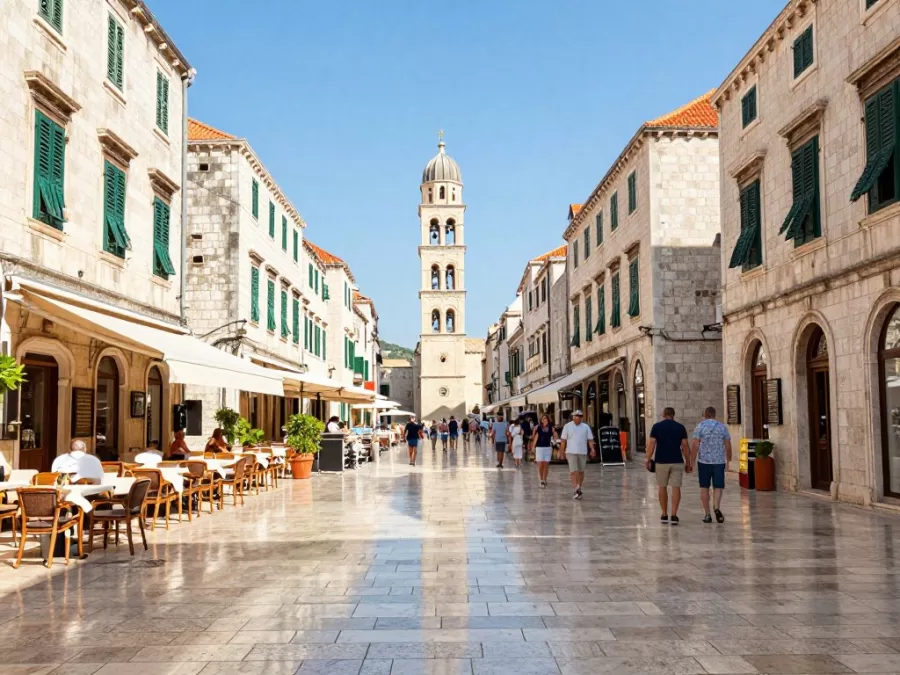
Split and Diocletian’s Palace
Split grew around a Roman emperor’s retirement palace. The remarkably preserved Diocletian’s Palace forms the old town core where locals still live and work among 1,700-year-old walls.
The palace complex contains restaurants, shops, and apartments within ancient Roman structures. Basement halls, temples, and courtyards transport visitors back to the empire’s glory days.
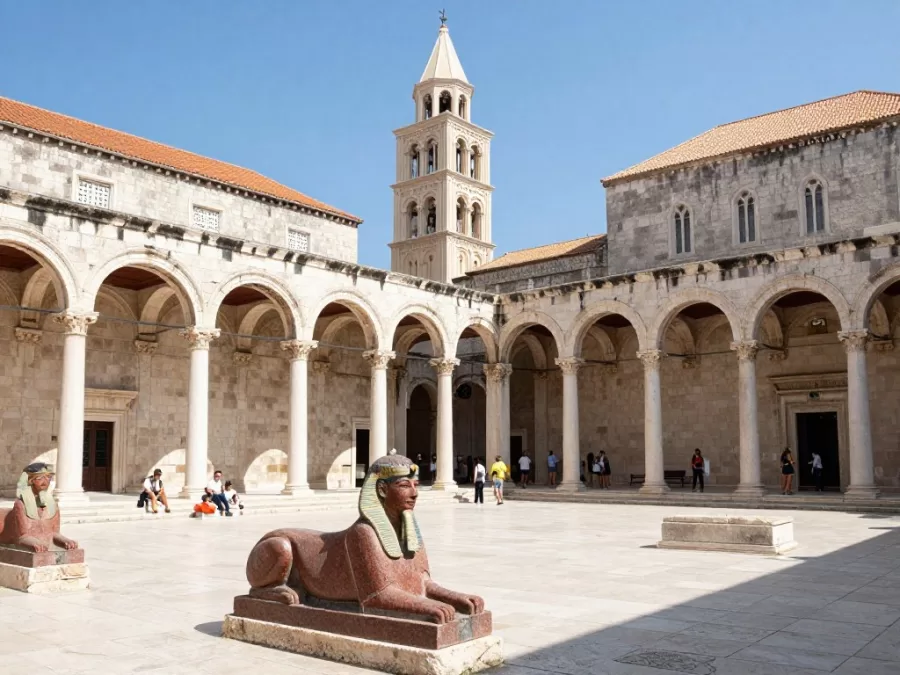
Island Hopping Adventures
Croatia’s islands each offer distinct character. Hvar attracts upscale travelers with beach clubs, lavender fields, and vibrant nightlife in the main town.
Korčula features a compact medieval town resembling a miniature Dubrovnik. The island claims to be Marco Polo’s birthplace and produces excellent white wines.
Brač boasts Zlatni Rat, one of Croatia’s most photographed beaches. The golden pebble beach extends into the sea like a tongue, changing shape with tides and currents.
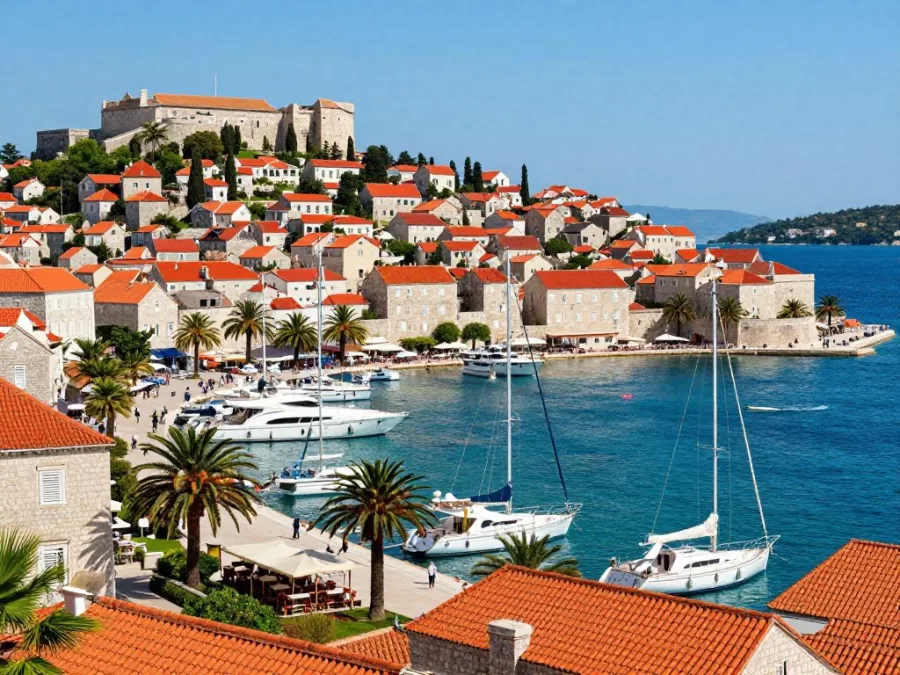
Hvar Island
Glamorous island known for lavender fields, beach clubs, historic town square, and vibrant nightlife attracting international visitors.
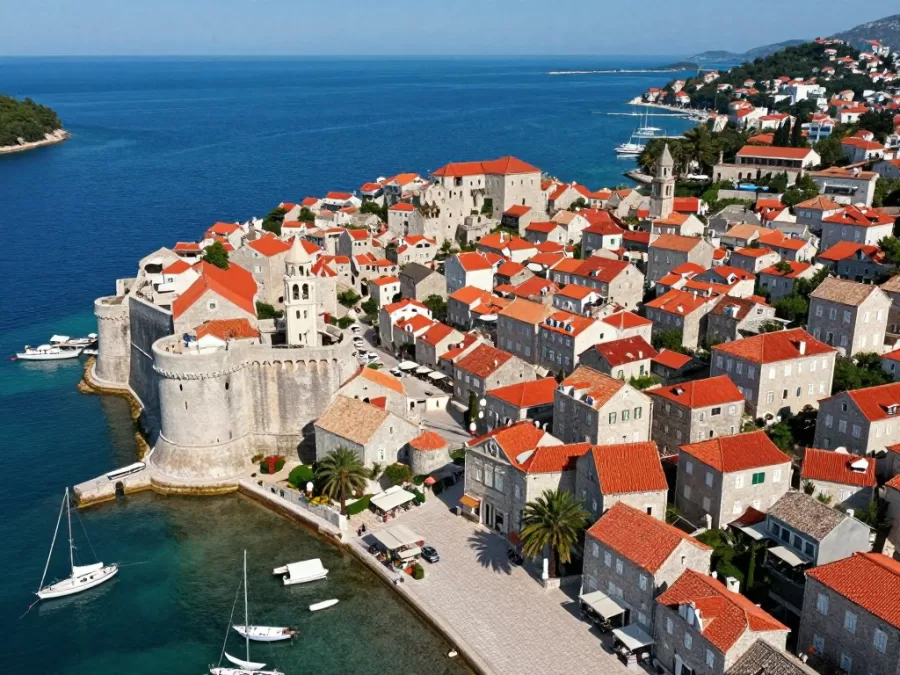
Korčula Island
Medieval walled town with herringbone street pattern, claiming Marco Polo’s birthplace, excellent wineries and peaceful beaches.
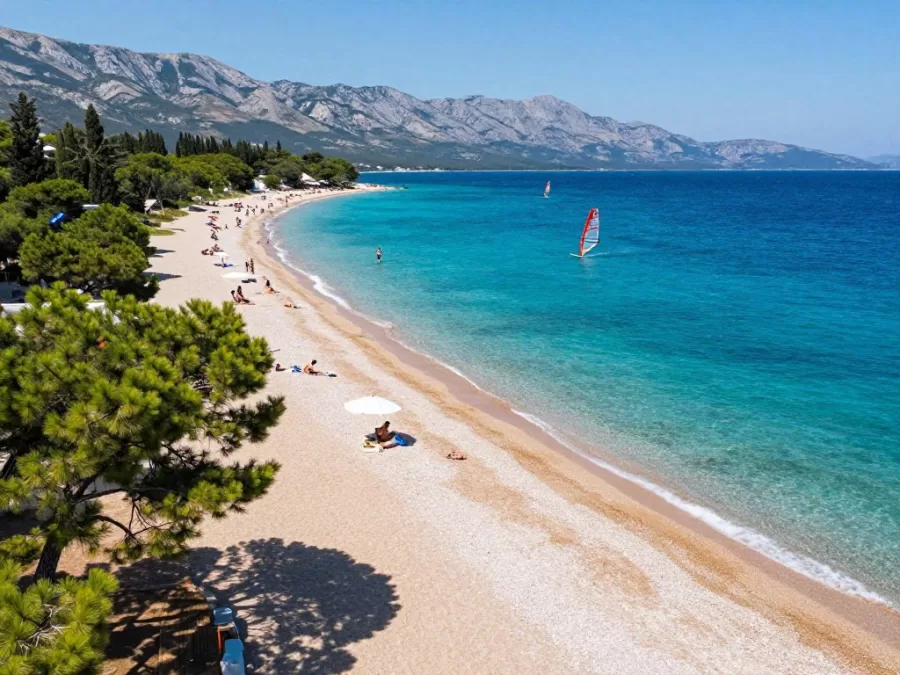
Brač Island
Home to famous Zlatni Rat beach, charming stone villages, and mountains offering hiking with stunning coastal views.
National Parks and Nature
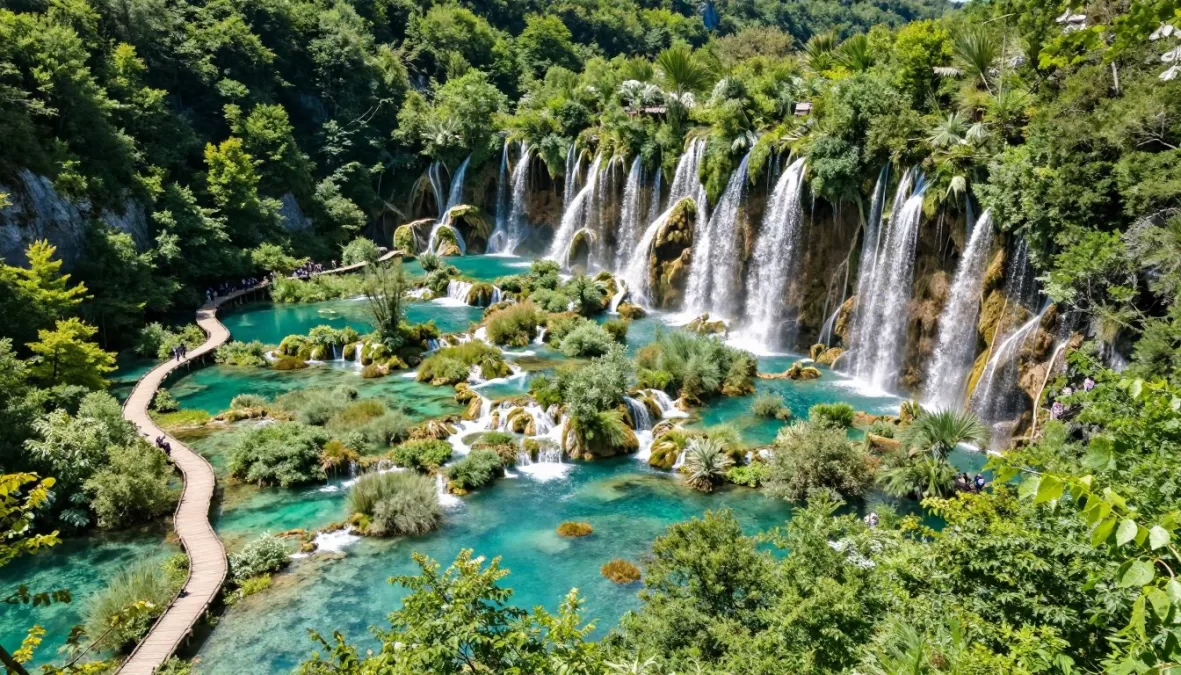
Plitvice Lakes National Park showcases sixteen terraced lakes connected by waterfalls. Wooden walkways allow visitors to walk right alongside and sometimes over the cascading turquoise waters.
Krka National Park features spectacular waterfalls including Skradinski Buk where swimming was once permitted. The park offers easier access from Split compared to Plitvice.
Park Visit Tips
- Arrive early to avoid crowds
- Wear comfortable walking shoes
- Bring water and snacks
- Follow marked trails only
- Book tickets online in advance
Ferry schedules and frequencies increase significantly during summer months. Book popular routes like Split to Hvar in advance during July and August. Consider buying a multi-island pass if planning extensive island hopping to save money and simplify ticketing.
9. New Zealand South Island – Adventure and Scenery
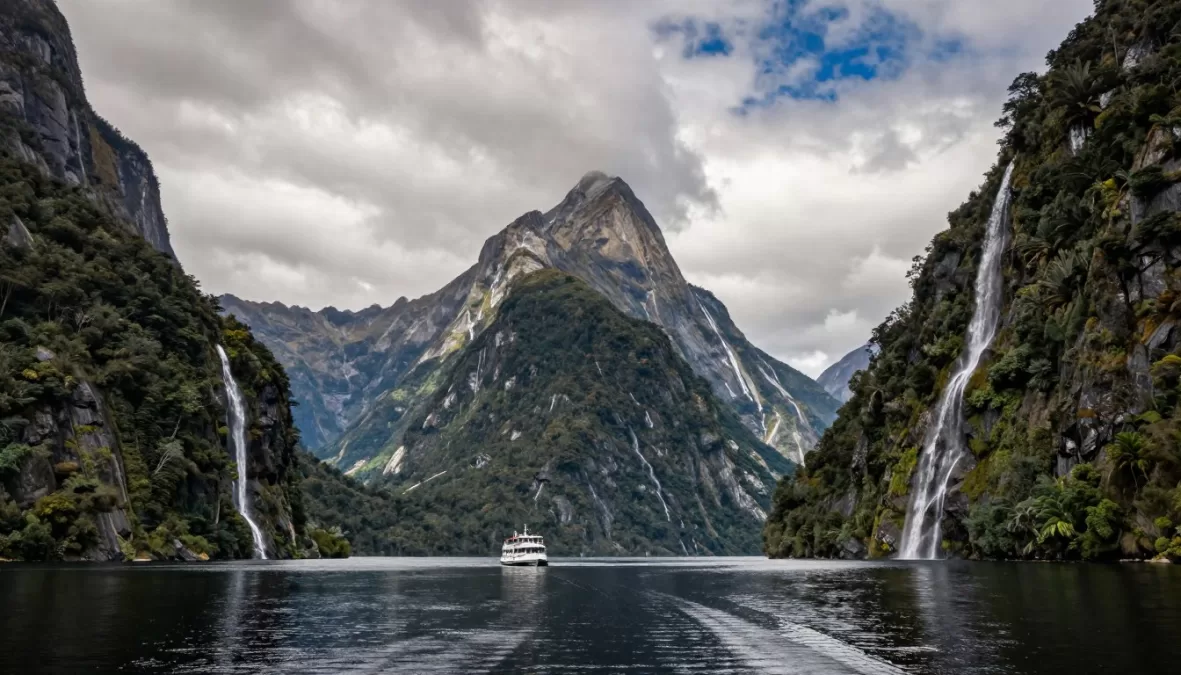
New Zealand’s South Island delivers some of the world’s most spectacular and diverse landscapes. From glaciers to fjords, mountains to beaches, this outdoor paradise attracts adventure seekers and nature lovers from around the globe.
While June through August represents winter in the Southern Hemisphere, summer arrives from December through February. The season offers the best weather for hiking, activities, and exploring the island’s natural wonders.
Note: Summer 2026 in New Zealand occurs December 2025 – February 2026. If planning a Northern Hemisphere summer 2026 visit (June-August), be aware this is New Zealand’s winter with snow, cold temperatures, and many activities unavailable. Adjust your planning accordingly or consider visiting during New Zealand’s summer instead.
Fiordland National Park
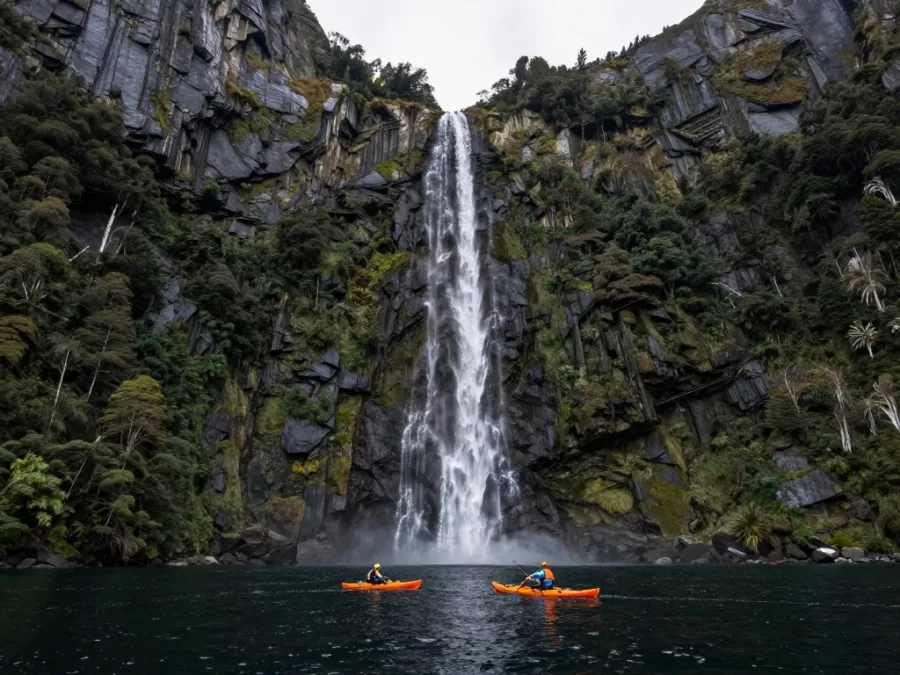
Milford Sound represents New Zealand’s most famous natural attraction. Towering cliffs rise vertically from dark waters while waterfalls plunge from heights exceeding 500 feet.
Doubtful Sound offers a more remote and pristine experience. This larger fiord sees fewer visitors despite equally impressive scenery including hanging valleys and temperate rainforest.
The Milford Track earns its reputation as one of the world’s finest walks. This 33-mile hiking trail takes four days to complete, following valleys and passes through extraordinary wilderness.
Southern Alps and Glaciers
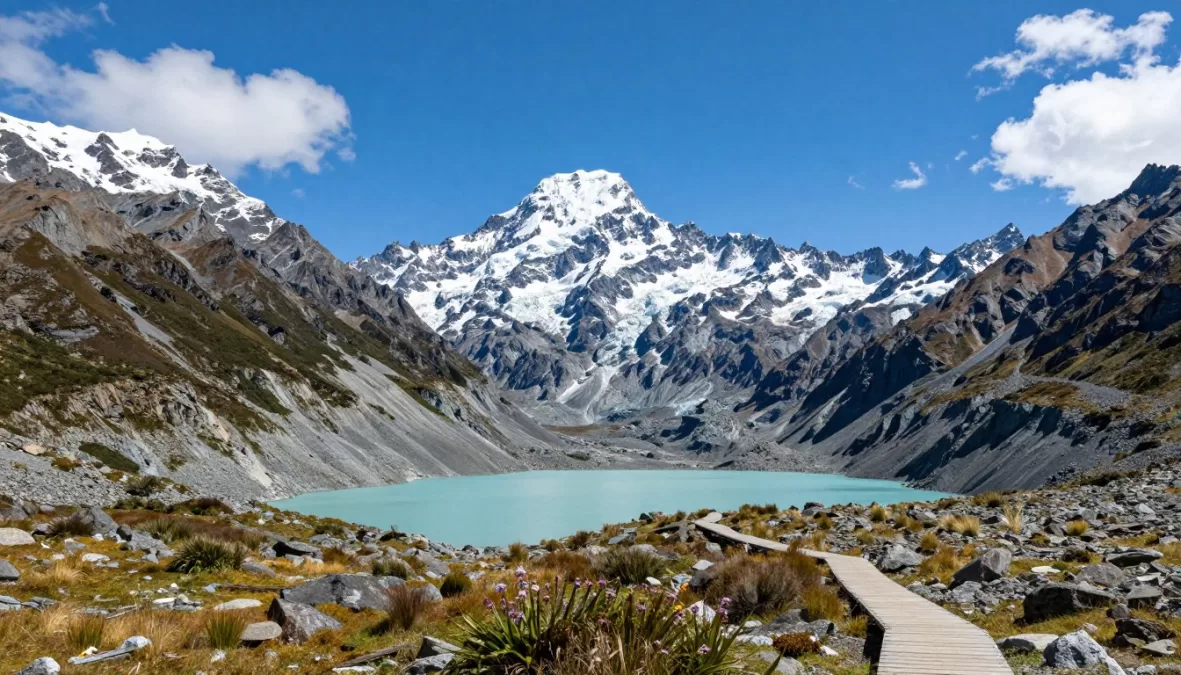
Aoraki Mount Cook dominates as New Zealand’s highest peak. The surrounding national park offers world-class hiking with trails ranging from short walks to challenging multi-day routes.
Franz Josef and Fox Glaciers descend from the Southern Alps to unusually low elevations. Guided heli-hikes land on the ice for walking tours across the glacier surfaces.
The glaciers flow through temperate rainforest, creating a unique combination. You can hike through lush forest in the morning and stand on ancient ice in the afternoon.
Queenstown – Adventure Capital
Queenstown bills itself as the adventure capital of the world with good reason. The town sits on Lake Wakatipu surrounded by mountains, offering activities from bungy jumping to skiing.
Summer activities include jet boating through narrow canyons, skydiving over stunning landscapes, and mountain biking world-famous trails. The town also serves as a base for exploring the surrounding region.
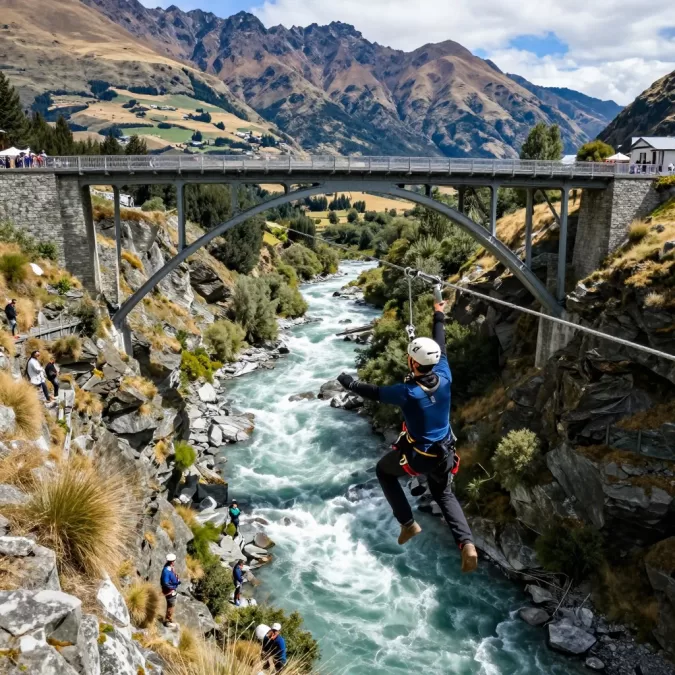
Extreme Adventures
Bungy jumping birthplace offers multiple jump sites. Try skydiving, paragliding, or canyon swinging for adrenaline rushes.
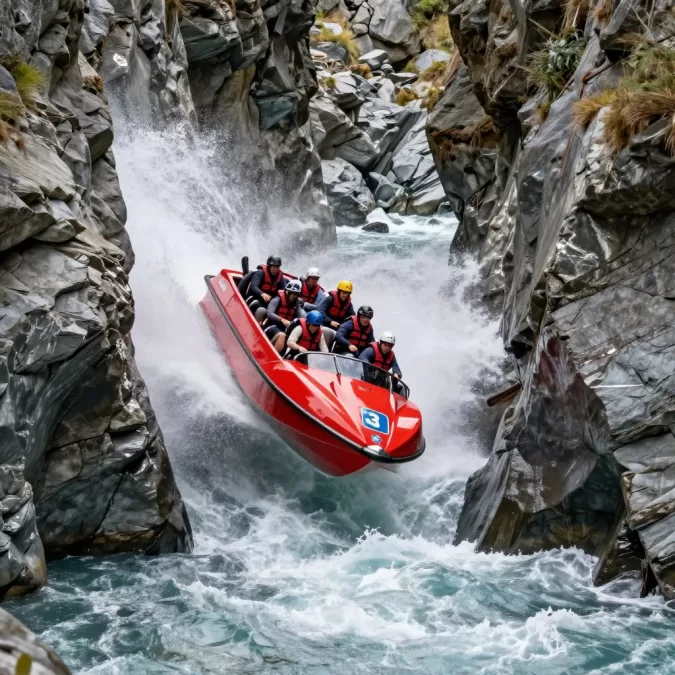
Water Activities
Jet boat rides through rocky canyons. Kayaking on pristine lakes. White water rafting on mountain rivers.
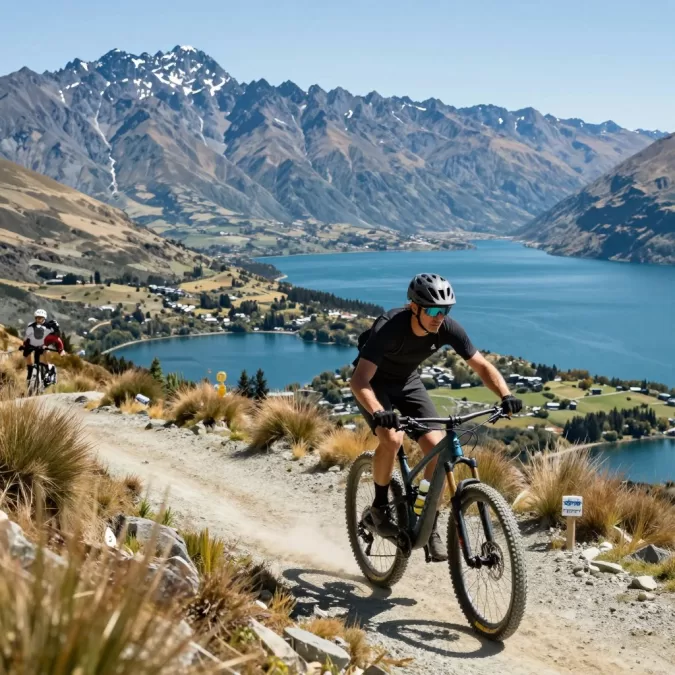
Mountain Sports
World-class mountain biking trails. Hiking to alpine viewpoints. Scenic gondola rides with luge tracks and restaurant.
Wine Region and Relaxation
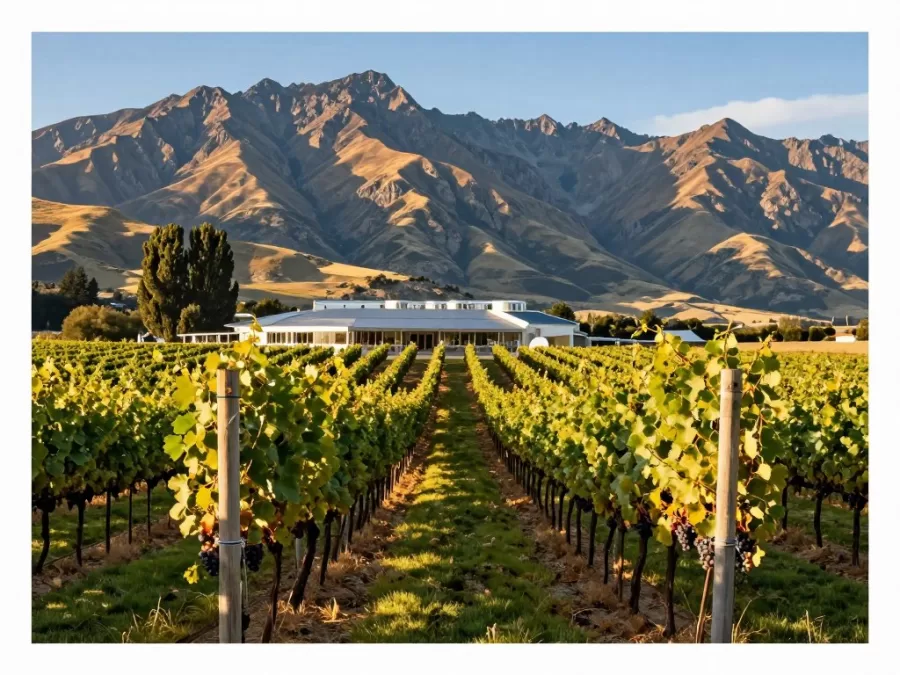
Central Otago produces world-class Pinot Noir wines. The region surrounding Queenstown features dozens of wineries offering tastings with mountain views.
Cromwell and Gibbston Valley host numerous cellar doors. Many wineries have restaurants serving lunch paired with their wines, creating perfect afternoon experiences.
Must-Visit Wineries
- Amisfield Winery with bistro and stunning architecture
- Gibbston Valley Winery offering cave tours
- Chard Farm perched on rocky outcrop
- Rippon Vineyard on Lake Wanaka shores
- Mt Difficulty with panoramic tasting room
Wildlife Encounters
Kaikoura offers exceptional marine wildlife viewing. Sperm whales feed in deep canyons close to shore year-round, while dolphins and seals populate the coastline.
The Otago Peninsula near Dunedin provides opportunities to see albatross, penguins, and sea lions. Royal albatross breed at the world’s only mainland colony here.
Travel Tip: The South Island requires more time than many visitors allocate. Don’t try to rush through in a few days. Allow at least 10-14 days to properly experience the major regions without spending all your time driving. Book popular activities and accommodations well in advance for peak summer season.
10. Portugal – Algarve Coast and Lisbon
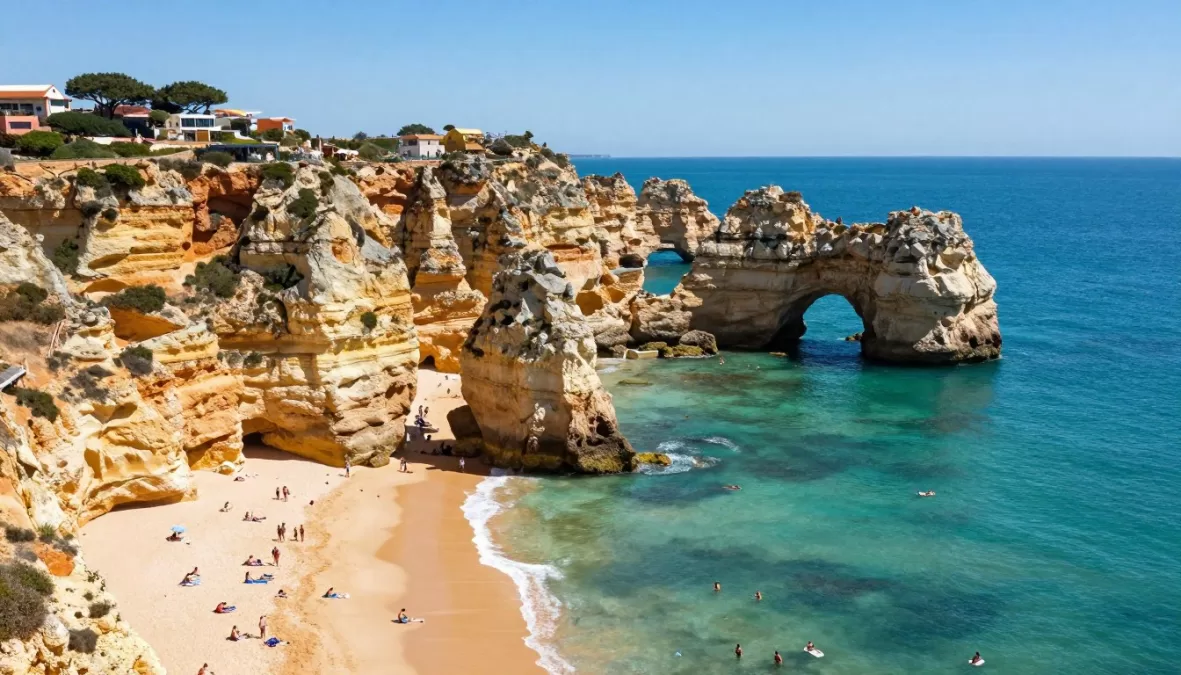
Portugal combines affordability with incredible experiences. The Algarve coast features dramatic cliffs, golden beaches, and charming fishing villages, while Lisbon offers historic neighborhoods, vibrant culture, and exceptional cuisine.
Summer brings perfect beach weather to Portugal. The Atlantic coast stays refreshingly cooler than the Mediterranean while offering excellent conditions for water sports, beach relaxation, and exploring coastal caves.
Algarve Beaches and Coastline
The Algarve stretches along Portugal’s southern coast for over 90 miles. Golden cliffs contrast with turquoise waters creating one of Europe’s most beautiful shorelines.
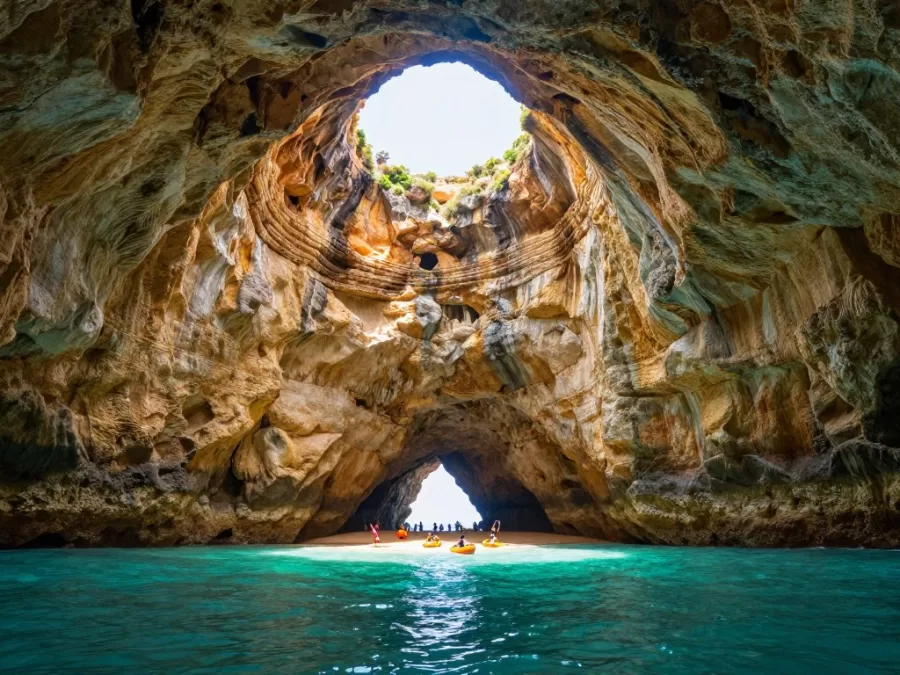
Praia da Marinha ranks among the world’s most photographed beaches. Distinctive rock formations rise from golden sand, while sea caves invite exploration by kayak or boat.
Lagos serves as an excellent base for exploring the western Algarve. The historic town features beautiful beaches within walking distance, plus numerous tour operators offering coastal excursions.
- Kayak through Benagil sea cave with cathedral ceiling
- Explore Ponta da Piedade rock formations by boat
- Relax on Praia da Falésia’s red cliff-backed beach
- Surf at Sagres on the western tip
- Walk coastal trails connecting hidden coves
Lisbon – City of Seven Hills
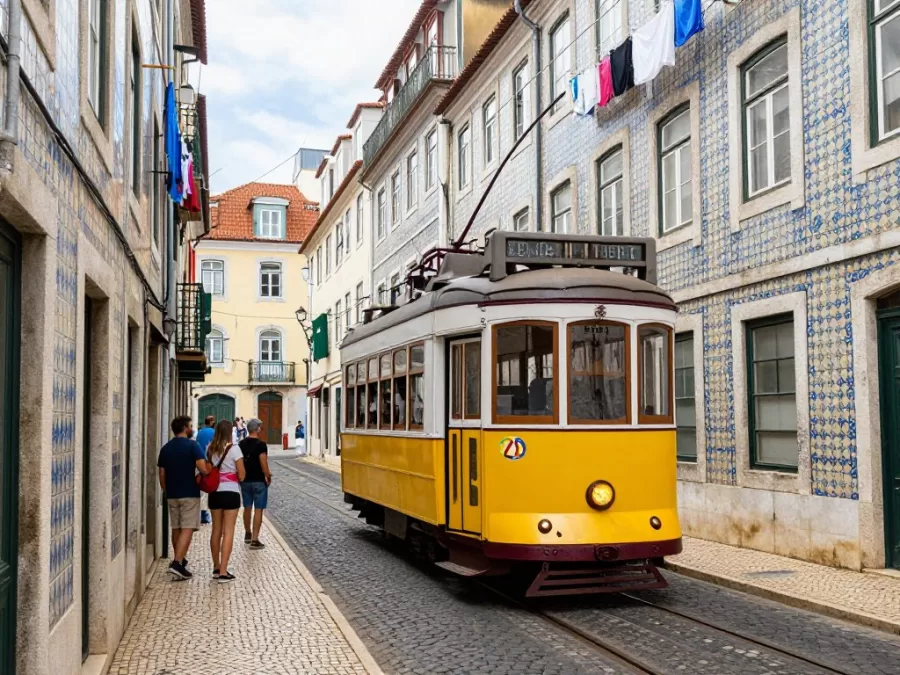
Portugal’s capital charms visitors with colorful buildings, historic trams, and spectacular viewpoints. The city spreads across seven hills providing numerous panoramic perspectives.
The Alfama district preserves medieval character with narrow winding streets. Traditional fado music fills restaurants each evening as singers perform Portugal’s melancholic folk tradition.
Portuguese Cuisine
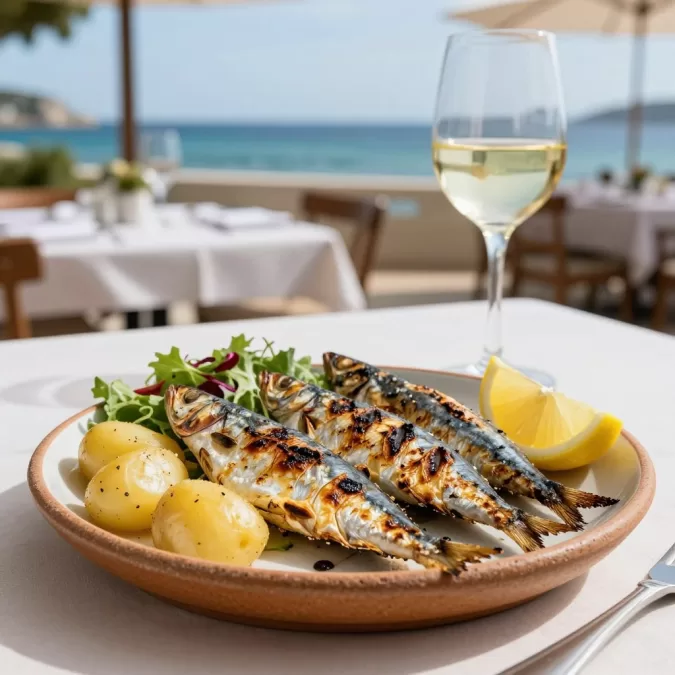
Portuguese food deserves destination status on its own. Fresh seafood dominates menus along the coast, prepared simply to highlight quality ingredients.
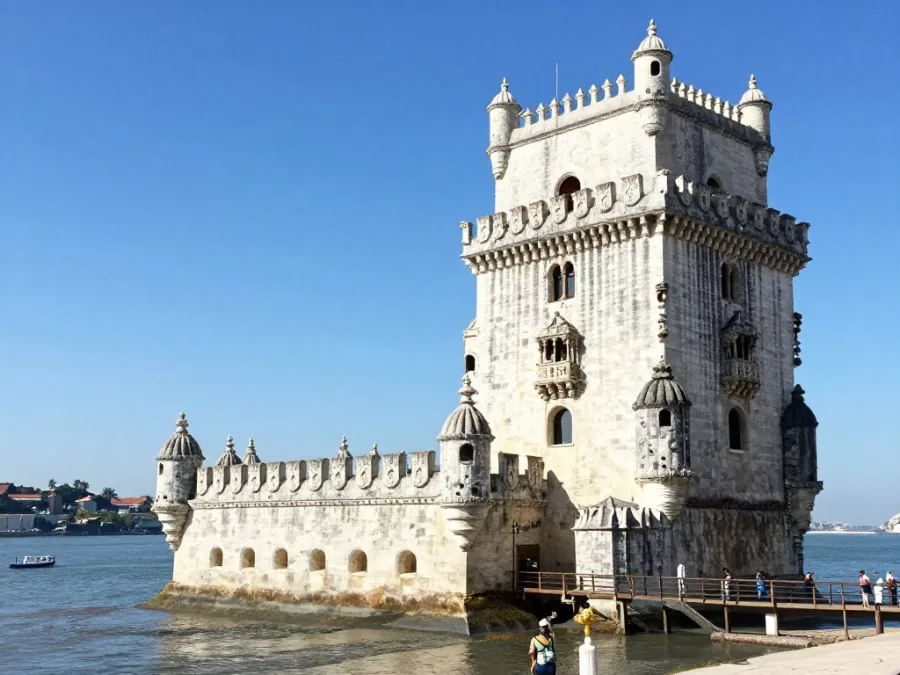
Pastéis de nata represent Portugal’s most famous pastry. These custard tarts with flaky crust originated in Belém, where the original bakery still draws long lines of eager customers.
Seafood Traditions
Grilled sardines, bacalhau cod dishes, octopus salad, and cataplana seafood stews showcase the ocean’s bounty.

Sweet Treats
Pastéis de nata custard tarts, rice pudding, almond-based sweets from the Algarve region.

Wine Culture
Port wine from Douro Valley, vinho verde whites, excellent value table wines from every region.
Day Trips from Lisbon
Sintra sits in wooded hills 30 minutes from Lisbon. This UNESCO town features fairytale palaces, exotic gardens, and dramatic ocean views from Cabo da Roca, Europe’s westernmost point.
Cascais offers a charming coastal alternative. This former fishing village turned upscale resort provides beaches, a historic center, and excellent restaurants along a scenic promenade.
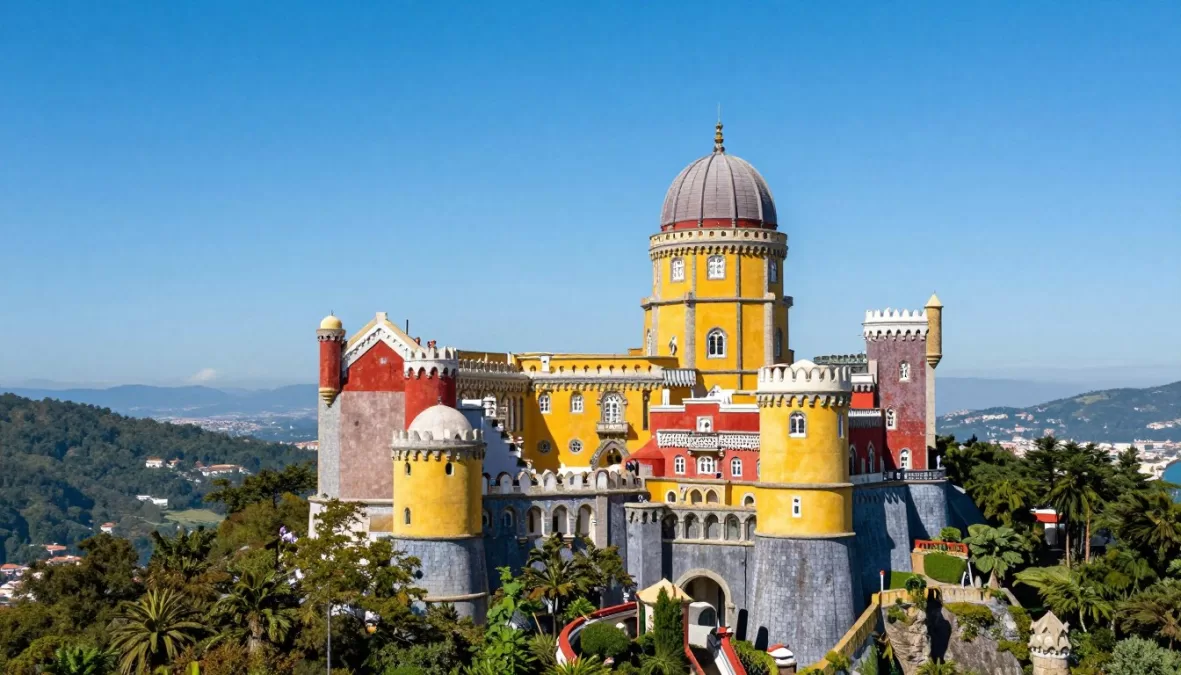
Sintra Highlights
- Pena Palace colorful castle
- Quinta da Regaleira mysterious estate
- Moorish Castle ruins
- Cabo da Roca clifftop views
Portugal offers exceptional value compared to other Western European countries. Accommodation, dining, and activities cost significantly less than France, Italy, or Spain while maintaining high quality. Take advantage of affordable prices to upgrade your accommodations or extend your stay without breaking the budget.
Essential Summer 2026 Travel Planning Tips
Successfully planning summer vacation requires attention to multiple details. These practical tips help ensure smooth travel and maximize enjoyment of your chosen destination.
Booking Timeline
Start your planning process early to secure the best options and prices for summer 2026 travel.
- Book international flights 6-8 months in advance
- Reserve accommodations 4-6 months ahead for popular destinations
- Schedule tours and activities 2-3 months before travel
- Apply for necessary visas at least 3 months early
Budget Management
Smart financial planning prevents overspending and allows better experiences during your trip.
- Set realistic daily spending limits for each destination
- Factor in hidden costs like resort fees and tourist taxes
- Use credit cards without foreign transaction fees
- Book refundable options when possible for flexibility
Packing Strategy
Efficient packing makes travel easier and helps avoid baggage fees and inconvenience.
- Check airline baggage policies before packing
- Bring versatile clothing items that mix and match
- Pack medications and valuables in carry-on bags
- Leave room for souvenirs in your luggage
Health and Safety
Taking precautions protects your health and ensures peace of mind while traveling abroad.
- Purchase comprehensive travel insurance coverage
- Visit your doctor for required vaccinations
- Register with your embassy when traveling internationally
- Keep copies of important documents separate from originals
Travel Insurance Considerations
Comprehensive travel insurance provides protection against unexpected events. Coverage should include medical emergencies, trip cancellation, lost baggage, and emergency evacuation.
Compare policies carefully before purchasing. Read the fine print regarding coverage limits, exclusions, and claim procedures to understand exactly what you’re buying.
| Coverage Type | What It Covers | Recommended Amount | Why Important |
| Medical Emergency | Hospital bills, doctor visits, medications | $100,000 minimum | Healthcare costs abroad can be extremely high |
| Trip Cancellation | Non-refundable expenses if you can’t travel | Total trip cost | Protects your investment if plans change |
| Baggage Loss | Lost, stolen, or damaged luggage | $2,000-$3,000 | Covers replacing essential items |
| Emergency Evacuation | Transport to proper medical facility | $250,000 minimum | Evacuation costs can exceed $100,000 |
Weather and Season Planning
Understanding destination weather patterns helps you pack appropriately and plan activities. Summer weather varies significantly between regions and elevations.
Coastal areas generally offer cooler temperatures than inland locations. Mountain regions experience cooler weather and possible afternoon thunderstorms even during summer months.
Climate Reminder: Remember that the Southern Hemisphere experiences opposite seasons. June-August is winter in places like New Zealand, Australia, and South America. Research your specific destination’s climate patterns for accurate planning.
Sustainable and Responsible Travel
Making conscious choices while traveling helps preserve destinations for future generations. Small actions add up to significant positive impact when practiced by millions of travelers.
Environmental Responsibility
Reducing your environmental footprint doesn’t require sacrificing enjoyment. Simple changes make meaningful differences to destination ecosystems and communities.
- Choose direct flights when possible to reduce emissions
- Bring reusable water bottles and shopping bags
- Support accommodations with green certifications
- Avoid single-use plastics throughout your trip
- Stay on marked trails to protect vegetation
- Choose public transportation or walking over taxis
- Participate in local conservation efforts when available

Supporting Local Communities
Tourism can benefit or harm local communities depending on how visitors spend their money. Directing spending toward local businesses ensures communities benefit from tourism.
Eat at family-run restaurants rather than international chains. Purchase souvenirs from local artisans who made them. Book tours with local guides who share authentic knowledge and perspectives.
Choose Local
Support family-owned restaurants, shops, and tour operators over international chains whenever possible.
Respect Culture
Learn basic phrases in the local language and understand cultural customs before visiting religious sites.
Give Back
Consider volunteering time or donations to legitimate local conservation or community projects.
Wildlife Tourism Ethics
Wildlife encounters create memorable experiences, but only when done responsibly. Avoid attractions that exploit animals for entertainment or profit.
Research tour operators carefully before booking wildlife activities. Look for companies following ethical guidelines, maintaining proper distances, and prioritizing animal welfare over entertainment value.
Wildlife Warning: Avoid attractions offering elephant rides, tiger petting, dolphin shows, or other activities requiring wild animals to perform unnatural behaviors. These operations typically involve abuse and poor living conditions. Choose observation-based wildlife experiences with ethical operators instead.
Let Our Travel Experts Plan Your Perfect Summer 2026 Vacation
Planning an international trip can feel overwhelming with so many details to coordinate. Our experienced travel specialists take the stress out of vacation planning by handling every aspect of your journey. From flights and hotels to tours and restaurant reservations, we create personalized itineraries matching your interests, budget, and travel style.
What Our Planning Service Includes:
- Personalized destination recommendations based on your interests
- Customized day-by-day itineraries with activities and dining
- Flight and accommodation booking assistance
- Tour and experience reservations at best available rates
- Travel insurance guidance and recommendations
- 24/7 support during your trip for any issues
- Local insider tips and hidden gem recommendations
- Budget management to maximize value
Request Your Free Travel Planning Consultation
Prefer to speak with someone immediately?
Monday – Friday: 8am – 8pm EST | Saturday – Sunday: 10am – 6pm EST
Frequently Asked Questions About Summer 2026 Travel
Planning international travel raises many questions. These answers address common concerns travelers have when organizing summer vacations to popular destinations.
When should I book flights for summer 2026 travel?
Book international flights 6 to 8 months before your departure date for the best combination of price and availability. For summer 2026 travel, start searching for flights in December 2025 or January 2026.
Prices typically increase as departure dates approach, especially for popular routes during peak summer season. Set up price alerts on flight comparison websites to monitor fare changes and book when prices drop.
Consider booking as early as 11 months in advance if you have inflexible dates or need specific seat selections for long-haul flights.
How far in advance should I reserve hotels and accommodations?
Reserve accommodations 4 to 6 months in advance for popular summer destinations. Properties in high-demand areas like Santorini, Iceland, and the Amalfi Coast fill up quickly for peak summer dates.
Booking early provides the widest selection of room types and locations. You’ll have better chances of securing properties with the best views, amenities, and proximity to attractions.
Many hotels offer free cancellation until 24-48 hours before arrival, allowing you to book early without losing flexibility if your plans change.
Do I need travel insurance for international trips?
Travel insurance is strongly recommended for all international trips. Comprehensive policies protect against trip cancellation, medical emergencies, lost baggage, and other unexpected events that could cost thousands of dollars.
Medical coverage is particularly important since most domestic health insurance plans provide limited or no coverage abroad. Emergency medical evacuation alone can cost over $100,000 without insurance.
Purchase insurance soon after making your first trip payment to maximize coverage benefits, including pre-existing condition waivers offered by some policies.
What documents do I need for international travel?
A valid passport is required for all international travel. Ensure your passport remains valid for at least six months beyond your planned return date, as many countries enforce this requirement.
Some countries require visitor visas for U.S. citizens. Research visa requirements for your specific destination at least three months before departure to allow processing time.
Make copies of your passport, visas, travel insurance policy, and credit cards. Store copies separately from originals and leave a set with someone at home in case of emergency.
How much money should I budget per day for these destinations?
Daily budgets vary significantly by destination and travel style. Budget travelers can manage on $75-$100 per day in Portugal or Croatia, while destinations like Iceland, Norway, or Japan require $150-$250 daily for similar experiences.
Mid-range travelers should budget $150-$250 per day for most European destinations and $200-$350 for Nordic countries, New Zealand, and Japan. This covers moderate hotels, restaurant meals, and activities.
Luxury travelers spending $400+ daily can enjoy upscale accommodations, fine dining, and premium experiences at any destination on this list.
What’s the best way to exchange currency and pay while traveling?
Use ATMs at your destination to withdraw local currency at wholesale exchange rates. Avoid airport and hotel currency exchanges which charge higher fees and offer poor rates.
Credit cards without foreign transaction fees provide the best exchange rates for purchases. Notify your credit card companies before traveling internationally to prevent fraud alerts from blocking your cards.
Carry a small amount of local currency for vendors that don’t accept cards, like small shops, markets, and street food vendors. Keep larger bills in hotel safes and carry only what you need each day.
How can I avoid tourist crowds at popular destinations?
Visit popular attractions early in the morning or late afternoon when tour groups are less active. Many sites open before tour buses arrive and clear out after lunch.
Consider shoulder season travel in May or September instead of peak July-August when possible. You’ll enjoy better weather than winter while avoiding the worst summer crowds.
Explore lesser-known alternatives to famous sites. Instead of overcrowded Santorini, consider nearby Milos. Replace Amalfi Coast crowds with Croatia’s Dalmatian islands offering similar beauty with fewer visitors.
Is it safe to travel to these destinations?
All destinations on this list are generally safe for tourists. Standard travel precautions apply everywhere: secure your belongings, avoid isolated areas at night, and stay aware of your surroundings.
Check your government’s travel advisory website for current safety information before departure. Register with your embassy when traveling abroad so they can contact you in emergencies.
Purchase comprehensive travel insurance including emergency medical coverage and evacuation. Keep emergency contact numbers for local police, your embassy, and your insurance provider easily accessible.
Start Planning Your Summer 2026 Adventure
The world offers countless incredible destinations for summer travel. These ten locations represent diverse experiences from beach relaxation to mountain adventures, cultural immersion to natural wonders.
Each destination provides unique attractions that make summer the ideal time to visit. Whether you choose the Mediterranean charm of Greece and Italy, the natural spectacles of Iceland and New Zealand, or the cultural richness of Japan and Portugal, your summer vacation will create lasting memories.
Start planning now to secure the best flights, accommodations, and experiences. Early preparation ensures you get your first choice of dates and properties while avoiding the stress of last-minute arrangements.
Your Next Steps
- Choose your primary destination based on interests and budget
- Research visa requirements and begin application process
- Set up flight price alerts and book when prices drop
- Reserve accommodations in your preferred locations
- Purchase comprehensive travel insurance coverage
- Create a flexible daily itinerary with must-see attractions
- Book popular tours and activities requiring reservations
- Prepare necessary documents and make copies
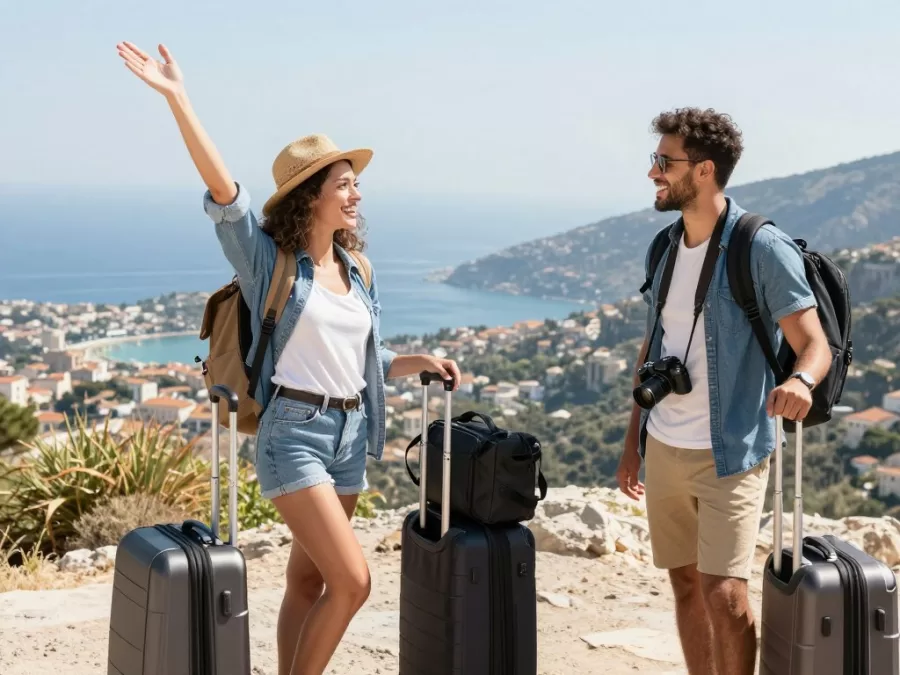
The world awaits your exploration. These top 10 places to visit in summer 2026 offer experiences that will enrich your life and provide stories you’ll share for years to come.
Summer 2026 may seem far away, but it will arrive quickly. Take the first step today by choosing your destination and beginning the exciting journey of planning your perfect summer vacation.
“Travel is the only thing you buy that makes you richer. The experiences, memories, and connections you make while exploring the world become treasures that appreciate in value over time.”

Priyanka Pandey
Senior Research Editor · Top10Sense
Priyanka specializes in tech, consumer products, and digital trends. She combines hands-on testing, vendor interviews, and database research to create trustworthy “Top 10” rankings. Her work has been referenced by industry blogs and brand report pages.