Traveling alone can be one of life’s most transformative experiences. The freedom to explore the world on your own terms opens doors to adventure that group travel simply cannot match. Whether you’re planning your first time solo trip or you’re a seasoned wanderer, having the right solo travel tips makes all the difference between a stressful journey and an unforgettable experience.
Solo travel pushes you outside your comfort zone. It builds confidence in ways you never imagined. You’ll meet people from all walks of life, discover hidden corners of the world, and learn things about yourself that only solo adventures can reveal. But it also comes with unique challenges that require preparation and smart strategies.
This comprehensive guide shares the top 10 travel tips for solo travelers that will help you navigate the world safely and confidently. These aren’t just generic suggestions. They’re battle-tested strategies from years of real-world solo travel experiences across dozens of countries. From safety essentials to budgeting hacks, from meeting like-minded travelers to handling emergencies, we’ll cover everything you need to make your solo adventure extraordinary.
Start Your Solo Journey with Confidence
Download our free Solo Travel Safety Checklist and get instant access to essential safety protocols, packing essentials, and emergency contacts template. Everything you need in one comprehensive PDF.
1. Research Your Destination Thoroughly Before You Go
The foundation of any successful solo trip starts long before you board the plane. Deep research transforms anxiety into excitement and helps you make informed decisions that keep you safe. When you travel alone, you are your own tour guide, safety officer, and problem solver.
Start by understanding the basic cultural norms of your destination country. What’s considered polite? What might offend locals? Simple things like dress codes, tipping customs, and greeting etiquette can dramatically impact your experience. For example, in many countries, showing too much attention to your phone during conversations is seen as disrespectful.
Safety research should focus on neighborhood-specific information. Not all parts of a city carry the same risk. Local forums, recent travel blogs, and government travel advisories provide current intelligence that guidebooks miss. Pay special attention to common scams targeting solo travelers in your specific destination.
Key Research Areas to Cover
Safety Intelligence
Understanding risk helps you make smart choices without living in fear. Knowledge is your best defense.
- Current political stability and recent security incidents
- Neighborhoods to avoid, especially at night
- Common scams and how to spot them
- Emergency numbers and hospital locations
- Transportation safety ratings for different options
Practical Logistics
The mundane details often make or break your trip experience. Small preparation prevents big problems.
- Visa requirements and processing times
- Currency exchange rates and best exchange methods
- Local SIM card options and costs
- Public transportation systems and apps
- Tipping expectations for different services
Cultural Preparation
Respecting local culture opens doors and creates meaningful connections with locals.
- Dress code expectations for different settings
- Religious customs and temple etiquette
- Dining customs and table manners
- Basic phrases in the local language
- Gesture meanings that differ from home
Seasonal Considerations
Timing affects everything from prices to weather to crowd levels and local atmosphere.
- Weather patterns and pack accordingly
- High and low tourist seasons
- Local festivals and holiday closures
- Monsoon or extreme weather risks
- Daylight hours affecting activity planning
Where to Find Reliable Information
Not all travel information is created equal. Government sources like the U.S. State Department travel advisories provide official safety assessments. For on-the-ground reality, recent blog posts from solo travelers offer current conditions and practical tips. Local Reddit communities give insider perspectives you won’t find in guides.
Social media groups dedicated to solo travel in specific countries connect you with people who just returned from your destination. Ask specific questions about your concerns. Most travelers love sharing their experiences and advice. This real-time intelligence beats any guidebook published months or years ago.
Pro Tip: Create a destination research document that you can access offline on your phone. Include emergency contacts, important addresses, key phrases in the local language, and your accommodation details. This becomes your safety net when internet access fails.
Research also means understanding the local food scene. Knowing which street food is safe and which restaurants locals actually eat at saves you from tourist traps and potential stomach issues. Food is a huge part of travel culture, and eating where locals eat leads to authentic experiences and better prices.
Finally, research the best ways to get from the airport to your first accommodation. This first transition is often the most vulnerable time for solo travelers. Knowing exactly which bus, train, or reputable taxi service to use removes stress and reduces the risk of scams right when you’re jet-lagged and disoriented.
2. Stay Connected and Communicate Your Plans Regularly
One of the smartest solo travel tips involves staying connected with people back home. This isn’t about checking in constantly or losing your independence. It’s about creating a safety network that knows your general whereabouts and can respond if something goes wrong.
Before you leave home, establish a communication routine with a trusted friend or family member. This might mean a quick text every few days or a weekly video call. The key is consistency. When you check in regularly, people notice when you don’t. That simple pattern creates an early warning system if something goes wrong.
Essential Communication Tools for Solo Travelers
Your phone becomes your lifeline when traveling alone. A local SIM card or international data plan is not optional. It’s a critical safety investment. Being able to call for help, access maps, translate conversations, and research on the go transforms your solo travel experience.
- Get a local SIM card within 24 hours of arrival for affordable data and calls
- Download offline maps for your destination before you lose wifi
- Use WhatsApp or similar apps for free international messaging
- Share your live location with trusted contacts during risky activities
- Keep your phone charged with a portable power bank at all times
- Take photos of important documents and store them in cloud storage
- Save emergency contacts with country codes in your phone
Smart Ways to Share Your Itinerary
You don’t need to share every detail of every day, but key information should be accessible to someone back home. Create a simple shared document with your accommodation addresses, flight details, and planned movement between cities. Update it as plans change. This takes minimal time but provides maximum peace of mind.
What to Share
Share enough information for someone to find you in an emergency without feeling like you need permission to be spontaneous.
- Accommodation names and addresses
- Flight and bus booking confirmations
- Planned activity dates (hiking, diving, tours)
- Expected arrival times in new cities
- Contact information for your accommodation
How Often to Update
Find a balance that works for your travel style and your loved ones’ comfort level with your adventure.
- Quick message when you arrive in a new city
- Photo or update every 2-3 days minimum
- Immediate check-in after risky activities
- Change of plans that affect your location
- Regular scheduled calls on specific days
Social media can serve a dual purpose here. Posting photos and updates not only shares your adventure with friends but also creates a public record of your location and activities. However, be smart about what you share in real time. Post about places after you’ve left, not while you’re currently there, to avoid advertising that you’re alone in a specific location.
Communication Strategy: Set up an emergency contact protocol. Agree with someone at home that if they don’t hear from you for X number of days (maybe 3-4 days), they should try multiple ways to reach you. If still no response, they have permission to contact your accommodation or even local authorities. This plan should be clear before you leave.
Don’t forget to make sure your phone works internationally. Some phones are locked to specific networks. Test international calling before you leave. Know how to dial international numbers from your phone. These seem like small details until you need to make an emergency call and can’t figure out the right number format.
Keep your phone charged. This seems obvious, but it’s critical. Carry a portable charger everywhere. Your phone is your map, translator, camera, communication device, and entertainment all in one. A dead phone leaves you vulnerable and disconnected. Treat phone charging like a daily ritual, plugging in every night before bed and carrying backup power during the day.
3. Trust Your Instincts and Stay Situationally Aware
Your intuition is your most powerful safety tool. That uncomfortable feeling in your stomach when something seems off? That’s millions of years of evolution trying to keep you safe. One of the most important solo travel tips is simple: if something feels wrong, it probably is. Trust that feeling and remove yourself from the situation.
Situational awareness doesn’t mean living in constant fear. It means staying present and observant. When you’re walking through a new city, notice your surroundings. Who’s around you? Where are the exits? What feels normal for this place and what stands out? This awareness becomes automatic with practice and dramatically increases your safety without diminishing your enjoyment.
Developing Your Travel Intuition
Your gut feelings often pick up on subtle cues your conscious mind misses. Someone standing too close. A person following you for several blocks. An overly friendly stranger asking too many personal questions. A taxi driver taking an unnecessarily long route. These situations trigger internal alarms for good reason.
Many solo travelers, especially women, have been socialized to be polite even when uncomfortable. Solo travel requires unlearning this habit. Being rude is better than being unsafe. If someone makes you uncomfortable, you don’t owe them conversation, explanation, or politeness. A firm “no thank you” and walking away is always acceptable.
Practical Situational Awareness Techniques
- Keep one earbud out when listening to music so you hear your surroundings
- Regularly check behind you when walking, especially at night
- Notice who gets on and off public transportation with you
- Vary your routes and routines to avoid predictable patterns
- Keep your phone accessible but not constantly in your hand
- Make brief eye contact with people to show awareness without engaging
- Trust locals who warn you about specific areas or situations
- Pay attention to where other solo travelers go and avoid
Common Situations That Require Extra Awareness
Arriving in New Places
Airports and bus stations are prime locations for scams. You’re tired, disoriented, and clearly a tourist. Stay extra alert during these transitions.
- Confirm ride prices before getting in vehicles
- Use official taxi stands, not random offers
- Keep bags in sight during transportation
- Know your route before leaving the station
Night Time Activities
Risk naturally increases after dark. This doesn’t mean staying locked in your room, but it does mean adjusting your awareness and strategies.
- Stick to well-lit, populated streets
- Use ride-sharing instead of walking long distances
- Avoid displaying expensive electronics
- Walk with confidence and purpose
Social Interactions
Meeting people is part of solo travel’s joy, but not everyone has good intentions. Balance openness with protective boundaries.
- Meet new friends in public places first
- Don’t share your room number or address
- Keep drinks in sight at bars and restaurants
- Have an exit strategy from social situations
Body language communicates volumes. Walk with confidence even when you’re lost. Confident body language signals that you’re aware, capable, and not an easy target. Head up, shoulders back, purposeful stride. Even if you’re frantically checking your map app, pause in a cafe or shop rather than standing confused on a street corner.
Safety First: If you feel you’re being followed, don’t go to your accommodation. Walk into a busy shop, restaurant, or hotel. Ask for help if needed. Most establishments will assist someone who feels unsafe. Trust your instincts over worrying about social awkwardness.
Alcohol deserves special attention. Drinking impairs your judgment and awareness, the two things you rely on most when traveling alone. This doesn’t mean never enjoying a beer or wine, but it means knowing your limits and staying well below them. In unfamiliar places with unfamiliar people, maintain control of your faculties.
When to Adjust Your Plans
Flexibility is a solo traveler’s superpower, including the flexibility to change plans when something doesn’t feel right. If a neighborhood seems sketchy during the day, don’t plan to walk through it at night. If your accommodation gives you bad vibes, book somewhere else even if you lose money. Your safety is worth more than any deposit.
Listen to other travelers, but also to locals. If multiple people independently warn you about a specific area, scam, or situation, take that advice seriously. Local knowledge can prevent problems before they start. The cafe owner who suggests a different route home or the hostel staff who warn against a particular tour company might be saving you from real danger.
4. Pack Light and Stay Mobile
Overpacking is the rookie mistake that haunts solo travelers throughout their entire trip. When you travel alone, you carry everything yourself. No one helps lift your bag onto the bus or watches it while you use the bathroom. Heavy luggage transforms from a minor inconvenience into a constant burden that limits your freedom and drains your energy.
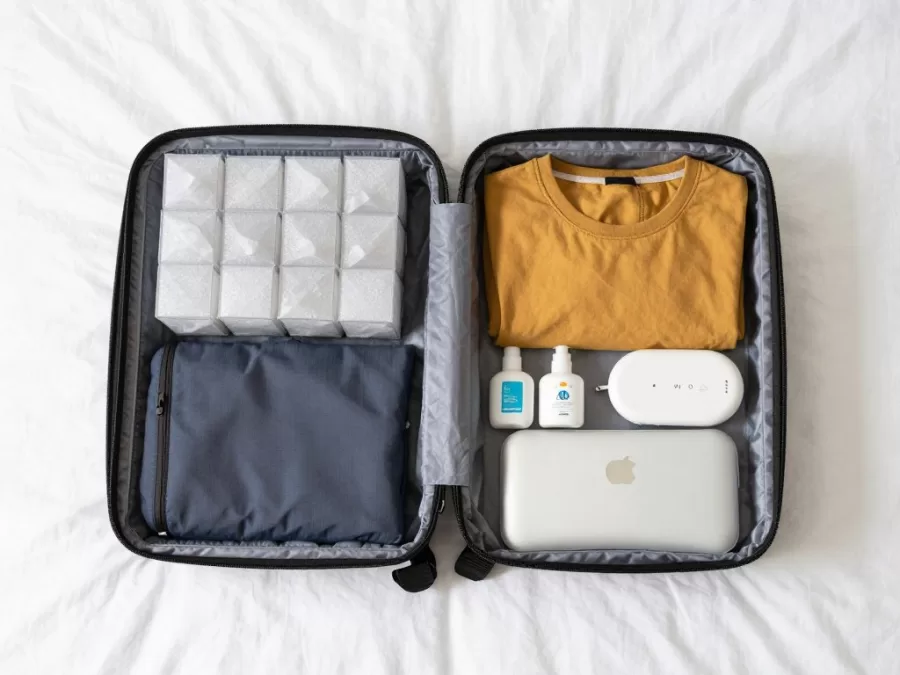
The goal is simple: pack everything you need and nothing you don’t. This sounds easier than it is. We tend to pack for imagined scenarios that rarely happen. You probably won’t need four pairs of shoes or seven different outfit options. Solo travel teaches you that you can wash clothes, wear things multiple times, and buy items if you truly need them.
The Benefits of Traveling Light
A lighter bag means easier movement through crowded streets, simpler transportation changes, and less stress about lost luggage. You can hop on an unplanned bus, climb stairs to a charming room, or walk an extra mile without dreading every step. Mobility equals freedom, and freedom is what solo travel is all about.
- Easy to move between locations quickly
- Less worry about theft or loss
- Avoid checked baggage fees and waiting
- More spontaneous travel decisions
- Less physical strain and fatigue
- Fits in overhead compartments and small spaces
Light Packing Advantages
- Constant burden during every movement
- Larger target for thieves
- Extra fees and longer airport processes
- Locked into preplanned routes
- Exhaustion from carrying heavy weight
- Requires checking into accommodations immediately
Overpacking Problems
Essential Packing Strategy for Solo Travelers
Start by choosing the right bag. A quality carry-on sized backpack works better than a rolling suitcase for solo travel. Backpacks keep your hands free, work on cobblestone streets and stairs, and are less likely to be stolen. Choose one with good padding, multiple compartments, and a hip belt to distribute weight.
The one-week rule works magic: pack enough clothes for one week, regardless of trip length. You can wash clothes anywhere in the world. Most accommodations have laundry facilities or affordable laundry services. Hand washing in your room works for smaller items. This single rule eliminates half of what most people pack.
The Solo Traveler’s Packing List
Clothing Essentials
- 3-4 tops that mix and match in neutral colors
- 2 pairs of pants (one convertible for different climates)
- 1 versatile dress or smart casual outfit
- 1 lightweight jacket or fleece
- 1 rain jacket that packs small
- Underwear and socks for one week
- Swimsuit (takes minimal space)
- 2 pairs of shoes: walking shoes and sandals
- 1 compact quick-dry towel
Tech and Documents
- Phone and charging cables
- Portable power bank
- Universal travel adapter
- Headphones (noise-canceling if possible)
- Passport and copies stored separately
- Credit cards and emergency cash
- Travel insurance documents
- Small notebook and pen
- E-reader or tablet (optional)
Toiletries and Health Items
Toiletries add weight fast. Buy travel-sized versions or refillable containers. Remember that you can buy most things at your destination. Shampoo, soap, and basic supplies are available worldwide. Focus on items that are truly difficult to find abroad or specific to your needs.
- Prescription medications with copies of prescriptions
- Basic first aid kit with pain relievers and bandages
- Sunscreen and insect repellent for tropical destinations
- Hand sanitizer and wet wipes
- Travel-sized toiletries in leak-proof containers
- Contraceptives and any personal health products
- Earplugs and eye mask for better sleep anywhere
Security and Organization Items
A few smart security items protect your belongings without adding much weight. A small lock for hostel lockers and zipping bags shut provides peace of mind. Packing cubes transform chaotic bag contents into organized compartments, making it easy to find things and repack quickly.
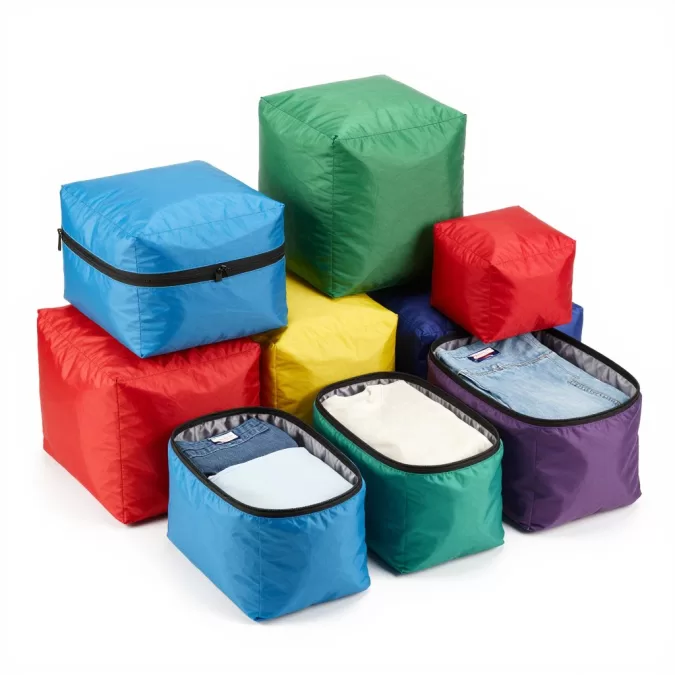
Packing Cubes
These simple organizers transform your backpack into a organized system. Different colors for different item types makes finding things effortless even in dim hostel rooms.
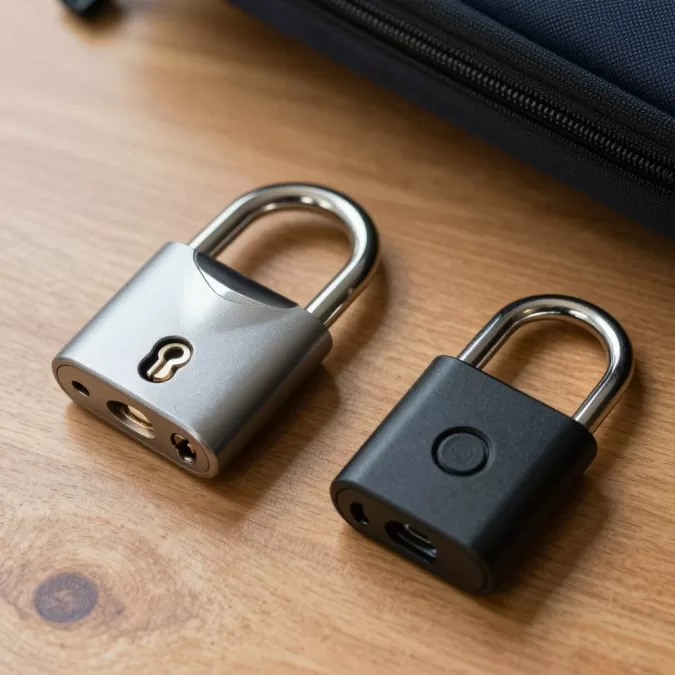
Travel Locks
Small locks for hostel lockers and a cable lock for securing your bag to fixed objects provide simple theft prevention without adding significant weight to your pack.
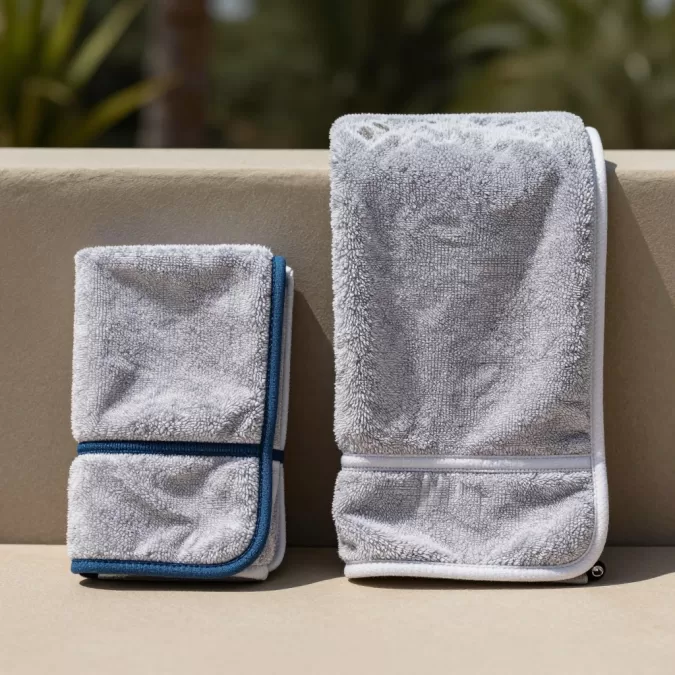
Quick-Dry Towel
Regular towels take forever to dry and occupy precious bag space. A microfiber travel towel dries in hours, packs to the size of a water bottle, and weighs almost nothing.
Packing Tip: Lay out everything you think you need, then remove one-third of it. This forces you to prioritize and usually results in a more reasonable load. If you haven’t used something after a week of travel, send it home or donate it.
Wear your bulkiest items during travel days. Heavy shoes, jacket, and jeans worn on the plane don’t count against your bag weight. This simple trick makes a significant difference in how much you can pack while staying under weight limits.
Choose versatile items that serve multiple purposes. A sarong works as a beach cover-up, picnic blanket, scarf, or curtain. A buff can be a headband, mask, or neck warmer. Convertible pants become shorts. Every item that serves multiple functions reduces what you need to carry.
5. Choose Your Accommodation Wisely and Prioritize Safety
Your accommodation choice impacts your entire solo travel experience. It’s your safe space, your home base, and often your social hub. The right place provides security, comfort, and opportunities to meet people. The wrong choice can leave you isolated, unsafe, or constantly uncomfortable.
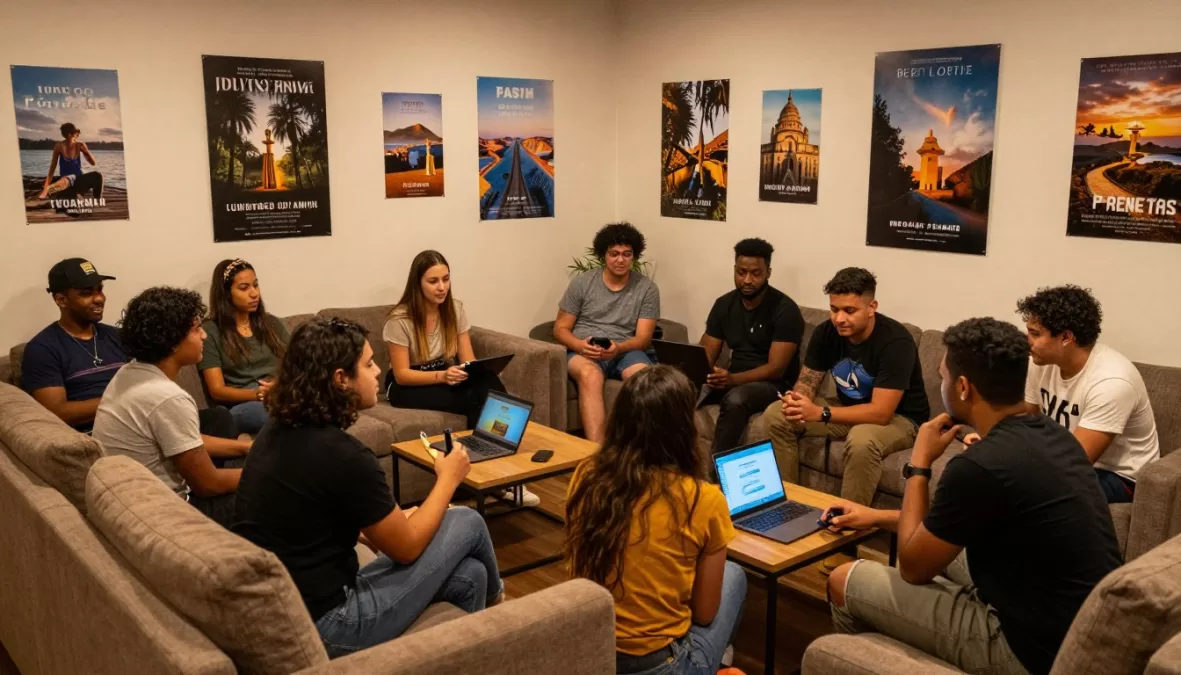
Solo travelers have different accommodation needs than couples or groups. You’re spending more time alone in your room, you can’t split costs with companions, and security becomes entirely your responsibility. These factors should guide every booking decision you make on your trip.
Hostel vs. Hotel vs. Airbnb: What Works Best
Each accommodation type offers distinct advantages for solo travelers. Hostels provide built-in social opportunities and budget-friendly prices. Hotels offer privacy and professional security. Airbnbs give you local experiences and kitchen access. The best choice depends on your priorities for each destination.
| Accommodation Type | Best For | Average Cost | Social Opportunities | Privacy Level | Safety Features |
| Hostels | Young travelers, meeting people, budget trips | $15-40/night | Excellent | Low to Medium | Lockers, 24hr reception, shared spaces |
| Budget Hotels | Privacy seekers, older travelers, rest days | $40-80/night | Low | High | Room locks, reception desk, cameras |
| Airbnb Private Room | Local experience, longer stays, kitchen access | $35-70/night | Medium with host | Medium to High | Verified hosts, reviews, instant booking |
| Guesthouses | Cultural immersion, smaller towns, home-like atmosphere | $25-60/night | Medium | Medium | Personal attention, local knowledge |
Safety Features to Look For
Certain accommodation features significantly increase your safety as a solo traveler. These aren’t luxuries; they’re essentials that should guide your booking decisions. Read reviews specifically looking for mentions of security and solo traveler experiences.
- 24-hour reception or security desk for assistance anytime
- Secure entry systems requiring keys or cards to access building
- In-room safes or lockers for valuables and important documents
- Well-lit entrances and hallways for safe night time returns
- Windows and doors with proper locks that actually work
- Ground floor or elevator access if you have heavy luggage
- Security cameras in public areas (not in rooms)
- Female-only dorms or floors if that makes you more comfortable
- Central location in safe neighborhood reducing late-night walks
- Multiple positive reviews from solo travelers
Reading Reviews Like a Pro
Review sections contain gold if you know how to mine them. Don’t just look at the overall rating. Read recent reviews from verified solo travelers. Look for patterns in complaints. One negative review about noise might be an outlier, but five reviews mentioning the same issue is a real problem.
Pay special attention to reviews that mention safety, cleanliness, and staff helpfulness. These matter more than fancy amenities when you’re traveling alone. A helpful staff member who provides local advice and helps solve problems is worth more than a swimming pool you’ll never use.
Red Flags in Reviews
- Multiple mentions of broken locks or security issues
- Staff described as unhelpful or absent
- Location described as unsafe or difficult to reach
- Cleanliness problems, especially with bedding
- Noise complaints from multiple reviewers
- WiFi doesn’t work (your communication lifeline)
- Photos don’t match reality
- Recent negative trend in reviews
Green Flags in Reviews
- Solo travelers specifically mention feeling safe
- Staff goes above and beyond to help guests
- Easy communication with property before arrival
- Clean and well-maintained facilities
- Accurate photos and descriptions
- Good value for money mentioned repeatedly
- Convenient location near transportation
- Owner or staff provides local tips and help
Booking Strategies for Solo Travelers
Book your first night or two before you arrive in a new country or city. This removes the stress of finding accommodation when you’re jet-lagged and disoriented. After you’ve settled in and gotten a feel for the place, you can explore other options if you want to make a change.
For longer stays in one place, book a few nights first, then extend if you like it. This flexibility lets you leave bad situations without losing money on non-refundable bookings. Many places offer discounts for week-long or month-long stays, which you can negotiate in person once you’ve stayed a couple of nights.
Best Booking Platforms for Solo Travelers
Different platforms excel at different accommodation types. Use the right tool for what you’re looking for to get better options and prices.
Best for hotels and guesthouses worldwide with free cancellation options and verified reviews.
Specialized in hostels with detailed reviews from backpackers and solo travelers.
Great for local experiences and longer stays with kitchen access.
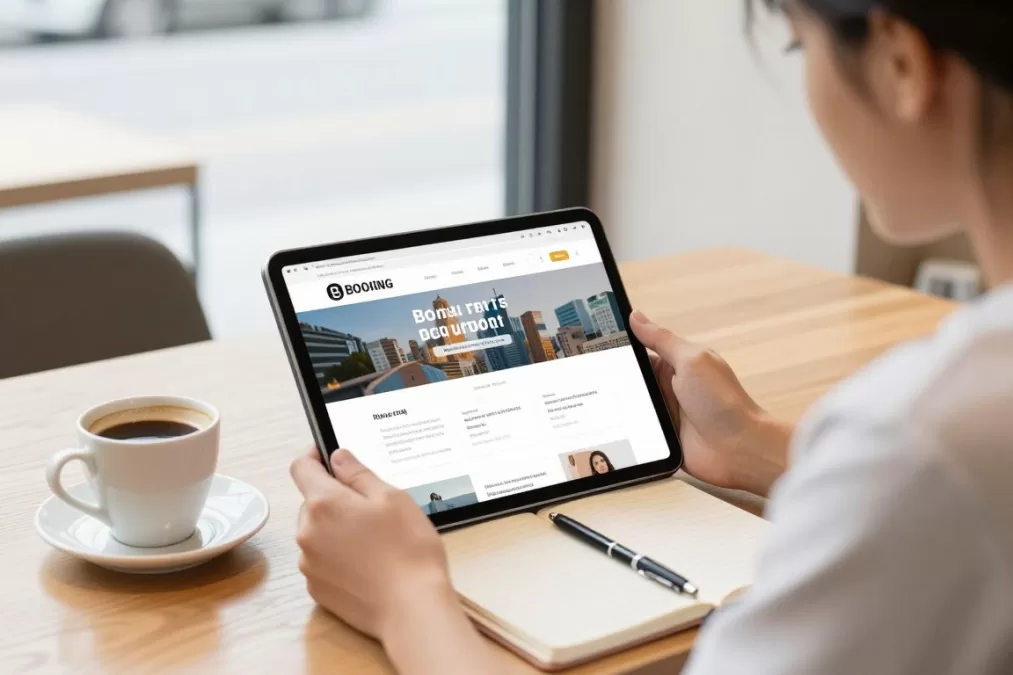
Location matters more than amenities when you’re alone. A cheaper place in a great location beats a nicer room in an inconvenient or unsafe area. Being able to walk home safely at night, access public transportation easily, and reach restaurants and activities on foot saves money and increases your security.
Consider the social atmosphere if meeting people matters to you. Some hostels are party hostels with loud common areas and bar crawls. Others cater to quieter travelers who want social interaction without the chaos. Reviews usually make this distinction clear. Choose based on your travel style and what you want from each destination.
First Night Strategy: Always message your accommodation before arriving to confirm your booking and estimated arrival time. This creates a connection and ensures someone expects you. If they don’t respond or the property seems unresponsive, consider booking elsewhere.
6. Manage Your Money Smartly and Budget Realistically
Money management makes or breaks solo travel experiences. You don’t have anyone to split costs with, cover you if you run short, or share the burden of expensive activities. Smart budgeting and financial preparation let you travel longer, stress less, and enjoy more without constant money anxiety.
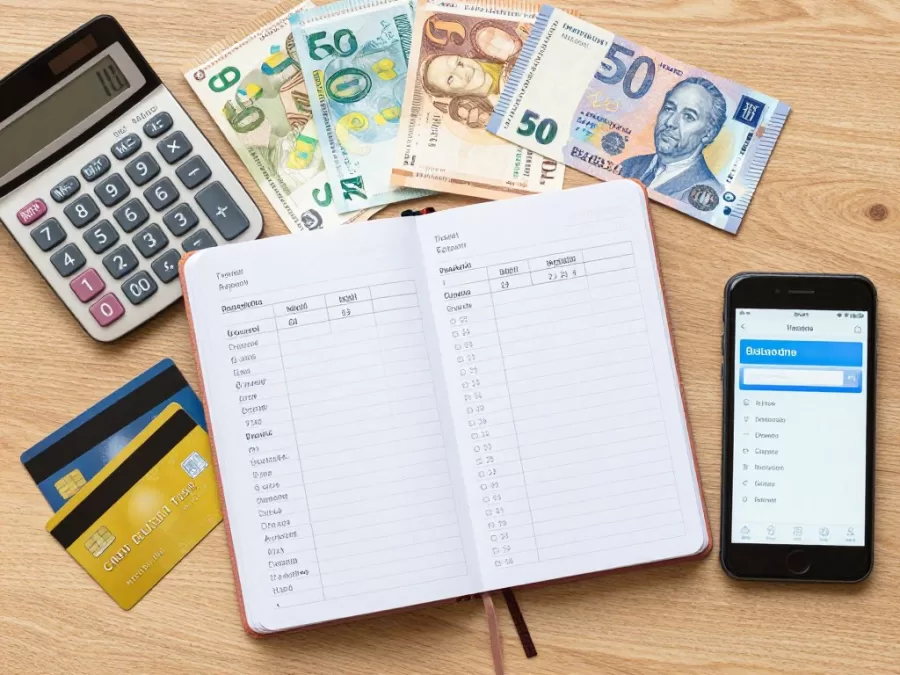
Solo travel costs more per person than group travel in some ways and less in others. Accommodation is more expensive without splitting room costs, but you have complete control over every spending decision. You can splurge on what matters to you and save aggressively on things you don’t care about. This flexibility is one of solo travel’s hidden financial benefits.
Creating a Realistic Solo Travel Budget
Start by researching actual costs in your destination. Budget travel blogs and recent forum posts provide current prices better than guidebooks. Look for costs of accommodation, meals, transportation, and activities from solo travelers specifically, since their budgets reflect single-person spending.
Build in a buffer of at least 20% above your estimated daily costs. Unexpected expenses always happen. A medical visit, replacing lost items, spontaneous opportunities, or simply underestimating costs in expensive cities can blow through a tight budget fast. The buffer prevents stress and gives you flexibility to say yes to good opportunities.
Daily Budget Breakdown by Travel Style
Budget Backpacker
$30-50/day
- Hostel dorms or budget guesthouses
- Street food and self-catered meals
- Public transportation and walking
- Free activities and cheap attractions
- Occasional budget meal out
- Southeast Asia, Central America, Eastern Europe destinations
Mid-Range Traveler
$75-125/day
- Private hostel rooms or budget hotels
- Mix of restaurants and self-catering
- Occasional taxis or ride-sharing
- Paid attractions and some tours
- Comfortable transportation options
- Most destinations worldwide
Comfort Traveler
$150-250+/day
- Nice hotels or quality Airbnbs
- Restaurants for most meals
- Taxis and ride-sharing freely
- All desired tours and activities
- Occasional splurges and upgrades
- Western Europe, Japan, Australia, North America
Money Management Tools and Strategies
Carry money in multiple forms and locations. Don’t put all your cash and cards in one wallet. Keep emergency money separate from your daily spending money. This redundancy protects you if something gets lost or stolen. You’ll still have access to funds and won’t be stranded.
- Primary credit card with no foreign transaction fees for most purchases
- Backup credit card from different bank kept in separate location
- Debit card for ATM withdrawals stored separately from credit cards
- Small amount of US dollars or Euros as universal emergency currency
- Local currency from ATMs for better rates than exchange offices
- Digital copies of all cards stored in secure cloud storage
- Bank contact numbers saved in phone for lost card reporting
Where Solo Travelers Can Save Money
Traveling alone doesn’t mean spending more on everything. Many cost-saving strategies work better for solo travelers than groups. You can take advantage of last-minute deals, stay with locals, eat street food without group consensus, and move at your own pace without expensive group compromises.
- Eat street food and local markets instead of restaurants
- Walk or use public transport instead of taxis
- Book accommodation with kitchen to cook some meals
- Take advantage of free walking tours (tip-based)
- Visit free museums on discount days
- Share group tour costs by joining other solo travelers
- Travel during shoulder season for lower prices
- Use apps like Couchsurfing to stay with locals for free
- Pack lunch instead of buying food at tourist sites
- Choose destinations where your currency goes further
Smart Solo Savings
- Comprehensive travel insurance with medical coverage
- Safe, well-located accommodation in sketchy cities
- Quality backpack that won’t break mid-trip
- Reliable phone with international data access
- Once-in-a-lifetime experiences unique to the destination
- Proper hiking or activity gear for safety
- Vaccinations and health precautions
- Secure transportation late at night
- Good walking shoes that won’t destroy your feet
- Local SIM card for constant connectivity
Worth Splurging On
Tracking Spending and Staying on Budget
Track your spending daily for the first week of travel. This reveals your actual spending patterns versus your estimates. You might discover you’re spending more on coffee than you realized or that accommodation costs less than budgeted. This real data lets you adjust your budget to match reality.
Use a simple tracking system that doesn’t feel like homework. A notes app on your phone works fine. Just jot down major expenses each day. You don’t need to track every single coffee, but recording accommodation, meals, transportation, and activities gives you enough data to manage your budget effectively.
Travel Insurance That Actually Works
Don’t skip travel insurance. Medical emergencies abroad cost thousands. Lost bags, cancelled flights, and stolen items add up fast. Good insurance transforms potential disasters into minor inconveniences.
World Nomads and Safety Wing both specialize in long-term travelers and adventure activities. They cover things regular insurance won’t, like motorcycle rentals and scuba diving.
Best Travel Credit Cards
The right credit card saves hundreds on foreign transaction fees and provides valuable travel protections. Look for cards with no annual fee, no foreign transaction fees, and travel insurance benefits.
Chase Sapphire and Capital One Venture cards offer excellent benefits for travelers, including trip delay insurance and lost luggage coverage.
ATMs give better exchange rates than currency exchange offices, but watch out for fees. Use ATMs at banks rather than standalone machines in tourist areas. Withdraw larger amounts less frequently to minimize per-transaction fees. Some banks reimburse ATM fees; check if yours does and consider switching if not.
Notify your bank before traveling to prevent your cards from being blocked for suspicious activity. This simple step prevents the nightmare of having all cards frozen while you’re in a foreign country with no access to money. Keep your bank’s international phone number saved in your phone for emergencies.
7. Meet People and Build Connections While Staying Safe
Solo travel doesn’t mean lonely travel. Meeting people on the road creates some of travel’s most memorable moments. Fellow travelers and locals alike enrich your experience with different perspectives, shared adventures, and sometimes lifelong friendships. The key is meeting people safely while maintaining appropriate boundaries.
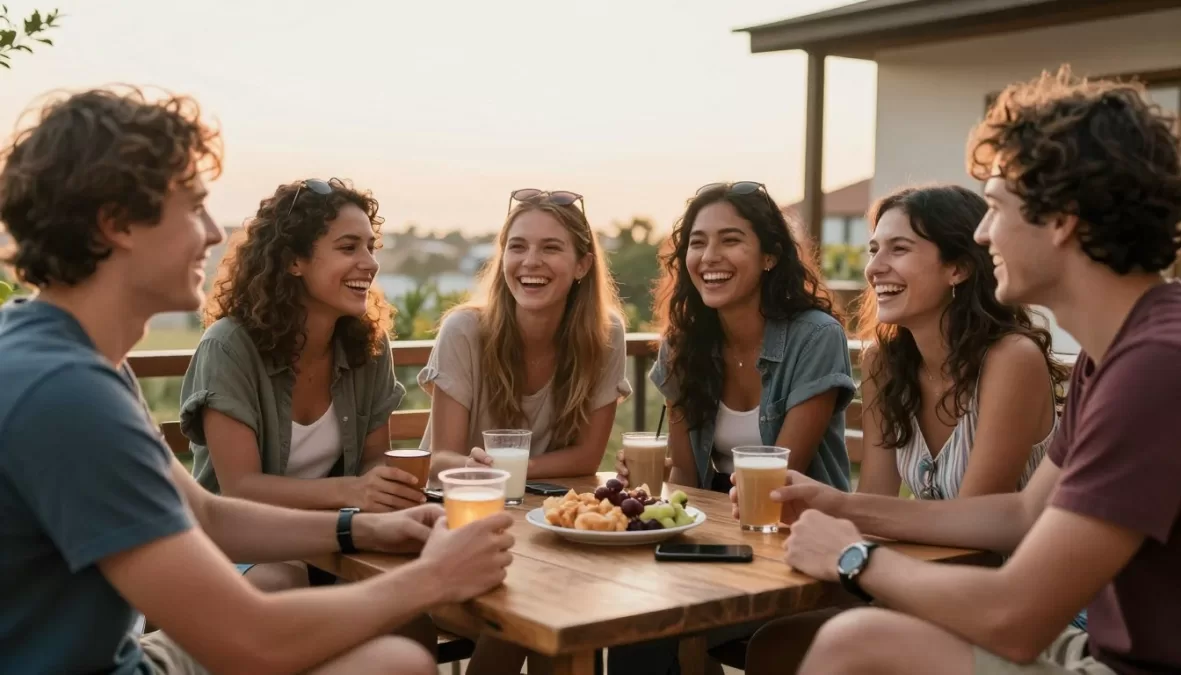
Loneliness can hit hard when traveling alone, especially during long bus rides, solo dinners, or beautiful sunsets with no one to share them with. But solo travel also gives you the freedom to connect with people you’d never meet if you were traveling in a closed group. You’re more approachable alone, and you’re forced to reach out, which builds confidence and social skills.
Where to Meet Fellow Travelers
Some places naturally facilitate connections better than others. Hostels with common areas, group tours, cooking classes, walking tours, and coworking spaces all create environments where conversation flows naturally. You don’t need to force friendships; you just need to put yourself in situations where meeting people happens organically.
- Hostel common rooms, kitchens, and organized activities or pub crawls
- Free walking tours where you spend hours with the same group
- Group day trips or multi-day tours to popular destinations
- Cooking classes that combine learning with social interaction
- Coworking spaces if you’re working while traveling
- Language exchange meetups that connect travelers and locals
- Volunteer opportunities for meaningful connection through shared work
- Social sports activities like beach volleyball or pickup soccer
- Apps like Meetup, Couchsurfing hangouts, or Bumble BFF
- Yoga classes and fitness activities in traveler-friendly areas
Connecting with Locals
Locals provide insider knowledge that no guidebook can match. They know the best restaurant hidden down an alley, the beach where locals actually go, and the festival happening next week. Building genuine connections with locals transforms surface-level tourism into deep cultural immersion.
Start simple conversations in cafes, at markets, or while waiting for buses. Most people enjoy sharing about their city and culture, especially when you show genuine interest and respect. Learn a few phrases in the local language. Even terrible pronunciation shows effort and respect, which opens doors.
Safe Ways to Meet Locals
- Stay with local hosts through verified platforms like Couchsurfing
- Take classes taught by locals (cooking, language, crafts, dance)
- Attend community events, festivals, or religious services (respectfully)
- Chat with shop owners, cafe workers, and market vendors regularly
- Join local sports clubs or fitness classes for recurring interaction
- Use apps like Meetup to find local groups that welcome newcomers
- Volunteer with local organizations for meaningful connection
- Hire local guides for tours who share personal perspectives
Maintaining Safety Boundaries
- Meet new people in public places for first several interactions
- Don’t share your exact accommodation address or room number
- Keep plans vague about where you’re going next and when
- Trust your instincts if someone makes you uncomfortable
- Don’t feel obligated to accept every invitation offered
- Share your location with trusted contacts when meeting someone new
- Avoid excessive alcohol with people you just met
- Have an exit strategy and independent transportation arranged
Joining Group Activities and Tours
Group tours provide instant community with people who share similar interests. Day trips, multi-day adventures, food tours, and activity-based experiences naturally bring solo travelers together. You get the benefits of group travel while maintaining your independence before and after the activity.
Look for tours that attract solo travelers rather than families or couples. Adventure tours, hostel-organized trips, and backpacker-focused companies tend to have higher ratios of solo travelers. Check reviews to see if other solo travelers felt welcome and if the group dynamic was good.
Online Communities for Solo Travelers
Connect with other solo travelers online before and during your trip. Facebook groups, Reddit communities, and solo travel forums let you ask questions, find travel buddies for specific activities, and get current information from people on the ground right now.
Solo Female Travel Communities
Join groups like “Girls Love Travel” or “Solo Female Travelers” on Facebook to connect with thousands of women traveling alone, get destination-specific advice, and even find travel companions for specific legs of your journey.
Couchsurfing Hangouts
Even if you don’t want to stay with hosts, Couchsurfing’s hangouts and events feature connects travelers with locals and other travelers for coffee, activities, and cultural exchange in cities worldwide.
Meetup Groups
Find local interest groups, language exchanges, hiking clubs, and social gatherings in almost any city. Perfect for meeting both locals and expats who can show you the non-touristy side of their city.
Balancing Social Time with Solo Time
Solo travel paradoxically requires balancing social connection with intentional solitude. You’ll have days when you crave conversation and days when you need complete silence. Honor both needs. There’s no rule saying you must be social every day just because you’re in a social hostel.
Schedule solo time deliberately. Take yourself to dinner with a book. Spend a morning in a cafe journaling. Take a long walk alone. These moments of solitude are when you process experiences, rest from the constant newness, and reconnect with why you’re traveling in the first place.
Don’t feel guilty about declining invitations. “I need a quiet night in” is a complete sentence. Real connections respect boundaries. The people you genuinely connect with will understand when you need space, and you’ll enjoy their company more when you’re recharged rather than forcing yourself to socialize when exhausted.
8. Plan Enough But Stay Flexible
The art of solo travel lies in the balance between planning and spontaneity. Too much planning creates rigid schedules that remove adventure. Too little planning leads to stress, wasted time, and missed opportunities. The sweet spot is having a framework that provides direction while leaving room for the unexpected magic that makes solo travel special.
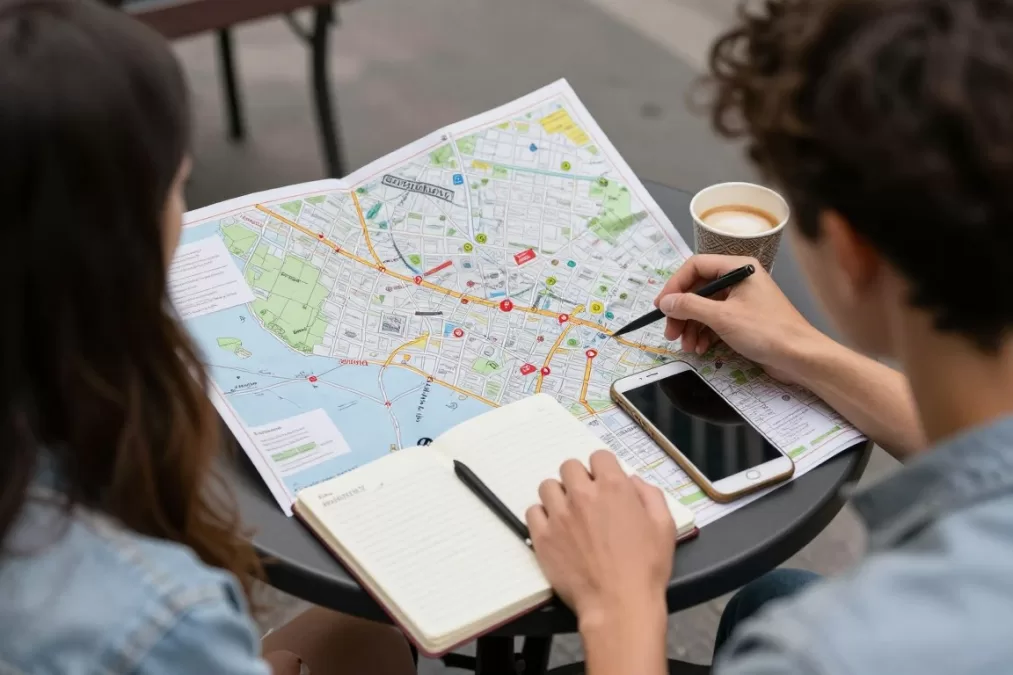
Over-planning every hour of every day kills spontaneity. You can’t accept spontaneous invitations or extend your stay somewhere amazing if everything’s booked solid. But under-planning leaves you stressed, scrambling for accommodation at night, and missing out on experiences that require advance booking. Find your balance based on your personality and destination.
What to Plan in Advance
Some things genuinely require advance planning. International flights, visas, vaccinations, and competitive accommodation during high season can’t be left to chance. Book these essentials, then leave the details flexible. This hybrid approach provides security while preserving freedom.
- International flights and major transportation between countries or regions
- Visa applications that require weeks or months of processing time
- Required vaccinations that need multiple doses over several weeks
- First night or two of accommodation in new countries or cities
- Popular tours or activities that sell out weeks in advance
- Accommodation during major festivals or peak season dates
- Travel insurance purchased before departing home
- Rough route outline showing which countries or regions in what order
What to Leave Flexible
Flexibility is solo travel’s superpower. When you travel alone, you can change plans instantly without negotiating with companions. If you love a place, stay longer. If somewhere disappoints, leave early. If you meet amazing people heading somewhere interesting, join them. This freedom is why many people prefer solo travel.
- Overall trip duration and return flight home
- Major destinations you definitely want to visit
- Visa requirements and application deadlines
- Budget and financial preparations
- Health preparations and insurance coverage
- First accommodation in each new country
- Must-do experiences requiring advance booking
- Rough timeline for major moves between regions
Plan These Details
- Exact dates in each destination
- Most accommodation beyond first nights
- Day-to-day activities and sightseeing
- Transportation between nearby cities
- Meals and restaurants
- Order of visiting nearby destinations
- New destinations discovered along the way
- Length of stay based on how you feel
Leave These Flexible
Creating a Flexible Framework
Think of your plan as a skeleton, not a straightjacket. Identify your must-see destinations and experiences, then leave space between them. A framework might be: “I’ll spend about two weeks in Vietnam, hitting Hanoi and Halong Bay for sure, then see where the road takes me.” This gives direction without locking you into a rigid schedule.
Book refundable options when possible, even if they cost slightly more. The flexibility to change dates or cancel without penalty is worth the extra money. This is especially true for accommodation during uncertain parts of your trip or when you’re not sure how long you’ll want to stay somewhere.
Handling Spontaneous Opportunities
Some of travel’s best moments come from unexpected opportunities. A local invites you to a family wedding. Another traveler is heading to an island you’ve never heard of. You discover a festival starting tomorrow in the next town. Being able to say yes to these moments creates the stories you’ll remember for years.
Flexibility Tip: Keep at least 20% of your trip completely unplanned. If you have 30 days, plan firm details for 24 days max. This buffer absorbs spontaneous extensions, new discoveries, and the reality that travel rarely goes exactly according to plan.
Sometimes plans need to change for practical reasons. You get sick and need rest days. Weather makes certain activities impossible. A place you expected to love disappoints, and you want to leave early. Transportation strikes or cancellations force route changes. Flexibility transforms these situations from disasters into minor adjustments.
Daily Planning Strategy
Plan your days loosely with one or two main activities or destinations, leaving the rest open. This prevents the stress of overscheduling while ensuring you accomplish something meaningful. A day might be “Visit the museum in the morning, then wander the old town in the afternoon.” This gives structure and freedom simultaneously.
Build rest days into longer trips. Every week or ten days, plan a day with no sightseeing agenda. Use it to sleep in, do laundry, catch up on journaling, plan the next leg, or just wander aimlessly. These rest days prevent burnout and help you process all the new experiences flooding in constantly.
Planning Tools: Use apps like Google Maps to save places you want to visit, TripIt to organize confirmations, and a simple notes app for loose itinerary ideas. But don’t let apps rule your trip. The best experiences often come from closing your phone and being present.
9. Stay Healthy and Know How to Handle Emergencies
Health issues hit harder when you’re alone. There’s no one to bring you medicine, watch your stuff while you run to the bathroom, or help you navigate a foreign healthcare system. Prevention and preparation become critical. The good news is that with smart precautions and emergency planning, you can handle most health situations confidently.
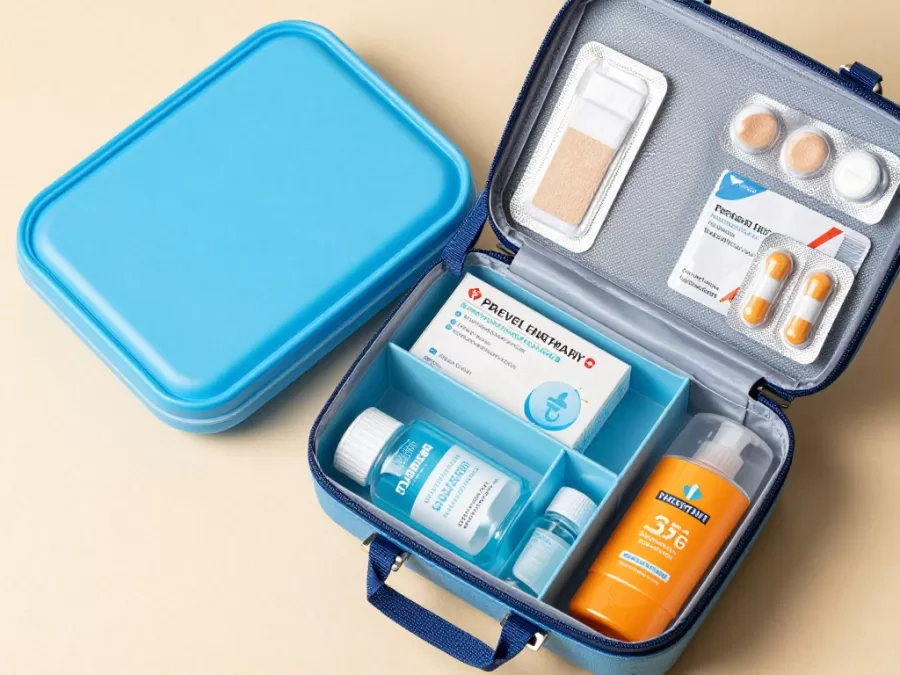
Most health problems while traveling are preventable. Dehydration, food poisoning, and exhaustion cause more issues than exotic diseases. Taking care of your basic health needs—sleep, hydration, nutrition, and hygiene—prevents the majority of problems that sideline travelers. When you feel good physically, you handle challenges better and enjoy experiences more.
Health Preparation Before You Go
Start health preparations months before departure, not days. Some vaccinations require multiple doses over weeks. Getting sick right before your trip from rushed vaccinations isn’t worth it. Visit a travel medicine clinic to discuss recommended and required vaccinations for your specific destinations and travel style.
- Schedule travel medicine consultation 2-3 months before departure
- Get recommended vaccinations for your specific destinations
- Obtain prescriptions for antibiotics, anti-diarrhea meds, and antimalarials if needed
- Get dental checkup before leaving to avoid tooth emergencies abroad
- Stock up on prescription medications with extras in case of delays
- Carry copies of prescriptions for medications you’re traveling with
- Get comprehensive travel insurance covering medical emergencies and evacuation
- Research health risks specific to your destinations and seasons
Preventing Common Travel Health Issues
The most common health problems have simple prevention strategies. Drink bottled or purified water. Wash your hands constantly. Eat at busy restaurants where food turns over quickly. Use insect repellent in malaria or dengue regions. These basic habits prevent most traveler health issues.
Food and Water Safety
- Drink only bottled or purified water
- Avoid ice in drinks unless certain it’s from purified water
- Eat hot, freshly cooked food rather than lukewarm buffets
- Peel fruits yourself or stick to ones with thick peels
- Avoid raw vegetables in questionable hygiene areas
- Choose busy restaurants with high customer turnover
Physical Health Maintenance
- Stay hydrated, especially in hot climates
- Get adequate sleep even when tempted to party all night
- Use sunscreen daily to prevent burns and long-term damage
- Wear appropriate footwear for lots of walking
- Take rest days to prevent exhaustion and burnout
- Maintain basic fitness for activities you plan to do
Disease Prevention
- Use insect repellent in tropical regions
- Sleep under mosquito nets where recommended
- Take antimalarial medication if prescribed
- Wash hands frequently with soap or hand sanitizer
- Avoid touching your face with unwashed hands
- Get vaccinated for region-specific diseases
Building Your Travel Medical Kit
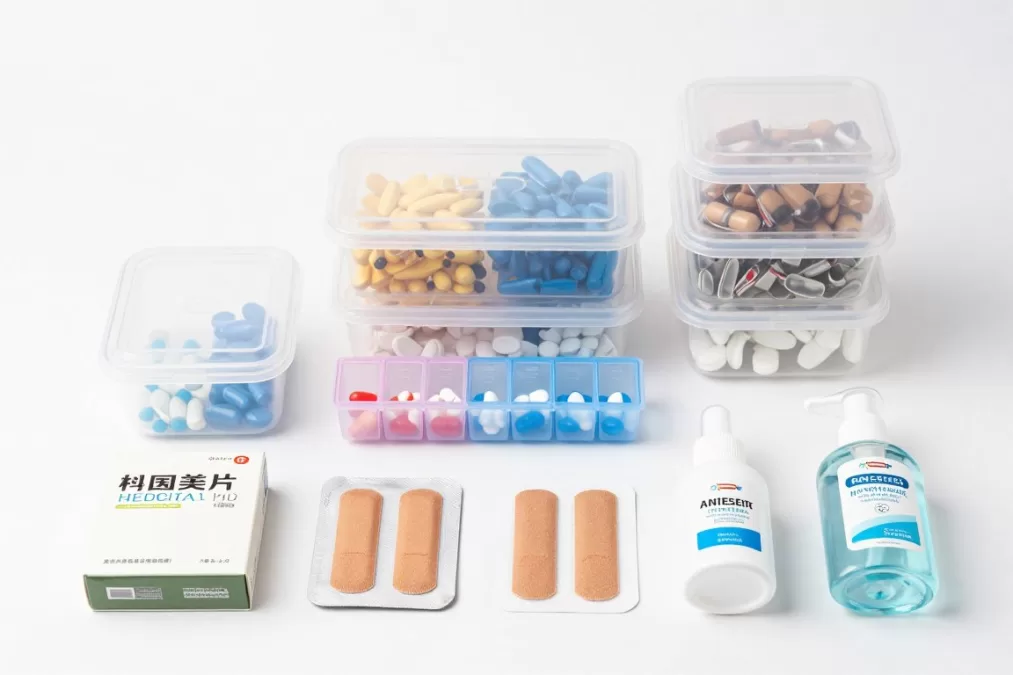
A compact medical kit handles minor issues and buys time until you can reach proper medical care for serious problems. You don’t need a pharmacy’s worth of supplies, but having essentials prevents minor problems from derailing your trip. Customize your kit based on your destinations and personal health needs.
Essential Medical Kit Items
- Pain relievers and fever reducers (ibuprofen, acetaminophen)
- Anti-diarrhea medication (loperamide)
- Antihistamine for allergic reactions
- Motion sickness medication if prone to it
- Antibiotic ointment for cuts and scrapes
- Bandages, gauze, and medical tape
- Tweezers for splinters and ticks
- Thermometer to monitor fever
- Scissors (pack in checked luggage)
- Hand sanitizer and antiseptic wipes
- Oral rehydration salts for severe diarrhea
- Prescription medications with extras
Handling Medical Emergencies Abroad
Know how to access medical care before you need it. Research hospital locations and quality in major cities you’ll visit. Understand how your travel insurance works and what’s covered. Have emergency contact numbers saved in your phone, including your insurance company’s 24-hour assistance line.
For serious medical issues, contact your travel insurance immediately. They can direct you to quality facilities, arrange payment, and even coordinate medical evacuation if necessary. Don’t try to tough out serious symptoms or hope they’ll improve. Early treatment prevents minor issues from becoming major problems.
Emergency Protocol: If you have a medical emergency, call your travel insurance first if possible. They can direct you to appropriate care and guarantee payment. For life-threatening emergencies, go directly to the nearest hospital emergency room, then contact insurance. Keep your insurance card and policy number accessible at all times.
Dealing with Common Travel Illnesses
Most travelers experience some stomach issues at some point. When it hits, having a plan makes it manageable. Stay hydrated with oral rehydration solutions. Rest and let your body recover. Eat bland, simple food when you can eat. Most cases resolve in 24-48 hours without medical intervention.
Know when to seek medical help. Symptoms that last more than a couple of days, high fever, severe dehydration, bloody diarrhea, or extreme pain require professional medical attention. Don’t wait too long hoping it improves on its own. Medical care abroad is often affordable and effective, especially in popular travel destinations.
Mental Health While Traveling Solo
Physical health isn’t the only health concern. Solo travel can be emotionally intense. Loneliness, culture shock, homesickness, and the constant newness can affect your mental wellbeing. Recognizing and addressing mental health is just as important as treating a stomach bug.
- Schedule regular contact with friends and family back home
- Join group activities when feeling isolated or lonely
- Take rest days in comfortable accommodation when overwhelmed
- Maintain some routines like morning coffee rituals for stability
- Journal about experiences to process emotions
- Allow yourself to feel homesick without judgment
- Know it’s okay to go home early if you’re truly miserable
- Seek professional help if depression or anxiety becomes severe
10. Embrace Solo Dining and Activities with Confidence
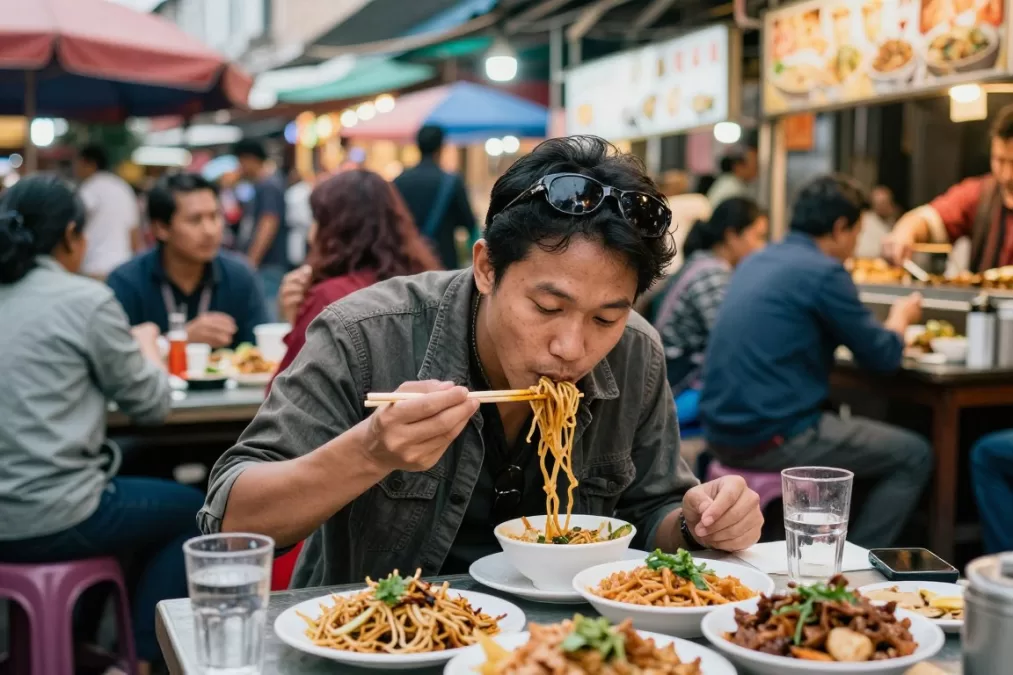
One of the biggest psychological hurdles for first time solo travelers is eating alone or doing activities solo. The thought of sitting alone at a restaurant or visiting attractions without company makes many people anxious. But once you push through this initial discomfort, solo dining and activities become sources of freedom and self-discovery rather than embarrassment.

Nobody is watching you as much as you think. Other diners are focused on their own meals and conversations. Restaurant staff see solo diners constantly, especially in touristy areas. What feels conspicuous to you is completely normal to everyone else. This realization is liberating. You’re free to enjoy your meal, observe your surroundings, and be present without worrying about entertaining a companion.
Making Solo Dining Enjoyable
Solo dining offers unique advantages. You can eat exactly what and when you want. You can choose the restaurant based solely on your preferences. You can eat quickly or linger for hours. You can people-watch, read, write, or simply think. Many travelers come to prefer solo dining because it’s so much more relaxing than navigating group dining decisions.
- Choose restaurants with bar seating where solo diners are common
- Bring a book, journal, or phone to occupy your hands if feeling self-conscious
- Eat during off-peak hours to get better service and feel less conspicuous
- Start with casual cafes or street food before tackling formal restaurants
- Ask for tables with good views or people-watching opportunities
- Chat with servers about food recommendations and local favorites
- Order multiple small dishes to try more things without waste
- Take your time and savor the experience rather than rushing
- Use mealtimes for reflection, planning, or journaling your day
- Remember that locals eat alone all the time without thinking twice
Cultural Approaches to Solo Dining
Solo dining acceptance varies by culture and country. In Japan, solo dining is completely normal with many restaurants designed for individual diners. European cafe culture embraces solo coffee and light meals. In contrast, some cultures find solo dining unusual, especially for dinner. Understanding local norms helps you choose appropriate venues and times.
Solo-Dining-Friendly Cultures
These places make solo dining easy and comfortable with infrastructure and cultural acceptance.
- Japan – Ramen bars, izakayas, and solo-friendly restaurants everywhere
- South Korea – BBQ restaurants have solo options and single serving portions
- Scandinavia – Cafe culture embraces solo diners at all times
- United States – Widespread acceptance and bar seating options
- United Kingdom – Pub culture makes solo dining and drinking normal
- Australia – Relaxed cafe culture welcomes solo customers
Strategies for Different Meal Occasions
Different meals call for different strategies. Breakfast solo is easiest—most people eat breakfast alone anyway, even at home. Lunch at cafes feels natural. Dinner can feel more conspicuous but becomes easier with practice. Start with easier situations to build confidence before tackling fancy dinner restaurants alone.
| Meal Time | Best Solo Options | Confidence Level | Pro Tips |
| Breakfast | Cafes, hotel breakfast, bakeries, coffee shops | Easy | Everyone eats breakfast solo. Bring a book or phone without feeling self-conscious. |
| Lunch | Casual restaurants, street food, food courts, counter service | Easy | Business people eat solo lunch daily. Choose busy lunch spots popular with locals. |
| Dinner | Bar seating, ramen shops, casual bistros, hotel restaurants | Moderate | Sit at the bar for built-in entertainment and potential conversation. Go early or late to avoid crowds. |
| Fine Dining | Chef’s counter, tasting menus, wine bars, hotel restaurants | Advanced | Call ahead, mention you’re solo, and ask for best seating. Bring confidence and enjoy the experience. |
Enjoying Solo Activities and Attractions
Activities and sightseeing solo offer total freedom. Move at your own pace. Spend hours at the museum or breeze through in thirty minutes. Skip attractions that don’t interest you. Return to places you love. Take photos without feeling like you’re holding up companions. Solo sightseeing is all upside once you embrace it.
Some activities actually work better solo. Photography walks let you stop whenever you see interesting light. Museums allow deep engagement with exhibits that fascinate you without rushing for companions. Hiking lets you move at your own pace and stop for breaks when needed. You notice more when you’re not constantly conversing.
Activities Perfect for Solo Travelers
Introspective Activities
- Museum visits at your own pace
- Photography walks through cities
- Journaling in scenic cafes or parks
- Sunrise or sunset watching
- Solo hikes on marked trails
- Reading in beautiful locations
- Meditation or yoga sessions
Learning Experiences
- Cooking classes with other solo travelers
- Language lessons with teachers or exchanges
- Craft workshops and skill classes
- Historical walking tours
- Local market tours
- Wine or food tastings
- Dance or music lessons
Active Adventures
- Bike tours around cities
- Kayaking or paddleboarding
- Surfing lessons in beginner areas
- Rock climbing at gyms or outdoor areas
- Yoga classes at studios or beach
- Scuba diving courses
- Day hikes joining group tours
Overcoming Self-Consciousness
The fear of looking lonely or pathetic eating or touring alone exists only in your head. Nobody else cares. They’re too busy with their own lives. Once you internalize this truth, solo activities become effortless. You might even start to pity people in groups who can’t enjoy the freedom and self-reliance you’ve discovered.
Confidence comes with practice. Your first solo dinner might feel awkward. By your tenth, it feels normal. By your hundredth, you prefer it. Push through the initial discomfort knowing it gets easier every single time. Each solo meal or activity builds your confidence and independence for all areas of life, not just travel.
“I used to think eating alone meant I was lonely. Now I realize it means I’m free to do exactly what I want, when I want, without compromise. That’s not lonely. That’s liberating.”
Take yourself on a date. Try the fancy restaurant. Order the tasting menu. Sit at the chef’s counter and watch them work. Go to the concert or show you want to see. Visit the museum three times if you love it. Solo travel means every decision is yours, and that power transforms how you move through the world.
Your Solo Travel Adventure Awaits
Solo travel changes you in ways that are hard to explain until you experience them yourself. The challenges you overcome, the people you meet, the confidence you build, and the world you discover all contribute to profound personal growth. These ten solo travel tips provide the foundation, but your unique journey will teach you things no guide can capture.
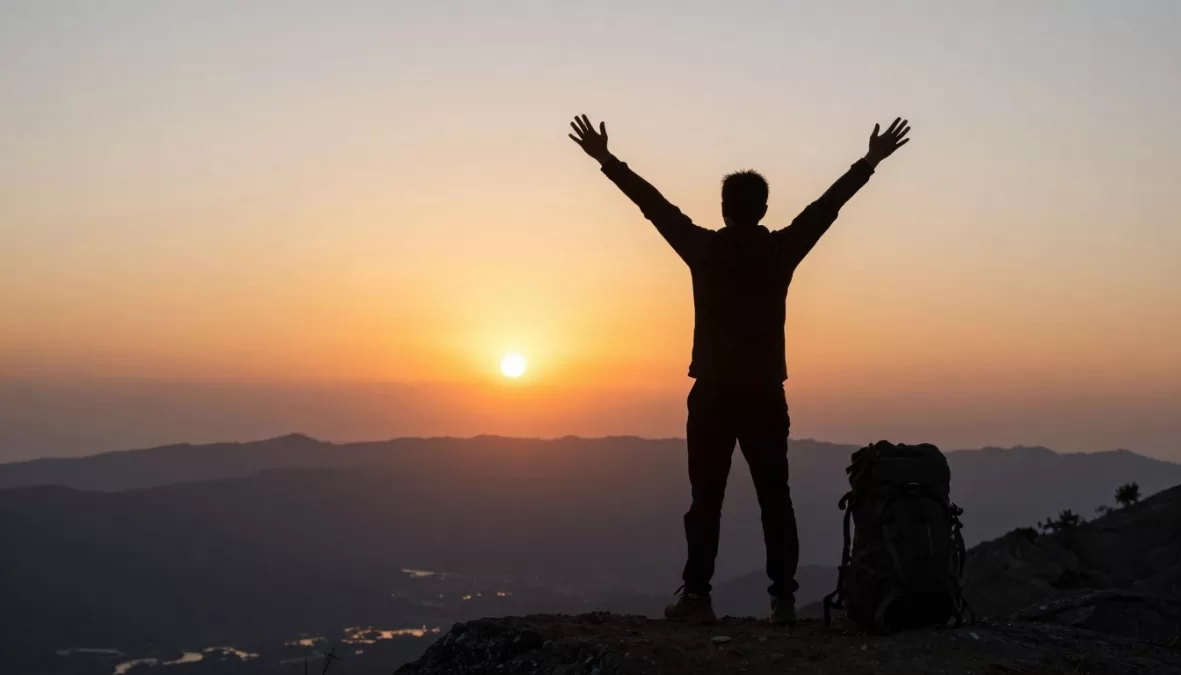
Start with thorough research to build your knowledge and confidence. Stay connected with people who care about you. Trust your instincts and maintain situational awareness. Pack light to stay mobile and flexible. Choose safe, well-located accommodation that fits your needs and budget. Manage money smartly to travel longer without stress.
Meet people along the way while maintaining healthy boundaries. Plan enough to feel secure but stay flexible enough to embrace spontaneity. Protect your health through prevention and preparation. Embrace solo dining and activities with growing confidence. These principles work together to create safe, enriching, memorable solo adventures anywhere in the world.
The beautiful thing about solo travel is that you get better at it over time. Each trip builds skills, confidence, and cultural understanding. Your first solo trip might feel scary. Your fifth feels like going home. The more you travel alone, the more capable and confident you become in all areas of life.
Remember that everyone started as a first-time solo traveler once. Those experienced travelers you admire were once exactly where you are now, nervous about taking the first step. They pushed through the fear and discovered that solo travel delivers rewards far exceeding the risks. You can absolutely do the same thing.
The world is waiting for you. Countries you’ve dreamed about visiting are more accessible than you think. People everywhere are kinder and more helpful than media portrays. Adventures that transform your perspective on life happen when you step outside your comfort zone and explore this amazing world alone.
Don’t wait for the perfect time or the perfect travel companion. If you wait for perfect conditions, you’ll never go. Solo travel teaches you that you don’t need anyone else to chase your dreams. You are enough. Your desire to see the world is enough. Take that first step, book that ticket, and trust that you have everything you need to make it an incredible adventure.
Ready to Plan Your First Solo Adventure?
Join 50,000+ solo travelers who receive our weekly newsletter packed with destination guides, safety tips, budget hacks, and solo travel inspiration. Plus get instant access to our complete Solo Travel Starter Kit with three bonus guides, packing checklists, and budget templates.
Your email stays private. Unsubscribe anytime. Over 50,000 travelers trust us.
Your solo travel story is waiting to be written. Every great adventure starts with a single step. Make today the day you commit to exploring this beautiful world on your own terms. The experiences, growth, and memories you’ll gain are beyond anything you can imagine sitting at home. The world is calling. Will you answer?

Priyanka Pandey
Senior Research Editor · Top10Sense
Priyanka specializes in tech, consumer products, and digital trends. She combines hands-on testing, vendor interviews, and database research to create trustworthy “Top 10” rankings. Her work has been referenced by industry blogs and brand report pages.