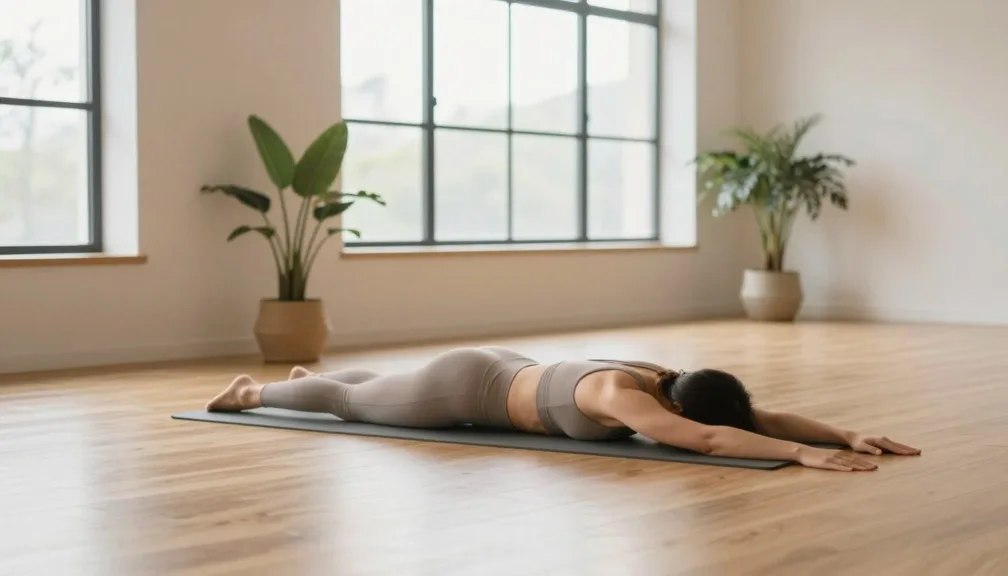
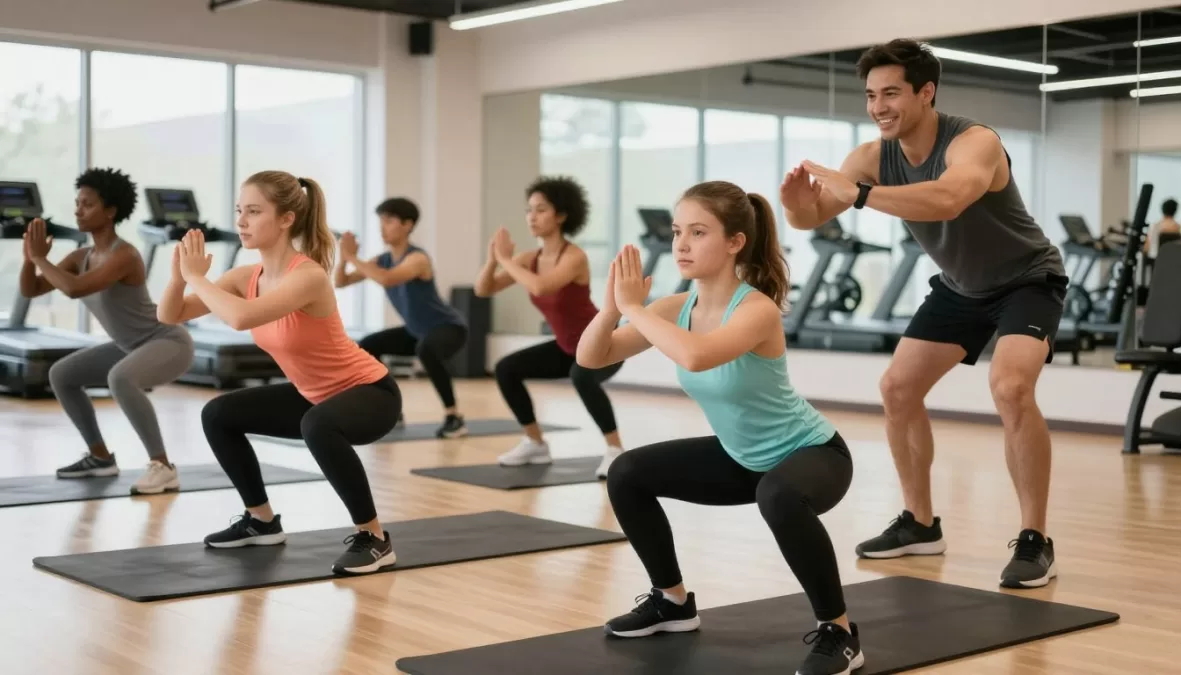
Starting a fitness journey can feel overwhelming. You might wonder where to begin or worry about making mistakes. The good news is that taking the first step is easier than you think.
This guide brings you the top 10 fitness tips for beginners in 2026. These strategies are based on current research and proven methods. They will help you build a strong foundation for long-term health.
Whether you want to lose weight, gain muscle, or simply feel better, these tips will guide you. We cover everything from workout routines to nutrition and recovery. Each section gives you practical advice you can use right away.
Fitness is not just about exercise. It involves creating a lifestyle that supports your goals. The journey requires patience, consistency, and the right information. Let’s explore how you can transform your health starting today.
Start Your Transformation Today
Join thousands of beginners who receive weekly fitness guidance, workout tips, and nutrition advice directly to their inbox. Get expert support throughout your journey.
1. Set Clear and Realistic Fitness Goals
Setting goals gives your fitness journey direction. Without clear targets, you may lose motivation quickly. Your goals should be specific, measurable, and achievable.
Many people make the mistake of setting unrealistic expectations. They want to lose 20 pounds in two weeks or build massive muscle in a month. This approach leads to disappointment and burnout.
Start with small, manageable goals. For example, aim to exercise three days per week for 30 minutes. Or focus on losing one to two pounds per week. These targets are sustainable and backed by health experts.
How to Define Your Fitness Goals
Think about what you truly want to achieve. Do you want to improve your energy levels? Build strength? Reduce body fat? Write down your primary objective.
Break your main goal into smaller milestones. If you want to lose 20 pounds, set a goal to lose five pounds in the first month. Celebrate each milestone to stay motivated.
Make sure your goals align with your lifestyle. If you can only work out three times per week, don’t plan for daily training. Be honest about the time and energy you can commit.
SMART Goals for Fitness Success
Use the SMART framework to structure your goals. SMART stands for Specific, Measurable, Achievable, Relevant, and Time-bound.
A SMART goal example: “I will exercise for 30 minutes, four days per week, for the next eight weeks to improve my cardiovascular health.” This goal is clear and actionable.
Review your goals regularly. As you progress, adjust them to reflect your current fitness level. Goals should challenge you without overwhelming you.

Track Your Progress Consistently
Tracking helps you see how far you’ve come. Use a fitness app or journal to record your workouts, meals, and measurements. This data keeps you accountable.
Take photos every two weeks. Sometimes the scale doesn’t show progress, but photos reveal changes in your body composition. You may notice muscle definition or reduced body fat.
Measure your waist, hips, and other areas monthly. These measurements provide a complete picture of your transformation. Celebrate non-scale victories like improved stamina or better sleep.
- Write down your primary fitness goal today
- Break it into three smaller monthly milestones
- Choose a tracking method that fits your lifestyle
- Set reminders to review progress weekly
- Adjust goals as you gain experience and strength
2. Master Proper Form and Technique from Day One
Learning correct exercise form is one of the most important fitness tips for beginners. Proper technique prevents injuries and makes your workouts more effective. Many beginners rush into heavy weights without understanding movement patterns.
Poor form can cause serious injuries that set you back weeks or months. It also reduces the effectiveness of your exercises. Your muscles won’t engage properly if your technique is wrong.
Take time to learn each movement correctly. Start with bodyweight exercises or light weights. Focus on control and precision rather than speed or heavy loads.
Why Form Matters More Than Weight
You might see experienced lifters using heavy weights at the gym. Don’t compare yourself to them. They spent years building strength and perfecting their form.
Using proper form activates the right muscle groups. For example, a correct squat engages your glutes, quadriceps, and core. A poorly executed squat puts unnecessary stress on your knees and lower back.
Quality always beats quantity in fitness. Ten perfect push-ups provide more benefit than twenty sloppy ones. Focus on movement quality as a beginner.
Essential Exercises to Master First
Begin with fundamental movement patterns. These include squats, lunges, push-ups, planks, and deadlifts. These exercises form the foundation of most workout routines.
Practice each exercise without weight first. Stand in front of a mirror to check your alignment. Watch instructional videos from certified trainers to understand proper positioning.
Record yourself performing exercises. Review the footage to identify form mistakes. This self-assessment helps you correct issues before they become habits.
Upper Body Form Checklist
- Keep shoulders back and down
- Maintain neutral spine alignment
- Engage core muscles throughout movement
- Control the descent and ascent phases
- Breathe properly during each repetition
Lower Body Form Checklist
- Align knees with toes during squats
- Keep weight distributed across full foot
- Maintain hip hinge for deadlifts
- Control depth and tempo of movements
- Avoid excessive forward lean
When to Seek Professional Guidance
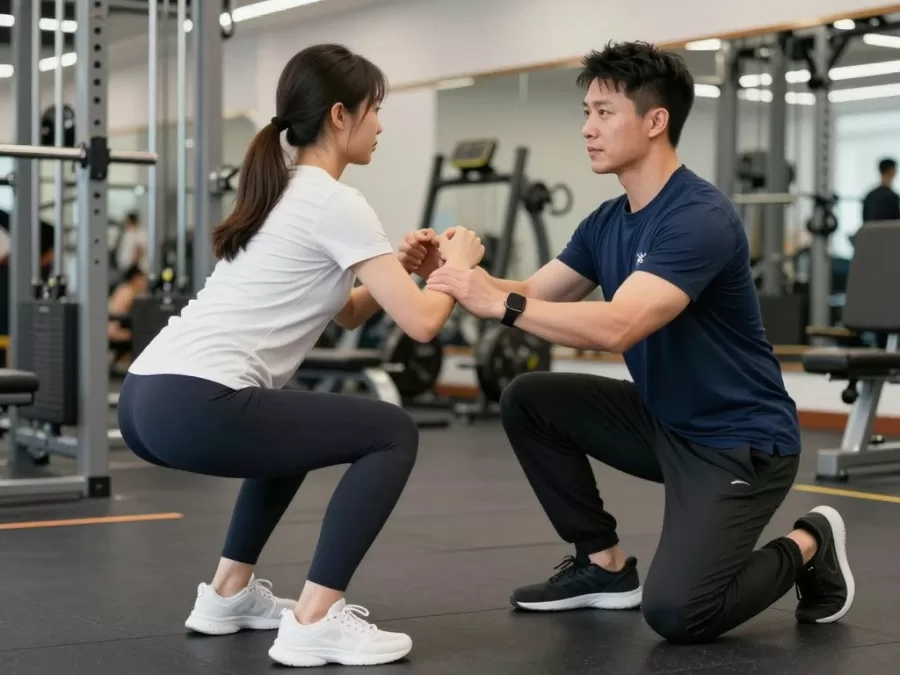
Consider working with a certified personal trainer for your first few sessions. A trainer can assess your movement patterns and correct form issues immediately. This investment pays off in injury prevention.
Even one or two sessions provide valuable insights. A trainer creates a customized program based on your fitness level and goals. They teach you safe progression methods.
Many gyms offer complimentary training sessions for new members. Take advantage of these opportunities. You can also find qualified trainers who offer online coaching at affordable rates.
3. Build a Balanced Workout Routine That Works
A well-designed workout routine includes different types of training. You need cardiovascular exercise, strength training, and flexibility work. Each component plays a unique role in your fitness development.
Many beginners focus on just one type of exercise. Some only do cardio, while others only lift weights. This narrow approach limits your results and increases injury risk.
Your body needs variety to develop properly. Cardio improves heart health and burns calories. Strength training builds muscle and boosts metabolism. Flexibility work prevents injuries and improves movement quality.
Components of an Effective Beginner Routine
Start with three to four workout sessions per week. This frequency gives your body adequate recovery time. Each session should last 30 to 60 minutes, including warm-up and cool-down.
Include at least two days of strength training per week. Focus on full-body workouts that target all major muscle groups. Use compound exercises like squats, push-ups, and rows.
Add two to three cardio sessions weekly. Choose activities you enjoy, such as walking, cycling, or swimming. Start with 20 to 30 minutes per session and gradually increase duration.
Sample Weekly Workout Schedule
| Day | Workout Type | Duration | Focus Areas |
| Monday | Full Body Strength | 45 minutes | Squats, push-ups, rows, planks |
| Tuesday | Cardio | 30 minutes | Brisk walking or cycling |
| Wednesday | Rest or Light Activity | 20 minutes | Stretching, yoga, or walking |
| Thursday | Full Body Strength | 45 minutes | Lunges, dips, deadlifts, core work |
| Friday | Cardio | 30 minutes | Swimming or jogging |
| Saturday | Active Recovery | 30 minutes | Yoga, stretching, or light sports |
| Sunday | Rest | – | Complete rest and recovery |
Progressive Overload Principles
Your body adapts to exercise over time. You need to gradually increase the challenge to continue making progress. This concept is called progressive overload.
Increase workout intensity slowly and systematically. Add more repetitions, sets, or weight every one to two weeks. Small increments prevent injury while promoting steady improvement.
Track your workouts in a journal or app. Record the exercises, sets, reps, and weights used. This data helps you plan appropriate progressions for each session.
Get Your Free 30-Day Beginner Workout Plan
Download our comprehensive workout guide designed specifically for beginners. Includes detailed exercise instructions, video demonstrations, and a printable progress tracker.
- No equipment required for first 2 weeks
- 15-30 minute daily routines
- Printable workout tracker included
- Video demonstrations for every exercise
- Nutrition tips and meal planning guide
4. Master Nutrition Fundamentals for Better Results
Exercise alone won’t give you the results you want. Nutrition plays an equally important role in your fitness journey. What you eat affects your energy, recovery, and body composition.
Many beginners underestimate the power of proper nutrition. They train hard but don’t see results because their diet doesn’t support their goals. You can’t out-train a bad diet.
Good nutrition doesn’t mean following restrictive diets or eliminating food groups. It means eating balanced meals that fuel your workouts and support recovery. Focus on whole foods and consistent eating habits.
Essential Macronutrients Explained
Your body needs three main macronutrients: protein, carbohydrates, and fats. Each serves specific functions in your body and fitness goals.
Protein builds and repairs muscle tissue. Aim for 0.8 to 1 gram of protein per pound of body weight daily. Good sources include chicken, fish, eggs, legumes, and dairy products.
Carbohydrates provide energy for workouts. Choose complex carbs like whole grains, vegetables, and fruits. These foods release energy steadily throughout the day.
Healthy fats support hormone production and nutrient absorption. Include sources like avocados, nuts, seeds, and olive oil in your diet. Don’t fear dietary fat—it’s essential for health.

Meal Timing and Frequency
When you eat can be as important as what you eat. Meal timing affects your energy levels and workout performance. Plan your meals around your training schedule.
Eat a balanced meal two to three hours before workouts. This meal should include carbohydrates and moderate protein. It provides sustained energy without causing digestive discomfort.
Consume protein and carbohydrates within two hours after exercise. This post-workout nutrition supports muscle recovery and replenishes energy stores. A simple option is a protein shake with a banana.
Hydration Strategies for Optimal Performance
Water is crucial for every bodily function. Dehydration reduces workout performance and slows recovery. Most people don’t drink enough water throughout the day.
Aim to drink at least eight to ten glasses of water daily. Increase this amount on workout days or in hot weather. Your urine color is a good hydration indicator—it should be light yellow.
Drink water before, during, and after exercise. Start your workout well-hydrated. Sip water every 15 to 20 minutes during exercise. Rehydrate thoroughly after your session ends.
Pre-Workout Nutrition Tips
- Eat 2-3 hours before exercise
- Choose easily digestible carbohydrates
- Include moderate protein for sustained energy
- Avoid high-fat foods that slow digestion
- Stay hydrated leading up to workout
Post-Workout Recovery Foods
- Consume within 2 hours of finishing exercise
- Combine protein with carbohydrates
- Greek yogurt with berries and honey
- Grilled chicken with sweet potato
- Protein shake with banana
- Eggs with whole grain toast
- Tuna sandwich on whole wheat bread
Common Nutrition Mistakes to Avoid
Don’t skip meals, especially breakfast. Regular eating maintains stable blood sugar and energy levels. Skipping meals often leads to overeating later in the day.
Avoid extreme calorie restriction. Eating too little slows your metabolism and makes you lose muscle mass. You need adequate calories to fuel workouts and recovery.
Don’t rely on supplements to replace real food. Whole foods provide nutrients that supplements can’t replicate. Use supplements only to fill specific gaps in your diet.
5. Understand the Critical Role of Rest and Recovery
Rest days are not lazy days—they’re essential for fitness progress. Your muscles grow and strengthen during recovery, not during workouts. Many beginners train too much and don’t allow adequate recovery time.
Overtraining leads to fatigue, decreased performance, and increased injury risk. You may feel motivated to exercise every day, but your body needs time to repair and adapt.
Recovery includes sleep, rest days, and active recovery activities. Each type of recovery serves a specific purpose in your fitness development. Prioritize recovery as much as you prioritize training.
The Science of Muscle Recovery
When you exercise, you create microscopic tears in muscle fibers. This damage triggers the repair process that makes muscles stronger. Recovery is when this adaptation occurs.
Your body needs 48 to 72 hours to fully recover a muscle group after intense training. This is why most programs alternate muscle groups or include rest days between sessions.
Adequate recovery prevents overtraining syndrome. Symptoms include persistent fatigue, decreased performance, mood changes, and frequent illnesses. Listen to your body and take rest seriously.

Sleep Quality and Fitness Results
Sleep is the most powerful recovery tool available. During deep sleep, your body releases growth hormone that repairs muscles and tissues. Poor sleep undermines your training efforts.
Aim for seven to nine hours of quality sleep each night. Create a consistent sleep schedule by going to bed and waking at the same times daily. This routine improves sleep quality.
Optimize your sleep environment. Keep your bedroom cool, dark, and quiet. Avoid screens for at least one hour before bedtime. The blue light from devices disrupts natural sleep patterns.
Active Recovery Techniques
Active recovery involves low-intensity movement on rest days. Activities like walking, gentle yoga, or swimming promote blood flow without stressing your muscles. This movement aids the recovery process.
Light activity reduces muscle soreness more effectively than complete rest. A 20 to 30 minute walk helps flush metabolic waste from muscles. It also maintains movement patterns without causing fatigue.
Stretching and mobility work count as active recovery. Spend 10 to 15 minutes daily on flexibility exercises. This practice improves range of motion and reduces injury risk.
Recovery Tools and Methods
Foam rolling helps release muscle tension and improve flexibility. Roll each major muscle group for one to two minutes. Focus on areas that feel tight or sore.
Massage therapy accelerates recovery by improving circulation and reducing muscle tension. Consider getting a professional massage once or twice per month. Self-massage with tools also provides benefits.
Cold and heat therapy can support recovery. Ice baths reduce inflammation after intense workouts. Warm baths or heating pads relax tight muscles. Experiment to find what works for your body.
- Schedule at least 2 complete rest days weekly
- Prioritize 7-9 hours of sleep nightly
- Include active recovery on rest days
- Practice stress management techniques
- Listen to your body’s fatigue signals
- Use foam rolling after workouts
6. Start Slow and Progress Gradually
Enthusiasm is great, but rushing your fitness journey increases injury risk. Many beginners try to do too much too soon. They work out intensely every day and expect immediate results.
Your body needs time to adapt to new physical demands. Tendons, ligaments, and bones strengthen more slowly than muscles. Pushing too hard before you’re ready causes overuse injuries.
Patience and consistency beat intensity and impatience every time. Slow, steady progress builds a sustainable fitness habit. Quick fixes lead to burnout and disappointment.
The 10 Percent Rule
Never increase your training volume by more than 10 percent per week. This rule applies to workout duration, intensity, and weight lifted. Small increments allow your body to adapt safely.
For example, if you currently run 20 minutes per session, increase to 22 minutes next week. If you lift 20 pounds, move to 22 pounds after one to two weeks of consistent training.
This gradual approach may seem slow, but it prevents injuries and burnout. Over a year, these small increases compound into significant improvements. Trust the process and avoid comparisons with others.
Recognizing and Respecting Your Limits
Learn to distinguish between productive discomfort and pain. Muscle fatigue during exercise is normal. Sharp pain or joint discomfort signals a problem that requires attention.
Stop exercising if you experience sharp pain, dizziness, or chest discomfort. These symptoms indicate you’ve exceeded your current capacity. Rest and consult a healthcare provider if symptoms persist.
Your fitness level is unique to you. Someone else’s workout routine may not suit your current abilities. Focus on your own progress rather than matching others’ performance.

Building Exercise Tolerance
Your cardiovascular and muscular systems need time to develop. Start with bodyweight exercises and lighter weights. Master movement patterns before adding external resistance.
Begin cardio sessions at a comfortable pace where you can hold a conversation. This intensity level is sustainable and builds your aerobic base. You can increase intensity after several weeks of consistent training.
Don’t compare your week one performance to someone’s year three results. Every fitness journey starts somewhere. Celebrate your personal improvements rather than measuring yourself against others.
7. Discover Physical Activities You Genuinely Enjoy
The best workout is the one you’ll actually do consistently. If you hate running, you won’t stick with a running program. Find activities that bring you joy and fit your personality.
Exercise doesn’t have to mean suffering in a gym. You can dance, hike, swim, play sports, or practice martial arts. Any movement that elevates your heart rate counts as exercise.
Enjoyment is the key to long-term adherence. When you look forward to workouts, consistency becomes easier. Experiment with different activities until you find your favorites.
Exploring Different Exercise Modalities
Try various workout styles during your first few months. Take a yoga class, join a cycling group, or try boxing. This exploration helps you discover what resonates with you.
Group fitness classes offer social interaction and motivation. The energy of exercising with others can make workouts more enjoyable. Many gyms offer trial classes for beginners.
Outdoor activities provide fresh air and changing scenery. Hiking, trail running, or outdoor boot camps connect you with nature while improving fitness. This variety prevents boredom.
Individual Activities
- Running or jogging
- Swimming
- Cycling
- Yoga
- Weightlifting
- Rowing
Group Activities
- Dance classes
- Group cycling
- Boot camps
- Martial arts
- Team sports
- Group hiking
Home-Based Options
- Online workout videos
- Bodyweight training
- Resistance bands
- Jump rope
- Yoga at home
- Home gym equipment
Combining Fun with Fitness
Incorporate movement into activities you already enjoy. If you love music, try dance-based workouts. If you enjoy competition, join a recreational sports league.
Active hobbies count toward your weekly exercise goals. Gardening, playing with children, or walking your dog all contribute to your overall activity level. Movement doesn’t require formal exercise sessions.
Make fitness social by exercising with friends or family. Working out together creates accountability and makes the time more enjoyable. You’re more likely to show up when someone expects you.
Ready to Take Your Fitness to the Next Level?
Book a free 15-minute consultation with our certified fitness coaches. Discover your fitness personality, get personalized recommendations, and create a workout plan you’ll actually enjoy.
8. Invest in Essential Fitness Equipment
You don’t need expensive equipment to start your fitness journey. However, a few key items improve your workout quality and safety. Smart investments make exercise more comfortable and effective.
Quality equipment lasts longer and performs better than cheap alternatives. You don’t need to buy everything at once. Start with basics and add items as your needs evolve.
Proper gear also reduces injury risk. Good shoes provide support and cushioning. Appropriate clothing allows freedom of movement. These details matter for safe, effective workouts.
Essential Items for Beginners
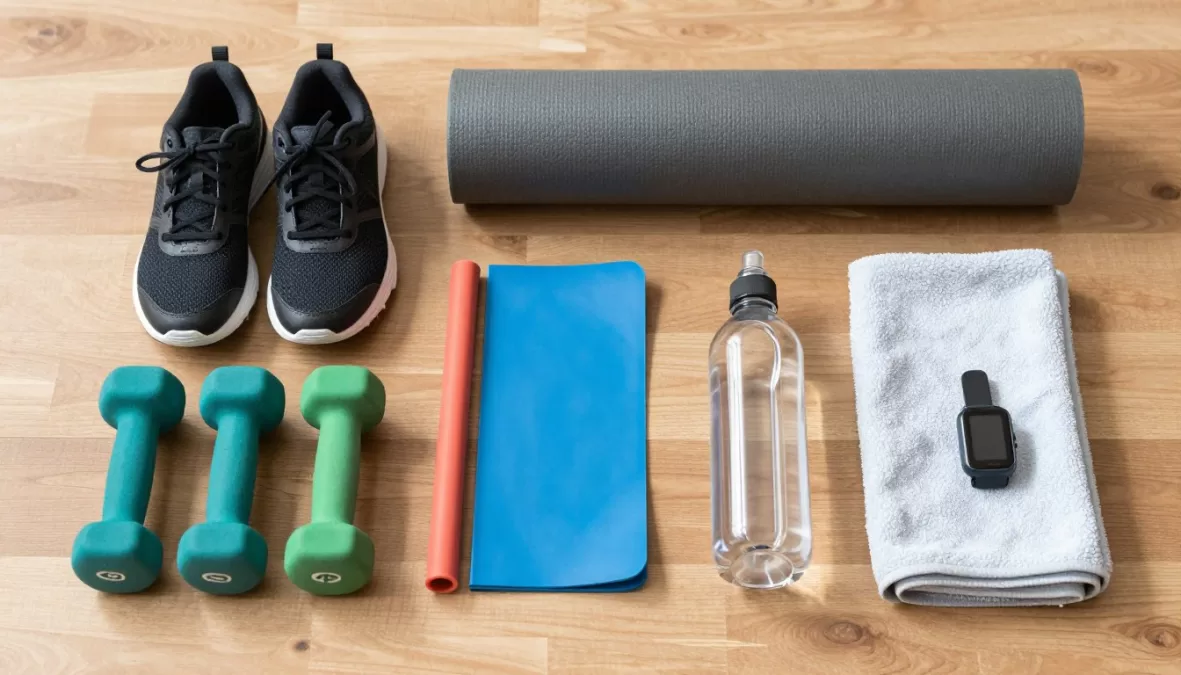
Start with proper athletic shoes designed for your primary activity. Running shoes differ from cross-training shoes. Visit a specialty store for professional fitting if possible.
Invest in moisture-wicking workout clothes. Cotton retains sweat and becomes uncomfortable. Technical fabrics keep you dry and regulate body temperature during exercise.
A quality water bottle keeps you hydrated throughout workouts. Choose one that’s easy to carry and clean. Staying hydrated is crucial for performance and recovery.
Home Gym Basics
A yoga mat provides cushioning for floor exercises and stretching. Choose one with good grip and adequate thickness for comfort. This versatile item works for many workout types.
Resistance bands offer affordable strength training options. They’re portable, versatile, and suitable for all fitness levels. Different resistance levels let you progress over time.
Adjustable dumbbells save space and money compared to multiple fixed-weight sets. They grow with your strength improvements. Start with a set ranging from 5 to 25 pounds.
Technology and Tracking Tools
A fitness tracker or smartphone app helps monitor your activity and progress. These tools track steps, heart rate, calories burned, and workout duration. Visual progress data keeps you motivated.
Many free apps provide workout programs and exercise demonstrations. You don’t need expensive subscriptions to access quality fitness guidance. Explore options before committing to paid services.
Consider a heart rate monitor for more accurate training intensity. This tool helps you stay in optimal zones for different fitness goals. You can avoid overtraining or undertraining.
| Equipment | Priority Level | Approximate Cost | Primary Use |
| Athletic Shoes | Essential | ₹3,000 – ₹8,000 | All workouts, injury prevention |
| Workout Clothes | Essential | ₹1,500 – ₹4,000 | Comfort, moisture management |
| Water Bottle | Essential | ₹300 – ₹1,000 | Hydration during workouts |
| Yoga Mat | High | ₹800 – ₹2,500 | Floor exercises, stretching, yoga |
| Resistance Bands | High | ₹500 – ₹1,500 | Strength training, mobility |
| Dumbbells | Medium | ₹2,000 – ₹6,000 | Strength training progression |
| Fitness Tracker | Medium | ₹2,000 – ₹15,000 | Activity monitoring, motivation |
When to Upgrade Equipment
Replace athletic shoes every 300 to 500 miles of use. Worn shoes lose cushioning and support, increasing injury risk. Track your mileage to know when replacement is needed.
Upgrade equipment when your current items limit your progress. If you’ve outgrown your dumbbell weight range, it’s time for heavier options. Equipment should support your advancing fitness level.
Quality doesn’t always mean expensive. Research products and read reviews before purchasing. Many mid-range items perform as well as premium options. Focus on functionality over brand names.
9. Prioritize Consistency Over Intensity
Showing up regularly matters more than occasional intense workouts. Three moderate sessions per week produce better results than one exhausting monthly workout. Consistency builds habits and drives progress.
Many beginners approach fitness with an all-or-nothing mindset. They train hard for a few weeks, burn out, and quit. This cycle prevents real progress and wastes effort.
Sustainable fitness comes from regular, manageable effort. You’re building a lifestyle, not completing a temporary challenge. Focus on creating habits you can maintain for years.
Building a Sustainable Routine
Schedule workouts like important appointments. Block time in your calendar and treat these sessions as non-negotiable. Consistency requires planning and commitment.
Start with a frequency you can realistically maintain. If you can only exercise three days per week, that’s perfectly fine. Three consistent days beat seven sporadic ones.
Create backup plans for obstacles. Have a home workout ready for days you can’t reach the gym. Keep resistance bands at the office for quick sessions. Flexibility prevents missed workouts.
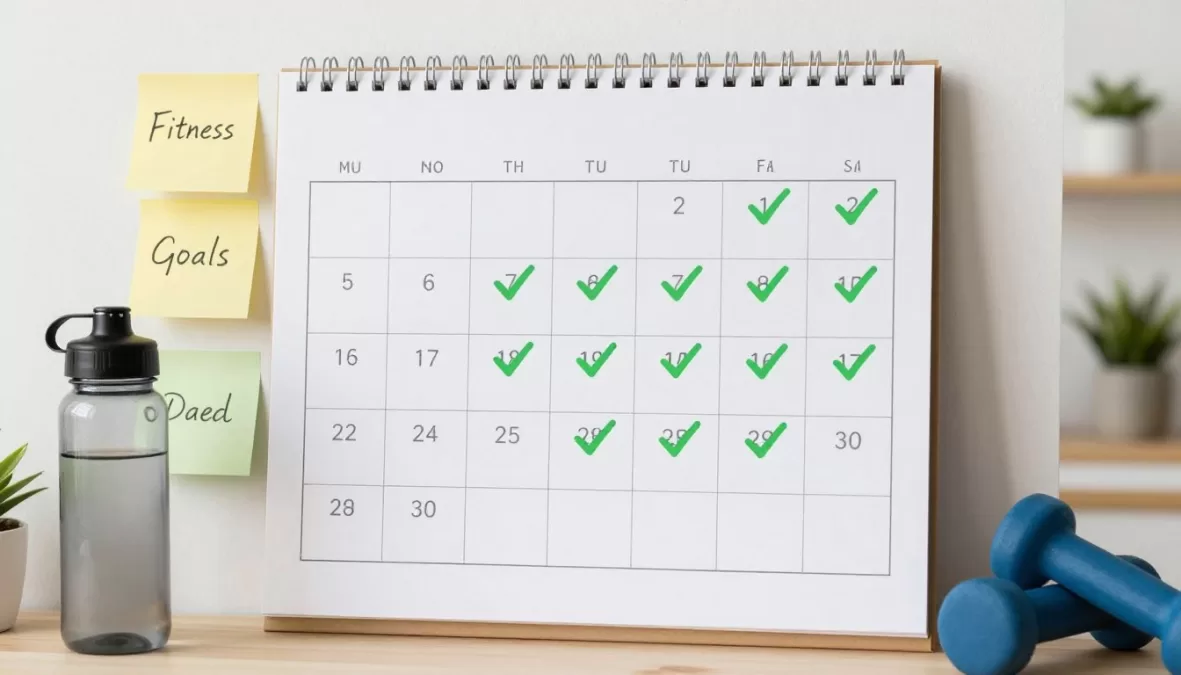
The Power of Habit Stacking
Link exercise to existing daily habits. Work out immediately after your morning coffee or during your lunch break. These connections make fitness feel like a natural part of your routine.
Prepare everything the night before. Lay out workout clothes, pack your gym bag, and plan your routine. Removing obstacles makes it easier to follow through.
Start with ridiculously small commitments if needed. Promise yourself just 10 minutes of movement. You’ll often continue longer once you start, but the low barrier ensures consistency.
Handling Missed Workouts
Everyone misses workouts occasionally. Life happens, and that’s okay. The key is getting back on track immediately rather than letting one miss become many.
Don’t try to make up for missed sessions by doubling your next workout. This approach increases injury risk and creates unsustainable patterns. Simply resume your regular schedule.
Use the two-day rule: never miss more than two consecutive planned workouts. This guideline prevents temporary breaks from becoming permanent abandonment. Two days off is acceptable; three requires getting back on track.
- Schedule workouts at the same time each day
- Prepare workout clothes and equipment in advance
- Track consistency in a calendar or app
- Celebrate workout streaks and milestones
- Have backup plans for schedule disruptions
- Focus on showing up, even if sessions are shorter
10. Monitor Progress Beyond the Scale
Your weight is just one measure of fitness progress. The scale doesn’t tell the complete story of your transformation. Many important changes won’t show up in pounds lost.
You might gain muscle while losing fat, keeping your weight stable. Or you may lose inches from your waist while the scale barely moves. These changes represent real progress that weight alone doesn’t capture.
Tracking multiple metrics provides a complete picture of your improvement. Use various methods to measure your fitness journey. This comprehensive approach keeps you motivated when one metric plateaus.
Effective Progress Tracking Methods
Take body measurements monthly. Measure your chest, waist, hips, thighs, and arms. Write down these numbers and compare them over time. You’ll often see size changes before weight changes.
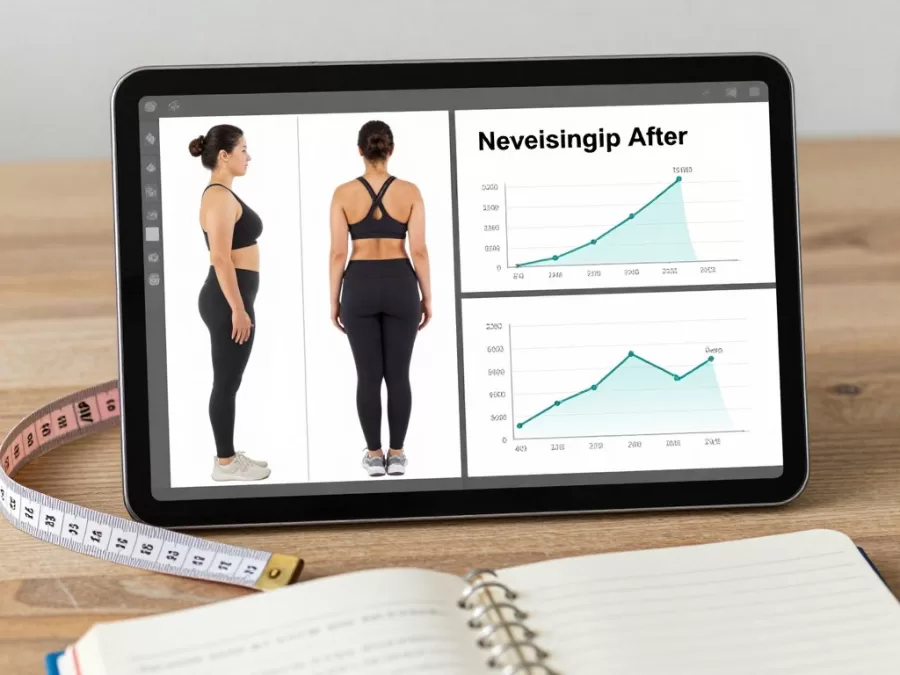
Progress photos reveal transformations the mirror hides. Take photos from front, side, and back angles every two weeks. Wear the same clothes and use the same lighting for accurate comparisons.
Track performance improvements in your workouts. Can you lift heavier weights? Complete more repetitions? Run longer distances? These gains demonstrate real fitness progress.
Non-Scale Victories to Celebrate
Notice improvements in daily activities. Can you climb stairs without getting winded? Carry groceries more easily? Keep up with your kids? These functional improvements matter more than numbers.
Pay attention to how your clothes fit. Pants getting looser? Shirts fitting better across the shoulders? Clothing fit often changes before the scale moves significantly.
Monitor energy levels and mood changes. Regular exercise improves mental health, sleep quality, and daytime energy. These benefits enhance your quality of life beyond physical appearance.
Health Markers Worth Tracking
Schedule regular health checkups to monitor biomarkers. Blood pressure, cholesterol levels, and blood sugar all improve with consistent exercise and good nutrition. These metrics indicate true health improvements.
Track your resting heart rate over time. As fitness improves, your resting heart rate typically decreases. A lower resting heart rate indicates better cardiovascular health.
Notice recovery speed between workouts. As fitness improves, you’ll recover faster from exercise. Less muscle soreness and quicker energy return signal adaptation and progress.
Physical Metrics
- Body measurements (chest, waist, hips)
- Body fat percentage
- Muscle mass
- Clothing fit and size
- Progress photos
- Strength test results
Performance and Health Metrics
- Workout performance (weight, reps, distance)
- Resting heart rate
- Recovery time between sessions
- Sleep quality and duration
- Energy levels throughout day
- Blood pressure and cholesterol
Creating Your Progress Dashboard
Use a fitness app or journal to consolidate all tracking metrics. Review your data weekly to identify trends and patterns. This regular assessment keeps you aware of your progress.
Create charts or graphs to visualize improvements over time. Seeing upward trends in performance or downward trends in measurements provides powerful motivation. Visual data makes abstract progress concrete.
Share progress with an accountability partner or coach. External accountability increases adherence to your program. Someone else tracking your journey adds positive pressure to stay consistent.
Common Beginner Fitness Mistakes to Avoid
Learning from others’ mistakes saves you time and frustration. Many beginners make similar errors that slow progress or cause injuries. Awareness of these common pitfalls helps you avoid them.
Most mistakes come from enthusiasm and impatience. You want results quickly and push too hard. Understanding proper progression prevents these issues and accelerates your actual progress.
Doing Too Much Too Soon
The most common beginner mistake is overtraining. You might exercise every day at high intensity, thinking more is better. This approach leads to burnout, injury, and frustration.
Your body needs time to adapt to new demands. Start conservatively and increase gradually. Three to four workouts per week is sufficient for beginners. Rest days are when your body actually improves.
Recognize the signs of overtraining: persistent fatigue, decreased performance, mood changes, and frequent illnesses. If you experience these symptoms, reduce your training volume immediately.
Neglecting Warm-Up and Cool-Down
Skipping warm-up increases injury risk and reduces workout quality. Your muscles need preparation before intense activity. A proper warm-up gradually increases heart rate and blood flow.
Spend five to ten minutes warming up before every workout. Include dynamic stretches and light cardio. This preparation improves performance and prevents strains.
Cool-down periods are equally important. Gradually decrease intensity rather than stopping abruptly. Spend five minutes doing light activity and static stretching after workouts.
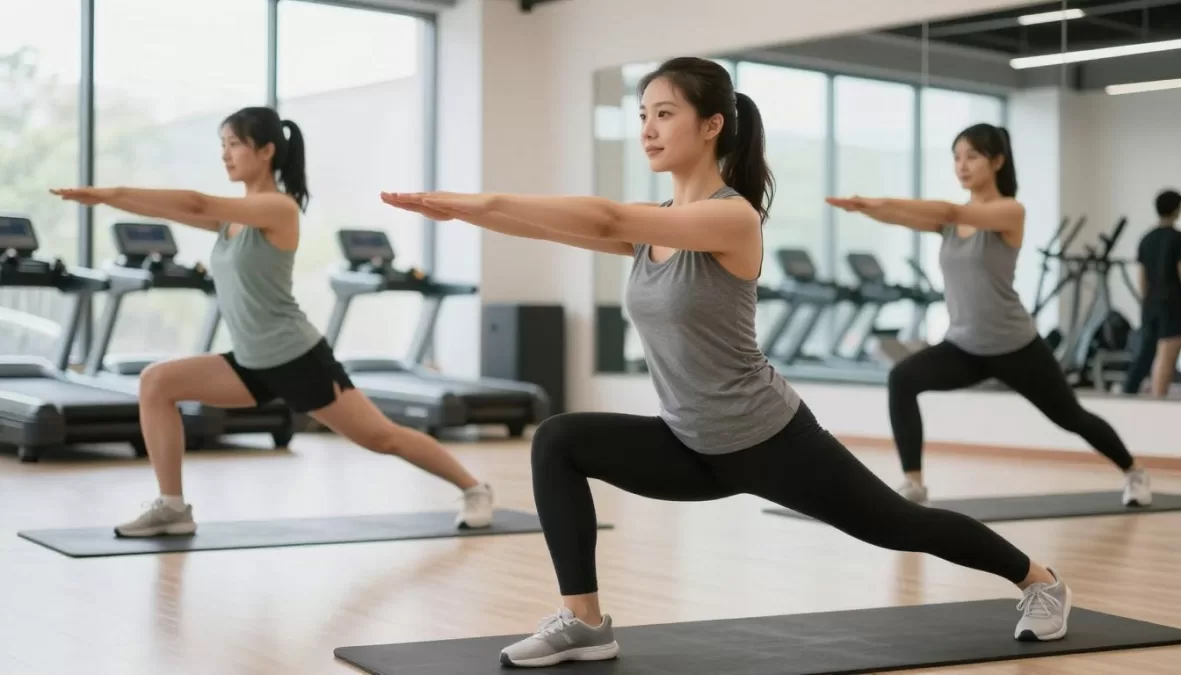
Comparing Yourself to Others
Social media creates unrealistic fitness expectations. You see people with years of training and compare your week-one results to their polished posts. This comparison kills motivation.
Everyone starts at a different fitness level. Someone else’s workout routine may be completely inappropriate for you. Focus on your personal improvement rather than external comparisons.
Celebrate your own progress, however small. Running for five minutes when you couldn’t run at all last month is a huge achievement. Your journey is unique to you.
Ignoring Proper Nutrition
You can’t achieve fitness goals through exercise alone. Poor nutrition undermines your training efforts. Many beginners focus solely on workouts and neglect diet quality.
Fuel your body with nutritious foods that support your goals. Avoid extreme diets that promise quick results. Sustainable nutrition habits matter more than temporary restrictions.
Don’t fall for expensive supplements marketed as magical solutions. Whole foods provide the nutrients you need. Supplements should only fill specific gaps, not replace meals.
Lack of Patience and Consistency
Fitness transformations take time—usually months, not weeks. Expecting rapid results leads to disappointment and quitting. Real change requires consistent effort over extended periods.
Trust the process and stay patient. Small daily actions compound into significant transformations. Focus on building sustainable habits rather than chasing quick fixes.
Don’t switch programs every few weeks seeking better results. Consistency with one good program beats constantly changing routines. Give any program at least eight to twelve weeks before evaluating effectiveness.
Effective Beginner Practices
- Starting with manageable workout frequency
- Focusing on proper exercise form
- Gradually increasing training intensity
- Prioritizing recovery and sleep
- Tracking multiple progress metrics
- Building sustainable nutrition habits
- Celebrating small victories
Common Beginner Mistakes
- Training every day without rest
- Using poor form with heavy weights
- Making drastic overnight changes
- Skipping warm-up and cool-down
- Relying only on scale weight
- Following extreme restrictive diets
- Comparing progress to others
Building Your Fitness Support System
A strong support network increases your chances of fitness success. People who exercise with others or have accountability partners show better long-term adherence. You don’t have to do this alone.
Support comes in many forms: workout partners, online communities, coaches, or supportive family members. Find people who encourage your goals and understand your journey.
Finding Workout Partners
Exercising with others creates accountability. You’re less likely to skip workouts when someone expects you. A workout partner also makes exercise more enjoyable and social.
Look for partners with similar fitness levels and goals. Mismatched partnerships create frustration when one person progresses faster. Compatible partners motivate each other effectively.
Join local fitness groups or clubs focused on your preferred activities. Running clubs, cycling groups, or gym classes provide built-in communities. These groups welcome beginners and offer support.
Online Communities and Resources
Digital communities offer support and information 24/7. Join fitness forums, social media groups, or app-based communities. These platforms connect you with people sharing similar goals.
Online accountability groups provide motivation and encouragement. Share your progress, ask questions, and learn from others’ experiences. The collective wisdom accelerates your learning.
Follow evidence-based fitness educators on social media. Quality content teaches proper techniques and debunks common myths. Be selective about information sources to avoid misinformation.

Working with Fitness Professionals
Certified personal trainers provide expert guidance tailored to your needs. Even a few sessions teach proper form and program design. This investment prevents costly mistakes and injuries.
Nutritionists or registered dietitians create personalized eating plans. Professional nutrition guidance is especially valuable if you have specific health conditions or complex goals.
Physical therapists help if you have existing injuries or movement limitations. They can modify exercises to work around problems while promoting healing and strength.
Family and Friend Support
Share your fitness goals with close friends and family. Their encouragement helps during difficult times. Explain why fitness matters to you so they understand your commitment.
Invite family members to join your fitness activities. Active time together strengthens relationships while supporting health goals. Make fitness a shared family value.
Set boundaries around your workout time. Help others understand that this time is important for your well-being. Consistent scheduling helps everyone respect your fitness commitment.
Join Our Beginner Fitness Community
Connect with thousands of beginners on similar journeys. Get daily motivation, expert tips, workout ideas, and support from certified coaches and fellow fitness enthusiasts.
Over 25,000 active members • Expert-moderated discussions • Free resources and challenges
Maintaining Long-Term Motivation and Momentum
Initial excitement fades after a few weeks of any new routine. Long-term success requires strategies to maintain motivation when enthusiasm wanes. Understanding motivation cycles helps you push through difficult periods.
Motivation fluctuates naturally. Some days you’ll feel energized and committed. Other days you’ll question why you started. Both experiences are normal parts of the fitness journey.
Setting Milestone Rewards
Create a reward system for achieving specific milestones. When you complete four consecutive weeks of workouts, treat yourself to new workout clothes. These rewards reinforce positive behaviors.
Choose rewards that align with your fitness goals. Avoid food-based rewards that contradict your nutrition efforts. Instead, reward yourself with experiences, gear, or services that support your journey.
Celebrate non-scale victories like improved energy or better sleep. These improvements deserve recognition. Acknowledge all forms of progress, not just physical changes.
Varying Your Routine
Boredom kills motivation faster than difficulty. If your workouts feel stale, change something. Try a new class, explore different exercises, or adjust your training split.
Seasonal variation keeps things fresh. Run outdoors in pleasant weather and move inside during extreme conditions. Try swimming in summer and indoor cycling in winter.
Set new challenges regularly. Sign up for a 5K race, try a new sport, or aim for a specific strength goal. Fresh challenges reignite motivation and provide new focus.

Overcoming Plateaus
Progress plateaus happen to everyone. Your body adapts to training stimulus, and improvements slow down. Plateaus don’t mean you’re doing something wrong—they’re part of the process.
When progress stalls, assess your program. You may need to increase intensity, change exercises, or adjust your nutrition. Small modifications often restart progress.
Remember that maintenance is also progress. Staying at your current fitness level requires effort. Don’t discount the work needed to maintain improvements you’ve already made.
Developing Intrinsic Motivation
External motivation from appearance goals eventually fades. Develop internal reasons for exercising. Focus on how movement makes you feel, not just how you look.
Notice the mental health benefits of regular exercise. Improved mood, better stress management, and increased confidence are powerful motivators. These benefits manifest before physical changes appear.
Connect fitness to your values and identity. If health and vitality matter to you, align your actions with these values. When fitness reflects your identity, motivation becomes less necessary.
- Write down your “why” and review it weekly
- Create a vision board with fitness goals
- Track workouts to visualize consistency
- Find an accountability partner or group
- Regularly update goals as you progress
- Remember that motivation follows action
Creating a Sustainable Fitness Lifestyle
Fitness isn’t a destination—it’s a lifelong journey. The goal is creating sustainable habits you can maintain for decades, not achieving quick results that disappear. This perspective shift changes how you approach exercise and nutrition.
Temporary diets and extreme workout programs don’t create lasting change. They produce short-term results followed by regression. Sustainable practices build incrementally and become part of your normal routine.
Balancing Fitness with Life Demands
Your fitness routine must fit your real life. Unrealistic time commitments lead to abandonment. Be honest about your schedule and energy levels when planning workouts.
Integrate movement throughout your day rather than relying solely on formal workouts. Take stairs, walk during breaks, or do quick exercise sessions at home. Every bit of activity counts.
Adjust your routine during busy periods rather than quitting entirely. Reduce workout frequency or duration temporarily. Maintaining some activity during stressful times prevents complete detraining.
Flexible Nutrition Approach
Strict diet rules rarely work long-term. They create all-or-nothing thinking that leads to cycles of restriction and bingeing. Develop a flexible approach that allows for real life.
Follow the 80/20 principle: eat nutritious whole foods 80 percent of the time and enjoy treats 20 percent of the time. This balance supports health without feeling deprived.
Learn to make healthier choices in various situations. You can eat well at restaurants, parties, and during travel with planning and mindful decisions. Life doesn’t stop for fitness goals.

Building Anti-Fragile Habits
Create systems that improve under stress rather than breaking. Have multiple workout options for different scenarios. If your gym is closed, you have home workouts ready.
Develop minimal viable workouts for challenging days. A 10-minute routine is better than nothing. These brief sessions maintain momentum when full workouts aren’t possible.
Practice resilience after setbacks. Missing workouts or eating poorly occasionally doesn’t ruin your progress. What matters is how quickly you return to your routine after disruptions.
Evolving Your Practice
Your fitness needs change over time. What works now may not work in five years. Stay curious and willing to adapt your approach as life circumstances change.
Reassess your goals and methods regularly. Your priorities may shift from weight loss to strength, or from intense training to mobility work. Allow your practice to evolve.
Continue learning about fitness and health. New research emerges constantly. Stay informed but avoid chasing every trend. Apply evidence-based principles consistently.
Emerging Fitness Trends in 2026
The fitness industry continues evolving with new technologies and approaches. Understanding current trends helps you make informed decisions about your training. Some trends offer real value, while others are temporary fads.
Technology-Enhanced Training
Wearable fitness technology has become more sophisticated and accessible. Devices now track sleep quality, recovery status, and stress levels in addition to basic activity metrics. This data helps optimize training and recovery.
Virtual reality workouts create immersive exercise experiences. VR technology makes cardio sessions more engaging and can transport you to scenic locations. This innovation particularly benefits home exercisers.
AI-powered coaching apps provide personalized guidance based on your performance data. These programs adapt workouts in real-time based on your progress and recovery status. The technology makes expert-level coaching more affordable.
Holistic Wellness Integration
Fitness in 2026 emphasizes overall wellness beyond physical exercise. Programs now integrate mental health practices, stress management, and sleep optimization. This comprehensive approach produces better results.
Mindfulness and meditation complement physical training. Many fitness routines now include breathing exercises and recovery meditation. These practices improve the mind-body connection.
Personalized nutrition plans based on individual metabolism and genetics are becoming mainstream. Understanding your unique nutritional needs optimizes results and health outcomes.

Sustainable Fitness Practices
Environmental consciousness influences fitness choices. Eco-friendly gyms using renewable energy are growing. Many people choose outdoor activities and sustainable equipment options.
Minimalist training approaches focus on efficiency and simplicity. These programs require less equipment and time while delivering excellent results. The trend aligns with busy modern lifestyles.
Community-based fitness continues growing in popularity. Group training, fitness challenges, and social workout platforms create connection and accountability. The social element improves adherence.
Frequently Asked Questions About Beginner Fitness
How long does it take to see fitness results as a beginner?
Most beginners notice initial changes within two to four weeks of consistent training. You’ll feel increased energy and improved mood within the first week. Visible physical changes typically appear after four to eight weeks, depending on your starting point and consistency. Strength gains happen faster than visible muscle growth or fat loss. Remember that everyone progresses at different rates based on genetics, nutrition, sleep quality, and training consistency.
How many times per week should beginners exercise?
Beginners should aim for three to four workout sessions per week. This frequency allows adequate recovery between sessions while building consistency. Include at least two strength training sessions and two cardio sessions weekly. Make sure to schedule one to two complete rest days. As fitness improves after several months, you can gradually increase to five sessions per week. Quality and consistency matter more than frequency for beginners.
Do I need a gym membership to get fit?
No, a gym membership is not necessary to achieve fitness goals. Many effective workouts use only bodyweight exercises that require no equipment. You can build strength, improve cardiovascular health, and lose weight at home or outdoors. Simple equipment like resistance bands and dumbbells expand exercise options affordably. Gyms offer convenience, variety, and social motivation, but they’re not essential for success. Choose the environment that best fits your preferences, budget, and lifestyle.
What should I eat before and after workouts?
Eat a balanced meal containing carbohydrates and protein two to three hours before exercise. Good pre-workout options include oatmeal with fruit, whole grain toast with peanut butter, or yogurt with berries. After workouts, consume protein and carbohydrates within two hours to support recovery. Post-workout meals might include grilled chicken with rice, a protein shake with banana, or eggs with whole grain toast. Hydrate before, during, and after all exercise sessions.
Is it normal to feel sore after workouts?
Yes, muscle soreness is completely normal for beginners. This discomfort, called delayed onset muscle soreness (DOMS), typically peaks 24 to 48 hours after exercise. Soreness indicates your muscles are adapting to new demands. It should feel like a dull ache, not sharp pain. Severe pain, joint discomfort, or pain that worsens over time may indicate injury. Light activity, stretching, adequate hydration, and proper nutrition reduce soreness. As your body adapts, post-workout soreness decreases significantly.
Can I lose weight through exercise alone without changing my diet?
While exercise burns calories and supports weight loss, diet plays a more significant role in creating the calorie deficit needed to lose weight. Most experts agree that weight loss is approximately 70 to 80 percent nutrition and 20 to 30 percent exercise. You can lose some weight through exercise alone, but results come much faster when you combine physical activity with improved nutrition. The most effective and sustainable approach addresses both diet and exercise together.
Should I do cardio or strength training first?
Prioritize whichever training type aligns with your primary goal. If building strength or muscle is your main objective, do strength training first when energy levels are highest. If improving cardiovascular endurance is your priority, do cardio first. For general fitness, the order matters less than completing both types of training. Many beginners benefit from doing these workouts on separate days to ensure adequate energy for each session. Listen to your body and choose the sequence that feels best for you.
How do I stay motivated when I don’t see immediate results?
Focus on process goals rather than outcome goals. Celebrate showing up for workouts, improving exercise form, or feeling more energetic. Track multiple metrics beyond weight, including measurements, strength gains, and how clothes fit. Remember that sustainable change takes time—typically 12 weeks to see significant results. Connect with supportive communities, find activities you enjoy, and remember your deeper reasons for starting. Progress isn’t always linear, and plateaus are normal. Consistency over time produces results, even when daily changes seem invisible.
Your Fitness Journey Starts Now
You now have the top 10 fitness tips for beginners to start your transformation in 2026. These strategies provide a solid foundation for long-term success. Remember that every expert was once a beginner who refused to quit.
Fitness is a personal journey with unique challenges and victories. Don’t compare your chapter one to someone else’s chapter twenty. Focus on consistent progress, proper form, and sustainable habits.
The most important step is the first one. Start today with a single workout or one healthy meal. Small actions compound over time into remarkable transformations. You don’t need to be perfect—you just need to begin.
Your body is capable of amazing changes when given proper training, nutrition, and recovery. Trust the process, stay patient, and celebrate every milestone along the way. The journey may challenge you, but the rewards are worth every moment of effort.

Make sure to track your progress using multiple methods. Celebrate improvements in strength, endurance, energy, and overall well-being. These victories matter just as much as visible physical changes.
Surround yourself with supportive people who encourage your goals. Whether through workout partners, online communities, or professional coaches, connection accelerates success. You don’t have to do this alone.
Remember that setbacks are temporary. Missing workouts or eating poorly occasionally doesn’t erase your progress. What matters is getting back on track quickly and maintaining long-term consistency.
Your future self will thank you for the investment you make in your health today. Every workout, healthy meal, and good night’s sleep contributes to a stronger, healthier version of you. Start your fitness journey now and transform your life one day at a time.
Self-Guided Fitness Path
Perfect for motivated beginners who prefer independent learning. Access our comprehensive library of workout videos, nutrition guides, and progress tracking tools.
- Complete exercise video library
- Customizable workout plans
- Nutrition and meal planning guides
- Progress tracking tools and templates
- Community forum access
App-Supported Training
Get personalized workouts that adapt to your progress. AI-powered coaching provides real-time feedback and keeps you motivated throughout your journey.
- Personalized workout programs
- Video exercise demonstrations
- Progress analytics and insights
- Nutrition tracking and guidance
- Community challenges and support
Personal Coaching Program
Work one-on-one with certified fitness professionals. Get customized programs, form corrections, accountability, and expert guidance tailored to your unique needs.
- Certified personal trainer assigned
- Custom workout and nutrition plans
- Weekly progress check-ins
- Form video analysis and corrections
- Unlimited messaging support
Need personalized guidance? Our fitness coaches are here to help.
Available Monday-Saturday, 6 AM – 9 PM IST

Priyanka Pandey
Senior Research Editor · Top10Sense
Priyanka specializes in tech, consumer products, and digital trends. She combines hands-on testing, vendor interviews, and database research to create trustworthy “Top 10” rankings. Her work has been referenced by industry blogs and brand report pages.