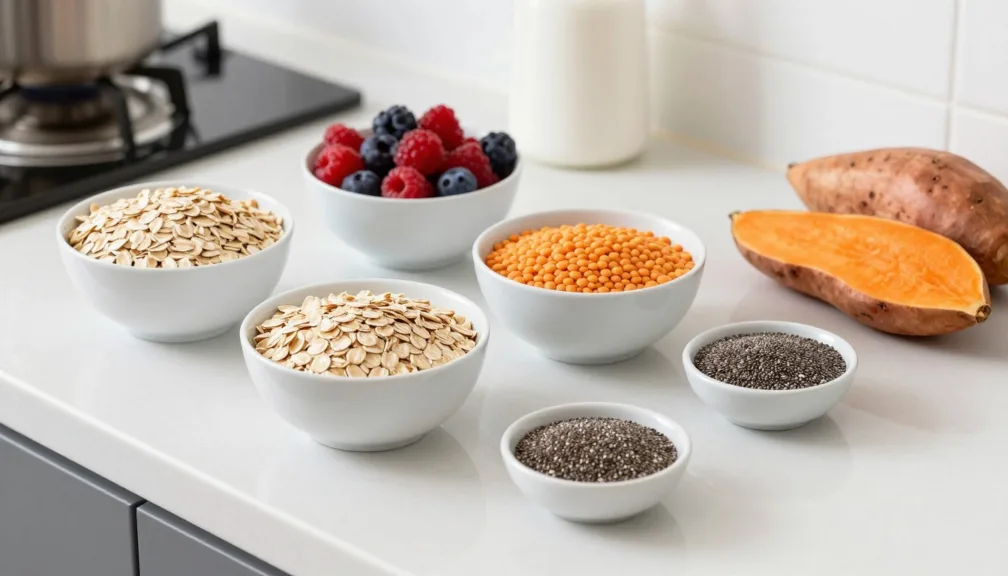
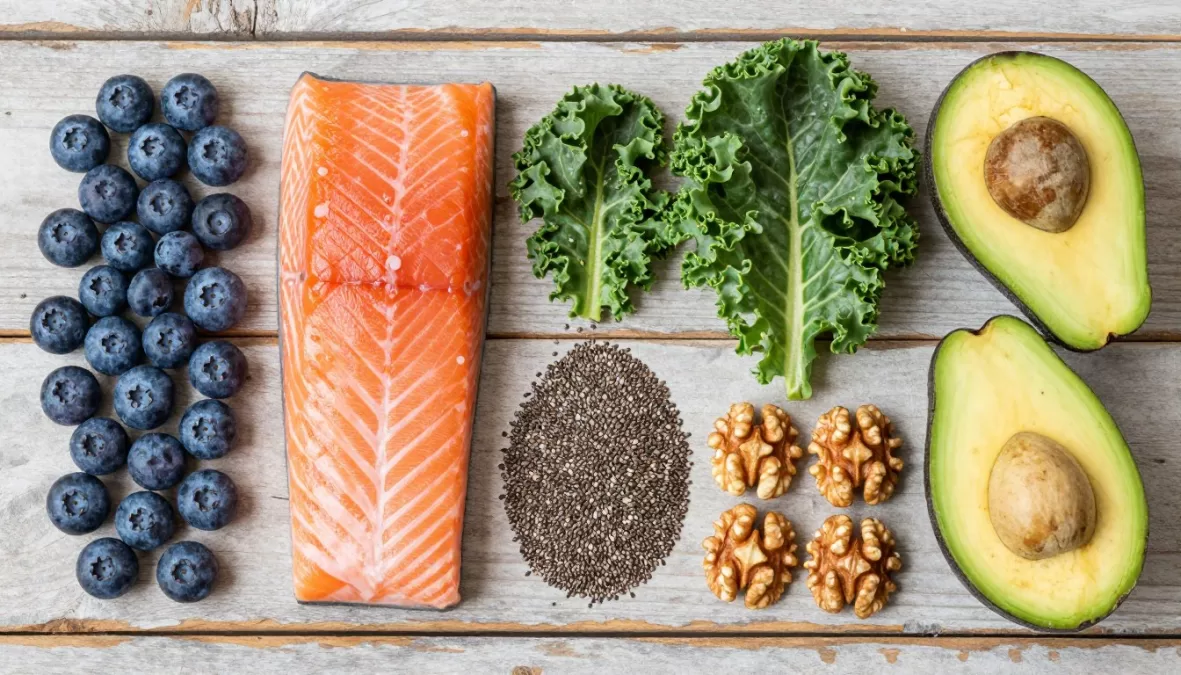
The term “superfood” appears everywhere in health magazines and grocery stores. But what makes a food truly super? The answer lies in scientific research, not marketing hype.
Real superfoods contain concentrated amounts of vitamins, minerals, and powerful plant compounds. These nutrients work together to protect your body from disease and support optimal health.
This guide examines ten foods with the strongest scientific evidence supporting their health benefits. Each entry includes peer-reviewed research, nutritional data, and practical ways to incorporate these foods into your daily diet.
Join 50,000+ readers who receive evidence-based nutrition tips delivered to their inbox every week. Get practical meal ideas and the latest research simplified for everyday use.
Understanding Superfoods: What Science Really Says

The word “superfood” has no official scientific definition. Nutrition researchers prefer terms like “nutrient-dense foods” or “functional foods.” These descriptions refer to items that provide substantial health benefits beyond basic nutrition.
Scientists measure a food’s superfood status through several factors. Antioxidant capacity ranks high on this list. These compounds protect cells from damage caused by unstable molecules called free radicals.
Nutrient density matters equally. This term describes how many vitamins and minerals a food contains relative to its calorie content. Superfoods pack maximum nutrition into every bite.
The Science Behind Superfood Benefits
Research shows that certain foods contain bioactive compounds with disease prevention properties. These substances work at the cellular level to reduce inflammation and support healthy body functions.
Studies demonstrate that regular consumption of nutrient-dense foods correlates with lower rates of heart disease, diabetes, and certain cancers. The key lies in consistent intake over time, not occasional consumption.
Antioxidant Properties
Protect cells from oxidative stress and aging.
- Neutralize free radicals
- Reduce cellular damage
- Support immune function
- Slow aging processes
Anti-Inflammatory Effects
Lower chronic inflammation throughout the body.
- Reduce disease risk
- Support joint health
- Improve recovery
- Balance immune response
Cardiovascular Support
Promote heart and blood vessel health.
- Lower blood pressure
- Improve cholesterol levels
- Enhance circulation
- Reduce heart disease risk
Metabolic Benefits
Support healthy metabolism and weight management.
- Regulate blood sugar
- Support weight control
- Improve insulin sensitivity
- Boost energy levels
How Scientists Identify True Superfoods
Researchers use rigorous methods to validate superfood claims. Laboratory studies examine individual compounds and their effects on cells. Animal studies test these findings in living organisms.
Human clinical trials provide the strongest evidence. These studies track participants who consume specific foods over weeks or months. Scientists measure changes in health markers like blood pressure, cholesterol, and inflammation levels.
The foods featured in this guide have passed these scientific tests. Each one shows measurable health benefits in peer-reviewed research published in respected medical journals.
1. Blueberries: Antioxidant Powerhouses for Brain Health
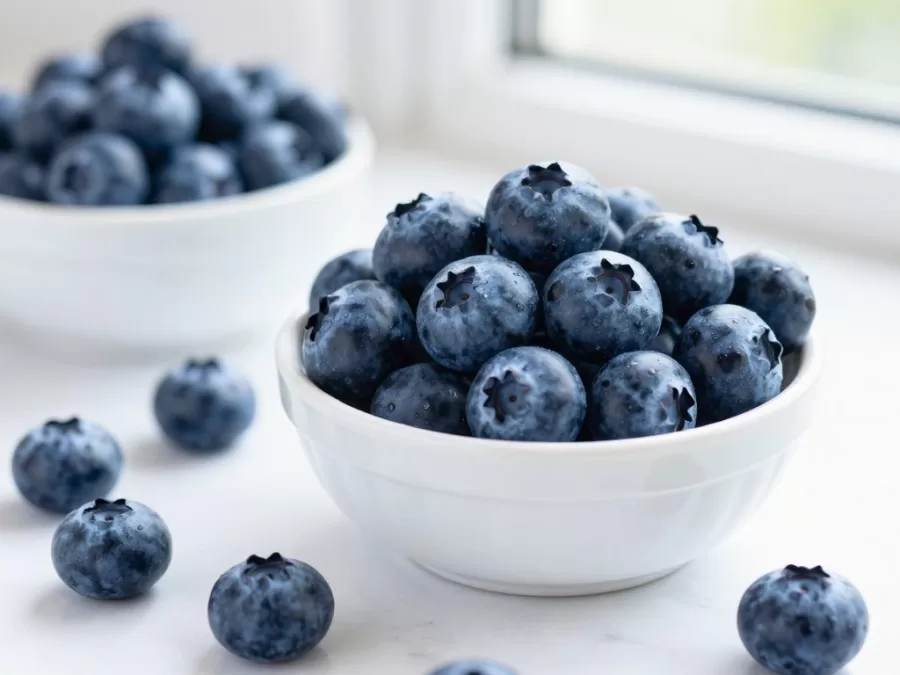
Blueberries top nearly every superfood list for good reason. These small berries contain more antioxidants than almost any other common food. Their deep blue color comes from anthocyanins, powerful plant compounds with remarkable health benefits.
Nutritional Profile and Key Compounds
One cup of blueberries provides 84 calories, 4 grams of fiber, and 24 percent of your daily vitamin C needs. But the real magic lies in their phytonutrients. Blueberries contain over 15 different types of anthocyanins.
These berries also supply vitamin K, manganese, and smaller amounts of other vitamins and minerals. The fiber content supports digestive health while the antioxidants protect your cells.
| Nutrient | Amount per Cup | Daily Value % |
| Calories | 84 | 4% |
| Fiber | 4g | 14% |
| Vitamin C | 14mg | 24% |
| Vitamin K | 29mcg | 24% |
| Manganese | 0.5mg | 25% |
Scientifically-Proven Health Benefits
Research demonstrates that regular blueberry consumption improves brain function. A study published in the Journal of Agricultural and Food Chemistry found that adults who drank blueberry juice daily showed improved memory performance.
These berries protect your heart as well. Clinical trials show that eating blueberries regularly reduces blood pressure and improves cholesterol levels. The anthocyanins help blood vessels function properly.
Scientists also discovered that blueberries may help prevent type 2 diabetes. The compounds in these berries improve insulin sensitivity, helping your body regulate blood sugar more effectively.
Health Benefits
- Improves memory and cognitive function
- Reduces heart disease risk factors
- Lowers blood pressure naturally
- Supports healthy blood sugar control
- Provides powerful antioxidant protection
Considerations
- Can be expensive when not in season
- May cause digestive upset if eaten in large amounts
- Some pesticide residue on conventional berries
How to Incorporate Blueberries Into Your Diet
Fresh blueberries work perfectly as a standalone snack. Rinse them and eat a handful between meals. They require no preparation and provide instant nutrition.
Add blueberries to breakfast cereals, oatmeal, or yogurt. The berries add natural sweetness without refined sugar. Frozen blueberries work just as well as fresh in smoothies and baked goods.
Try blending blueberries into smoothies with leafy greens and protein powder. This combination creates a nutrient-dense meal replacement. You can also simmer berries with a touch of honey to make a healthy dessert topping.
Get Your Free Superfood Shopping Checklist
Download our printable guide featuring all 10 superfoods, serving sizes, storage tips, and budget-friendly buying strategies. Take it to the grocery store and never forget what to buy.
2. Salmon: Omega-3 Rich Protein for Heart and Brain
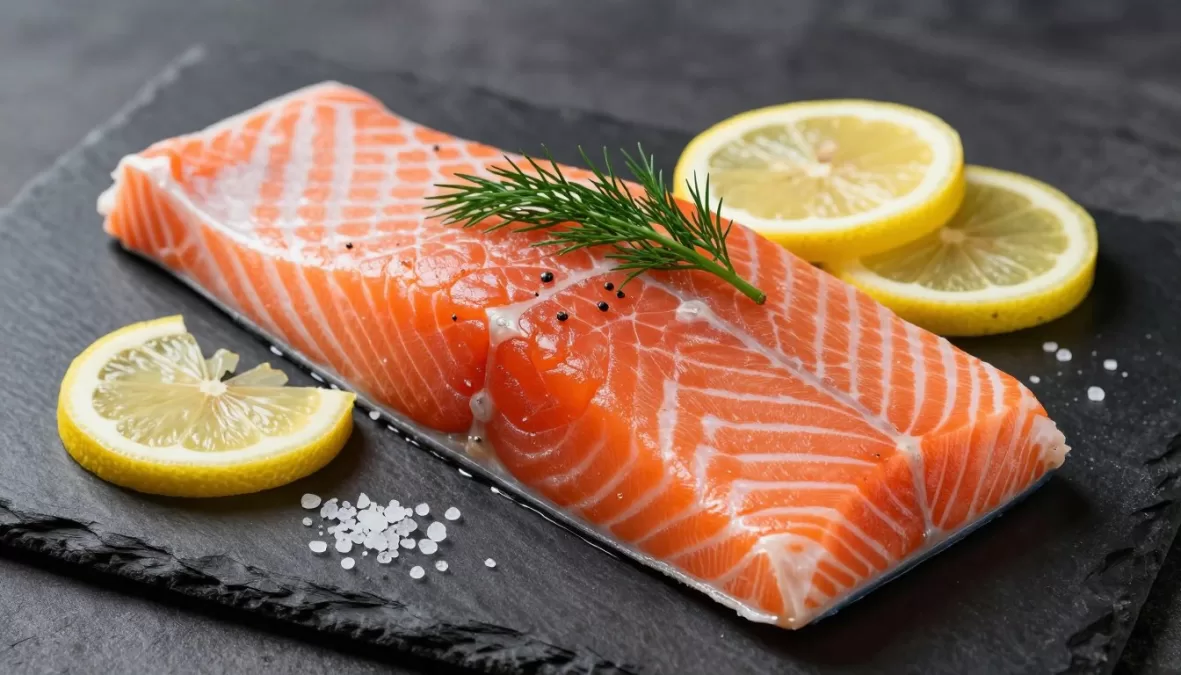
Salmon ranks among the healthiest protein sources available. This fatty fish provides complete protein plus abundant omega-3 fatty acids. These essential fats play crucial roles throughout your body.
Nutritional Content and Essential Fatty Acids
A 3-ounce serving of wild salmon contains about 175 calories and 22 grams of high-quality protein. The same portion provides roughly 1,500 milligrams of omega-3 fatty acids, primarily EPA and DHA.
These omega-3 fatty acids differ from the plant-based variety found in foods like flaxseed. Your body uses EPA and DHA directly without conversion. This makes salmon exceptionally efficient at delivering these crucial nutrients.
Salmon also supplies selenium, vitamin B12, niacin, and vitamin D. Wild-caught salmon contains more omega-3s than farmed varieties, though both offer significant health benefits.
Research-Backed Health Benefits
Studies consistently show that eating fatty fish like salmon reduces heart disease risk. The omega-3 fatty acids lower triglycerides and reduce inflammation in blood vessels. This combination protects against heart attacks and strokes.
Brain health benefits from regular salmon consumption as well. Research published in Neurology found that older adults who ate fish regularly had better memory and less brain shrinkage over time.
The anti-inflammatory properties of omega-3s help with numerous conditions. Clinical trials demonstrate benefits for arthritis pain, depression symptoms, and autoimmune disease markers.
Sustainability Note: Choose wild-caught Alaskan salmon or look for farms certified by the Aquaculture Stewardship Council. These options minimize environmental impact while providing maximum nutrition.
Practical Ways to Enjoy Salmon
Baking salmon requires minimal effort and produces excellent results. Place a fillet on parchment paper, season with herbs and lemon, then bake at 400°F for 12-15 minutes. The fish should flake easily when done.
Grilled salmon develops a delicious smoky flavor. Brush the fillet with olive oil and season simply with salt, pepper, and garlic. Grill skin-side down for most of the cooking time.
Canned salmon offers convenience and affordability. Mix it with Greek yogurt, dill, and cucumber for a quick protein-rich lunch. The small bones in canned salmon provide extra calcium.
3. Kale: Nutrient-Dense Leafy Green Packed with Vitamins
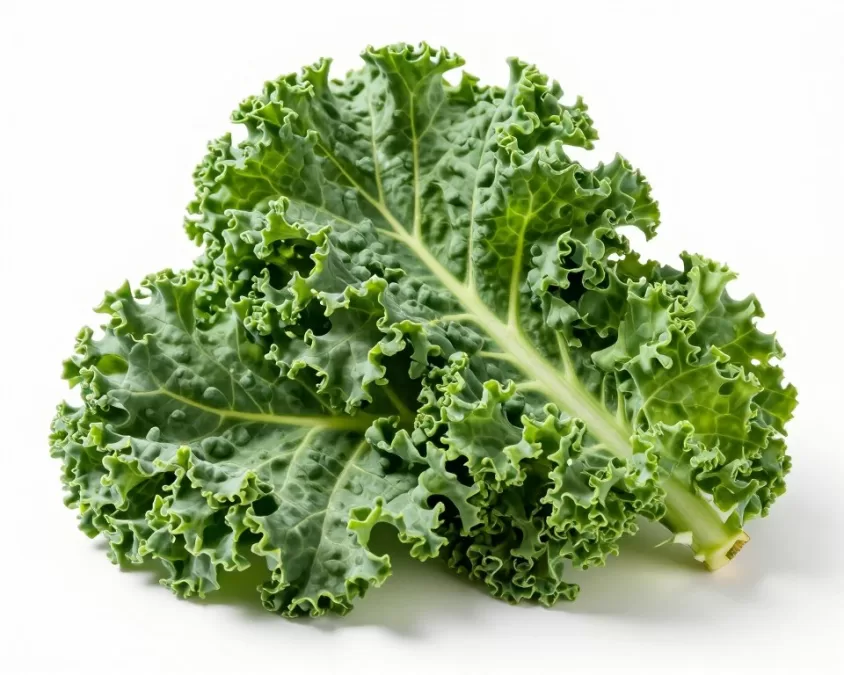
Kale deserves its reputation as a nutritional powerhouse. This leafy green contains an impressive array of vitamins and minerals relative to its calorie content. One cup of raw kale provides only 33 calories yet delivers substantial nutrition.
Vitamin and Mineral Content
Kale excels as a vitamin K source, providing over 600 percent of your daily needs in a single cup. This vitamin supports bone health and proper blood clotting. The vegetable also supplies vitamins A and C in abundance.
Minerals like calcium, potassium, and manganese appear in significant amounts. Kale even contains small amounts of omega-3 fatty acids in the form of alpha-linolenic acid. The fiber content supports digestive health and helps control blood sugar.
Disease Prevention Properties
Research links cruciferous vegetables like kale to reduced cancer risk. These plants contain compounds called glucosinolates that break down into substances with anti-cancer properties. Studies suggest particular benefits for colon, lung, and breast cancer prevention.
The antioxidants in kale include quercetin and kaempferol. Laboratory studies show these compounds fight inflammation and protect against oxidative stress. This protection extends throughout the body from your heart to your brain.
Eye health benefits from the lutein and zeaxanthin in kale. These carotenoids accumulate in your retina and protect against age-related vision problems. Regular consumption may reduce the risk of macular degeneration and cataracts.
Making Kale Taste Great
Raw kale benefits from massage before eating. Squeeze and knead the leaves with your hands for a minute. This breaks down tough fibers and creates a more pleasant texture for salads.
Sautéed kale develops a mild, slightly sweet flavor. Heat olive oil with minced garlic, add chopped kale, and cook until wilted. Season with salt, pepper, and a squeeze of lemon juice.
Kale chips provide a crunchy alternative to processed snacks. Tear leaves into pieces, toss with olive oil and sea salt, then bake at 350°F for 10-15 minutes. Watch carefully to prevent burning.
4. Walnuts: Brain-Shaped Nuts Rich in Healthy Fats

Walnuts stand out among tree nuts for their exceptional nutrient profile. These nuts contain higher amounts of omega-3 fatty acids than any other common nut. Their distinctive brain-like appearance seems fitting given their neurological benefits.
Fatty Acid Profile and Nutrients
One ounce of walnuts (about 14 halves) contains 185 calories, 4 grams of protein, and 2 grams of fiber. More importantly, this serving provides 2.5 grams of alpha-linolenic acid, a plant-based omega-3 fatty acid.
The healthy fats in walnuts include both polyunsaturated and monounsaturated varieties. These fats support heart health and help your body absorb fat-soluble vitamins. Walnuts also supply copper, manganese, and biotin.
Cardiovascular and Cognitive Benefits
Multiple studies confirm that walnuts improve cholesterol levels. Research shows they lower LDL (bad) cholesterol while maintaining or slightly increasing HDL (good) cholesterol. This favorable change reduces heart disease risk significantly.
Blood vessel function improves with regular walnut consumption. The nuts help arteries remain flexible and responsive, which supports healthy blood pressure. Clinical trials demonstrate measurable improvements in vascular health within weeks.
Brain function benefits appear in aging adults who eat walnuts regularly. Studies link walnut consumption to better memory, processing speed, and overall cognitive performance. The omega-3 fats and antioxidants likely work together to provide these effects.
Simple Ways to Add Walnuts to Meals
Sprinkle chopped walnuts over salads for added crunch and nutrition. They pair particularly well with bitter greens, apples, and blue cheese. A tablespoon or two enhances any salad without overwhelming other flavors.
Toast walnuts lightly to intensify their flavor. Spread them in a single layer on a baking sheet and bake at 350°F for 8-10 minutes. Toasted walnuts add depth to both sweet and savory dishes.
Blend walnuts into smoothies for extra protein and healthy fats. This addition creates a creamier texture while boosting nutritional content. The mild flavor complements most fruit and vegetable combinations.
5. Avocado: Creamy Fruit Loaded with Monounsaturated Fats
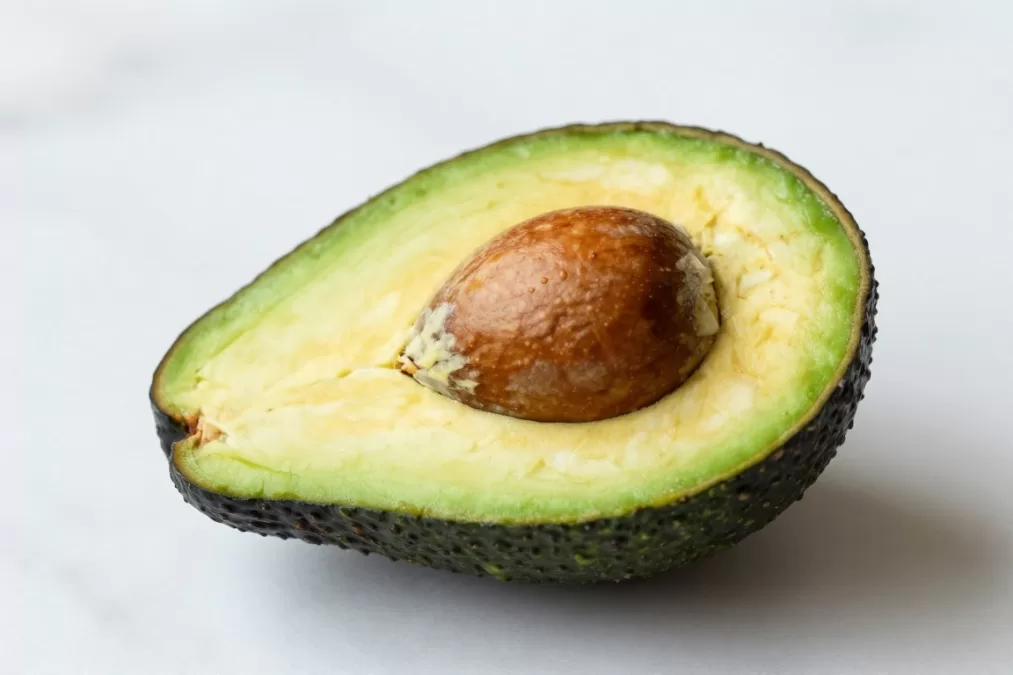
Avocados differ from most fruits due to their high fat content and low sugar levels. This unique composition makes them valuable for heart health and blood sugar control. The creamy texture and mild flavor make avocados versatile in many dishes.
Fat Composition and Nutrients
Half a medium avocado contains about 120 calories and 11 grams of healthy fats. Most of these fats are monounsaturated, the same type found in olive oil. This fat profile supports cardiovascular health and helps reduce inflammation.
Avocados provide substantial fiber, with 5 grams per half fruit. They also supply potassium, folate, and vitamins K, C, and E. The potassium content exceeds that of bananas, supporting healthy blood pressure levels.
Health Benefits Supported by Research
Studies show that avocados improve cholesterol profiles. People who eat avocados regularly see decreases in LDL cholesterol and increases in HDL cholesterol. This change significantly reduces cardiovascular disease risk.
Blood sugar control improves when avocados replace refined carbohydrates. The combination of healthy fats and fiber slows digestion and prevents blood sugar spikes. This makes avocados particularly valuable for diabetes prevention and management.
Nutrient absorption increases when you eat avocados with vegetables. The fats help your body absorb fat-soluble vitamins A, D, E, and K plus carotenoids like beta-carotene. Adding avocado to salads multiplies the nutritional benefit of other ingredients.
Creative Avocado Preparations
Classic guacamole combines mashed avocado with lime juice, cilantro, onion, and tomato. This dip pairs well with vegetables for a nutritious snack. Use it as a spread on sandwiches instead of mayonnaise.
Avocado toast provides a satisfying breakfast or lunch. Mash ripe avocado onto whole grain bread and top with a poached egg and red pepper flakes. This combination delivers protein, healthy fats, and complex carbohydrates.
Blend avocado into smoothies for extra creaminess without dairy. The mild flavor disappears behind fruit while the texture becomes luxurious. This technique works especially well with chocolate or berry flavors.

Weekly Superfood Meal Plans Delivered Free
Get customized meal plans featuring these superfoods every Monday. Includes recipes, prep instructions, and shopping lists. Join thousands making healthy eating effortless.
- Science-backed nutrition information
- Budget-friendly recipe alternatives
- Meal prep time-saving strategies
- Seasonal ingredient substitutions
6. Green Tea: Antioxidant-Rich Beverage for Metabolism and Health

Green tea has been consumed for thousands of years, particularly in Asian cultures. Modern science confirms many traditional health claims about this beverage. The compounds in green tea offer protection against numerous diseases.
Active Compounds and Nutritional Properties
Green tea contains catechins, a type of antioxidant with powerful health effects. The most abundant and potent catechin is epigallocatechin gallate, commonly abbreviated as EGCG. This compound drives many of green tea’s benefits.
A cup of green tea provides minimal calories yet delivers substantial antioxidants. The tea also contains small amounts of caffeine, typically 25-50 milligrams per cup. This amount provides gentle stimulation without the jitters coffee sometimes causes.
L-theanine, an amino acid in green tea, works synergistically with caffeine. This combination improves brain function while promoting calm alertness. The unique pairing makes green tea ideal for sustained focus.
Scientifically Validated Health Effects
Research demonstrates that green tea consumption reduces heart disease risk. Studies show improvements in cholesterol levels, blood pressure, and arterial function. Regular green tea drinkers experience fewer cardiovascular events over time.
Weight management benefits appear in numerous clinical trials. Green tea increases metabolic rate and enhances fat burning, particularly during exercise. The effects are modest but measurable when combined with other healthy habits.
Brain health improves with regular green tea consumption. Research links the beverage to reduced risk of cognitive decline and neurodegenerative diseases. The antioxidants protect brain cells from damage while supporting healthy neural function.
Optimal Brewing Method
Heat water to 160-180°F, not boiling. Pour over tea leaves and steep for 2-3 minutes. Longer steeping increases bitterness without improving benefits.
Daily Consumption Guidelines
Most studies showing benefits use 3-5 cups daily. Start with 1-2 cups and increase gradually. Avoid green tea close to bedtime due to caffeine content.
Incorporating Green Tea Into Your Routine
Replace your morning coffee with green tea for a gentler caffeine boost. The combination of caffeine and L-theanine provides alert focus without anxiety. Many people find this change improves their energy stability throughout the day.
Brew green tea and chill it for a refreshing cold beverage. Add lemon juice and a touch of honey for flavor variation. Cold green tea makes an excellent alternative to sugary drinks.
Use cooled green tea as a cooking liquid for rice or quinoa. This technique infuses subtle flavor while adding antioxidants to your grain dishes. The tea replaces water in a one-to-one ratio.
7. Chia Seeds: Tiny Seeds Packed with Omega-3s and Fiber
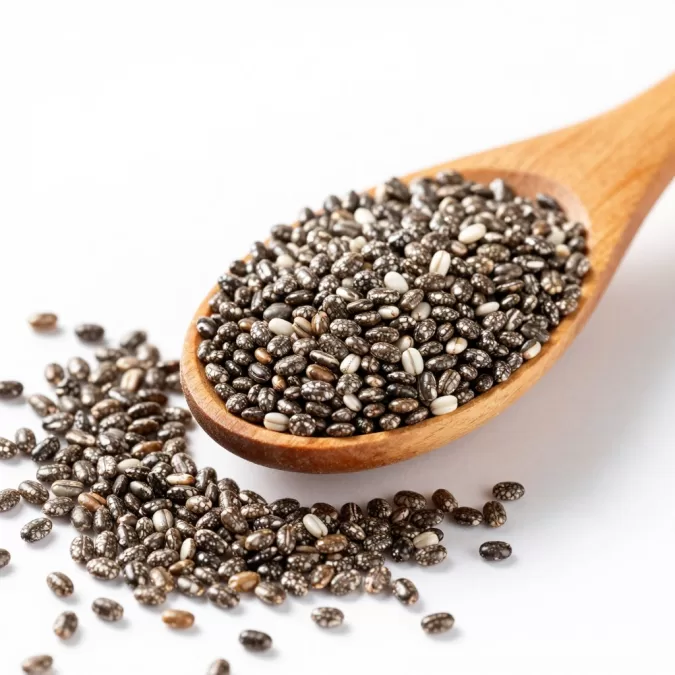
Chia seeds gained superfood status relatively recently in Western diets, though they were staples in ancient Aztec and Mayan cultures. These tiny seeds deliver an impressive amount of nutrition for their size.
Nutritional Density in Minimal Volume
Two tablespoons of chia seeds contain 140 calories, 4 grams of protein, and a remarkable 11 grams of fiber. This fiber amount represents nearly half the daily recommendation for many adults.
The same serving provides 5 grams of omega-3 fatty acids, primarily alpha-linolenic acid. Chia seeds also supply calcium, magnesium, and phosphorus. The calcium content particularly benefits people who avoid dairy products.
Chia seeds form a gel when mixed with liquid. This property comes from soluble fiber that absorbs up to 12 times the seed’s weight in water. The gel formation contributes to many of chia’s health benefits.
Evidence-Based Health Benefits
Blood sugar control improves when people consume chia seeds regularly. Studies show that adding chia to meals reduces post-meal blood sugar spikes. This effect helps prevent type 2 diabetes and supports weight management.
Digestive health benefits from chia’s high fiber content. The seeds support regular bowel movements and feed beneficial gut bacteria. This prebiotic effect promotes overall digestive system health.
Heart health markers improve with chia seed consumption. Research demonstrates reductions in blood pressure and inflammation markers. The omega-3 fats and fiber work together to protect cardiovascular health.
Easy Ways to Use Chia Seeds
Mix chia seeds into smoothies before blending. They disappear into the drink while boosting nutrition significantly. The seeds add thickness and help smoothies keep you full longer.
Create chia pudding by mixing seeds with milk or milk alternative. Use a ratio of 3 tablespoons seeds to 1 cup liquid. Let the mixture sit overnight in the refrigerator. Top with fruit and nuts for a complete breakfast.
Sprinkle chia seeds on salads, oatmeal, or yogurt. This simple addition increases fiber and omega-3 intake without changing flavor noticeably. The seeds add a pleasant slight crunch to any dish.
8. Garlic: Pungent Bulb with Powerful Medicinal Properties

Garlic has been used as both food and medicine for thousands of years. Ancient civilizations recognized its health properties long before science could explain them. Modern research validates many traditional uses of this pungent superfood.
Active Compounds and Mechanisms
Garlic contains sulfur compounds that form when you crush or chop fresh cloves. The most studied compound is allicin, which forms from alliin when garlic cells are damaged. Allicin and its derivatives provide most of garlic’s health benefits.
A single clove of raw garlic contains minimal calories but provides manganese, vitamin B6, and vitamin C. The real value lies in the bioactive compounds rather than traditional nutrients.
Research-Supported Health Effects
Blood pressure reductions occur with regular garlic consumption. Studies show that garlic supplements or fresh garlic can lower blood pressure as effectively as some medications. The effect is particularly pronounced in people with high blood pressure.
Cholesterol levels improve when people eat garlic consistently. Research demonstrates reductions in total and LDL cholesterol of 10-15 percent. These changes reduce heart disease risk significantly over time.
Immune function receives support from garlic’s antimicrobial properties. Studies show that regular garlic consumption reduces the frequency and severity of colds. The compounds in garlic fight bacteria, viruses, and fungi.
Important Note: Garlic can interact with blood-thinning medications. If you take anticoagulants, consult your healthcare provider before significantly increasing garlic intake.
Maximizing Garlic’s Benefits
Crush or chop garlic and let it sit for 10 minutes before cooking. This resting period allows allicin to form fully. Cooking immediately after cutting reduces the beneficial compound formation.
Add raw minced garlic to salad dressings, dips, and sauces. Raw garlic provides maximum health benefits, though the flavor is more intense than cooked garlic. Start with small amounts and adjust to taste.
Roast whole garlic bulbs to mellow the flavor while retaining some benefits. Cut off the top of a bulb, drizzle with olive oil, wrap in foil, and roast at 400°F for 40 minutes. The cloves become sweet and spreadable.
9. Ginger: Spicy Root with Anti-Inflammatory Power

Ginger has served as both culinary spice and natural medicine across cultures for millennia. This knobby root contains powerful compounds that combat inflammation and support digestive health. Science continues to uncover new applications for this ancient remedy.
Bioactive Compounds in Ginger
Gingerol represents the main bioactive substance in fresh ginger. This compound gives ginger its distinctive spicy flavor and provides most of its medicinal properties. When dried, gingerol converts to shogaol, which has different but equally valuable effects.
Ginger contains numerous other active compounds including paradol and zingerone. These substances work together to provide anti-inflammatory and antioxidant effects throughout the body.
Clinical Evidence for Health Benefits
Nausea relief ranks among ginger’s most well-documented effects. Multiple studies confirm that ginger reduces nausea from pregnancy, chemotherapy, and motion sickness. The effect works quickly, often within 30 minutes of consumption.
Pain reduction occurs with regular ginger intake. Research shows benefits for arthritis pain, menstrual cramps, and muscle soreness. The anti-inflammatory properties appear to work similarly to some over-the-counter pain medications.
Blood sugar management improves in people who consume ginger regularly. A study found that 2 grams of ginger powder daily reduced fasting blood sugar by 12 percent. This effect may help prevent or manage type 2 diabetes.
- Higher gingerol content
- More potent anti-nausea effects
- Better for digestive issues
- Ideal for teas and juices
- Stronger fresh flavor profile
Fresh Ginger Benefits
- Higher shogaol concentration
- More powerful anti-inflammatory
- Better for pain management
- Convenient for cooking
- Longer shelf life
Dried Ginger Benefits
Practical Applications of Ginger
Make fresh ginger tea by steeping sliced ginger in hot water for 10 minutes. Add lemon and honey for flavor enhancement. This soothing drink helps with nausea, cold symptoms, and inflammation.
Grate fresh ginger into stir-fries, soups, and marinades. The spicy, warm flavor complements both Asian and non-Asian cuisines. Fresh ginger adds depth without overwhelming other ingredients.
Keep crystallized ginger as a convenient snack. While it contains added sugar, this form provides ginger’s benefits in portable form. A small piece can settle an upset stomach or satisfy a sweet craving healthfully.
Without Tracking Your Superfoods
- Forget which superfoods you’ve consumed
- Miss out on balanced nutrition
- Repeat the same foods daily
- Wonder if you’re eating enough variety
- Lose track of what works for your body
With Our Free Tracking Template
- Monitor all 10 superfoods effortlessly
- Ensure diverse nutrient intake daily
- Identify patterns in how foods affect you
- Plan meals based on actual data
- Achieve optimal health systematically
10. Kefir: Probiotic-Rich Fermented Dairy for Gut Health
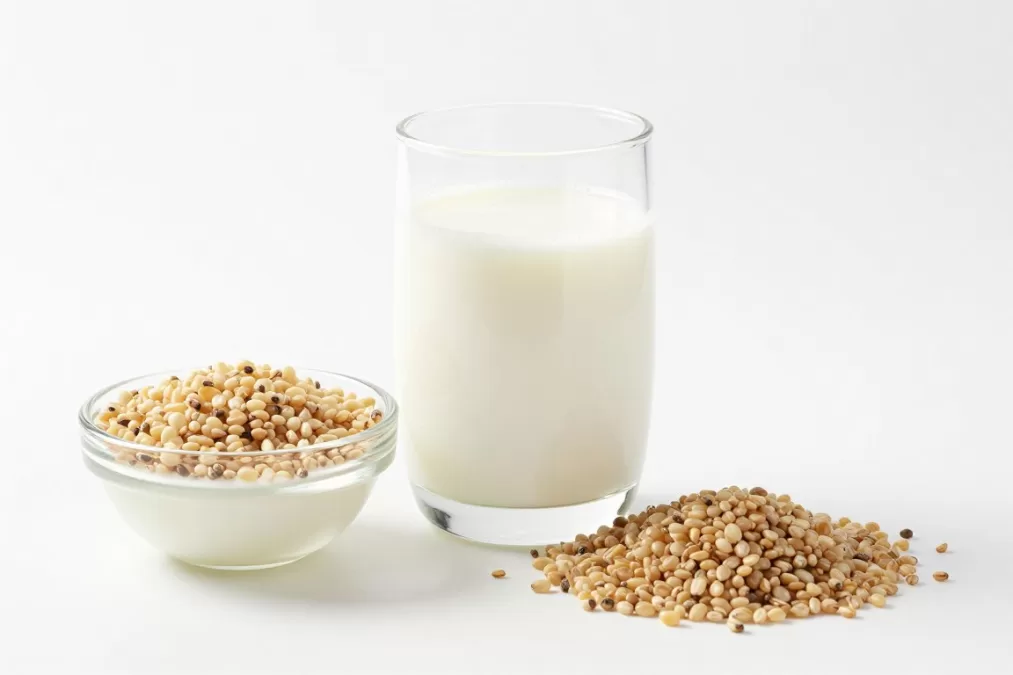
Kefir resembles drinkable yogurt but contains a more diverse array of beneficial bacteria. This fermented milk product originated in Eastern Europe and the Caucasus mountains. The probiotics in kefir support digestive and immune health.
Probiotic Content and Nutritional Value
Kefir contains between 10 and 34 different strains of probiotics, far exceeding most yogurt varieties. These beneficial bacteria colonize your digestive tract and support numerous health functions. The fermentation process also makes kefir easier to digest than regular milk.
One cup of low-fat kefir provides approximately 110 calories, 11 grams of protein, and 12 grams of carbohydrates. The drink supplies calcium, phosphorus, vitamin B12, and riboflavin. Many brands fortify kefir with vitamin D.
The fermentation process reduces lactose content significantly. People with lactose intolerance often tolerate kefir better than regular milk. The probiotics produce lactase, the enzyme needed to digest milk sugar.
Health Benefits Backed by Science
Digestive health improves substantially with regular kefir consumption. Studies show that the probiotics help with various digestive issues including bloating, constipation, and inflammatory bowel conditions. The beneficial bacteria restore balance to gut microbiome.
Bone health receives support from kefir’s combination of calcium, vitamin K2, and protein. Research suggests that fermented dairy products may improve calcium absorption. Regular consumption may help prevent osteoporosis in aging adults.
Immune function strengthens when you drink kefir consistently. The probiotics communicate with immune cells in your gut, which houses 70 percent of your immune system. Studies show reduced infection rates in people who consume fermented dairy products regularly.
Does kefir need to be refrigerated?
Yes, kefir requires refrigeration to maintain probiotic viability and prevent over-fermentation. Store it at 40°F or below and consume within the date on the package for maximum benefits.
Can I make kefir at home?
Absolutely. You need kefir grains (a starter culture) and milk. Place grains in milk, cover loosely, and let sit at room temperature for 12-24 hours. Strain out the grains and refrigerate the finished kefir. The grains can be reused indefinitely.
What’s the difference between kefir and yogurt?
Kefir contains more probiotic strains (10-34 vs 2-7) and has a thinner, drinkable consistency. Kefir’s probiotics can colonize the intestines while most yogurt bacteria pass through. Both offer health benefits but kefir provides more diverse gut bacteria support.
Adding Kefir to Your Daily Routine
Drink kefir plain as a protein-rich snack between meals. Start with 1/2 cup daily and gradually increase to one cup. Some people prefer the tangy taste while others need time to adjust.
Blend kefir into smoothies as a replacement for yogurt or milk. The probiotics remain viable even after blending with frozen fruit and other ingredients. This method masks the tangy flavor for those who find it too strong.
Use kefir as a base for salad dressings or cold soups. The tangy flavor works well in recipes that call for buttermilk or sour cream. You can also pour it over granola like milk for a probiotic-rich breakfast.
Creating Synergistic Superfood Combinations
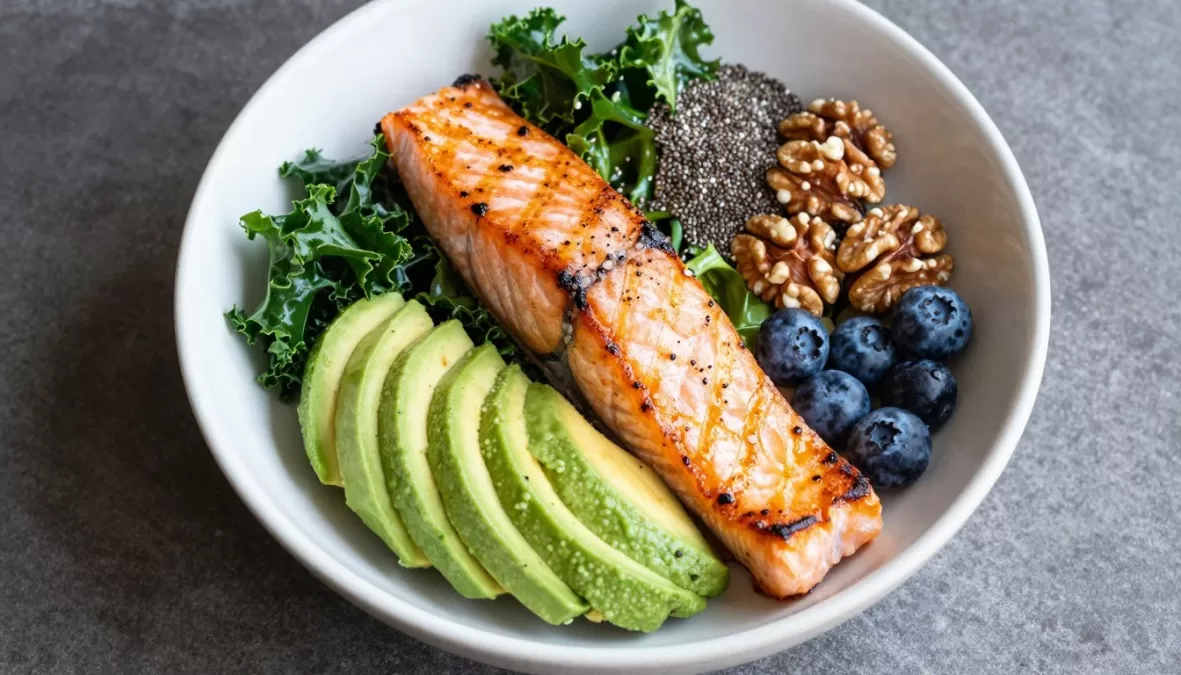
Individual superfoods provide substantial benefits, but combining them strategically multiplies their effects. Certain nutrients work better together than alone. Understanding these synergies helps you build more nutritious meals.
Nutrient Absorption Enhancement
Fat-soluble vitamins require dietary fat for proper absorption. Adding avocado or walnuts to a kale salad dramatically increases the absorption of vitamins A, K, and E. The healthy fats act as delivery vehicles for these nutrients.
Iron absorption improves when you combine iron-rich foods with vitamin C sources. Pair kale or other leafy greens with lemon juice or fresh berries. This combination helps your body extract more iron from plant foods.
Omega-3 fatty acids from chia seeds and walnuts work synergistically with the omega-3s in salmon. While plant and marine sources differ chemically, consuming both provides comprehensive omega-3 nutrition.
Sample Superfood Meal Combinations
Breakfast bowl: Kefir as a base, topped with blueberries, chia seeds, and chopped walnuts. This combination delivers probiotics, antioxidants, fiber, and omega-3 fatty acids. The meal provides sustained energy and supports digestive health.
Lunch power salad: Massaged kale base with grilled salmon, sliced avocado, and a ginger-garlic dressing. This meal combines anti-inflammatory compounds, omega-3s, healthy fats, and numerous vitamins. The flavors complement each other perfectly.
Afternoon smoothie: Blend kefir, frozen blueberries, a tablespoon of chia seeds, fresh ginger, and a handful of kale. This drink provides probiotics, antioxidants, fiber, and anti-inflammatory compounds. The berries mask the kale flavor completely.
Morning Energy Combination
Start your day with sustained power
- Green tea for gentle caffeine
- Chia pudding with kefir
- Blueberries for antioxidants
- Walnuts for omega-3s
Heart Health Combination
Maximize cardiovascular protection
- Salmon for omega-3 fatty acids
- Garlic for cholesterol support
- Avocado for monounsaturated fats
- Kale for vitamin K
Inflammation Fighter Combination
Combat chronic inflammation naturally
- Ginger for anti-inflammatory compounds
- Green tea for catechins
- Blueberries for anthocyanins
- Walnuts for omega-3 fatty acids
Smart Shopping and Storage Strategies for Superfoods
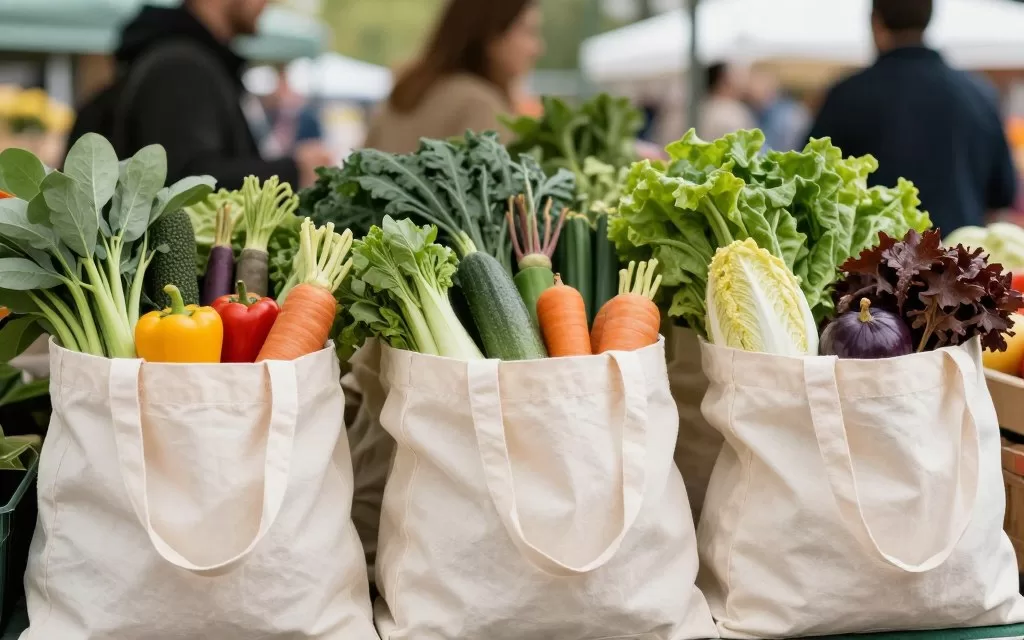
Quality and freshness significantly impact the nutritional value of superfoods. Proper selection and storage preserve beneficial compounds and maximize health benefits. These practical strategies help you get the most from your superfood purchases.
Buying Guidelines for Maximum Quality
Purchase organic versions of the “Dirty Dozen” when possible. Blueberries and kale typically appear on this list of produce with highest pesticide residues. Organic versions reduce your exposure to potentially harmful chemicals.
Choose wild-caught salmon over farmed when available. Wild salmon contains more omega-3 fatty acids and fewer contaminants. Look for Alaskan salmon specifically, as these populations are well-managed and sustainable.
Buy whole walnuts in shells when possible. The shell protects the delicate fats from oxidation and rancidity. Shelled walnuts work fine if you plan to use them quickly or store them properly.
Proper Storage Methods
Store berries unwashed in the refrigerator. Moisture promotes mold growth, so wash blueberries immediately before eating. They stay fresh for about a week when stored correctly.
Keep nuts in the freezer for longest shelf life. The cold prevents the oils from going rancid. Frozen nuts last up to a year while maintaining full nutritional value and flavor.
Refrigerate ground ginger and chia seeds to preserve freshness. These items can turn rancid at room temperature. Store them in airtight containers away from moisture and light.
| Superfood | Storage Location | Storage Duration | Special Notes |
| Blueberries | Refrigerator | 7-10 days | Wash only before eating |
| Salmon (fresh) | Refrigerator/Freezer | 1-2 days / 2-3 months | Freeze if not using immediately |
| Kale | Refrigerator | 5-7 days | Store in plastic bag with paper towel |
| Walnuts | Freezer | 12 months | Airtight container prevents freezer burn |
| Avocado | Counter/Refrigerator | 3-5 days ripe | Refrigerate when ripe to slow ripening |
| Green Tea | Pantry (cool, dark) | 6-12 months | Airtight container away from light |
| Chia Seeds | Refrigerator/Pantry | 2-4 years | Excellent shelf stability |
| Garlic | Pantry (cool, dry) | 3-5 months | Never refrigerate whole bulbs |
| Ginger | Refrigerator/Freezer | 3 weeks / 6 months | Can grate from frozen |
| Kefir | Refrigerator | See package date | Probiotics decrease over time |
Budget-Friendly Shopping Tips
Buy frozen berries for smoothies and cooked applications. Frozen blueberries cost significantly less than fresh and retain nearly identical nutrition. They work perfectly in most recipes except those requiring fresh berry texture.
Purchase canned wild salmon as an economical alternative to fresh. The bones in canned salmon provide extra calcium and the nutrition remains excellent. Look for BPA-free cans when possible.
Grow your own kale if you have garden space or containers. This leafy green grows easily in most climates and produces abundantly. A few plants provide enough leaves for regular harvesting throughout the growing season.
Addressing Common Superfood Concerns and Misconceptions

Superfood marketing sometimes creates unrealistic expectations or spreads misinformation. Understanding the facts helps you make informed decisions about incorporating these foods into your diet. Let’s address the most common questions and concerns.
Cost Considerations
Many people assume superfoods are prohibitively expensive. While some specialty items carry high price tags, most superfoods cost less than processed convenience foods. A bag of frozen blueberries provides more servings than a box of cookies at similar cost.
Calculate cost per serving rather than package price. Chia seeds seem expensive until you realize two tablespoons constitute a serving. A single bag lasts months, making the per-serving cost quite reasonable.
Prioritize superfoods based on your specific health goals and budget. You don’t need all ten every day to see benefits. Focus on two or three that address your primary health concerns and rotate others as budget allows.
Supplement vs. Whole Food Debate
Whole foods provide benefits that isolated supplements cannot replicate. The compounds in superfoods work synergistically in ways scientists don’t fully understand. Taking a berry extract supplement differs from eating actual berries.
Supplements may help when dietary intake proves difficult. If you truly cannot eat fatty fish, a quality fish oil supplement provides omega-3s. However, this represents a compromise rather than an optimal solution.
Food provides additional benefits beyond isolated nutrients. The act of eating stimulates digestion, the fiber feeds gut bacteria, and the full nutrient package works together. Supplements miss these crucial elements.
Quantity and Frequency Questions
More does not always mean better with superfoods. Moderate regular consumption beats occasional large amounts. Your body processes and uses nutrients continuously, so consistent intake matters most.
Start with small amounts and increase gradually. This approach helps your digestive system adjust, particularly with high-fiber foods like chia seeds. Sudden large increases can cause temporary bloating or discomfort.
Variety trumps quantity of any single superfood. Eating only blueberries every day provides less benefit than rotating through multiple superfoods. Different foods supply different nutrients and phytochemicals.
“No single food, not even a superfood, can compensate for an overall poor diet. These foods work best as part of a varied, balanced eating pattern rich in whole foods and low in processed items.”
Weekly Meal Planning with Superfoods

Strategic meal planning ensures you consume a variety of superfoods throughout the week. This approach removes daily decision-making while guaranteeing balanced nutrition. A little planning creates sustainable healthy eating habits.
Building a Balanced Superfood Meal Plan
Include at least three different superfoods in each day’s meals. This variety ensures comprehensive nutrient intake without overwhelming your system or budget. Rotate through your favorites across the week.
Plan one shopping trip that covers your entire week. Buy all necessary superfoods at once to prevent multiple store visits. This efficiency saves time and reduces the temptation to skip meals or grab convenience foods.
Prep ingredients in advance when possible. Wash and portion berries, cook a large batch of kale, or prepare chia pudding for several days. These steps make healthy eating effortless during busy weekdays.
Sample 7-Day Superfood Integration Plan
Monday
Breakfast: Kefir smoothie with blueberries and chia seeds
Lunch: Kale salad with walnuts and ginger dressing
Dinner: Baked salmon with garlic and steamed vegetables
Snack: Green tea and apple slices
Tuesday
Breakfast: Avocado toast with chia seeds
Lunch: Leftover salmon over mixed greens
Dinner: Garlic ginger stir-fry with vegetables
Snack: Walnuts and blueberries
Wednesday
Breakfast: Chia pudding topped with fresh berries
Lunch: Kale and white bean soup with garlic
Dinner: Grilled chicken with avocado salsa
Snack: Green tea and walnut energy balls
Thursday
Breakfast: Kefir bowl with blueberries and walnuts
Lunch: Salmon salad sandwich on whole grain
Dinner: Kale and quinoa bowl with ginger tahini
Snack: Avocado with sea salt
Friday
Breakfast: Green tea and whole grain toast with avocado
Lunch: Leftover quinoa kale bowl
Dinner: Baked salmon with garlic kale chips
Snack: Chia seed pudding
Saturday
Breakfast: Blueberry walnut pancakes with kefir
Lunch: Avocado tuna salad with greens
Dinner: Garlic ginger chicken with roasted vegetables
Snack: Green tea and fresh berries
Sunday
Breakfast: Kefir smoothie with all the berries
Lunch: Superfood salad with salmon, avocado, kale
Dinner: Meal prep for the week ahead
Snack: Walnut date energy bites
Meal Prep Strategies
Dedicate Sunday afternoon to superfood prep. Bake a large salmon fillet, massage and chop kale, portion chia seeds, and wash berries. These prepared ingredients make weekday meals come together in minutes.
Prepare base recipes that accept multiple variations. A large batch of chia pudding serves as breakfast all week with different toppings. Cooked kale works in salads, soups, or as a side dish.
Freeze portions for future use. Extra smoothie packs (berries, kale, chia seeds pre-measured in bags) wait in the freezer for busy mornings. Cooked salmon freezes well for up to three months.
Start Your Superfood Journey Today
Download our comprehensive 30-page guide featuring detailed information on all 10 superfoods, 50+ recipes, meal plans, shopping lists, and tracking tools. Everything you need to transform your health through evidence-based nutrition.
- Complete nutritional breakdown for each superfood
- 50+ kitchen-tested recipes with photos
- 4-week meal plan with shopping lists
- Printable tracking sheets and progress charts
- Budget-friendly substitution guide
- Storage and preparation quick reference cards
Join 50,000+ people already using science-backed nutrition to improve their health. Instant PDF download. No credit card required.
Scientific Research Supporting Superfood Benefits

The health benefits described throughout this guide rest on solid scientific foundations. Peer-reviewed research published in respected medical journals supports the claims about each superfood. This section provides key studies for those who want to explore the evidence.
Major Research Findings
A comprehensive review published in the American Journal of Clinical Nutrition examined berry consumption and cardiovascular health. Researchers analyzed data from over 93,000 participants followed for 18 years. Results showed that people who ate berries three or more times weekly had a 32 percent lower risk of heart disease.
The Journal of the American College of Cardiology published research on omega-3 fatty acids and heart disease prevention. This large meta-analysis combined results from 13 studies involving over 127,000 participants. The findings demonstrated significant reductions in heart disease risk among those with higher omega-3 intake.
Research in the journal Nutrients examined the effects of cruciferous vegetables on cancer risk. Scientists reviewed 31 studies and found consistent associations between higher consumption of vegetables like kale and reduced cancer incidence. The protective effects appeared strongest for colorectal, lung, and stomach cancers.
Clinical Trial Evidence
A randomized controlled trial published in Diabetes Care tested the effects of walnuts on type 2 diabetes risk. Participants who consumed walnuts daily showed improved insulin sensitivity and better blood sugar control. The benefits appeared within just three months.
The British Journal of Nutrition published a study on green tea consumption and metabolic health. Researchers found that drinking three cups daily for 12 weeks resulted in significant reductions in body fat percentage and waist circumference. Participants also showed improved cholesterol profiles.
Clinical research in the Journal of Hypertension demonstrated garlic’s effects on blood pressure. Study participants with high blood pressure who took aged garlic extract daily experienced reductions comparable to standard blood pressure medications. The effects occurred without significant side effects.
Research Quality Matters: The studies cited in this guide come from peer-reviewed journals using rigorous scientific methods. Look for randomized controlled trials and large observational studies when evaluating nutrition claims. Be skeptical of research funded solely by food companies.
Frequently Asked Questions About Superfoods

Can I eat too many superfoods?
While superfoods are healthy, balance remains important. Eating excessive amounts of any single food can cause problems. For example, too much kale may interfere with thyroid function in susceptible individuals. Variety ensures you get diverse nutrients without overdoing any particular compound. Follow recommended serving sizes and rotate through different superfoods.
Are superfoods necessary if I already eat a healthy diet?
Superfoods represent some of the most nutrient-dense options within a healthy diet. If you already eat plenty of vegetables, fruits, whole grains, and lean proteins, you likely consume some superfoods naturally. The concept simply identifies which foods provide maximum nutrition. Focus on including a variety of these foods rather than viewing them as required additions.
Do cooking methods affect superfood benefits?
Cooking can both enhance and reduce nutritional value depending on the food and method. Heat destroys some antioxidants in blueberries but makes others more available. Light cooking improves nutrient absorption from kale by breaking down cell walls. Quick cooking methods like steaming or sautéing preserve more nutrients than boiling. Raw preparations work best for foods like walnuts and avocados.
How long until I notice health benefits from superfoods?
Some effects appear quickly while others take time. Digestive benefits from probiotics in kefir may occur within days. Blood pressure improvements from garlic typically require several weeks. Weight management and disease prevention benefits accumulate over months and years of consistent consumption. Patience and consistency matter more than immediate results.
Are organic superfoods worth the extra cost?
For foods that typically contain high pesticide residues, organic versions offer clear advantages. Blueberries and kale usually appear on the “Dirty Dozen” list of most contaminated produce. For foods like avocados with thick protective skins, conventional versions pose less concern. Prioritize organic for berries and leafy greens if budget allows, but don’t skip these foods entirely if organic isn’t accessible.
Can children eat the same superfoods as adults?
Most superfoods are safe and beneficial for children. Adjust portion sizes based on age and size. Introduce new foods one at a time to watch for allergies. Some considerations exist: honey should not be given to infants under one year, and whole nuts pose choking hazards for young children. Ground chia seeds and nut butters offer safer alternatives for toddlers.
Do superfood powders provide the same benefits as whole foods?
Powdered superfoods offer convenience but rarely match whole food benefits. Processing can destroy heat-sensitive nutrients and remove beneficial fiber. Powders also lack the synergistic effects of whole food compounds working together. Use powders as supplements when whole foods aren’t practical, but prioritize fresh, whole superfoods whenever possible for maximum benefit.
How do I know if superfoods are working for me?
Track measurable health markers like blood pressure, cholesterol levels, and fasting blood sugar through regular doctor visits. Notice subjective improvements in energy levels, digestion, and general wellbeing. Keep a food journal to identify which superfoods make you feel best. Remember that disease prevention benefits aren’t always immediately apparent but provide long-term value.
Building a Sustainable Superfood Lifestyle

The journey toward better health through superfoods doesn’t require perfection. Small, consistent changes create lasting results over time. Start by incorporating one or two superfoods into meals you already enjoy.
Focus on foods that fit your taste preferences and lifestyle. If you dislike salmon, emphasize plant-based omega-3 sources like chia seeds and walnuts. Frozen berries work just as well as fresh when cost or availability creates barriers.
Remember that superfoods work best as part of an overall healthy diet. They enhance nutrition but cannot compensate for poor eating habits elsewhere. Build meals around whole foods, minimize processed items, and stay physically active.
Key Takeaways for Success
Science supports the health benefits of these ten superfoods through rigorous research. Each food provides unique compounds that support disease prevention and optimal health. The evidence base continues growing as scientists conduct new studies.
Variety ensures comprehensive nutrition from different superfood sources. Rotate through options rather than relying on just one or two favorites. This approach provides diverse nutrients while preventing boredom.
Consistency matters more than intensity. Eating moderate amounts of superfoods regularly beats occasional large servings. Make these foods habitual parts of your daily routine rather than special occasions.
Your Next Steps: Choose three superfoods from this guide that appeal to you most. Purchase them on your next shopping trip. Plan one meal this week featuring all three. This simple action starts your superfood journey with concrete results.
The investment in superfood nutrition pays dividends throughout your life. These foods support your body’s natural healing and protective mechanisms. Every meal offers an opportunity to nourish yourself with nature’s most powerful foods.
Share your superfood journey with family and friends. Cooking and eating these foods together multiplies the benefits beyond individual health. You create traditions and habits that influence those around you positively.
Continue learning as nutrition science evolves. New research regularly emerges about food and health connections. Stay curious and open to adjusting your approach based on credible scientific evidence.

Priyanka Pandey
Senior Research Editor · Top10Sense
Priyanka specializes in tech, consumer products, and digital trends. She combines hands-on testing, vendor interviews, and database research to create trustworthy “Top 10” rankings. Her work has been referenced by industry blogs and brand report pages.