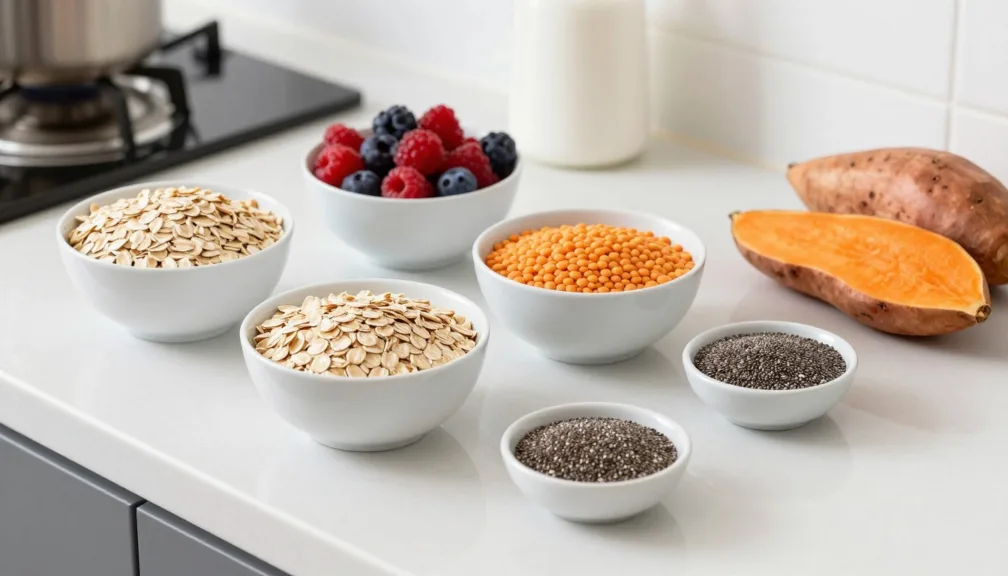
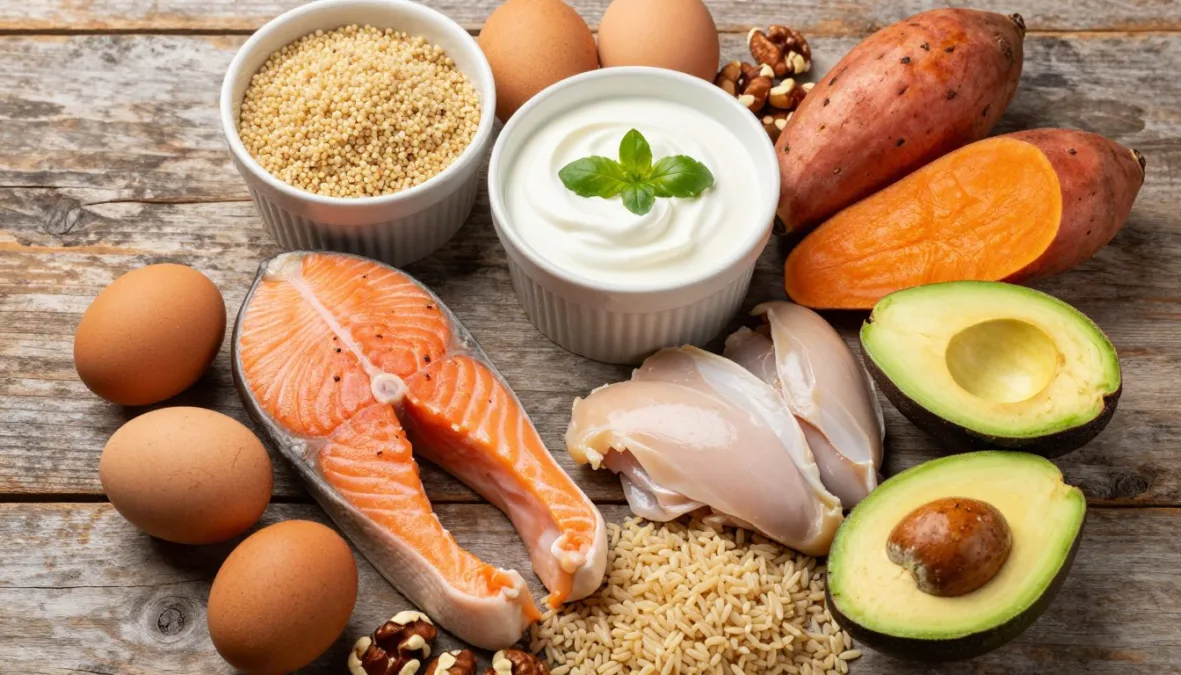
Building stronger, fuller hips requires more than exercise alone. Your diet plays a crucial role in muscle growth and body development. The right foods provide essential nutrients that support your fitness goals.
This guide explores the top foods that can help you achieve bigger and stronger hips naturally. Each food offers unique benefits for muscle development and overall health. Understanding nutrition helps you make better choices for your body transformation journey.
Whether you’re training at the gym or working out at home, proper nutrition fuels your progress. These foods contain protein, healthy fats, and complex carbs your muscles need to grow. Let’s explore the best nutritional choices for hip development.
Understanding Hip Muscle Growth and Nutrition
Hip development depends on building the gluteal muscles and surrounding areas. These muscles respond to resistance training and proper nutrition. Your body needs specific nutrients to repair and grow muscle tissue after workouts.
Protein provides the amino acids necessary for muscle recovery. Healthy fats support hormone production and nutrient absorption. Complex carbs give you energy for intense training sessions. Together, these nutrients create the foundation for muscle growth.
The glutes are among the largest muscle groups in your body. They require consistent training and adequate nutrition to develop. Without proper fuel, even the best workout routine won’t deliver optimal results.
Key Nutrition Fact: Aim for 0.8-1 gram of protein per pound of body weight daily to support muscle growth. Combine this with resistance training for best results.
1. Salmon: Omega-Rich Powerhouse for Muscle Development
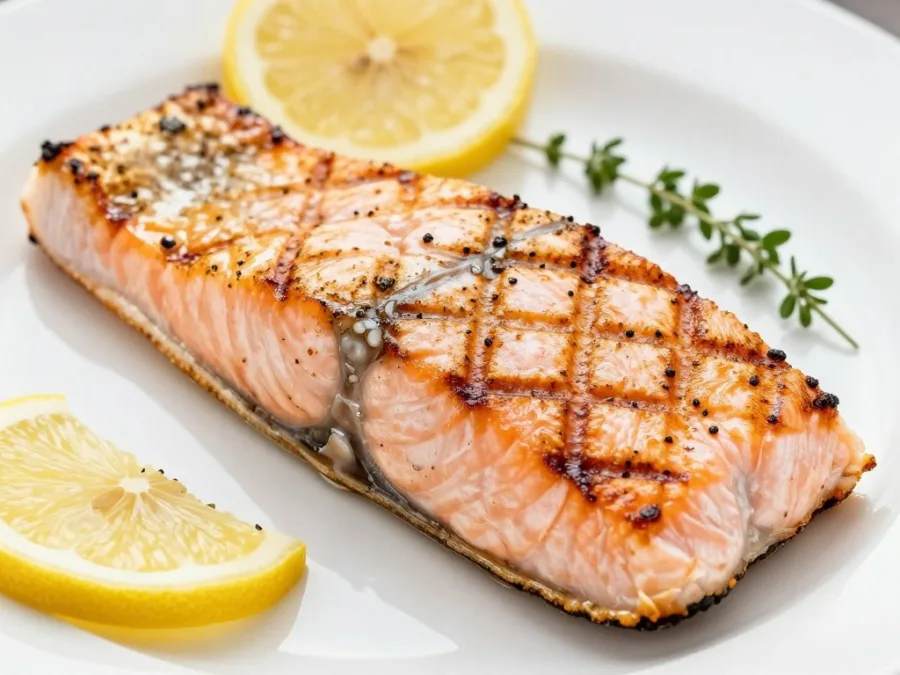
Salmon stands out as one of the best foods for hip and glute development. This fish contains high-quality protein and omega-3 fatty acids. A 3-ounce serving provides about 22 grams of protein.
The omega-3 fatty acids in salmon reduce inflammation and support recovery. These healthy fats help your body build muscle more efficiently. Salmon also contains vitamin D, which plays a role in muscle function.
Your muscles need protein to repair and grow after training. Salmon provides all essential amino acids your body requires. The omega-3 fatty acids also improve blood flow to muscles during exercise.
Nutrition Tip: Eat salmon 2-3 times per week to get consistent omega-3 fatty acids. Choose wild-caught salmon when possible for higher nutrient content.
Benefits of Salmon for Hip Growth
- High protein content supports muscle repair and growth
- Omega-3 fatty acids reduce post-workout inflammation
- Contains vitamin D for optimal muscle function
- Provides all essential amino acids needed for recovery
2. Chicken Breast: Lean Protein Champion
Chicken breast offers excellent lean protein without excess fat. A 3-ounce serving contains approximately 26 grams of protein. This makes it ideal for building muscle mass while controlling calories.
The protein in chicken breast contains all essential amino acids. Your body uses these building blocks to create new muscle tissue. Chicken also provides B vitamins that help convert food into energy.
This versatile protein source fits into almost any diet plan. You can grill, bake, or sauté chicken breast in countless ways. Its mild flavor pairs well with various seasonings and side dishes.
Why Athletes Choose Chicken Breast
Professional athletes and fitness enthusiasts rely on chicken breast for good reason. It delivers maximum protein with minimal fat content. This helps build muscle without adding unwanted body fat.
Chicken breast also digests easily compared to red meat. Your body can quickly absorb and use the protein. This makes it ideal for post-workout meals when your muscles need immediate nutrition.
3. Greek Yogurt: Protein-Packed Dairy Option
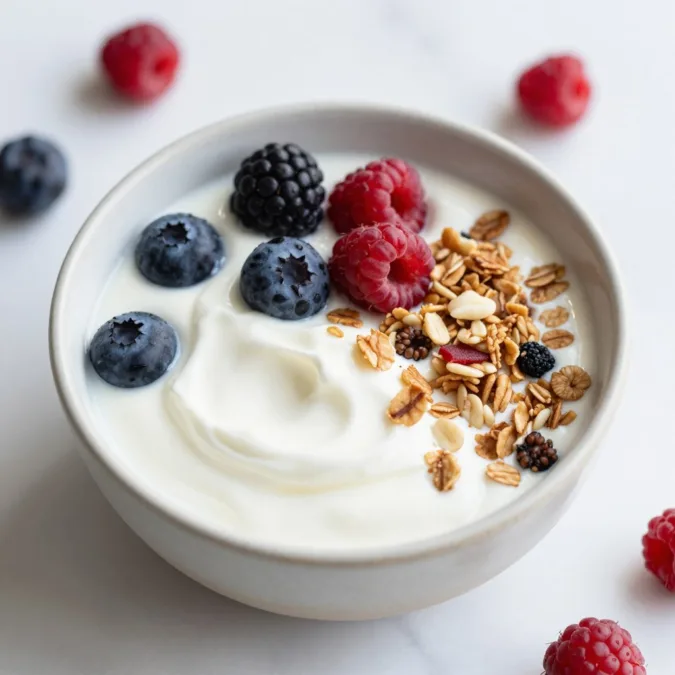
Greek yogurt contains double the protein of regular yogurt. One cup provides about 20 grams of protein. This dairy product also delivers calcium and probiotics for overall health.
The protein in greek yogurt includes both whey and casein. Whey absorbs quickly for immediate muscle repair. Casein digests slowly, providing steady amino acids to your muscles over time.
Greek yogurt makes an excellent snack between meals. It keeps you full while supporting muscle recovery. The probiotics support digestive health, helping you absorb nutrients more effectively.
- Contains 20 grams of protein per cup
- Provides calcium for bone strength
- Includes probiotics for digestive health
- Low in sugar compared to regular yogurt
Ready to Transform Your Nutrition?
Download our free 7-day hip-building meal plan designed by certified nutritionists. Get exact portions, recipes, and shopping lists to start your journey today.
4. Eggs: Nature’s Complete Protein Source
Eggs contain all nine essential amino acids in perfect ratios. One large egg provides about 6 grams of protein. The yolk contains healthy fats and important vitamins for muscle function.
Many people avoid egg yolks, but they contain valuable nutrients. The yolk provides vitamin D, choline, and healthy fats. These nutrients support hormone production and muscle recovery.
Eggs are incredibly affordable and versatile. You can prepare them in numerous ways for any meal. Starting your day with eggs provides sustained energy for training.
Nutritional Profile of Eggs
A single egg delivers impressive nutrition in a small package. Beyond protein, eggs contain iron and B vitamins. These nutrients help your body produce energy during workouts.
The protein in eggs has high bioavailability. This means your body can easily absorb and use it. Eating eggs after training helps kickstart muscle recovery.

5. Quinoa: Complete Plant-Based Protein
Quinoa stands out among grains as a complete protein source. One cup of cooked quinoa provides 8 grams of protein. This ancient grain also delivers complex carbs for sustained energy.
Unlike most plant foods, quinoa contains all essential amino acids. This makes it valuable for vegetarians and vegans building muscle. The complex carbs in quinoa fuel intense glute training sessions.
Quinoa also provides fiber, iron, and magnesium. These nutrients support overall health and muscle function. The fiber helps regulate digestion and keeps you feeling satisfied.
Benefits Beyond Protein
- Contains all nine essential amino acids
- Provides complex carbs for workout energy
- Rich in iron for oxygen transport to muscles
- High in magnesium for muscle contraction
- Gluten-free option for sensitive individuals
6. Avocado: Healthy Fats for Hormone Production
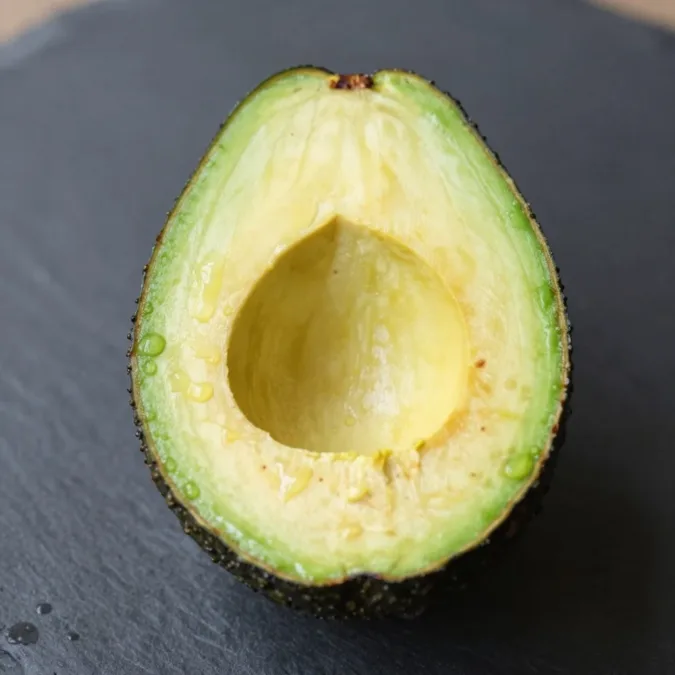
Avocados provide monounsaturated healthy fats essential for hormone production. One avocado contains about 3 grams of protein and 15 grams of healthy fats. These fats support testosterone production, which aids muscle growth.
The healthy fats in avocado help your body absorb fat-soluble vitamins. Vitamins A, D, E, and K all require fat for absorption. These vitamins play important roles in muscle development and recovery.
Avocados also contain potassium, which prevents muscle cramps. The fiber content supports digestive health and nutrient absorption. Adding avocado to meals increases satiety and provides sustained energy.
How Healthy Fats Support Muscle Growth
Your body needs fat to produce hormones that build muscle. Testosterone and growth hormone both depend on adequate fat intake. Without enough healthy fats, your muscle-building potential suffers.
The monounsaturated fatty acids in avocado reduce inflammation. Less inflammation means faster recovery between workouts. This allows you to train more consistently for better results.
7. Sweet Potatoes: Complex Carbs for Energy
Sweet potatoes provide complex carbs that fuel intense training. One medium sweet potato contains about 4 grams of protein and 24 grams of complex carbs. These carbs give you energy for challenging glute workouts.
The complex carbs in sweet potatoes digest slowly. This provides steady energy without blood sugar spikes. Stable energy levels help you maintain workout intensity and build muscle effectively.
Sweet potatoes also contain vitamin A and fiber. Vitamin A supports immune function and tissue repair. The fiber aids digestion and helps control appetite between meals.
Pre-Workout Benefits
- Provides sustained energy for training
- Prevents energy crashes during workouts
- Easy to digest before exercise
Post-Workout Benefits
- Replenishes glycogen stores
- Supports muscle recovery
- Reduces muscle breakdown
Get Personalized Nutrition Guidance

Working with a certified nutritionist can accelerate your results. Our experts create customized meal plans based on your body type, goals, and lifestyle. Stop guessing and start seeing real progress with professional guidance.
- Personalized macro calculations for your goals
- Custom meal plans with your favorite foods
- Ongoing support and adjustments
- Science-based strategies that work
8. Brown Rice: Sustained Energy Source
Brown rice offers complex carbs and protein for muscle development. One cup of cooked brown rice provides 5 grams of protein and 45 grams of complex carbs. This whole grain fuels your training and recovery.
Unlike white rice, brown rice retains its nutritious outer layers. These layers contain fiber, B vitamins, and minerals. The B vitamins help convert food into energy your muscles can use.
Brown rice digests more slowly than refined grains. This provides steady energy throughout the day. Pairing brown rice with protein creates a complete meal for muscle building.
Combining Brown Rice with Protein
Brown rice pairs perfectly with lean proteins like chicken breast or salmon. This combination provides both amino acids and energy. Your muscles receive the nutrients they need to grow and recover.
The fiber in brown rice helps regulate blood sugar levels. Stable blood sugar prevents energy crashes and supports consistent training. This makes brown rice ideal for athletes and fitness enthusiasts.
9. Cottage Cheese: Slow-Release Protein
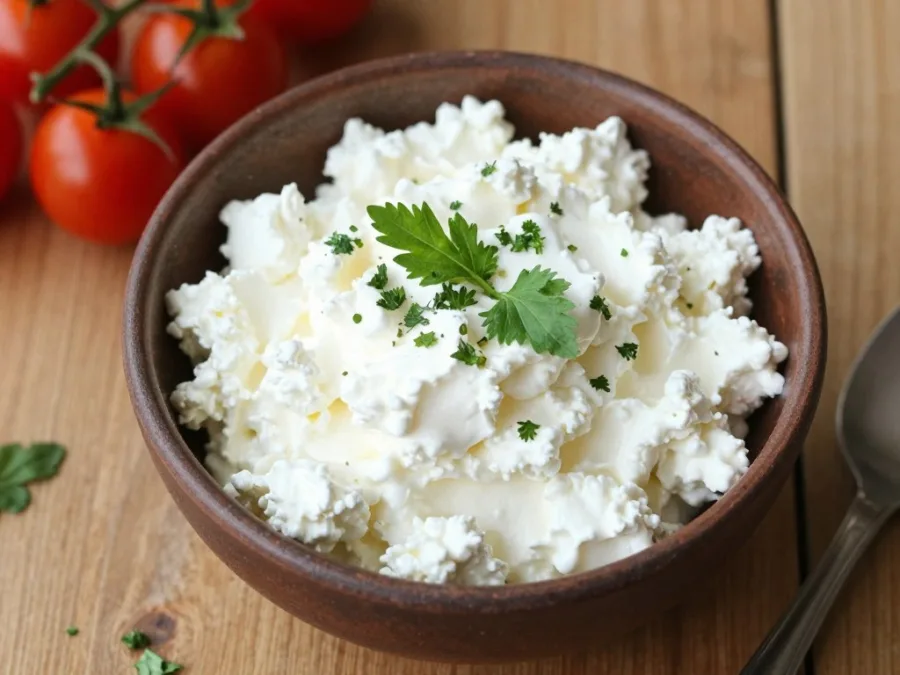
Cottage cheese contains casein protein that digests slowly. One cup provides about 25 grams of protein. This slow digestion makes cottage cheese ideal before bedtime.
Eating cottage cheese before sleep provides steady amino acids overnight. Your muscles continue recovering while you rest. This extended protein supply supports muscle growth and prevents breakdown.
Cottage cheese also delivers calcium and phosphorus for bone health. Strong bones support intense training and muscle development. The low-fat versions provide protein without excess calories.
- Provides 25 grams of slow-digesting protein per cup
- Ideal for overnight muscle recovery
- Contains calcium for bone strength
- Low in calories and fat
- Versatile for sweet or savory preparations
10. Nuts: Healthy Fats and Plant Protein
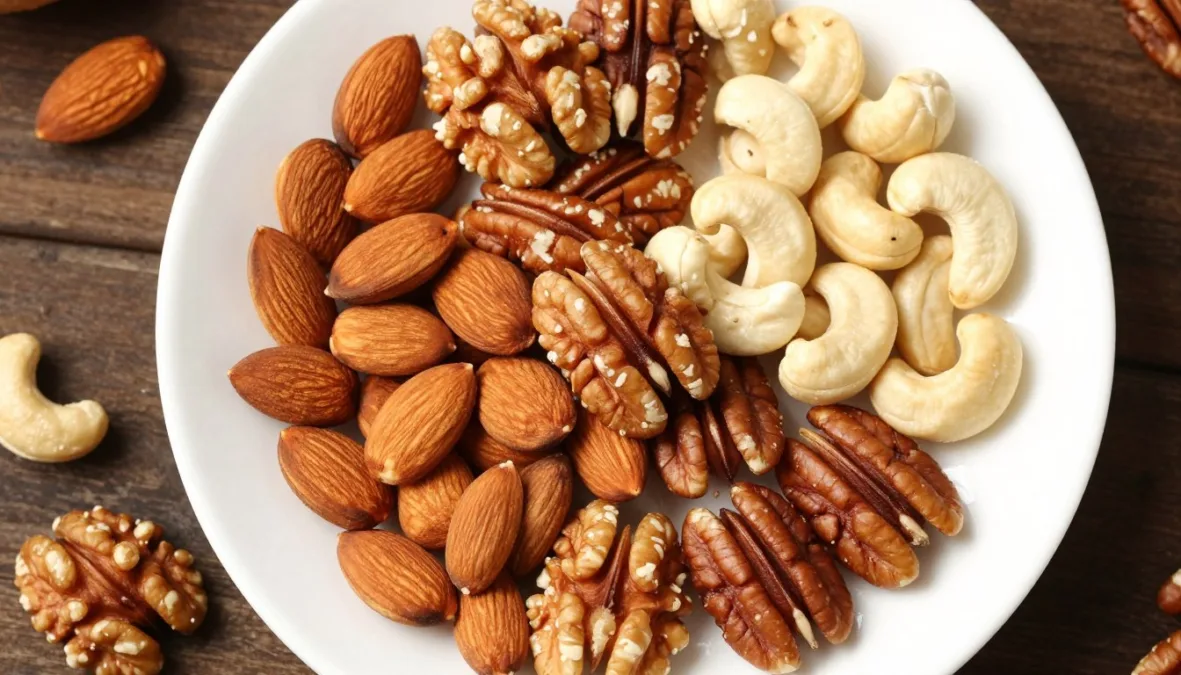
Nuts provide a combination of healthy fats, protein, and essential nutrients. A quarter cup of almonds contains 6 grams of protein and 15 grams of healthy fats. These nutrients support muscle growth and hormone production.
The healthy fats in nuts include omega-3 and omega-6 fatty acids. These fats reduce inflammation and support recovery. Nuts also contain vitamin E, which protects muscles from oxidative stress.
Different nuts offer varying nutritional profiles. Almonds provide calcium and vitamin E. Walnuts contain omega-3 fatty acids. Cashews offer iron and zinc for muscle function.
Best Nuts for Muscle Building
High-Protein Options
- Almonds – 6g protein per ounce
- Peanuts – 7g protein per ounce
- Cashews – 5g protein per ounce
Omega-3 Rich Choices
- Walnuts – highest omega-3 content
- Pecans – anti-inflammatory benefits
- Brazil nuts – selenium for recovery
Optimizing Meal Timing for Hip Development
When you eat matters as much as what you eat. Strategic meal timing supports muscle growth and recovery. Understanding nutrition timing helps maximize your results from these foods.
Eating protein before and after training provides amino acids when muscles need them most. Pre-workout meals should include protein and complex carbs for energy. Post-workout nutrition should focus on protein and carbs for recovery.
Pre-Workout Nutrition Strategy
Eat a balanced meal 2-3 hours before training. Include lean protein like chicken breast and complex carbs like brown rice. This combination provides sustained energy without digestive discomfort.
If you train early, have a smaller snack 30-60 minutes before. Greek yogurt with fruit works well. The protein and simple carbs give you quick energy for your workout.
Post-Workout Recovery Nutrition
Consume protein within 30-60 minutes after training. Your muscles absorb nutrients most efficiently during this window. Pair protein with fast-digesting carbs to replenish glycogen stores.
A post-workout shake or meal should contain at least 20-30 grams of protein. Add complex carbs to support recovery and muscle growth. This combination helps rebuild muscle tissue damaged during training.
Timing Tip: Space protein intake evenly throughout the day, consuming 20-30 grams every 3-4 hours. This steady supply of amino acids optimizes muscle protein synthesis.
Combining Foods for Maximum Results
Combining different foods creates nutritional synergy. Some nutrients work better together than separately. Understanding food combinations helps you get more from your diet.
Pairing protein with carbs after training optimizes recovery. The carbs trigger insulin release, which helps transport amino acids into muscles. This combination speeds up muscle repair and growth.
Powerful Food Combinations
Salmon + Sweet Potato
Omega-3 fatty acids from salmon reduce inflammation. Complex carbs from sweet potato provide workout energy. Together they support muscle growth and recovery.
Greek Yogurt + Nuts
Protein from greek yogurt builds muscle. Healthy fats from nuts support hormone production. This combination makes a perfect muscle-building snack.
Chicken Breast + Quinoa
Lean protein from chicken supplies essential amino acids. Complete protein from quinoa adds extra amino acids. Together they maximize muscle protein synthesis.
Eggs + Avocado
Complete protein from eggs provides all amino acids. Healthy fats from avocado enhance vitamin absorption. This combo supports overall muscle development.
The Role of Hydration in Muscle Growth

Water plays a crucial role in muscle development and recovery. Your muscles are about 75% water. Proper hydration helps transport nutrients to muscle cells.
Dehydration reduces strength and endurance during training. Even mild dehydration impairs muscle function. Drinking enough water throughout the day supports optimal performance.
Aim for at least 8-10 glasses of water daily. Increase intake on training days and in hot weather. Proper hydration helps your body use the nutrients from these foods effectively.
- Drink water before, during, and after workouts
- Monitor urine color as a hydration indicator
- Increase water intake with protein consumption
- Don’t wait until you’re thirsty to drink
Supplement Considerations for Enhanced Results
While whole foods should form your nutrition foundation, supplements can fill gaps. Protein powder offers convenient post-workout nutrition. Creatine supports strength and muscle growth.
Omega-3 supplements help if you don’t eat fish regularly. Vitamin D supports muscle function, especially in winter months. However, supplements cannot replace a balanced diet with these essential foods.
Recommended Supplements
- Whey or plant-based protein powder
- Omega-3 fish oil capsules
- Vitamin D3 for muscle function
- Creatine monohydrate for strength
Essential Supplements
- BCAAs for muscle recovery
- Magnesium for muscle contraction
- Zinc for hormone production
- Multivitamin for nutritional insurance
Optional Supplements
- Protein powder post-workout
- Omega-3 with meals containing fat
- Vitamin D in morning with breakfast
- Creatine daily, timing flexible
Timing Strategies
Always consult a healthcare provider before starting new supplements. Quality matters, so choose reputable brands. Supplements work best when combined with proper nutrition from whole foods.
Common Nutrition Mistakes to Avoid
Many people make nutrition errors that limit their progress. Understanding these mistakes helps you avoid them. Small changes in eating habits can dramatically improve results.
Skipping meals slows your metabolism and limits muscle growth. Your body needs consistent fuel throughout the day. Eating too few calories prevents muscle development despite hard training.
Top Nutrition Mistakes
Critical Errors That Sabotage Results
- Not eating enough protein to support muscle growth
- Avoiding all fats, including essential healthy fats
- Skipping post-workout nutrition when muscles need it most
- Relying on processed foods instead of whole food sources
- Not drinking enough water throughout the day
- Eating too few calories for muscle building
- Ignoring nutrient timing around workouts
Focus on whole foods from this list rather than processed options. Plan your meals in advance to avoid poor choices. Consistency with proper nutrition matters more than perfection.
Tracking Your Nutrition and Progress
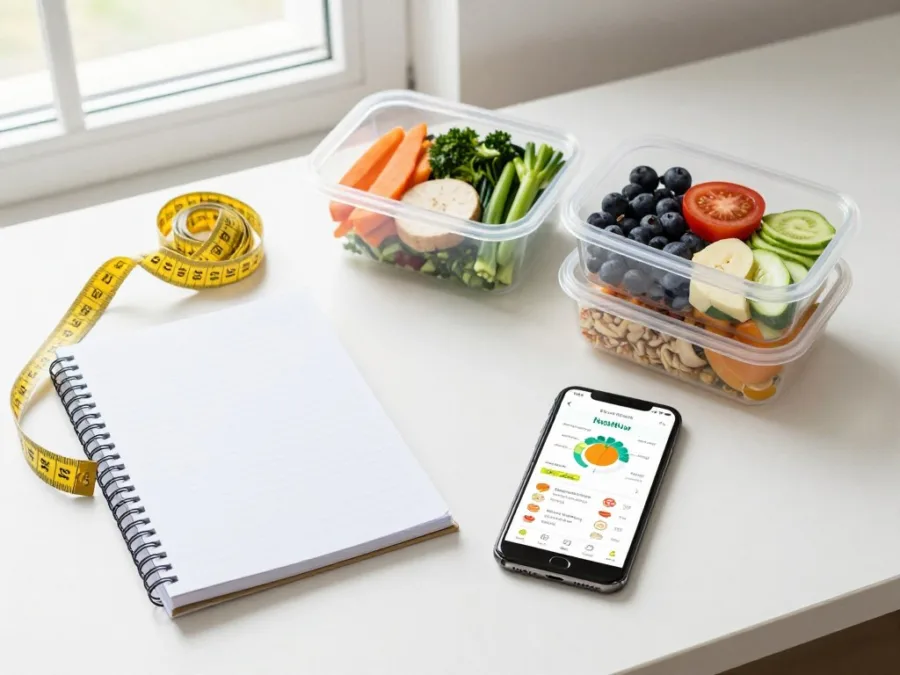
Monitoring your food intake helps ensure adequate nutrition. Track protein, carbs, and fats daily. This awareness helps you make adjustments for better results.
Use a food diary or nutrition app to log meals. Record how you feel and perform during training. This information reveals patterns and areas for improvement.
Take progress photos and measurements every two weeks. The scale doesn’t tell the whole story. Muscle weighs more than fat, so focus on how your clothes fit and how you look.
What to Track
- Daily protein intake in grams
- Total calorie consumption
- Water intake throughout the day
- Energy levels during workouts
- Hip and glute measurements
- Progress photos from same angles
- Workout performance and strength gains
Start Building Stronger, Fuller Hips Today
These ten foods provide the essential nutrients your body needs for hip development. Salmon, chicken breast, greek yogurt, eggs, and quinoa deliver quality protein. Avocado and nuts supply healthy fats for hormone production. Sweet potatoes and brown rice provide energy-sustaining complex carbs.
Remember that nutrition works best combined with consistent training. Focus on progressive resistance exercises for your glutes. Give your body the fuel it needs through these nutrient-dense foods.
Start incorporating these foods into your daily diet. Plan your meals around lean proteins, healthy fats, and complex carbs. Stay consistent with both nutrition and training for best results.
Take Action on Your Transformation
You now have the knowledge to fuel your hip-building journey. The next step is taking action. Choose one of these options to accelerate your progress and stay accountable to your goals.
For Self-Starters
Download our comprehensive meal planning guide with recipes, shopping lists, and prep strategies. Everything you need to implement these foods immediately.
For Serious Results
Work one-on-one with our certified nutritionists. Get personalized macro calculations, custom meal plans, and weekly check-ins for guaranteed progress.
Your body transformation starts with the food choices you make today. Combine these nutrition strategies with dedicated training. Be patient and consistent, as building muscle takes time.
The foods to make hips bigger and stronger are now in your arsenal. Use this knowledge to create meals that support your goals. Your stronger, fuller hips are within reach through proper nutrition and training.

Priyanka Pandey
Senior Research Editor · Top10Sense
Priyanka specializes in tech, consumer products, and digital trends. She combines hands-on testing, vendor interviews, and database research to create trustworthy “Top 10” rankings. Her work has been referenced by industry blogs and brand report pages.