Staying fit while traveling comes down to seizing brief movement opportunities and using bodyweight exercises rather than searching for full-scale fitness centers. Travelers maintain physical health across transit hubs, vehicle journeys, and guest rooms by prioritizing daily walking, functional mobility, and minimal-equipment training sessions. Consistent activity supports energy levels, aids circulation during long periods of sitting, and helps counterbalance indulgent seasonal holiday meals.
The right approach depends on the travel environment, transit duration, and family schedule. Navigating crowded flight terminals calls for purposeful walking, whereas extended vehicle drives require dynamic roadside stops, and hotel visits benefit from structured calisthenics in limited room space. Adapting expectations to match personal energy and available space keeps holiday movement practical, enjoyable, and sustainable.
Airport Terminal Walking and Gate Mobility
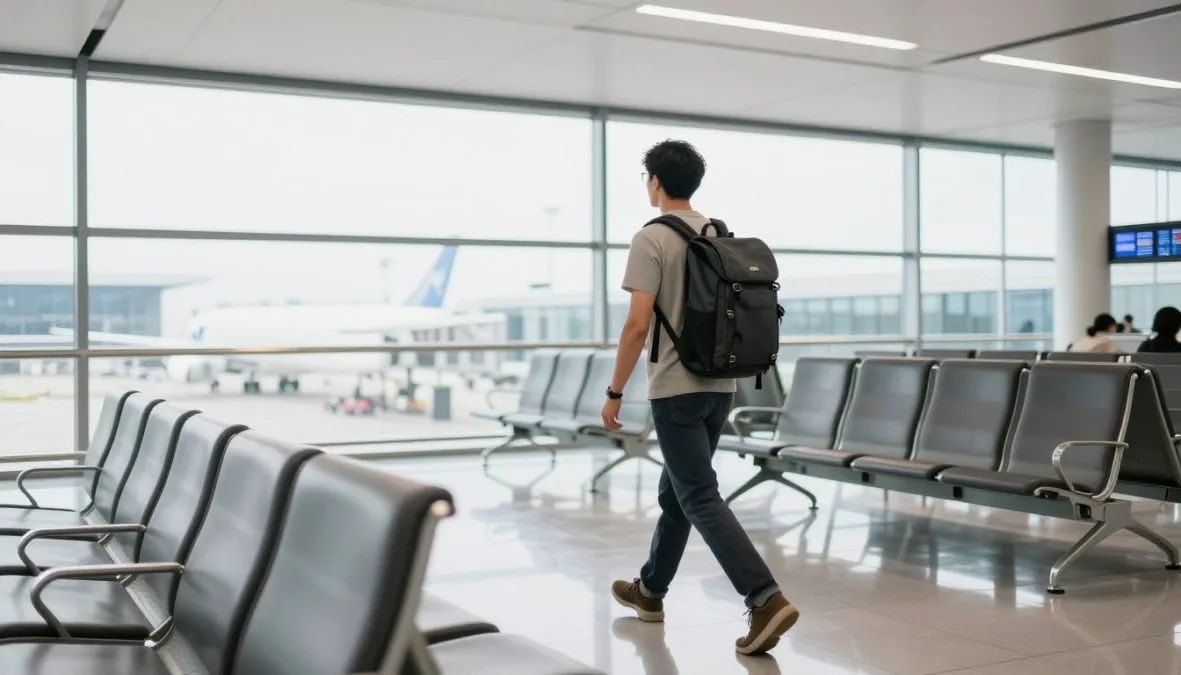
Airport layovers present spacious indoor environments that are ideal for steady walking sessions before boarding. Rather than waiting passively at departure gates, travelers can walk the length of the concourse to keep leg muscles engaged and stimulate blood flow. This deliberate movement reduces physical stiffness caused by extended periods of sitting during flights.
Bypassing moving sidewalks and escalators increases daily step volume without adding complexity to the transit schedule. Standing near open gate areas allows for simple ankle circles, calf raises, and gentle torso twists that release tension in the lower back and calves. Keeping personal carry-on luggage balanced over both shoulders or using a rolling bag with good posture prevents asymmetrical strain during long terminal walks.
- Lap the concourse between flight connections instead of remaining seated in gate lounges.
- Choose traditional stationary stairs rather than automated escalators to elevate heart rate.
- Perform stationary calf raises and gentle quad stretches while waiting at boarding areas.
- Switch carrying arms periodically when handling duffels or heavy personal bags.
Road Trip Rest Stop Calisthenics and Strides
Highway rest stops offer an immediate opportunity to break up prolonged vehicle confinement with brisk movement. Taking several minutes to walk briskly around designated rest areas relieves tension across the lower spine and reactivates dormant gluteal muscles. Combining these short walking intervals with upright calisthenics revitalizes alertness for the next driving shift.
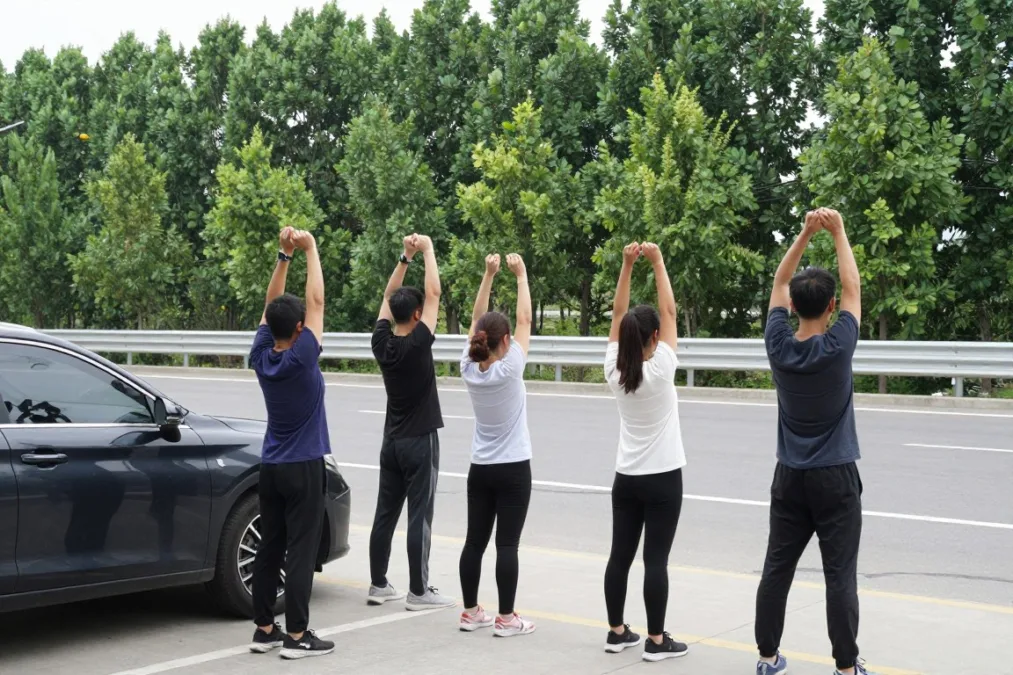
Dynamic movements such as walking lunges, standing knee hugs, and chest-opening arm sweeps counter the slouched posture typical of long road trips. Choosing parking spots further away from facilities naturally increases movement during fuel stops and restroom breaks. Performing these movements in open outdoor areas provides fresh air, which supports mental clarity and driving safety.
Complete sets of bodyweight squats, standing hip circles, and torso rotations near the vehicle to restore mobility before resuming long highway drives.
Hotel Room Bodyweight Conditioning Circuits
Small lodging quarters provide sufficient space for effective full-body workouts that require zero specialized gear. Bodyweight calisthenics utilize floor space efficiently, allowing travelers to train their upper body, core, and legs without leaving the room. Executing a circuit format maintains steady cardio intensity while building muscular endurance.
Fundamental exercises like push-ups, air squats, reverse lunges, and forearm planks can be modified for any current fitness level. Elevating hands on sturdy desks reduces push-up difficulty, whereas placing feet on a sturdy chair increases the training demand. Moving continuously between exercises keeps the session compact, fitting smoothly into packed holiday mornings before family commitments begin.
Upper Body Focus
Standard floor push-ups, elevated incline presses against sturdy furniture, and chair dips target chest, shoulder, and tricep strength.
Lower Body Power
Air squats, alternating reverse lunges, and glute bridges activate the quadriceps, hamstrings, and hips using floor space.
Core Stability
Forearm planks, dead bugs, and bird-dogs build abdominal control while protecting the lower back from travel stiffness.
Portable Resistance Band Routines for Travel
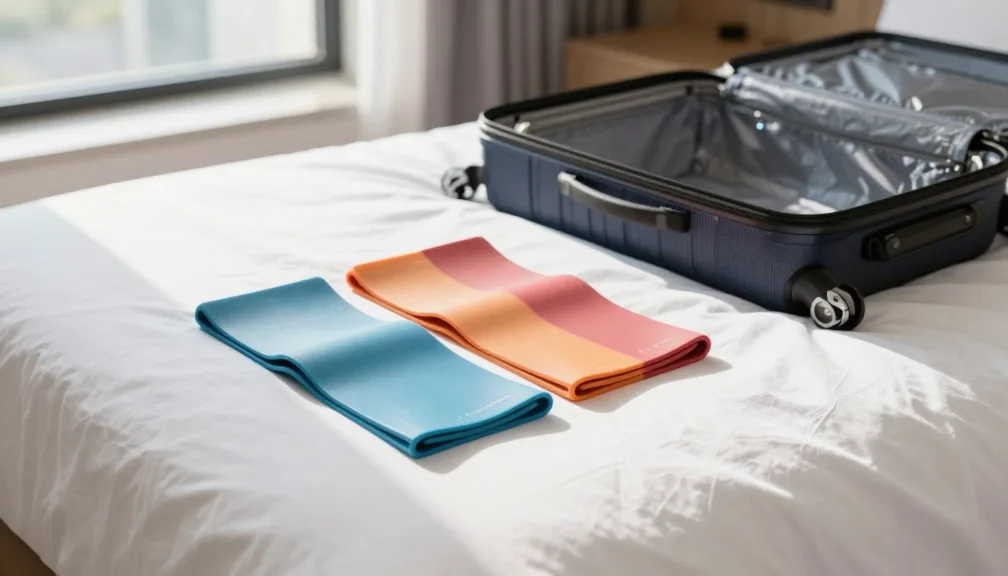
Elastic resistance bands offer versatile strength training without occupying meaningful luggage space or adding noticeable pack weight. These lightweight tools replicate cable machine exercises, providing consistent tension throughout pushing and pulling motions. They adapt readily to hotel bedrooms, living room corners, or guest house patios during family holiday stays.
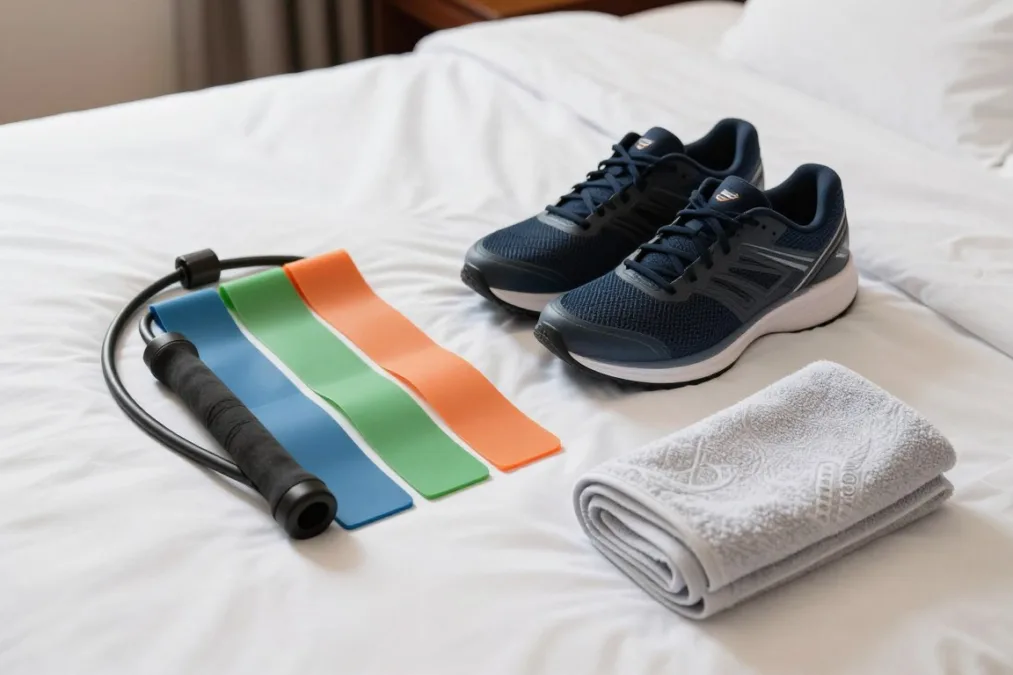
Anchoring bands under the feet enables bicep curls, overhead shoulder presses, and upright rows that preserve posture against travel fatigue. Wrapping bands around the thighs during lateral walks activates the hip abductors, which often weaken during prolonged vehicle travel. Selecting the appropriate band tension allows travelers to scale workout difficulty without handling bulky iron weights.
Advantages
- Minimal weight and bulk inside carry-on luggage or duffel bags.
- Continuous resistance across joint-friendly compound movement paths.
- Quiet operation suitable for early morning workouts in guest rooms.
Limitations
- Requires stable anchoring points for overhead pulling movements.
- Elastic material requires routine checks for tears or wear.
- Resistance curves differ from conventional free-weight gym apparatus.
Functional Luggage Carries and Active Transit
Handling baggage provides an organic functional fitness workout when approached with deliberate posture and body mechanics. Lifting suitcases from car trunks, train racks, and baggage carousels mimics deadlifts and clean-and-press movements. Treating these everyday travel tasks as physical training builds grip strength, shoulder stability, and core bracing.
Carrying a suitcase in one hand while walking through train stations creates a unilateral suitcase carry that strengthens lateral core muscles. Switching hands periodically balances the workload across both sides of the torso and prevents strain in the neck or upper trapezius. Engaging the abdominal muscles and hinging at the hips when lifting heavy gear prevents lower back injury during hectic departures.
Maintain a tall spine, braced core, and pulled-back shoulders whenever carrying heavy luggage to turn transit routines into safe functional strength practice.
Scenic Neighborhood Walks and Post-Meal Strides
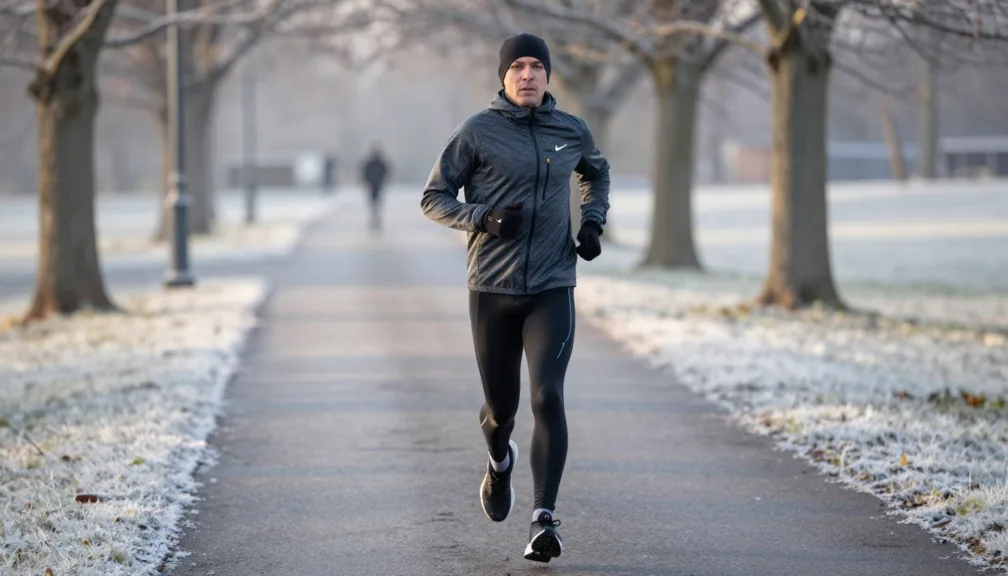
Walking through local neighborhoods allows travelers to explore new surroundings while keeping daily physical activity high. Stepping out into crisp outdoor air immediately after large holiday feasts supports healthy digestion and stabilizes blood glucose response. Inviting family members along turns exercise into a pleasant, shared social tradition that accommodates participants across generations.
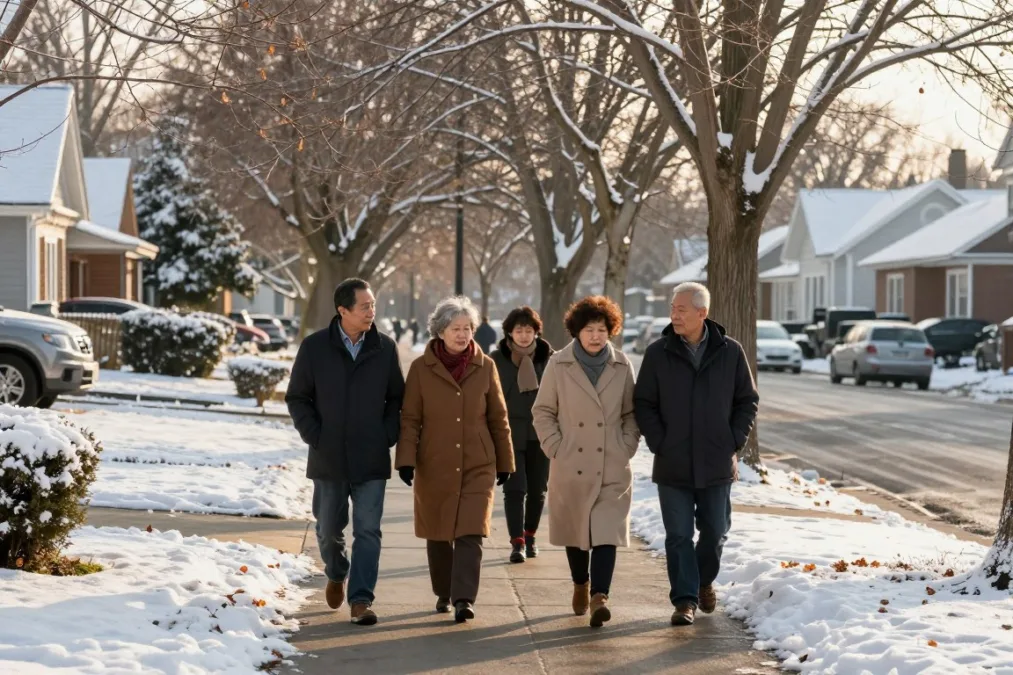
Morning walks establish a calm, proactive tone before noisy household gatherings and social schedules take over the day. Strolling down quiet residential avenues or through community parks offers mental decompression from crowded living quarters. Consistent walking volume maintains overall physical wellness without producing excessive fatigue that interferes with holiday plans.
Morning Neighborhood Strolls
Brisk morning outings provide quiet time, natural sunlight exposure, and joint lubrication before festive obligations begin.
Post-Dinner Family Strides
Gathering the household for an evening loop down local streets aids digestion and replaces stationary television viewing.
Outdoor Park and Playground Cross-Training
Public parks and community playgrounds provide abundant fixtures for varied bodyweight cross-training during visits with relatives. Park benches function as sturdy platforms for step-ups, elevated planks, and incline push-ups that challenge the upper body. Play structures frequently offer overhead bars suitable for pull-ups, hanging knee raises, or grip hangs.
Exercising outdoors in public green spaces exposes travelers to natural light, which assists circadian rhythm regulation after traveling across time zones. Children and family members can participate concurrently, making fitness feel like casual recreation rather than an isolated chore. Utilizing grass fields for brief sprints, lateral shuffles, or animal crawls builds agility and elevates conditioning.
Inspect playground equipment and park benches for ice, rain moisture, or structural instability before applying bodyweight loads during outdoor workouts.
Hotel Stairwell Climbing Sessions
Hotel stairwells supply an accessible, climate-controlled venue for challenging cardiovascular and lower-body workouts regardless of weather conditions outside. Climbing stairs forces the quadriceps, calves, and gluteal muscles to work against gravity while elevating heart rate rapidly. This vertical movement offers a potent conditioning stimulus in a remarkably short timeframe.
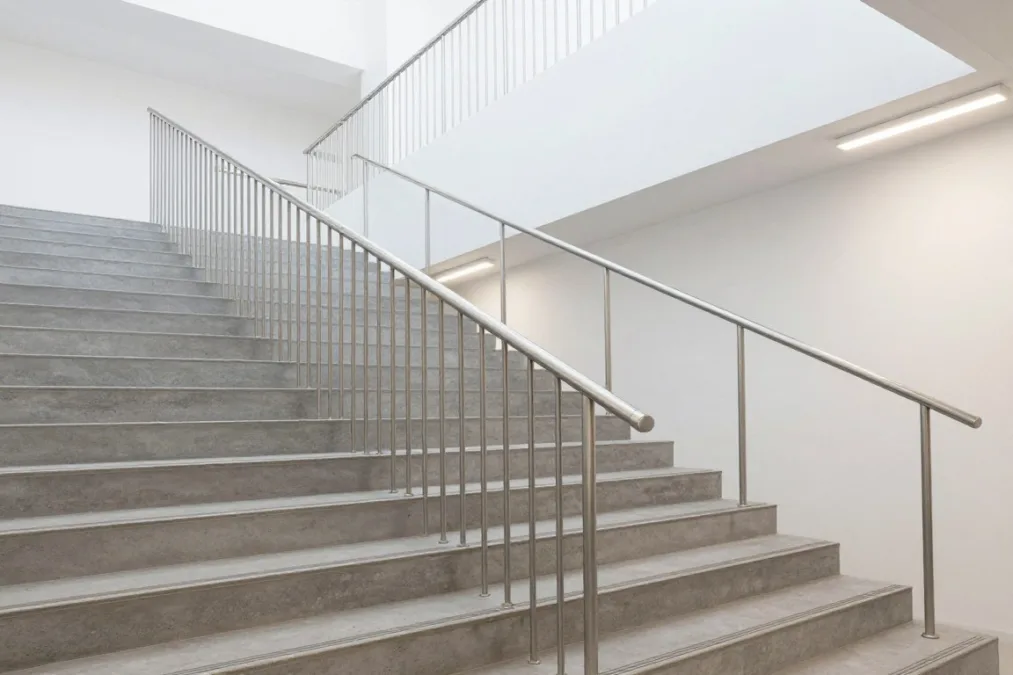
Ascending stairs at a steady, rhythmic pace protects knee joints while delivering aerobic benefits comparable to outdoor jogging or treadmill work. Taking the elevator back down between ascents reduces eccentric strain on patellar tendons and prevents premature knee soreness. Utilizing stairwells early in the morning avoids guest traffic and keeps the workout completely self-contained within the lodging facility.
- Step firmly on the middle of each tread with the entire foot to engage the glutes and protect the ankle.
- Hold or stay close to safety handrails when turning corners on landing platforms.
- Ascend stairs at a measured cadence and utilize elevators for downward recovery laps.
- Wear athletic shoes with dependable rubber traction to prevent slipping on smooth stairwell concrete.
Seated and Standing Stretches for Flights and Drives
Prolonged immobility during flights and road trips tightens hip flexors, stiffens the upper back, and restricts healthy blood circulation. Practicing subtle seated stretches helps alleviate spinal compression and reduces physical fatigue associated with long-haul transit. Performing periodic movement directly in passenger seats keeps joints nourished when moving through aisles is impractical.
Seated glute stretches, seated cat-cow arches, and overhead wrist reaches decompress the spine without disturbing adjacent passengers. Standing up in the cabin or beside rest stop vehicles allows for deeper quad stretches and standing hip openers that restore pelvic alignment. Implementing these stretches regularly throughout long travel days reduces post-trip muscle aches and joint tightness.
| Body Region | Targeted Stretch | Primary Physical Benefit |
| Neck and Shoulders | Ear-to-shoulder tilt | Releases upper trapezius stiffness caused by bulky coats and travel bags. |
| Mid and Upper Back | Seated torso twist | Restores thoracic spinal rotation restricted by narrow passenger seats. |
| Hips and Glutes | Seated figure-four | Alleviates piriformis tightness and reduces pressure along the lower back. |
| Feet and Ankles | Ankle rotation circles | Stimulates blood flow through lower legs during prolonged stationary sitting. |
How to Stay Active During Holiday Travel 2026 Through Family Games
Incorporating interactive physical games turns exercise into a collaborative holiday activity that unites family members of diverse ages. Group outings such as backyard touch football, ice skating sessions, sledding hill climbs, or lawn games encourage steady movement without feeling like formal training. These shared physical pursuits build memorable holiday moments while naturally increasing daily calorie expenditure.
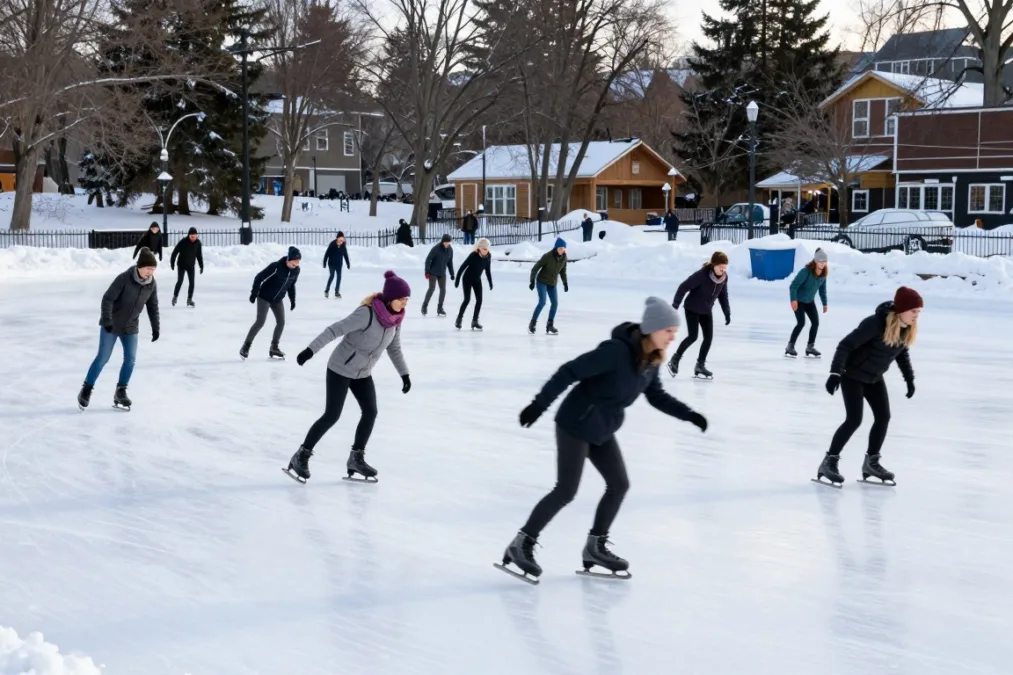
Organizing a friendly family table tennis tournament, an indoor scavenger hunt, or an active living room charades game keeps bodies moving during foul weather. Selecting collaborative, low-pressure games ensures that grandparents, parents, and young children can participate at their respective physical comfort levels. Making collective movement an established holiday tradition keeps physical health central to the festive season.
Suggest cooperative outdoor lawn games, scenic winter ice skating, or gentle backyard sports to turn family gatherings into energizing active events.
Frequently Asked Questions
What fitness gear is worth packing for holiday travel?
Packing should focus on lightweight, compact items such as elastic loop resistance bands and athletic shoes that fit inside carry-on luggage. These tools enable varied full-body resistance exercises without adding meaningful weight or occupying valuable packing volume.
How can travelers maintain physical activity on tight holiday schedules?
Breaking movement into short bodyweight intervals or brisk walks throughout the day fits activity into tight schedules without requiring dedicated gym visits. Capitalizing on airport layovers, hotel morning hours, and post-meal family walks accumulates valuable exercise volume seamlessly.
How can workouts be adapted for small hotel rooms with minimal floor space?
Stationary bodyweight exercises like air squats, lunges, push-ups, and planks require only the floor space equivalent to a yoga mat. Utilizing sturdy hotel chairs or desks for incline angles allows for full-body training without rearranging furniture.
What should travelers do when holiday fatigue makes intense workouts unappealing?
Opting for gentle mobility work, restorative stretching, and low-intensity neighborhood walks maintains movement habits while respecting physical recovery needs. Light physical activity often alleviates travel lethargy and restores physical energy more effectively than complete sedentary rest.
How can relatives of different fitness levels be included in holiday movement?
Low-impact activities such as neighborhood strolls, scenic park visits, and casual lawn games accommodate broad age ranges and varying mobility levels. Allowing participants to set their own walking pace keeps family outings inclusive and welcoming for everyone.
Maintaining Momentum Throughout Holiday Travel
Prioritizing practical movement opportunities across airports, road stops, lodging rooms, and family households preserves physical fitness without disrupting holiday festivities. Embracing brief bodyweight sessions, resistance bands, and post-meal walks keeps energy levels vibrant and joints limber throughout seasonal journeys. Consistency in small, accessible daily habits lays the groundwork for sustained health, vitality, and well-being well into the coming year.

Priyanka Pandey
Senior Research Editor · Top10Sense
Priyanka specializes in tech, consumer products, and digital trends. She combines hands-on testing, vendor interviews, and database research to create trustworthy “Top 10” rankings. Her work has been referenced by industry blogs and brand report pages.