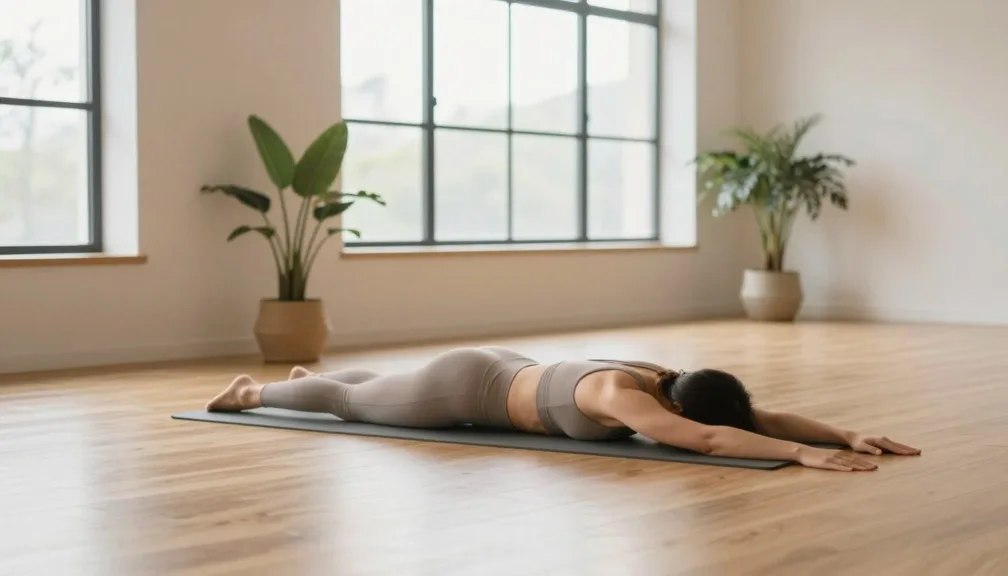

Back pain affects millions of people every day. It can make simple tasks feel impossible. The good news is that you can find relief right in your own home.
These ten exercises target the muscles in your lower back and core. They help reduce pain and prevent future problems. You will learn the proper form for each movement.
Before you begin any new exercise program, talk to your doctor. This is especially important if you have chronic back pain or a recent injury. Safety comes first when dealing with back pain.
Important Safety Notice: Stop any exercise immediately if you feel sharp pain, numbness, or tingling. These symptoms may indicate a serious condition that requires medical attention. Consult a healthcare provider before starting these exercises if you have chronic low back pain or recent injury.
Understanding Your Back Pain
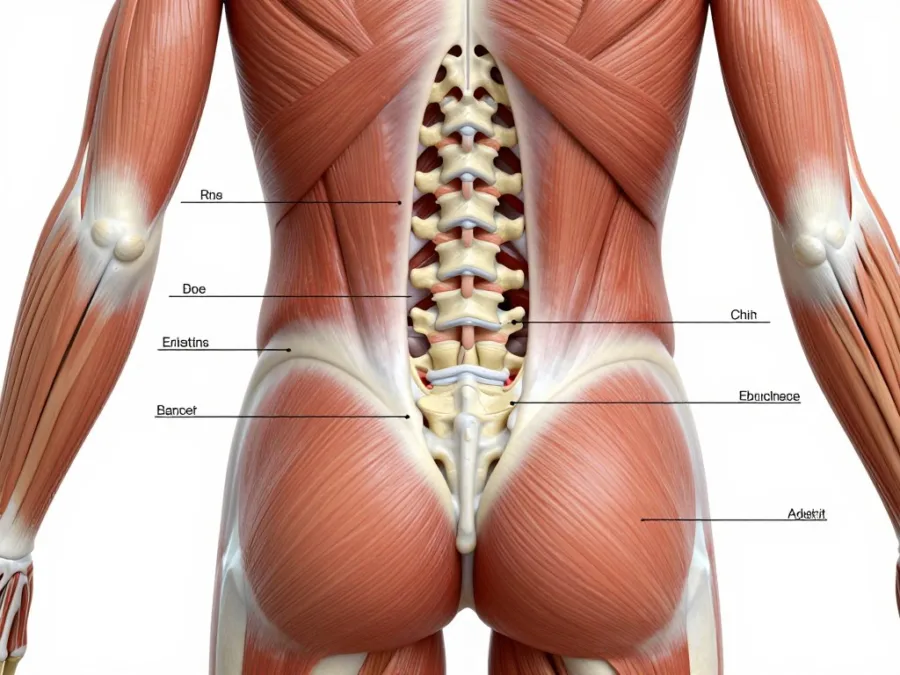
Low back pain is one of the most common health complaints. It can result from muscle strain, poor posture, or lack of flexibility. Understanding the cause helps you choose the right exercises.
The muscles of the lower back support your spine. When these muscles are weak or tight, back pain becomes more likely. Regular exercise strengthens these muscles and improves flexibility.
Most back pain improves with proper exercise and care. However, some conditions require professional treatment. A healthcare provider can determine if your back pain needs special attention.
Common Causes
Several factors contribute to back pain development:
- Muscle strain from lifting
- Poor posture habits
- Weak core muscles
- Limited flexibility
Warning Signs
Seek immediate medical care if you experience:
- Severe pain after injury
- Loss of bladder control
- Leg weakness or numbness
- Unexplained weight loss
Benefits of Exercise
Regular back exercises provide multiple advantages:
- Reduced pain intensity
- Improved muscle strength
- Better spine flexibility
- Enhanced daily function
When to Exercise
Best practices for exercise timing:
- After pain subsides slightly
- Twice a day for results
- During pain-free periods
- With professional guidance
Need Personalized Guidance?
Every back pain case is unique. A healthcare professional can evaluate your specific condition and create a custom exercise plan that addresses your individual needs safely and effectively.
Exercise 1: Pelvic Tilt
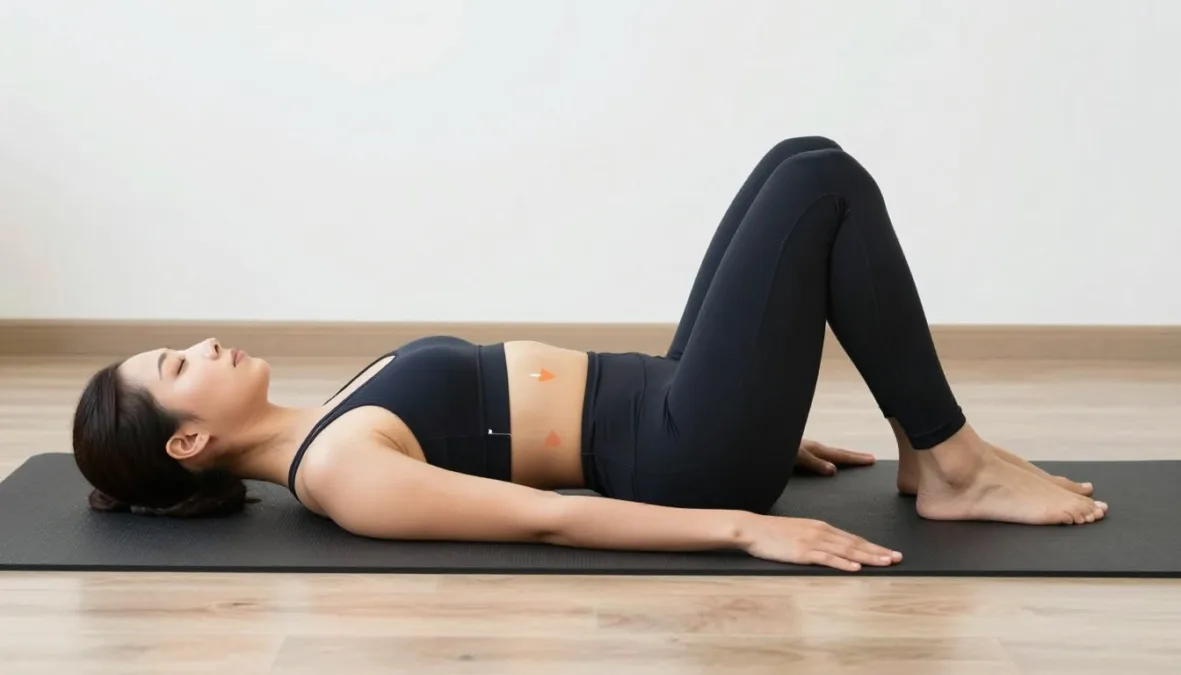
The pelvic tilt strengthens your lower back and core muscles. This gentle movement helps relieve pain and improve flexibility. It serves as an excellent starting point for beginners.
How to Perform
Lie on your back with knees bent and feet flat on the floor. Your arms should rest at your sides. Keep your spine in a neutral position to start.
Tighten your stomach muscles and push your lower back toward the floor. Hold this position for five seconds while breathing normally. You should feel your back muscles working.
Return to the starting position slowly. Rest for a few seconds between repetitions. Repeat this movement ten times twice a day.
Key Benefits
- Strengthens core muscles effectively
- Improves posture alignment
- Reduces lower back strain
- Increases pelvic stability
Safety Tip: Keep movements small and controlled. Do not arch your back excessively. If you feel any sharp pain, stop the exercise and consult a healthcare provider.
Exercise 2: Knee to Chest Stretch
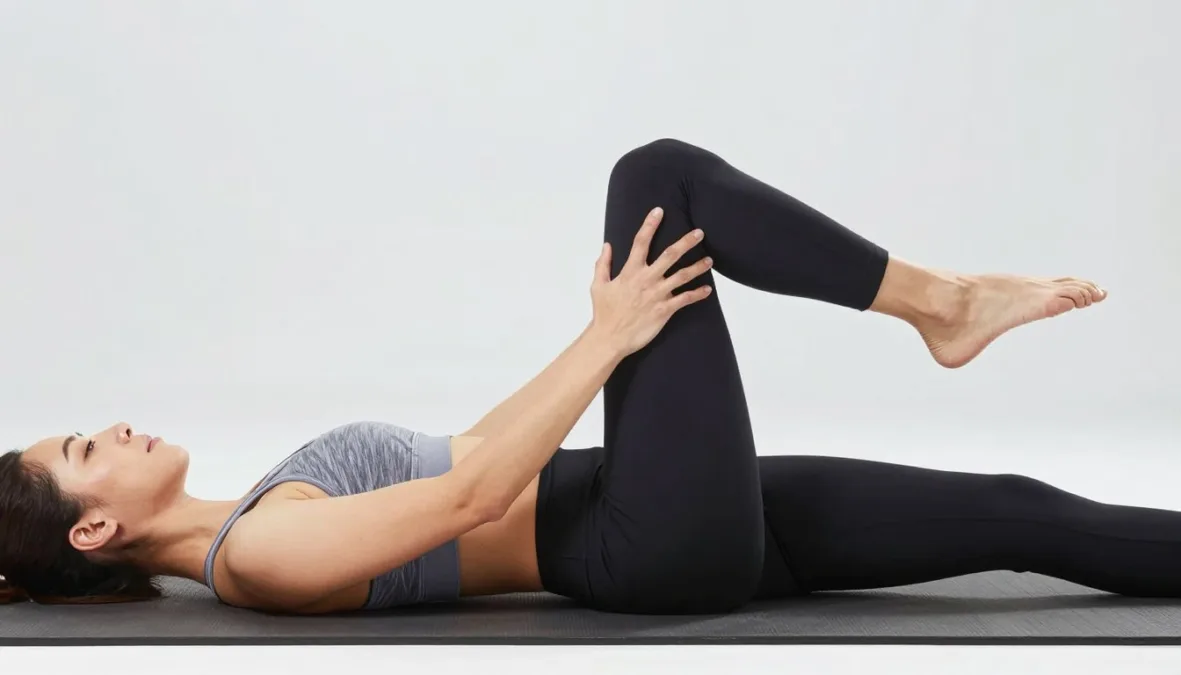
This stretch targets tight muscles in your lower back and buttocks. The knee to chest movement provides immediate relief for many people with back pain. It also improves hip flexibility.
Step-by-Step Instructions
Lie on your back with your knees bent and feet flat on the floor. Keep your head and shoulders relaxed on the mat. Take a deep breath before starting.
Bring one knee toward your chest using both hands. Pull gently until you feel a comfortable stretch in your lower back. Hold this position for twenty seconds.
Return your leg to the starting position. Repeat with the other leg. Perform this stretch three times on each side twice a day.
Modifications
If pulling one knee feels too intense, start by bringing both knees to your chest together. This variation may feel more comfortable for severe back pain. Progress to single leg stretches as your flexibility improves.
Exercise 3: Cat-Cow Stretch
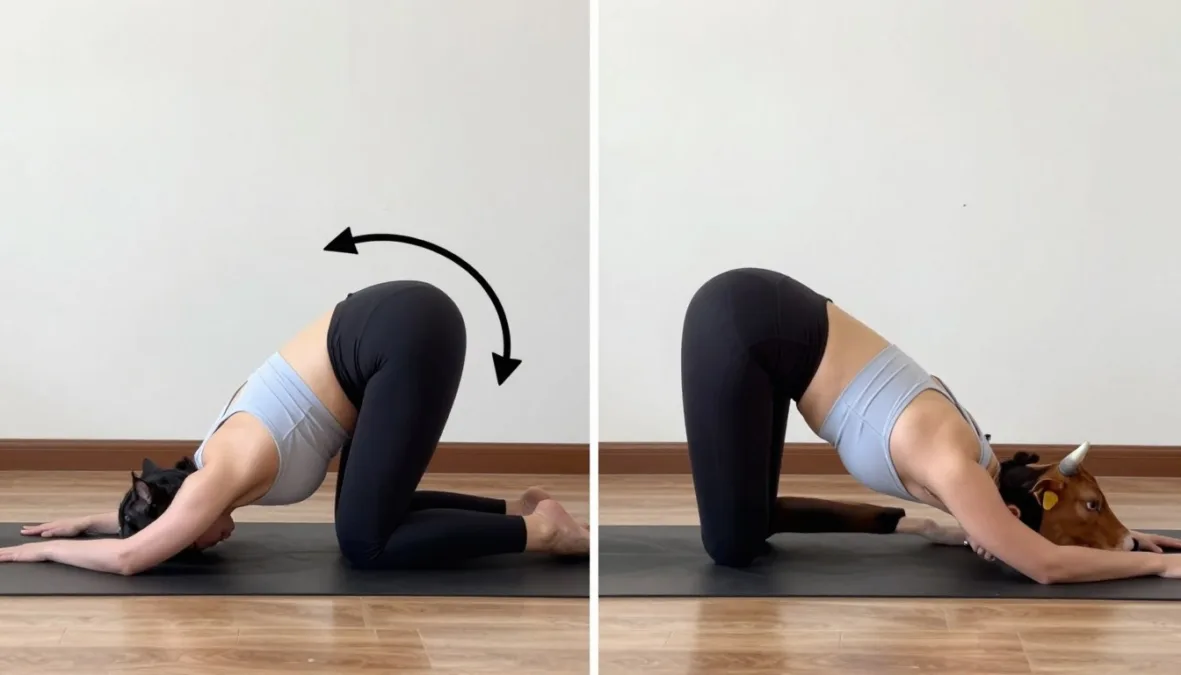
The cat-cow stretch improves spine flexibility and reduces tension. This gentle movement works the entire length of your back. Many people find immediate relief from this exercise.
Proper Technique
Start on your hands and knees. Position your hands directly under your shoulders. Your knees should align under your hips for stability.
Arch your back toward the ceiling like a stretching cat. Tuck your chin toward your chest. Hold for five seconds while breathing deeply.
Slowly reverse the movement by dropping your belly toward the floor. Lift your head and tailbone upward. This creates the cow position. Hold this position for five seconds.
Flow between these two positions ten times. Move slowly and breathe steadily throughout. Practice this stretch twice a day for best results.
Exercise 4: Bridge Exercise
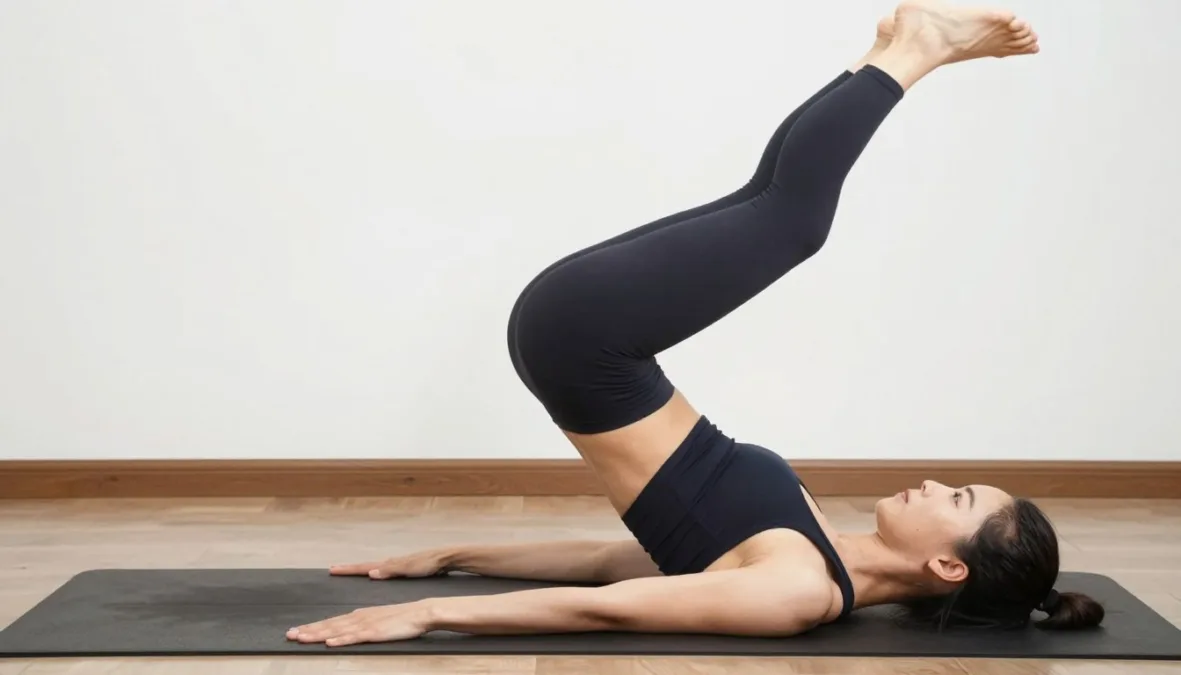
The bridge exercise strengthens your back, buttocks, and core muscles. Strong muscles in these areas provide better support for your spine. This exercise also helps prevent future back pain.
Exercise Steps
Lie back with your knees bent and feet flat on the floor. Place your feet hip-width apart. Rest your arms at your sides with palms facing down.
Tighten your buttocks and lift your hips off the floor. Create a straight line from your knees to your shoulders. Keep your back straight during the lift.
Hold this elevated position for ten seconds. Breathe normally and keep your core engaged. Lower your hips slowly to return to the starting position.
Rest for five seconds between repetitions. Complete ten bridges twice a day. Increase the hold time as you grow stronger.
Common Mistakes
- Lifting hips too high and arching the back
- Holding breath during the exercise
- Placing feet too close or far apart
- Rushing through the movement
Exercise 5: Bird Dog Exercise
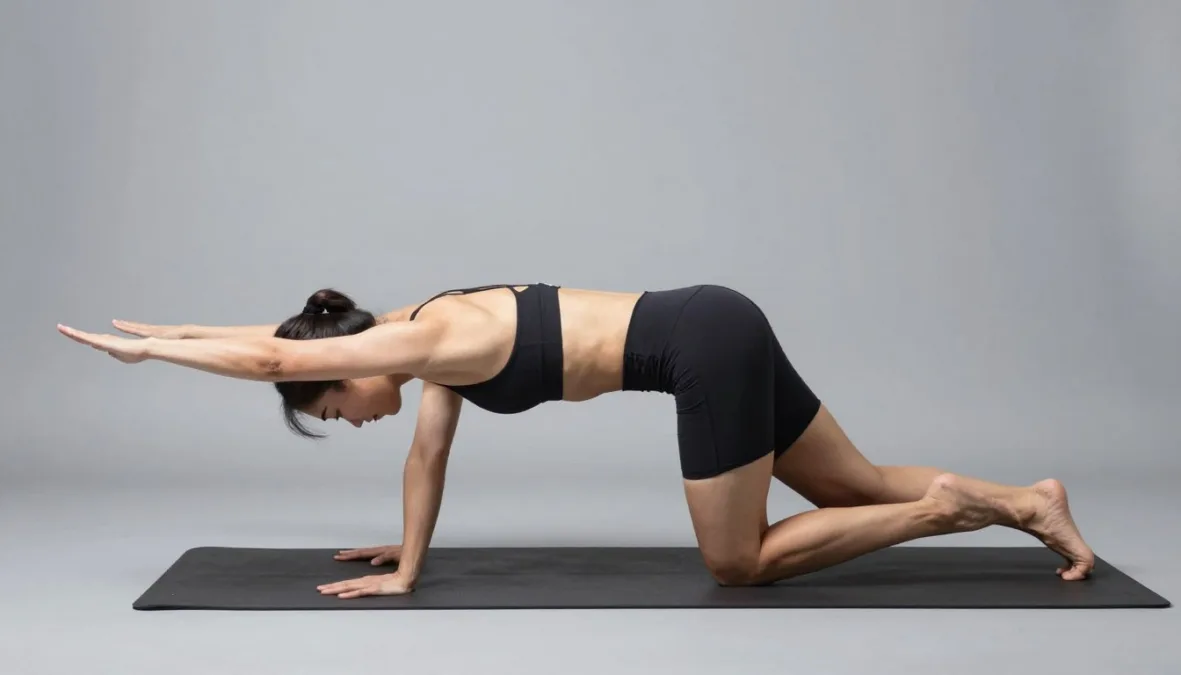
The bird dog exercise builds core strength and improves balance. It challenges your stability while strengthening your back muscles. This movement trains your body to maintain proper spine alignment.
How to Execute
Begin on your hands and knees in a tabletop position. Keep your back flat and your head in line with your spine. Engage your core muscles before moving.
Extend your right arm forward while simultaneously extending your left leg backward. Keep your back straight and avoid twisting. Hold this position for ten seconds.
Return your arm and leg to the starting position with control. Repeat on the opposite side with your left arm and right leg. This completes one full repetition.
Perform five repetitions on each side. Complete two sets daily. Focus on maintaining balance throughout the movement.
Struggling with Proper Form?
Performing exercises incorrectly can worsen back pain or cause new injuries. Our certified specialists provide hands-on coaching to ensure you execute each movement safely and effectively for maximum pain relief.
Exercise 6: Child’s Pose
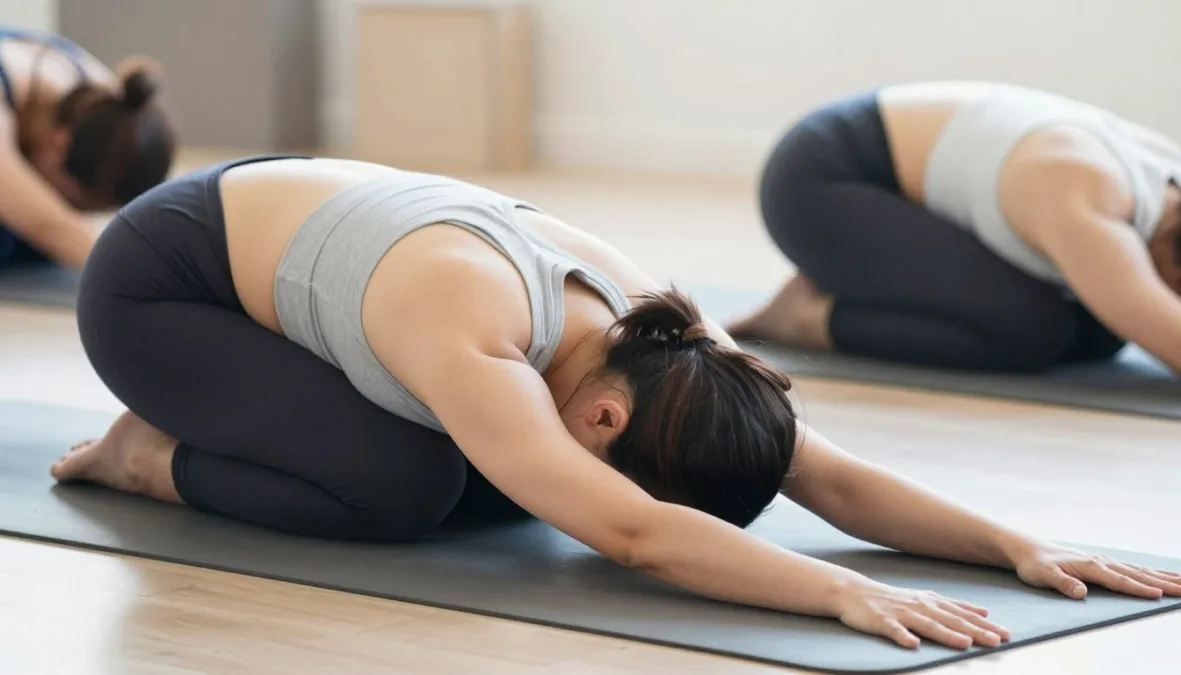
Child’s pose provides a gentle stretch for your entire back. This restful position relieves tension and promotes relaxation. Many people use this pose between more active exercises.
Position Guide
Kneel on the floor with your knees hip-width apart. Sit back on your heels and take a moment to settle. Keep your breathing slow and steady.
Lean forward and lower your chest between your knees. Extend your arms forward on the floor or rest them alongside your body. Allow your forehead to touch the mat.
Hold this position for thirty seconds to one minute. Breathe deeply and feel the stretch along your spine. This pose should feel comfortable and relaxing.
Use this stretch whenever your back feels tight or tired. It provides excellent relief during exercise sessions. Practice child’s pose multiple times throughout the day.
Exercise 7: Seated Spinal Twist
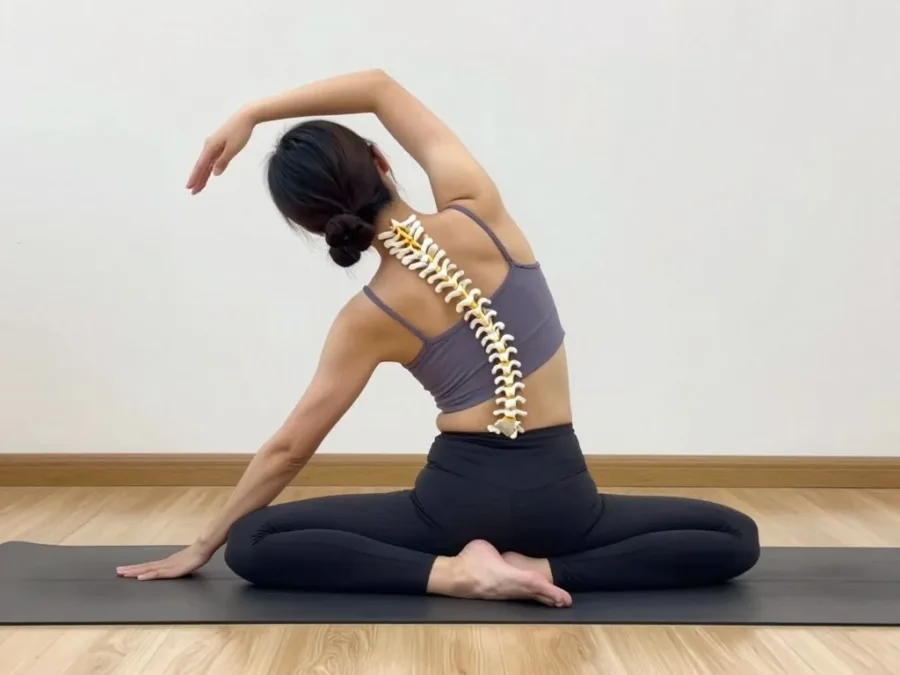
The seated spinal twist improves rotation and flexibility in your spine. This movement releases tension in your back muscles. Regular practice helps maintain healthy spine mobility.
Detailed Instructions
Sit on the floor with both legs extended in front of you. Keep your spine tall and your shoulders relaxed. Place your hands on the floor beside your hips for support.
Bend your right knee and place your right foot flat on the floor outside your left knee. Your right knee should point toward the ceiling. Keep your left leg extended straight.
Twist your torso to the right and place your left elbow outside your right knee. Use gentle pressure to deepen the twist. Look over your right shoulder to complete the rotation.
Hold this position for twenty seconds while breathing normally. Return to the starting position and repeat on the opposite side. Perform this stretch three times on each side.
Exercise 8: Wall Sit
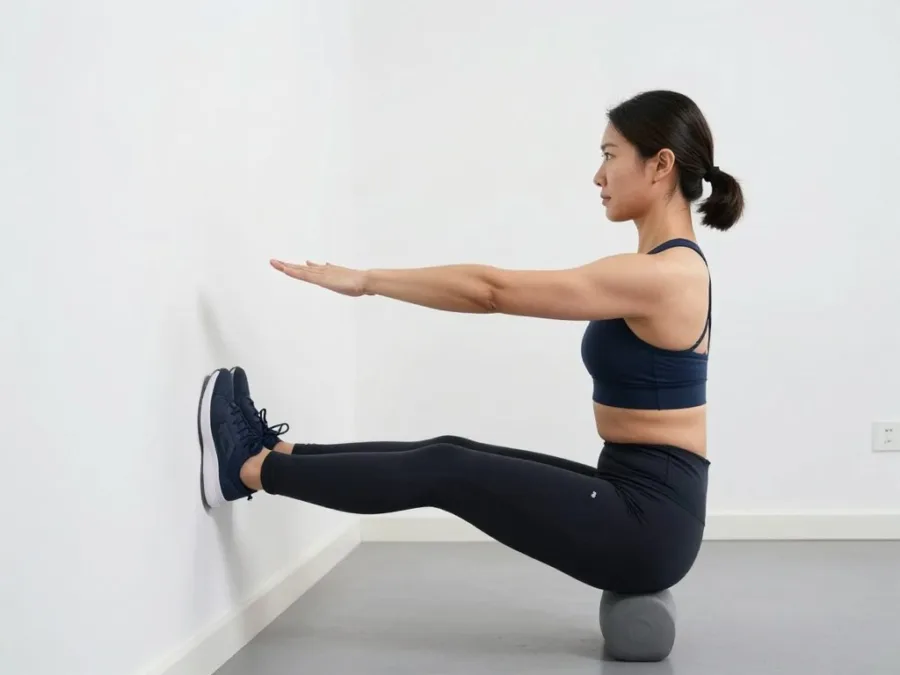
Wall sits strengthen the muscles that support your lower back and spine. This isometric exercise builds endurance without movement. Strong leg and core muscles reduce back pain significantly.
Exercise Method
Stand with your back against a wall. Move your feet forward about two feet from the wall. Keep your feet shoulder-width apart for stability.
Slide down the wall until your knees bend at ninety degrees. Your thighs should be parallel to the floor. Keep your back flat against the wall throughout.
Hold this position for twenty to thirty seconds. Breathe steadily and keep your core engaged. Slide back up the wall slowly to the starting position.
Rest for thirty seconds between repetitions. Complete five wall sits daily. Gradually increase your hold time as you build strength.
Exercise 9: Prone Leg Lift
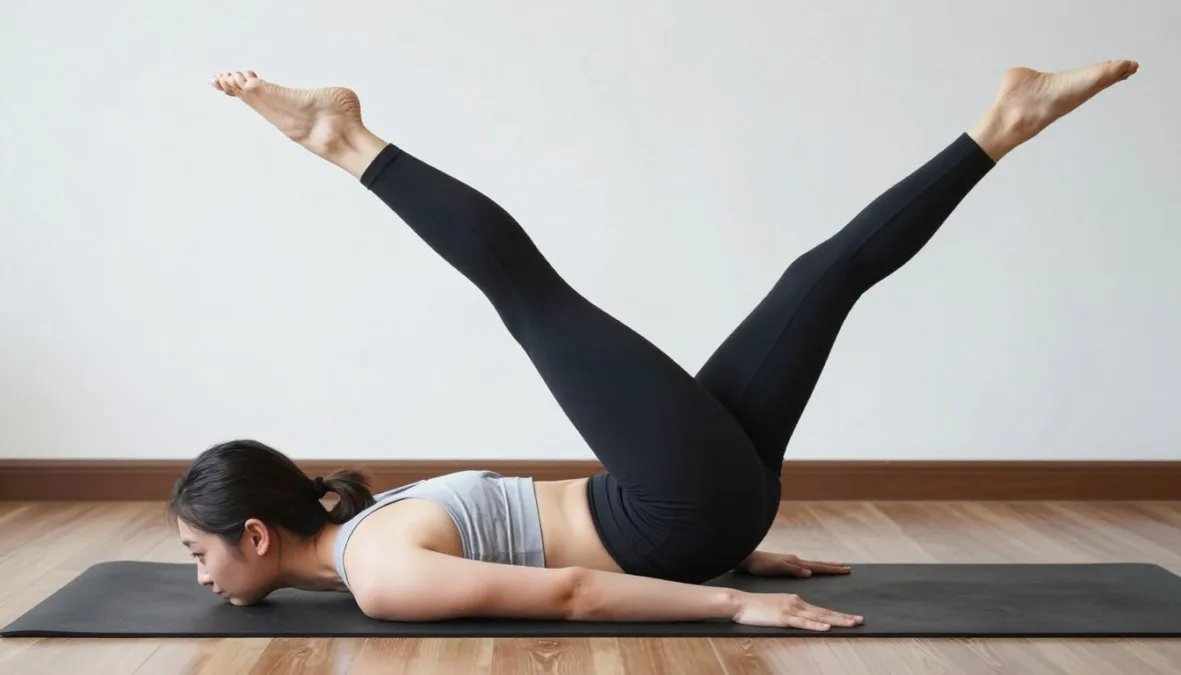
Prone leg lifts target the muscles along your spine and buttocks. This exercise strengthens your lower back effectively. Building these muscles provides better support for your entire back.
Execution Steps
Lie face down on a mat with your arms folded under your forehead. Keep your legs straight and together. Engage your core muscles to protect your spine.
Lift your right leg straight up toward the ceiling. Keep your hips pressed against the floor throughout the movement. Raise your leg only as high as comfortable without pain.
Hold the lifted position for five seconds. Lower your leg slowly to the starting position. Repeat with your left leg to complete one repetition.
Perform ten lifts on each leg. Complete two sets twice a day. Stop immediately if you feel any sharp pain in your back.
Exercise 10: Standing Back Extension
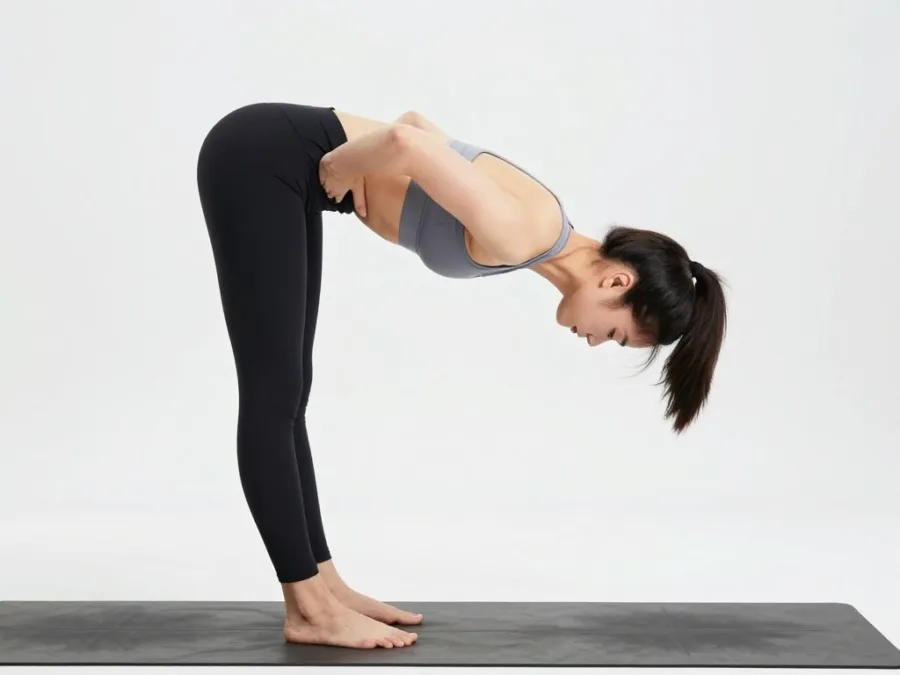
Standing back extensions provide relief from prolonged sitting or forward bending. This movement counteracts the hunched posture many people develop. It opens up the front of your body and stretches tight chest muscles.
Performance Guide
Stand with your feet shoulder-width apart. Place your hands on your lower back with fingers pointing downward. Keep your knees slightly bent for stability.
Gently lean backward from your waist. Support your back with your hands as you extend. Look up toward the ceiling but avoid straining your neck.
Hold this stretch for ten seconds while breathing normally. Return to the starting position slowly and with control. This completes one repetition.
Repeat this extension five times. Perform the exercise two to three times daily. This stretch works particularly well after long periods of sitting.
Important Reminder: These exercises provide general guidance for back pain relief. Individual results vary based on the specific cause of back pain. Always listen to your body and modify exercises as needed for comfort and safety.
Essential Safety Guidelines
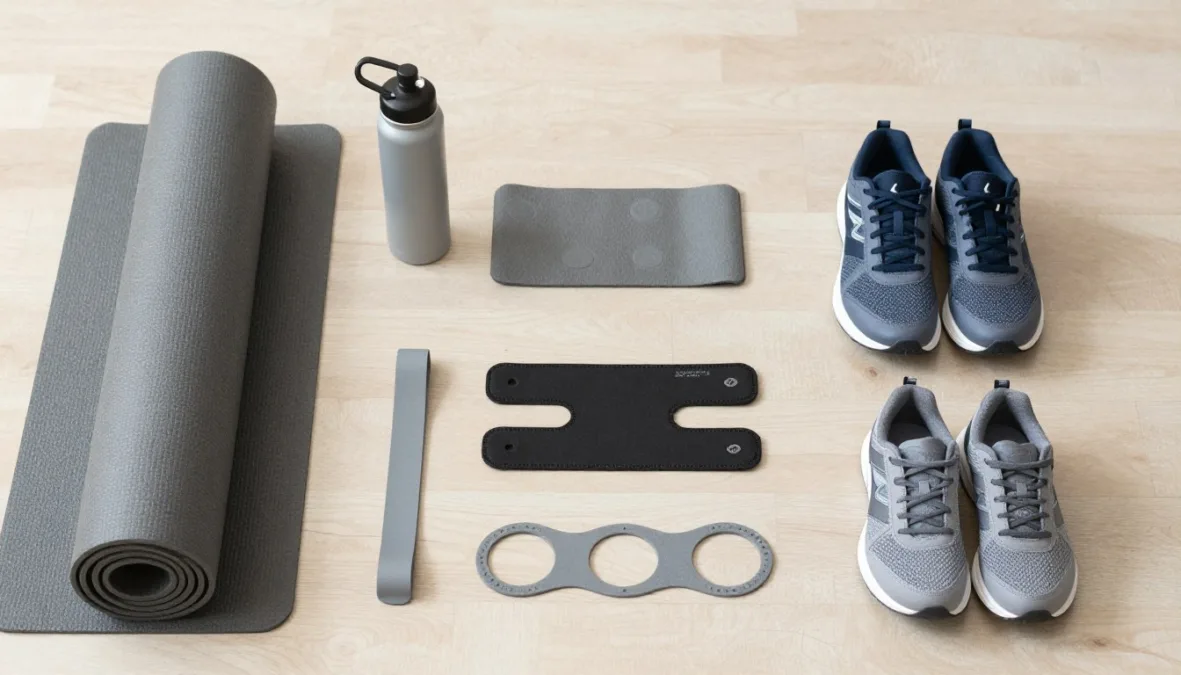
Following proper safety guidelines prevents injury and maximizes results. These precautions help you exercise effectively while protecting your back. Smart exercise habits lead to better long-term outcomes.
Before You Begin
- Warm up with light walking for five minutes
- Wear comfortable, flexible clothing
- Use a yoga mat or padded surface
- Stay hydrated throughout your routine
- Choose a quiet space without distractions
During Exercise
- Move slowly and with control
- Breathe steadily throughout each movement
- Stop if you experience sharp pain
- Avoid bouncing or jerky movements
- Maintain proper form over speed
When to Stop Exercising
Certain symptoms indicate you should stop exercising immediately. Sharp pain, numbness, or tingling requires professional evaluation. Do not push through severe discomfort or unusual sensations.
Listen to your body and respect its limits. Some mild muscle soreness is normal after exercise. However, pain that worsens or persists beyond exercise sessions needs medical attention.
Red Flags: Seek immediate medical care if you experience fever with back pain, loss of bladder or bowel control, unexplained weight loss, or severe pain following a fall or injury. These symptoms may indicate serious conditions requiring urgent treatment.
Creating Your Exercise Routine
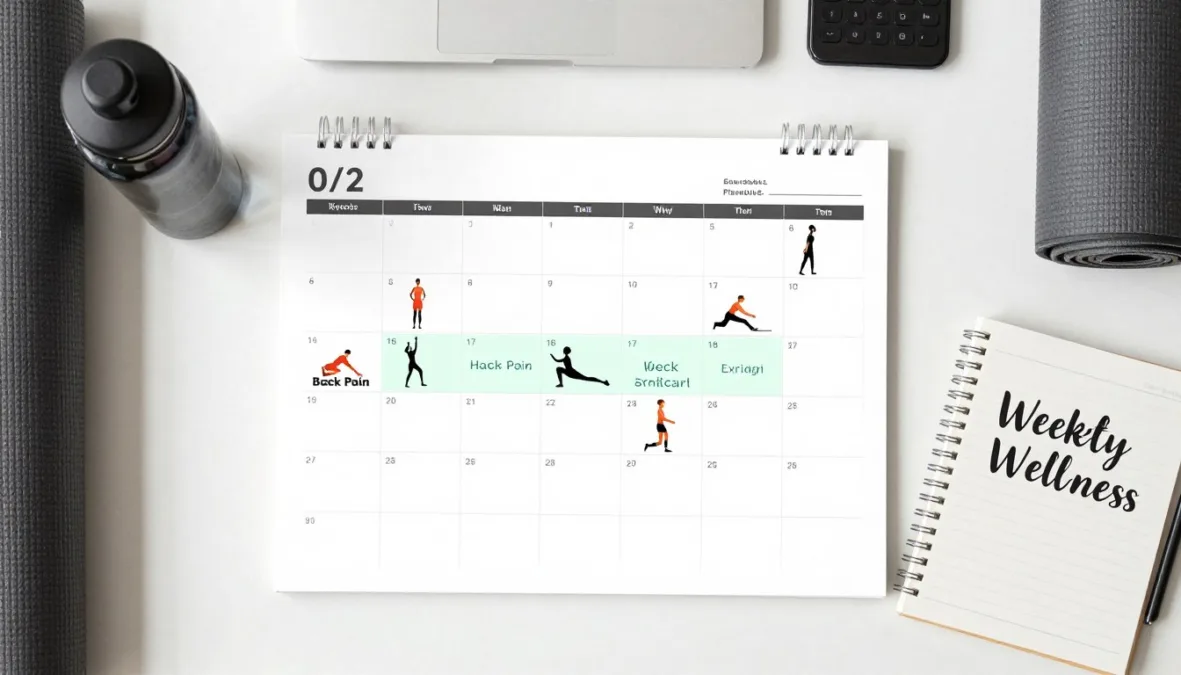
Consistency produces the best results for back pain relief. A structured routine helps you stay on track with your exercises. Plan your sessions at times when you feel most energetic.
Sample Weekly Schedule
| Day | Morning Session | Evening Session | Focus Area |
| Monday | Exercises 1-3 | Exercises 4-5 | Flexibility |
| Tuesday | Exercises 6-8 | Exercises 1-2 | Strength |
| Wednesday | Exercises 9-10 | Exercises 3-4 | Core Building |
| Thursday | Rest or gentle stretching | Exercises 5-7 | Recovery |
| Friday | Exercises 1-5 | Exercises 6-10 | Full Routine |
| Weekend | Light stretching | Favorite exercises | Maintenance |
Tracking Your Progress
Keep a simple journal to monitor your improvement. Note which exercises you complete each day. Record your pain levels before and after exercise sessions.
Track how long you can hold each position. Notice improvements in your flexibility and strength over time. These records help you stay motivated and identify what works best.
Additional Pain Management Strategies
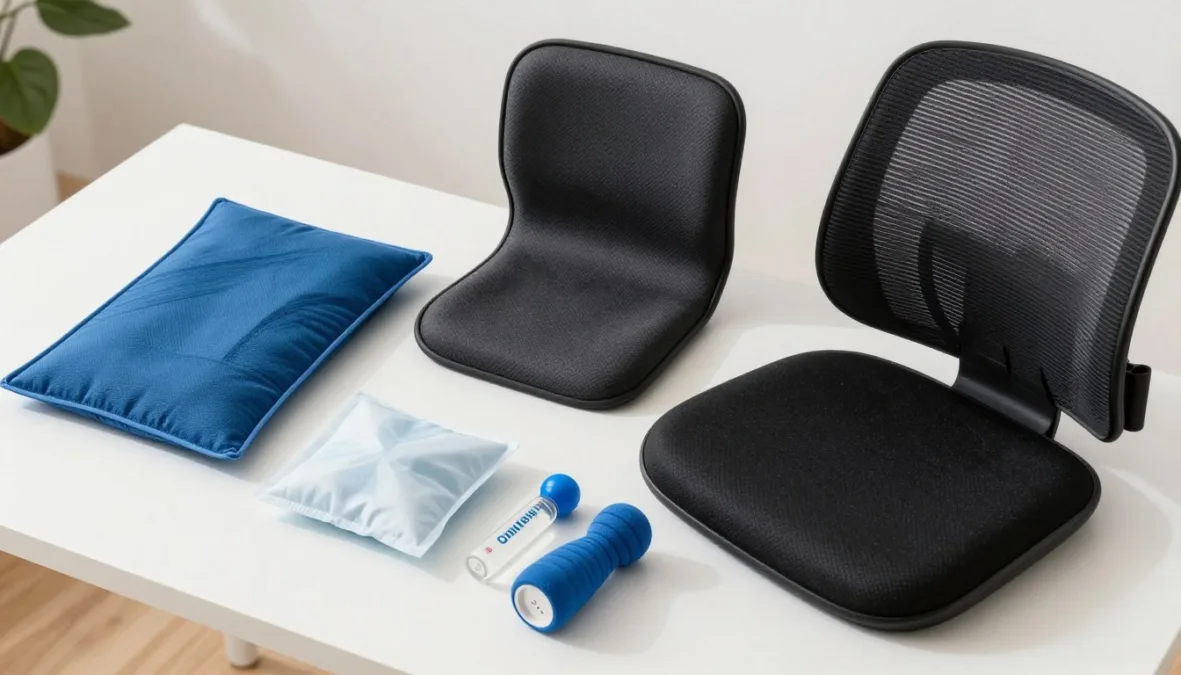
Exercise works best when combined with other healthy habits. These complementary strategies enhance your pain relief efforts. A comprehensive approach addresses back pain from multiple angles.
Posture Improvements
Good posture reduces strain on your back throughout the day. Sit with your back supported and feet flat on the floor. Stand tall with shoulders back and stomach muscles engaged.
Adjust your workspace to support proper alignment. Position your computer screen at eye level. Use a supportive chair that maintains your spine’s natural curve.
Lifestyle Modifications
Small changes in daily activities can significantly reduce back pain. Lift heavy objects by bending your knees instead of your back. Avoid sitting or standing for extended periods without breaks.
Maintain a healthy weight to reduce stress on your spine. Stay active throughout the day with regular movement. Sleep on a supportive mattress that keeps your spine aligned.
Heat and Cold Therapy
Apply ice to reduce inflammation during the first forty-eight hours of acute back pain. Use heat therapy after the initial period to relax tight muscles. Alternate between treatments as recommended by your healthcare provider.
Heat increases blood flow and promotes healing in stiff muscles. Cold numbs sharp pain and reduces swelling. Both therapies complement your exercise routine effectively.
When to Consult a Healthcare Professional

Some back pain conditions require professional medical evaluation and treatment. Do not hesitate to seek help when symptoms persist or worsen. Early intervention prevents complications and speeds recovery.
Signs You Need Professional Care
- Pain lasting more than six weeks despite home treatment
- Severe pain that prevents daily activities
- Pain radiating down one or both legs below the knee
- Weakness, numbness, or tingling in your legs
- Unexplained weight loss accompanying back pain
- Pain following a significant fall or injury
- History of cancer or osteoporosis
- Pain worsening at night or when lying down
Types of Healthcare Providers
Several specialists can help with back pain treatment. Primary care physicians provide initial evaluation and treatment plans. Physical therapists design customized exercise programs for your specific needs.
Chiropractors offer spinal manipulation and adjustment services. Orthopedic specialists handle structural spine problems. Pain management doctors provide advanced treatment options for chronic conditions.
Take Control of Your Back Pain Today
Don’t let back pain limit your life any longer. Our experienced healthcare team provides comprehensive evaluations, personalized treatment plans, and ongoing support to help you achieve lasting relief. Schedule your consultation now and take the first step toward a pain-free future.
Speak with a specialist today:
Moving Forward with Confidence

These ten exercises provide a solid foundation for managing back pain at home. Consistency and proper form produce the best results. Start slowly and gradually increase your exercise intensity over time.
Remember that every person’s back pain is unique. What works for one individual may need adjustment for another. Pay attention to how your body responds to each exercise.
Combine these exercises with healthy lifestyle habits for maximum benefit. Maintain good posture, stay active, and manage stress effectively. These habits support your back health long-term.
Most importantly, never ignore persistent or worsening pain. Professional guidance ensures you exercise safely and address underlying problems. Your healthcare provider can customize these recommendations to your specific situation.
Take action today to relieve your back pain and improve your quality of life. With dedication and proper technique, you can achieve significant improvement in your symptoms and overall back health.

Priyanka Pandey
Senior Research Editor · Top10Sense
Priyanka specializes in tech, consumer products, and digital trends. She combines hands-on testing, vendor interviews, and database research to create trustworthy “Top 10” rankings. Her work has been referenced by industry blogs and brand report pages.