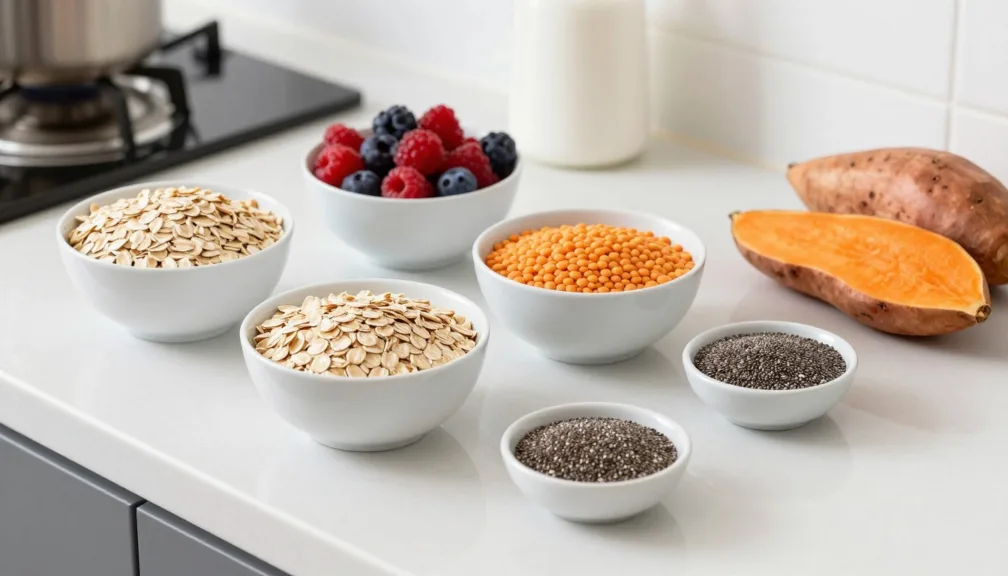
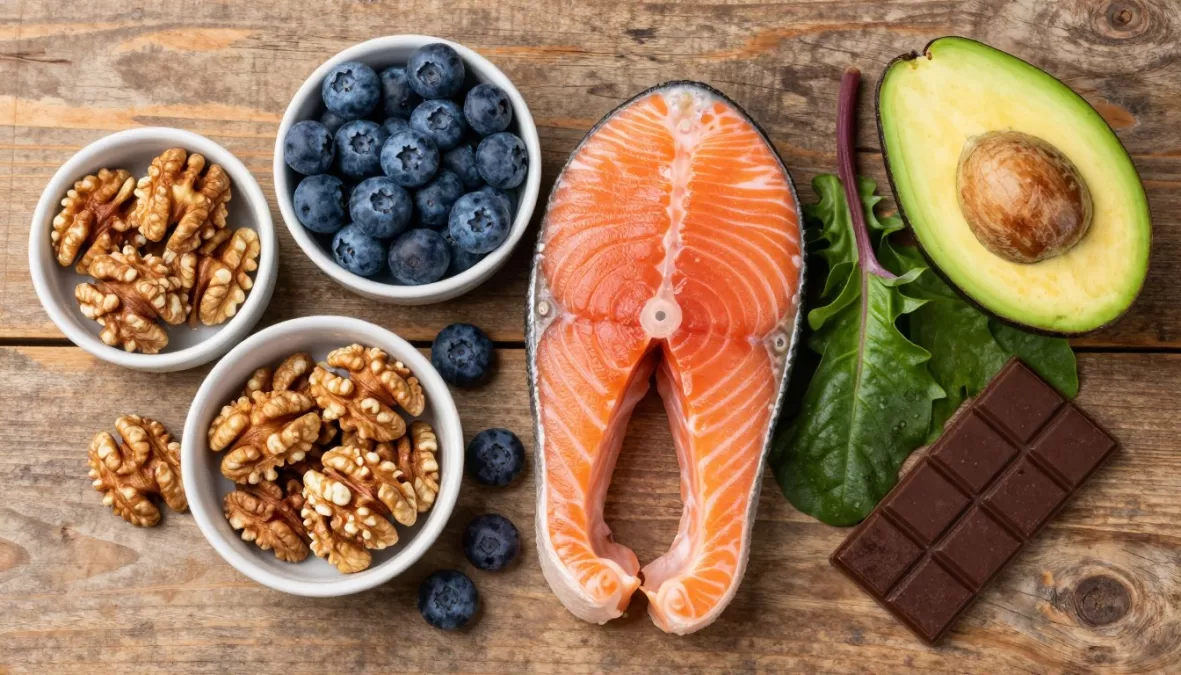
Your brain works hard every single day. It controls your thoughts and movements. It manages your memories and emotions.
What you eat directly affects how well your brain functions. Research shows certain foods can improve memory and protect against cognitive decline. These nutrients support brain cells and may help reduce your risk of alzheimer disease.
The good news is simple. You don’t need expensive supplements or complicated diet plans. Adding specific brain health foods to your daily meals can make a real difference.
This guide explores ten powerful foods that research suggests support cognitive function. You’ll learn which nutrients matter most and how to incorporate these foods into your routine.
Why Nutrition Matters for Your Brain
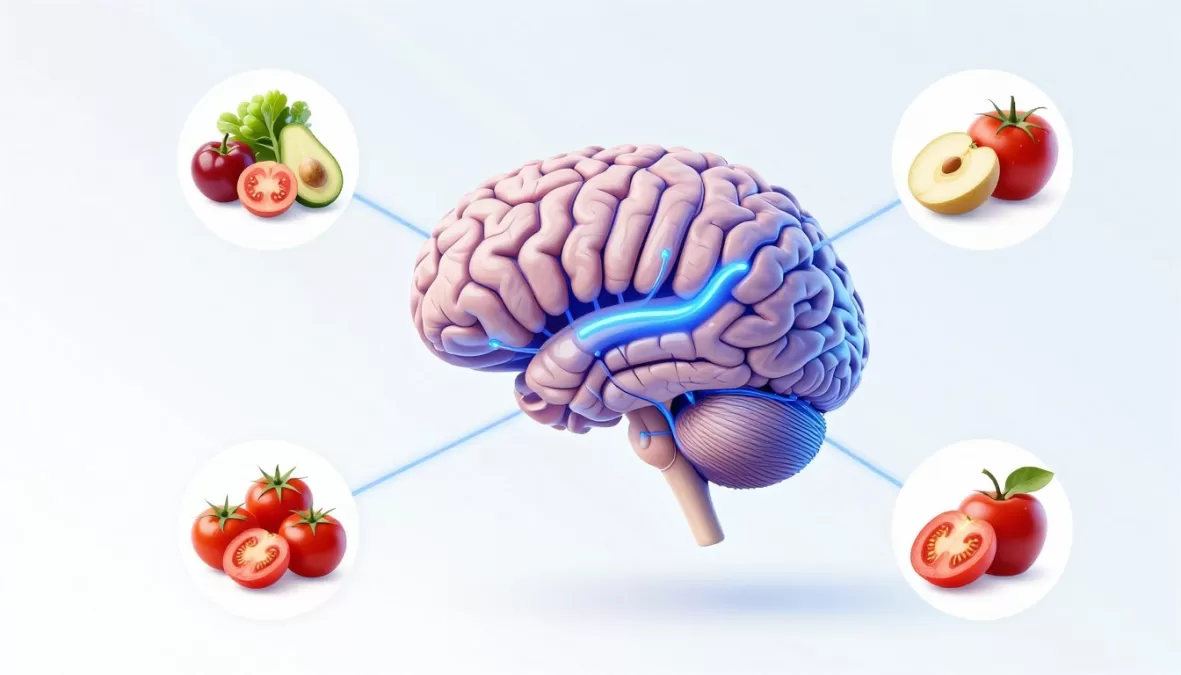
Your brain uses about twenty percent of your body’s energy. This organ needs constant fuel to function properly. The type of food you consume affects brain structure and performance.
Brain cells require specific nutrients to communicate effectively. Omega-3 fatty acids form the building blocks of cell membranes. Antioxidants protect against damage from oxidative stress.
Poor diet choices may increase the risk of cognitive problems. Research shows that diets high in processed foods correlate with faster mental decline. Conversely, nutrient-rich foods support brain health throughout your life.
Key Fact: Studies indicate that people who follow brain-healthy eating patterns have a lower risk of cognitive decline compared to those with poor diet quality.
The Mediterranean diet serves as a prime example. This eating pattern emphasizes whole grains, vegetables, and fatty fish. Research suggests it may help protect against age-related memory changes.
Your food choices today shape your cognitive function tomorrow. Making small changes to include more brain health foods can yield meaningful benefits over time.
1. Fatty Fish: Omega-3 Powerhouse

Why Fatty Fish Supports Brain Function
Fatty fish ranks among the most important brain health foods. Salmon, mackerel, and sardines contain high levels of omega-3 fatty acids. These essential fats make up a significant portion of your brain tissue.
Your body cannot produce omega-3 fatty acids on its own. You must obtain them through diet. DHA, a type of omega-3, plays a crucial role in maintaining brain cell structure.
Research shows that people who regularly eat fish have more gray matter in their brains. Gray matter contains most of the nerve cells that control decision-making and memory.
Scientific Benefits
Multiple studies link omega-3 consumption to slower cognitive decline. One research project found that eating fish at least once per week correlates with better brain function in older adults.
Omega-3 fatty acids also possess anti-inflammatory properties. Chronic inflammation may contribute to brain aging and neurodegenerative diseases. These healthy fats help protect against such damage.
Some research suggests omega-3s might also improve mood. They may help reduce symptoms of depression and anxiety, which can affect memory and concentration.
Best Sources
- Wild-caught salmon
- Mackerel
- Sardines
- Rainbow trout
- Herring
How to Add to Your Diet
- Aim for two servings per week
- Grill or bake instead of frying
- Add canned sardines to salads
- Try smoked mackerel on whole grain toast
- Make salmon patties for quick meals
2. Blueberries: Antioxidant Champions

The Power of Flavonoids
Blueberries deliver powerful antioxidants called flavonoids. These compounds give berries their deep blue color. Research shows flavonoids accumulate in areas of the brain involved in learning and memory.
Oxidative stress accelerates brain aging. Free radicals damage cells over time. Antioxidants in blueberries neutralize these harmful molecules and protect brain tissue.
Animal studies demonstrate that blueberries may improve memory. The flavonoids appear to boost communication between brain cells. This enhanced signaling supports better cognitive function.
Research Findings
Human studies reveal promising results too. Older adults who consumed blueberries daily showed improvements in memory tests. The benefits appeared after just twelve weeks of regular consumption.
Blueberries might also delay brain aging by several years. One long-term study found that women who ate more berries experienced slower rates of cognitive decline.
These small fruits pack nutrients beyond flavonoids. They provide vitamin C and vitamin K. Both nutrients play roles in brain health and blood flow.
Practical Tips
- Add fresh or frozen blueberries to morning oatmeal
- Blend into smoothies with yogurt
- Mix with walnuts for a brain-boosting snack
- Top whole grain pancakes with fresh berries
- Keep frozen berries on hand year-round
Budget Tip: Frozen blueberries contain the same nutrients as fresh ones and often cost less. Buy them in bulk and store in your freezer for easy access.
3. Dark Chocolate: Brain-Boosting Treat

Compounds That Support Cognition
Dark chocolate contains several brain health foods compounds. Flavonoids, caffeine, and antioxidants work together to support cognitive function. Choose chocolate with at least seventy percent cocoa for maximum benefits.
The flavonoids in chocolate gather in brain regions responsible for learning and memory. These compounds may improve blood flow to the brain. Better circulation delivers more oxygen and nutrients to brain cells.
Caffeine in dark chocolate provides a mild stimulant effect. This can enhance focus and alertness. The amount is much less than coffee but still offers a gentle boost.
Memory and Mood Benefits
Research shows chocolate consumption correlates with better performance on mental tasks. People who ate dark chocolate performed better on memory tests compared to those who didn’t.
Dark chocolate might also improve mood through several mechanisms. It stimulates the production of endorphins, the brain’s feel-good chemicals. This mood enhancement can indirectly support better cognitive function.
The key is moderation. A small amount each day provides benefits without excess calories or sugar. Look for varieties with minimal added sugar.
How to Enjoy Responsibly
- Choose dark chocolate with 70% cocoa or higher
- Stick to one or two small squares per day
- Pair with almonds or walnuts for added brain benefits
- Melt over berries for a nutrient-dense dessert
- Read labels to avoid varieties high in added sugar
4. Leafy Greens: Nutrient-Dense Vegetables
Why Greens Matter
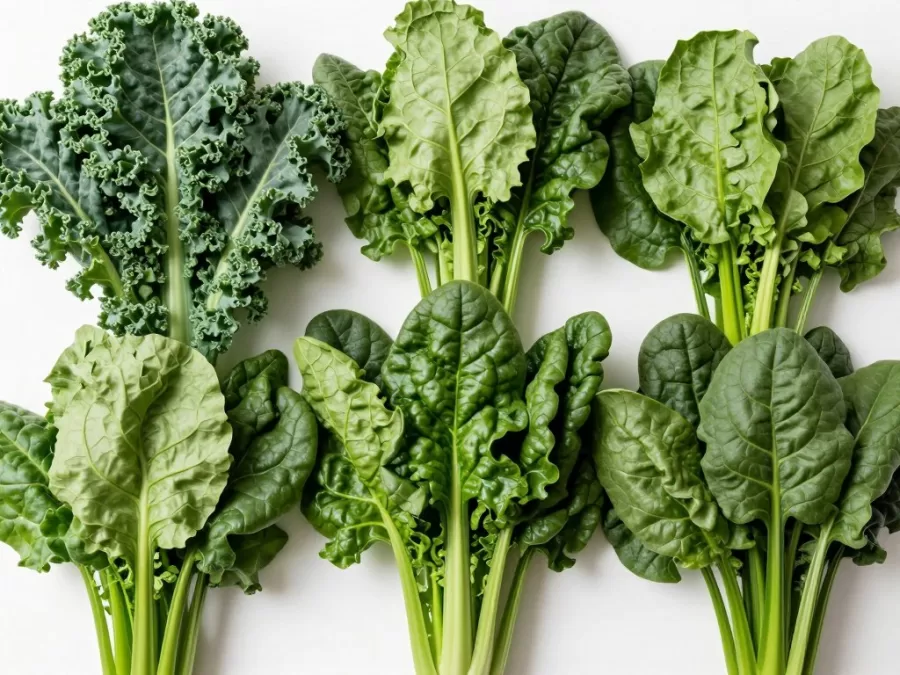
Leafy greens provide essential nutrients that support brain health. Kale, spinach, and collard greens contain vitamin K, lutein, folate, and beta carotene. Research suggests these nutrients may help slow cognitive decline.
Vitamin K plays a role in forming fats found in brain cells. Adequate levels correlate with better memory in older adults. Just one cup of cooked greens can provide more than your daily vitamin K needs.
Folate helps reduce homocysteine levels in the blood. High homocysteine may increase the risk of cognitive problems. Leafy greens offer a natural way to keep these levels in check.
Research Evidence
A major study followed older adults for five years. Those who ate one serving of leafy greens daily had slower rates of cognitive decline. Their brain function resembled people eleven years younger.
Lutein, found abundantly in greens, accumulates in brain tissue. This antioxidant might protect against age-related changes. It also supports the areas of your brain involved in learning and memory.
The combination of nutrients in leafy greens works synergistically. Getting these compounds from whole foods appears more effective than supplements alone.
Top Choices
- Kale
- Spinach
- Collard greens
- Swiss chard
- Romaine lettuce
Easy Ways to Eat More
- Add spinach to morning smoothies
- Use kale as a salad base
- Sauté greens with garlic as a side dish
- Mix into soups and stews
- Make green smoothie bowls
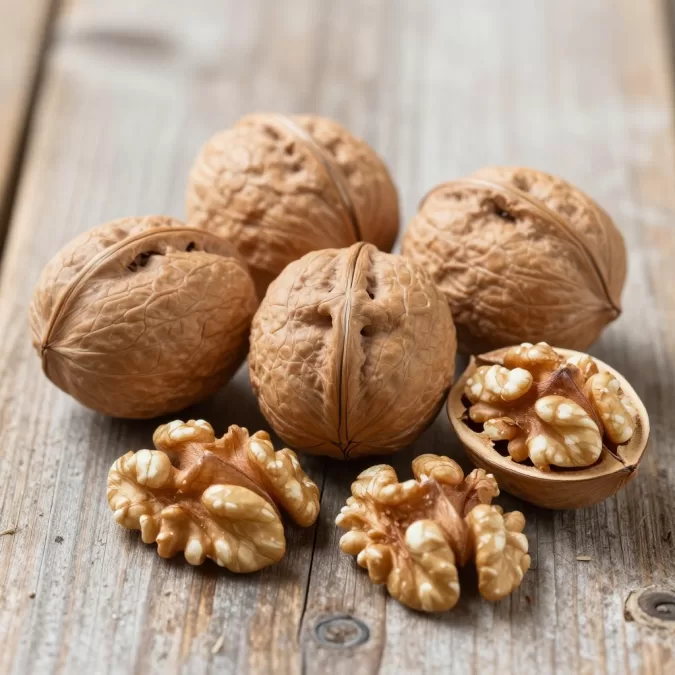
5. Walnuts: Brain-Shaped Superfood
Unique Nutritional Profile
Walnuts stand out among nuts for brain health. They contain high amounts of omega-3 fatty acids in the form of ALA. They also provide antioxidants, vitamin E, and beneficial plant compounds.
The omega-3 content in walnuts helps reduce inflammation. Chronic inflammation contributes to brain aging and disease. Regular walnut consumption may help protect against these issues.
Vitamin E acts as a powerful antioxidant. It protects cell membranes from oxidative damage. This protection extends to brain cells and may help maintain cognitive function.
Cognitive Benefits
Research shows walnuts may improve memory and processing speed. One study found that adults who ate walnuts performed better on cognitive tests. The effects were particularly notable in older participants.
Animal research suggests walnuts might also support new brain cell growth. This process, called neurogenesis, plays a role in learning and memory. While more human studies are needed, early results look promising.
The combination of healthy fats, antioxidants, and vitamins makes walnuts an excellent brain food. Just a small handful each day can provide meaningful benefits.
Simple Ways to Eat Walnuts
- Eat a quarter cup as a daily snack
- Chop and sprinkle over salads
- Add to oatmeal or yogurt
- Blend into smoothies for creamy texture
- Use walnut butter on whole grain toast
- Mix into homemade trail mix with berries
Want More Brain-Boosting Recipes?
Get our free weekly newsletter with simple recipes that combine these brain health foods. Each week, you’ll receive one delicious meal plan designed to support your memory and cognitive function.
6. Coffee: Morning Brain Booster

How Caffeine Affects Your Brain
Coffee offers more than a morning energy boost. The caffeine and antioxidants in coffee support brain function in multiple ways. Moderate consumption may provide both short-term and long-term cognitive benefits.
Caffeine blocks adenosine, a brain chemical that makes you feel tired. This blocking action increases alertness and concentration. Many people notice improved focus within minutes of drinking coffee.
Coffee also contains chlorogenic acid and other antioxidants. These compounds protect brain cells from damage. The antioxidant content rivals that of many fruits and vegetables.
Long-Term Brain Protection
Research suggests regular coffee consumption may reduce the risk of cognitive decline. People who drink coffee daily show lower rates of alzheimer disease and Parkinson’s disease.
One large study found that drinking three to five cups per day correlates with a sixty-five percent decreased risk of dementia. The protective effect appears to be dose-dependent up to a point.
Coffee might also improve memory consolidation. Some research shows caffeine enhances the process of converting short-term memories into long-term ones. This effect is particularly strong when consumed after learning new information.
Important Note: Too much caffeine can cause anxiety and sleep problems. Limit intake to 400 milligrams per day (about four cups) and avoid coffee late in the afternoon.
Maximizing Coffee Benefits
- Drink black coffee or with minimal added sugar
- Time your last cup before 2 PM for better sleep
- Choose high-quality, organic beans when possible
- Avoid excessive cream and sweeteners
- Stay hydrated by drinking water alongside coffee
7. Turmeric: Golden Anti-Inflammatory Spice

Curcumin’s Brain Benefits
Turmeric contains curcumin, a powerful anti-inflammatory compound. This bright yellow spice has been used in traditional medicine for centuries. Modern research validates many of its brain health benefits.
Curcumin crosses the blood-brain barrier, allowing it to directly benefit brain cells. It reduces inflammation and oxidative damage, both of which contribute to cognitive decline. These protective effects may help preserve memory as you age.
Research shows curcumin might also boost levels of brain-derived neurotrophic factor (BDNF). This protein supports the growth of new brain cells. Higher BDNF levels correlate with better memory and mood.
Research Insights
Some studies suggest curcumin may improve memory in people with alzheimer disease. While more research is needed, early findings are encouraging. The compound appears to help clear the protein plaques that characterize the disease.
Turmeric might also help improve mood. Several studies found that curcumin supplements reduced symptoms of depression. The mood-enhancing effects may work through increased BDNF and reduced inflammation.
The challenge with turmeric is absorption. Curcumin is not easily absorbed by the body. Combining it with black pepper significantly increases absorption.
How to Use Turmeric
- Add to scrambled eggs or omelets
- Make golden milk with turmeric and black pepper
- Season roasted vegetables with turmeric
- Add to soups and stews for color and flavor
- Mix into rice dishes and curries
- Always pair with black pepper for better absorption
8. Whole Grains: Steady Energy Source
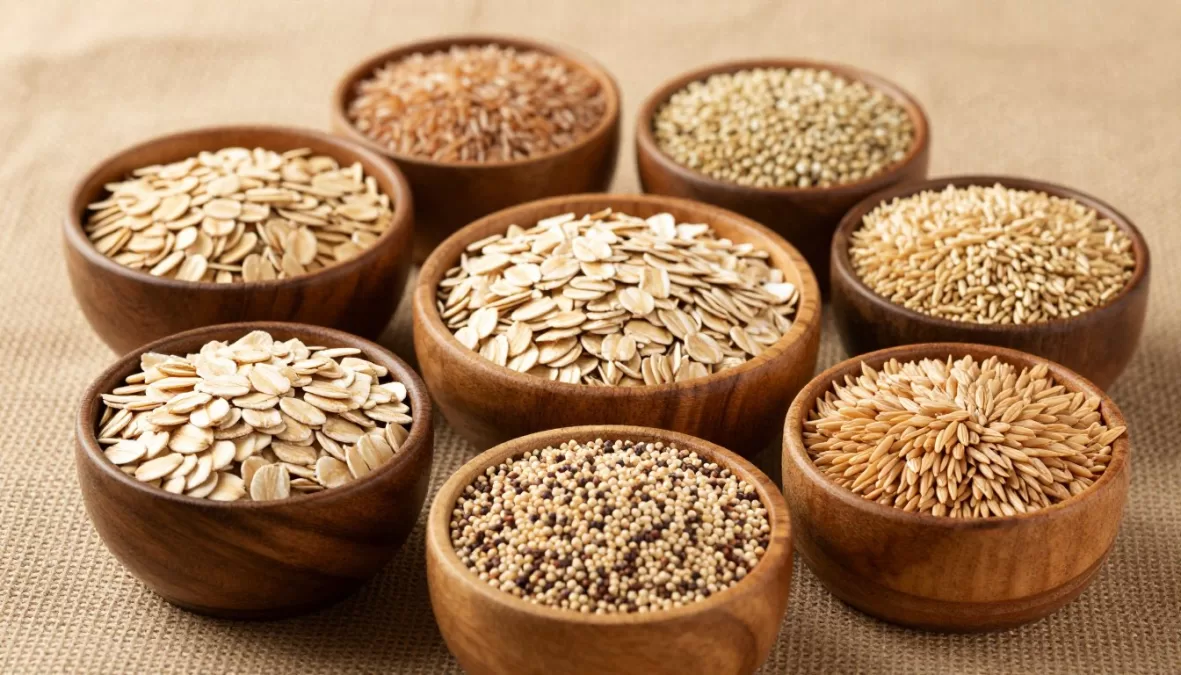
Why Your Brain Needs Whole Grains
Your brain runs on glucose derived from carbohydrates. Whole grains provide a steady supply of this essential fuel. Unlike refined grains, they release glucose slowly into your bloodstream.
This gradual release prevents blood sugar spikes and crashes. Stable blood sugar levels support consistent concentration and mental clarity. Your brain functions best with steady energy rather than sudden bursts.
Whole grains also contain B vitamins, particularly B6, B12, and folate. These nutrients support brain health in various ways. They help produce neurotransmitters and may reduce the risk of cognitive decline.
Additional Benefits
The fiber in whole grains supports heart health. A healthy cardiovascular system ensures good blood flow to the brain. This connection makes whole grains indirectly support cognitive function.
Research shows that whole grain consumption correlates with better cognitive performance. People who eat more whole grains tend to have better memory and processing speed as they age.
Whole grains might also reduce inflammation throughout the body. Chronic inflammation can damage blood vessels and affect brain health. The anti-inflammatory properties of whole grains may help protect against this.
Best Whole Grain Choices
- Steel-cut oats
- Quinoa
- Brown rice
- Whole wheat
- Barley
- Bulgur
Easy Swaps
- Replace white rice with brown rice or quinoa
- Choose whole grain bread over white bread
- Use oatmeal instead of sugary cereals
- Try whole wheat pasta
- Snack on air-popped popcorn
9. Green Tea: Calm Focus Enhancer

Unique Compounds in Green Tea
Green tea contains a unique combination of caffeine and L-theanine. This pairing provides alertness without the jitters often associated with coffee. The L-theanine promotes a state of calm focus.
L-theanine increases the activity of the neurotransmitter GABA. This has anti-anxiety effects and helps you feel more relaxed. Combined with caffeine, it enhances brain function while maintaining a sense of calm.
Green tea also provides powerful antioxidants called catechins. The most important is EGCG, which may protect brain cells from damage. These compounds cross the blood-brain barrier to provide direct benefits.
Cognitive and Memory Benefits
Research shows green tea may improve memory and attention. People who drink green tea regularly perform better on tests measuring working memory and cognitive flexibility.
Some studies suggest green tea might reduce the risk of cognitive decline. Regular consumption correlates with lower rates of dementia and alzheimer disease. The protective effect appears to increase with frequency of use.
Green tea might also support brain cell growth. Animal studies show that EGCG promotes the production of new neurons. This process is important for learning and memory formation.
How to Enjoy Green Tea
- Drink two to three cups daily for optimal benefits
- Brew at 160-180°F to avoid bitterness
- Steep for two to three minutes only
- Avoid adding sugar; try lemon instead
- Choose high-quality loose leaf tea when possible
- Consider matcha for concentrated benefits
10. Eggs: Complete Nutrition Package

Brain-Supporting Nutrients in Eggs
Eggs provide several nutrients essential for brain health. They’re rich in choline, B vitamins, and folate. The yolk contains most of these brain-boosting nutrients, so don’t skip it.
Choline serves as a building block for acetylcholine, a neurotransmitter involved in memory and mood. Many people don’t get enough choline in their diet. Just one egg provides about one-quarter of your daily needs.
Eggs also contain vitamins B6, B12, and folate. These B vitamins may help slow brain shrinkage and cognitive decline. They work by reducing homocysteine levels in the blood.
Memory and Cognitive Function
Research shows adequate choline intake supports better memory. Pregnant women who consume enough choline may help improve their baby’s brain development. The benefits extend throughout life.
Higher choline intake correlates with better performance on memory tests. The compound helps brain cells communicate more effectively. This improved signaling translates to better cognitive function.
Eggs provide high-quality protein that helps stabilize blood sugar. This steady energy supports consistent brain function throughout the day. The combination of protein and healthy fats makes eggs an ideal brain food.
Did You Know? The body absorbs nutrients from eggs better when they’re cooked. Lightly cooking eggs makes the protein and choline more bioavailable than raw eggs.
Best Ways to Prepare Eggs
- Hard-boil eggs for convenient snacks
- Make vegetable-filled omelets
- Poach eggs and serve over leafy greens
- Scramble with turmeric and black pepper
- Bake eggs with vegetables for meal prep
- Add to grain bowls for complete nutrition
How to Combine These Brain Health Foods
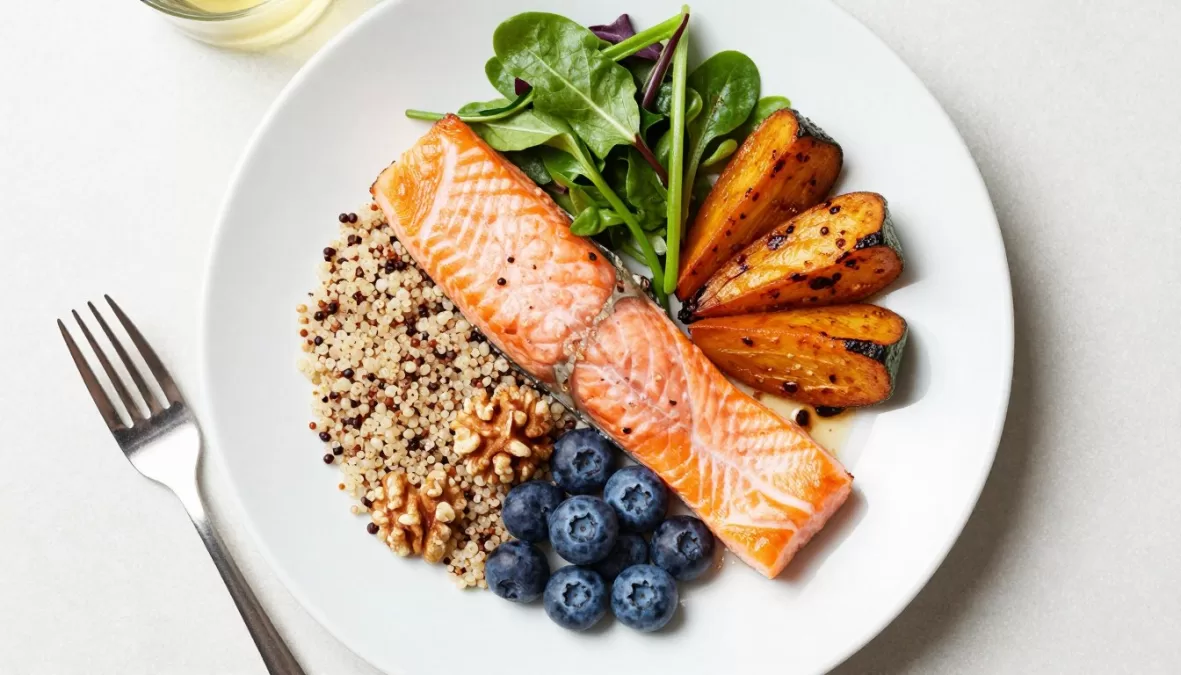
The greatest benefits come from eating a variety of brain health foods regularly. No single food provides everything your brain needs. A diverse diet ensures you get all essential nutrients.
Sample Brain-Boosting Day
Breakfast: Steel-cut oats topped with blueberries, walnuts, and a drizzle of dark chocolate. Pair with green tea.
Lunch: Large salad with leafy greens, grilled salmon, quinoa, and olive oil dressing. Side of dark berries.
Snack: Hard-boiled egg or a handful of walnuts with coffee.
Dinner: Baked fish with turmeric-seasoned vegetables and brown rice. Green tea after dinner.
Meal Prep Strategies
- Cook a batch of whole grains on Sunday for the week
- Wash and prep leafy greens in advance
- Hard-boil eggs for quick protein
- Keep frozen berries and fish on hand
- Portion nuts into small containers for grab-and-go snacks
- Brew green tea in large batches and refrigerate
Start by adding one or two new foods each week. Small, consistent changes lead to lasting habits. Your brain will benefit from each nutritious choice you make.
Additional Lifestyle Tips for Brain Health

While nutrition plays a vital role, other factors also support brain health. A comprehensive approach yields the best results for long-term cognitive function.
Exercise Regularly
Physical activity increases blood flow to the brain. Exercise also stimulates the release of growth factors that support brain cell health. Aim for at least thirty minutes of moderate activity most days.
Research shows exercise may improve memory and thinking skills. Even walking regularly can make a difference. The benefits extend beyond cardiovascular health to cognitive function.
Prioritize Quality Sleep
Your brain consolidates memories during sleep. Poor sleep disrupts this process and may increase the risk of cognitive decline. Most adults need seven to nine hours per night.
Sleep also allows the brain to clear waste products that accumulate during the day. This cleaning process may help protect against neurodegenerative diseases. Make sleep a non-negotiable priority.
Manage Stress
Chronic stress damages brain cells and impairs memory. Finding effective stress management techniques supports better brain health. Consider meditation, yoga, or deep breathing exercises.
Social connections also help buffer stress. Regular interaction with friends and family provides cognitive stimulation. These relationships may protect against cognitive decline as you age.
Stay Mentally Active
Challenge your brain with new learning experiences. Read books, learn languages, or try new hobbies. Mental stimulation builds cognitive reserve that may delay decline.
- Learn a new skill or hobby
- Do puzzles and brain games
- Read regularly
- Take classes on topics that interest you
- Engage in meaningful conversations
- Limit screen time and passive entertainment
Foods to Limit for Better Brain Health
Some foods may harm brain health when consumed frequently. Understanding what to limit is as important as knowing what to eat more of.
Refined Sugars and Carbohydrates
High sugar intake may impair brain function. Excess sugar causes inflammation and oxidative stress. It also leads to blood sugar spikes that affect concentration and mood.
Research suggests diets high in refined carbohydrates correlate with poorer cognitive function. These foods have high glycemic indexes that rapidly raise blood sugar. Choose whole grains instead.
Trans Fats
Trans fats damage brain health. Studies link high trans fat consumption to increased risk of alzheimer disease and cognitive decline. These unhealthy fats cause inflammation and harm cell membranes.
Check labels for partially hydrogenated oils. Avoid processed baked goods, margarine, and fried fast food. Your brain will thank you for eliminating these harmful fats.
Excessive Alcohol
Heavy drinking damages the brain and impairs memory. Alcohol disrupts neurotransmitter function and can cause brain shrinkage. If you drink, do so in moderation.
Moderate consumption may not pose significant risks for most people. However, excessive intake clearly harms cognitive function. Limit alcohol to recommended guidelines or avoid it entirely.
Foods That Support Brain Health
- Fatty fish rich in omega-3s
- Colorful berries with antioxidants
- Nuts, especially walnuts
- Leafy green vegetables
- Whole grains for steady energy
- Green tea and coffee in moderation
Foods to Minimize
- Refined sugars and sweetened beverages
- Trans fats in processed foods
- Excessive alcohol
- Highly processed meats
- Foods with artificial additives
- Deep-fried fast food
Brain Health Foods Shopping Guide

Smart shopping makes eating for brain health easier and more affordable. Planning ahead helps you stick to nutritious choices and avoid impulse purchases.
Essential Brain Health Foods List
Proteins and Fats
- Wild-caught salmon or sardines
- Eggs (organic when possible)
- Walnuts and almonds
- Extra virgin olive oil
Vegetables and Fruits
- Leafy greens (kale, spinach)
- Blueberries (fresh or frozen)
- Broccoli and cruciferous vegetables
- Colorful bell peppers
Grains and Pantry Staples
- Steel-cut oats
- Quinoa and brown rice
- Whole grain bread
- Turmeric and black pepper
Beverages
- Green tea
- Quality coffee beans
- Filtered water
Money-Saving Tips
- Buy frozen fish and berries for better prices
- Purchase nuts in bulk and store properly
- Choose seasonal vegetables for freshness and value
- Buy whole grains in larger quantities
- Look for sales on canned sardines and salmon
- Grow your own herbs and greens if possible
Frequently Asked Questions
How quickly will I notice improvements in my memory?
Some benefits like improved focus from caffeine happen within hours. However, meaningful changes in memory and cognitive function typically require consistent dietary changes over several weeks to months. Research shows noticeable improvements often appear after twelve weeks of regularly eating brain health foods. Long-term benefits accumulate over years of healthy eating patterns.
Can I take supplements instead of eating these foods?
Whole foods provide nutrients in combinations that work synergistically. Research suggests getting nutrients from food sources is more effective than supplements alone. Foods contain fiber, antioxidants, and compounds that supplements cannot fully replicate. While supplements may help in cases of deficiency, they should not replace a nutritious diet rich in brain health foods.
What if I’m allergic to fish or nuts?
Many alternative sources exist for key nutrients. If you cannot eat fish, consider flaxseeds, chia seeds, or algae-based omega-3 supplements. For nut allergies, pumpkin seeds and sunflower seeds provide similar benefits. Leafy greens, eggs, and whole grains still offer substantial brain health support. Focus on the foods you can safely eat and ensure variety in your diet.
Are organic versions of these foods better for brain health?
Organic produce may reduce pesticide exposure, but the most important factor is eating these foods regularly. Research shows that the brain health benefits come primarily from the nutrients themselves. If budget constraints exist, prioritize buying organic for items on the “Dirty Dozen” list. Don’t let concerns about organic versus conventional prevent you from eating nutritious foods.
How much of each food should I eat daily?
Aim for variety rather than large amounts of single foods. Try to include fatty fish twice weekly, one cup of berries daily, a handful of nuts, and at least one serving of leafy greens. Three to four cups of green tea or coffee can provide benefits. Eggs can be eaten daily for most people. The key is consistency and variety across all brain health foods rather than focusing on just one or two.
Will these foods prevent alzheimer disease?
No food can guarantee prevention of alzheimer disease or other forms of dementia. However, research shows that diets rich in these brain health foods may reduce risk and slow cognitive decline. The Mediterranean diet, which includes most of these foods, correlates with lower dementia rates. Think of these foods as part of a comprehensive strategy that includes exercise, sleep, and mental stimulation to support long-term brain health.
Take Action for Your Brain Health Today

Your brain health depends significantly on what you eat. The ten foods discussed in this guide provide essential nutrients that support memory and cognitive function. Research consistently shows these foods may help slow cognitive decline and protect against brain aging.
Start with small changes. Add one or two brain health foods to your diet this week. Perhaps try salmon for dinner or add blueberries to your breakfast. Each nutritious choice benefits your brain.
Remember that consistency matters more than perfection. You don’t need to eat all these foods every single day. Focus on variety over time. Build sustainable habits that support your brain for years to come.
Combine these dietary changes with other healthy lifestyle choices. Exercise regularly, prioritize sleep, manage stress, and stay mentally active. This comprehensive approach provides the best protection for your cognitive health.
Your future self will thank you for the brain-healthy choices you make today. Take the first step now toward better memory and sharper thinking.

Free Brain Health Meal Plan
Download our comprehensive 7-day meal plan featuring all ten brain health foods. Includes shopping lists, recipes, and prep instructions to make healthy eating effortless.
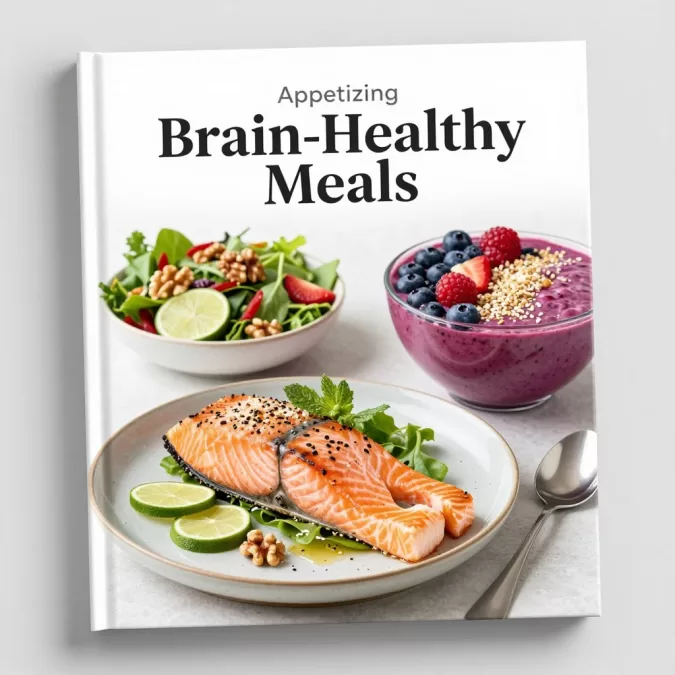
52 Brain-Boosting Recipes
Get one new recipe each week delivered to your inbox. Simple, delicious meals designed to support memory and cognitive function using the foods you just learned about.
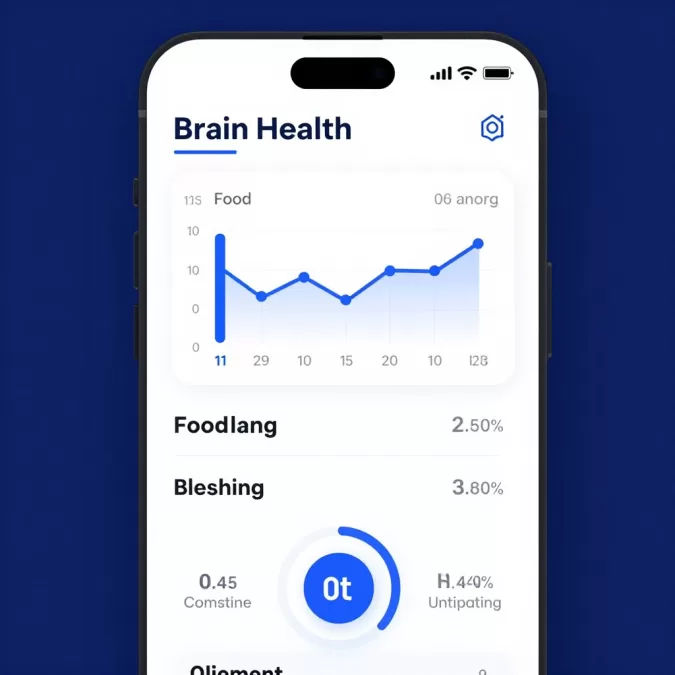
Track Your Progress
Monitor your brain health journey with our free tracker. Log your meals, track which brain foods you’re eating, and notice improvements in focus and memory over time.
Questions About Brain Health Nutrition?
Our team of nutritionists is here to help you create a personalized brain health eating plan. Schedule a free 15-minute consultation to discuss your specific needs and goals.

Priyanka Pandey
Senior Research Editor · Top10Sense
Priyanka specializes in tech, consumer products, and digital trends. She combines hands-on testing, vendor interviews, and database research to create trustworthy “Top 10” rankings. Her work has been referenced by industry blogs and brand report pages.