
Air quality in Indian homes has become a pressing concern for millions of families. With pollution levels rising across major cities and seasonal variations affecting indoor air, finding the right air purifier is no longer a luxury but a necessity. Every year, poor air quality impacts the health of countless individuals, from children developing respiratory issues to adults experiencing aggravated allergies.
Choosing the best air purifier for your home requires understanding your specific needs. Indian households face unique challenges including high dust levels, smoke from nearby sources, vehicle emissions penetrating indoors, and seasonal allergens. The right air purifier can transform your indoor environment, providing cleaner, healthier air for your family.
This comprehensive guide examines the top 10 air purifiers specifically suited for Indian homes. We have analyzed performance, filtration capabilities, coverage area, maintenance costs, and real-world effectiveness against Indian air quality challenges. Whether you live in a compact apartment or a spacious home, you will find options tailored to your requirements.
Ready to Find Your Perfect Air Purifier?
Jump straight to our expert-tested recommendations and compare the best models for Indian homes
Why Air Purifiers Are Essential for Indian Homes
Indoor air quality directly impacts your health and wellbeing. Studies show that people spend approximately 90 percent of their time indoors, making the air you breathe at home critically important. In Indian cities, outdoor pollution often seeps inside, combining with indoor pollutants to create a harmful environment.
Common indoor air pollutants in Indian homes include particulate matter from outdoor sources, cooking smoke and gases, dust mites and allergens, volatile organic compounds from furniture and paint, and bacteria and viruses. These contaminants can trigger respiratory problems, allergies, asthma attacks, and long-term health issues.
Health Benefits of Clean Indoor Air
Quality air purifiers offer numerous health advantages. They reduce respiratory symptoms by removing airborne irritants. People with allergies experience fewer reactions when allergens are filtered out consistently. Asthma sufferers often report decreased frequency of attacks in homes with effective air purification.
Better sleep quality is another significant benefit. Clean air helps you breathe easier throughout the night. Reduced exposure to pollutants means less inflammation in airways. Children and elderly family members particularly benefit from cleaner indoor air, as their immune systems may be more vulnerable.
Protection against seasonal pollution spikes becomes possible with a reliable air purifier. During winter months or periods of high outdoor pollution, your home becomes a safe haven. This peace of mind is invaluable for families concerned about air quality.
Indoor Air Quality Challenges Specific to India
Indian homes face distinct air quality challenges. Urban areas deal with vehicle emissions and industrial pollution penetrating indoor spaces. Construction activities in growing neighborhoods contribute to excessive dust. Seasonal factors like crop burning in northern states affect air quality for months.
High humidity in coastal regions promotes mold growth and dust mites. Dry climates in other areas increase dust suspension in air. Traditional cooking methods using gas stoves release nitrogen dioxide and particulate matter. These varied challenges require air purifiers with robust filtration systems.
Did You Know?
Indoor air can be 2 to 5 times more polluted than outdoor air, according to environmental studies. In Indian metropolitan areas, this ratio can be even higher due to cooking practices, inadequate ventilation, and outdoor pollution infiltration.
Understanding Air Purifier Technology and Filtration
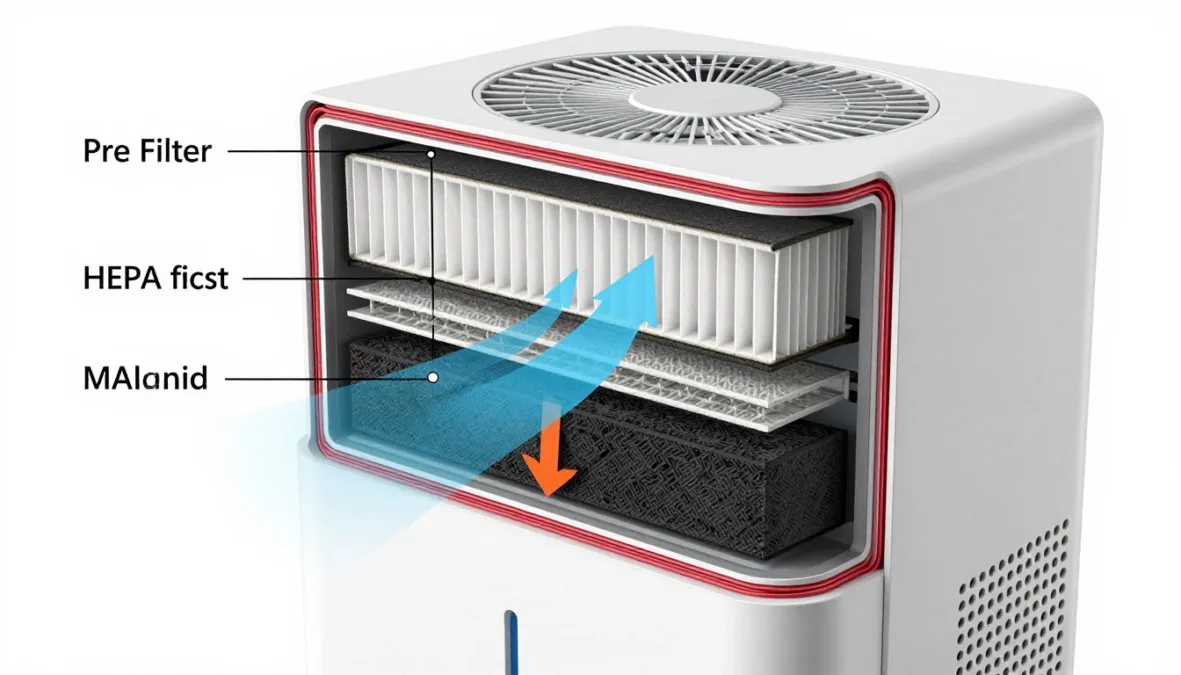
Air purifiers work by drawing air through multiple filtration stages. Understanding these technologies helps you choose the right air purifier for your needs. Different filter types target specific pollutants, and the best air purifiers combine multiple filtration methods for comprehensive cleaning.
HEPA Filters: The Gold Standard
High Efficiency Particulate Air filters represent the most effective technology for removing airborne particles. True HEPA filters capture 99.97 percent of particles as small as 0.3 microns. This includes dust, pollen, pet dander, mold spores, and some bacteria.
HEPA filters work through three mechanisms. Interception occurs when particles following air streamlines come within one radius of a fiber and stick. Impaction happens when larger particles cannot follow air curves and embed in fibers. Diffusion affects smallest particles which collide with gas molecules and are delayed, increasing likelihood of capture.
HEPA Filter Benefits
- Removes 99.97% of particles down to 0.3 microns
- Captures dust, pollen, and allergens effectively
- Reduces asthma and allergy triggers significantly
- No ozone emission during operation
- Long-lasting with proper maintenance
- Industry-standard for medical-grade filtration
HEPA Filter Considerations
- Regular replacement needed (6-12 months typically)
- Higher initial cost compared to basic filters
- Requires adequate airflow to maintain efficiency
- Does not remove odors or gases alone
- Filter replacement costs vary by brand
- Performance decreases as filter loads with particles
Activated Carbon Filters for Odors and Gases
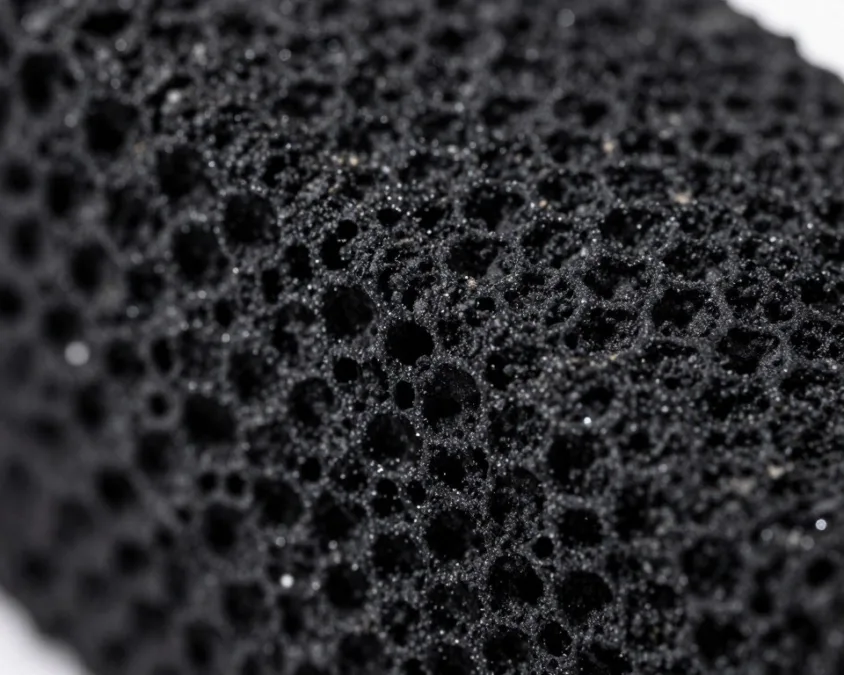
Activated carbon filters excel at removing odors, gases, and volatile organic compounds. The activation process creates millions of tiny pores in carbon, creating enormous surface area for adsorption. Molecules of gases and odors bond to the carbon surface, removing them from air.
These filters prove particularly valuable in Indian homes for cooking odors, tobacco smoke, and chemical fumes. They remove formaldehyde from furniture, benzene from vehicle exhaust, and other volatile organic compounds. Combined with HEPA filters, they provide comprehensive air cleaning performance.
Pre-Filters and Additional Technologies
Pre-filters capture larger particles before air reaches HEPA filters. This extends HEPA filter life significantly. Many pre-filters are washable, reducing long-term maintenance costs. They trap dust, hair, and large debris effectively.
Some air purifiers include additional technologies. UV-C light kills bacteria and viruses. Ionizers charge particles so they clump together and are easier to filter. However, ionizers may produce trace ozone, so choose carefully if considering this feature.
| Filter Type | Primary Function | Particle Size | Replacement Frequency | Best For |
| Pre-Filter | Large particle capture | 10+ microns | Washable/3 months | Dust, hair, large debris |
| HEPA Filter | Fine particle removal | 0.3 microns | 6-12 months | Allergens, pollution, smoke particles |
| Activated Carbon | Gas and odor absorption | Molecular level | 3-6 months | Cooking odors, smoke, VOCs |
| UV-C Light | Microbial elimination | Bacterial/viral | 12-24 months | Bacteria, viruses, mold spores |
Key Factors When Choosing the Right Air Purifier
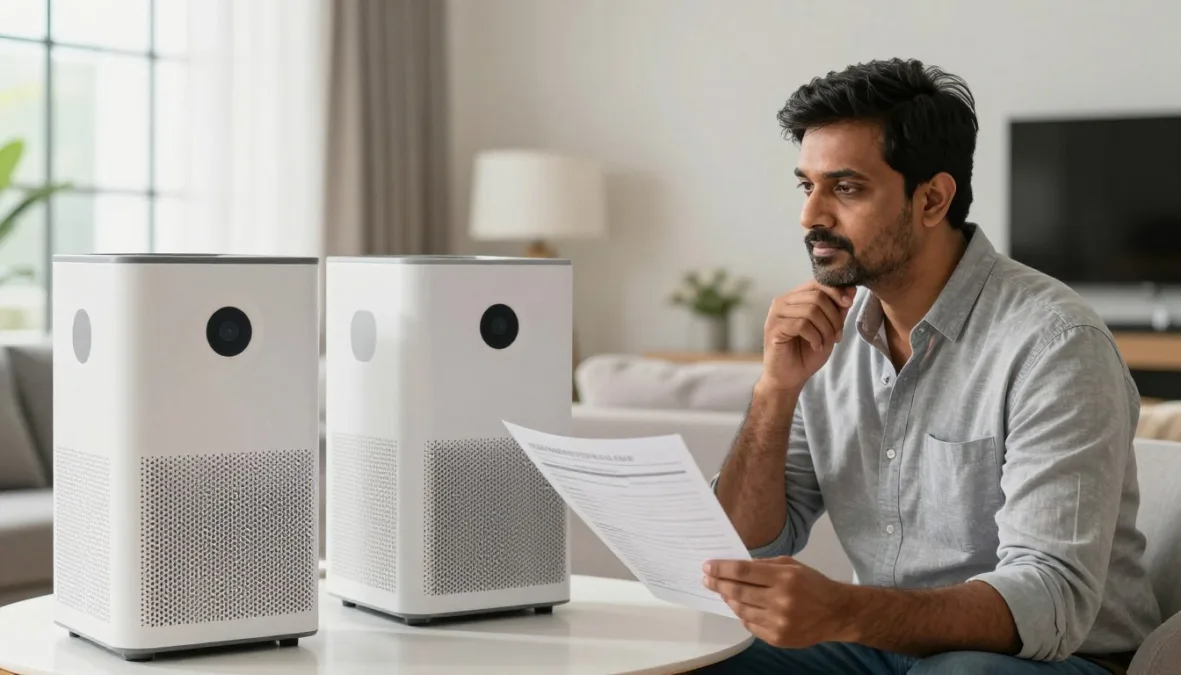
Selecting the best air purifier requires evaluating several critical factors. Your room size, specific air quality concerns, budget, and maintenance preferences all influence which model suits your needs. Understanding these factors ensures you invest in an air purifier that delivers real benefits.
Room Size and Clean Air Delivery Rate
Clean Air Delivery Rate measures how much filtered air an air purifier delivers. Expressed in cubic meters per hour or cubic feet per minute, this metric indicates cleaning performance. Match the CADR to your room size for optimal results.
Calculate your room volume by multiplying length, width, and height. An air purifier should process the entire room volume at least twice per hour for effective cleaning. Higher CADR numbers mean faster air cleaning performance, beneficial in heavily polluted areas.
Quick CADR Guide for Indian Homes
For a 200 sq ft room with 10 ft ceiling (2,000 cubic feet), you need a minimum CADR of 130 CFM for 4 air changes per hour. Higher is better for pollution-prone areas. Most manufacturers specify room size coverage, simplifying selection.
Filter Replacement Costs and Maintenance
Initial purchase price is only part of total ownership cost. Filter replacement costs significantly impact long-term expenses. Some brands charge premium prices for replacement filters. Others offer affordable options but may require more frequent changes.
Calculate annual filter costs before purchasing. A budget-friendly air purifier with expensive filters may cost more over three years than a pricier model with affordable filters. Consider filter availability in Indian market. Some international brands have limited filter availability locally.
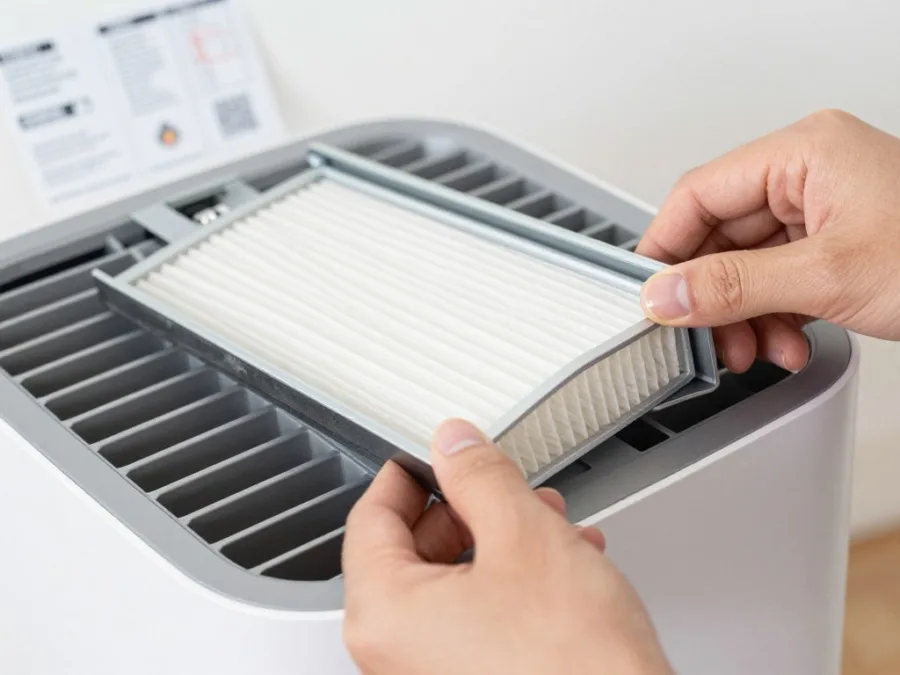
Maintenance Considerations
- Check filter replacement indicator functionality
- Verify local availability of replacement filters
- Consider washable pre-filters to reduce costs
- Factor in electricity consumption for running costs
- Review warranty coverage and service centers
- Assess ease of filter replacement process
Noise Levels and Energy Efficiency
Air purifiers run for extended periods, making noise levels important. Measure decibel ratings at different fan speeds. Sleep mode should operate under 30 decibels for bedroom use. Higher speeds inevitably produce more noise but offer better cleaning performance.
Energy efficiency affects operating costs. Look for energy star ratings or power consumption specifications. Most air purifiers consume between 30 to 60 watts on average settings. Running continuously, this translates to modest electricity bills, but efficiency variations exist between models.
Smart Features and Connectivity
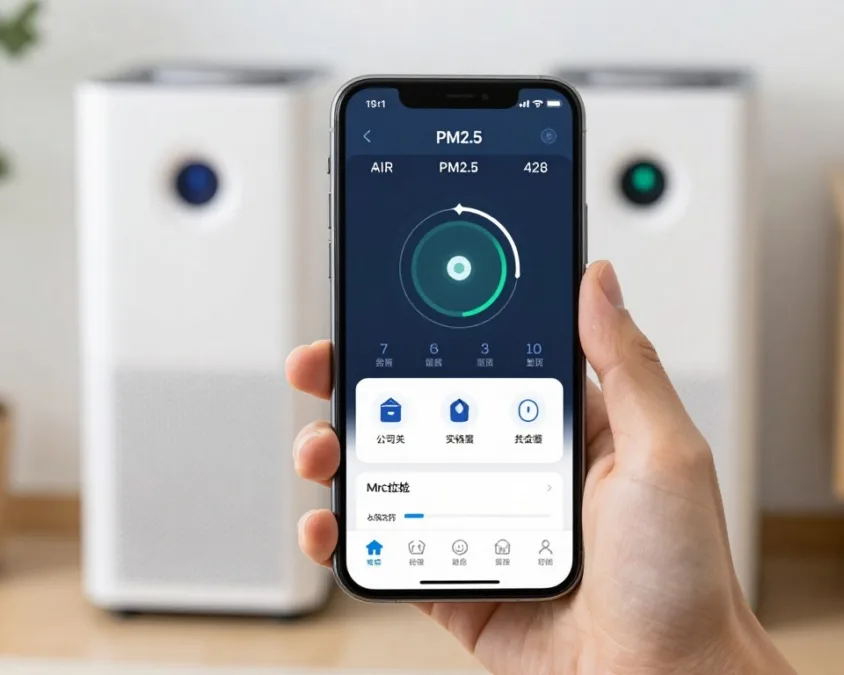
Modern air purifiers offer smart features enhancing convenience. Wi-Fi connectivity allows remote control through smartphone apps. You can monitor air quality, adjust settings, and receive filter replacement alerts from anywhere. These features suit tech-savvy users who value convenience.
Air quality sensors automatically adjust fan speeds based on detected pollution levels. This automation optimizes performance while conserving energy. Display screens show real-time air quality readings, providing immediate feedback on indoor air conditions. These features justify higher prices for many users.
Confused About Which Features You Need?
Our top 10 list breaks down features by use case, helping you match your specific requirements with the perfect air purifier
Top 10 Best Air Purifiers for Indian Homes: Detailed Reviews
After extensive research and analysis, we have identified the top 10 air purifiers that excel in Indian home conditions. Each product has been evaluated for filtration performance, coverage area, maintenance costs, design, and overall value. These recommendations address various budgets and room sizes while prioritizing effectiveness against Indian air quality challenges.
Product 1: Coway Airmega 150 Professional Air Purifier
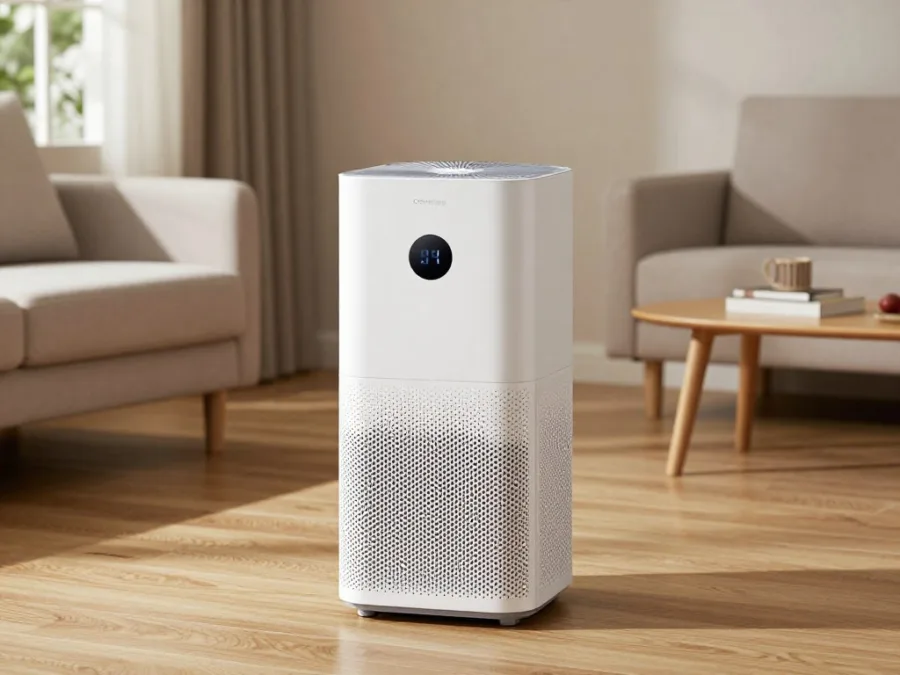
The Coway Airmega 150 stands out as an exceptional choice for medium-sized Indian homes. This air purifier combines powerful filtration with energy-efficient operation. The device covers rooms up to 355 square feet effectively, making it perfect for master bedrooms or living rooms.
At the heart of this air purifier sits a comprehensive filtration system. The combination of pre-filter, Max2 Green True HEPA filter, and activated carbon filter tackles multiple pollutants. This triple-layer approach removes 99.97 percent of particles down to 0.3 microns while absorbing odors and gases effectively.
Key Specifications and Features
- Coverage area: 355 square feet
- Clean Air Delivery Rate: 246 cubic meters per hour
- Filtration: Pre-filter + HEPA + Activated Carbon
- Noise level: 24.4 dB to 53.8 dB
- Power consumption: 58 watts maximum
- Filter life: 12 months typical usage
- Four fan speed settings plus auto mode
- Air quality indicator with color coding
- Pollution sensor for automatic adjustment
- Timer function: 1, 4, or 8 hours
- Filter replacement indicator alert
- Compact cylindrical design saves space
Performance in Indian Conditions
This air purifier excels in typical Indian home environments. The HEPA filter effectively captures fine particulate matter that dominates Indian air pollution. During testing periods with high outdoor pollution, the Airmega 150 maintained indoor PM2.5 levels significantly below outdoor readings.
The activated carbon layer handles cooking odors well, important for Indian kitchens. Users report noticeable reduction in spice smells and gas fumes. The auto mode proves particularly valuable, adjusting fan speeds based on detected air quality without manual intervention.
Advantages
- Excellent HEPA filtration efficiency for Indian pollution
- Very quiet operation on low and medium speeds
- Real-time air quality monitoring with color indicator
- Energy-efficient design reduces electricity costs
- Compact footprint suitable for apartments
- Auto mode adjusts to pollution levels automatically
- One-year filter life reduces replacement frequency
Considerations
- Premium pricing compared to budget options
- Replacement filters can be expensive
- No smart connectivity or app control
- Limited to medium-sized rooms only
- Filter availability may vary in smaller cities
Who Should Buy This Air Purifier
The Coway Airmega 150 suits homeowners prioritizing performance and efficiency over budget constraints. It works best for bedrooms, home offices, or medium living rooms. Families with allergy sufferers or respiratory concerns benefit significantly from its robust filtration. The quiet operation makes it ideal for light sleepers who need continuous purification overnight.
Product 2: Philips AC1215/20 Air Purifier
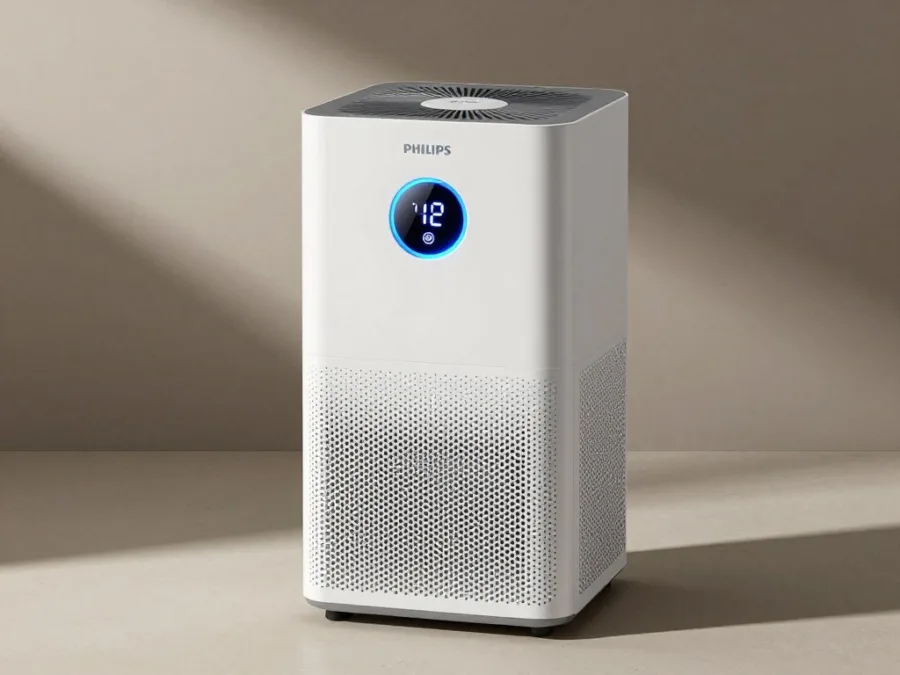
Philips delivers reliable performance with the AC1215/20, specifically designed for Indian air quality challenges. This model addresses high pollution levels with robust filtration while maintaining affordability. The coverage area extends to 678 square feet, handling large rooms effectively.
The device features VitaShield IPS technology combining multiple filtration stages. An advanced HEPA filter captures ultrafine particles while the activated carbon layer removes harmful gases. This comprehensive approach makes the AC1215/20 particularly effective against the mix of pollutants found in Indian urban air.
Technical Specifications
| Room Coverage | Up to 678 square feet |
| Clean Air Delivery Rate | 270 cubic meters per hour |
| Filtration Technology | VitaShield IPS with HEPA and Activated Carbon |
| Particle Removal | Removes 99.97% of particles as small as 0.003 microns |
| Noise Level Range | 20.5 dB to 51 dB |
| Power Consumption | 11 to 60 watts |
| Number of Speed Settings | 3 automatic modes plus sleep mode |
| Air Quality Indicator | 4-color LED ring with numerical PM2.5 display |
Real-World Performance Analysis
Users in Delhi, Mumbai, and Bangalore report substantial air quality improvements with this model. The real-time PM2.5 display provides immediate feedback, showing particle reduction within 30 minutes of operation. During high pollution days, the air purifier works continuously to maintain healthy indoor levels.
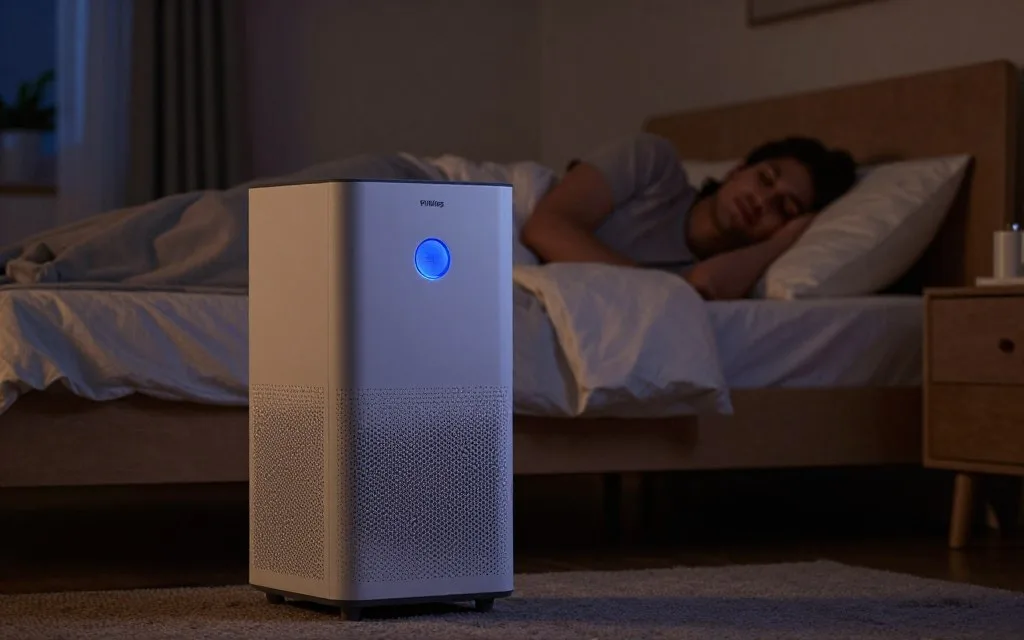
The sleep mode operates remarkably quietly at just over 20 decibels. This proves crucial for bedroom placement where continuous operation is desired. The automatic modes intelligently adjust fan speeds, providing peace of mind without constant manual adjustment.
Filter Maintenance and Costs
Filter replacement costs remain reasonable compared to premium brands. The combined HEPA and carbon filter typically lasts 12 months under normal usage. Philips filters are readily available through Amazon India and authorized dealers, ensuring easy replacement access.
The filter replacement indicator alerts you when cleaning performance begins declining. This prevents the common mistake of running air purifiers with saturated filters. Regular filter changes maintain optimal performance and prevent strain on the motor.
Advantages
- Large coverage area suitable for big rooms
- Excellent particle removal down to 0.003 microns
- Real-time numerical PM2.5 display for monitoring
- Very quiet sleep mode for bedroom use
- Trusted Philips brand with good service network
- Affordable filter replacement costs
- Child lock feature for safety
Considerations
- No smart connectivity features
- Bulkier design requires more floor space
- Higher power consumption at maximum speed
- Limited color options available
- Manual control only without remote
Best Use Cases
This air purifier works excellently in large bedrooms, spacious living rooms, or open-plan spaces. The extended coverage area makes it suitable for homes with fewer dividing walls. Families living in high-pollution cities find particular value in its robust filtration. The visible air quality display appeals to data-conscious users who want to monitor improvements.
Product 3: Dyson Pure Cool TP04 Air Purifier and Fan
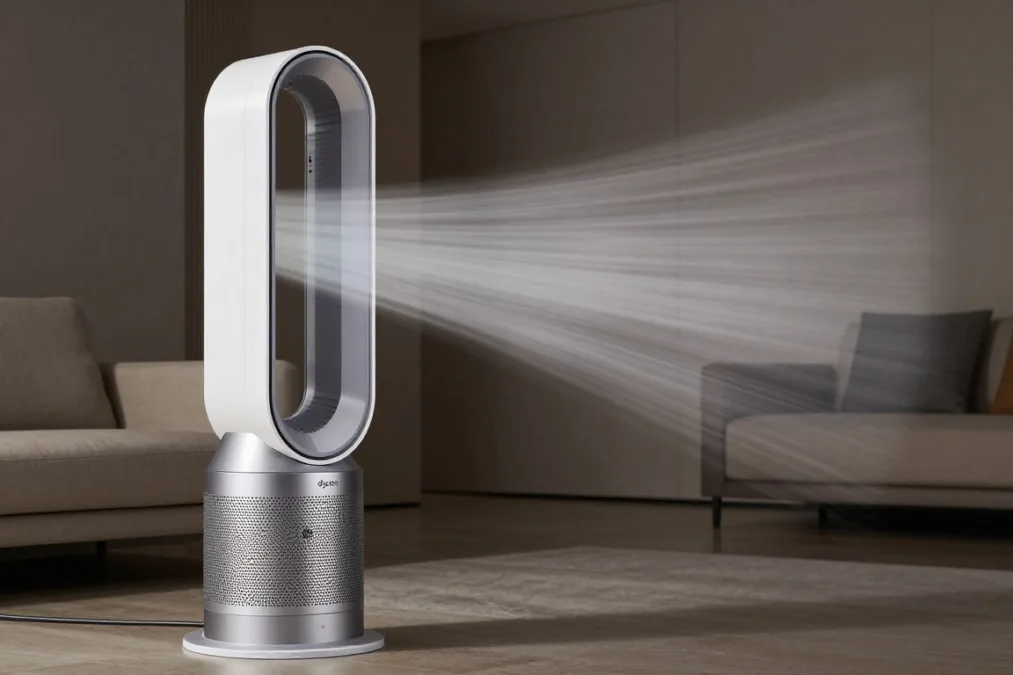
Dyson brings premium engineering to air purification with the Pure Cool TP04. This device combines an air purifier with a bladeless fan, offering dual functionality. The tower design saves floor space while the 360-degree filtration system captures pollutants from all angles.
What sets this model apart is the advanced sensor technology and intelligent reporting. The device detects and reports pollution levels automatically. It identifies particles, volatile organic compounds, nitrogen dioxide, and temperature. This comprehensive monitoring helps you understand your indoor air quality patterns.
Advanced Features and Technology
- 360-degree sealed HEPA and activated carbon filter system
- Air Multiplier technology projects purified air throughout room
- Automatically monitors and reacts to air quality changes
- LCD screen displays real-time air quality data
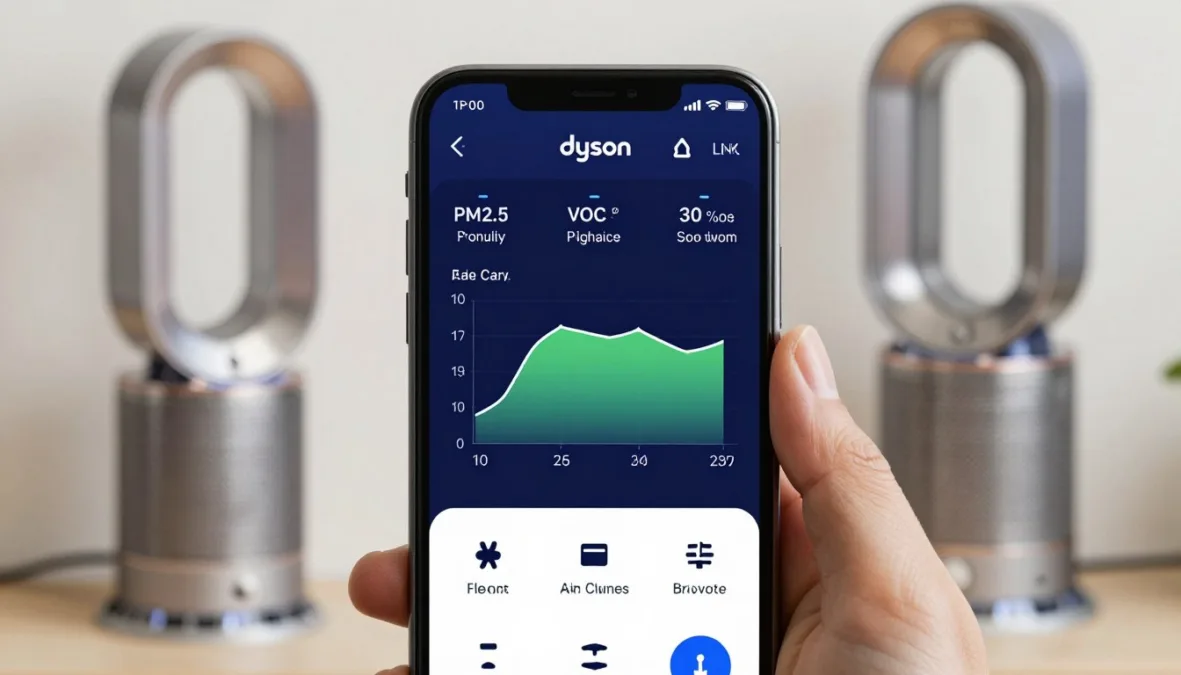
- Wi-Fi enabled with Dyson Link app for remote control
- Compatible with voice control through Alexa
- Oscillation feature distributes clean air evenly
- Backward airflow mode for purification without cooling
- Sleep timer with night mode operation
- Coverage area up to 800 square feet
Performance and Smart Features
The smart capabilities truly differentiate this air purifier. Through the Dyson Link app, you can monitor indoor and outdoor pollution levels. Historical data helps identify patterns like pollution spikes during cooking or cleaning. You can schedule operations and adjust settings remotely.
The Air Multiplier technology projects purified air up to several meters. This ensures circulation throughout the room rather than just near the device. The oscillation feature distributes airflow evenly. During summer months, the cooling function provides relief while maintaining air purification.
Filter replacement occurs less frequently than some competitors. The sealed filtration system prevents pollutants from leaking back into your room. Dyson filters capture gases and 99.97 percent of particles as small as 0.3 microns. The filter life indicator alerts you when replacement is needed.
Advantages
- Premium build quality with exceptional design
- Comprehensive air quality monitoring and reporting
- Smart app control with historical data tracking
- Dual function as purifier and cooling fan
- Effective air circulation throughout large rooms
- Voice control compatibility adds convenience
- Sealed filtration prevents pollutant leakage
- Low maintenance with long filter life
Considerations
- Premium pricing significantly higher than competitors
- Replacement filters are expensive
- Requires Wi-Fi for full functionality
- Can be noisy at higher fan speeds
- Limited service centers in smaller cities
Who Benefits Most
The Dyson Pure Cool TP04 suits tech-enthusiast homeowners who value design and smart features. Those willing to invest in premium performance find excellent value despite high costs. The dual purifier and fan function appeals to people in hot climates. Smart home integrators appreciate the app control and voice compatibility. This model works best for spacious living rooms or master bedrooms where aesthetics matter.
Product 4: Mi Air Purifier 3
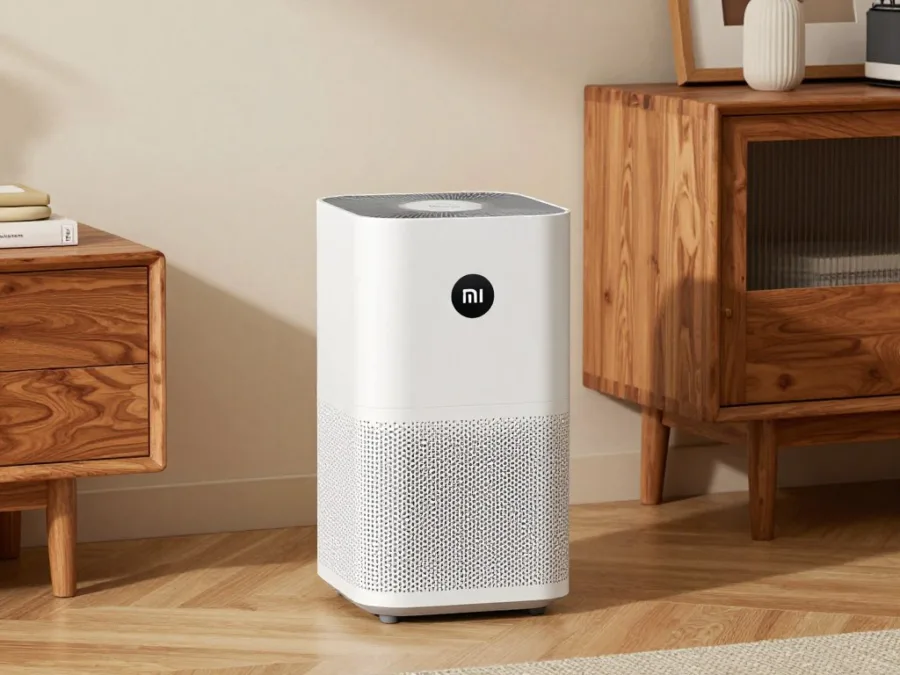
The Mi Air Purifier 3 delivers impressive performance at an accessible price point. Xiaomi has designed this model specifically for Indian market needs, balancing affordability with effective filtration. The device covers rooms up to 484 square feet, suitable for most bedrooms and living spaces.
This air purifier employs a three-layer filter system within a cylindrical cartridge. The primary HEPA filter captures fine particles effectively. An activated carbon layer removes odors and harmful gases. The 360-degree intake design pulls air from all directions for efficient processing.
Key Specifications
Technical Details
- Coverage: Up to 484 square feet
- CADR: 380 cubic meters per hour
- Particle filtration: 99.97% at 0.3 microns
- Noise level: 32 to 64 decibels
- Power: 38 watts maximum
- Dimensions: Compact tower design
Smart Features
- Mi Home app connectivity
- Real-time air quality display
- Auto mode with laser sensor
- Voice control via Alexa and Google Assistant
- Sleep mode for quiet operation
- Filter life indicator on OLED screen
Performance in Indian Homes
Users across Indian cities report excellent results with the Mi Air Purifier 3. The high CADR rating means rapid air cleaning, visible within 20 to 30 minutes of operation. During pollution spikes, the auto mode activates higher speeds automatically, maintaining cleaner indoor air.
The laser particle sensor detects PM2.5 levels accurately. The OLED display shows real-time readings, helping you understand air quality changes throughout the day. Many users appreciate seeing immediate feedback when cooking or after cleaning activities.
Smart Integration and Convenience
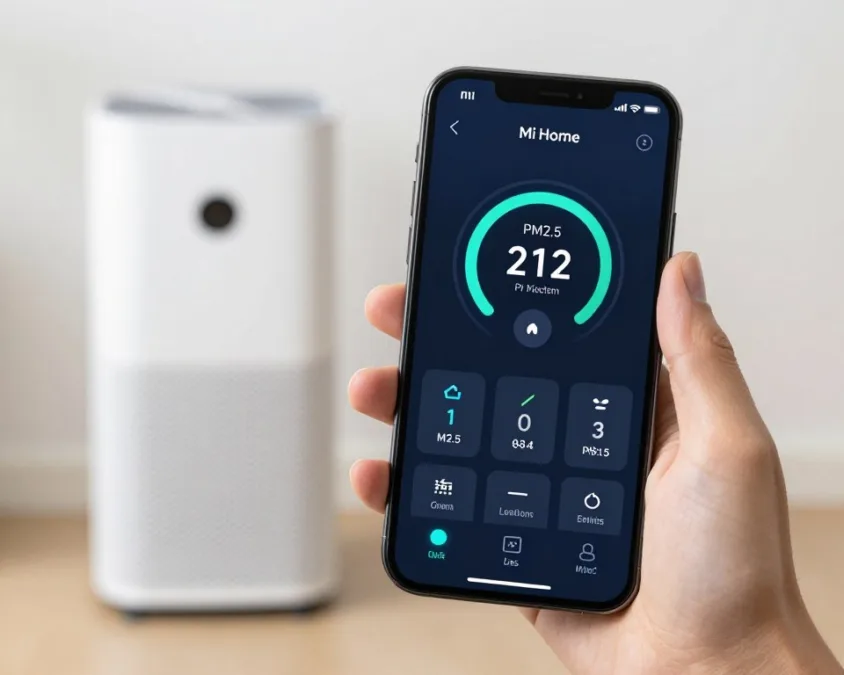
The Mi Home app enhances functionality significantly. You can control the air purifier remotely from anywhere. Schedule operations to start before you arrive home. Monitor air quality history to understand patterns. The app also integrates with other Mi smart home devices for automation.
Voice control through Alexa or Google Assistant adds convenience. Simple commands adjust fan speeds or switch modes. This hands-free operation suits busy households where everyone can control air quality easily.
Maintenance and Running Costs
Filter replacement costs remain budget-friendly compared to premium brands. Mi filters are readily available online and through authorized sellers. The typical filter life extends 6 to 12 months depending on usage intensity and local air quality.
Energy consumption stays low even during continuous operation. The 38-watt maximum power draw translates to minimal electricity costs. Combined with affordable filters, the total cost of ownership remains very competitive.
Advantages
- Excellent value for money with strong performance
- High CADR for rapid air cleaning
- Comprehensive app control and monitoring
- Voice assistant compatibility
- Low power consumption saves electricity
- Affordable replacement filters
- Real-time air quality display
- Compact design fits small spaces
Considerations
- Build quality feels less premium than expensive models
- Noisy at maximum speed settings
- Filter replacement reminders can be persistent
- Limited coverage for very large rooms
- Customer service quality varies by location
Ideal User Profile
The Mi Air Purifier 3 suits budget-conscious buyers seeking smart features without premium pricing. Tech-savvy users appreciate the app integration and voice control. First-time air purifier buyers find this an excellent entry point. The model works well in apartments, bedrooms, or medium-sized living rooms. Students and young professionals benefit from the combination of performance and affordability.
Product 5: Honeywell Air Touch V2 Air Purifier
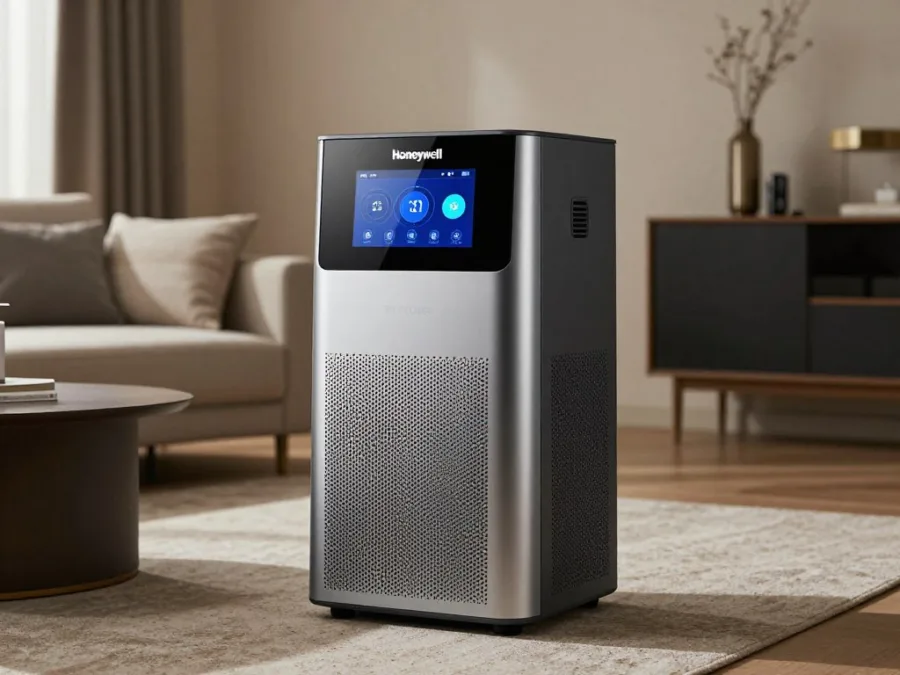
Honeywell brings decades of filtration expertise to the Indian market with the Air Touch V2. This air purifier combines powerful performance with user-friendly features. The coverage area extends to 387 square feet, making it suitable for bedrooms and mid-sized living spaces.
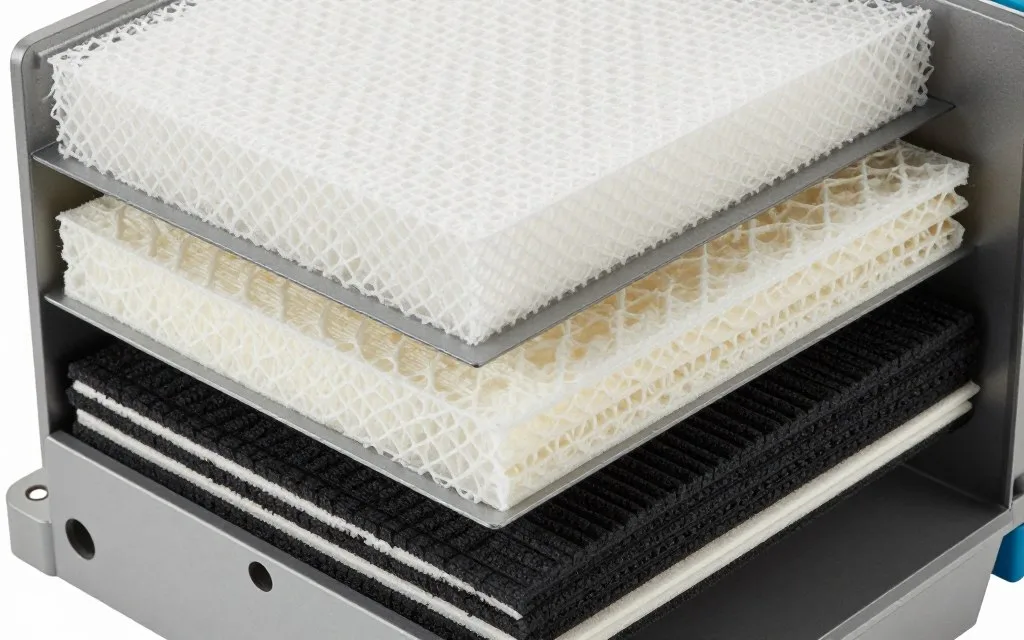
The filtration system employs a pre-filter, HEPA filter, and activated carbon filter in sequence. This multi-stage approach ensures comprehensive removal of particles, allergens, and odors. The device specifically targets pollution common in Indian urban environments.
Design and Build Quality
The Air Touch V2 features a sturdy build with premium materials. The black finish with silver accents provides an upscale appearance. A large touchscreen control panel dominates the top surface, offering intuitive operation. The display shows air quality levels with color indicators for easy understanding.
Four caster wheels allow easy movement between rooms. This mobility proves valuable when you want to focus purification in different areas throughout the day. The compact footprint ensures it does not dominate floor space despite substantial coverage capability.
Performance Features
- Clean Air Delivery Rate: 300 cubic meters per hour
- Three-stage filtration with washable pre-filter
- Real-time air quality monitoring with PM2.5 sensor
- Five fan speed settings for customized operation
- Auto mode adjusts speed based on air quality
- Sleep mode for quiet nighttime operation
- Filter change indicator alerts for maintenance
- Touch controls with LED display
- Timer function for scheduled operation
- Child lock feature for safety
Filtration Effectiveness
The HEPA filter captures particles as small as 0.3 microns with high efficiency. This includes pollen, dust mites, pet dander, and fine particulate matter from pollution. Users report noticeable reduction in dust accumulation on furniture when running this air purifier continuously.
The activated carbon filter handles odors effectively. Cooking smells dissipate faster with this air purifier operating. Smoke from nearby sources gets filtered out before it permeates your home. Chemical odors from cleaning products or paint diminish significantly.
The washable pre-filter extends the life of more expensive HEPA and carbon filters. By capturing larger particles first, it prevents premature loading of downstream filters. This design reduces long-term maintenance costs.
Advantages
- Trusted brand with established service network
- Strong build quality and premium design
- Effective three-stage filtration system
- Washable pre-filter reduces costs
- Easy-to-use touchscreen controls
- Mobile design with caster wheels
- Comprehensive air quality monitoring
- Good balance of performance and price
Considerations
- No smart connectivity or app control
- Replacement filters can be pricey
- Limited to medium-sized rooms
- Higher noise levels at maximum speed
- Bulkier than some competing models
Best Suited For
The Honeywell Air Touch V2 appeals to buyers prioritizing brand reputation and build quality. Families appreciate the child lock feature and robust construction. The mobile design benefits people who want to move purification between rooms. Users seeking straightforward operation without app complexity find this model ideal. It works excellently in bedrooms, nurseries, or home offices where air quality directly impacts health and productivity.
Product 6: Blueair Blue Pure 411 Auto Air Purifier
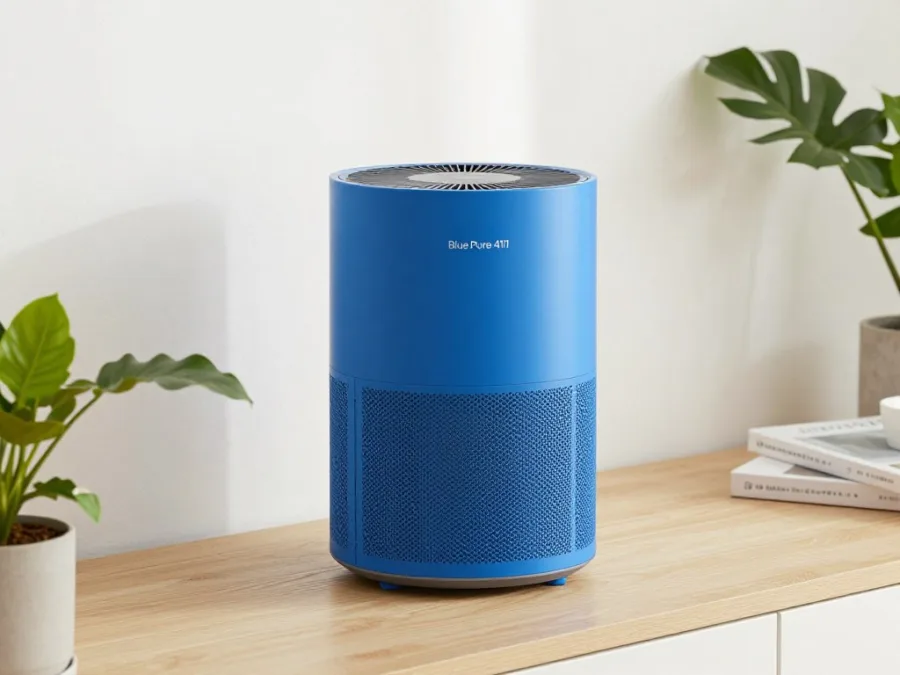
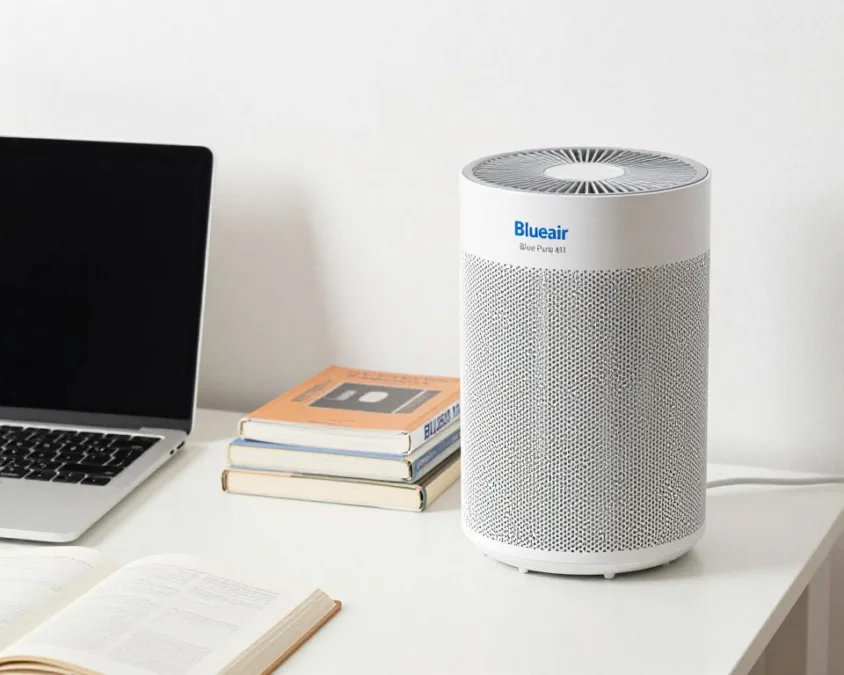
The Blueair Blue Pure 411 Auto brings Swedish design excellence to air purification. This compact model punches above its weight in performance. Despite small dimensions, it effectively covers rooms up to 185 square feet. The unique design combines functionality with visual appeal.
Blueair employs HEPASilent technology combining mechanical and electrostatic filtration. This dual approach captures 99 percent of airborne pollutants while using less dense filters. The result is higher airflow with lower noise and energy consumption compared to traditional HEPA-only designs.
Unique Design Philosophy
The cylindrical form factor saves space while enabling 360-degree air intake. Fabric pre-filters come in multiple colors, allowing customization to match your decor. These washable pre-filters extend the life of internal filters while adding a design element.
The minimalist control interface features just one button. The auto mode handles everything, adjusting fan speed based on air quality. An LED indicator shows current air quality status through color coding. This simplicity appeals to users who prefer set-and-forget operation.
Technical Performance
| Room Coverage | Up to 185 square feet |
| Clean Air Delivery Rate | 135 cubic meters per hour |
| Filtration Technology | HEPASilent with particle and carbon filters |
| Particle Removal Efficiency | 99% of particles down to 0.1 microns |
| Noise Level | 17 to 46 decibels |
| Power Consumption | 10 watts maximum |
| Weight | 1.5 kg (highly portable) |
| Control System | One-button with auto mode |
Performance in Compact Spaces
This air purifier excels in small to medium bedrooms, home offices, or nurseries. The high air exchange rate means rapid cleaning despite compact size. Users report cleaner air within 30 minutes of operation even in polluted conditions.
The extremely low noise level at 17 decibels on low speed makes this one of the quietest air purifiers available. You can barely hear it running. This silent operation suits light sleepers or people working from home who need concentration.
Energy efficiency stands out as exceptional. The 10-watt maximum consumption means you can run this continuously without worrying about electricity costs. Over a year, the energy cost remains negligible compared to larger air purifiers.
Advantages
- Extremely quiet operation ideal for bedrooms
- Outstanding energy efficiency saves costs
- Beautiful Scandinavian design with color options
- Compact and highly portable at 1.5 kg
- Simple one-button operation
- Excellent particle removal efficiency
- Washable fabric pre-filters reduce waste
- Low maintenance requirements
Considerations
- Limited coverage area for small rooms only
- No smart features or connectivity
- Replacement filters can be expensive
- No air quality display or sensors
- Premium pricing for compact size
Ideal Applications
The Blue Pure 411 Auto works best in compact spaces where design matters. Studio apartments benefit from its small footprint. Bedrooms gain silent air cleaning without disturbance. Home offices maintain clean air without noise distraction. Parents appreciate it in nurseries for baby-safe air quality. Design-conscious users value the aesthetic appeal and customizable colors.
Product 7: Levoit Core 300 Air Purifier
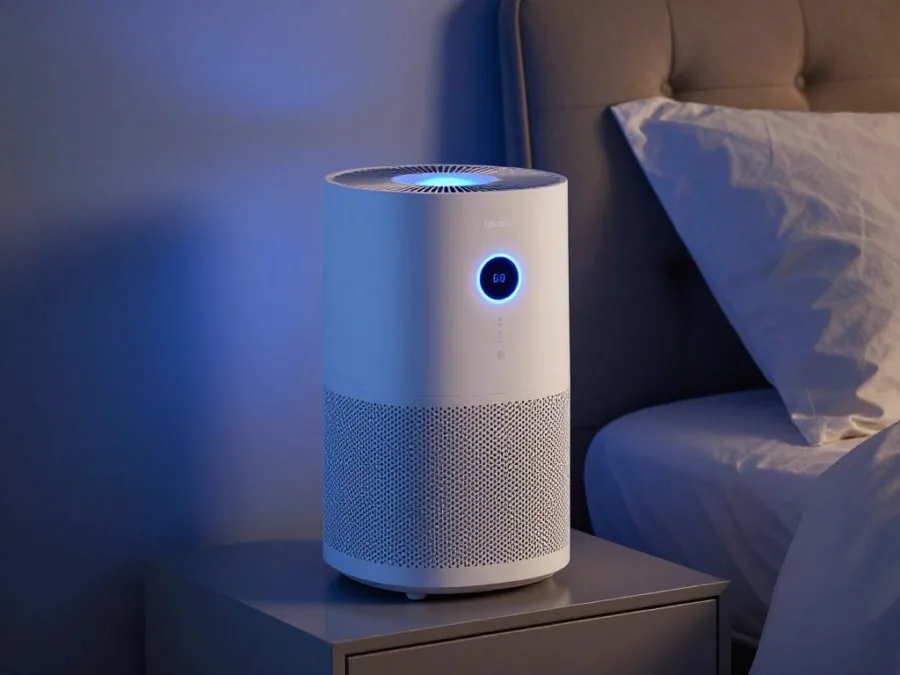
The Levoit Core 300 represents exceptional value in the mid-range air purifier segment. This model balances performance, features, and affordability effectively. Coverage extends to 219 square feet, suitable for bedrooms and home offices. The compact design fits easily into various room layouts.
Levoit employs a three-stage filtration system optimized for home environments. The pre-filter captures large particles and pet hair. A True HEPA filter removes 99.97 percent of particles as small as 0.3 microns. An activated carbon filter absorbs odors, smoke, and volatile organic compounds effectively.
Key Features and Capabilities
- VortexAir Technology 3.0 enhances air circulation
- Clean Air Delivery Rate: 230 cubic meters per hour
- QuietKEAP Technology reduces noise to 24 decibels
- Multiple filter options for specific needs
- Sleep mode dims lights and reduces noise
- Timer function: 2, 4, 6, or 8 hours
- Three fan speeds plus sleep mode
- Filter replacement indicator
- Optional night light feature
- Compact cylindrical design in white
Customizable Filtration Options
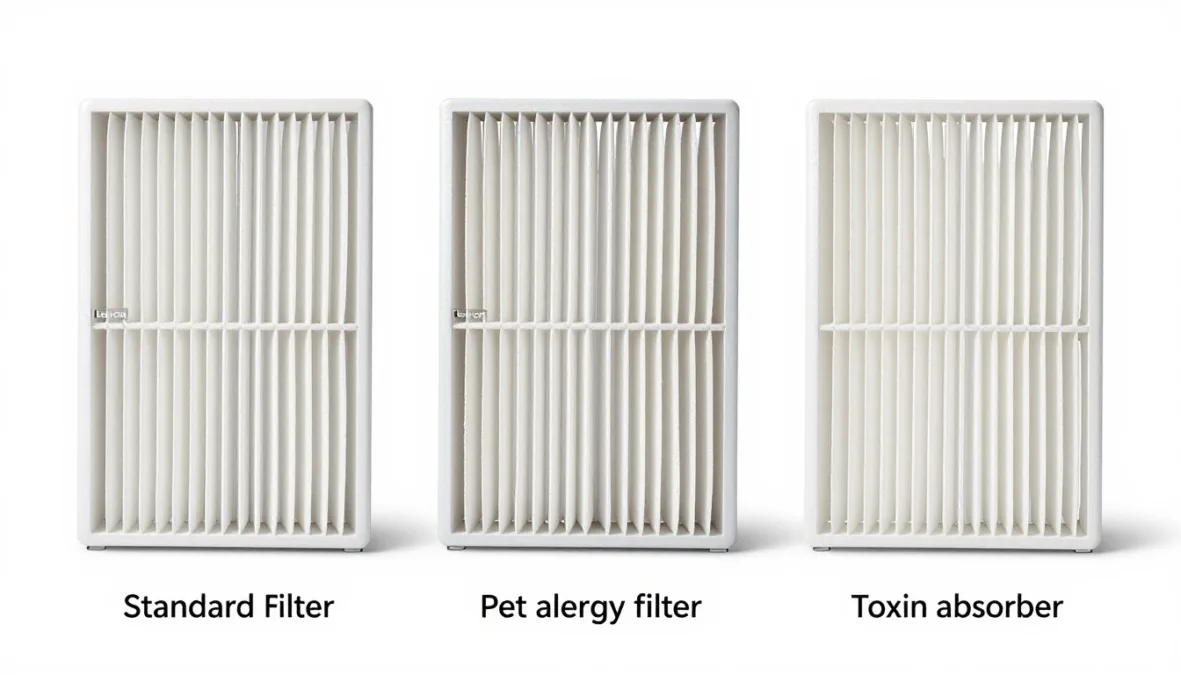
Levoit offers specialized filters for different needs. The Pet Allergy Filter includes an additional activated carbon layer for pet odors and dander. The Toxin Absorber Filter enhances removal of volatile organic compounds and smoke. This customization allows you to address your specific air quality concerns.
Standard filters provide comprehensive protection for most households. The activated carbon effectively handles cooking odors common in Indian kitchens. Users report significant reduction in lingering food smells after using this air purifier.
Performance and User Experience
The VortexAir Technology creates strong air circulation within rooms. Air moves efficiently through the 360-degree intake and exits from the top. This design pattern ensures all areas of your room receive filtered air, not just the space near the device.
Noise levels remain impressively low. At 24 decibels on sleep mode, the Core 300 operates nearly silently. Many users forget it is running. This quiet operation makes it perfect for bedrooms where sleep quality matters most.
The sleep mode combines quiet operation with dimmed display lights. The timer function allows you to set automatic shutoff after desired hours. These features optimize nighttime use without wasting energy or creating disturbance.
Advantages
- Excellent value with strong performance
- Extremely quiet operation for bedrooms
- Customizable filters for specific needs
- Effective odor removal for cooking smells
- Affordable replacement filter costs
- Sleep mode with dimmed lights
- Optional night light adds functionality
- Compact design saves floor space
Considerations
- Limited coverage for larger rooms
- No smart features or app connectivity
- No air quality sensors or display
- Manual fan speed adjustment required
- White color only may not suit all decor
Best Use Scenarios
The Levoit Core 300 excels as a bedroom air purifier for individuals or couples. Home office workers benefit from quiet operation during work hours. Pet owners appreciate the specialized filter options. Budget-conscious buyers find excellent performance without premium pricing. The compact size suits apartments where space is limited. Multiple units can cover different rooms economically.
Product 8: Eureka Forbes Air Purifier 150
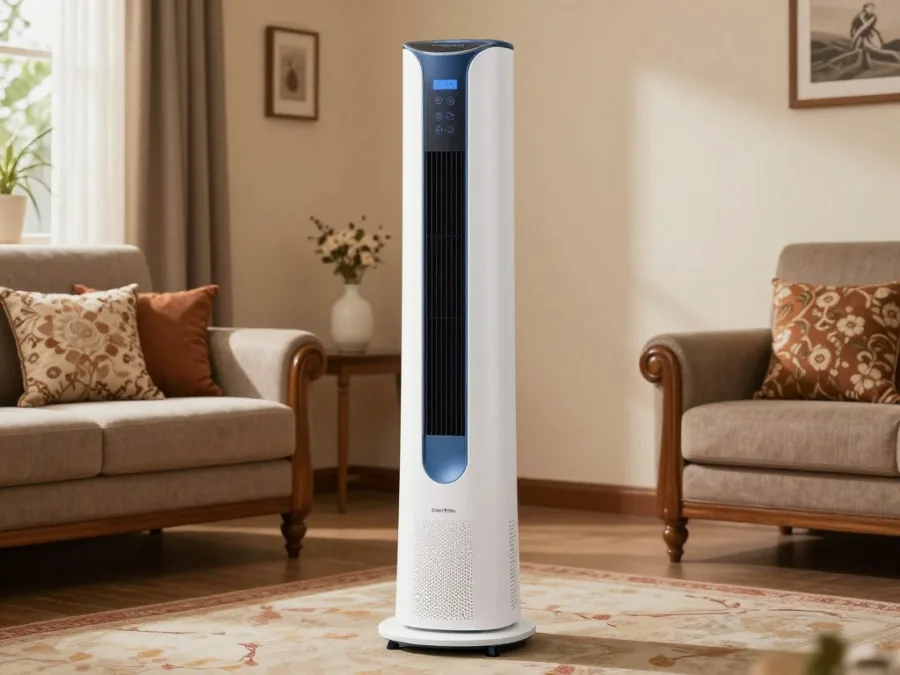
Eureka Forbes brings trusted water purification expertise to air cleaning with the Air Purifier 150. This Indian brand understands local conditions and requirements. The model covers rooms up to 200 square feet, targeting bedrooms and smaller living areas effectively.
The device employs Surround 360-degree technology ensuring complete air coverage. Multiple filters work in sequence to remove various pollutants. Eureka Forbes designs specifically address Indian pollution patterns including high dust levels and seasonal variations.
Filtration System Details
The multi-stage filtration begins with a washable pre-filter capturing large dust particles and hair. This extends the life of more expensive filters downstream. An antibacterial filter adds protection against biological contaminants common in humid Indian climates.
The HEPA filter removes fine particulate matter effectively. An activated carbon filter handles gases and odors. Finally, a UV lamp provides additional sanitization, killing bacteria and viruses that pass through mechanical filters. This comprehensive approach addresses multiple air quality concerns simultaneously.
Technical Specifications
- Room coverage: 200 square feet
- Clean Air Delivery Rate: 180 cubic meters per hour
- Five-stage filtration system
- UV light for sanitization
- Power consumption: 55 watts
- Noise level: 35 to 58 decibels
User Features
- Three speed settings
- Air quality indicator lights
- Filter replacement alerts
- Child lock function
- Timer for automatic shutoff
- Touch panel controls
Local Brand Advantages
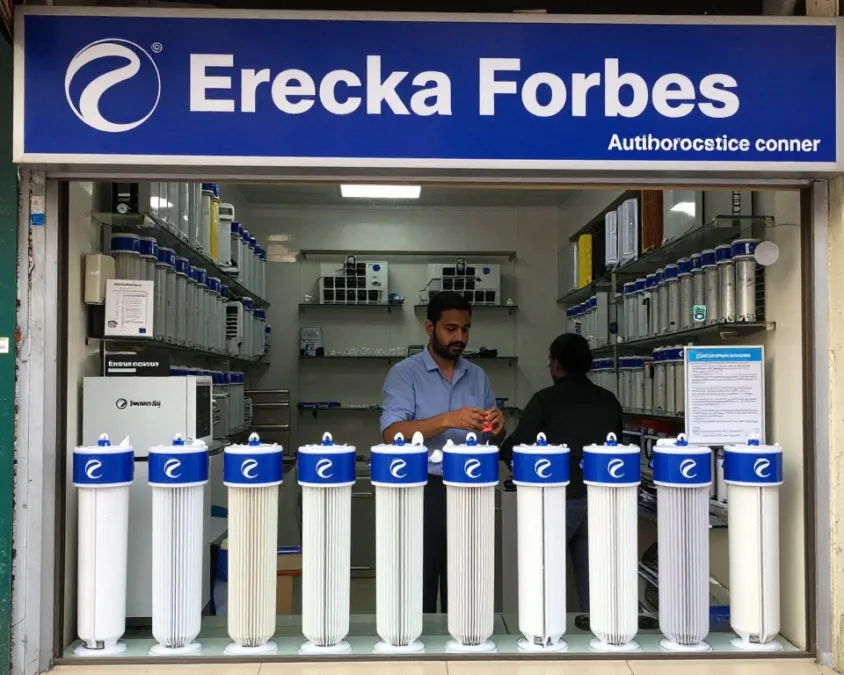
Eureka Forbes maintains an extensive service network across India. This ensures easy access to replacement filters and technical support. Service centers exist in tier-2 and tier-3 cities where international brands may have limited presence. This local advantage provides peace of mind for long-term ownership.
Replacement filters are competitively priced and readily available. You can purchase through authorized dealers, company website, or major e-commerce platforms. The washable pre-filter reduces recurring costs compared to models requiring full filter replacements.
Performance in Indian Conditions
Users report good performance against typical Indian pollution. The device handles seasonal dust storms effectively. During festival periods with firecracker smoke, the air purifier works overtime but maintains indoor air quality reasonably well.
The UV lamp adds value in humid regions prone to mold and bacterial growth. This feature distinguishes Eureka Forbes from competitors lacking sanitization technology. Families with children or elderly members benefit from this additional protection layer.
Advantages
- Strong local service network across India
- UV sanitization adds antimicrobial protection
- Washable pre-filter reduces costs
- Designed for Indian pollution conditions
- Easy filter availability nationwide
- Competitive pricing for features offered
- Trusted brand with water purification heritage
- Child lock and safety features
Considerations
- Basic design lacks premium aesthetics
- No smart features or connectivity
- Limited coverage for large rooms
- Higher noise at maximum speed
- No air quality sensors or real-time display
Who Should Consider This Model
The Eureka Forbes Air Purifier 150 suits buyers prioritizing local service support and brand trust. Residents in smaller cities benefit from widespread service availability. Budget-conscious families find good value in the feature set. The UV sanitization appeals to health-focused users in humid regions. First-time air purifier buyers appreciate the familiar brand name and reliable performance.
Product 9: Sharp FP-J30M-A Air Purifier with Humidifier
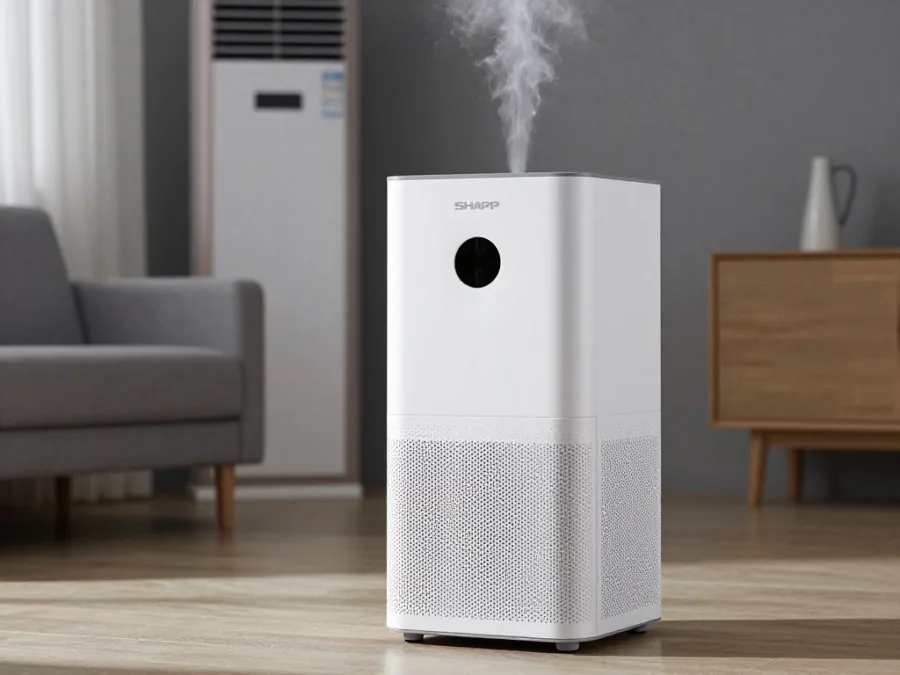
Sharp differentiates with the FP-J30M-A by combining air purification and humidification. This dual function addresses a common problem in air-conditioned Indian homes. Air conditioners reduce humidity while purifiers clean air. This device does both simultaneously, maintaining comfortable humidity levels.
The coverage area extends to 250 square feet, suitable for bedrooms and small living rooms. Sharp incorporates Plasmacluster Ion Technology alongside traditional filtration. This technology releases positive and negative ions that attach to airborne particles, making them easier to capture.
Dual Function Benefits
Humidification becomes important in air-conditioned spaces where humidity drops below comfortable levels. Dry air causes skin irritation, respiratory discomfort, and increased susceptibility to infections. The integrated humidifier maintains optimal humidity between 40 to 60 percent.
The water tank holds sufficient capacity for several hours of operation. You can use purification alone, humidification alone, or both simultaneously. This flexibility adapts to seasonal needs. During dry winter months or in air-conditioned rooms, combined operation provides maximum comfort.
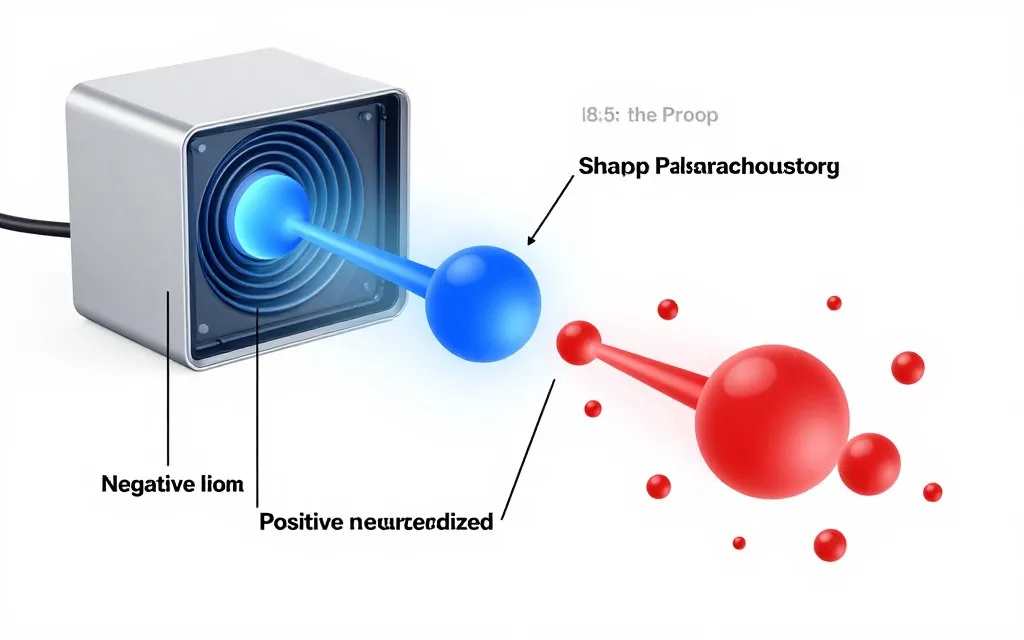
Advanced Filtration and Ion Technology
- Pre-filter captures large particles and dust
- Deodorizing filter removes odors effectively
- True HEPA filter captures 99.97% of particles
- Humidifying filter for moisture control
- Plasmacluster Ion Technology for active purification
- Clean Air Delivery Rate: 240 cubic meters per hour
- Humidification capacity: 400 ml per hour
- Water tank capacity: 2 liters
- Auto humidity control maintains optimal levels
- Three fan speeds plus automatic mode
Performance and Maintenance
The Plasmacluster technology provides active air cleaning beyond passive filtration. Ions travel throughout the room, reaching areas filters alone cannot. This technology helps with odors embedded in fabrics and furniture. Users report fresher-smelling rooms even in areas away from the device.
Maintenance involves regular filter cleaning and replacement plus water tank cleaning. The humidifier filter requires periodic descaling in hard water areas. This additional maintenance is offset by the dual functionality benefits. Operating costs remain reasonable with accessible replacement filters.
Energy consumption increases slightly when running both purification and humidification simultaneously. However, the combined operation still uses less energy than running separate devices. The auto mode optimizes both functions based on detected conditions.
Advantages
- Dual function saves space and cost
- Plasmacluster Ion Technology adds active cleaning
- Auto humidity control maintains comfort
- Ideal for air-conditioned rooms
- Good coverage for medium rooms
- Trusted Japanese brand quality
- Comprehensive filtration system
- Flexible operation modes
Considerations
- Additional maintenance for humidifier function
- Requires regular water tank refilling
- Bulkier than purifier-only models
- Higher initial cost for dual function
- Water quality affects humidifier performance
- No smart connectivity features
Best Applications
The Sharp FP-J30M-A excels in air-conditioned bedrooms where humidity control matters. People with dry skin or respiratory sensitivity benefit from maintained humidity levels. The dual function appeals to those wanting one device instead of two. Families with young children appreciate the comfortable environment created. This model suits users willing to perform slightly more maintenance for added functionality.
Product 10: Kent Aura Portable Room Air Purifier
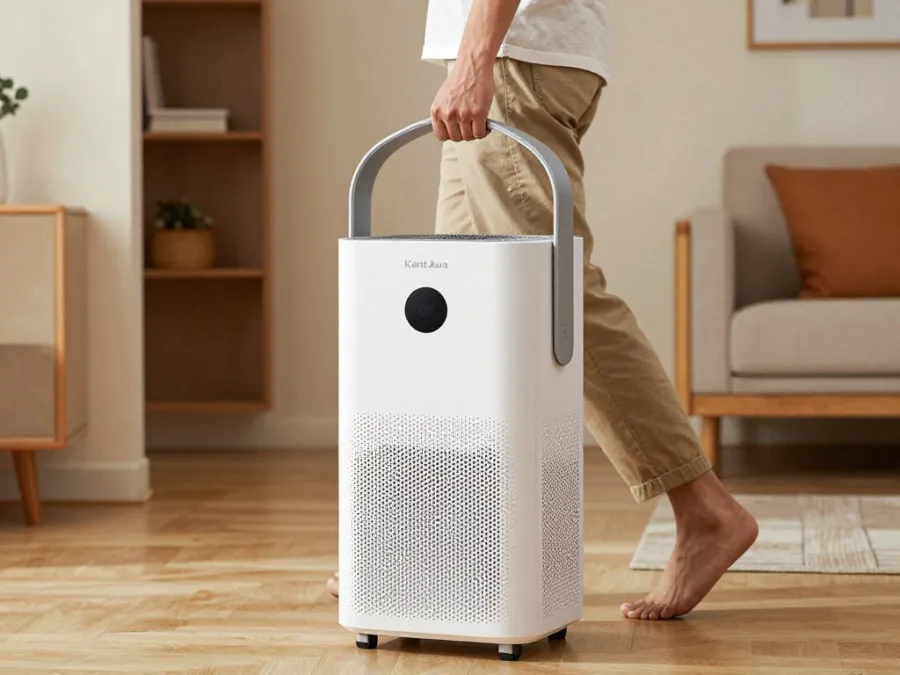
Kent, another trusted Indian brand, offers the Aura as an affordable entry into air purification. This compact model prioritizes portability and ease of use. Coverage extends to 270 square feet, handling bedrooms and small offices effectively. The budget-friendly pricing makes clean air accessible to more households.
The device employs HEPA technology combined with activated carbon filtration. Kent adds an ionizer to enhance particle removal. The compact design includes a carry handle, allowing easy movement between rooms. This portability maximizes value by serving multiple spaces with one device.
Features and Specifications
| Room Coverage Area | Up to 270 square feet |
| Filtration System | HEPA filter plus Activated Carbon |
| Additional Technology | Negative ion generator |
| Clean Air Delivery Rate | 180 cubic meters per hour |
| Particle Removal | Removes particles down to 0.3 microns |
| Fan Speeds | Three speed settings |
| Power Consumption | 60 watts maximum |
| Portability | Built-in carry handle |
| Control Interface | Simple button controls |
| Indicator Lights | Power and filter replacement alerts |
Value Proposition
Kent positions this air purifier as an accessible solution for Indian families. The pricing undercuts premium international brands significantly while maintaining reasonable performance. For budget-conscious buyers taking first steps into air purification, this model removes financial barriers.
The portability feature adds practical value. Move the device to your bedroom at night for clean sleeping air. Shift it to your home office during work hours. Place it in the nursery when needed. This flexibility means one device serves your entire home effectively.
Performance Considerations
While not matching premium models in raw performance, the Kent Aura delivers meaningful air quality improvements. Users report reduced dust accumulation and fewer allergy symptoms. The device works best in moderately polluted conditions rather than extreme pollution scenarios.
The ionizer adds particle capture capability beyond the HEPA filter alone. Charged particles clump together and settle or get trapped in filters more easily. However, ionizers may produce trace ozone, though Kent claims safe levels within regulatory limits.
Filter replacement occurs every 6 to 8 months under normal usage. Kent filters are affordable and available through the company’s extensive dealer network. This accessibility ensures long-term viability in smaller cities where international brand filters may be harder to source.
Advantages
- Most affordable among quality brands
- Excellent portability with carry handle
- Trusted Indian brand with wide service network
- Low filter replacement costs
- Simple operation for all age groups
- Adequate coverage for bedrooms
- Ionizer enhances particle capture
- Low power consumption
Considerations
- Basic performance compared to premium models
- No smart features or connectivity
- Higher noise levels than competitors
- Limited coverage for large rooms
- Basic design lacks premium aesthetics
- No air quality sensors or display
- Ionizer may produce trace ozone
Who Benefits Most
The Kent Aura serves budget-conscious first-time buyers exploring air purification. Students in hostel rooms or small apartments find the portability valuable. Families wanting to test air purifiers before larger investments appreciate the low financial risk. Residents in tier-2 and tier-3 cities benefit from Kent’s widespread service availability. The model works for people needing basic air cleaning without advanced features.
Quick Comparison: All 10 Air Purifiers at a Glance
This comprehensive comparison table helps you quickly evaluate key specifications across all ten recommended air purifiers. Compare coverage areas, filtration technology, smart features, and price ranges to identify models matching your specific requirements.
| Model | Coverage (sq ft) | CADR (m³/hr) | Filtration Type | Smart Features | Noise Level (dB) | Special Feature | Amazon Link |
| Coway Airmega 150 | 355 | 246 | HEPA + Carbon | Auto Mode | 24.4 – 53.8 | Energy Efficient | View on Amazon |
| Philips AC1215/20 | 678 | 270 | VitaShield IPS | PM2.5 Display | 20.5 – 51 | Large Coverage | View on Amazon |
| Dyson Pure Cool TP04 | 800 | 290 | 360° Sealed HEPA | App + Alexa | Varies by speed | Fan Function | View on Amazon |
| Mi Air Purifier 3 | 484 | 380 | HEPA + Carbon | App + Voice | 32 – 64 | High CADR | View on Amazon |
| Honeywell Air Touch V2 | 387 | 300 | 3-Stage HEPA | Touch Controls | Moderate | Washable Pre-filter | View on Amazon |
| Blueair Blue Pure 411 Auto | 185 | 135 | HEPASilent | Auto Mode | 17 – 46 | Ultra Quiet | View on Amazon |
| Levoit Core 300 | 219 | 230 | 3-Stage HEPA | Sleep Mode | 24 – 50 | Custom Filters | View on Amazon |
| Eureka Forbes 150 | 200 | 180 | 5-Stage + UV | Basic Controls | 35 – 58 | UV Sanitization | View on Amazon |
| Sharp FP-J30M-A | 250 | 240 | HEPA + Humidifier | Auto Humidity | Moderate | Plasmacluster Ions | View on Amazon |
| Kent Aura Portable | 270 | 180 | HEPA + Ionizer | Basic | Moderate-High | Portable Design | View on Amazon |
Found Your Perfect Match?
Click on any “View on Amazon” link above to check current prices, read customer reviews, and make your purchase with confidence
Complete Buying Guide: How to Choose Your Air Purifier
Selecting the right air purifier requires understanding your specific needs and priorities. This comprehensive guide helps you navigate technical specifications, evaluate features, and make an informed decision. Consider these factors systematically to find your ideal air purifier.
Determining Your Required Coverage Area
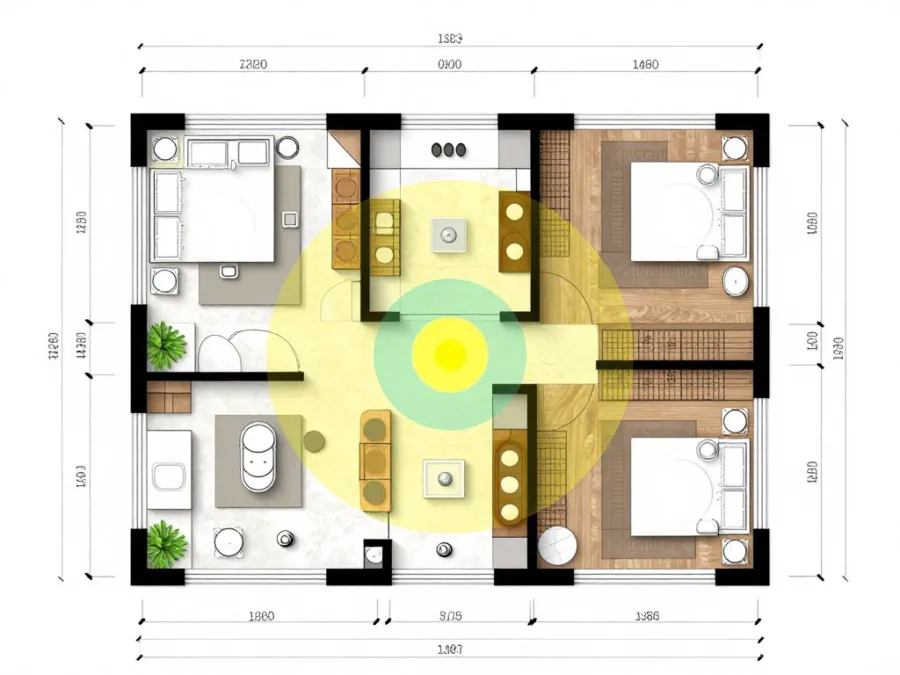
Measure your room dimensions accurately before shopping. Calculate square footage by multiplying length and width. For effective air cleaning, choose an air purifier rated for slightly larger area than your actual room size. This ensures adequate air circulation even with furniture and obstacles.
Consider ceiling height as well. Standard CADR ratings assume 8-foot ceilings. Higher ceilings require proportionally higher CADR for the same floor area. Open floor plans without walls between spaces need air purifiers with larger coverage capacity.
Room Size Recommendations
- Small bedrooms (100-200 sq ft): 150-200 CADR minimum
- Medium bedrooms (200-300 sq ft): 200-300 CADR recommended
- Large bedrooms (300-400 sq ft): 300-400 CADR needed
- Living rooms (400-600 sq ft): 400-500 CADR required
- Large halls (600+ sq ft): 500+ CADR necessary
Understanding Your Air Quality Concerns
Identify your primary air quality issues to prioritize features. Different pollutants require different filtration approaches. Understanding your main concerns ensures you select an air purifier optimized for your situation.
- Outdoor pollution entering home
- Dust from construction nearby
- Seasonal allergens like pollen
- Pet dander from animals
- Smoke from various sources
- Prioritize HEPA filtration
- Look for high particle CADR
Particulate Matter Concerns
- Cooking odors lingering
- Tobacco or incense smoke
- Chemical fumes from paint
- Vehicle exhaust infiltration
- Musty or stale air smell
- Need activated carbon filters
- Check carbon filter weight
Odor and Gas Issues
- Mold spores in humid climates
- Bacteria from air conditioning
- Viruses during illness season
- Dust mites causing allergies
- Airborne bacteria concerns
- Consider UV-C light models
- HEPA plus sanitization best
Biological Contaminants
Evaluating Filter Costs and Availability
Total cost of ownership extends beyond purchase price. Calculate expected annual filter replacement costs before buying. Some brands offer affordable units but charge premium prices for filters. Others cost more initially but have reasonable filter prices.
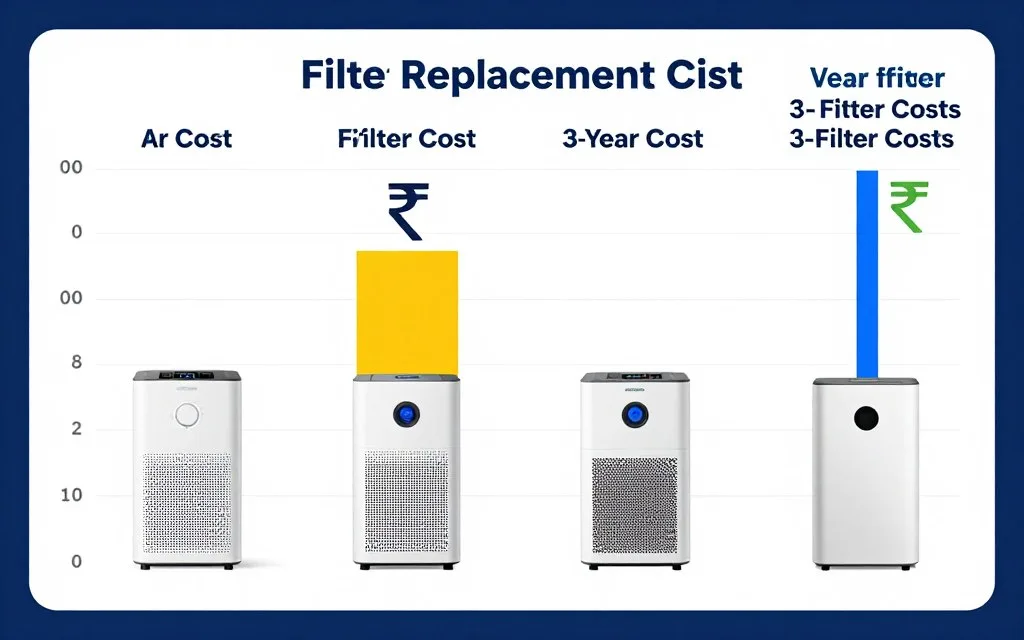
Check local availability of replacement filters. International brands may require online ordering with shipping delays. Indian brands typically have wider dealer networks ensuring easier filter access. Consider stockpiling filters during sales to reduce long-term costs.
Smart Features Worth Considering
Smart features add convenience but increase costs. Evaluate whether these capabilities justify higher prices for your usage patterns. App control suits tech-savvy users and people wanting remote operation. Voice control integration appeals to smart home enthusiasts.
- Air quality sensors provide real-time monitoring and auto-adjustment
- Filter replacement alerts prevent reduced performance from old filters
- Scheduling allows automated operation matching your routine
- Remote control enables adjustment from anywhere via smartphone
- Voice assistant compatibility adds hands-free convenience
- Historical data tracking helps understand air quality patterns
Basic models without smart features work perfectly well if you prefer simple operation. Manual controls and basic timers handle most needs adequately. The money saved on smart features can go toward better filtration or larger coverage area.
Noise Level Considerations
Noise Level Guidelines
| Under 30 dB | Whisper quiet, ideal for sleep |
| 30-40 dB | Library quiet, good for bedrooms |
| 40-50 dB | Moderate, acceptable for living areas |
| 50-60 dB | Normal conversation level |
| Above 60 dB | Noticeable, may disturb sleep |
Bedroom air purifiers should operate under 30 decibels on sleep mode. This ensures undisturbed rest while maintaining air purification. Living room units can tolerate higher noise since background sounds are already present.
Higher fan speeds inevitably produce more noise. Check specifications for noise levels at all speeds. Some models are whisper-quiet on low but loud on high. Others maintain reasonable noise across all settings.
Energy Efficiency and Operating Costs
Air purifiers run continuously for best results. Energy consumption directly impacts monthly electricity bills. Most models consume between 30 to 100 watts depending on size and speed settings. Calculate annual energy costs by multiplying wattage by usage hours and electricity rates.
Energy-efficient models save money over years of operation. A 40-watt air purifier running 24 hours daily consumes about 29 kilowatt-hours monthly. At average Indian electricity rates, this translates to minimal cost. However, inefficient models consuming 100+ watts can significantly increase bills.
Ready to Make Your Purchase?
All our recommended air purifiers balance these factors effectively for Indian homes. Choose based on your priorities and budget.
Maintenance Guide: Maximizing Your Air Purifier Performance
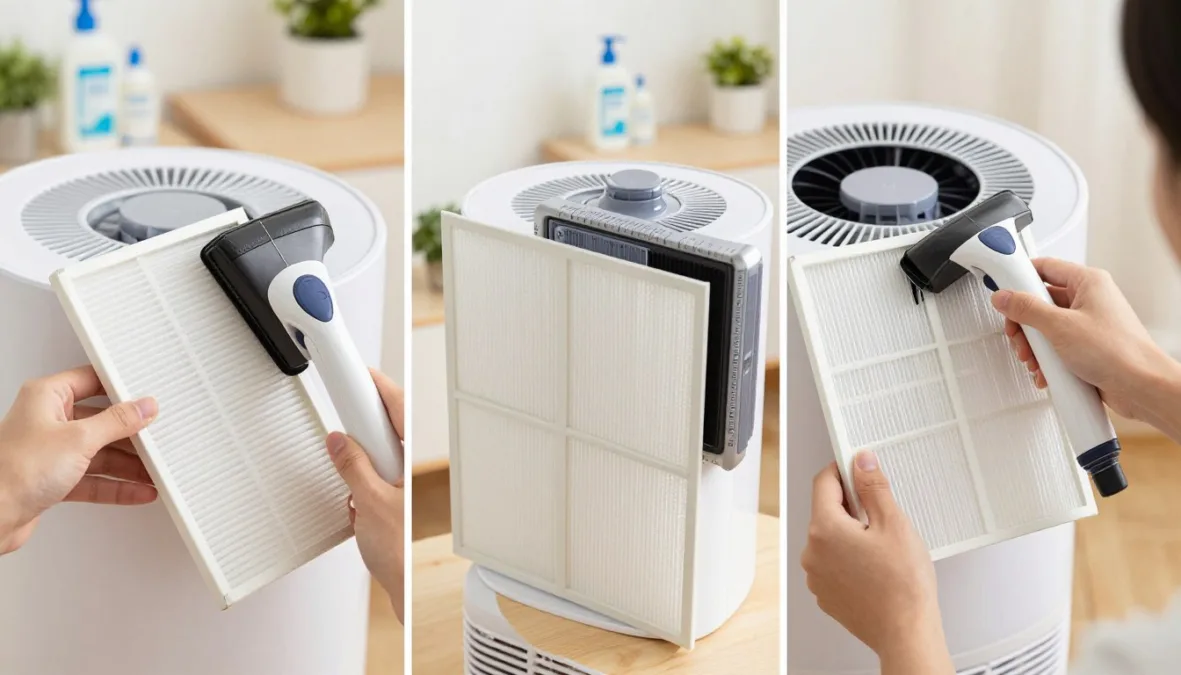
Proper maintenance ensures your air purifier continues delivering clean air efficiently. Regular care extends filter life, maintains performance, and prevents costly repairs. Follow these guidelines to maximize your investment and ensure optimal air cleaning.
Filter Maintenance Schedule
Different filters require different maintenance frequencies. Pre-filters need the most frequent attention since they capture the largest particles first. HEPA and carbon filters have longer lifespans but eventually require replacement for continued effectiveness.
Pre-Filter Care
- Check monthly for visible dust accumulation
- Vacuum gently with brush attachment every 2 weeks
- Wash washable pre-filters monthly if specified
- Allow complete drying before reinstalling
- Replace non-washable pre-filters every 3 months
- Clean extends downstream filter life significantly
HEPA Filter Management
- Never wash or vacuum HEPA filters directly
- Check manufacturer recommendations for lifespan
- Typical replacement interval: 6-12 months
- Heavy pollution areas may require more frequent changes
- Watch for reduced airflow indicating saturation
- Use filter replacement indicators if available
Signs Your Filters Need Replacement
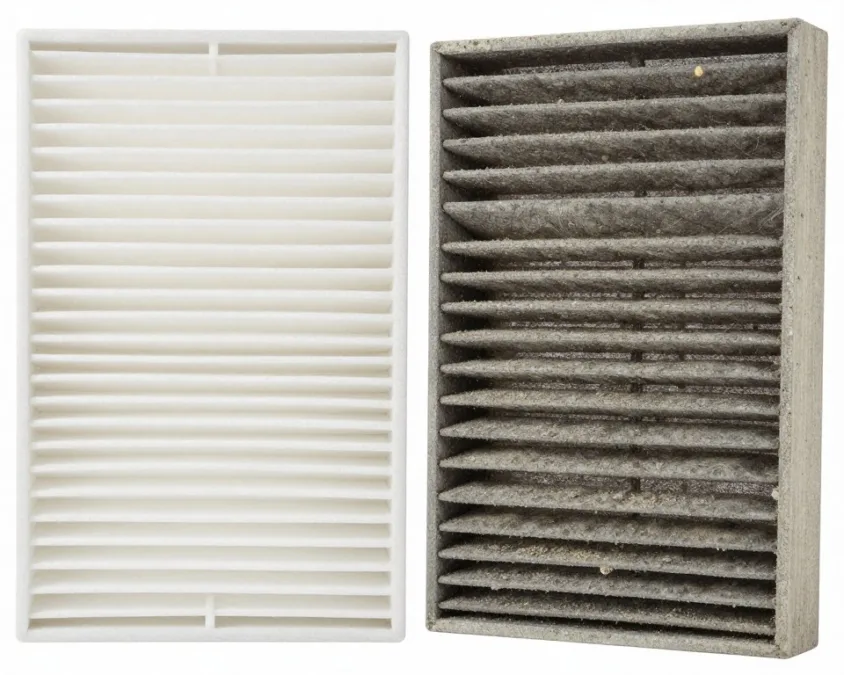
Filter replacement indicators provide the most reliable guidance. However, several physical signs indicate when filters need changing even without electronic alerts. Recognizing these signs prevents running your air purifier with ineffective filters.
- Reduced airflow from the outlet compared to when new
- Increased noise levels as the motor works harder
- Visible discoloration of HEPA filter from white to gray or brown
- Persistent odors not being eliminated as before
- Dust accumulating faster on furniture despite running continuously
- Allergy symptoms returning despite regular air purifier operation
- Higher electricity consumption due to motor strain
Cleaning the Air Purifier Unit
Regular exterior cleaning maintains appearance and prevents dust from being drawn into the device. Turn off and unplug before cleaning. Use a soft, slightly damp cloth for the exterior surfaces. Avoid harsh chemicals that might damage plastic components.
Clean air intake and outlet grills monthly. Dust accumulation here restricts airflow and reduces efficiency. Use a vacuum with brush attachment or compressed air for thorough cleaning. Check underneath and behind the unit where dust tends to collect.
Optimizing Placement for Best Performance
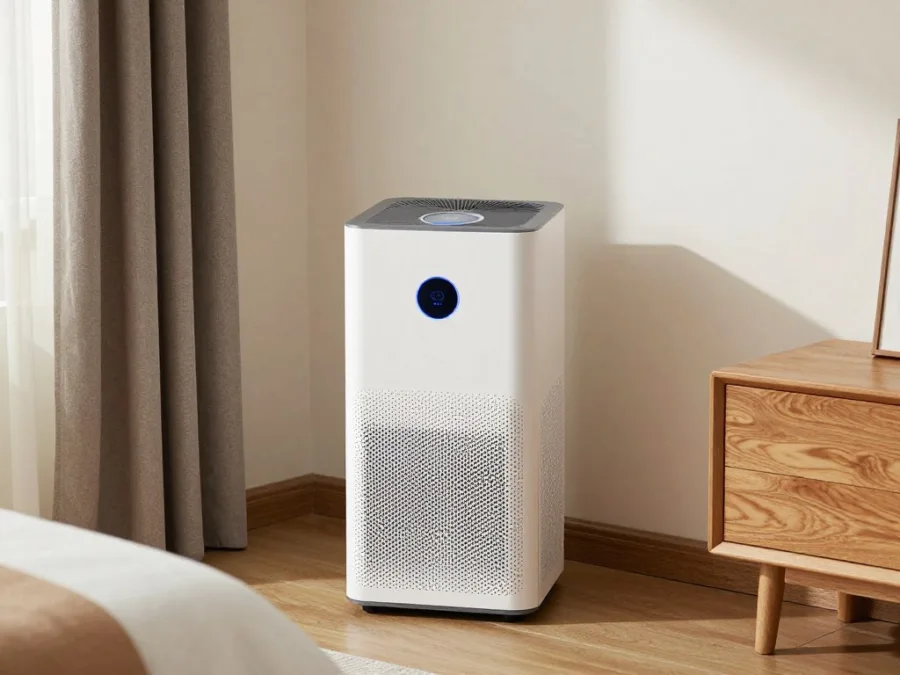
Placement Best Practices
- Position at least 6 inches from walls for air circulation
- Avoid corners that restrict airflow around the unit
- Keep away from curtains or furniture blocking intake
- Place in areas with highest pollution concentration
- Consider doorways where outdoor air enters
- Elevate slightly if possible for better distribution
- Avoid humid areas like bathrooms for most models
Seasonal Maintenance Considerations
Pollution levels vary seasonally in India, requiring adjusted maintenance. Winter months in northern India see severe pollution requiring more frequent filter checks. Monsoon season brings humidity affecting some filter types. Summer heat increases dust generation from open windows and fans.
Check filters more frequently during high-pollution seasons. Consider temporary upgrades to higher-capacity filters if available for your model. Increase fan speeds during peak pollution periods even if noise increases slightly. The health benefits outweigh minor inconvenience.
Troubleshooting Common Issues
| Problem | Possible Cause | Solution |
| Weak airflow | Clogged filters or blocked intake | Clean pre-filter, check for obstructions, replace filters if old |
| Unusual noise | Loose parts or strained motor | Tighten any loose components, check filter installation, service if needed |
| Persistent odor | Saturated carbon filter | Replace activated carbon filter, check for mold in unit |
| Higher electricity bill | Motor working harder due to dirty filters | Replace filters, clean unit thoroughly, check for mechanical issues |
| Unit not turning on | Power issues or safety lockout | Check power connection, ensure filters properly installed, reset if available |
Additional Tips for Improving Indoor Air Quality
Air purifiers work most effectively as part of a comprehensive approach to indoor air quality. Combine mechanical filtration with smart habits and environmental controls. These additional strategies enhance your air purifier’s effectiveness and create healthier indoor environments.
Source Control: Preventing Pollution Entry
Reducing pollution sources proves more effective than constantly filtering contaminated air. Address pollution at its origin whenever possible. This approach reduces the burden on your air purifier and improves overall air quality.
Outdoor Pollution Prevention
- Keep windows closed during high pollution hours
- Use weatherstripping on doors and windows
- Remove shoes at entry to reduce tracked particles
- Install air curtains at main entrances
- Time outdoor activities for better air quality periods
Indoor Source Reduction
- Use exhaust fans while cooking
- Choose low-VOC paints and furniture
- Store chemicals properly sealed
- Minimize candle and incense burning
- Reduce indoor smoking completely
Cleaning Best Practices
- Vacuum with HEPA-equipped cleaners
- Wet mop instead of dry sweeping
- Wash bedding weekly in hot water
- Clean air conditioner filters monthly
- Reduce clutter that collects dust
Natural Air Quality Enhancement
Indoor plants complement air purifiers by absorbing some pollutants and releasing oxygen. While plants alone cannot replace mechanical filtration, they contribute to healthier indoor environments. Select plants known for air-purifying properties and low maintenance requirements.
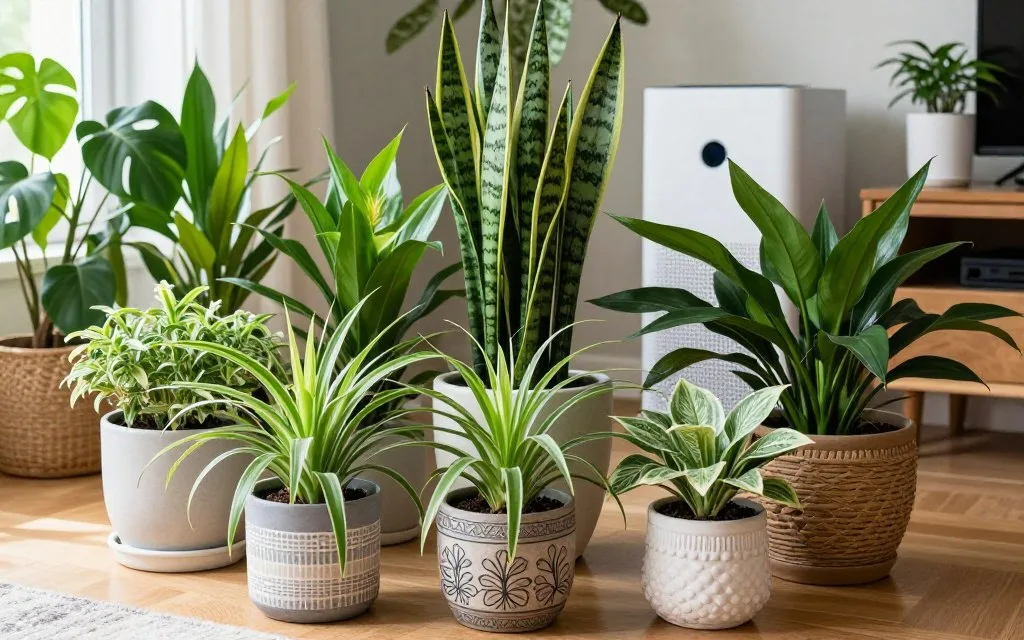
- Snake plants remove toxins and release oxygen at night
- Spider plants absorb carbon monoxide and formaldehyde effectively
- Peace lilies reduce multiple airborne pollutants
- Money plants grow easily and filter air moderately
- Areca palms add humidity while removing pollutants
- Bamboo palms tolerate low light and filter benzene
Ventilation Strategies
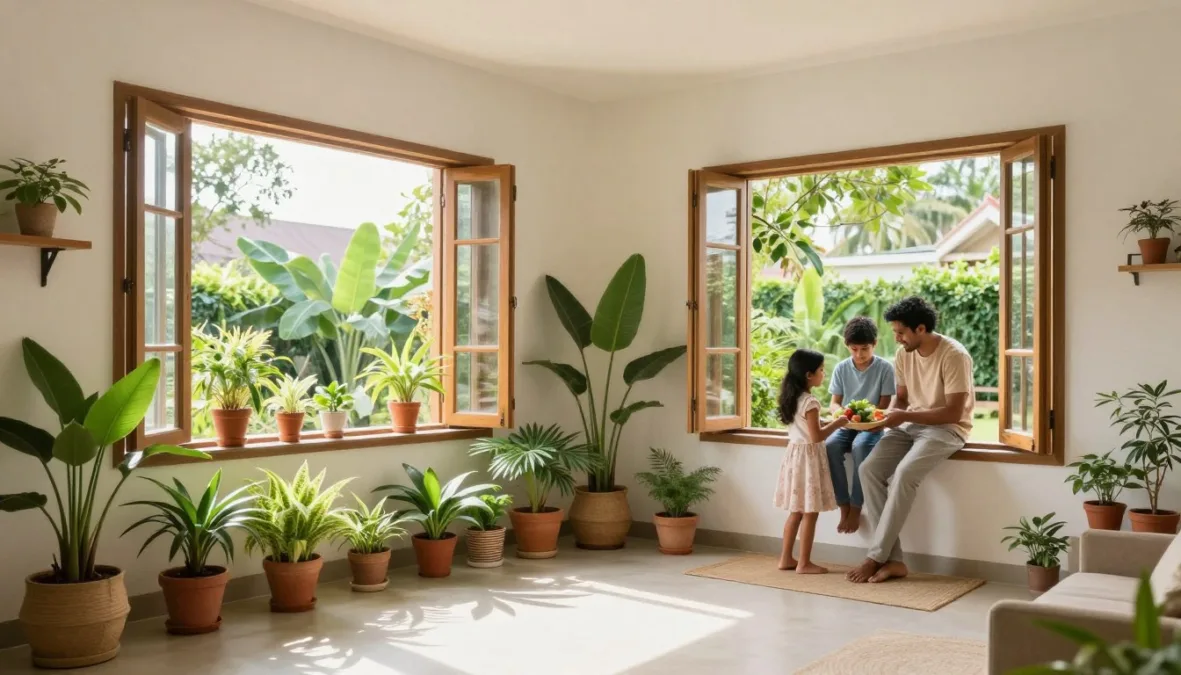
Proper ventilation balances fresh air intake with pollution prevention. During periods of good outdoor air quality, opening windows provides natural ventilation. Cross-ventilation with windows on opposite sides maximizes air exchange. However, close windows during high pollution hours to prevent contamination.
Exhaust fans in kitchens and bathrooms remove localized pollution before it spreads. Run kitchen exhaust while cooking, especially with gas stoves. Bathroom exhaust prevents humidity buildup that promotes mold growth. These targeted ventilation strategies work alongside your air purifier.
Humidity Control for Air Quality
Maintaining proper humidity levels between 40 to 60 percent optimizes air quality. High humidity promotes mold, mildew, and dust mite growth. Low humidity causes respiratory irritation and increases airborne particle suspension. Use hygrometers to monitor indoor humidity levels.
Managing High Humidity
- Use air conditioning to reduce moisture
- Run dehumidifiers in problem areas
- Fix water leaks promptly
- Improve ventilation in humid spaces
- Avoid overwatering indoor plants
Addressing Low Humidity
- Use humidifiers in dry seasons
- Consider air purifiers with humidification
- Place water bowls near heat sources
- Reduce air conditioning usage when possible
- Maintain adequate plant watering
Regular Monitoring and Adjustment
Track indoor air quality patterns to optimize your strategies. Simple air quality monitors measure PM2.5, temperature, and humidity affordably. Note when readings spike and identify causes. Adjust air purifier settings and preventive measures based on observed patterns.
Seasonal adjustments prove necessary in India’s varied climate. Increase air purifier runtime during winter pollution peaks. Focus on humidity control during monsoons. Adapt your approach based on local conditions and monitoring results.
Professional Air Quality Assessment
Consider professional indoor air quality testing if family members experience persistent respiratory issues. Professionals identify specific pollutants and recommend targeted solutions. This investment provides valuable insights for severe air quality concerns.
Health Benefits of Clean Indoor Air

Investing in air purification delivers measurable health improvements for your family. Clean air reduces disease risk, alleviates existing conditions, and enhances overall wellbeing. Understanding these benefits reinforces the value of air purifiers in Indian homes where pollution challenges are significant.
Respiratory Health Improvements
Clean air directly benefits respiratory function. Reduced particulate matter means less irritation to airways and lungs. People with asthma experience fewer attacks and reduced symptom severity. Chronic obstructive pulmonary disease sufferers breathe easier in purified environments.
Children’s developing lungs particularly benefit from clean indoor air. Early exposure to pollution affects lung development potentially causing lifelong issues. Air purifiers in bedrooms and study areas protect children during crucial growth periods. Parents report fewer respiratory infections and coughs in children after installing air purifiers.
Immediate Benefits
- Reduced coughing and throat irritation
- Easier breathing, especially at night
- Fewer asthma attacks and symptoms
- Less nasal congestion and sneezing
- Decreased eye irritation and watering
- Better sleep quality from easier breathing
Long-Term Health Protection
- Reduced lung disease risk over time
- Lower cardiovascular disease incidence
- Decreased cancer risk from pollutants
- Better overall immune system function
- Improved lung development in children
- Enhanced quality of life in later years
Allergy and Asthma Relief
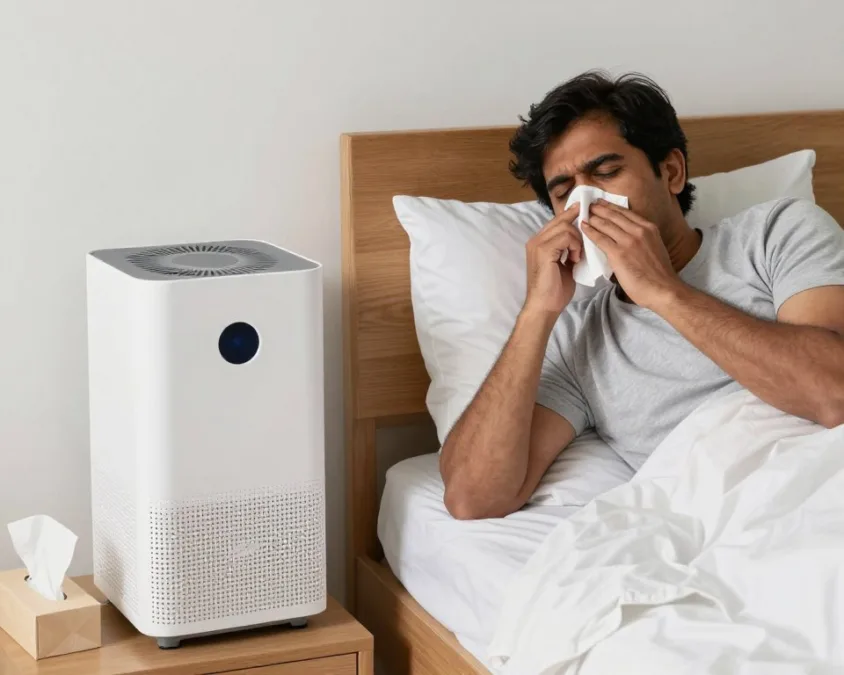
Allergen removal provides significant relief for millions of Indians suffering from allergies. HEPA filters capture pollen, dust mites, pet dander, and mold spores that trigger allergic reactions. Users report dramatic reductions in allergy symptoms within days of using air purifiers consistently.
Asthma management improves substantially with cleaner indoor air. Airborne triggers like dust, pollen, and pollution particles decrease significantly. This reduction means fewer asthma attacks, reduced medication needs, and better daily functioning. Many asthma sufferers consider air purifiers essential medical devices.
Sleep Quality Enhancement
Better air quality directly improves sleep quality. Reduced airborne irritants mean less nighttime coughing and congestion. Easier breathing promotes deeper, more restful sleep. Many users report falling asleep faster and waking more refreshed.
Quiet air purifier operation creates white noise that some people find soothing. The consistent background sound masks other disruptive noises. Combined with cleaner air, this creates optimal sleeping conditions. Better sleep improves mood, productivity, and overall health.
Cognitive Function Benefits
Research links air quality to cognitive performance. Clean air improves concentration, memory, and decision-making abilities. Students studying in rooms with air purifiers show improved focus and academic performance. Workers in purified home offices report increased productivity.
Poor air quality causes headaches, fatigue, and difficulty concentrating. Removing airborne pollutants eliminates these symptoms. Clearer thinking and sustained mental energy result from consistently breathing clean air. These cognitive benefits justify air purifier investment for knowledge workers and students.
Protection for Vulnerable Populations
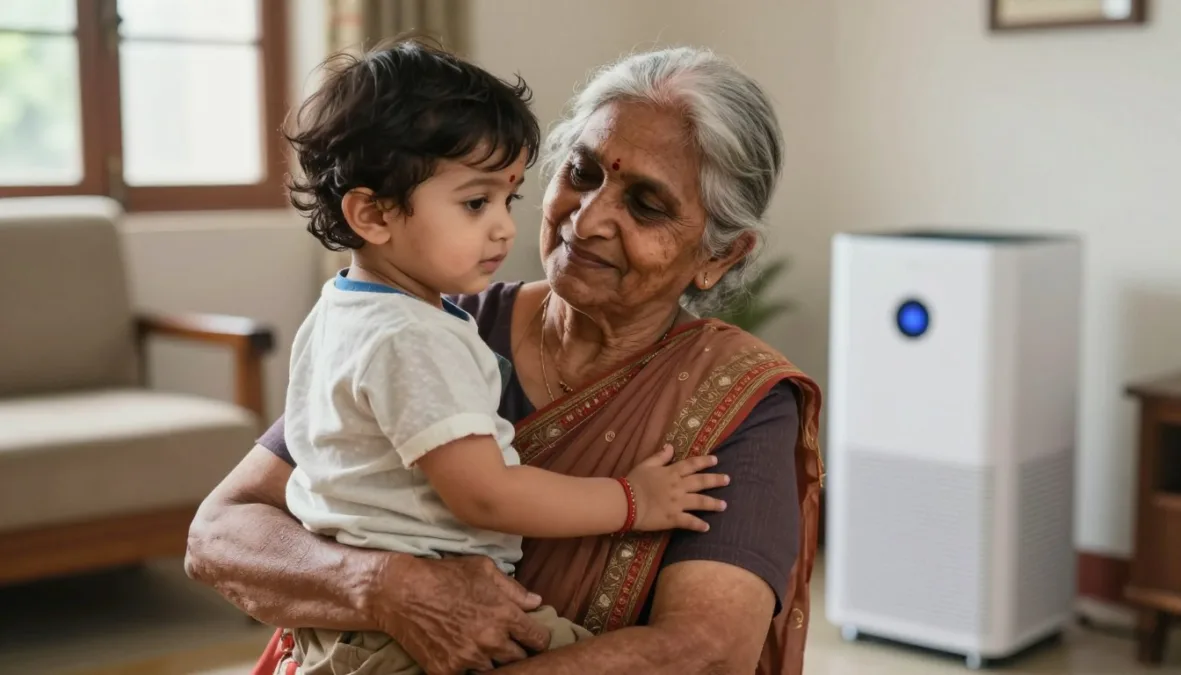
Certain family members benefit more from air purification. Elderly individuals with compromised immune systems gain extra protection. Pregnant women reduce exposure to pollutants affecting fetal development. Infants and young children breathe cleaner air during critical growth periods.
People with pre-existing health conditions find air purifiers particularly valuable. Heart disease patients reduce cardiovascular stress from pollution exposure. Immune-compromised individuals limit infection risk. Cancer patients undergoing treatment benefit from reduced airborne contaminants.
Medical Professional Recommendations
Many doctors now recommend air purifiers for patients with respiratory conditions, allergies, and cardiovascular issues. Medical research increasingly supports air purification as a health intervention, particularly in high-pollution environments like Indian cities.
Frequently Asked Questions About Air Purifiers
These common questions address concerns and uncertainties about air purifiers for Indian homes. Understanding these topics helps you make informed decisions and use your air purifier effectively.
How long should I run my air purifier each day?
Run your air purifier continuously for best results, especially in high-pollution areas. Continuous operation maintains consistent air quality rather than allowing pollutants to accumulate. Most modern air purifiers consume minimal electricity, making 24-hour operation economical.
If continuous operation is not practical, prioritize running during sleep hours and peak pollution periods. Morning and evening hours often see highest outdoor pollution in Indian cities. Running the air purifier during these times provides maximum health benefit when you spend extended periods indoors.
For bedrooms, start the air purifier an hour before sleeping to pre-clean the air. Continue running throughout the night on low or sleep mode. This ensures clean air during the 7-8 hours you spend sleeping and breathing in that room.
Can air purifiers remove cooking odors from Indian kitchens?
Yes, air purifiers with activated carbon filters effectively remove cooking odors. The activated carbon absorbs odor molecules from spices, frying, and gas combustion. However, the carbon filter capacity determines how well and how long it works before needing replacement.
For best results with Indian cooking odors, choose air purifiers with substantial activated carbon weight. Some models specifically designed for kitchens include extra carbon filtration. Position the air purifier near the kitchen but not too close to avoid grease accumulation on filters.
Combine air purification with proper kitchen ventilation. Run exhaust fans while cooking to remove odors and pollutants at the source. The air purifier then handles any remaining odors that spread to other rooms. This combined approach works better than relying on air purifiers alone.
Do air purifiers work in rooms with open windows?
Air purifiers work less effectively with open windows since outdoor polluted air constantly enters. The air purifier must work harder and longer to achieve clean air. During high pollution periods, close windows and run the air purifier for maximum effectiveness.
However, during times of good outdoor air quality, opening windows provides natural ventilation. Turn off or reduce the air purifier and allow fresh air exchange. This approach saves energy and provides natural air circulation benefits when outdoor air is clean.
If you must keep windows open slightly for ventilation, position the air purifier away from the window. This prevents it from continuously filtering newly entering outdoor air. Focus purification on the breathing zone around beds or seating areas rather than near entry points.
How do I know if my air purifier is actually working?
Several indicators show your air purifier is functioning properly. Models with air quality displays show real-time particle readings decreasing after operation begins. You should observe measurements dropping within 30 minutes to an hour depending on room size and pollution levels.
Physical signs include reduced dust accumulation on furniture, fewer allergy symptoms, less visible dust in sunlight beams, and diminished odors. Family members often report breathing easier and sleeping better, especially those with respiratory sensitivities.
For objective verification, purchase an independent air quality monitor. These devices measure PM2.5 and other pollutants separately from your air purifier. Compare readings before and after running the purifier to verify effectiveness. This third-party validation ensures your device performs as expected.
Are expensive air purifiers worth the higher cost?
Expensive air purifiers often justify costs through better filtration performance, larger coverage areas, quieter operation, and longer-lasting components. Premium models typically use higher-quality HEPA filters with better particle capture rates and more activated carbon for odor removal.
However, mid-range air purifiers often provide excellent value for most households. The difference between mid-range and premium models may not justify double the cost for typical home use. Focus on models meeting your specific needs rather than buying the most expensive option.
Consider total cost of ownership including filter replacements over 3-5 years. Sometimes budget-friendly purchase prices hide expensive proprietary filters. Premium models with affordable, long-lasting filters may cost less long-term despite higher initial investment. Calculate total expenses before deciding based solely on purchase price.
Can one air purifier clean my entire home?
One air purifier rarely cleans an entire home effectively unless you live in a very small apartment. Air purifiers work best in enclosed spaces where they can process air multiple times per hour. Walls and doors prevent air circulation between rooms, limiting single-unit effectiveness.
For whole-home coverage, consider multiple smaller air purifiers in key rooms rather than one large unit. Place units in bedrooms where you spend sleeping hours, and living areas where family gathers. This distributed approach ensures clean air in spaces where you spend the most time.
Portable air purifiers offer an economical alternative. Move a single unit between rooms based on occupancy. Run it in bedrooms at night and living areas during the day. While less convenient than multiple units, this strategy maximizes benefit from one air purifier investment.
Do air purifiers help with COVID-19 and other viruses?
HEPA filters in air purifiers can capture virus-containing particles, including those carrying COVID-19. However, air purifiers should not be considered the sole protection against airborne viruses. They work as one layer in a comprehensive approach including vaccination, masks, and social distancing.
Viruses travel on larger droplets and aerosols that HEPA filters can capture. Running air purifiers in occupied spaces may reduce airborne viral load, potentially lowering infection risk. Models with UV-C light provide additional viral inactivation beyond mechanical filtration.
For maximum effectiveness against viruses, choose air purifiers with high CADR ratings ensuring rapid air turnover. Run continuously in occupied rooms, especially during illness season. Remember that air purifiers complement but do not replace other preventive measures and medical interventions.
What is the difference between ionizers and HEPA air purifiers?
HEPA air purifiers use physical filters to trap particles mechanically. Air flows through dense filter material that captures particles down to 0.3 microns. This proven technology removes pollutants permanently into disposable filters without producing byproducts.
Ionizers electrically charge air particles, causing them to stick together and settle on surfaces or get trapped more easily in filters. Some ionizers work without filters, just charging particles so they settle out of air. However, ionizers may produce ozone as a byproduct, which can be harmful at high concentrations.
For Indian homes, HEPA-based air purifiers are generally safer and more effective. If considering an ionizer, ensure it produces ozone below safety thresholds. Models combining HEPA filtration with ionization offer benefits of both technologies while the HEPA filter provides the primary cleaning mechanism.
How often should I replace air purifier filters?
Filter replacement frequency depends on usage hours, local pollution levels, and filter type. Pre-filters typically need cleaning every 2-4 weeks and replacement every 3 months. HEPA filters usually last 6-12 months under normal conditions. Activated carbon filters need replacement every 3-6 months.
High pollution areas require more frequent filter changes. If you run your air purifier continuously in heavily polluted Indian cities, expect filters to load faster than manufacturer estimates. Monitor filter condition visually and through replacement indicators for actual needs.
Never run air purifiers with exhausted filters as efficiency drops dramatically. Clogged filters restrict airflow, strain the motor, increase noise, and raise energy consumption. Replace filters promptly when indicators alert you or when you notice reduced performance. Consider buying replacement filters in advance to avoid gaps in protection.
Can I use air purifiers if I have pets at home?
Air purifiers work excellently in homes with pets, addressing pet dander, hair, and odors effectively. Choose models with HEPA filters for dander capture and activated carbon for odor control. Some brands offer specialized pet filters with extra activated carbon and antimicrobial coatings.
Pet owners benefit from more powerful air purifiers with higher CADR ratings. Pets constantly shed dander and hair, requiring more frequent air processing. Position air purifiers in rooms where pets spend the most time for maximum effectiveness.
Clean pre-filters more frequently in pet households as they capture pet hair quickly. Some air purifiers include washable pre-filters specifically designed for pet hair. Regular pre-filter maintenance prevents pet hair from clogging internal filters and maintains optimal performance throughout the filter life.
Still Have Questions?
Check customer reviews on Amazon for real user experiences and additional insights about specific models
Making Your Final Decision: Choosing the Best Air Purifier
Selecting the best air purifier for your Indian home involves balancing performance, features, coverage, and budget. Each model in our top 10 list excels in different areas, addressing varied needs and preferences. Your ideal choice depends on your specific circumstances, priorities, and air quality challenges.
Our Top Three Recommendations by Category
Best Overall Performance
Coway Airmega 150 delivers exceptional filtration performance with energy efficiency and reliable operation. The combination of coverage area, CADR, and filter quality makes it an excellent choice for most Indian homes prioritizing effectiveness.
This model balances premium features with reasonable pricing. The auto mode and air quality indicator add convenience while the quiet operation suits bedrooms. Filter availability and brand reputation provide long-term value assurance.
Best Value for Money
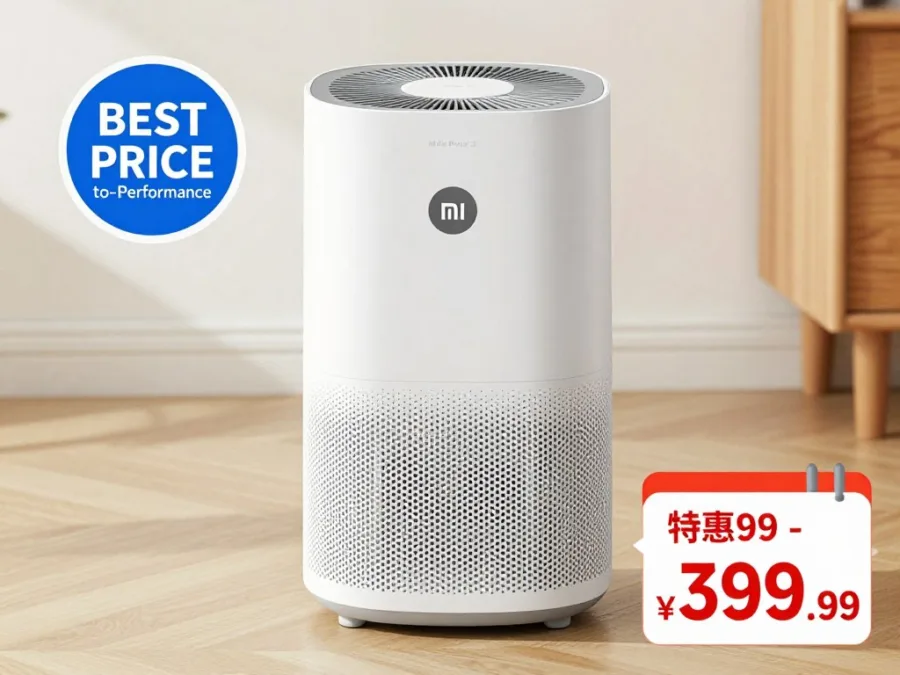
Mi Air Purifier 3 offers impressive performance at accessible pricing. The high CADR, smart features, and affordable filter costs create exceptional value. Budget-conscious buyers get premium capabilities without premium prices.
Smart connectivity through the Mi Home app adds functionality typically found in expensive models. The compact design and voice control compatibility appeal to tech-savvy users. This model proves you don’t need to spend excessively for effective air purification.
Best for Large Spaces
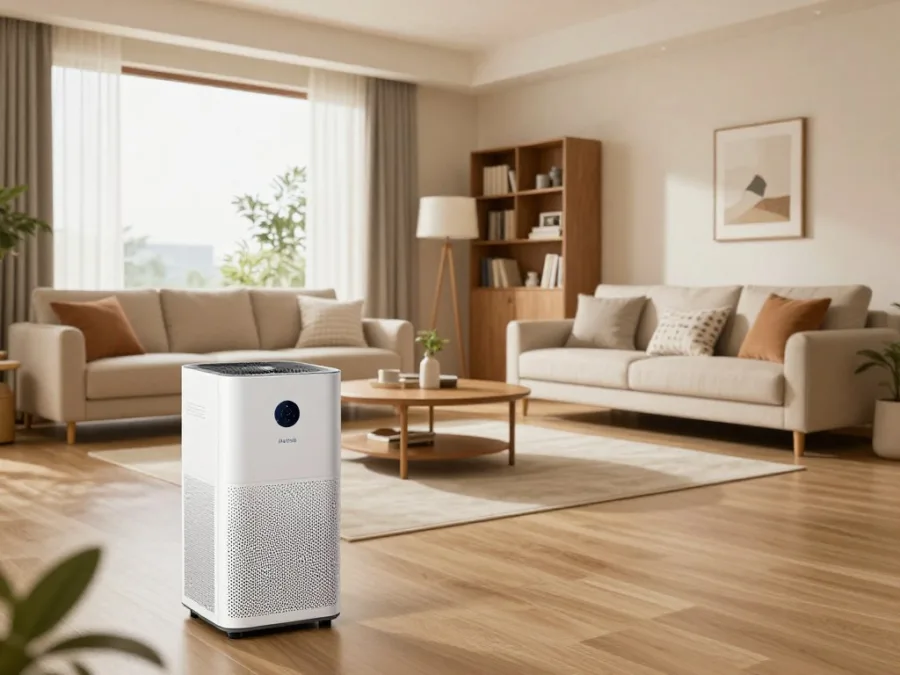
Philips AC1215/20 covers up to 678 square feet effectively, making it ideal for large living rooms and open floor plans. The VitaShield IPS technology and real-time PM2.5 display provide peace of mind in spacious environments.
Strong CADR ensures adequate air circulation even in big rooms. The trusted Philips brand brings reliability and widespread service availability. This model suits families needing comprehensive coverage for primary living areas where everyone gathers.
Key Takeaways for Your Purchase Decision
- Prioritize HEPA filtration for effective particle removal in Indian pollution conditions
- Match coverage area to your room size with some buffer for optimal performance
- Consider total cost of ownership including filter replacements over several years
- Evaluate noise levels if using in bedrooms or quiet spaces
- Smart features add convenience but increase costs – decide if they’re worth it for you
- Trusted brands with good service networks provide better long-term value
- Read customer reviews on Amazon for real-world performance insights
- Start with one quality unit for the most-used room rather than multiple budget models
Taking Action for Healthier Indoor Air
Air quality in Indian homes demands attention and action. The air purifiers reviewed in this guide represent proven solutions addressing pollution challenges effectively. Each model offers distinct advantages suited to different needs and budgets.
Investing in an air purifier is investing in your family’s health. Cleaner air means fewer respiratory issues, better sleep, improved cognitive function, and enhanced overall wellbeing. The daily health benefits justify the initial investment and ongoing maintenance costs.
Don’t delay in addressing your indoor air quality. Pollution exposure accumulates over time, with health effects compounding. Starting air purification today begins protecting your family immediately. Select from our recommendations based on your specific requirements and budget constraints.
Ready to Breathe Cleaner Air?
Choose your ideal air purifier from our expertly researched recommendations. Every model has been carefully evaluated for Indian home conditions.
All purchases through our Amazon links support our research while costing you nothing extra
Thank you for reading our comprehensive guide to the best air purifiers for Indian homes. We hope this information helps you make an informed decision that improves your indoor air quality and protects your family’s health. Breathe easier knowing you’ve invested in proven air purification technology designed for Indian conditions.
Remember to maintain your air purifier properly, replace filters on schedule, and combine it with good indoor air quality practices. Together, these efforts create the healthiest possible indoor environment for you and your loved ones.

Priyanka Pandey
Senior Research Editor · Top10Sense
Priyanka specializes in tech, consumer products, and digital trends. She combines hands-on testing, vendor interviews, and database research to create trustworthy “Top 10” rankings. Her work has been referenced by industry blogs and brand report pages.