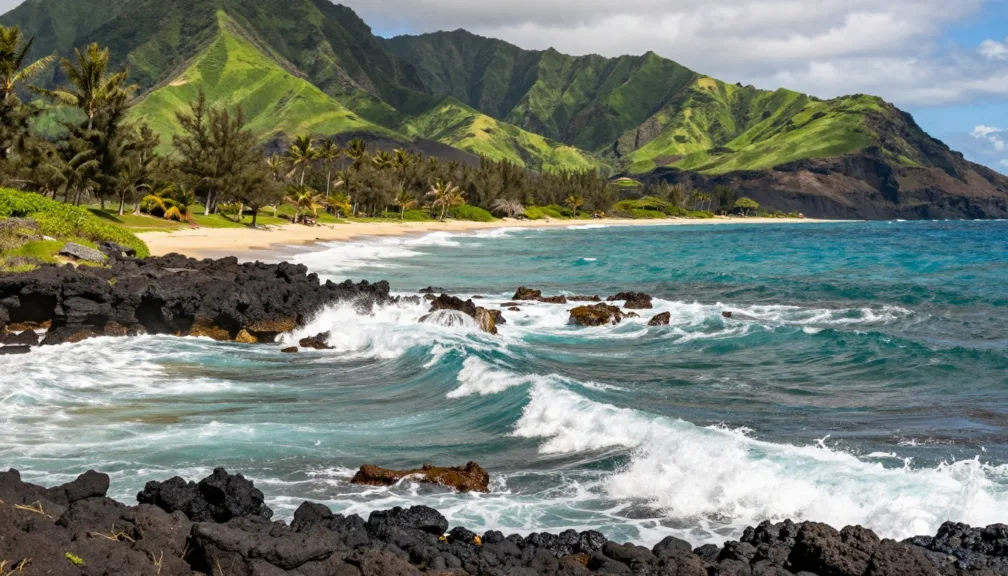
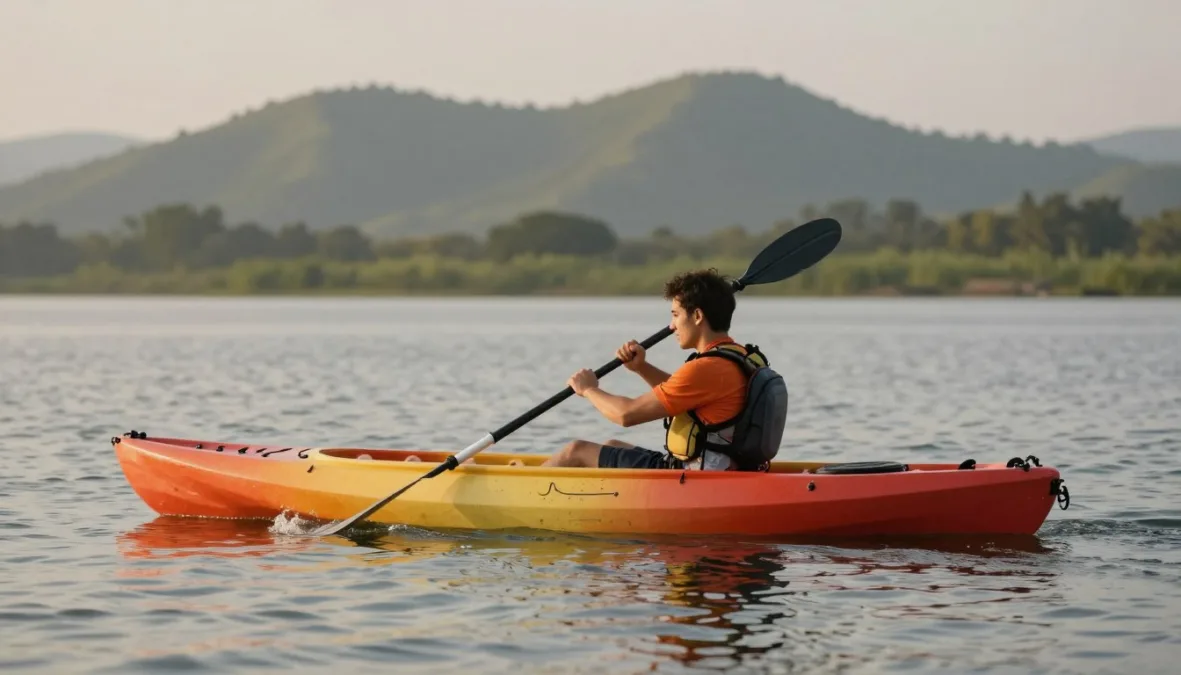
India offers far more than one kind of kayaking experience. Quiet backwaters, mountain rivers, tropical lagoons, island channels, and open sea routes all create different ways to travel on water. This guide covers the top 10 kayaking destinations in India for beginners, families, independent travellers, and experienced paddlers.
Use the list to match a destination with your skill level, preferred scenery, travel season, and comfort with guided trips. Conditions can change quickly, so confirm local advice before entering the water.
Not sure which water route suits you?
Compare guided trips by season, difficulty, scenery, and equipment before you choose a destination.
How to choose among India’s kayaking destinations
River kayaking can include moving water and rapids. Lake and backwater routes are often calmer, while sea kayaking depends on wind, tides, visibility, and swell. A guided trip is the safest way to learn kayaking or try a new type of water.
| Water setting | Best for | Key concern |
| Backwaters and lagoons | Beginners, families, wildlife views | Heat, boat traffic, tides |
| Lakes and reservoirs | Calm practice and day trips | Wind and sudden weather |
| Rivers | Training and adventure sports | Rapids, rocks, water level |
| Coastal and island waters | Sea kayaking and marine views | Tides, currents, swell |
Planning note: Difficulty ratings are broad guides. A calm route may become challenging after rain, wind, or a change in tide.
Top 10 kayaking destinations in India for every skill level
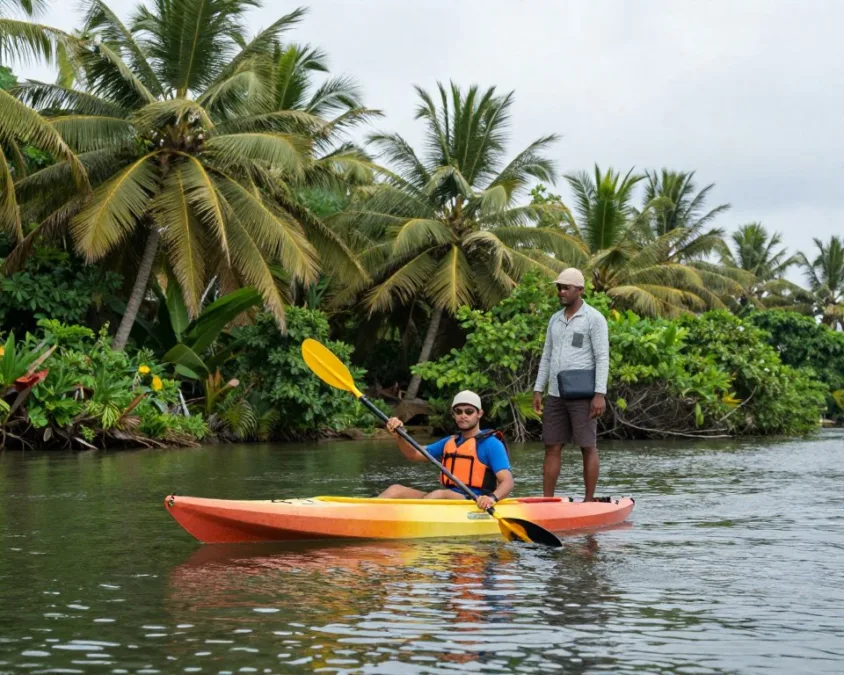
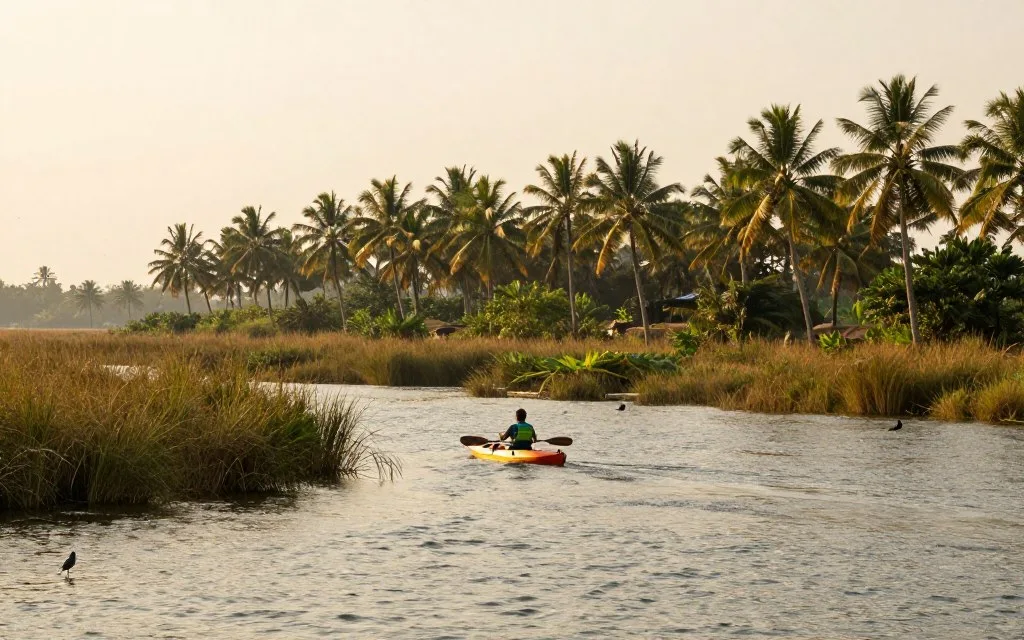
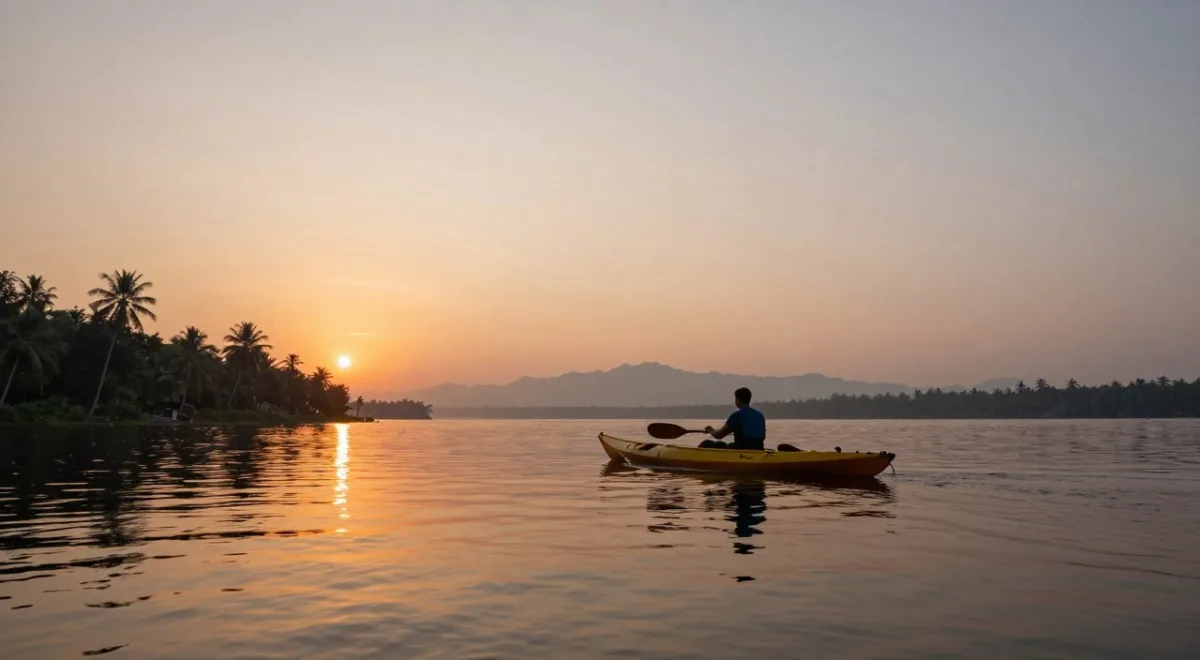
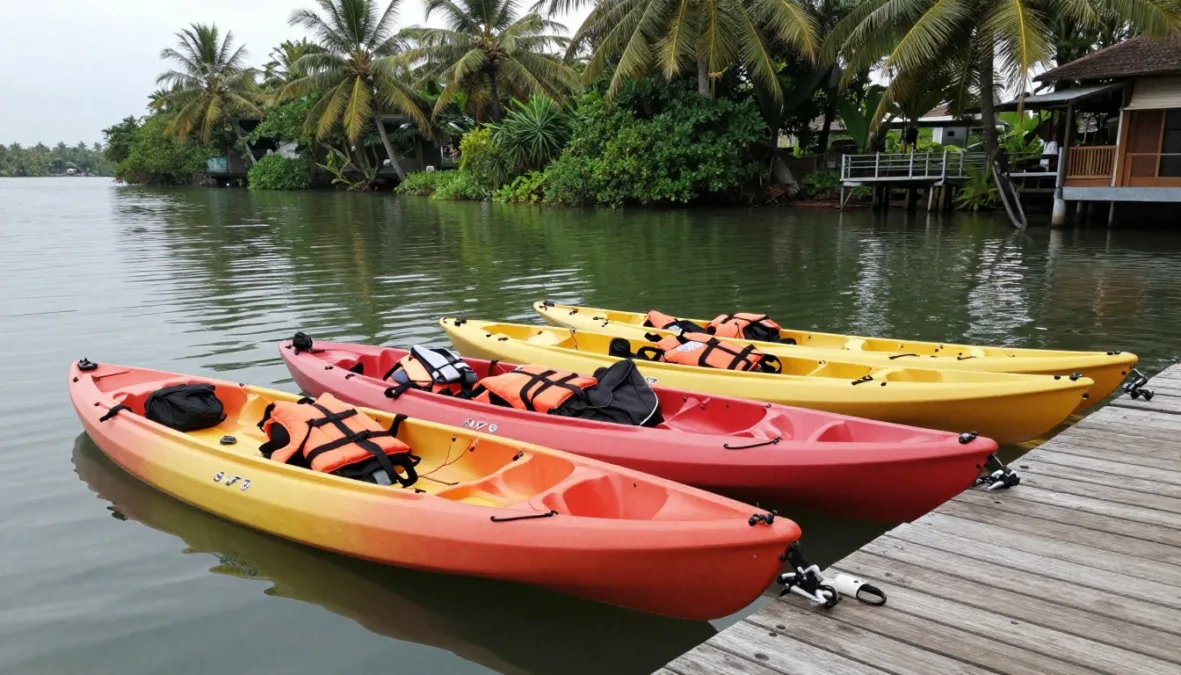
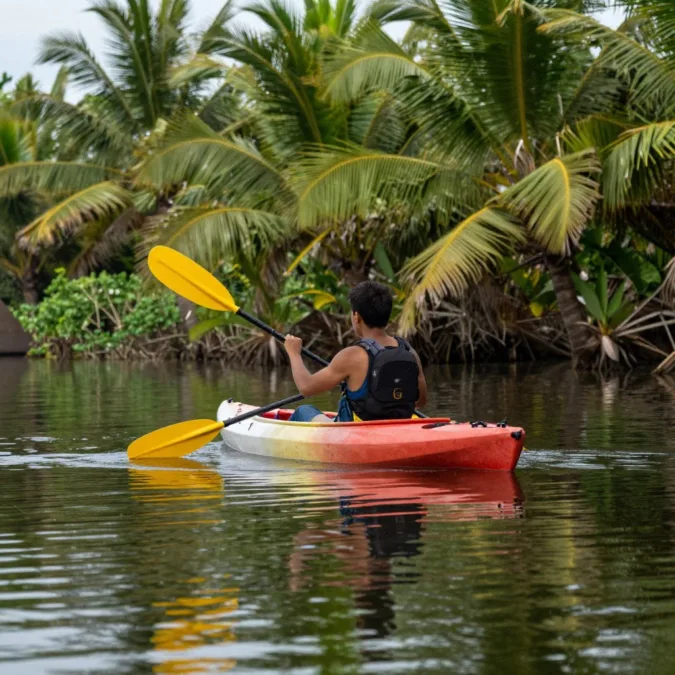
Kumarakom, Kerala
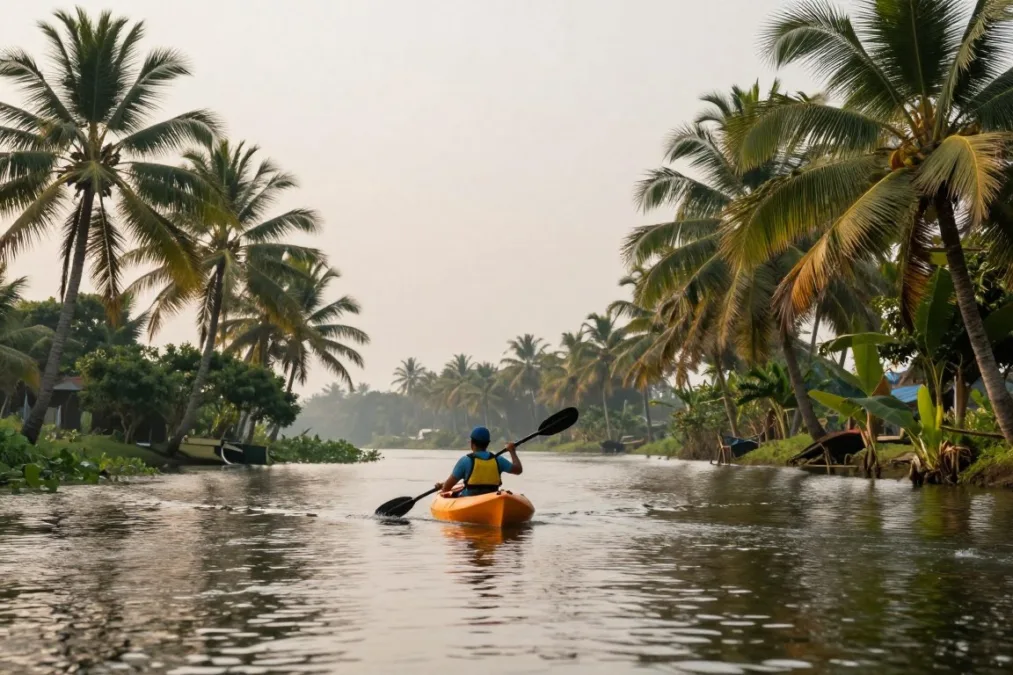
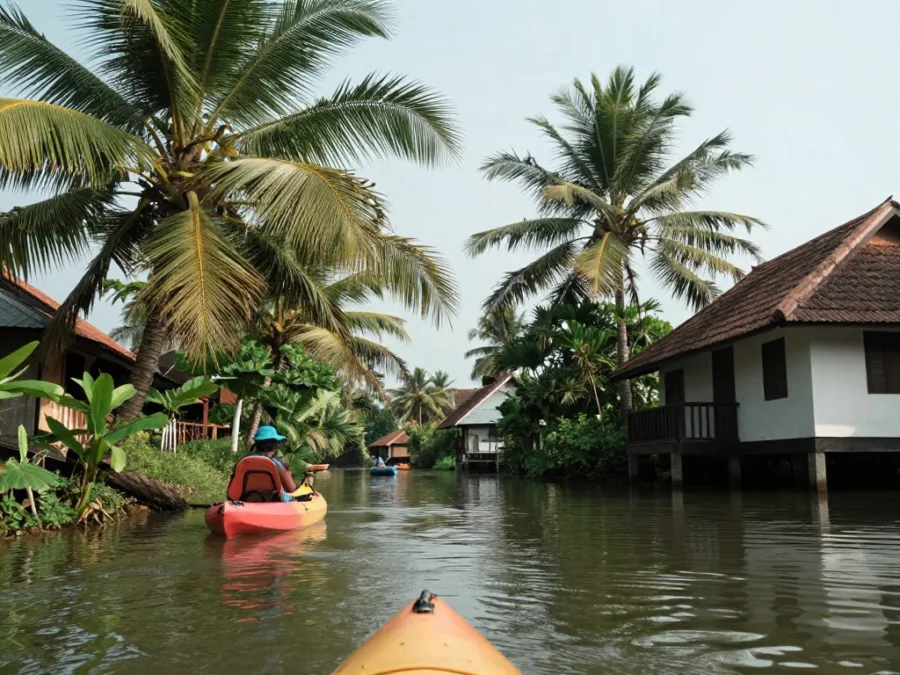
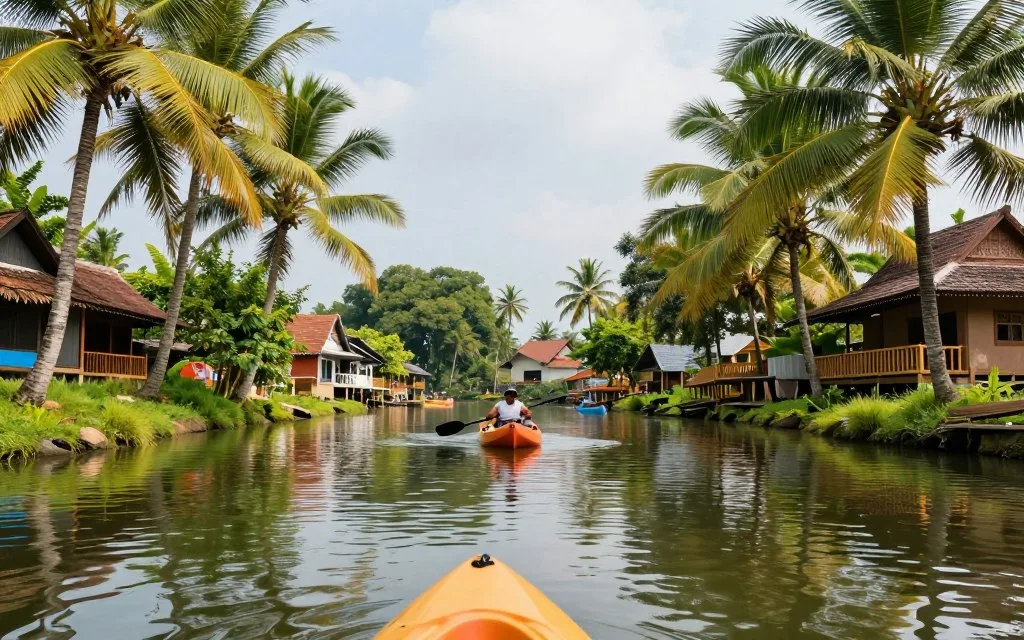
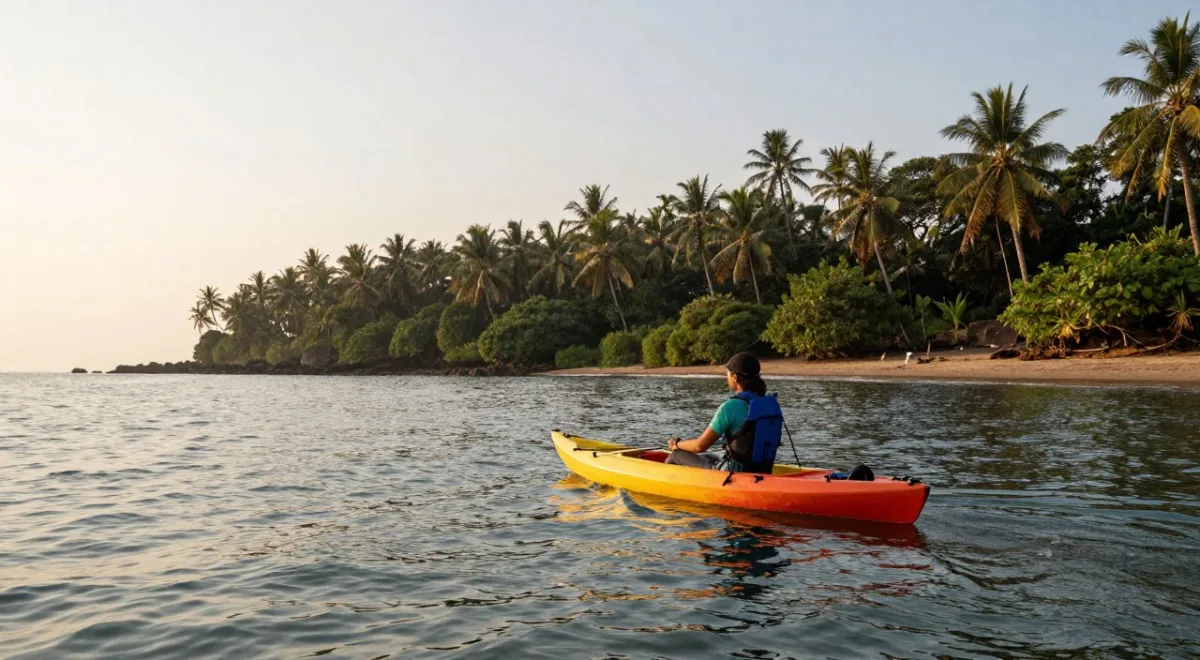
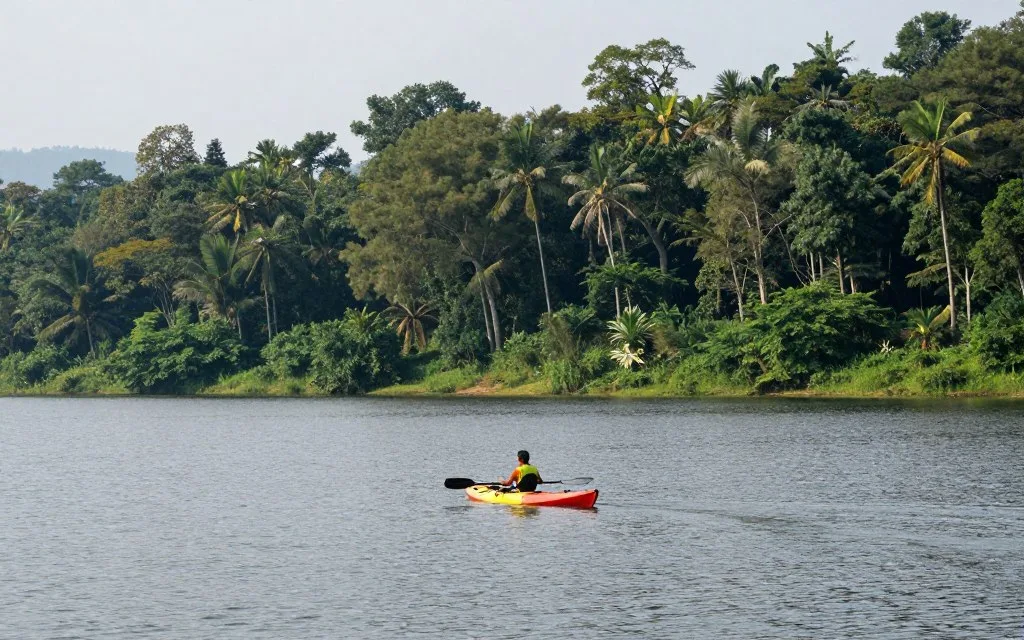
These peaceful backwaters suit beginners and families. Paddle through narrow canals, village waterways, and bird-rich stretches. The cooler months from October to March are comfortable, though operators may run trips at other times. Difficulty is easy. Reach Kumarakom from Kottayam, where resorts, guides, kayaks, and meals are widely available. Start early to avoid heat and boat traffic.
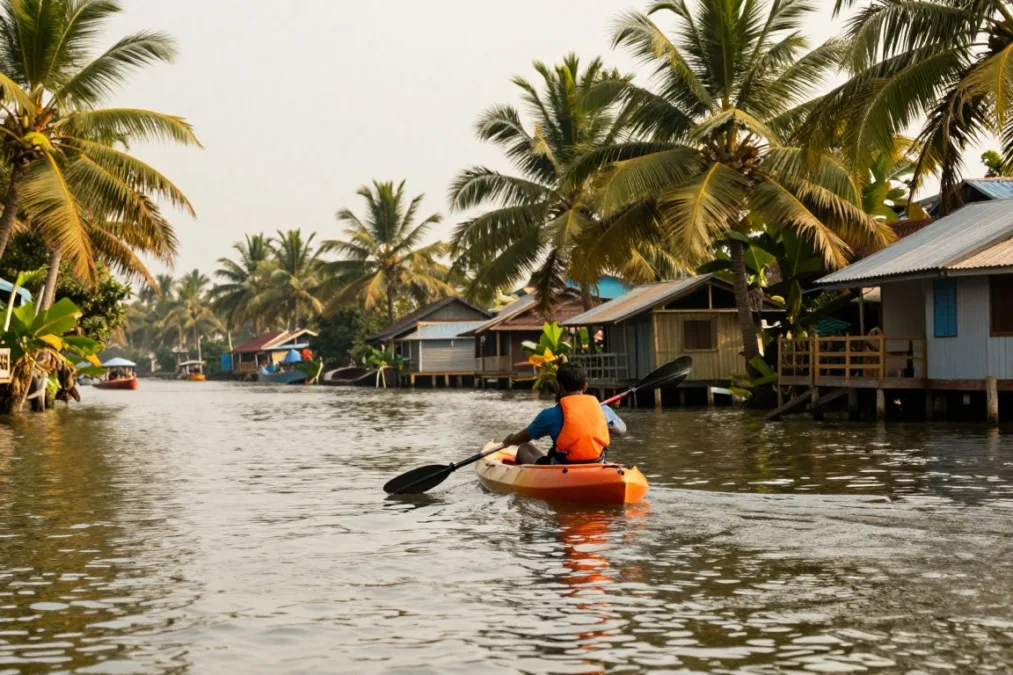
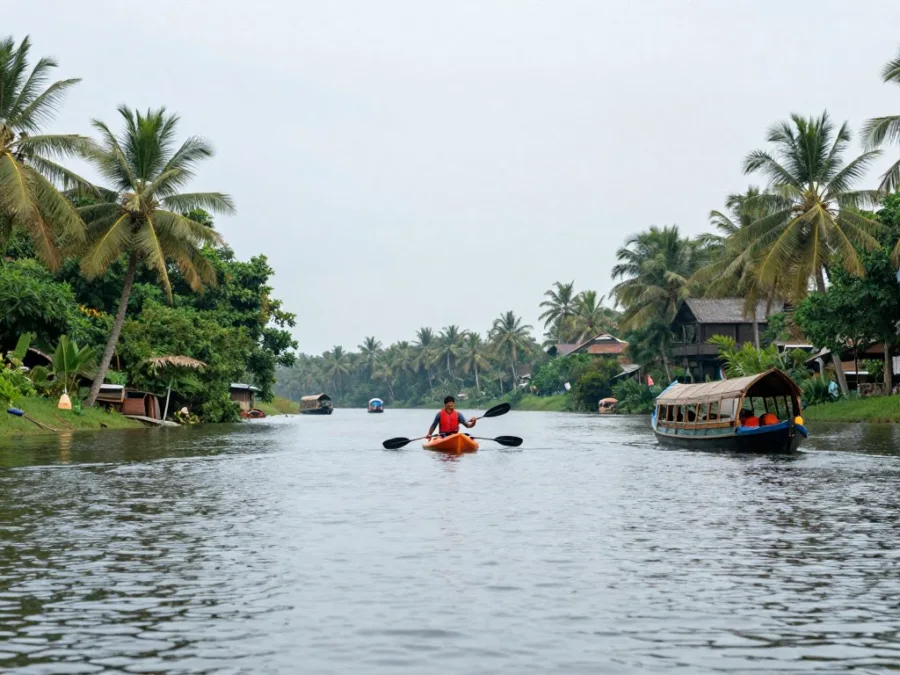
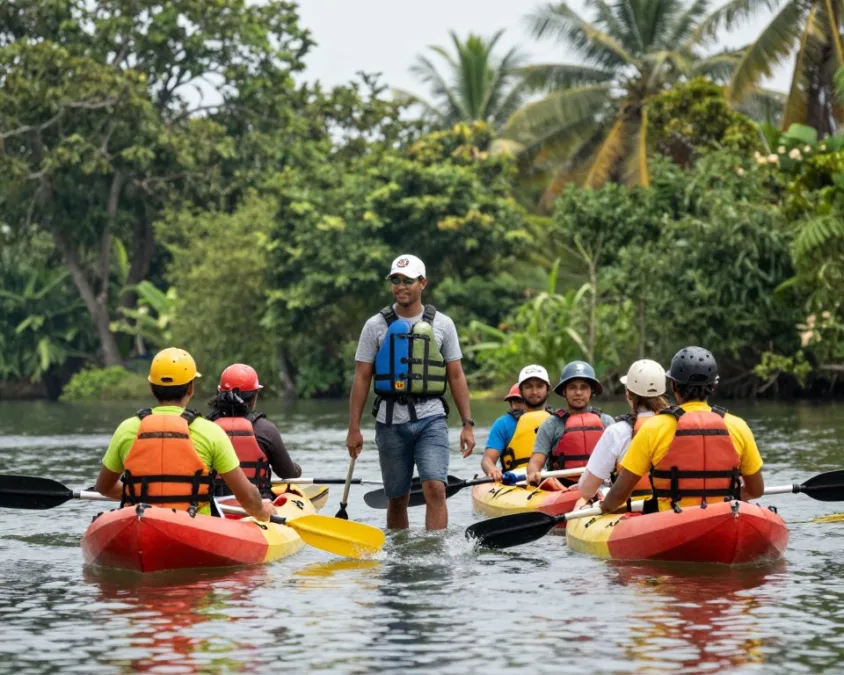
Alappuzha, Kerala
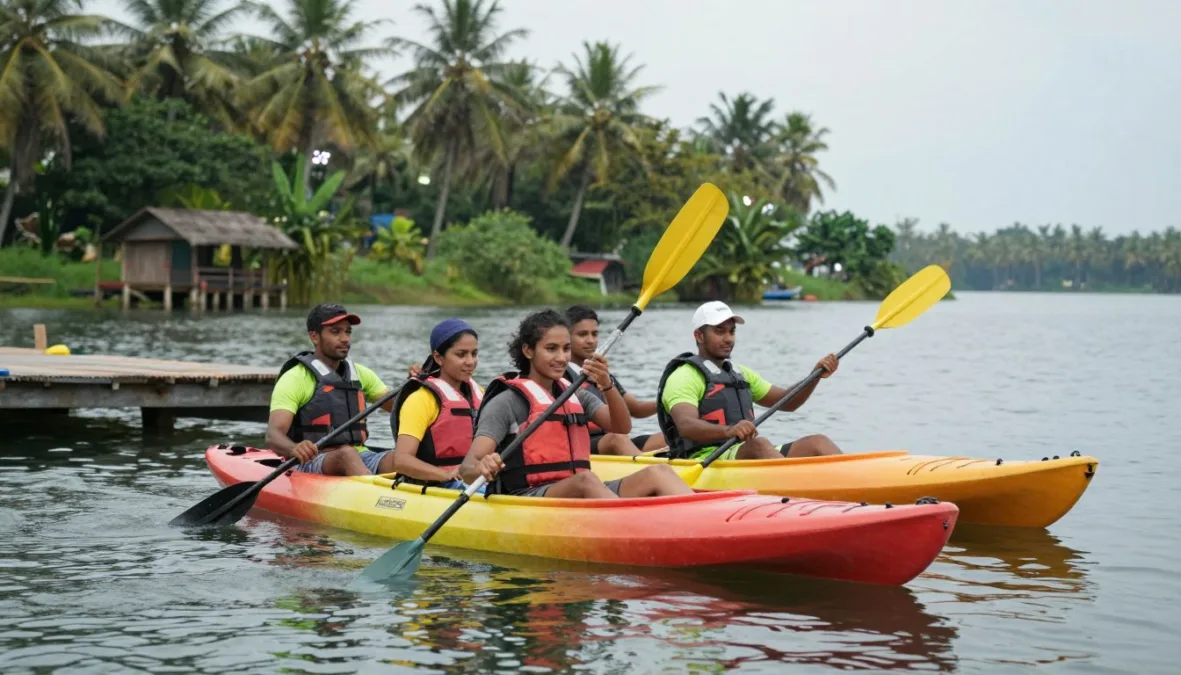
Alappuzha is a practical choice for a short kayaking experience. Routes pass through canals, paddy fields, and village areas. October to March is usually the most pleasant period. The difficulty is easy, but narrow channels can have boat traffic. Reach the town by rail or road, then confirm a guided launch point and equipment before your trip.
Netrani Island, Karnataka
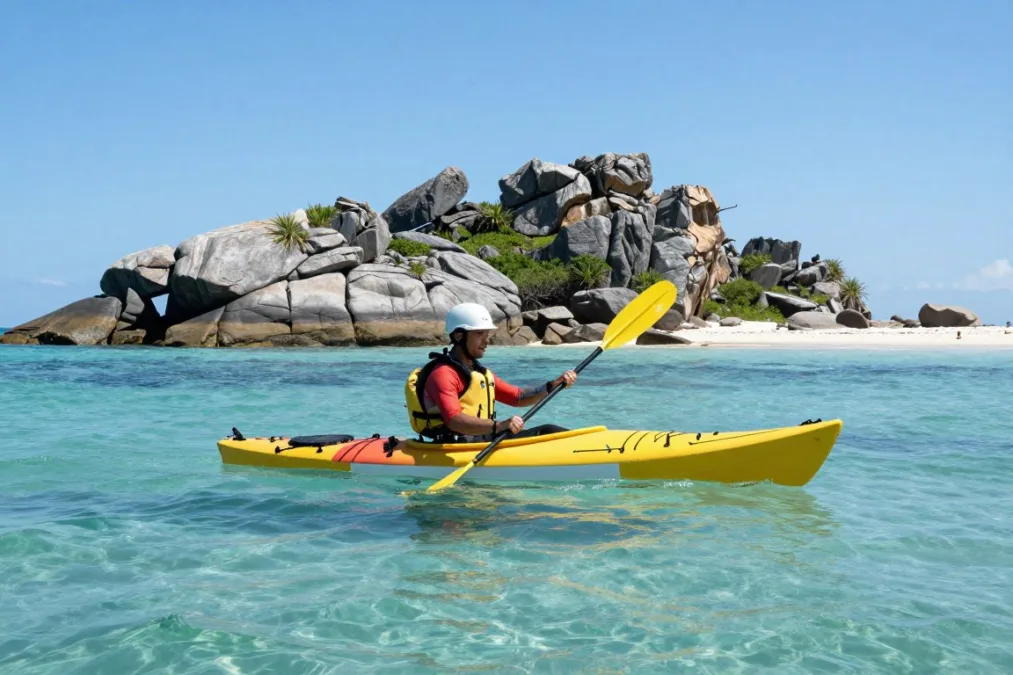
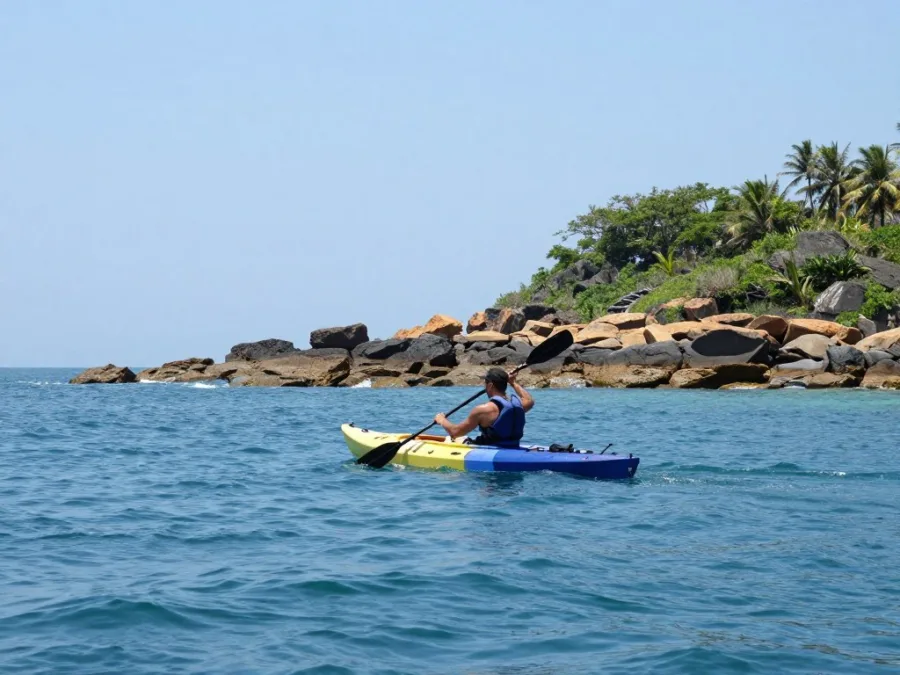
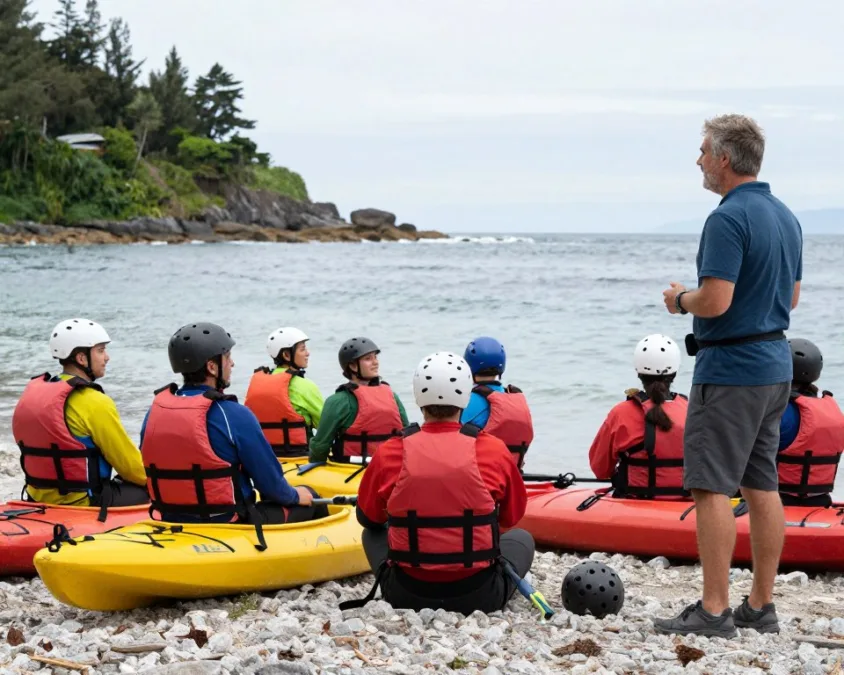
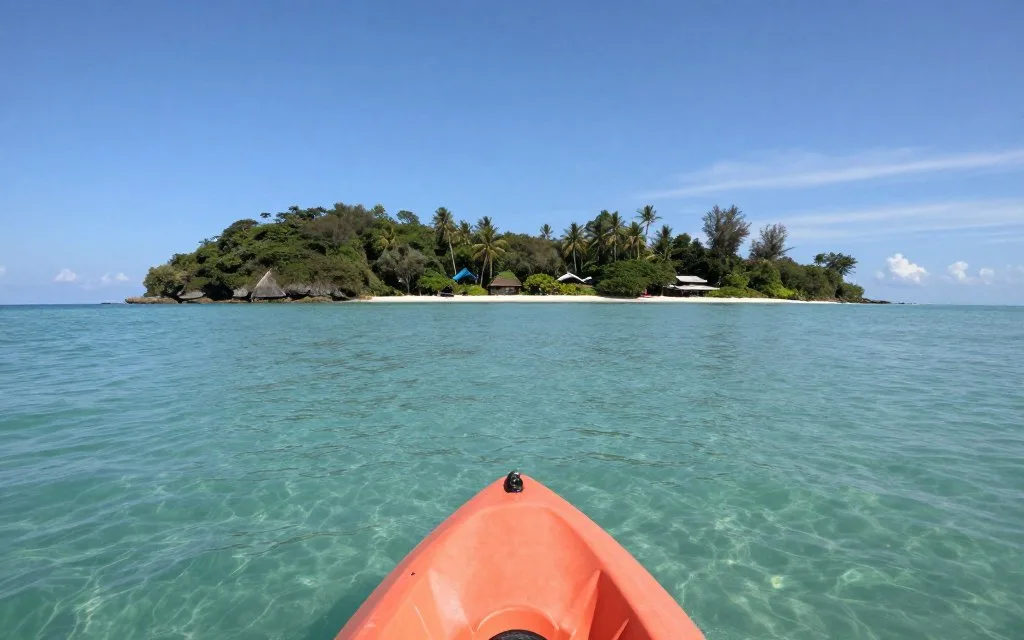
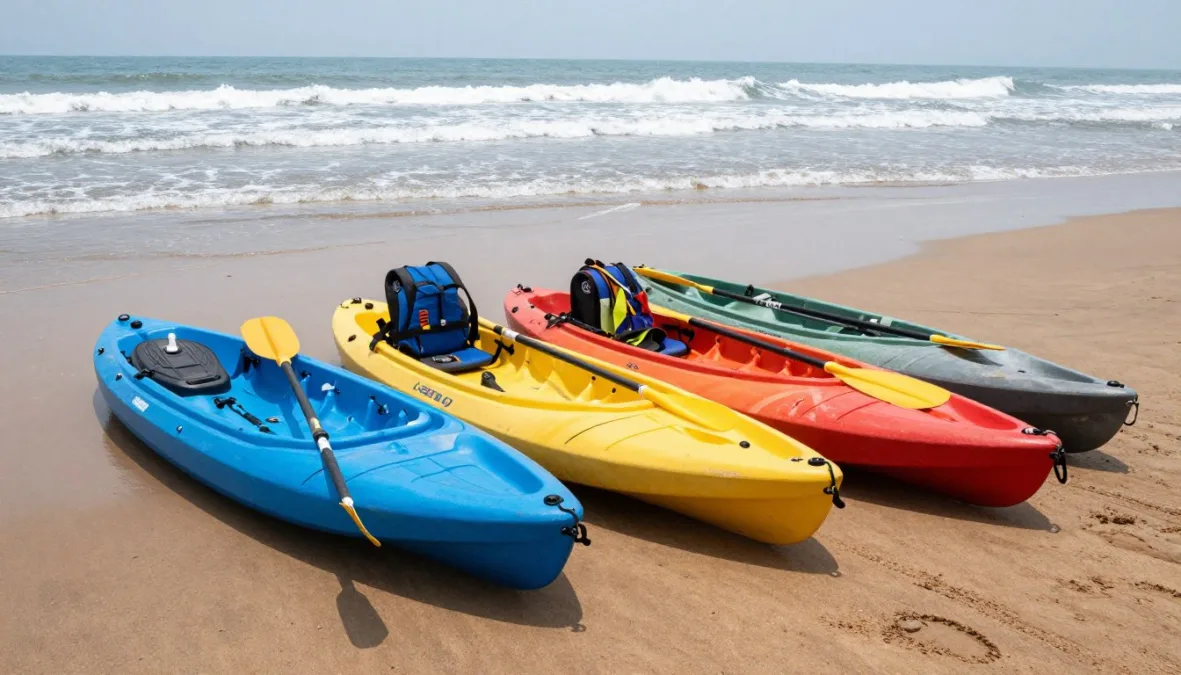
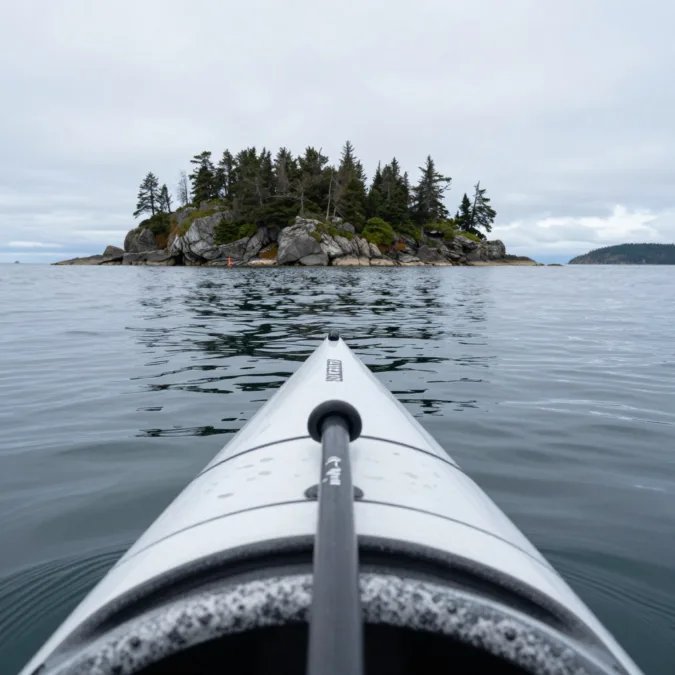
Netrani is known for marine scenery and sea-based adventure. Sea kayaking is best attempted with local experts because tides, wind, and boat movement matter. October to May is commonly preferred, subject to daily conditions. Difficulty ranges from moderate to challenging. Murudeshwar is the usual base for access, accommodation, equipment, and other water sports such as scuba diving.
Andaman and Nicobar Islands
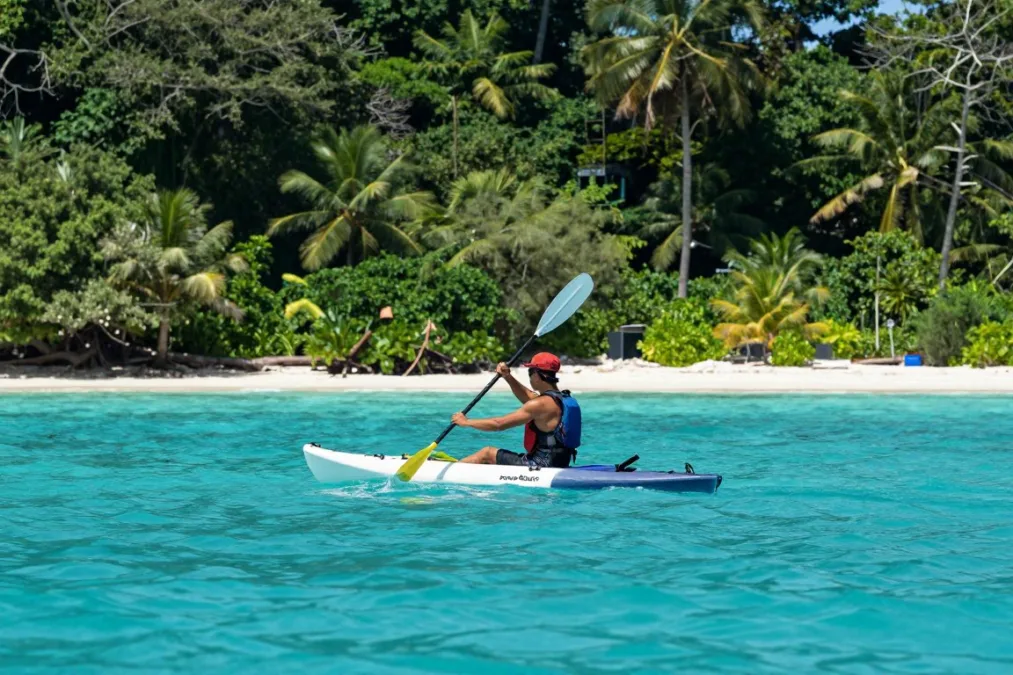
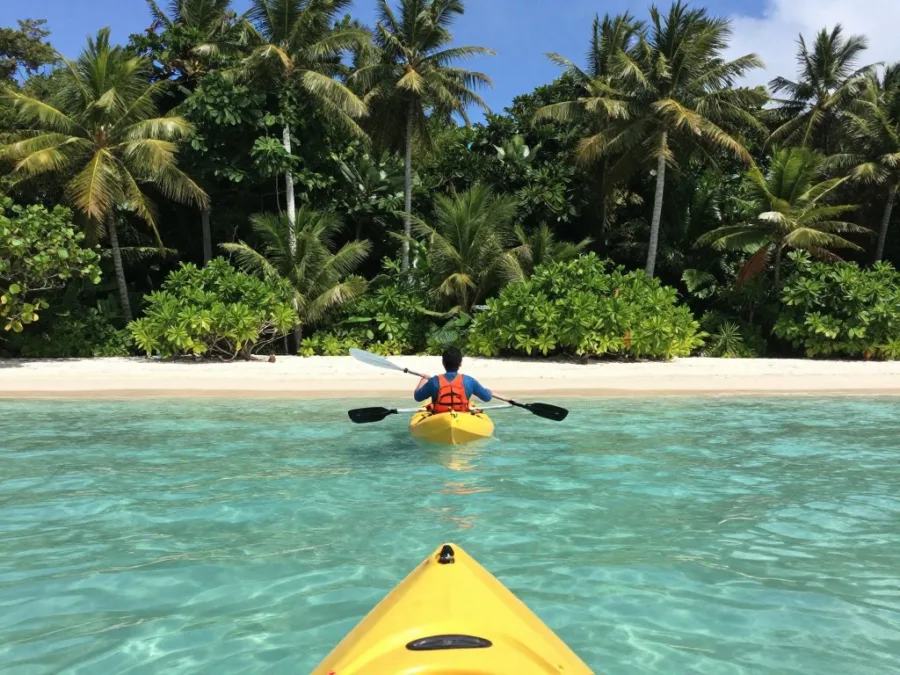
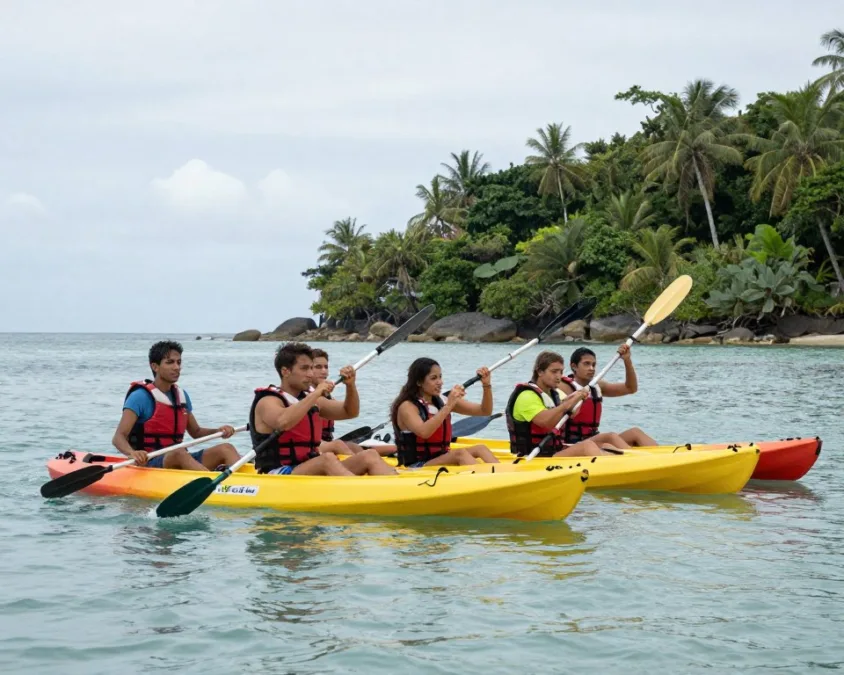
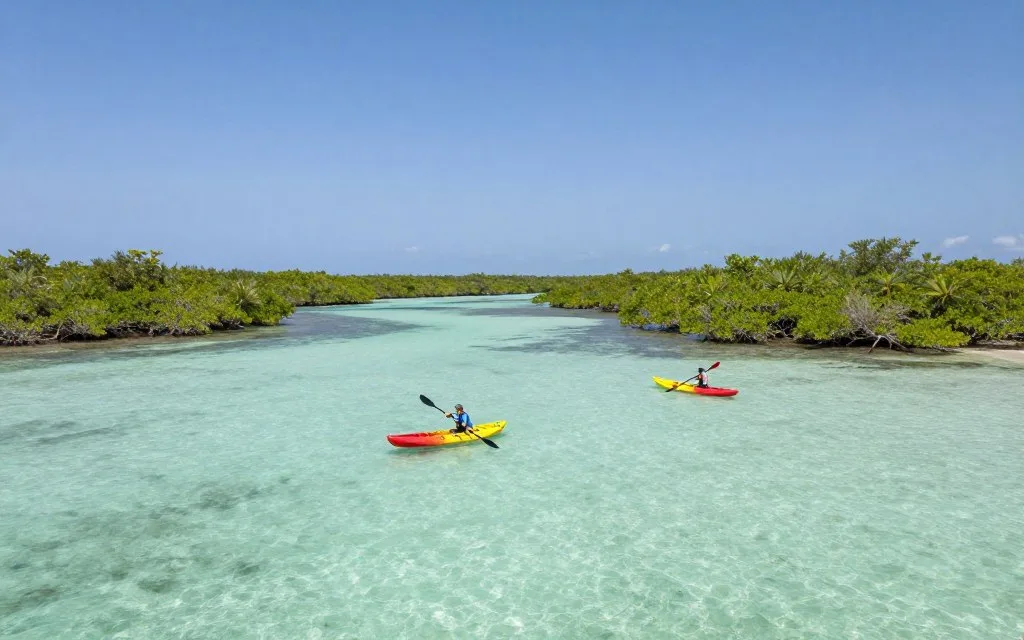
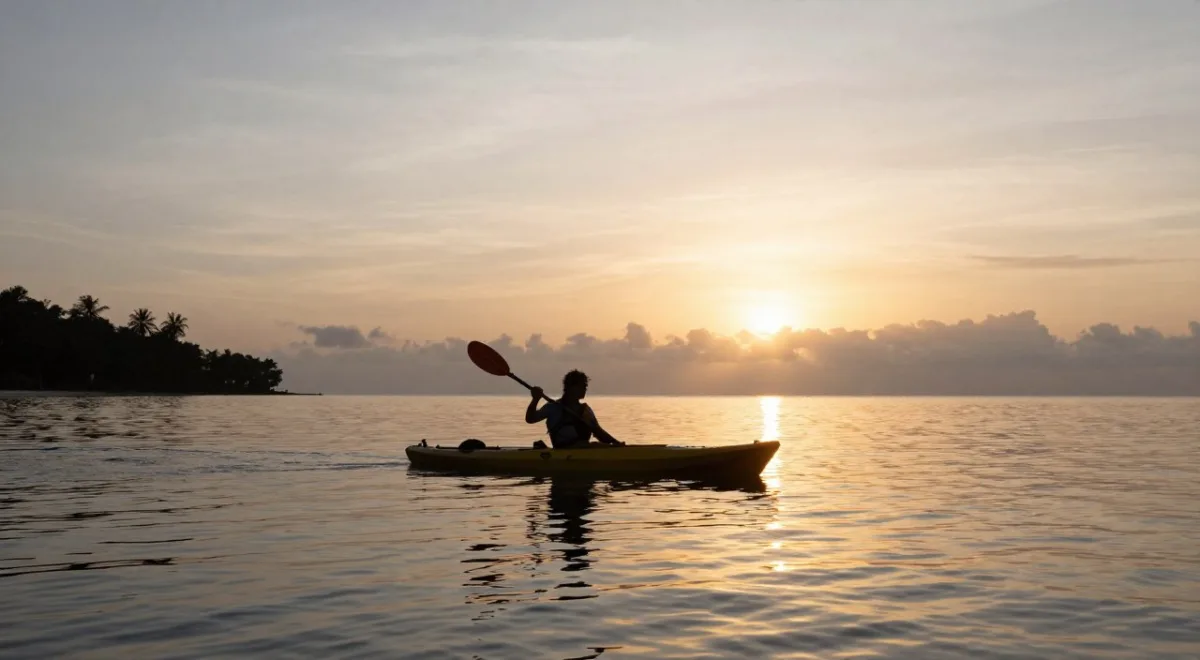
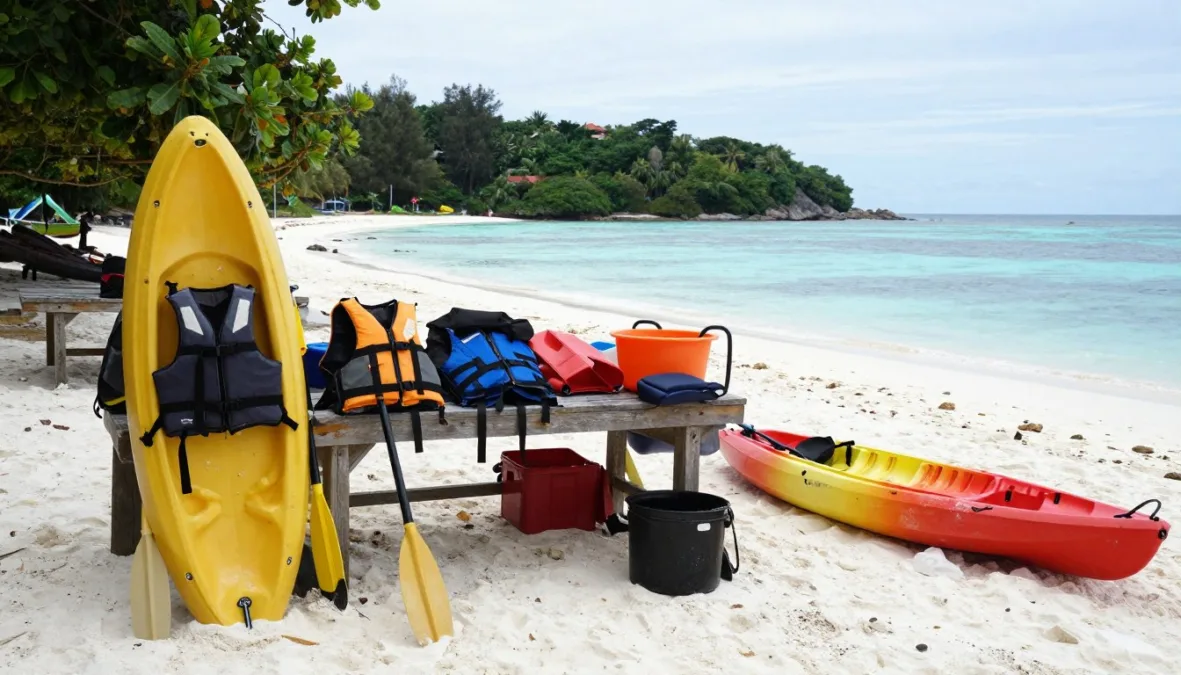
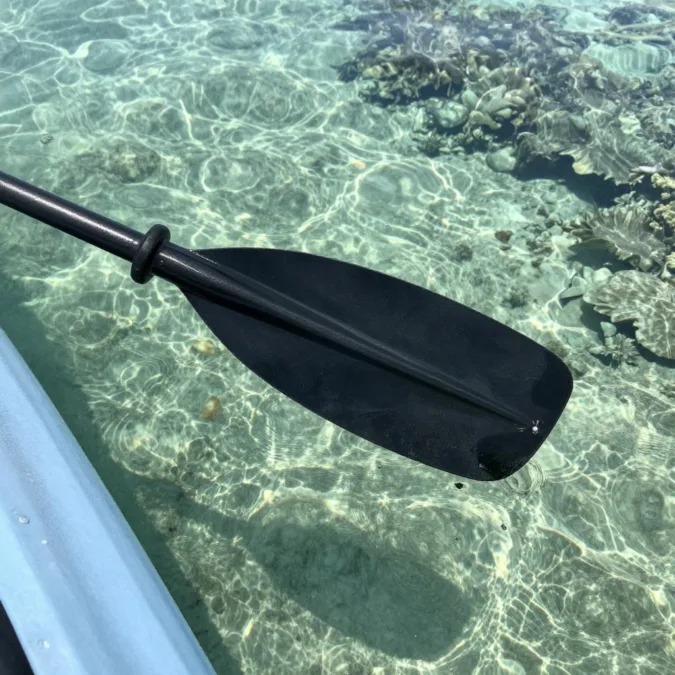
Island kayaking combines calm lagoons, mangrove channels, beaches, and open sea views. Havelock and nearby accessible islands are popular bases, while Nicobar islands require special attention to access rules and permits. October to May is often favoured. Difficulty depends on tide and route. Use an approved operator, follow local wildlife rules, and never paddle alone offshore.
Kali River, Karnataka
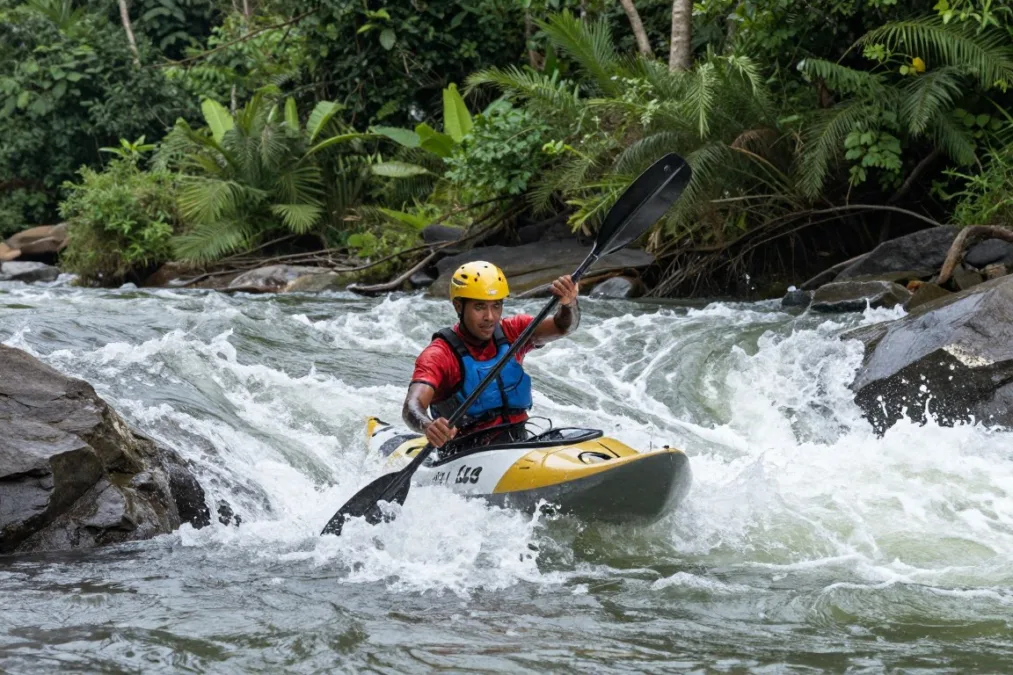
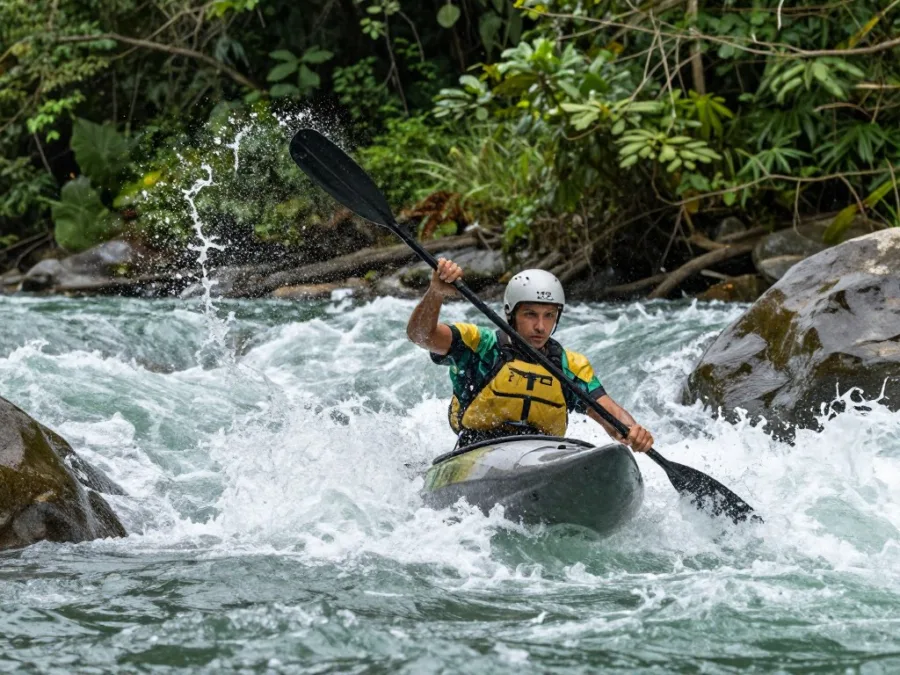
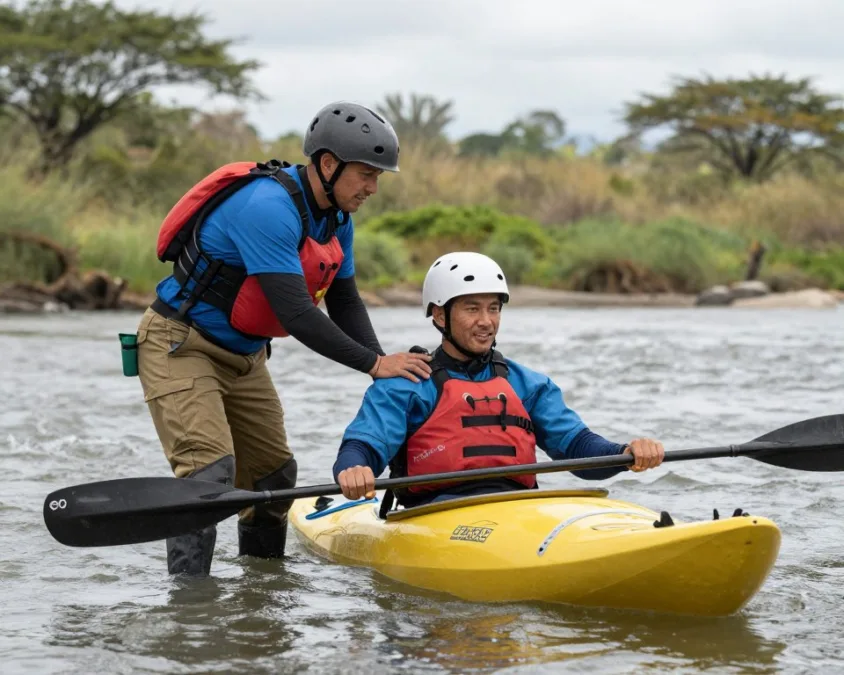
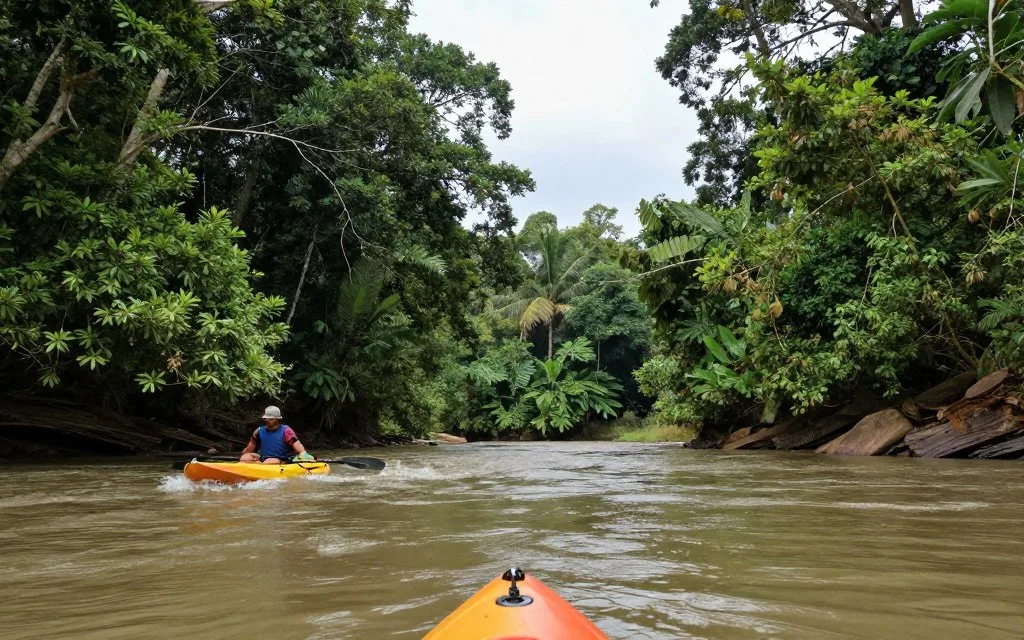
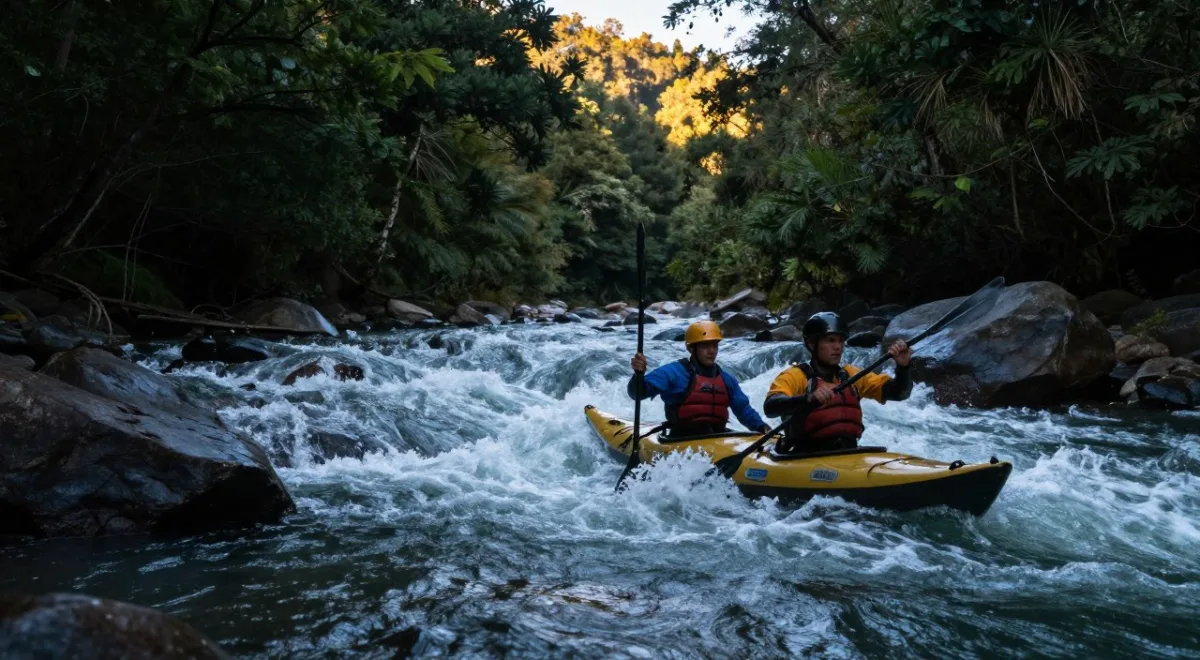
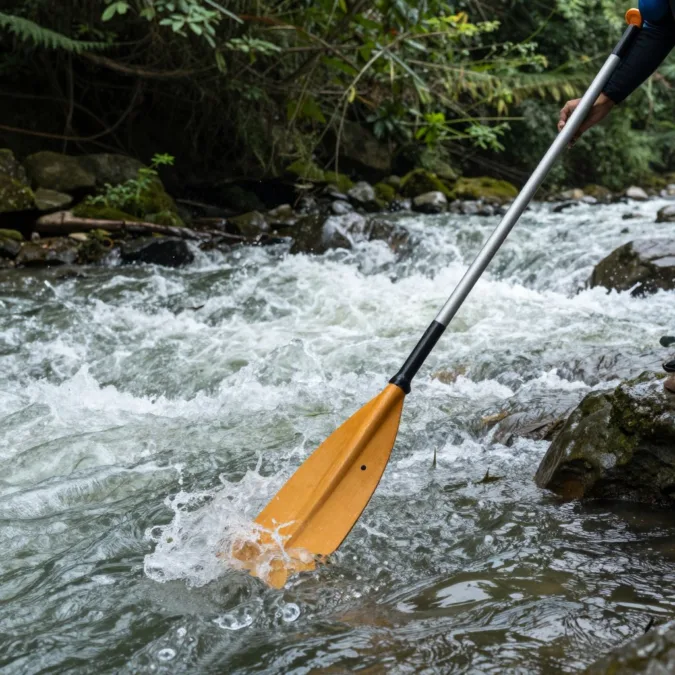
The Kali River offers a stronger adventure sports experience, with moving water, rapids, and forest scenery. Beginners should choose an introductory guided section, while advanced paddlers need proper rescue skills. October to May is commonly used for river activities, but water levels vary. Dandeli is the main base for guides, stays, equipment, and other adventure activities.
Teesta River, Sikkim
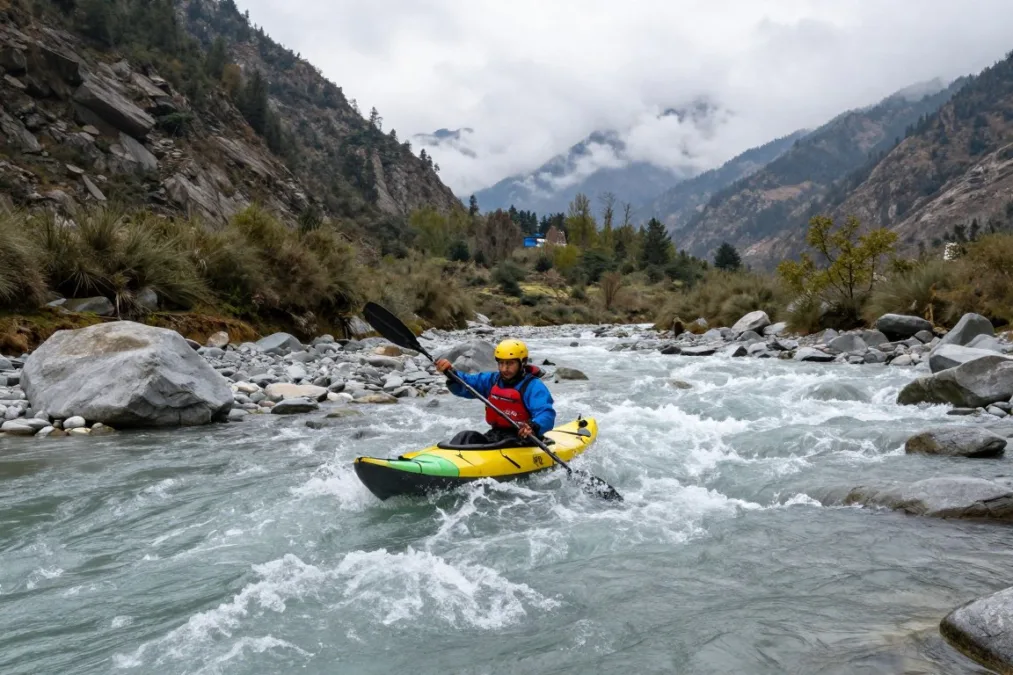
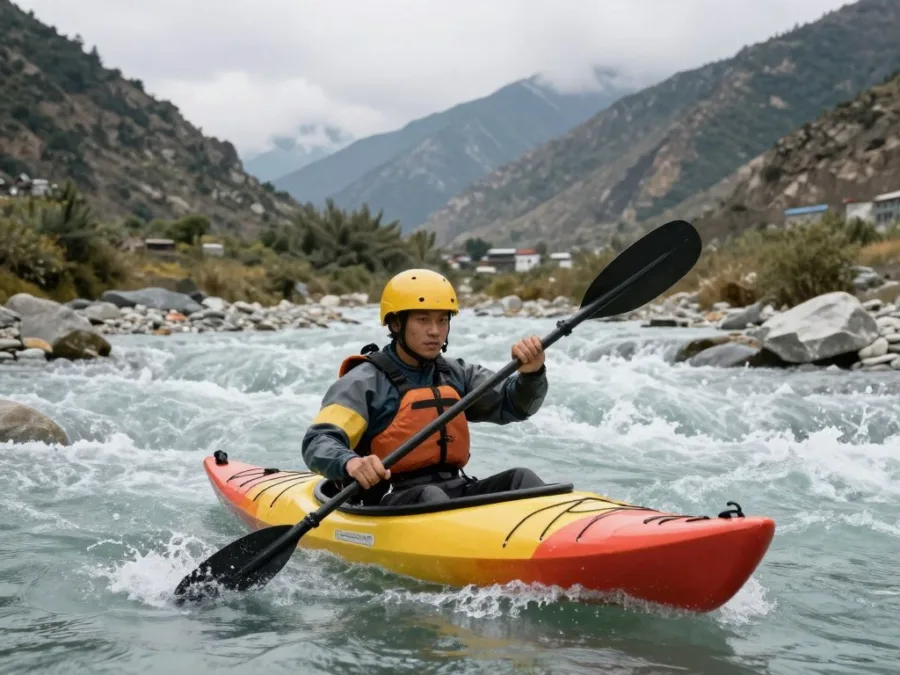
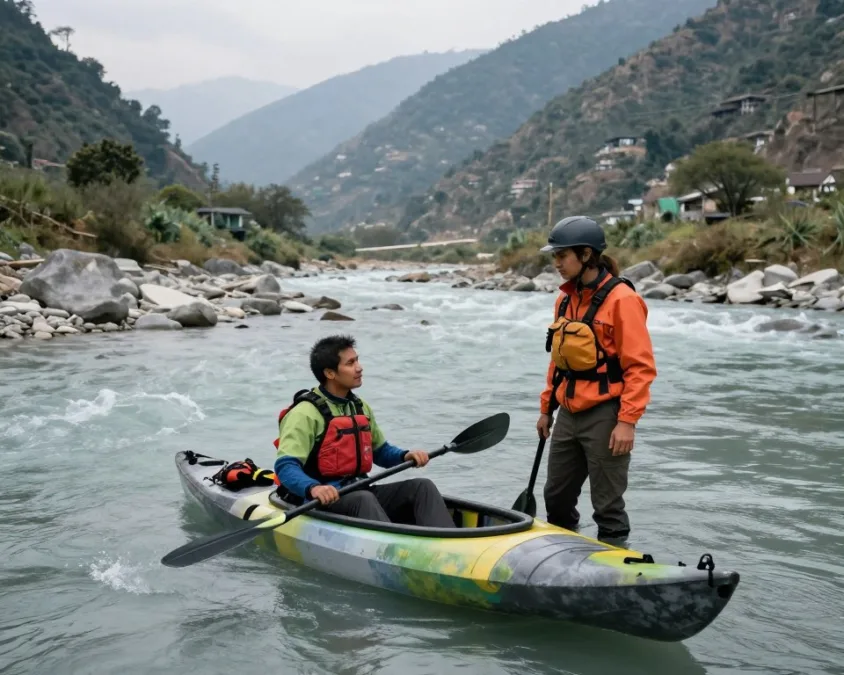
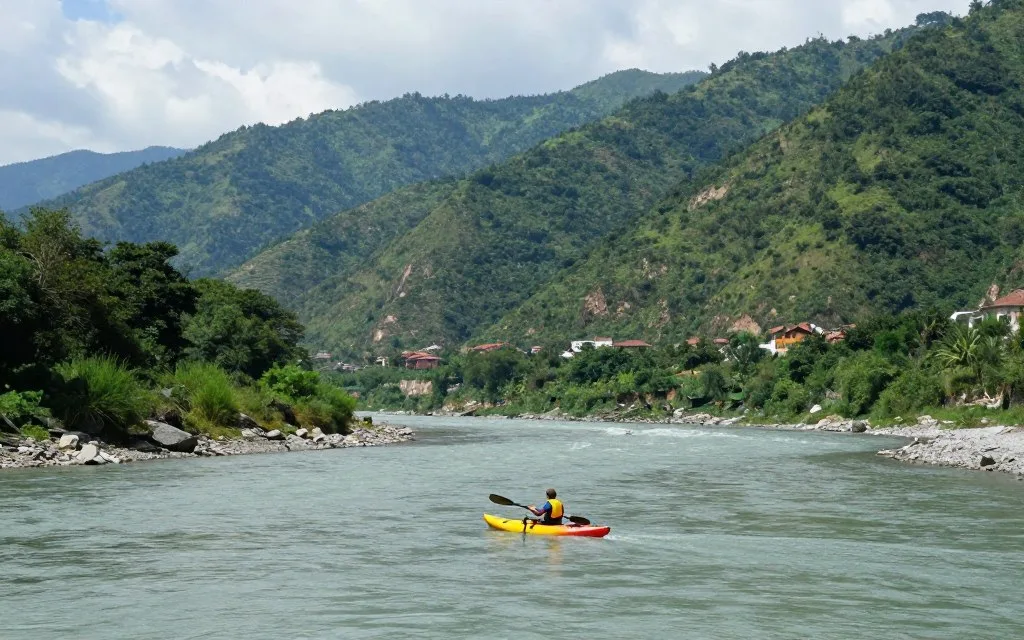
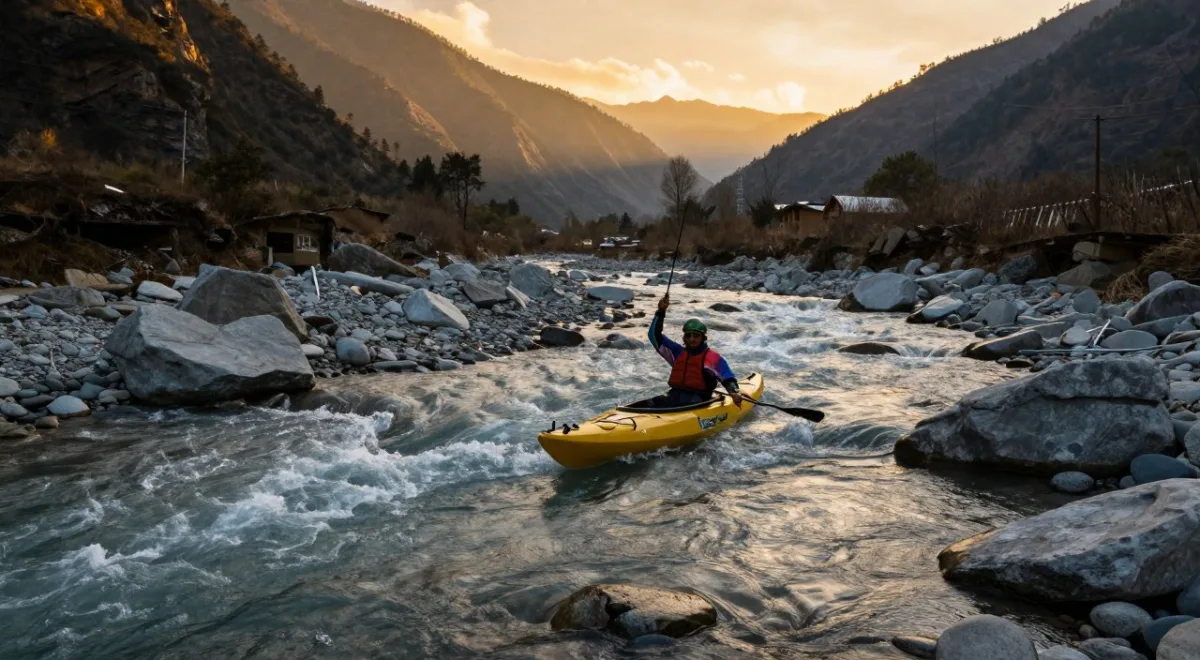
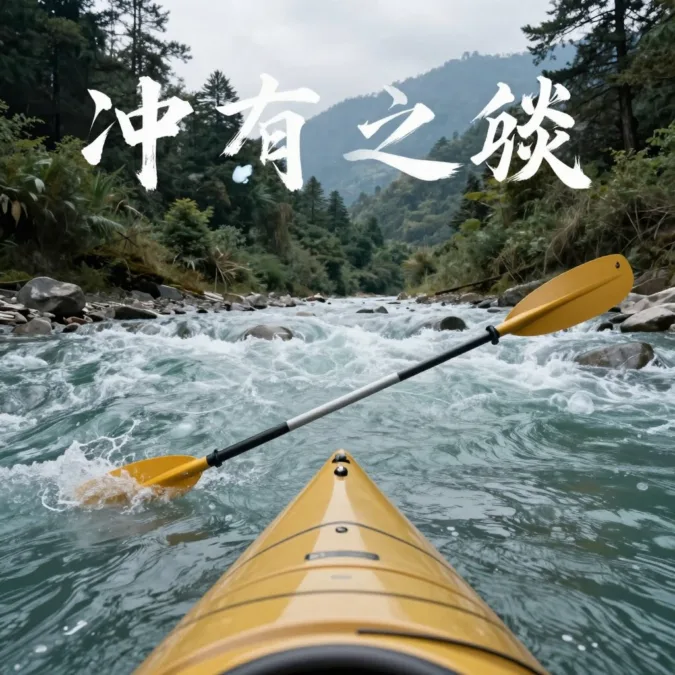
The Teesta is suited to paddlers seeking river energy and mountain views. Sections differ in pace and rapid strength, so choose a route based on training, not scenery alone. March to May and October to December are often considered useful travel windows, subject to river conditions. Gangtok and nearby towns support travel, while specialist operators arrange river access and safety support.
Brahmaputra River, Assam
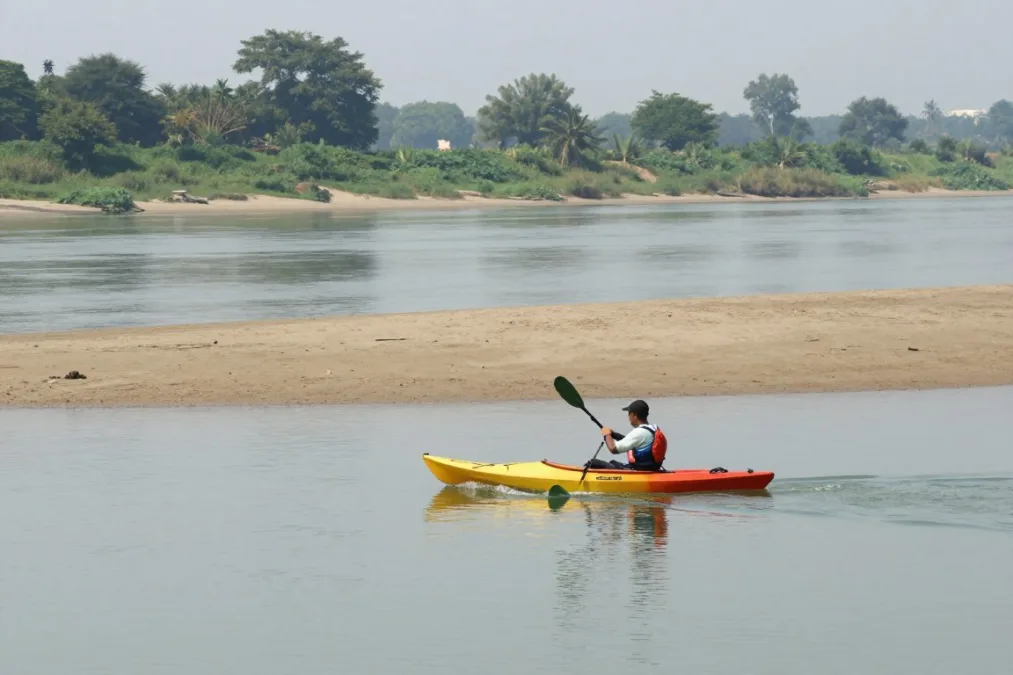
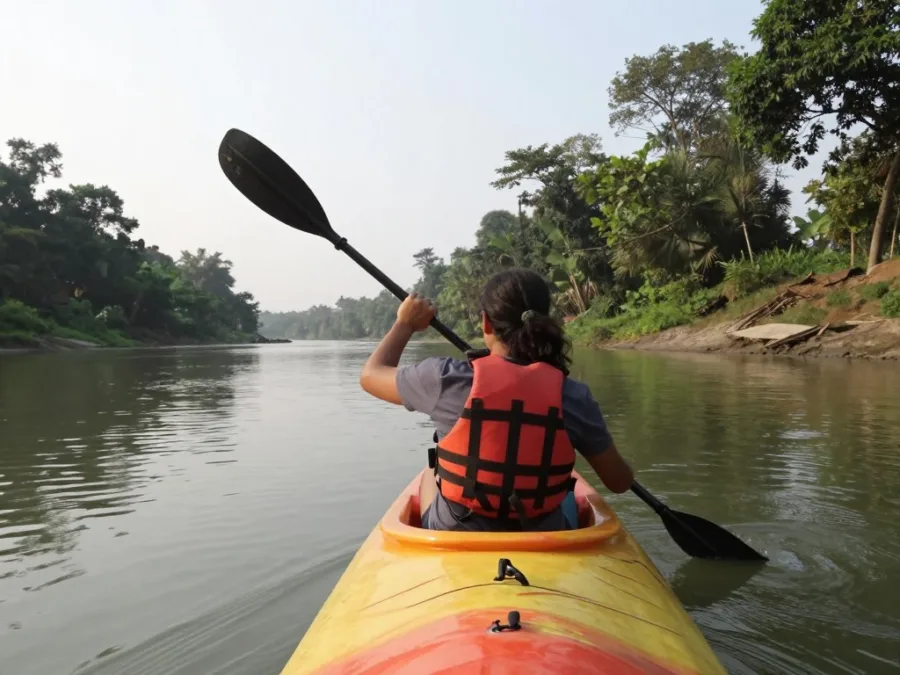
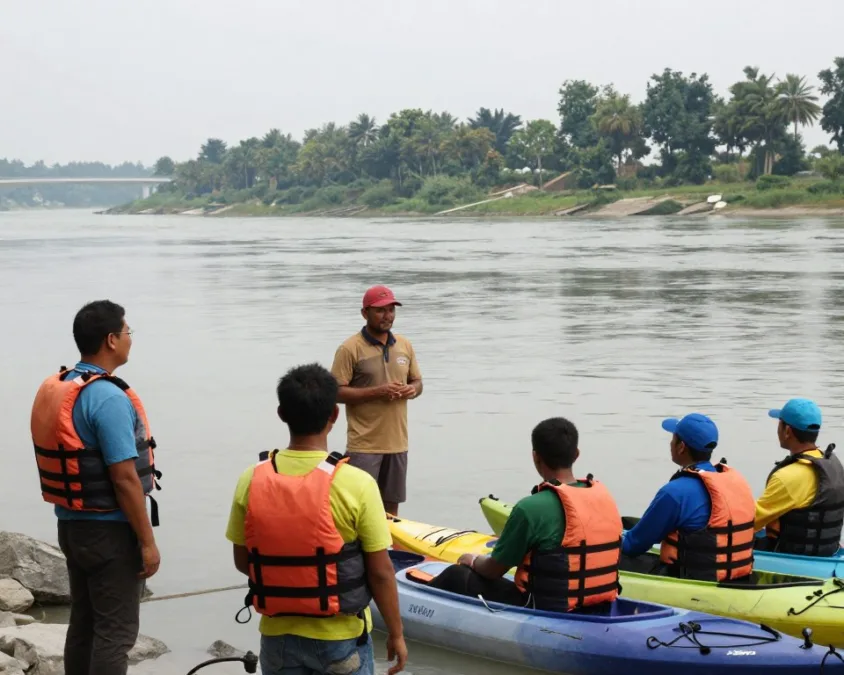
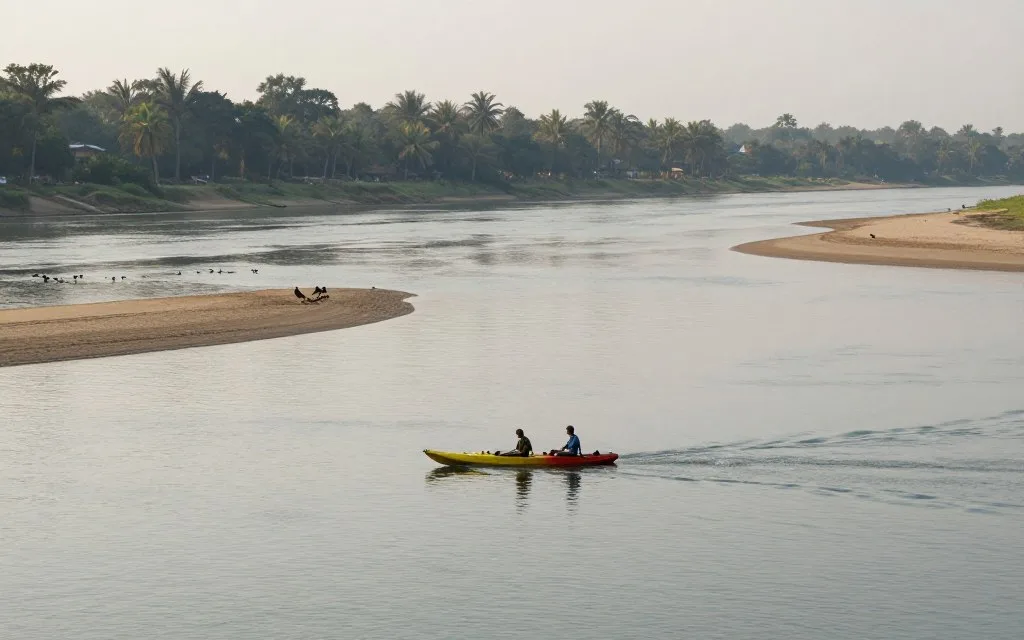
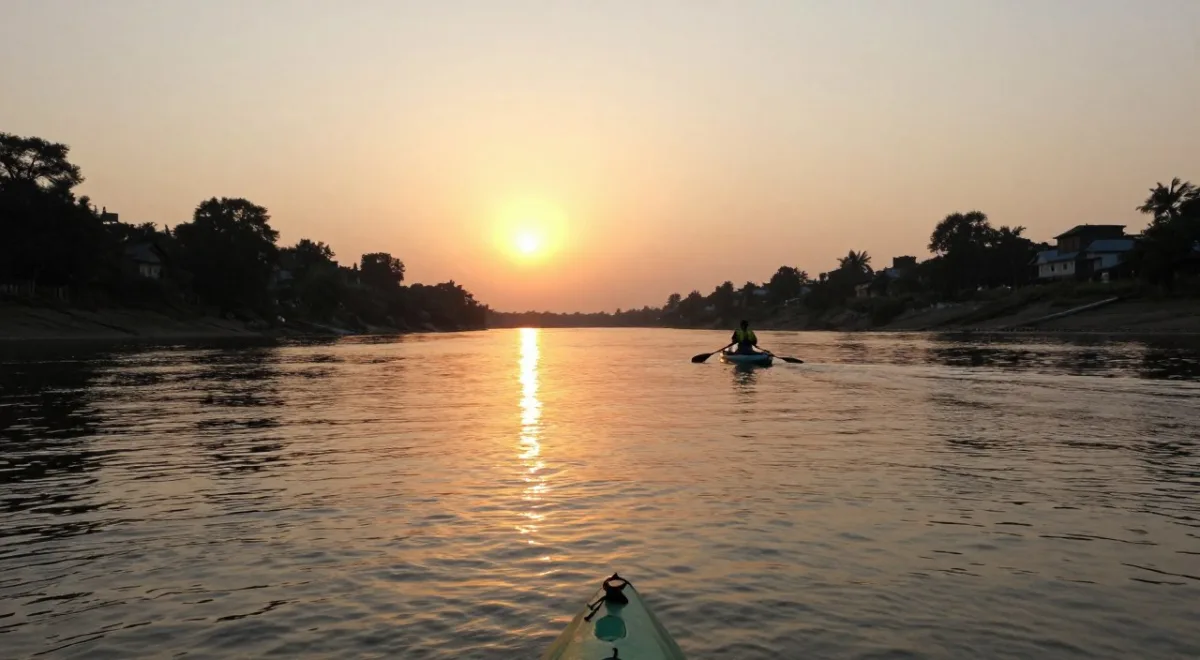
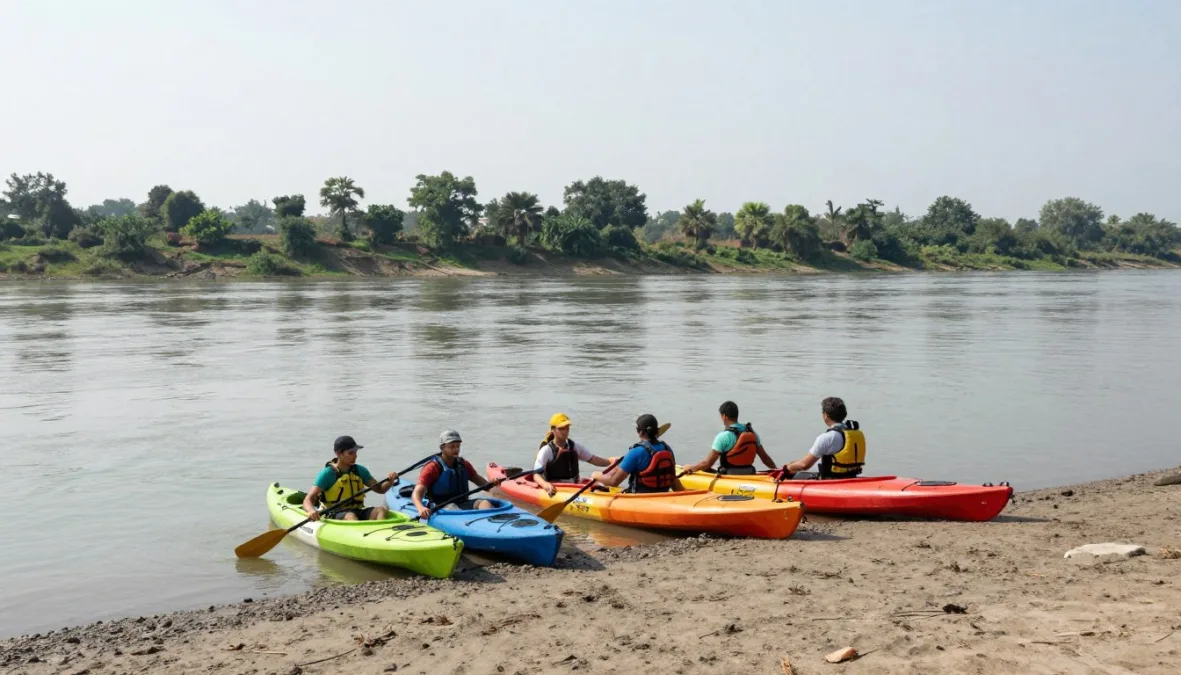
The Brahmaputra creates a wide, changing setting rather than one uniform kayaking route. Side channels and calmer stretches may suit guided day trips, while the main river demands expert planning. October to April is generally more practical than the monsoon season. Use local operators, respect wildlife areas, and confirm river access, boat traffic, and weather before departure.
Umiam Lake, Meghalaya
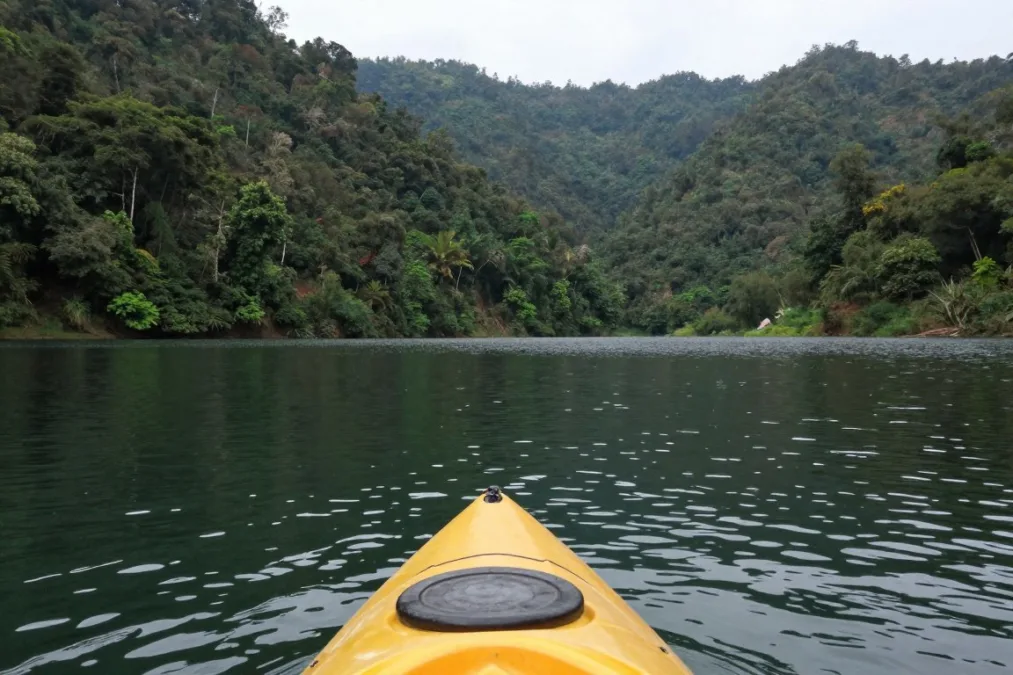
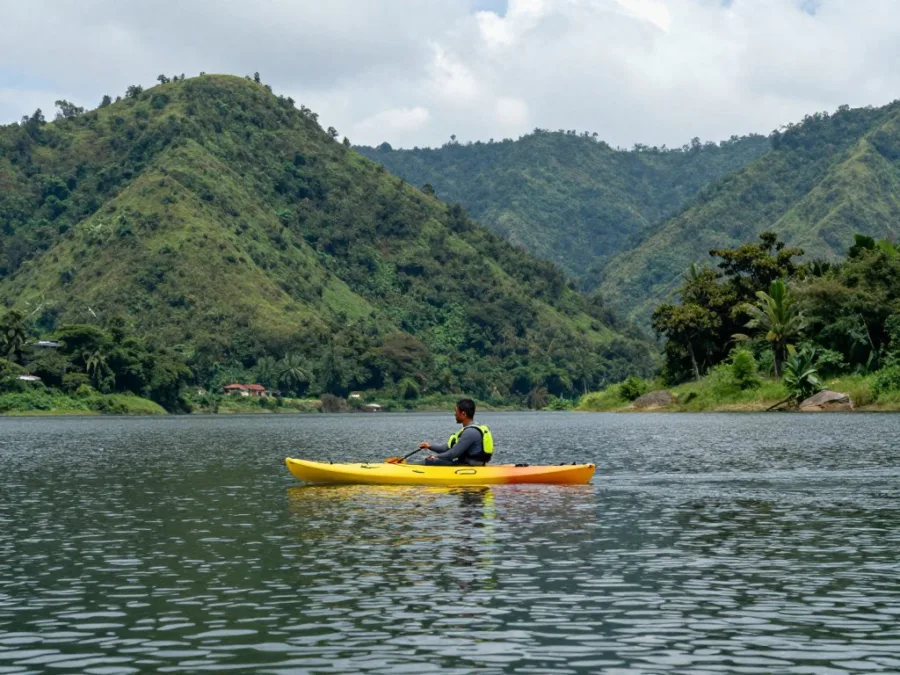
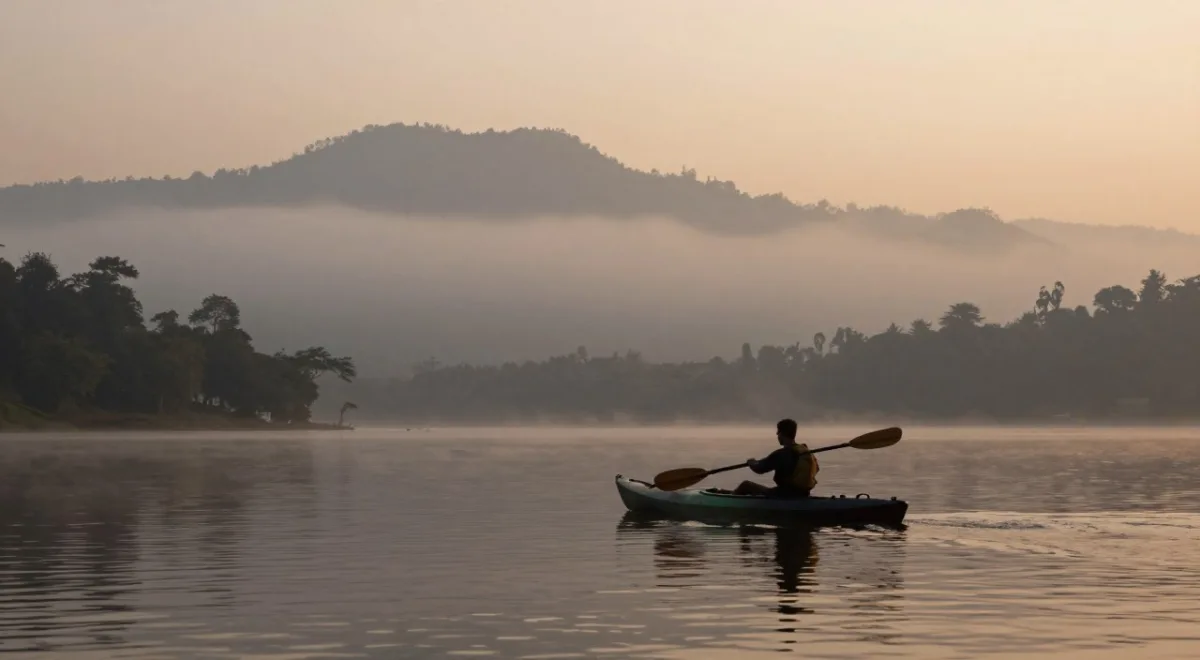
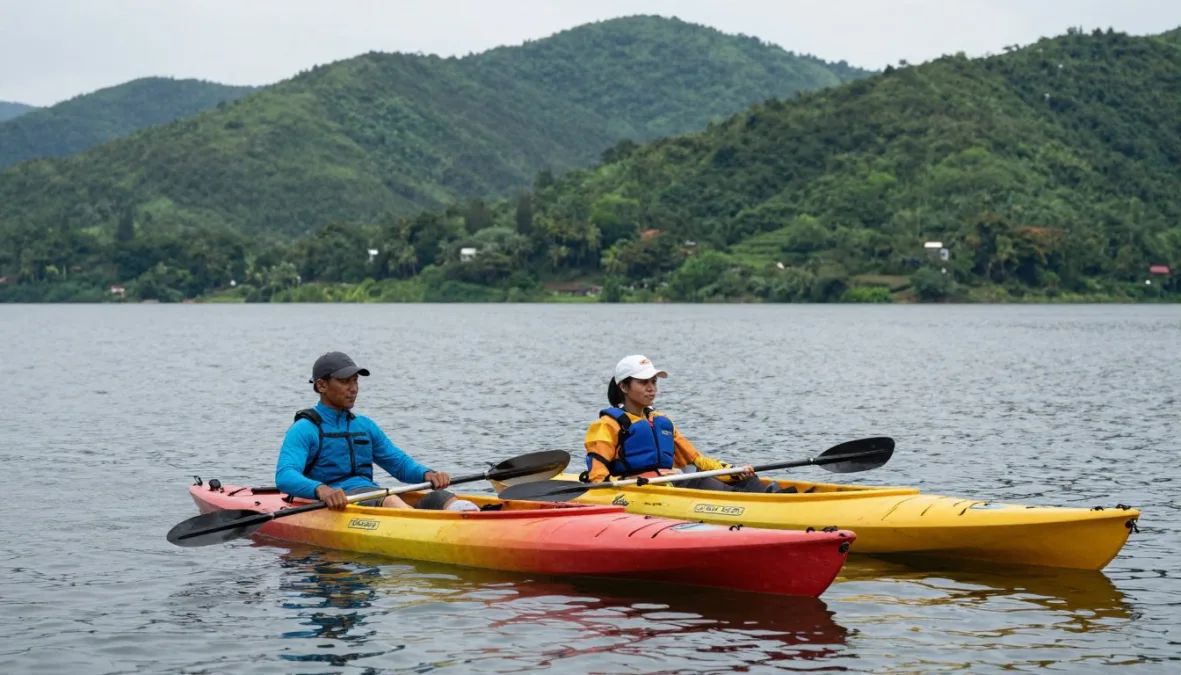
Umiam is a good option for a calmer lake-based kayaking experience near Shillong. The scenery is the main attraction, with hills, open water, and changing light. October to April is usually more comfortable, though wind can affect conditions. Difficulty is easy to moderate. Confirm launch facilities and equipment locally, and avoid paddling during storms or poor visibility.
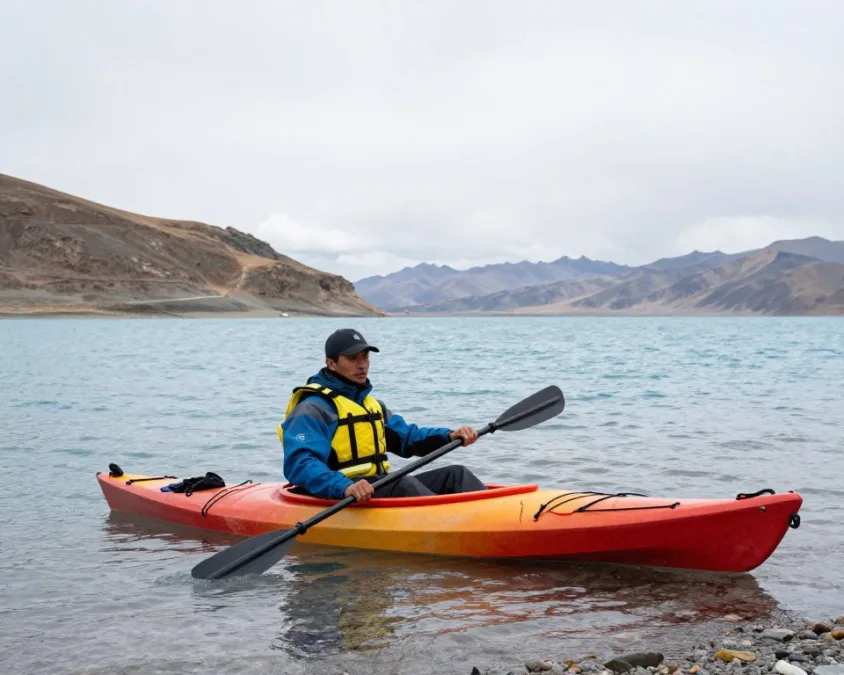
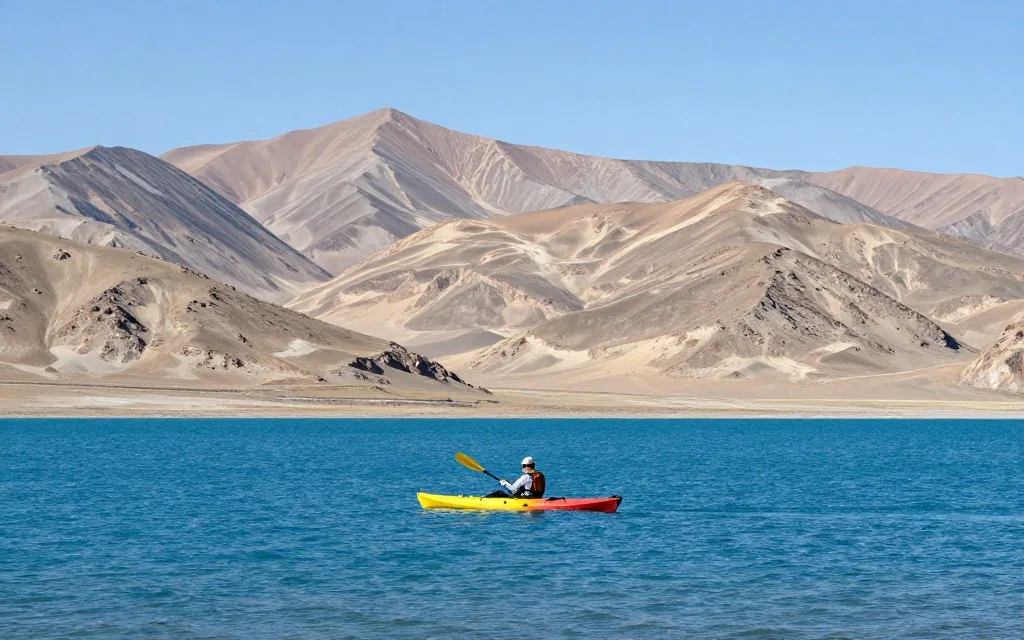
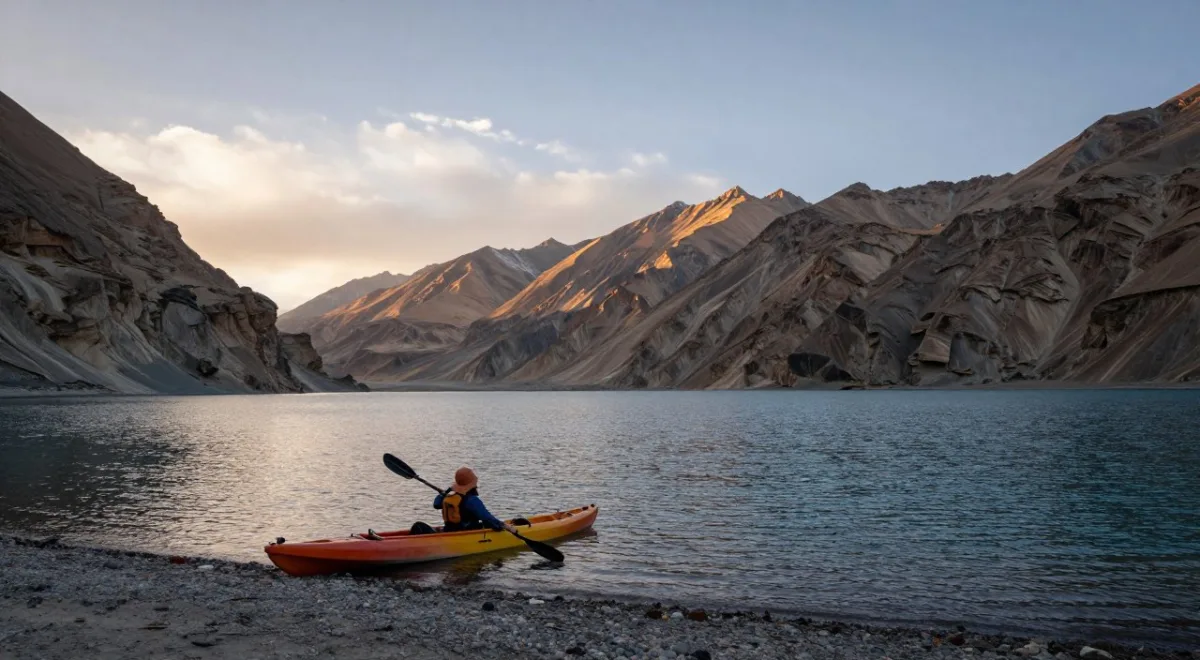
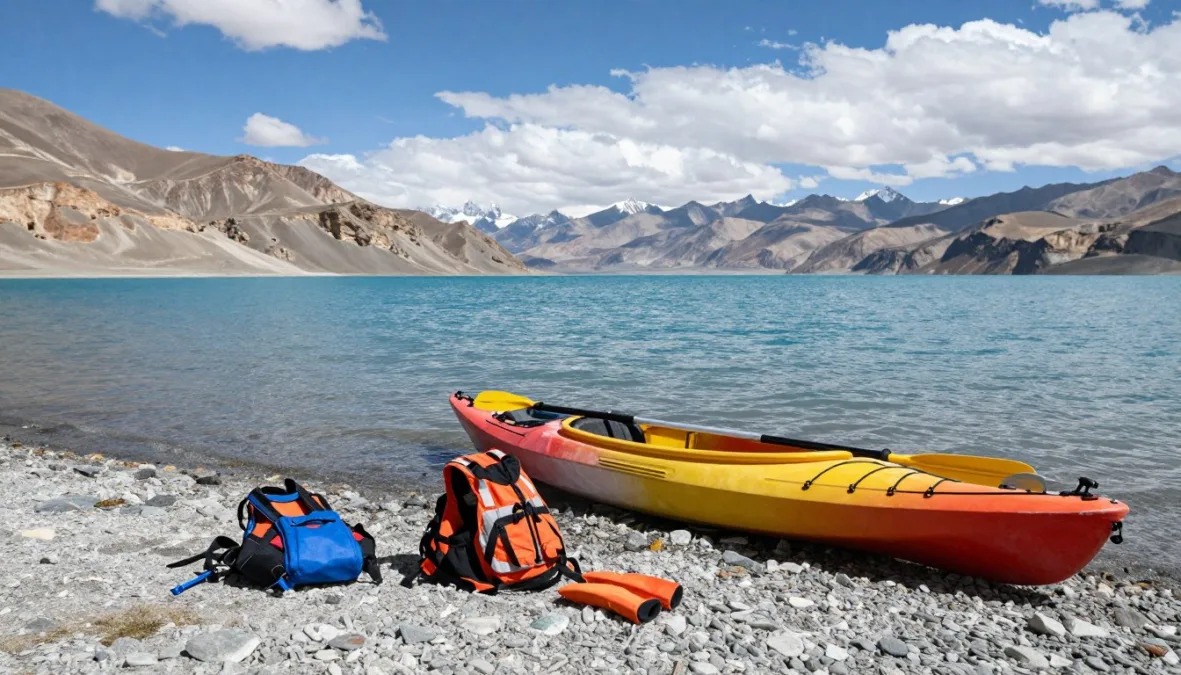
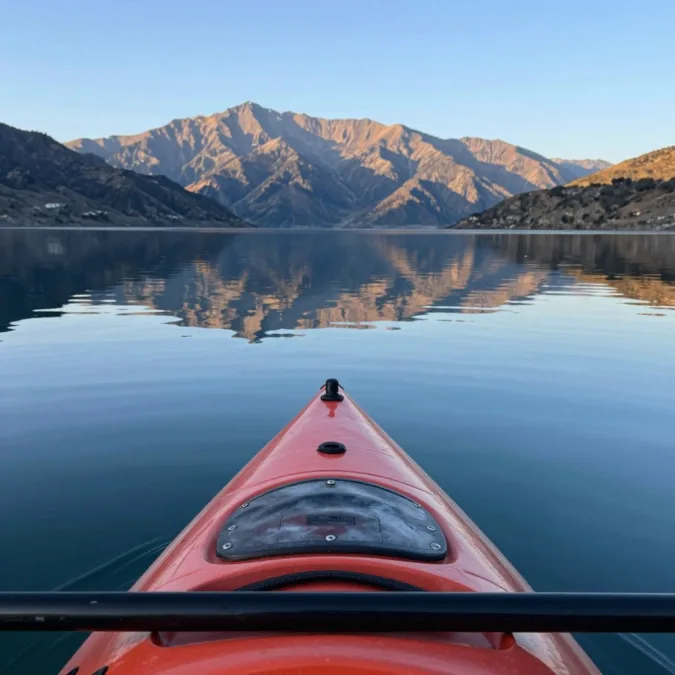
Pangong Lake, Ladakh
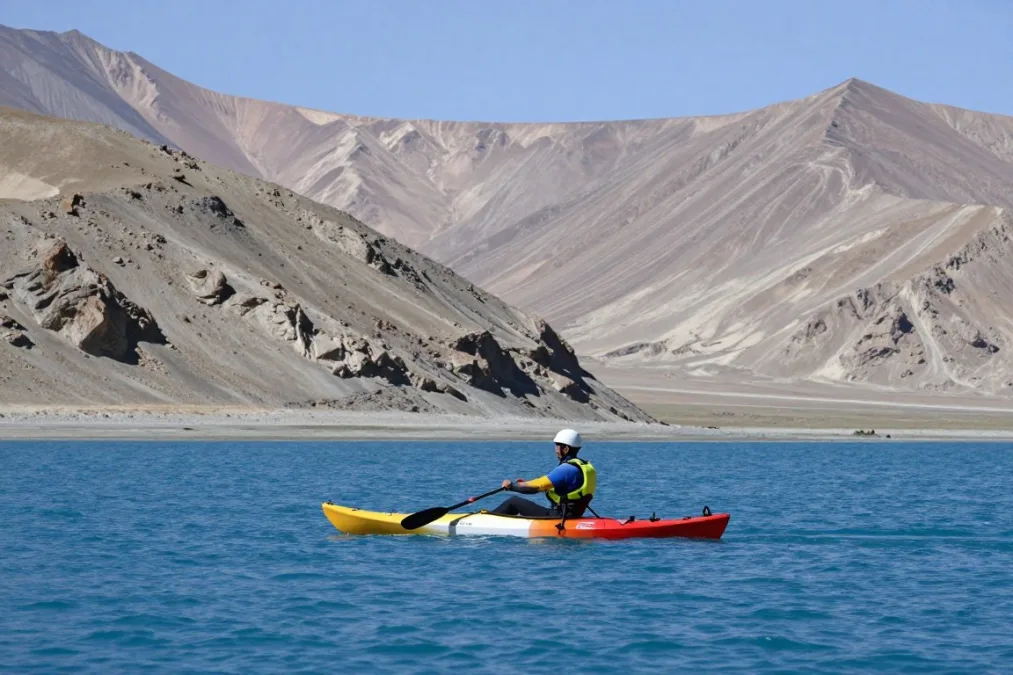
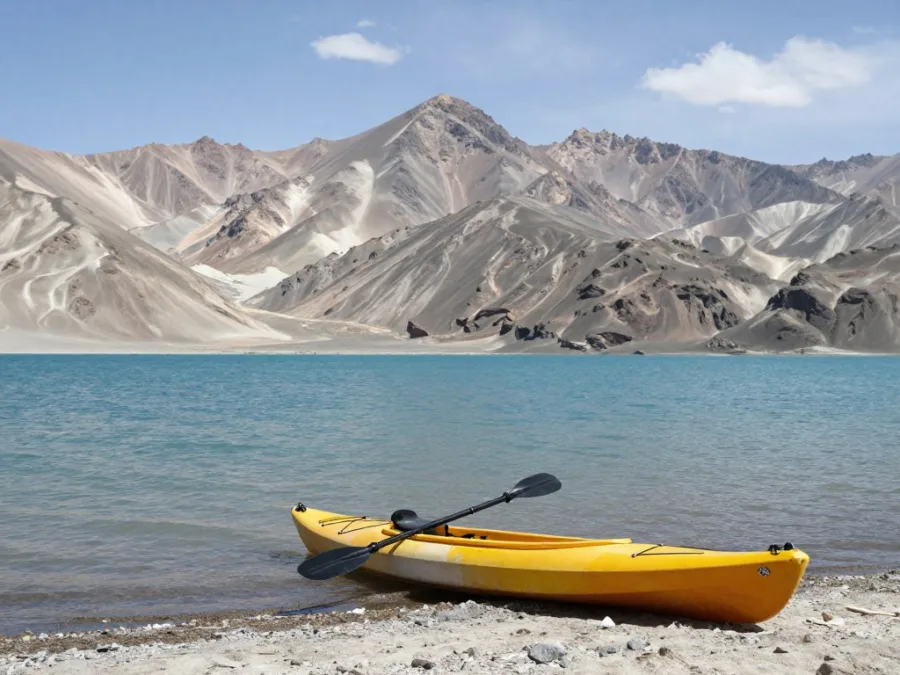
Pangong offers striking lake views, but its altitude and cold conditions require caution. This is not a casual warm-water outing. Go with a trained provider, allow time to acclimatise, and paddle close to shore. Summer is the practical travel season, yet wind can rise quickly. Facilities are limited, so carry warm layers, water, sun protection, and a clear transport plan.
Arunachal Pradesh river routes
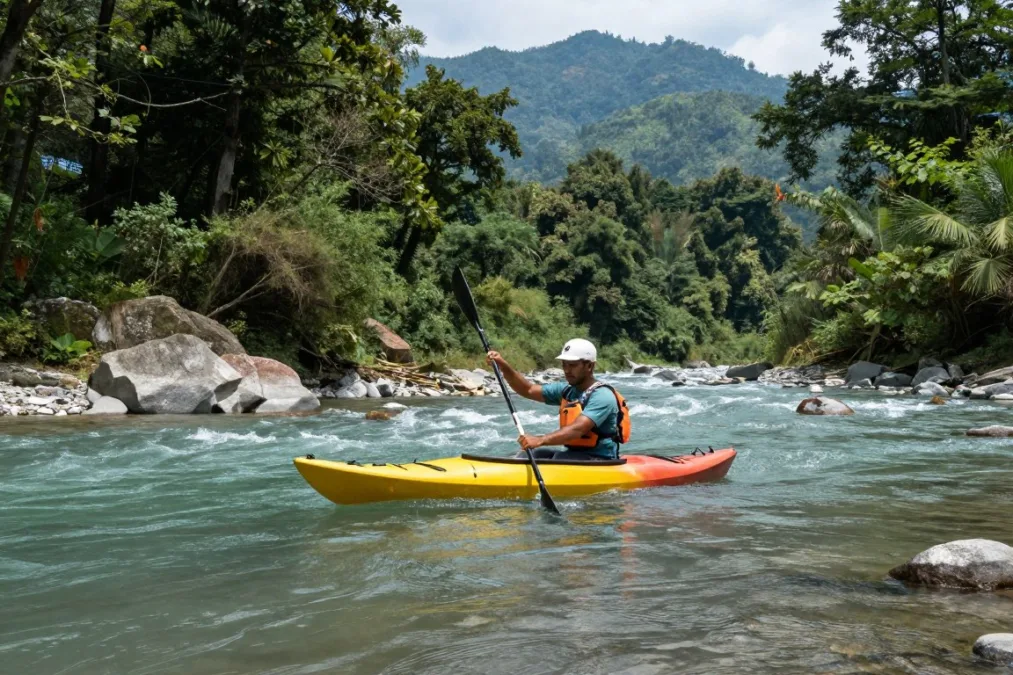
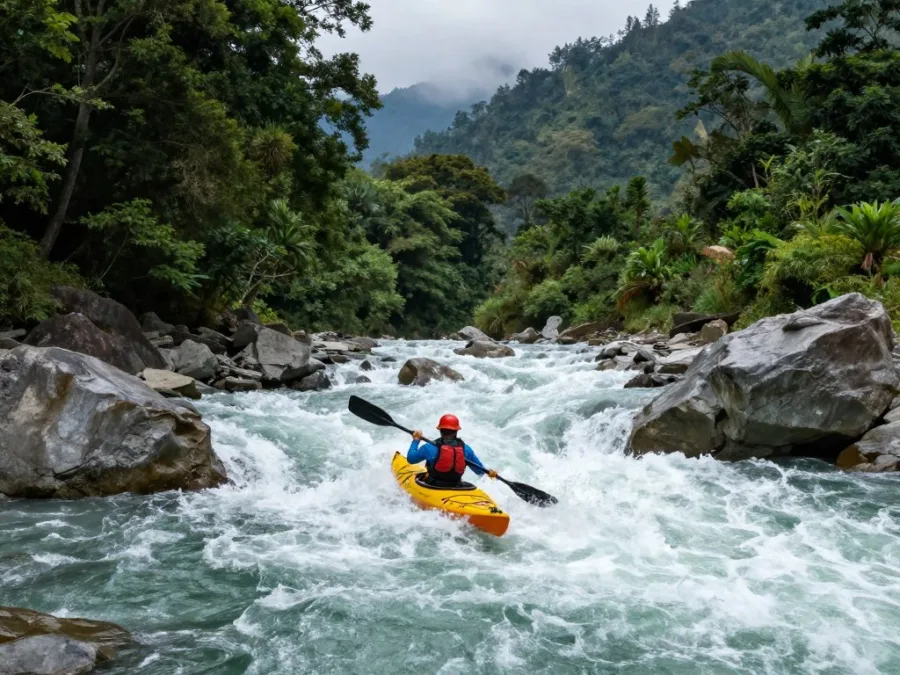
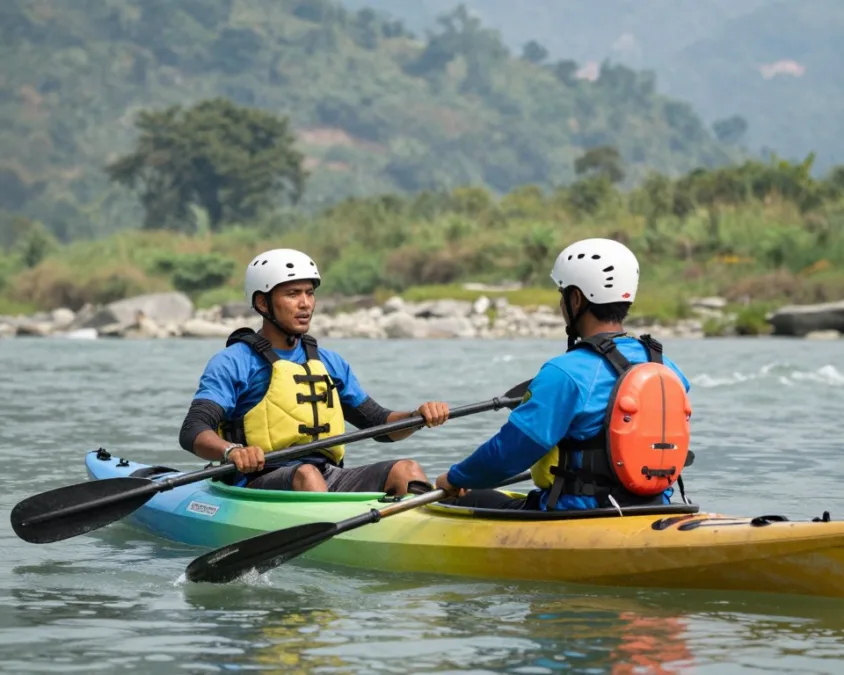
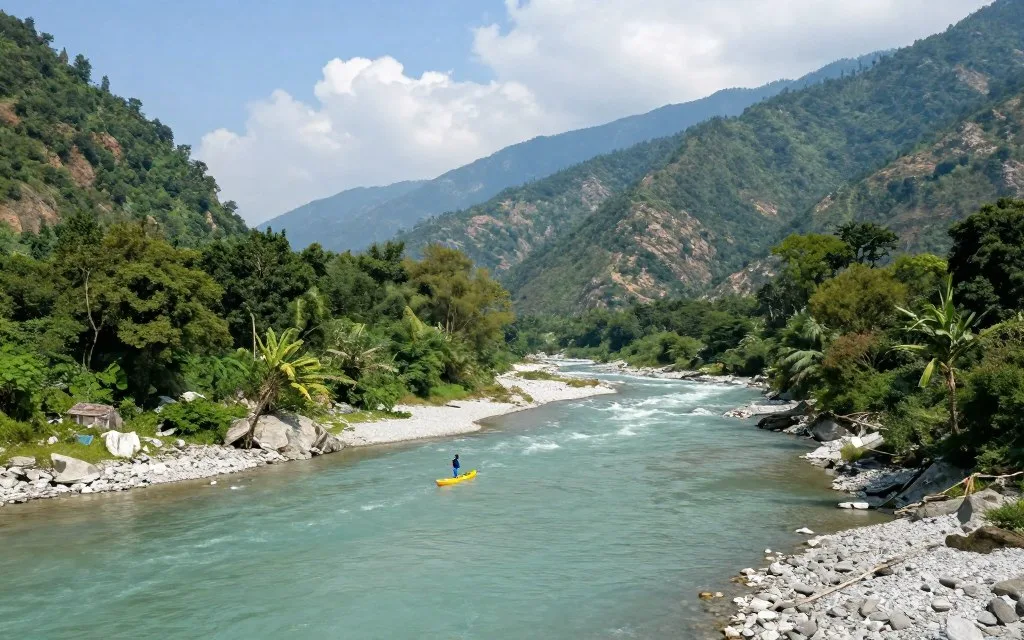
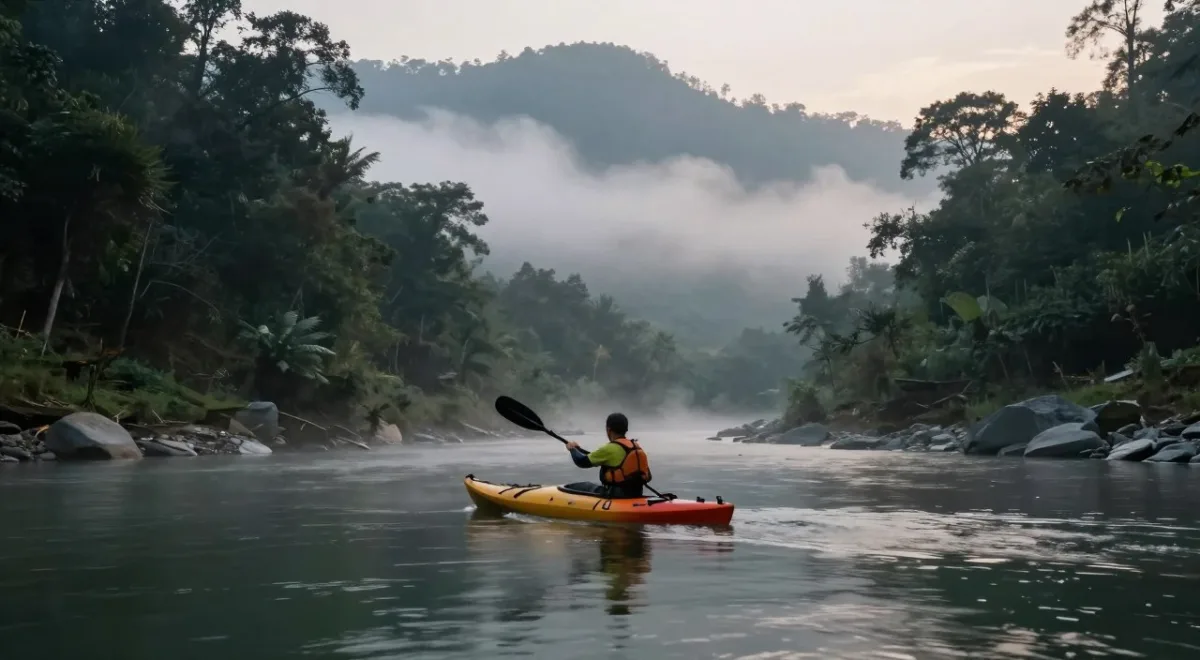
Arunachal Pradesh offers remote river scenery and a more serious adventure setting. Routes can include current, rapids, limited facilities, and restricted access. Experienced paddlers should use specialist experts; beginners should choose a gentle section only through an established operator. October to April is often more workable, but permits, local permissions, weather, and road access must be checked before travel.
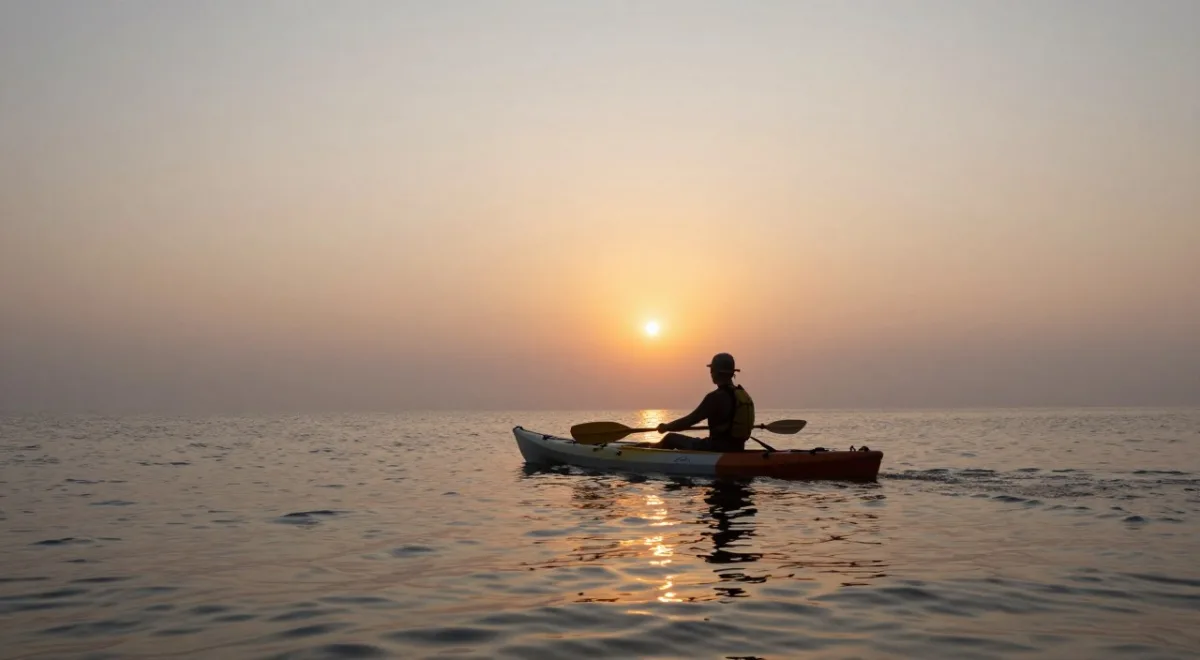
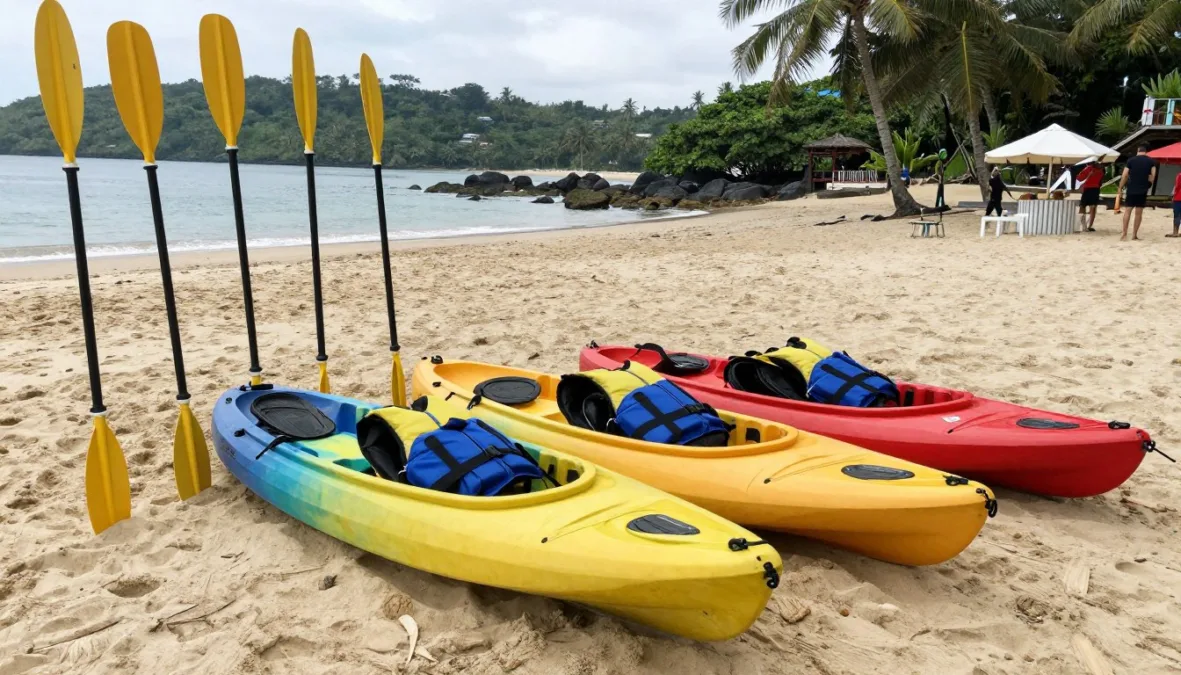
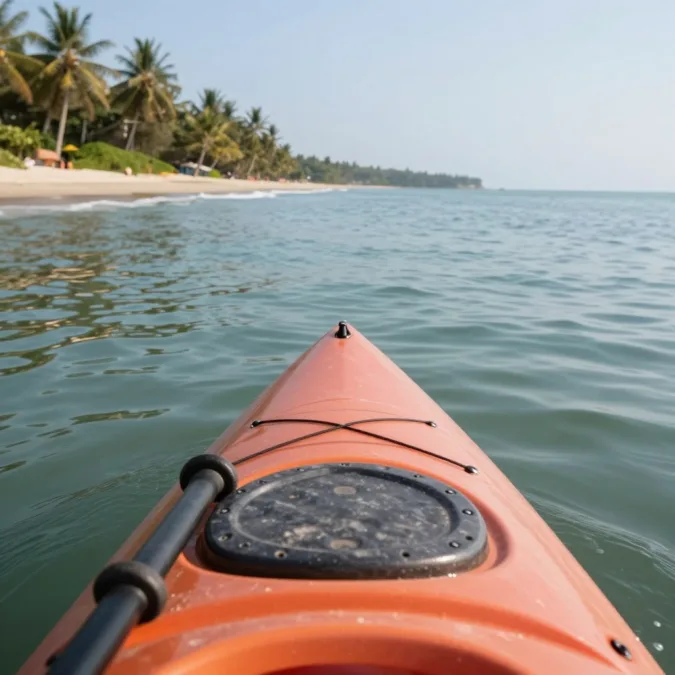
Goa coastal waters
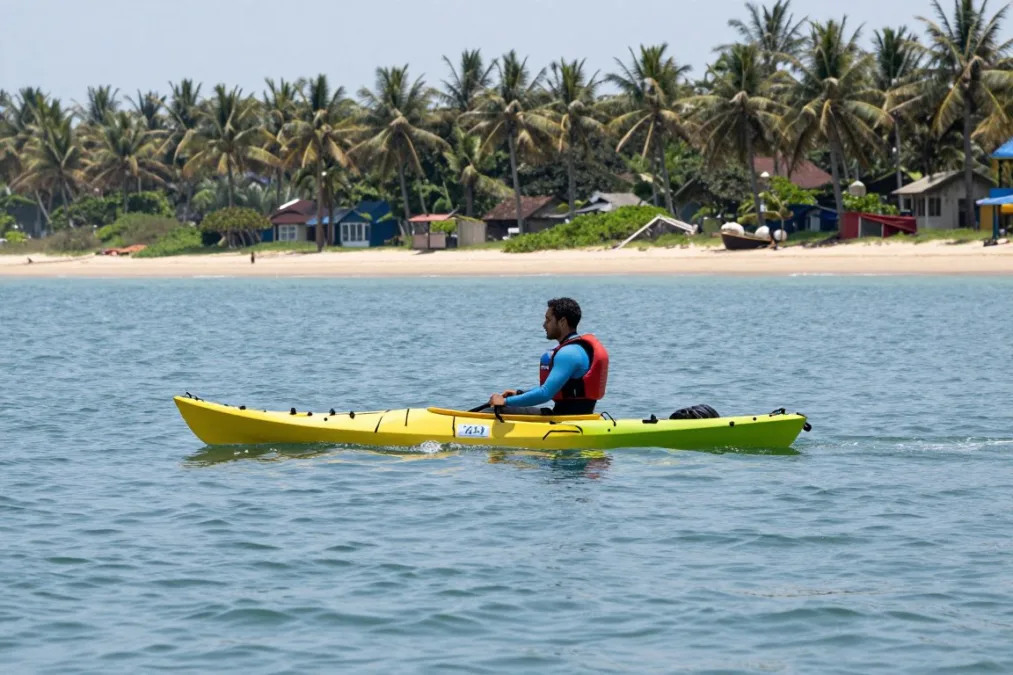
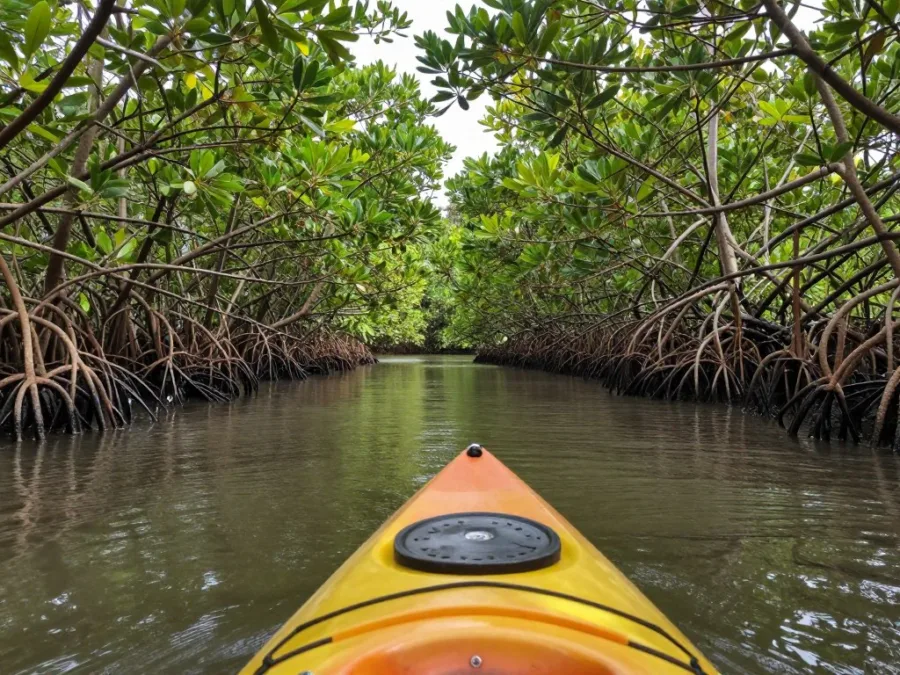
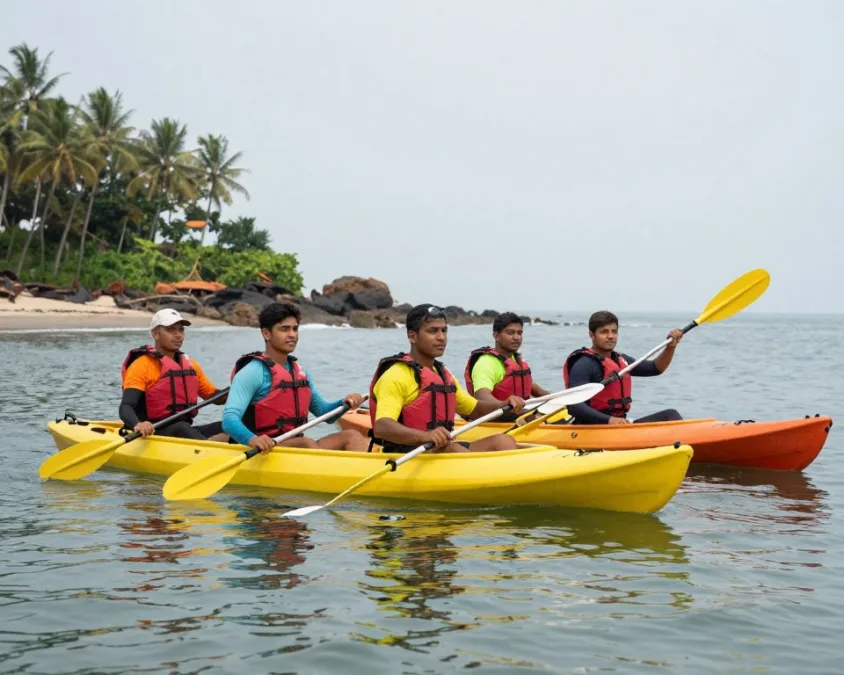
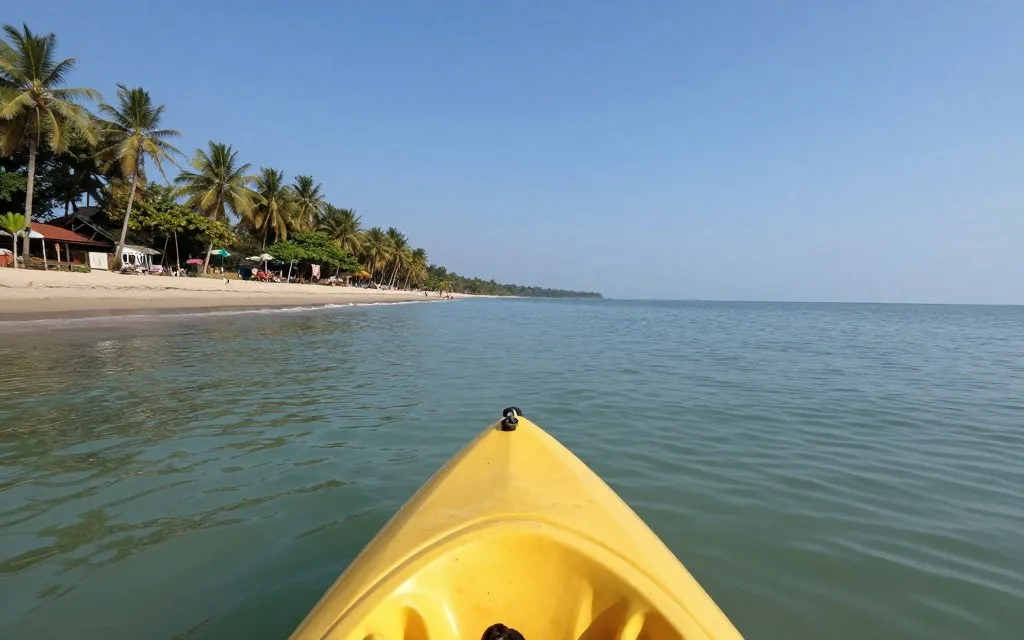
Goa combines accessible beaches, calm estuaries, mangroves, and short sea kayaking outings. It suits beginners who want a guided introduction without travelling to a remote location. October to May is generally popular, but tides and wind still affect sea routes. Operators near beach areas can provide kayaks and safety gear. Avoid busy boat lanes and follow local launch instructions.
Planning, equipment, and guided trips
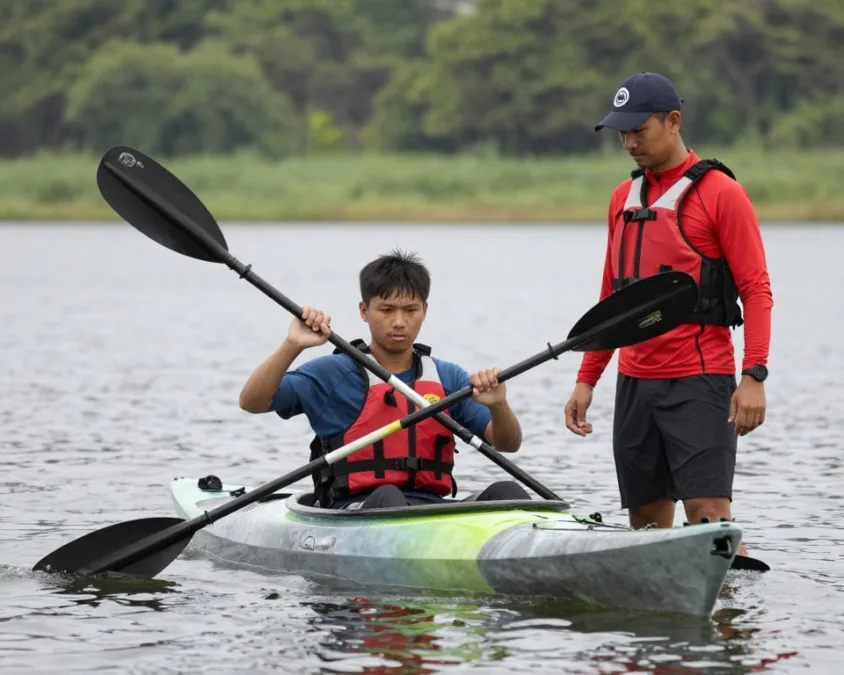
Choose a destination by water type first. Beginners should start with a stable kayak on calm backwaters or a lake. People seeking rapids need instruction, rescue awareness, and suitable protective equipment. Sea kayaking requires attention to tides, wind, currents, and distance from shore.
Before travel
- Check seasonal weather and water conditions.
- Confirm transport, launch points, permits, and opening times.
- Book guided trips where routes are remote or technical.
What to confirm
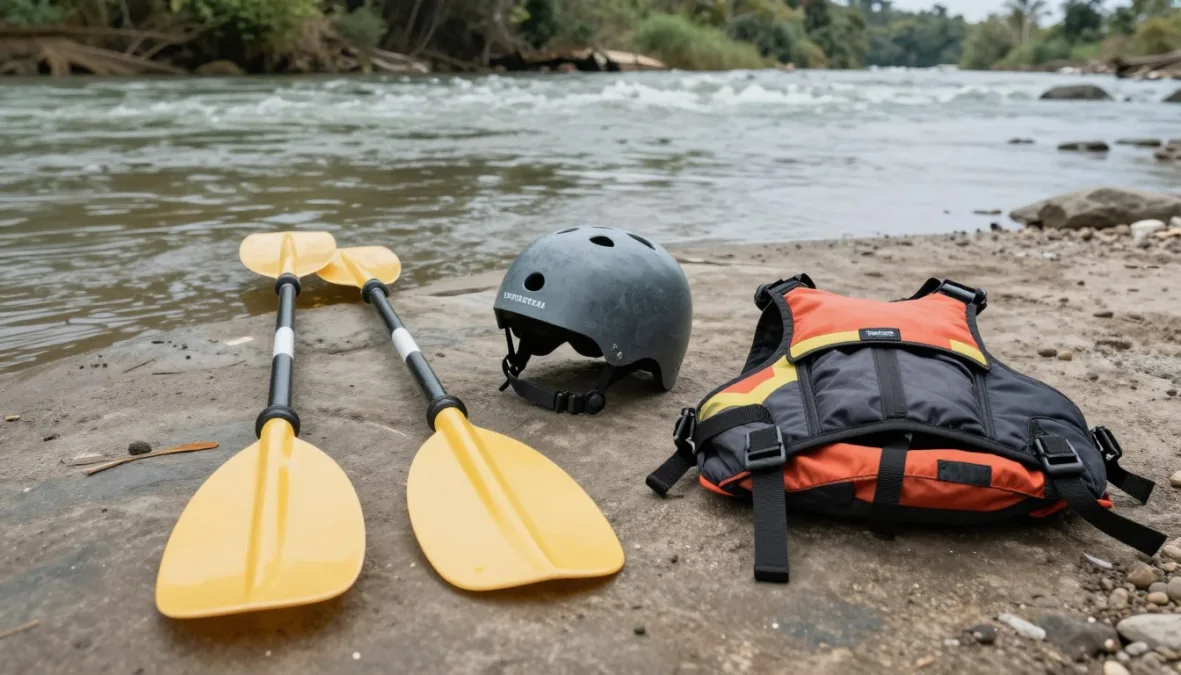
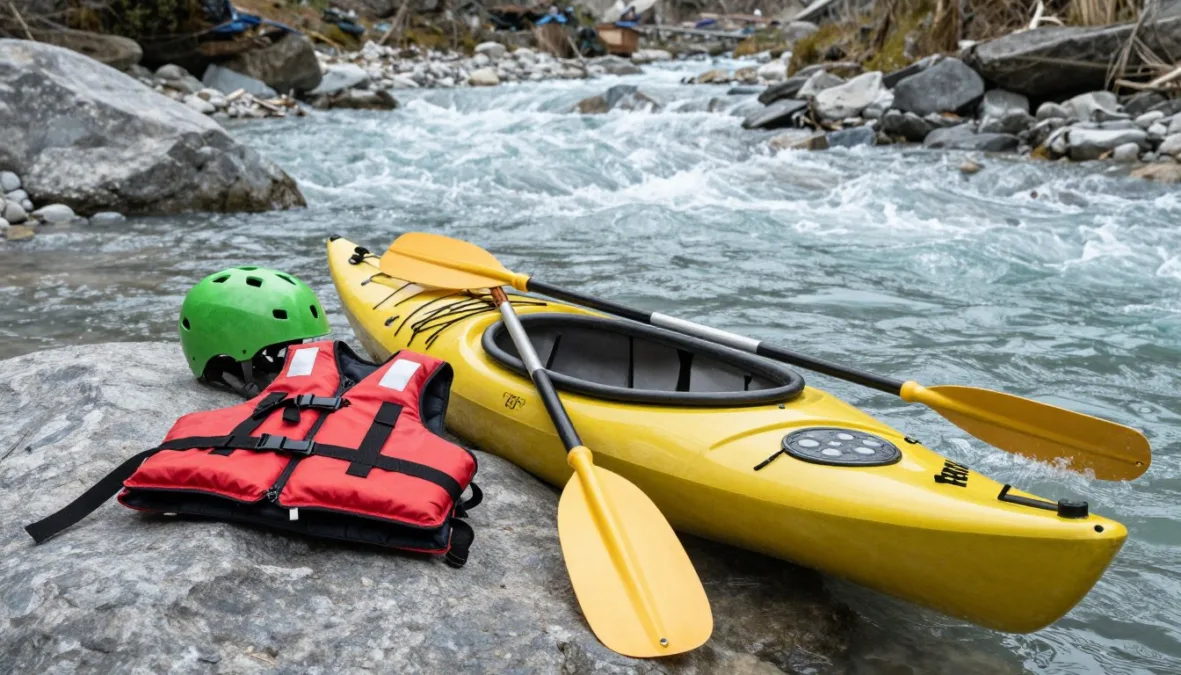
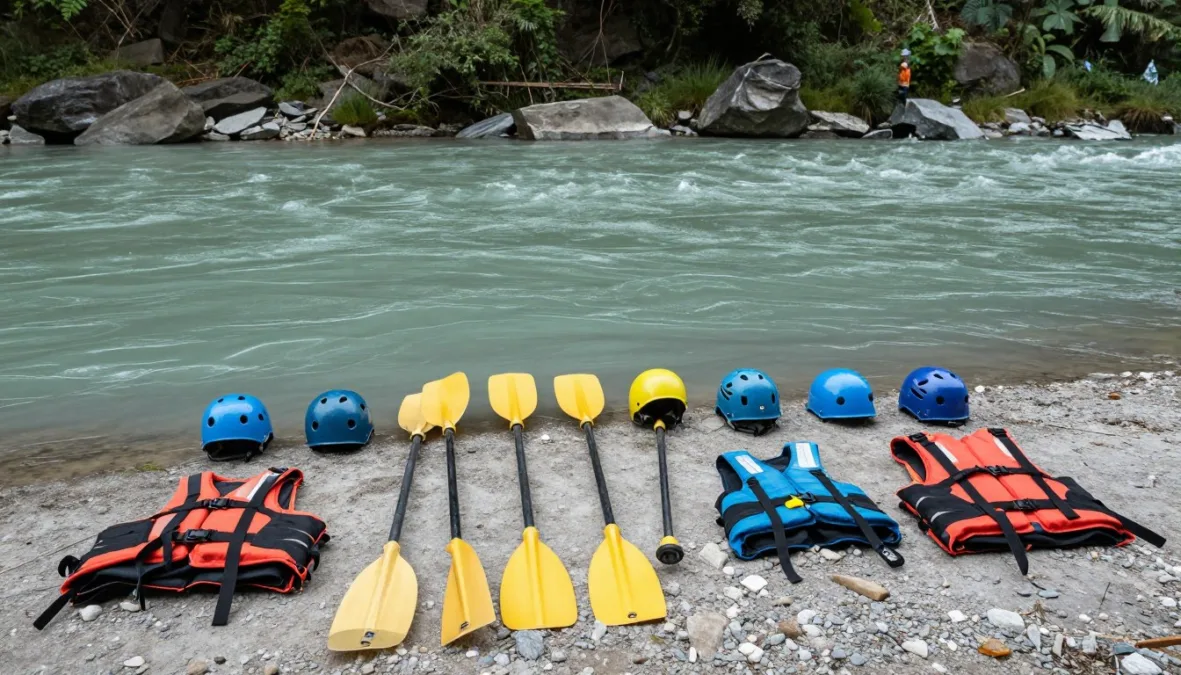
- Kayak type, paddle, buoyancy aid, helmet, and dry storage.
- Guide qualifications and group size.
- Cancellation terms for unsafe conditions.
What to carry
- Sun protection, drinking water, quick-dry clothing, and footwear.
- Waterproof phone storage and personal medicines.
- Warm layers for high-altitude or mountain routes.
Build a safer kayaking itinerary
Tell us your travel dates, skill level, preferred water, and group size. A trip specialist can suggest suitable destinations and guided trips.
Safety and responsible adventure
Wear a properly fitted buoyancy aid on every trip. Follow the guide’s instructions, stay with the group, and avoid entering water during lightning, strong wind, flooding, or poor visibility. Do not treat a calm morning as proof that conditions will remain calm all day.
River rapids, tidal water, rocks, fishing lines, boat traffic, and remote access can create serious risks. Respect local communities, wildlife, beaches, mangroves, and protected areas. Carry out all waste and use only authorised routes.
Never paddle a technical river, exposed sea route, or remote island channel alone. Local experts know changes in water level, tides, permits, and rescue access that online descriptions may not show.
Request a kayaking trip plan
Final tips for kayaking in India
The best destination depends on the experience you want. Choose Kerala for gentle backwaters, Goa for accessible coastal routes, island waters for sea kayaking, and Karnataka, Sikkim, Assam, or Arunachal Pradesh for stronger river adventure. Ladakh offers dramatic lake scenery but needs high-altitude preparation.
Book with a responsible operator, confirm current conditions, and select a route that matches your skills. With the right season, equipment, guide, and safety plan, kayaking can reveal a quieter and more memorable side of India.

Priyanka Pandey
Senior Research Editor · Top10Sense
Priyanka specializes in tech, consumer products, and digital trends. She combines hands-on testing, vendor interviews, and database research to create trustworthy “Top 10” rankings. Her work has been referenced by industry blogs and brand report pages.