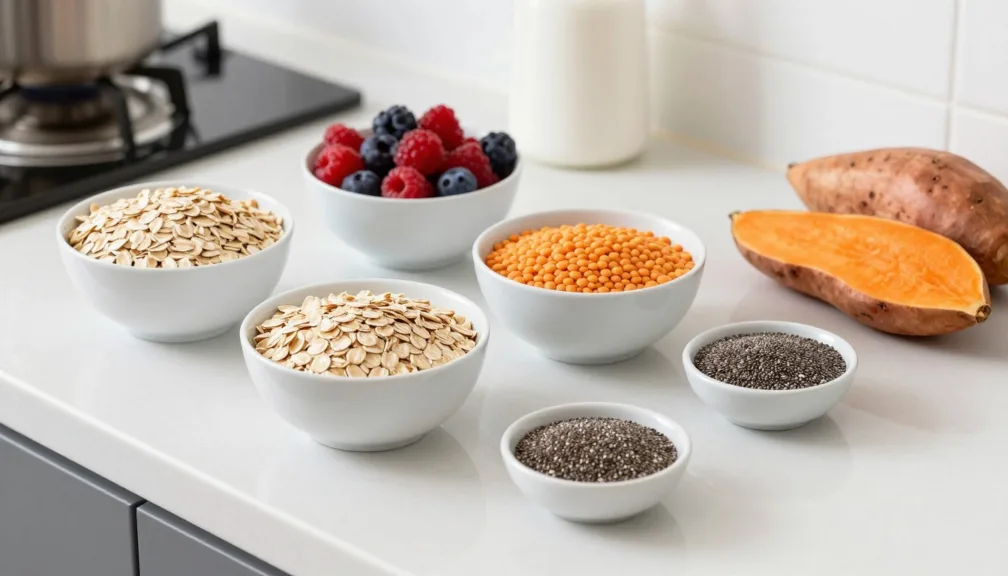
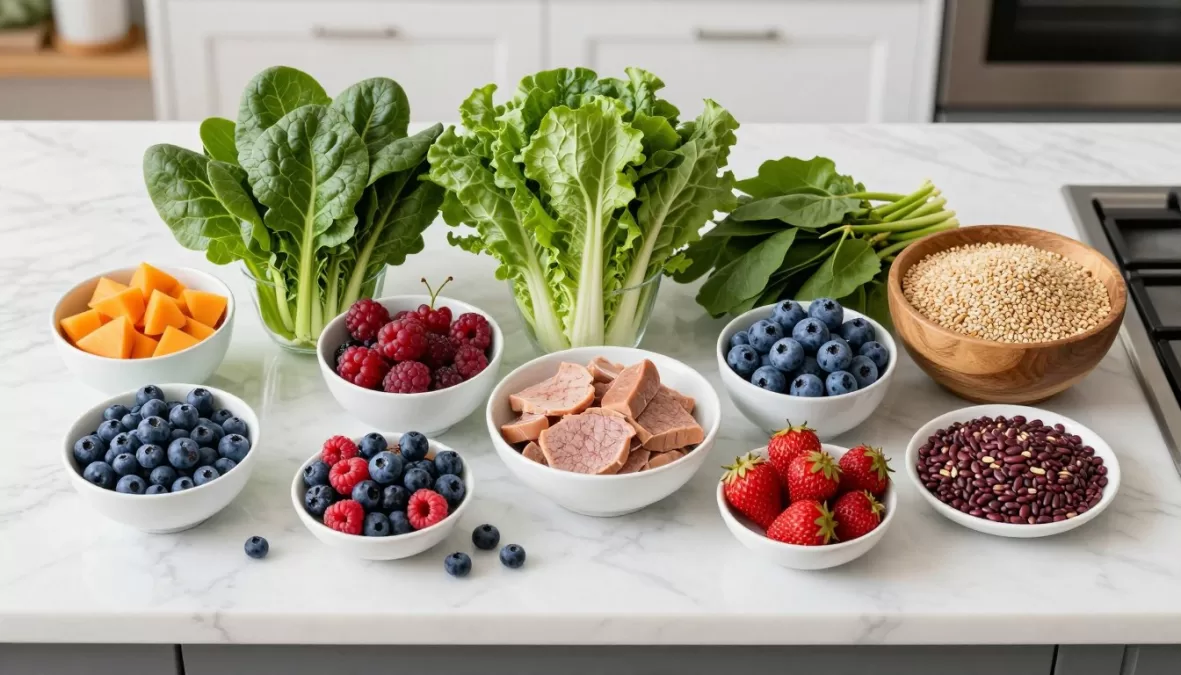
Choosing the right foods can transform your weight loss journey from a struggle into a sustainable lifestyle change. The healthiest foods for weight loss aren’t about deprivation or extreme dieting. They’re nutrient-dense options that keep you satisfied while supporting your body’s natural fat-burning processes.
This comprehensive guide explores ten powerhouse foods backed by nutrition science. Each food offers unique benefits that help you lose weight while maintaining energy and overall health. You’ll discover specific nutritional advantages, recommended serving sizes, and practical ways to incorporate these foods into your daily meals.
The path to successful weight loss starts with understanding which foods work with your body, not against it. Let’s explore the top choices that can help you achieve your goals.
Start Your Weight Loss Journey Today
Download our free 7-day meal plan featuring all these nutrient-dense foods. Get serving sizes, recipes, and shopping lists delivered straight to your inbox.
1. Leafy Green Vegetables: Nutrient Powerhouses with Minimal Calories
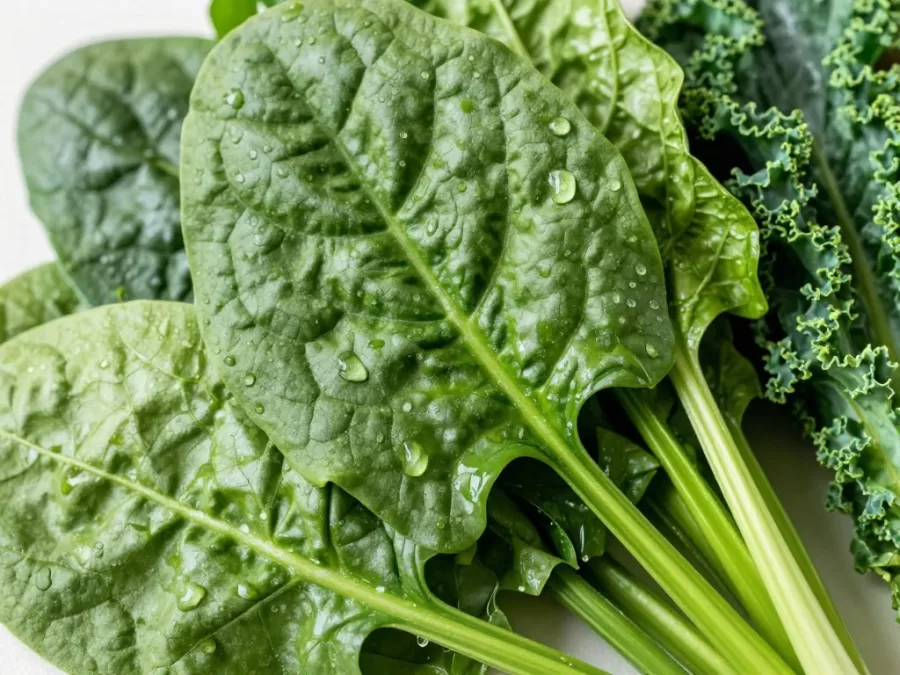
Leafy green vegetables like spinach, kale, and Swiss chard rank among the healthiest foods for weight loss. These nutrition champions provide massive volumes of food for very few calories. A full cup of raw spinach contains only seven calories but delivers significant amounts of vitamins and minerals.
The fiber content in leafy greens helps you feel full longer. This satiety effect reduces overall calorie intake throughout the day. Studies show that people who eat salads before meals consume fewer total calories during the meal.
Leafy greens also contain compounds called thylakoids. Research suggests these plant compounds may reduce hunger and support healthy eating patterns. The vitamin K in greens supports bone health, while vitamin C boosts immune function.
Nutritional Benefits That Support Weight Loss
- Extremely low calorie density allows larger portion sizes
- High fiber content promotes feelings of fullness
- Rich in vitamins A, C, and K for overall health
- Contains iron and calcium for energy and bone support
- Loaded with antioxidants that fight inflammation
Recommended Serving Sizes and Meal Ideas
Aim for at least two cups of raw leafy greens daily, or one cup cooked. This amount provides substantial nutrition without adding significant calories to your diet. Fresh greens work beautifully in various meal preparations.
Breakfast Options
Start your day with nutrient-dense green additions that boost metabolism and energy.
- Spinach and mushroom omelet with cheese
- Green smoothie with banana and yogurt
- Kale and sweet potato breakfast hash
Lunch Ideas
Incorporate greens into midday meals for sustained energy and appetite control.
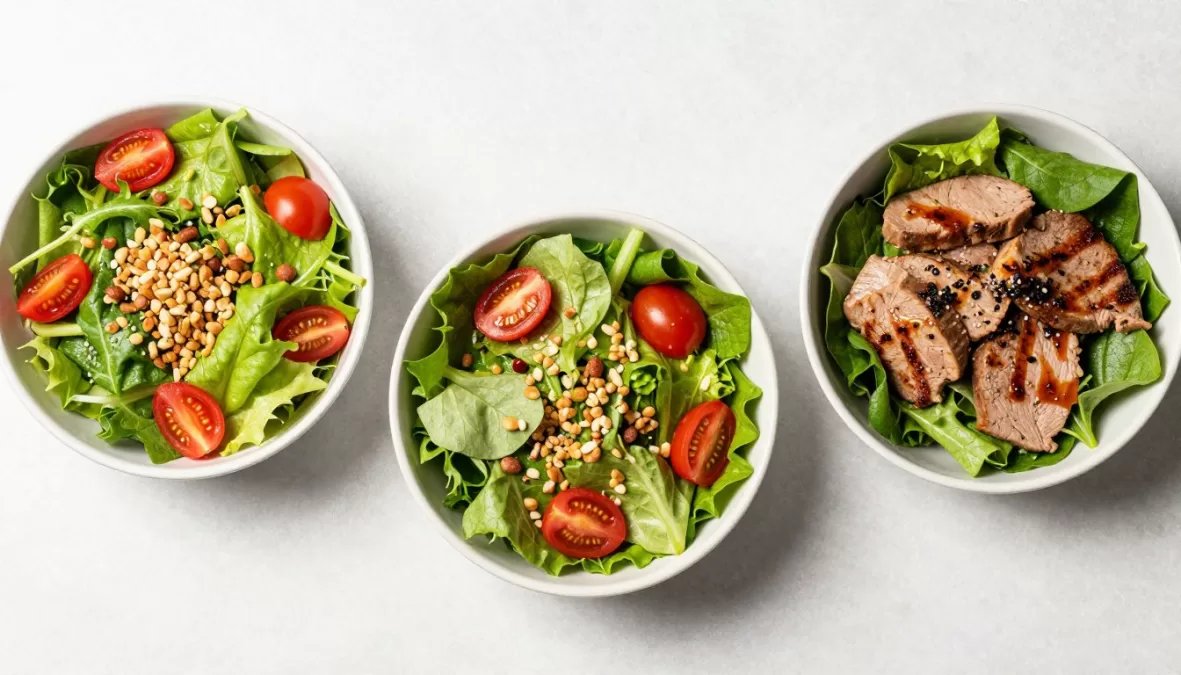
- Mixed green salad with grilled chicken
- Spinach and quinoa bowl with vegetables
- Swiss chard wraps with hummus filling
Dinner Recipes
End your day with satisfying meals that include generous portions of greens.
- Sautéed kale with garlic and olive oil
- Spinach-stuffed chicken breast
- Mixed greens stir-fry with tofu
Snack Suggestions
Keep hunger at bay between meals with green-based snacks.
- Kale chips baked with sea salt
- Spinach dip with vegetable sticks
- Green juice with cucumber and celery
2. Eggs: High Protein Breakfast Champions for Lasting Satisfaction
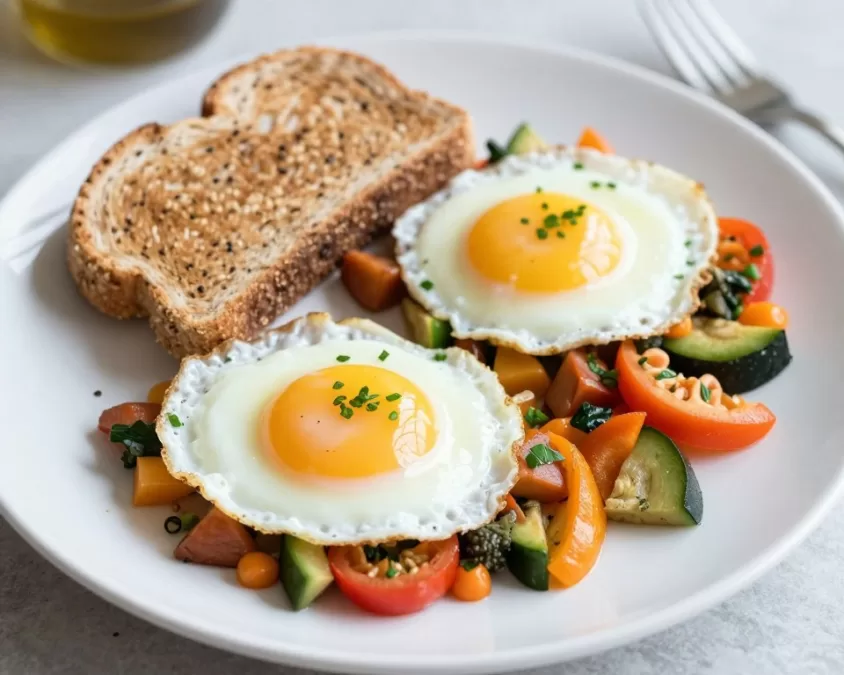
Eggs provide exceptional nutrition for weight loss goals. Each large egg contains about six grams of high-quality protein and only 70 calories. The protein in eggs includes all essential amino acids your body needs for optimal function.
Research shows that eating eggs for breakfast helps people consume fewer calories throughout the day. One study found that breakfast with eggs increased satiety and reduced calorie intake at lunch compared to a bagel breakfast with equal calories. The protein and fat content in eggs keeps you satisfied for hours.
How Eggs Support Your Weight Loss Journey
Eggs offer multiple mechanisms that support weight management. The high protein content increases metabolic rate temporarily through the thermic effect of food. Your body burns more calories digesting protein compared to carbohydrates or fats.
The vitamins and minerals in eggs support energy production and overall health during weight loss. Vitamin D helps regulate appetite hormones, while B vitamins support metabolism. Choline, found abundantly in eggs, aids fat metabolism and liver function.
Eggs also provide important nutrients often lacking in reduced-calorie diets. The nutrient density means you get maximum nutrition for minimal calories. This helps prevent the nutrient deficiencies that can derail weight loss efforts.
Quick Nutrition Facts
One large egg provides 6 grams protein, 5 grams fat, and essential vitamins including B12, riboflavin, and selenium. The yolk contains most nutrients despite concerns about cholesterol.
Practical Ways to Include Eggs Daily
Most health experts recommend one to three eggs per day as part of a balanced diet. This amount provides substantial protein without excessive calories. Cooking methods matter for keeping calorie content low.
- Hard-boiled eggs make convenient portable snacks
- Scrambled eggs with vegetables create filling breakfasts
- Poached eggs top salads for added protein
- Frittatas combine eggs with various vegetables
- Egg muffins prepare easily for weekly meal prep

3. Beans and Legumes: Fiber-Rich Foods That Keep You Full
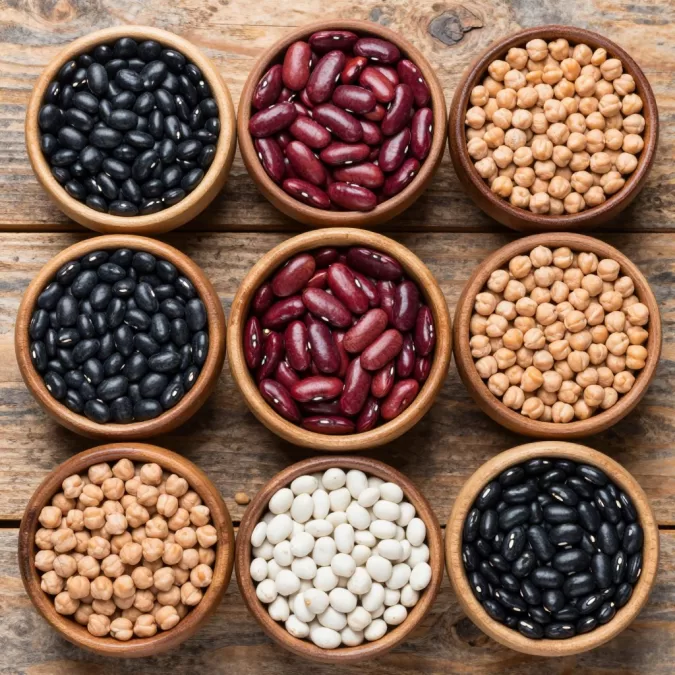
Beans and legumes deliver exceptional nutrition for people trying to lose weight. Black beans, kidney beans, lentils, and chickpeas provide protein and fiber in the same food. This combination creates powerful satiety that helps control appetite.
A half-cup serving of cooked beans contains about seven grams of protein and six to eight grams of fiber. The fiber content slows digestion, leading to gradual blood sugar increases rather than spikes. This steady energy release prevents the crashes that trigger hunger and cravings.
Nutritional Advantages for Weight Management
The resistant starch in beans provides unique benefits for weight loss. This type of starch resists digestion in the small intestine, feeding beneficial gut bacteria instead. Improved gut health associates with better weight management and reduced inflammation.
Beans contain minimal fat while providing substantial amounts of essential nutrients. Iron supports energy levels during calorie restriction. Folate aids cell function and metabolism. Magnesium helps regulate blood sugar levels.
Serving Suggestions and Portion Guidance
Include beans in your diet three to four times weekly for optimal benefits. Each serving should measure about one-half to three-quarters cup cooked. This amount provides filling nutrition without excessive calories.
Soup Additions
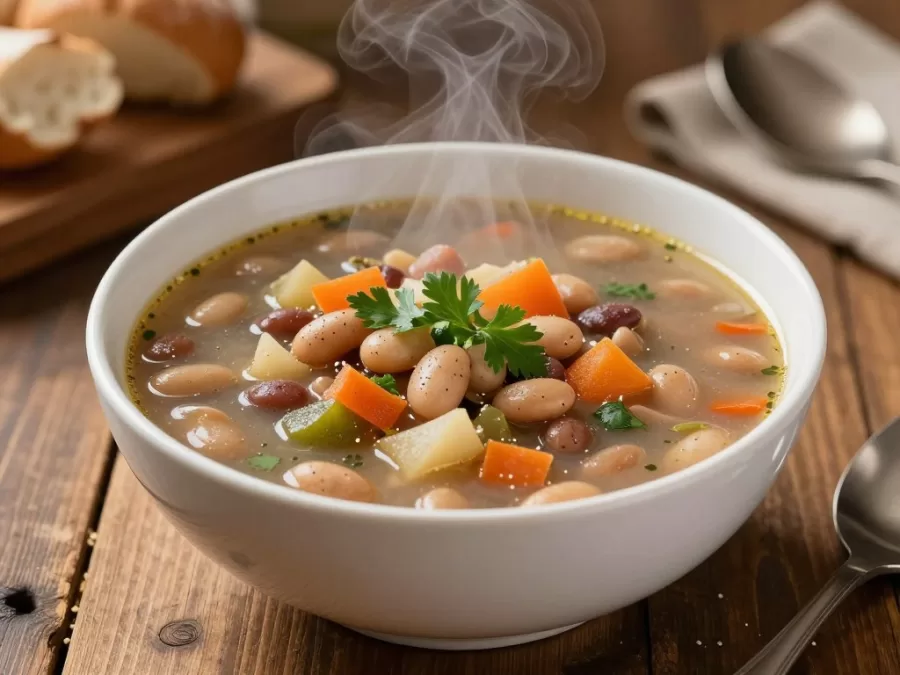
Add beans to vegetable soups for extra protein and fiber. This creates complete meals that satisfy hunger for hours.
Salad Toppings
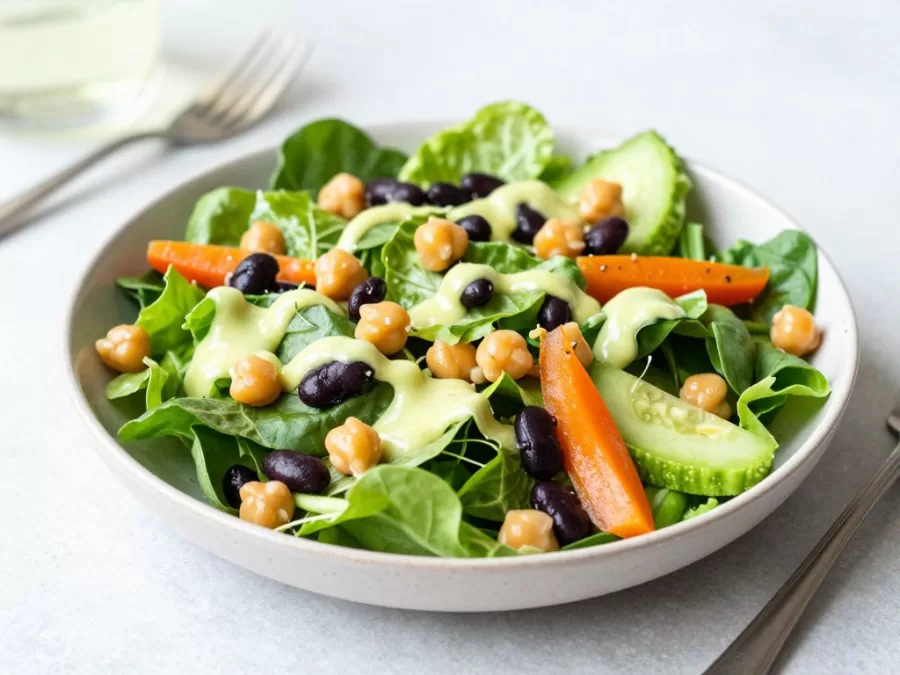
Sprinkle beans over salads to boost protein content. This transforms simple greens into satisfying complete meals.
Main Dishes
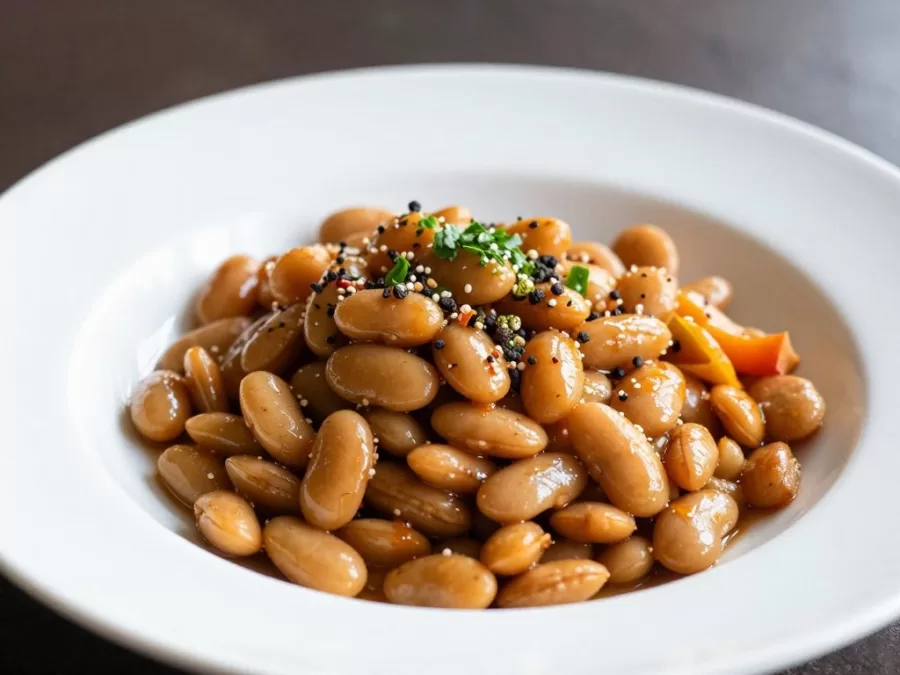
Use beans as the protein source in main dishes. They work perfectly in chili, tacos, and grain bowls.
4. Greek Yogurt: Probiotic Protein for Gut Health and Satiety
Greek yogurt stands out among dairy products for weight loss support. The straining process removes liquid whey, concentrating the protein content. A six-ounce cup of plain Greek yogurt provides approximately 15-20 grams of protein.
The high protein content in Greek yogurt increases satiety more effectively than regular yogurt. Studies show that people who eat Greek yogurt as a snack feel fuller and eat less at their next meal. The thick, creamy texture also provides sensory satisfaction that helps curb cravings.
Probiotic Benefits for Weight Management
Greek yogurt contains beneficial bacteria that support digestive health. These probiotics may influence weight through several mechanisms. Research suggests that certain probiotic strains help regulate appetite hormones and reduce inflammation.
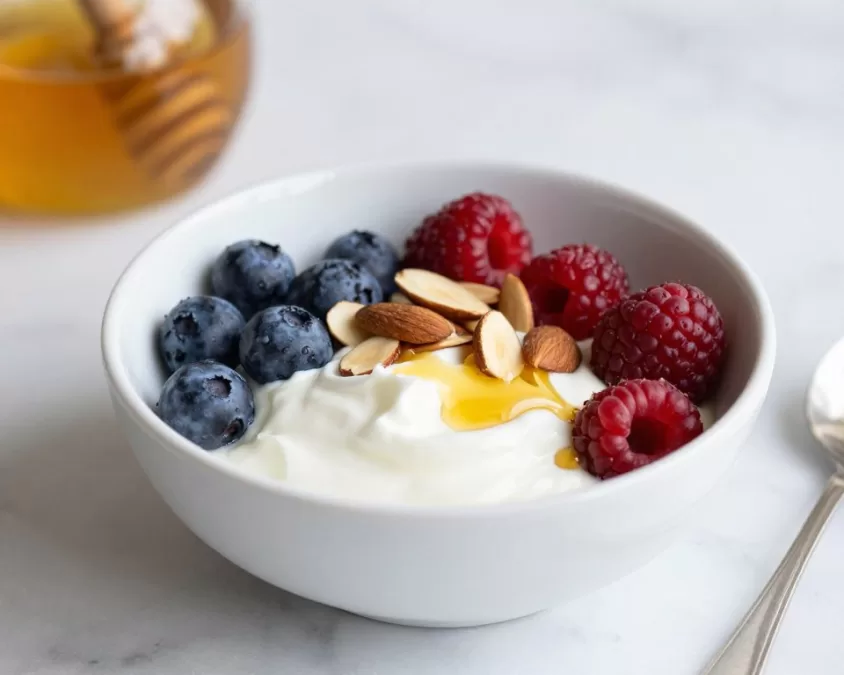
Choose plain Greek yogurt to avoid added sugars that increase calorie content. Sweeten naturally with fresh fruit or a small amount of honey. This approach gives you control over sugar intake while maximizing nutrition benefits.
Smart Serving Ideas Throughout the Day
Incorporate Greek yogurt into meals and snacks for versatile protein sources. One cup per day provides excellent nutrition without excessive calories. The versatility makes it easy to include regularly.
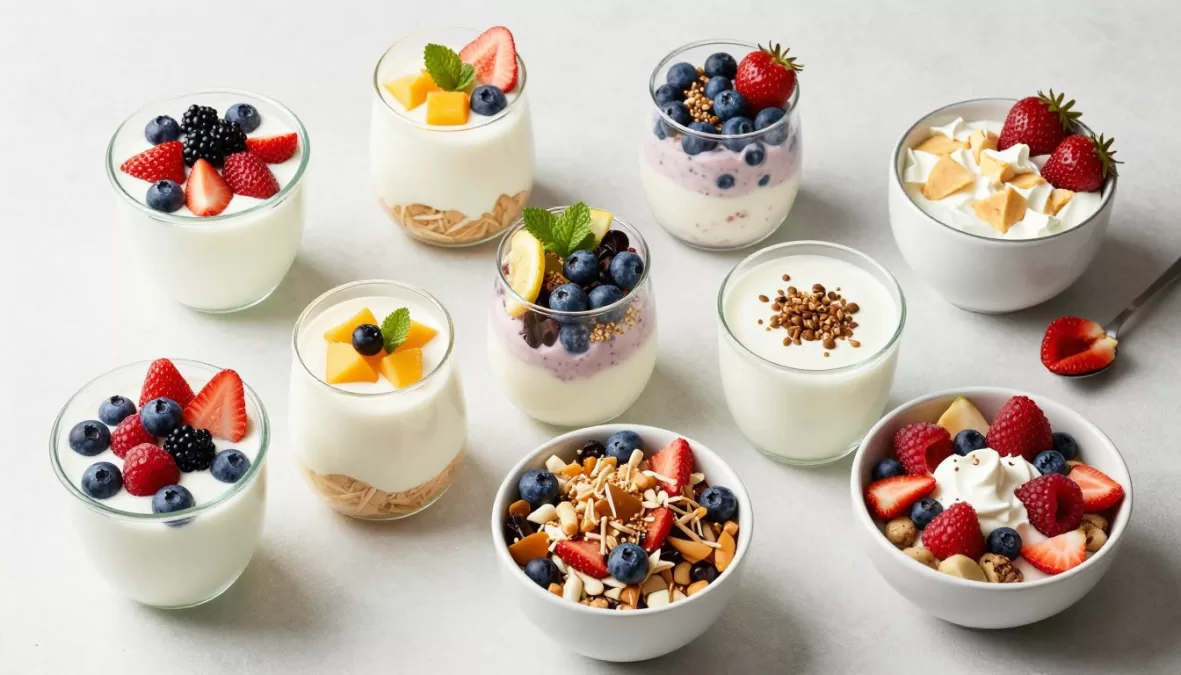
- Mix with berries and nuts for balanced breakfast parfaits
- Use as a base for smoothies instead of milk
- Replace sour cream in recipes to reduce calories and fat
- Combine with herbs for vegetable dip alternatives
- Freeze with fruit for healthy ice cream substitutes
Get Personalized Nutrition Guidance
Ready to create a customized meal plan with these weight loss foods? Book your free consultation with our certified nutrition experts and receive a personalized strategy for your goals.
5. Berries: Low-Calorie Fruits Packed with Antioxidants
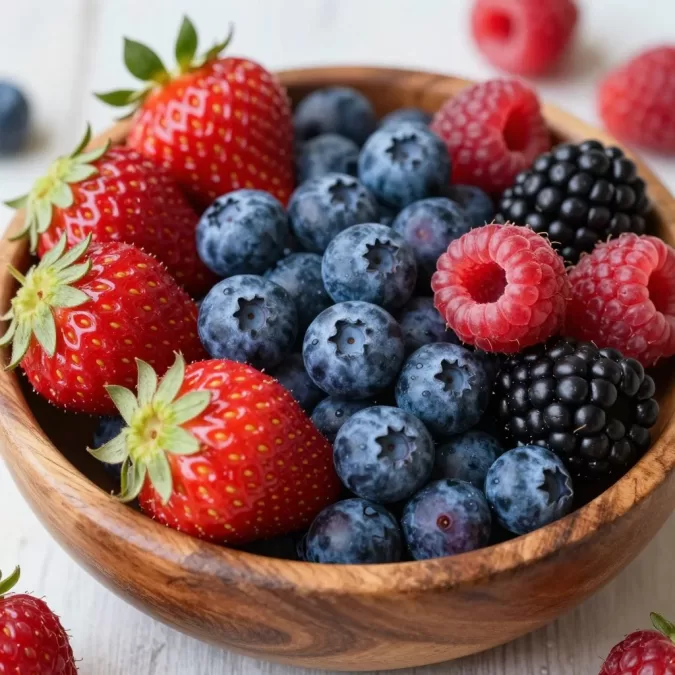
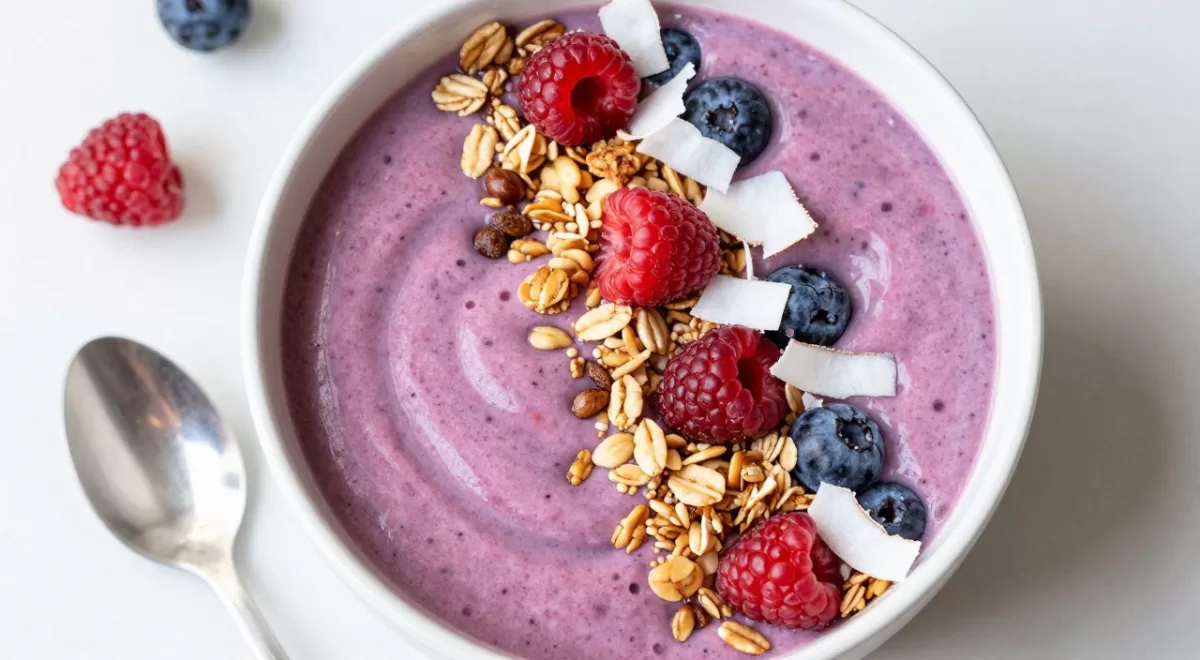
Berries offer the perfect combination for weight loss: sweet flavor, low calories, and high fiber. Strawberries, blueberries, raspberries, and blackberries all provide substantial nutrition with minimal calorie impact. One cup of strawberries contains only 50 calories while delivering three grams of fiber.
The fiber in berries slows sugar absorption, preventing blood sugar spikes that lead to increased hunger. This makes berries superior to many other fruits for weight management. The natural sweetness satisfies cravings for sugary foods without derailing your progress.
Antioxidant Power for Health and Weight Loss
Berries contain exceptional amounts of antioxidants, particularly anthocyanins. These compounds give berries their vibrant colors while providing health benefits. Research shows that anthocyanins may help regulate genes involved in fat metabolism.
The vitamin C content in berries supports immune function during weight loss. One cup of strawberries provides more than the daily recommended amount of vitamin C. This nutrient also aids collagen production and iron absorption.
Optimal Serving Sizes for Weight Loss
Include one to two cups of berries daily as part of your weight loss plan. This amount provides substantial fiber and nutrients while keeping calories reasonable. Fresh or frozen berries work equally well for nutrition purposes.
Fresh Berry Options
- Add berries to morning oatmeal or yogurt
- Blend into smoothies for natural sweetness
- Top salads with strawberries or blueberries
- Eat as standalone snacks between meals
- Mix into cottage cheese for protein-rich snacks
Frozen Berry Uses
- Keep frozen berries for year-round availability
- Use in smoothies without added ice
- Warm for homemade fruit compotes
- Add to baked goods for natural flavor
- Create sugar-free frozen desserts
6. Chicken Breast: Lean High-Protein Choice for Muscle Maintenance
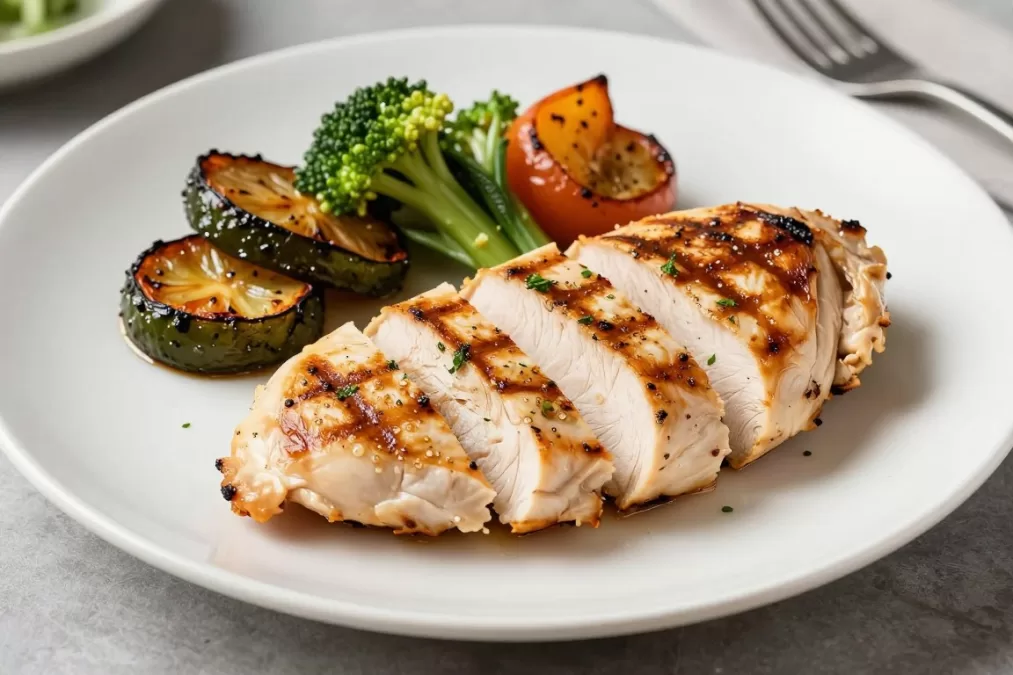
Chicken breast ranks as one of the leanest protein sources available. A three-ounce serving provides about 26 grams of protein with only 140 calories. This exceptional protein-to-calorie ratio makes chicken breast ideal for weight loss while preserving muscle mass.
Maintaining muscle during weight loss helps keep your metabolism elevated. Muscle tissue burns more calories at rest compared to fat tissue. The high protein content in chicken breast supports muscle preservation even when overall calories are reduced.
Protein Benefits for Weight Management
Protein from chicken breast increases satiety more effectively than carbohydrates or fats. The amino acids in chicken also support various body functions during calorie restriction. Your body uses these building blocks for hormone production, immune function, and tissue repair.
Chicken breast provides essential B vitamins that support energy metabolism. Niacin helps convert food into usable energy. Vitamin B6 aids protein metabolism and neurotransmitter production. Selenium acts as an antioxidant protecting cells from damage.
Cooking Tip
Remove skin before cooking to reduce fat and calorie content. Use cooking methods like grilling, baking, or poaching instead of frying for healthiest preparations.
Recommended Portions and Preparations
Plan for three to four ounces of cooked chicken breast per meal. This amount provides adequate protein without excessive calories. Cooking methods significantly impact the final calorie count.
- Grill chicken with herbs and lemon for flavor without added calories
- Bake chicken breasts with vegetables for easy one-pan meals
- Poach chicken in broth for tender, moist results
- Slice grilled chicken over salads for protein-rich lunches
- Prepare chicken in slow cookers for meal prep convenience
7. Whole Grains: Complex Carbohydrates for Sustained Energy
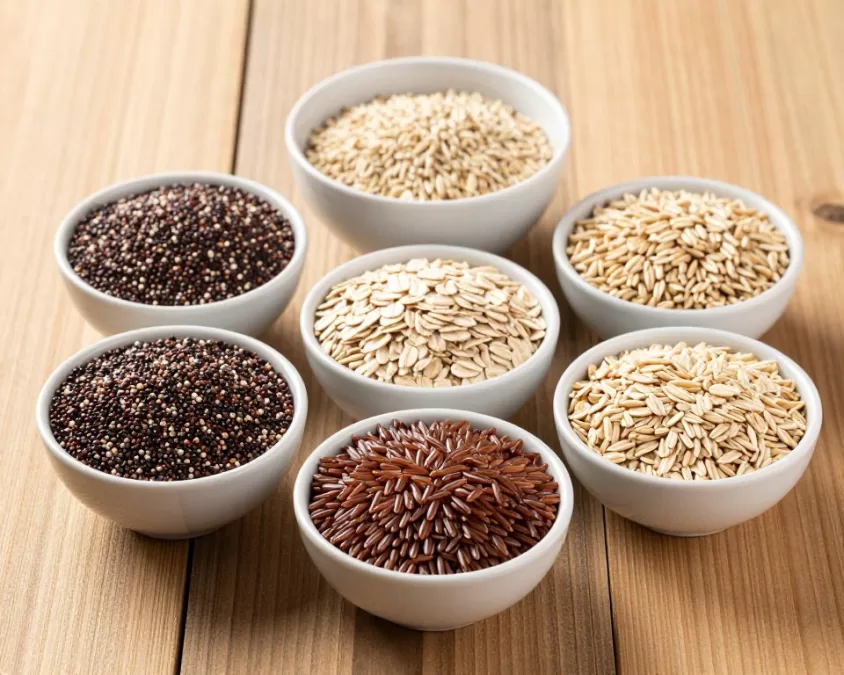
Whole grains provide essential nutrition often missing from restrictive diets. Options like quinoa, brown rice, and oats contain the entire grain kernel. This includes the fiber-rich bran, nutrient-packed germ, and starchy endosperm.
The fiber in whole grains slows digestion and helps you feel full longer. One cup of cooked quinoa provides five grams of fiber and eight grams of protein. This combination supports stable blood sugar levels and sustained energy throughout the day.
Why Whole Grains Support Weight Loss
Research shows that people who eat whole grains tend to weigh less than those who primarily eat refined grains. The fiber content increases satiety while supporting digestive health. Whole grains also provide more vitamins and minerals compared to refined versions.
The B vitamins in whole grains support energy metabolism. Magnesium helps regulate blood sugar and supports muscle function. Iron prevents fatigue by supporting healthy blood oxygen levels.
Whole grains contain resistant starch that feeds beneficial gut bacteria. This supports healthy digestion and may influence weight through improved gut health. The slower digestion also prevents rapid blood sugar changes.
Serving Recommendations for Weight Loss
Include one to two servings of whole grains daily. Each serving equals about one-half cup cooked grains. This provides beneficial fiber and nutrients while managing calorie intake appropriately.
Quinoa Bowls
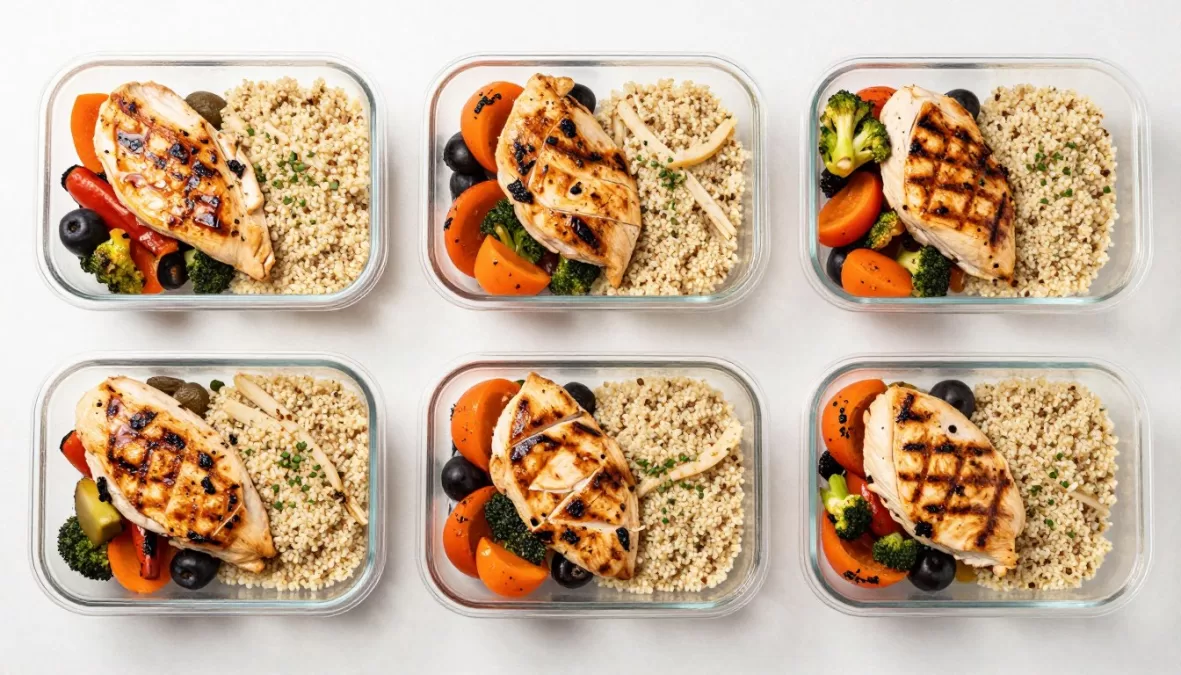
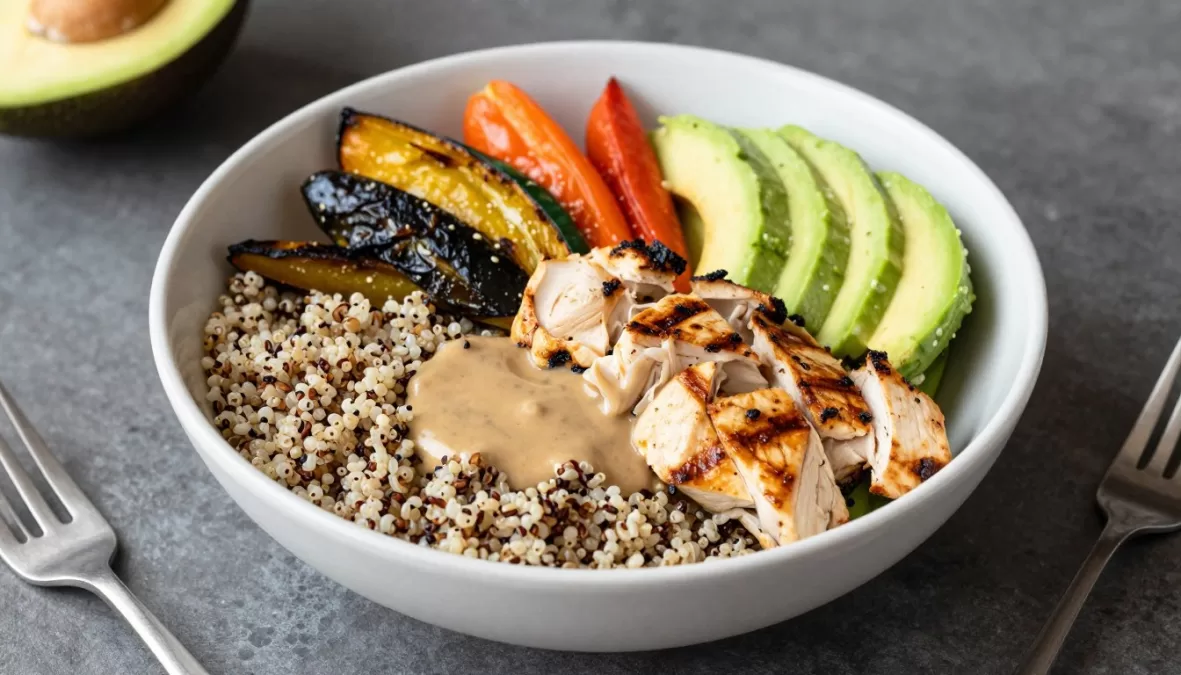
Create balanced meals with quinoa as the base. Top with vegetables, lean protein, and healthy fats for complete nutrition in one bowl.
Oatmeal Breakfasts
Start mornings with steel-cut or rolled oats. Add fruit, nuts, and cinnamon for flavor without excessive sugar or calories.
Brown Rice Sides
Use brown rice as a nutritious side dish. The nutty flavor pairs well with vegetables and lean proteins for balanced meals.
8. Nuts: Healthy Fats and Protein for Snacking Success
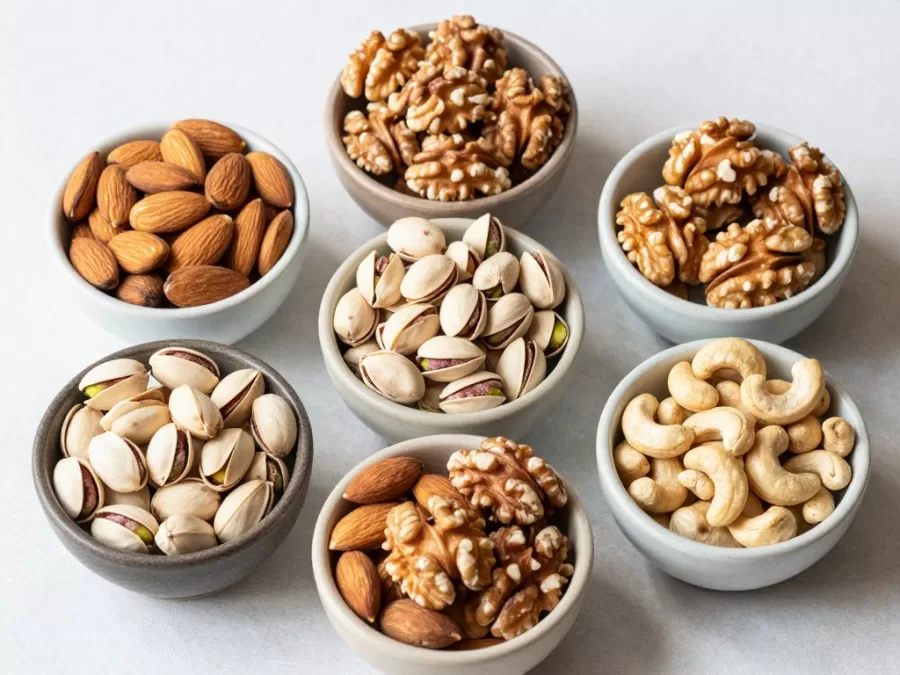
Nuts provide concentrated nutrition in small packages. Almonds, walnuts, and pistachios offer healthy fats, protein, and fiber. Despite their calorie density, research shows that people who regularly eat nuts tend to maintain healthier body weights.
The combination of protein, fiber, and fat in nuts creates powerful satiety. A one-ounce serving of almonds contains six grams of protein, three grams of fiber, and 14 grams of mostly unsaturated fat. This nutrient profile helps control hunger between meals.
Nutritional Benefits Despite Calorie Density
The fats in nuts are primarily monounsaturated and polyunsaturated types that support heart health. These healthy fats help absorb fat-soluble vitamins from other foods. Research also suggests that not all calories from nuts are absorbed during digestion.
Nuts provide important minerals often lacking in weight loss diets. Magnesium supports hundreds of bodily functions including metabolism. Zinc aids immune function and wound healing. Vitamin E acts as an antioxidant protecting cells.
Portion Control Strategies for Nuts
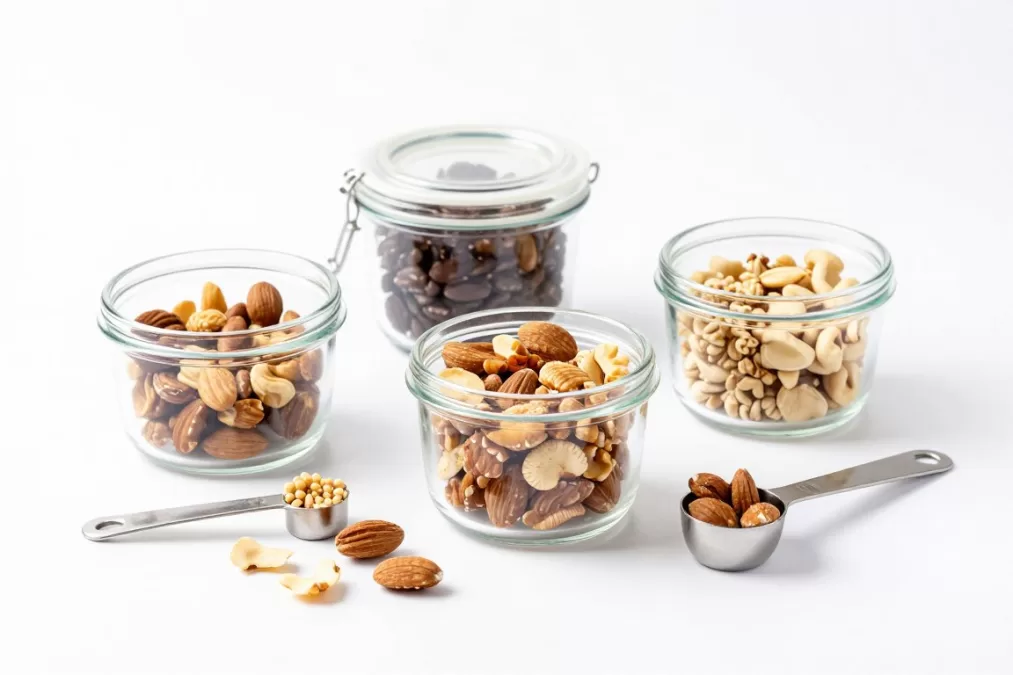
Limit nut portions to one ounce daily, approximately a small handful or quarter cup. This amount provides beneficial nutrients while keeping calories reasonable. Pre-portioning nuts helps prevent overeating.
- Measure portions into small containers for grab-and-go snacks
- Choose raw or dry-roasted nuts over oil-roasted varieties
- Add crushed nuts to yogurt or oatmeal for texture
- Use nut butter in measured amounts on fruit or whole grain toast
- Include nuts in salads for added protein and crunch
9. Fatty Fish: Omega-3 Rich Protein for Heart and Weight Health
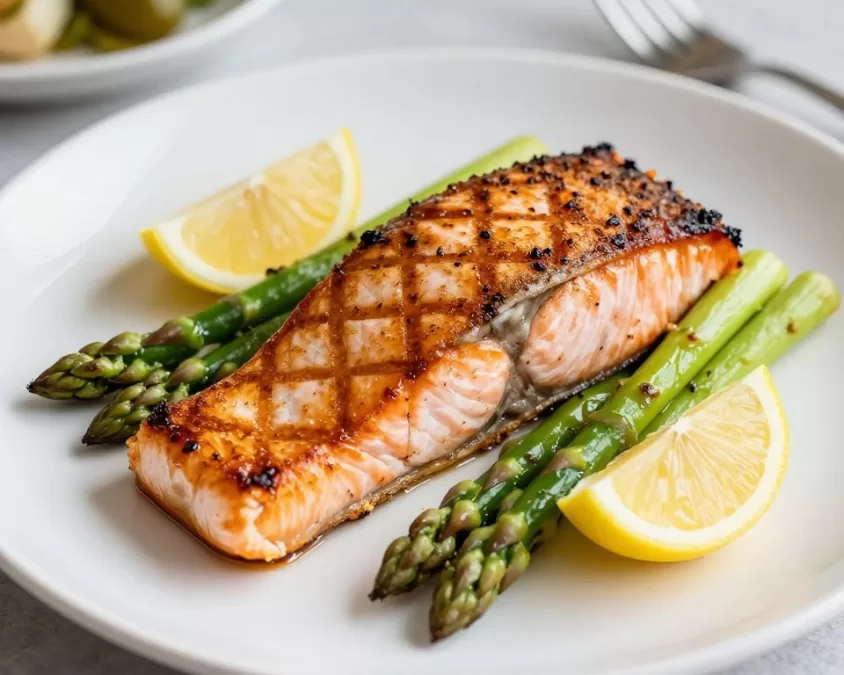
Fatty fish like salmon, mackerel, and sardines provide exceptional nutrition for weight loss. These fish offer high-quality protein along with omega-3 fatty acids. A three-ounce serving of salmon contains 17 grams of protein and beneficial EPA and DHA omega-3s.
The protein in fish supports muscle maintenance during weight loss. The omega-3 fatty acids provide unique benefits beyond basic nutrition. Research shows these fats may help reduce inflammation and support healthy metabolic function.
Omega-3 Benefits for Weight Management
Omega-3 fatty acids from fish may influence weight through several mechanisms. These fats help regulate appetite hormones and may improve insulin sensitivity. Better insulin function supports stable blood sugar levels and reduced fat storage.
Choose wild-caught fish when possible for higher omega-3 content and fewer contaminants. Canned salmon and sardines offer budget-friendly options that maintain nutritional value. The bones in canned fish provide additional calcium.
How to Include Fish Regularly
Aim for two to three servings of fatty fish weekly. Each serving should measure three to four ounces cooked. This frequency provides optimal omega-3 benefits while maintaining dietary variety.
Simple Preparation Methods
- Bake salmon with herbs and lemon juice
- Grill mackerel with olive oil and garlic
- Add canned sardines to salads
- Make fish tacos with cabbage slaw
- Poach fish in vegetable broth
Meal Planning Tips
- Buy frozen fish for convenience and affordability
- Cook extra portions for leftovers
- Use canned options for quick meals
- Try different fish varieties for variety
- Pair fish with non-starchy vegetables

10. Cruciferous Vegetables: High-Fiber, Low-Calorie Nutrient Bombs
Cruciferous vegetables include broccoli, cauliflower, Brussels sprouts, and cabbage. These vegetables provide impressive amounts of fiber and nutrients with minimal calories. One cup of cooked broccoli contains only 55 calories but delivers five grams of fiber.
The fiber content creates substantial volume that fills your stomach. This physical fullness triggers satiety signals that help you eat less overall. The low calorie density means you can eat large portions without consuming excessive calories.
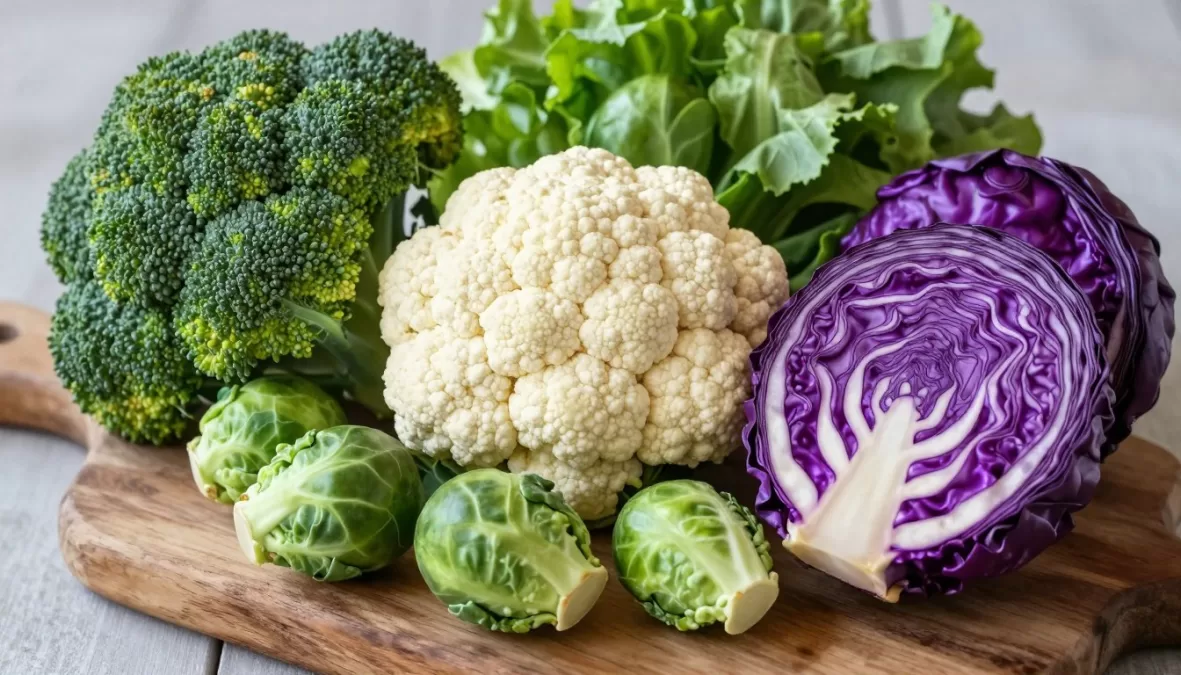
Unique Nutritional Compounds for Health
Cruciferous vegetables contain special compounds called glucosinolates. When you chop or chew these vegetables, glucosinolates convert to active compounds with potential health benefits. Research suggests these compounds may support detoxification processes.
These vegetables provide exceptional amounts of vitamin C and vitamin K. Vitamin C supports immune function and acts as an antioxidant. Vitamin K plays crucial roles in blood clotting and bone health. The folate in cruciferous vegetables supports cell division and DNA synthesis.
The water content in these vegetables also contributes to their weight loss benefits. High water content increases volume without adding calories. This helps you feel physically full while keeping energy intake appropriate for weight loss.
Cooking Tip
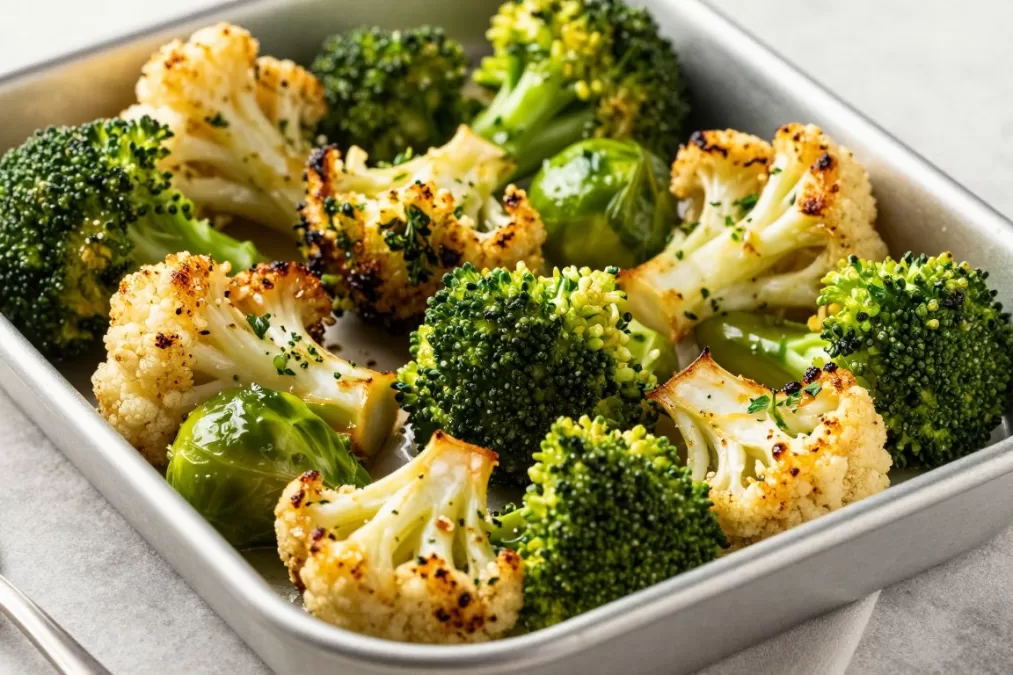
Light steaming preserves nutrients better than boiling. Roasting brings out natural sweetness and creates appealing textures without added fats.
Serving Ideas and Portion Guidance
Include cruciferous vegetables in meals at least four times weekly. Aim for one to two cups per serving. The low calorie content means larger portions work perfectly for weight loss.
- Roast cauliflower florets with olive oil and spices for crispy sides
- Add raw cabbage to salads for crunch and nutrition
- Steam broccoli and top with lemon juice and garlic
- Shred Brussels sprouts into stir-fries for quick cooking
- Make cauliflower rice as a low-calorie grain substitute
- Blend cooked cauliflower into soups for creamy texture
Building Your Sustainable Weight Loss Eating Plan
Creating a lasting weight loss plan requires more than knowing which foods to eat. Success comes from developing sustainable habits that fit your lifestyle. These ten healthiest foods for weight loss provide the foundation, but implementation determines results.
Practical Tips for Long-Term Success
Start by incorporating two or three of these foods into your current diet. Gradual changes stick better than dramatic overhauls. Once those foods become routine, add others from the list. This approach prevents overwhelm and builds confidence.
Planning Strategies
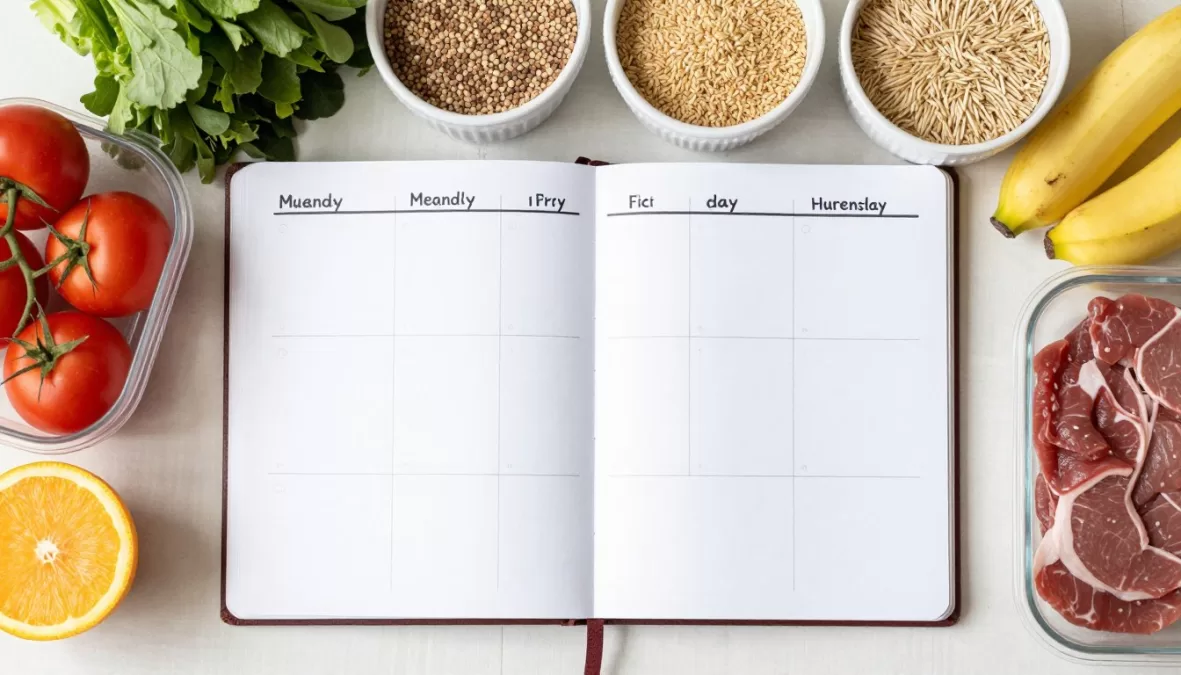
- Prepare weekly meal plans featuring these foods
- Shop with detailed lists to avoid impulse purchases
- Batch cook proteins and grains for busy weekdays
- Pre-cut vegetables for quick meal assembly
- Keep healthy snacks portioned and ready
Consistency Tips
- Schedule regular meal times to establish routine
- Track portions initially to learn appropriate sizes
- Stay hydrated with water throughout the day
- Allow flexibility for social occasions
- Focus on progress rather than perfection
Combining Foods for Maximum Benefits
The magic happens when you combine these foods strategically. Pairing protein with fiber creates meals that satisfy hunger for hours. Adding healthy fats from nuts or fish enhances nutrient absorption and increases satisfaction.
Balanced Breakfast
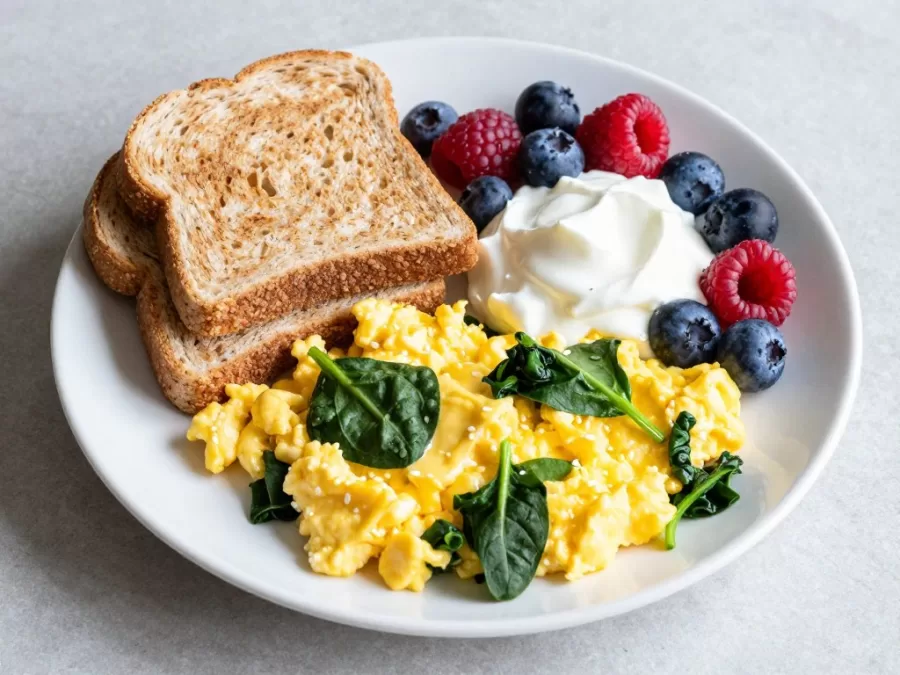
Combine eggs with leafy greens and berries. Add whole grain toast for complete nutrition that sustains energy until lunch.
Satisfying Lunch
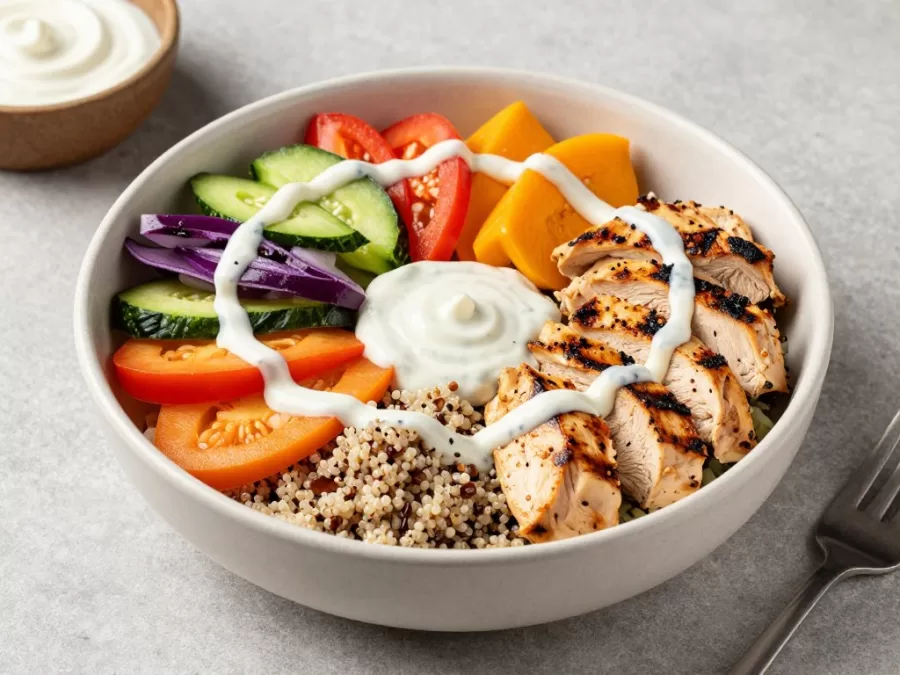
Build bowls with whole grains, lean protein, and cruciferous vegetables. Top with nuts for healthy fats and extra satisfaction.
Nourishing Dinner
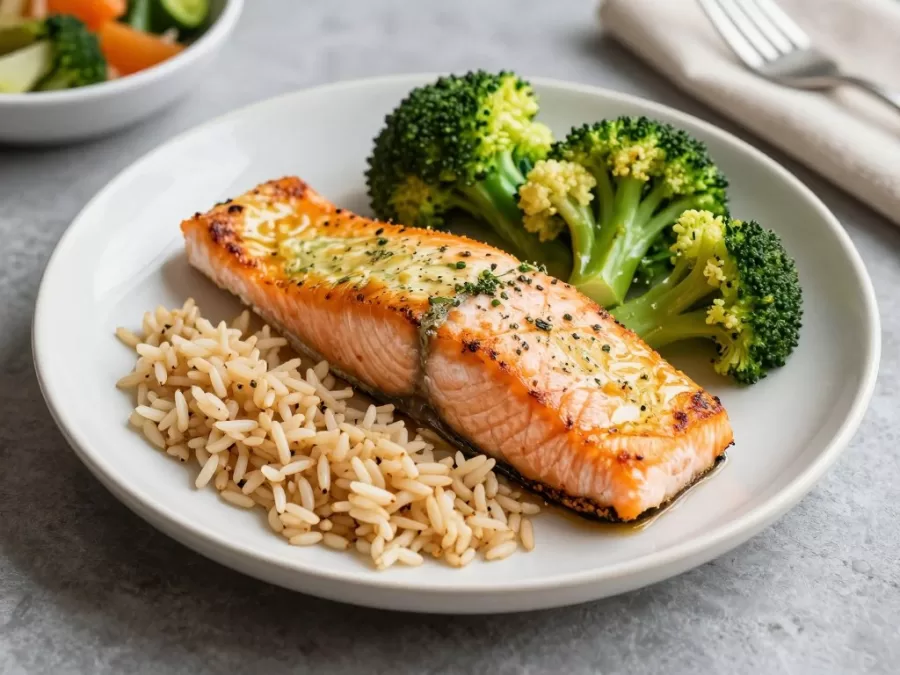
Pair fatty fish with cruciferous vegetables and a small portion of brown rice. This combination provides omega-3s, fiber, and complex carbohydrates.
Avoiding Common Pitfalls
Many people start strong but struggle to maintain momentum. Understanding common challenges helps you prepare solutions before problems arise. The most successful weight loss journeys anticipate obstacles.
Watch Out For These Mistakes
Avoid restricting calories too severely. Extreme restriction triggers intense hunger and slows metabolism. These healthiest foods for weight loss work best when you eat adequate amounts rather than minimal portions. Focus on nutrient quality while maintaining reasonable calorie levels.
- Don’t eliminate entire food groups unnecessarily
- Avoid relying on willpower alone without environmental changes
- Don’t expect linear progress every single week
- Avoid comparing your journey to others’ results
- Don’t let one imperfect meal derail your entire plan
Monitoring Progress Beyond the Scale
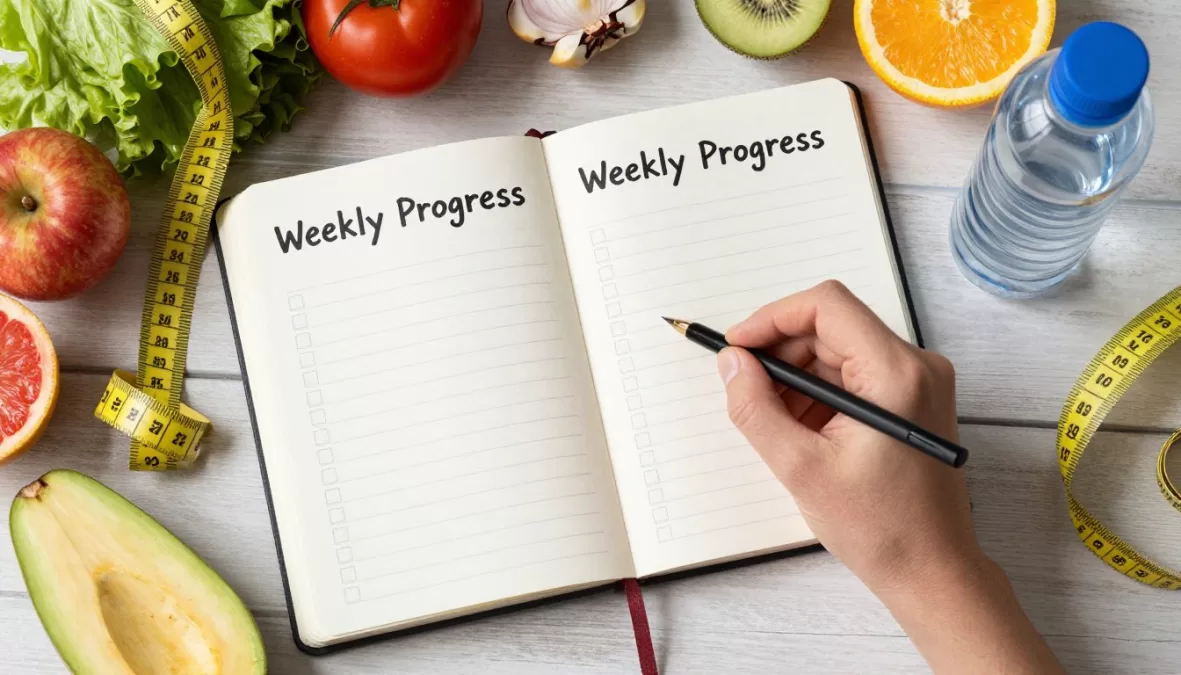
Weight represents just one measure of success. Other indicators often show progress before scale numbers change. Energy levels, sleep quality, mood stability, and physical fitness all improve with better nutrition.
Notice how clothes fit rather than obsessing over daily weight fluctuations. Body composition changes often occur before significant weight loss appears. Increased muscle from adequate protein may temporarily mask fat loss on the scale.
Track non-scale victories like improved stamina, clearer thinking, or better digestion. These benefits reflect the powerful impact of nutrient-dense foods on overall health. Celebrating these wins maintains motivation during plateaus.
Adjusting Your Plan Over Time
Your nutritional needs change as your body changes. Initial strategies that create weight loss may need modification as you progress. Metabolism adapts to reduced calorie intake and lower body weight over time.
Periodically reassess portion sizes and total calorie intake. As you lose weight, your body requires fewer calories for basic functions. Small adjustments keep progress moving without requiring dramatic changes. Adding variety prevents boredom while maintaining nutritional quality.
Consider working with a registered dietitian for personalized guidance. Professional support helps optimize your plan based on individual factors like activity level, health conditions, and specific goals. Expert advice accelerates results while ensuring nutritional adequacy.
Your Path Forward with the Healthiest Foods for Weight Loss
These ten healthiest foods for weight loss provide powerful tools for achieving your goals. Leafy greens, eggs, beans, Greek yogurt, berries, chicken breast, whole grains, nuts, fatty fish, and cruciferous vegetables each contribute unique benefits. Together, they create a comprehensive nutrition strategy.
The key to success lies in consistent implementation rather than perfect execution. Start incorporating these foods gradually into meals you already enjoy. Small, sustainable changes compound over time into significant results. Focus on adding nutrient-dense options rather than only restricting foods.
Remember that weight loss represents a journey with natural ups and downs. The healthiest foods for weight loss support your body during this process. They provide essential nutrients that maintain energy, preserve muscle, and support overall health while you reduce body fat.
Your success depends on finding an approach that works for your unique lifestyle. These foods offer flexibility for various eating patterns and preferences. Whether you prefer simple meals or elaborate cooking, you can create satisfying dishes featuring these nutritious options.
Take the first step today by choosing one or two foods from this list. Plan meals for the coming week that include these selections. Stock your kitchen with these healthiest foods for weight loss. Each small action moves you closer to your goals.
Take the Next Step in Your Weight Loss Journey
You’ve learned about the healthiest foods for weight loss. Now it’s time to put this knowledge into action with expert support and proven resources.
Prefer to speak with a nutrition expert? Call us today:

Priyanka Pandey
Senior Research Editor · Top10Sense
Priyanka specializes in tech, consumer products, and digital trends. She combines hands-on testing, vendor interviews, and database research to create trustworthy “Top 10” rankings. Her work has been referenced by industry blogs and brand report pages.