

Choosing the right electric car for your family represents a significant decision. Australian families now have more electric vehicle options than ever before. The electric cars market has expanded dramatically over recent years.
This comprehensive guide examines the top 10 electric cars in Australia for families. We evaluate each model based on crucial factors that matter most to parents. Safety features, interior space, driving range, and value all play important roles.
The Australian market for electric vehicles continues to grow rapidly. More manufacturers now offer family-friendly models with practical features. These cars combine environmental benefits with the space and comfort families need.
Electric cars offer several advantages for family use. Lower running costs reduce household expenses significantly. Quieter cabins create more pleasant environments for children. Instant torque provides safer overtaking on highways.
Our experts have tested each vehicle extensively. We focus on real-world family scenarios and Australian driving conditions. This guide helps you make an informed choice for your family’s needs.
What Makes an Electric Vehicle Family-Friendly?
Several key factors determine whether an electric car suits family life. Understanding these elements helps narrow down your options effectively. Not all electric vehicles work equally well for families with children.
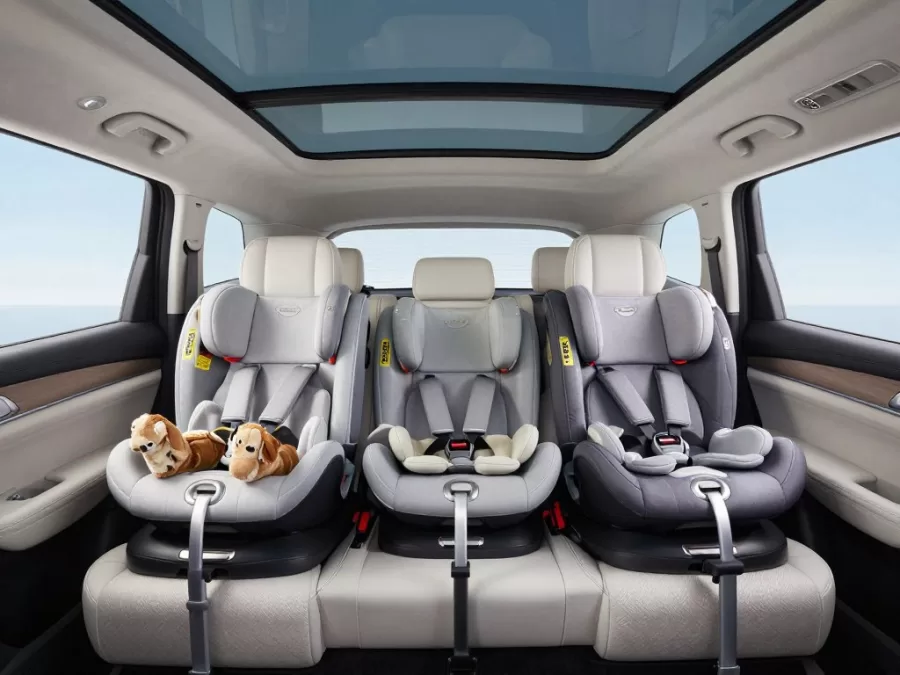
Space and Seating Configuration
Interior space ranks as the top priority for most families. Growing children need room for car seats and boosters. Teenagers require adequate legroom for comfort on longer trips.
Many electric SUVs provide three-row seating options. The third row access varies significantly between models. Some designs make it easier to reach rear seats than others.
Cargo capacity matters equally for family adventures. Weekend sports equipment and holiday luggage require substantial space. The best family electric cars balance passenger room with storage needs.
Safety Features and Ratings
Advanced safety technology protects your most precious cargo. Modern electric vehicles typically include comprehensive safety systems. These features often exceed what traditional cars offer.
Active Safety Systems
- Autonomous emergency braking
- Blind spot monitoring
- Lane keeping assistance
- Adaptive cruise control
- Rear cross-traffic alert
Passive Safety Features
- Multiple airbags throughout cabin
- ISOFIX child seat anchors
- Reinforced battery protection
- Crumple zones optimized for EV weight
- Stability control systems
Range and Charging Practicality
Real-world driving range affects daily usability significantly. School runs, activities, and shopping trips accumulate kilometers quickly. Families need sufficient range between charging sessions.
Most modern electric cars provide adequate range for typical family routines. Highway driving at Australian speed limits consumes more battery power. Understanding your family’s driving patterns helps evaluate range requirements.
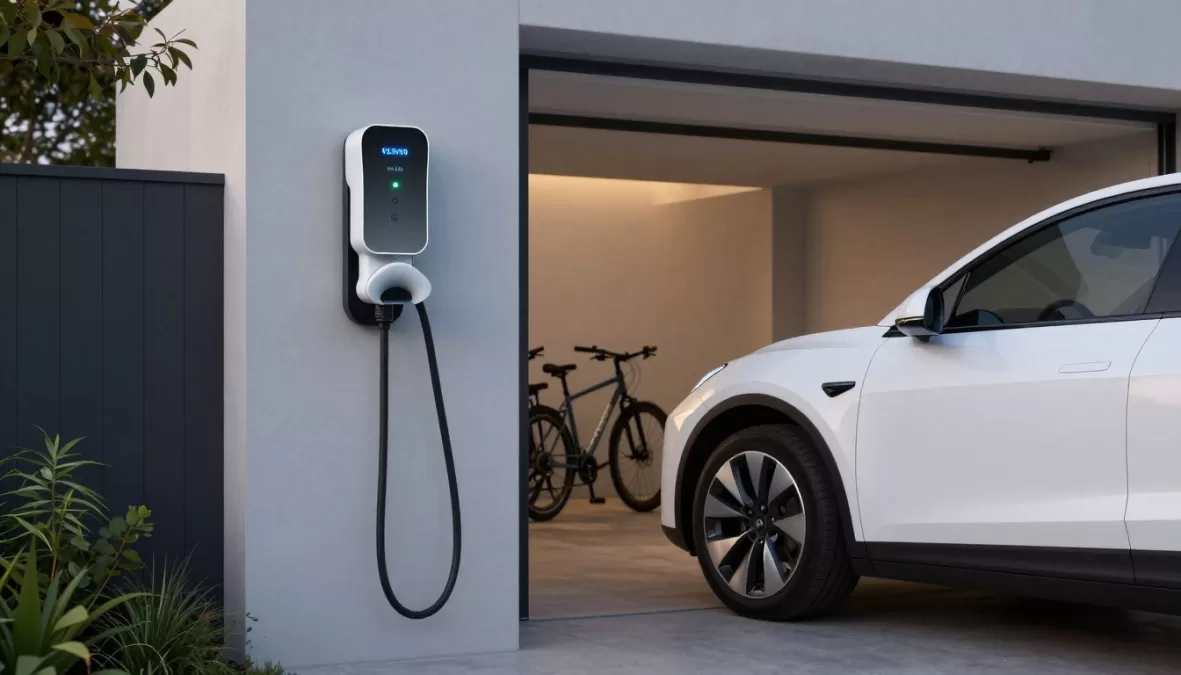
Home charging capability simplifies ownership considerably. Starting each day with a full battery eliminates most charging concerns. Public charging infrastructure continues improving across Australian cities and highways.
Running Costs and Value
Electric vehicles typically cost less to operate than petrol cars. Electricity prices remain lower than fuel costs per kilometer. Maintenance requirements also decrease without engine oil changes.
The fringe benefits tax exemption makes salary sacrifice arrangements attractive. Many families reduce their vehicle costs through workplace schemes. Government incentives vary by state across Australia.
1. Kia EV9 – Best Overall Electric SUV for Families
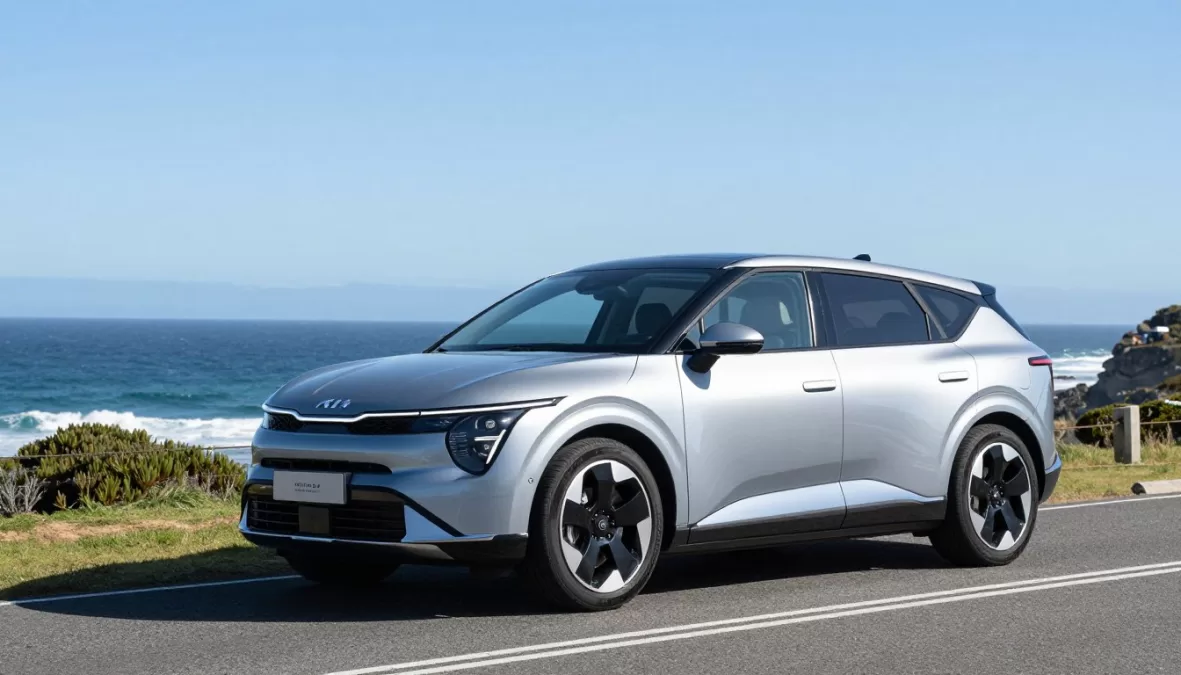
The Kia EV9 establishes new standards for family electric vehicles in Australia. This impressive electric SUV combines spacious three-row seating with cutting-edge technology. The model arrived in the Australian market with considerable anticipation.
Key Specifications
- Price Range: $98,000 – $115,000 AUD
- Driving Range: Up to 505 km (WLTP)
- Battery Capacity: 99.8 kWh
- Seating: 6 or 7 seats
- Cargo Space: 333L (all seats up)
Family-Friendly Features
The Kia EV9 offers exceptional versatility for growing families. Second-row captain’s chairs in six-seat configuration provide ultimate comfort. Children enjoy individual space without typical sibling disputes.
Access to the third row remains remarkably easy compared to competitors. The second-row seats slide forward with one-touch operation. Adults can actually fit in the third row for shorter journeys.
Technology and Entertainment
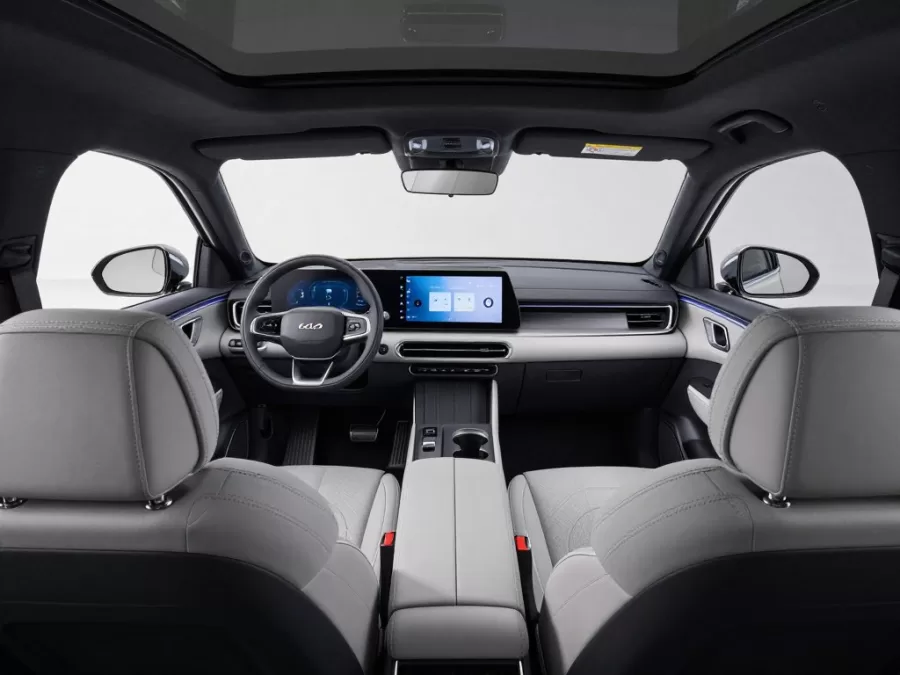
Dual 12.3-inch screens dominate the dashboard design beautifully. The infotainment system responds quickly and intuitively to inputs. Wireless Apple CarPlay and Android Auto keep everyone connected.
Rear-seat passengers enjoy dedicated climate controls and USB-C ports. The available premium sound system transforms the cabin into a concert hall. Long road trips become more enjoyable for all occupants.
Advantages
- Exceptional interior space across all three rows
- Long range battery for extended family trips
- Premium materials and build quality throughout
- Advanced safety technology as standard
- Seven-year warranty provides peace of mind
Considerations
- Higher price point than most competitors
- Large size makes city parking challenging
- Cargo space limited with third row in use
Real-World Family Experience
Australian families praise the Kia EV9 for highway comfort and stability. The electric SUV handles long-distance travel confidently at motorway speeds. Wind noise remains minimal even at 110 km/h.
Charging speed impresses with 350kW DC fast charging capability. The battery reaches 80% capacity in approximately 24 minutes. This rapid charging supports spontaneous weekend getaways effectively.
2. Tesla Model Y – Most Popular Mid-Size Electric SUV
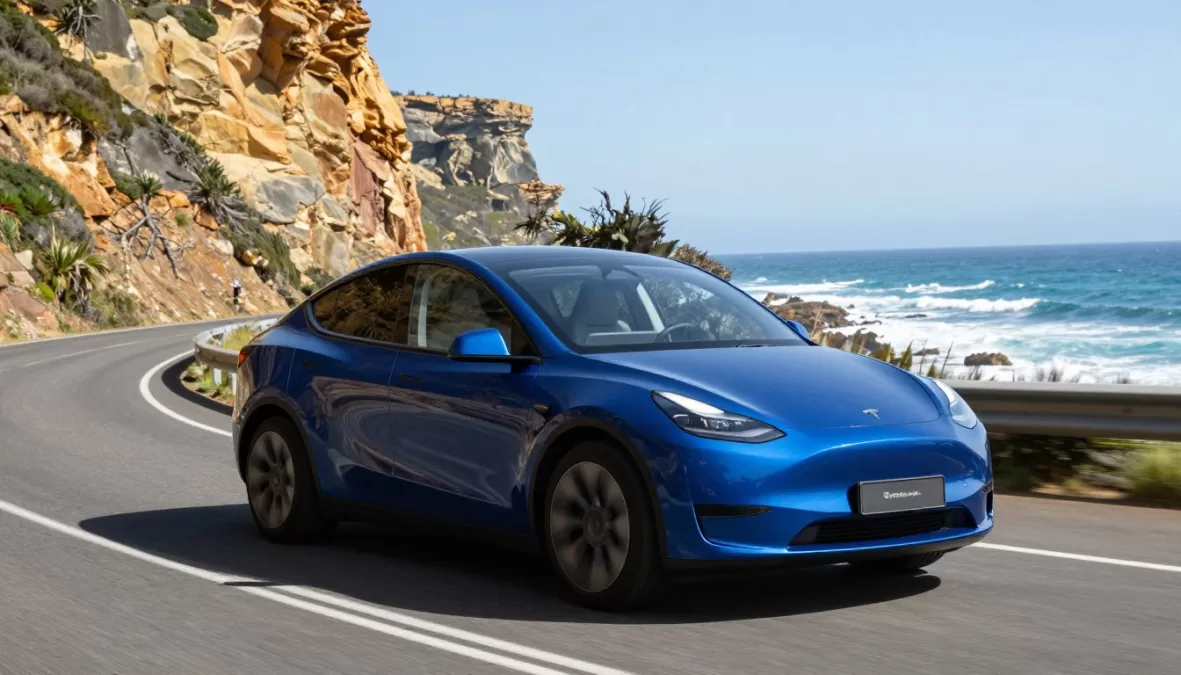
The Tesla Model Y dominates Australian electric vehicle sales consistently. This mid-size SUV offers impressive range and performance together. Tesla’s extensive Supercharger network provides unmatched charging convenience nationwide.
Key Specifications
- Price Range: $65,400 – $88,900 AUD
- Driving Range: Up to 533 km (WLTP)
- Battery Capacity: 75-82 kWh (estimated)
- Seating: 5 or 7 seats
- Cargo Space: 854L (seats folded)
Family Practicality
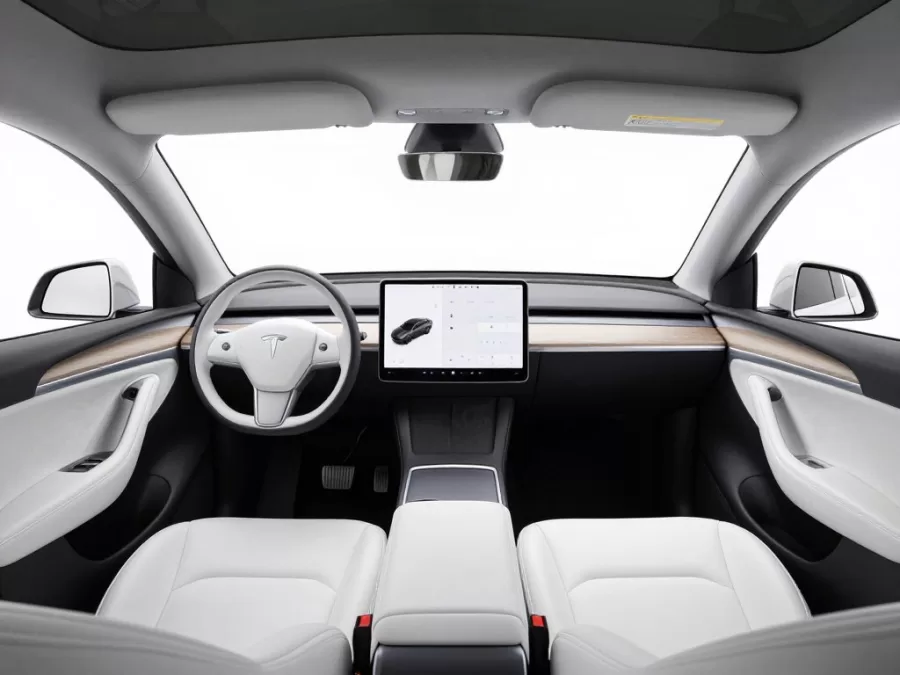
The Tesla Model Y provides excellent space efficiency for family use. Five-seat versions offer generous rear legroom for growing teenagers. Optional third-row seating suits younger children but feels cramped for adults.
The panoramic glass roof creates an airy cabin atmosphere throughout. Some families appreciate the openness while others prefer traditional sunshades. Rear passengers enjoy excellent headroom despite the sloping roofline.
Tesla Supercharger Advantage
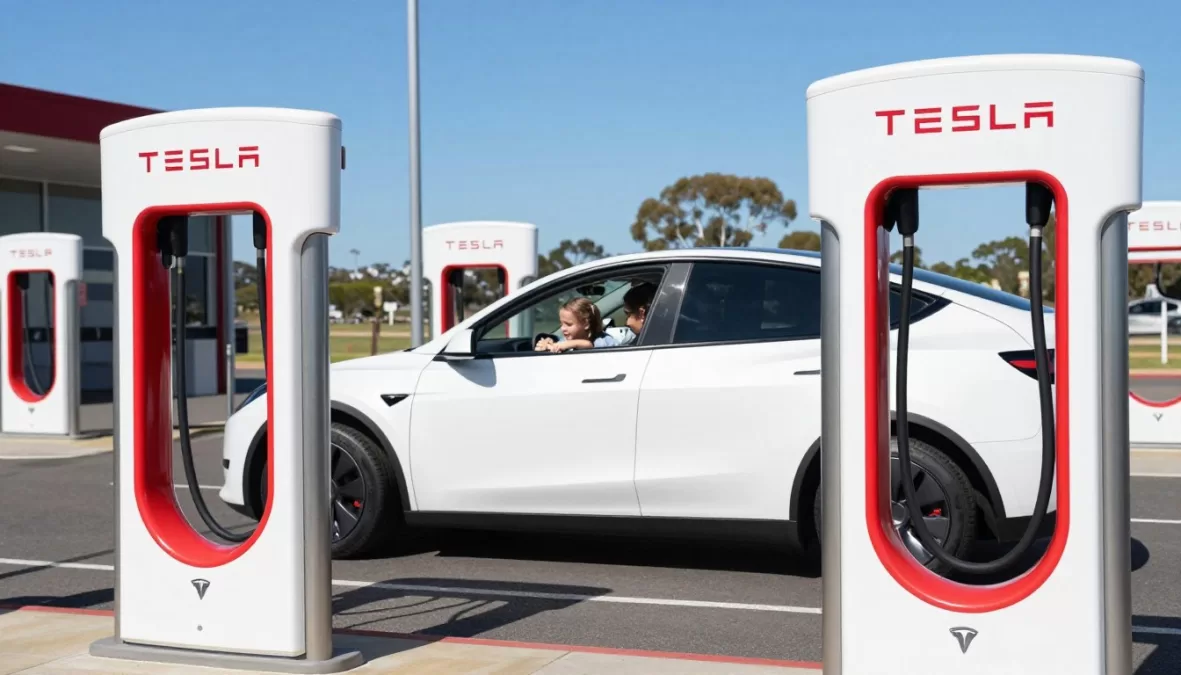
Australia’s Tesla Supercharger network eliminates range anxiety effectively. Over 60 Supercharger locations span the continent strategically. Coastal routes and major highways feature multiple charging stations.
Superchargers deliver up to 250kW charging speeds consistently. The Tesla Model Y adds 270 kilometers range in approximately 15 minutes. This rapid charging makes interstate family road trips genuinely practical.
Autopilot and Safety Systems
Standard Autopilot features reduce driver fatigue on long journeys significantly. Traffic-aware cruise control and autosteer function smoothly on highways. Parents appreciate the additional safety layer these systems provide.
The Tesla Model Y achieved a 5-star ANCAP safety rating recently. Eight airbags protect all occupants comprehensively throughout the cabin. Active safety features intervene automatically when potential hazards emerge.
Advantages
- Exceptional driving range for family trips
- Extensive Supercharger network across Australia
- Over-the-air software updates add features
- Strong acceleration and handling dynamics
- Lower running costs than premium rivals
Considerations
- Minimalist interior lacks traditional controls
- Build quality inconsistencies reported occasionally
- Optional third row extremely tight for adults
Family Ownership Experience
Australian Tesla Model Y owners report excellent reliability overall. The electric motor requires minimal maintenance beyond tire rotations. Software updates arrive regularly with improvements and new features.
Resale values remain strong in the Australian market currently. The established brand recognition provides confidence for future selling. Insurance costs tend to be higher than equivalent petrol SUVs.
3. Hyundai Ioniq 5 – Best Design and Technology Balance
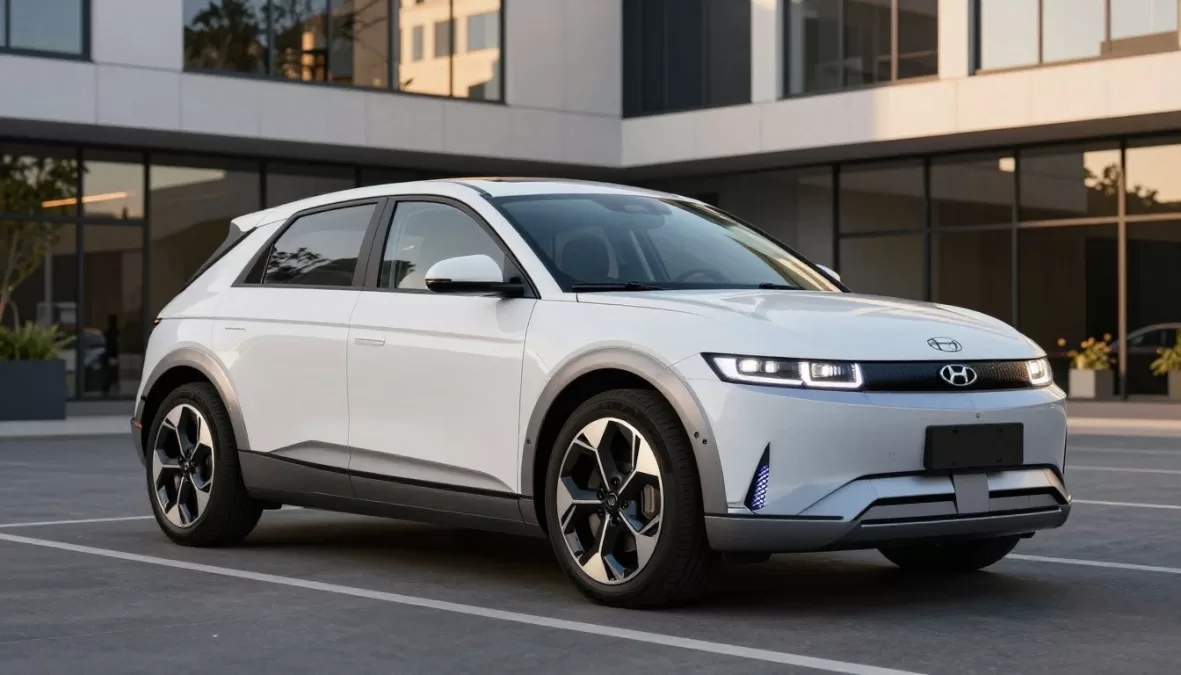
The Hyundai Ioniq 5 brings futuristic styling to the family electric vehicle market. This mid-size SUV stands out immediately with retro-inspired design elements. The distinctive appearance appeals to families seeking something different.
Key Specifications
- Price Range: $72,900 – $82,900 AUD
- Driving Range: Up to 507 km (WLTP)
- Battery Capacity: 72.6 kWh or 84 kWh
- Seating: 5 seats
- Cargo Space: 527L (rear seats up)
Interior Innovation
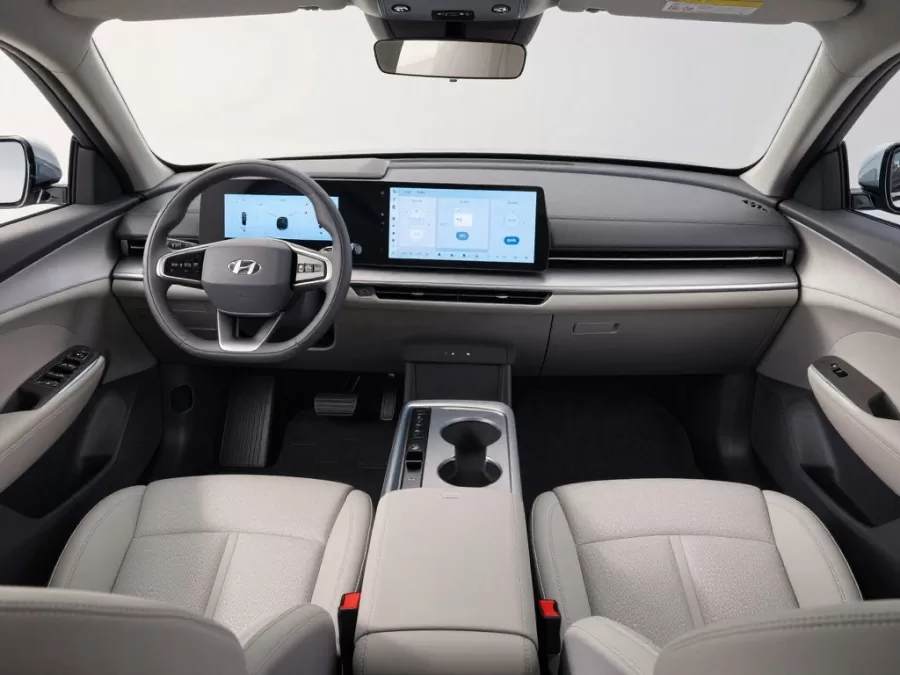
The Hyundai Ioniq 5 interior impresses with clever space utilization. The flat floor creates a remarkably open cabin feel. Rear passengers enjoy limousine-like legroom thanks to the dedicated electric platform.
The sliding center console represents a unique family-friendly feature. Parents can move it rearward to provide better rear access. Children appreciate the additional space and flexibility this design provides.
Ultra-Fast Charging Capability
The Hyundai Ioniq 5 features 800-volt architecture for rapid charging. This advanced system accepts up to 350kW DC fast charging. The battery charges from 10% to 80% in just 18 minutes.
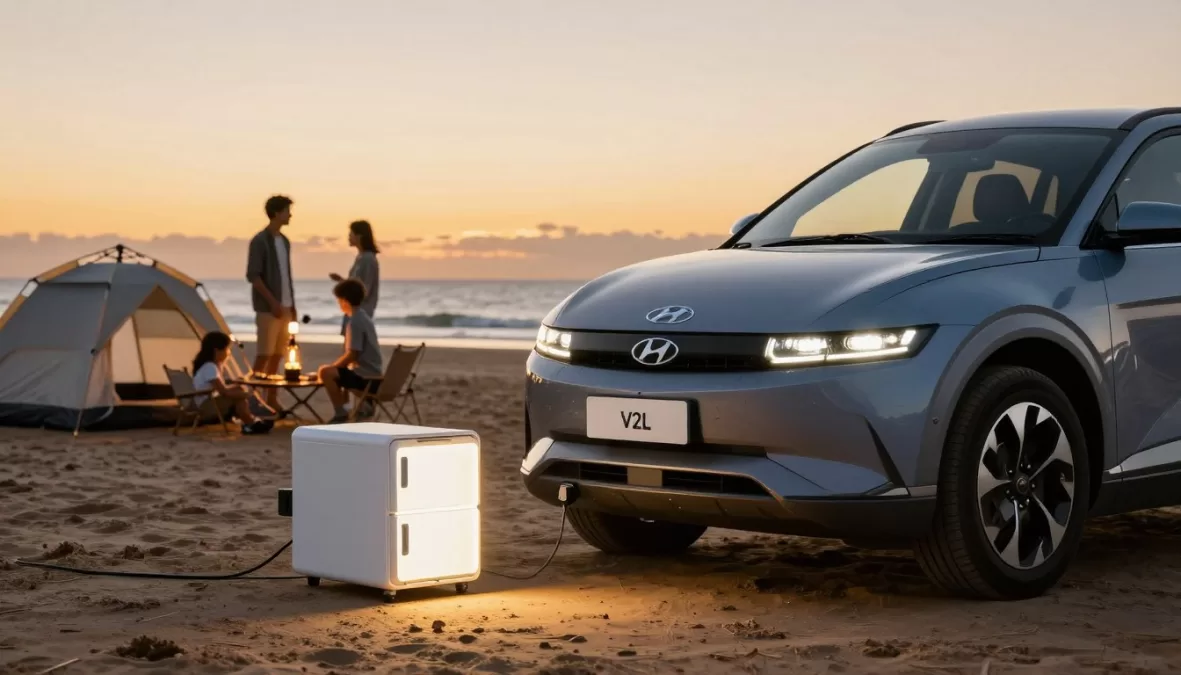
Vehicle-to-Load (V2L) functionality adds practical versatility for families. The Ioniq 5 can power external devices up to 3.6kW. Camping equipment, power tools, or emergency appliances run directly from the car.
Advanced Driver Assistance
Hyundai equips the Ioniq 5 with comprehensive SmartSense safety technology. Highway Driving Assist II provides semi-autonomous driving on freeways. The system maintains lane position and following distance automatically.
Remote Smart Parking Assist allows parking from outside the vehicle. This feature helps in tight spaces where door opening proves difficult. Parents can easily maneuver into cramped shopping center spots.
Advantages
- Ultra-fast 800V charging technology
- Exceptionally spacious rear seat area
- Innovative interior design and features
- V2L capability for external power needs
- Five-year unlimited kilometer warranty
Considerations
- No seven-seat option available
- Distinctive styling may not suit everyone
- Limited cargo space compared to larger SUVs
Family Comfort Features
Dual-zone climate control maintains ideal temperatures throughout the cabin. Heated and ventilated front seats provide year-round comfort. Rear passengers enjoy directional air vents and USB charging ports.
The premium Bose sound system delivers excellent audio quality. Families appreciate the clear sound reproduction for entertainment purposes. The system includes eight speakers strategically placed throughout the cabin.
4. BYD Atto 3 – Best Value Family Electric SUV
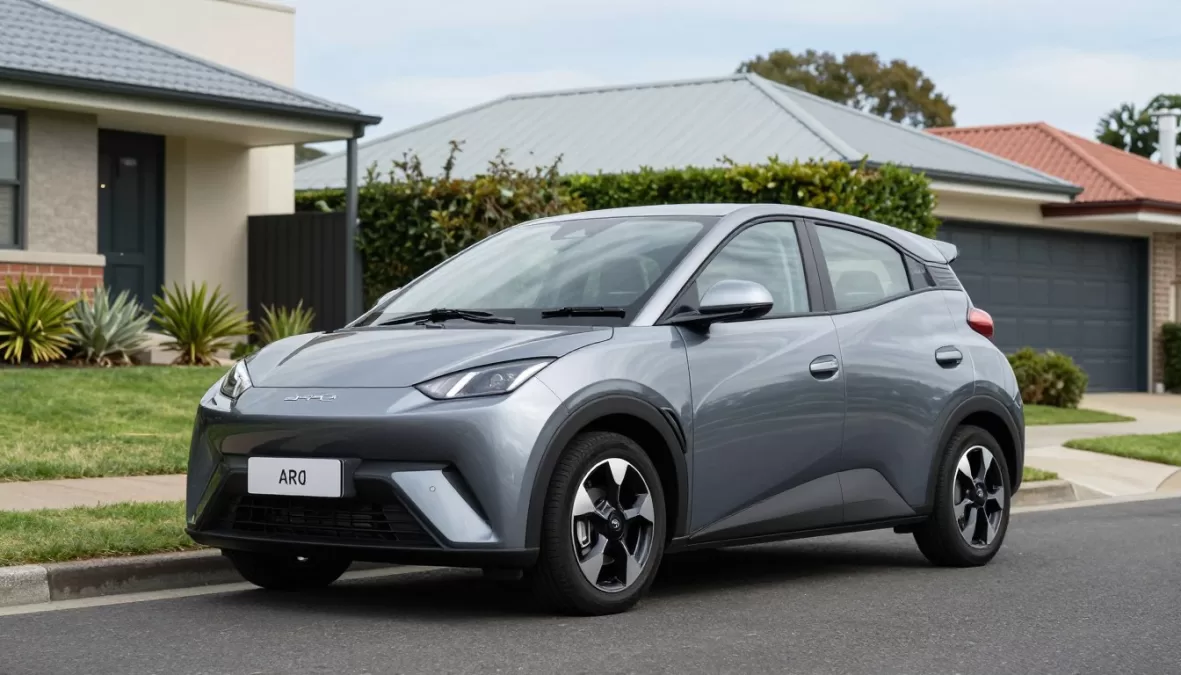
The BYD Atto 3 has rapidly become one of Australia’s best-selling electric vehicles. This compact SUV offers remarkable value for budget-conscious families. Chinese manufacturer BYD brings competitive pricing to the Australian market successfully.
Key Specifications
- Price Range: $48,011 – $51,011 AUD
- Driving Range: Up to 420 km (WLTP)
- Battery Capacity: 60.48 kWh
- Seating: 5 seats
- Cargo Space: 440L (rear seats up)
Affordability Without Compromise
The BYD Atto 3 undercuts most competitors by $15,000 to $30,000. This significant price advantage makes electric vehicle ownership accessible to more families. The lower entry cost removes a major barrier for many households.
Standard equipment levels exceed expectations for the price point. The Atto 3 includes features typically reserved for premium models. Families receive excellent value without sacrificing essential safety technology.
Practical Family Features
Interior space proves adequate for typical family requirements. Two adults fit comfortably in the rear seats without complaints. Three children can squeeze across the back bench reasonably well.
The cargo area accommodates weekly shopping and sports equipment easily. Rear seats fold down to create additional storage when needed. The flat loading floor simplifies packing bulky items efficiently.

Safety and Technology
The BYD Atto 3 achieved a maximum 5-star ANCAP safety rating. Comprehensive safety features come as standard across all variants. Autonomous emergency braking, lane keep assist, and adaptive cruise control protect families.
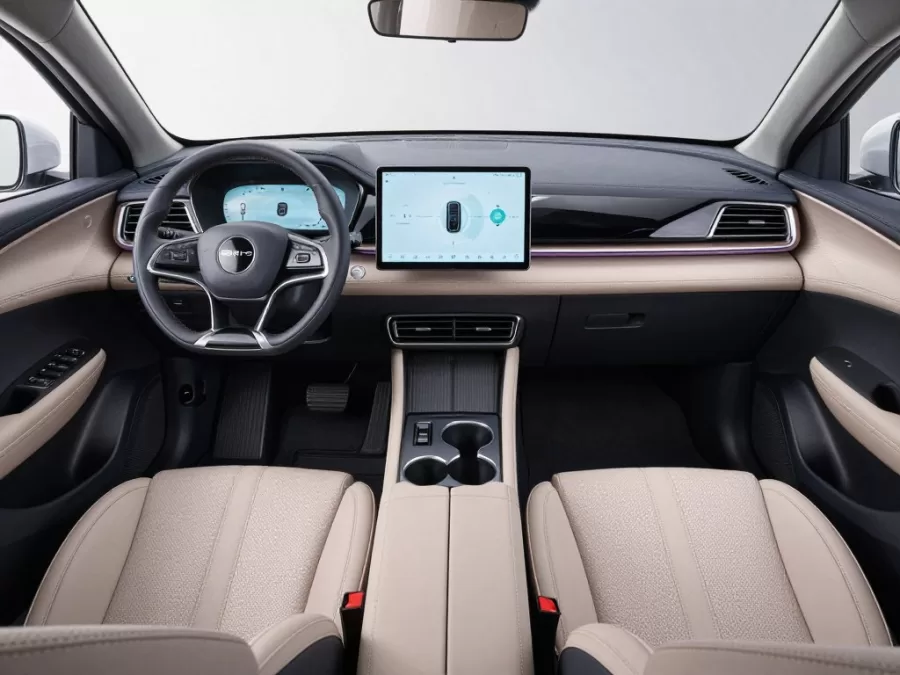
The rotating 12.8-inch touchscreen represents a distinctive feature. The screen switches between portrait and landscape orientations easily. Some families find this gimmick entertaining while others ignore it entirely.
Advantages
- Outstanding value for money proposition
- Comprehensive safety equipment as standard
- Six-year warranty provides reassurance
- Low running costs benefit family budgets
- Adequate range for daily family activities
Considerations
- Shorter range than premium competitors
- Interior materials feel basic in places
- Brand relatively unknown in Australia
Ownership Experience
Early Australian owners report positive experiences with BYD Atto 3 reliability. The electric vehicle requires minimal maintenance beyond tire care. Service intervals occur less frequently than traditional combustion vehicles.
BYD’s expanding dealer network across Australia improves accessibility. Service and parts availability continues improving as sales increase. The six-year warranty provides confidence for family buyers.
Download Your Free Australian EV Charging Guide
Get our comprehensive guide covering home charging installation, public charging networks across Australia, road trip planning tips, and cost comparisons. Everything families need to know about keeping their electric vehicle charged and ready.
5. Mercedes-Benz EQS SUV – Premium Luxury Electric Option
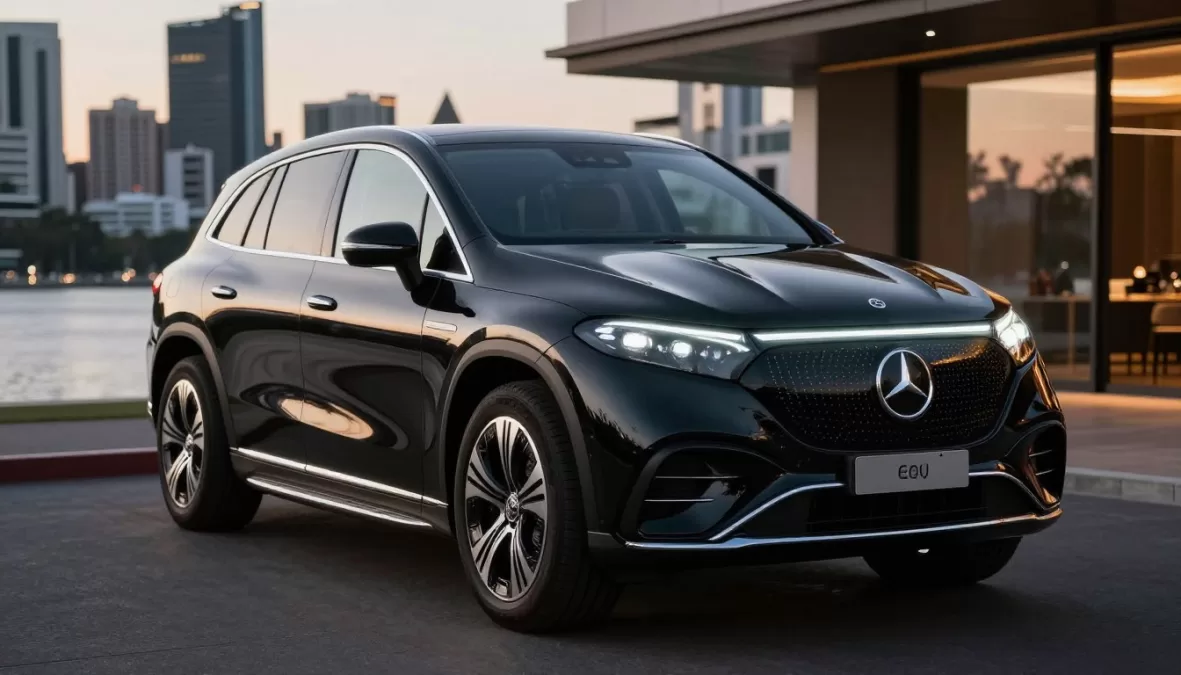
The Mercedes-Benz EQS SUV represents the pinnacle of luxury electric vehicles in Australia. This premium electric SUV delivers Mercedes’ renowned refinement and quality. Affluent families seeking the ultimate electric experience find it here.
Key Specifications
- Price Range: $169,900 – $254,900 AUD
- Driving Range: Up to 590 km (WLTP)
- Battery Capacity: 108.4 kWh
- Seating: 5 or 7 seats
- Cargo Space: 645L (5-seat version)
Uncompromising Luxury
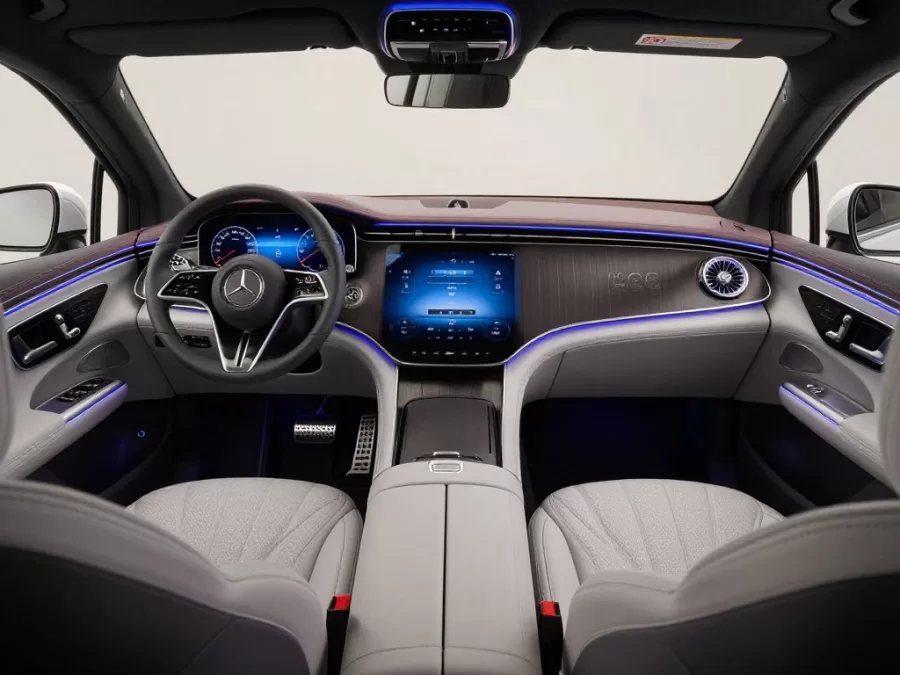
The Mercedes-Benz EQS SUV interior showcases exceptional craftsmanship throughout. Premium leather, genuine wood trim, and metal accents create an opulent environment. Every surface feels meticulously designed and flawlessly executed.
The optional MBUX Hyperscreen dominates the dashboard dramatically. Three seamlessly integrated displays span the entire width impressively. Passengers enjoy individual screens with full functionality and entertainment options.
Advanced Technology Integration
Mercedes integrates artificial intelligence throughout the EQS SUV systems. The vehicle learns driver preferences and anticipates needs automatically. Navigation suggests charging stops based on real-time battery status.
The Burmester 3D surround sound system delivers concert-hall audio quality. Fifteen speakers create an immersive listening experience throughout the cabin. Families enjoy audiophile-grade entertainment on long journeys.
Advantages
- Unmatched luxury and refinement
- Exceptional driving range for luxury segment
- Cutting-edge technology integration
- Whisper-quiet cabin at all speeds
- Comprehensive safety systems
Considerations
- Premium pricing limits accessibility
- Large dimensions challenge tight parking
- Complex technology overwhelming for some
Family-Oriented Features
Seven-seat configuration accommodates larger families comfortably when specified. The third row suits children perfectly for school runs. Executive rear seats in five-seat models provide limousine-like comfort.
Four-zone climate control ensures optimal temperatures throughout the cabin. Rear passengers control their environment independently without compromise. Heated, ventilated, and massaging seats elevate comfort significantly.
6. MG4 – Most Affordable Entry Point
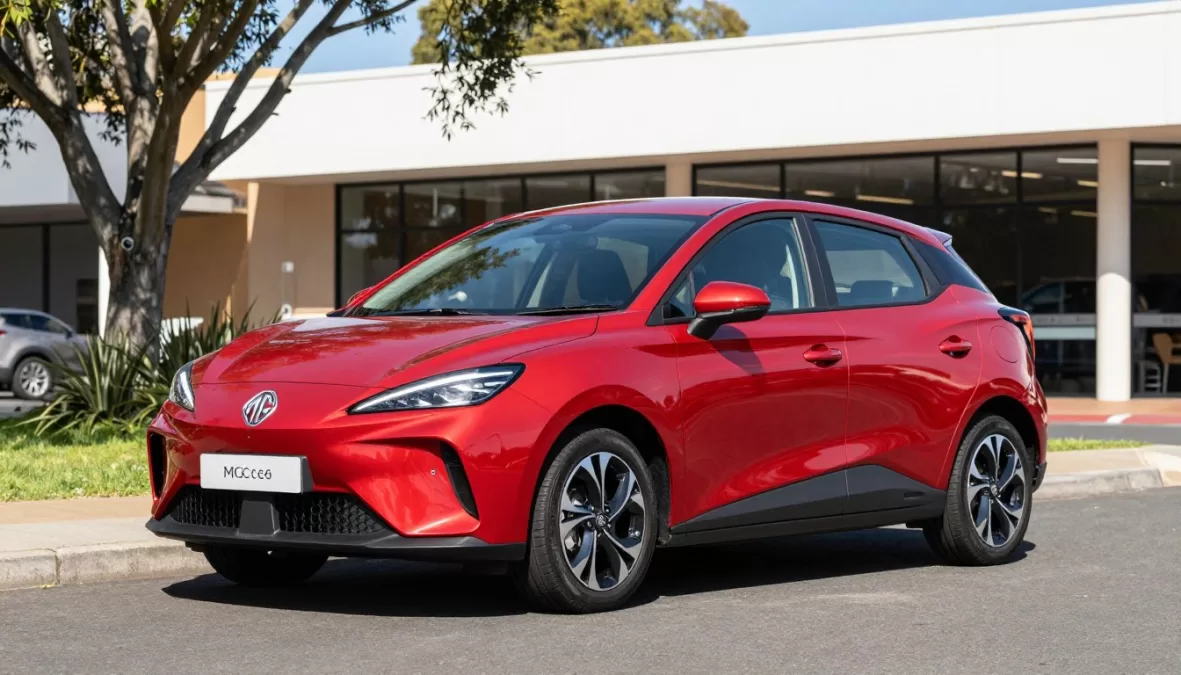
The MG4 brings electric vehicle ownership within reach of more Australian families. This compact hatchback offers surprising practicality despite its smaller footprint. MG has created an affordable entry point without major compromises.
Key Specifications
- Price Range: $38,990 – $46,990 AUD
- Driving Range: Up to 450 km (WLTP)
- Battery Capacity: 51 kWh or 64 kWh
- Seating: 5 seats
- Cargo Space: 350L (rear seats up)
Budget-Friendly Family Transport
The MG4 price point makes it Australia’s most accessible electric car. Young families can enter electric vehicle ownership without financial strain. The lower acquisition cost removes the biggest barrier for many households.
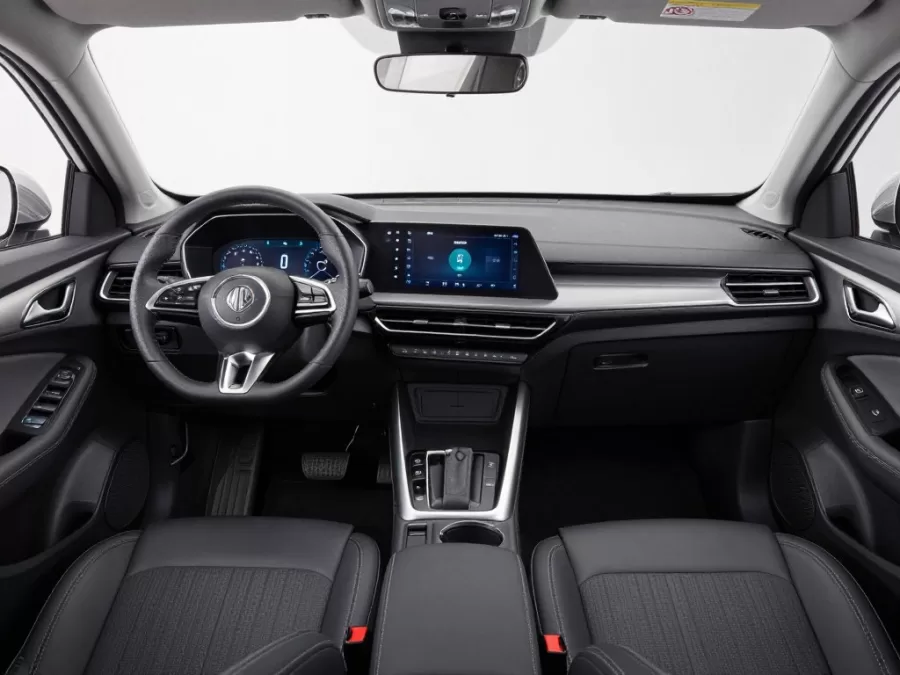
Despite the affordable pricing, the MG4 feels surprisingly well-built inside. Materials quality exceeds expectations for the segment significantly. The interior layout prioritizes functionality over flashy features appropriately.
Practical Considerations
The MG4 suits smaller families with younger children best. Two child seats fit comfortably across the rear bench. Three children might squeeze in for shorter journeys only.
Cargo capacity proves adequate for daily shopping and school runs. Larger items require folding the rear seats down predictably. Weekend getaways need careful packing to fit everything required.
Advantages
- Lowest entry price for electric vehicles
- Decent range for affordable segment
- Seven-year warranty included
- 5-star ANCAP safety rating
- Efficient city driving dynamics
Considerations
- Limited space for larger families
- Basic interior appointments
- Smaller cargo capacity than SUVs
Real-World Performance
The MG4 excels in urban environments with nimble handling. Compact dimensions simplify parking in crowded city areas. The tight turning circle proves helpful for school drop-offs.
Highway performance remains competent if not particularly exciting. The electric motor provides adequate acceleration for safe overtaking. Wind noise becomes noticeable at higher motorway speeds.
7. Ford F-150 Lightning – Best Electric Ute for Families
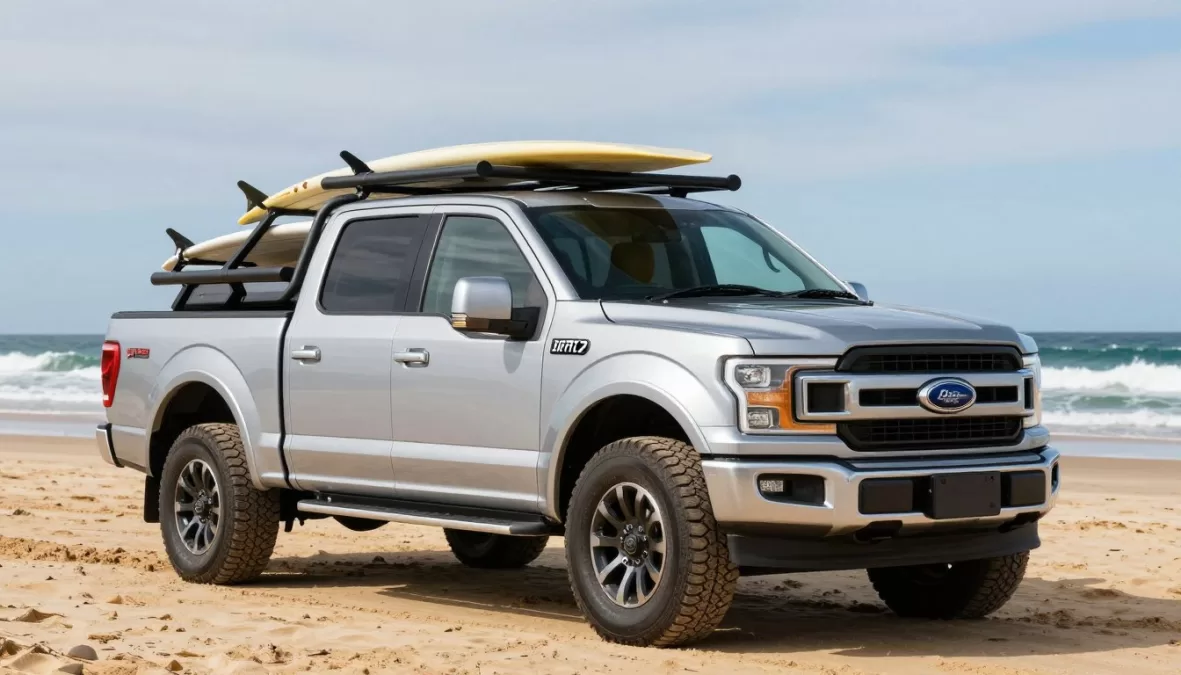
The Ford F-150 Lightning brings electric power to Australian ute enthusiasts. This full-size electric pickup combines traditional capability with modern efficiency. Families seeking versatility and towing capacity find an excellent option here.
Key Specifications
- Price Range: $149,990 AUD (estimated)
- Driving Range: Up to 515 km (WLTP)
- Battery Capacity: 131 kWh
- Seating: 5 seats
- Towing Capacity: 4,500 kg
Versatility for Active Families
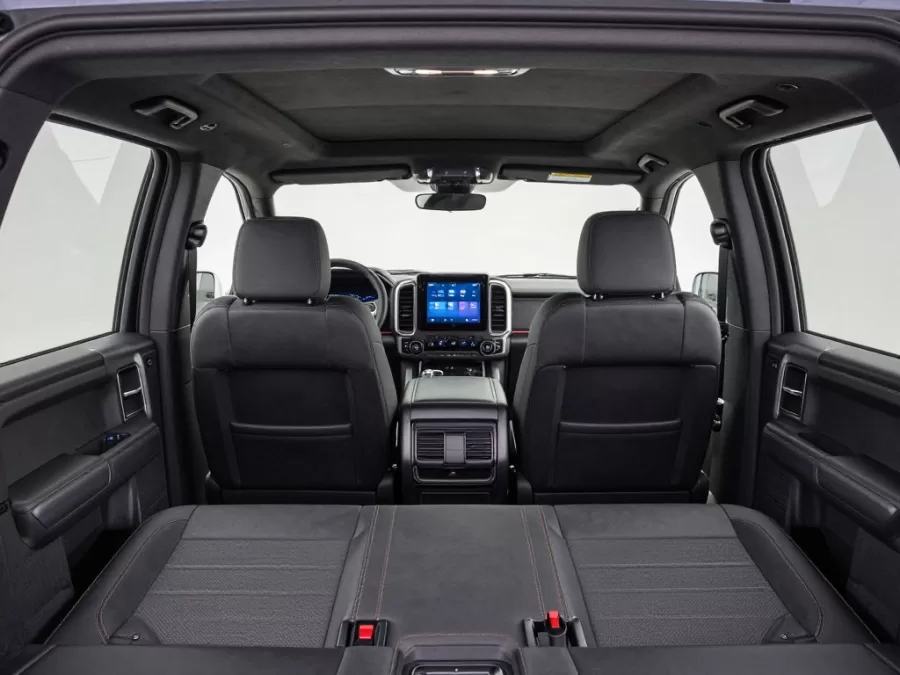
The F-150 Lightning provides enormous versatility for adventurous Australian families. The spacious crew cab seats five adults comfortably on journeys. Rear passengers enjoy generous legroom and headroom throughout trips.
The cargo bed offers practical utility beyond typical family vehicles. Sports equipment, camping gear, and bicycles transport easily without compromise. Families appreciate not needing to carefully pack everything inside.
Power and Capability
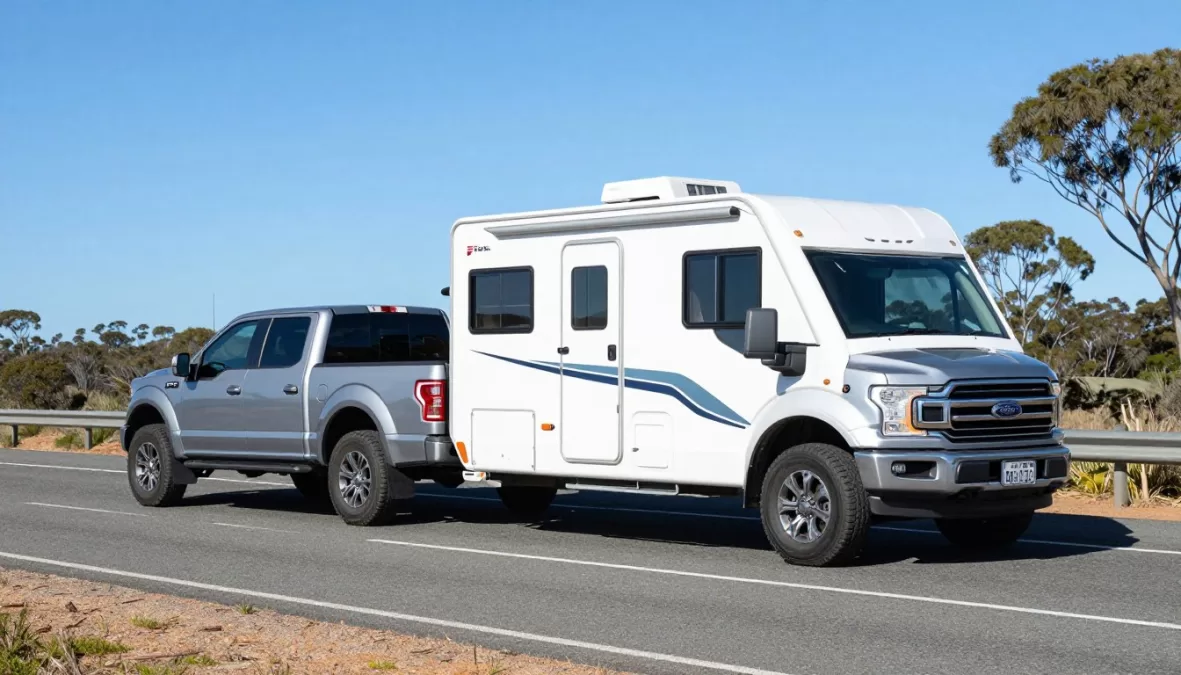
The Lightning delivers impressive towing capacity for caravans and boats. The 4,500 kg rating matches traditional diesel utes comfortably. Electric torque provides excellent pulling power from standstill naturally.
Pro Power Onboard supplies up to 9.6kW of exportable electricity. The truck powers tools, appliances, or even homes during outages. Camping trips become more comfortable with electric conveniences available easily.
Advantages
- Exceptional towing and payload capacity
- Massive on-board power export capability
- Spacious five-seat crew cab
- Practical cargo bed for family gear
- Strong performance and acceleration
Considerations
- Very large dimensions challenge parking
- High purchase price
- Range decreases significantly when towing
Family Road Trip Capability
The F-150 Lightning handles long-distance family travel confidently. The smooth electric drivetrain reduces fatigue on extended journeys. Children appreciate the quiet cabin for sleeping comfortably.
BlueCruise hands-free driving technology eases highway monotony safely. The system works on approved motorways across Australia gradually. Driver monitoring ensures attention remains on the road always.
8. Volvo XC40 Recharge – Safest Compact Electric SUV
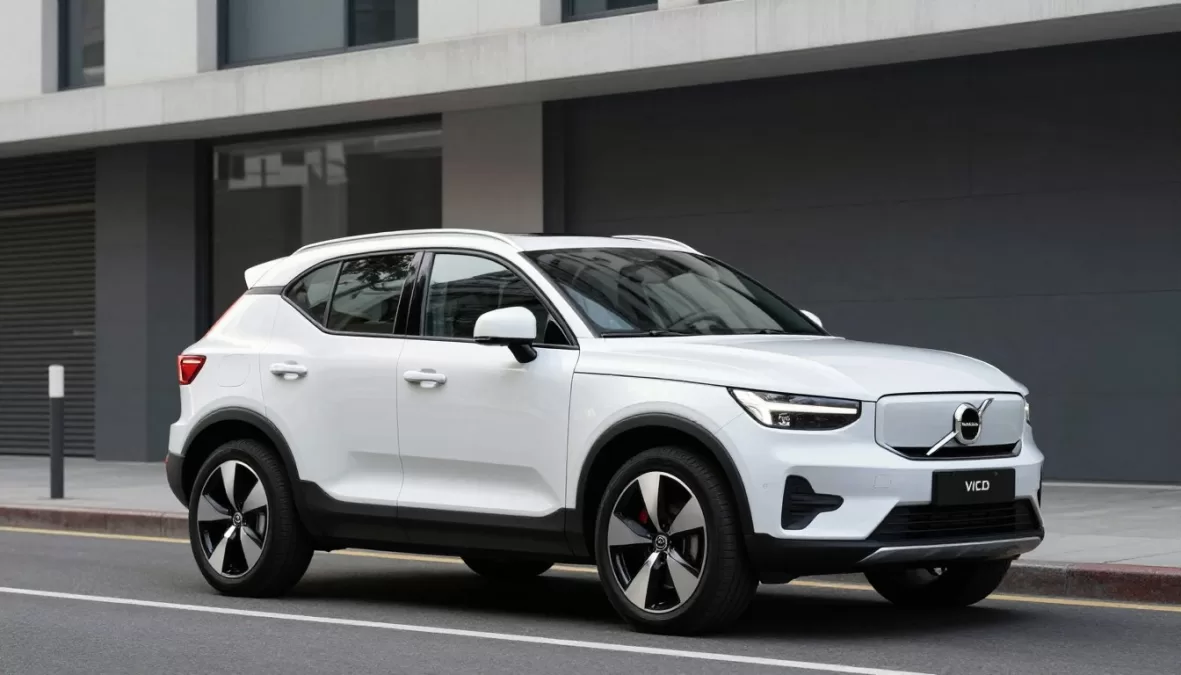
The Volvo XC40 Recharge prioritizes safety above all other considerations. This premium compact electric SUV delivers legendary Volvo protection standards. Safety-conscious families find exceptional peace of mind here consistently.
Key Specifications
- Price Range: $73,990 – $77,990 AUD
- Driving Range: Up to 418 km (WLTP)
- Battery Capacity: 78 kWh
- Seating: 5 seats
- Cargo Space: 413L (rear seats up)
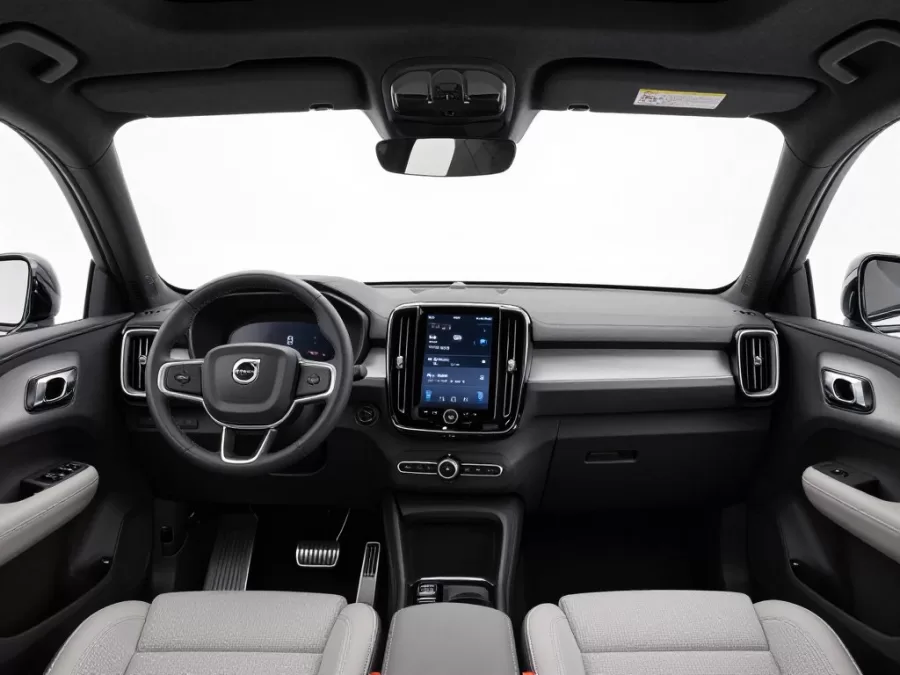
Legendary Safety Standards
Volvo equips the XC40 Recharge with cutting-edge safety technology throughout. The comprehensive suite protects occupants in virtually every scenario. Advanced sensors monitor surroundings constantly for potential hazards.
The sturdy body structure provides excellent crash protection systematically. Volvo’s safety cage design has protected families for decades. Electric battery placement enhances structural rigidity significantly throughout the chassis.
Scandinavian Design Philosophy
The interior reflects Volvo’s minimalist Scandinavian design heritage beautifully. Clean lines and quality materials create a calming cabin environment. Families appreciate the uncluttered, stress-free atmosphere inside consistently.
Sustainable materials appear throughout the cabin thoughtfully and responsibly. Volvo uses recycled plastics and responsibly sourced wood trims. Environmental consciousness extends beyond just the electric powertrain itself.
Advantages
- Industry-leading safety technology
- Premium Scandinavian interior quality
- Excellent build quality throughout
- Strong performance from dual motors
- Comprehensive warranty coverage
Considerations
- Shorter range than some competitors
- Compact dimensions limit cargo space
- Touchscreen interface learning curve
Practical Family Features
The front trunk provides useful additional storage space conveniently. The 31-liter frunk accommodates charging cables and small items. This extra space keeps the main cargo area clearer.
Google-based infotainment system offers familiar, intuitive operation quickly. Voice commands work reliably for navigation and media control. The system updates over-the-air with improvements regularly.
9. Polestar 3 – Performance-Oriented Family SUV
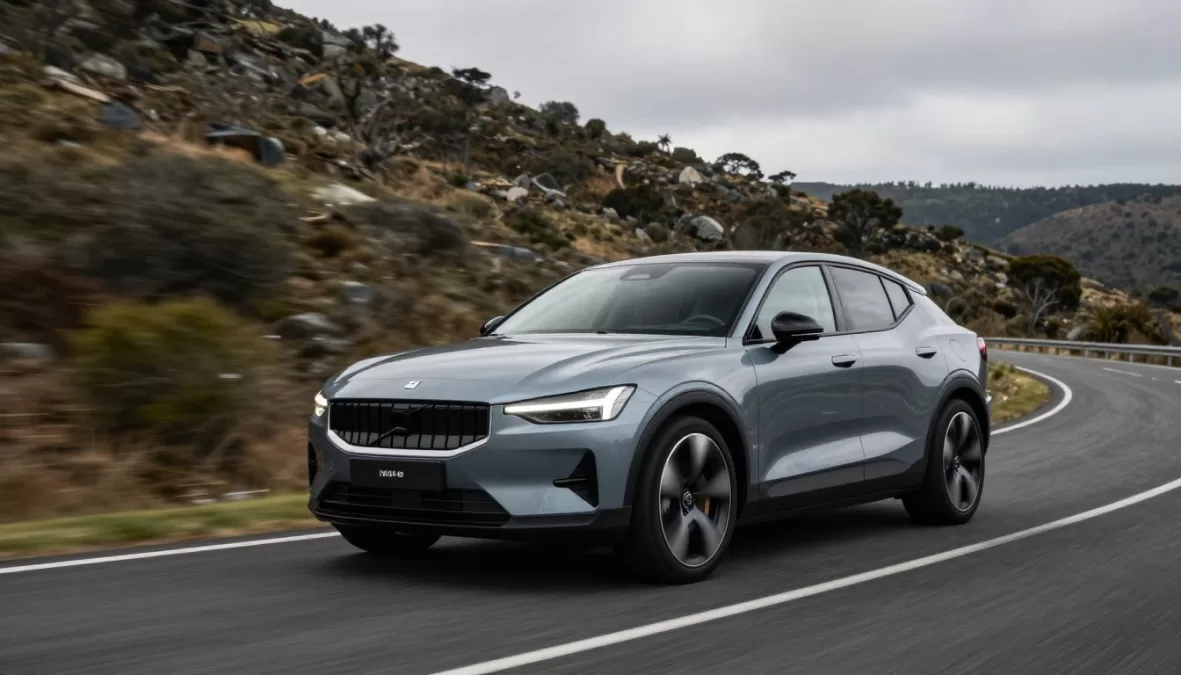
The Polestar 3 combines family practicality with sporting performance admirably. This premium electric SUV delivers engaging driving dynamics rarely found in family vehicles. Performance-minded parents finally have an exciting electric option available.
Key Specifications
- Price Range: $132,400 – $155,400 AUD
- Driving Range: Up to 610 km (WLTP)
- Battery Capacity: 111 kWh
- Seating: 5 seats
- Cargo Space: 484L (rear seats up)
Dynamic Performance
The Polestar 3 delivers exhilarating acceleration that surprises first-time passengers. Dual motors produce substantial power for confident overtaking maneuvers. The instant torque response feels thrilling yet remains controllable always.
Active suspension adapts continuously to road conditions and driving style. The system balances comfort for family journeys with control for spirited driving. Adjustable settings allow customization between comfort and sport modes.
Premium Comfort
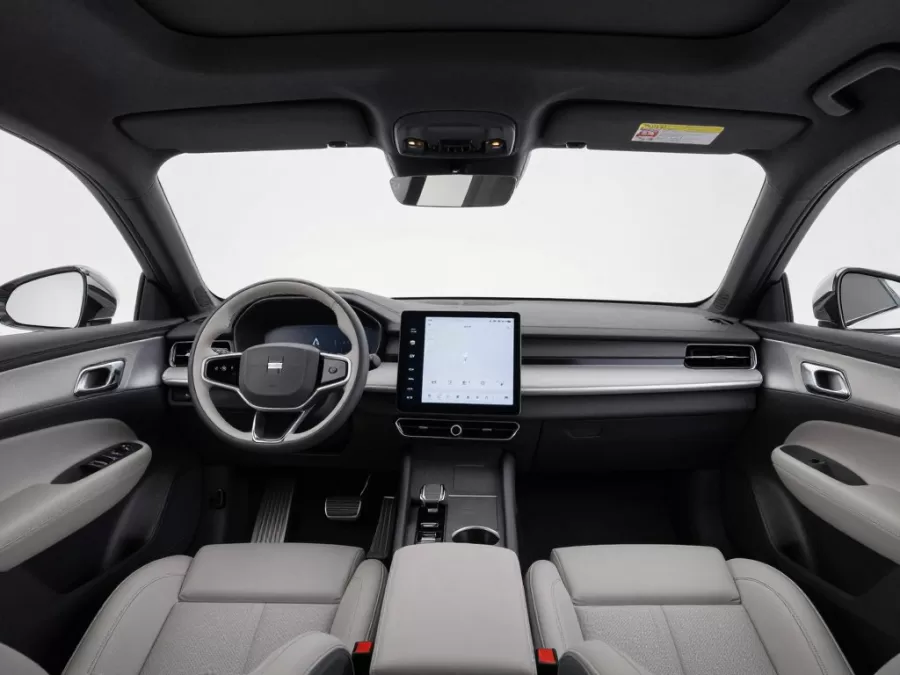
The cabin materials reflect Polestar’s commitment to sustainable luxury thoughtfully. Recycled materials combine with natural textiles creating a premium feel. The attention to detail impresses throughout every touchpoint consistently.
Rear passengers enjoy generous space for adults on longer journeys. The panoramic glass roof creates an open, airy atmosphere throughout. Climate control maintains perfect temperatures regardless of external conditions.
Advantages
- Excellent driving dynamics for enthusiasts
- Outstanding range for long journeys
- Premium sustainable interior materials
- Advanced technology integration
- Distinctive Scandinavian styling
Considerations
- Premium pricing limits market
- Newer brand with limited history
- Smaller dealer network currently
Advanced Technology
Lidar technology enables advanced autonomous driving capabilities progressively. The system will improve through over-the-air updates continually. Polestar commits to enhancing functionality throughout ownership duration.
The Bowers & Wilkins audio system delivers reference-quality sound reproduction. Twenty-five speakers create an immersive listening experience systematically. Audiophile families appreciate the exceptional clarity and staging.
10. Nissan Ariya – Refined All-Rounder
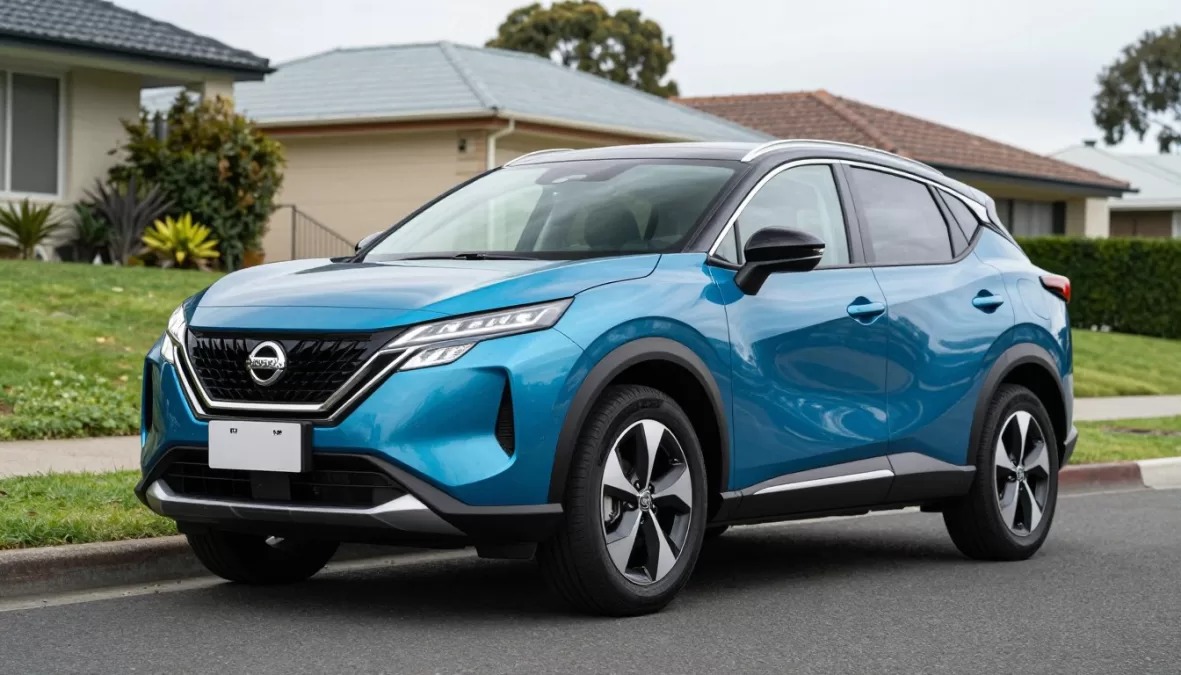
The Nissan Ariya represents the evolution of electric vehicle design maturely. This refined crossover balances technology with traditional automotive values effectively. Nissan’s experience building electric vehicles shows throughout the execution.
Key Specifications
- Price Range: $65,500 – $85,500 AUD
- Driving Range: Up to 533 km (WLTP)
- Battery Capacity: 63 kWh or 87 kWh
- Seating: 5 seats
- Cargo Space: 466L (rear seats up)
Japanese Refinement
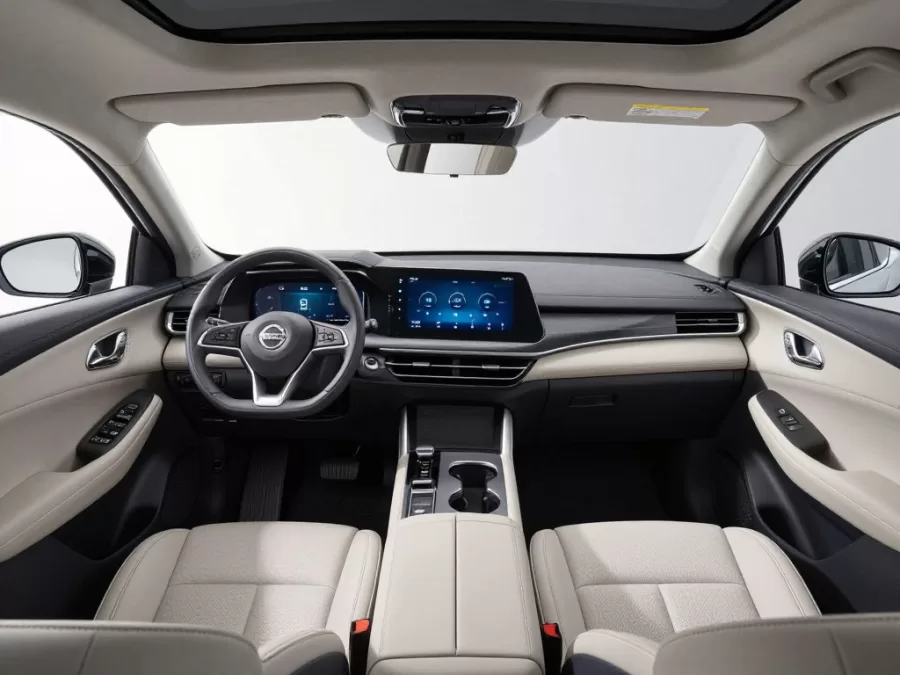
The Nissan Ariya interior emphasizes simplicity and functionality harmoniously together. Japanese design philosophy creates a calming, uncluttered environment naturally. Every control falls easily to hand without searching frantically.
Build quality feels solid throughout with tight panel gaps consistently. Materials selection balances cost with perceived quality intelligently throughout. The Ariya feels more expensive than its price suggests.
Family Practicality
The flat floor creates excellent rear passenger space efficiently throughout. Children move easily between seats without climbing over humps. Three child seats fit across the rear bench reasonably well.
The cargo area accommodates typical family requirements without difficulty consistently. Shopping bags, sports equipment, and strollers fit comfortably together. The load floor sits conveniently low for easier loading always.
Advantages
- Refined and comfortable ride quality
- Good driving range across variants
- Established Nissan dealer network
- Competitive pricing for features
- Five-year warranty included
Considerations
- Conservative styling may lack excitement
- Technology lags newest competitors slightly
- Charging speed moderate compared to rivals
Reliable Choice
Nissan’s extensive electric vehicle experience dating back to the Leaf shows. The Ariya feels mature and well-sorted from launch day. Early reliability reports suggest dependable family transportation consistently.
The established dealer network provides reassurance for service and maintenance. Parts availability benefits from Nissan’s global scale significantly. Resale values should remain stable given brand recognition nationally.
Electric Family Car Comparison
This comprehensive comparison table highlights the key specifications of our top 10 electric cars in Australia for families. Compare prices, range, battery capacity, and seating to find your ideal match.
| Model | Price (AUD) | Range (km) | Battery (kWh) | Seats | Cargo (L) |
| Kia EV9 | $98,000 – $115,000 | 505 | 99.8 | 6-7 | 333 |
| Tesla Model Y | $65,400 – $88,900 | 533 | 75-82 | 5-7 | 854 |
| Hyundai Ioniq 5 | $72,900 – $82,900 | 507 | 72.6-84 | 5 | 527 |
| BYD Atto 3 | $48,011 – $51,011 | 420 | 60.48 | 5 | 440 |
| Mercedes-Benz EQS SUV | $169,900 – $254,900 | 590 | 108.4 | 5-7 | 645 |
| MG4 | $38,990 – $46,990 | 450 | 51-64 | 5 | 350 |
| Ford F-150 Lightning | $149,990 | 515 | 131 | 5 | Bed: 1,495 |
| Volvo XC40 Recharge | $73,990 – $77,990 | 418 | 78 | 5 | 413 |
| Polestar 3 | $132,400 – $155,400 | 610 | 111 | 5 | 484 |
| Nissan Ariya | $65,500 – $85,500 | 533 | 63-87 | 5 | 466 |
Book Your Family EV Test Drive Today
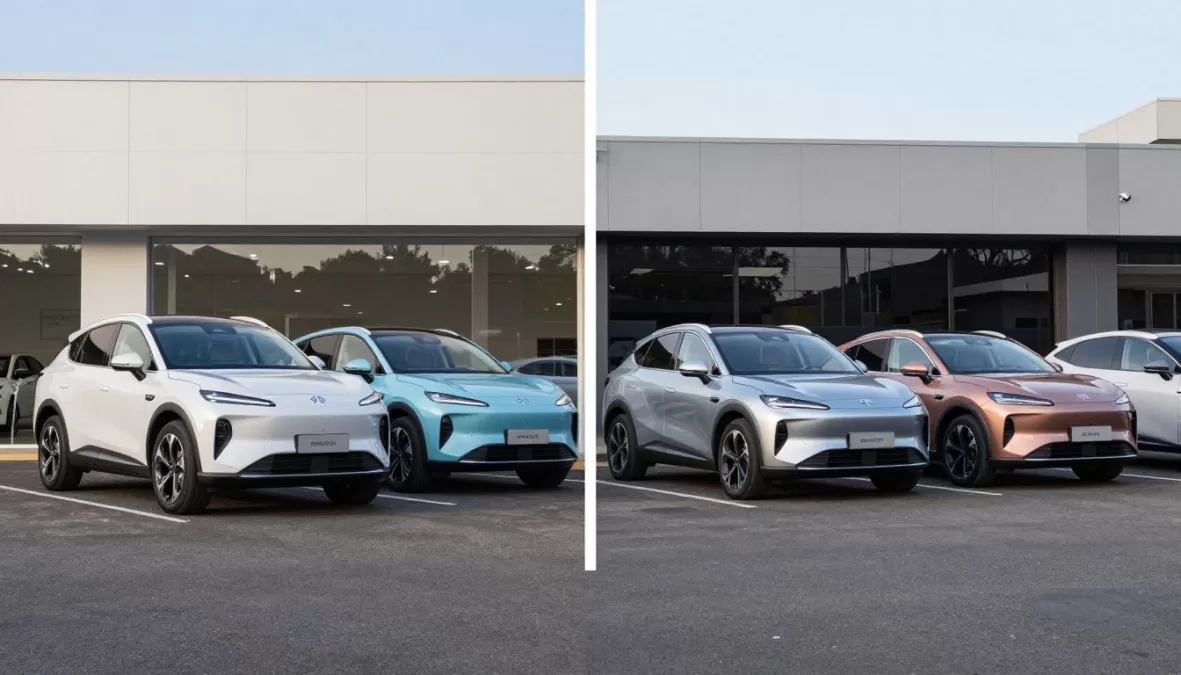
Experience these electric vehicles firsthand with your family. We arrange comprehensive test drives allowing you to evaluate space, comfort, and features. Compare multiple models in realistic family scenarios including child seat installation and cargo testing.
Or call our EV specialists:
Charging Infrastructure in Australia
Understanding charging infrastructure proves essential for electric vehicle ownership. Australian families need confidence they can charge conveniently wherever they travel. The charging network continues expanding rapidly across the continent.

Home Charging Solutions
Most electric vehicle charging happens at home overnight conveniently. Installing a dedicated wall charger provides the fastest home charging speeds. Level 2 chargers typically add 40-50 kilometers range per hour.
Standard household outlets work for emergency charging situations only. The slow charging rate makes daily use impractical for most families. Dedicated charging equipment represents a worthwhile investment initially.
Home Charging Benefits
- Start each day with full battery
- Charge during off-peak electricity rates
- No time wasted at public chargers
- Convenient overnight charging
- Lower cost per kilometer
Installation Considerations
- Electrical capacity assessment required
- Professional installation recommended
- Government rebates may apply
- Choose weatherproof outdoor unit
- Consider smart charging features
Public Charging Networks
Multiple charging networks operate across Australia currently expanding coverage. Major providers include Chargefox, Evie Networks, and Tesla Superchargers. Coastal highways feature reliable charging corridors for road trips.
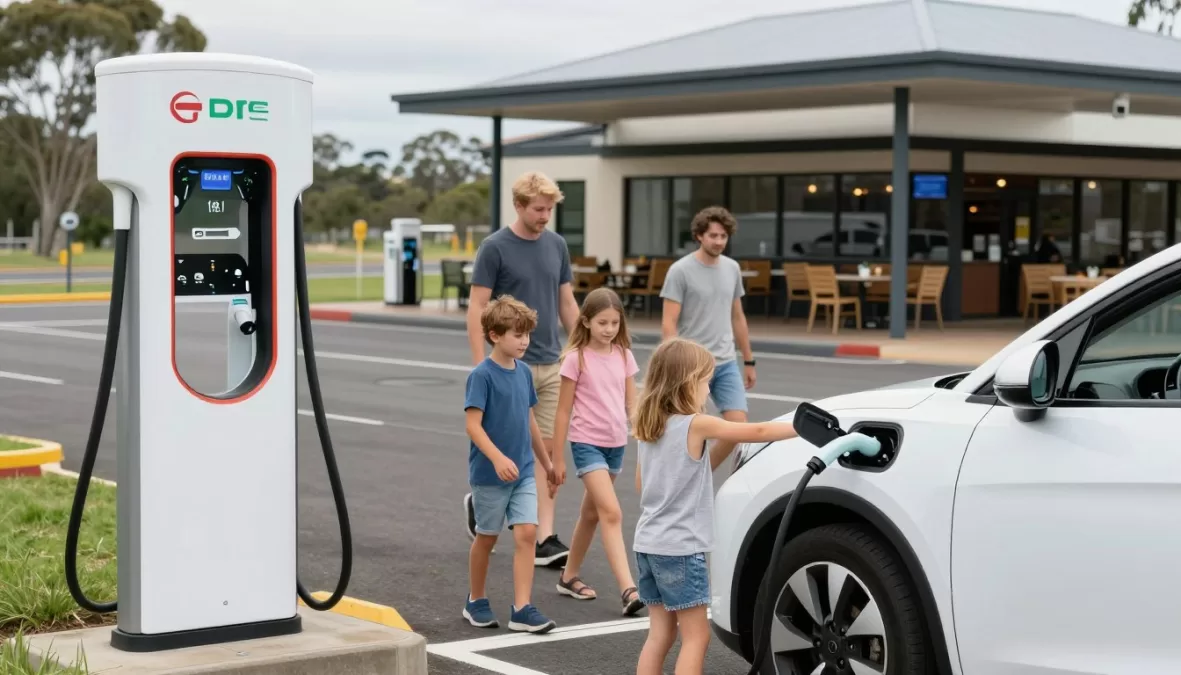
Fast DC chargers provide rapid top-ups during longer journeys. Modern electric vehicles accept 150-350kW charging speeds typically. A 20-minute stop adds 200-300 kilometers range conveniently.
Planning Road Trips
Route planning becomes slightly more important with electric vehicles initially. Most navigation systems automatically suggest charging stops along routes. Apps like PlugShare help locate chargers with real-time availability.
The major coastal routes feature excellent charging coverage currently established. Sydney to Melbourne, Melbourne to Adelaide, and Brisbane to Sydney all work well. Regional areas continue improving but require more careful planning.
Workplace and Destination Charging
Many workplaces now offer charging facilities for employee vehicles. This free charging significantly reduces running costs for daily commuters. Shopping centers increasingly provide charging during errands conveniently.
Destination chargers at hotels and tourist attractions support family holidays. These slower AC chargers work perfectly for overnight stays. The car charges while families enjoy activities worry-free.
Top Tip: Join multiple charging networks before long trips. Having backup options provides peace of mind if primary chargers are occupied or malfunctioning during peak travel times.
Running Costs and Savings
Electric cars offer significant savings over traditional vehicles long-term. Understanding the complete cost picture helps justify higher purchase prices. Many Australian families recoup the difference within several years.
Fuel Cost Savings
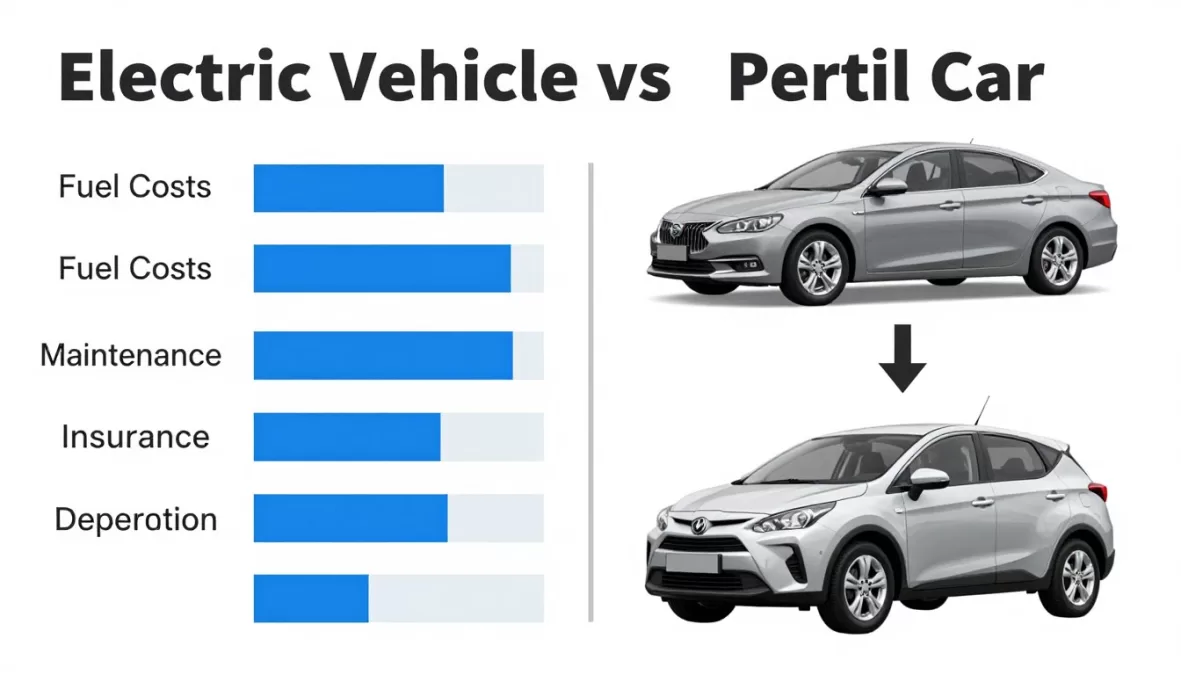
Electricity costs substantially less than petrol per kilometer traveled consistently. Average electricity rates charge about $0.30 per kWh off-peak. Most electric vehicles consume 15-20 kWh per 100 kilometers efficiently.
This translates to approximately $4.50-$6.00 per 100 kilometers driven. Equivalent petrol cars cost $15-$20 per 100 kilometers currently. Annual savings exceed $2,000 for typical family driving patterns.
- Electricity (15,000km): $750-$900
- Maintenance: $300-$500
- Registration: $600-$800
- Insurance: $1,200-$1,800
- Tyres (amortized): $300-$400
- Total: $3,150-$4,400
Electric Vehicle Annual Costs
- Fuel (15,000km): $2,400-$3,000
- Maintenance: $800-$1,200
- Registration: $600-$800
- Insurance: $1,000-$1,500
- Tyres (amortized): $300-$400
- Total: $5,100-$6,900
Petrol Vehicle Annual Costs
Maintenance Advantages
Electric vehicles require dramatically less maintenance than combustion vehicles. No engine oil changes, transmission services, or exhaust system repairs. Brake pad life extends significantly thanks to regenerative braking systems.
Annual servicing typically involves tire rotation and cabin filter replacement. Battery coolant checks occur periodically but infrequently throughout ownership. Overall maintenance costs decrease by 50-70% compared to equivalent petrol cars.
Government Incentives
Australian state and federal governments offer various incentives for electric vehicles. The fringe benefits tax exemption benefits salary sacrifice arrangements significantly. Some states provide registration discounts or stamp duty exemptions.
Federal Incentives
- FBT exemption for eligible vehicles
- Luxury car tax threshold increase
- Import tariff reductions
State Incentives (Vary)
- Registration discounts
- Stamp duty exemptions
- Free or discounted parking
- Toll road discounts
Depreciation Considerations
Electric vehicle depreciation patterns differ from traditional cars currently. Early models depreciated rapidly due to improving technology and prices. Recent models hold value better as the market matures.
Tesla vehicles historically maintain strong resale values in Australia. Established brands like Hyundai and Kia provide confidence through warranties. The used electric vehicle market continues developing as supply increases.
Key Considerations for Family EV Buyers
Selecting the right electric car requires evaluating your family’s specific needs carefully. Several unique factors influence which model suits your situation best. Taking time to consider these elements ensures satisfaction long-term.
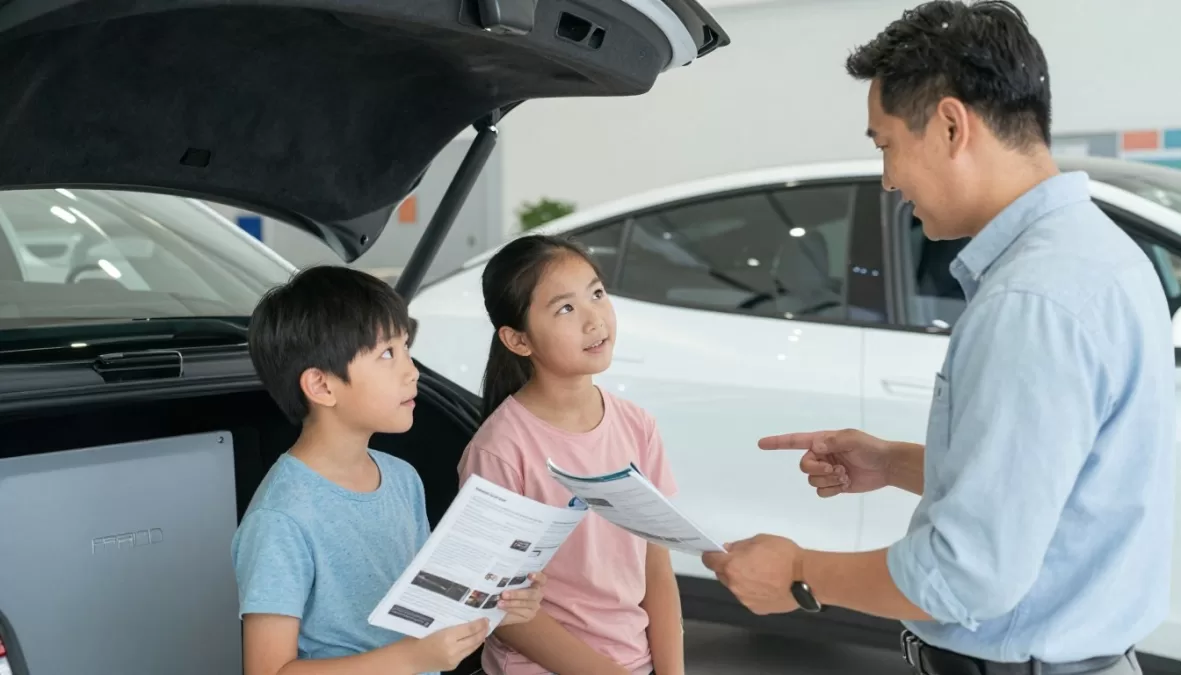
Assessing Your Space Requirements
Current family size provides the starting point for evaluation obviously. However, consider potential family growth within your ownership timeframe. Children grow rapidly requiring more personal space over time.
Evaluate typical passenger scenarios your family encounters regularly throughout weeks. Weekend activities with neighborhood children require extra seating occasionally. School carpools and sporting events influence seating needs significantly.
Family Size Guide: Two young children work well in compact EVs like the MG4. Three or more children benefit from mid-size SUVs like the Tesla Model Y. Growing teenagers need the space of vehicles like the Kia EV9.
Analyzing Your Driving Patterns
Track your typical weekly driving distances accurately before choosing models. Most families drive under 100 kilometers daily during normal routines. School runs, work commutes, and local errands rarely exceed this threshold.
Weekend trips and holiday travel require additional range capacity beyond daily needs. Interstate visits to relatives demand confidence in charging infrastructure availability. Understanding your maximum trip distances guides range requirements effectively.
Budget Planning
Establish your total budget including purchase price and charging installation costs. Home charger installation adds $1,500-$3,000 depending on electrical requirements. Factor these essential costs into your total investment calculations.
Consider financing options including loans and salary sacrifice arrangements carefully. The fringe benefits tax exemption makes novated leasing particularly attractive. Monthly repayments should fit comfortably within household budgets without stress.
Upfront Costs
- Vehicle purchase price
- On-road costs and registration
- Home charger and installation
- Extended warranty options
- Insurance policy setup
Ongoing Expenses
- Electricity for charging
- Annual servicing costs
- Insurance premiums
- Registration renewals
- Tire replacements
Test Drive Essentials
Schedule extended test drives allowing thorough evaluation with your family present. Bring child seats to test installation ease and fit properly. Check rear visibility with seats installed as this varies significantly.
Test cargo space with typical items like strollers and shopping bags. Fold rear seats to evaluate maximum cargo capacity realistically. Try accessing third-row seats if considering seven-seat models.
Warranty and Support
Electric vehicle warranties vary significantly between manufacturers currently in Australia. Battery warranties typically span 7-8 years with capacity guarantees included. Vehicle warranties range from 3-7 years depending on brand.
Dealer network density affects service convenience and parts availability substantially. Established brands like Hyundai and Nissan offer widespread service networks. Newer brands may have limited service center accessibility currently.
Important: Always verify warranty coverage details including battery degradation thresholds and maintenance requirements. Some warranties require servicing at authorized dealers to remain valid throughout the coverage period.
Advanced Safety Features in Modern EVs
Electric vehicles typically include comprehensive safety technology as standard equipment. Modern systems actively prevent accidents before they occur effectively. Understanding these features helps families choose the safest options available.
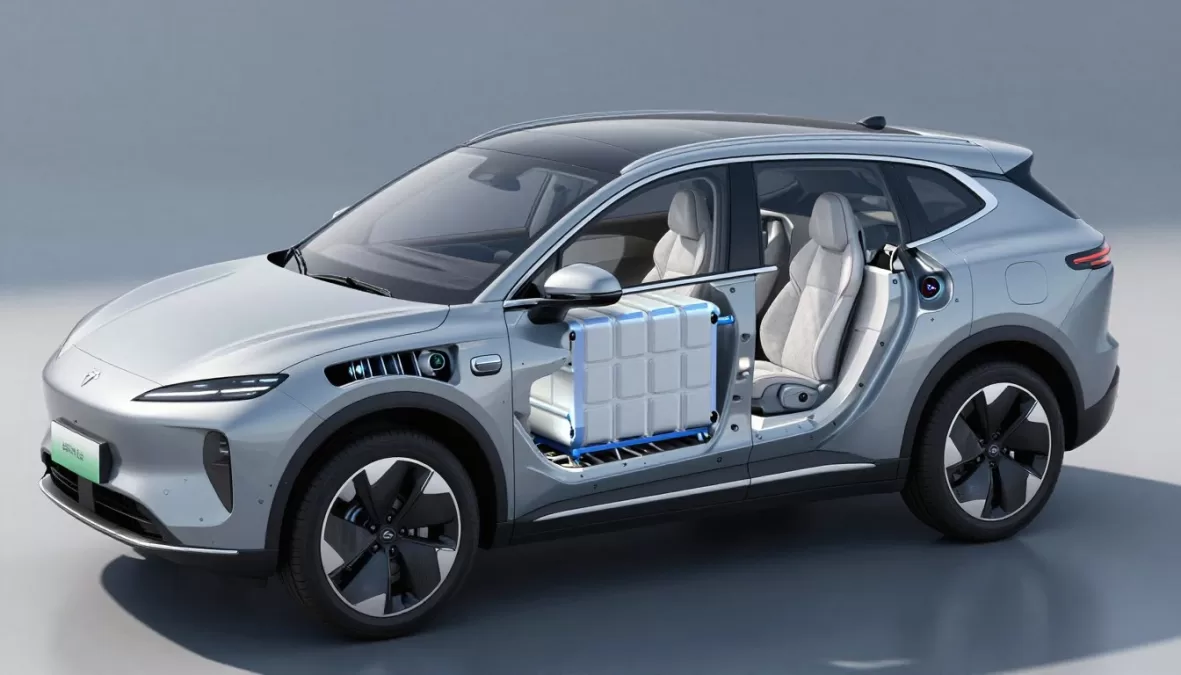
Active Safety Systems
Autonomous emergency braking detects potential collisions and intervenes automatically when necessary. The system monitors traffic ahead constantly using radar and cameras. Automatic braking activates if the driver fails to respond to warnings.
Lane keeping assistance prevents unintentional lane departures on highways effectively. Gentle steering corrections maintain proper lane position without driver input. Some systems allow brief hands-free operation on approved roads.
Collision Prevention
- Autonomous emergency braking
- Forward collision warning
- Rear cross-traffic alert
- Blind spot monitoring
Driver Assistance
- Adaptive cruise control
- Lane keeping assistance
- Traffic sign recognition
- Driver attention monitoring
Parking Aids
- 360-degree camera systems
- Parking sensors front and rear
- Automated parking assistance
- Reverse automatic braking
Structural Safety
Electric vehicle battery placement creates a low center of gravity naturally. This positioning reduces rollover risk in accident scenarios significantly. The heavy battery pack also strengthens the overall vehicle structure.
Manufacturers reinforce the battery area with protective structures comprehensively throughout. These reinforcements prevent battery damage during side impacts effectively. Crumple zones are optimized considering the different weight distribution.
Child Safety Features
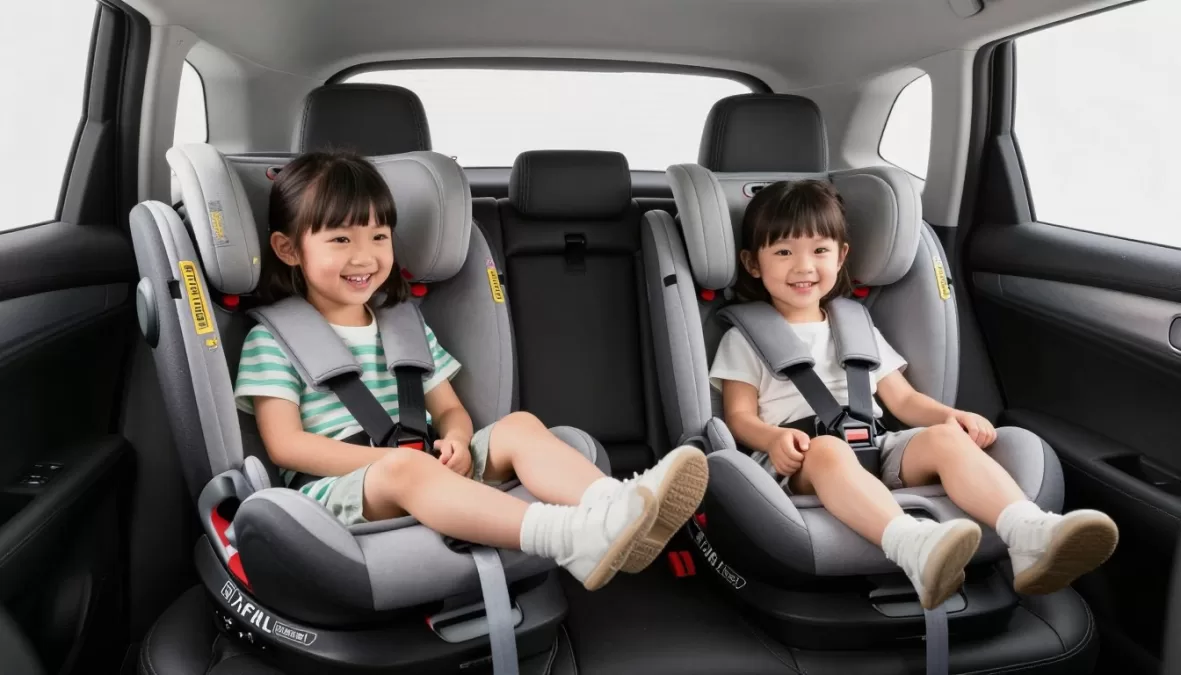
ISOFIX anchor points secure child seats more reliably than seatbelts alone. Most electric vehicles provide multiple ISOFIX points across rear seats. Top tether anchors add stability for forward-facing seats properly.
Rear door child locks prevent curious children opening doors while driving. Many modern EVs include electric child locks controlled from driver displays. Rear window locks prevent operation from back seats safely.
ANCAP Safety Ratings
The Australasian New Car Assessment Program rates vehicle safety objectively. Most modern electric vehicles achieve maximum 5-star ANCAP ratings consistently. These ratings consider adult protection, child protection, and safety technology.
Check ANCAP ratings before making final purchasing decisions always recommended. The detailed reports explain specific strengths and weaknesses transparently. Recent testing protocols have become more stringent progressively.
Environmental Benefits for Australian Families
Electric vehicles offer significant environmental advantages beyond zero tailpipe emissions. Understanding the complete environmental picture helps families make informed decisions. The benefits extend throughout the vehicle lifecycle comprehensively.
Emissions Reduction
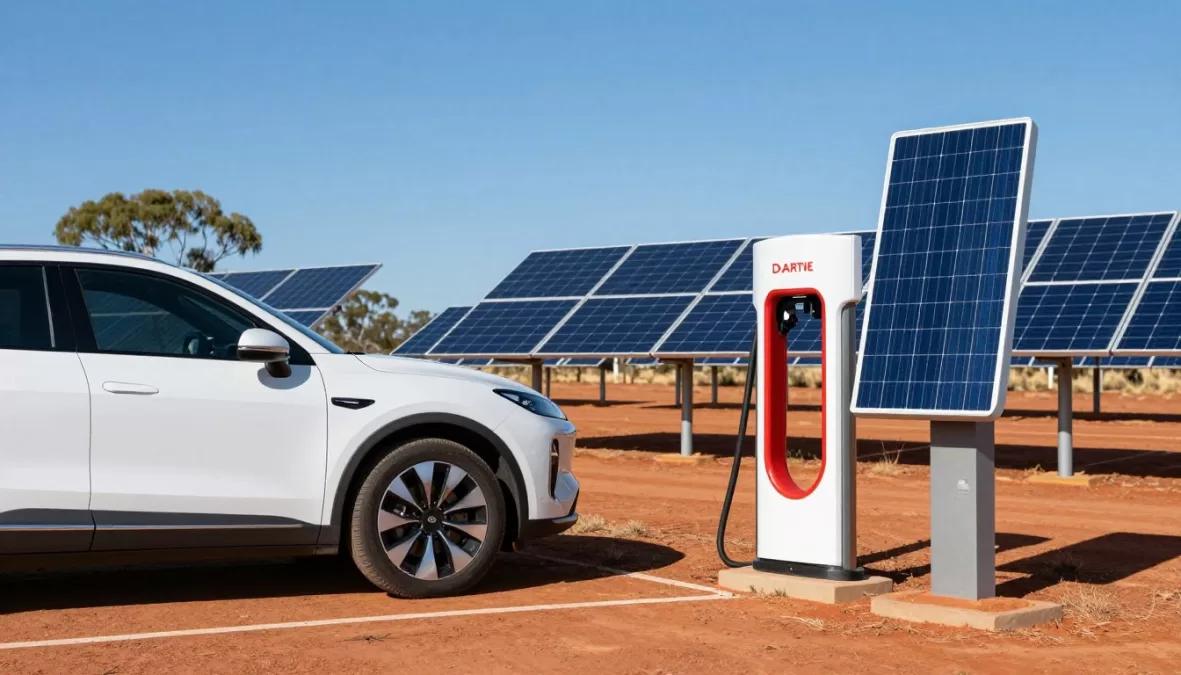
Electric vehicles produce zero direct emissions during operation obviously. Even accounting for electricity generation, total emissions decrease substantially. Australia’s increasing renewable energy percentage improves this advantage continuously.
Home solar panel owners essentially drive on sunshine completely carbon-free. Installing solar specifically for EV charging makes environmental and economic sense. Many families achieve complete energy independence for transportation needs.
Air Quality Improvements
Local air quality improves dramatically as electric vehicle adoption increases. Children benefit particularly from reduced particulate pollution near schools. Urban areas experience measurable air quality improvements with EV uptake.
Electric vehicles eliminate noise pollution alongside air pollution benefits together. Quieter streets create more pleasant residential environments for communities. The cumulative effect improves quality of life beyond emissions alone.
Resource Considerations
Battery production requires mining lithium, cobalt, and other materials admittedly. However, these materials are recyclable unlike petroleum products burned forever. Battery recycling technology continues improving efficiency and recovery rates.
Second-life applications extend battery usefulness beyond automotive use significantly. Retired EV batteries work excellently for home energy storage systems. This cascade use maximizes environmental value throughout material lifecycles.
Get Personalized EV Recommendations for Your Family
Our electric vehicle specialists understand family needs and Australian driving conditions. Schedule a free consultation to discuss your specific requirements, budget, and preferences. We’ll help identify the perfect electric vehicle for your family’s unique situation.
Monday to Saturday, 8:00 AM – 6:00 PM AEST
Frequently Asked Questions
How long does it take to charge an electric car at home?
Charging time depends on your home charging equipment and vehicle battery size. A dedicated Level 2 wall charger (7kW) typically adds 40-50 kilometers of range per hour. Most families charge overnight, waking to a full battery each morning. Completely charging a depleted battery takes 8-12 hours with home equipment, though you rarely need a full charge from empty. Standard power outlets charge much slower, adding only 10-15 kilometers per hour, making them impractical for regular use.
Can electric cars handle long road trips in Australia?
Modern electric vehicles handle Australian road trips confidently with proper planning. Major coastal routes feature reliable fast-charging networks every 150-250 kilometers. Popular routes like Sydney-Melbourne, Melbourne-Adelaide, and Brisbane-Sydney work well with current infrastructure. Fast chargers add 200-300 kilometers range in 20-30 minutes, similar to traditional fuel stops when accounting for bathroom breaks. Regional and remote areas require more careful planning currently, though infrastructure continues expanding rapidly. Apps like PlugShare and ABRP help plan routes with charging stops automatically.
Are electric vehicles more expensive to insure than petrol cars?
Insurance premiums for electric vehicles vary depending on the specific model and insurer. Premium electric vehicles like Tesla models typically cost more to insure due to higher repair costs and vehicle values. However, affordable models like the BYD Atto 3 and MG4 have competitive insurance rates similar to equivalent petrol vehicles. Many insurers now offer specialized EV policies with competitive pricing. The safer driving profiles of EV owners and comprehensive safety features can offset some costs. Always compare quotes from multiple insurers, as rates vary significantly between providers for electric vehicles.
What happens to electric car batteries when they need replacement?
Modern electric vehicle batteries rarely need replacement during normal vehicle lifespans. Most manufacturers warranty batteries for 7-8 years with capacity guarantees of 70-80%. Battery degradation occurs gradually, typically losing only 2-3% capacity annually. After automotive use, batteries retain significant capacity suitable for second-life applications like home energy storage. Battery recycling technology continues improving, with manufacturers now recovering 90-95% of valuable materials. The environmental impact decreases as recycling infrastructure matures. If replacement becomes necessary, costs have decreased substantially, typically ranging from $5,000-$15,000 depending on vehicle and battery size.
Can I install a home charger if I rent my property?
Installing home charging equipment while renting requires landlord approval first. Many landlords agree to installation if tenants cover costs and use licensed electricians. Portable charging equipment offers an alternative, plugging into existing power outlets without permanent installation. Some rental properties, particularly newer apartments, include EV charging infrastructure already. Government incentives sometimes apply to rental property charging installations. Workplace charging or nearby public chargers provide backup options if home installation proves impossible. Always document agreements with landlords regarding installation and removal upon vacating the property.
How do electric vehicles perform in Australian summer heat?
Modern electric vehicles handle Australian heat effectively with sophisticated thermal management systems. Battery cooling systems maintain optimal temperatures even during extreme heatwaves. Air conditioning impacts range less than many expect, typically reducing range by 10-15% maximum. Pre-conditioning the cabin while still plugged in at home minimizes this impact. Electric vehicles actually perform better in heat compared to extreme cold conditions. The instant cabin cooling provides comfort faster than traditional vehicles. Park in shade when possible to reduce battery thermal stress and improve efficiency. Regular software updates continue optimizing thermal management for Australian conditions.
What government incentives are available for electric vehicles in Australia?
Australian electric vehicle incentives vary by state and update regularly. The federal fringe benefits tax exemption benefits salary sacrifice arrangements significantly for eligible vehicles under the luxury car tax threshold. Several states offer stamp duty exemptions or reductions on electric vehicle purchases. Registration discounts apply in some jurisdictions, reducing ongoing costs. Some states provide rebates of $2,000-$3,000 for eligible vehicle purchases. Specific incentives depend on vehicle price, buyer income, and state of residence. Check with your state transport authority for current programs, as incentives change frequently and new programs launch regularly.
Are there enough public chargers for family road trips across Australia?
Public charging infrastructure across Australia continues expanding rapidly to support growing electric vehicle adoption. Major highways and coastal routes feature reliable fast-charging networks with stations every 150-250 kilometers typically. Popular tourist destinations increasingly install charging facilities to attract EV-driving visitors. Cities and regional centers offer multiple charging options at shopping centers and public facilities. Tesla’s Supercharger network provides excellent coverage for Tesla owners specifically. Other networks like Chargefox and Evie Networks serve all electric vehicle brands. Remote areas require more planning currently, though coverage improves monthly. Always plan routes using charging apps showing real-time station availability and functionality.
How safe are electric vehicles in accidents compared to petrol cars?
Electric vehicles typically achieve equal or superior safety ratings compared to equivalent petrol vehicles. Most modern EVs receive maximum 5-star ANCAP safety ratings with excellent scores across all categories. The low center of gravity from battery placement reduces rollover risk significantly. Battery protection structures reinforce the vehicle chassis, improving crash safety. Modern battery management systems prevent thermal runaway in accidents through multiple safety mechanisms. First responders receive specialized training for electric vehicle accidents. The absence of flammable fuel reduces fire risk in many collision scenarios. Comprehensive active safety features in most EVs help prevent accidents before they occur.
Can I tow a caravan or trailer with an electric vehicle?
Several electric vehicles offer towing capability suitable for caravans and trailers. The Kia EV9 tows up to 2,500 kg, suitable for mid-size caravans. The Ford F-150 Lightning handles 4,500 kg, matching traditional utes. Tesla Model X tows 2,250 kg comfortably. Towing significantly reduces driving range, typically by 40-60% depending on load and terrain. Plan charging stops more frequently when towing heavy loads. The instant torque of electric motors provides excellent towing performance from standstill. Some models include trailer sway control and integrated trailer brake controllers. Always check specific model towing ratings and ensure proper equipment installation for safe towing.
Making Your Family’s Electric Vehicle Choice
Selecting the perfect electric car for your Australian family requires balancing multiple factors carefully. Price, range, space, and features all influence which model suits your situation best. The good news is that excellent options now exist for virtually every family type and budget.
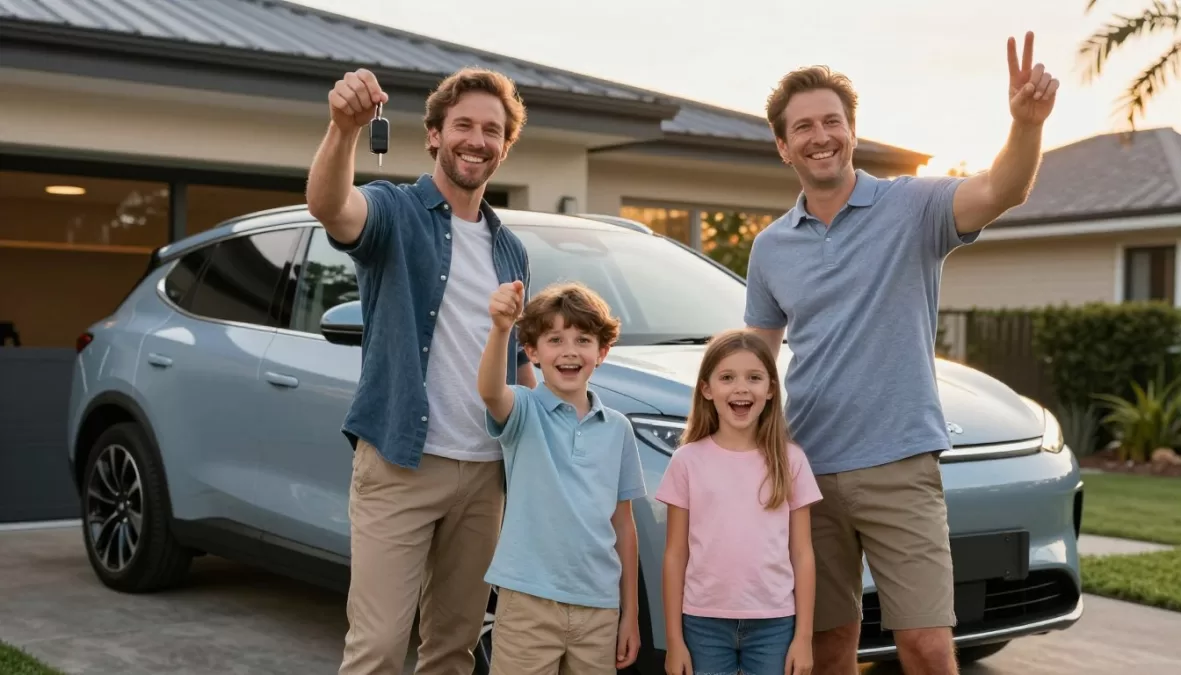
The electric cars in Australia for families market has matured significantly recently. Whether you need budget-friendly options like the MG4 or premium luxury like the Mercedes-Benz EQS SUV, suitable models exist. The Kia EV9 stands out as our top overall pick for its exceptional space and versatility. The Tesla Model Y offers the best combination of range and charging infrastructure accessibility.
Consider your family’s unique requirements before making final decisions always. Test drive multiple models with your family present to evaluate real-world suitability. Check child seat compatibility and cargo capacity with your specific needs in mind. Verify charging infrastructure along your regular routes and holiday destinations.
The transition to electric vehicle ownership proves easier than many families expect initially. Home charging eliminates most refueling inconvenience compared to petrol stations. Lower running costs benefit family budgets month after month reliably. Quieter cabins and instant acceleration make daily driving more pleasant.
Australian government incentives continue making electric vehicles more accessible financially for families. The fringe benefits tax exemption significantly reduces costs through salary sacrifice arrangements. State-based incentives provide additional savings depending on your location across Australia.
Electric vehicle technology improves continuously with regular software updates throughout ownership. Your car literally becomes better over time unlike traditional vehicles. This ongoing improvement represents unique value that extends throughout your ownership period.
The environmental benefits of electric vehicles align with values many families hold dear. Reducing your family’s carbon footprint while enjoying lower running costs creates a win-win situation. Children growing up with electric vehicles will view sustainable transportation as completely normal.
Now represents an excellent time for Australian families to make the switch to electric cars. Model selection exceeds previous years significantly with more arrivals planned. Charging infrastructure continues expanding rapidly across the continent making ownership easier. Prices continue falling as competition increases and technology matures steadily.
Take the next step by scheduling test drives of your shortlisted models soon. Experience firsthand how these electric vehicles suit your family’s lifestyle realistically. The future of family transportation is electric, and that future has arrived in Australia today.

Priyanka Pandey
Senior Research Editor · Top10Sense
Priyanka specializes in tech, consumer products, and digital trends. She combines hands-on testing, vendor interviews, and database research to create trustworthy “Top 10” rankings. Her work has been referenced by industry blogs and brand report pages.