
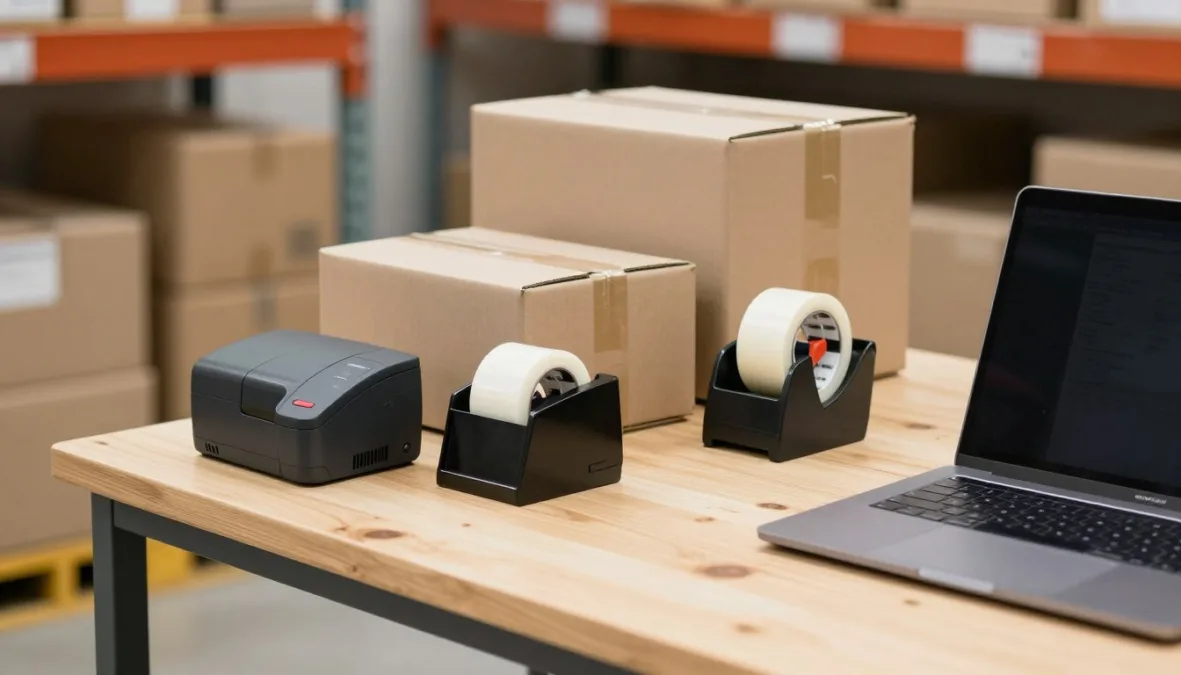
Selecting holiday shipping tools for small businesses requires balancing multi-carrier rate access, bulk label generation, and automated customer returns. Modern fulfillment platforms consolidate incoming orders across sales channels, calculate postage rates across major regional and national carriers, and eliminate manual data entry during peak fulfillment periods.
Operational complexity, daily shipment volume, and existing warehouse software determine which platform fits a business best. Smaller operations often prioritize zero-subscription software with immediate postage discounts, whereas growing catalog sellers rely on automated batch printing and real-time inventory synchronization.
Evaluation Criteria for Holiday Shipping Tools for Small Businesses
Managing order spikes during the holiday shopping season demands reliable shipping software that prevents fulfillment bottlenecks. Evaluating candidate platforms across four foundational capabilities helps prevent technical failures and delayed customer shipments when order volume surges.
- Batch Label Printing: High-speed generation of packing slips, pick lists, and shipping labels in single automated runs reduces manual processing time.
- Carrier Support: Direct connections to the United States Postal Service, UPS, FedEx, DHL Express, and regional courier networks allow instant rate shopping across delivery speeds.
- Automation Rules: Preset logic assigns box dimensions, carrier services, and insurance coverage based on package weight, destination, or item category.
- Returns Management: Self-service return portals and scan-based return labels provide convenient reverse logistics for recipients without requiring manual staff intervention.
In addition to these technical features, software stability under heavy network loads represents a vital requirement for holiday fulfillment. Reliable systems preserve order data integrity and maintain continuous label generation during peak sales events.
Side-by-Side Comparison of Top Shipping Platforms
Fulfillment software varies widely in monthly overhead, native integrations, and workflow specialization. The following comparison highlights the core capabilities of the ten evaluated tools for United States merchants.
| Platform | Best Use Case | Carrier Support | Batch Capacity | Primary Strength |
| ShipStation | Multichannel scaling | Extensive network | Advanced volume | Comprehensive workflow automation |
| Shippo | Fast startup | Major carriers | Standard batches | Intuitive modern user interface |
| Pirate Ship | Discount postage | USPS and UPS | Spreadsheet uploads | No monthly subscription fees |
| EasyShip | Global delivery | Worldwide couriers | Moderate volume | Calculated duties and customs documentation |
| ShippingEasy | Integrated marketing | Major domestic | Standard batches | Built-in customer email marketing tools |
| Ordoro | Dropshipping control | Leading carriers | Advanced volume | Multi-warehouse inventory synchronization |
| Veeqo | Multichannel retail | Major carriers | High volume | Inventory tracking with no platform fee |
| Stamps.com | Office mailing | USPS and UPS | Basic batches | Traditional desktop postal services |
| ShipWorks | Warehouse hubs | High customization | Heavy volume | On-premises server and desktop control |
| PitneyShip | Letters and parcels | USPS, UPS, FedEx | Moderate volume | Consolidated certified mail and package tracking |
ShipStation: Scaled Multi-Carrier Batch Processing
ShipStation serves as a centralized fulfillment hub for merchants operating across multiple storefronts and marketplaces. Its rules engine automates carrier selection, service tiers, and packaging assignments as soon as holiday orders import from online channels.
Advantages
- Supports hundreds of store integrations, marketplaces, and carrier accounts.
- Handles high-volume batch processing for rapid shipping label creation.
- Provides customizable tracking pages and customer self-service returns.
Limitations
- Tiered subscription pricing scales upward as shipment counts increase.
- Interface density requires training time for seasonal packing staff.
Subscription tiers reflect monthly shipment volume and administrative user seats. Growing retail brands that manage hundreds of packages each week find the automation rules save substantial labor during fulfillment crunches.
Shippo: Streamlined API and Marketplace Integrations
Shippo offers an accessible web interface combined with shipping infrastructure that integrates directly into e-commerce carts. Businesses gain immediate access to discounted carrier rates without navigating complicated logistics contracts.
Shippo provides pay-as-you-go label printing alongside professional subscription plans, making it practical for storefronts scaling up operations during peak holiday months without long-term commitments.
The platform supports batch label generation for standard operations, automated tracking updates, and simple return label creation. Limitations appear when complex warehouse setups require intricate routing rules or advanced inventory bin tracking. It remains well suited for boutique brands, craft producers, and emerging web retailers.
Pirate Ship: Accessible Discounted Postage
Pirate Ship eliminates recurring overhead by providing commercial shipping rates with zero monthly fees or label markup. Sellers access standard postal and parcel discounts directly through an intuitive browser application.

Pirate Ship supports single-order entry and batch fulfillment via spreadsheet uploads or native e-commerce store connections, helping lean operations manage holiday volume without software overhead.
Carrier choice is limited to the United States Postal Service and UPS, omitting direct integrations with FedEx or specialized freight providers. The platform delivers exceptional value for home businesses, pop-up sellers, and small workshops where avoiding monthly software overhead takes precedence.
EasyShip: Cross-Border and Global Logistics
EasyShip specializes in domestic parcel dispatch and international e-commerce fulfillment. The platform calculates applicable duties, import taxes, and customs requirements at checkout, lowering the risk of international shipment rejections.
Advantages
- Maintains access to hundreds of domestic and regional couriers worldwide.
- Automates customs declarations and tax calculations for export orders.
- Provides dynamic shipping rates within store shopping carts.
Limitations
- Advanced carrier features require higher-tier monthly subscriptions.
- Customs configuration adds complexity for merchants selling solely domestic goods.
Pricing plans include a restricted free tier along with subscription tiers structured around package counts and international functionality. Small merchants targeting international shoppers during the holiday season benefit significantly from its duty-paid checkout features.
ShippingEasy: Integrated Marketing and Automation
ShippingEasy pairs multi-carrier label printing with automated marketing tools, allowing small operations to manage post-purchase communication alongside parcel dispatch. The application connects directly to major merchant marketplaces to consolidate order streams.
While the combination of customer marketing emails and shipping management streamlines operations, merchants with existing marketing automation platforms may encounter redundant software costs.
Key capabilities include automated order importing, batch label printing, and configurable packing slips. Pricing follows a tiered structure based on monthly shipment tiers. Small businesses wanting an all-in-one software solution for holiday promotions and order fulfillment find it practical.
Ordoro: Advanced Inventory and Dropshipping Operations
Ordoro bridges parcel logistics and back-end inventory control, making it an effective choice for businesses balancing standard stock with third-party suppliers. Its routing system sends order items to dropshipping partners while generating shipping labels for in-house inventory.
Advantages
- Unifies multi-channel inventory counts to prevent holiday overselling.
- Supports automated dropshipping routing and vendor communication.
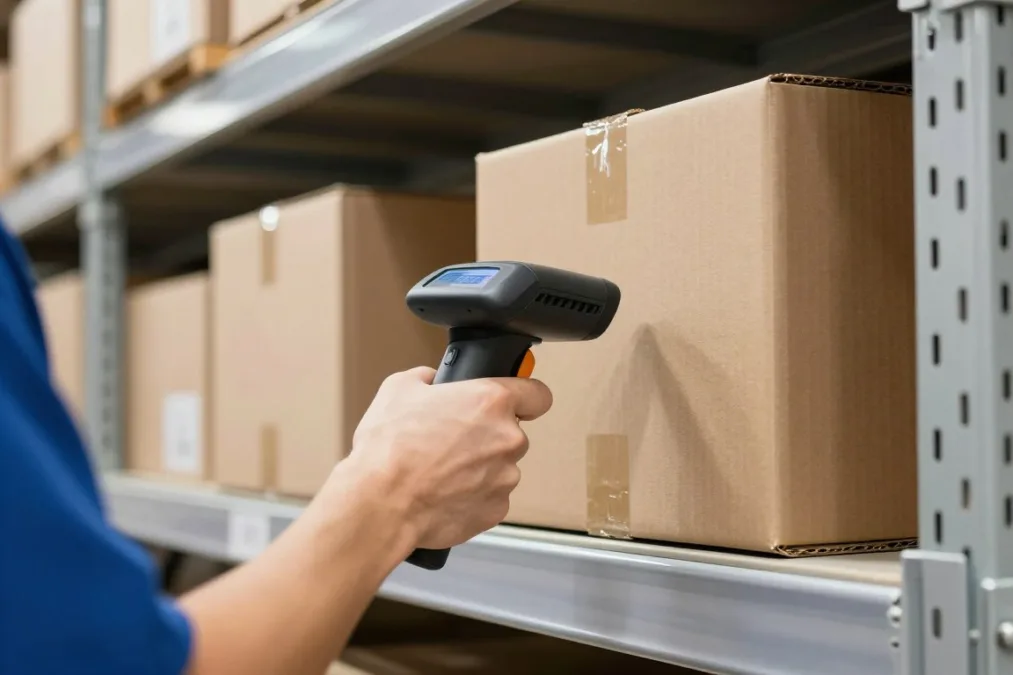
- Offers advanced barcode scanning for warehouse packing accuracy.
Limitations
- Higher cost profile compared to basic label-only printing software.
- Setup demands thorough catalog organization and warehouse mapping.
Pricing reflects advanced operations, offering dedicated shipping plans as well as comprehensive inventory plans. Fast-growing multichannel merchants and distributors handling complex fulfillment workflows gain the operational structure needed for high holiday volume.
Veeqo: Multi-Channel Inventory and Free Rate Access
Veeqo combines order routing, barcode picking, inventory synchronization, and label printing into a unified platform. Backed by Amazon, the software offers its core management and rate-shopping tools without recurring platform subscription fees.

Veeqo offers multi-location inventory synchronization and mobile scanning tools without charging monthly software fees, allowing retailers to reinvest fulfillment savings into peak season inventory.
The platform supports batch label generation, automatic carrier selection based on transit speed, and automated return creation. Limitations involve strict alignment with supported carrier accounts and marketplace rules. It suits multichannel retailers seeking professional inventory and batch shipping tools without added overhead.
Stamps.com: Traditional Postal and Office Fulfillment
Stamps.com remains an established platform for small offices and merchants requiring regular postal services alongside standard package shipping. It supports specialized postal classes, envelope printing, certified mail, and parcel dispatch from a single interface.
Stamps.com integrates directly with standard office printers and specialized thermal units, supporting standard letter mail alongside standard commercial package delivery.
The service operates under a fixed monthly fee structure that covers desktop software access and discounted carrier rates. Carrier access primarily covers the United States Postal Service and UPS, which limits sellers who rely on broader courier diversity. It serves home offices, legal practices, and boutique sellers that manage mixed office correspondence and merchandise fulfillment.
ShipWorks: High-Volume Desktop and Warehouse Control
ShipWorks delivers high-throughput label processing built for desktop and warehouse server environments. It connects directly with warehouse management databases, local scales, and automated sorting equipment to support high-volume distribution.
Advantages
- Processes massive batch runs locally without web-browser lag.
- Integrates deeply with localized warehouse hardware and databases.
- Enables advanced customized routing scripts and automated validation.
Limitations
- Requires Windows-compatible hardware and localized technical administration.
- Higher setup and monthly operational costs than cloud-based tools.
Plans depend on monthly shipping volume and technical integration requirements. Established brands operating dedicated packing stations and warehouse facilities find the localized speed critical during peak holiday volume.
PitneyShip: Consolidated Parcel and Office Mailing
PitneyShip provides a unified shipping portal for small businesses managing a combination of outbound office correspondence, client documents, and commercial merchandise packages. The platform allows users to print postage stamps, track envelopes, and print commercial parcel labels.
PitneyShip allows teams across multiple office desks or branch locations to print postage and manage outbound shipments from a single shared billing account.
Carrier partnerships focus on the United States Postal Service, UPS, and FedEx. Advanced rules automation and multi-location warehouse routing remain basic compared to dedicated e-commerce shipping software. It represents a practical option for professional services, boutique retail shops, and administrative offices needing combined mailing and parcel capabilities.
Recommendations by Business Model and Order Volume
Selecting the right shipping tool requires aligning software capabilities with current order volume, sales channels, and operational layout. Choosing software that matches your specific business model prevents fulfillment bottlenecks during the holiday shopping season.
- Home Businesses and Low-Volume Sellers: Pirate Ship offers immediate commercial postage discounts with zero subscription costs, making it ideal for lean holiday budgets.
- Rapidly Growing Multichannel Brands: ShipStation and Shippo provide scalable connections across multiple sales channels, automated batch fulfillment, and self-service return portals.
- International Retailers: EasyShip handles duties, international taxes, and cross-border paperwork to prevent global delivery holdups.
- Complex Catalog and Dropship Sellers: Ordoro and Veeqo unify multi-channel inventory tracking with multi-carrier label generation to reduce stock discrepancies.
- Dedicated Warehouse Operations: ShipWorks provides on-premises processing speed and hardware integration for industrial packing lines.
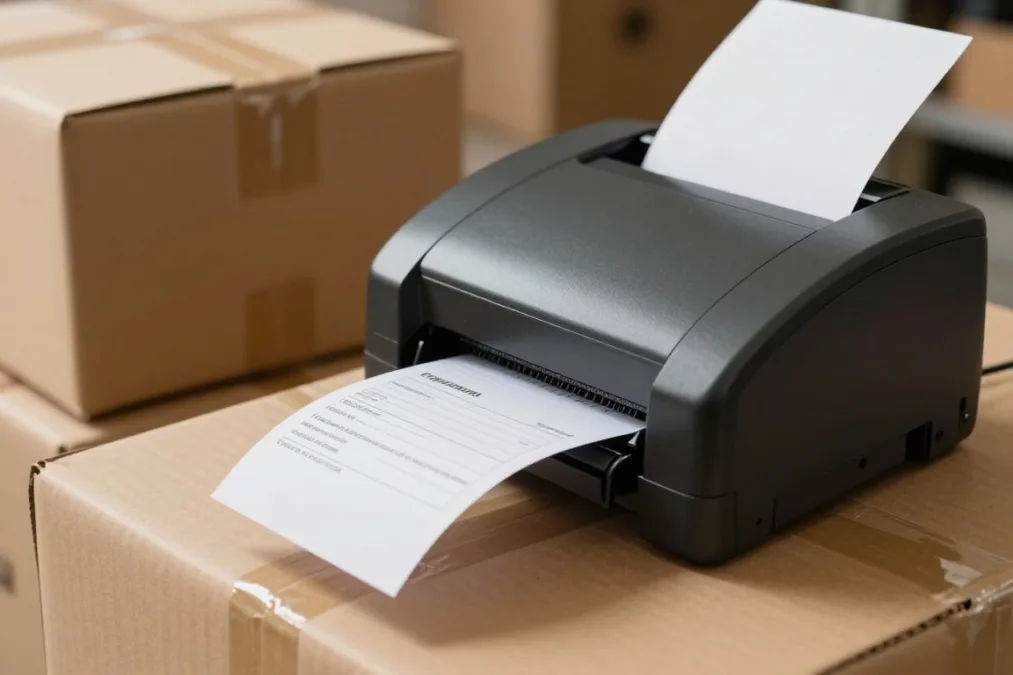
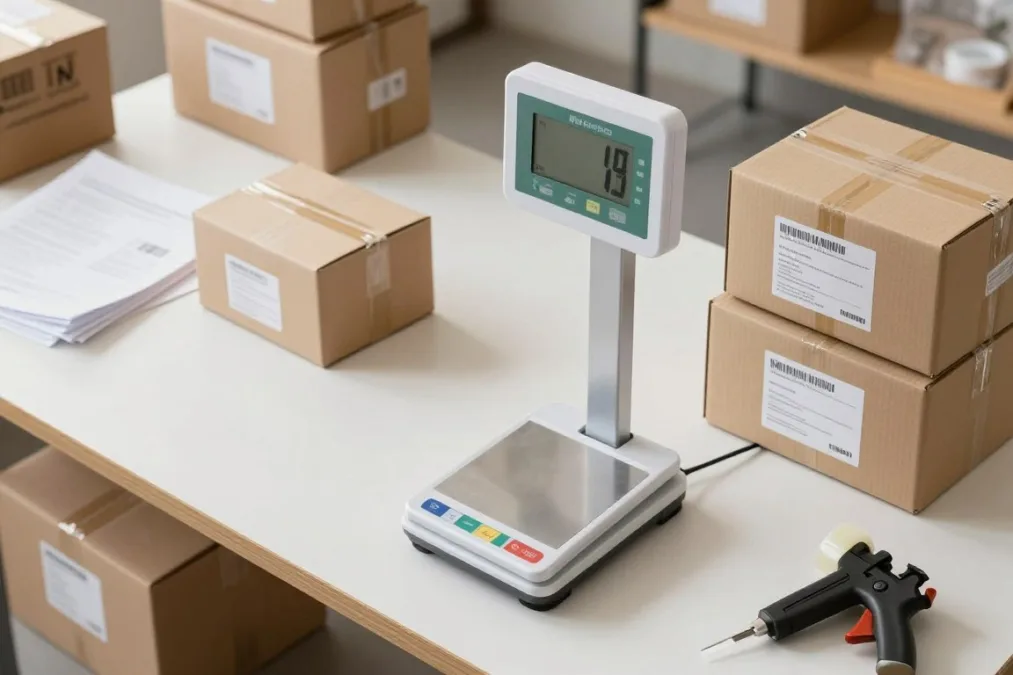
Reviewing software compatibility with existing thermal printers, digital scales, and shopping carts prior to peak season prevents last-minute hardware conflicts. Testing sample label batches ahead of peak shopping dates helps packing teams establish efficient fulfillment routines.
Frequently Asked Questions
When should shipping software be configured for the holiday shopping season?
Software setup, carrier account links, and hardware testing should be completed well in advance of peak holiday shopping events. Testing automations and label printers early allows fulfillment teams to resolve technical issues before daily order volume accelerates.
How does batch label printing save time during peak fulfillment?
Batch printing generates dozens or hundreds of packing slips and shipping labels simultaneously based on pre-set order filters. This eliminates opening orders individually and entering package dimensions manually at packing benches.
What carrier options help meet customer holiday delivery deadlines?
Multi-carrier shipping tools display real-time transit times and rates across ground, priority, and express services from various parcel providers. Comparing available speeds within a single dashboard helps select delivery tiers that meet customer expectations before holiday cutoff dates.
Why are automated return labels important for small businesses during the holidays?
Automated return portals let shoppers generate their own prepaid return labels online according to store return policies. This reduces customer support requests and speeds up reverse logistics for returned merchandise during January restocking.
Can multiple online sales channels connect to a single shipping tool?
Most modern shipping platforms aggregate orders automatically from multiple marketplaces, independent e-commerce stores, and manual order files into one dashboard. Once labels print, tracking details push back to the original sales channels automatically.
Building a Resilient Peak Season Shipping Strategy
Equipping an e-commerce operation with reliable shipping software transforms peak holiday demand into a smooth, manageable fulfillment process. Aligning platform features with daily shipment volume, carrier requirements, and return management needs supports timely package dispatch and positive customer delivery experiences throughout the holiday shopping season.

Priyanka Pandey
Senior Research Editor · Top10Sense
Priyanka specializes in tech, consumer products, and digital trends. She combines hands-on testing, vendor interviews, and database research to create trustworthy “Top 10” rankings. Her work has been referenced by industry blogs and brand report pages.