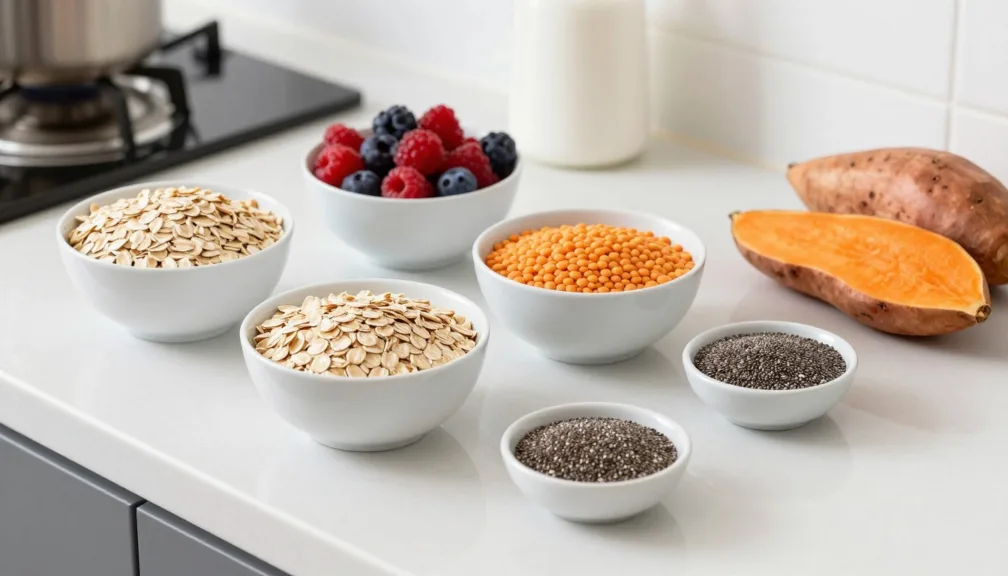
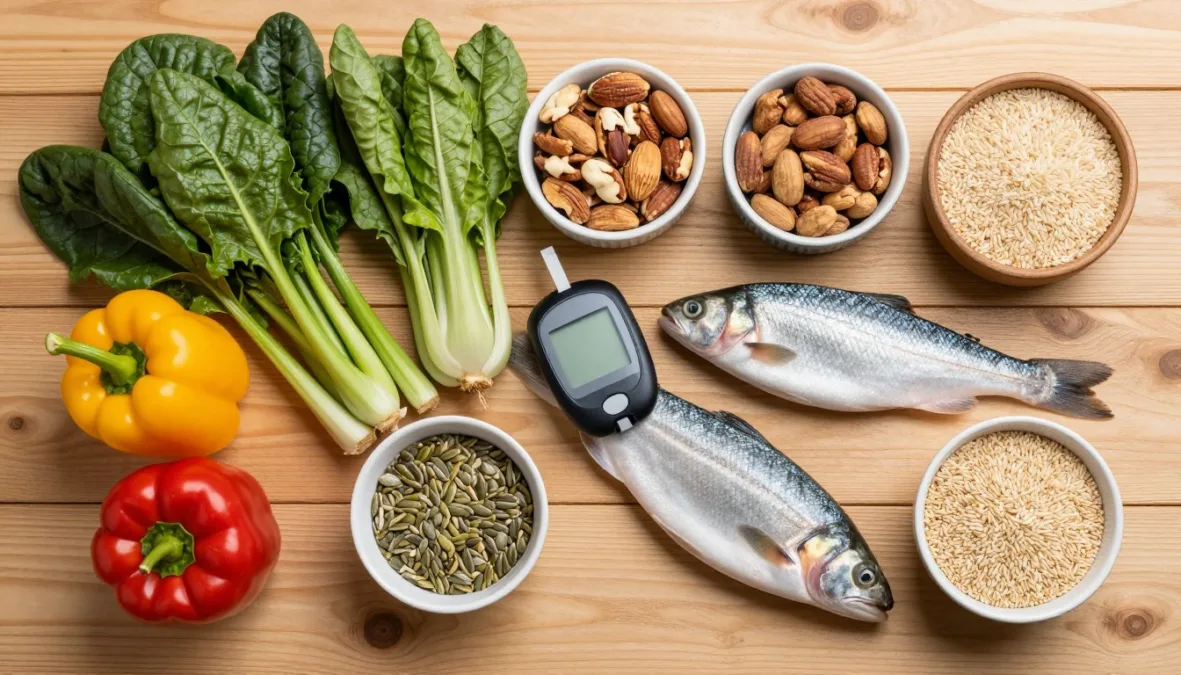
Managing blood sugar levels is one of the most important steps you can take for your long-term health. Whether you’re living with diabetes, experiencing high blood sugar, or simply want to reduce your risk of type 2 diabetes, the foods you eat play a critical role. The right dietary choices can help regulate blood sugar, improve insulin sensitivity, and support overall metabolic health.
This comprehensive guide explores the top 10 foods to lower blood sugar based on current scientific research. Each food contains specific nutrients and compounds that work to stabilize glucose levels naturally. You’ll learn exactly how these foods function in your body and discover practical ways to incorporate them into your daily meals.
Small changes in what you eat can create powerful results. Let’s explore the science-backed foods that help maintain healthy blood sugar throughout the day.
Get Your Free 7-Day Blood Sugar Balancing Meal Plan
Download our printable meal plan featuring all 10 blood sugar-lowering foods with portion sizes, recipes, and shopping lists. Start seeing results this week.
Why Food Choices Matter for Blood Sugar Management
Blood sugar levels fluctuate throughout the day based on what you eat, when you eat, and how your body processes nutrients. When you consume foods high in refined carbohydrates and added sugars, your blood glucose levels spike rapidly. This triggers a surge of insulin, which can lead to insulin resistance over time.
The foods featured in this guide work differently. They contain nutrients that slow digestion, stabilize glucose absorption, and support healthy insulin function. Many are rich in fiber, healthy fats, and specific compounds that directly influence blood sugar management.
Important Note: These foods complement medical treatment but do not replace prescribed medications. Always consult your healthcare provider before making significant dietary changes, especially if you have diabetes or take blood sugar medications.
Understanding how different foods affect your glucose levels empowers you to make informed choices. The following sections detail specific foods that have demonstrated significant benefits for blood sugar control in scientific studies.
1. Leafy Green Vegetables: Nature’s Blood Sugar Regulators
How Leafy Greens Help Lower Blood Sugar
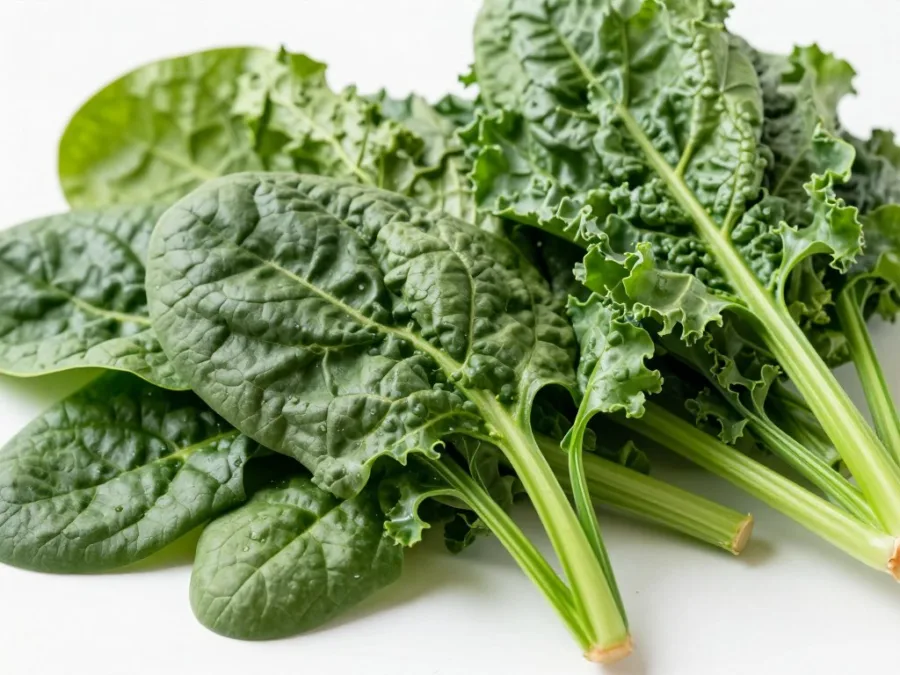
Green leafy vegetables rank among the most powerful foods for blood sugar management. Spinach, kale, collard greens, and Swiss chard contain extremely low carbohydrate content while providing high amounts of fiber and essential nutrients. These vegetables have a minimal impact on blood glucose levels.
Research shows that leafy greens are rich in magnesium, a mineral that plays a crucial role in insulin sensitivity. Studies indicate that people with higher magnesium intake have a significantly lower risk of type 2 diabetes. Just one cup of cooked spinach provides about 157 mg of magnesium.
Key Nutrients and Benefits
- High in soluble fiber that slows glucose absorption
- Rich in antioxidants that reduce inflammation and oxidative stress
- Excellent source of vitamins A, C, and K
- Contain alpha-lipoic acid, which may improve insulin sensitivity
- Very low glycemic index with minimal impact on blood sugar
Practical Ways to Include Leafy Greens
Adding more green leafy vegetables to your meals is easier than you might think. Start your day with a spinach and mushroom omelet. Create a large salad with mixed greens as your lunch base. Sauté kale with garlic as a side dish for dinner.
Smoothies offer another excellent option. Blend a handful of spinach with berries and Greek yogurt for a nutrient-dense breakfast that won’t spike your blood sugar. The mild flavor of spinach disappears when combined with fruit.
Pro Tip: Eating leafy greens with healthy fats like olive oil or avocado increases the absorption of fat-soluble vitamins and provides additional blood sugar benefits.
2. Fatty Fish: Omega-3 Powerhouses for Glucose Control

The Blood Sugar Benefits of Fatty Fish
Fatty fish like salmon, mackerel, sardines, and herring provide exceptional benefits for blood sugar management. These fish contain virtually zero carbohydrates while delivering high-quality protein and omega-3 fatty acids. This combination helps stabilize blood glucose levels and improve insulin sensitivity.
Multiple studies demonstrate that regular consumption of fatty fish reduces the risk of type 2 diabetes and improves glycemic control in people with diabetes. The omega-3 fatty acids EPA and DHA found in these fish reduce inflammation and support metabolic health.
Why Omega-3s Matter for Blood Sugar
Omega-3 fatty acids influence blood sugar through several mechanisms. They reduce chronic inflammation, which plays a significant role in insulin resistance. These healthy fats also improve cell membrane function, allowing cells to respond more effectively to insulin signals.
Research published in diabetes journals shows that people who eat fatty fish at least twice weekly have better insulin sensitivity compared to those who rarely consume fish. The protein content also helps slow digestion and prevent blood sugar spikes after meals.
Choosing and Preparing Fatty Fish
- Wild-caught salmon provides the highest omega-3 content
- Canned sardines and mackerel offer convenient, affordable options
- Aim for at least two 3-ounce servings per week
- Baking, grilling, or poaching preserves nutritional benefits better than frying
- Pair with non-starchy vegetables for a complete blood sugar-friendly meal
3. Nuts and Seeds: Small Foods with Big Impact on Blood Sugar
How Nuts and Seeds Help Regulate Blood Sugar
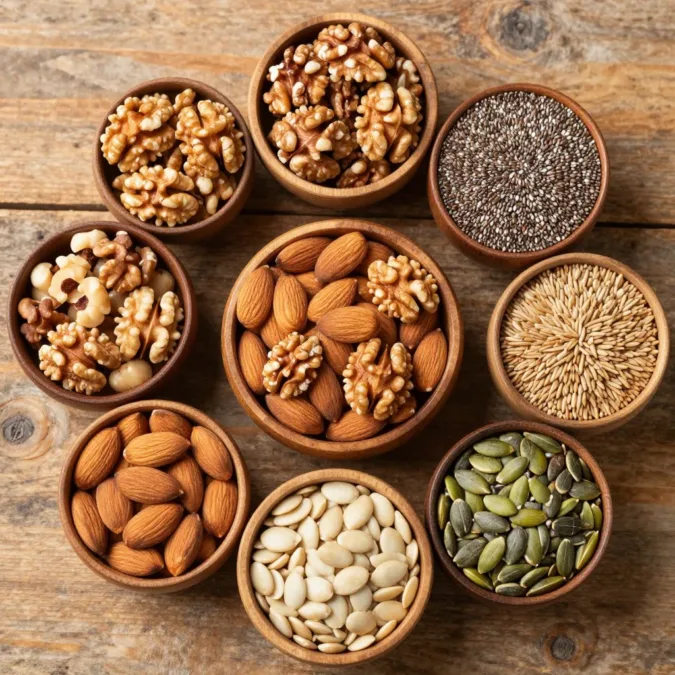
Nuts and seeds pack an impressive nutritional profile that supports healthy blood sugar levels. Almonds, walnuts, chia seeds, and flaxseeds combine healthy fats, protein, and fiber in a low-carbohydrate package. This nutrient combination slows the absorption of glucose into your bloodstream.
Clinical trials show that eating nuts regularly improves long-term blood sugar management. One study found that people who consumed almonds with meals experienced significantly smaller blood sugar spikes compared to control groups. The effect was dose-dependent, meaning more nuts provided greater benefits.
Specific Benefits by Type
Different nuts and seeds offer unique advantages. Almonds contain high amounts of magnesium and vitamin E, both important for insulin function. Walnuts provide omega-3 fatty acids similar to fish. Chia seeds deliver exceptional fiber content, with 10 grams of fiber per ounce.
Flaxseeds contain lignans, plant compounds that may improve insulin sensitivity and reduce inflammation. Ground flaxseed works better than whole seeds because your body can digest and absorb the nutrients more effectively.
Smart Serving Strategies
Portion control matters with nuts and seeds because they’re calorie-dense. A small handful provides substantial health benefits without excessive calories. One serving equals about 1 ounce or a small handful.
Add chopped nuts to salads for extra crunch and nutrition. Sprinkle ground flaxseed or chia seeds into smoothies, yogurt, or oatmeal. Keep small portions of nuts in your bag for a convenient, blood sugar-friendly snack.
- Choose raw or dry-roasted nuts without added sugar
- Store in airtight containers to maintain freshness
- Combine with protein sources for balanced meals
- Avoid honey-roasted or candy-coated varieties
Weekly Blood Sugar Management Newsletter
Get evidence-based tips, recipes, and strategies delivered to your inbox every week. Join thousands managing their blood sugar naturally.
4. Greek Yogurt: Probiotic Power for Blood Sugar Balance

Why Greek Yogurt Supports Healthy Blood Sugar
Greek yogurt stands out from regular yogurt due to its higher protein content and lower carbohydrate levels. The straining process removes much of the lactose (milk sugar), resulting in a product that has minimal impact on blood glucose levels while providing substantial protein.
Research demonstrates that fermented dairy products like Greek yogurt may reduce the risk of type 2 diabetes. A large-scale study following over 100,000 participants found that people consuming yogurt regularly had an 18% lower diabetes risk compared to those who rarely ate yogurt.
The Probiotic Advantage
Greek yogurt contains beneficial bacteria that support gut health. Emerging research suggests a strong connection between gut microbiome composition and blood sugar regulation. These probiotics may improve insulin sensitivity and reduce inflammation associated with insulin resistance.
The high protein content helps stabilize blood sugar in another important way. Protein triggers minimal insulin response while promoting satiety. This helps prevent overeating and reduces cravings for high-sugar foods throughout the day.
Selecting the Right Greek Yogurt
- Choose plain, unsweetened varieties to avoid added sugars
- Look for products labeled “live and active cultures”
- Full-fat options provide more satiety than fat-free versions
- Check nutrition labels for less than 10 grams of carbs per serving
- Add your own fresh berries instead of buying fruit-flavored varieties
Transform plain Greek yogurt into a delicious meal or snack by adding cinnamon, vanilla extract, or a small amount of nuts and seeds. Use it as a base for smoothies or as a replacement for sour cream in recipes.
5. Avocados: Healthy Fats That Help Lower Blood Sugar

The Unique Blood Sugar Benefits of Avocados
Avocados contain almost no sugar and very few carbohydrates, making them exceptional for blood sugar management. What they do provide is an abundance of healthy monounsaturated fats, fiber, and various nutrients that support metabolic health and help regulate blood glucose.
Studies show that adding avocado to meals significantly reduces post-meal blood sugar spikes. The healthy fats slow down stomach emptying and carbohydrate digestion, leading to a more gradual rise in blood glucose levels after eating.
Nutritional Profile and Mechanisms
One medium avocado provides approximately 13 grams of fiber, much of it soluble fiber that helps control blood sugar. The monounsaturated fats in avocados improve insulin sensitivity and reduce inflammation. These same fats help your body absorb fat-soluble vitamins from other foods.
Avocados also contain a variety of vitamins and minerals that support blood sugar regulation. They’re particularly rich in potassium, which research links to better insulin sensitivity and lower diabetes risk. A single avocado provides more potassium than a medium banana.
Adding Avocados to Your Diet
Breakfast Ideas
- Mash avocado on whole-grain toast with eggs
- Add sliced avocado to omelets
- Blend into green smoothies for creaminess
Lunch and Dinner Options
- Top salads with cubed avocado
- Use as a base for healthy sauces
- Include in wraps and sandwiches
Despite their calorie density, research suggests avocados don’t contribute to weight gain when eaten in moderate amounts. The combination of fiber and healthy fats promotes satiety, potentially reducing overall calorie intake.
6. Legumes and Beans: Fiber-Rich Foods for Stable Blood Sugar
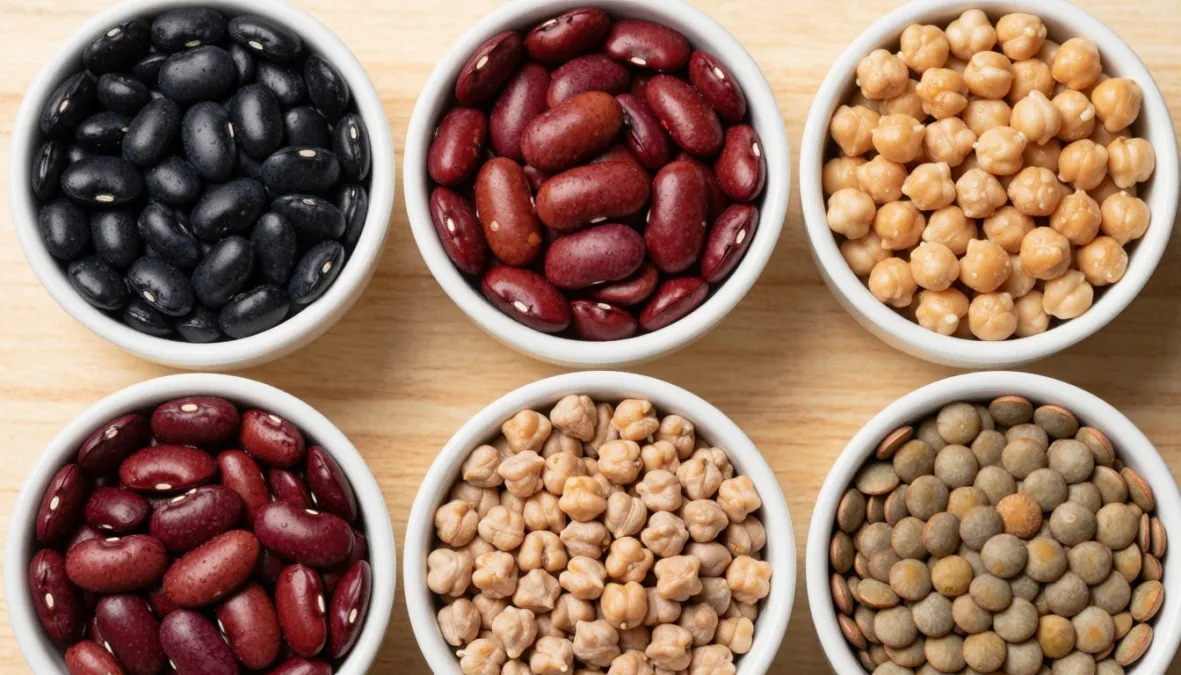
How Beans and Legumes Regulate Blood Glucose
Beans, lentils, and chickpeas provide an ideal combination of complex carbohydrates, protein, and fiber. This nutrient profile creates a minimal impact on blood sugar despite containing carbohydrates. The high fiber content slows digestion and prevents rapid glucose absorption.
Multiple research studies demonstrate that regular legume consumption improves glycemic control and reduces diabetes risk. One comprehensive review found that people who ate legumes regularly had significantly better long-term blood sugar management compared to those who rarely consumed these foods.
The Power of Resistant Starch
Legumes contain resistant starch, a special type of carbohydrate that behaves more like fiber than regular starch. Your small intestine can’t break down resistant starch, so it doesn’t raise blood sugar. Instead, it travels to your colon where it feeds beneficial gut bacteria.
This process produces short-chain fatty acids that may improve insulin sensitivity throughout your body. The resistant starch content increases when you cook beans and then cool them, making bean salads particularly beneficial for blood sugar management.
Best Choices and Preparation Methods
- Lentils cook quickly and require no soaking
- Black beans provide exceptional fiber with 15 grams per cup
- Chickpeas offer versatility for various dishes
- Kidney beans deliver high protein and low glycemic impact
- Canned beans work well when rinsed to reduce sodium
- Sprouted beans may have enhanced nutrient availability
Include legumes in soups, salads, and main dishes. Make bean-based dips like hummus for a blood sugar-friendly snack. Replace some meat with beans to increase fiber while reducing saturated fat intake.
Download Your Blood Sugar Grocery Shopping Checklist
Get our printable shopping list organized by grocery store section. Never wonder what to buy again – everything you need for blood sugar-friendly meals in one convenient checklist.
7. Berries: Antioxidant-Rich Fruits That Won’t Spike Blood Sugar
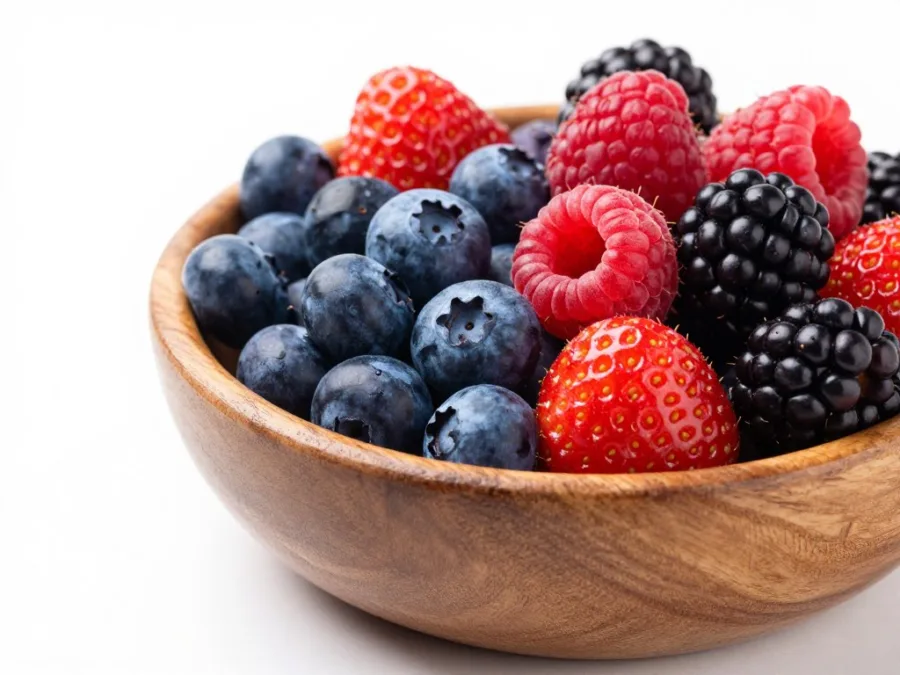
Why Berries Are the Best Fruit Choice for Blood Sugar
Berries stand apart from other fruits when it comes to blood sugar management. Strawberries, blueberries, raspberries, and blackberries contain less sugar and more fiber compared to tropical fruits and melons. Their high antioxidant content provides additional metabolic benefits beyond simple glucose control.
Research specifically examining berry consumption shows impressive results. Studies indicate that eating berries regularly improves insulin sensitivity and reduces inflammation markers. The compounds in berries may also help regulate blood glucose by influencing how your body processes carbohydrates.
The Science Behind Berry Benefits
Berries contain powerful plant compounds called anthocyanins, which give them their deep colors. These antioxidants have been shown to reduce insulin resistance and improve pancreatic function. The fiber in berries further slows sugar absorption, preventing blood glucose spikes.
One cup of strawberries contains only about 12 grams of carbohydrates, with 3 grams of fiber. Raspberries provide even more fiber at 8 grams per cup. This high fiber-to-carbohydrate ratio makes berries ideal for blood sugar management.
Incorporating Berries Into Meals
Breakfast Options
- Add to Greek yogurt
- Blend into smoothies
- Top whole-grain cereal
Snack Ideas
- Eat fresh with nuts
- Freeze for a cold treat
- Pair with cheese
Meal Additions
- Toss into salads
- Create sugar-free sauces
- Use as dessert
Fresh berries work best, but frozen berries without added sugar provide equal nutritional benefits. Frozen berries often cost less and last longer, making them a practical choice for regular consumption.
8. Whole Grains: Smart Carbohydrate Choices for Glycemic Control
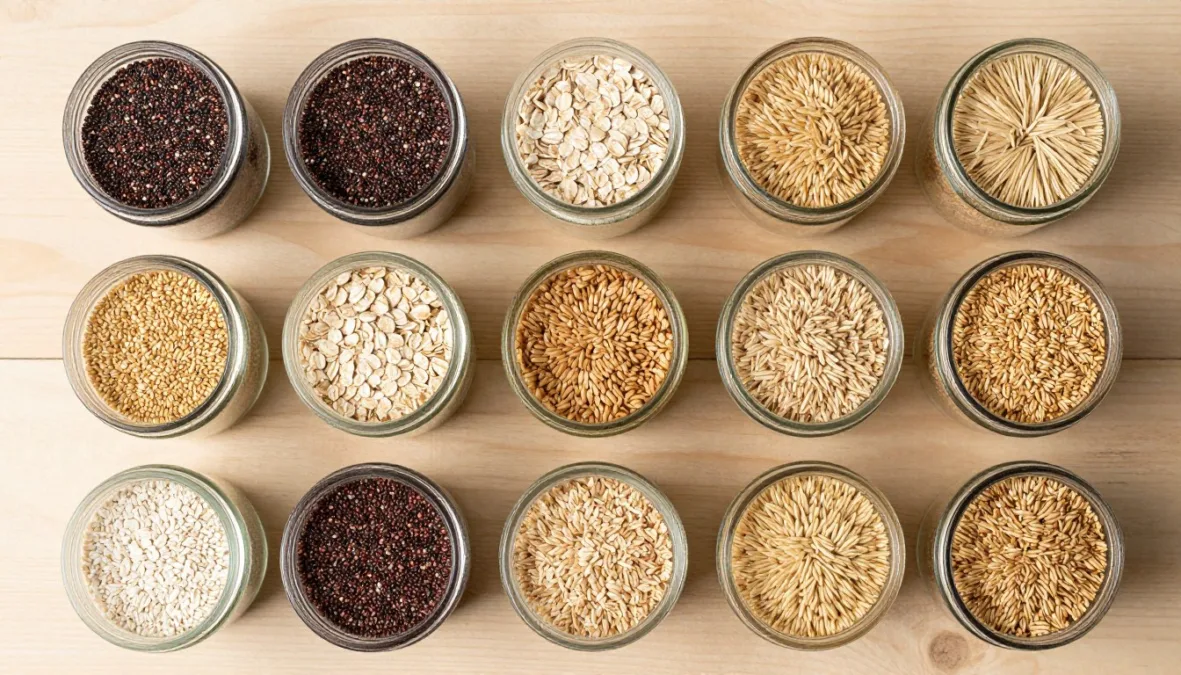
Understanding Whole Grains and Blood Sugar
Not all carbohydrates affect blood sugar equally. Whole grains like quinoa, oats, and brown rice contain the entire grain kernel, including the fiber-rich bran and nutrient-dense germ. This makes them far superior to refined grains for blood sugar management.
The fiber in whole grains slows digestion and creates a gradual rise in blood glucose rather than a sharp spike. Research consistently shows that replacing refined grains with whole grains improves insulin sensitivity and reduces the risk of type 2 diabetes.
Best Whole Grains for Blood Sugar Control
Steel-cut oats provide one of the best options. Unlike instant oatmeal, steel-cut oats undergo minimal processing and retain maximum fiber. They have a lower glycemic index and provide sustained energy without dramatic blood sugar fluctuations.
Quinoa offers complete protein along with fiber, making it exceptionally beneficial for blood sugar. One cup of cooked quinoa provides 5 grams of fiber and 8 grams of protein. This combination helps stabilize glucose levels after meals.
Barley contains a special type of fiber called beta-glucan that has been specifically shown to improve insulin sensitivity. Studies demonstrate that eating barley regularly can reduce fasting blood sugar levels and improve overall glycemic control.
Portion Control and Preparation
- Measure portions to avoid excessive carbohydrate intake
- One-half to three-quarters cup of cooked grains per meal is appropriate
- Pair whole grains with protein and vegetables for balanced meals
- Cook in batches and refrigerate for convenient meal prep
- Choose steel-cut or rolled oats instead of instant varieties
- Look for “100% whole grain” on product labels
Replace white rice with brown rice or quinoa. Choose whole-grain bread over white bread. Start your day with steel-cut oats instead of sugary cereal. These simple substitutions can significantly improve your blood sugar management.
9. Cinnamon: A Powerful Spice for Blood Sugar Reduction

How Cinnamon Affects Blood Glucose
Cinnamon contains bioactive compounds that mimic insulin and increase glucose uptake by cells. Research shows that regular cinnamon consumption can lower fasting blood sugar levels by 10-29% in some people with type 2 diabetes. Even small amounts may provide measurable benefits.
The active compounds in cinnamon improve insulin sensitivity at the cellular level. They help cells respond more effectively to insulin signals, allowing glucose to enter cells more efficiently. This mechanism helps lower blood sugar levels throughout the day.
Types of Cinnamon and Effective Doses
Two main types of cinnamon exist: Ceylon cinnamon and Cassia cinnamon. Ceylon cinnamon is considered “true cinnamon” and contains lower levels of coumarin, a compound that can be harmful in large amounts. For regular daily use, Ceylon cinnamon represents the safer choice.
Research suggests that consuming between one-half to two teaspoons of cinnamon per day may help lower blood sugar. However, individual responses vary significantly. Some people experience dramatic improvements while others see minimal effects.
Easy Ways to Add Cinnamon Daily
- Sprinkle on Greek yogurt or cottage cheese
- Add to morning coffee or tea
- Mix into oatmeal or overnight oats
- Blend into smoothies
- Season roasted vegetables
- Include in spice rubs for meat
Important: Cinnamon supplements are available but aren’t regulated the same way as medications. Always discuss supplements with your healthcare provider, especially if you take diabetes medications, as combining them could cause blood sugar to drop too low.
10. Apple Cider Vinegar: A Simple Addition with Big Blood Sugar Benefits

The Science of Vinegar and Blood Sugar
Apple cider vinegar has gained significant attention for its potential blood sugar benefits, and scientific research supports many of these claims. Studies show that consuming vinegar before or with meals can reduce post-meal blood sugar spikes by 20-30% in some individuals.
The acetic acid in vinegar appears to slow stomach emptying and improve insulin sensitivity. It may also reduce the rate at which your body converts starch into glucose. These mechanisms work together to create more stable blood sugar levels after eating.
Research-Backed Benefits
One well-designed study found that taking two tablespoons of apple cider vinegar before bedtime reduced fasting blood sugar levels by 4% the next morning. Another study showed that vinegar consumed with a high-carbohydrate meal significantly reduced the blood sugar spike that typically follows such meals.
The effects seem most pronounced when vinegar is consumed before meals containing carbohydrates. This timing allows the acetic acid to influence digestion and glucose absorption when it matters most.
Safe and Effective Usage
- Dilute 1-2 tablespoons in a large glass of water
- Drink before meals, especially those containing carbohydrates
- Never drink undiluted vinegar as it can damage tooth enamel
- Use a straw to minimize contact with teeth
- Start with smaller amounts and increase gradually
- Choose organic, unfiltered apple cider vinegar with “the mother”
You can also incorporate apple cider vinegar into your diet through salad dressings and marinades. Mix it with olive oil, herbs, and spices for a blood sugar-friendly dressing that adds flavor to vegetables and salads.
Caution: If you take medications for diabetes or other conditions, consult your healthcare provider before adding apple cider vinegar to your routine. The combination could cause blood sugar to drop too low.
Creating Blood Sugar-Friendly Meals: Practical Strategies
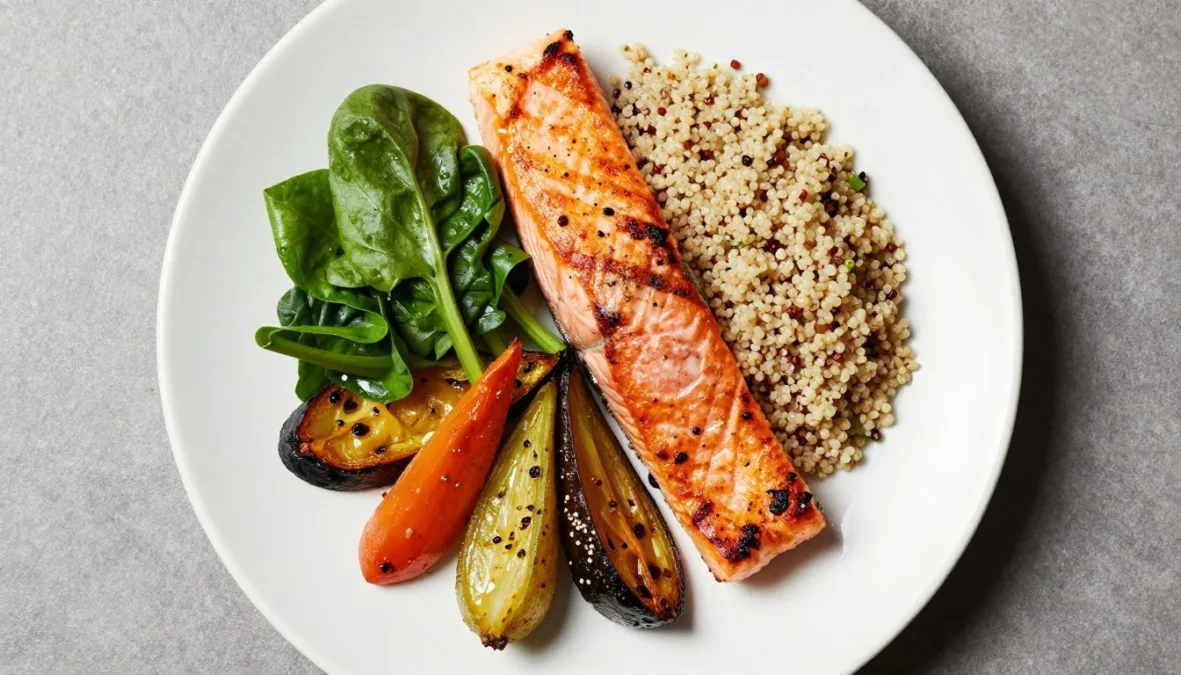
Building Balanced Plates
Knowing which foods help lower blood sugar is just the first step. Understanding how to combine these foods into balanced meals maximizes their benefits. The right combination of protein, healthy fats, fiber, and complex carbohydrates creates stable blood glucose throughout the day.
Use the plate method as a simple visual guide. Fill half your plate with non-starchy vegetables like leafy greens and broccoli. One quarter should contain lean protein such as fatty fish or legumes. The remaining quarter can include whole grains or starchy vegetables in appropriate portions.
Timing and Frequency Considerations
When you eat matters almost as much as what you eat. Consistent meal timing helps regulate blood sugar by creating predictable patterns your body can anticipate. Eating at roughly the same times each day supports better glycemic control.
Many people find that eating smaller, more frequent meals prevents large blood sugar fluctuations. However, others do better with three regular meals and no snacking. Monitor your individual response to determine what works best for your body.
Breakfast Foundation
Start with protein and healthy fats to stabilize morning blood sugar.
- Greek yogurt with berries and nuts
- Eggs with avocado and vegetables
- Steel-cut oats with cinnamon
- Smoothie with spinach and protein
Lunch Ideas
Combine vegetables, protein, and fiber for sustained energy.
- Large salad with salmon and beans
- Quinoa bowl with vegetables
- Lentil soup with leafy greens
- Whole-grain wrap with avocado
Dinner Solutions
Focus on lean protein and non-starchy vegetables.
- Grilled fish with roasted vegetables
- Stir-fry with plenty of greens
- Bean-based chili with salad
- Chicken with quinoa and broccoli
Smart Snacking
Choose combinations that prevent blood sugar spikes.
- Apple slices with almond butter
- Vegetables with hummus
- Handful of nuts and berries
- Hard-boiled eggs with cherry tomatoes

Recommended: Continuous Glucose Monitor
Track your blood sugar in real-time to see exactly how different foods affect your glucose levels. This top-rated monitor provides accurate readings and connects to your smartphone.
- Real-time glucose tracking
- Smartphone app integration
- 14-day sensor wear time
- No fingerstick calibration needed
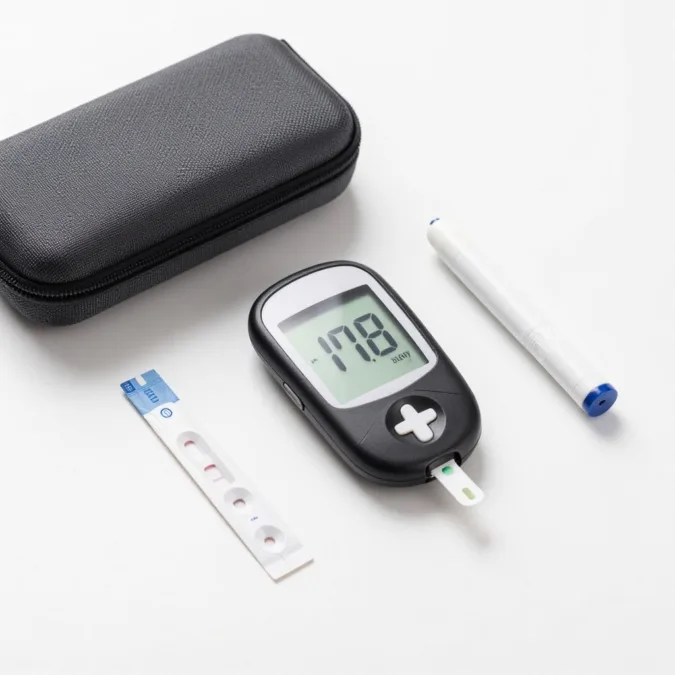
Best Value: Blood Glucose Meter Kit
Affordable and accurate testing system perfect for regular monitoring. Includes everything you need to start tracking your blood sugar response to different foods.
- Fast 5-second results
- Large easy-to-read display
- Stores 500 test results
- Includes meter, strips, and lancets
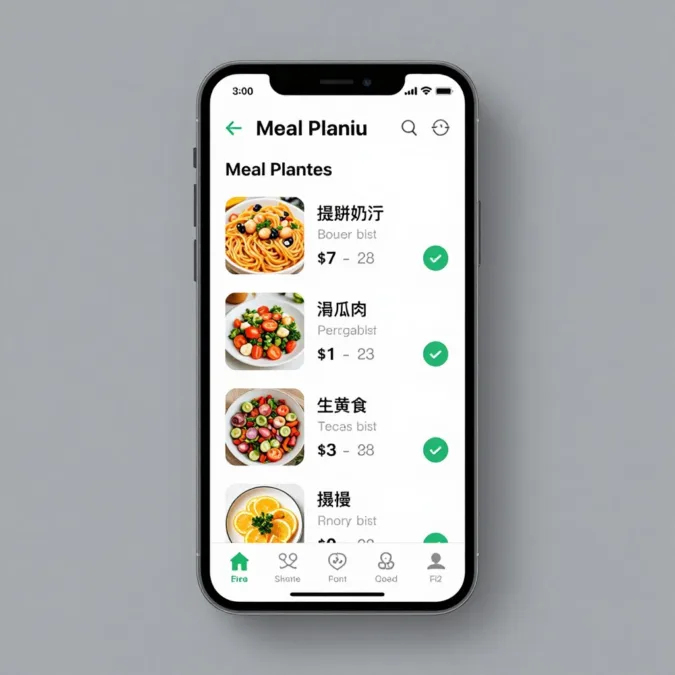
Popular: Blood Sugar Meal Planner App
Take the guesswork out of meal planning with this comprehensive app designed specifically for blood sugar management. Features personalized meal plans and grocery lists.
- Personalized meal recommendations
- Automatic grocery list generation
- Recipe database with nutrition info
- Progress tracking features
Beyond Food: Other Factors That Influence Blood Sugar
The Role of Physical Activity
Exercise complements dietary strategies for blood sugar management. Physical activity helps your muscles use glucose for energy, which lowers blood sugar levels. Regular exercise also improves insulin sensitivity, making your body more efficient at regulating blood glucose.
You don’t need intense workouts to see benefits. A simple 15-minute walk after meals can significantly reduce post-meal blood sugar spikes. Research shows that even light activity helps move glucose out of your bloodstream and into your cells.
Sleep and Stress Management
Poor sleep quality and chronic stress both negatively affect blood sugar control. Sleep deprivation increases insulin resistance and makes it harder to regulate blood glucose. Aim for seven to nine hours of quality sleep each night.
Stress hormones like cortisol cause blood sugar to rise. Learning stress management techniques such as deep breathing, meditation, or yoga can help maintain more stable glucose levels. These practices complement dietary interventions.
Holistic Approach: The most effective blood sugar management combines healthy eating with regular physical activity, adequate sleep, stress management, and appropriate medical care when needed.
Hydration Matters
Adequate water intake supports healthy blood sugar levels. When you’re dehydrated, the concentration of glucose in your blood increases. Drinking enough water helps your kidneys flush out excess blood sugar through urine.
Aim for at least eight glasses of water daily, more if you’re active or in hot weather. Choose water over sugary beverages, which cause rapid blood sugar spikes. Unsweetened tea and coffee also count toward your fluid intake.
Tracking Your Progress and Adjusting Your Approach
The Importance of Monitoring
Individual responses to foods vary significantly. What causes a blood sugar spike in one person might have minimal effect in another. Monitoring your glucose levels helps you understand your unique responses and make informed adjustments.
Keep a food journal alongside your blood sugar readings. Record what you eat, when you eat, and your glucose measurements at specific times. Patterns will emerge that guide your food choices and meal timing.
Working With Healthcare Providers
While dietary changes can dramatically improve blood sugar management, they should complement rather than replace medical care. Regular check-ups with your healthcare provider allow for monitoring of important markers beyond daily glucose readings.
Your doctor can order HbA1c tests that show your average blood sugar over the previous three months. This provides a bigger picture of your glycemic control. Share your food journal and glucose logs with your healthcare team for personalized guidance.
How quickly will I see results from eating these foods?
Some effects occur immediately. For example, adding vinegar to a meal can reduce that meal’s blood sugar spike within hours. However, improvements in overall glycemic control and insulin sensitivity typically take several weeks of consistent dietary changes to become apparent.
Can I eat these foods if I don’t have diabetes?
Absolutely. These foods benefit everyone, not just people with diabetes. They support metabolic health, reduce inflammation, and may help prevent type 2 diabetes in people at risk. The nutritional principles apply to anyone seeking better health.
Do I need to eat all ten foods every day?
No. Focus on incorporating several of these foods into your daily routine rather than trying to consume all ten each day. Variety over the week matters more than including everything daily. Choose the foods you enjoy and can realistically maintain long-term.
Will these foods interfere with my diabetes medications?
Some foods, particularly apple cider vinegar and cinnamon, may enhance the effects of diabetes medications and could potentially cause blood sugar to drop too low. Always inform your healthcare provider about dietary changes and monitor your blood sugar closely when making modifications.
Common Mistakes to Avoid in Blood Sugar Management
Portion Size Pitfalls
Even healthy foods can raise blood sugar if you eat too much. Nuts, whole grains, and even some vegetables contain carbohydrates that affect glucose levels. Pay attention to serving sizes and avoid the “health halo” effect where you overeat healthy foods.
Using measuring cups and food scales initially helps you learn appropriate portions. Over time, you’ll develop a better intuitive sense of serving sizes. Remember that portion control complements food quality in blood sugar management.
Eliminating Entire Food Groups
Some people mistakenly believe they must eliminate all carbohydrates to control blood sugar. This extreme approach isn’t necessary and can lead to nutritional deficiencies. The key is choosing the right types of carbohydrates in appropriate amounts rather than avoiding them entirely.
Severely restrictive diets are difficult to maintain long-term and may lead to binge eating or giving up entirely. Focus on sustainable changes that improve food quality while allowing flexibility and enjoyment.
Effective Strategies
- Gradual implementation of dietary changes
- Combining multiple blood sugar-friendly foods
- Consistent meal timing throughout the week
- Regular monitoring and adjustment
- Including physical activity daily
- Adequate sleep and stress management
Approaches to Avoid
- Eliminating entire food groups unnecessarily
- Skipping meals to lower blood sugar
- Ignoring portion sizes of healthy foods
- Relying solely on supplements
- Making drastic changes without medical guidance
- Expecting immediate dramatic results
Taking Control of Your Blood Sugar Through Food Choices
Managing blood sugar levels through diet represents one of the most powerful tools available for preventing and controlling type 2 diabetes. The top 10 foods to lower blood sugar outlined in this guide provide a strong foundation for building a healthy eating pattern that supports stable glucose levels.
Each food offers unique mechanisms for blood sugar control. Leafy greens and non-starchy vegetables provide fiber with minimal carbohydrates. Fatty fish delivers omega-3 fatty acids that reduce inflammation and improve insulin sensitivity. Nuts, seeds, and avocados supply healthy fats that slow digestion and glucose absorption.
Greek yogurt and legumes combine protein with fiber for sustained energy and stable blood sugar. Berries offer antioxidants with lower sugar content than other fruits. Whole grains provide complex carbohydrates that digest slowly. Cinnamon and apple cider vinegar enhance insulin function through their bioactive compounds.
Success comes from consistent application rather than perfection. Start by adding one or two of these foods to your daily routine. Gradually incorporate more as new habits form. Monitor your individual responses and adjust your approach based on what works for your body.
Remember that food choices work best when combined with other healthy lifestyle factors. Regular physical activity, adequate sleep, stress management, and appropriate medical care all contribute to optimal blood sugar control. Work with your healthcare team to develop a comprehensive plan tailored to your specific needs.
The journey to better blood sugar management is a marathon, not a sprint. Small, sustainable changes accumulate over time to create significant improvements in your health. Start today with one positive food choice, and build from there.
Get Your Complete Blood Sugar Management Starter Kit
Download our comprehensive guide including 7-day meal plan, shopping lists, recipe collection, food tracking journal, and quick reference guides. Everything you need to start managing your blood sugar naturally.

Priyanka Pandey
Senior Research Editor · Top10Sense
Priyanka specializes in tech, consumer products, and digital trends. She combines hands-on testing, vendor interviews, and database research to create trustworthy “Top 10” rankings. Her work has been referenced by industry blogs and brand report pages.