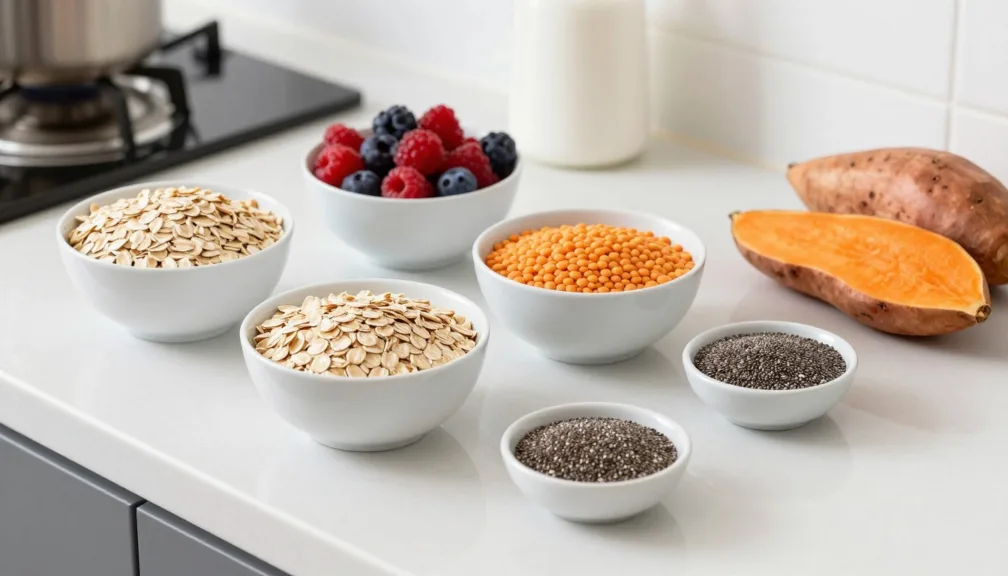
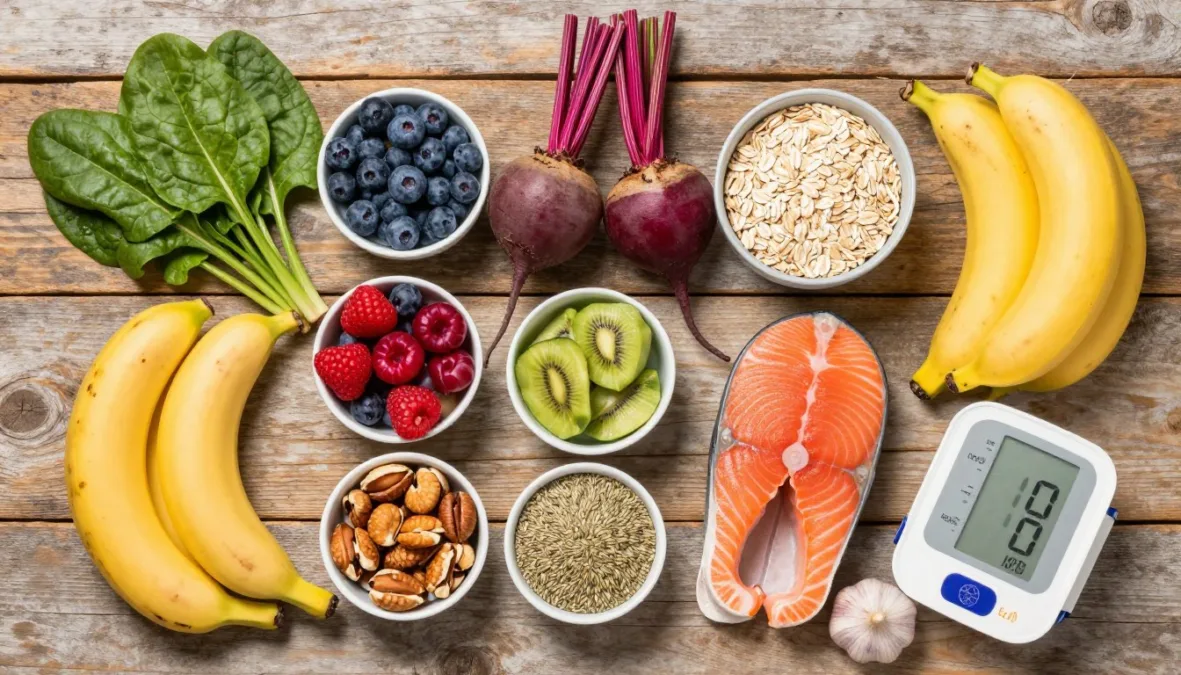
High blood pressure affects millions of adults worldwide. It increases your risk for heart disease and stroke. The good news? Simple dietary changes can make a real difference.
Your food choices directly impact your blood pressure levels. Certain nutrients help relax blood vessels. Others reduce sodium and support heart health.
This guide reveals ten powerful foods backed by scientific research. Each food offers unique benefits for managing hypertension. You will learn exactly how to add them to your daily meals.
Start Your Heart-Health Journey Today
Get expert-approved recipes and weekly tips delivered straight to your inbox. Join thousands managing blood pressure naturally.
Understanding How Diet Affects Blood Pressure
Your dietary choices play a major role in blood pressure regulation. Research shows that eating specific nutrients can lower high blood pressure significantly. The relationship between food and hypertension centers on several key mechanisms.
Potassium helps balance sodium levels in your body. When you consume potassium-rich foods, your kidneys excrete more sodium. This process reduces fluid retention and relaxes blood vessel walls.
Magnesium supports blood vessel flexibility. It helps prevent the narrowing that raises pressure. Studies indicate that adequate magnesium intake correlates with healthier blood pressure readings.
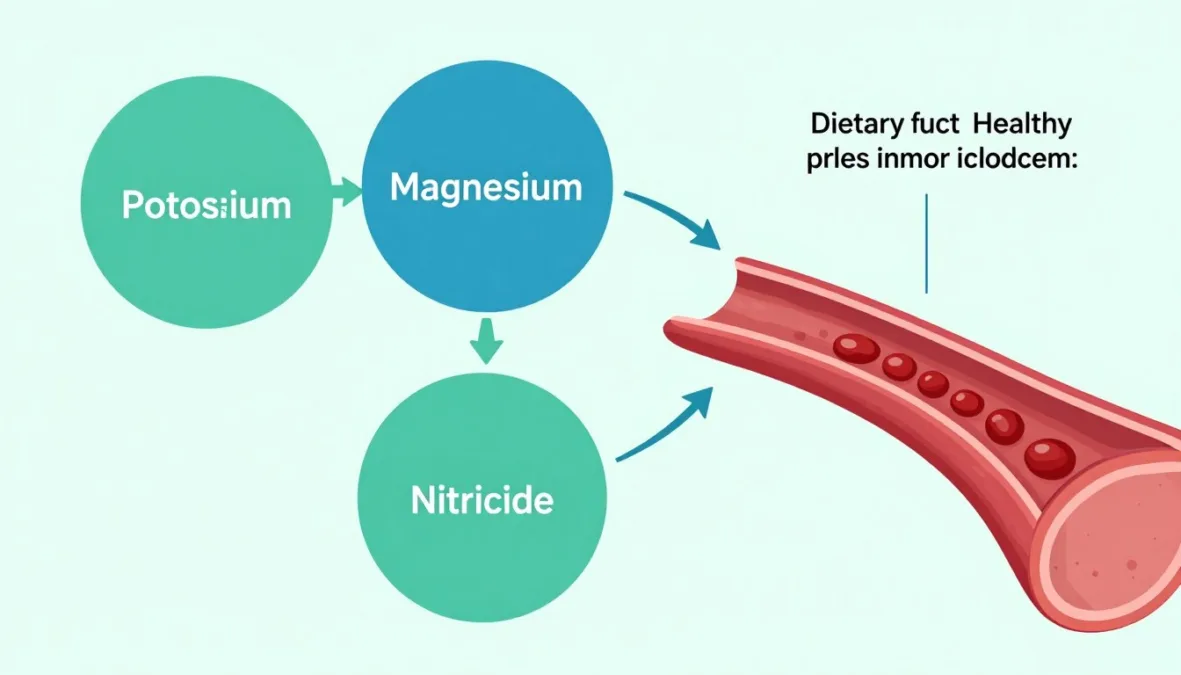
Nitric oxide is a crucial compound for heart health. Certain foods boost nitric oxide production in your body. This molecule signals blood vessels to relax and widen, improving blood flow.
Important Note: The DASH diet (Dietary Approaches to Stop Hypertension) has been extensively studied. Research demonstrates it can reduce systolic blood pressure by 8-14 points. This eating plan emphasizes the foods discussed in this article.
Dietary changes work best alongside other lifestyle modifications. Reducing sodium intake remains essential. The American Heart Association recommends limiting sodium to 2,300 mg per day, with an ideal limit of 1,500 mg for most adults.
Inflammation contributes to hypertension development. Anti-inflammatory compounds in certain foods help combat this issue. Antioxidants protect blood vessels from oxidative stress and damage.
1. Leafy Green Vegetables
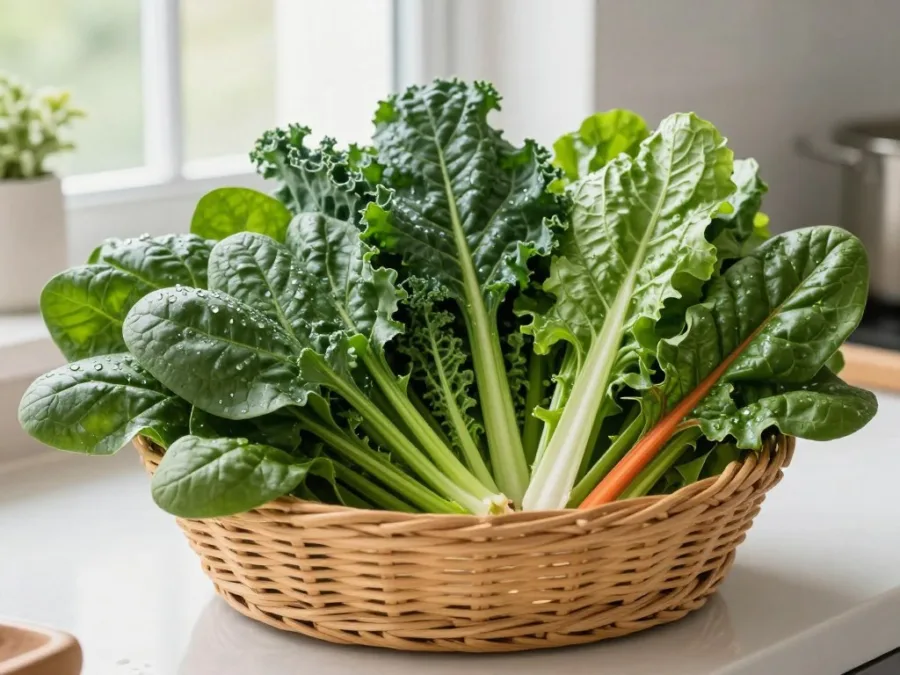
Leafy greens top the list of blood pressure-lowering foods. Spinach, kale, collard greens, and Swiss chard provide exceptional nutritional value. These vegetables contain high amounts of potassium, magnesium, and nitrates.
One cup of cooked spinach delivers about 840 mg of potassium. This mineral helps your kidneys remove excess sodium through urine. The effect directly reduces pressure on blood vessel walls.
Dietary nitrates in leafy greens convert to nitric oxide in your body. A study published in the journal Hypertension found that nitrate consumption from vegetables lowered blood pressure within hours. The effects lasted up to 24 hours after consumption.
Nutritional Highlights
- High potassium content (500-900 mg per serving)
- Rich in magnesium for blood vessel relaxation
- Contains dietary nitrates that boost nitric oxide
- Low in calories and sodium
- Packed with antioxidants and vitamins
Practical Ways to Add Them
- Blend spinach into morning smoothies
- Sauté kale with garlic as a side dish
- Add fresh greens to sandwiches and wraps
- Mix leafy greens into pasta dishes
- Create hearty salads with multiple varieties
Research from Nutrition Journal examined the effects of daily leafy green consumption. Participants who ate one cup of greens daily experienced a measurable drop in blood pressure over four weeks. The benefits increased with consistent intake.
Pro Tip: Lightly steaming leafy greens increases the bioavailability of certain nutrients. However, raw consumption preserves more vitamin C and some B vitamins. Alternate between raw and cooked preparations for maximum benefits.
2. Berries
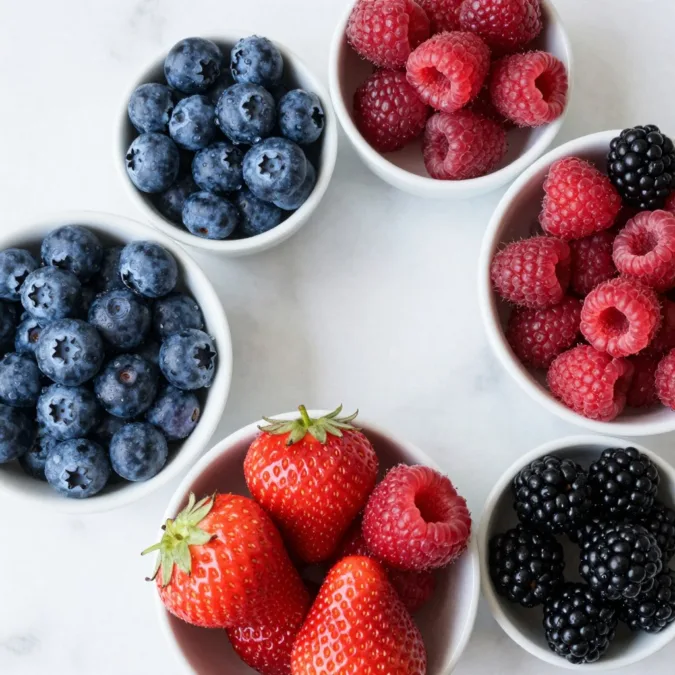
Berries contain powerful plant compounds called flavonoids. These antioxidants provide significant cardiovascular benefits. Blueberries, strawberries, and raspberries are particularly effective for blood pressure management.
A comprehensive study in the American Journal of Clinical Nutrition tracked 156,000 adults for 14 years. Those who consumed the most blueberries had a 10 percent reduction in hypertension risk. The effect was attributed to anthocyanins, the compounds that give berries their color.
Berries support nitric oxide production in blood vessels. This mechanism improves blood vessel flexibility and reduces arterial stiffness. One serving of berries per day can contribute to these benefits.
Benefits of Berries
- High in flavonoids and anthocyanins
- Low glycemic index for stable blood sugar
- Rich in fiber for heart health
- Natural anti-inflammatory properties
- Versatile for many recipes
Considerations
- Fresh berries can be expensive
- Short shelf life when fresh
- Some people have berry allergies
- Pesticide residue concerns (choose organic)
The fiber in berries supports digestive health and helps regulate blood sugar. Stable blood sugar levels prevent spikes that can temporarily raise blood pressure. One cup of strawberries provides three grams of fiber.
Frozen berries retain most nutrients and offer year-round availability. They work perfectly in smoothies, oatmeal, and yogurt. A study confirmed that frozen berries maintain their anthocyanin content for months when properly stored.
3. Beets
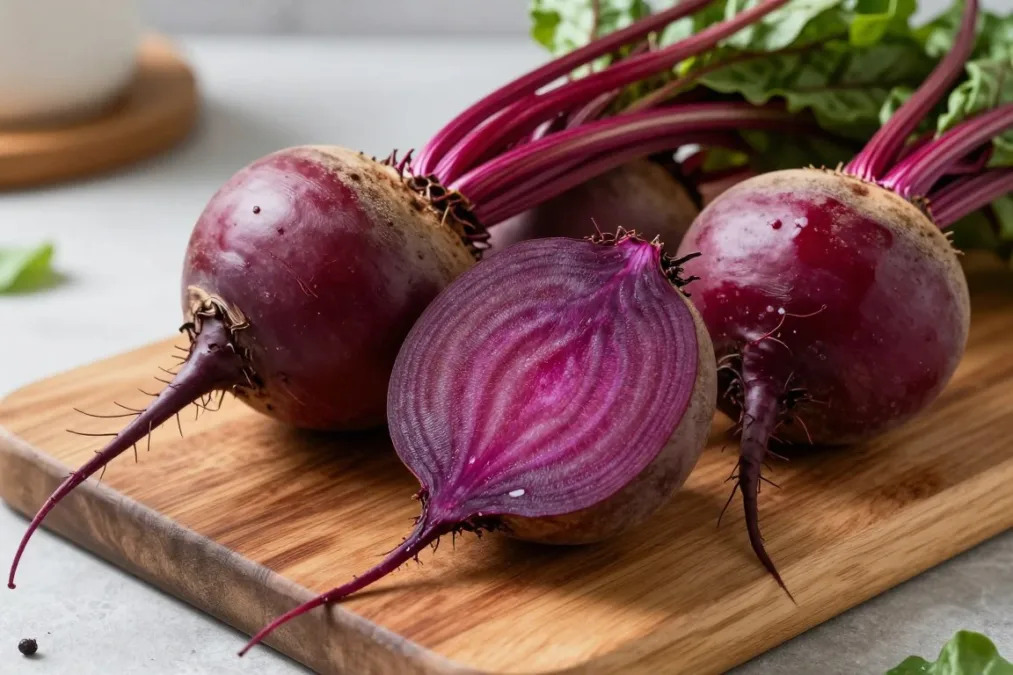
Beets are among the richest sources of dietary nitrates available. Your body converts these nitrates into nitric oxide, which relaxes and dilates blood vessels. This process directly lowers blood pressure.
A study published in Hypertension examined the effect of beet juice consumption. Participants drank 250 ml of beet juice daily. After four weeks, they experienced an average reduction of 8 mmHg in systolic blood pressure and 4 mmHg in diastolic pressure.
The effects of beet consumption begin within a few hours. Peak nitric oxide levels occur about two to three hours after eating beets or drinking beet juice. Regular consumption maintains these benefits long-term.
| Beet Form | Nitrate Content | Serving Size | Preparation Time |
| Fresh Beets (Raw) | High (250 mg per 100g) | 1 medium beet | Requires cooking |
| Beet Juice | Very High (concentrated) | 8 oz glass | Immediate |
| Roasted Beets | Moderate (some loss) | 1 cup cubed | 45 minutes |
| Pickled Beets | Lower (processing reduces) | 1/2 cup | Immediate |
Beets also provide folate, potassium, and magnesium. These additional nutrients support overall cardiovascular function. One cup of beets contains approximately 442 mg of potassium.
Both the root and greens are nutritious. Beet greens can be prepared like spinach or kale. They contain similar beneficial compounds as the root, plus additional vitamins.
Free 7-Day DASH Diet Meal Plan
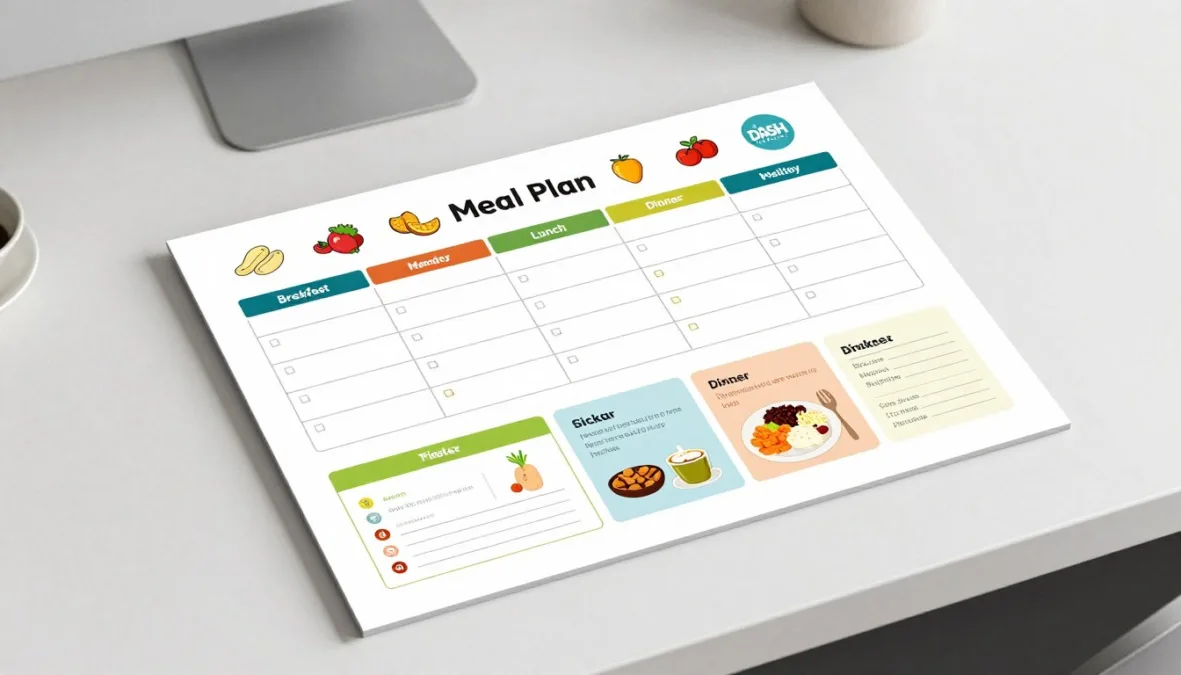
Take the guesswork out of meal planning. Our science-based DASH diet meal plan includes:
- Complete breakfast, lunch, and dinner recipes for 7 days
- Printable grocery shopping list organized by store section
- Nutrition facts for each meal with sodium tracking
- Meal prep tips to save time during busy weeks
- Serving size guides for blood pressure management
4. Bananas

Bananas are one of the best sources of potassium among commonly eaten foods. A medium banana contains about 422 mg of potassium. This mineral is essential for maintaining healthy blood pressure levels.
Potassium works by counteracting the effects of sodium in your diet. It helps your body eliminate excess sodium through urine. This process reduces the volume of fluid in your bloodstream, which lowers pressure on artery walls.
The American Heart Association recommends 3,400 mg of potassium per day for men and 2,600 mg for women. Two to three bananas can provide a substantial portion of this daily requirement. However, variety in potassium sources is ideal.
“Increasing dietary potassium is just as important as reducing sodium for blood pressure control. The potassium-to-sodium ratio in your diet may be more significant than either mineral alone.”
Bananas also contain fiber and resistant starch. These components support digestive health and help regulate blood sugar. Stable blood sugar prevents hormonal fluctuations that can affect blood pressure.
The convenience of bananas makes them an easy addition to any diet. They require no preparation and travel well. Add sliced bananas to oatmeal, yogurt, or whole-grain toast for a heart-healthy breakfast.
Medical Note: People with kidney disease should consult their doctor before significantly increasing potassium intake. Impaired kidney function can lead to dangerous potassium buildup. Always discuss dietary changes with your healthcare provider if you have chronic conditions.
5. Oats
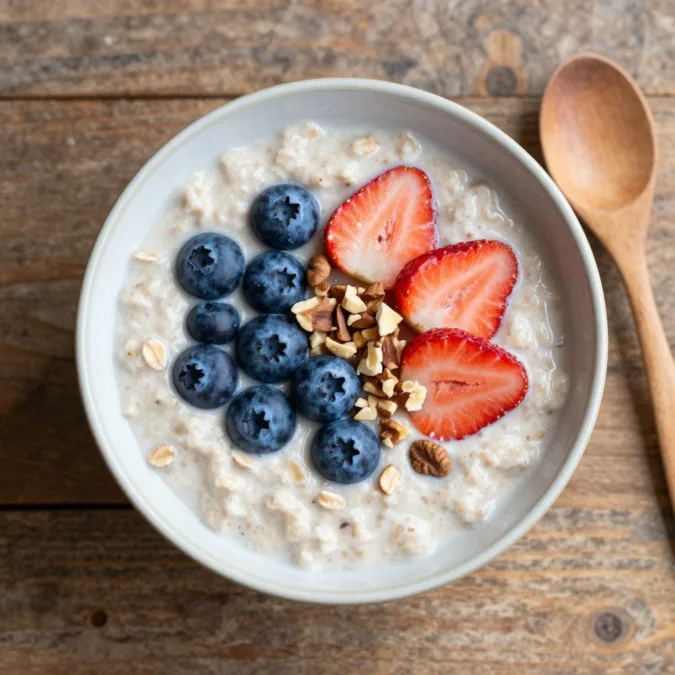
Oats contain a unique fiber called beta-glucan. This soluble fiber has been extensively studied for its cardiovascular benefits. Regular oat consumption can reduce both systolic and diastolic blood pressure.
A meta-analysis of 28 studies examined oat intake and blood pressure. Results showed that consuming oats regularly led to an average reduction of 2.7 mmHg in systolic blood pressure and 1.5 mmHg in diastolic pressure. These effects were most pronounced in people with existing hypertension.
Beta-glucan helps lower cholesterol levels by binding to cholesterol in the digestive tract. Lower cholesterol reduces plaque formation in arteries. This keeps blood vessels flexible and reduces the work required of your heart.
- Least processed form of oats
- Highest fiber content per serving
- Lower glycemic index response
- Requires longer cooking time
- Chewier texture with nutty flavor
Steel-Cut Oats
- Steamed and flattened for faster cooking
- Good fiber content maintained
- Moderate glycemic index
- Versatile for baking and cooking
- Most commonly used variety
Rolled Oats
- Highly processed for convenience
- Some fiber loss during processing
- Higher glycemic index
- Often contains added sugars
- Check labels carefully
Instant Oats
One cup of cooked oatmeal provides about four grams of fiber. The Dietary Guidelines for Americans recommend 25-38 grams of total fiber per day. Starting your day with oats helps you meet this goal.
Oats are also a good source of magnesium. This mineral supports healthy blood vessel function and helps regulate heart rhythm. One serving of oats contains about 61 mg of magnesium.
6. Fatty Fish
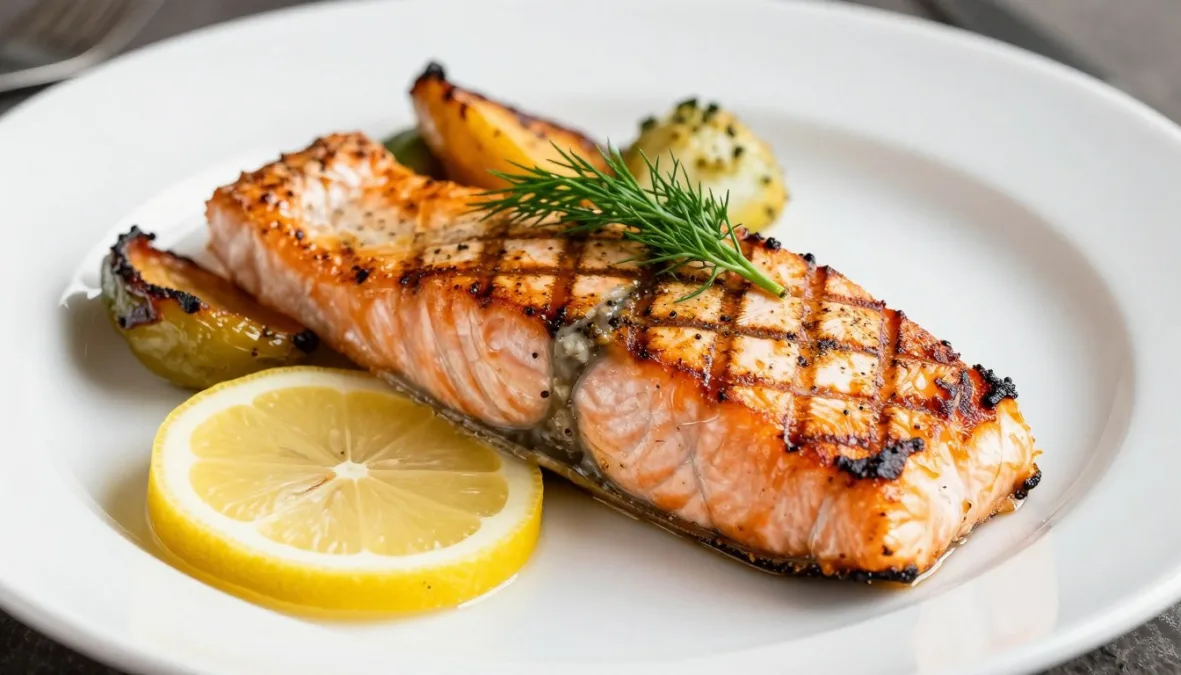
Fatty fish like salmon, mackerel, and sardines provide omega-3 fatty acids. These essential fats offer powerful cardiovascular benefits. Regular fish consumption is associated with lower blood pressure and reduced heart disease risk.
Omega-3 fatty acids reduce inflammation throughout the body. Chronic inflammation damages blood vessels and contributes to hypertension. The two primary omega-3s in fish are EPA and DHA.
Research published in the Journal of Nutrition analyzed data from 2,000 adults. Those who consumed fatty fish at least twice per week had significantly lower blood pressure readings. The effect was dose-dependent, with greater benefits from more frequent consumption.
Fatty fish also contains vitamin D, which plays a role in blood pressure regulation. Many people are deficient in vitamin D. A three-ounce serving of salmon provides about 450 IU of this essential nutrient.
The American Heart Association recommends eating fish at least two times per week. Each serving should be about three to four ounces cooked. Baking, grilling, or steaming fish preserves the most nutrients.
If fresh fish is unavailable or expensive, canned salmon and sardines are excellent alternatives. They contain comparable omega-3 levels. Choose varieties packed in water rather than oil to reduce calorie intake.
7. Seeds (Flax, Chia, and Pumpkin)
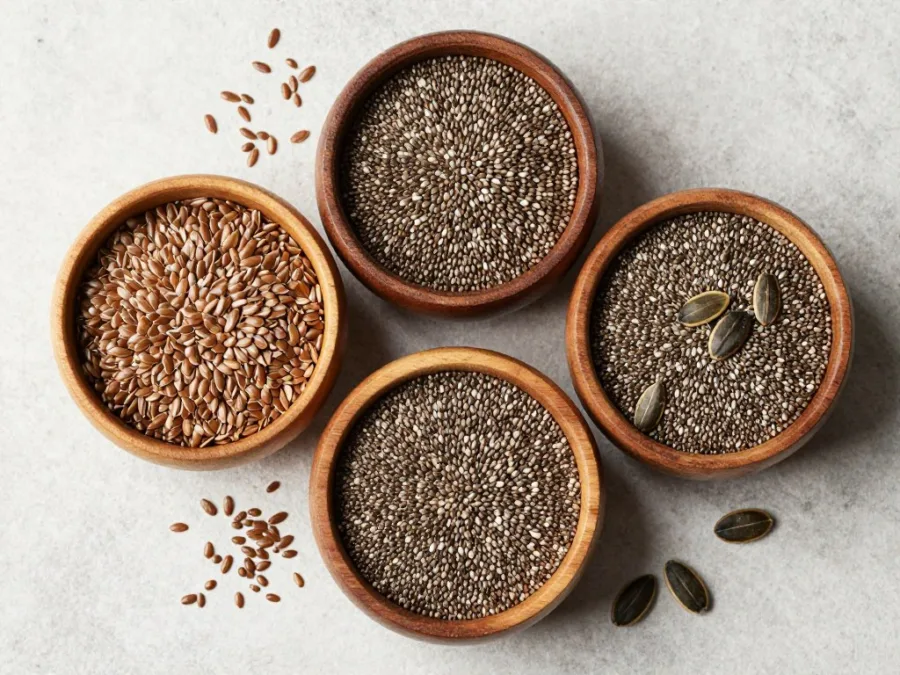
Seeds are nutrient-dense powerhouses that support healthy blood pressure. Flaxseeds, chia seeds, and pumpkin seeds each offer unique cardiovascular benefits. They contain healthy fats, fiber, minerals, and beneficial plant compounds.
Flaxseeds are particularly impressive for blood pressure management. A study in the journal Hypertension examined people with peripheral artery disease. Participants consumed 30 grams of ground flaxseed daily for six months. They experienced an average reduction of 10 mmHg in systolic pressure and 7 mmHg in diastolic pressure.
The alpha-linolenic acid (ALA) in flaxseeds is a plant-based omega-3 fatty acid. Your body converts some ALA into EPA and DHA. While conversion is limited, regular flaxseed consumption still provides anti-inflammatory benefits.
Flaxseeds
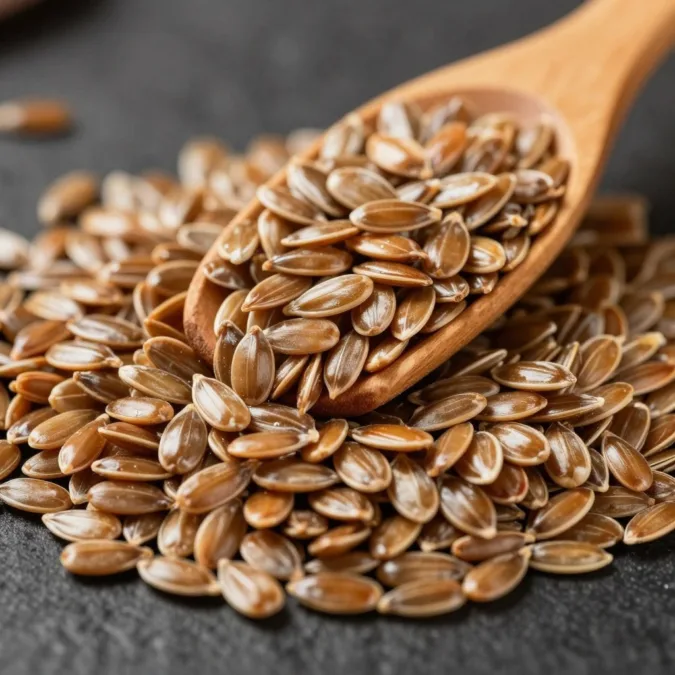
- Highest ALA omega-3 content
- Must be ground for absorption
- Rich in lignans (antioxidants)
- Provides both soluble and insoluble fiber
Chia Seeds
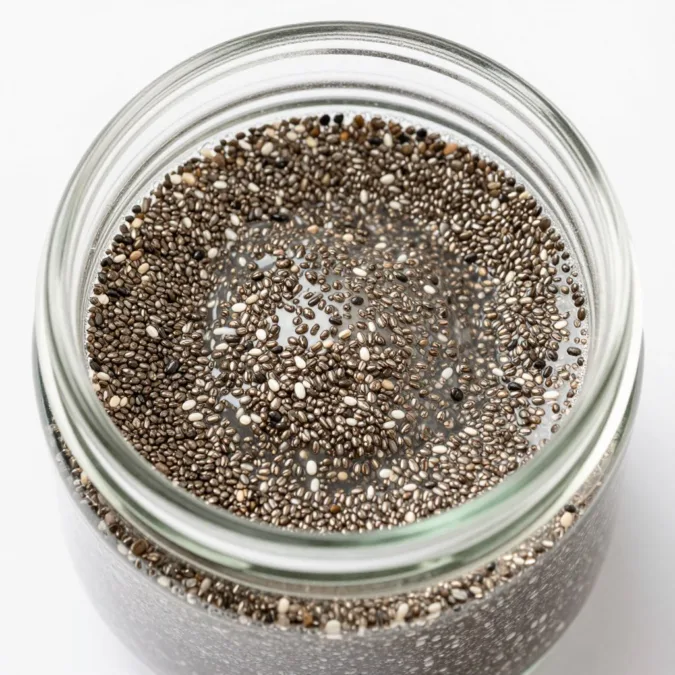
- Absorb liquid and form gel
- Excellent fiber source
- Contains calcium and magnesium
- Can be eaten whole or ground
Pumpkin Seeds
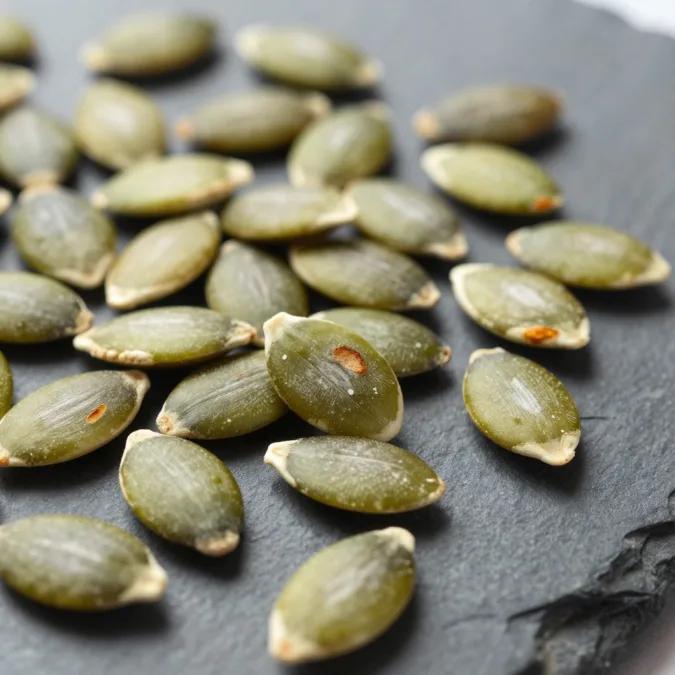
- High in magnesium and zinc
- Contains heart-healthy fats
- Provides plant-based protein
- Great as a snack or topping
Chia seeds expand when mixed with liquid, creating a gel-like consistency. This property slows digestion and promotes feelings of fullness. One ounce of chia seeds provides 11 grams of fiber.
Pumpkin seeds are rich in magnesium, with one ounce providing about 150 mg. Magnesium deficiency is linked to high blood pressure. Adding pumpkin seeds to your diet helps prevent this deficiency.
All seeds are calorie-dense, so portion control matters. A serving size is typically one to two tablespoons. Sprinkle seeds on salads, yogurt, oatmeal, or blend them into smoothies.
Track Your Progress with Our Free Blood Pressure Log
Monitor your daily readings and see how dietary changes impact your numbers. This printable tracker includes space for meals, medications, and weekly trends.
8. Garlic
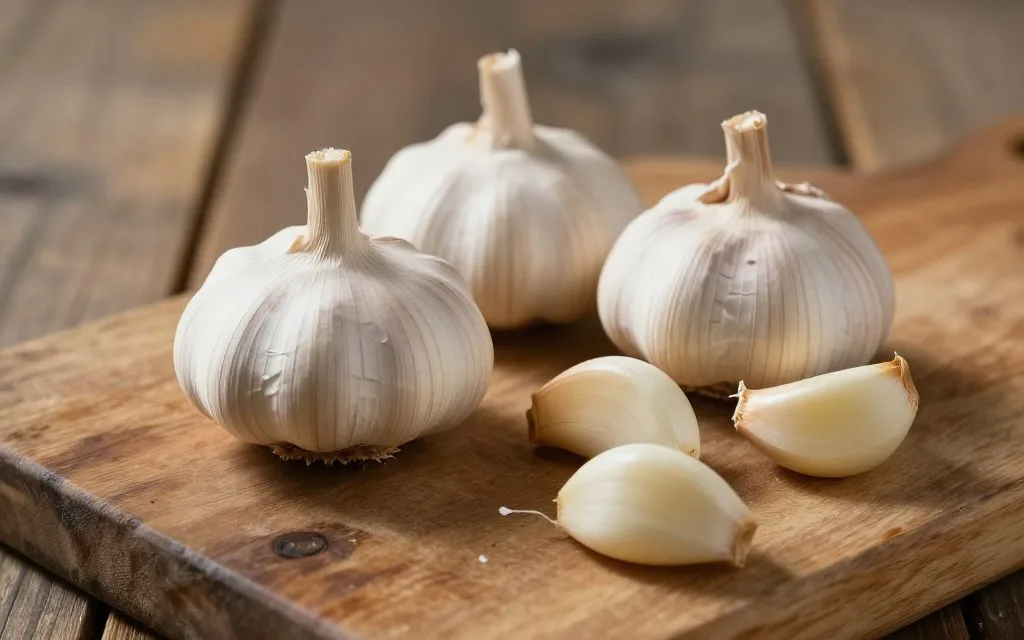
Garlic has been used medicinally for thousands of years. Modern research confirms its benefits for cardiovascular health. The active compound allicin gives garlic its distinctive smell and therapeutic properties.
A meta-analysis of 12 studies examined garlic supplementation and blood pressure. Results showed an average reduction of 8.4 mmHg in systolic pressure among people with hypertension. The effect was comparable to some blood pressure medications.
Garlic increases nitric oxide production in blood vessels. This mechanism improves blood flow and reduces arterial stiffness. Regular consumption of one to two cloves per day provides these benefits.
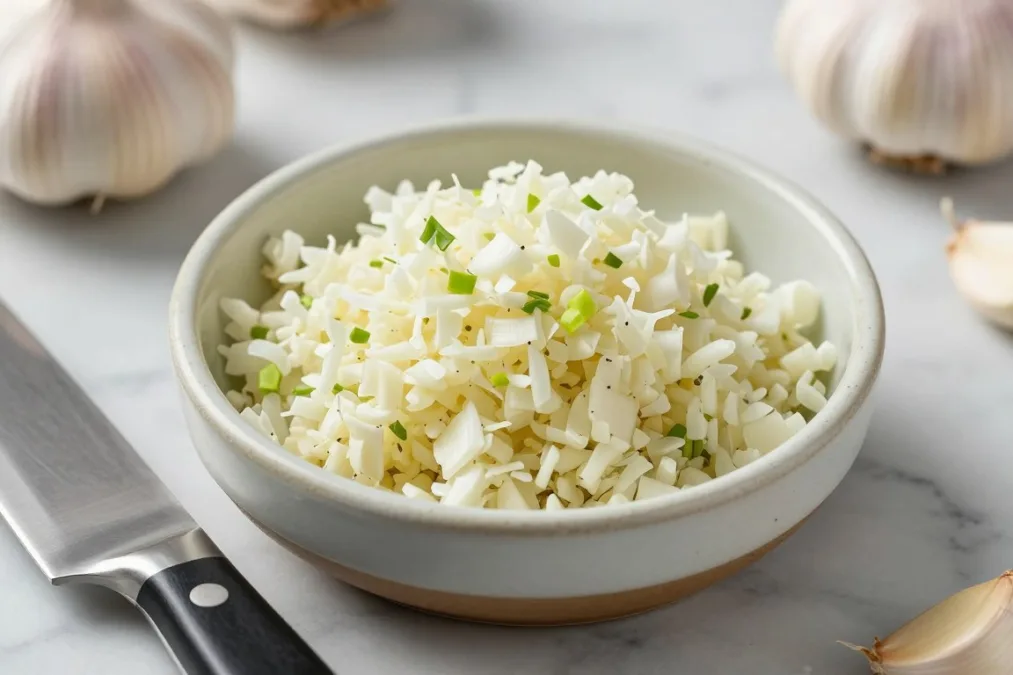
Fresh garlic offers the most potent effects. Crushing or chopping garlic activates the enzyme that produces allicin. Allow crushed garlic to sit for 10 minutes before cooking to maximize allicin formation.
How to Maximize Garlic Benefits
- Crush or chop fresh garlic cloves
- Wait 10 minutes before cooking to allow allicin formation
- Use raw garlic in dressings and sauces when possible
- Cook garlic gently to preserve more compounds
- Consume one to two cloves daily for best results
Garlic also has mild anticoagulant properties. This means it may help prevent blood clots. However, people taking blood-thinning medications should consult their doctor before consuming large amounts of garlic.
If you dislike the strong flavor, aged garlic extract supplements are available. Studies suggest these supplements also reduce blood pressure, though fresh garlic may be more effective.
9. Dark Chocolate

Dark chocolate contains flavonoids called flavanols. These compounds improve blood vessel function and lower blood pressure. The key is choosing chocolate with high cocoa content and minimal added sugar.
A systematic review analyzed 20 studies on chocolate consumption and blood pressure. Dark chocolate with at least 50-70% cocoa reduced both systolic and diastolic pressure. The average reduction was 2-3 mmHg.
Flavanols in cocoa increase nitric oxide availability. This relaxes blood vessels and improves circulation. The effect occurs within hours of consumption and builds with regular intake.
Choosing the Right Chocolate: Select dark chocolate with at least 70% cocoa content. Check that cocoa or cacao is the first ingredient listed. Avoid varieties with excessive added sugars. One ounce (about 28 grams) per day is an appropriate serving for health benefits.
Dark chocolate also contains magnesium and copper. These minerals support heart health through various mechanisms. One ounce of 70% dark chocolate provides about 64 mg of magnesium.
While beneficial, chocolate is calorie-dense. A one-ounce serving contains approximately 170 calories. Balance your overall calorie intake when adding chocolate to your diet plan. Consider it a treat rather than a staple food.
The benefits come from the cocoa, not from sugar or milk. Milk chocolate and white chocolate do not provide the same cardiovascular advantages. They contain much lower concentrations of beneficial flavanols.
10. Pomegranates
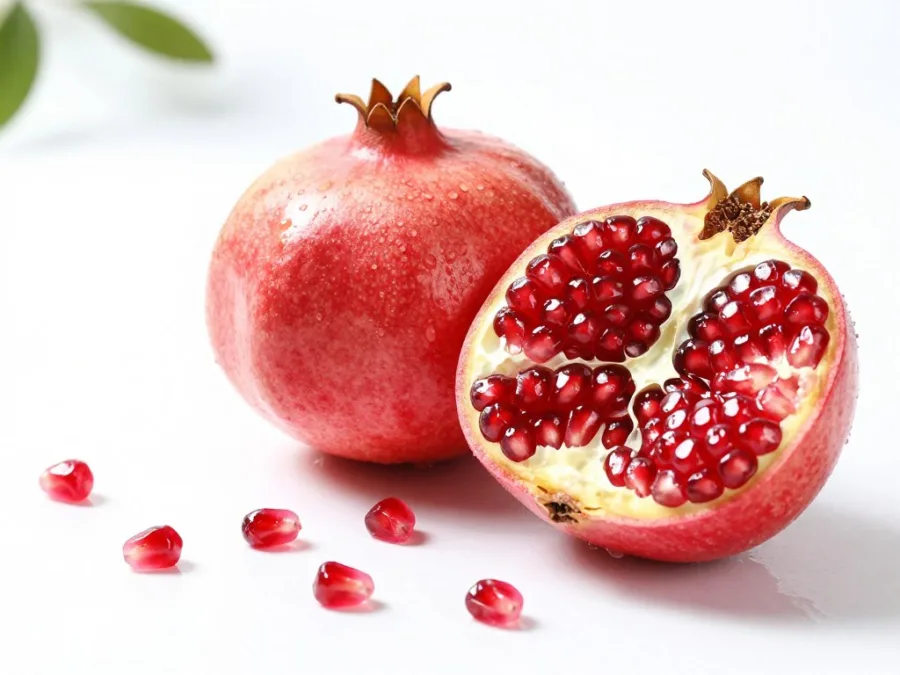
Pomegranates are packed with antioxidants, particularly punicalagins. These compounds provide potent anti-inflammatory and blood pressure-lowering effects. Both the fruit and juice offer cardiovascular benefits.
Research published in Plant Foods for Human Nutrition examined pomegranate juice consumption. Participants drank 150 ml of pomegranate juice daily for two weeks. Results showed a significant reduction in systolic blood pressure, with effects persisting after consumption ended.
Pomegranates inhibit ACE (angiotensin-converting enzyme). This is the same mechanism used by certain blood pressure medications. The natural ACE inhibition from pomegranates is gentler but still effective.
How much pomegranate should I consume daily?
Studies suggest 150-240 ml (about 5-8 ounces) of pomegranate juice or one fresh pomegranate daily provides cardiovascular benefits. Start with smaller amounts if you are not accustomed to the fruit. Monitor how your body responds.
Is pomegranate juice as effective as fresh fruit?
Pomegranate juice contains concentrated antioxidants and may provide stronger effects. However, whole fruit includes fiber that juice lacks. Choose 100% pure pomegranate juice without added sugars. Fresh fruit is ideal when available and affordable.
Can pomegranate interfere with medications?
Pomegranate may interact with certain medications, including some blood pressure drugs and statins. The interaction mechanisms are similar to grapefruit. Consult your doctor or pharmacist before adding significant amounts of pomegranate to your diet if you take prescription medications.
The antioxidant activity of pomegranate juice is higher than that of red wine or green tea. This powerful antioxidant effect protects blood vessels from oxidative damage. Oxidative stress contributes to hypertension and cardiovascular disease.
Fresh pomegranates are available seasonally, typically from fall through winter. Frozen pomegranate arils (seeds) provide year-round access. They retain most nutrients and work well in smoothies, salads, and yogurt.
Creating Your Blood Pressure-Friendly Meal Plan
Incorporating these ten foods into your daily diet requires planning. The DASH diet provides an excellent framework. This eating plan emphasizes fruits, vegetables, whole grains, and lean proteins while limiting sodium and saturated fats.
Start by adding one or two new foods each week. This gradual approach prevents overwhelming dietary changes. Track which foods you enjoy most and find easy to prepare regularly.
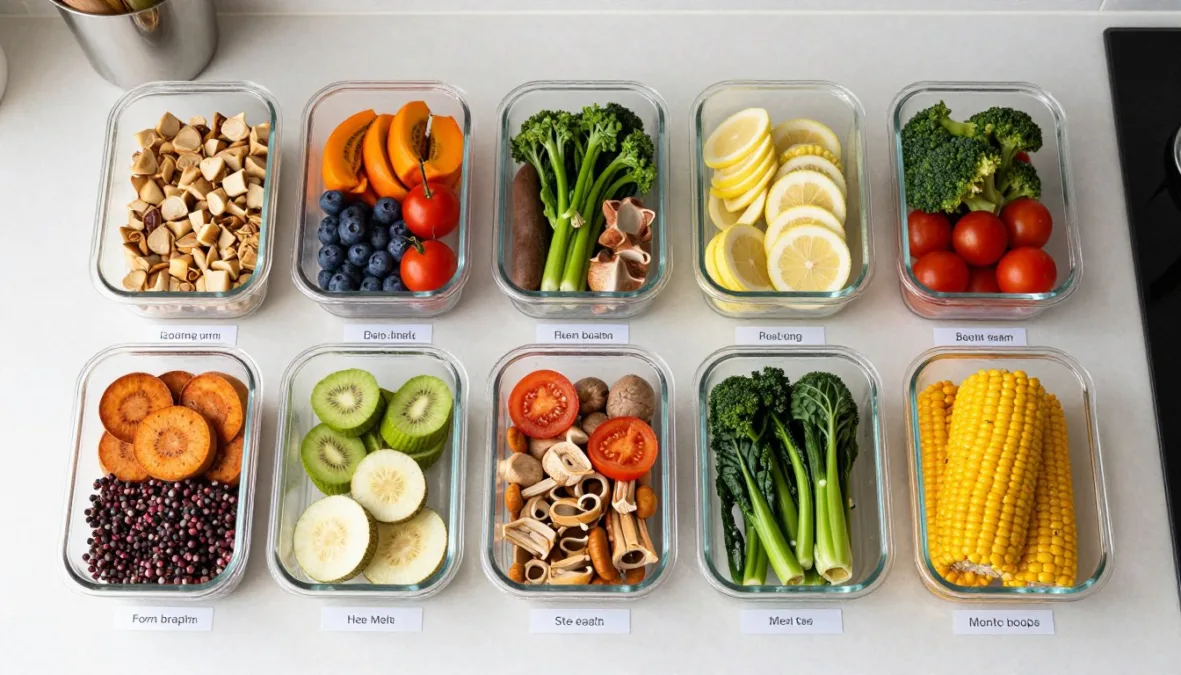
A typical day might include oatmeal with berries for breakfast. Add ground flaxseed for extra nutrition. Lunch could feature a large salad with leafy greens, beets, and pumpkin seeds. Dinner might include grilled salmon with roasted vegetables.
Breakfast Ideas
Start your day with blood pressure-friendly options that provide sustained energy and important nutrients.
- Steel-cut oats topped with fresh berries and flaxseed
- Green smoothie with spinach, banana, and chia seeds
- Whole grain toast with avocado and sliced tomatoes
- Greek yogurt parfait with pomegranate seeds and nuts
Lunch Options
Midday meals should include plenty of vegetables, lean protein, and healthy fats for optimal nutrition.
- Large kale salad with beets, seeds, and olive oil dressing
- Quinoa bowl with roasted vegetables and tahini
- Whole wheat wrap with leafy greens and grilled chicken
- Lentil soup with spinach and garlic
Dinner Recipes
Evening meals can feature omega-3 rich fish or plant-based proteins with abundant vegetables.
- Baked salmon with roasted Brussels sprouts and sweet potato
- Stir-fried vegetables with garlic over brown rice
- Grilled chicken with steamed broccoli and quinoa
- Bean and vegetable chili with a side salad
Snack Suggestions
Keep healthy snacks available to maintain steady energy and avoid unhealthy choices.
- Fresh banana with almond butter
- Small handful of pumpkin seeds
- One ounce of dark chocolate (70% or higher cocoa)
- Pomegranate arils mixed with plain yogurt
Meal preparation saves time during busy weeks. Roast several beets at once for easy addition to meals. Cook a batch of oatmeal for quick reheating. Pre-portion seeds and nuts into small containers for grab-and-go snacks.
Reading food labels helps you make informed choices. Check sodium content carefully. Many processed foods contain hidden sodium that can counteract the benefits of healthy whole foods.
Additional Lifestyle Factors for Blood Pressure Management
Diet is crucial, but other lifestyle factors also affect blood pressure. A comprehensive approach yields the best results. Consider these additional strategies alongside dietary changes.
Regular physical activity strengthens your heart. The American Heart Association recommends at least 150 minutes of moderate exercise per week. Activities like brisk walking, swimming, or cycling all provide cardiovascular benefits.

Stress management plays an important role in blood pressure control. Chronic stress elevates cortisol levels. This hormone can raise blood pressure over time. Practice stress-reduction techniques like meditation, deep breathing, or yoga.
Sleep quality affects cardiovascular health. Adults should aim for seven to nine hours of quality sleep per night. Poor sleep disrupts hormones that regulate blood pressure. Establish consistent sleep schedules and create a relaxing bedtime routine.
- Regular exercise (30 minutes daily)
- Stress management practices
- Adequate sleep (7-9 hours)
- Limited alcohol consumption
- Maintaining healthy weight
- Regular blood pressure monitoring
Helpful Habits
- Smoking and tobacco use
- Excessive alcohol intake
- High sodium processed foods
- Sedentary lifestyle
- Chronic sleep deprivation
- Unmanaged chronic stress
Habits to Avoid
Limiting alcohol consumption helps maintain healthy blood pressure. If you drink, do so in moderation. This means up to one drink per day for women and up to two for men. Excessive alcohol raises blood pressure and damages the heart over time.
Smoking cessation is critical for cardiovascular health. Tobacco use damages blood vessels and immediately raises blood pressure. Quitting smoking provides benefits at any age. Speak with your doctor about cessation programs and support.
Regular monitoring helps you track progress. Home blood pressure monitors are affordable and easy to use. Take readings at the same time each day. Keep a log to share with your healthcare provider.
When to Seek Medical Advice
Dietary changes are powerful, but they do not replace medical treatment. High blood pressure is a serious condition requiring professional management. Work with your healthcare provider to develop a comprehensive treatment plan.
Contact your doctor if your blood pressure consistently reads above 130/80 mmHg. This indicates stage 1 hypertension according to current guidelines. Your provider can recommend appropriate interventions based on your individual health profile.
Emergency Warning Signs: Seek immediate medical attention if you experience blood pressure readings above 180/120 mmHg, especially with symptoms like severe headache, chest pain, difficulty breathing, vision changes, or confusion. This constitutes a hypertensive crisis requiring emergency treatment.
Never stop taking prescribed blood pressure medications without consulting your doctor. Dietary improvements may reduce your medication needs over time. Your physician should make any adjustments to your treatment plan based on regular monitoring.
Some people have secondary hypertension caused by underlying conditions. These include kidney disease, sleep apnea, or hormonal disorders. Proper diagnosis ensures appropriate treatment. Dietary changes support but do not replace treatment for secondary causes.
Schedule regular check-ups to monitor your cardiovascular health. Blood tests can assess cholesterol, blood sugar, and kidney function. These metrics provide a complete picture of your heart health status.
Get Your Complete Heart-Health Resource Package
Join over 50,000 readers who have transformed their cardiovascular health through evidence-based nutrition. Receive exclusive resources delivered directly to your inbox:
Included in Your Free Package:
- 7-Day DASH Diet Meal Plan with recipes
- Printable grocery shopping list organized by section
- Blood pressure tracking worksheet
- Weekly heart-health tips and research updates
- Seasonal recipe collections featuring the top 10 foods
- Meal prep guides to save time and money
Taking Control of Your Blood Pressure Through Nutrition
Managing high blood pressure through diet is both effective and sustainable. The ten foods covered in this guide provide scientifically proven benefits. Each offers unique mechanisms for supporting cardiovascular health.
Small, consistent changes create lasting results. You do not need to overhaul your entire diet overnight. Start by incorporating two or three of these foods into your weekly meal rotation. Gradually expand your repertoire as you discover new recipes and preparation methods.
Remember that dietary changes work best alongside other healthy lifestyle habits. Regular exercise, stress management, adequate sleep, and avoiding tobacco all contribute to better blood pressure control. A comprehensive approach addresses multiple factors simultaneously.
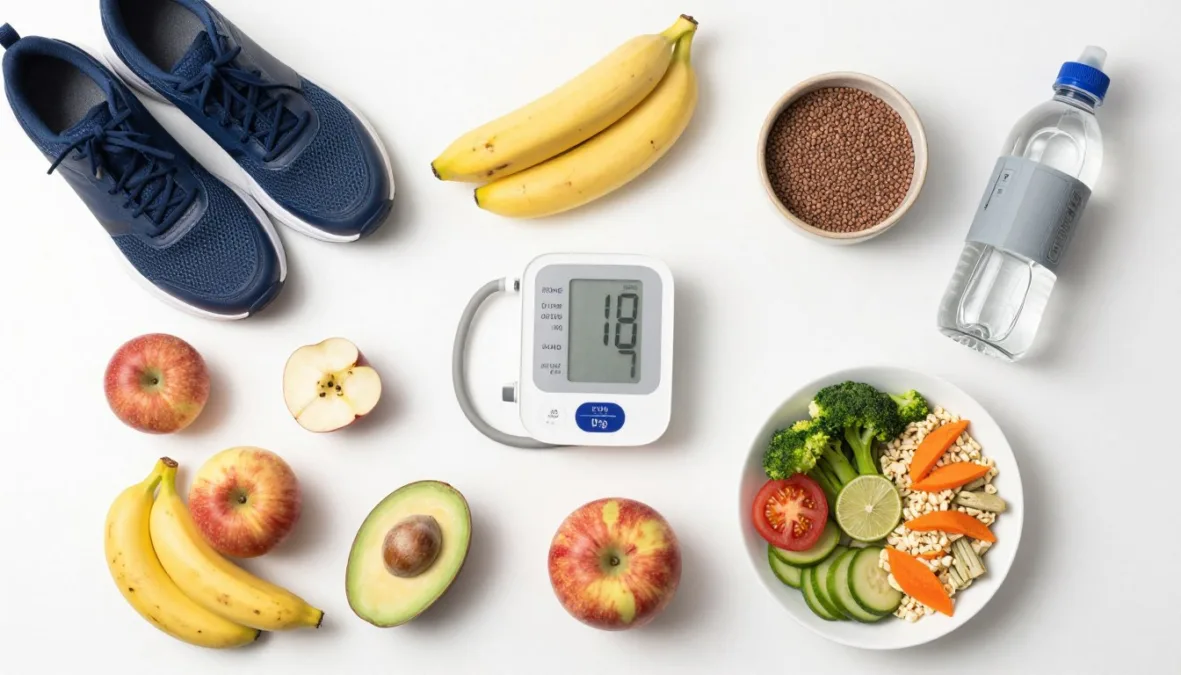
Work closely with your healthcare provider throughout your journey. Regular monitoring helps you track progress and adjust your approach as needed. Professional guidance ensures your dietary changes complement any medical treatments you may require.
The power to improve your cardiovascular health lies in your daily choices. Every meal presents an opportunity to nourish your body with foods that support healthy blood pressure. Start today with one simple change, and build from there.
Your heart will thank you for the effort. Better blood pressure means reduced risk for serious complications. Improved energy, better sleep, and enhanced overall well-being often accompany these dietary improvements. Invest in your health through the foods you choose each day.

Priyanka Pandey
Senior Research Editor · Top10Sense
Priyanka specializes in tech, consumer products, and digital trends. She combines hands-on testing, vendor interviews, and database research to create trustworthy “Top 10” rankings. Her work has been referenced by industry blogs and brand report pages.