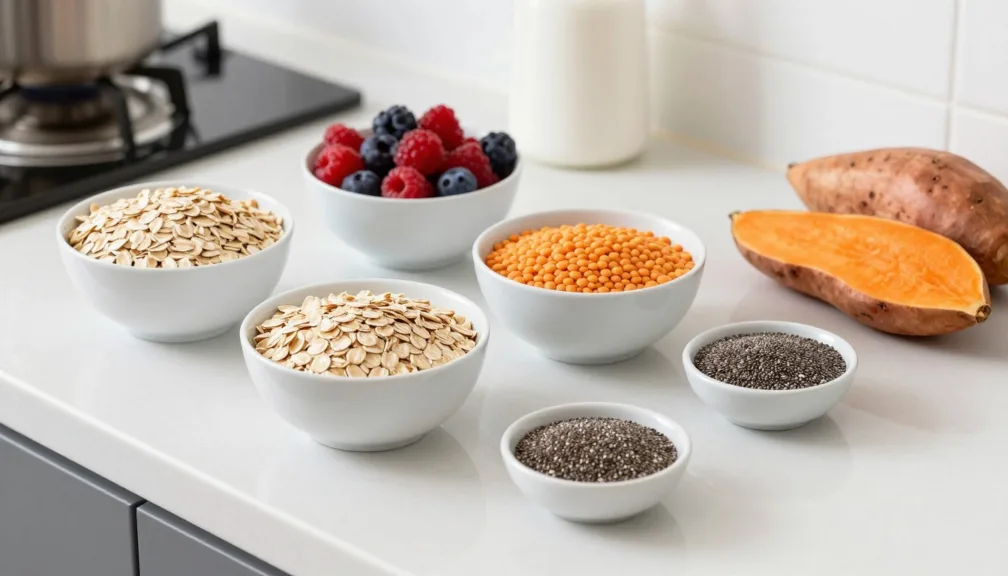
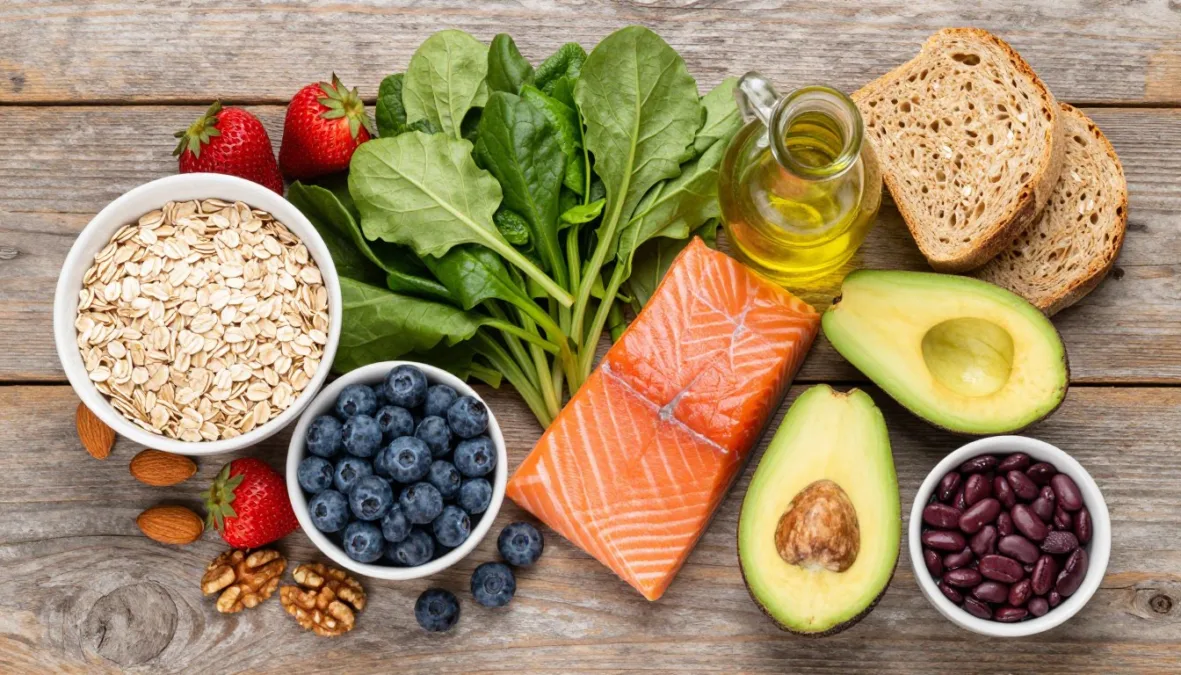
Your cholesterol levels play a critical role in your heart health. High cholesterol puts you at risk for heart disease, which remains a leading health concern worldwide. The good news is that simple diet changes can make a real difference.
What you eat each day directly affects your cholesterol numbers. Certain foods help lower cholesterol naturally without medication. Others can raise it and put your heart at risk.
This guide reveals the top 10 foods to lower your cholesterol based on scientific research. You’ll discover exactly which foods to add to your diet and why they work. Even better, you’ll learn practical ways to enjoy these foods every day.
Get Free Heart-Healthy Recipes Weekly
Join our community and receive expert-approved cholesterol-lowering meal ideas delivered to your inbox every week.
Understanding Cholesterol and Your Diet
Cholesterol is a waxy substance your body needs to build cells. Your liver makes most of the cholesterol in your body. The rest comes from the food you eat, especially foods from animals.
Not all cholesterol is bad. HDL cholesterol helps remove harmful cholesterol from your blood. LDL cholesterol can build up in your arteries and cause blockages.
Your diet has a powerful impact on both types. Foods high in saturated fat raise your LDL levels. Plant-based foods and healthy fats can help lower cholesterol and boost your HDL numbers.
Important: The American Heart Association recommends limiting saturated fat to less than 6% of your daily calories. For someone eating 2,000 calories per day, that’s about 13 grams of saturated fat.
1. Oats and Whole Grains
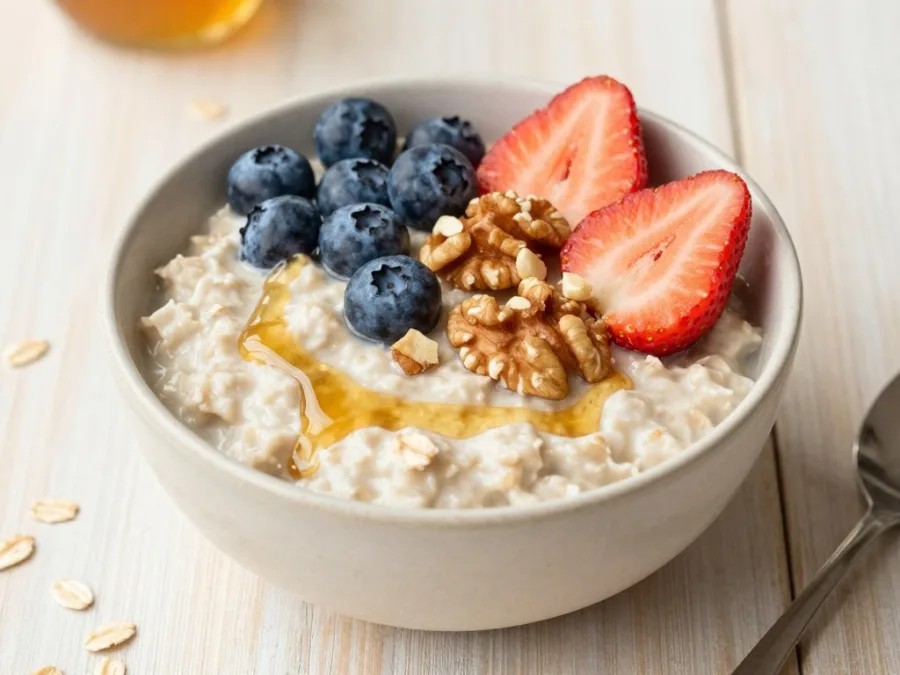
Whole grains rank among the best foods to help lower cholesterol. Oats contain a special type of soluble fiber called beta-glucan. This fiber works by binding to cholesterol in your digestive system.
Studies show that eating just 3 grams of soluble fiber from oats each day can lower your total cholesterol by 5 to 10 percent. You can get this amount from a bowl and a half of cooked oatmeal.
Other whole grains that help include barley, brown rice, and whole wheat. These foods also provide important nutrients your body needs to stay healthy.
How to Add More Whole Grains to Your Day
- Start your breakfast with a bowl of oatmeal topped with berries
- Choose whole grain bread instead of white bread for sandwiches
- Add barley to soups and stews for extra fiber and texture
- Replace white rice with brown rice or quinoa at dinner time
- Snack on whole grain crackers with nut butter between meals
2. Beans and Legumes
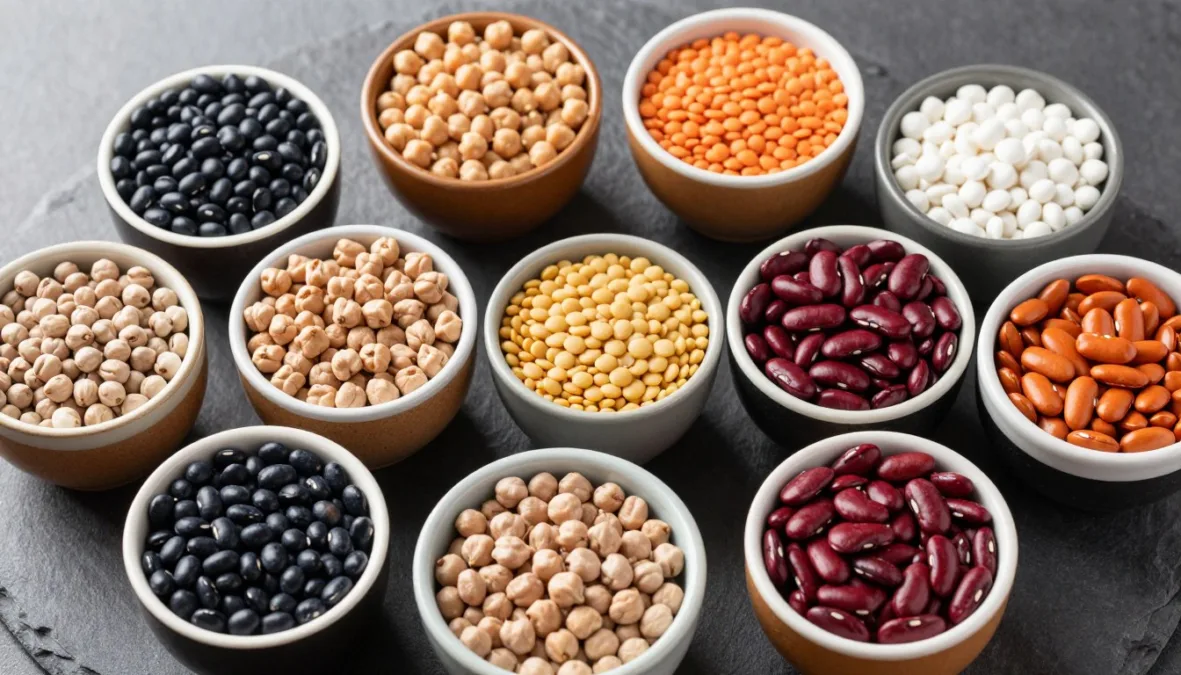
Beans pack a powerful punch when it comes to lowering cholesterol. These plant-based protein sources contain high amounts of soluble fiber. They also keep you feeling full longer, which helps with weight management.
Research shows that eating one serving of beans each day can reduce LDL cholesterol by 5 percent. Black beans, kidney beans, lentils, and chickpeas all deliver these benefits.
Beans provide protein without the saturated fat found in meat. This makes them an excellent choice for people watching their heart health.
Easy Ways to Eat More Beans
- Add black beans or kidney beans to your salads at lunch
- Make a hearty lentil soup for dinner once a week
- Use chickpeas to create homemade hummus as a healthy snack
- Mix beans into pasta dishes or grain bowls for extra protein
- Try bean-based vegetarian chili loaded with vegetables
3. Nuts
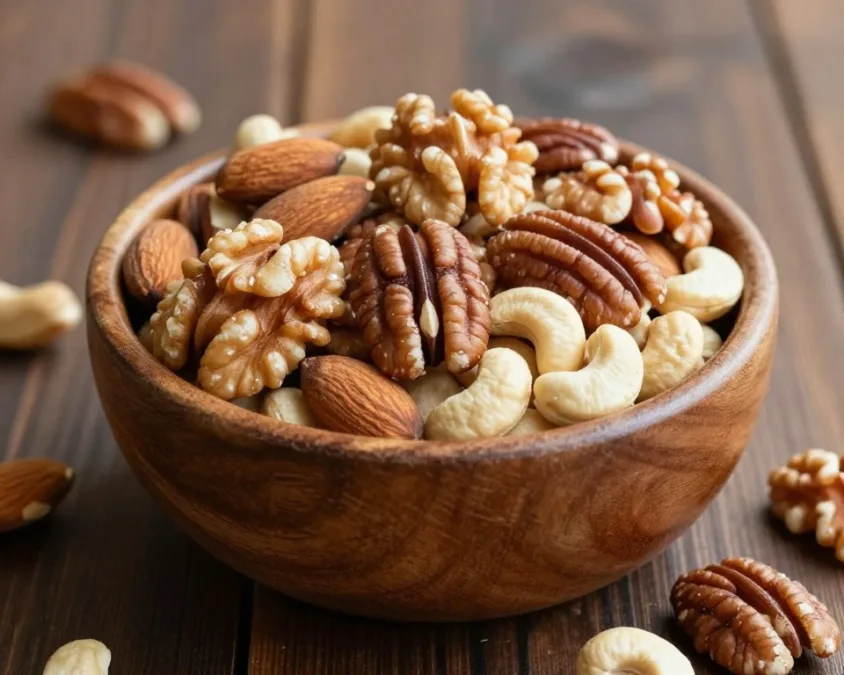
A handful of nuts each day can make a real difference in your cholesterol numbers. Nuts contain healthy fats, fiber, and plant sterols that work together to lower LDL cholesterol.
Walnuts, almonds, and pistachios show the strongest effects. Just one ounce of almonds provides about 3.5 grams of fiber and healthy fats that benefit your heart.
The key is portion control. Nuts are high in calories, so stick to about a small handful per day. That’s roughly 23 almonds or 14 walnut halves.
Best Nuts for Cholesterol
- Walnuts for omega-3 fatty acids
- Almonds for vitamin E and fiber
- Pistachios for plant sterols
- Pecans for antioxidants
Smart Serving Sizes
- 1 ounce (28 grams) per day
- About 23 almonds
- About 14 walnut halves
- About 49 pistachios
4. Fatty Fish
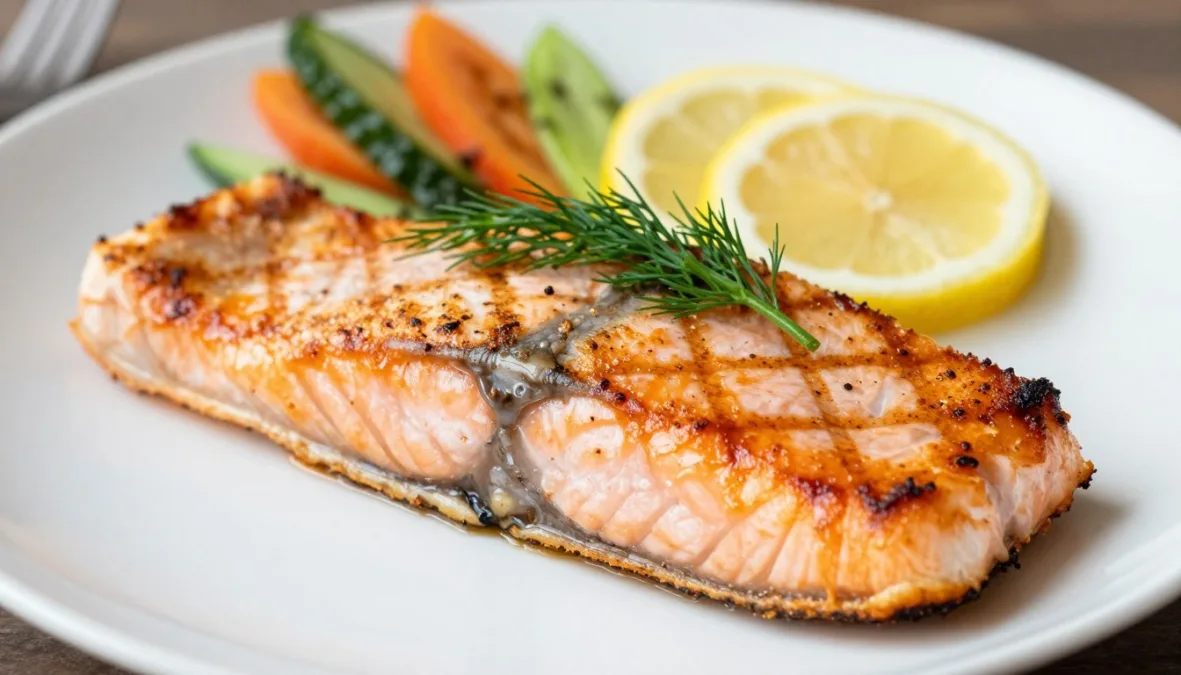
Fatty fish provides omega-3 fatty acids that benefit your heart in multiple ways. These healthy fats help lower triglycerides and reduce inflammation in your body. They also help raise HDL cholesterol levels.
Salmon, mackerel, sardines, and tuna offer the highest amounts of omega-3s. Health experts recommend eating fish at least twice a week for maximum heart benefits.
The omega-3s in fish work differently than other cholesterol-lowering nutrients. They don’t directly lower LDL, but they protect your heart and reduce your risk of heart disease.
Choosing and Preparing Fish
- Aim for two 3.5-ounce servings of fatty fish each week
- Choose wild-caught fish when possible for higher omega-3 content
- Grill, bake, or broil fish instead of frying to avoid added fat
- Season with herbs and lemon instead of heavy sauces
- Try canned sardines or salmon for a budget-friendly option
5. Avocados
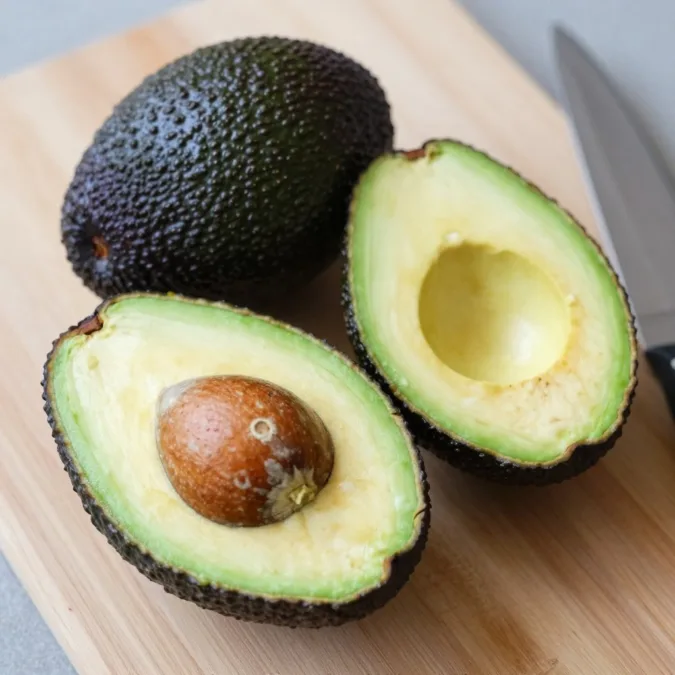
Avocados contain monounsaturated fats that can help lower cholesterol when they replace saturated fats in your diet. These creamy fruits also provide fiber and plant sterols that benefit your heart.
Research shows that eating one avocado per day can reduce LDL cholesterol levels. This works especially well when avocados replace butter or other sources of saturated fat.
Half an avocado contains about 5 grams of fiber and nearly 10 grams of healthy fats. These nutrients work together to improve your cholesterol profile.
Download Your Free 7-Day Meal Plan
Get a complete week of cholesterol-lowering meals featuring all 10 superfoods. Includes shopping lists and easy prep instructions.
6. Berries and Other Fruits
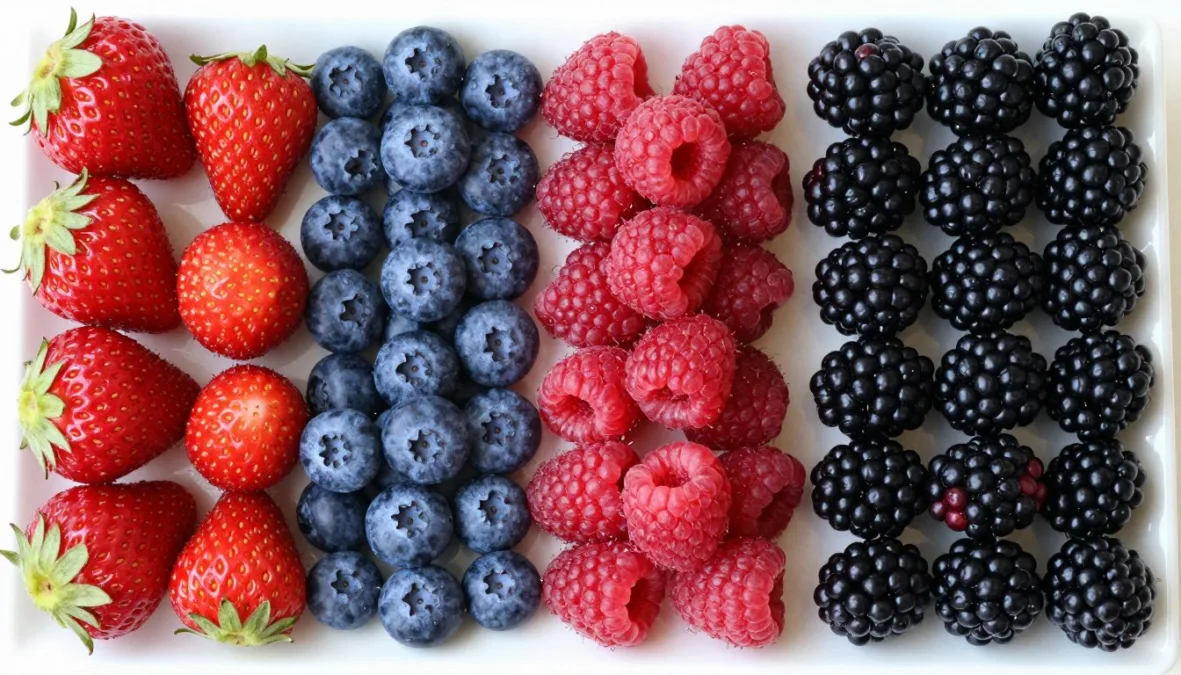
Berries rank among the best fruits for heart health. Strawberries, blueberries, and raspberries contain soluble fiber and plant compounds called polyphenols. These nutrients help lower cholesterol naturally.
Apples and citrus fruits also deliver cholesterol-lowering benefits. An apple with skin provides about 4 grams of fiber. Oranges and grapefruits offer pectin, a type of soluble fiber that reduces LDL levels.
Eating a variety of fruits each day gives your body different types of beneficial nutrients. Aim for at least 2 cups of fruit daily for the best results.
Top Cholesterol-Fighting Fruits
Berries
Rich in antioxidants and fiber, perfect for breakfast or snacks throughout the day.
- Fresh or frozen blueberries
- Strawberries in salads
- Raspberries with yogurt
- Blackberries as dessert
Apples
High in pectin fiber, eat with skin for maximum benefits and nutrients.
- Raw apples as snacks
- Sliced in oatmeal
- Baked with cinnamon
- Added to salads
Citrus Fruits
Packed with vitamin C and soluble fiber, great for immune support too.
- Fresh orange segments
- Grapefruit at breakfast
- Lemon in water
- Lime in cooking
Grapes
Contain resveratrol and fiber, choose red or purple varieties for more antioxidants.
- Fresh grapes frozen
- Added to salads
- Paired with nuts
- As healthy dessert
7. Dark Leafy Greens and Vegetables
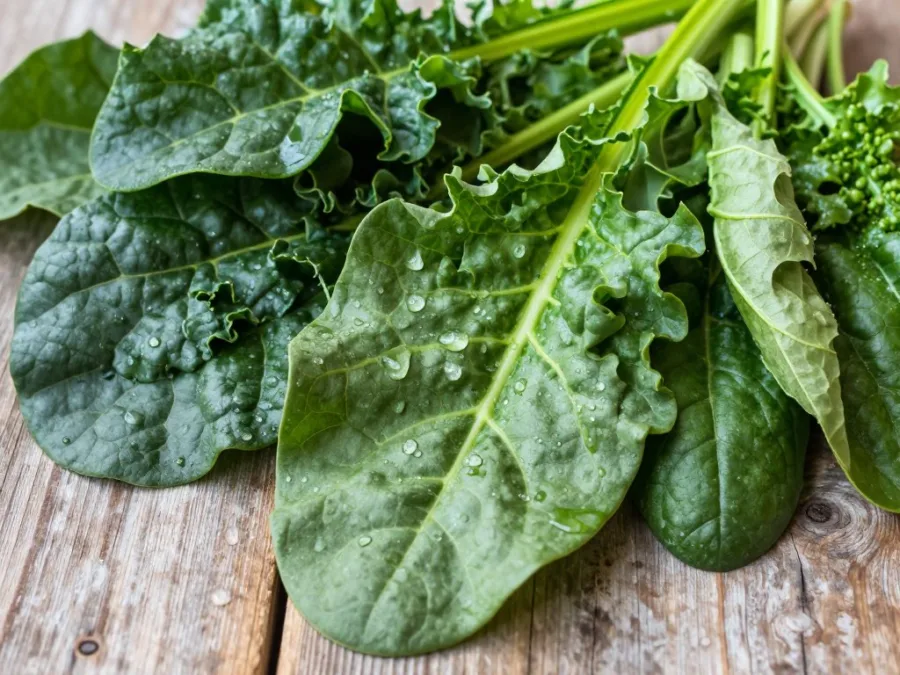
Dark leafy greens provide fiber and plant compounds that help your body eliminate cholesterol. Spinach, kale, and collard greens top the list of vegetables that benefit your heart.
These vegetables also contain lutein and other carotenoids. Research links these nutrients to lower risk of heart disease. They work by helping your body get rid of excess cholesterol.
Other vegetables like broccoli, Brussels sprouts, and eggplant also support healthy cholesterol levels. The more colorful vegetables you eat, the better for your overall health.
Ways to Eat More Vegetables Daily
- Add spinach or kale to your morning smoothie for extra nutrients
- Make a large salad your main meal at lunch time
- Steam or roast vegetables as a side dish with every dinner
- Snack on raw vegetables with hummus between meals
- Add extra vegetables to soups, stews, and pasta dishes
- Try vegetable-based stir-fries with minimal oil for quick meals
8. Olive Oil and Healthy Oils
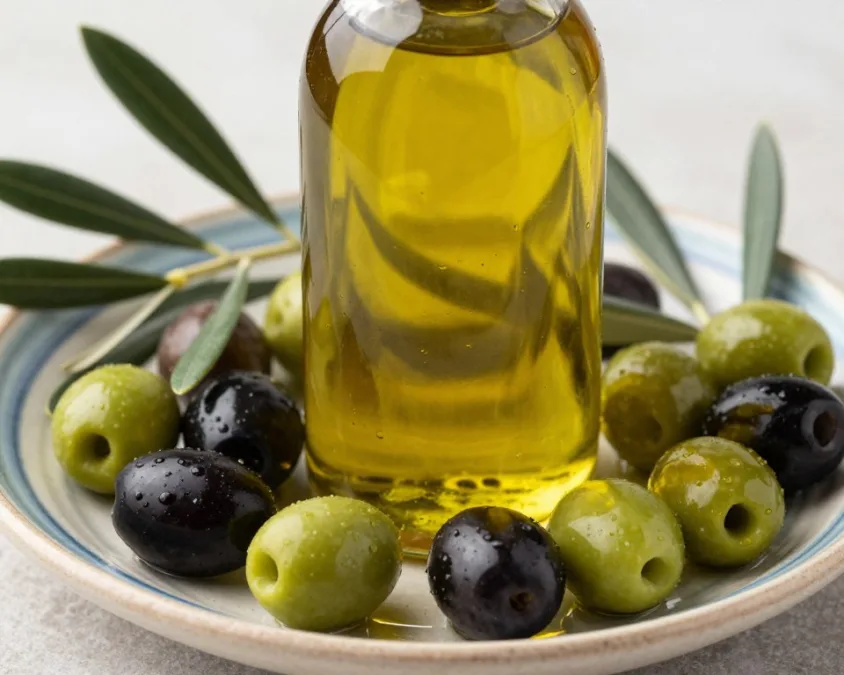
Extra virgin olive oil contains healthy monounsaturated fats that help lower cholesterol. This oil also provides antioxidants that protect your heart and blood vessels from damage.
Using olive oil instead of butter or other saturated fats can reduce your LDL cholesterol. Studies show that consuming about 2 tablespoons of olive oil daily offers heart health benefits.
Other healthy oils include avocado oil and canola oil. These plant-based oils work best when they replace animal fats in your diet, not when added on top of them.
Smart Ways to Use Healthy Oils
- Drizzle olive oil on salads instead of creamy dressings
- Use oil spray for cooking to control the amount you use
- Replace butter with olive oil in most recipes
- Choose oils for cooking at appropriate temperatures
9. Soy Foods and Plant Proteins
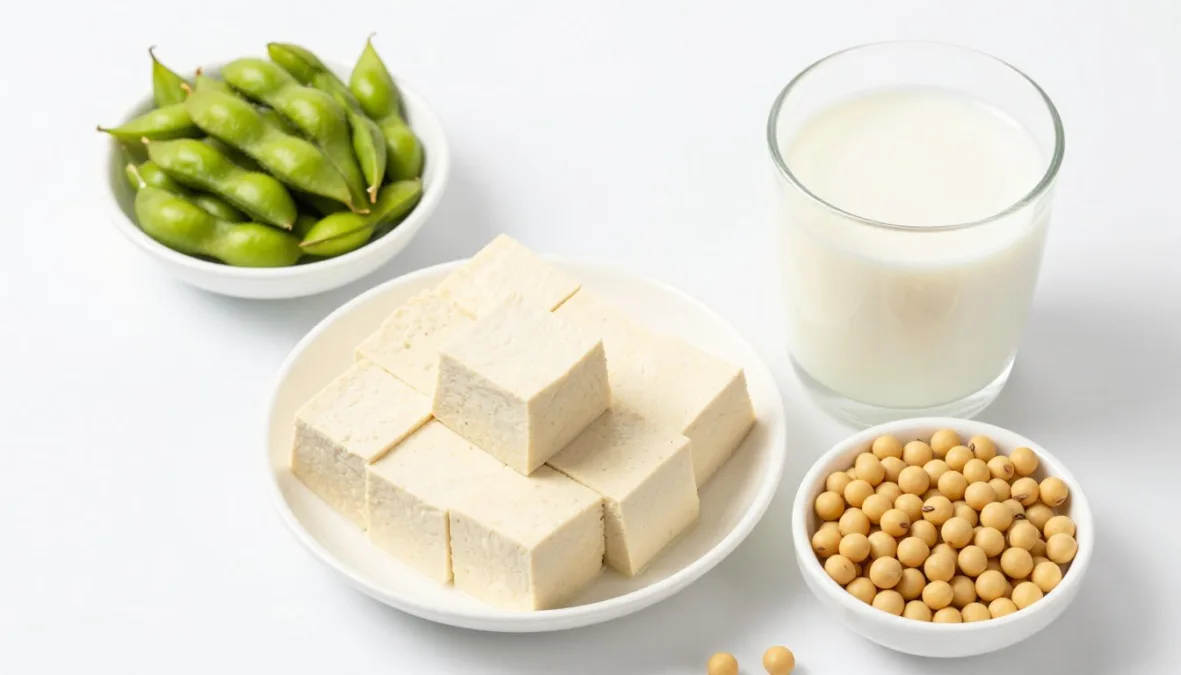
Soy foods provide high-quality plant protein without the saturated fat found in meat and full-fat dairy products. Eating soy protein instead of animal protein can help lower cholesterol levels.
Tofu, tempeh, edamame, and soy milk all offer these benefits. You don’t need to eat large amounts. Just 25 grams of soy protein per day can make a difference.
Soy contains compounds called isoflavones that may help reduce cholesterol absorption. These plant proteins also provide fiber and other nutrients your body needs.
Adding Soy to Your Meals
- Start your day with soy milk on cereal or in smoothies
- Use firm tofu in stir-fries as a meat replacement
- Snack on roasted edamame instead of chips
- Try tempeh in sandwiches or salads for variety
- Use textured soy protein in chili or pasta sauce
10. Dark Chocolate and Cocoa
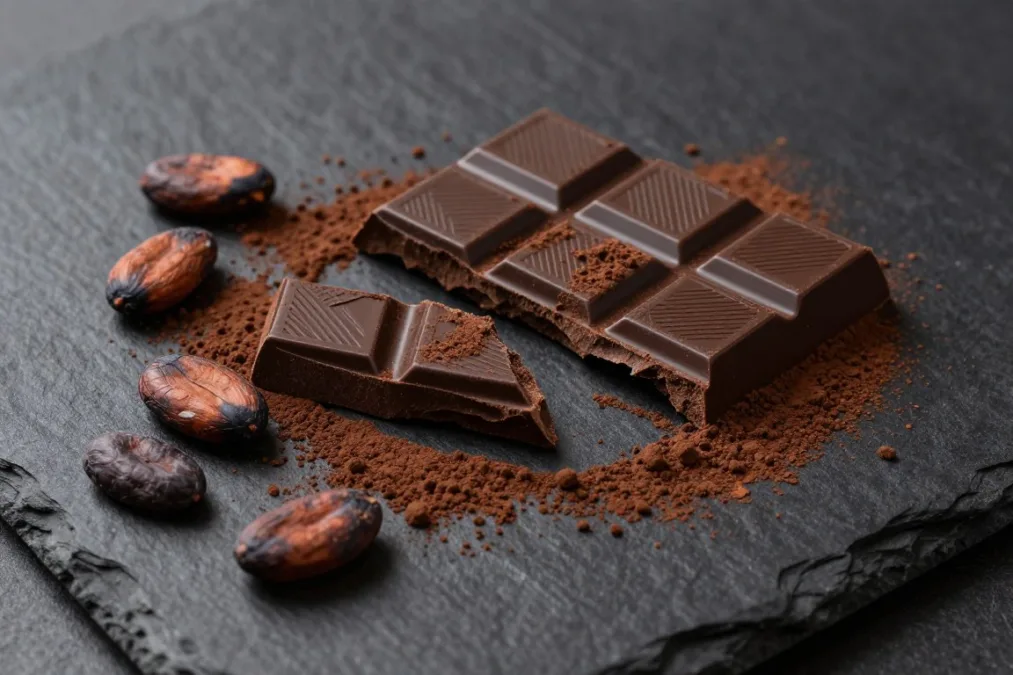
Dark chocolate contains flavonoids that can help lower cholesterol when consumed in moderation. These powerful antioxidants improve your blood vessel function and reduce inflammation.
Choose dark chocolate with at least 70% cocoa content. This type has more beneficial compounds and less sugar than milk chocolate. Stick to a small square or two per day.
Cocoa powder offers similar benefits without added sugar or fat. You can add unsweetened cocoa to smoothies, oatmeal, or yogurt for a cholesterol-friendly treat.
Remember: Dark chocolate still contains calories and fat. A small serving of about one ounce provides benefits without excess calories. Choose quality over quantity for the best results.
Foods with Added Plant Sterols and Stanols
Plant sterols and stanols are natural compounds that block cholesterol absorption in your intestines. Your body treats these plant compounds similarly to cholesterol, which reduces the amount of actual cholesterol that enters your bloodstream.
Some foods come fortified with extra plant sterols stanols. These include certain margarines, orange juice, and yogurt drinks. Consuming 2 grams of plant sterols daily can lower LDL cholesterol by about 10 percent.
You can also get plant sterols naturally from nuts, seeds, whole grains, and vegetables. Combining fortified foods with naturally occurring sources gives you the most benefit.
Foods to Limit or Avoid
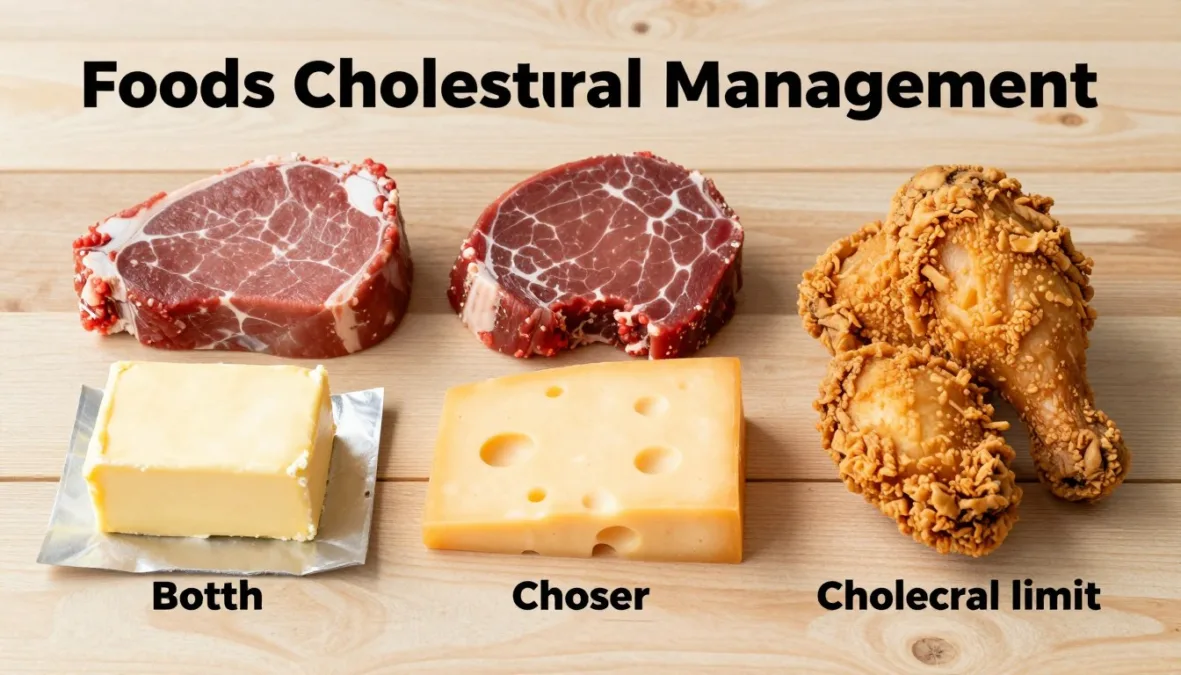
Knowing which foods to avoid matters just as much as knowing which foods help lower cholesterol. Certain foods raise your LDL levels and increase your risk of heart disease.
Foods high in saturated fat top the list. These include fatty cuts of red meat, full-fat dairy products, and tropical oils like coconut and palm oil. Limit saturated fat to less than 6% of your total daily calories.
Trans fats deserve special attention. These artificial fats raise LDL cholesterol and lower HDL cholesterol at the same time. Check food labels and avoid anything with partially hydrogenated oils.
Choose More Often
- Lean proteins like chicken and fish
- Low-fat or fat-free dairy
- Healthy oils like olive and avocado
- Whole grains and vegetables
- Fresh fruits and berries
Limit or Avoid
- Fatty red meat and processed meat
- Full-fat dairy products
- Butter and shortening
- Fried and fast foods
- Baked goods with trans fats
Creating Your Cholesterol-Lowering Meal Plan
Building a healthy diet means including several cholesterol-lowering foods each day. Start your breakfast with oatmeal topped with berries and nuts. This simple meal combines three powerful foods in one bowl.
Plan your lunch around vegetables, beans, and whole grains. A large salad with chickpeas, olive oil dressing, and whole grain bread covers multiple food groups. Add an apple or orange for dessert.
Design dinners that feature fish twice a week and plant proteins on other nights. Fill half your plate with vegetables. Use whole grains like brown rice or quinoa. Add a small serving of healthy fats from avocado or nuts.
Sample Daily Menu
Breakfast
Bowl of oatmeal with blueberries, sliced almonds, and a drizzle of honey. Glass of soy milk on the side.
Lunch
Large salad with mixed greens, chickpeas, avocado, and olive oil dressing. Whole grain roll and an apple.
Dinner
Grilled salmon with roasted vegetables and quinoa. Side of steamed broccoli with lemon.
Snacks
Handful of walnuts, carrot sticks with hummus, or a small piece of dark chocolate.
Practical Tips for Long-Term Success
Making lasting changes to your diet takes time and planning. Start by adding one or two new foods each week rather than changing everything at once. This approach feels less overwhelming and more sustainable.
Prepare meals at home as much as possible. This gives you control over ingredients and cooking methods. Batch cooking on weekends saves time during busy weekdays.
Read nutrition labels carefully when shopping. Look for foods low in saturated fat and free from trans fats. Choose products with added plant sterols when available.
Shopping and Cooking Strategies
- Shop the perimeter of the grocery store where fresh foods live
- Buy frozen vegetables and berries for convenience and cost savings
- Cook large batches of beans and whole grains to use all week
- Keep healthy snacks visible and ready to eat in your refrigerator
- Experiment with new recipes to keep meals interesting and enjoyable
- Use herbs and spices instead of salt for flavor in your cooking
Beyond Diet: Other Ways to Manage Cholesterol
Diet plays a crucial role in cholesterol management, but other lifestyle factors matter too. Regular physical activity helps raise HDL cholesterol while lowering LDL and triglycerides. Aim for at least 150 minutes of moderate exercise each week.
Maintaining a healthy weight reduces your risk of heart disease. Losing just 5 to 10 percent of your body weight can improve your cholesterol numbers if you’re overweight.
If you smoke, quitting improves your HDL cholesterol within weeks. It also reduces your overall risk of heart disease significantly. Talk to your doctor about resources to help you quit.
Medical Note: These dietary changes work well for many people, but some individuals need medication to manage high cholesterol. Always consult your healthcare provider before stopping or changing any prescribed treatments.
Taking Control of Your Heart Health
The top 10 foods to lower your cholesterol offer a natural way to protect your heart. Oats, beans, nuts, fish, avocados, fruits, vegetables, olive oil, soy, and dark chocolate each contribute unique benefits. Together, they create a powerful dietary approach to cholesterol management.
You don’t need to eat perfectly every day. Focus on making better choices most of the time. Replace foods high in saturated fats with these healthier options gradually. Small, consistent changes add up to meaningful improvements over time.
Remember that diet works best as part of an overall healthy lifestyle. Combine these food choices with regular exercise, stress management, and adequate sleep. This comprehensive approach gives you the best chance of lowering your cholesterol and improving your heart health.
Start today by choosing one or two foods from this list to add to your meals. Track your progress and celebrate small victories along the way. Your heart will thank you for every positive change you make.
Ready to Transform Your Heart Health?
Get our complete cholesterol-lowering toolkit including meal plans, shopping lists, heart-healthy recipes, and expert nutrition tips delivered straight to your inbox.

Priyanka Pandey
Senior Research Editor · Top10Sense
Priyanka specializes in tech, consumer products, and digital trends. She combines hands-on testing, vendor interviews, and database research to create trustworthy “Top 10” rankings. Her work has been referenced by industry blogs and brand report pages.