Safety concerns shape every major life decision we make. Whether you’re planning international travel, considering relocation, or evaluating investment opportunities, understanding which countries offer the highest security becomes paramount.
The safest countries 2026 rankings reveal fascinating shifts in global security patterns. Political stability, healthcare systems, and crime prevention strategies continue evolving worldwide.
This comprehensive analysis examines the top 10 safest countries based on multiple authoritative sources. We’ll explore what makes these nations exceptionally secure and how they maintain their positions year after year.
Understanding What Makes a Country Safe in 2026
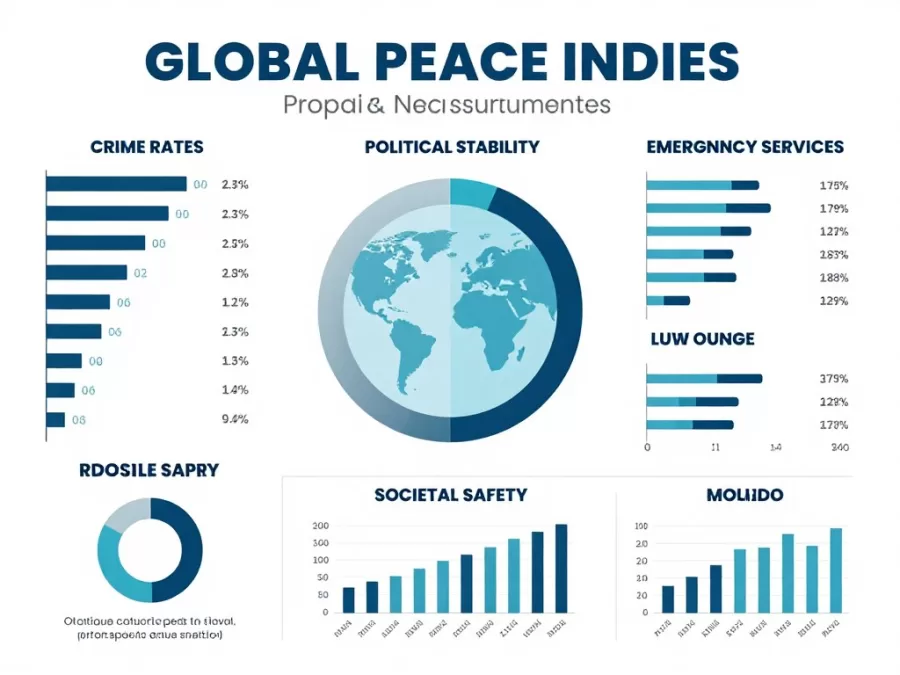
Country safety extends far beyond simple crime statistics. Multiple interconnected factors determine whether a nation provides genuine security for residents and visitors.
The Global Peace Index evaluates countries using comprehensive criteria. This respected survey examines militarization levels, societal safety, and ongoing conflict involvement across all nations.
Primary Safety Measurement Categories
Safety experts analyze several core categories when ranking countries. Each category provides crucial insights into different security aspects.
Crime and Violence Metrics
Violent crime rates indicate immediate personal safety risks. Countries with low homicide rates, minimal assault incidents, and effective law enforcement consistently rank higher.
- Homicide rates per 100,000 people
- Assault and battery incidents
- Property crime statistics
- Organized crime presence
Political Stability Assessment
Governmental stability affects long-term security profoundly. Peaceful transitions of power, low corruption levels, and strong democratic institutions contribute significantly.
- Government effectiveness scores
- Political rights and civil liberties
- Corruption perception levels
- Rule of law strength
Healthcare System Quality
Medical infrastructure directly impacts survival during emergencies. Countries with universal healthcare coverage and advanced medical facilities provide superior safety nets.
- Hospital bed availability per capita
- Emergency response time standards
- Healthcare accessibility measures
- Life expectancy indicators
Natural Disaster Risk
Environmental hazards pose significant threats in certain regions. Earthquake vulnerability, flooding risks, and extreme weather patterns factor into comprehensive safety assessments.
- Seismic activity frequency
- Flood zone exposure
- Hurricane and typhoon patterns
- Disaster preparedness infrastructure
The Global Peace Index Methodology
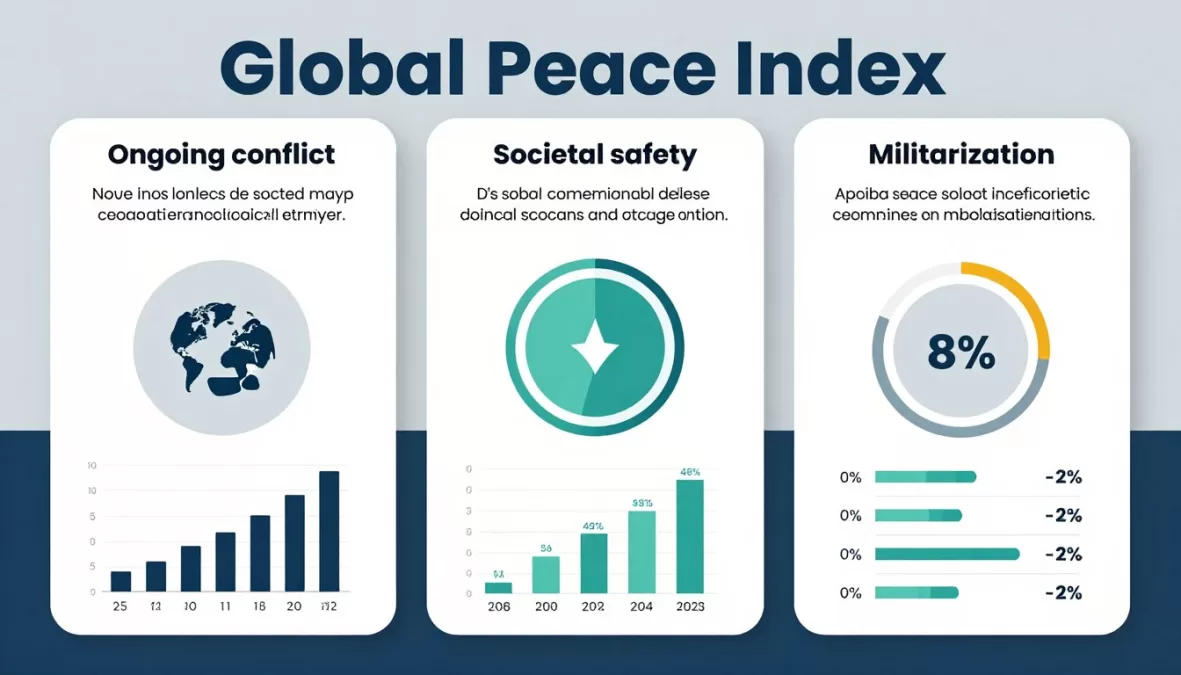
According to Global Peace Index data, the survey evaluates 23 qualitative and quantitative indicators. These indicators fall into three distinct domains measuring different peace aspects.
The first domain examines ongoing domestic and international conflict. This includes terrorism impact, deaths from internal conflict, and relations with neighboring countries.
Key Insight: The Global Peace Index has tracked world safest countries for over 15 years, providing valuable trend data that helps identify which nations consistently maintain high safety standards across multiple years.
Societal safety and security form the second evaluation domain. Crime levels, violent demonstrations, political instability, and terrorism risks receive careful analysis.
Militarization represents the third assessment category. Military expenditure, armed services personnel numbers, weapons accessibility, and nuclear capabilities all influence scores.
Why Safety Rankings Matter for Different Audiences
Different people use safety information for varied purposes. Understanding these rankings helps inform critical life decisions.

International Travelers
Tourists prioritize personal security during trips. The world safest countries attract millions seeking worry-free vacations.
Travel insurance companies like Berkshire Hathaway analyze these rankings carefully. Their data helps determine coverage rates and risk assessments for different destinations.
Business travelers consider safety when planning international meetings. Companies often restrict employee travel to countries with acceptable security ratings.
Potential Expatriates
People considering relocation examine safety metrics extensively. Long-term residents face different security concerns than short-term visitors.
Families moving abroad prioritize low violent crime rates and excellent healthcare systems. Educational quality and children’s safety weigh heavily in relocation decisions.
Retirement destinations require political stability and reliable healthcare infrastructure. Many retirees research the safest countries world rankings before choosing new homes.


International Investors
Investment decisions depend heavily on political stability and security. Capital flows toward countries with predictable governance and low conflict risks.
Real estate investors study safety rankings before purchasing property. Property values correlate strongly with neighborhood and national security levels.
Venture capitalists evaluate startup ecosystems within stable environments. The safest countries often foster innovation through predictable regulatory frameworks.
Top 10 Safest Countries in the World 2026: Complete Rankings
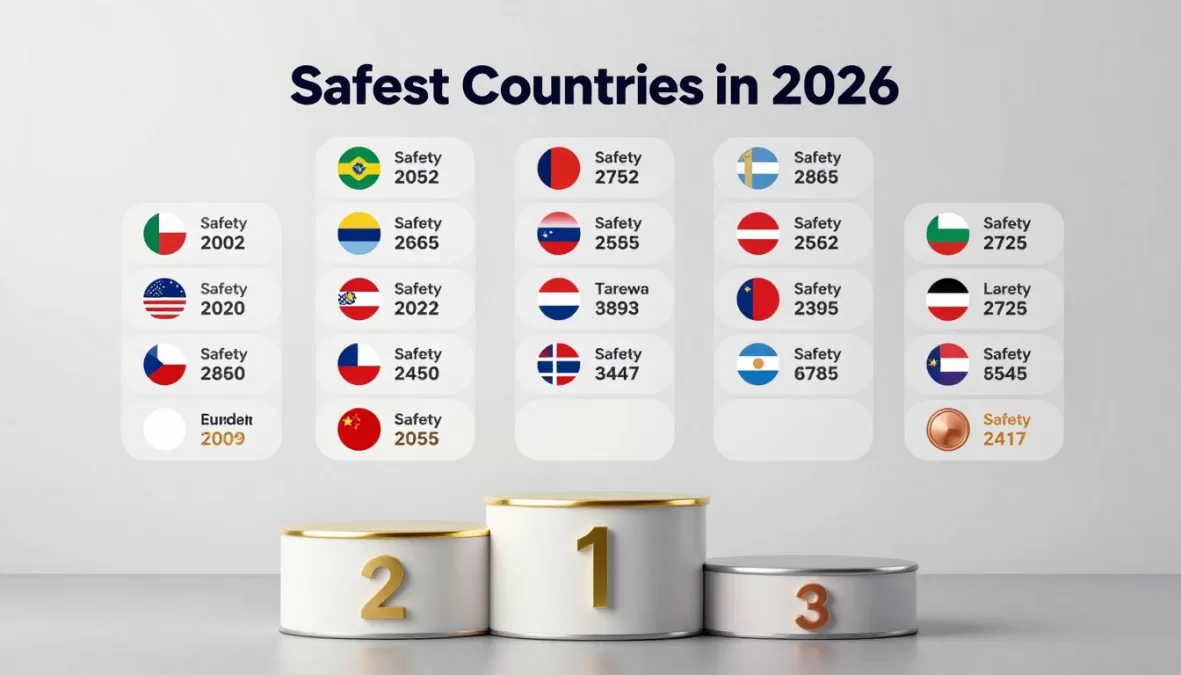
The safest countries 2026 rankings reveal interesting patterns across different world regions. Northern European nations continue dominating top positions, though other regions show impressive results.
According to Global Peace findings, these countries maintain consistently low crime rates. Their strong institutions, effective governance, and social cohesion create environments where safety thrives.
Each country below receives detailed analysis covering safety scores, contributing factors, and practical considerations for travelers or potential residents.
1. Iceland – The World’s Safest Country
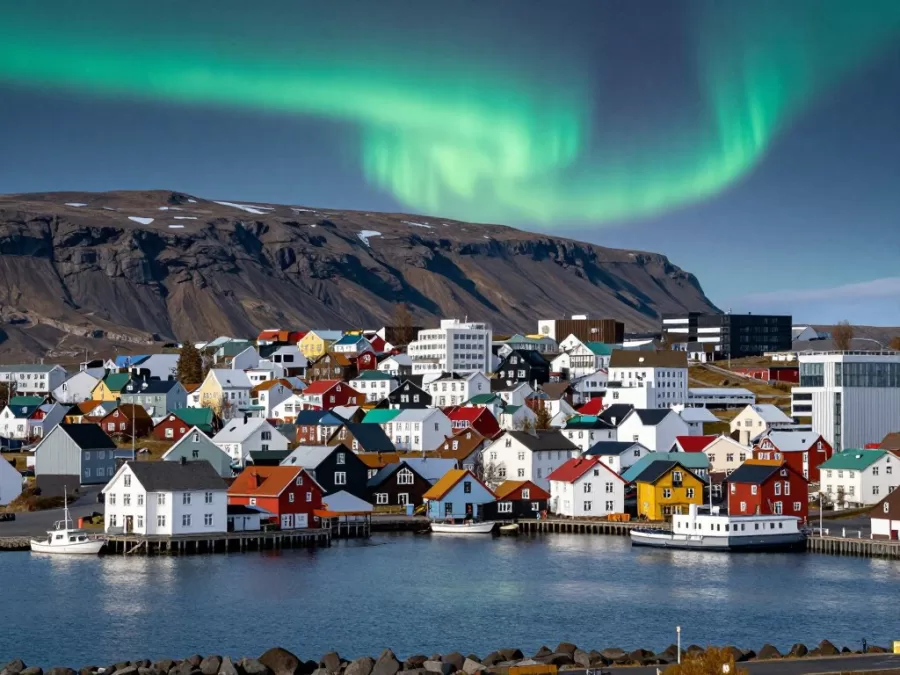
Iceland claims the top spot as the safest country in the world for 2026. This peaceful Nordic island nation has held this position consistently for over 15 years.
The country’s isolation contributes significantly to its security. With only 380,000 residents spread across the island, Iceland maintains remarkably low violent crime rates.
Iceland scores exceptionally high marks across all safety categories. Political stability, minimal corruption, and strong social cohesion create an environment where crime remains extremely rare.
Key Safety Factors
Virtually No Military Presence
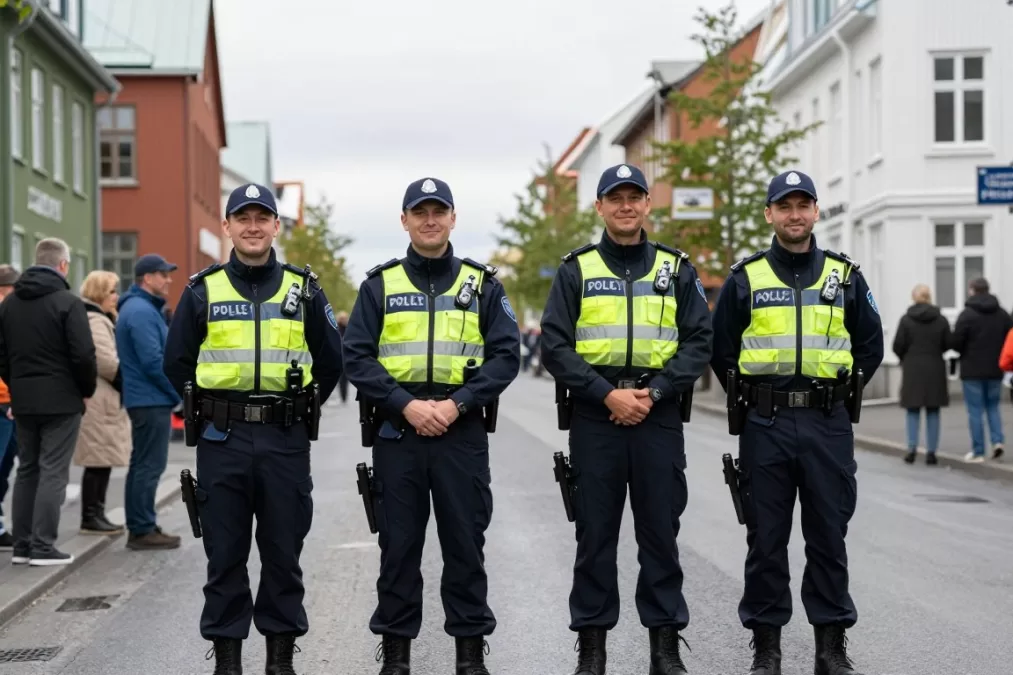
Iceland maintains no standing army. The nation relies on NATO membership for defense rather than militarization.
This demilitarization reduces internal conflict risks substantially. Resources typically allocated to military spending support social programs instead.
Exceptional Social Trust
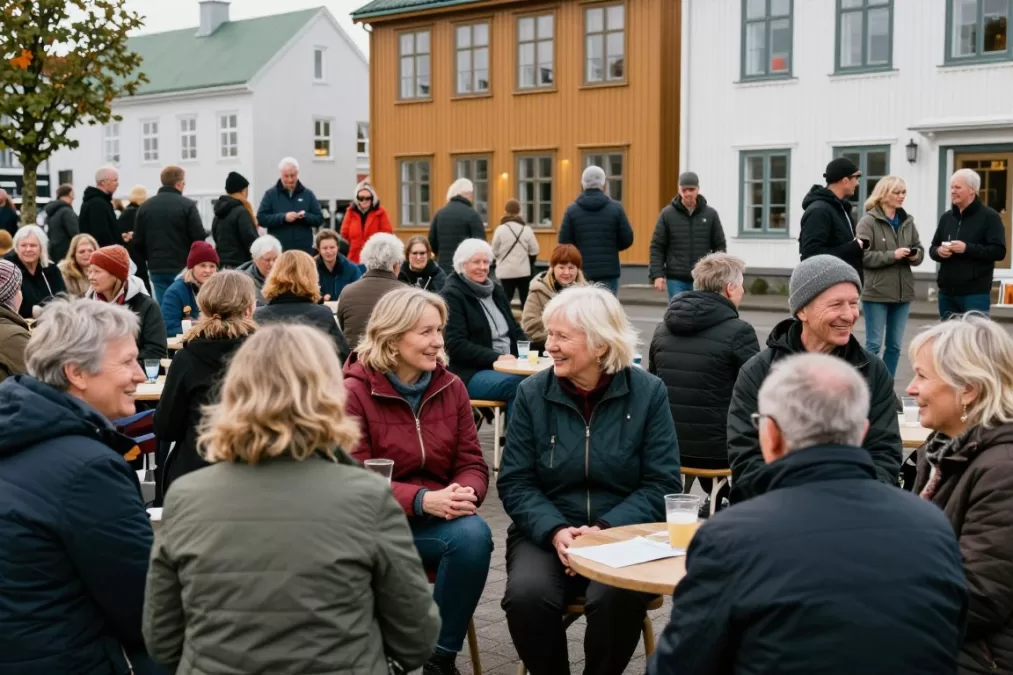
Icelanders report among the world’s highest social trust levels. Neighbors look out for one another in tight-knit communities.
This cultural characteristic reduces property crime significantly. People often leave homes and cars unlocked without concern.
Excellent Healthcare Infrastructure

Universal healthcare coverage ensures all residents access quality medical care. Emergency response systems function efficiently nationwide.
Life expectancy exceeds 83 years, reflecting excellent health system performance. Preventive care emphasis keeps health indicators strong.
Low Corruption Levels
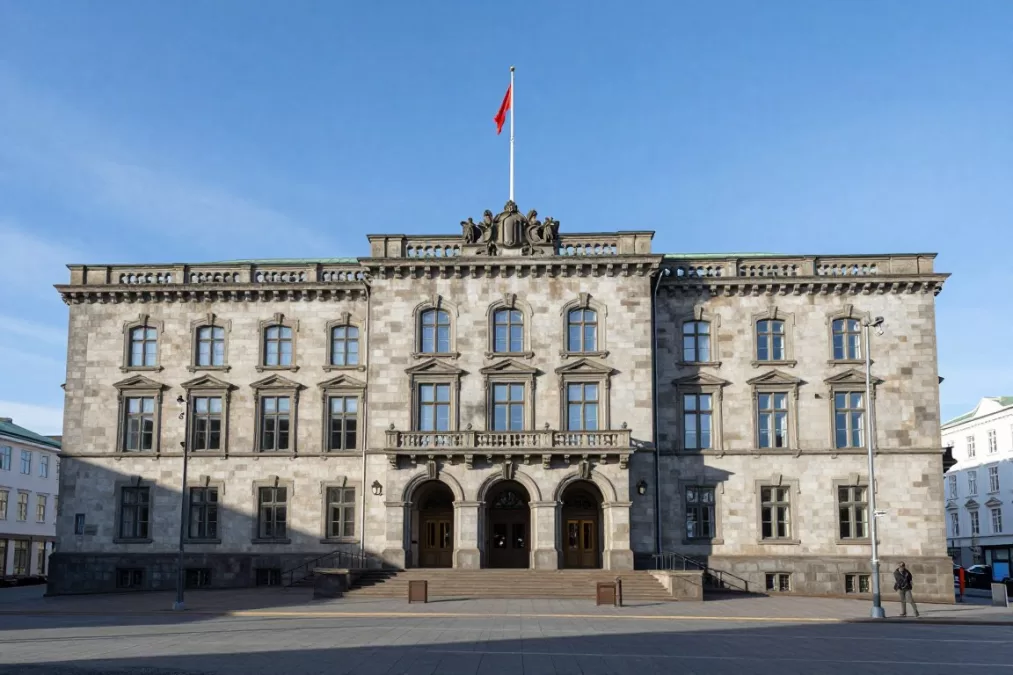
Transparency International consistently ranks Iceland among the world’s least corrupt nations. Strong institutions maintain accountability.
Citizens trust government systems, which reinforces social stability. Rule of law applies equally across all income levels.
Advantages of Iceland’s Safety
- Lowest crime rates globally, especially violent crime
- No terrorism threat or risk
- Political stability with functioning democracy
- Excellent healthcare system access
- Strong social safety net programs
- High gender equality scores
- Effective law enforcement despite minimal police presence
- Low drug-related crime incidents
Considerations
- High cost of living for residents and visitors
- Volcanic activity creates natural disaster risks
- Isolated location limits emergency evacuation options
- Harsh winter weather conditions
- Limited healthcare specialist availability in rural areas
- Small population reduces economic opportunities
Practical Information for Visitors and Residents
Tourism represents Iceland’s largest industry. Visitors encounter exceptionally safe conditions throughout the country.
The capital Reykjavik offers urban amenities while maintaining small-town safety. Residents routinely walk alone at night without concern.
Travel Tip: Natural hazards pose greater risks than crime in Iceland. Weather changes rapidly, and volcanic areas require caution. Always check conditions before exploring remote regions.
Women traveling alone report feeling particularly safe in Iceland. The country consistently receives high marks for gender equality and women’s safety.
Expats find Iceland welcoming, though language barriers exist outside major cities. English proficiency among locals facilitates communication for newcomers.
2. New Zealand – Safety in the South Pacific
New Zealand secures the second spot among the safest countries 2026. This island nation combines natural beauty with exceptional security standards.
The Kiwi nation has maintained top-five rankings for well over a decade. Strong democratic traditions and effective governance contribute to sustained safety.
New Zealand’s geographic isolation provides natural protection from many global conflicts. Distance from major conflict zones reduces terrorism risks substantially.
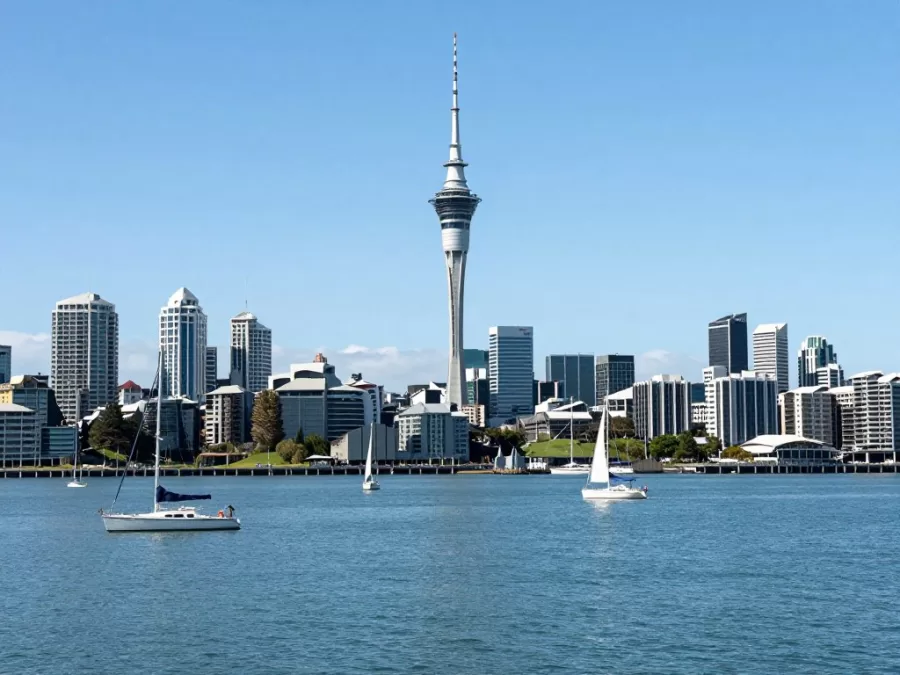
What Makes New Zealand Exceptionally Safe
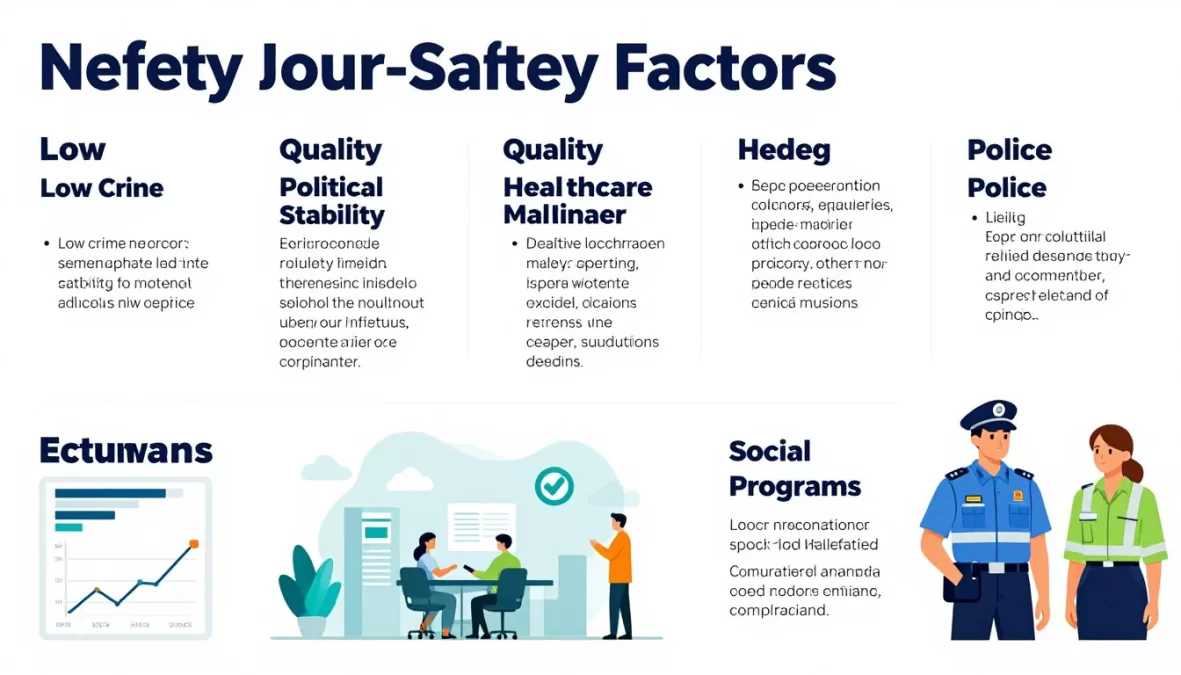
Crime rates remain low throughout New Zealand. Violent crime occurs infrequently compared to many developed nations.
The country’s police force maintains community-focused approaches. Officers build relationships with neighborhoods rather than relying solely on enforcement.
- Homicide rate among world’s lowest at 0.7 per 100,000 people
- Strong gun control laws enacted after 2019 tragedy
- Effective judicial system with low corruption
- High social spending supports vulnerable populations
- Multicultural society with strong integration policies
- Environmental protections reduce pollution-related health risks
Regional Safety Variations
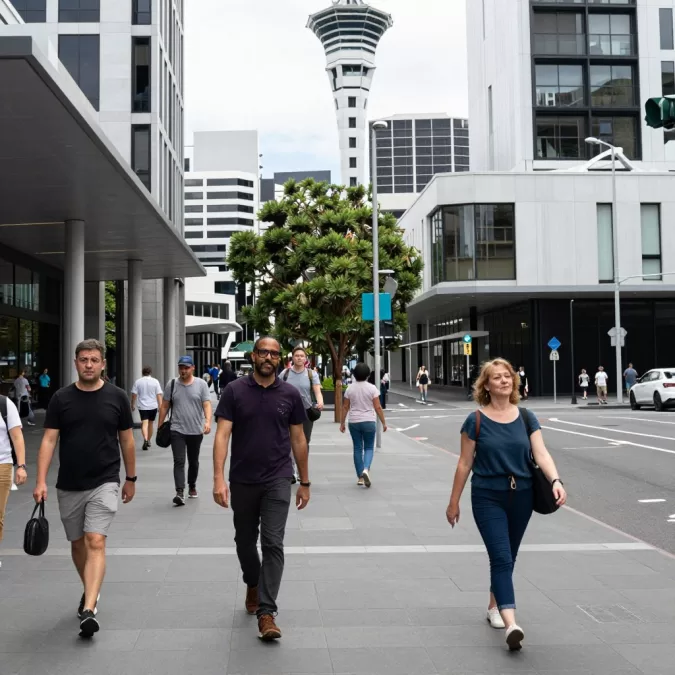
Auckland Region
New Zealand’s largest city maintains excellent safety records. Property crime occurs more frequently here than in rural areas.
Public transportation operates safely around the clock. Neighborhoods vary in character but remain generally secure.

Wellington Capital
The capital city scores extremely well on safety metrics. Government presence ensures robust security infrastructure.
Compact city layout enhances walkability and visibility. Residents report high satisfaction with personal safety.
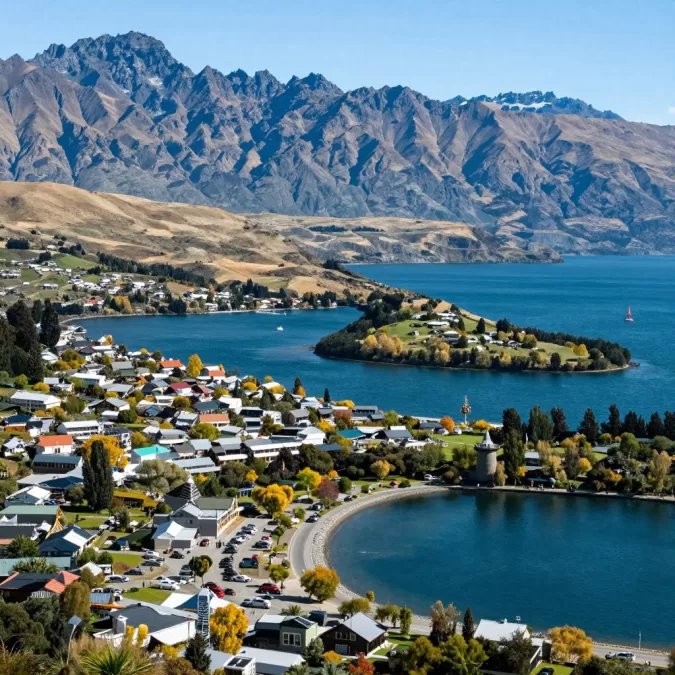
South Island Towns
Smaller communities throughout the South Island report minimal crime. Rural areas maintain tight-knit social networks.
Tourism centers like Queenstown balance visitor numbers with effective security. Adventure activities pose greater risks than crime.
Healthcare and Emergency Services
New Zealand provides universal healthcare through its public system. Emergency services respond quickly across urban and rural areas.
The health system faces capacity challenges during peak periods. Wait times for non-urgent procedures can extend several months.
Private healthcare options supplement public services. Many residents maintain insurance for faster specialist access.
Emergency response meets international standards. Helicopter rescue services reach remote locations effectively.
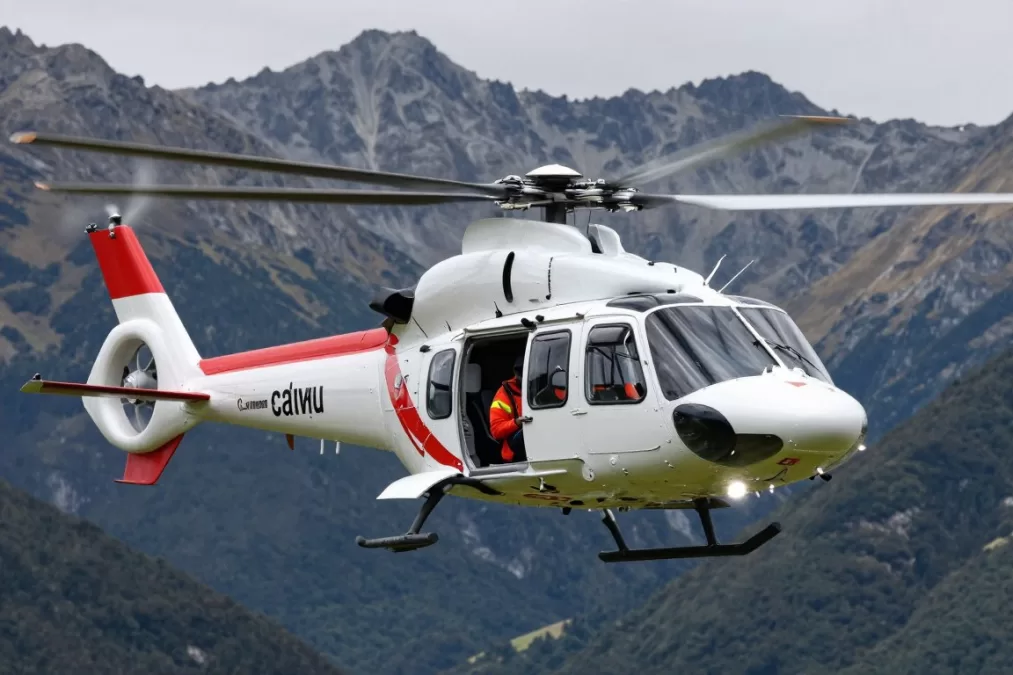
Natural Hazard Alert: New Zealand sits on the Pacific Ring of Fire. Earthquakes occur regularly, though building codes mitigate damage. Tsunami risks exist along coastal areas. Always familiarize yourself with emergency procedures.
3. Ireland – Europe’s Peaceful Gem
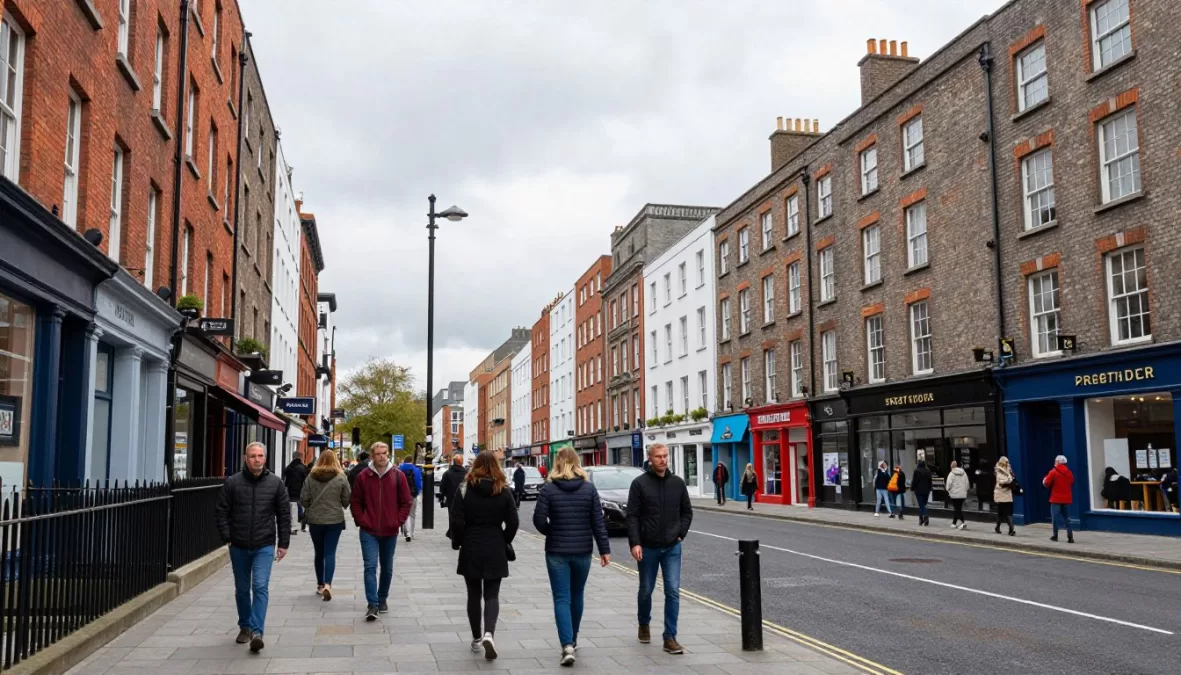
Ireland ranks third among the world safest countries for 2026. The Emerald Isle combines rich cultural heritage with modern security standards.
Past years saw significant improvements in Ireland’s safety profile. The peace process ending decades of conflict transformed the nation’s security landscape.
Economic prosperity contributes significantly to Ireland’s safety. Strong employment rates and social programs reduce crime-driving poverty.
Ireland’s Safety Strengths
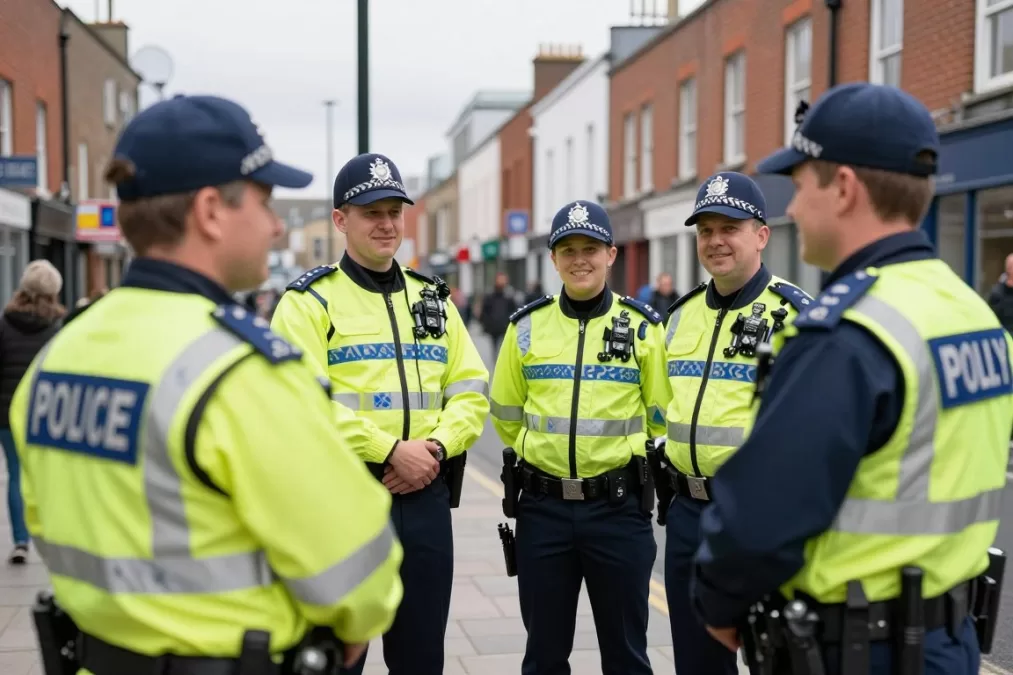
Effective Law Enforcement
The Garda Síochána maintains public order through community policing. Officers remain largely unarmed, reflecting low violent crime levels.
Police focus on prevention rather than punishment. Youth intervention programs reduce criminal pathways effectively.

Political Neutrality
Ireland maintains military neutrality while participating in UN peacekeeping. This stance reduces involvement in international conflicts.
EU membership provides economic and political stability. Strong diplomatic relations enhance security cooperation.

Economic Stability
Ireland hosts numerous international corporations creating high-income employment. Tech sector growth drives sustained economic expansion.
Low unemployment reduces desperation-driven crime. Social mobility opportunities keep populations engaged productively.

Healthcare Infrastructure
Public healthcare covers all residents through taxation. Emergency services respond quickly across the country.
Recent healthcare investments improve system capacity. Life expectancy continues rising steadily.
Crime Patterns and Trends
Ireland experiences low violent crime rates compared to similar nations. Homicides remain rare, averaging under 50 incidents annually.
Property crime represents the primary concern. Burglaries and theft occur more frequently in urban areas, though rates trend downward.
| Crime Category | Rate per 100,000 | Trend | Risk Level |
| Homicide | 0.87 | Decreasing | Very Low |
| Assault | 145 | Stable | Low |
| Burglary | 287 | Decreasing | Moderate |
| Vehicle Theft | 112 | Decreasing | Low |
| Drug Offenses | 198 | Stable | Low |
Drug-related offenses account for a growing portion of reported crimes. However, violent drug crime remains minimal compared to many countries.
Download Complete 2026 Safety Country Guide
Get our comprehensive 50-page PDF guide covering all top 50 safest countries with detailed safety metrics, travel tips, relocation insights, and expert analysis.
4. Denmark – Scandinavian Security Excellence
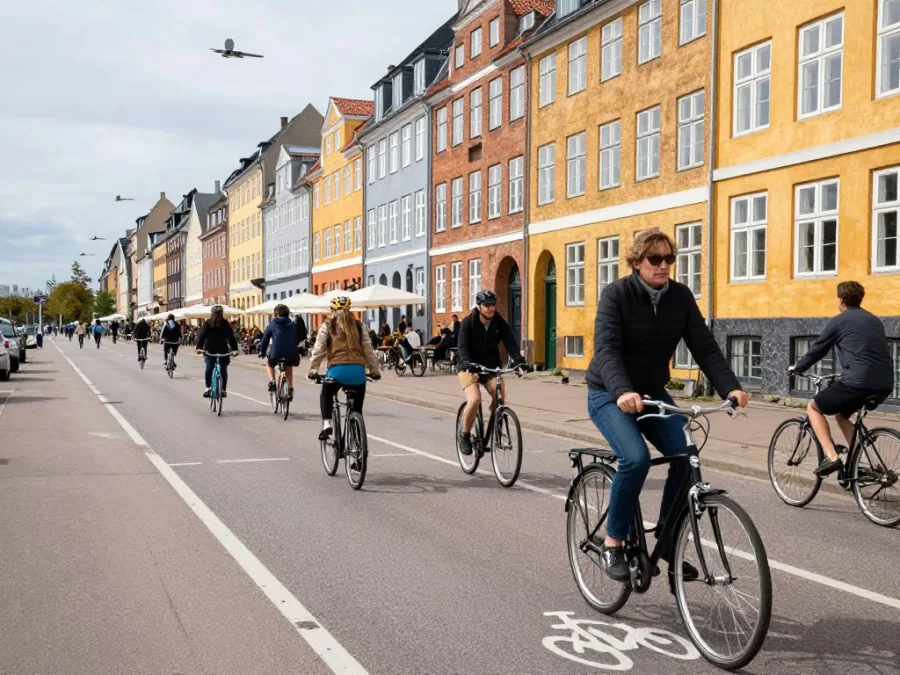
Denmark achieves fourth place among the safest countries world rankings. This Scandinavian nation exemplifies how social programs enhance security.
The Danish model prioritizes equality and social welfare. Comprehensive support systems reduce economic desperation that drives crime elsewhere.
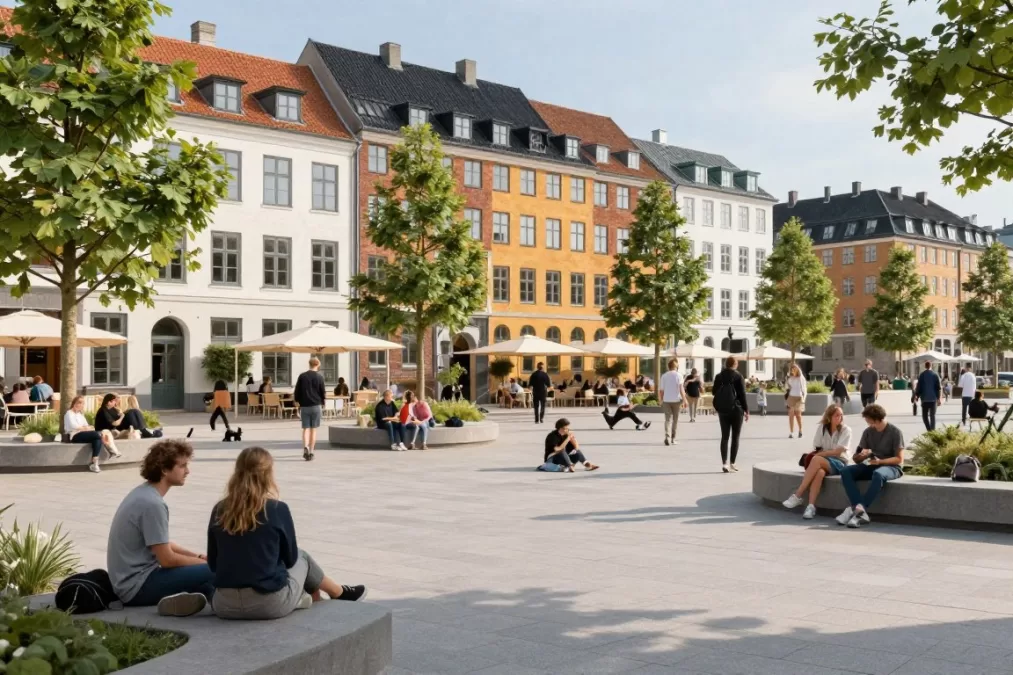
Copenhagen consistently ranks among Europe’s safest capitals. The city’s design emphasizes walkability and community spaces that enhance natural surveillance.
The Danish Social Safety Model
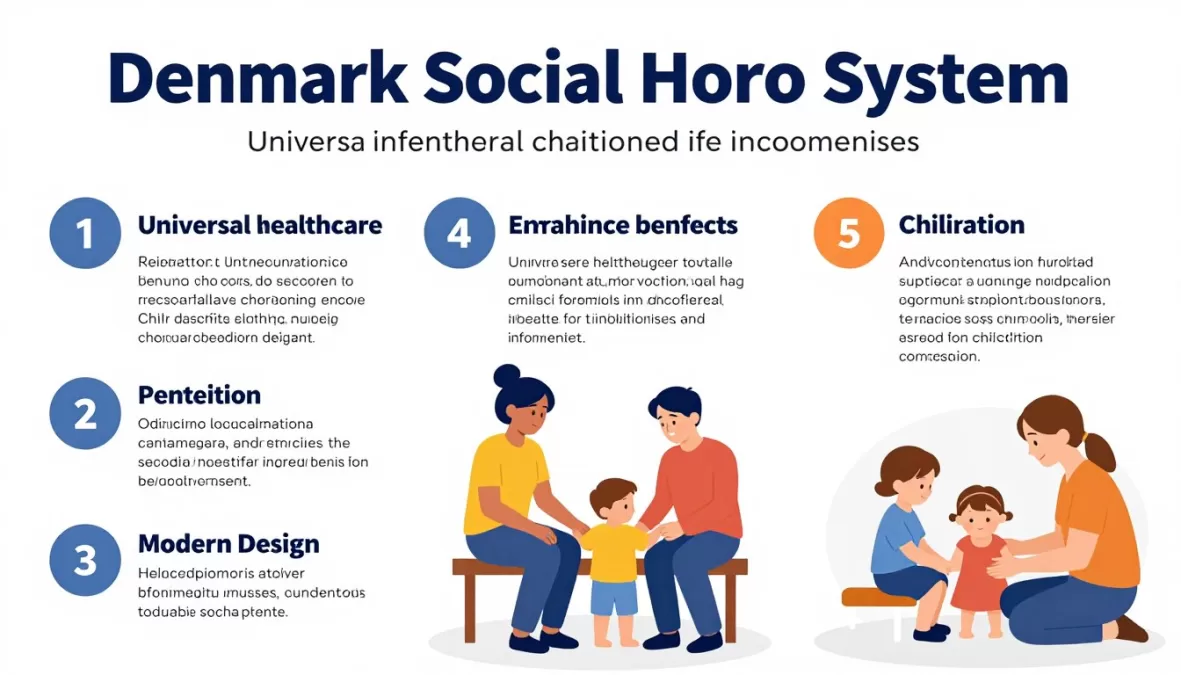
Denmark invests heavily in citizen welfare from birth through retirement. This comprehensive approach addresses root causes of criminal behavior.
Free education through university level provides equal opportunities. Student allowances enable focus on studies rather than survival.
- Universal healthcare eliminates medical bankruptcy risks
- Generous unemployment benefits maintain dignity during job transitions
- Subsidized childcare supports working parents across income levels
- Public pension systems ensure secure retirements
- Housing support prevents homelessness effectively
- Mental health services reach populations proactively
These programs require high taxation but deliver measurable safety benefits. Income inequality remains among the world’s lowest.
Crime Prevention Through Social Inclusion

Youth Intervention
Denmark identifies at-risk youth early through school systems. Mentorship programs redirect potential criminal pathways.
Community centers provide constructive activities. Sports, arts, and vocational training engage young people productively.

Rehabilitation Focus
The justice system emphasizes rehabilitation over punishment. Prison conditions maintain human dignity while providing skill development.
Recidivism rates remain low compared to punitive systems. Former inmates reintegrate successfully with support services.

Integration Programs
Immigrant integration receives substantial resources. Language training and cultural orientation facilitate community participation.
Employment assistance helps newcomers contribute economically. Social connections prevent isolation that can breed extremism.
Urban Safety and Design
Danish cities incorporate safety into urban planning. Well-lit streets, mixed-use neighborhoods, and active public spaces deter crime naturally.
Bicycle infrastructure promotes street activity throughout the day. More eyes on the street enhance collective security.
Public transportation operates reliably and safely. Women report feeling secure using transit at all hours.
Green spaces integrate into urban areas without becoming isolated danger zones. Design maintains visibility and accessibility.
5. Austria – Central European Stability
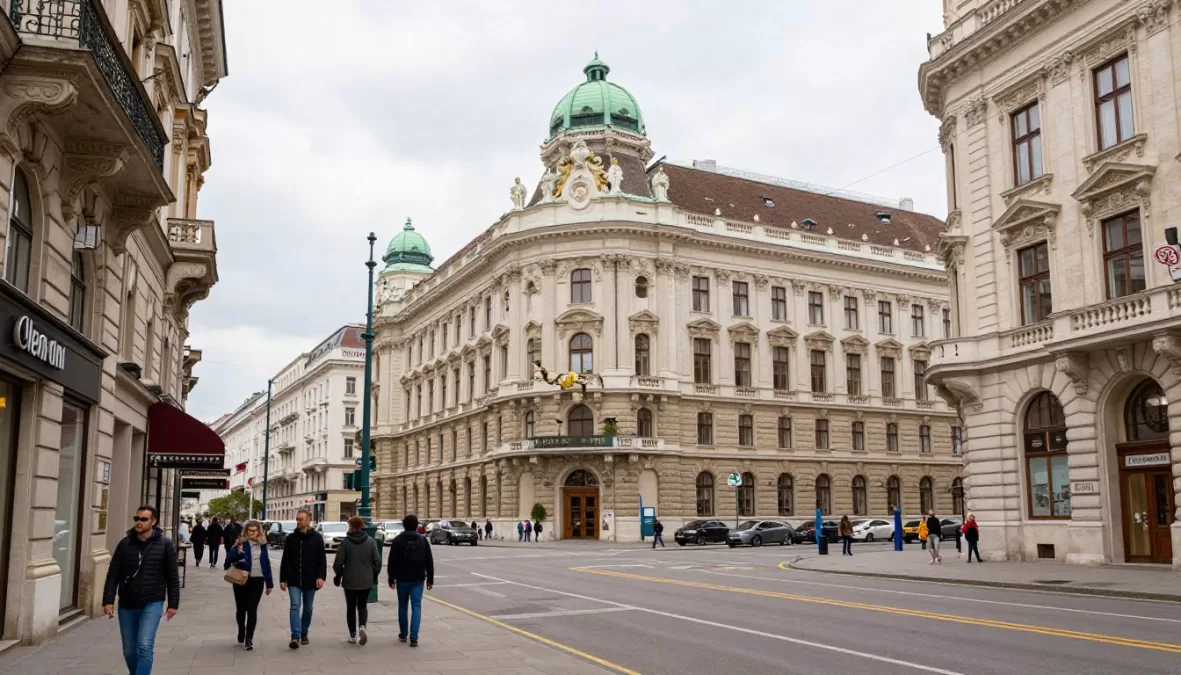
Austria claims fifth position among the safest countries 2026. This Alpine republic combines cultural richness with exceptional security standards.
Vienna regularly tops global liveability rankings, with safety representing a crucial factor. The capital demonstrates how prosperity and security reinforce each other.
Austria’s permanent neutrality status reduces conflict involvement. The nation focuses diplomatic efforts on peacekeeping and humanitarian work.
Why Austria Maintains High Safety Standards
Professional Policing
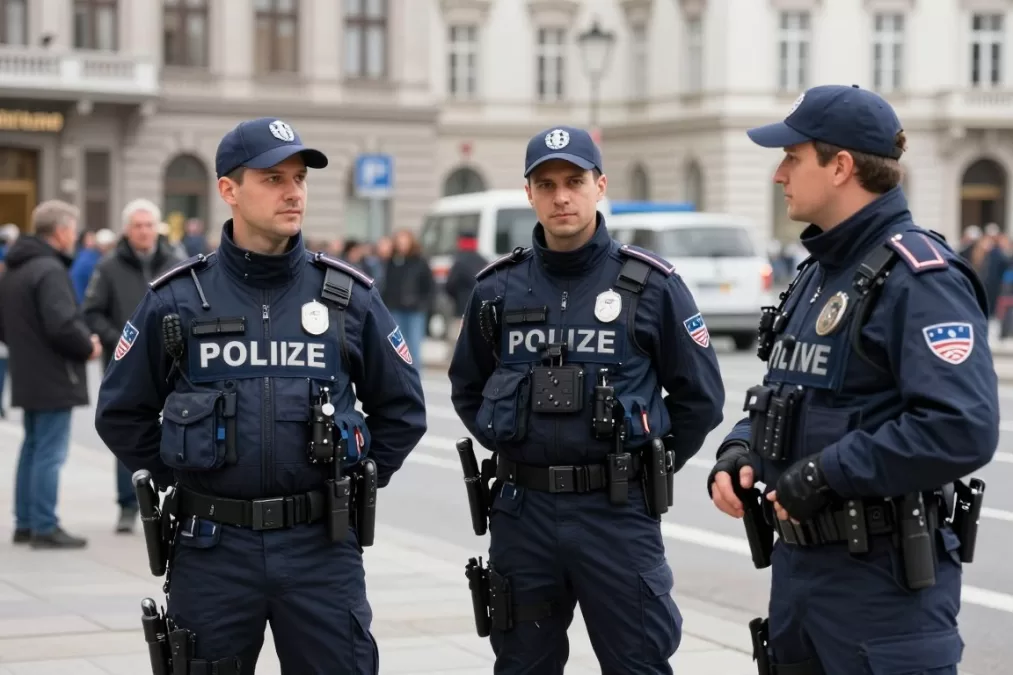
Austrian police maintain visible presence without militarization. Training emphasizes de-escalation and community relations.
Low corruption levels ensure law enforcement credibility. Citizens trust police to serve public interest impartially.
Social Housing Success
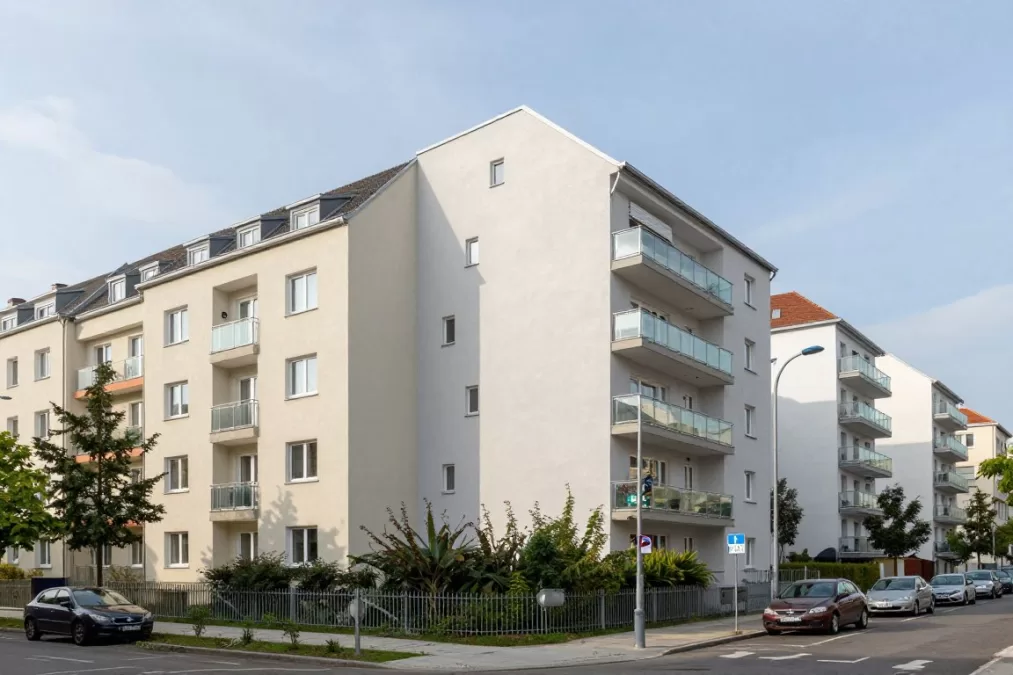
Vienna provides affordable housing to over 60% of residents. This prevents ghettoization and maintains mixed-income neighborhoods.
Quality housing reduces homelessness and associated crime. Stable shelter contributes to overall community security.
Excellent Healthcare
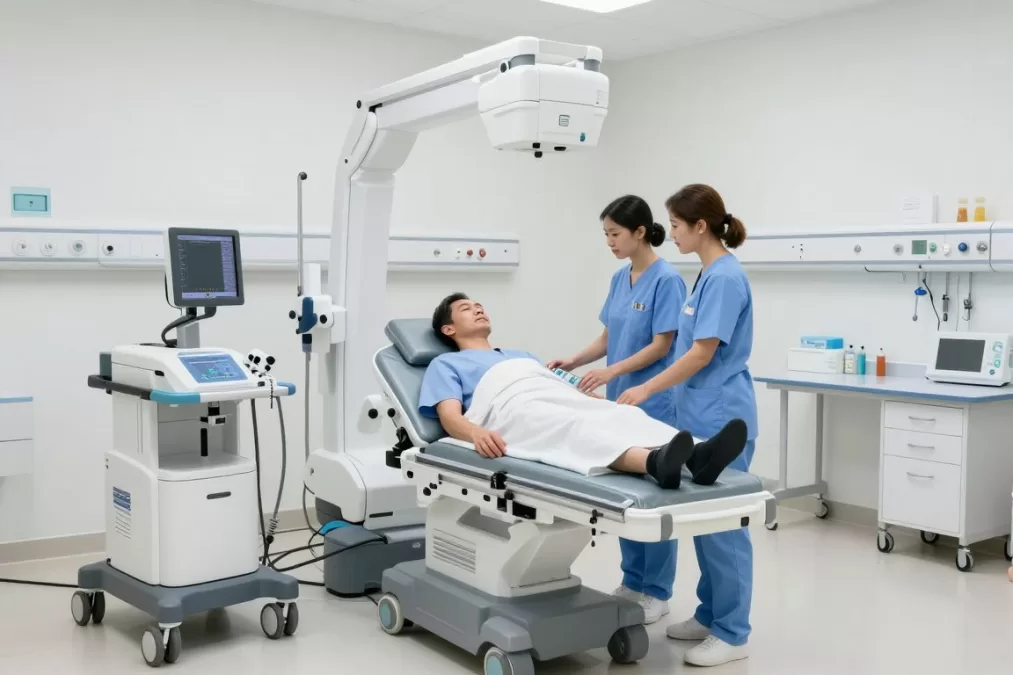
Universal healthcare coverage ensures medical access regardless of income. The system ranks among Europe’s best performers.
Preventive care emphasis maintains public health. Mental health services reduce crisis situations effectively.
Education Quality
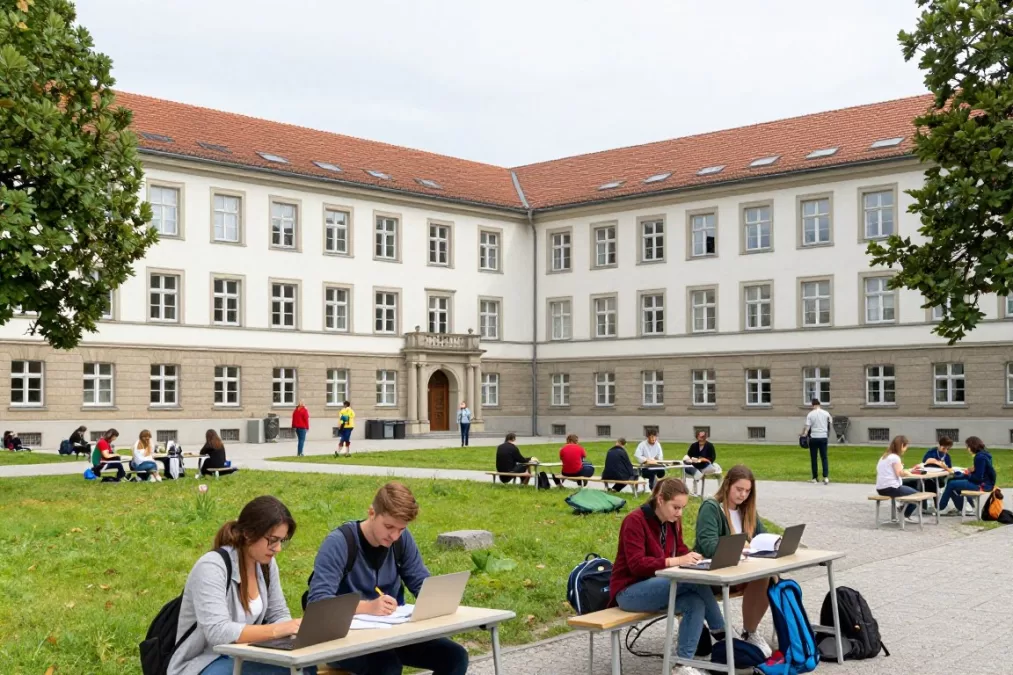
Free university education provides social mobility pathways. Vocational training offers alternatives to academic routes.
High educational attainment correlates with low crime rates. Economic opportunities reduce criminal incentives.
Regional Safety Characteristics
Austria’s regions vary slightly in safety profiles, though all maintain high standards. Urban and rural areas present different security considerations.
- Excellent public transportation security
- Low violent crime throughout districts
- Effective emergency response systems
- Safe nightlife areas with good lighting
- Minimal gang activity or organized crime
- Strong tourist safety measures
Vienna – Capital Safety
- Very low crime rates overall
- Tourist-focused safety infrastructure
- Mountain rescue services excellence
- Pedestrian-friendly historic center
- Effective winter weather management
- Cultural events with good security
Salzburg – Alpine Security
- University town with young population
- Active nightlife with minimal incidents
- Bicycle-friendly infrastructure
- Mixed residential neighborhoods
- Good public space lighting
- Cultural diversity with integration
Graz – Student City Safety
6. Portugal – Southern Europe’s Safe Haven
Portugal secures sixth place as a peaceful country with exceptional safety records. This Western European nation offers Mediterranean climate alongside Northern European security levels.
The country has emerged as a top expat destination over the past years. Retirees and digital nomads particularly appreciate Portugal’s safety combined with affordability.
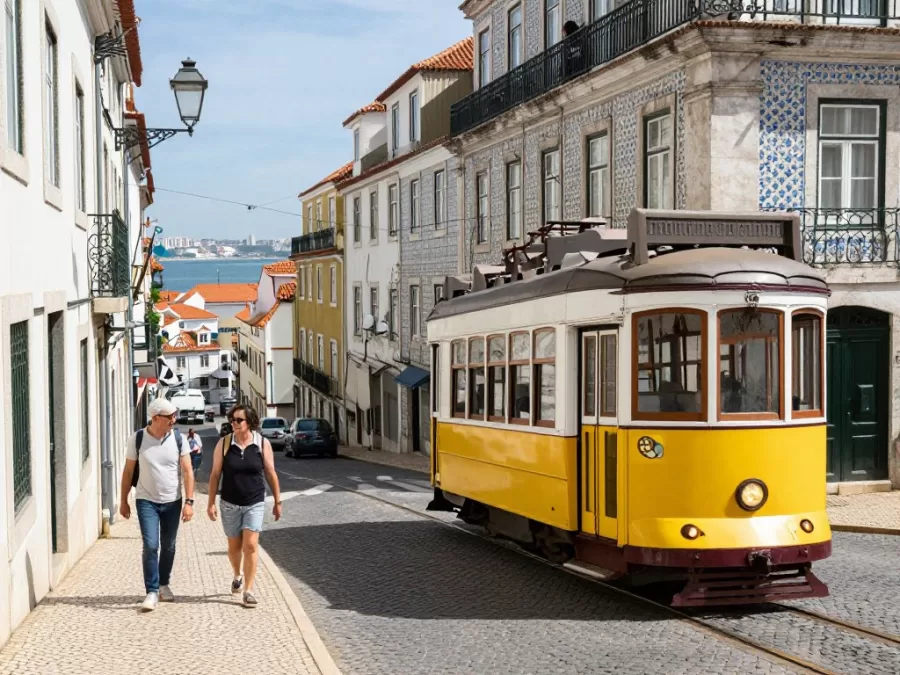
Lisbon and Porto demonstrate that historic cities can maintain modern safety standards. Tourism infrastructure supports millions of annual visitors without compromising security.
Portugal’s Safety Appeal for Expatriates
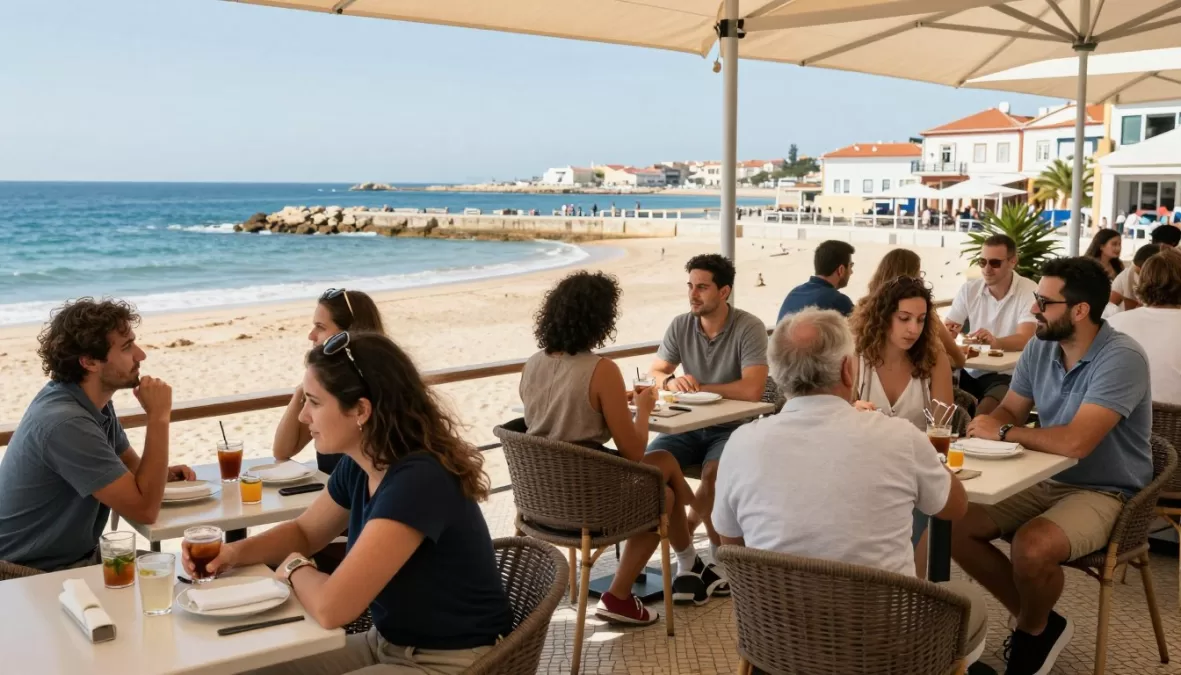
Portugal attracts international residents seeking safety with lower living costs. The combination proves particularly appealing for retirees on fixed incomes.
The Golden Visa program facilitates legal residence for investors. Many applicants cite safety as a primary motivation beyond financial considerations.
- English widely spoken in expat communities
- Welcoming attitude toward foreign residents
- Affordable private healthcare supplements public system
- Low violent crime targeting foreigners
- Stable political environment with democratic traditions
- EU membership provides legal protections
- Coastal and inland options suit different preferences
Crime Patterns and Visitor Safety
Portugal experiences minimal violent crime compared to many European neighbors. Homicide rates remain consistently low across regions.
Petty theft represents the primary concern in tourist areas. Pickpocketing occurs in crowded locations like Lisbon’s tram 28 and Porto’s Ribeira district.
Traveler Advisory: Use standard precautions in tourist areas. Keep valuables secure and stay aware of surroundings in crowded places. Portuguese police maintain visible presence in tourism zones.
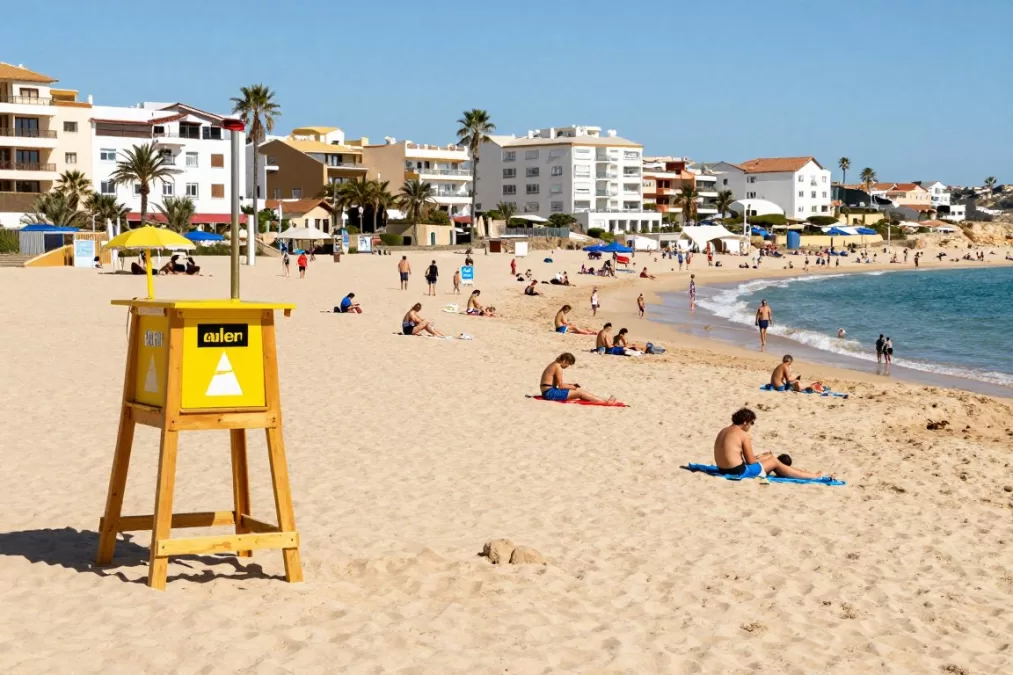
Algarve Region
Portugal’s southern coast attracts European tourists and retirees. The region maintains excellent safety records despite heavy tourism.
Beach safety receives particular attention with lifeguard coverage. Water quality monitoring ensures public health protection.
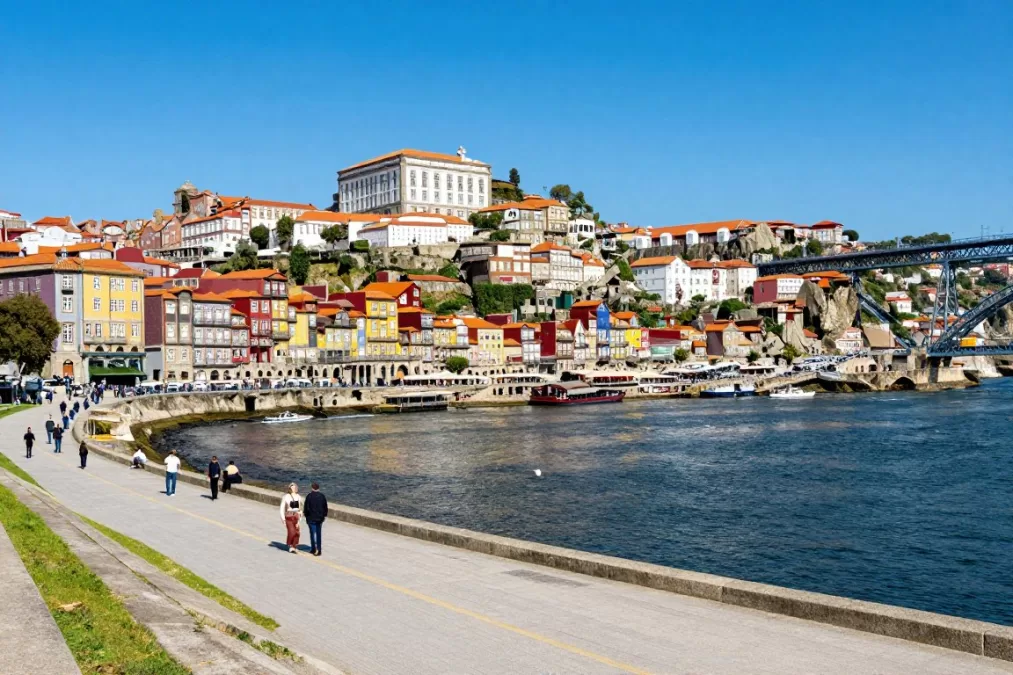
Porto Metropolitan
Portugal’s second city offers urban amenities with manageable scale. Neighborhoods maintain distinct character while remaining safe.
The riverside Ribeira district stays lively late without significant crime concerns. Police presence adapts to nightlife patterns.
7. Slovenia – Hidden Gem of Safety
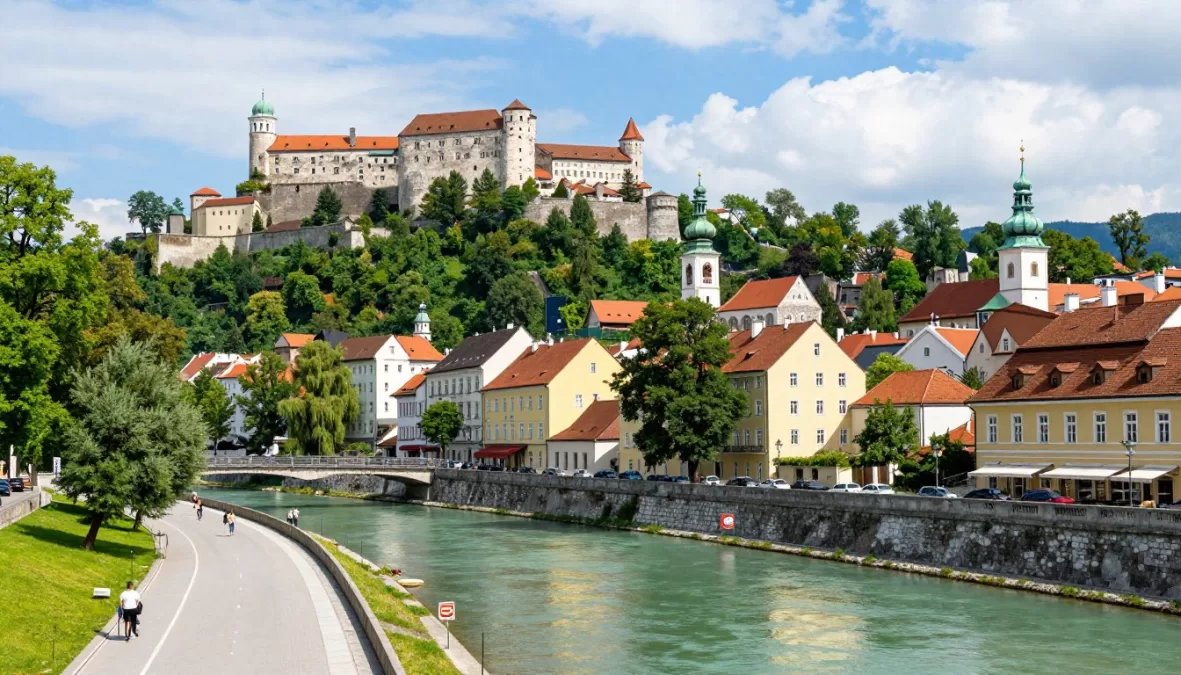
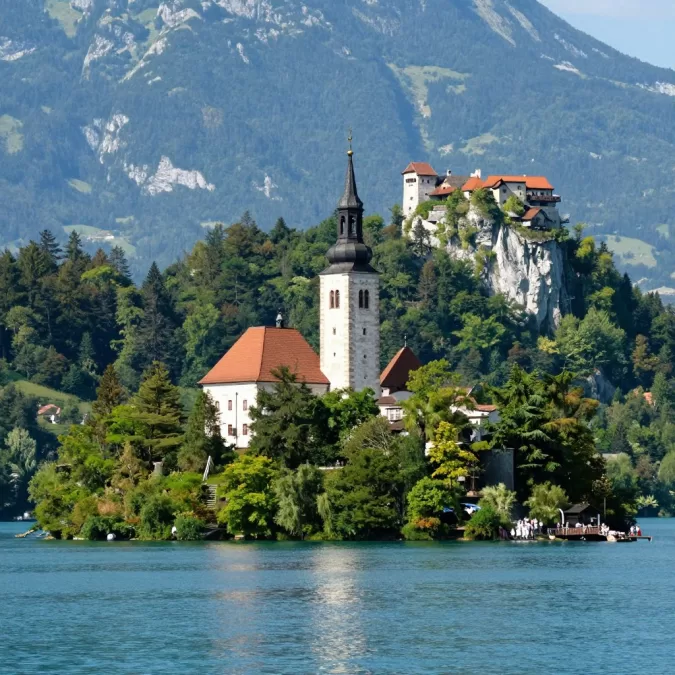
Slovenia ranks seventh among the world safest countries, surprising many unfamiliar with this Alpine nation. The country combines stunning natural beauty with exceptional security.
This former Yugoslav republic transitioned peacefully to independence. Unlike some neighbors, Slovenia avoided prolonged conflict during the 1990s breakup.
The capital Ljubljana exemplifies sustainable urban development. The car-free city center enhances walkability and community safety through design.
Slovenia’s Unique Safety Characteristics
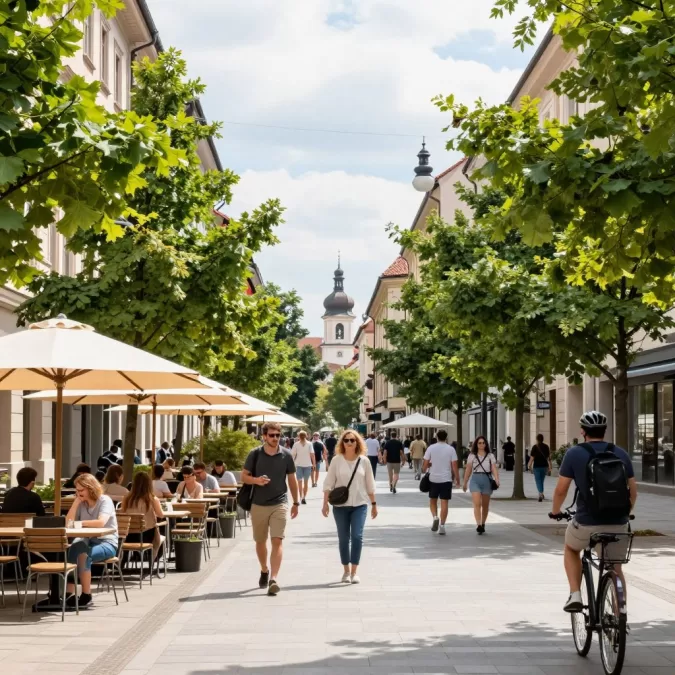
Sustainable Urban Design
Ljubljana banned cars from the city center, creating extensive pedestrian zones. This decision enhanced safety while reducing pollution.
Bicycle infrastructure encourages active transportation. More people on streets naturally increases security through presence.
Tourism Without Crowds
Slovenia attracts quality tourism without overwhelming infrastructure. Visitor numbers remain manageable compared to nearby Venice or Dubrovnik.
This balanced approach maintains authentic experiences while ensuring adequate security resources. Overtourism problems stay minimal.
Environmental Protection
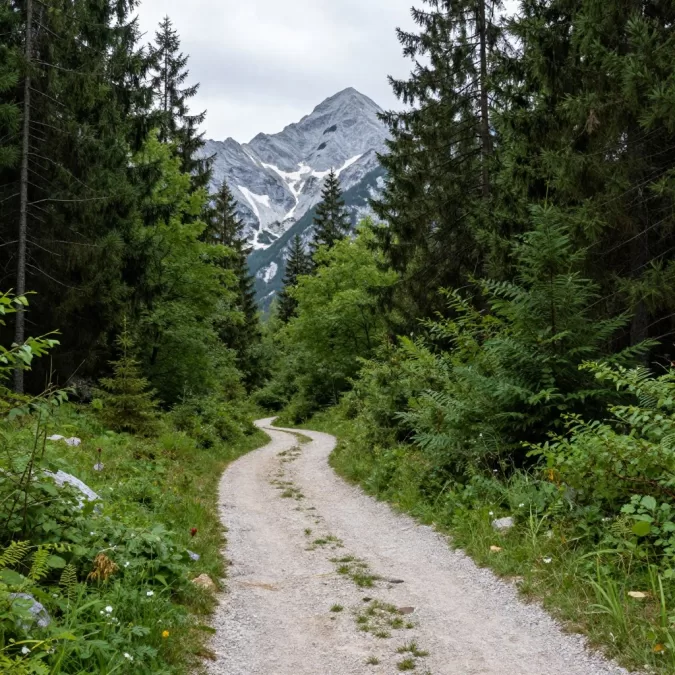
Over 50% of Slovenia remains forested with strict environmental laws. Clean air and water contribute to public health and safety.
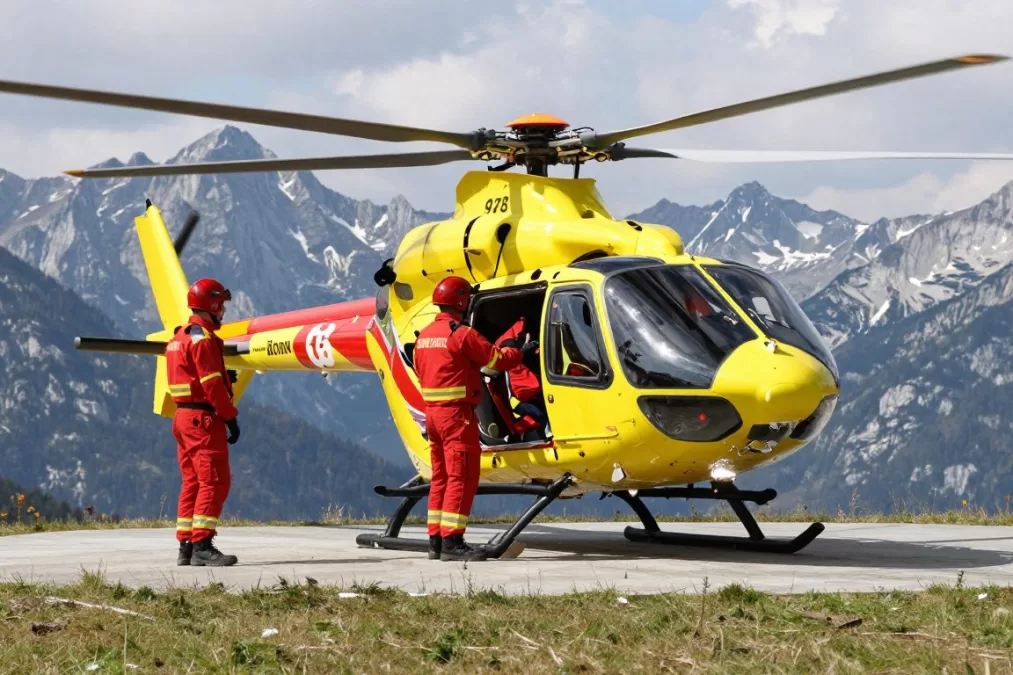
National parks provide recreational opportunities with good safety infrastructure. Mountain rescue services operate professionally.
Small Size, Big Safety Advantages
Slovenia’s population of just two million creates tight-knit communities. Social cohesion naturally enhances security through mutual awareness.
Low population density outside Ljubljana reduces urban crime pressures. Rural areas maintain traditional community bonds that discourage criminal behavior.
The country’s small size enables efficient emergency response. Medical helicopters reach any location quickly when needed.
EU and NATO membership provide external security guarantees. These alliances reduce defense spending needs, freeing resources for social programs.
8. Czech Republic – Central European Gem

The Czech Republic achieves eighth position among safest countries 2026. This Central European nation successfully transitioned from communism to stable democracy.
Prague attracts millions of tourists annually while maintaining good safety records. The capital demonstrates effective tourism management balancing economic benefits with security.
Post-communist reforms strengthened institutions and rule of law. The country’s EU accession in 2004 accelerated democratic consolidation and economic development.
Safety Across Czech Regions
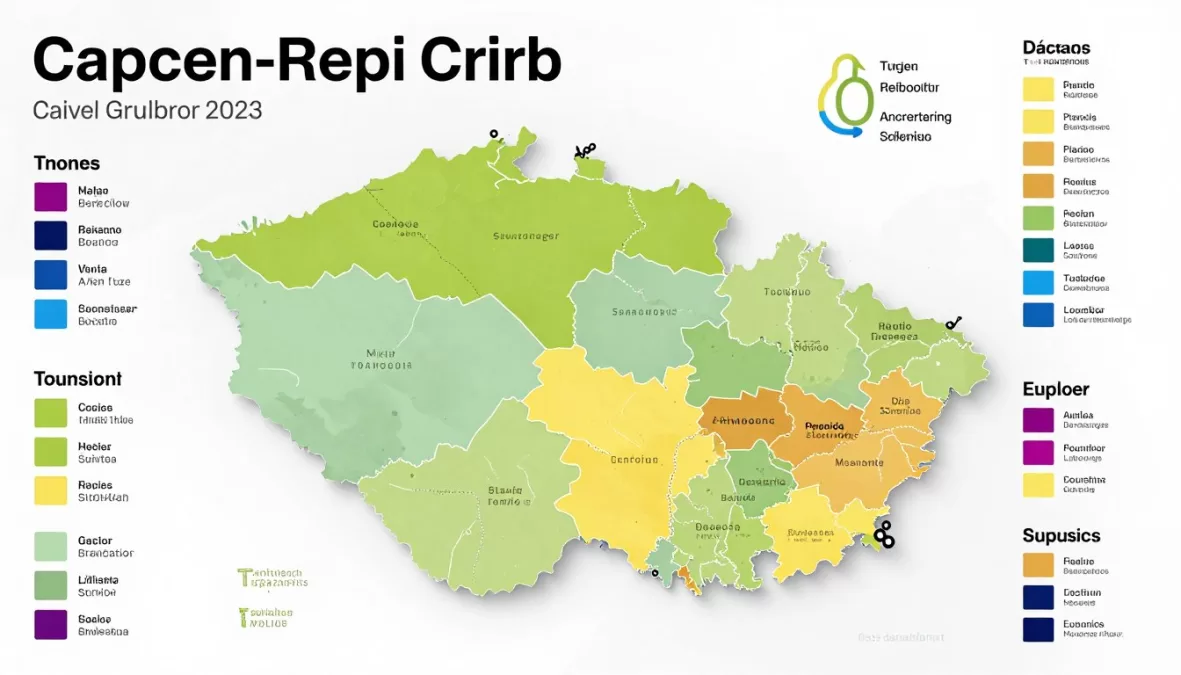
Regional safety varies somewhat across the Czech Republic. Prague experiences higher property crime due to tourism, while smaller cities remain very safe.
Moravia region in the east maintains particularly low crime rates. Traditional communities preserve social cohesion that naturally deters criminal activity.
| Region | Population | Safety Score | Primary Concerns | Tourist Volume |
| Prague | 1.3 million | 8.8/10 | Pickpocketing, tourist scams | Very High |
| Brno | 380,000 | 9.2/10 | Minimal property crime | Moderate |
| Ostrava | 290,000 | 9.0/10 | Economic transition issues | Low |
| Plzeň | 170,000 | 9.3/10 | Very low overall | Moderate |
| Rural Areas | Various | 9.5/10 | Minimal crime | Low to Moderate |
Healthcare and Emergency Services
The Czech Republic maintains a universal healthcare system accessible to all residents. Quality meets Western European standards while costs remain lower.
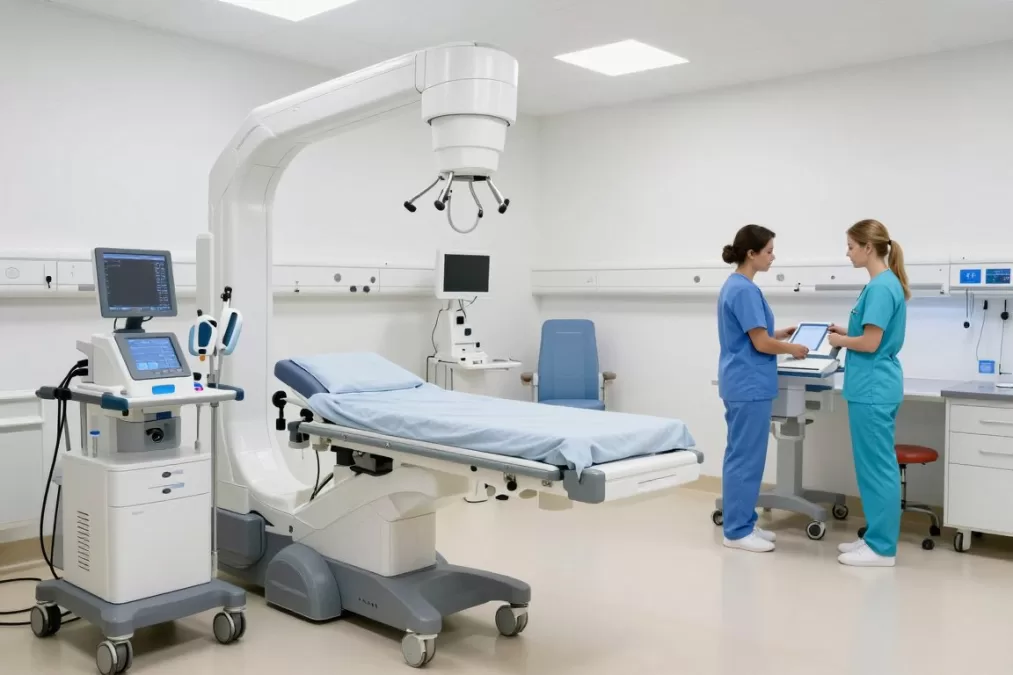
Medical Infrastructure
Hospital networks cover the country adequately. Emergency response times meet European norms in urban areas.
Specialist care requires longer waits for non-urgent cases. However, emergency treatment remains readily available.
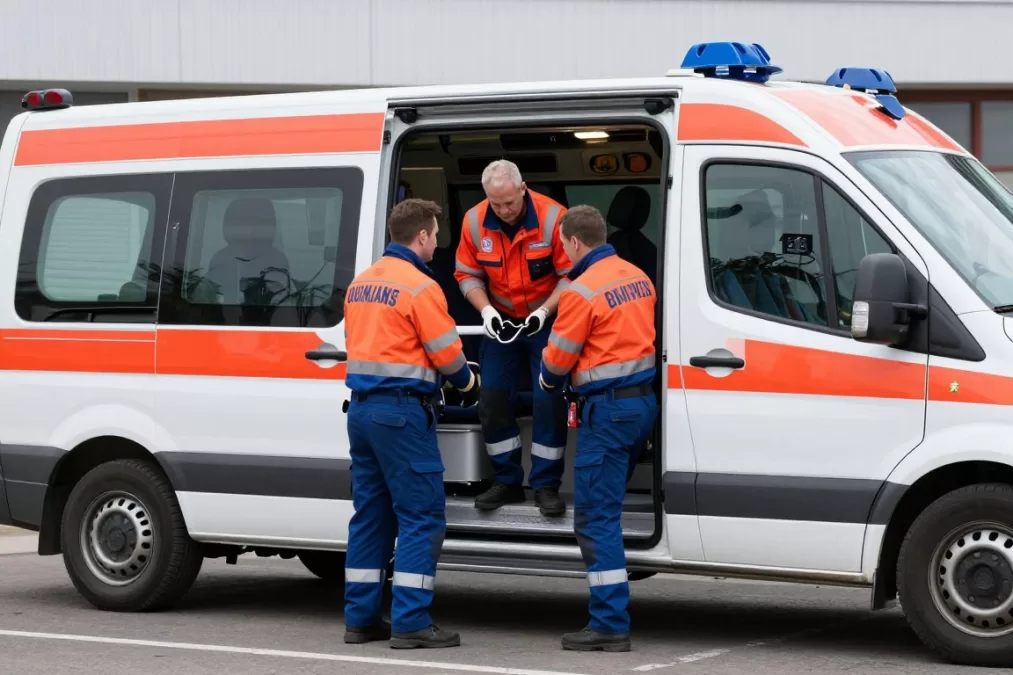
Emergency Response
Unified emergency number 112 connects to all services. Operators often speak English in tourist areas.
Mountain rescue services operate in popular hiking regions. These volunteers maintain excellent safety records.
9. Singapore – Asian Safety Leader
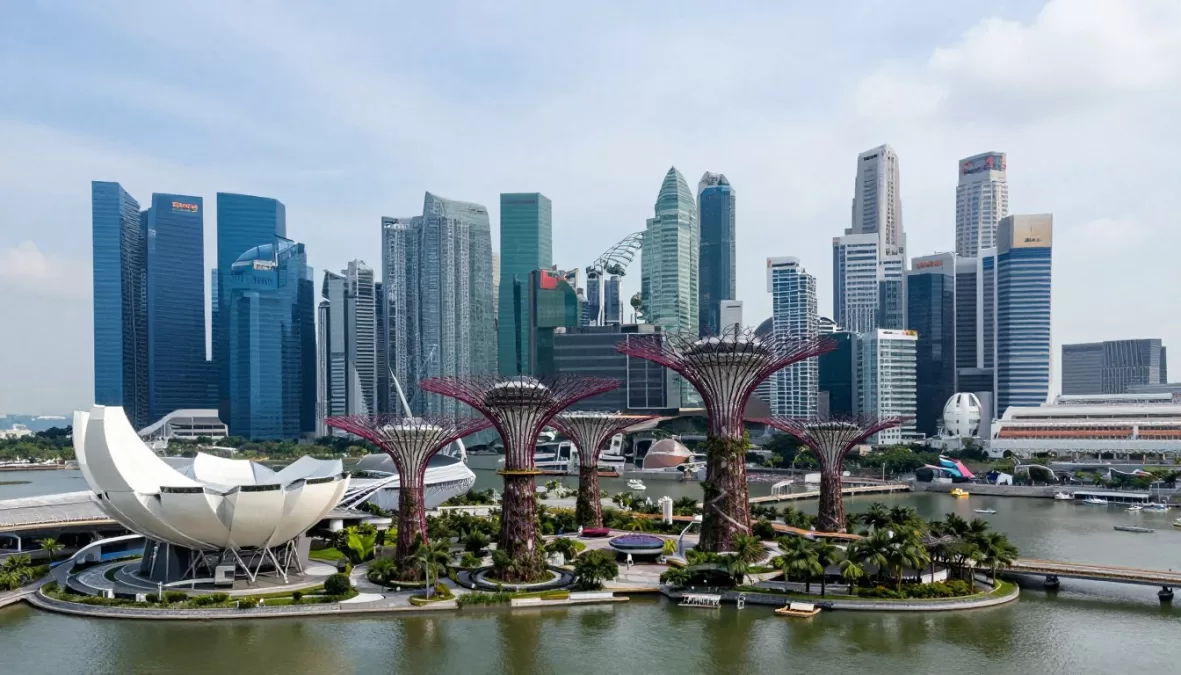
Singapore ranks ninth among the safest countries in the world 2026. This city-state represents the only Asian nation in the top ten rankings.
The country achieves safety through strict laws and effective enforcement. While some criticize this approach, results prove undeniable in crime prevention.
Singapore combines dense urban living with minimal crime. The country demonstrates that population density need not compromise security when properly managed.
Singapore’s Strict But Effective Approach
Singapore’s laws carry harsh penalties by Western standards. Caning remains legal for certain offenses, and drug trafficking can result in death penalty.
These strict laws create powerful deterrents. Crime rates stay remarkably low as potential criminals face severe consequences.
- Extremely low violent crime rates across all categories
- Negligible drug-related crime due to harsh penalties
- Minimal corruption in government and police
- Vandalism essentially eliminated through enforcement
- Property crime rates among world’s lowest
- Public spaces remain safe at all hours
- Women report feeling very safe traveling alone
- Extensive CCTV coverage enhances deterrence
High-Tech Safety Infrastructure
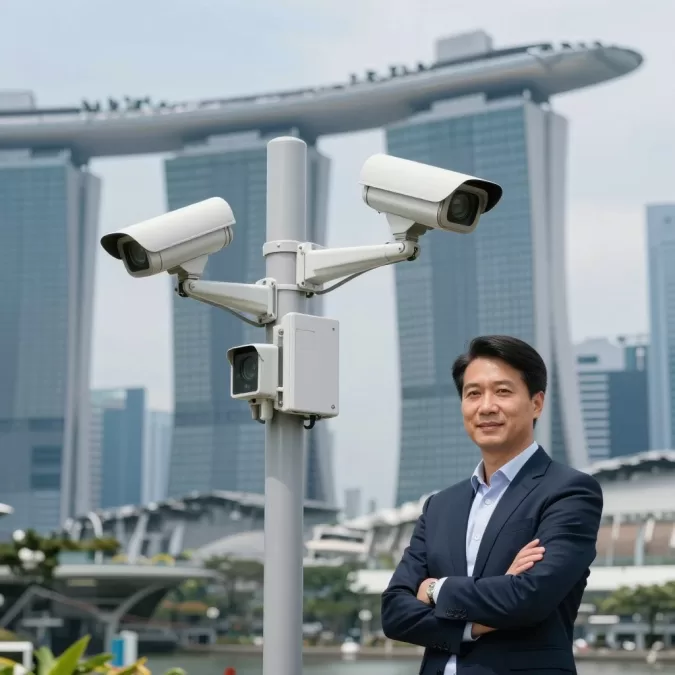
Smart City Systems
Singapore leverages technology extensively for public safety. Integrated systems monitor traffic, crowds, and potential security threats.
Facial recognition and license plate readers assist law enforcement. Critics raise privacy concerns, but residents generally accept trade-offs.
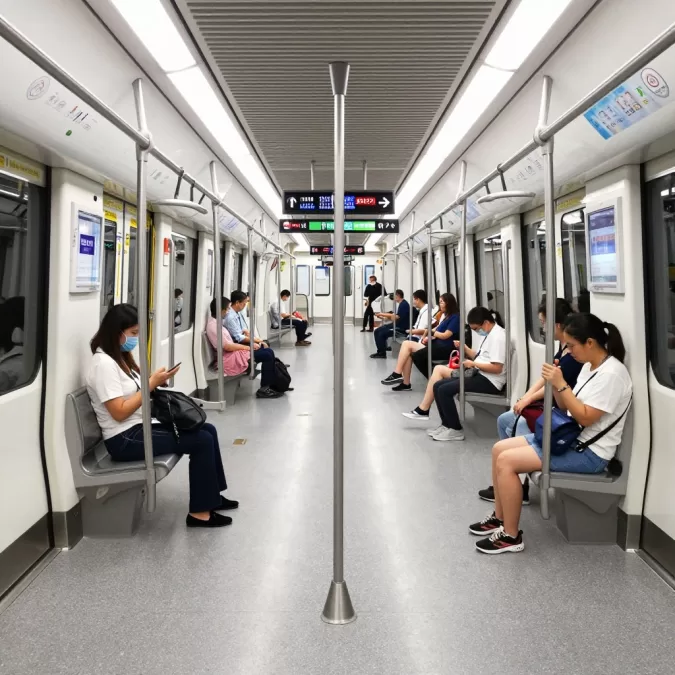
Safe Public Transport
The MRT system operates with exceptional safety and cleanliness. Violent crime on transit remains virtually non-existent.
Security personnel maintain visible presence. Emergency systems enable rapid response when needed.
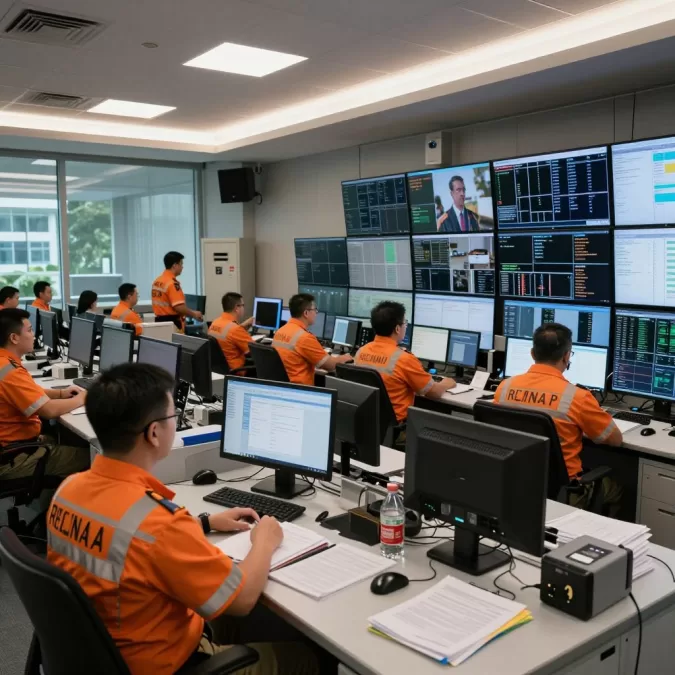
Rapid Response
Emergency services reach any location within minutes. The compact geography enables fast response times.
Hospitals maintain world-class standards with excellent trauma care. Medical tourism attracts patients regionally.
Living and Visiting Singapore Safely
Tourists find Singapore exceptionally welcoming and secure. The city-state actively promotes tourism with excellent safety infrastructure.
Visitors should understand local laws before arrival. Chewing gum imports face restrictions, and littering carries significant fines.
These regulations may seem excessive to some. However, they contribute to the clean, orderly environment residents and visitors appreciate.
Expatriates generally adapt quickly to Singapore’s regulated environment. High income potential and excellent schools attract international professionals.
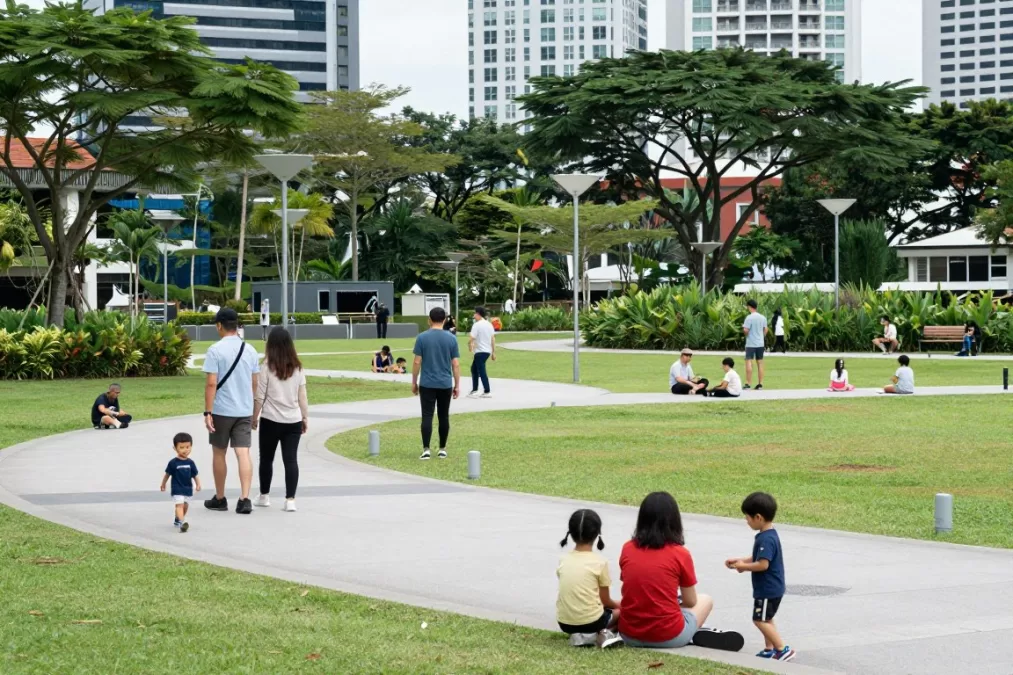
Legal Advisory: Singapore enforces strict drug laws with mandatory death penalty for trafficking. Even small amounts of certain substances trigger severe penalties. Never transport items for others, and declare all medications at customs.
10. Japan – Cultural Safety Excellence
Japan completes the top ten safest countries 2026 list. This island nation achieves exceptional safety through cultural values and social cohesion.
Japanese society emphasizes collective responsibility over individualism. This cultural characteristic manifests in low crime rates and high civic engagement.
The country maintains safety despite hosting one of the world’s largest metropolitan areas. Tokyo’s 37 million residents coexist with remarkably minimal crime.
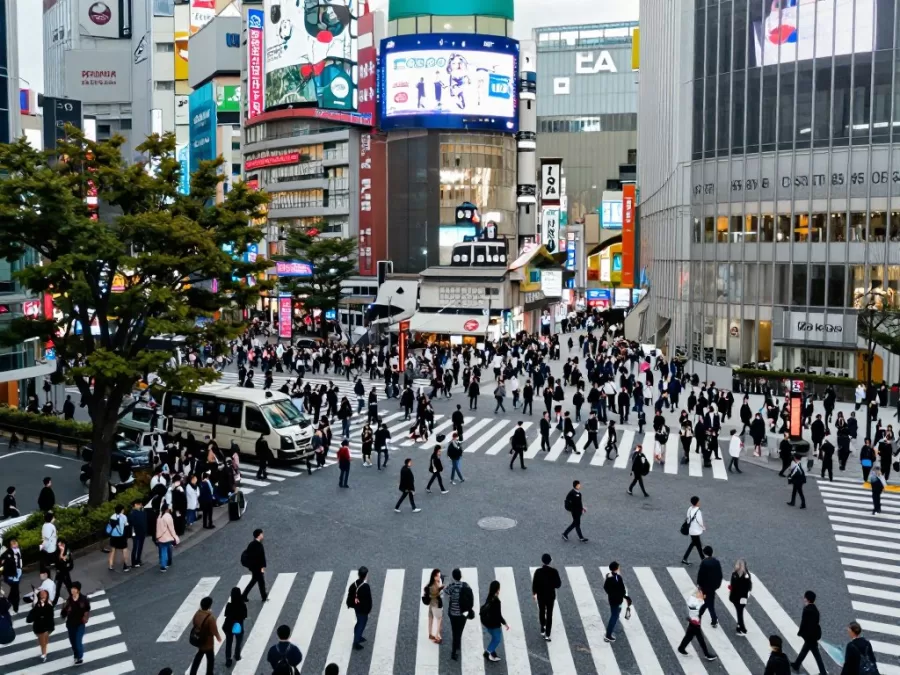
Cultural Foundations of Japanese Safety
Japanese culture prioritizes group harmony over individual desires. This orientation creates strong social pressure against deviant behavior.
The concept of “losing face” powerfully deters crime. Social shame carries weight exceeding legal punishment in many situations.
- Lost items frequently returned to owners or police
- Children commute to school alone safely from young ages
- Violent crime remains extremely rare nationwide
- Organized crime maintains code minimizing public impact
- Public spaces stay clean through collective responsibility
- Respect for others deeply ingrained from childhood
- Low gun ownership reduces weapon-related crimes
- Strong family structures provide social support
Japan’s Safety Across Major Cities
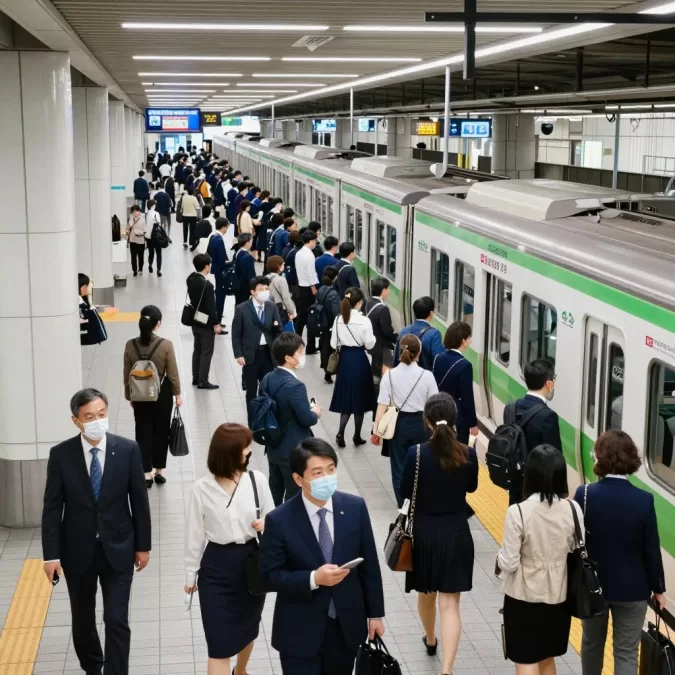
Tokyo Metropolitan
The world’s largest city maintains exceptional safety despite density. Public transportation operates with minimal crime incidents.
Women-only train cars address specific concerns. Late-night safety remains better than most global cities.
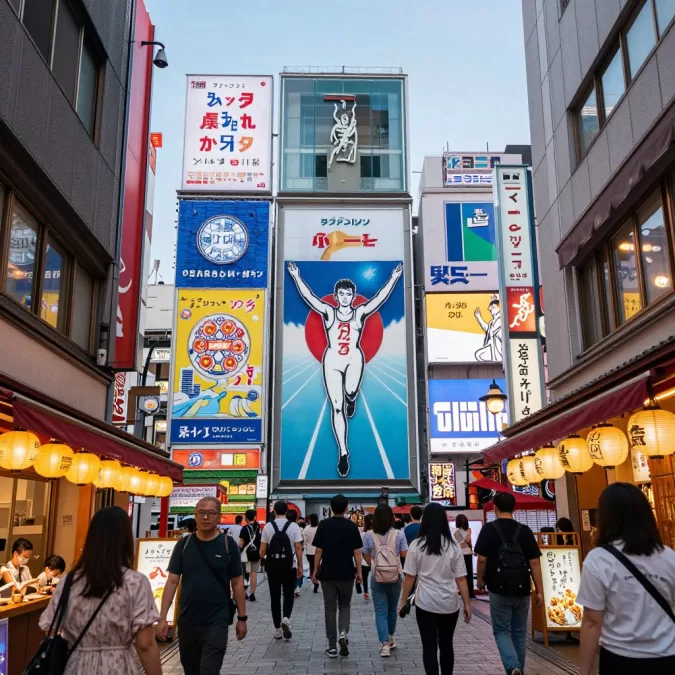
Osaka Region
Japan’s second largest metropolitan area matches Tokyo’s safety. The city’s friendlier reputation extends to visitor experiences.
Nightlife districts operate safely with good police presence. Street food areas attract crowds without crime issues.
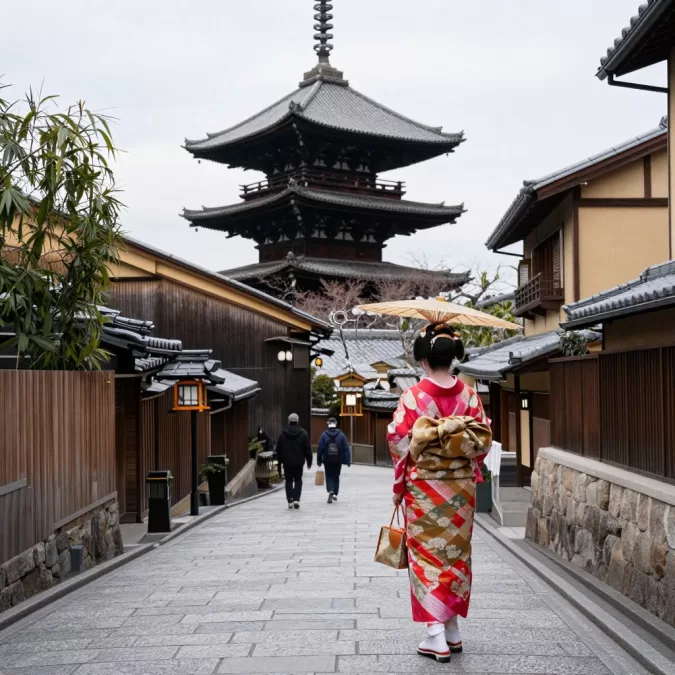
Kyoto Historic
The ancient capital preserves traditional culture alongside modern safety. Tourist areas remain secure year-round.
Temple districts welcome visitors day and night. Cultural respect maintains peaceful coexistence.
Natural Disaster Considerations
While crime safety excels, Japan faces significant natural hazards. Earthquakes, tsunamis, and typhoons require serious preparedness.
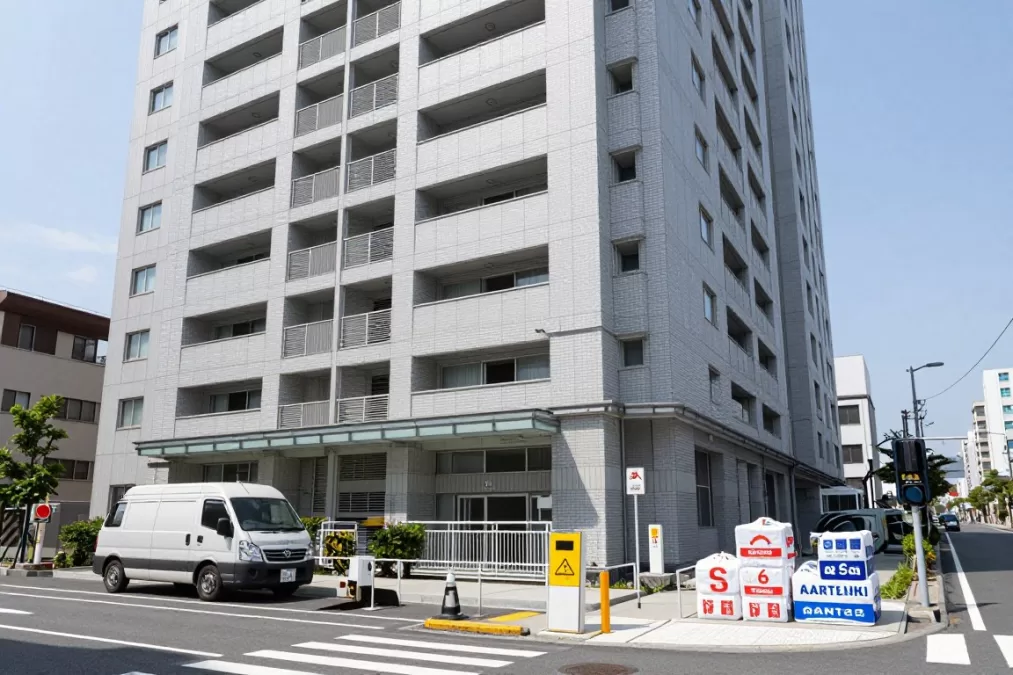
Building codes mandate earthquake resistance in all structures. Regular drills prepare populations for disaster response.
Early warning systems provide crucial seconds before earthquakes strike. These moments allow automated systems to halt trains and industrial processes.
Tsunami risks affect coastal areas significantly. Evacuation routes and shelters mark vulnerable zones clearly.
Disaster Preparedness: Familiarize yourself with emergency procedures when visiting Japan. Hotels provide evacuation instructions, and public buildings clearly mark emergency exits. Download disaster alert apps that broadcast warnings in English.
Healthcare and Longevity
Japan boasts the world’s highest life expectancy, reflecting excellent healthcare and safety. Universal coverage ensures medical access for all residents.
Preventive health culture emphasizes regular checkups and healthy lifestyles. Diet, exercise, and stress management receive cultural priority.

Medical Excellence
Japanese hospitals employ advanced technology and highly trained staff. Treatment quality matches or exceeds Western standards.
Language barriers exist but major facilities offer interpretation services. Medical tourism attracts patients seeking advanced care.

Wellness Culture
Traditional dietary patterns contribute to health and longevity. Fish, vegetables, and fermented foods form nutritional foundations.
Active lifestyles persist even in old age. Walking and cycling remain common throughout life.
Comparative Analysis: What the Safest Countries Share
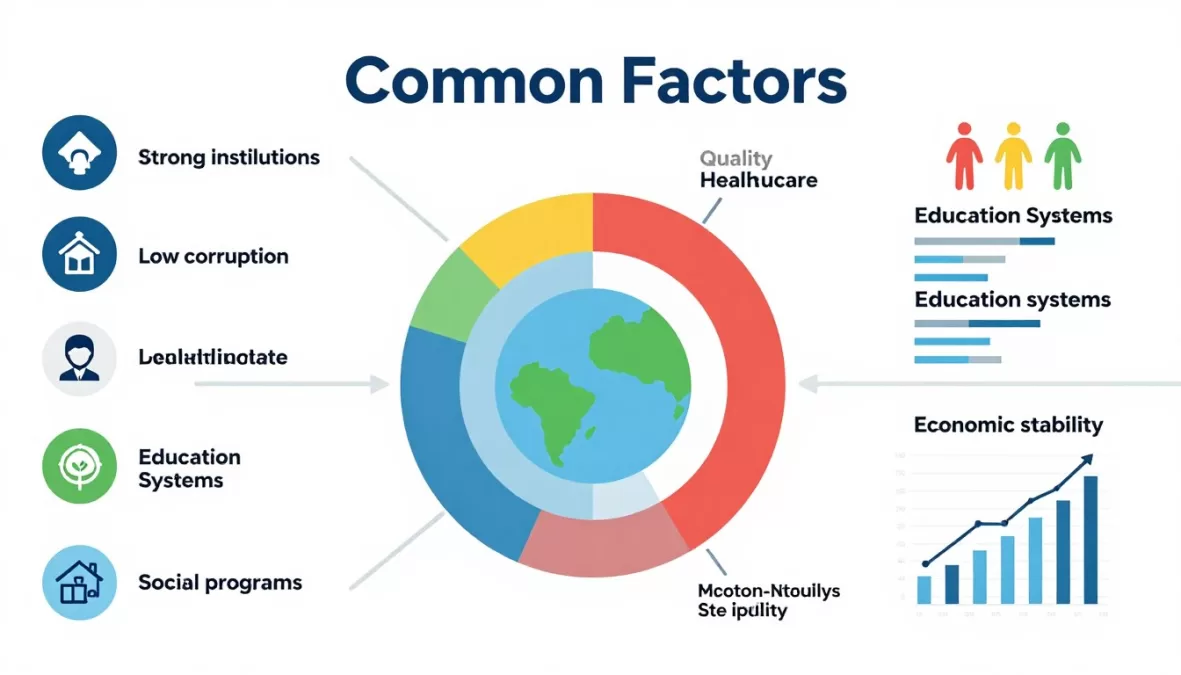
Examining the top ten reveals common patterns contributing to national safety. These shared characteristics provide insights for other nations seeking security improvements.
Strong institutions emerge as the most consistent factor. Countries with effective governance, independent judiciaries, and low corruption maintain better safety.
Institutional Quality and Safety Correlation
Every country in the top ten demonstrates exceptional institutional quality. Governments function transparently with accountability mechanisms.
| Country | Corruption Index | Rule of Law Score | Government Effectiveness | Democratic Index |
| Iceland | 74/100 | 1.94/2.5 | 1.85/2.5 | 9.18/10 |
| New Zealand | 88/100 | 1.89/2.5 | 1.82/2.5 | 9.26/10 |
| Ireland | 77/100 | 1.76/2.5 | 1.65/2.5 | 9.05/10 |
| Denmark | 90/100 | 1.93/2.5 | 1.88/2.5 | 9.15/10 |
| Singapore | 85/100 | 1.91/2.5 | 2.23/2.5 | 6.23/10 |
| Japan | 73/100 | 1.54/2.5 | 1.68/2.5 | 8.15/10 |
Economic Prosperity and Security Links
All top-ranking countries enjoy relatively high income levels. Economic stability reduces crime-driving desperation.
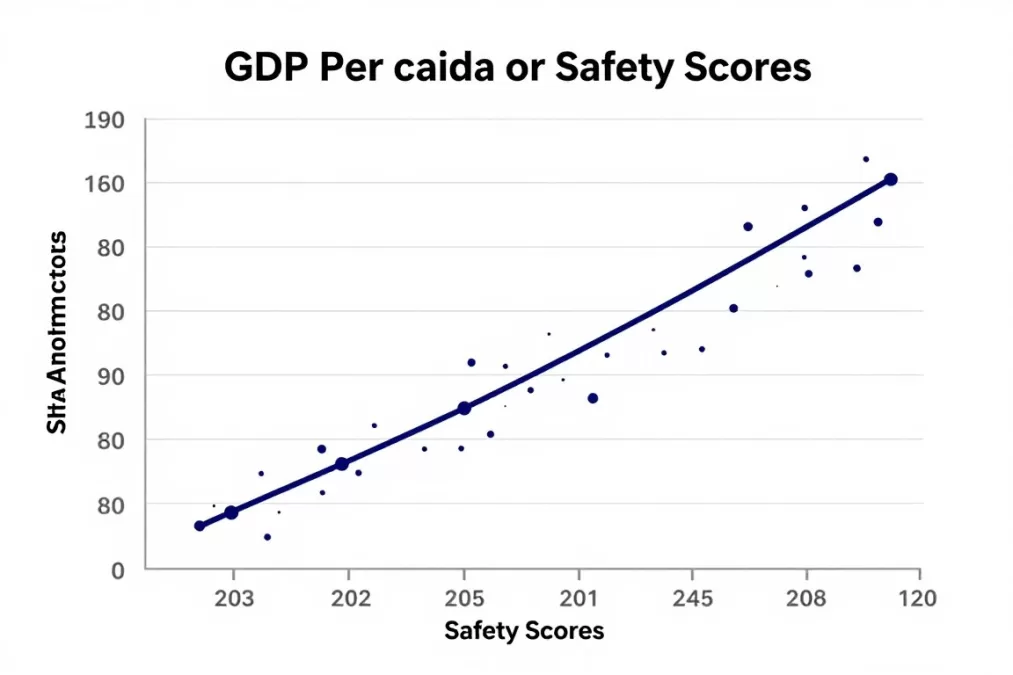
However, wealth alone doesn’t guarantee safety. Several wealthy nations rank lower due to inequality or social fragmentation.
Income distribution matters more than absolute wealth. Countries with compressed wage gaps show better safety outcomes.
Social spending correlates strongly with safety rankings. Investments in education, healthcare, and welfare reduce criminal incentives.
Social Cohesion Factors
The safest countries maintain strong social trust and cohesion. People believe neighbors will help rather than harm them.
- High levels of interpersonal trust measured in surveys
- Active civic participation in community organizations
- Low tolerance for corruption or rule-breaking
- Strong national identity balanced with inclusivity
- Effective integration policies for immigrants
- Respect for law enforcement institutions
- Cultural values emphasizing collective good
Global Safety Trends: What’s Changing in 2026
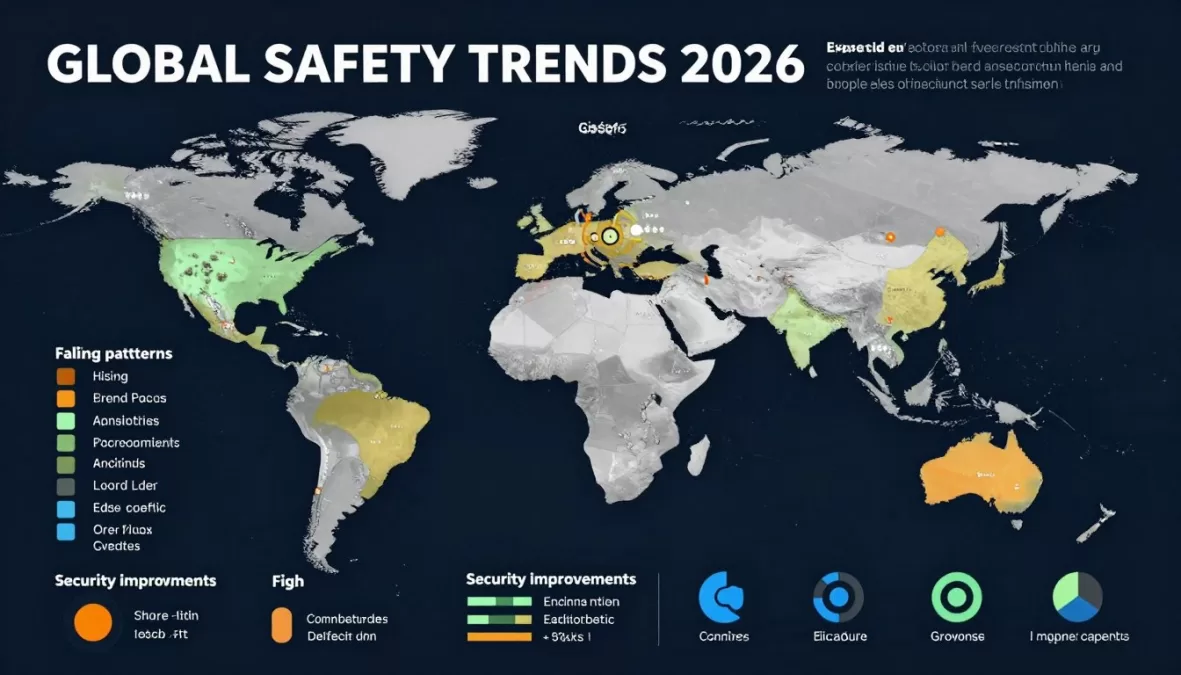
According to Global Peace Index data, worldwide safety improved modestly over the past year. However, regional variations show significant divergence.
Europe continues dominating the safest countries world rankings. Political stability and strong institutions maintain the continent’s security advantages.
Asia shows growing representation in top safety rankings. Economic development and institutional strengthening drive improvements across the region.
Emerging Safety Challenges
Several trends threaten to undermine safety in coming years. Climate change impacts increase natural disaster frequency and severity.
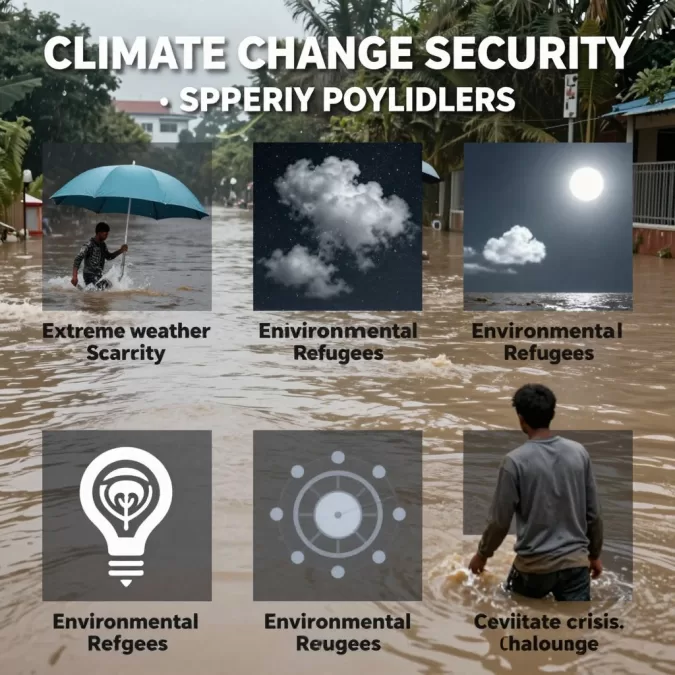
Climate Migration
Rising sea levels and extreme weather force population movements. Mass migration creates security challenges in receiving areas.
Resource competition intensifies as climate alters agricultural patterns. Water scarcity particularly threatens stability in vulnerable regions.

Cyber Threats
Digital infrastructure attacks pose growing risks. Critical systems face increasing vulnerability to state and criminal actors.
Personal data breaches create identity theft and fraud opportunities. Individuals require greater digital security awareness.
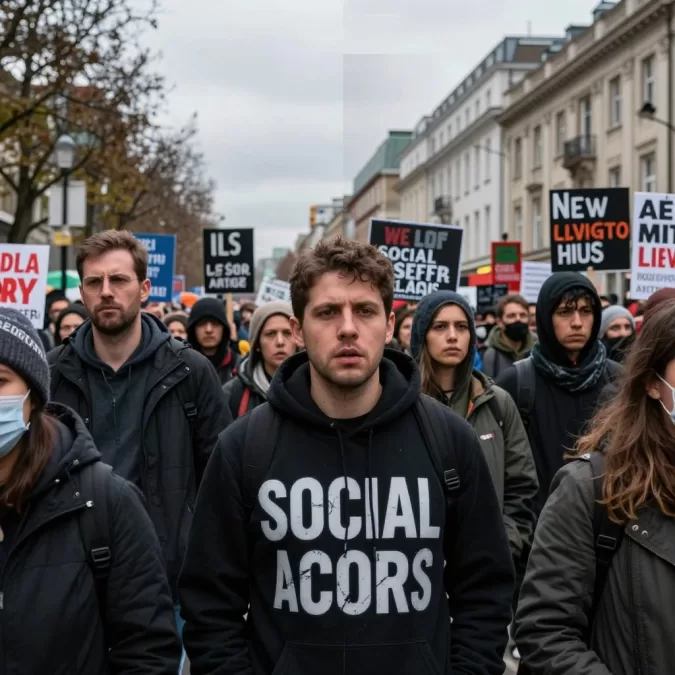
Social Polarization
Political divisions deepen in many democracies. Extremism grows on both left and right ends of political spectrums.
Social media amplifies divisions and spreads misinformation. Traditional institutions struggle maintaining authority and trust.
Positive Developments
Despite challenges, several positive trends enhance global safety. Technology enables better crime prevention and emergency response.
International cooperation on terrorism has improved effectiveness. Information sharing and coordinated actions disrupt plots more successfully.
Healthcare advances reduce pandemic risks through better surveillance and treatment. COVID-19 painful lessons improved preparedness systems.
Urbanization when properly managed can enhance safety. Well-designed cities create natural surveillance and community bonds.

How to Choose Safe Countries for Your Needs
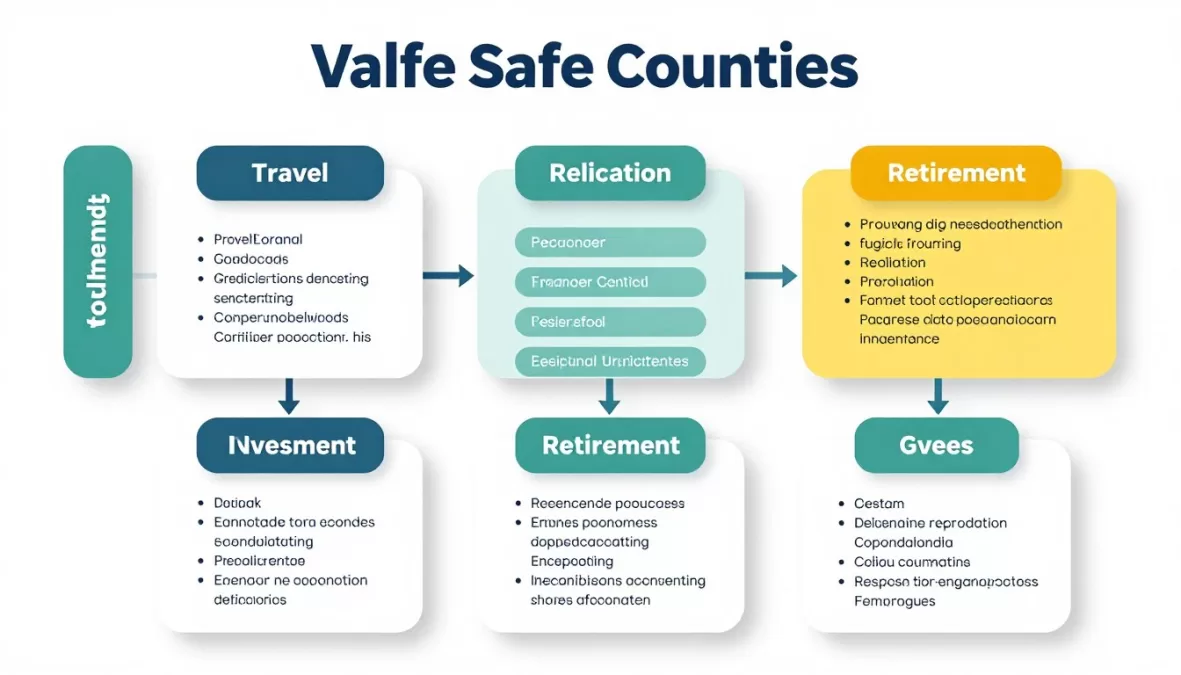
Different safety priorities matter depending on your situation. Tourists emphasize different factors than permanent residents or investors.
Travel safety focuses on immediate personal security and health infrastructure. Short-term visitors care less about political stability than long-term trends.
Safety Considerations for Travelers
Visitors should evaluate specific risk factors relevant to travel. Crime targeting tourists, health hazards, and natural disasters require particular attention.
- Violent crime rates in tourist areas
- Petty theft and scam prevalence
- Healthcare quality and accessibility
- Natural disaster seasonal risks
- Political demonstration patterns
- Terrorism threat levels
- Transportation safety records
- Emergency services response capability
- Language barriers in emergencies
Essential Travel Safety Factors
- Solo travel safety for women
- Sexual harassment frequency
- Gender equality cultural norms
- Safe accommodation options
- Public transportation security
- Dress code requirements
- Evening activity safety
- Legal protections for women
- Women-only spaces availability
Additional Women Traveler Concerns
- Child-friendly infrastructure
- Pediatric healthcare access
- Safe public spaces for children
- Vaccination requirements
- Food and water safety
- Educational facilities quality
- Recreation area security
- Child protection laws strength
- Family accommodation safety
Family Travel Priorities
Relocation Safety Assessment
Permanent moves require deeper safety analysis. Long-term trends matter more than current snapshots when choosing countries for residence.

Long-Term Stability
Political stability predictions require examining institutional strength. Countries with robust democratic traditions weather leadership changes better.
Economic trajectory matters for sustained safety. Declining economies often experience rising crime and social unrest.
Climate change vulnerability affects long-term livability. Coastal areas and drought-prone regions face increasing risks.
Quality of Life Factors
Healthcare system quality becomes crucial for residents. Insurance costs and coverage comprehensiveness require thorough research.
Education system quality matters for families. International school availability and costs vary significantly.
Social integration ease affects wellbeing. Some countries welcome foreigners more readily than others.
Frequently Asked Questions About the Safest Countries 2026
What methodology determines the safest countries 2026 rankings?
The Global Peace Index uses 23 qualitative and quantitative indicators across three domains. These domains include ongoing domestic and international conflict, societal safety and security, and militarization levels.
Data sources include United Nations statistics, World Bank data, and reputable international organizations. The survey methodology has remained consistent over 15 years, allowing reliable trend analysis.
Lower scores indicate greater peace and safety. Iceland’s score of 1.11 represents the world’s most peaceful nation according to this comprehensive assessment.
Why do Nordic countries consistently rank among the safest countries world?
Nordic nations combine several safety-promoting factors. Strong social welfare systems reduce economic desperation driving crime. High social trust creates communities where people look out for neighbors.
These countries invest heavily in education, healthcare, and social programs. Income inequality remains among the world’s lowest, reducing social tensions.
Cultural values emphasizing equality and collective responsibility reinforce safety. Low corruption levels ensure institutions function effectively for public benefit.
How do the safest countries compare to the United States in terms of safety?
The United States ranks significantly lower than the top 10 safest countries, typically placing between 120th and 130th globally. Higher violent crime rates, particularly homicides, drive this lower ranking.
Gun availability in the United States contributes to elevated violence levels. The homicide rate exceeds 5 per 100,000 people, compared to under 1 per 100,000 in most top-ranked countries.
However, safety varies dramatically across United States regions. Some communities match European safety levels, while others experience significant crime challenges.
What role does terrorism play in country safety rankings?
Terrorism impact represents one of 23 indicators in the Global Peace Index methodology. Countries experiencing attacks or maintaining high terrorism risks score lower.
The safest countries typically show minimal terrorism threat levels. Geographic isolation, effective intelligence services, and low international conflict involvement contribute to this security.
Past years have seen terrorism risks decline in many developed nations. Improved international cooperation and counterterrorism efforts have enhanced prevention capabilities.
Are the safest countries also the most expensive to live in?
Safety and cost of living don’t correlate perfectly, though overlap exists. Nordic countries rank among both the safest and most expensive globally.
However, Portugal achieves high safety rankings with moderate living costs. Similarly, Czech Republic and Slovenia offer safety at more affordable price points.
High taxation funding social programs drives costs in some safe countries. These taxes support the healthcare, education, and welfare systems contributing to safety.
How often do country safety rankings change significantly?
Top rankings remain relatively stable year to year. Countries like Iceland and New Zealand have maintained top-five positions for over a decade.
Significant changes typically result from major events like civil conflicts, natural disasters, or political upheavals. Gradual improvements or deteriorations occur through institutional changes.
Monitoring annual Global Peace Index results reveals subtle shifts. These trends help predict which countries strengthen or weaken safety positions over time.
What can other countries learn from the safest countries to improve their own safety?
The safest countries share common characteristics other nations can emulate. Investing in strong institutions, reducing corruption, and ensuring judicial independence form crucial foundations.
Social programs addressing poverty, healthcare, and education reduce crime-driving desperation. Income inequality reduction through progressive taxation and welfare systems shows proven results.
Community policing approaches building trust between law enforcement and communities work better than purely punitive systems. Rehabilitation-focused criminal justice reduces recidivism effectively.
Do the safest countries have restrictions that make them less free?
Most top-ranked countries score high on freedom indices alongside safety rankings. Iceland, New Zealand, and Nordic nations excel in both democratic freedoms and security.
Singapore represents an exception with strict laws limiting certain freedoms. However, even Singapore’s citizens report high satisfaction with trade-offs between order and liberty.
Research shows that safety and freedom can reinforce each other. Secure environments enable people to exercise freedoms without fear, while democratic accountability prevents authoritarian overreach.
Conclusion: Global Safety Landscape in 2026

The safest countries 2026 rankings demonstrate that security remains achievable through deliberate policy choices and cultural development. No single path guarantees safety, but common patterns emerge.
Strong institutions, low corruption, and social investment consistently correlate with better safety outcomes. Countries prioritizing equality and collective wellbeing outperform those emphasizing pure individualism.
Nordic nations continue setting global standards for combining safety with quality of life. Their comprehensive social models prove that security and prosperity can reinforce each other.
Key Takeaways for Different Audiences
For International Travelers
The top 10 safest countries offer exceptional security for visitors. Tourism infrastructure in these nations typically meets high standards with good emergency support.
Research specific regional safety within countries rather than relying solely on national rankings. Capital cities sometimes show different patterns than rural areas.
Travel insurance from providers like Berkshire Hathaway Travel Protection covers unexpected situations. Even in the safest countries, accidents and health emergencies occur.
For Potential Expatriates
Relocation requires deeper research beyond safety rankings alone. Cost of living, immigration policies, and cultural fit matter significantly for long-term satisfaction.
Visit potential destinations multiple times across different seasons. Short visits reveal different aspects than extended stays or permanent residence.
Connect with existing expatriate communities for honest assessments. Online forums and local organizations provide valuable insights beyond official statistics.
For International Investors
Political stability and rule of law in the safest countries create favorable investment environments. Property rights protections and contract enforcement reduce business risks.
Consider safety alongside economic factors when evaluating opportunities. Markets in unstable countries may offer higher returns but carry greater risks.
Diversification across multiple safe countries reduces concentration risk. Global investment portfolios benefit from including stable, secure jurisdictions.
For Policy Makers
The safest countries demonstrate that security investments pay long-term dividends. Social spending on healthcare, education, and welfare reduces crime more effectively than purely punitive approaches.
Institutional quality matters more than specific policy choices. Countries with transparent governance and low corruption achieve better safety regardless of political orientation.
International cooperation enhances security for all nations. Sharing best practices and coordinating on transnational threats benefits even the safest countries.
Looking Forward: Safety Trends Beyond 2026
Climate change will increasingly influence safety rankings in coming years. Countries with coastal vulnerability or water scarcity face growing challenges.
Technological advances offer both opportunities and risks. Smart city systems can enhance security, while cyber threats create new vulnerabilities.
Demographic shifts will reshape safety landscapes globally. Aging populations in developed nations and youth bulges elsewhere create different security dynamics.
“Safety represents not merely the absence of danger, but the presence of conditions enabling human flourishing. The safest countries create environments where people pursue opportunities without constant fear.”
Understanding what makes countries safe helps individuals make informed decisions about travel, relocation, and investment. These rankings provide valuable starting points for deeper research.
The world safest countries prove that security stems from deliberate choices and sustained commitments. Their examples offer hope that safety can improve globally through learning and cooperation.
Get Personalized Safety Consultation for Your International Plans
Whether you’re planning international travel, considering relocation, or evaluating investment opportunities, our safety experts provide customized guidance based on your specific needs and circumstances.
Travel Safety Planning

Comprehensive destination safety assessments tailored to your itinerary and travel style.
- Region-specific safety briefings
- Health and vaccination guidance
- Emergency contact networks
- Insurance recommendations
Relocation Advisory

Expert analysis of safety, quality of life, and practical considerations for international relocation.
- Comprehensive country comparisons
- Neighborhood safety assessments
- Education and healthcare evaluation
- Cultural integration support

Priyanka Pandey
Senior Research Editor · Top10Sense
Priyanka specializes in tech, consumer products, and digital trends. She combines hands-on testing, vendor interviews, and database research to create trustworthy “Top 10” rankings. Her work has been referenced by industry blogs and brand report pages.