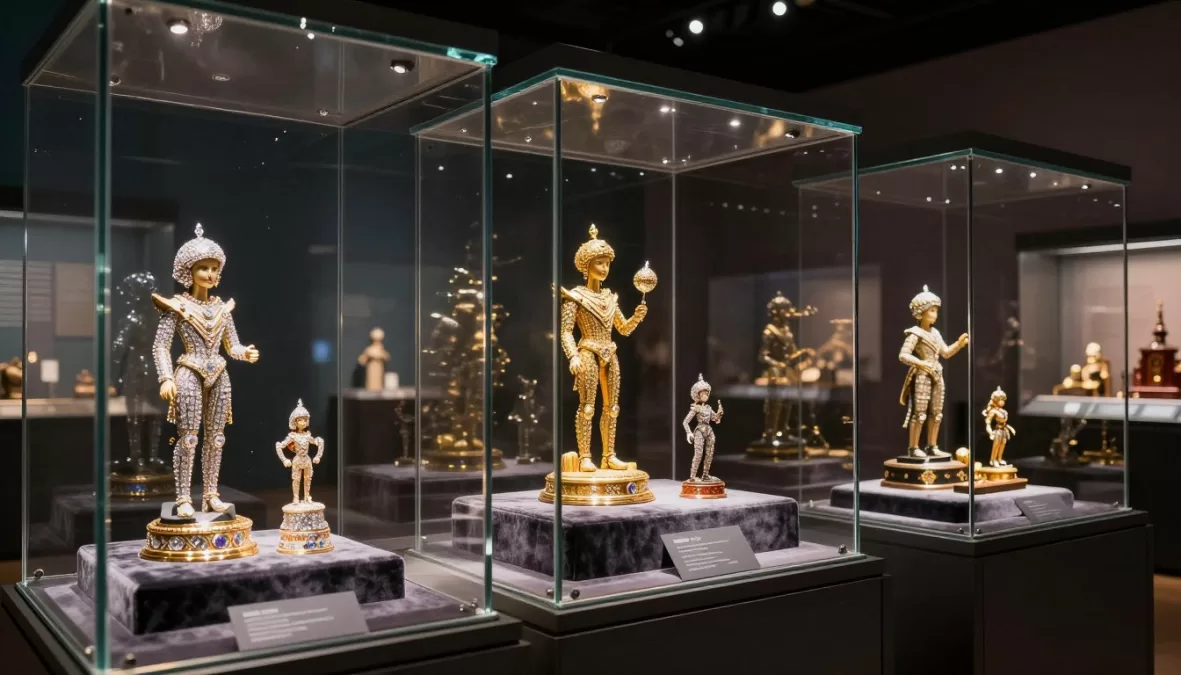
The world of luxury toys represents where craftsmanship meets extravagance. These aren’t playthings for children. They are investment pieces that command astronomical prices at auction houses worldwide.
In 2026, the market for rare collectibles continues to flourish. Wealthy collectors seek unique pieces that combine nostalgia with exceptional artistry. The most valuable items often feature precious metals and gemstones.
From designer teddy bears to diamond-studded gaming consoles, these extraordinary creations redefine what toys can be. Each piece tells a story of meticulous craftsmanship and unparalleled luxury. Welcome to the exclusive world of the most expensive toys ever created.
Stay Informed About Luxury Collectibles
Receive exclusive insights on rare toys, market trends, and investment opportunities delivered to your inbox monthly.
Understanding the Luxury Toy Market in 2026
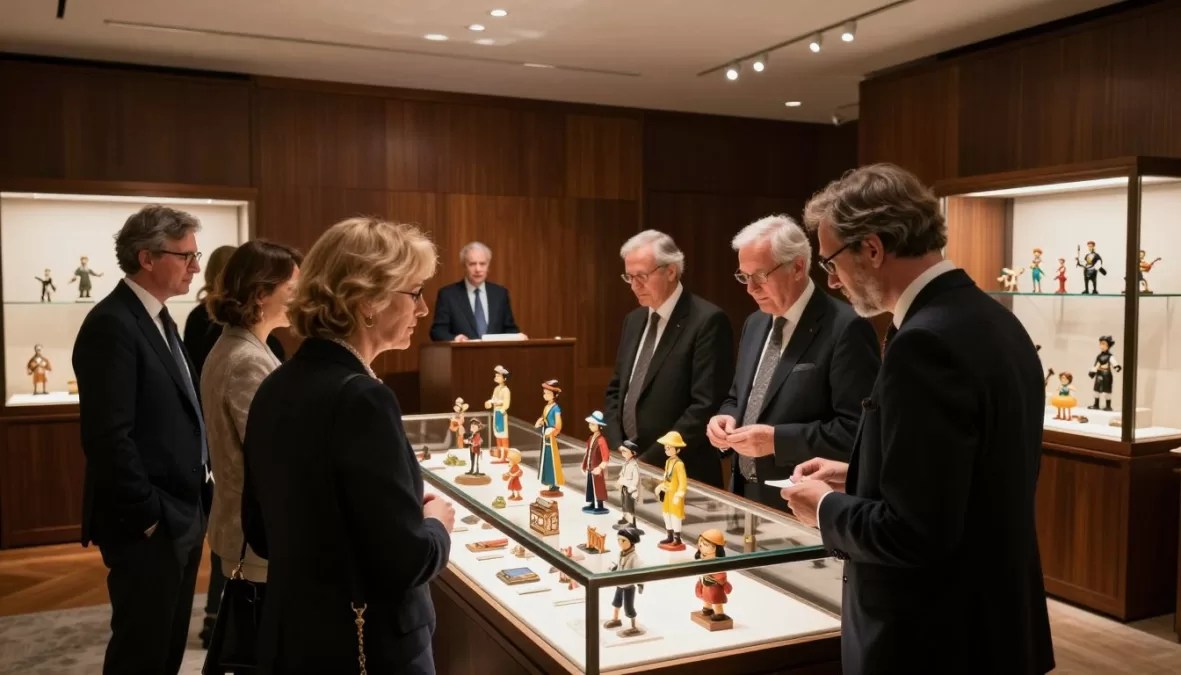
The luxury toy market has evolved dramatically over recent decades. What began as simple collectibles has transformed into serious investment vehicles. High-net-worth individuals now view rare toys as alternative assets.
Market analysts track these pieces like fine art. Provenance matters significantly in valuation. Original packaging can multiply value exponentially. Condition determines whether a toy sells for thousands or millions.
The demand comes from multiple sources. Nostalgic collectors seek childhood memories in premium form. Investors recognize appreciation potential. Museums acquire pieces for cultural preservation. This convergence drives prices to unprecedented heights.
Market Growth Factors
Several key elements drive the expansion of luxury toy collecting as an investment category and cultural phenomenon.
- Increasing wealth among nostalgic Generation X and Millennial collectors
- Limited production runs creating artificial scarcity
- Social media exposure amplifying desirability
- Authentication technology improving buyer confidence
Investment Considerations
Smart collectors approach luxury toys with the same diligence applied to traditional investments and alternative assets.
- Historical appreciation rates exceeding some traditional assets
- Liquidity challenges in specialized markets
- Storage and insurance requirements
- Authentication and provenance verification needs
Authentication Importance
Verifying authenticity protects collectors from significant financial loss and ensures long-term value retention in luxury pieces.
- Third-party certification services gaining prominence
- Advanced forensic techniques detecting reproductions
- Blockchain technology for provenance tracking
- Expert appraisers specializing in specific categories
Future Market Outlook
Industry experts forecast continued growth as new collector demographics enter the market with substantial purchasing power.
- Emerging markets contributing new collectors
- Digital certificates enhancing transparency
- Hybrid physical-digital collectibles emerging
- Institutional investment funds exploring toy assets
The Top 10 Most Expensive Toys in the World 2026
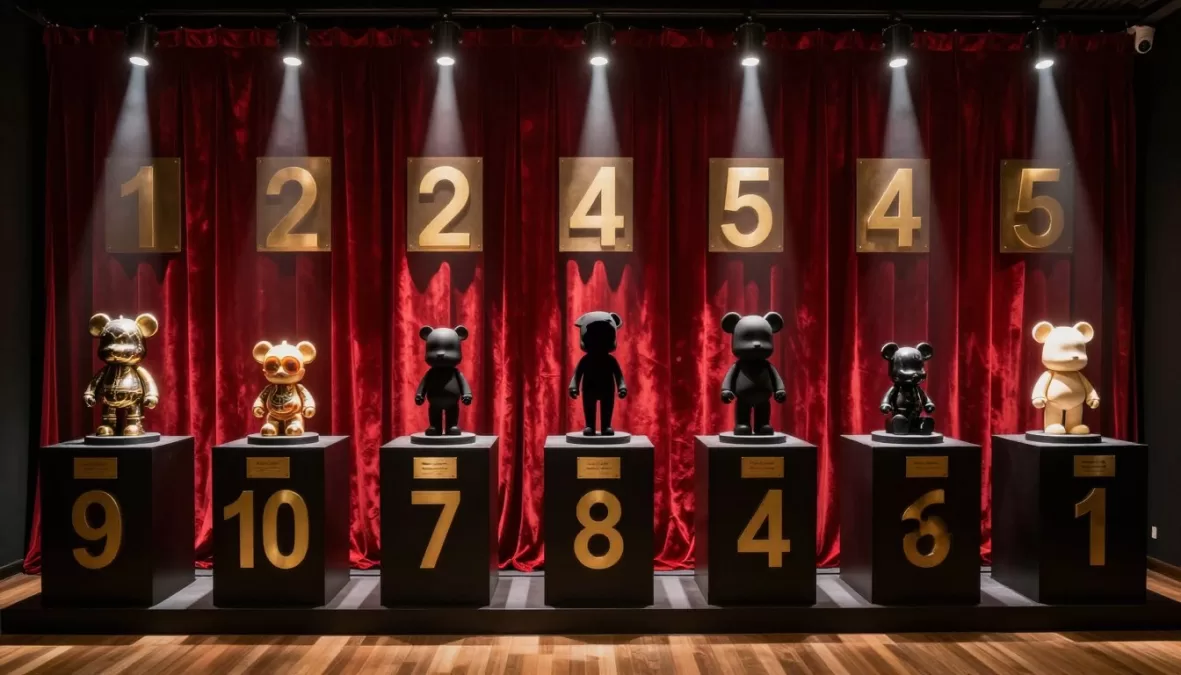
Our carefully researched ranking showcases the pinnacle of toy collectibles. Each entry represents exceptional craftsmanship and extraordinary value. These pieces transcend their original purpose to become works of art.
The selection criteria emphasize verified sale prices and current market valuations. Authentication by recognized experts confirms legitimacy. Historical significance and cultural impact also factor into these rankings.
From position ten through the ultimate number one, prepare to discover treasures that redefine luxury. Each toy has a unique story worth exploring. The values listed reflect 2026 market assessments from leading auction houses and appraisers.
#10 – Louis Vuitton Teddy Bear
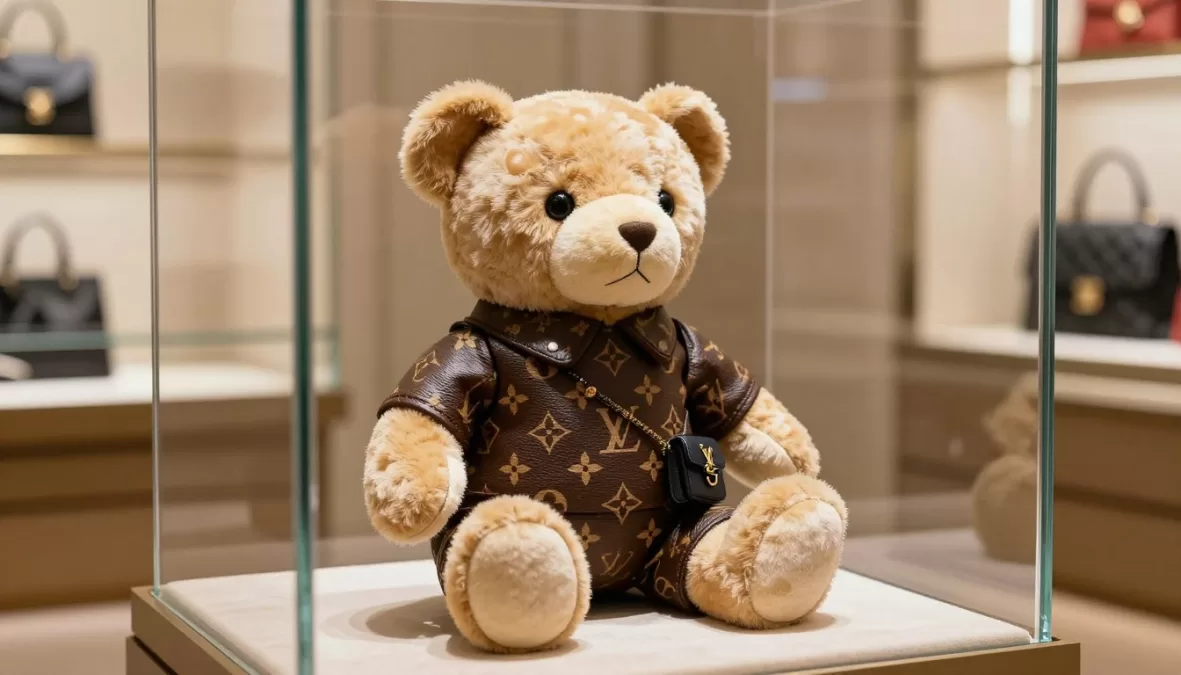
Luxury Fashion Meets Childhood Nostalgia
The Louis Vuitton Teddy Bear exemplifies haute couture in toy form. This exclusive creation merges iconic fashion design with premium craftsmanship. Collectors prize these limited editions as wearable art representations.
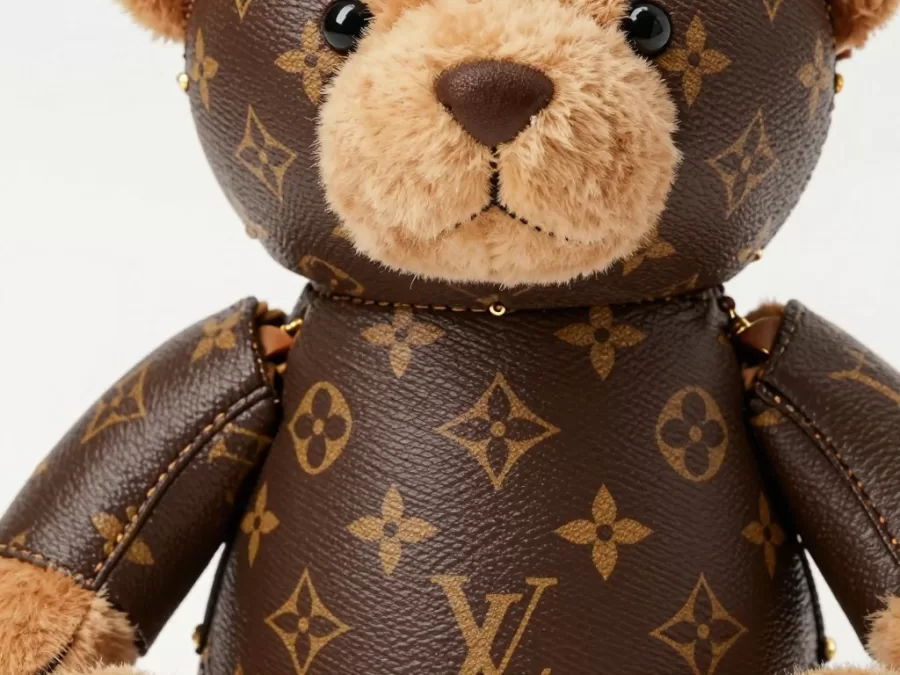
Each bear features authentic Louis Vuitton materials. The signature monogram canvas appears throughout the outfit. Hand-stitched details mirror techniques used in the brand’s handbag production. Only master artisans at Louis Vuitton workshops create these pieces.
Production numbers remain deliberately scarce. The brand releases just a few dozen units annually. This scarcity drives values upward consistently. Secondary market prices often double original retail within months.
Design and Materials
The teddy bear stands approximately 45 centimeters tall. Premium mohair forms the body, sourced from specialized European suppliers. Eyes consist of hand-polished Swarovski crystals set in sterling silver.
The outfit showcases miniature versions of current collection pieces. Tiny handbags, scarves, and shoes accompany each bear. Even the stitching thread matches colors used in full-size products. Quality control standards mirror those for human accessories.
Specifications
- Height: 45 cm premium mohair construction
- Materials: Genuine Louis Vuitton canvas and leather
- Eyes: Swarovski crystal with silver settings
- Outfit: Miniature current collection pieces
- Production: Limited annual releases
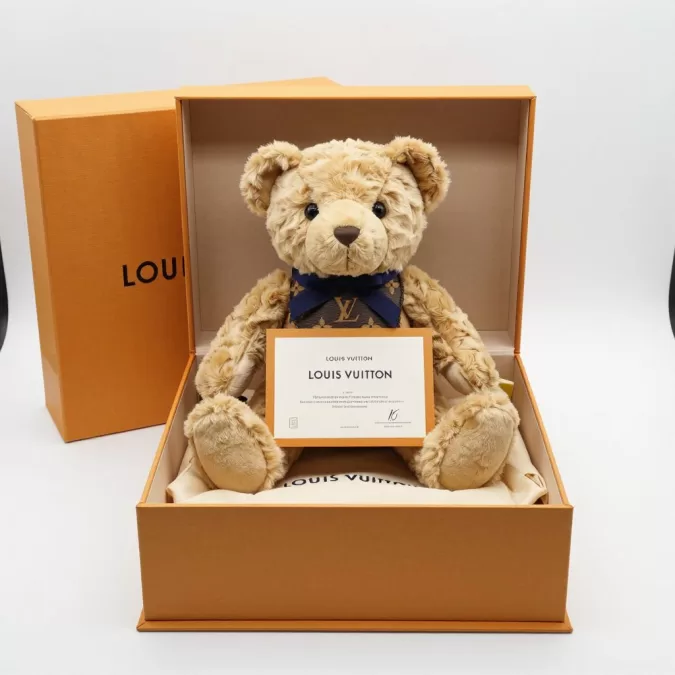
- Certification: Authenticity certificate included
Market Value and Investment Potential
Current market valuations place these bears between $8,000 and $15,000. The range depends on specific outfit details and release year. Earlier editions command premium prices from serious collectors.
Appreciation rates average 12-18% annually. Pristine condition with original packaging is essential. Display cases protect against environmental damage. Insurance appraisals should be updated regularly.
Collector Insight: The 2024 limited edition featuring the collaboration with Japanese artist Yayoi Kusama sold out within hours and now trades at 300% above original retail price.
#9 – Lamborghini Ride-On Car
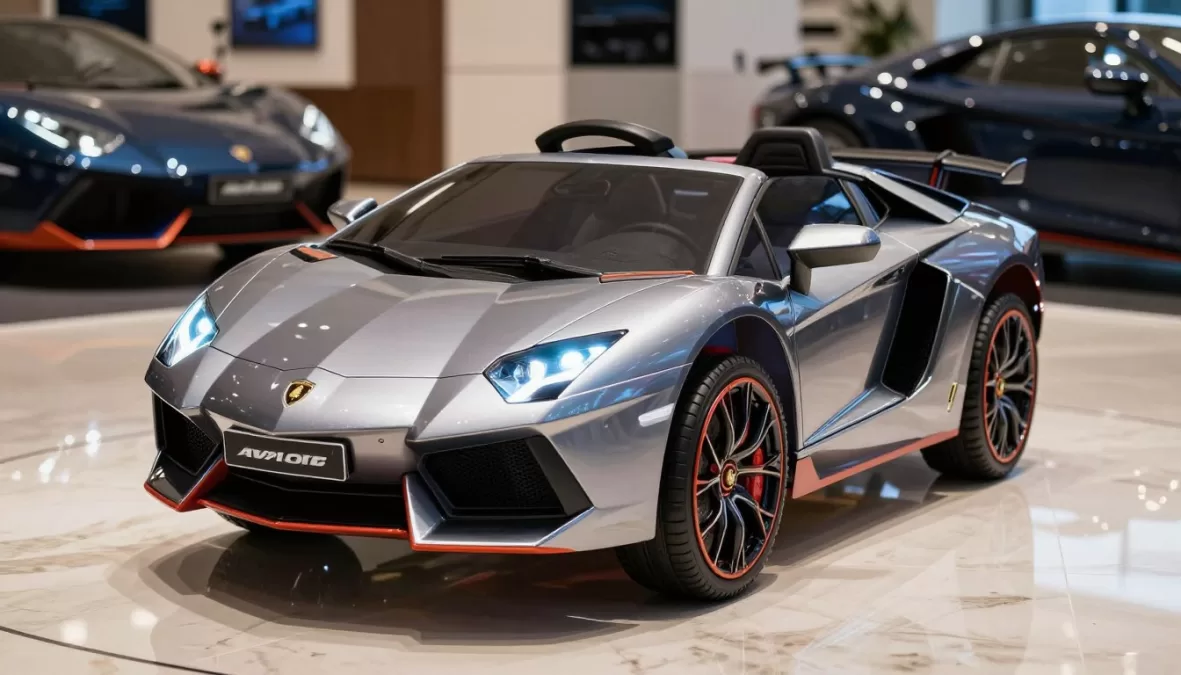
Automotive Excellence in Miniature Form
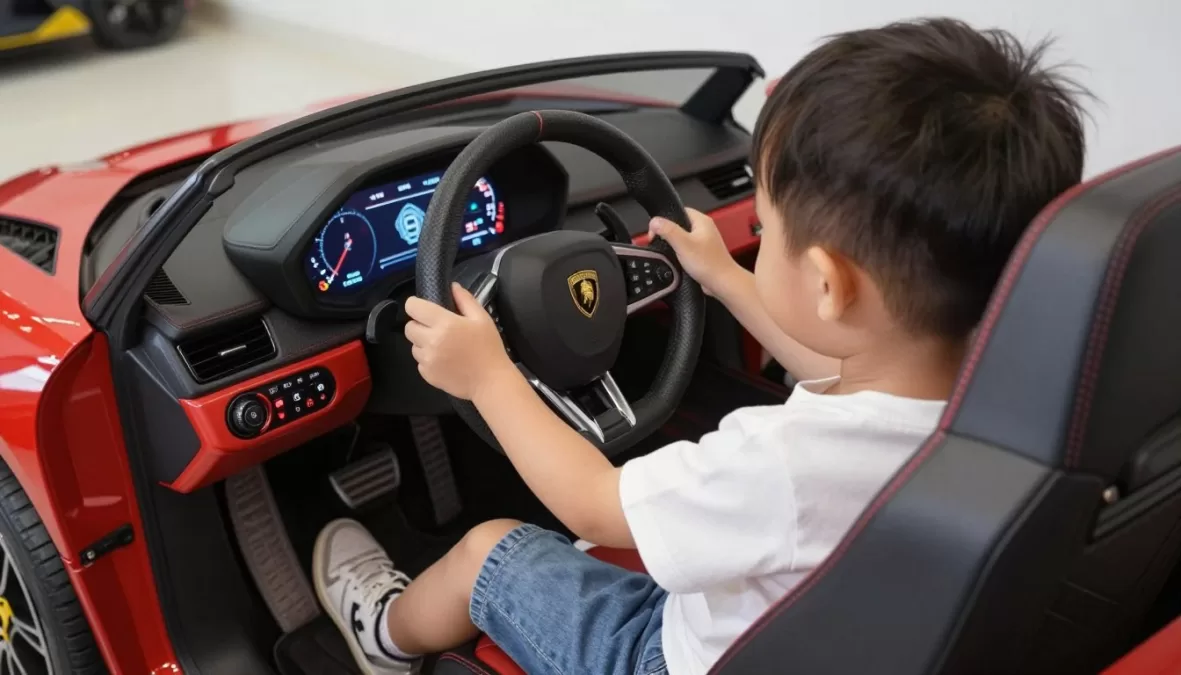
The Lamborghini Ride-On Car brings supercar dreams to reality for young enthusiasts. This isn’t a simple toy vehicle. It’s a precisely engineered replica featuring authentic design elements. Official licensing ensures accuracy down to the smallest details.
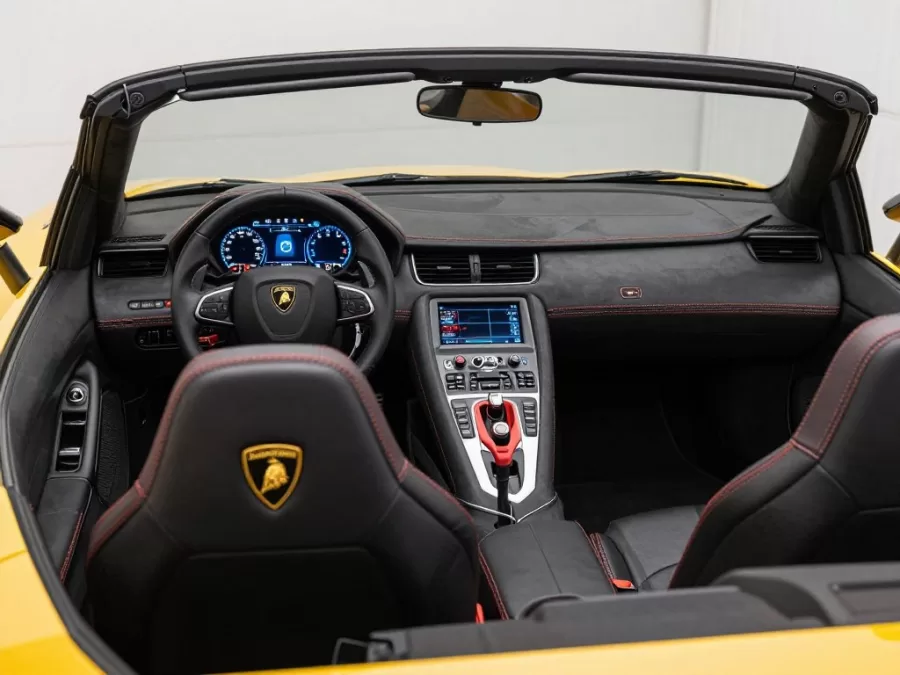
Lamborghini’s design team collaborates on each model. The same proportions and styling cues appear as on full-size cars. Real automotive paint creates the stunning finish. Even the interior mimics the cockpit of actual Lamborghini models.
These ride-on cars appeal to affluent parents seeking premium gifts. Collectors also acquire them as automotive memorabilia. Limited production runs maintain exclusivity. Some special editions commemorate specific Lamborghini models or racing victories.
Engineering and Features
Electric motors provide genuine driving capability. Top speeds reach 8-10 kilometers per hour safely. Rechargeable battery systems offer extended play time. Remote control options allow parental override for safety.
The dashboard includes working gauges and displays. Authentic engine sounds play through integrated speakers. LED lighting systems function exactly like real cars. Doors open with Lamborghini’s signature scissor mechanism.
Performance Specs
- Dual electric motors
- Maximum speed 10 km/h
- Rechargeable 12V battery
- 90-minute runtime
- Parental remote control
Authentic Features
- Working LED lights
- Real engine sounds
- Scissor doors
- Digital dashboard
- Leather seats
Build Quality
- Automotive-grade paint
- Carbon fiber accents
- Chrome details
- Official Lamborghini badges
- Premium rubber tires
Valuation and Collectibility
Standard models retail between $400 and $800 depending on the specific car. Limited editions reach $2,000 to $5,000 at launch. Special collaborative versions command even higher prices. The rarest editions appreciate significantly over time.
Collectors seek specific model years and color combinations. Unopened boxes increase value substantially. Racing edition variants become particularly valuable. Signed units by Lamborghini executives are highly prized.
The 2023 Lamborghini Countach 50th Anniversary ride-on edition, limited to 500 units worldwide, now trades at $12,000+ among collectors, with pristine examples reaching $18,000.
#8 – Gold Rocking Horse
Timeless Elegance in Precious Metal
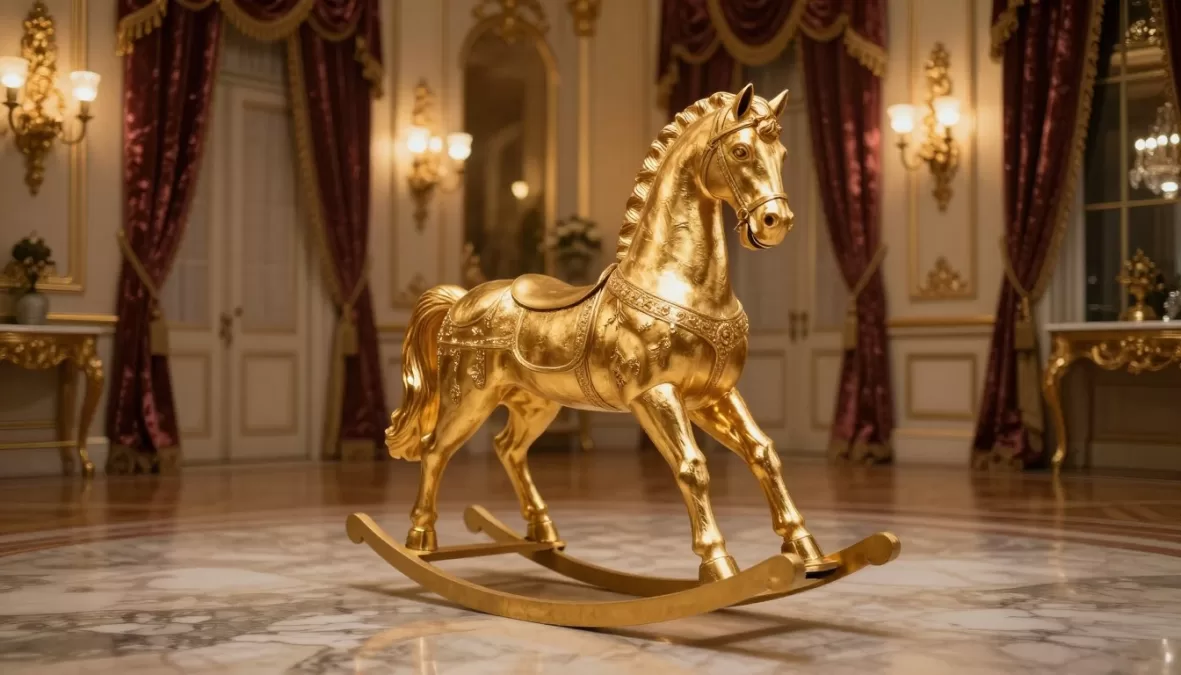
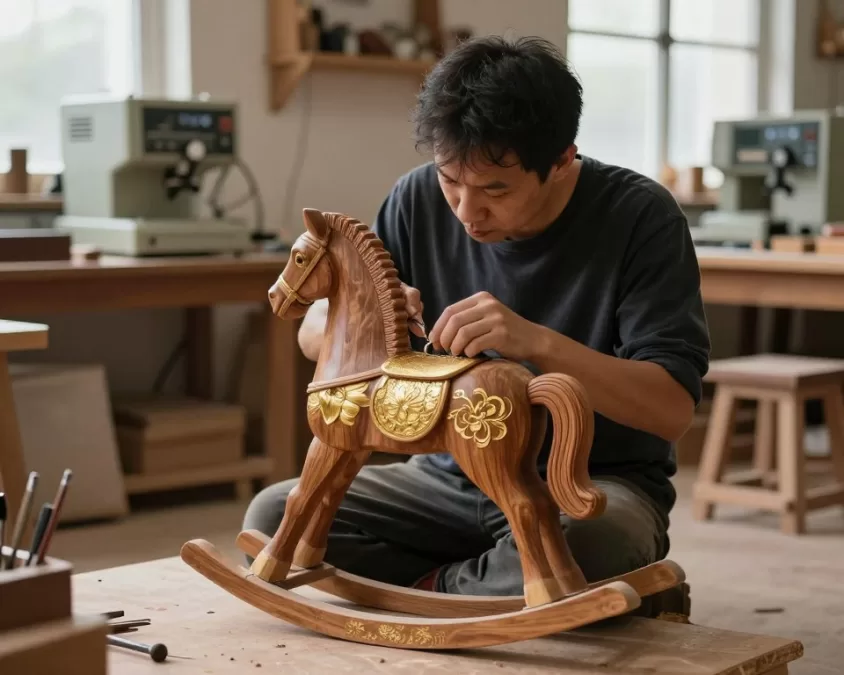
The Gold Rocking Horse represents traditional toy design elevated to fine art. Master craftsmen spend months creating each piece. Solid wood forms the foundation before gold application. These aren’t toys for play but sculptures that evoke childhood wonder.
Historical examples date back to Victorian era nobility. Modern recreations follow classical proportions and techniques. Some feature solid gold components while others use gold leaf. Either way, the visual impact is breathtaking.
These horses often become family heirlooms passed through generations. Display in prominent locations showcases wealth and taste. Museums frequently include examples in decorative arts collections. The combination of nostalgia and opulence creates enduring appeal.
Craftsmanship and Materials
Creation begins with carefully selected hardwoods. Mahogany or oak provide structural integrity. Carvers shape every muscle and feature by hand. The process requires traditional woodworking mastery rarely found today.
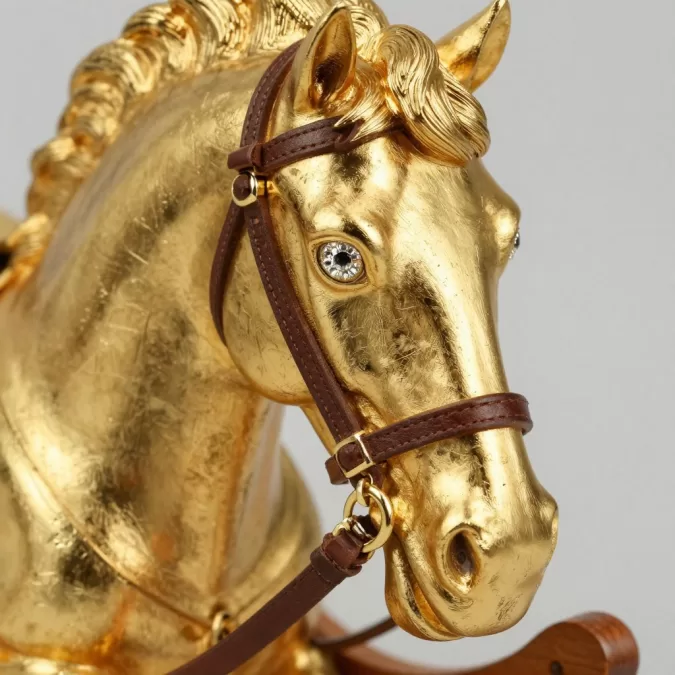
Gold application demands specialized skills. Some artisans use 24-karat gold leaf applied in thin layers. Others employ electroplating techniques for uniform coverage. Premium versions incorporate solid gold accents and precious stone eyes.
Construction Details
Each rocking horse undergoes a meticulous multi-stage creation process combining traditional woodworking with precious metal application.
- Base wood: Premium mahogany or oak
- Height: Typically 100-120 cm
- Gold: 24-karat leaf or electroplate
- Eyes: Swarovski crystals or gemstones
- Saddle: Hand-tooled leather with gold fittings
- Production time: 200-400 hours per piece
Historical Significance and Value
Antique gold rocking horses from the 1800s sell for $50,000 to $150,000. Provenance from royal families multiplies values exponentially. Modern commissioned pieces range from $25,000 to $80,000. The investment lies in craftsmanship and materials.
Notable examples include Queen Victoria’s children’s rocking horses. These historical pieces appear in museum exhibitions worldwide. Contemporary artisans create limited editions maintaining traditional methods. Each becomes a conversation piece and status symbol.
#7 – Diamond Rubik’s Cube
The Ultimate Puzzle Transformed into Jewelry
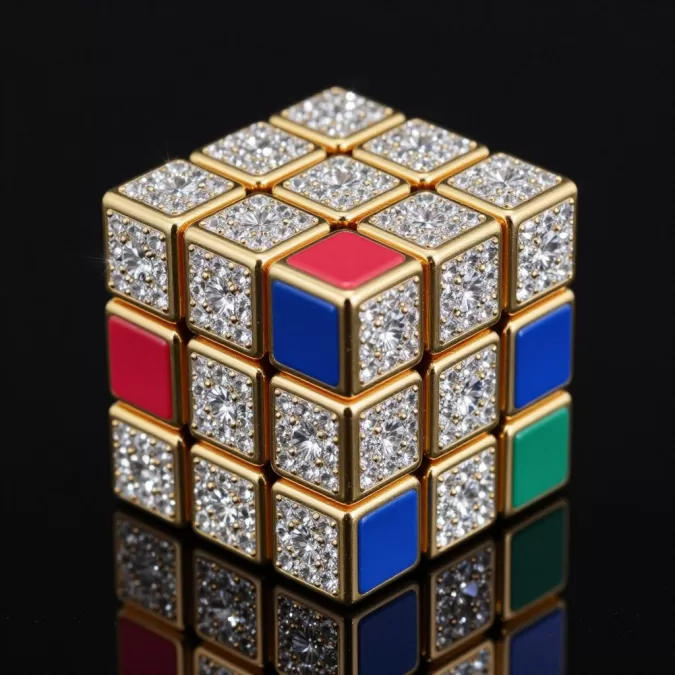
The Diamond Rubik’s Cube reimagines the classic puzzle as wearable art. Created by celebrity jeweler Fred Cuellar, this functional cube contains real diamonds and gold. It’s fully operational despite the precious materials. Solving it becomes an entirely different experience.
This creation gained fame as the most expensive toy version ever made. The cube features 22.5 carats of amethyst, 34 carats of rubies, and 34 carats of emeralds. White gold forms the structural framework. The six colored faces use different precious stones.
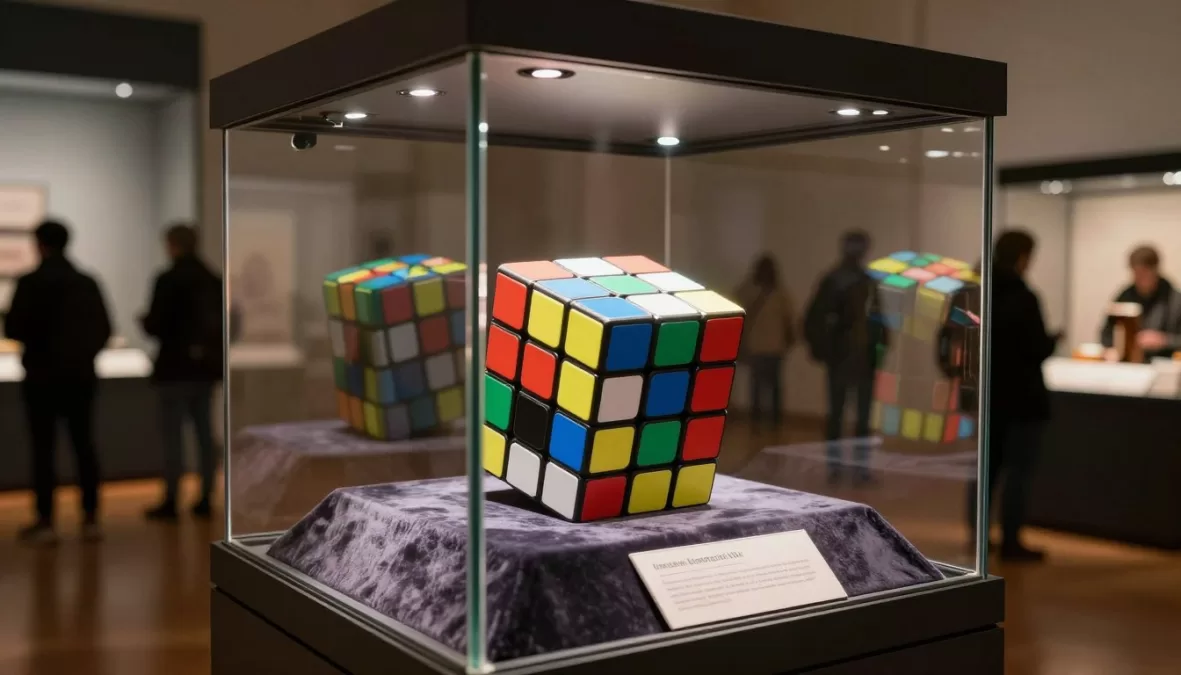
Only one complete diamond cube exists in the world. This singularity makes it invaluable to collectors. The piece represents where intellectual challenge meets extreme luxury. It’s displayed at exclusive jewelry exhibitions worldwide.
Gemstone Composition and Engineering
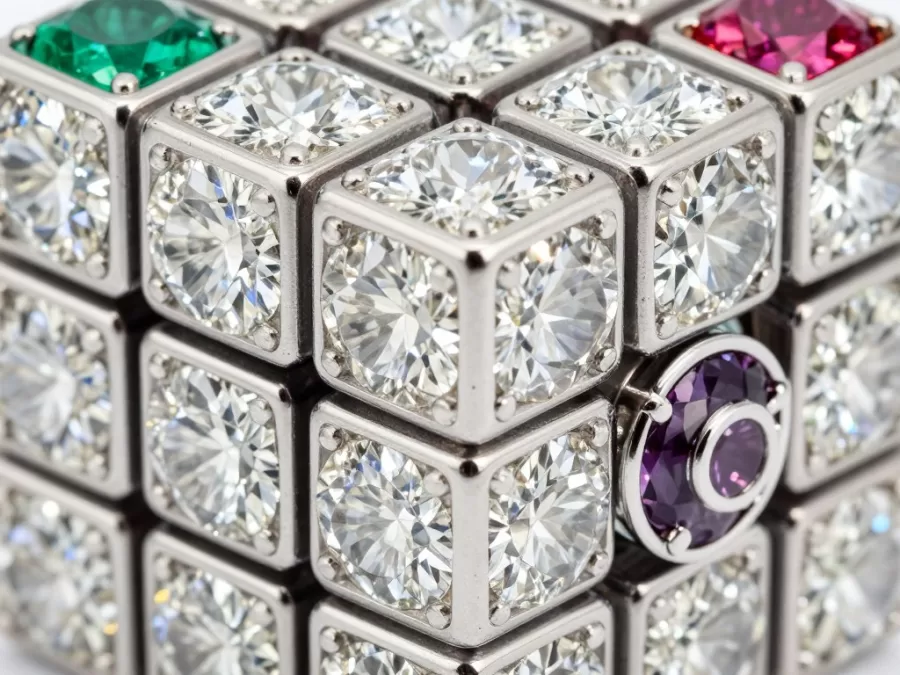
Each colored face requires specific gemstones. White sides feature pure diamonds in brilliant cuts. Red panels showcase perfectly matched rubies. Green emeralds create another face while blue uses rare sapphires. Orange employs fire opals, and yellow features canary diamonds.
The engineering challenge exceeded the jewelry aspect. The cube must rotate smoothly despite gemstone weight. Custom bearings and mechanisms were developed specifically. Testing ensured the puzzle functions like standard versions. This fusion of mechanics and luxury required innovative thinking.
| Component | Material | Quantity | Total Carats |
| White Face | Brilliant-cut Diamonds | 9 stones | 12.5 ct |
| Red Face | Burmese Rubies | 9 stones | 34 ct |
| Green Face | Colombian Emeralds | 9 stones | 34 ct |
| Blue Face | Ceylon Sapphires | 9 stones | 28 ct |
| Orange Face | Mexican Fire Opals | 9 stones | 18 ct |
| Yellow Face | Canary Diamonds | 9 stones | 10 ct |
| Framework | 18K White Gold | Full structure | N/A |
Valuation and Cultural Impact
The original creation cost approximately $2.5 million in materials and labor. Current insurance valuations exceed $5 million due to appreciation and rarity. If offered at auction, experts predict it could reach $8-10 million. The celebrity factor and uniqueness drive this premium.
This cube inspired other luxury puzzle creations. Several jewelers have attempted similar projects with different games. None achieved the same recognition or value. The diamond cube appears in documentaries about extreme luxury and innovation.
“Creating the Diamond Rubik’s Cube required solving puzzles beyond the toy itself. We had to engineer something that functions perfectly while being made entirely of precious materials. It represents the ultimate intersection of play and luxury.”
Expert Consultation for Luxury Collectibles
Are you considering acquiring, authenticating, or appraising high-value toys and collectibles? Our specialists provide discrete, professional guidance for discerning collectors and investors.

#6 – Diamond Barbie Doll
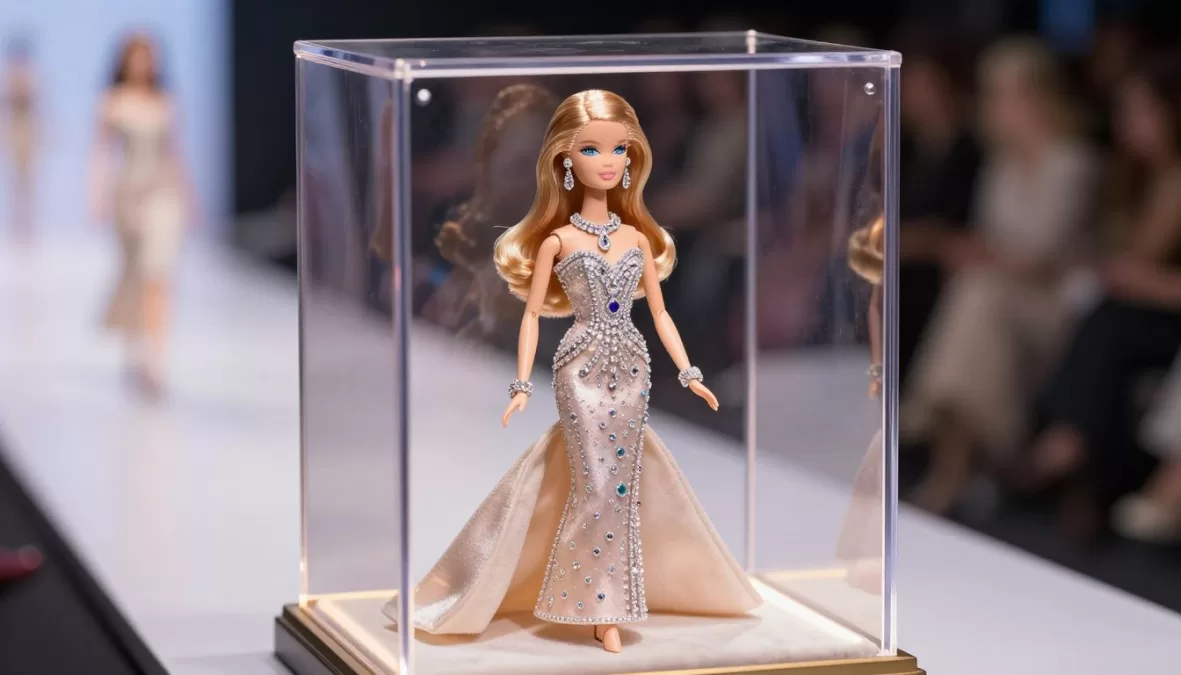
Fashion Icon Adorned in Precious Stones
The Diamond Barbie Doll represents collaboration between Mattel and luxury jeweler Stefano Canturi. Released for Barbie’s 50th anniversary, this doll wears a genuine diamond necklace. The piece sold at auction for $302,500, setting records. All proceeds benefited breast cancer research.
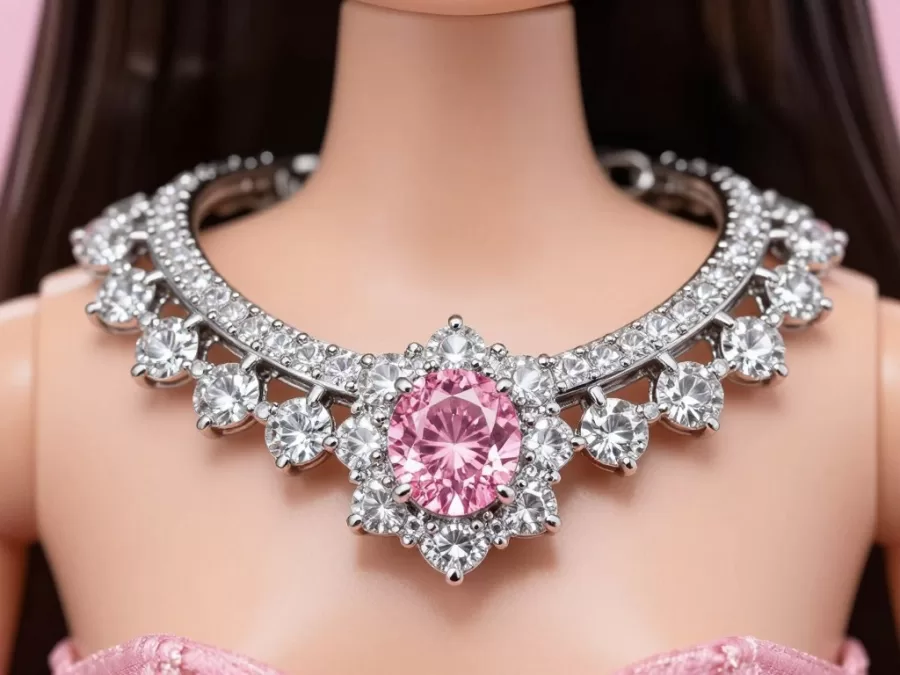
This isn’t a child’s plaything but a work of wearable art. The custom-designed necklace features a rare one-carat pink diamond. White diamonds totaling several carats accent the piece. Australian pink diamonds are among the world’s most valuable gemstones.
The doll’s outfit mirrors haute couture fashion. A black strapless gown provides the perfect backdrop for the jewelry. Every detail received meticulous attention from Canturi’s workshop. The combination of nostalgia and genuine luxury created unprecedented demand.
Jewelry Design and Specifications
Stefano Canturi designed the necklace specifically for this Barbie. The centerpiece pink diamond came from Australia’s Argyle mine. These mines produce less than 0.1% of the world’s diamonds. Pink varieties are exceptionally rare even among Argyle output.
The necklace setting uses platinum for durability and appearance. Surrounding white diamonds create a halo effect. Micro-pavé setting techniques secure each stone. The craftsmanship matches Canturi’s human-scale jewelry. Every aspect reflects museum-quality artistry.
Main Diamond
- Type: Natural pink diamond
- Weight: 1.00 carat
- Origin: Argyle Mine, Australia
- Cut: Emerald cut
- Clarity: Internally flawless
Accent Diamonds
- Type: White diamonds
- Total: 3 carats
- Setting: Micro-pavé platinum
- Quality: VS1-VVS clarity
- Cut: Round brilliant
Doll Details
- Designer: Robert Best
- Outfit: Custom couture gown
- Hair: Hand-rooted premium fiber
- Makeup: Hand-painted details
- Edition: One-of-a-kind
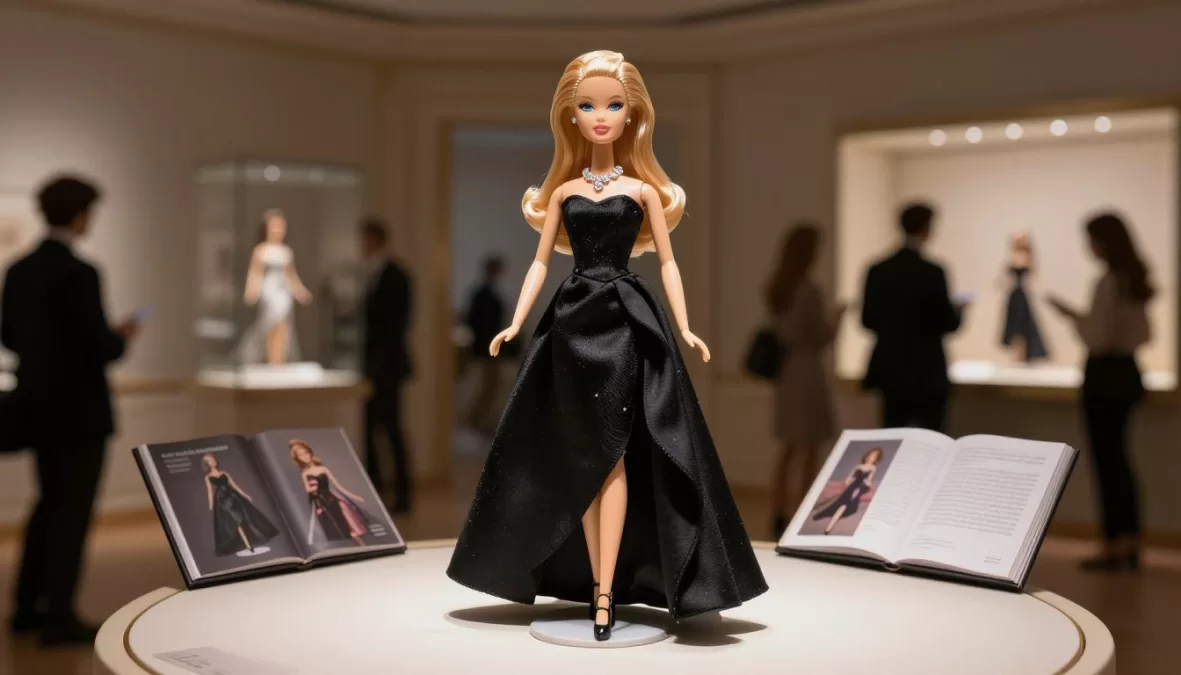
Auction Success and Charitable Impact
Christie’s handled the auction in New York City. Bidding exceeded all expectations from the start. The final price of $302,500 made headlines worldwide. This became the most expensive Barbie doll ever sold. Media coverage brought international attention to the cause.
The Breast Cancer Research Foundation received the full proceeds. This charitable aspect added emotional value beyond materials. Buyers knew their purchase directly funded medical research. The combination of collectibility and philanthropy proved powerful.
Cultural Impact: The Diamond Barbie demonstrated how collectibles could serve dual purposes—investment pieces and charitable vehicles. It inspired similar high-profile toy auctions benefiting various causes.

#5 – Nintendo Wii Supreme
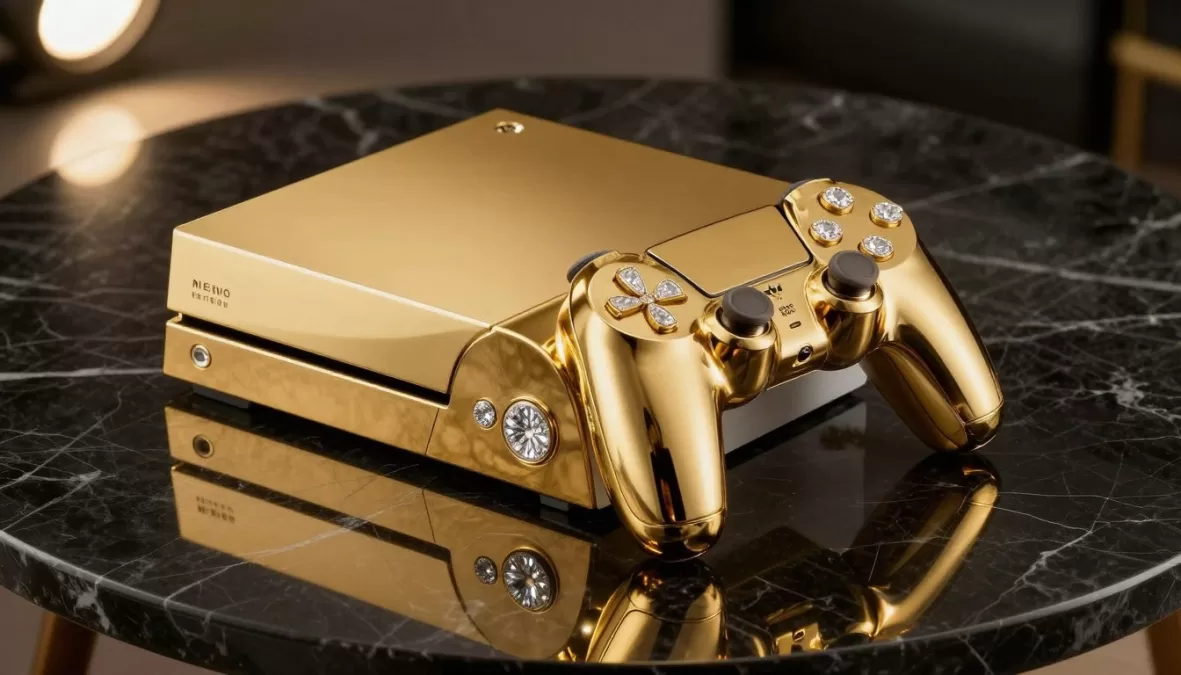
Gaming Console Transformed into Luxury Artifact
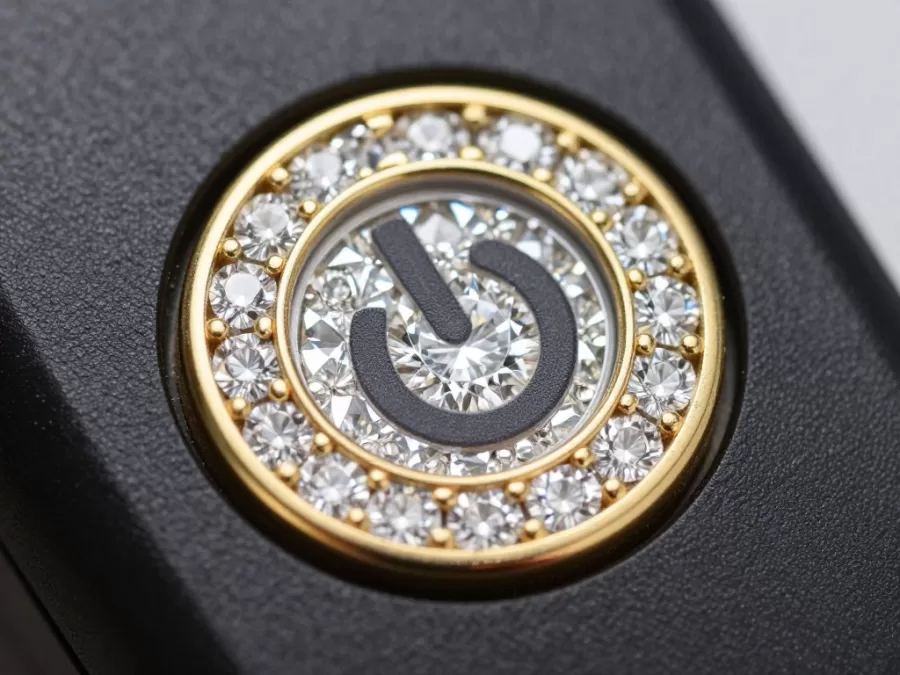
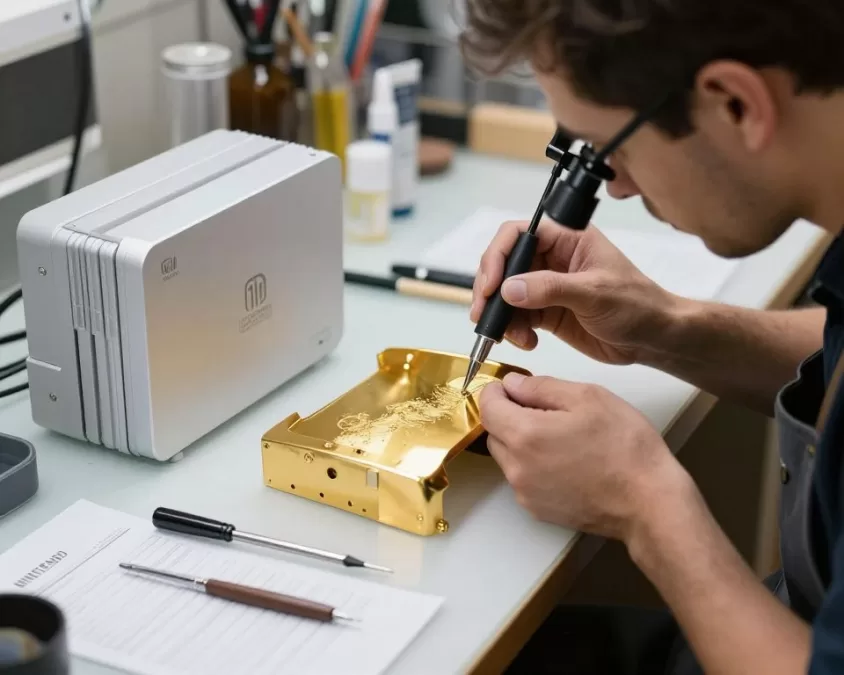
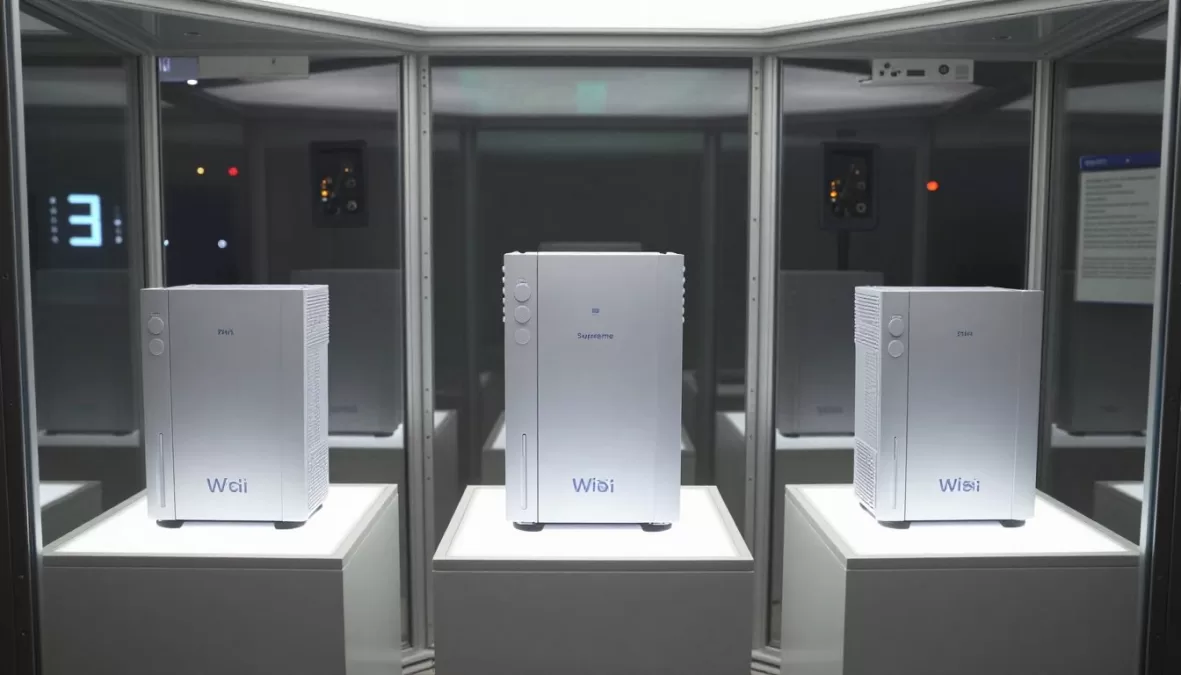
The Nintendo Wii Supreme elevates gaming hardware to jewelry status. Created by luxury designer Stuart Hughes, only three units exist worldwide. Each console features 22-karat solid gold casing. Front-facing buttons contain 78 quarter-carat diamonds.
This creation targets wealthy gaming enthusiasts and collectors. The console remains fully functional despite modifications. All original gaming capabilities work perfectly. The transformation required extensive engineering to maintain electronics while adding precious materials.
Stuart Hughes specialized in customizing technology with precious metals. His client list included celebrities and royalty. The Wii Supreme represented one of his most ambitious gaming projects. It demonstrated that any object could become luxury art with proper execution.
Materials and Construction Process
Creating each Wii Supreme required approximately 2,500 grams of 22-karat gold. The gold covers the entire exterior in solid plating. Engineers carefully maintained heat dissipation requirements. Gaming consoles generate significant heat during operation. Gold application couldn’t compromise thermal management.
The 78 diamonds required individual setting by master jewelers. Each stone weighs 0.25 carats for a total of 19.5 carats. Only VS1 clarity diamonds met the quality standards. Settings had to withstand button pressing without loosening. This combination of durability and luxury required innovative techniques.
Technical Specifications
- Gold content: 2,500 grams 22-karat solid gold
- Diamond total: 78 stones, 19.5 carats combined
- Diamond quality: VS1 clarity, quarter-carat each
- Functionality: Fully operational gaming console
- Production: Only 3 units manufactured worldwide
- Weight: Significantly heavier than standard Wii
- Warranty: Electronics covered, gold finish guaranteed
Market Value and Ownership
The original retail price reached $480,000 per console. Current valuations estimate $600,000 to $750,000. The limited quantity of three units creates extreme scarcity. Owners remain largely anonymous, adding mystique. These pieces rarely appear on secondary markets.
Insurance requirements for these consoles are substantial. Owners must provide climate-controlled storage and security. Some reportedly display them in private vaults. The functional aspect means they could theoretically be played. However, most remain pristine and untouched.
Investment Perspective: The Nintendo Wii Supreme represents a unique category—functional luxury electronics. While gaming consoles typically depreciate, precious metal content and extreme rarity create different dynamics. These pieces appreciate similarly to fine jewelry.
#4 – Gold Lego Brick
The Building Block Reimagined in Precious Metal
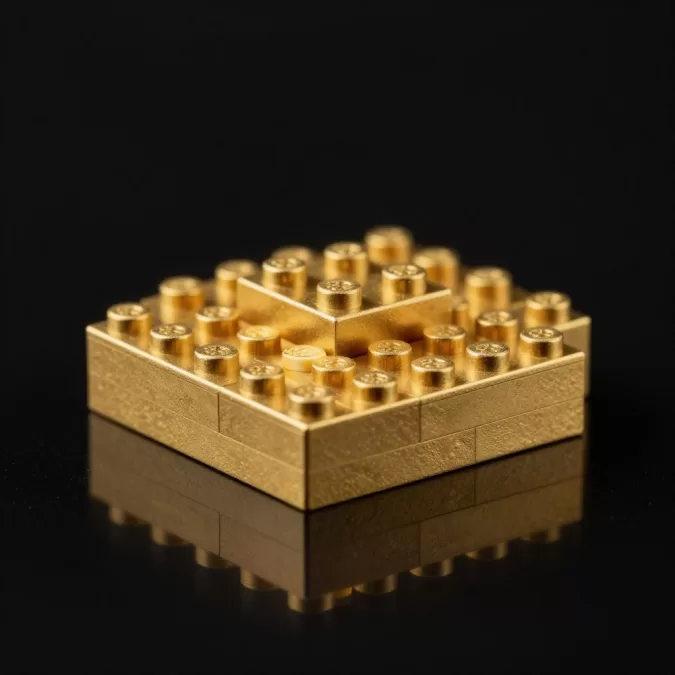
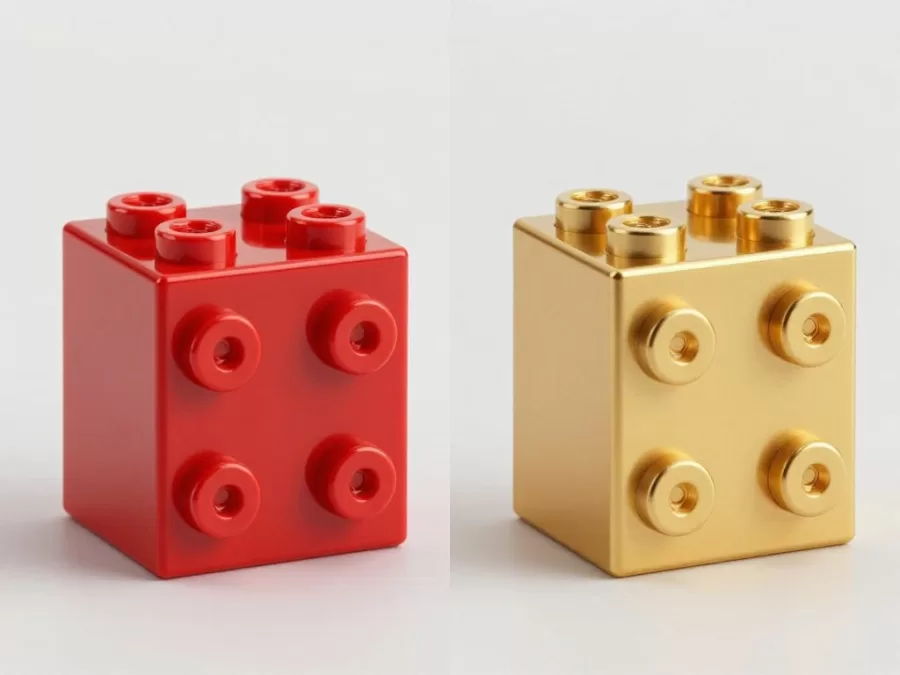
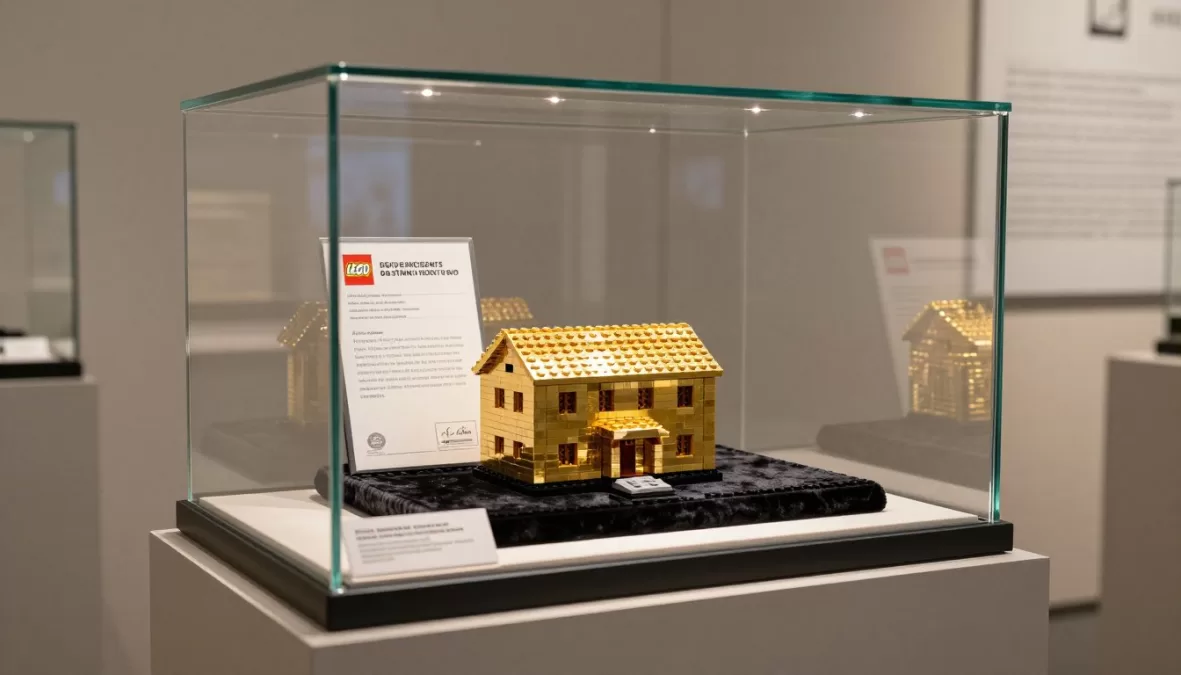
The Gold Lego Brick represents simplicity meeting extreme value. These solid gold bricks commemorate special Lego milestones and achievements. The company has created fewer than 15 throughout its history. Each one marks a significant company anniversary or achievement.
Despite appearing identical to plastic bricks, these weigh substantially more. A standard 2×4 brick in solid 14-karat gold weighs approximately 25.65 grams. The gold content alone provides significant intrinsic value. But rarity and connection to the beloved brand multiply worth exponentially.
Lego awards these bricks to longtime employees and special partners. They’re not available for public purchase. This exclusivity makes them among the most coveted Lego items. Collectors would pay extraordinary sums for authenticated examples.
Production History and Variations
Lego first created gold bricks in the 1970s. Early versions used varying gold purities. Modern examples maintain consistent 14-karat standards. Each brick undergoes quality testing matching jewelry industry standards. Hallmarks verify authenticity and gold content.
Different sizes exist within the gold brick category. The most common is the classic 2×4 configuration. Larger presentation pieces sometimes appear at special events. Each variation maintains perfect compatibility with standard Lego pieces. This functionality adds whimsy to the luxury.
| Year | Occasion | Quantity | Recipients | Estimated Value |
| 1979 | Employee Anniversary | 10 bricks | 25-year employees | $15,000-$20,000 |
| 1989 | Key Partner Gifts | 5 bricks | Major retailers | $18,000-$25,000 |
| 2008 | 50th Anniversary | 6 bricks | Company executives | $25,000-$35,000 |
| 2012 | Special Achievement | 3 bricks | Record-breaking designers | $30,000-$40,000 |
Valuation Challenges and Market Dynamics
Determining exact values for gold Lego bricks proves challenging. The gold content provides a minimum baseline. A standard 2×4 brick contains roughly $1,800 in gold at current market prices. However, collector premium multiplies this baseline many times.
Recent estimates suggest $15,000 to $40,000 per brick depending on provenance. Bricks with documented history command premiums. Those associated with company founders or major milestones achieve highest prices. The rarity factor exceeds even the precious metal value.
Investment Advantages
- Intrinsic gold value provides price floor
- Extreme rarity with fewer than 15 known examples
- Connection to globally beloved brand
- Perfect condition guaranteed by material
- Historical significance to Lego company
- Crossover appeal to multiple collector markets
Investment Considerations
- Authentication difficulty without documentation
- Extremely limited market liquidity
- No public sales establish pricing precedent
- Insurance and security requirements
- Risk of counterfeits as value increases
Professional Authentication Services
Protect your investment with certified authentication from recognized experts. Our laboratory uses advanced forensic techniques to verify authenticity and document provenance.
Our Authentication Process
- Material analysis using X-ray fluorescence spectroscopy
- Microscopic examination of manufacturing techniques
- Provenance research and documentation verification
- Comparison with known authentic examples
- Detailed certification accepted by insurers worldwide
- Secure chain of custody protocols
Turnaround Time: Standard authentication completed within 5-7 business days. Expedited service available for urgent needs.

#3 – Eloise Doll
Literary Character Brought to Life in Luxury
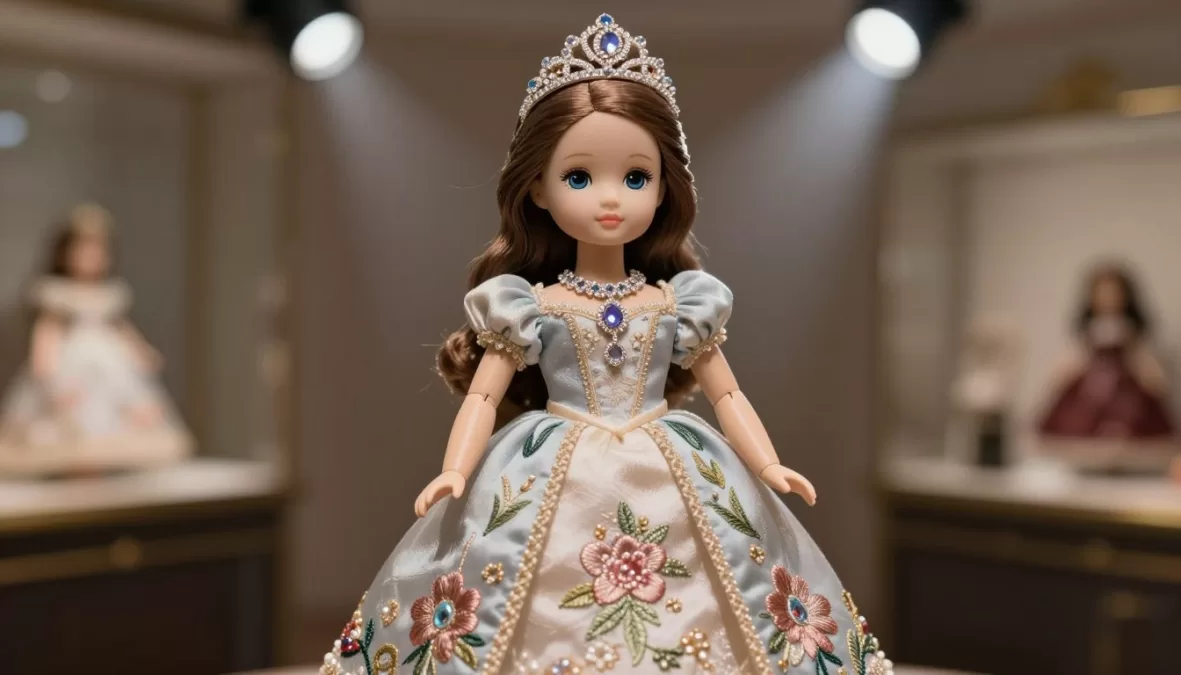
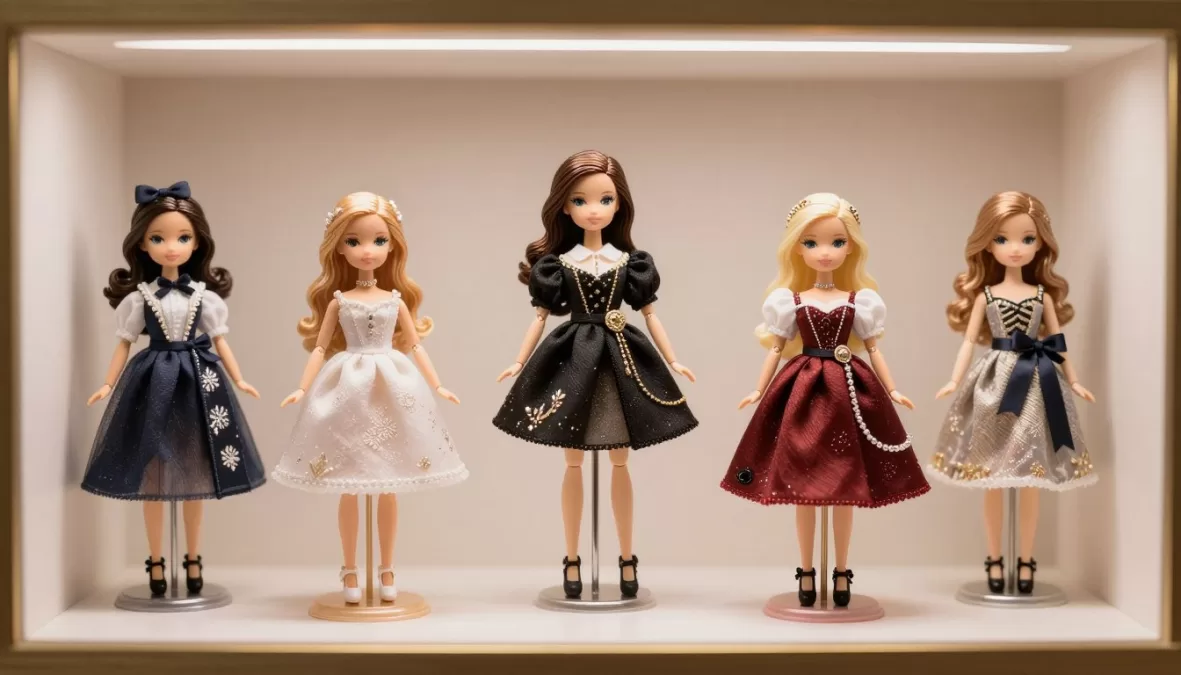
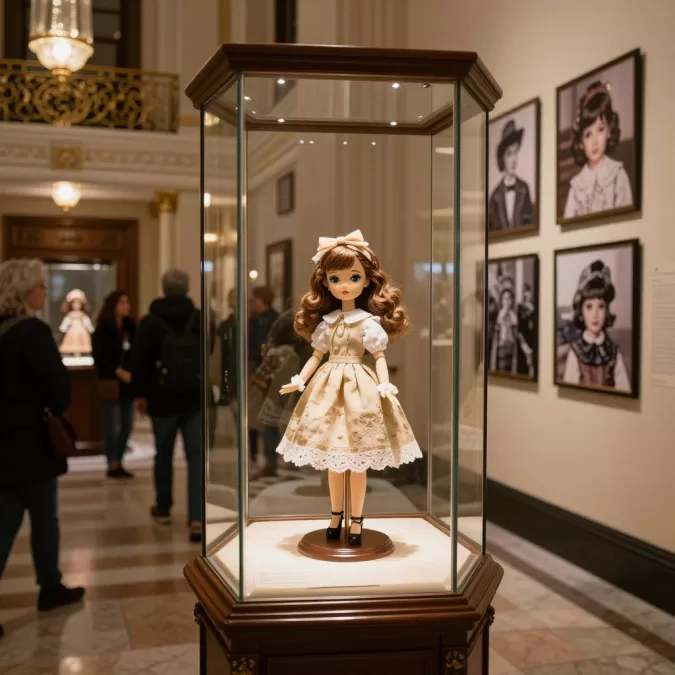
The Eloise Doll captures the essence of Kay Thompson’s beloved character. Created by luxury doll maker Madame Alexander, this isn’t an ordinary collectible. The most expensive version features custom haute couture clothing. Real gemstones adorn the miniature outfit.
Eloise represents childhood at New York’s Plaza Hotel. The character debuted in 1955 and became a cultural icon. Madame Alexander dolls have long commanded premium prices. Special Eloise editions combine literary nostalgia with exceptional craftsmanship.
The most valuable Eloise doll was custom-created for a charity auction. It featured a wardrobe designed by prominent fashion houses. Each outfit replicated runway designs in miniature scale. The attention to detail rivaled human couture.
Craftsmanship and Design Details
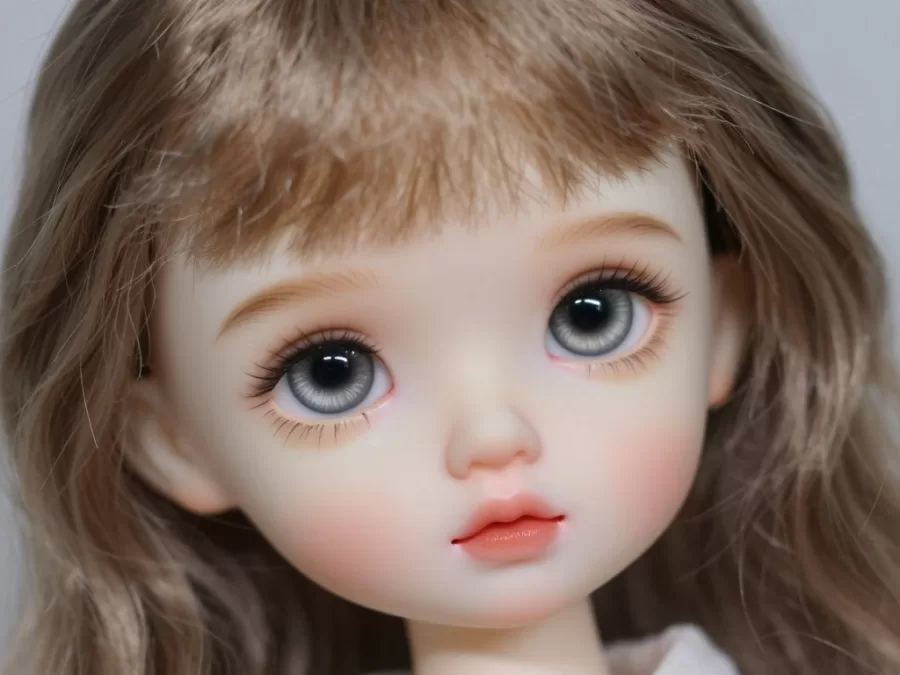
Madame Alexander dolls utilize premium materials throughout. The face is sculpted porcelain with hand-painted features. Hair consists of human mohair individually rooted. Eyes are hand-blown glass from German artisans. Each element receives individual attention.
The clothing construction mirrors human garment techniques. Tiny stitches secure miniature hems and seams. Fabrics include silk, velvet, and fine wool. Jewelry pieces feature real gold and precious stones. Even shoes are handcrafted leather.
Doll Construction
- Face: Hand-painted porcelain
- Body: Articulated composition
- Height: 21 inches
- Hair: Rooted human mohair
- Eyes: Hand-blown German glass
- Eyelashes: Individual application
Wardrobe Details
- Designer: Replica runway pieces
- Fabrics: Silk, velvet, fine wool
- Construction: Couture techniques
- Accessories: Miniature handbag
- Shoes: Handcrafted leather
- Jewelry: Gold with gemstones
Special Features
- Edition: One-of-a-kind
- Certificate: Signed by artist
- Display: Custom glass case
- Book: Character history included
- Provenance: Full documentation
- Insurance: Appraisal provided
Auction History and Cultural Significance
The most expensive Eloise doll sold for $125,000 at a New York charity auction. Proceeds benefited children’s literacy programs. The buyer remained anonymous. This sale established Eloise dolls among the most valuable contemporary creations.
Regular Madame Alexander Eloise dolls retail from $200 to $2,000. Limited editions reach $5,000 to $15,000. The charity auction piece represents an extreme outlier. Its value combines materials, craftsmanship, and charitable significance.
“Creating this Eloise doll required collaboration between doll artists, fashion designers, and jewelers. Every element needed to honor Kay Thompson’s vision while showcasing contemporary luxury craftsmanship. The result transcends both doll collecting and fashion.”
Collecting Madame Alexander Dolls
Madame Alexander dolls maintain strong collector communities worldwide. The company’s history dates to 1923. Certain lines become highly sought after. Eloise represents one of the most recognizable characters.
Condition dramatically affects value in doll collecting. Original boxes multiply prices significantly. Tags must remain attached and legible. Display in UV-protected cases prevents fading. Climate control prevents material degradation.
#2 – Diamond Toy Car
Miniature Automotive Perfection in Precious Materials
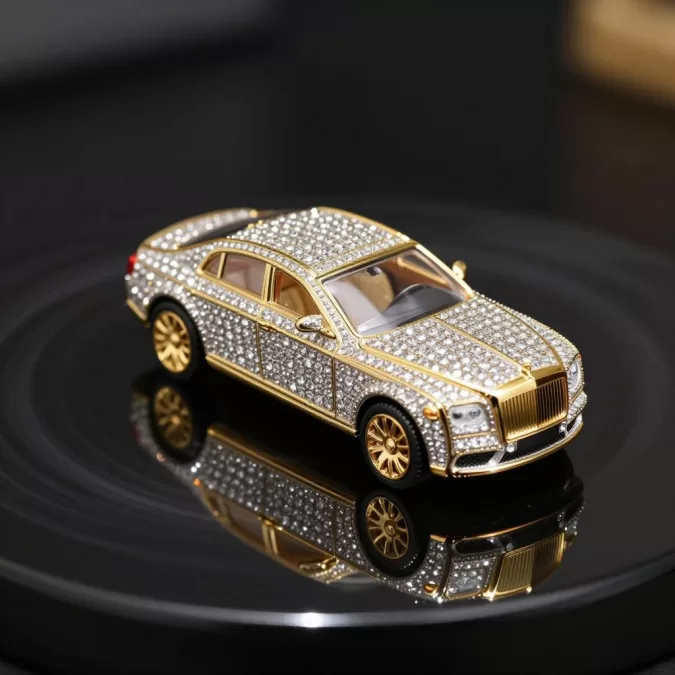
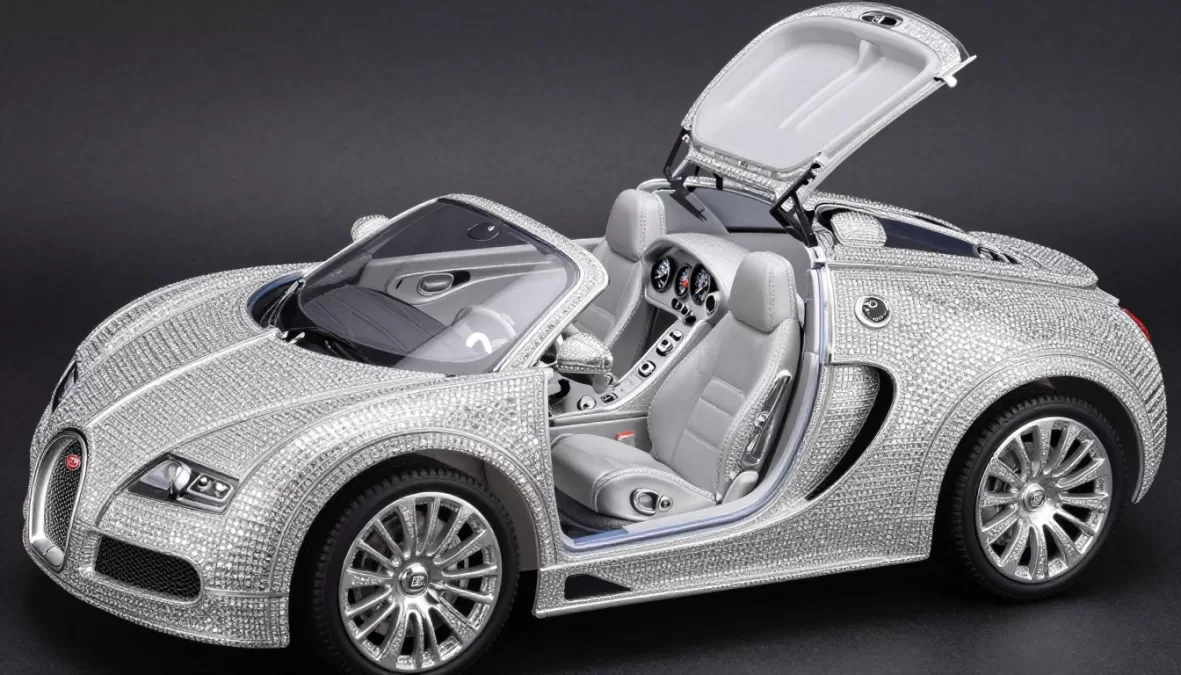
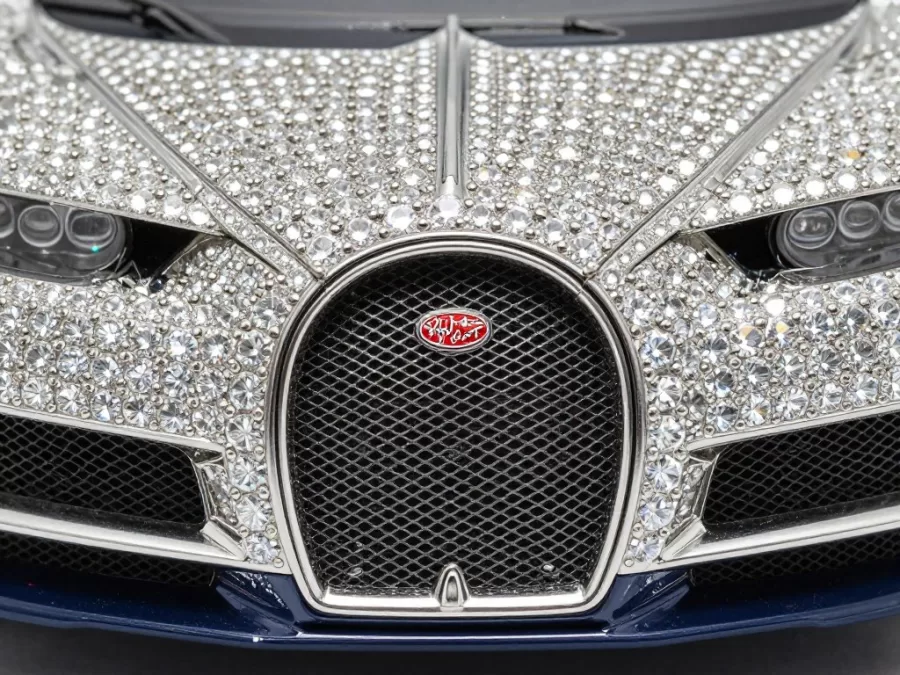
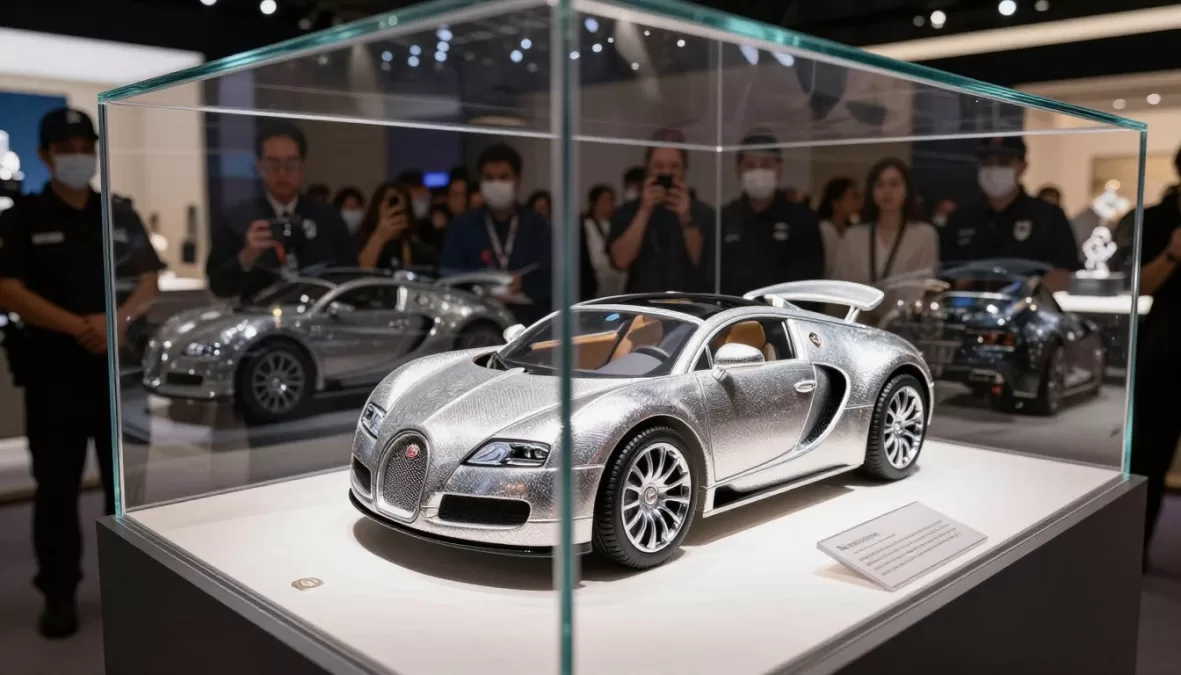
The Diamond Toy Car represents the ultimate fusion of automotive passion and jewelry artistry. Created by renowned jeweler Robert Gulpen, this 1:18 scale model took three years to complete. The piece features solid platinum and gold construction. Over 4,000 diamonds cover the exterior.
This isn’t merely a decorated toy but a functional scale model. The doors open revealing detailed interiors. The steering wheel turns and wheels rotate. Every mechanical aspect works despite the precious materials. This combination of function and luxury required innovative engineering.
Gulpen chose the Bugatti Veyron as his subject. The original car represents automotive excellence. The miniature version captures every design element. Even the distinctive Bugatti grille appears in miniature diamonds. The result is a breathtaking tribute to both automotive and jewelry design.
Materials and Construction Process
The car’s frame consists of solid platinum for strength. Gold accents highlight design elements. Over 4,000 individually set diamonds create the exterior finish. Each stone required precise cutting and setting. The total diamond weight exceeds 25 carats.
Creating the working mechanisms posed unique challenges. Traditional toy car engineering uses plastic and metal alloys. Precious metals behave differently under stress. Custom techniques ensured doors opened smoothly. Wheels needed to support the substantial weight. Every mechanical aspect required custom solutions.
Technical Specifications
- Scale: 1:18 Bugatti Veyron replica
- Primary material: Solid platinum frame
- Accent material: 18-karat white and yellow gold
- Diamonds: 4,000+ individually set stones
- Total diamond weight: 25+ carats
- Diamond quality: VVS clarity minimum
- Production time: 36 months
- Weight: Approximately 7 kilograms
- Functionality: Working doors, wheels, steering

Record-Breaking Valuation
Robert Gulpen priced the Diamond Toy Car at $4.8 million. This made it the world’s most expensive toy car model. The price reflects materials, labor, and artistic vision. Three years of continuous work by master craftsmen justified the valuation.
The piece attracted international media attention. Automotive enthusiasts and jewelry collectors both expressed interest. Museums contacted Gulpen about exhibitions. The car represents a unique intersection of collecting categories. This crossover appeal enhances its significance.
Authenticity Note: Several replicas and inspired pieces have emerged since this creation. Only the original by Robert Gulpen carries the documented $4.8 million valuation. Authentication requires direct verification from Gulpen’s workshop.
Investment Perspective and Market Impact
The Diamond Toy Car created a new category in luxury collectibles. It demonstrated that miniature vehicles could achieve fine art valuations. Similar projects have emerged from other jewelers. None have matched the original’s recognition or value.
This piece influenced how collectors view scale models. High-end miniatures now command serious prices. The automotive collecting community began recognizing jewelry versions. Museums added luxury toy cars to their automotive collections. The impact extended beyond immediate sale value.
- Perfectly captures Bugatti Veyron design
- Accurate scale and proportions
- Working mechanical features
- Appeals to car collectors
- Represents iconic supercar
Automotive Appeal
- Master jeweler creation
- Premium diamond quality
- Platinum and gold construction
- Individual stone setting
- Museum-quality craftsmanship
Jewelry Excellence
- Unique one-of-a-kind piece
- Intrinsic material value
- Documented provenance
- International media coverage
- Crossover collector appeal
Investment Factors
Acquisition Assistance for Rare Luxury Toys
Gain exclusive access to extraordinary collectibles through our global network of authenticated dealers, private collectors, and auction houses. We specialize in securing rare pieces for discerning clients.
Private Sales Network
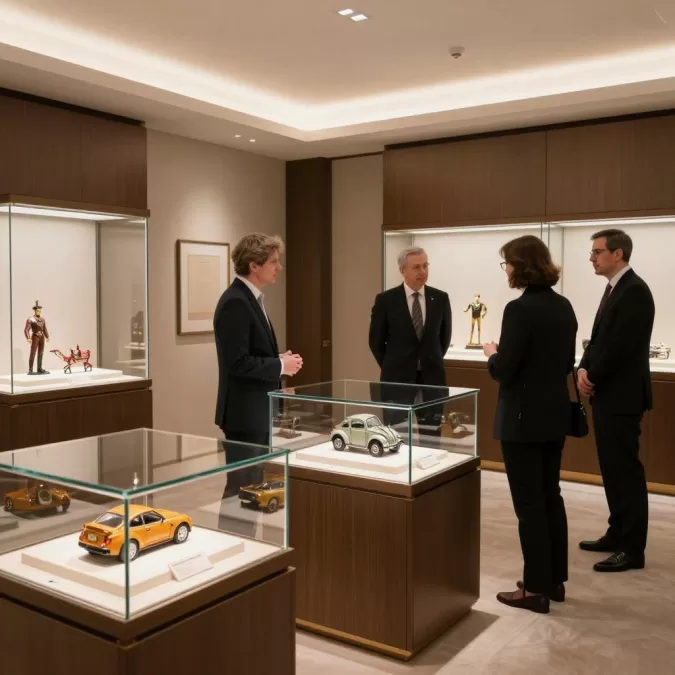
Access off-market opportunities through our exclusive relationships with private collectors and estates.
- Pre-auction preview access
- Private treaty negotiations
- Estate sale coordination
- Confidential transactions

Auction Representation
Expert bidding services at major auction houses worldwide, ensuring you secure desired pieces at optimal prices.
- Pre-sale condition reports
- Bidding strategy development
- Live auction representation
- Post-sale logistics management
Custom Commissions
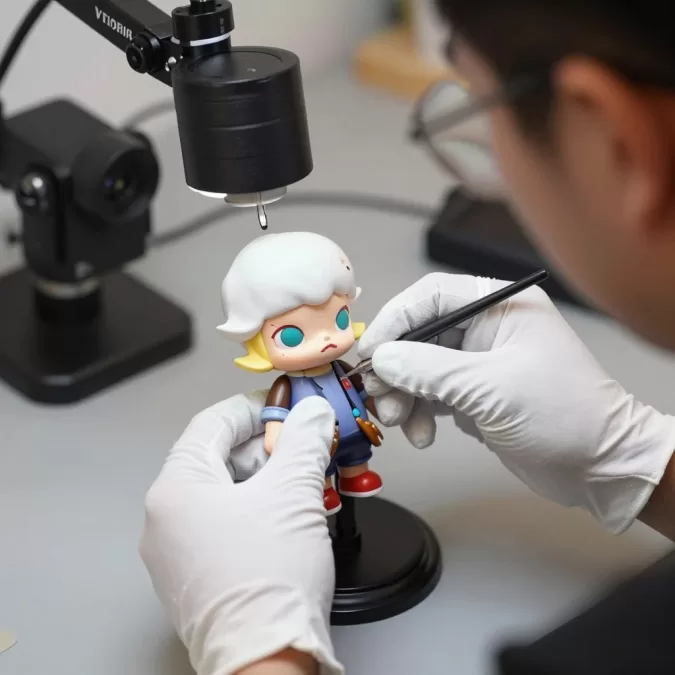
Connect with master artisans to create bespoke luxury toys tailored to your specifications and preferences.
- Artisan network access
- Design consultation services
- Project management oversight
- Quality assurance verification
Speak with an acquisition specialist today about your collecting goals
#1 – Astolat Dollhouse Castle
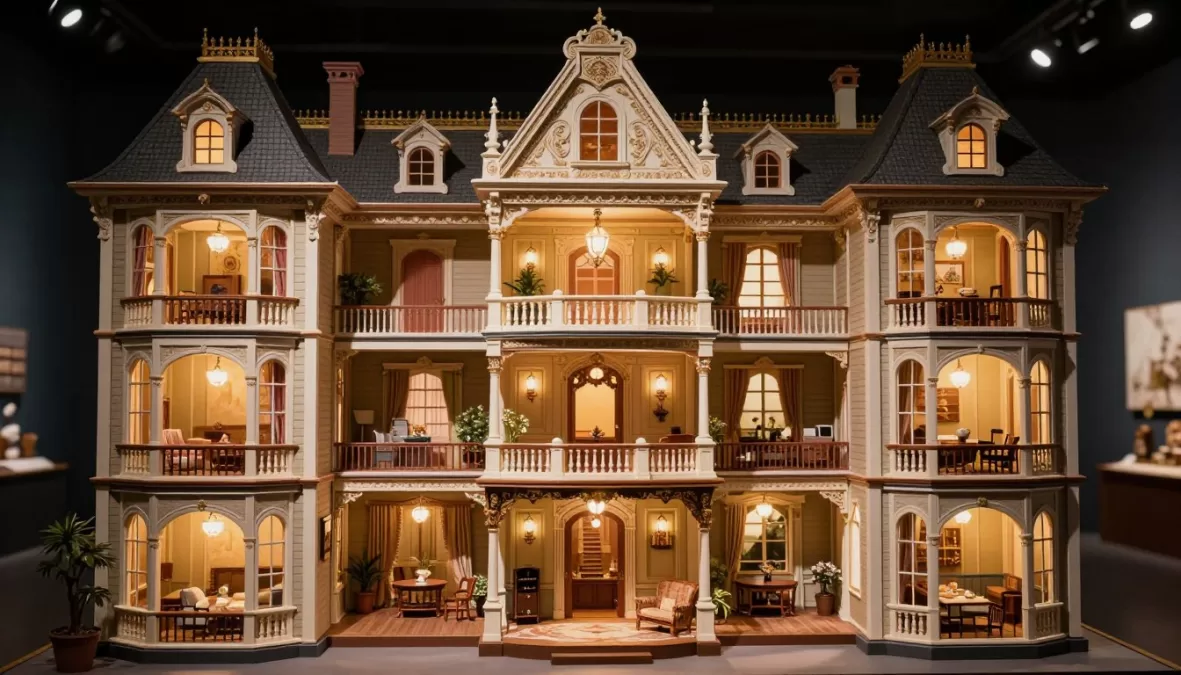
The Crown Jewel of Miniature Architecture
The Astolat Dollhouse Castle reigns as the most expensive dollhouse ever created. This magnificent structure stands 9 feet tall with seven stories. It took artist Elaine Diehl 13 years to complete. The piece contains over 29 rooms filled with miniature treasures.
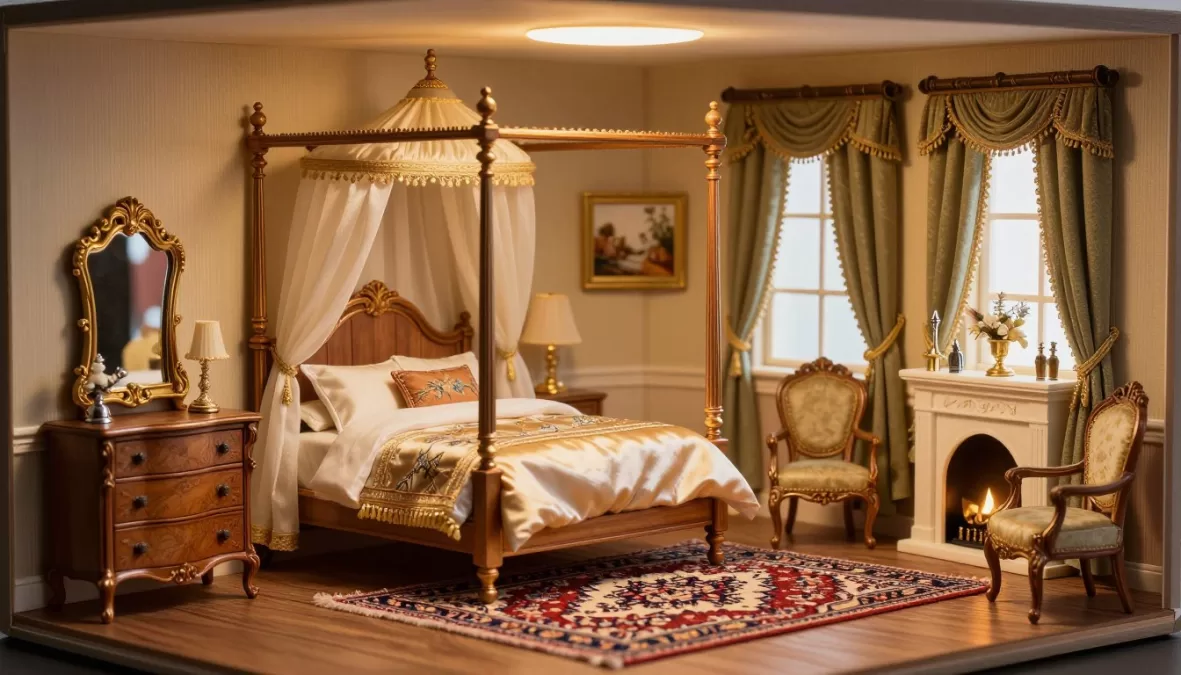
This isn’t simply a dollhouse but a complete miniature world. Every room features period-appropriate furniture and décor. Tiny paintings on the walls are original artworks. Working chandeliers illuminate the interiors. Even the plumbing fixtures function in miniature scale.
The castle’s value stems from extraordinary detail and craftsmanship. Over 30,000 individual components comprise the structure. Many pieces are antique miniatures from the 18th and 19th centuries. Some rooms contain miniature items worth thousands individually. The total represents a museum-quality collection.
Architectural Design and Construction
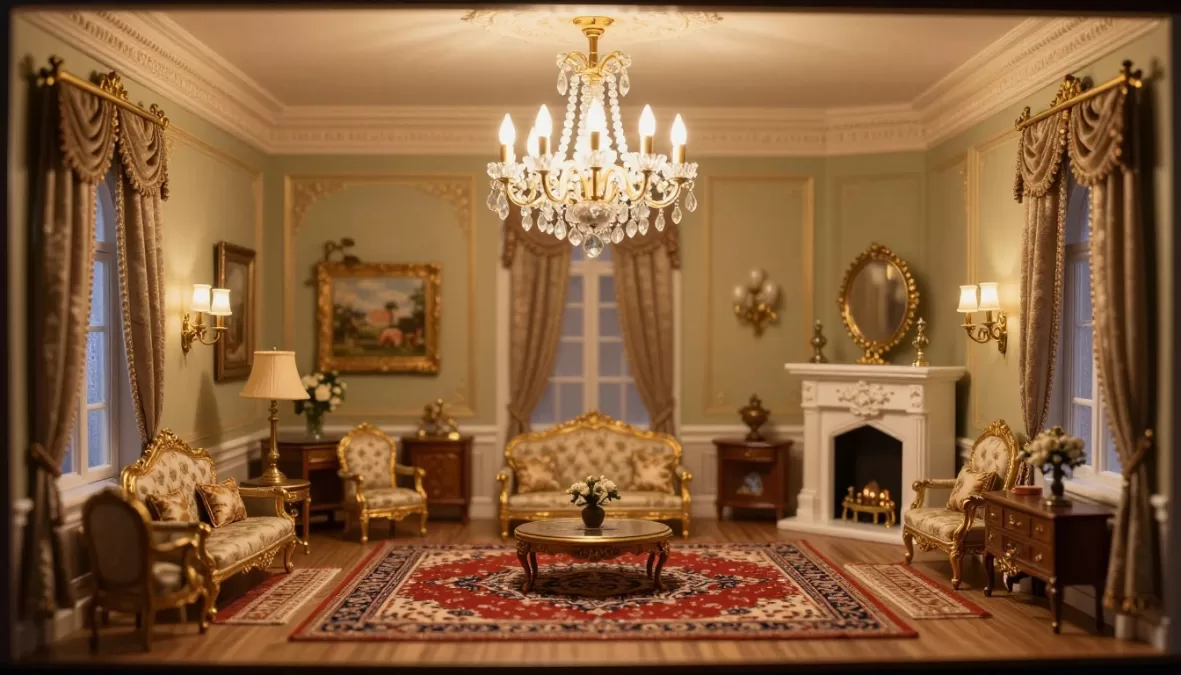
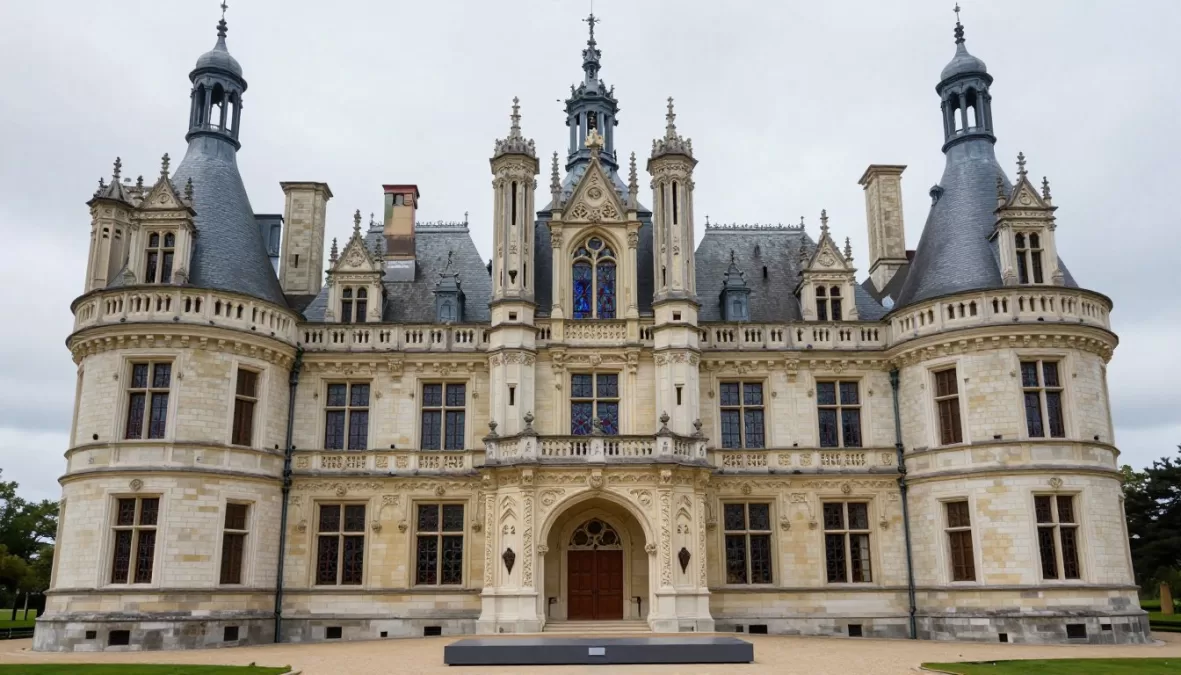
Elaine Diehl designed the castle in elaborate Victorian style. The exterior features hand-carved details and decorative elements. Real slate tiles cover the roof. Windows contain actual stained glass from the Victorian era. The stonework consists of individually placed miniature blocks.
The interior layout includes grand reception halls, bedrooms, kitchens, and libraries. A miniature wine cellar contains tiny bottles. The kitchen has copper pots and working drawers. Bathrooms feature porcelain fixtures. Each space reflects meticulous historical research and attention to period accuracy.
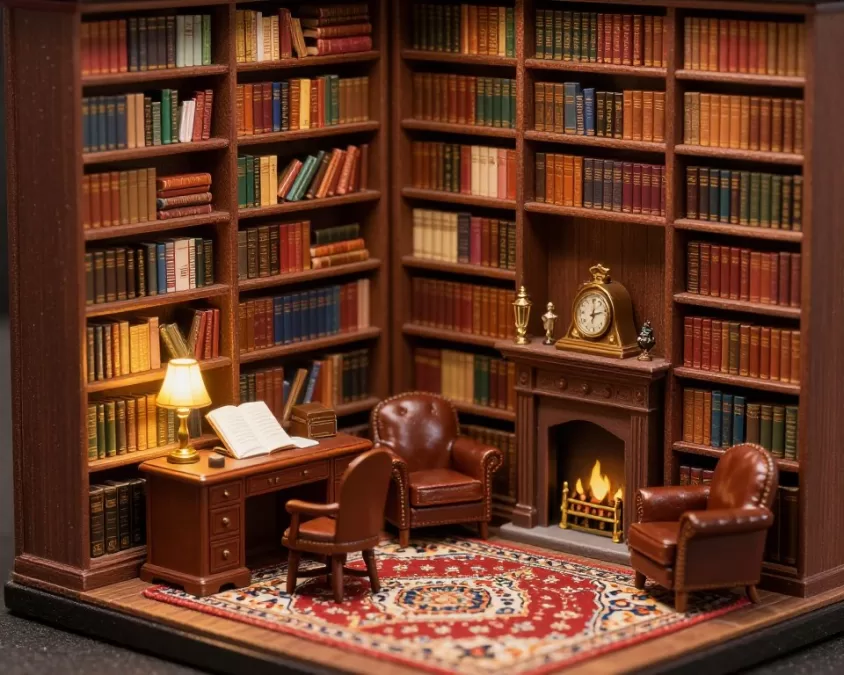
Castle Specifications
- Height: 9 feet (2.7 meters)
- Width: 7 feet (2.1 meters)
- Depth: 3 feet (0.9 meters)
- Floors: Seven complete stories
- Rooms: 29 fully furnished spaces
- Components: Over 30,000 individual pieces
- Lighting: Working electrical throughout
- Scale: 1:12 (one inch equals one foot)
- Weight: Approximately 815 pounds
- Construction time: 13 years
Miniature Treasures and Artifacts
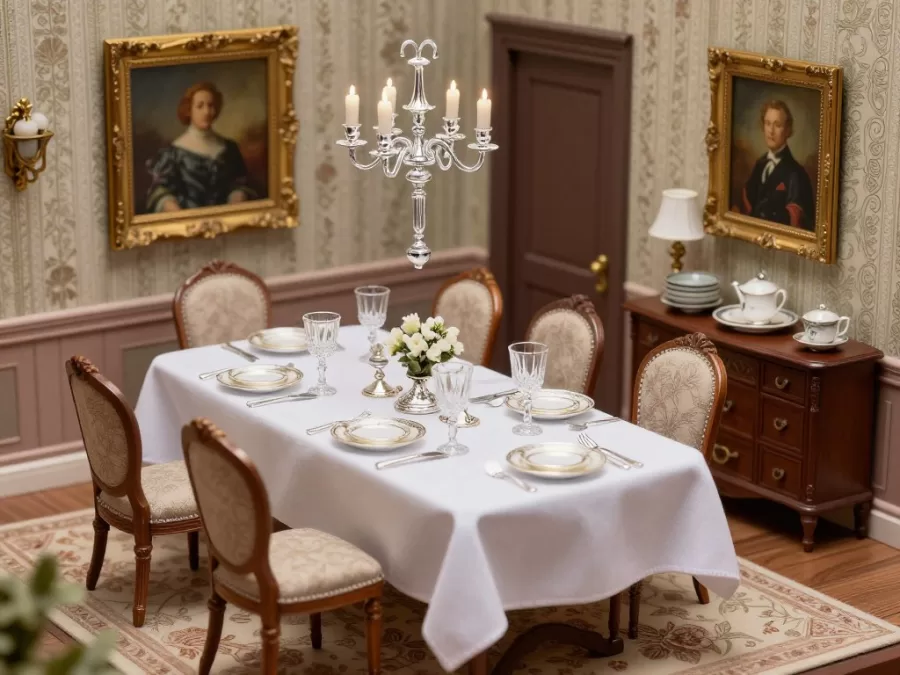
The furnishings include pieces from renowned miniature artists worldwide. Some items are antique miniatures predating the castle itself. The art collection features works by multiple miniature painters. Tiny sculptures and decorative objects fill display cases throughout.
The castle contains working elements that add functionality. Lights operate via electrical systems. Doors open and close on hinges. Drawers pull out revealing contents. This combination of static display and working features creates an immersive experience. Viewers can spend hours discovering new details.
Artistic Elements
- Original miniature paintings
- Antique furniture pieces
- Hand-woven miniature rugs
- Custom-commissioned artworks
- Period-appropriate textiles
- Decorative ceramics and china
Working Features
- Complete electrical lighting
- Opening doors and windows
- Functional drawers
- Working plumbing fixtures
- Moving clock mechanisms
- Illuminated chandeliers
Historical Items
- 18th-century miniatures
- Victorian stained glass
- Antique dollhouse furniture
- Period porcelain pieces
- Historical miniature books
- Vintage decorative objects
Exhibition History and Public Interest
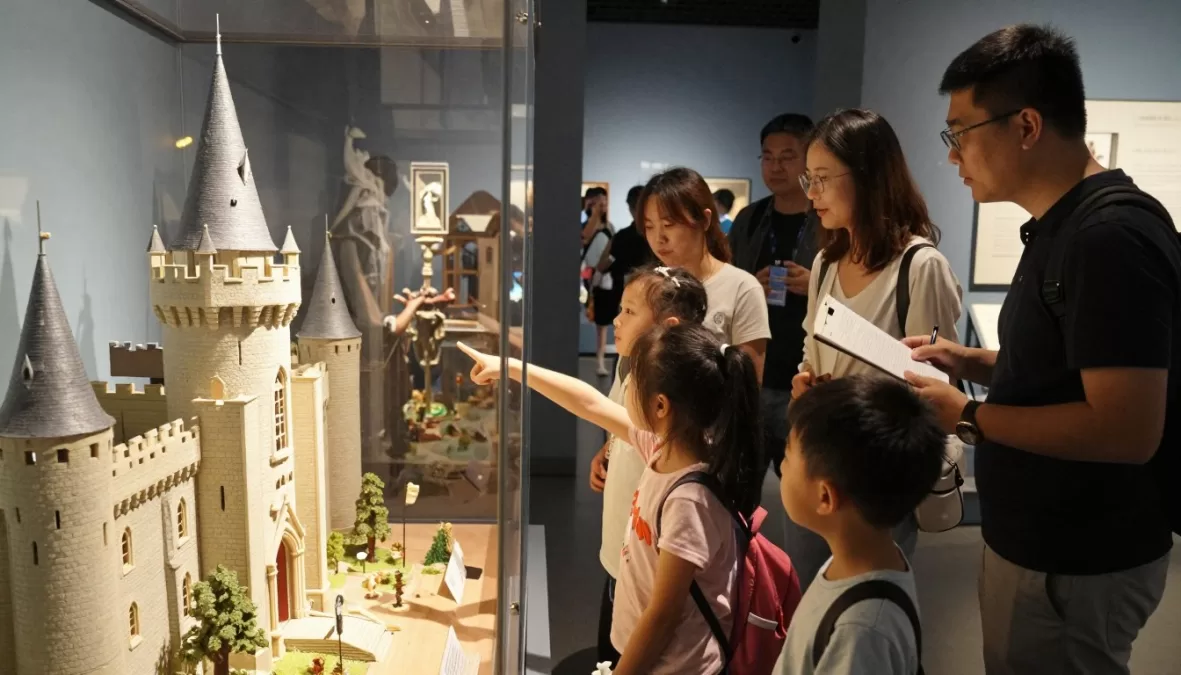
The Astolat Dollhouse has toured museums internationally. It appeared at the Smithsonian Institution for extended exhibition. Time Museum in Rockford, Illinois displayed it for years. Each exhibition attracts massive crowds eager to view the details.
Visitors spend extended time examining each room. Magnifying glasses help appreciate the smallest elements. Children and adults alike express wonder at the craftsmanship. The castle demonstrates miniature art’s highest expression. It educates viewers about historical interiors and decorative arts.
“Creating the Astolat Castle consumed my life for over a decade. Every room needed to tell a story. Every object required careful selection or creation. The goal was creating not just a dollhouse but a complete miniature universe that could transport viewers to another time and place.”
Record Valuation and Market Position
The Astolat Dollhouse Castle holds an insurance valuation of $8.5 million. This makes it the world’s most expensive dollhouse and toy. The value reflects materials, artistry, and historical significance. Experts consider it irreplaceable if damaged or destroyed.
No comparable pieces exist at this scale and quality. Other elaborate dollhouses sell for hundreds of thousands. The Astolat’s completeness and detail place it in a category alone. It represents the pinnacle of miniature artistry. Collectors recognize it as the ultimate achievement in dollhouse creation.
| Category | Details | Estimated Value |
| Structure and Architecture | Hand-carved details, slate roof, stained glass, Victorian design | $1,200,000 |
| Antique Miniatures | 18th-19th century furniture and decorative pieces | $2,800,000 |
| Commissioned Artworks | Original paintings, sculptures, custom furniture | $1,500,000 |
| Electrical and Mechanical | Lighting systems, working features, custom installations | $400,000 |
| Textiles and Soft Goods | Hand-woven rugs, period fabrics, custom upholstery | $600,000 |
| Artistic Labor | 13 years of master craftsmanship, design expertise | $2,000,000 |
Legacy and Cultural Impact
The Astolat Dollhouse inspired renewed interest in miniature collecting. It demonstrated what could be achieved at small scale. Museums expanded miniature art exhibitions following its success. Educational programs use it to teach architectural history and decorative arts.
Miniature artists cite it as the ultimate goal and inspiration. Collectors aspire to create rooms approaching its quality. The piece elevated dollhouses from children’s toys to recognized art form. Its influence extends beyond collecting into mainstream art appreciation.
Essential Guide to Collecting Luxury Toys
Entering the luxury toy market requires knowledge and preparation. Unlike standard collectibles, these pieces demand significant financial investment. Understanding authentication, preservation, and market dynamics protects collectors. Proper research prevents costly mistakes.
Successful collectors develop expertise in specific categories. Focusing on particular types builds deep knowledge. This specialization helps identify exceptional opportunities. It also creates relationships with dealers and other collectors. These connections provide access to rare pieces before public market appearance.
Authentication and Verification
Authentication represents the foundation of luxury toy collecting. Counterfeit pieces appear increasingly sophisticated. Professional verification protects against fraud. Several methods confirm authenticity depending on the item type.
Third-party certification services provide independent verification. These experts examine materials, construction techniques, and provenance. Advanced technology assists authentication processes. X-ray fluorescence identifies metal composition. Microscopic analysis reveals manufacturing methods. These scientific approaches complement traditional expertise.
Authentication Methods
- Provenance research and documentation review
- Material analysis using scientific equipment
- Comparison with verified authentic examples
- Examination of manufacturing techniques and signatures
- Consultation with recognized category experts
- Third-party certification from accredited services
- Database verification against known counterfeits
Red Flags: Be cautious of sellers refusing authentication, prices significantly below market value, incomplete documentation, reluctance to provide detailed photographs, or pressure tactics demanding immediate purchase.

Preservation and Storage
Proper storage maintains value and prevents deterioration. Environmental factors damage even durable materials. Temperature fluctuations cause expansion and contraction. Humidity promotes corrosion and mold. Ultraviolet light fades colors and degrades materials. Controlled conditions are essential.
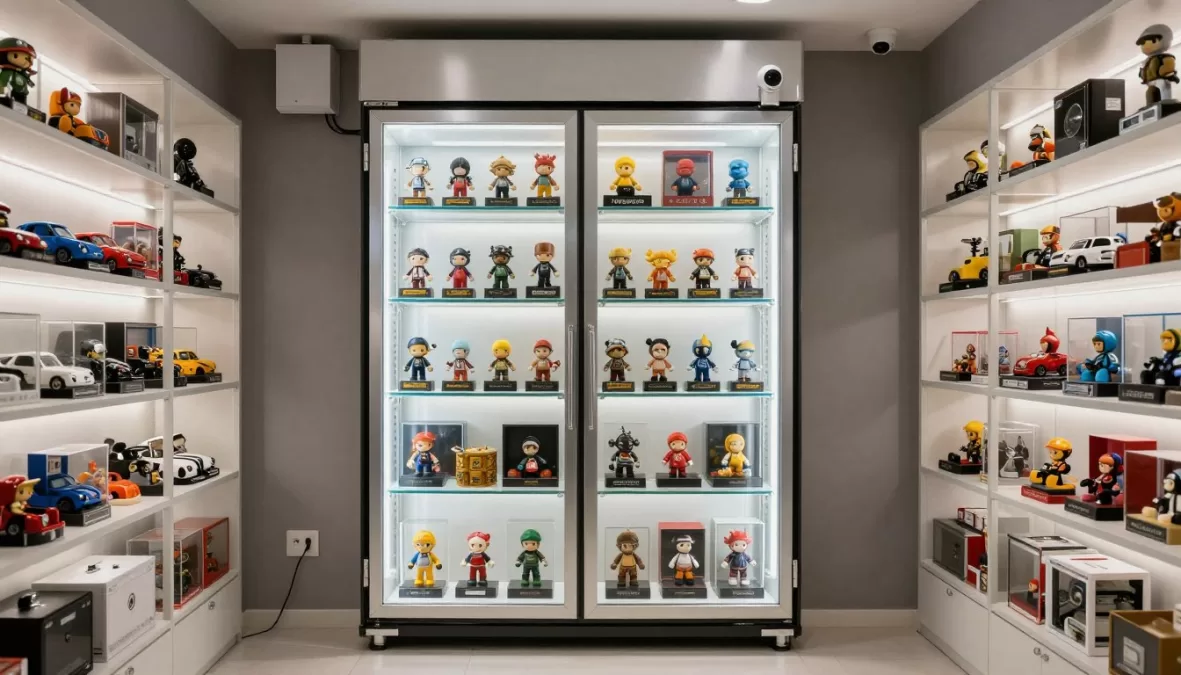
Professional collectors invest in climate-controlled storage. Temperature should remain between 65-70°F consistently. Relative humidity needs maintenance at 40-50%. UV-filtering glass protects displayed items. Archival-quality materials prevent chemical degradation. These measures preserve pieces for generations.
Environmental Controls
- Temperature: 65-70°F constant
- Humidity: 40-50% relative
- UV protection: Filtered glass
- Air quality: HEPA filtration
- Light exposure: Minimal direct
Display Considerations
- Individual display cases preferred
- Archival mounting materials
- Dust-free environments
- Security systems integration
- Rotation schedules for light-sensitive items
Handling Protocols
- Clean white cotton gloves
- Minimal direct handling
- Stable support during movement
- Documentation of condition
- Professional cleaning only
Insurance and Documentation
Adequate insurance coverage protects significant investments. Standard homeowner policies rarely cover high-value collectibles adequately. Specialized collectibles insurance provides proper protection. Regular appraisals ensure coverage keeps pace with appreciation.
Comprehensive documentation supports insurance claims and resale. Photograph items from multiple angles. Document serial numbers, signatures, and unique features. Maintain purchase receipts and authentication certificates. Create digital backups stored separately from physical items. This documentation proves ownership and condition.
Insurance Recommendations: Schedule individual items over $5,000. Update appraisals every 2-3 years. Choose agreed-value policies rather than actual cash value. Verify coverage includes appreciation, not just original purchase price. Ensure policies cover transit during exhibitions or sales.
Market Research and Acquisition Strategy
Successful collecting requires ongoing market research. Price trends shift with collector interest and economic conditions. Auction results provide public pricing data. Private sales occur at different price points. Understanding both markets reveals true value ranges.
Developing acquisition strategies prevents impulsive purchases. Set clear collecting goals and budget parameters. Research thoroughly before bidding. Establish maximum prices based on comparable sales. Patience allows waiting for ideal examples. Rushing leads to overpaying or acquiring suboptimal pieces.
Research Resources
Utilize multiple information sources to understand market dynamics and identify opportunities in luxury toy collecting.
- Auction house catalogs and results databases
- Specialized collector publications and journals
- Online collector forums and communities
- Dealer price lists and inventory
- Museum exhibitions and scholarly publications
- Collector association memberships
Acquisition Channels
Multiple purchasing avenues exist, each with distinct advantages and considerations for serious collectors.
- Major auction houses for authenticated pieces
- Established dealers with specialization
- Private collectors through networks
- Estate sales and liquidations
- Online marketplaces with verification
- Direct from artists and manufacturers
Due Diligence Process
Thorough investigation before purchase prevents costly mistakes and ensures confident acquisition decisions.
- Verify seller reputation and history
- Request detailed condition reports
- Obtain professional appraisals
- Research comparable sales data
- Confirm authenticity independently
- Review return policies and guarantees
Investment Considerations
Approach luxury toy collecting with both passion and financial prudence for long-term success.
- Diversify across categories and price points
- Focus on quality over quantity
- Understand liquidity challenges
- Plan for storage and insurance costs
- Consider appreciation potential realistically
- Maintain exit strategy flexibility
Current Market Trends and Future Outlook for 2026

The luxury toy market continues evolving in response to demographic shifts. Millennial and Generation X collectors drive increasing demand. These generations possess purchasing power combined with nostalgia. They seek premium versions of childhood favorites. This trend supports sustained market growth.
Digital integration represents an emerging trend. Blockchain certification provides verifiable provenance. NFT connections create hybrid physical-digital collectibles. While controversial, these innovations attract new collector demographics. They may reshape how luxury toys are authenticated and traded.
Price Appreciation Patterns
Historical data shows consistent appreciation in premium collectibles. Quality pieces from established makers appreciate 8-15% annually. Exceptional examples or market stars achieve higher returns. However, market corrections occur periodically. Understanding these cycles prevents panic selling during downturns.
Certain categories demonstrate stronger performance. Limited editions with documented scarcity outperform mass-produced items. Pieces from defunct manufacturers gain value as replacements become impossible. Cultural relevance influences prices significantly. Items connected to popular franchises or historical events command premiums.
| Category | 5-Year Average Appreciation | Market Stability | Liquidity Rating |
| Designer Collectibles | 12-18% annually | High | Moderate |
| Precious Metal Toys | 8-12% annually | Very High | High |
| Diamond/Gemstone Items | 10-15% annually | High | Moderate-High |
| Vintage Action Figures | 15-25% annually | Moderate | High |
| Limited Edition Dolls | 10-14% annually | Moderate-High | Moderate |
| Miniature Vehicles | 9-13% annually | Moderate | Moderate |
Emerging Collector Demographics
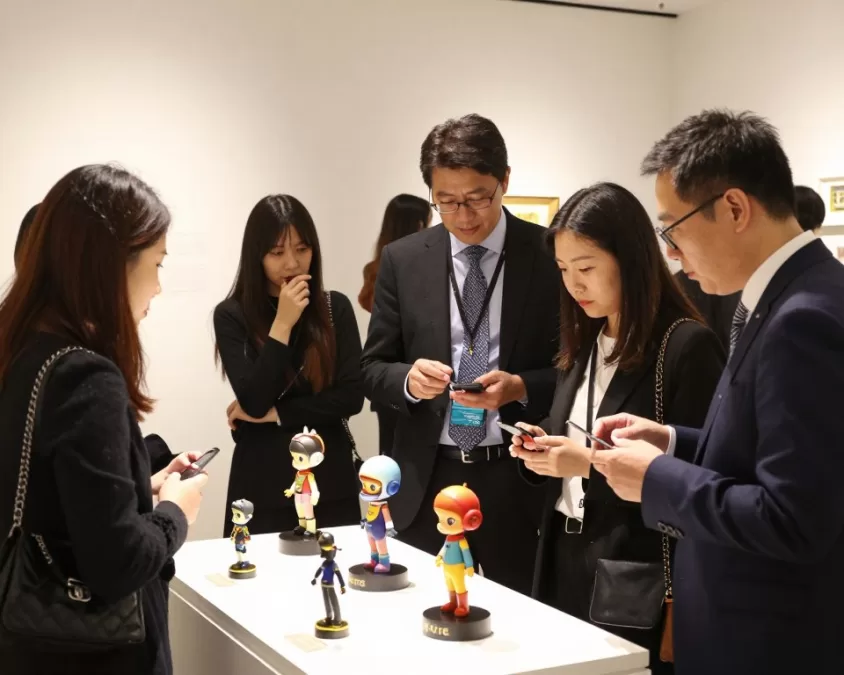
Asian markets show particularly strong growth. Wealthy collectors from China, Singapore, and Hong Kong enter aggressively. They seek Western luxury brands and cultural icons. This demand supports price increases for premium pieces. Understanding these markets helps predict future trends.
Female collectors represent growing market segment. Historically male-dominated categories now attract diverse collectors. Women show particular interest in dolls and decorative toys. They often focus on artistic merit and craftsmanship. This demographic shift influences which pieces appreciate fastest.
Geographic Market Growth
- Asia-Pacific: 35% market share increase since 2020
- North America: Stable mature market with selective growth
- Europe: Strong interest in heritage brands
- Middle East: Emerging luxury collectibles market
- Latin America: Growing affluent collector base
Demographic Trends
- Millennials: Largest collector demographic by volume
- Generation X: Highest average transaction values
- Women: Fastest-growing collector segment
- Institutional: Museums and corporate collections expanding
Technology and Market Evolution
Online platforms democratize access to luxury toys. Virtual auctions reach global audiences. Digital catalogs allow detailed examination before bidding. However, in-person inspection remains important for high-value items. Hybrid models combining digital discovery with physical verification work best.
Authentication technology continues advancing. DNA tagging provides unforgeable identification. Blockchain records create permanent ownership histories. 3D scanning documents condition precisely. These innovations reduce fraud and increase buyer confidence. They support market growth by reducing transaction risks.
2026 Market Prediction: Experts forecast the luxury toy market will reach $3.2 billion in total annual transactions by year-end 2026, representing 28% growth over 2024 figures. Scarce vintage pieces and custom luxury creations will drive the highest appreciation rates.
Begin Your Luxury Collectibles Journey
Whether you’re an experienced collector seeking to expand your portfolio or just beginning to explore luxury toys as investment pieces, our team provides comprehensive guidance tailored to your goals.
Complete Collector Services
- Market analysis and investment guidance
- Authentication and appraisal services
- Acquisition assistance and negotiation
- Private sales and auction representation
- Collection management and cataloging
- Insurance valuation and documentation
- Estate planning for collectibles
- Storage and preservation consultation
Complimentary Consultation: Schedule a no-obligation conversation with our specialists to discuss your collecting interests and receive personalized recommendations.
Prefer to speak immediately? Our specialists are available Monday-Saturday, 9 AM – 8 PM EST
The Enduring Appeal of Luxury Toys
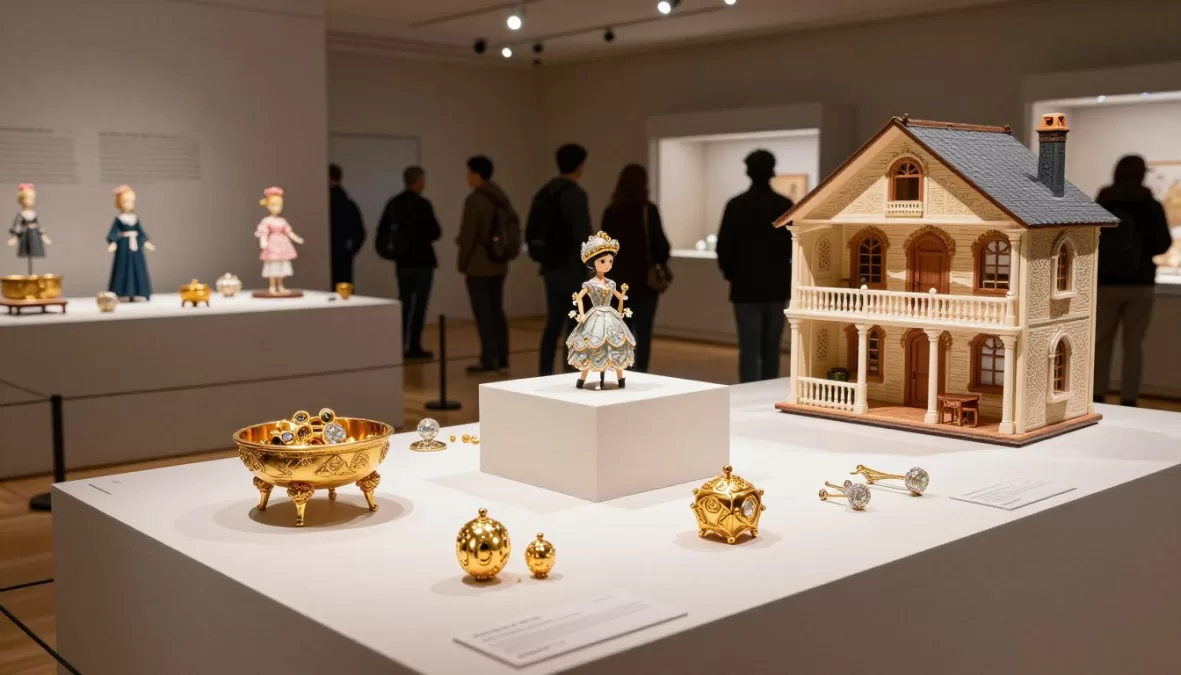
The world of expensive toys transcends childhood memories. These extraordinary pieces represent human creativity and craftsmanship at its finest. They combine nostalgia with investment potential. Each item tells stories of innovation and artistic vision.
From the $8.5 million Astolat Dollhouse Castle to designer teddy bears, this market offers diversity. Collectors find opportunities matching various interests and budgets. The unifying thread is appreciation for exceptional quality. These aren’t mere playthings but cultural artifacts deserving preservation.
As 2026 progresses, the luxury toy market shows no signs of slowing. New collectors enter regularly. Established collectors seek ever-rarer pieces. This dynamic creates opportunities for those who approach collecting thoughtfully. With proper research, authentication, and care, luxury toys can provide both enjoyment and financial returns for generations.

Priyanka Pandey
Senior Research Editor · Top10Sense
Priyanka specializes in tech, consumer products, and digital trends. She combines hands-on testing, vendor interviews, and database research to create trustworthy “Top 10” rankings. Her work has been referenced by industry blogs and brand report pages.