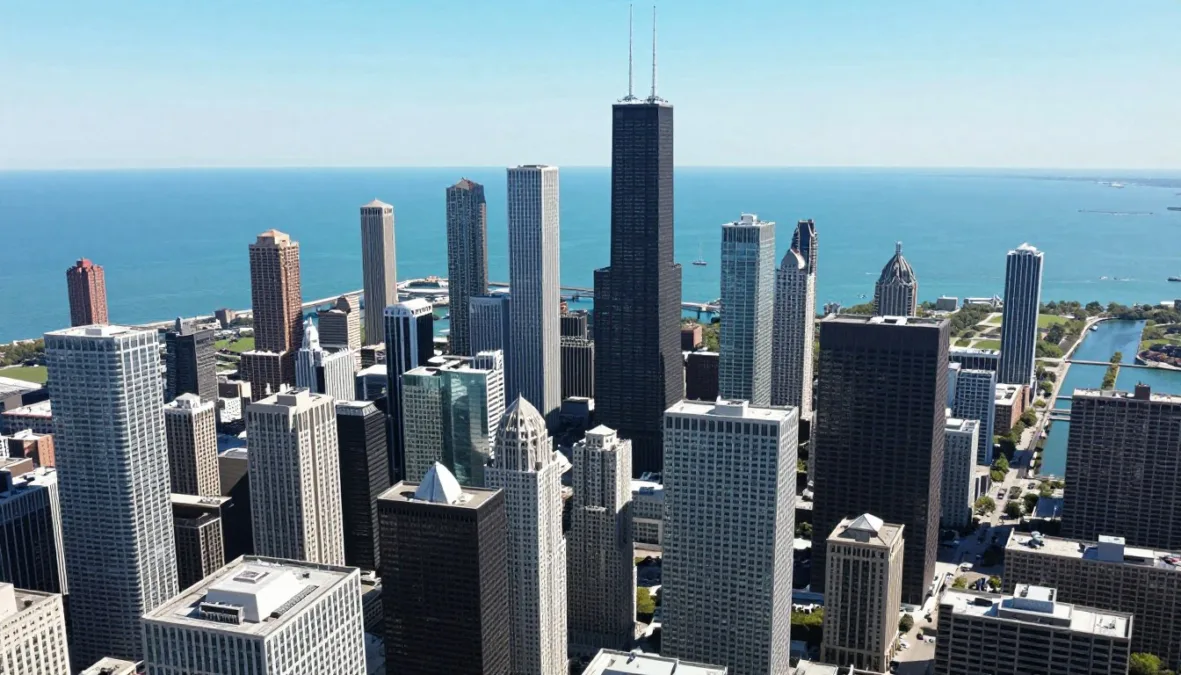
The premier things to do in Chicago 2026 center on world-class skyscraper architecture, sprawling freshwater lakefront recreation, historic art collections, and distinct culinary traditions. Travelers discover an energetic midwestern metropolis that balances dense urban corridors with open green spaces along Lake Michigan. Signature sights combine historic civic engineering with modern cultural institutions throughout the city center and outlying neighborhoods.
Selecting the ideal itinerary depends on seasonal weather, personal interests in visual arts or urban history, and available travel days. Spring through autumn delivers active open-air riverwalks and boat excursions, while winter shifts attention toward acclaimed indoor galleries, historic performance halls, and warm dining rooms. Advance preparation provides smooth entry to top vantage points and seasonal highlights across the Windy City.
1. Chicago Architecture River Cruise
An architecture boat tour along the Chicago River delivers the most comprehensive introduction to the structural engineering that defined American skyscrapers. Narrated excursions navigate through the main branch, south branch, and north branch of the waterway, showcasing prominent design movements spanning over a century. Passengers observe landmarks such as the Wrigley Building, Tribune Tower, Merchandise Mart, and contemporary glass high-rises directly from water level.
Knowledgeable guides unpack the reconstruction era following the Great Chicago Fire and the emergence of the Chicago School of architecture. The moving perspective offers uninterrupted angles of canyon-like streets, historic movable trunnion bascule bridges, and waterfront plazas. Morning cruises present softer natural lighting for photography, while twilight departures highlight the illuminated facades across the city center.
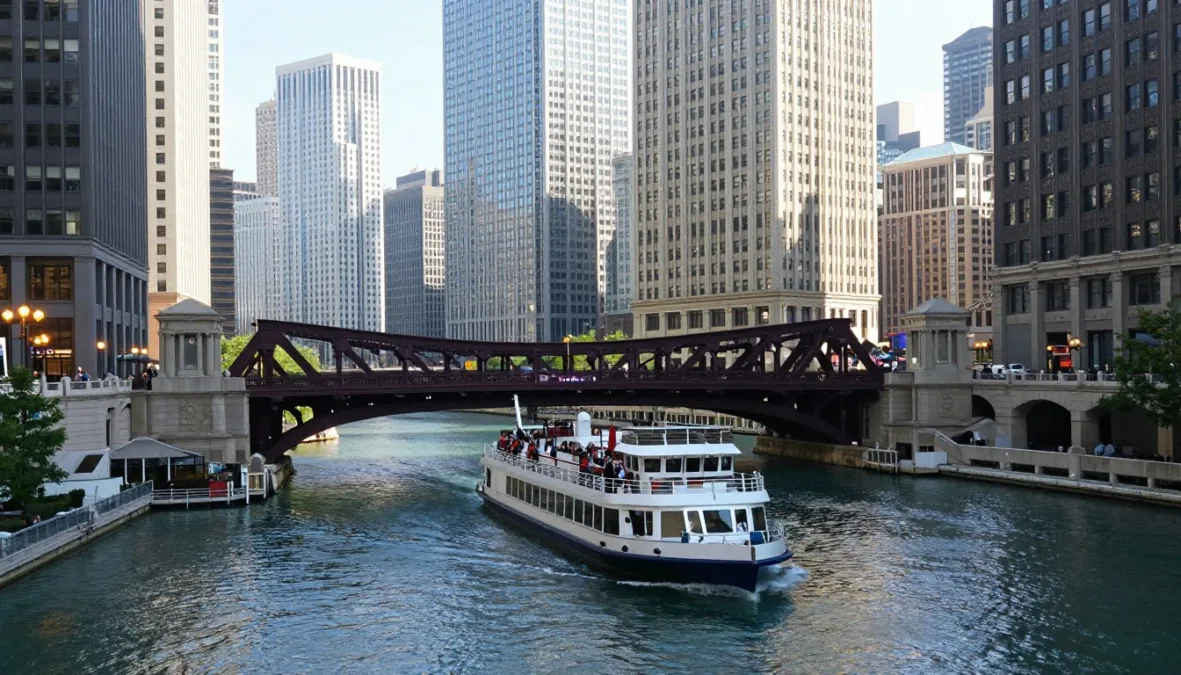
Tours depart from docks near Michigan Avenue, the Chicago Riverwalk, and Navy Pier. Standard departures run daily from spring through late autumn, with advance online ticket reservations recommended for peak weekend time slots. The State/Lake and Grand transit stations provide straightforward rail access within a brief walking distance.
2. Millennium Park and Cloud Gate
Millennium Park serves as the central gathering place in the heart of downtown Chicago, bridging the historic Loop district with the Lake Michigan waterfront. The civic space is internationally recognized for public art installations, landscape design, and open-air performance infrastructure. Visitors gather around Cloud Gate, the monumental reflective stainless-steel sculpture by Sir Anish Kapoor known colloquially as The Bean.
The polished exterior captures warped reflections of surrounding high-rises and passing cloud cover, making it a primary focal point for photography. Beyond the central plaza, the park houses Crown Fountain with its interactive video projection towers, along with the Jay Pritzker Pavilion designed by Frank Gehry. The adjacent Lurie Garden provides quiet pathways lined with perennial plants, ornamental grasses, and native prairie flora.
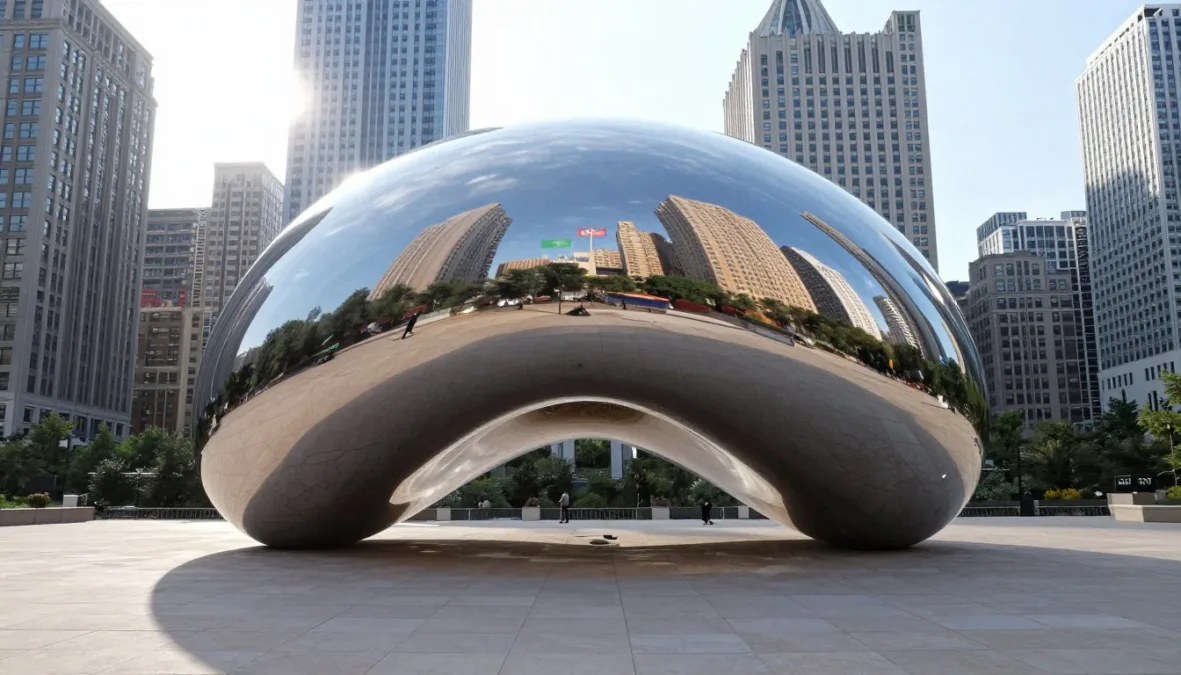
Admission to the park grounds is free throughout the year. Early morning hours allow for uncrowded views of the reflective installations before tour groups arrive. Direct pedestrian access connects from Michigan Avenue, with multiple CTA rail lines stopping nearby at Washington/Wabash.
3. The Art Institute of Chicago
The Art Institute of Chicago houses one of the oldest and largest permanent art collections in the United States, positioned along Michigan Avenue at the edge of Grant Park. The museum holds renowned holdings of Impressionist and Post-Impressionist masterworks, including definitive paintings by Georges Seurat, Claude Monet, Vincent van Gogh, and Grant Wood. Its Modern Wing showcases twentieth- and twenty-first-century painting, sculpture, architecture, and contemporary design.
Navigating the sprawling galleries provides encounters with ancient Greek bronzes, Asian textiles, European decorative arts, and rotating international exhibitions. The airy Ryan Learning Center and shaded interior courtyards offer contemplative pauses between expansive wings. Visiting during weekday mornings or designated late-afternoon extended hours helps avoid the densest gallery traffic.
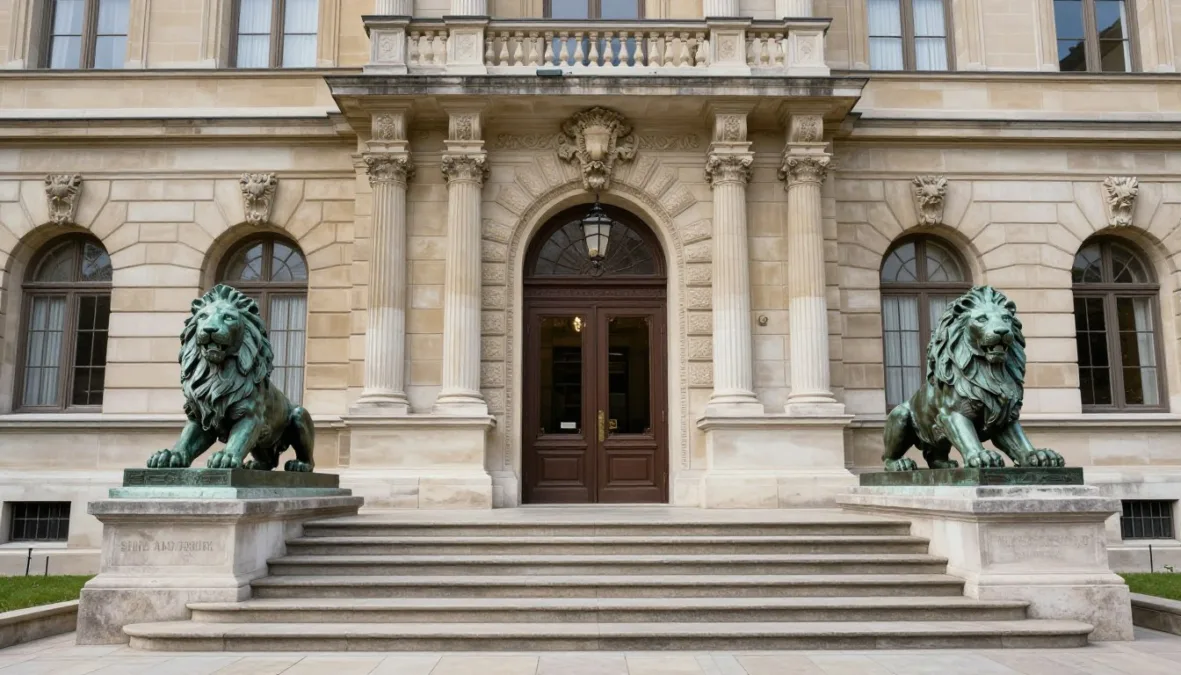
| Feature | Detail | Visitor Guidance |
| Location | Michigan Avenue | Steps away from Millennium Park and the Adams/Wabash CTA station |
| Admission Type | Paid Ticket | Timed entry tickets are purchased online in advance to bypass ticket queues |
| Primary Highlights | Impressionism & Modern | Plan to spend several hours exploring both the historic complex and the Modern Wing |
| Accessibility | Fully Accessible | Elevators, loaner wheelchairs, and barrier-free entrances assist all visitors |
4. Willis Tower Skydeck and The Ledge
Ascending to the 103rd floor of the Willis Tower delivers sweeping regional views extending across four states on clear days. The observation level stands high above the street grid, providing perspective on the geographic vastness of the Midwest flatlands and Lake Michigan. Interactive exhibits throughout the queue introduce Chicago history, prominent local sports figures, and architectural milestones.
The primary draw remains The Ledge, a series of fully enclosed glass boxes extending outward from the skyscraper facade. Stepping onto the transparent glass floor places visitors directly above the pavement far below, offering dramatic vertical vistas. Late afternoon visits allow observers to watch daylight shift into sunset before the downtown street grid lights up for the evening.
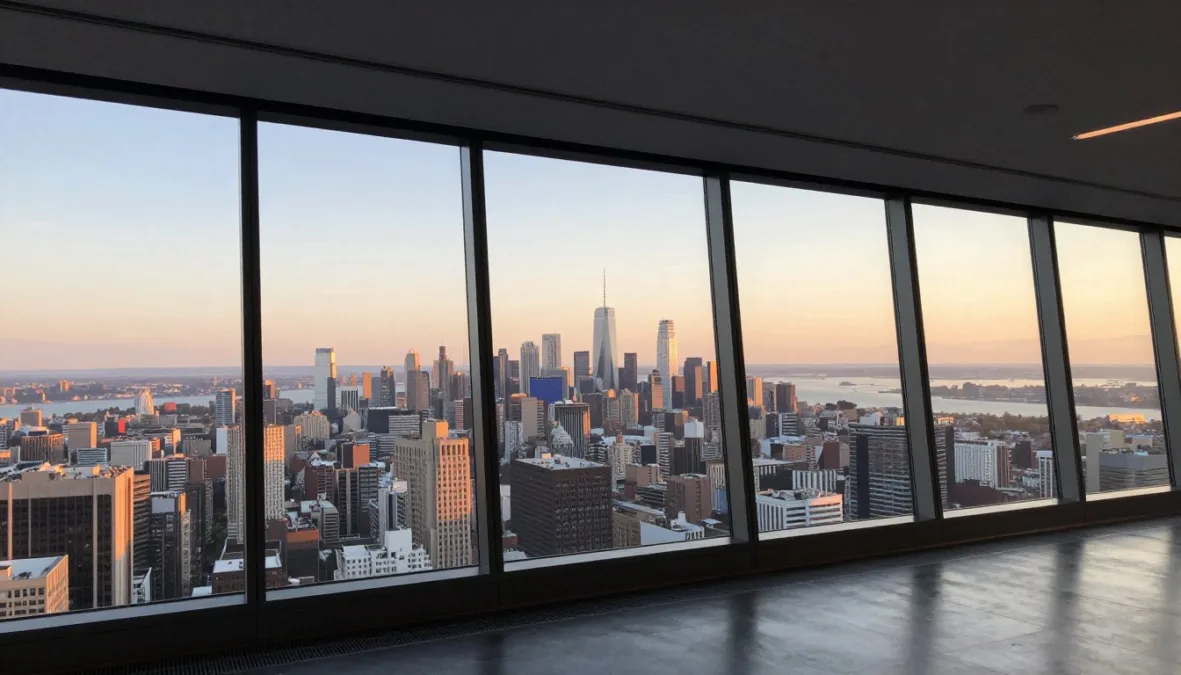
Timed admission tickets are required, and peak sunset slots often sell out days in advance. Low-lying cloud cover or dense fog can obstruct visibility, so checking real-time skydeck webcam conditions prior to entry helps optimize the visual experience. The tower sits in the West Loop, accessible via Quincy station.
5. Chicago Riverwalk Exploration
The Chicago Riverwalk is a continuous pedestrian walkway extending along the south bank of the Chicago River from Lake Michigan westward to Lake Street. Divided into themed civic coves, the promenade features stepped outdoor seating, floating wetland gardens, public kayak rentals, and shaded patio cafes. The path offers an immersive street-level encounter with river traffic, water taxis, and historic bascule bridges.
Strolling the path reveals distinct spaces such as The Marina, The Cove, The River Theater, and The Jetty, each highlighting unique relationships between the water and civic life. In warm months, casual open-air wine bars and dining spots allow visitors to watch recreational vessels pass against the limestone towers. Evening strolls feature architectural illumination and dynamic projection displays along the facade of the historic Merchandise Mart.
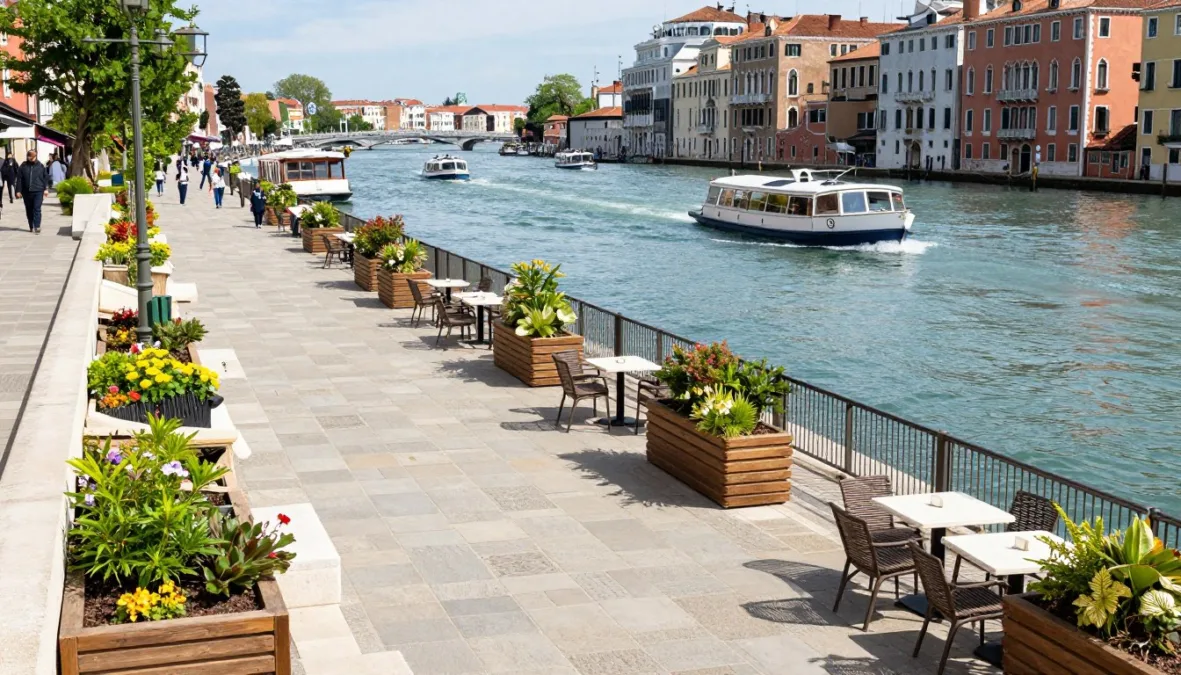
- Pedestrian access points descend from major cross streets including State Street, Dearborn Street, and Michigan Avenue.
- The pathway remains open daily to the public with free pedestrian access from early morning until late evening.
- Water taxi connections operate seasonally between the riverwalk, Chinatown, and the transportation hubs at Union Station.
- Comfortable walking shoes support exploring the full multi-block pedestrian path comfortably.
6. 360 CHICAGO Observation Deck and TILT
Positioned on the 94th floor of the iconic 875 North Michigan Avenue tower, formerly known as the John Hancock Center, 360 CHICAGO offers elevated vistas over the north side and shoreline. The vantage point provides close looks at the sandy crescent of Oak Street Beach, Lake Shore Drive, and residential high-rises stretching toward Lincoln Park. The deck features a relaxed atmosphere with an indoor cocktail lounge and interactive cultural installations.
Thrill-seeking travelers head toward TILT, a mechanical attraction that tilts visitors outward over Michigan Avenue at a downward angle from inside movable glass panels. The sensation creates a unique downward perspective of the streetscape thousands of feet below. Clear midday hours deliver the deepest blue tones across Lake Michigan, while nighttime visits showcase illuminated arterial streets.
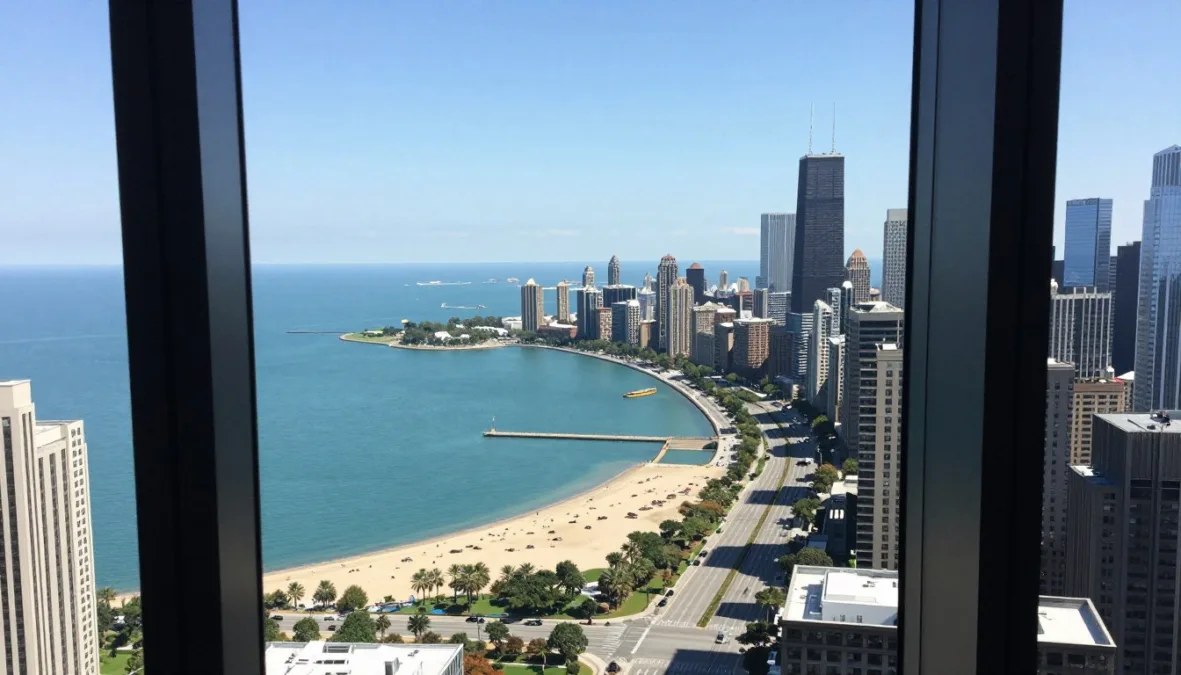
Scenic Shoreline Views
The northern downtown location provides unmatched panoramic perspectives of Lake Michigan beaches, shoreline harbors, and leafy north side neighborhoods unavailable from loop observation towers.
TILT Ride Experience
The motorized glass platform holds visitors securely while tilting outward over the Magnificent Mile, requiring an upgraded admission ticket alongside standard observation entry.
7. Navy Pier and Lake Michigan Shoreline
Navy Pier extends more than three thousand feet into Lake Michigan, functioning as an expansive historic public pier and entertainment center. The landmark features open boardwalks, lakefront parks, botanical gardens inside the Crystal Gardens complex, and performance spaces for the Chicago Shakespeare Theater. The prominent Centennial Wheel lifts riders into climate-controlled gondolas for elevated vistas of the downtown skyline and expansive open water.
Speedboat tours, classic tall ships, and sightseeing dinner cruises depart regularly from the south dock during the warm season. In summer, regular evening firework displays light up the sky above the lake, drawing large crowds along the outer pier railings. Walking toward the easternmost point delivers cooling lake breezes and clear photographic angles of the Chicago harbor lighthouse.
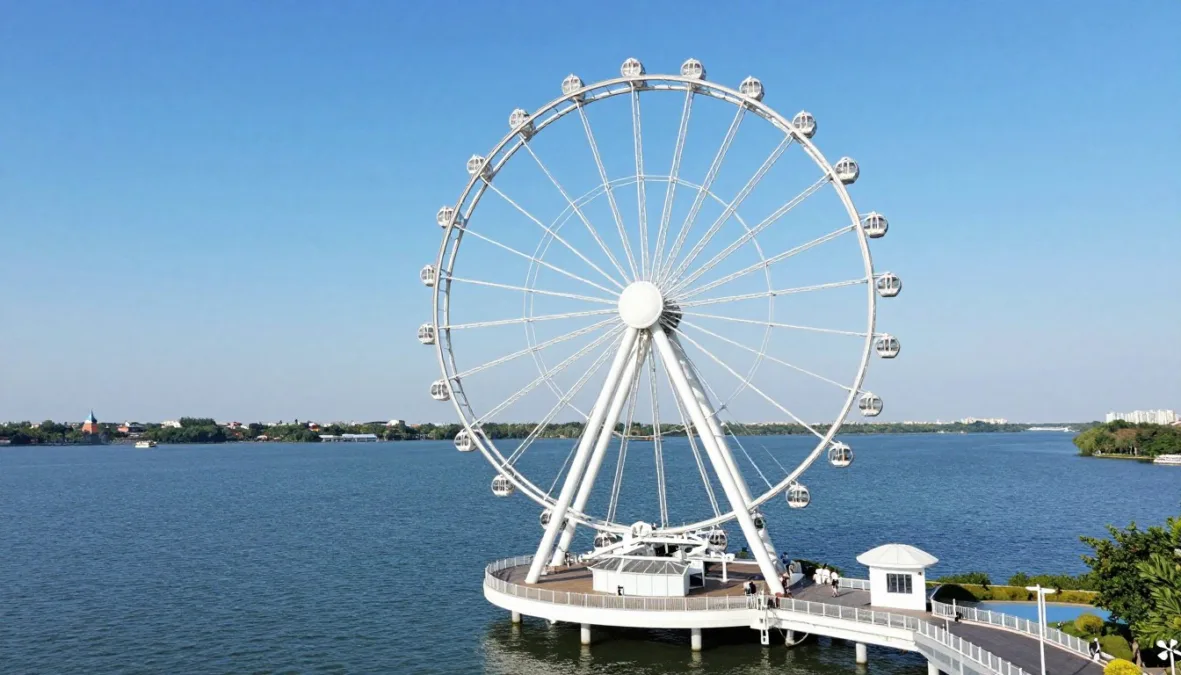
Access to Navy Pier walkways and public pavilions is free, with individual tickets required for carnival rides, theater productions, and boat tours. Dedicated CTA bus routes run directly to the pier entrance from central Loop subway stops, eliminating parking complexities.
8. Magnificent Mile and Michigan Avenue Shopping
The Magnificent Mile comprises the prestigious eight-block stretch of North Michigan Avenue running from the Chicago River north to Oak Street. This bustling urban corridor brings together international department stores, luxury brand flagships, boutique hotels, and renowned architectural landmarks. Notable structures include the historic Chicago Water Tower, one of the few surviving public stone buildings from the 1871 inferno, alongside contemporary retail complexes.
Travelers explore multi-story shopping centers like Water Tower Place and 900 North Michigan Shops, which house extensive fashion retail, specialty outlets, and modern dining halls. Beyond shopping, the wide tree-lined sidewalks offer prime people-watching and public sculpture viewings. Visiting during the holiday season reveals festive light displays along the parkways, while autumn visits feature crisp weather suitable for long shopping walks.
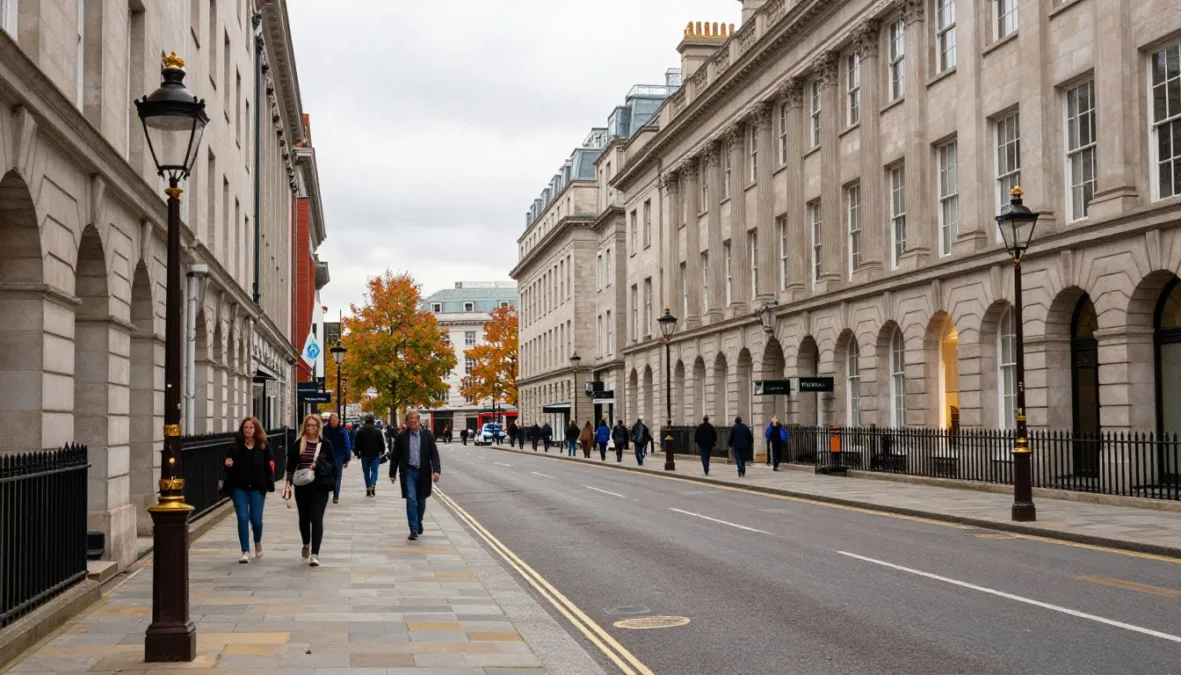
- Multiple architectural landmarks, including the historic Tribune Tower and Wrigley Building, anchor the southern gateway at the river.
- Convenient public transit connects through various CTA bus lines operating directly up and down Michigan Avenue.
- Dining options range from historic steakhouses and casual burger grills to multi-vendor artisanal food halls inside major vertical malls.
- Weekday mornings offer the calmest retail browsing before mid-day shopping crowds gather on the avenue.
9. Chicago Theatre District and Live Performances
The downtown Chicago Theatre District concentrates historic show palaces, world-class comedy clubs, and prominent Broadway in Chicago touring productions within the Loop. The Chicago Theatre stands as the flagship symbol of the district, renowned for its glowing six-story vertical marquee and opulent French baroque interior. Taking an architectural tour or attending a live concert beneath the ornate ceiling murals reveals the grandeur of early twentieth-century movie palaces.
Surrounding venues like the Cadillac Palace Theatre, Nederlander Theatre, and CIBC Theatre stage major touring musicals and pre-Broadway tryouts. Nearby comedy hubs, including legendary improvisational institutions in Old Town, deliver nightly comedic performances that have launched global entertainment careers. Checking performance schedules in advance allows theater lovers to secure seats for high-demand plays and weekend musical performances.
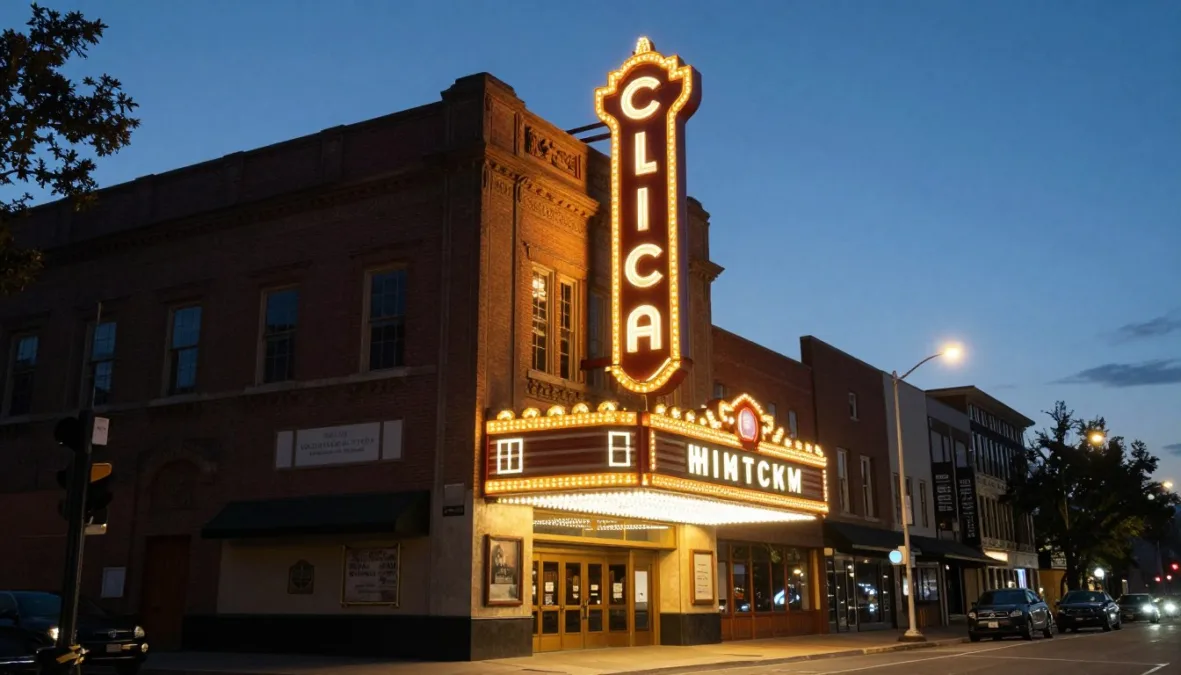
Show schedules vary throughout the week, with matinee performances typically staged on weekends and midweek afternoons. Purchasing tickets through official box office channels or accredited arts ticketing portals helps avoid secondary markup fees. The State/Lake transit hub sits directly adjacent to the main theater entrances.
10. Deep-Dish Pizza and Neighborhood Food Scene
Sampling authentic Chicago deep-dish pizza is an essential culinary ritual, featuring a buttery crust, thick mozzarella layers, seasoned meats, and chunky crushed tomato sauce baked in a deep iron pan. Historic establishments such as Pizzeria Uno, Lou Malnati’s, and Giordano’s each offer signature crust textures and sauce recipes. Because thick-crust pies require extended baking times, placing orders ahead while waiting for a table streamlines the dining experience.
Beyond deep-dish pizza, Chicago harbors an extraordinary culinary spectrum across distinct ethnic neighborhoods. Exploring the West Loop’s Fulton Market reveals chef-driven dining rooms and innovative tasting menus, while Pilsen serves traditional Mexican taquerias and bakeries. Other neighborhood culinary trails include Chinatown for dim sum, Little Italy for handmade pastas, and Lincoln Square for authentic European bakeries and beer halls.

| Culinary Style | Signature District | Dining Characteristic |
| Deep-Dish Pizza | River North & Loop | Hearty pies baked slowly in deep steel pans with heavy cheese and sauce |
| Global Dining | West Loop | Trendy industrial warehouses turned into acclaimed culinary venues |
| Mexican Cuisine | Pilsen | Authentic family-owned taquerias, street food carts, and regional specialties |
| Chinatown Dim Sum | Armour Square | Bustling banquet halls serving steamed dumplings, buns, and traditional tea |
Practical Visitor Tips for Chicago Travel in 2026
Navigating Chicago effectively requires practical understanding of city transit, neighborhood layouts, and seasonal climate shifts. The public transit grid operated by the CTA provides affordable, direct rail and bus access connecting O’Hare and Midway airports with downtown and outlying cultural pockets. Utilizing contactless tap-to-pay ticketing or multi-day transit passes simplifies movement across all neighborhoods without rental car parking fees.
Seasonal packing plays a major role in comfort due to variable Midwestern weather patterns and brisk winds off Lake Michigan. Summer visitors require light fabrics and sun protection for lakefront walks, while early spring and late autumn demand wind-resistant outerwear and layered clothing. Booking museum passes, architecture cruises, and observation deck admissions online ahead of arrival saves substantial queue time during busy holiday and summer periods.
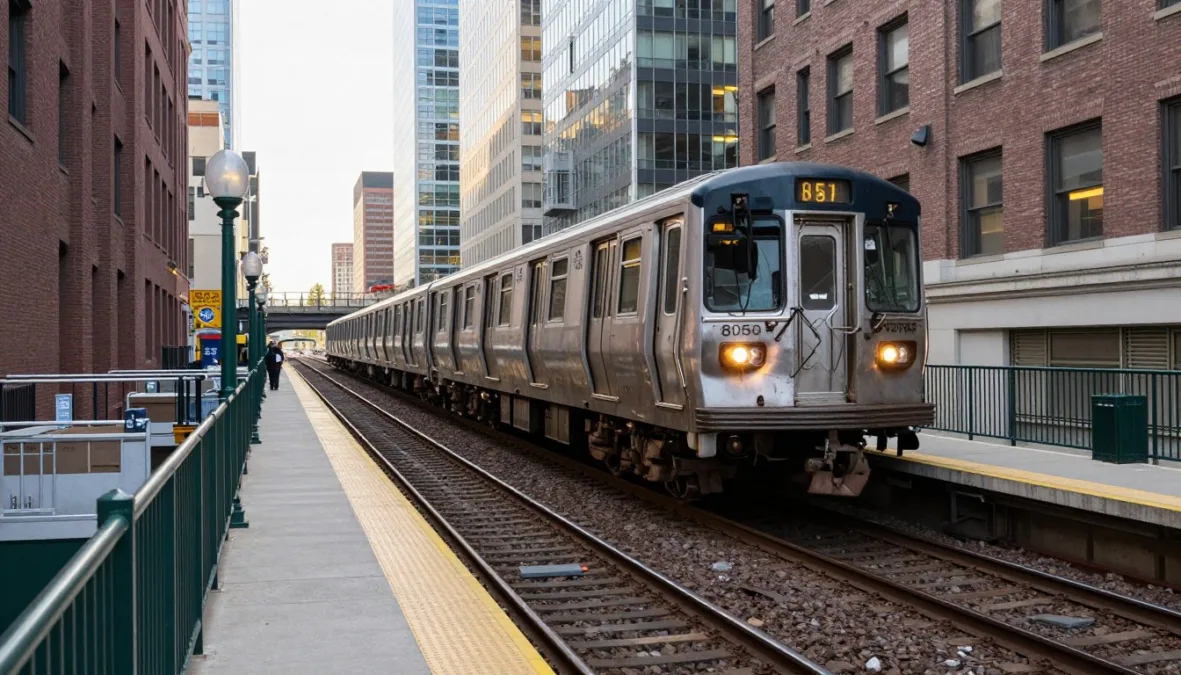
Transit Convenience
The CTA L train lines offer dependable transit, with the Blue Line linking directly to O’Hare Airport and the Orange Line serving Midway Airport straight to the central Loop.
Attraction Passes
Bundled sightseeing passes grant consolidated entry to multiple top sights, reducing individual admission costs for travelers visiting three or more major institutions.
Seasonal Strategy
Spring and fall offer moderate crowd levels and pleasant walking temperatures, while summer delivers dynamic open-air street festivals, park concerts, and active beach recreation.
Frequently Asked Questions
What is the best way to get around Chicago during a visit?
The Chicago Transit Authority rail and bus system offers the most practical transportation method for navigating downtown and surrounding neighborhoods. The elevated trains provide direct connections to both major airports and primary sightseeing districts without traffic delays.
Do top attractions require advance ticket reservations?
Major attractions like the Art Institute of Chicago, architecture river cruises, and observation decks strongly encourage timed advance tickets. Reserving online secures preferred time slots and eliminates waiting in long on-site ticketing queues during peak travel periods.
How many days are recommended to experience the primary sights?
A stay of three to four full days allows sufficient time to tour core downtown architectural landmarks, explore major art museums, and sample distinct neighborhood dining districts. Longer stays permit day excursions to cultural centers like Hyde Park or Lincoln Park.
What time of year provides the best weather for outdoor activities?
Late spring through early autumn brings comfortable temperatures ideal for lakefront recreation, outdoor riverwalk strolls, and architectural boat excursions. Summer offers the warmest lake breezes alongside active open-air concerts and food festivals.
Is a car necessary for a Chicago vacation?
Renting a car is unnecessary for most visitors due to dense pedestrian walkways and extensive public transit coverage across the city center. Parking downtown is expensive and driving in heavy city traffic often takes longer than riding the train.
Final Thoughts on Visiting Chicago in 2026
Chicago combines iconic architectural achievements, celebrated cultural collections, and vibrant neighborhood character into an accessible travel destination. Balancing skyscraper vantage points with scenic river cruises and diverse regional food choices creates a well-rounded midwestern journey. Planning key museum entries and river tours in advance establishes a rewarding itinerary across the Windy City in 2026.

Priyanka Pandey
Senior Research Editor · Top10Sense
Priyanka specializes in tech, consumer products, and digital trends. She combines hands-on testing, vendor interviews, and database research to create trustworthy “Top 10” rankings. Her work has been referenced by industry blogs and brand report pages.