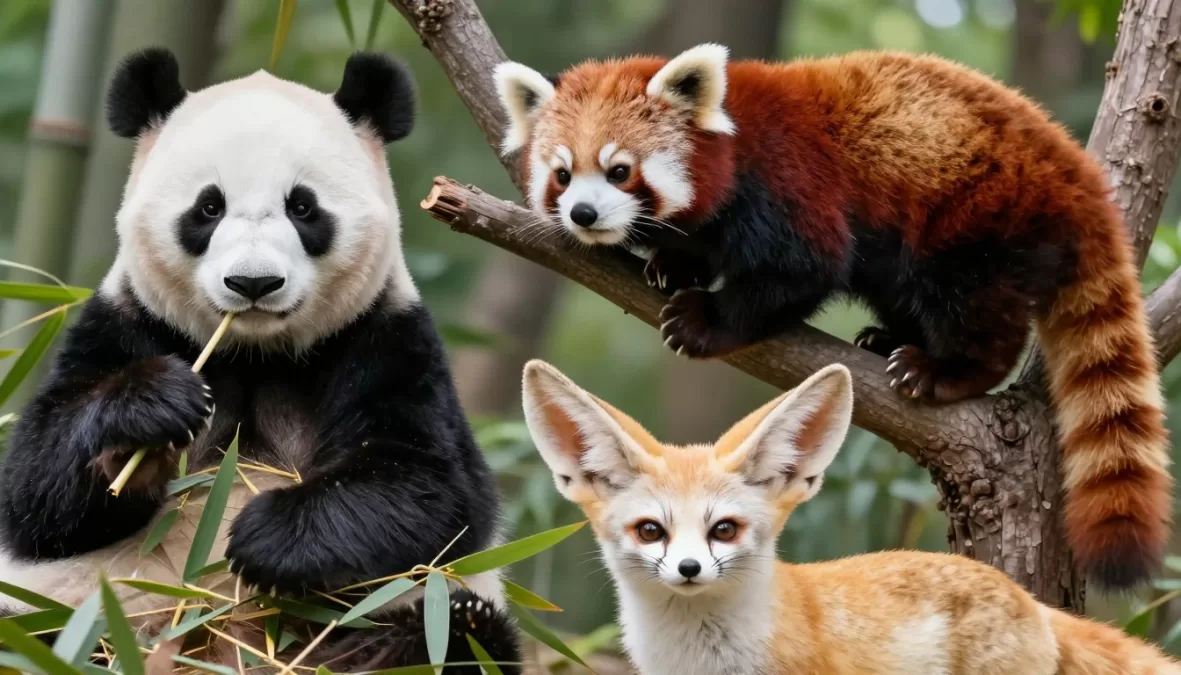
The animal kingdom offers countless moments of joy. Some creatures captivate humans with their adorable features and charming behaviors. These animals have earned their place in our hearts through evolution and unique adaptations.
What makes an animal cute? Scientists study this phenomenon called “cuteness.” Large eyes, round faces, and playful behavior trigger protective instincts in people. These traits remind humans of babies, creating an emotional connection.
This comprehensive guide explores the top 10 cutest animals in the world. Each species showcases distinctive features that make them irresistibly adorable. From bamboo forests to desert sands, these creatures inhabit diverse environments across the globe.
How We Ranked the Cutest Animals
Our ranking considers multiple factors. Physical appearance plays a significant role. Features like big eyes, soft fur, and small body size contribute to cuteness scores.
Behavior patterns matter too. Playful actions and gentle temperaments enhance an animal’s appeal. Social media popularity reflects public opinion about these adorable creatures.
Ranking Criteria
- Facial features and proportions
- Body structure and size
- Fur texture and appearance
- Behavioral characteristics
- Public popularity metrics
- Conservation status awareness
1. Giant Panda: The Iconic Symbol of Cuteness
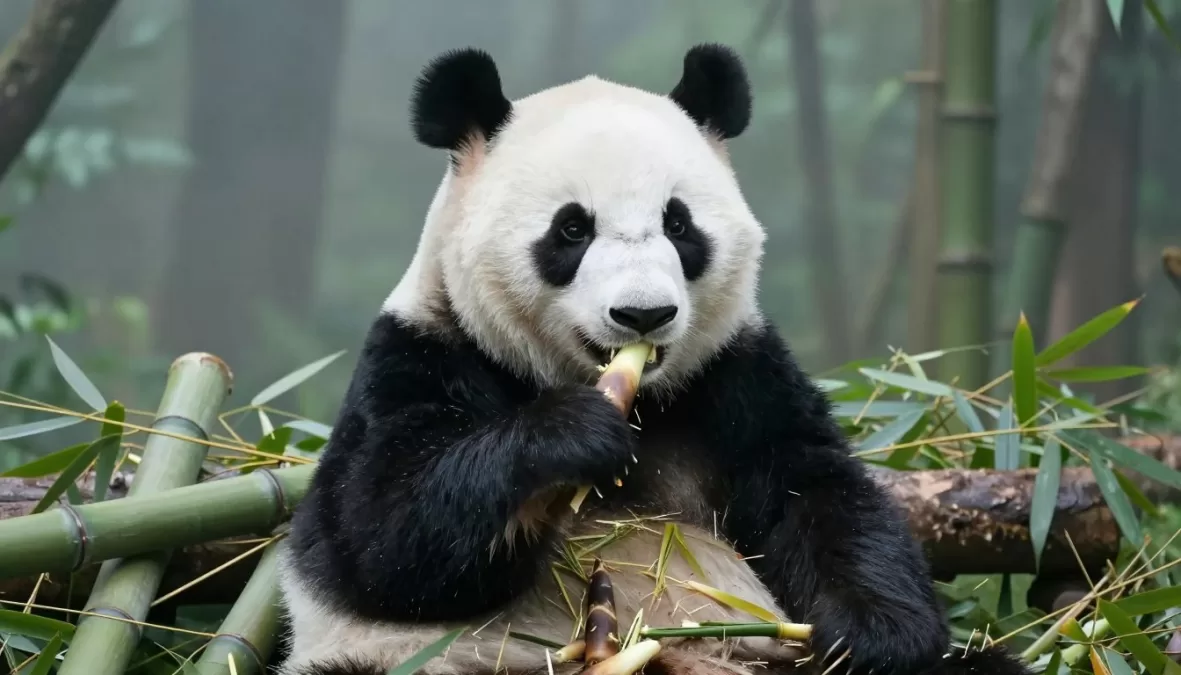
Giant pandas top our list as the most recognized cute animals worldwide. These black and white bears capture hearts with their distinctive markings. Round faces and dark eye patches create an appearance that humans find irresistible.
Native to China, giant pandas spend their lives in bamboo forests. They consume up to 40 pounds of bamboo daily. Their diet requires specialized digestive systems adapted for processing plant material.
Physical Characteristics
Adult giant pandas weigh between 200 and 300 pounds. Their thick fur provides insulation in mountainous regions. The black and white coloring serves as camouflage in their natural habitat.
Large heads house powerful jaw muscles. These muscles help pandas crush bamboo stems. Their pseudo-thumb enables precise manipulation of food items.
Behavior and Lifestyle
Giant pandas are generally solitary creatures. They communicate through vocalizations and scent marking. Cubs stay with mothers for up to three years before independence.
Climbing ability surprises many observers. Young pandas play in trees despite their bulk. This behavior helps them escape predators in the wild.
Conservation Success Story
Conservation efforts have improved giant panda populations. The species moved from “endangered” to “vulnerable” status in 2016. Protected reserves in China support approximately 1,800 wild pandas today.
2. Red Panda: The Firefox of the Animal World
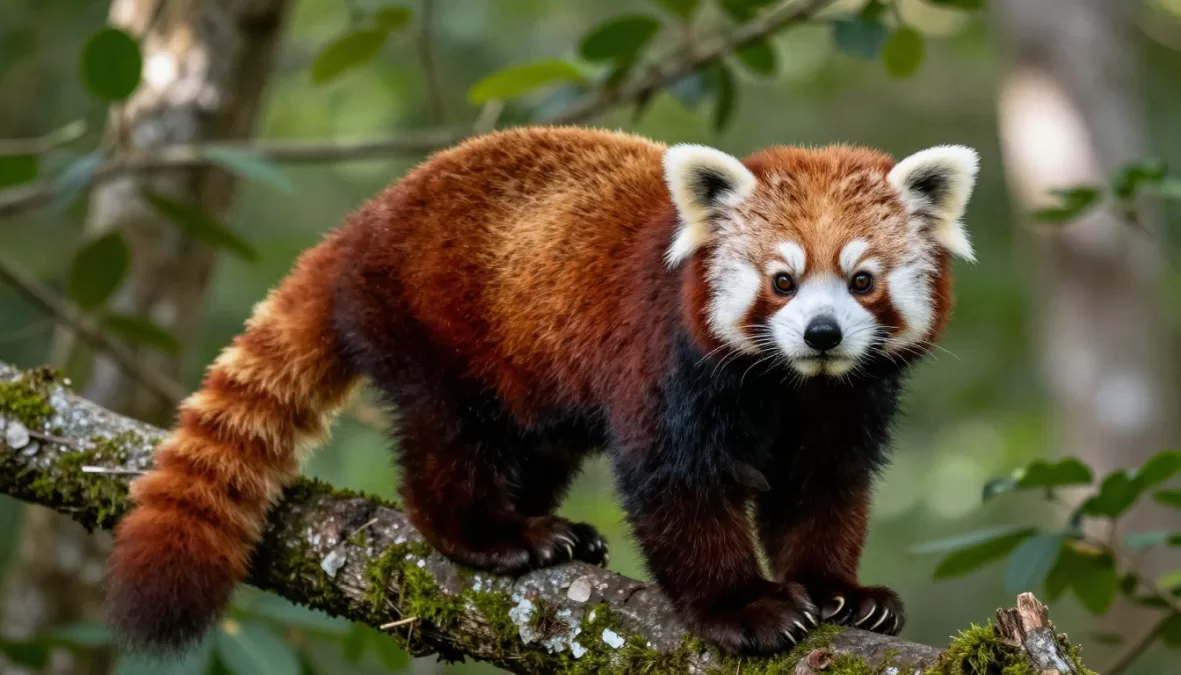
Red pandas rank second on our list of cutest animals. These small mammals live in the eastern Himalayas and southwestern China. Their reddish-brown fur and bushy tails make them instantly recognizable.
Red pandas aren’t closely related to giant pandas despite sharing a name. They belong to their own taxonomic family. Scientists debate their classification within the animal kingdom.
Unique Adaptations
Red pandas possess semi-retractable claws for climbing. They spend most of their lives in trees. Dense fur covers their bodies and even the soles of their feet.
These animals are primarily nocturnal. They rest in tree branches during daylight hours. Their diet consists mainly of bamboo leaves, though they’re classified as carnivores.
Threats and Conservation
Habitat loss threatens red panda populations. Deforestation reduces available territory for these forest dwellers. Climate change impacts bamboo growth in their native range.
Conservation programs work to protect remaining populations. Breeding programs in zoos help maintain genetic diversity. Local communities participate in habitat preservation efforts.
3. Fennec Fox: Desert Dweller with Enormous Ears
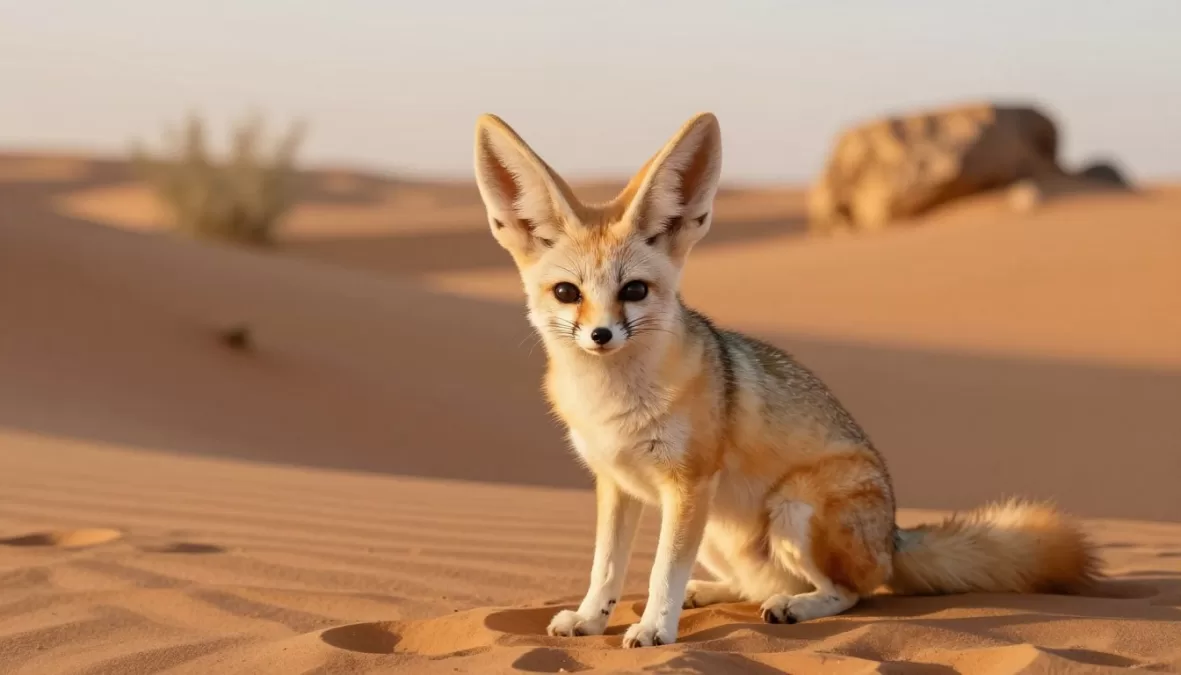
Fennec foxes claim third place among the cutest animals. These tiny foxes inhabit deserts in North Africa. Their enormous ears serve multiple functions in harsh environments.
The fennec fox is the smallest species in the fox family. Adults weigh only 2 to 3 pounds. Their compact size helps them survive in extreme temperatures.
Remarkable Ear Function
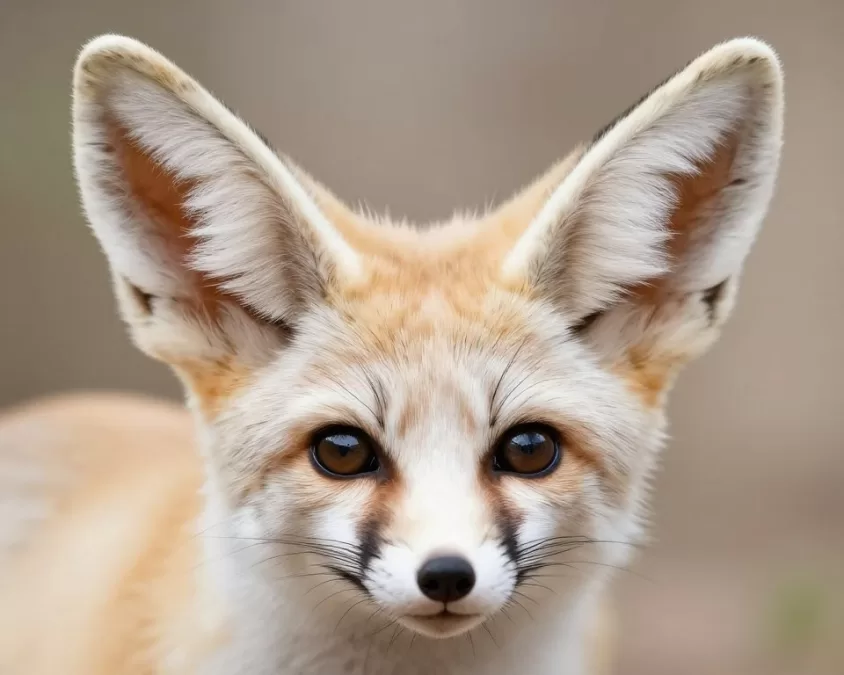
Oversized ears dissipate heat in desert climates. Blood vessels in the ears release excess body temperature. These adaptations prevent overheating during scorching days.
Exceptional hearing abilities aid in hunting. Fennec foxes detect prey moving beneath sand. They can hear insects and small rodents from considerable distances.
Life in North Africa
Fennec foxes dig extensive burrow systems. Underground dens provide shelter from temperature extremes. Family groups often share interconnected tunnels.
Nocturnal habits keep them active during cooler hours. They hunt for insects, small mammals, and birds at night. Plant material supplements their carnivorous diet.
4. Sea Otter: Playful Marine Mammal
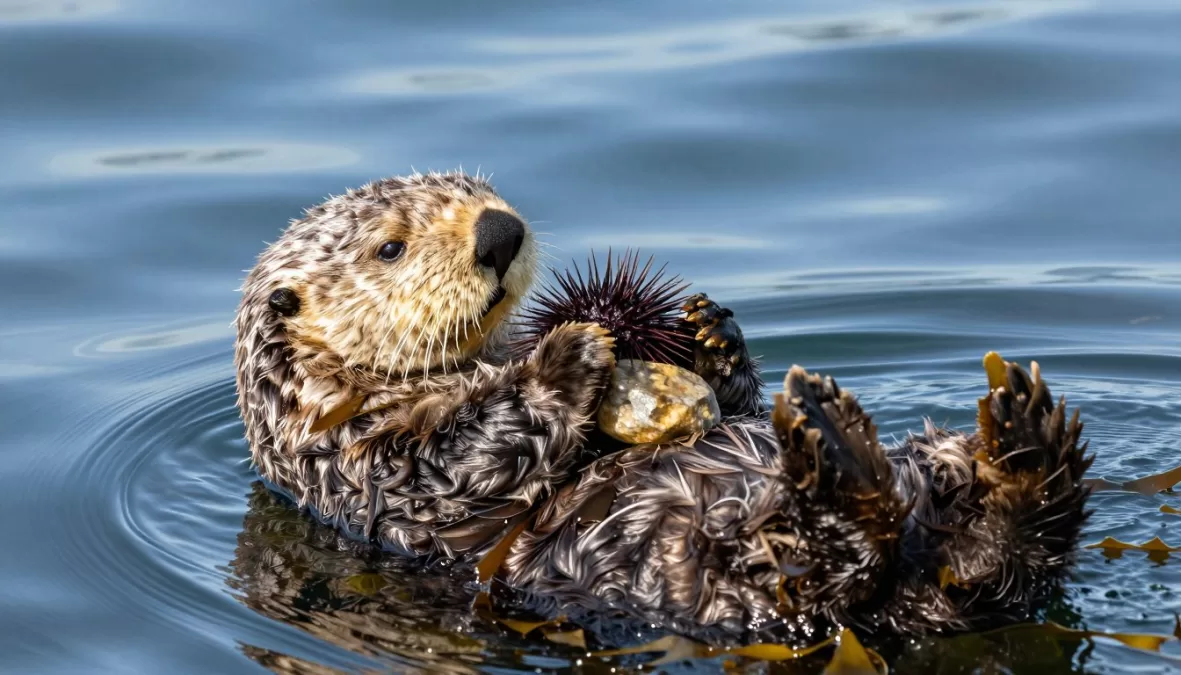
Sea otters secure fourth place on our list. These marine mammals inhabit coastal waters of the Pacific Ocean. Their playful behavior and tool use demonstrate remarkable intelligence.
Dense fur keeps sea otters warm in cold water. They possess the thickest fur of any animal species. Up to one million hairs per square inch provide insulation.
Tool-Using Abilities
Sea otters use rocks to crack open shellfish. They place stones on their chests as anvils. This behavior shows advanced problem-solving skills among mammals.
Grooming occupies much of their daily routine. Clean fur maintains its insulating properties. Air trapped in fur creates buoyancy in water.
Diet and Feeding
- Sea urchins and abalone
- Crabs and mussels
- Clams and snails
- Fish and octopus
- Kelp forest invertebrates
Social Life and Rafting
Sea otters form groups called rafts. These gatherings can include dozens of individuals. They hold hands while sleeping to prevent drifting apart.
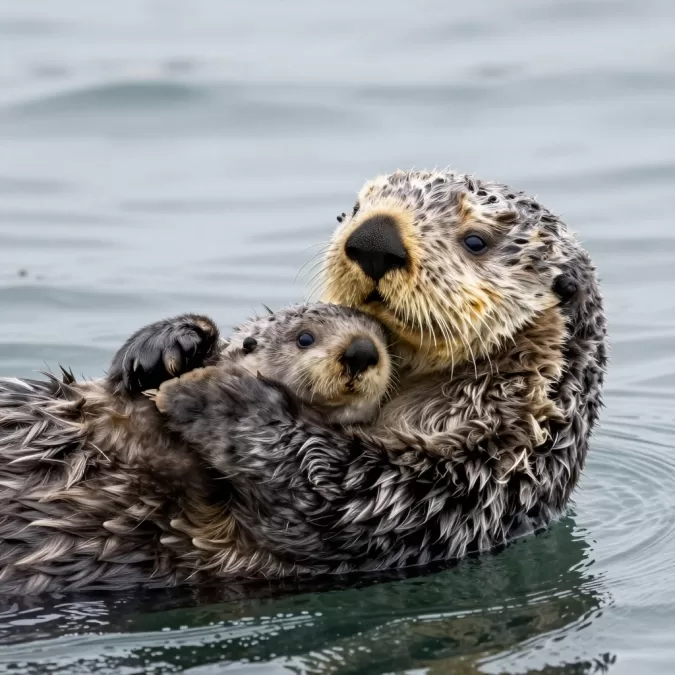
Mothers show devoted care to pups. Baby sea otters cannot swim initially. Females carry young on their chests while floating.
5. Hedgehog: Spiky Ball of Adorableness
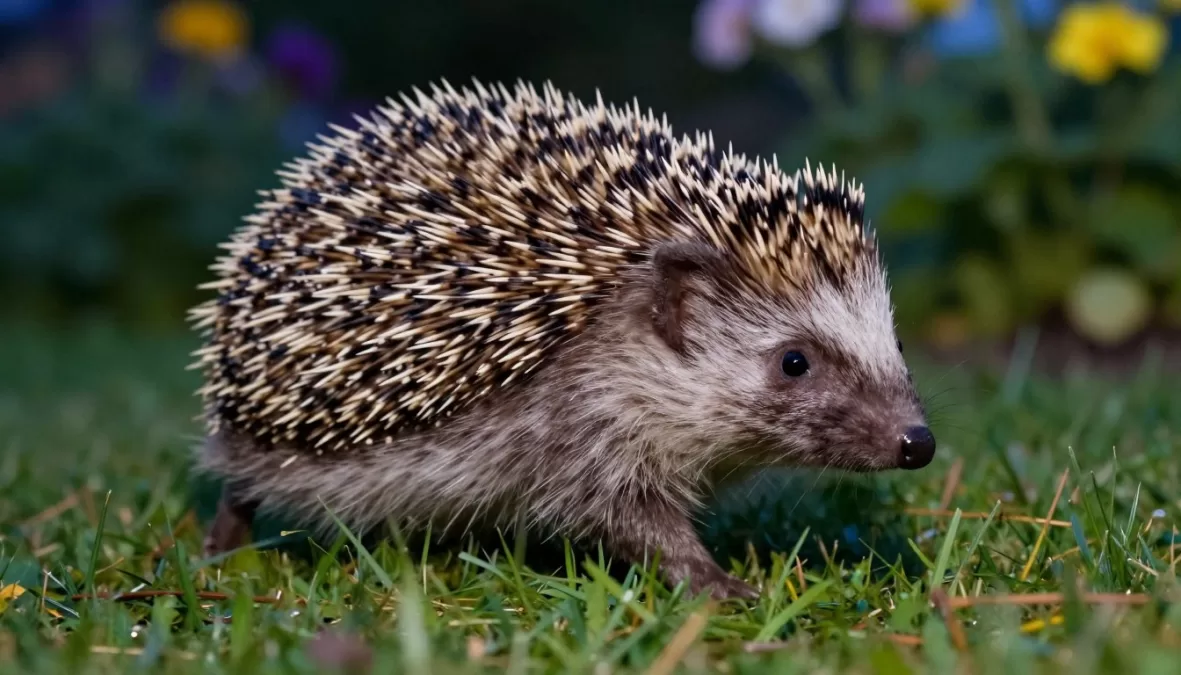
Hedgehogs rank fifth among the cutest animals. These small mammals live across Europe, Asia, and Africa. Their spiny exterior hides a gentle nature underneath.
Approximately 5,000 to 7,000 quills cover each hedgehog. These modified hairs provide defense against predators. The spines don’t release like porcupine quills.
Defense Mechanisms
Rolling into a ball forms their primary protection. Muscles pull the skin tight around their body. This creates a spiky sphere that deters most threats.
Hedgehogs are largely solitary creatures. They forage alone during nighttime hours. Their diet includes insects, worms, and small invertebrates.
Hedgehogs as Pets
Many people keep hedgehogs as companion animals. Different species have varying legal statuses as pets. African pygmy hedgehogs are popular in households. Proper care requires specific temperature ranges and dietary needs.
Unique Behaviors
Self-anointing puzzles scientists studying hedgehogs. They lick unusual substances and spread foamy saliva on their quills. The purpose of this behavior remains debated.
Hibernation occurs in some species during winter. Body temperature drops significantly during dormancy. Fat reserves sustain them through months of inactivity.
6. Pygmy Marmoset: World’s Smallest Monkey
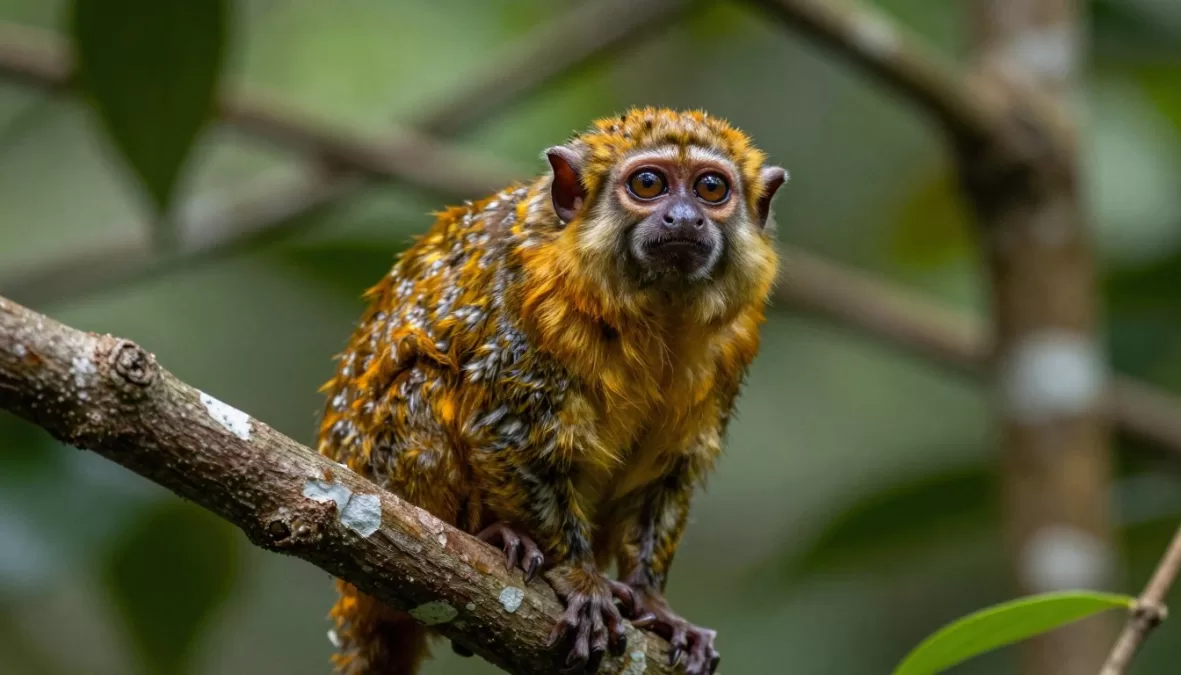
Pygmy marmosets hold sixth position on our list. These primates are the smallest monkeys in the world. Adults measure only 5 to 6 inches in body length.
South American rainforests provide their habitat. They live in the western Amazon Basin. Family groups occupy territories in dense forest canopies.
Size and Appearance
Adults weigh approximately 100 grams. Their entire body fits in an adult human hand. Despite tiny size, they display complex social behaviors.
Golden-brown fur covers their bodies. A mane of longer hair surrounds their face. Their tails extend longer than their body length.
Feeding Habits
Tree sap forms a major part of their diet. Sharp teeth gouge holes in bark to access gum. They also consume insects, fruits, and nectar.
Pygmy marmosets spend life in trees. Specialized claws help them cling to vertical surfaces. They can turn their heads 180 degrees to scan for threats.
Family Structure
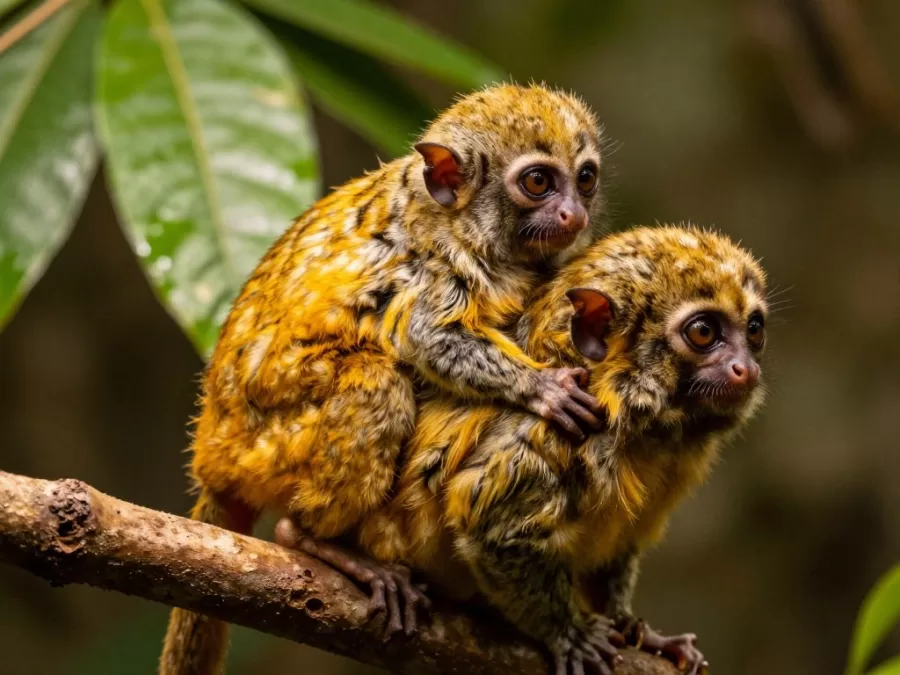
Extended family groups cooperate in raising young. Fathers and siblings help care for infants. Twins are common in pygmy marmoset births.
Communication involves complex vocalizations. High-pitched calls allow family members to maintain contact. Visual signals include facial expressions and body postures.
7. Quokka: The Happiest Animal on Earth
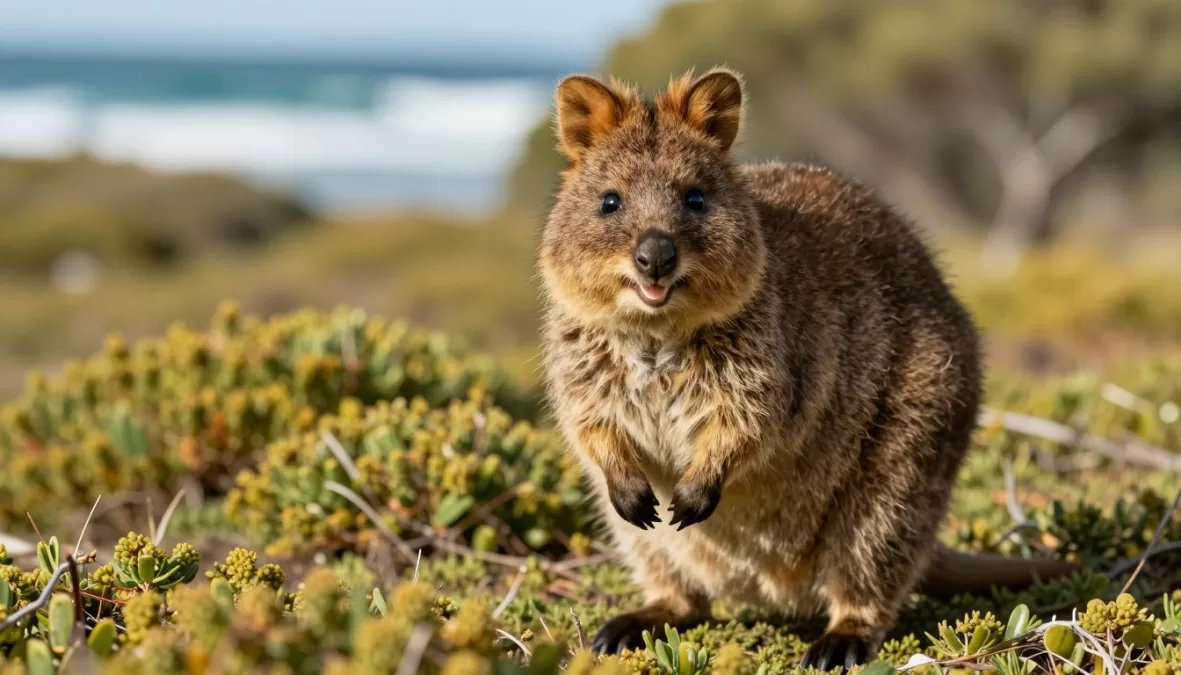
Quokkas earn seventh place among cutest animals. These small marsupials live in Western Australia. Their facial structure creates an appearance of constant smiling.
Rottnest Island hosts the largest quokka population. Limited predators on the island allow relaxed behavior. They show little fear around humans in protected areas.
The “Quokka Selfie” Phenomenon
Social media popularized quokka selfies worldwide. Tourists seek photos with these friendly creatures. Their approachable nature makes photography relatively easy.
Conservation rules protect quokkas from harm. Feeding wildlife remains prohibited despite their friendliness. Human food can damage their digestive systems.
Habitat and Lifestyle
Quokkas are herbivorous marsupials. They consume grasses, leaves, and bark. Nocturnal feeding patterns help them avoid midday heat.
Females carry joeys in pouches like other marsupials. Young quokkas remain dependent for several months. Social groups form loose communities in suitable habitats.
8. Sand Cat: Eternal Kitten of the Desert
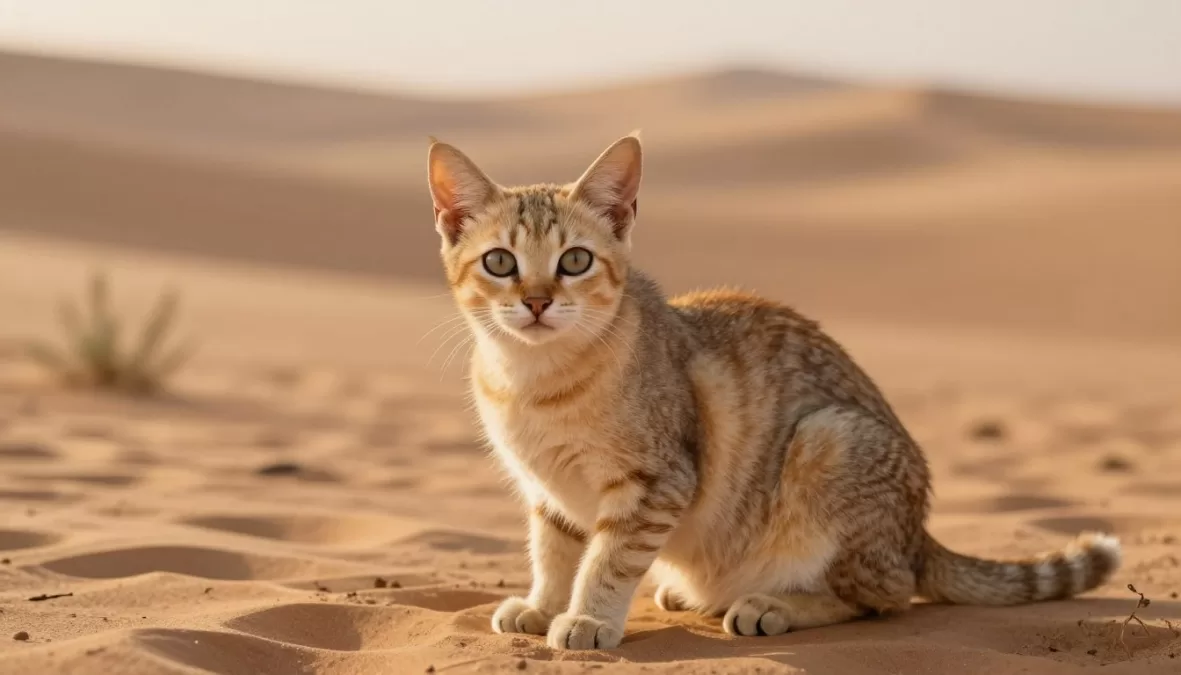
Sand cats rank eighth on our list. These wild cats inhabit deserts across North Africa and Asia. Adults maintain kitten-like proportions throughout their lives.
Sand cats are one of the smallest wild cat species. They weigh only 4 to 8 pounds when fully grown. Large ears and wide-set eyes enhance their cute appearance.
Desert Adaptations
Fur-covered paw pads protect against hot sand. This adaptation also muffles their footsteps while hunting. Dense fur provides insulation from temperature extremes.
Water requirements are minimal for sand cats. They obtain moisture from prey animals. This allows survival in extremely arid environments.
Elusive Nature
Sand cats rarely appear in wildlife observations. Nocturnal habits and camouflage make them hard to spot. Scientists use camera traps to study their populations in remote deserts.
Hunting and Diet
Small rodents form their primary prey. They also hunt birds, lizards, and insects. Excellent hearing helps locate prey beneath sand.
Sand cats live solitary lives except during breeding. Males and females maintain separate territories. Brief mating periods are the main social interaction.
Help Protect These Adorable Species
Many of the world’s cutest animals face threats from habitat loss and climate change. Your support helps conservation organizations protect endangered species and their habitats. Every contribution makes a difference in preserving these precious creatures for future generations.
9. Arctic Fox: Fluffy Survivor of Frozen Lands
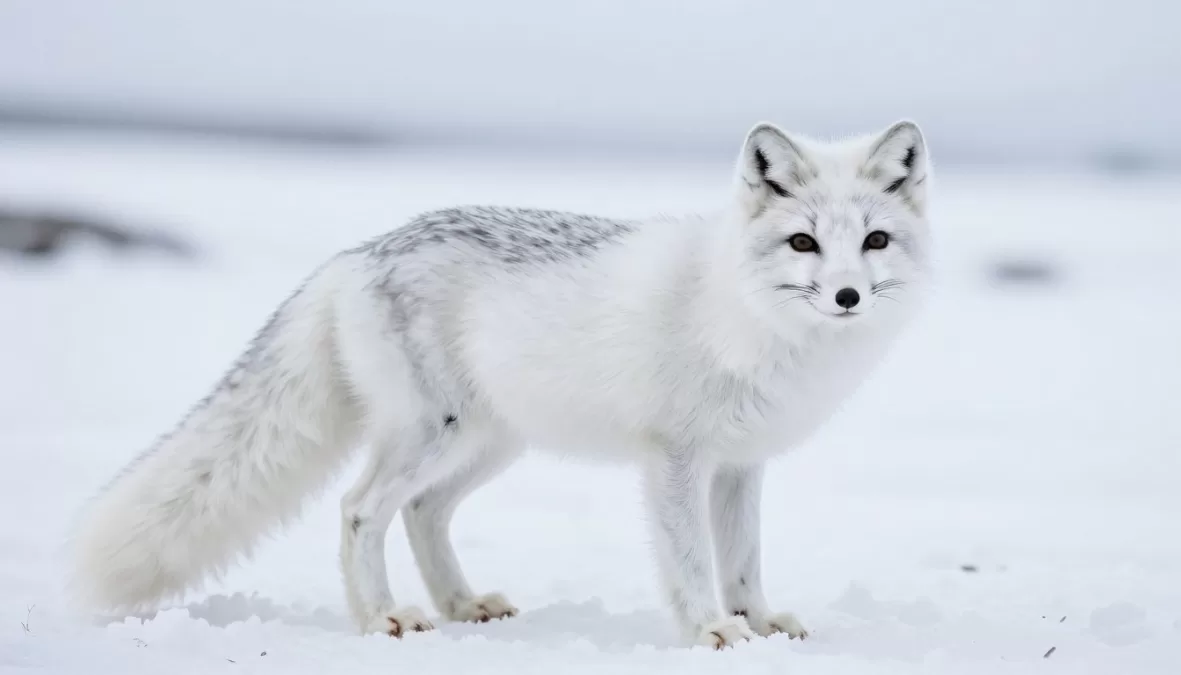
Arctic foxes claim ninth position among cutest animals. These small canines thrive in polar regions. Their seasonal coat changes demonstrate remarkable adaptation.
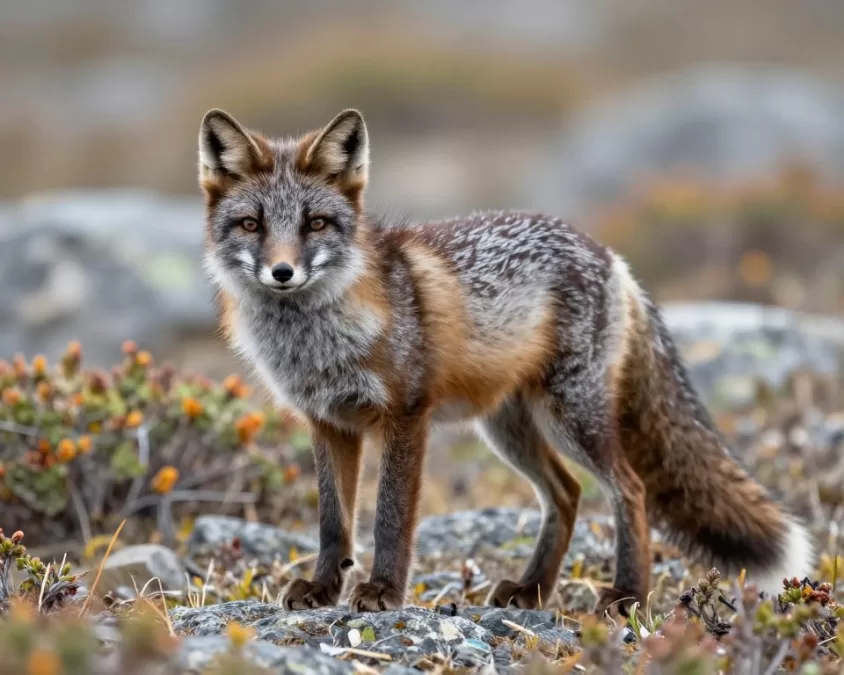
White winter fur provides camouflage in snow. Brown or gray summer coats blend with tundra vegetation. This transformation helps both hunting and predator avoidance.
Cold Weather Adaptations
Extremely dense fur offers exceptional insulation. Arctic foxes tolerate temperatures below minus 70 degrees Fahrenheit. Short legs and small ears minimize heat loss.
Fur covers even the soles of their feet. This prevents frostbite on frozen ground. Thick tail serves as a warm blanket when sleeping.
Survival Strategies
Arctic foxes follow polar bears for food scraps. Scavenging supplements their hunting activities. They cache excess food for lean periods.
Breeding occurs once annually in spring. Litters can contain up to 14 pups. Both parents participate in raising offspring.
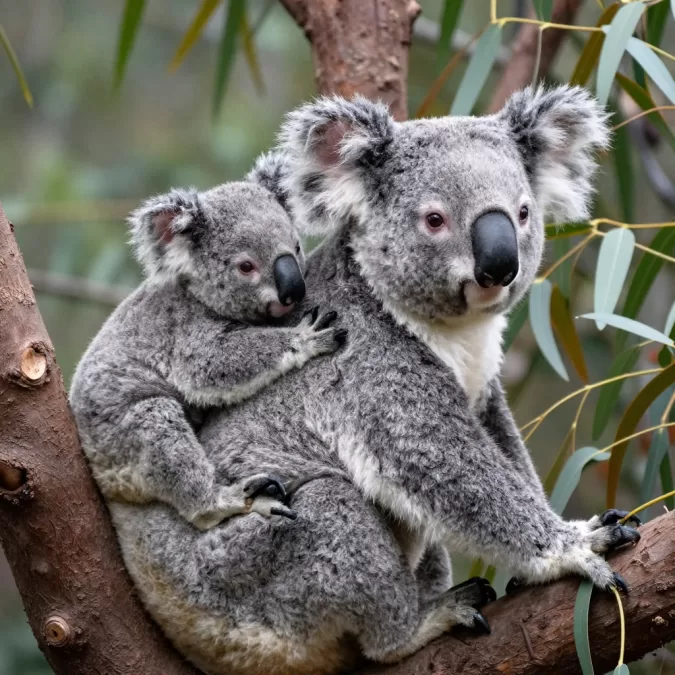
10. Koala: Australia’s Eucalyptus-Eating Icon
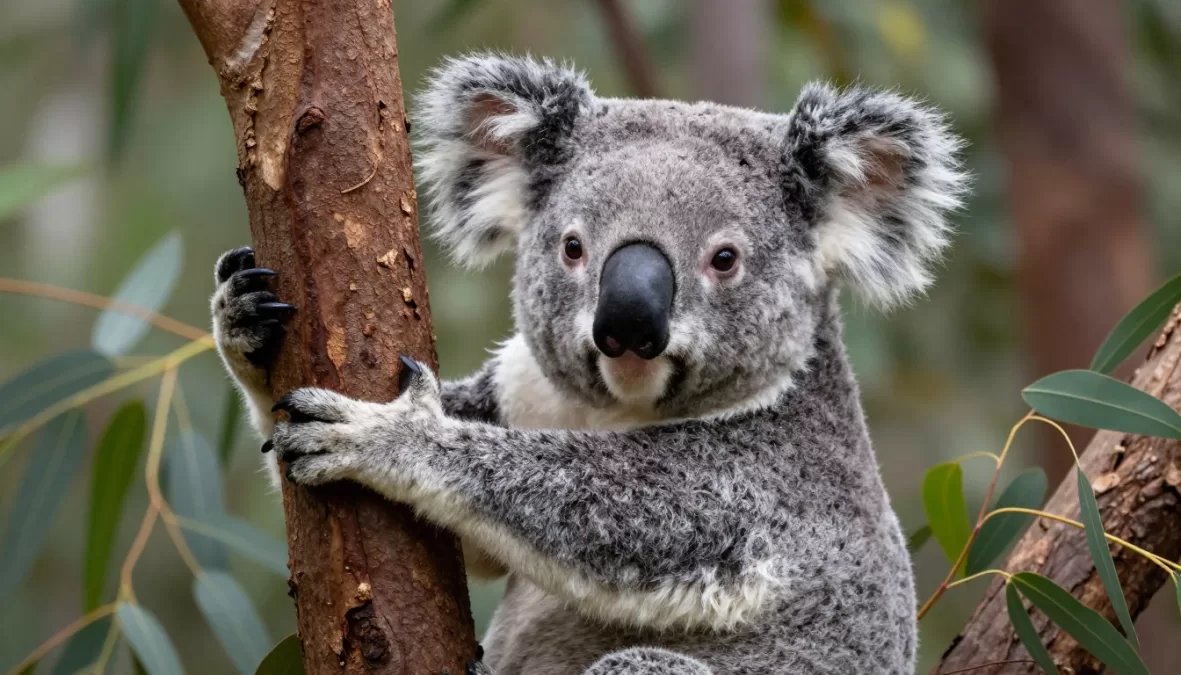
Koalas complete our top 10 cutest animals list. These marsupials are native to Australia. Their round faces and fluffy ears make them globally beloved.
Eucalyptus trees provide both food and habitat. Koalas consume up to 2 pounds of leaves daily. Specialized digestive systems process toxic compounds in eucalyptus.
Lifestyle and Behavior
Koalas sleep up to 22 hours per day. Low-energy diet necessitates minimal activity. They conserve energy through extensive rest periods.
Strong limbs and sharp claws aid tree climbing. Koalas rarely descend to the ground. Moving between trees happens through branches when possible.
Physical Features
Thick gray fur protects against weather variations. Large nose helps identify suitable eucalyptus leaves. Koalas possess fingerprints remarkably similar to humans.
Adults weigh between 9 and 33 pounds. Males grow larger than females. Size varies based on geographic location across Australia.
Conservation Concerns
Habitat destruction threatens koala populations. Urban development reduces available eucalyptus forests. Climate change affects food source quality and availability.
Disease outbreaks impact some populations severely. Rehabilitation centers care for injured and sick koalas. Breeding programs support genetic diversity in declining areas.
Honorable Mentions: More Adorable Animals
Numerous other species deserve recognition for their cuteness. These animals narrowly missed our top 10 ranking. Each possesses unique characteristics that appeal to animal lovers worldwide.
Slow Loris
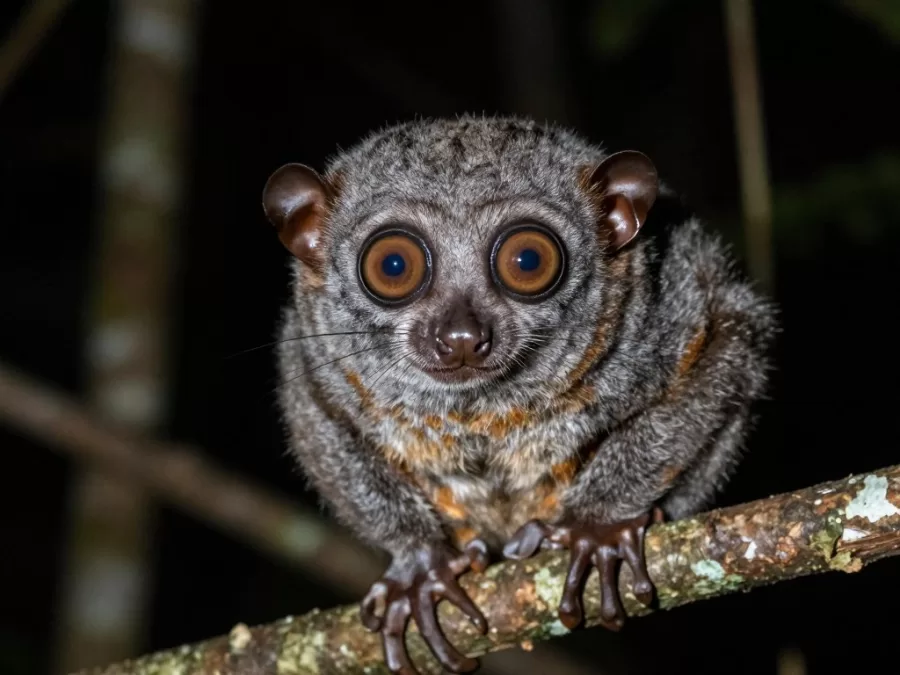
These nocturnal primates have enormous eyes. Slow movements and fuzzy appearance charm observers. Native to Southeast Asian forests, they face serious conservation threats.
Axolotl
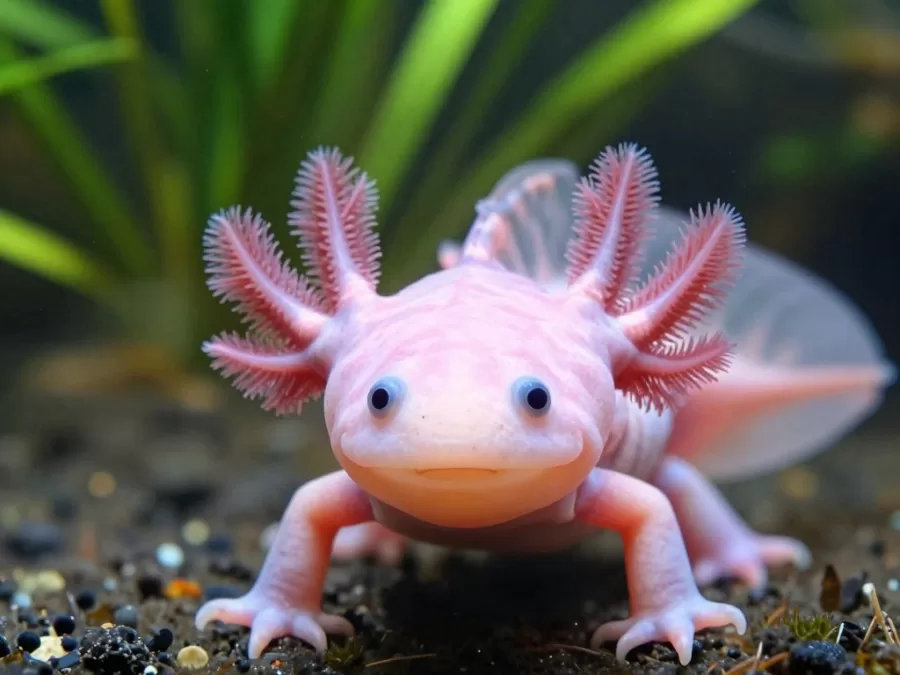
These aquatic salamanders retain juvenile features. External gills and perpetual smiles create unique appeal. Mexican lakes host wild populations facing extinction risks.
Chinchilla
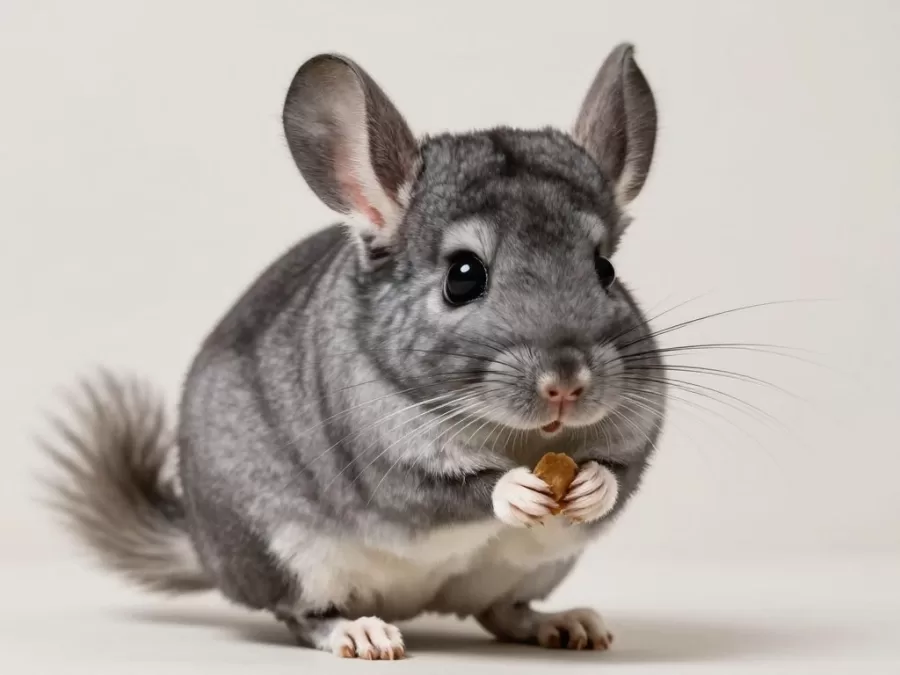
Incredibly dense fur makes chinchillas irresistibly soft. Large ears and bushy tails add to their charm. These rodents originate from South American mountain ranges.
Why These Animals Matter
Cute animals serve important ecological roles. Their appeal helps raise conservation awareness. Public interest translates into support for protection efforts.
Each species contributes to ecosystem balance. Predators control prey populations. Herbivores shape plant communities through feeding patterns.
The Science Behind Animal Cuteness
Researchers study why humans find certain animals cute. Evolutionary psychology offers explanations for this phenomenon. Features that trigger protective instincts developed through natural selection.
Baby Schema Theory
Austrian scientist Konrad Lorenz proposed “baby schema” in 1943. Specific features trigger nurturing responses in adult humans. These characteristics include large heads, big eyes, and rounded bodies.
Animals displaying these traits receive more attention. Humans instinctively want to protect and care for them. This response evolved to ensure proper care of human infants.
| Cute Feature | Biological Purpose | Human Response | Example Animals |
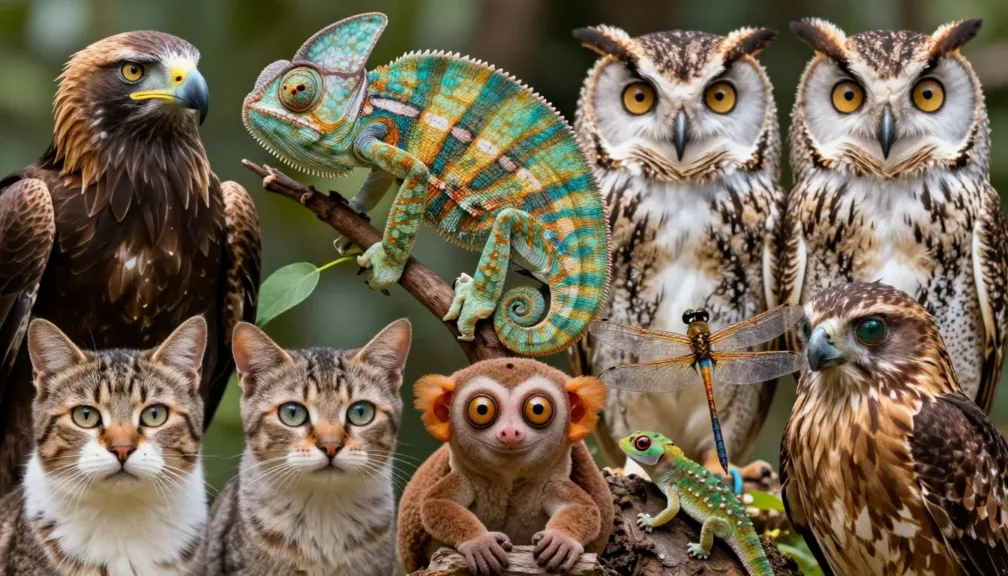
| Large Eyes | Enhanced vision in low light | Triggers protective instinct | Slow loris, tarsiers, owls |
| Round Face | Skull protection, efficient bite | Resembles human baby features | Giant pandas, cats, seals |
| Soft Fur | Insulation, camouflage | Desire to touch and cuddle | Chinchillas, rabbits, red pandas |
| Small Size | Energy efficiency, niche adaptation | Reduced threat perception | Pygmy marmosets, hamsters, mice |
| Playful Behavior | Learning survival skills | Entertainment and joy | Otters, puppies, fox cubs |
Cultural Variations
Different cultures show preferences for specific animals. Geography influences familiarity with certain species. Exposure to animals affects perception of cuteness.
Media representation amplifies popularity of particular creatures. Pandas gained fame partly through conservation campaigns. Social media accelerates spread of animal content globally.
Conservation Status of Cute Animals
Many beloved cute animals face serious threats. Habitat destruction remains the primary danger. Climate change compounds existing conservation challenges.
Threats to Cute Species
Illegal wildlife trade targets many adorable animals. Exotic pet markets drive poaching of rare species. Enforcement of protection laws varies by region.
Pollution affects aquatic and terrestrial species alike. Plastic waste impacts marine mammals severely. Chemical contamination reduces reproductive success in some populations.
Conservation Advantages
- High public interest generates funding
- Flagship species protect entire ecosystems
- Media attention raises awareness effectively
- Tourism provides economic incentives
- Research receives more resources
Conservation Challenges
- Less cute species receive less attention
- Illegal pet trade increases demand
- Habitat requirements often extensive
- Human-wildlife conflict in populated areas
- Climate change outpaces adaptation
How Cuteness Helps Conservation
Charismatic animals serve as flagship species. Their popularity benefits entire ecosystems. Protected areas established for one species help many others.
Educational programs use cute animals to engage children. Early exposure builds lifelong conservation values. Future generations become environmental stewards through these connections.
Responsible Ways to Enjoy Cute Animals
Appreciating cute animals requires ethical considerations. Wildlife tourism should prioritize animal welfare. Responsible practices ensure species protection while allowing enjoyment.
Wildlife Tourism Guidelines
- Maintain safe distances from wild animals
- Never feed wildlife in natural habitats
- Choose certified eco-tourism operators
- Avoid facilities offering animal interactions for photos
- Support sanctuaries focused on rehabilitation
- Report illegal wildlife trade activities
- Respect breeding seasons and sensitive areas
Ethical Pet Ownership
Research thoroughly before acquiring exotic pets. Many cute animals have complex care requirements. Legal restrictions exist for good reasons regarding wildlife.
Adopt from shelters rather than supporting breeding mills. Domestic animals provide companionship without conservation concerns. Cats and dogs offer the cuteness factor ethically.
Avoid These Practices
Never purchase wild-caught animals as pets. Facilities offering “hands-on” experiences often mistreat animals. Photo opportunities with wildlife typically involve animal suffering. Choose observation over interaction for ethical animal appreciation.
Frequently Asked Questions About Cute Animals
What makes an animal cute to humans?
Are pandas really endangered?
Can you keep a fennec fox as a pet?
Why do koalas sleep so much?
How do red pandas differ from giant pandas?
Are hedgehogs good pets for families?
Celebrating the World’s Cutest Animals
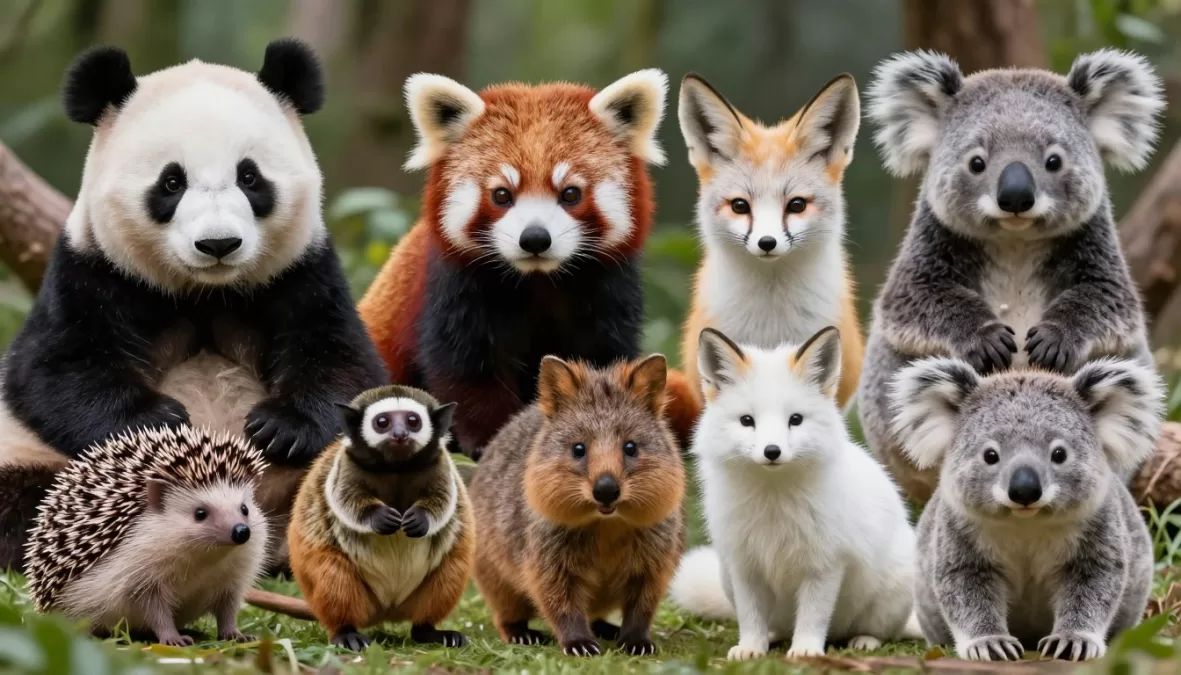
The top 10 cutest animals represent incredible diversity. From bamboo forests to arctic tundra, these species thrive in varied environments. Each animal demonstrates unique adaptations that enable survival.
Cuteness serves evolutionary purposes beyond human appreciation. Baby-like features encourage parental care in many species. These traits ensure offspring receive necessary protection during vulnerable stages.
Conservation efforts benefit from public affection for cute animals. Flagship species generate support for broader ecosystem protection. Every creature plays vital roles in maintaining ecological balance.
Responsible appreciation means respecting wild animals. Observation provides enjoyment without harming populations. Supporting ethical conservation organizations makes lasting differences.
The animal kingdom continues to surprise and delight. New species discoveries expand our understanding regularly. Future generations deserve opportunities to experience these remarkable creatures in their natural habitats.
Stay Connected with the Animal Kingdom
Don’t let the cuteness end here! Subscribe to our newsletter for weekly features on adorable animals, breaking conservation news, and exclusive wildlife photography. Join our community of passionate animal lovers making a difference.
Share this article with fellow animal lovers:

Priyanka Pandey
Senior Research Editor · Top10Sense
Priyanka specializes in tech, consumer products, and digital trends. She combines hands-on testing, vendor interviews, and database research to create trustworthy “Top 10” rankings. Her work has been referenced by industry blogs and brand report pages.