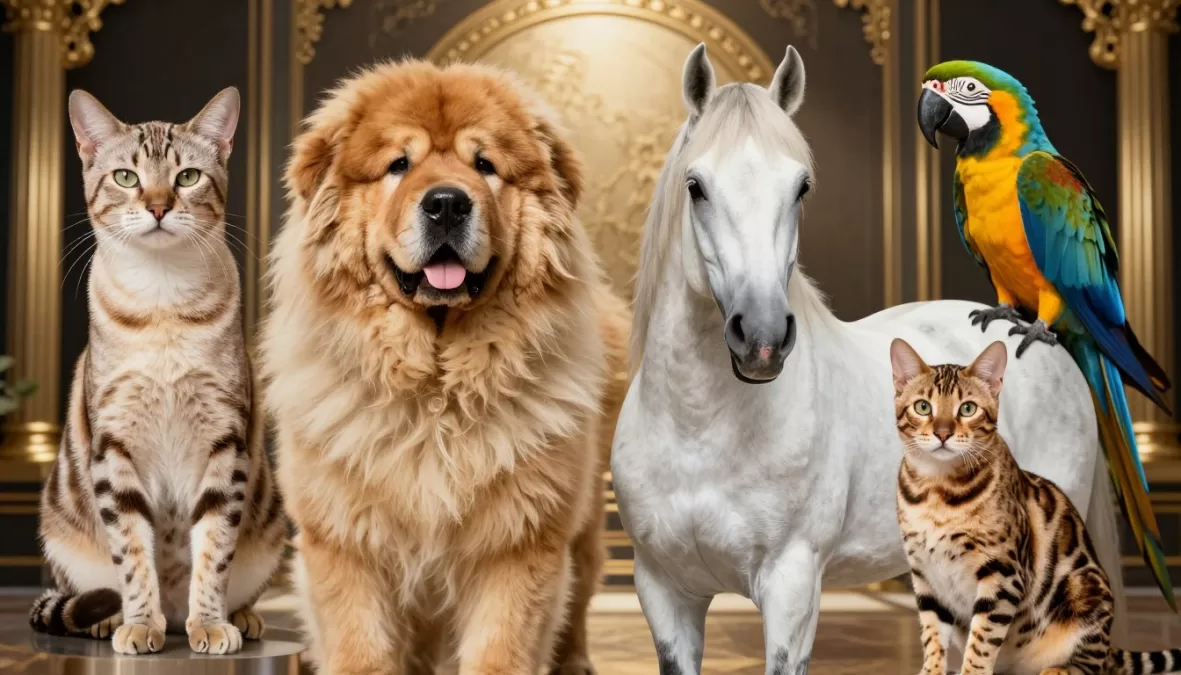
The world of pet ownership extends far beyond typical cats and dogs. Some animals command astronomical prices that rival luxury cars or even homes. These premium pets represent the pinnacle of breeding excellence, genetic rarity, and sometimes centuries of careful lineage preservation.
Understanding what drives these extraordinary price tags reveals fascinating insights into animal breeding, genetic science, and global demand for exceptional companions. Whether you’re a curious enthusiast or seriously considering an investment in a luxury pet, this comprehensive guide explores the most expensive animals you can legally own.
1. White Lion Cub
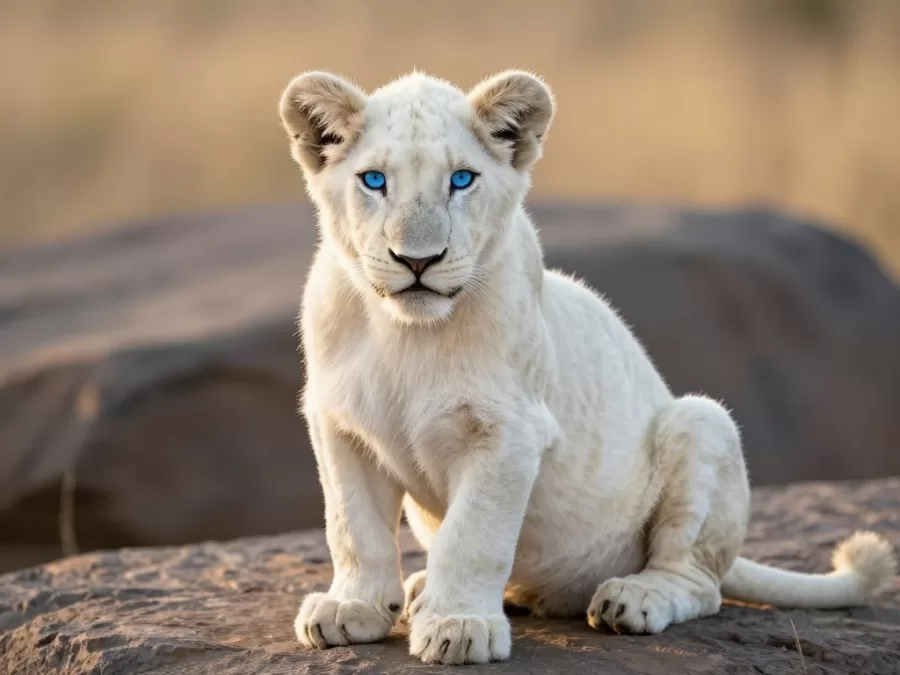
The white lion represents one of nature’s rarest genetic variations. These magnificent creatures can cost anywhere from $138,000 to over $200,000. Their distinctive pale coat results from a recessive gene rather than albinism, making breeding programs extremely selective.
These lions are critically rare in the wild. Most exist in specialized breeding facilities or private reserves. The cost reflects not just their rarity but the extensive care, specialized habitats, and legal requirements necessary for ownership.
Cost Factors
Multiple elements contribute to the extraordinary price of white lions.
- Genetic rarity requiring specialized breeding programs
- Extensive legal permits and documentation
- Custom habitat construction exceeding $50,000
- Daily care requiring experienced handlers
Ownership Requirements
White lion ownership demands substantial commitment beyond financial investment.
- Minimum 1-acre secure enclosure with climate control
- Specialized veterinary care from exotic animal specialists
- Premium diet costing $5,000-$8,000 monthly
- Comprehensive liability insurance coverage
Conservation status makes white lions particularly controversial as pets. Many experts argue these animals belong in accredited sanctuaries rather than private collections. The price tag reflects both their biological value and the ethical complexities surrounding their captivity.
2. Chimpanzee
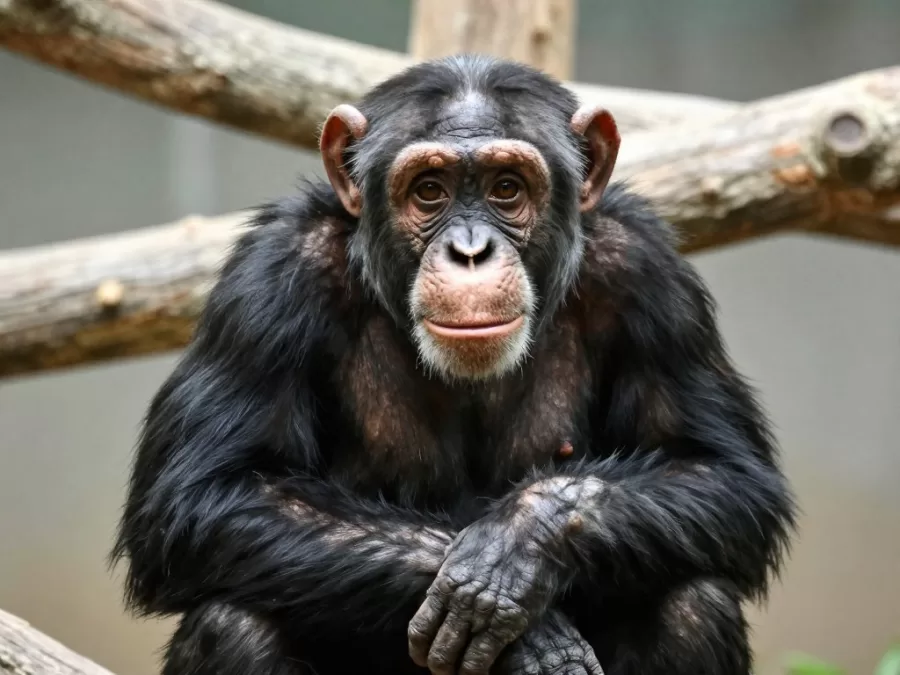
Chimpanzees command prices between $60,000 and $65,000 for legally captive-bred individuals. As our closest genetic relatives, these primates require incredibly complex care that extends far beyond typical pet ownership. Their intelligence and social needs make them among the most demanding animals to maintain.
Most states heavily regulate or completely prohibit chimpanzee ownership. The animals require constant enrichment, social interaction, and specialized facilities. Adult chimps possess strength five times greater than humans, creating significant safety considerations.
Important Note: Chimpanzee ownership is illegal in most jurisdictions and strongly discouraged by primatologists and conservation experts. These animals belong in professional sanctuaries or accredited research facilities.
3. Savannah Cat
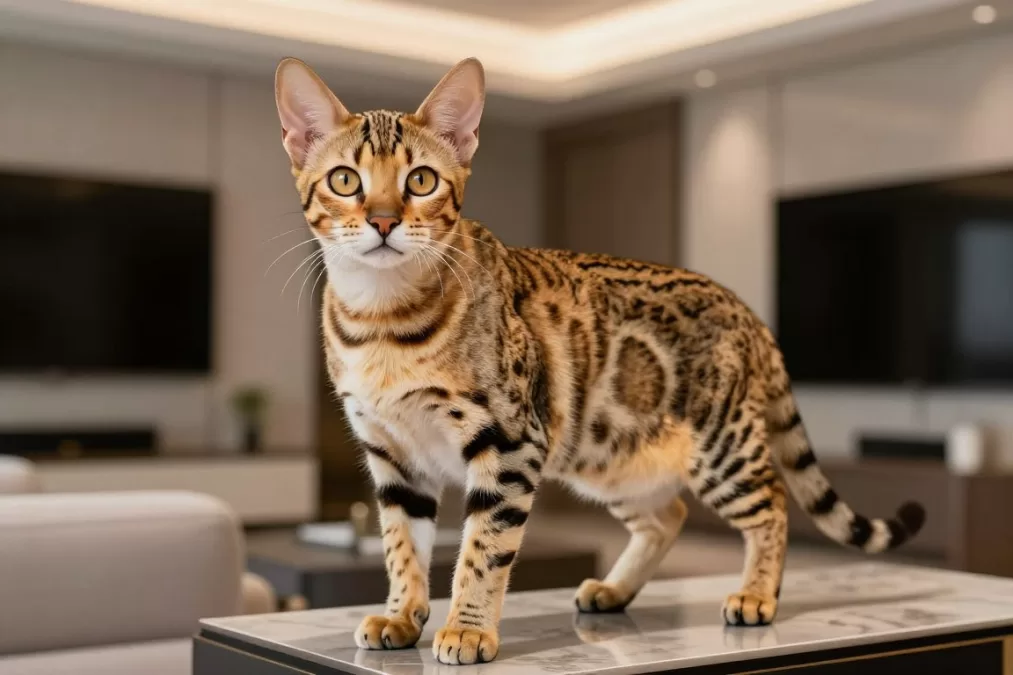
The Savannah cat is a hybrid breed created by crossing domestic cats with African servals. First-generation (F1) Savannah cats can cost between $20,000 and $50,000. These remarkable felines combine the wild appearance of their serval ancestors with more manageable domestic temperaments.
Their exotic appearance features distinctive spotted coats, exceptionally long legs, and large ears. Savannah cats can reach weights of 25 pounds and stand up to 17 inches tall. Their dog-like personalities make them unusually interactive compared to typical domestic cats.
Generation Pricing Structure
The price of Savannah cats varies dramatically based on how closely they’re related to their wild serval ancestors. Understanding these generations helps explain the significant cost differences.
- F1 Generation (50% serval): $15,000-$50,000 depending on appearance
- F2 Generation (25% serval): $4,000-$16,000 with varied characteristics
- F3 Generation (12.5% serval): $1,500-$4,000 more domestic behavior
- F4+ Generations: $1,000-$2,500 predominantly domestic traits
Breeding programs require significant expertise. Female Savannah cats are particularly valuable for continuing bloodlines. The time and expense involved in producing healthy kittens with desired traits contribute substantially to their premium cost.
4. Bengal Cat
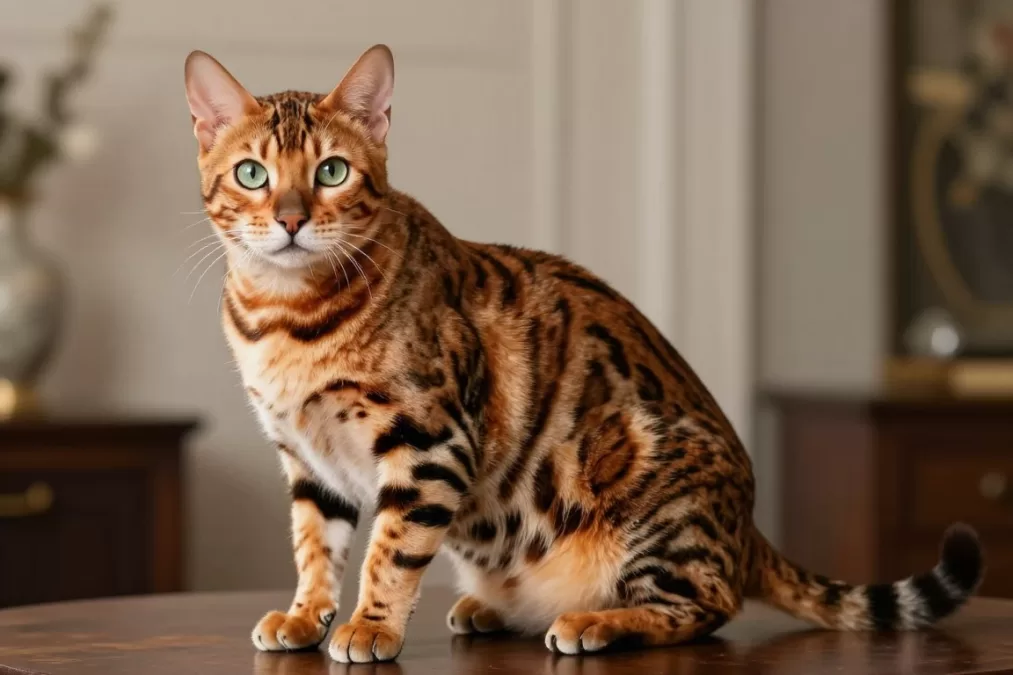
Bengal cats result from crossing domestic cats with Asian leopard cats. These stunning felines typically cost between $1,500 and $5,000, with exceptional show-quality specimens reaching $10,000. Their wild appearance and energetic personalities make them increasingly popular among cat enthusiasts.
The breed’s distinctive coat features either marbled swirls or spotted rosettes reminiscent of wild leopards. Many Bengals possess a unique “glitter” gene that makes their coat shimmer in sunlight. Their muscular build and athletic abilities set them apart from traditional domestic breeds.
Care Requirements
Bengal cats demand more engagement than typical domestic cats. Their high energy levels require substantial daily interaction and environmental enrichment. Owners should expect to invest in vertical spaces, interactive toys, and regular play sessions.
These cats often enjoy water, unlike most felines. Many Bengal owners install cat-safe fountains or allow supervised water play. Their intelligence means they can learn tricks, walk on leashes, and solve puzzle feeders designed for their mental stimulation.
Protecting Your Investment in Expensive Pets
Exotic and luxury pets require specialized insurance coverage. Veterinary care for rare breeds can cost thousands per visit. Compare pet insurance options designed specifically for high-value and exotic animals to protect your investment and ensure your companion receives the best care.
5. Tibetan Mastiff
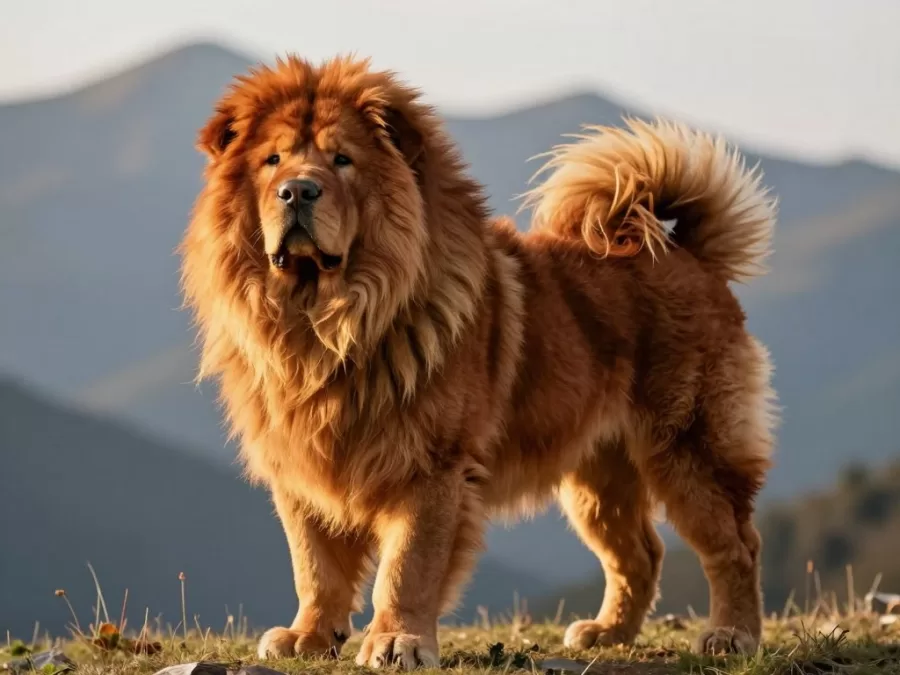
The Tibetan Mastiff holds the record for one of the highest prices ever paid for a dog. In 2014, a Chinese businessman purchased a golden-haired Tibetan Mastiff puppy for $1.9 million. While most specimens cost between $2,000 and $8,000, exceptional bloodlines with rare red coloring can command $400,000 or more.
These ancient guardian dogs originated in the Himalayan mountains. Bred to protect livestock from wolves and leopards, Tibetan Mastiffs possess incredible size and protective instincts. Males can weigh up to 160 pounds with thick, lion-like manes around their necks.
What Drives the Price
Several factors contribute to the extraordinary cost of premium Tibetan Mastiffs. Rare coat colors, particularly pure red or white specimens, command the highest prices. Chinese buyers particularly value these dogs as status symbols and good luck charms.
Ancient lineage documentation significantly increases value. Dogs with verifiable ancestry tracing back centuries to Tibetan monasteries are considered living heritage. The breed’s massive size and imposing appearance add to their prestige among wealthy collectors.
Advantages
- Exceptional guardian and protective instincts
- Ancient heritage with documented history
- Impressive appearance and commanding presence
- Independent and intelligent temperament
- Minimal grooming needs despite thick coat
Challenges
- Extremely strong-willed requiring experienced owners
- Massive size demands substantial space
- Heavy seasonal shedding twice yearly
- Can be territorial with strangers
- High food costs due to large appetite
6. Arabian Horse
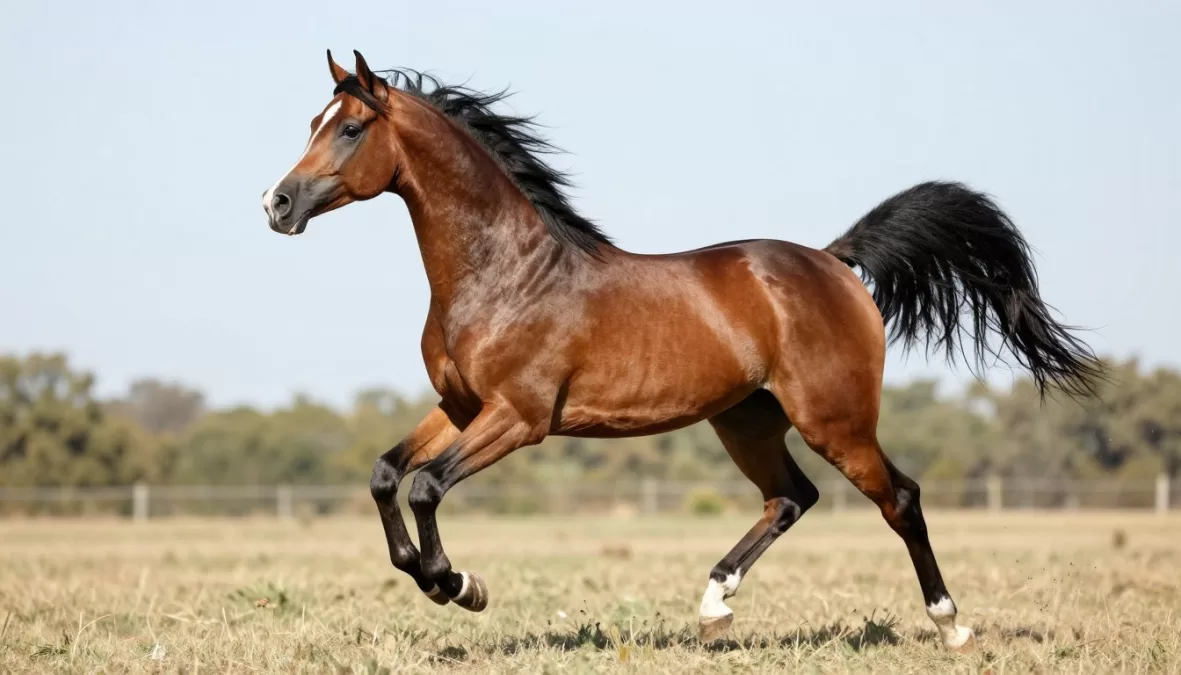
Arabian horses represent one of the oldest and most influential horse breeds in the world. Exceptional Arabian bloodstock regularly sells for $100,000 to $400,000, with champion show horses or proven breeding stallions reaching several million dollars at auction.
These horses are distinguished by their refined wedge-shaped heads, large eyes, and high tail carriage. Arabians possess remarkable endurance, making them dominant in long-distance equestrian sports. Their influence appears in nearly every modern riding horse breed through centuries of crossbreeding.
Investment Considerations
Beyond the initial purchase price, Arabian horse ownership requires significant ongoing investment. Expect to pay $3,000 to $6,000 monthly for boarding at quality facilities with appropriate care. Veterinary expenses, farrier services, and training add thousands more annually.
Championship bloodlines command premium prices based on documented show records and offspring performance. Horses from renowned breeding programs like those in Poland, Egypt, or Saudi Arabia carry additional prestige. Pedigree documentation tracing back to foundation stock significantly impacts value.
7. Hyacinth Macaw
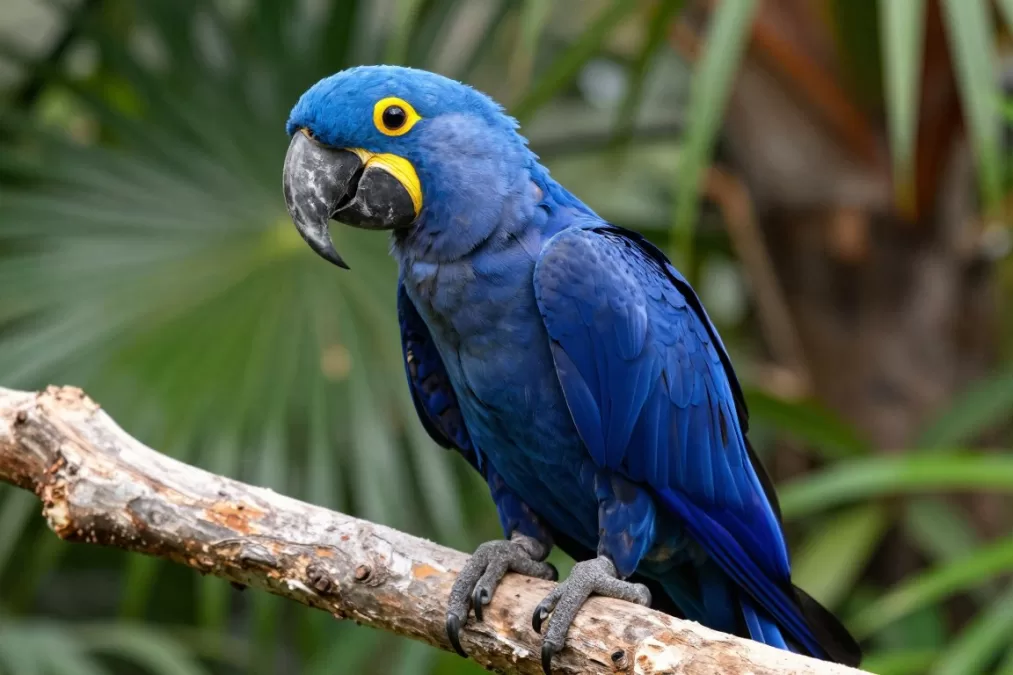
The Hyacinth Macaw is the largest flying parrot species and one of the most expensive birds available. These stunning cobalt-blue birds cost between $7,000 and $40,000 depending on age, breeding status, and temperament. Their endangered status in the wild makes captive-bred specimens particularly valuable.
These magnificent parrots can live 50 to 60 years in captivity, making them genuine lifetime companions. Their size reaches up to 40 inches from head to tail with wingspans exceeding 4 feet. The species’ intelligence and affectionate nature create strong bonds with dedicated owners.
Why They’re So Costly
Hyacinth Macaws are notoriously difficult to breed in captivity. Pairs may take years to successfully produce offspring, and breeding programs require substantial expertise and investment. The species’ endangered status means all legal birds must come from registered breeding facilities with proper documentation.
Their specialized diet includes expensive nuts like macadamias and palm nuts that can cost $200 monthly. These powerful birds require enormous cages measuring at least 6 feet in all dimensions. Their beaks can exert over 200 pounds of pressure, necessitating specially constructed enclosures.
8. De Brazza’s Monkey
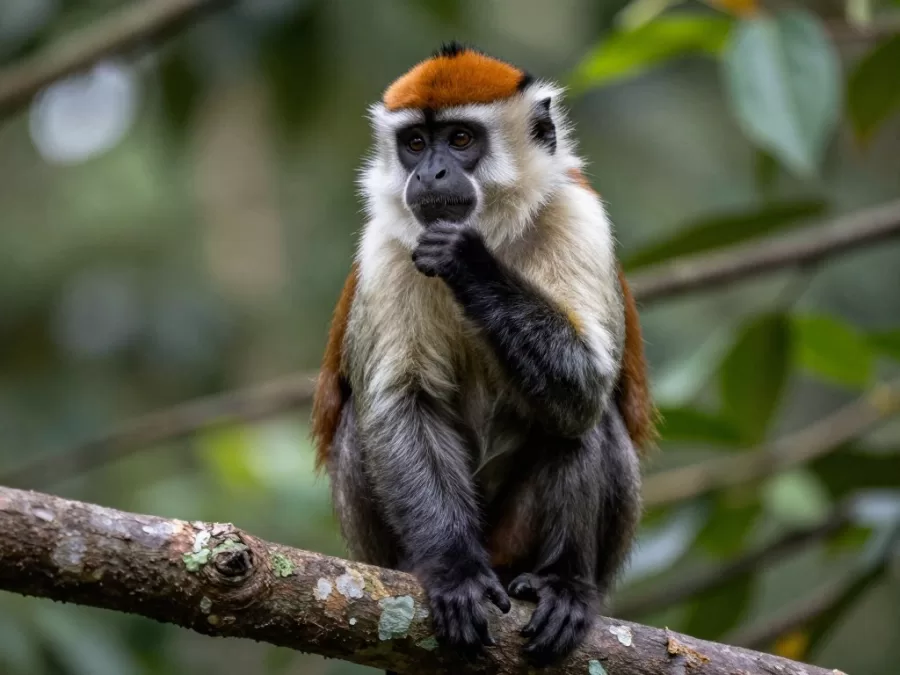
De Brazza’s Monkeys are among the most expensive primates legally available for private ownership in certain jurisdictions. These Old World monkeys can cost $7,000 to $10,000 for captive-bred infants. Their distinctive appearance features white beards, orange crescents on their foreheads, and gentle dispositions compared to other primates.
These medium-sized monkeys require complex social environments and extensive enrichment. As with all primates, ownership regulations vary significantly by location. Most experts strongly discourage private primate ownership due to the animals’ sophisticated needs and potential behavioral challenges as they mature.
Long-term care includes specialized veterinary services from exotic animal doctors, which may cost several thousand dollars annually. Their 20-25 year lifespan represents a multi-decade commitment requiring appropriate financial resources and environmental provisions throughout their lives.

Exotic Pet Care Guides
Access comprehensive care guides specifically written for luxury and exotic pet breeds. Learn proper nutrition, housing requirements, and health management from specialists.

Breed-Specific Resources
Find detailed information about the specific breed you’re considering. Understand temperament, exercise needs, and long-term care costs before making your investment decision.

Owner Communities
Connect with experienced owners of expensive and exotic pets. Share insights, find recommended veterinarians, and learn from others’ experiences with rare breeds and species.
9. Palm Cockatoo
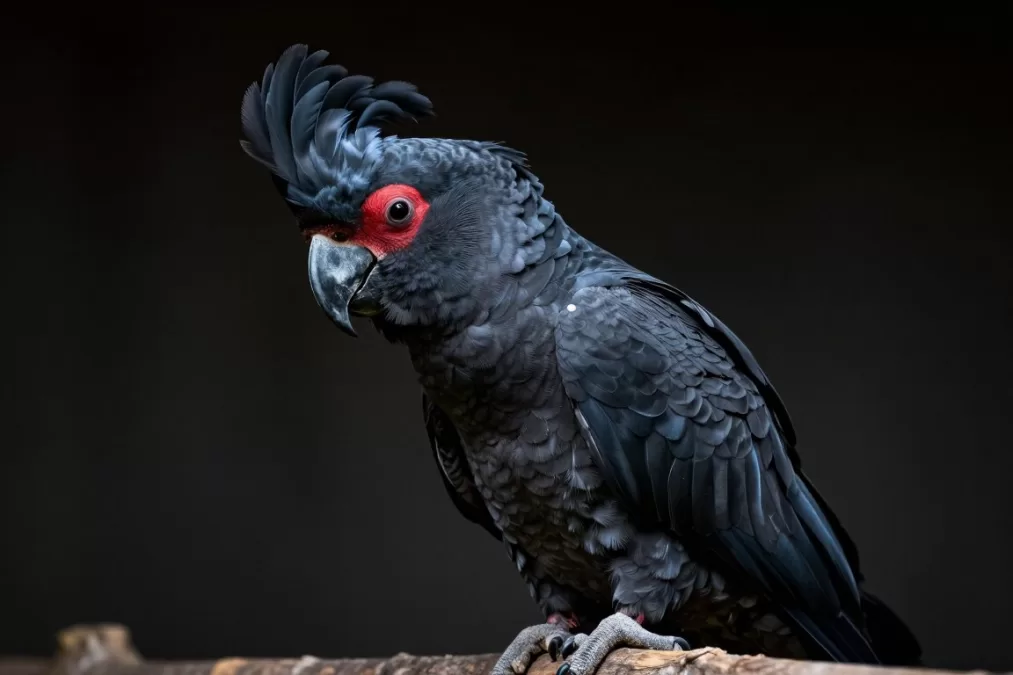
Palm Cockatoos are among the most impressive and expensive parrot species available. These dramatic black birds with red facial patches cost between $16,000 and $23,000. Native to northern Australia and New Guinea, they’re the largest cockatoo species with powerful personalities to match their size.
These remarkable birds are famous for their tool use and drumming displays. Males use sticks to drum on hollow trees as part of courtship rituals, demonstrating sophisticated cognitive abilities. Their vocalizations include loud whistles and distinctive calls that can carry over long distances.
Lifetime Commitment
Palm Cockatoos can live 40 to 60 years or more in captivity. This extraordinary lifespan means potential owners must plan for multi-decade commitments. The birds form intense bonds with their caregivers and can develop behavioral issues if their complex social needs aren’t met consistently.
Their diet requires diverse fruits, nuts, seeds, and specialized pellets costing $150-$250 monthly. These powerful birds need reinforced cages made from heavy-gauge materials. Daily interaction, mental enrichment, and flight time outside the cage are essential for their psychological well-being.
10. English Thoroughbred Racehorse

English Thoroughbred racehorses represent the pinnacle of equine breeding for speed and athleticism. While many racehorses sell for $50,000 to $300,000, exceptional yearlings from champion bloodlines routinely command $1 million to $10 million at prestigious sales. The record price for a Thoroughbred reached $70 million.
These horses are bred specifically for racing performance over distances ranging from five furlongs to two miles. Centuries of selective breeding have created animals capable of reaching speeds exceeding 40 miles per hour. Their value is determined by pedigree, conformation, and the racing records of close relatives.
Investment vs. Pet Ownership
Most expensive Thoroughbreds are purchased as business investments rather than pets. Owners expect returns through prize money, breeding fees, or eventual resale. However, some wealthy enthusiasts do acquire retired racehorses as riding companions after their track careers conclude.
The total cost of maintaining a racehorse in training exceeds $50,000 annually. This includes trainer fees, veterinary care, farrier services, transportation, and race entry fees. Only a small percentage of racehorses earn enough prize money to offset these substantial expenses.
Understanding What Makes Pets Expensive

Several interconnected factors contribute to the extraordinary prices commanded by the world’s most expensive pets. Understanding these elements helps explain why certain animals cost more than luxury vehicles while others remain relatively affordable despite similar care requirements.
Rarity and Genetic Factors
Genetic rarity drives prices higher than any other single factor. Animals with unusual color variations, distinctive physical traits, or specific breed characteristics that occur infrequently command premium prices. Breeders invest years developing and maintaining these rare genetic lines.
Successful breeding programs for exotic species require specialized knowledge and significant financial investment. Many expensive pets have low reproduction rates, long gestation periods, or difficult breeding requirements. These biological constraints naturally limit supply while demand from collectors remains strong.
Pedigree and Lineage
Documented ancestry significantly impacts an animal’s value. Pets with championship bloodlines, recorded genealogies tracing back generations, or connections to famous breeding programs command substantially higher prices. This documentation provides assurance of genetic quality and predictable characteristics.
Show records and competition victories by parents, grandparents, or siblings add considerable value. Buyers pay premium prices for animals likely to replicate the success of their relatives. Breeding rights for champion animals can be worth more than the animals themselves.
Making Informed Decisions About Expensive Pets
The world of expensive pets reveals fascinating intersections of biology, breeding science, conservation, and human desire for unique companionship. These animals represent substantial financial commitments that extend far beyond initial purchase prices. Prospective owners must carefully consider ongoing care costs, specialized veterinary needs, and lifestyle impacts.
Responsible ownership of expensive or exotic pets requires thorough research, honest assessment of capabilities, and long-term planning. Many of these animals live for decades and maintain complex needs throughout their lives. The decision to acquire a luxury pet should never be impulsive or based primarily on status considerations.
For those genuinely prepared for the commitment, these remarkable animals can provide extraordinary companionship and unique relationships. However, potential owners should prioritize the animal’s welfare above all other considerations. Consulting with specialists, visiting established breeders, and connecting with existing owners provides invaluable insights before making these significant decisions.

Priyanka Pandey
Senior Research Editor · Top10Sense
Priyanka specializes in tech, consumer products, and digital trends. She combines hands-on testing, vendor interviews, and database research to create trustworthy “Top 10” rankings. Her work has been referenced by industry blogs and brand report pages.