From massive flightless runners to soaring ocean wanderers, the biggest birds on our planet showcase nature’s most remarkable adaptations. These extraordinary species captivate scientists and wildlife enthusiasts alike with their impressive dimensions and fascinating behaviors.
The world of avian giants spans multiple continents and diverse habitats. Some tower over humans on land while others command the skies with wingspans exceeding small aircraft.
This comprehensive guide reveals the ten largest bird species currently inhabiting Earth. You’ll discover precise measurements, unique characteristics, and remarkable facts about each magnificent creature.
Understanding How We Measure the Largest Birds in the World
Determining which birds qualify as the largest requires examining multiple factors. Scientists consider height, weight, and wingspan when ranking these remarkable animals.
Different measurement criteria reveal different champions. The tallest bird differs significantly from the heaviest or the one with the greatest wingspan.
Height Measurements
Height measures the vertical distance from feet to head when the bird stands upright. This metric particularly favors flightless species like ostriches that evolved for terrestrial life.
Tall birds world often possess powerful legs adapted for running or defense. These adaptations make them formidable creatures in their native habitats.
Weight and Wingspan
Weight determines overall mass, while wingspan measures the distance between extended wingtips. Flying birds balance these factors to achieve aerial capability.
The largest flying birds possess enormous wingspans that enable soaring across vast distances. These measurements can exceed 11 feet in certain species.
1. Common Ostrich: The Undisputed Giant Among Birds
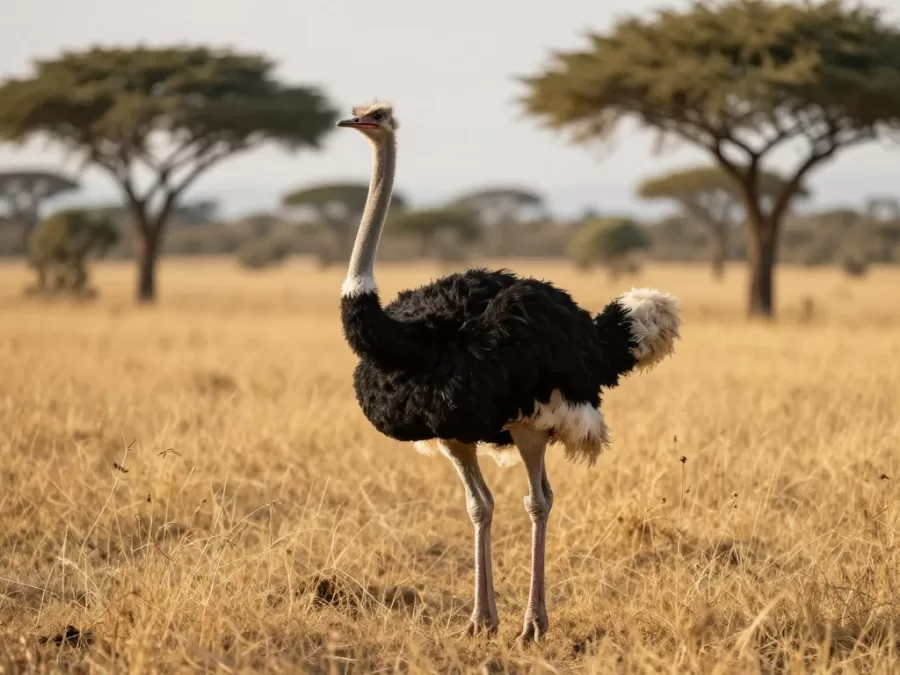
The common ostrich claims the title as the world’s largest living bird species. These magnificent creatures reach heights up to 9 feet tall and weigh as much as 320 pounds.
Native to Africa, ostriches dominate open savannas and semi-arid regions. Their powerful legs enable speeds reaching 43 miles per hour, making them the fastest birds on land.
Physical Characteristics
Male ostriches display distinctive black plumage with white wing and tail feathers. Females exhibit brown coloring that provides camouflage for nest protection.
Their eyes measure nearly 2 inches in diameter, larger than their brain. This adaptation helps spot predators across vast African plains.
Despite weighing hundreds of pounds, ostriches possess only two toes per foot. This unique feature contributes to their exceptional running ability.
- Height: 7 to 9 feet tall
- Weight: 220 to 320 pounds
- Speed: Up to 43 miles per hour
- Lifespan: 30 to 40 years in wild
- Egg size: Largest of any bird species
Behavior and Habitat
Ostriches live in groups ranging from 5 to 50 individuals. Dominant males establish territories and perform elaborate courtship displays during breeding season.
These birds world consume a varied diet including plants, insects, and small animals. They require minimal water intake, obtaining most moisture from vegetation.
Males incubate eggs during nighttime hours while females share daytime duties. A single nest may contain up to 60 eggs from multiple females.
2. Southern Cassowary: The Dangerous Rainforest Giant
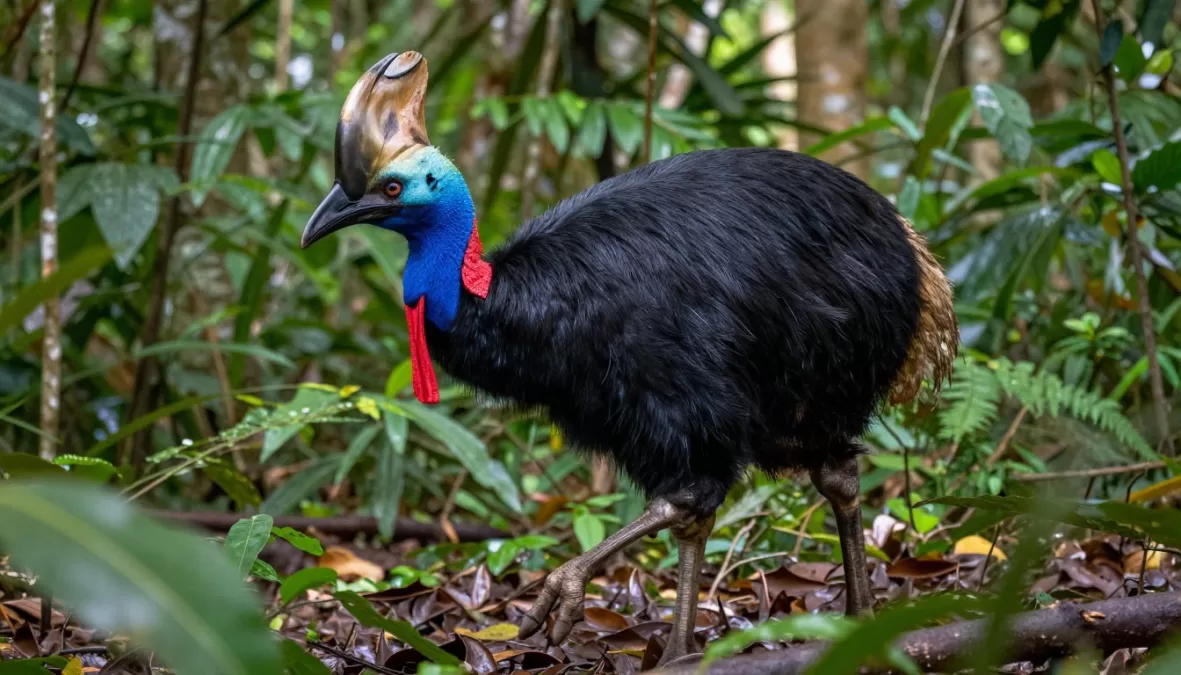
The southern cassowary ranks as the second-heaviest bird on Earth. These powerful creatures inhabit tropical rainforests of New Guinea and northeastern Australia.
Standing up to 6 feet tall and weighing up to 190 pounds, cassowaries earned their reputation as one of the most dangerous birds. Their helmet-like casque and dagger-sharp claws demand respect.
Unique Features
The bony casque atop their head may help produce low-frequency calls. Scientists also theorize it assists in pushing through dense vegetation.
Their powerful legs terminate in three toes, with the inner toe bearing a 5-inch claw. This formidable weapon can deliver devastating kicks when threatened.
Physical Stats
- Height: 5 to 6 feet
- Weight: 75 to 190 pounds
- Claw length: Up to 5 inches
- Running speed: 31 miles per hour
Conservation Status
- Listed as vulnerable species
- Habitat loss threatens populations
- Critical for seed dispersal
- Protected in national parks
Ecological Importance
Southern cassowaries serve as vital seed dispersers in rainforest ecosystems. They consume large fruits whole and spread seeds across vast territories.
Over 150 plant species depend on cassowaries for seed distribution. Loss of these birds could devastate forest regeneration.
3. Emu: Australia’s Towering National Symbol
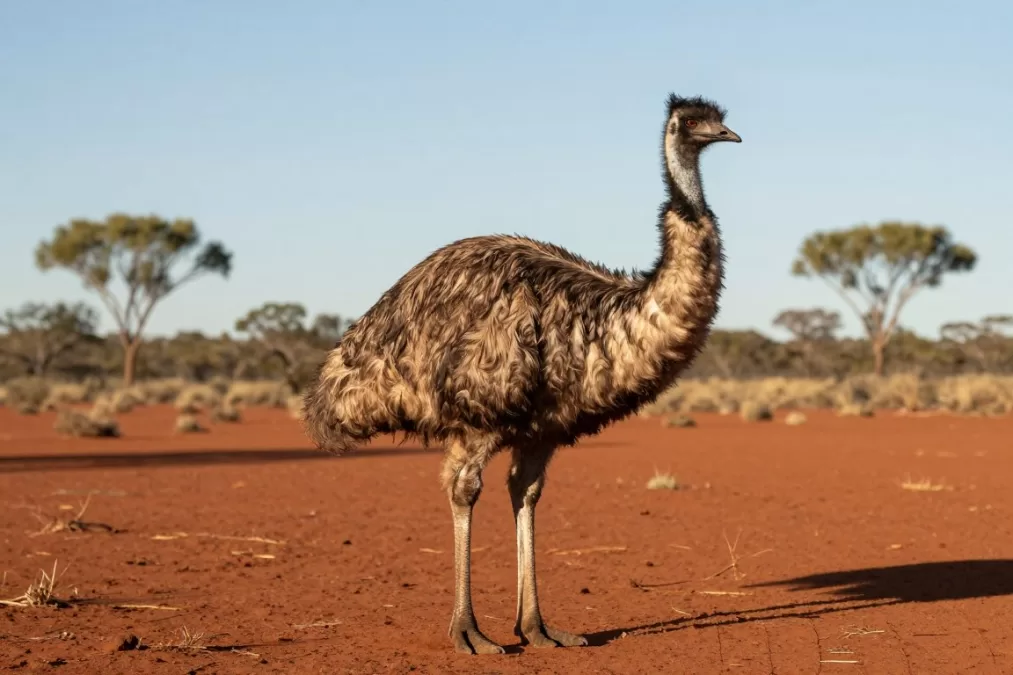
The emu stands as Australia’s largest native bird and second tallest in the world. These curious creatures reach heights of 6.5 feet and weigh up to 130 pounds.
Emus inhabit diverse Australian landscapes from coastal regions to interior deserts. Their adaptability allows survival in harsh conditions where water remains scarce.
Distinctive Characteristics
Emus possess soft, shaggy feathers that appear hair-like. This unique plumage provides insulation during cold desert nights and heat protection during scorching days.
Their powerful legs carry them at sustained speeds of 30 miles per hour. When necessary, emus can maintain this pace for considerable distances.
Males exclusively incubate eggs and raise chicks. During the 8-week incubation period, males rarely eat, drink, or defecate while protecting the nest.
Diet and Behavior
Emus consume varied diets including plants, insects, and small animals. They deliberately swallow stones to aid digestion in their muscular gizzards.
These birds world travel nomadically following food and water sources. Groups may contain up to 20 individuals during non-breeding periods.
- Height ranges from 5 to 6.5 feet
- Males weigh 80 to 130 pounds
- Can survive weeks without water
- Produce deep drumming sounds
- Featured on Australian coat of arms
4. Emperor Penguin: Antarctica’s Largest Flightless Marine Bird
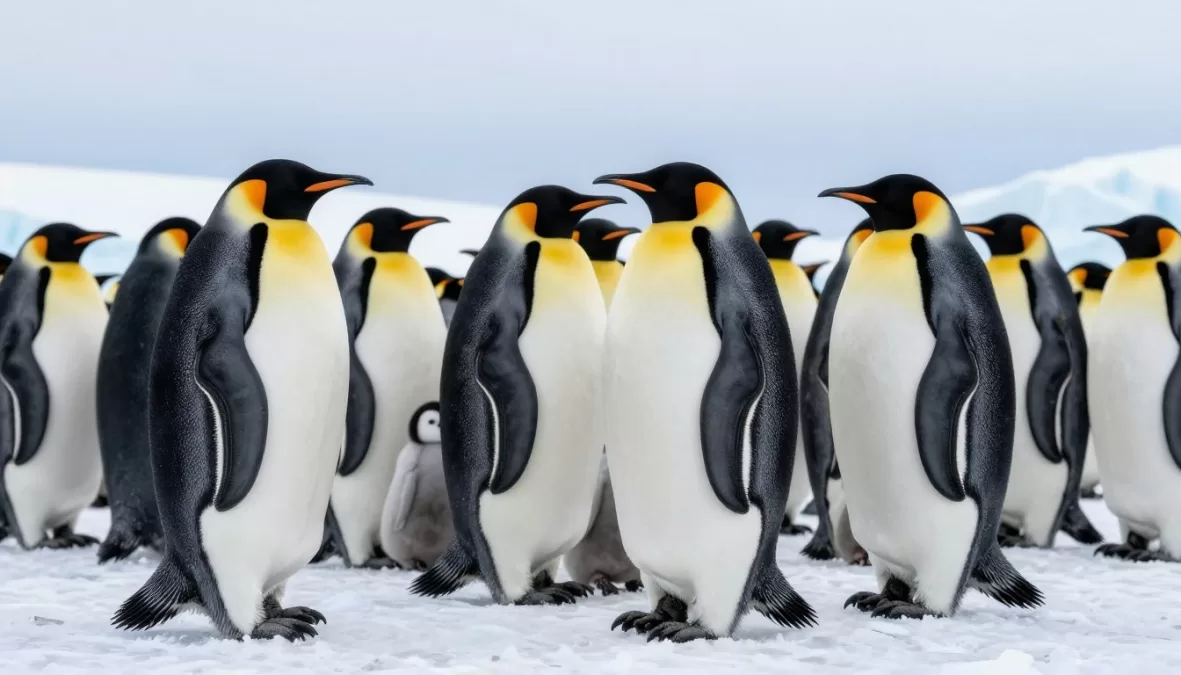
Emperor penguins reign as the tallest and heaviest penguin species. These remarkable birds stand up to 4 feet tall and weigh up to 88 pounds.
Living exclusively in Antarctica, emperor penguins endure the harshest conditions on Earth. They breed during brutal Antarctic winters when temperatures plummet to negative 40 degrees.
Extreme Adaptations
Dense feathers provide waterproofing and insulation in frigid waters. Emperor penguins possess about 100 feathers per square inch, more than any other bird.
Males balance eggs on their feet beneath a specialized brood pouch. They huddle together in massive groups, taking turns occupying the warmer center positions.
Incredible Fact: Males fast for up to 120 days during breeding season while incubating eggs. They lose nearly half their body weight during this period.
Diving and Feeding
These accomplished divers reach depths exceeding 1,800 feet while hunting fish and squid. Dives typically last 3 to 6 minutes, though they can remain submerged for over 20 minutes.
Emperor penguins consume approximately 4 to 7 pounds of food daily. Their diet consists primarily of Antarctic silverfish, squid, and krill.
- Adults stand 3.6 to 4 feet tall
- Weight ranges from 50 to 88 pounds
- Dive depths exceed 1,800 feet
- Can hold breath for 22 minutes
- Travel up to 75 miles to feeding grounds
Discover More Fascinating Wildlife Facts
Join thousands of nature enthusiasts receiving weekly insights about Earth’s most incredible creatures. Get exclusive bird facts, conservation updates, and stunning wildlife photography delivered to your inbox.
5. Greater Rhea: South America’s Largest Native Bird
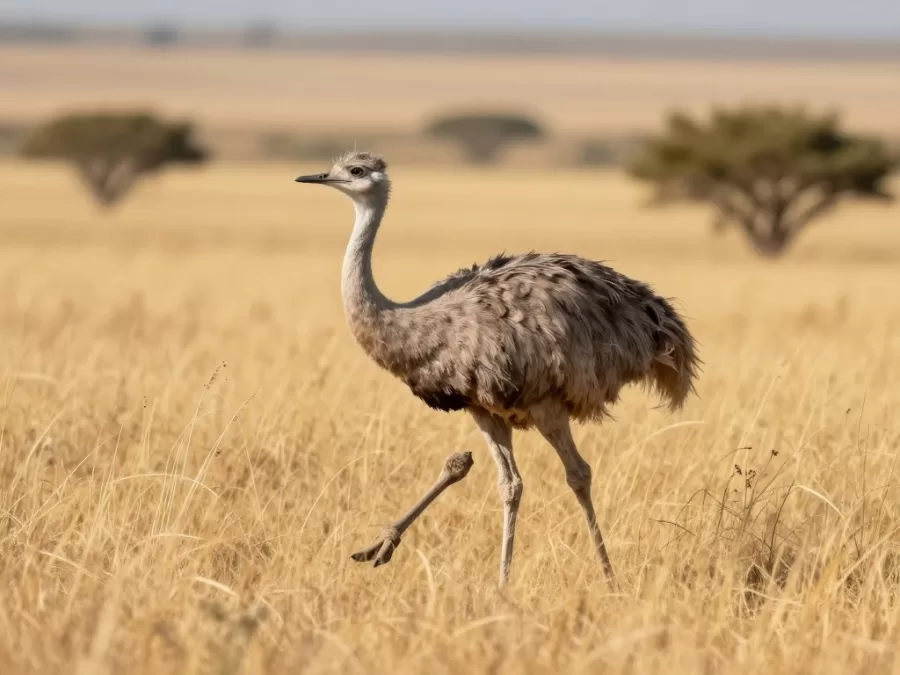
The greater rhea dominates the grasslands and shrublands of South America. These impressive birds reach heights of 5 feet and weigh up to 88 pounds.
Often called the South American ostrich, rheas share similar ecological niches with their African cousins. They thrive in Argentina, Bolivia, Brazil, Paraguay, and Uruguay.
Physical Attributes
Greater rheas display gray-brown plumage that provides excellent camouflage in grassland habitats. Males typically grow larger than females.
Unlike ostriches, rheas possess three toes on each foot. This adaptation helps them navigate softer, marshy terrain common in South America.
Their wings, though flightless, aid in balance during high-speed running. Males also spread wings during courtship displays to attract females.
Social Structure
Greater rheas form flocks during non-breeding seasons containing up to 30 individuals. These groups often include mixed ages and sexes.
Males become territorial during breeding periods, establishing harems of multiple females. A single male may mate with up to 12 females.
After mating, males construct nests and incubate eggs from all their mates. Nests may contain 50 or more eggs, making them substantial undertakings.
- Height measures 4 to 5 feet
- Weight ranges 50 to 88 pounds
- Running speed reaches 40 miles per hour
- Omnivorous diet including plants and insects
- Males exclusively care for young
6. Wandering Albatross: Master of Ocean Skies
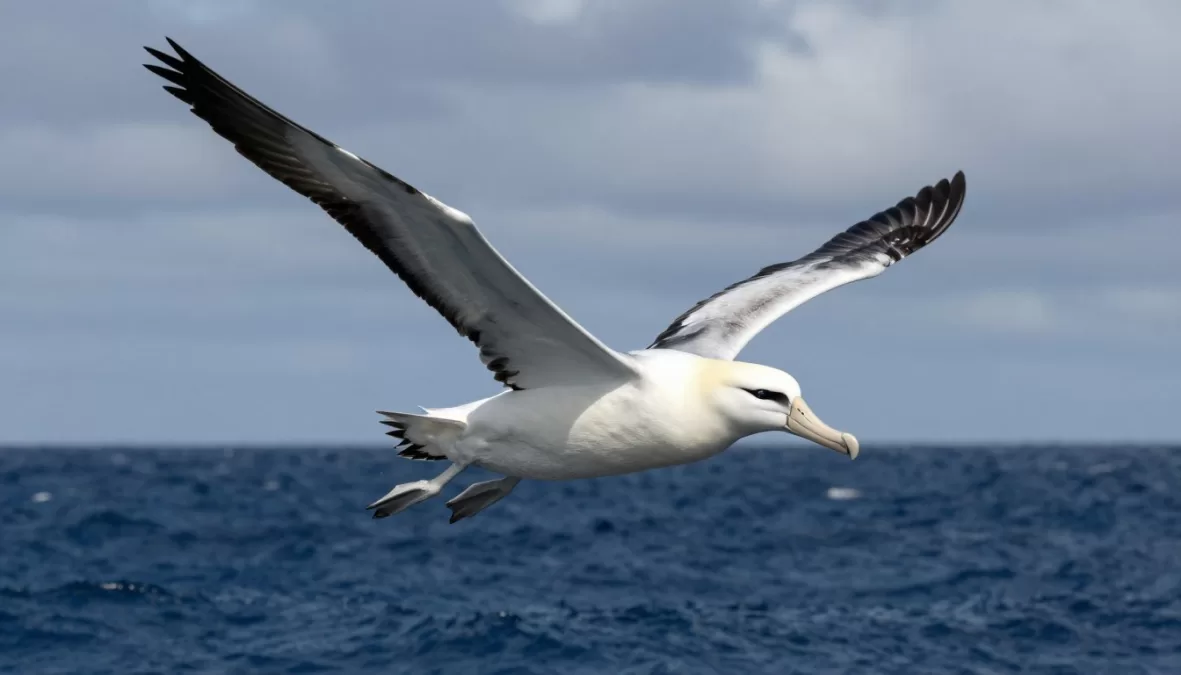
The wandering albatross possesses the largest wingspan of any living bird. These magnificent ocean wanderers achieve wingspans exceeding 11 feet from tip to tip.
Spending most of their lives soaring over southern oceans, wandering albatross rarely touch land except for breeding. They can travel thousands of miles without flapping their wings.
Aerial Supremacy
Wandering albatross employ dynamic soaring techniques to harness wind energy. They can maintain flight for hours without a single wingbeat, conserving enormous energy.
These flying birds world circumnavigate Antarctica multiple times annually. GPS tracking reveals individual birds traveling over 75,000 miles per year.
Wing Efficiency: The wandering albatross wingspan-to-body-weight ratio represents one of nature’s most efficient flying designs. Their long, narrow wings generate maximum lift with minimum drag.
Life History
Wandering albatross form lifelong pair bonds lasting decades. Breeding pairs reunite at remote sub-Antarctic islands every two years.
Chicks require nearly a full year to fledge, one of the longest development periods among birds. Parents alternate foraging trips lasting up to two weeks.
- Wingspan reaches 8.2 to 11.5 feet
- Weight ranges 13 to 28 pounds
- Lifespan exceeds 50 years
- Feed primarily on squid and fish
- Can smell food from 12 miles away
Conservation Concerns
Wandering albatross populations face threats from longline fishing operations. Birds become entangled in fishing gear while attempting to snatch bait.
Climate change alters ocean currents and food distribution patterns. These changes impact breeding success and chick survival rates across colonies.
7. Andean Condor: Soaring Symbol of the Andes
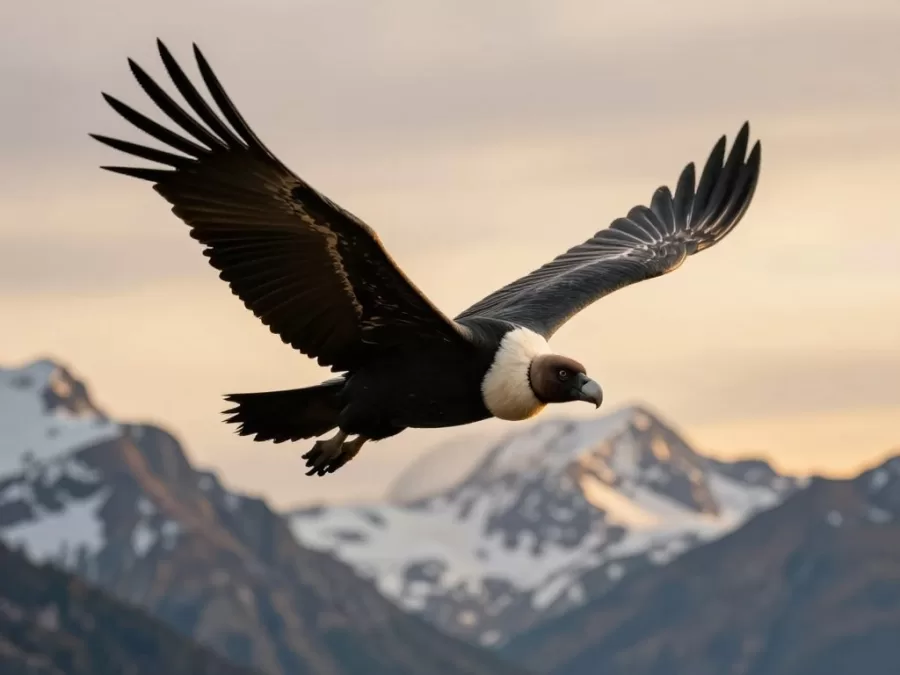
The Andean condor reigns as one of the world’s largest flying birds. With wingspans reaching 10.5 feet and weights up to 33 pounds, these magnificent raptors dominate South American skies.
Andean condors inhabit mountainous regions from Venezuela to Tierra del Fuego. They soar at altitudes exceeding 18,000 feet, scanning vast territories for food.
Scavenging Specialists
Andean condors primarily consume carrion from large mammals. Their bald heads prevent feathers from matting with blood while feeding on carcasses.
These birds can consume up to 15 pounds in a single feeding. After gorging, they may not eat again for several days or even weeks.
Keen eyesight allows them to spot carrion from tremendous heights. They often follow smaller scavengers to locate food sources.
- Wingspan spans 9 to 10.5 feet
- Males weigh 24 to 33 pounds
- Females slightly lighter than males
- Lifespan reaches 50 to 75 years
- Sexual maturity at 5 to 6 years
Cultural Significance
Andean condors hold sacred status in many indigenous South American cultures. They appear in mythology, art, and national symbols across multiple countries.
Conservation efforts have helped stabilize populations after severe declines. Captive breeding and reintroduction programs show promising results in several regions.
8. Dalmatian Pelican: Europe’s Heaviest Flying Bird
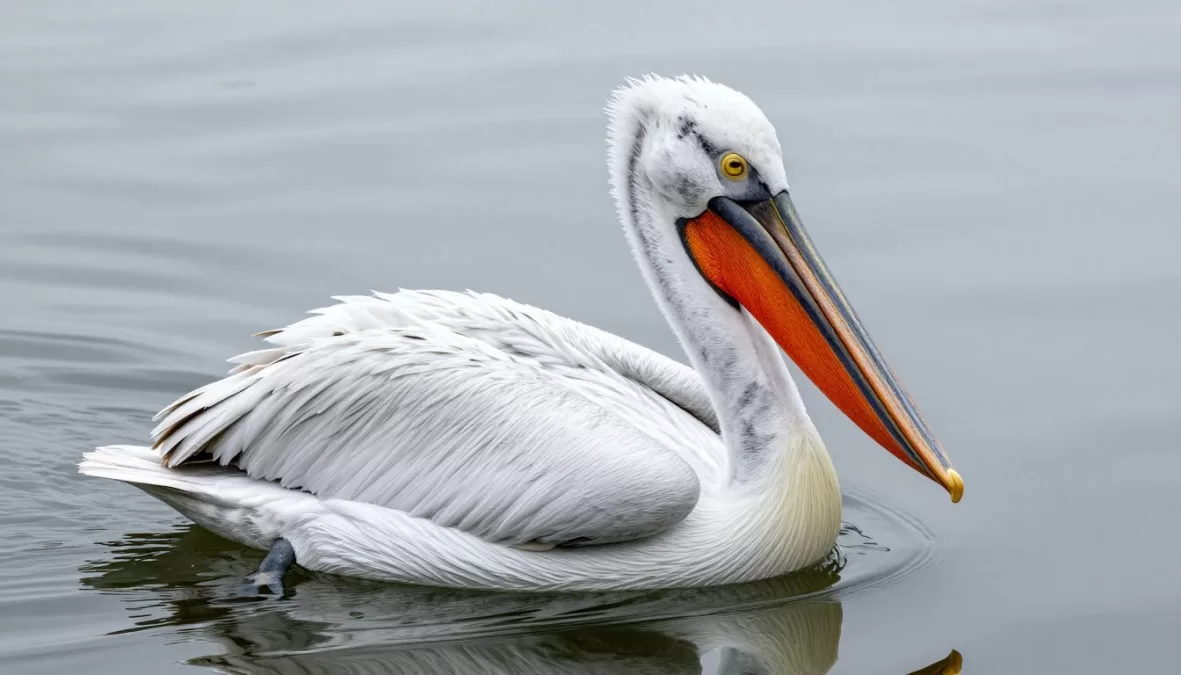
The Dalmatian pelican claims the title of heaviest flying bird capable of taking off from water. These impressive waterfowl weigh up to 33 pounds with wingspans reaching 11 feet.
Once widespread across Europe and Asia, Dalmatian pelicans now occupy fragmented habitats. They prefer large freshwater lakes and river deltas with abundant fish populations.
Fishing Techniques
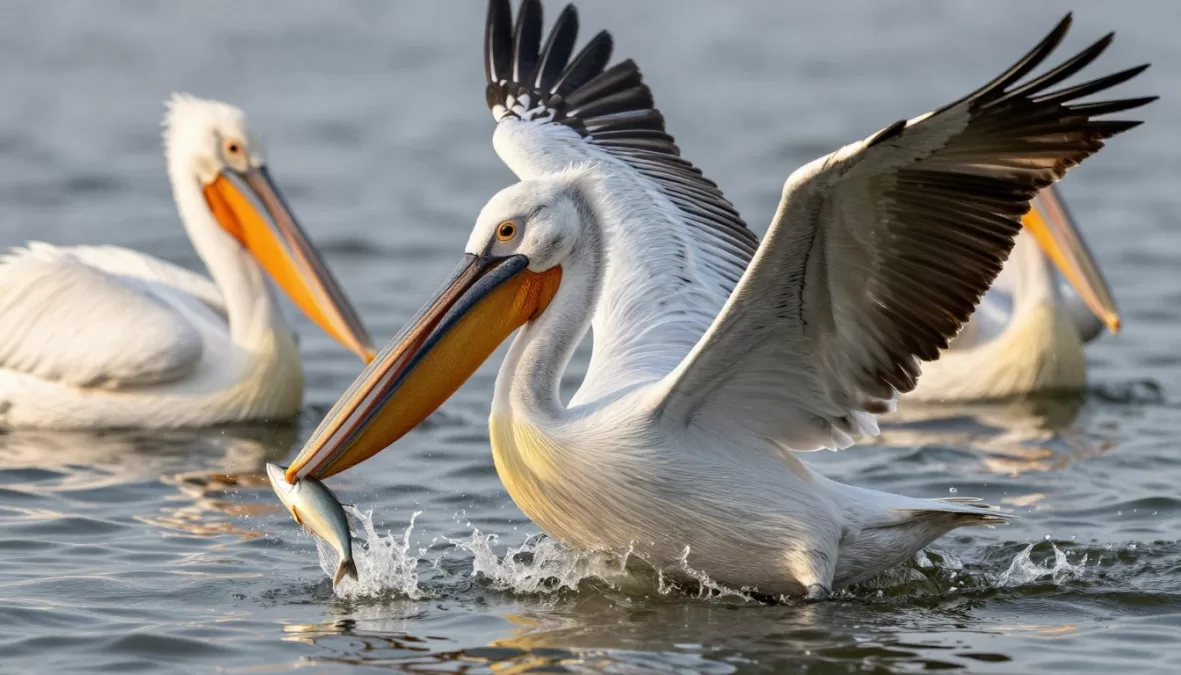
Dalmatian pelicans hunt cooperatively in coordinated groups. They form semicircles and drive fish into shallow water where capture becomes easier.
Their enormous bill pouches can hold over 3 gallons of water. After scooping fish, they drain water before swallowing prey whole.
Physical Measurements
- Length: 5.2 to 5.9 feet
- Wingspan: 9 to 11 feet
- Weight: 20 to 33 pounds
- Bill length: 14 to 18 inches
Breeding Behavior
- Nest in colonies near water
- Both parents incubate eggs
- Typically raise 2 chicks
- Chicks fledge at 85 days
Conservation Status
Habitat loss and water pollution threaten remaining populations. Wetland drainage for agriculture eliminated many historical breeding sites.
International conservation programs focus on protecting critical habitats. Several countries established protected reserves specifically for these magnificent birds world.
9. Mute Swan: Elegant Giant of Waterways
Mute swans rank among the heaviest flying birds in North America and Europe. These graceful waterfowl reach weights up to 33 pounds with wingspans approaching 8 feet.
Originally native to Europe and Asia, mute swans now inhabit waterways across multiple continents. Their populations expanded through both natural range expansion and human introduction.
Distinctive Features
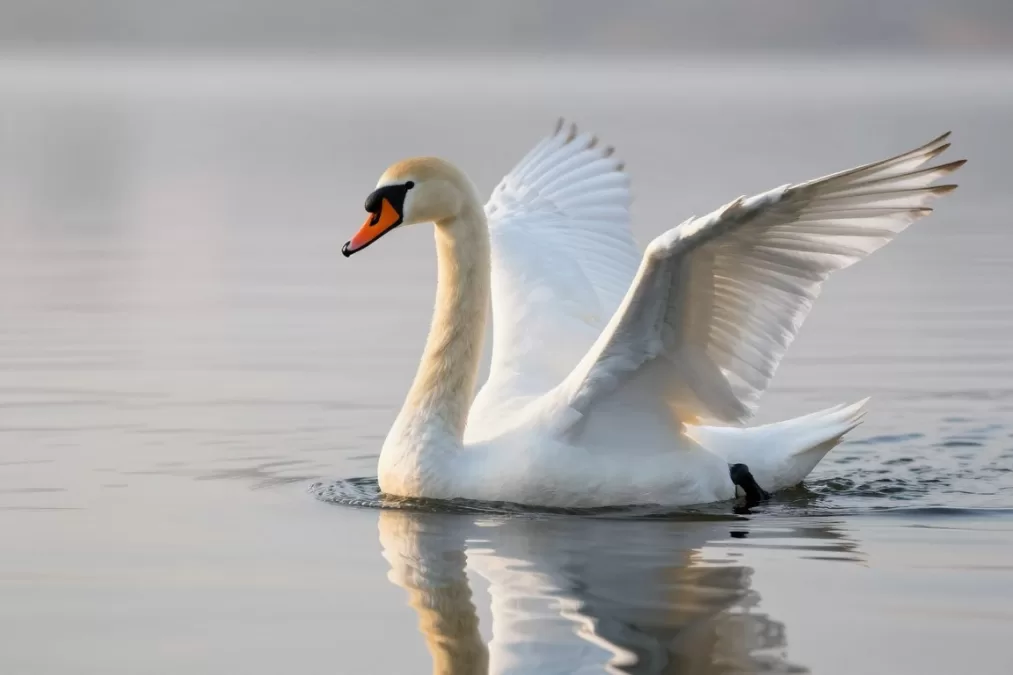
Adult mute swans display brilliant white plumage contrasting with orange bills. Males, called cobs, typically grow larger than females known as pens.
Despite their name, mute swans produce various sounds including hisses and grunts. Their wingbeats create distinctive rhythmic humming audible from considerable distances.
Powerful wings enable flight despite substantial weight. Taking off requires long running starts across water surfaces before achieving liftoff.
Territorial Behavior
Breeding pairs defend territories aggressively against intruders. They exhibit dramatic threat displays including raised wings and rapid swimming approaches.
Mute swans maintain the same territories for multiple years. Pairs often return to successful nesting sites season after season.
- Length measures 4.5 to 5.3 feet
- Wingspan reaches 6.6 to 7.9 feet
- Weight ranges 22 to 33 pounds
- Lifespan extends 15 to 20 years
- Pairs mate for life
Ecological Impact
High consumption rates of aquatic vegetation alter wetland ecosystems. A single swan consumes up to 8 pounds of plant material daily.
Their feeding behavior can reduce food availability for native waterfowl. Some regions implement population control measures to protect ecosystem balance.
Download Your Free Bird Comparison Guide
Get our comprehensive visual guide comparing all major bird species by size, weight, and wingspan. Perfect for students, educators, and wildlife enthusiasts. Includes detailed charts and fascinating facts.
10. Kori Bustard: Africa’s Heaviest Flying Bird
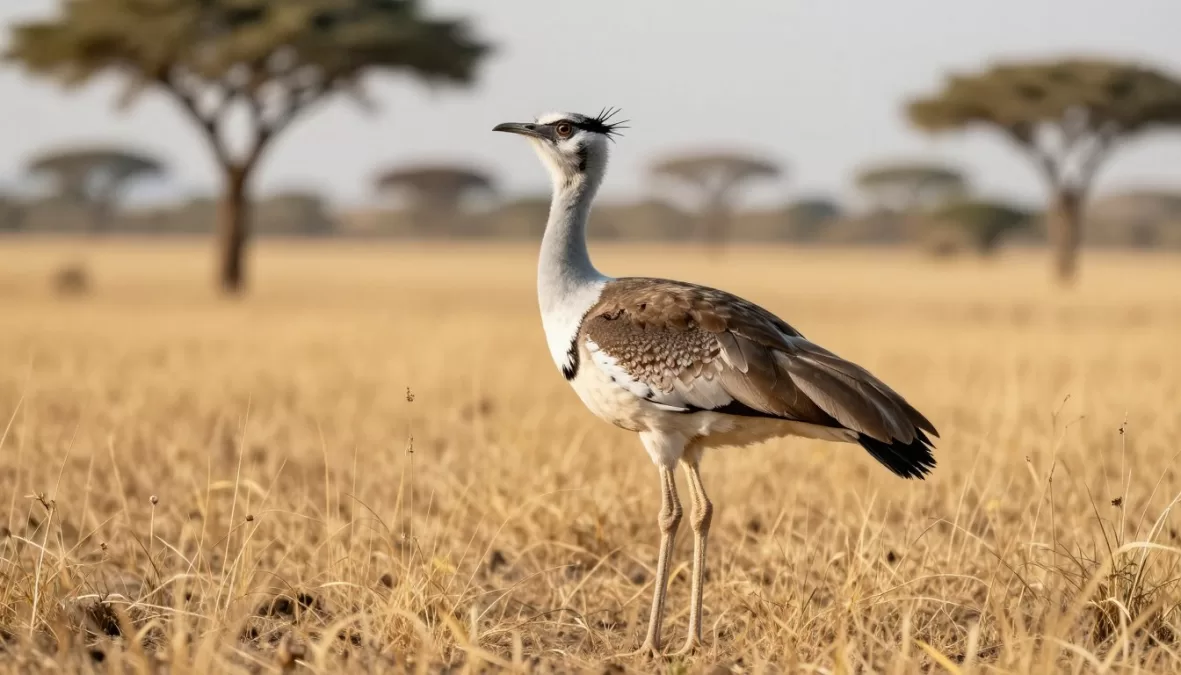
The kori bustard holds distinction as the heaviest bird capable of flight. Males reach extraordinary weights up to 42 pounds, testing the limits of avian flight capability.
These magnificent birds inhabit grasslands and lightly wooded savannas across southern and eastern Africa. They prefer open habitats with good visibility for detecting predators.
Flight Challenges
Kori bustards require substantial running starts to achieve flight. They prefer walking and running, only taking to the air when absolutely necessary.
Despite their reluctance to fly, they possess powerful flight muscles. Once airborne, they maintain steady flight with deep, powerful wingbeats.
Physical Specifications
Males significantly outweigh females, displaying pronounced sexual dimorphism. This size difference ranks among the most extreme in the bird world.
- Height: 3 to 4 feet tall
- Male weight: 24 to 42 pounds
- Female weight: 11 to 15 pounds
- Wingspan: 7.5 to 9 feet
Feeding Habits
Kori bustards consume omnivorous diets including insects, small vertebrates, and plant material. They particularly favor grasshoppers and beetles.
- Hunt insects in grasslands
- Eat small reptiles and mammals
- Consume seeds and berries
- Require minimal water intake
Courtship Displays
Males perform elaborate courtship rituals to attract females. They inflate throat sacs, fan tail feathers, and strut with exaggerated movements.
During displays, males produce deep booming calls audible from over a mile away. These performances can continue for hours during breeding season.
Conservation Status
Kori bustard populations face threats from habitat loss and hunting pressure. Agricultural expansion reduces suitable grassland habitats across their range.
Several African countries now protect these birds through wildlife reserves. Conservation organizations work to preserve critical bustard habitats.
Comparing the Largest Birds in the World: Key Differences
The biggest birds showcase remarkable diversity in size, adaptations, and ecological roles. Understanding their differences reveals nature’s varied solutions to survival challenges.
| Bird Species | Maximum Height | Maximum Weight | Maximum Wingspan | Flight Capability |
| Common Ostrich | 9 feet | 320 pounds | N/A – Flightless | Cannot fly |
| Southern Cassowary | 6 feet | 190 pounds | N/A – Flightless | Cannot fly |
| Emu | 6.5 feet | 130 pounds | N/A – Flightless | Cannot fly |
| Emperor Penguin | 4 feet | 88 pounds | N/A – Flightless | Swims only |
| Greater Rhea | 5 feet | 88 pounds | N/A – Flightless | Cannot fly |
| Wandering Albatross | 3.5 feet | 28 pounds | 11.5 feet | Excellent flyer |
| Andean Condor | 4 feet | 33 pounds | 10.5 feet | Excellent flyer |
| Dalmatian Pelican | 5.9 feet | 33 pounds | 11 feet | Strong flyer |
| Mute Swan | 5.3 feet | 33 pounds | 7.9 feet | Capable flyer |
| Kori Bustard | 4 feet | 42 pounds | 9 feet | Reluctant flyer |
Flightless vs. Flying Giants
The largest birds split distinctly between flightless terrestrial species and powerful flyers. Flightless birds evolved larger bodies without flight constraints.
Flying birds balance size against aerodynamic requirements. The largest flying species possess exceptional wingspans to support their weight during flight.
Flightless Advantages
Birds that abandoned flight could develop greater body mass and height without weight restrictions.
- Massive weight for defense
- Powerful legs for running
- Reduced energy for movement
- Larger eggs and offspring
Flying Giant Benefits
Species maintaining flight capability access food sources and territories unavailable to land-bound birds.
- Vast foraging ranges
- Escape from predators
- Migration capabilities
- Access to remote breeding sites
Where the Largest Birds in the World Live
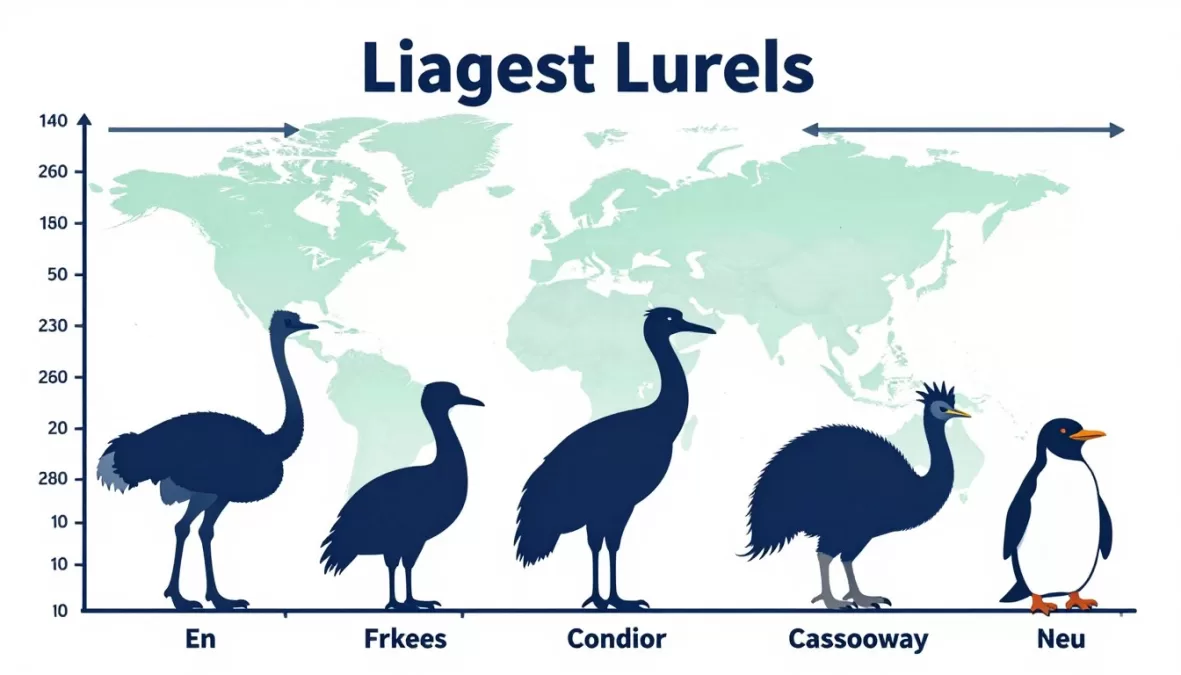
The biggest birds inhabit diverse ecosystems across every continent except Antarctica. Each species evolved to dominate specific environmental niches.
Continental Distribution
Africa hosts the tallest and heaviest land bird species. The common ostrich rules savannas while various bustards patrol grasslands.
South America claims its own giants including rheas and Andean condors. These birds adapted to environments ranging from tropical lowlands to high mountain peaks.
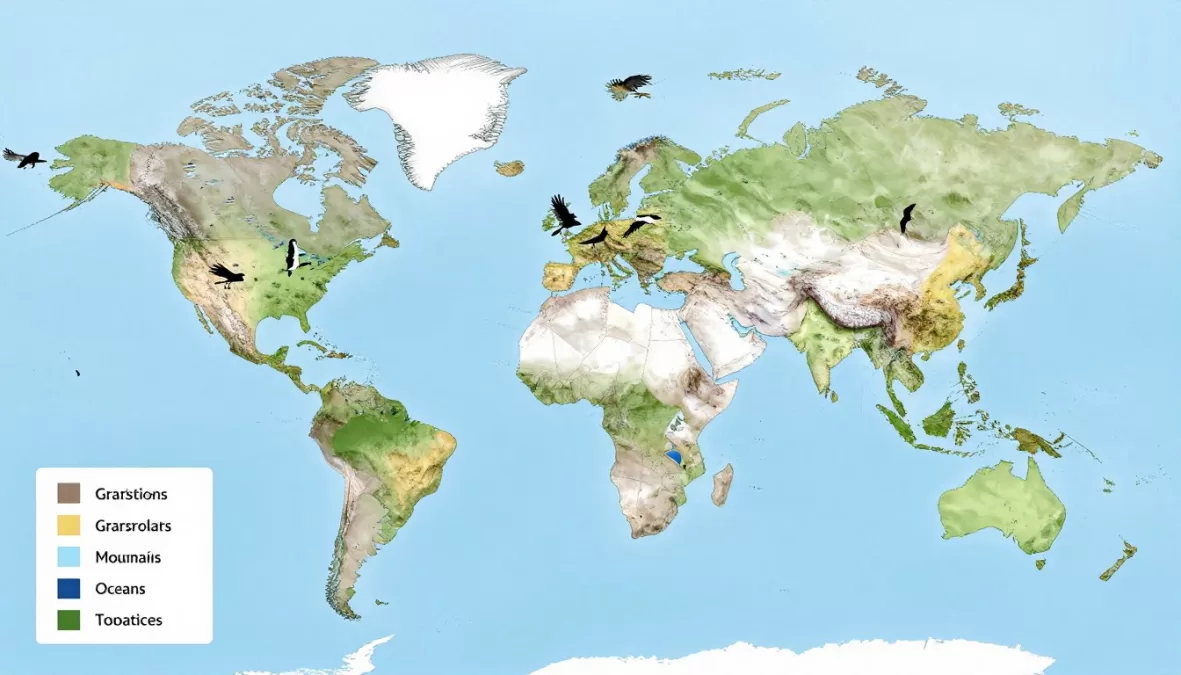
Australia and New Guinea support distinctive megafauna including emus and cassowaries. Island isolation allowed unique evolutionary paths for these remarkable animals.
Oceanic Giants
The world’s oceans provide habitat for birds with the greatest wingspans. Albatrosses and pelicans exploit marine resources across vast distances.
These pelagic species spend months at sea without touching land. They ride wind currents efficiently, traveling thousands of miles per hour in sustained flight.
- Southern Ocean hosts wandering albatross populations
- Mediterranean and Black Sea support Dalmatian pelicans
- Antarctic waters sustain emperor penguin colonies
- Pacific islands provide breeding grounds for various large seabirds
Habitat Requirements
Large birds require specific habitat features for survival. Open spaces allow flightless species to detect approaching threats and escape via running.
Flying giants need thermals and wind currents for efficient soaring. Mountains and coastlines provide ideal conditions for these aerial masters.
Conservation Connection: Habitat preservation remains critical for all large bird species. Their substantial space requirements make them particularly vulnerable to human development and land-use changes.
How Birds Became Giants: Evolution and Adaptations
The evolution of massive size in birds resulted from specific environmental pressures and opportunities. Different lineages independently developed gigantism through varied pathways.
Flight Loss and Size Increase
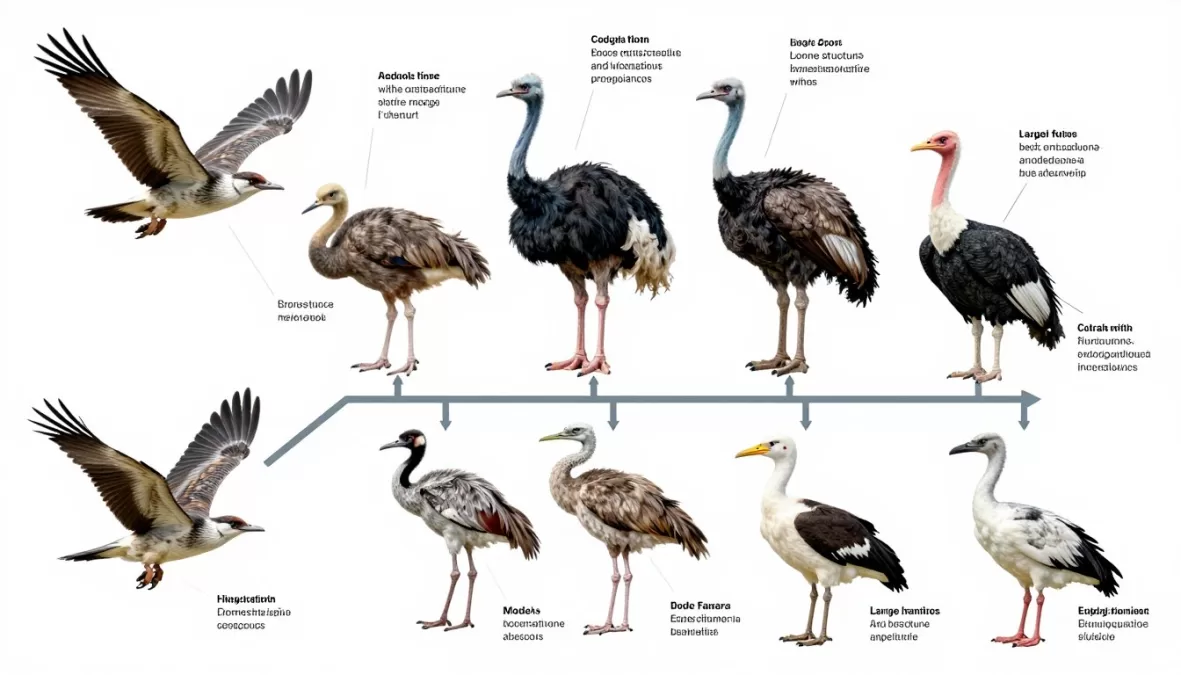
Many of the largest birds evolved from flying ancestors that abandoned aerial life. Without flight constraints, body size increased dramatically over millions of years.
Island environments particularly favored flightlessness. Reduced predator pressure and abundant ground-based food sources made flight unnecessary for survival.
Skeletal Adaptations
Large flightless birds developed denser, heavier bones compared to their flying relatives. This provided structural support for increased body mass.
Powerful leg bones evolved to support substantial weight. Ostriches possess the strongest legs relative to body size among all birds.
Metabolic Changes
Larger body sizes provided thermal advantages in extreme climates. Greater mass retains heat more efficiently in cold environments.
Big birds also require less food per pound of body weight. This metabolic efficiency allows survival in resource-limited habitats.
Wing Evolution
Flying giants evolved extraordinary wingspan-to-weight ratios. Long, narrow wings generate maximum lift while minimizing drag during soaring flight.
Albatrosses possess specialized wing-locking mechanisms. This allows them to maintain extended wing positions without muscular effort during hours of gliding.
Defensive Adaptations
Large flightless birds developed formidable defensive weapons. Cassowary claws can inflict lethal wounds on potential predators or rivals.
Size itself provides protection from most predators. Adult ostriches face few natural enemies due to their intimidating stature and powerful kicks.
Reproduction and Parenting Among Giant Birds
The largest birds display fascinating reproductive strategies adapted to their enormous size. Breeding behaviors vary dramatically between species based on ecological niches.
Egg Size and Development
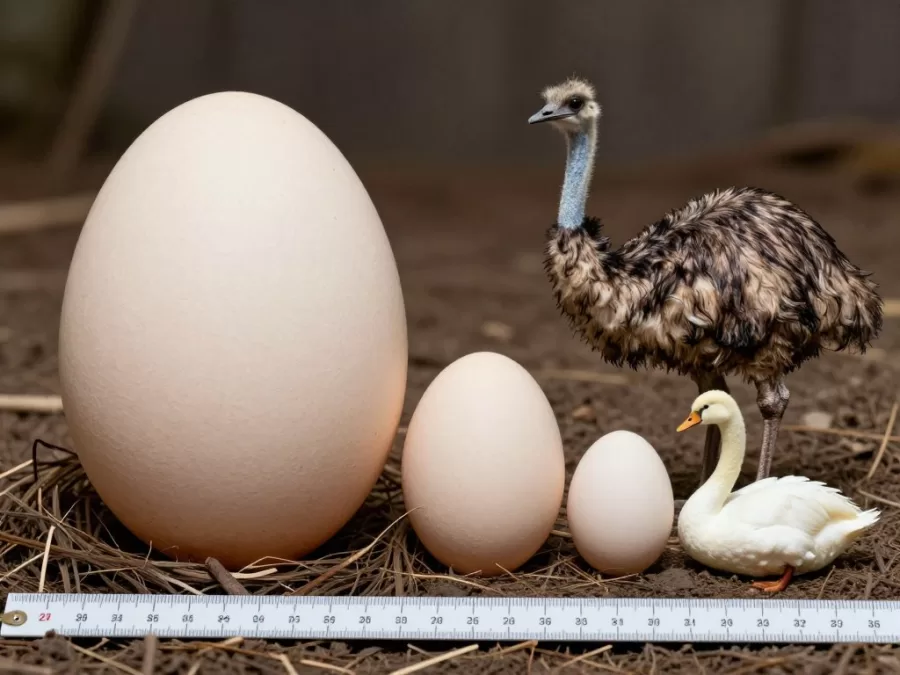
Ostrich eggs rank as the largest single cells in the animal kingdom. Each egg weighs up to 3 pounds and measures 6 inches in diameter.
Despite their massive size, ostrich eggs remain small relative to adult body mass. This allows females to lay multiple eggs without excessive energy expenditure.
Incubation Patterns
Males often assume primary incubation duties among large flightless birds. This pattern appears across ostriches, emus, rheas, and cassowaries.
Incubation periods extend for weeks or months. Emperor penguin males incubate eggs for 64 days while females travel to distant feeding grounds.
Both parents share responsibilities in many flying species. Albatrosses alternate egg duties in shifts lasting several days per parent.
Chick Development
Large bird chicks develop slowly compared to smaller species. Extended development periods allow acquisition of skills necessary for survival.
Albatross chicks remain in nests for up to 9 months before fledging. Parents make marathon foraging trips to provision their growing offspring.
- Ostrich chicks can run shortly after hatching
- Cassowary young stay with fathers for 9 months
- Penguin chicks form protective crèches
- Condor chicks require 6 months to fledge
- Swan cygnets ride on parents’ backs
Parental Investment
Giant birds invest enormous energy in offspring survival. Limited breeding frequency ensures parents can adequately provision each youngster.
Many large species breed biennially rather than annually. This extended interval allows recovery of body condition between breeding attempts.
What the Largest Birds in the World Eat
Dietary strategies among giant birds vary as dramatically as their physical forms. Each species evolved specialized feeding behaviors matching their ecological roles.
Herbivorous Giants
Several large flightless birds consume primarily plant material. Ostriches graze on grasses, seeds, and succulent plants across African landscapes.
These herbivores possess powerful gizzards containing swallowed stones. Gastroliths grind tough plant fibers, enabling efficient nutrient extraction.
Plant-Based Diets
- Ostriches favor grasses and seeds
- Emus consume diverse vegetation
- Mute swans eat aquatic plants
- Rheas graze on grassland flora
Carnivorous Feeders
- Condors scavenge large carrion
- Cassowaries eat fallen fruit
- Pelicans catch live fish
- Penguins hunt marine prey
Marine Hunters
Ocean-dwelling giants specialize in catching fish and squid. Emperor penguins dive to extreme depths pursuing Antarctic silverfish and other prey.
Pelicans employ cooperative fishing strategies to maximize catch rates. Groups work together herding fish into shallow water for easier capture.
Scavenging Specialists
Andean condors fill critical ecological roles as scavengers. Their powerful beaks tear through tough hides that smaller scavengers cannot penetrate.
These birds can locate carrion from miles away using exceptional eyesight. They soar for hours scanning vast territories for feeding opportunities.
Scavenging requires patience and energy conservation. Condors may travel hundreds of miles between meals, relying on stored body fat during lean periods.
Conservation Challenges Facing the Largest Birds
Many of the world’s largest bird species face serious conservation threats. Human activities increasingly impact their habitats and survival prospects.
Habitat Loss
Agricultural expansion eliminates critical breeding and foraging habitats. Wetland drainage particularly affects species like Dalmatian pelicans requiring extensive aquatic ecosystems.
Large birds need substantial territories for survival. Habitat fragmentation isolates populations, reducing genetic diversity and breeding success.
Critical Status: Several large bird species approach endangered status. Immediate conservation action remains essential for preventing extinctions.
Human-Wildlife Conflict
Conflicts arise when large birds damage crops or compete for resources. Farmers sometimes retaliate against species perceived as threats to livestock or agriculture.
Education programs help communities understand the ecological value of these magnificent animals. Compensation schemes reduce incentives for persecution.
Major Threats
- Habitat destruction from development
- Climate change altering ecosystems
- Pollution contaminating food sources
- Hunting and poaching pressure
- Fishing gear entanglement
- Introduced predators on islands
Conservation Solutions
- Protected area establishment
- Habitat restoration projects
- Captive breeding programs
- International cooperation
- Community education initiatives
- Research and monitoring
Success Stories
Conservation efforts have achieved notable successes for several species. Andean condor reintroduction programs established new populations in historical ranges.
International treaties protect migratory species crossing multiple countries. These agreements coordinate conservation actions across national boundaries.
Ecotourism generates economic incentives for protecting large birds. Communities benefit financially from wildlife viewing opportunities, creating local support for conservation.
Fascinating Facts About the World’s Largest Birds
Beyond their impressive sizes, these remarkable creatures possess extraordinary abilities and surprising characteristics that continue amazing researchers and enthusiasts.
Speed Records
Despite their massive sizes, many large birds achieve remarkable speeds both on land and in the air.
- Ostriches sprint up to 43 miles per hour
- Emus maintain 30 miles per hour for miles
- Cassowaries charge at 31 miles per hour
- Albatrosses fly at 50 miles per hour in strong winds
Longevity Champions
Large birds often live exceptionally long lives compared to smaller species, with some surviving many decades.
- Wandering albatross live over 60 years
- Andean condors reach 75 years in wild
- Ostriches survive 40 years naturally
- Mute swans live 20 years typically
Remarkable Abilities
These birds demonstrate incredible physical capabilities that seem almost supernatural given their enormous sizes.
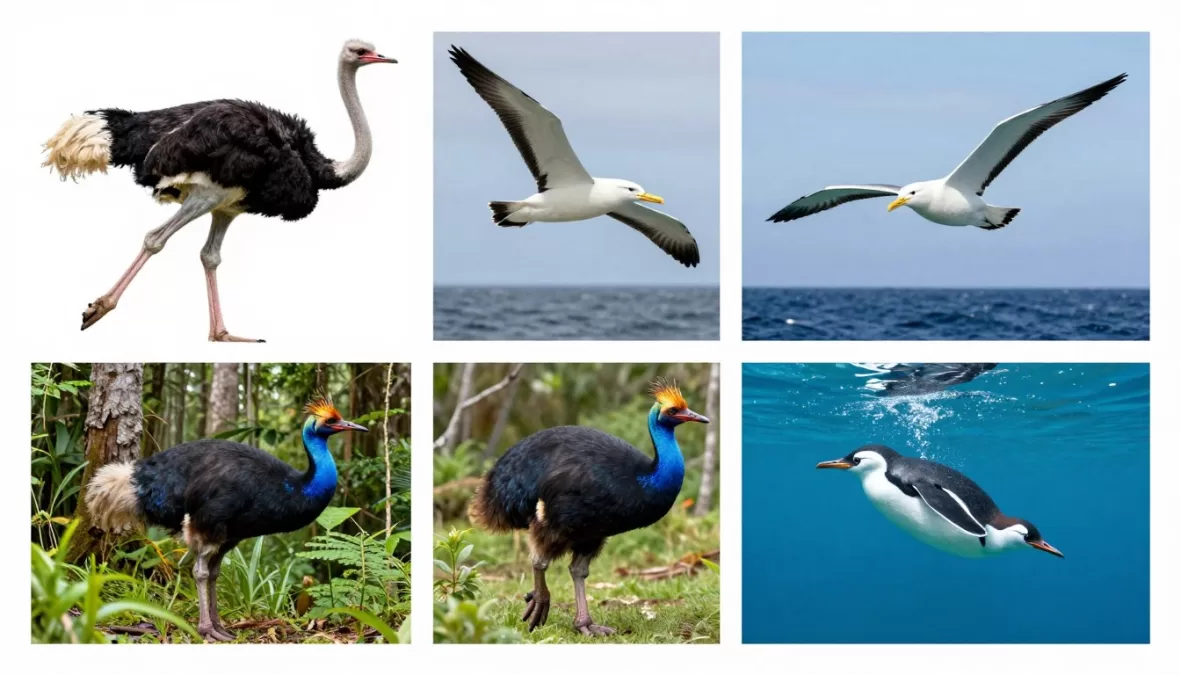
- Emperor penguins dive deeper than 1,800 feet while holding breath for 22 minutes
- Wandering albatrosses travel 75,000 miles annually without touching land for months
- Ostriches possess eyes larger than their brains for predator detection
- Cassowary kicks generate forces exceeding 500 pounds per square inch
- Dalmatian pelicans hold over 3 gallons of water in throat pouches
- Mute swans can break human bones with powerful wing strikes
Cultural Significance
Large birds feature prominently in human cultures worldwide. They appear in national symbols, religious traditions, and artistic representations.
The Andean condor represents power and freedom across South American nations. Several countries display condors on flags and coats of arms.
Australian culture celebrates the emu through indigenous stories and modern iconography. The bird shares space with the kangaroo on Australia’s national emblem.
“To see an albatross soaring effortlessly across the ocean is to witness one of nature’s most perfect designs. These magnificent birds remind us that evolution can achieve seemingly impossible feats.”
Where to See the Largest Birds in the World
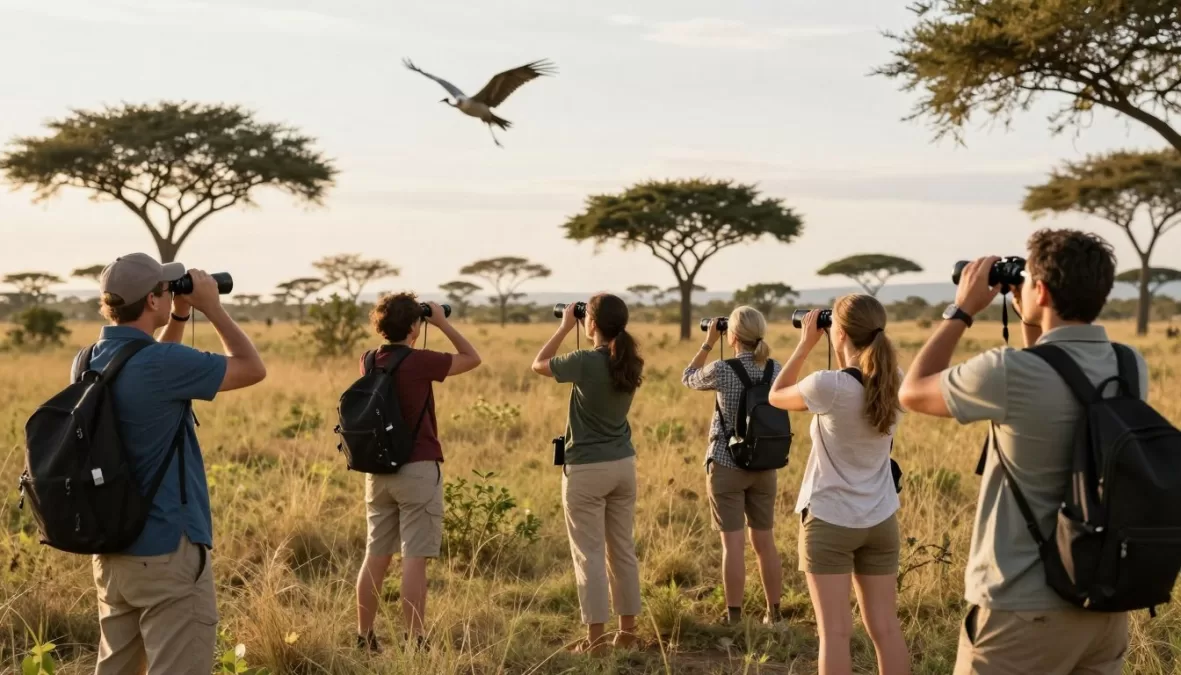
Wildlife enthusiasts can observe these magnificent creatures in various locations worldwide. Responsible ecotourism supports conservation while providing unforgettable experiences.
African Safaris
East and southern African safari destinations offer excellent opportunities for viewing ostriches and kori bustards. Kenya, Tanzania, and South Africa host abundant populations.
Guided tours maximize sightings while minimizing disturbance to wildlife. Experienced guides share fascinating insights about bird behavior and ecology.
South American Adventures
The Andes mountains provide habitat for observing condors soaring against dramatic landscapes. Peru and Argentina offer established viewing locations with high success rates.
Patagonian grasslands host greater rhea populations easily visible from roads and trails. Chilean and Argentinian parks protect these impressive birds world.
Antarctic Expeditions
Specialized cruises visit Antarctic emperor penguin colonies during breeding season. These challenging journeys reward adventurers with unparalleled wildlife encounters.
Witnessing thousands of penguins on ice shelves creates memories lasting lifetimes. Strict protocols protect these sensitive environments from tourism impacts.
Observation Ethics
Responsible wildlife viewing requires maintaining appropriate distances and minimizing disturbance. Never approach nesting sites or attempt to feed wild birds.
- Use binoculars and telephoto lenses for close views
- Stay on designated trails and viewing areas
- Keep noise levels low to avoid startling animals
- Follow all park regulations and guide instructions
- Support local conservation through entrance fees
- Share experiences to inspire others’ conservation interest
Join Our Wildlife Enthusiast Community
Connect with thousands of bird lovers worldwide. Share sightings, ask questions, access exclusive content, and stay updated on conservation efforts. Free membership includes our monthly newsletter packed with fascinating wildlife stories.
The Magnificent World of Giant Birds
The largest birds in the world represent millions of years of evolutionary innovation. From towering flightless runners to graceful ocean soaring masters, each species showcases nature’s remarkable adaptability.
These magnificent creatures face unprecedented challenges in our rapidly changing world. Habitat loss, climate change, and human activities threaten their continued survival.
Conservation efforts require global cooperation and local commitment. Protecting these remarkable animals preserves biodiversity and maintains ecological balance across diverse ecosystems.
Whether observing an ostrich racing across African plains or watching an albatross glide effortlessly over southern seas, encounters with giant birds inspire wonder and respect. Their continued presence enriches our planet and reminds us of nature’s extraordinary power.
Understanding and appreciating the biggest birds world strengthens our connection to the natural environment. Through education, conservation support, and responsible wildlife viewing, we ensure future generations can marvel at these incredible species.
Take Action: Supporting bird conservation organizations, choosing sustainable products, and spreading awareness all contribute to protecting these magnificent animals. Every action matters in preserving Earth’s remarkable avian giants.

Priyanka Pandey
Senior Research Editor · Top10Sense
Priyanka specializes in tech, consumer products, and digital trends. She combines hands-on testing, vendor interviews, and database research to create trustworthy “Top 10” rankings. Her work has been referenced by industry blogs and brand report pages.