
The global retail industry continues its remarkable transformation in 2026. Major retail brands are posting record revenue numbers. The competitive landscape shifts as companies adapt to changing consumer behavior across countries worldwide.
This comprehensive ranking reveals which retail companies dominate the market. We examine revenue figures measured in billions of dollars. Each entry provides insight into operations spanning multiple countries and stores.
Understanding these rankings helps business leaders make informed decisions. Investors gain clarity on market leaders. Industry professionals discover trends shaping the future of retail sales across the United States and beyond.
Understanding the Global Retail Brands by Revenue Rankings

This list ranks retail companies by their total annual revenue. Revenue measures the total sales generated across all operations. We focus on retail sales from physical stores and digital channels combined.
The ranking includes retailers operating in multiple countries. Each company maintains significant market presence. These global retail leaders set standards for the entire industry.
Data comes from verified financial reports and official company disclosures. All figures represent the most recent fiscal year. Revenue numbers are expressed in billions of United States dollars for consistency.
Key Ranking Criteria
- Total annual retail sales revenue
- Multi-country operational presence
- Verified financial reporting standards
- Fiscal year 2025-2026 data
- Combined physical and digital revenue

The Top 10 Global Retail Brands by Revenue
These retail giants represent the pinnacle of commercial success. Their combined revenue exceeds trillions of dollars. Each brand employs innovative strategies to maintain competitive advantage in demanding markets.
1. Walmart Inc. – $648.1 Billion
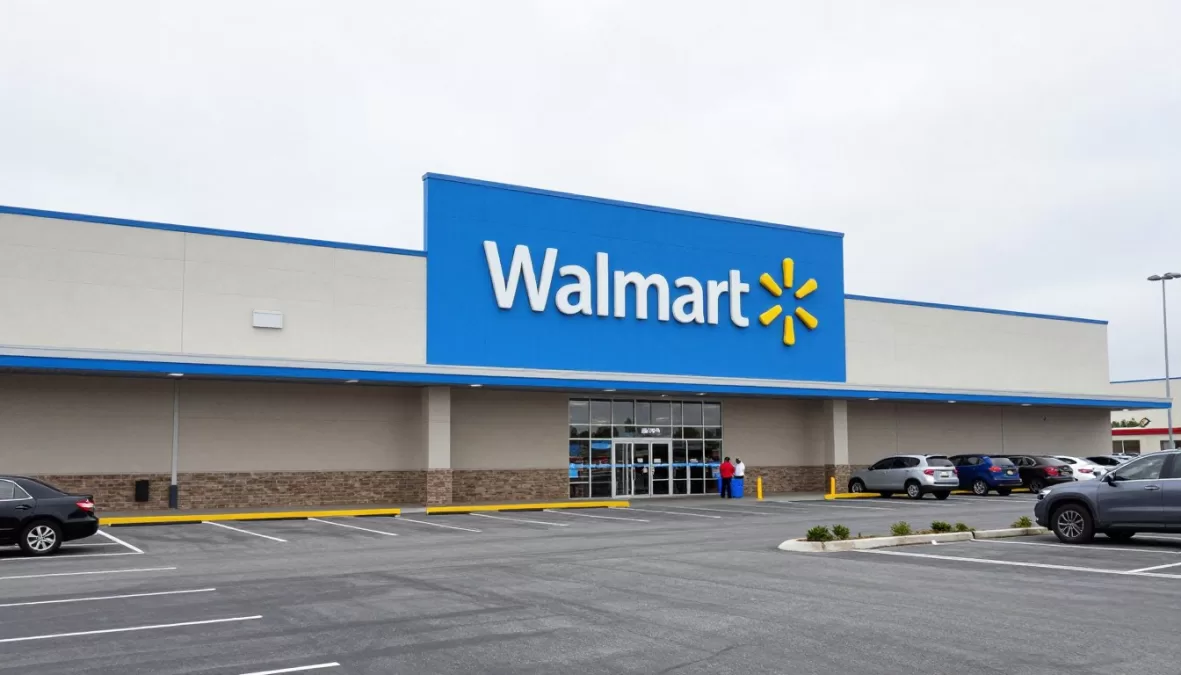
Walmart maintains its position as the world’s largest retailer by revenue. The United States-based company operates over 10,500 stores across 19 countries. Walmart’s operations include supercenters, discount stores, and neighborhood markets.
The retail giant employs approximately 2.1 million associates globally. Walmart serves more than 240 million customers weekly. The company continues expanding its e-commerce capabilities to compete with digital-first retailers.
Walmart’s revenue growth reflects strong performance in grocery sales. The retailer invests billions in supply chain technology. Store format innovation keeps the brand competitive in evolving retail markets.
Walmart Key Metrics
- Revenue: $648.1 billion annually
- Store count: 10,500+ locations worldwide
- Countries of operation: 19 nations
- Employees: 2.1 million globally
- Weekly customers: 240 million visits
2. Amazon.com Inc. – $574.8 Billion
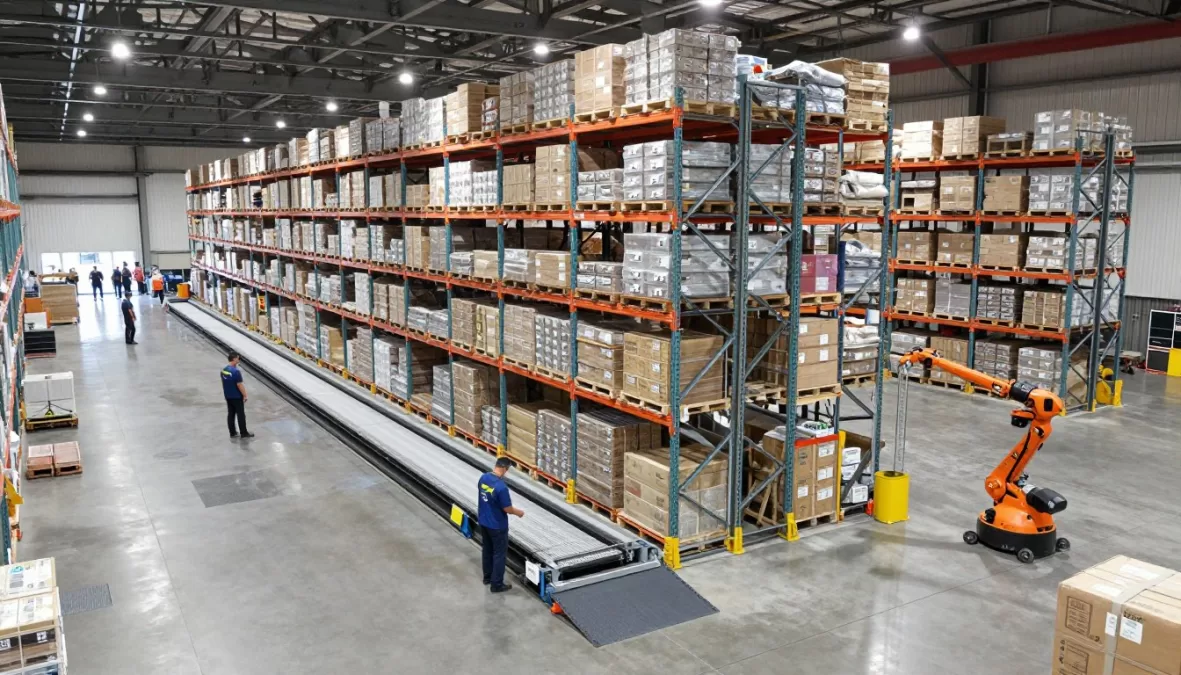
Amazon ranks second with massive retail sales spanning multiple categories. The company revolutionized retail through e-commerce innovation. Amazon operates in over 20 countries with localized marketplaces.
The retailer dominates online shopping in the United States. Amazon Prime membership exceeds 200 million subscribers worldwide. The company expanded into physical retail with Whole Foods acquisition and Amazon Go stores.
Revenue streams include first-party sales and third-party marketplace fees. Amazon Web Services contributes significant profits supporting retail operations. The company invests heavily in logistics infrastructure and delivery capabilities.
3. Costco Wholesale Corporation – $242.3 Billion
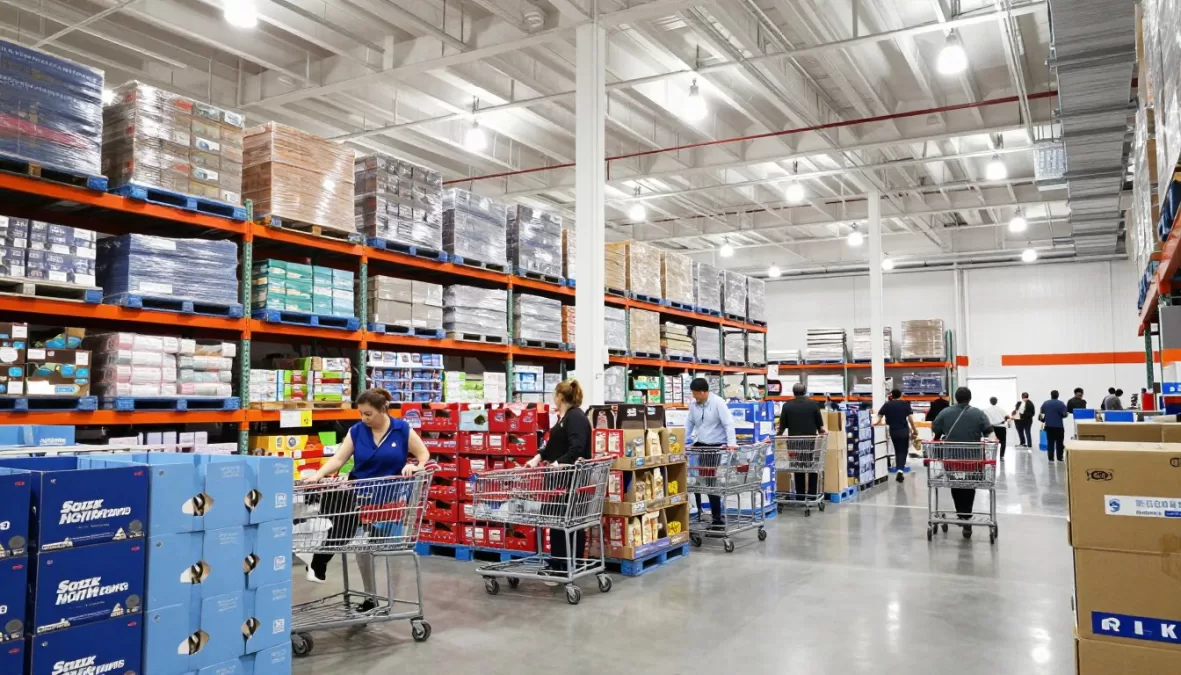
Costco operates the membership warehouse club model with exceptional success. The retailer runs over 870 warehouses across 14 countries. Costco’s business model emphasizes bulk sales at competitive prices.
The company maintains remarkably high member renewal rates above 90 percent. Costco’s private label Kirkland Signature generates substantial revenue. Limited product selection and efficient operations drive profitability.
Costco serves both individual consumers and small business customers. The warehouse format reduces operational costs compared to traditional retail stores. Strong member loyalty provides predictable revenue streams through annual membership fees.
4. Schwarz Group (Lidl & Kaufland) – $169.8 Billion
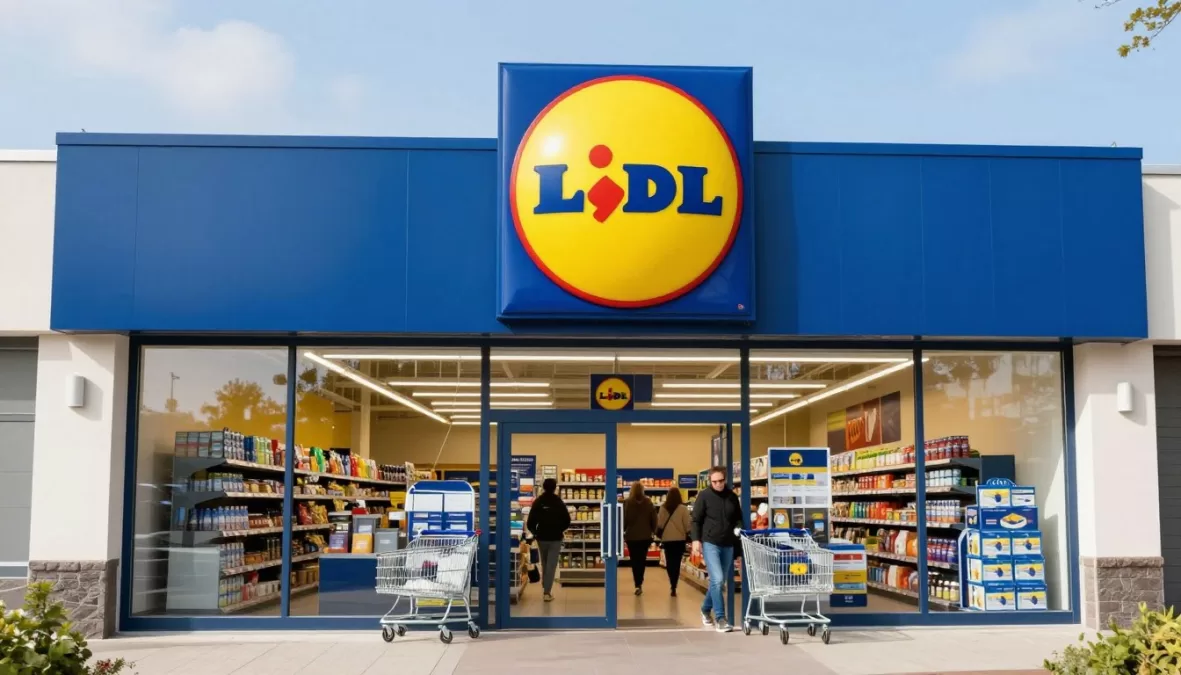
Germany’s Schwarz Group ranks among Europe’s largest retail companies. The conglomerate operates two major retail brands serving different market segments. Lidl focuses on discount grocery retail across multiple countries.
Kaufland provides hypermarket shopping experiences in Central and Eastern Europe. The group maintains operations in over 30 countries worldwide. Efficient supply chain management supports competitive pricing strategies.
Schwarz Group’s expansion includes significant growth in the United States market. The retailer emphasizes private label products delivering value to customers. Continuous store network expansion drives annual revenue growth.
5. The Home Depot Inc. – $157.4 Billion
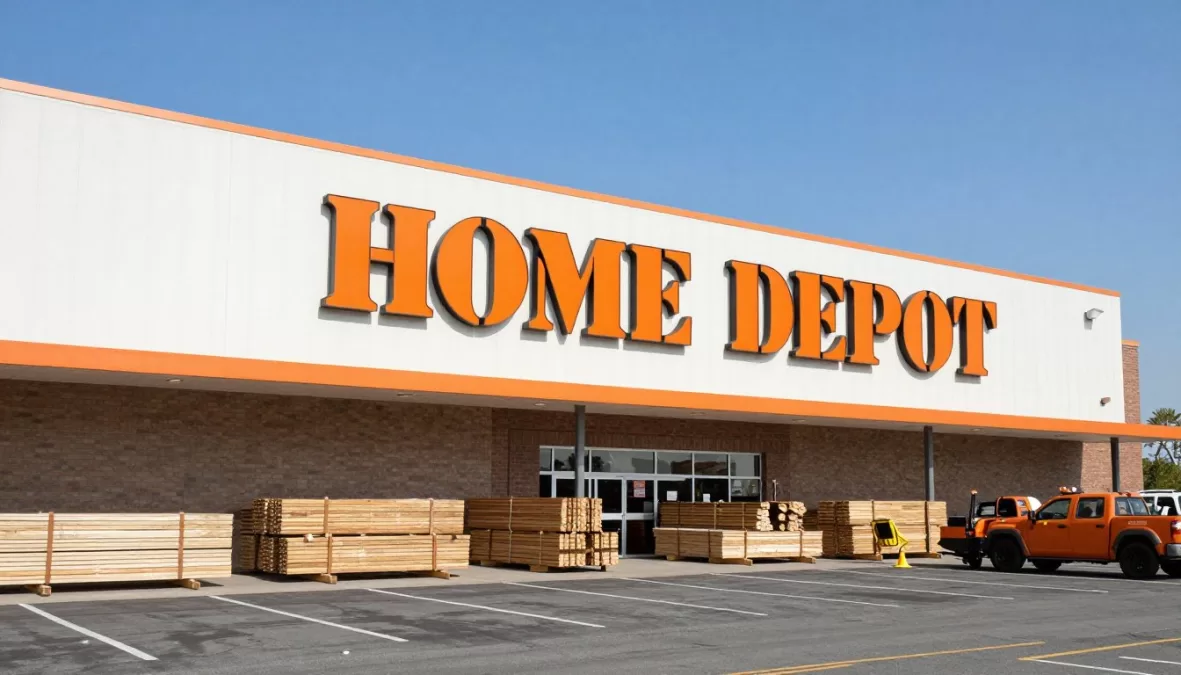
Home Depot leads the home improvement retail industry in North America. The company operates approximately 2,300 stores across the United States, Canada, and Mexico. Home Depot serves both professional contractors and DIY consumers.
The retailer benefits from sustained housing market activity and renovation trends. Home Depot’s interconnected retail strategy combines physical stores with robust e-commerce platforms. Product expertise and customer service differentiate the brand from competitors.
The company maintains extensive inventory spanning building materials, tools, and garden products. Home Depot invests in supply chain technology improving product availability. Strong relationships with professional contractors generate consistent commercial sales revenue.
Download the Complete 2026 Global Retail Analysis
Get exclusive access to comprehensive revenue data for all top 50 global retailers. Our 75-page report includes market share analysis, growth projections, and strategic insights trusted by Fortune 500 executives.
6. Walgreens Boots Alliance – $139.1 Billion
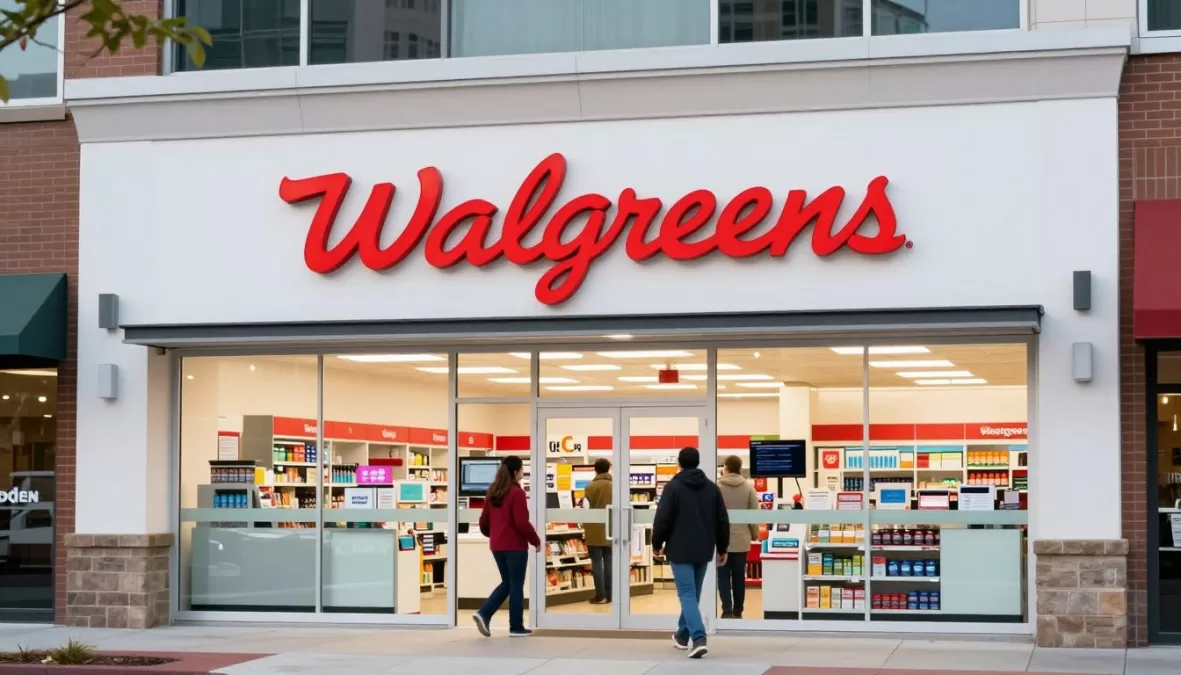
Walgreens Boots Alliance operates extensive pharmacy and retail networks. The company serves customers across nine countries with diverse store formats. Walgreens dominates the United States pharmacy retail market.
The retailer combines pharmaceutical services with convenience retail offerings. Boots provides similar services throughout the United Kingdom and other European markets. Strategic locations ensure accessibility for customers seeking healthcare products.
Revenue sources include prescription medications, health products, and general merchandise. The company adapts to changing healthcare delivery models. Digital health services complement traditional brick-and-mortar store operations.
7. Aldi Group – $126.9 Billion
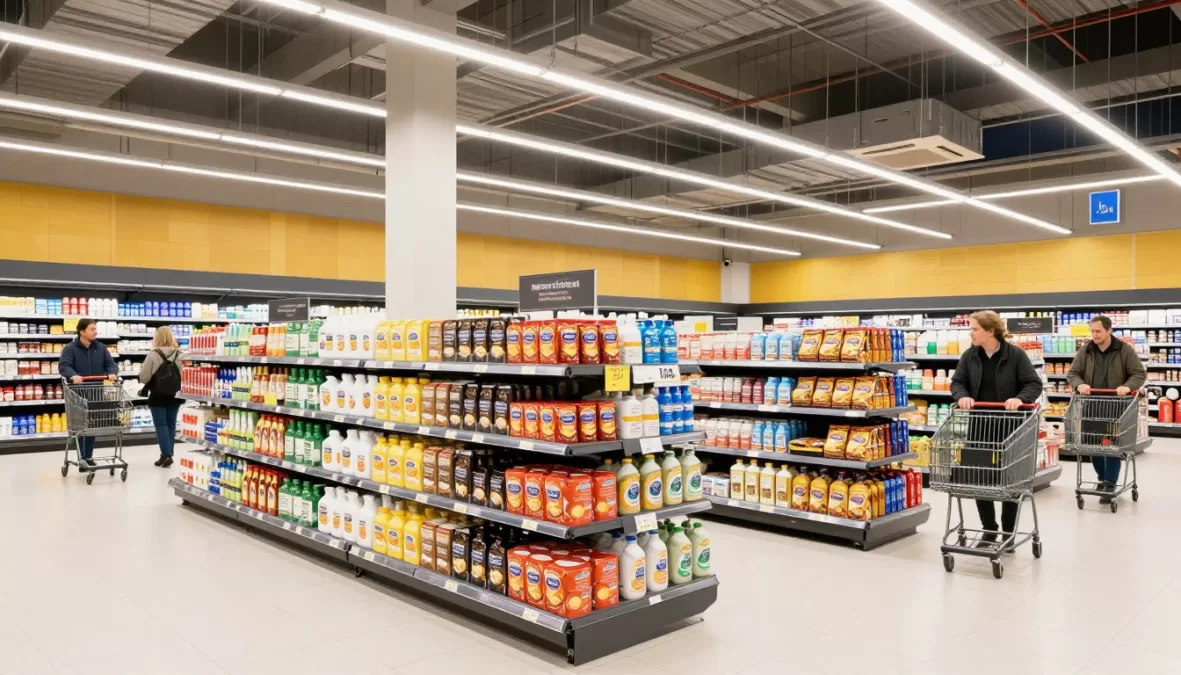
Aldi operates successful discount grocery stores across multiple continents. The German retailer maintains operations in 11 countries including the United States. Aldi’s efficient business model delivers exceptional value to price-conscious consumers.
The company limits product selection focusing on high-turnover items. Private label products comprise the majority of inventory. Streamlined operations minimize costs passed as savings to customers.
Aldi continues aggressive expansion particularly in the United States market. The retailer’s no-frills approach attracts budget-conscious shoppers. Consistent quality combined with low prices builds strong customer loyalty.
8. CVS Health Corporation – $113.1 Billion

CVS Health integrates pharmacy services with retail operations throughout the United States. The company operates approximately 9,000 retail locations nationwide. CVS combines traditional retail with healthcare delivery services.
Pharmacy benefit management services contribute substantially to company revenue. MinuteClinic locations provide convenient healthcare access within retail stores. The retailer positions itself as a healthcare destination beyond traditional pharmacy services.
CVS adapts to evolving consumer healthcare needs and preferences. Strategic acquisitions expanded the company’s healthcare capabilities. The integration of Aetna health insurance creates comprehensive healthcare solutions.
9. Tesco PLC – $85.2 Billion
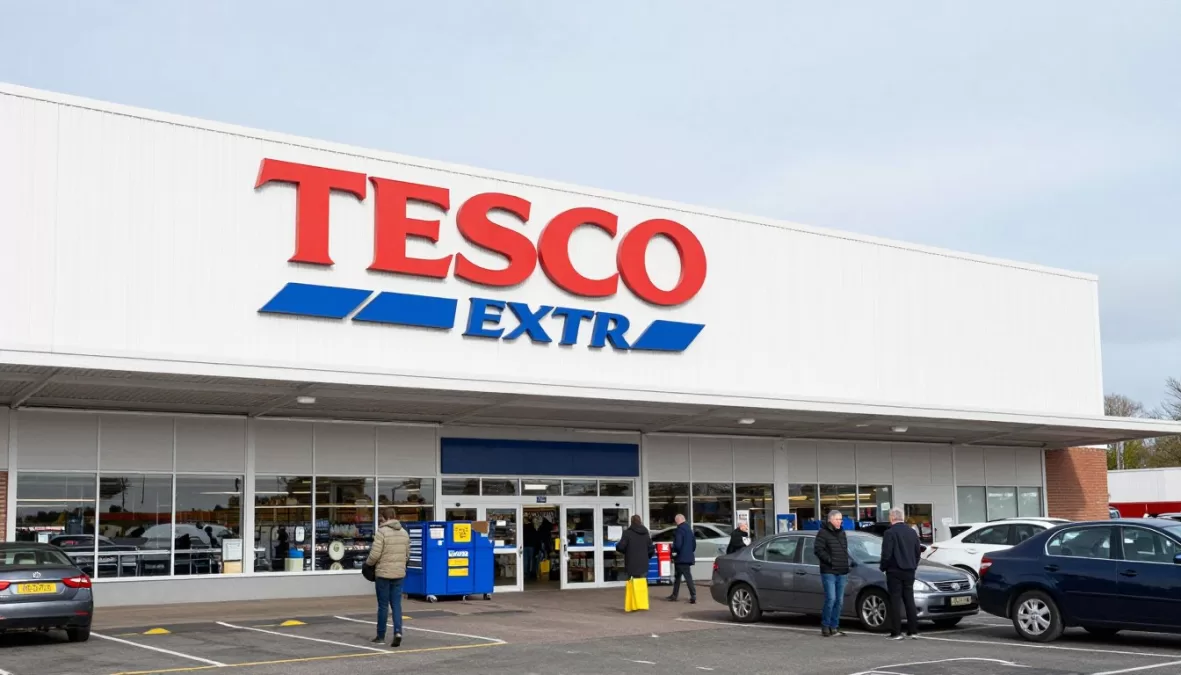
Tesco ranks as the largest retailer in the United Kingdom by market share. The company operates across multiple European countries and Asia. Tesco’s diverse store formats serve different customer segments and shopping occasions.
The retailer manages everything from convenience stores to large hypermarkets. Clubcard loyalty program provides valuable customer data driving personalized marketing. Tesco’s online grocery delivery service leads the market in innovation.
Revenue reflects strong performance in core grocery categories. The company balances price competitiveness with quality perceptions. Tesco invests in sustainability initiatives resonating with environmentally conscious consumers.
10. Kroger Company – $150.0 Billion
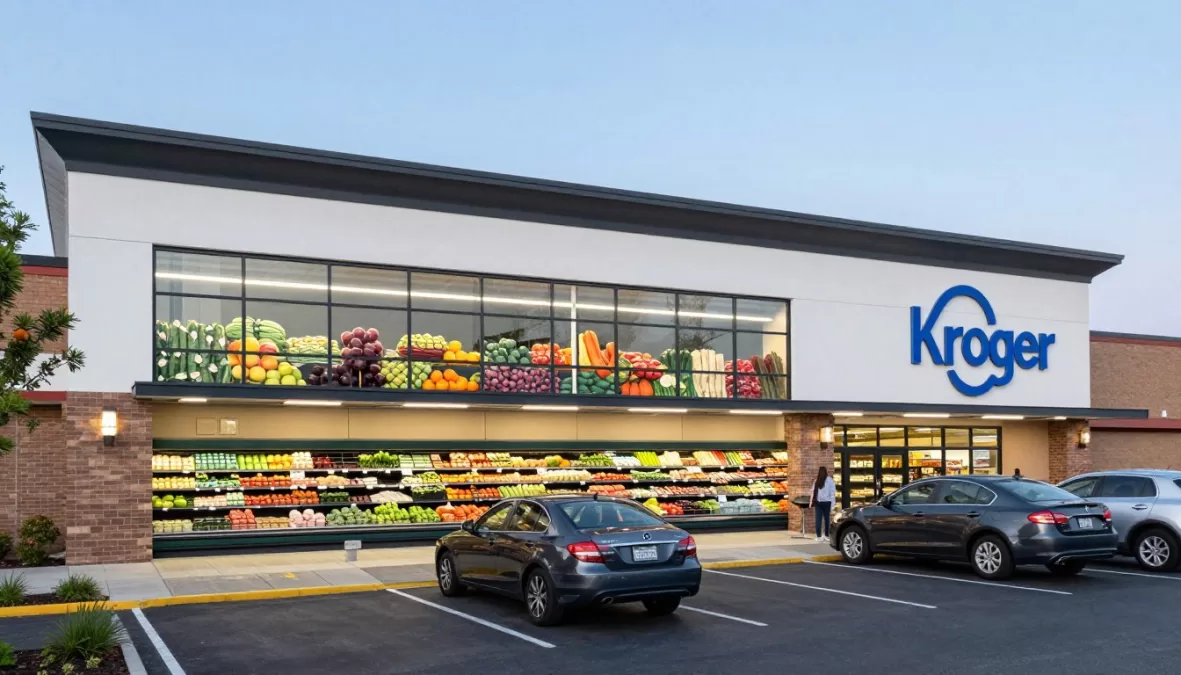
Kroger operates as the largest traditional grocery retailer in the United States. The company runs approximately 2,800 retail stores under various brand names. Kroger’s operations span 35 states serving diverse regional markets.
The retailer owns multiple regional grocery chains maintaining local brand identity. Private label brands including Simple Truth generate significant sales. Kroger invests heavily in data analytics and personalized customer experiences.
Revenue growth reflects expansion of digital shopping options and delivery services. The company partners with autonomous vehicle companies testing grocery delivery innovations. Kroger balances traditional grocery retail with necessary technological advancement.
Comparative Analysis of Top Retailers
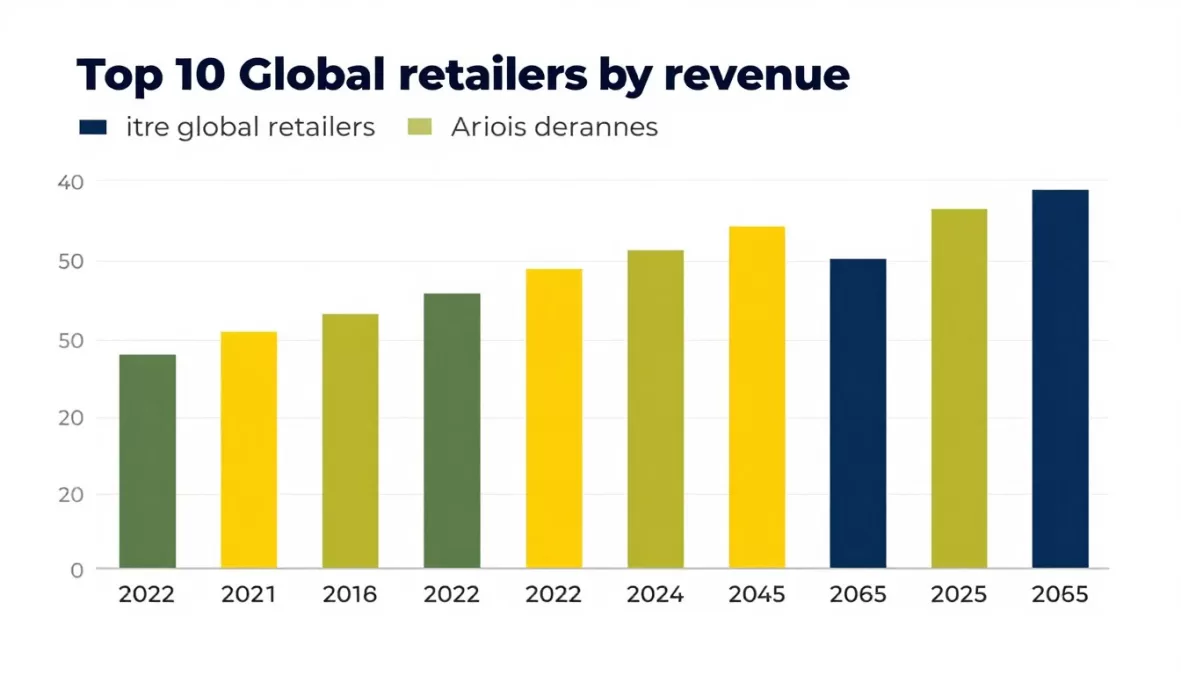
The revenue gap between leading retailers demonstrates market concentration. Walmart and Amazon significantly outpace competitors by hundreds of billions. This concentration reflects their operational scale and market dominance.
Traditional brick-and-mortar retailers maintain strong positions despite e-commerce growth. Companies like Costco and Home Depot prove physical stores remain relevant. Strategic adaptation rather than complete digital transformation drives success for many retailers.
| Ranking | Company | Revenue (Billions USD) | Primary Market | Store Count |
| 1 | Walmart | $648.1 | United States | 10,500+ |
| 2 | Amazon | $574.8 | United States | Digital + 500+ |
| 3 | Costco | $242.3 | United States | 870+ |
| 4 | Schwarz Group | $169.8 | Germany | 13,000+ |
| 5 | Home Depot | $157.4 | United States | 2,300+ |
| 6 | Walgreens Boots | $139.1 | United States | 13,000+ |
| 7 | Aldi | $126.9 | Germany | 11,000+ |
| 8 | CVS Health | $113.1 | United States | 9,000+ |
| 9 | Tesco | $85.2 | United Kingdom | 4,600+ |
| 10 | Kroger | $150.0 | United States | 2,800+ |
Key Trends Shaping Global Retail Rankings
Several significant trends influenced the 2026 rankings of global retail brands by revenue. Understanding these trends provides context for current market positions. Industry dynamics continue shifting as consumer expectations evolve rapidly.
Omnichannel Integration Drives Growth
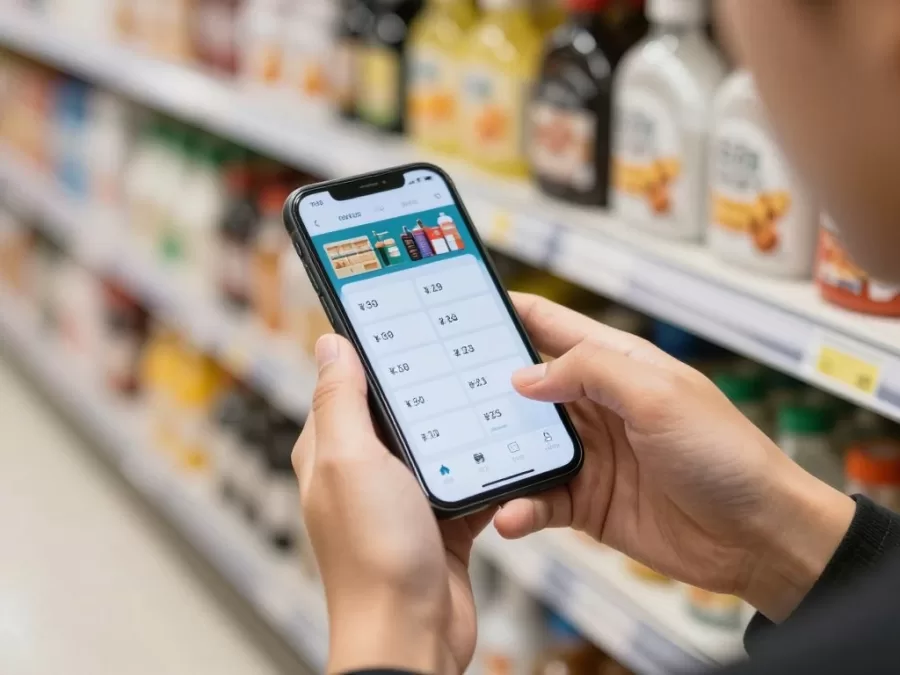
Successful retailers seamlessly blend physical and digital shopping experiences. Customers expect to research online and purchase in stores or vice versa. Companies investing in unified commerce platforms capture greater market share.
Buy online, pick up in store services became standard offerings. Retailers leverage physical locations as fulfillment centers for e-commerce orders. This integration reduces shipping costs while maintaining customer convenience.
Supply Chain Resilience Becomes Priority
Recent global disruptions exposed vulnerabilities in retail supply chains. Leading companies invested billions in logistics infrastructure and technology. Diversified supplier networks reduce dependency on single sources or countries.
Inventory management systems grew more sophisticated using artificial intelligence. Retailers balance adequate stock levels against carrying costs. Regional distribution centers improve delivery speed to stores and homes.
Private Label Expansion Continues
Store brands represent significant growth opportunities for major retailers. Private label products typically offer higher profit margins than national brands. Quality improvements make store brands competitive with established manufacturers.
Retailers like Costco and Aldi built strong reputations around private label offerings. Customers increasingly trust store brands for quality and value. This trend shifts power from manufacturers to large retail companies.

Sustainability Influences Operations
Environmental concerns impact retail operations from sourcing to packaging. Companies adopt sustainability initiatives responding to consumer preferences. Energy-efficient stores and reduced plastic usage become competitive advantages.
Supply chain transparency allows customers to view product origins and impact. Retailers partner with sustainable suppliers meeting environmental standards. These commitments affect costs but build brand loyalty among conscious consumers.
Market Concentration in United States
The United States dominates the list with seven of the top ten retailers. American retail companies benefit from large domestic markets and consumer spending. Mature retail infrastructure supports extensive store networks across the country.
European retailers maintain strong regional positions but face market fragmentation. Cultural and regulatory differences across countries complicate expansion. Asian markets show growth potential with emerging retail giants.
Need Custom Retail Market Analysis?
Our retail industry analysts help companies navigate competitive landscapes, identify growth opportunities, and develop winning strategies. Get personalized insights based on your specific market segment and business goals.
Regional Market Dynamics
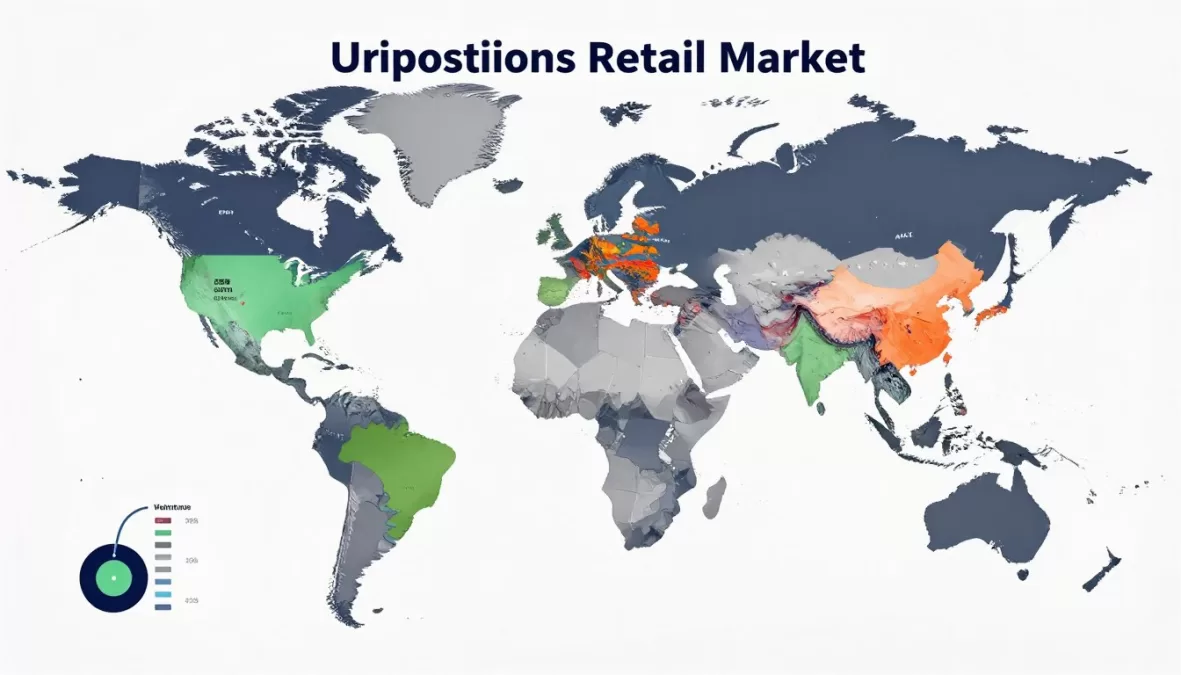
Geographic distribution reveals important patterns in global retail. Different regions show varying retail maturity levels and growth trajectories. Understanding regional dynamics helps explain current rankings and future changes.
North American Market
The United States market supports multiple massive retailers. High consumer spending power enables large-scale operations. Competition remains intense with constant innovation required.
Canadian market serves as expansion territory for American retailers. Mexico presents growth opportunities with rising middle class. North American retailers benefit from integrated supply chains across borders.
European Market
European retail landscape features strong regional players. Discount retailers like Aldi and Lidl thrive through efficiency. Cultural diversity across countries requires localized strategies.
Regulatory environment differs significantly from the United States. Retailers navigate complex labor laws and operational restrictions. Market maturity limits dramatic growth but ensures stability.
Asian Markets
Asian retail markets show tremendous growth potential. Rising incomes drive increased consumer spending. E-commerce adoption rates exceed Western markets in many countries.
Local retailers dominate but face competition from global brands. Cultural preferences require significant operational adaptations. China represents the largest opportunity with its massive population.
Emerging Markets
Latin America, Africa, and other regions present future opportunities. Infrastructure challenges limit immediate expansion for major retailers. Growing middle classes create demand for modern retail formats.
Local market knowledge provides competitive advantages. Retailers entering these markets often partner with regional players. Long-term growth potential attracts strategic investments despite current challenges.
Future Outlook for Global Retail Leaders

The competitive landscape will continue evolving in coming years. Technology adoption accelerates changing customer expectations. Retailers must balance innovation with operational efficiency to maintain rankings.
Technology Investment Priorities
Artificial intelligence transforms inventory management and customer service. Machine learning algorithms predict demand with increasing accuracy. Automation reduces labor costs in warehouses and distribution centers.
Augmented reality applications enhance online shopping experiences. Virtual try-on features reduce product returns and increase confidence. Voice-activated shopping gains adoption through smart home devices.
Blockchain technology may improve supply chain transparency and efficiency. Cryptocurrencies could become accepted payment methods at major retailers. Technology investments require billions but offer competitive advantages.
Changing Consumer Expectations
Younger generations prioritize convenience and speed over traditional shopping. Same-day delivery becomes standard rather than premium service. Personalization expectations require sophisticated data analytics capabilities.
Social responsibility influences purchasing decisions increasingly. Consumers research company practices regarding labor and environment. Brands demonstrating authentic commitment gain loyalty and premium pricing power.

Consolidation and Competition
Market consolidation may continue as smaller retailers struggle to compete. Economies of scale favor large operations with extensive resources. Strategic acquisitions help major retailers expand capabilities and reach.
New competitors emerge from unexpected sectors. Technology companies enter retail disrupting traditional models. Retailers must remain agile adapting to competitive threats and opportunities.
The list of top global retail brands by revenue will shift. Some current leaders may fall while others rise. Continuous innovation and adaptation determine long-term success in dynamic markets.
Understanding Global Retail Leadership
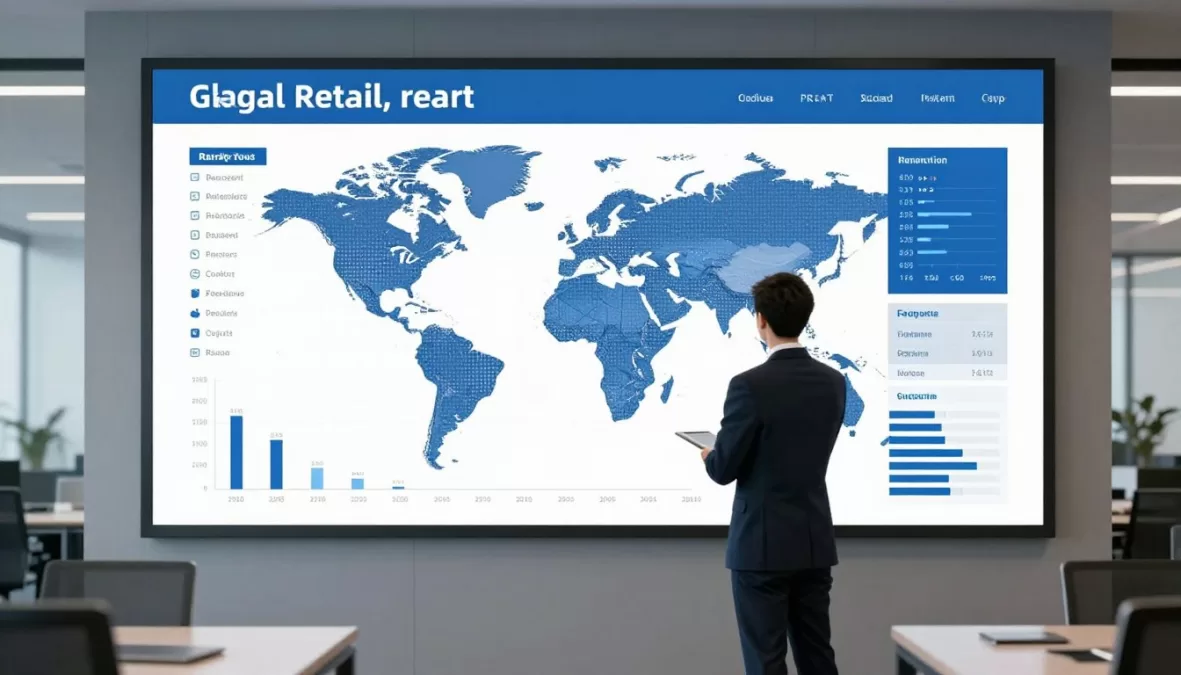
The top 10 global retail brands by revenue demonstrate exceptional operational capabilities. These companies serve billions of customers across numerous countries. Their combined revenue reflects enormous economic impact and market influence.
Walmart’s continued leadership shows the strength of traditional retail excellence. Amazon proves digital-first models compete effectively at massive scale. Specialized retailers like Home Depot and Costco succeed through focused strategies.
Understanding these rankings helps business leaders benchmark performance. Investors identify market leaders positioned for continued success. Industry professionals gain insights into strategies driving retail excellence.
The retail industry remains dynamic with constant evolution and adaptation. Companies maintaining top rankings invest heavily in innovation and customer experience. Future lists will reflect ongoing changes in technology, consumer behavior, and global markets.
Stay Informed on Global Retail Trends
Choose how you want to stay updated with the latest retail industry insights, revenue reports, and competitive analysis.

Priyanka Pandey
Senior Research Editor · Top10Sense
Priyanka specializes in tech, consumer products, and digital trends. She combines hands-on testing, vendor interviews, and database research to create trustworthy “Top 10” rankings. Her work has been referenced by industry blogs and brand report pages.