

Starting a business doesn’t require massive capital or years of experience. Many successful entrepreneurs began with limited resources and simple ideas. The key lies in choosing the right opportunity that matches your skills and market demand.
This comprehensive guide explores ten proven business ideas perfect for beginners. Each option requires minimal startup investment while offering substantial profit potential. You’ll discover practical advice on costs, expected earnings, and actionable steps to launch successfully.
Whether you’re seeking financial independence, flexible work arrangements, or pursuing your passion, these business opportunities provide realistic pathways. Let’s explore how you can start small and build something significant without breaking the bank.
Start Your Business Journey Today
Get exclusive access to business templates, startup checklists, and expert guidance delivered straight to your inbox. Join thousands of aspiring entrepreneurs taking their first steps.
Understanding Low Investment Business Opportunities
Low investment businesses typically require less than five thousand dollars to start. These ventures minimize financial risk while providing opportunities to test your business ideas. Understanding what makes these businesses viable helps you make informed decisions about your entrepreneurial journey.

What Defines a Low Investment Business
A low investment business focuses on minimal upfront costs while maximizing potential returns. These businesses often leverage existing skills, digital platforms, or service-based models. The initial investment covers essential equipment, basic marketing, and operational necessities.
Most low investment businesses avoid expensive inventory, commercial real estate, or specialized equipment. They prioritize flexibility and scalability. This approach allows you to start small and expand gradually as revenue grows.
Key Characteristics of High-Profit Potential
High-profit businesses share common traits that make them attractive to beginners. Understanding these characteristics helps identify opportunities worth pursuing. Successful low investment businesses typically demonstrate strong market demand and scalable models.
Market Demand Indicators
Strong market demand signals come from consistent customer inquiries, growing industry trends, and recurring problems needing solutions. Businesses addressing genuine needs typically achieve better profit margins than those creating artificial demand.
- Solving recurring customer problems
- Addressing underserved market segments
- Meeting emerging consumer needs
- Providing convenient solutions to common challenges
Scalability Factors
Scalable businesses grow revenue without proportionally increasing costs. Digital products, automated services, and subscription models exemplify scalability. This characteristic enables significant profit increases as your customer base expands.
- Automated delivery systems
- Digital product offerings
- Repeatable service models
- Low marginal costs per customer
Essential Skills for Business Success
Succeeding in business requires developing specific competencies beyond your core service or product knowledge. These skills determine how effectively you attract customers, manage operations, and scale your venture. Fortunately, most essential business skills can be learned through practice and dedication.
Marketing Abilities
Marketing drives customer acquisition and business growth. Understanding your target audience, crafting compelling messages, and utilizing social media platforms create sustainable customer pipelines. Effective marketing doesn’t require huge budgets, just strategic thinking and consistent effort.
Financial Management
Managing money wisely separates successful businesses from failed ventures. Track income and expenses meticulously, maintain healthy cash flow, and make data-driven decisions. Simple accounting software simplifies financial management for beginners without accounting backgrounds.
Customer Relationship Skills
Building strong customer relationships creates loyal clients and referral networks. Listen actively, respond promptly, and consistently exceed expectations. Customer relationship management becomes easier with organized systems and genuine care for client success.
1. Freelance Writing Services

Freelance writing offers one of the most accessible entry points for aspiring entrepreneurs. This business requires minimal investment beyond a computer and internet connection. Writers create content for businesses, websites, blogs, and marketing campaigns across countless industries.
Startup Costs and Investment Requirements
Initial investment for freelance writing ranges from three hundred to one thousand dollars. This covers essential tools and basic marketing. Most expenses involve one-time purchases or affordable monthly subscriptions that support professional operations.
Essential Investment Breakdown
- Computer or laptop (if needed): $400-$800
- Grammar checking software subscription: $12-$30 monthly
- Professional website and domain: $50-$200 annually
- Portfolio development and samples: $0-$100
- Basic marketing and networking: $50-$150
Total startup investment typically ranges from $500 to $1,000 for complete beginners. Writers with existing computers reduce initial costs significantly. The business becomes profitable quickly with consistent client acquisition efforts.
Profit Potential and Income Expectations
Freelance writers earn between twenty-five and one hundred fifty dollars per hour depending on experience and specialization. Beginners typically start at lower rates, gradually increasing prices as they build portfolios and expertise. Many writers achieve full-time income within six to twelve months.
Monthly earnings range from fifteen hundred dollars for part-time beginners to over ten thousand dollars for established professionals. Specialized niches like technical writing, medical content, or financial analysis command premium rates. Consistent client relationships provide stable recurring income streams.
Getting Started: Step-by-Step Process
Launching a freelance writing business follows a straightforward process. Each step builds upon the previous one, creating momentum toward your first paying client. Focus on completing these actions systematically rather than perfectly.
- Identify your writing niche based on knowledge, interests, and market demand
- Create three to five writing samples demonstrating your capabilities
- Build a simple portfolio website showcasing your work and services
- Register on freelance platforms like Upwork, Fiverr, or Contently
- Reach out directly to potential clients through LinkedIn and email
- Deliver exceptional quality on initial projects to generate testimonials
- Gradually raise rates as you gain experience and positive reviews
Pro Tip: Start by offering content writing services to small businesses in your local area. These companies often need website content, blog posts, and social media updates but lack writing expertise. Local connections provide easier entry points than competing on global freelance platforms.
Required Tools and Resources
Professional freelance writing demands specific tools that enhance productivity and quality. Investing in proper resources separates amateur content from professional deliverables. Most tools offer free trials, allowing you to test functionality before committing financially.
Writing and Editing Tools
- Grammarly or ProWritingAid for grammar checking
- Hemingway Editor for readability improvement
- Google Docs for collaboration and drafting
- Scrivener for long-form content organization
Business Management Software
- Invoice management tools like FreshBooks or Wave
- Time tracking software for productivity monitoring
- Project management platforms such as Trello or Asana
- Customer relationship management system for client tracking
Launch Your Writing Business Today
Access our complete freelance writing starter kit including sample proposals, rate calculators, client contracts, and portfolio templates. Everything you need to land your first client this week.
2. Virtual Assistant Services

Virtual assistant services represent a rapidly growing business opportunity for beginners. Businesses worldwide increasingly hire remote assistants to handle administrative tasks, customer service, and specialized support. This business model offers flexibility, scalability, and diverse income opportunities.
Understanding the Virtual Assistant Market
The virtual assistant industry continues expanding as more companies embrace remote work. Small business owners, entrepreneurs, and executives need reliable administrative support without hiring full-time employees. This creates consistent demand for skilled virtual assistants across various specialties.
Virtual assistants perform diverse tasks including email management, scheduling, data entry, social media management, and customer support. Specializing in specific services like bookkeeping, content management, or project coordination commands higher rates. The business requires minimal investment but demands strong organizational skills and reliable internet connectivity.
Investment and Startup Costs
Starting a virtual assistant business requires four hundred to twelve hundred dollars initially. Most expenses involve setting up professional infrastructure and acquiring necessary tools. These investments ensure you deliver reliable, professional services that justify premium pricing.
| Expense Category | Cost Range | Priority Level | Notes |
| Reliable Computer | $400-$800 | Essential | If not already owned |
| High-Speed Internet | $50-$100 monthly | Essential | Minimum 25 Mbps recommended |
| Professional Website | $100-$300 | Important | Annual hosting and domain |
| Productivity Software | $20-$50 monthly | Important | Project management tools |
| Communication Tools | $0-$30 monthly | Important | Zoom, Slack subscriptions |
| Accounting Software | $15-$40 monthly | Recommended | Invoice and expense tracking |
Income Potential and Pricing Strategies
Virtual assistants earn fifteen to seventy-five dollars per hour based on skills and specialization. General administrative tasks command lower rates while specialized services like bookkeeping or technical support justify premium pricing. Most virtual assistants achieve two thousand to six thousand dollars monthly within their first year.
Offering package deals and retainer agreements creates predictable monthly income. Many successful virtual assistants maintain five to ten regular clients, each requiring ten to twenty hours monthly. This approach provides income stability while maintaining manageable workloads.
Essential Services and Specializations
Virtual assistants offer various services depending on their skills and client needs. Specializing in specific areas helps you stand out and command higher rates. Consider your existing abilities when choosing your service focus.
Administrative Support
- Email management and filtering
- Calendar scheduling and coordination
- Travel planning and arrangements
- Document preparation and formatting
- Data entry and database management
Customer Service
- Email and chat support
- Customer inquiry management
- Order processing and tracking
- Complaint resolution and follow-up
- Customer relationship management
Specialized Services
- Social media management and posting
- Basic bookkeeping and invoicing
- Content scheduling and publishing
- Market research and data analysis
- Project coordination and tracking
Start Your Virtual Assistant Business
Download our comprehensive VA startup package including service packages templates, pricing calculator, client onboarding checklist, and proven email scripts for landing your first clients.
4. Online Tutoring and Teaching

Online tutoring transforms knowledge into profitable business opportunities. Students of all ages seek personalized instruction across countless subjects. This business model offers flexible scheduling, unlimited geographic reach, and minimal startup costs compared to traditional tutoring centers.
Understanding the Online Education Market
The online education industry grows exponentially as families recognize the benefits of personalized instruction. Students need help with academic subjects, test preparation, language learning, and skill development. Remote learning technology makes connecting with students worldwide simple and effective.
Online tutors earn income by sharing expertise in specific subjects or skills. Success requires teaching ability, subject mastery, and patience. The business scales easily by increasing hourly rates, adding students, or creating group classes and recorded courses.
Initial Investment and Setup Costs
Starting an online tutoring business requires two hundred to eight hundred dollars initially. Most expenses involve technology setup and basic marketing. These investments create professional learning environments that justify premium rates and attract serious students.
- Quality webcam and microphone: $80-$200
- Digital whiteboard or tablet: $50-$400
- Video conferencing software: $0-$20 monthly
- Reliable internet connection: $50-$100 monthly
- Professional website: $50-$200 annually
Essential Investments
- Teaching platform subscription: $0-$50 monthly
- Screen recording software: $0-$30 monthly
- Digital resource libraries: $20-$100
- Background certification courses: $100-$500
- Professional headshots and branding: $50-$300
Optional Enhancements
Earning Potential and Income Strategies
Online tutors earn twenty to one hundred dollars per hour depending on subject expertise and student level. Specialized subjects like advanced mathematics, test preparation, or foreign languages command premium rates. Most tutors generate fifteen hundred to six thousand dollars monthly working part-time hours.
Diversifying income streams maximizes earning potential. Combine individual tutoring with group classes, create recorded courses, or develop educational materials for passive income. Many successful tutors build subscription-based programs offering ongoing support and resources.
Popular and Profitable Tutoring Niches
Choosing the right tutoring niche impacts your earning potential and client acquisition success. Some subjects consistently demonstrate higher demand and better pricing. Consider your expertise, market demand, and competition when selecting your focus area.
Academic Subjects
- Mathematics (all levels)
- Science subjects
- English and writing
- Foreign languages
Test Preparation
- SAT and ACT coaching
- GRE and GMAT preparation
- Professional certifications
- College entrance exams
Professional Skills
- Computer programming
- Business software training
- Digital marketing
- Data analysis
Creative Skills
- Music instruction
- Art and design
- Writing and storytelling
- Photography basics
Getting Started with Your First Students
Acquiring initial students requires strategic marketing and leveraging existing networks. Start by offering discounted introductory sessions to build testimonials and refine your teaching approach. Word-of-mouth referrals become your primary growth engine once you deliver exceptional results.
Quick Start Strategy: Register on established tutoring platforms like Wyzant, Tutor.com, or Chegg Tutors to access existing student bases. While these platforms take commission fees, they provide steady client flow while you build your independent business. Transition students to direct booking as you establish reputation and systems.
Build Your Tutoring Business
Access our complete online tutoring startup kit including lesson plan templates, student assessment tools, pricing strategies, and marketing materials designed specifically for new tutors.
5. Dropshipping E-Commerce Store

Dropshipping enables entrepreneurs to sell products without holding inventory. This business model eliminates warehousing costs and inventory risk. You market and sell products while suppliers handle storage, packaging, and shipping directly to customers.
How Dropshipping Works
Dropshipping follows a straightforward process. You create an online store showcasing products from suppliers. When customers purchase, you forward orders to suppliers who ship directly to buyers. Your profit equals the difference between retail price and wholesale cost.
This model requires minimal upfront investment compared to traditional retail. You avoid inventory purchases, warehouse expenses, and shipping logistics. However, success demands effective marketing, excellent customer service, and reliable supplier relationships.
Startup Costs and Investment
Launching a dropshipping store requires five hundred to two thousand dollars initially. Costs cover website setup, initial marketing, and business tools. This investment establishes professional infrastructure capable of generating significant revenue.
Essential Startup Expenses
- E-commerce platform subscription (Shopify, WooCommerce): $29-$79 monthly
- Professional theme and design customization: $0-$300 one-time
- Domain name and email hosting: $15-$50 annually
- Product research and selection tools: $0-$50 monthly
- Initial marketing and advertising budget: $300-$1,000
- Logo and brand design: $50-$300 one-time
- Business registration and legal setup: $50-$200
- Customer service and communication tools: $0-$30 monthly
Budget additional funds for ongoing marketing once your store launches. Successful dropshipping businesses reinvest twenty to thirty percent of revenue into advertising and customer acquisition.
Profit Margins and Revenue Potential
Dropshipping profit margins typically range from fifteen to forty-five percent depending on product category and pricing strategy. Popular niches like fashion and electronics offer lower margins but higher volume. Specialized or unique products command better margins with less competition.
Monthly revenue varies dramatically based on effort, investment, and market selection. Beginners might generate five hundred to three thousand dollars monthly within six months. Established stores with refined marketing systems achieve ten thousand to fifty thousand dollars monthly or more.
Selecting Profitable Product Niches
Product selection determines dropshipping success more than any other factor. Choose products with healthy demand, reasonable competition, and good profit margins. Avoid oversaturated markets unless you offer unique positioning or exceptional marketing.
Trending Product Categories
These categories demonstrate consistent demand and growth potential for new dropshippers entering the market.
- Health and wellness products
- Home organization solutions
- Pet supplies and accessories
- Sustainable and eco-friendly items
- Phone and tech accessories
- Fitness equipment and apparel
- Beauty and skincare products
- Kitchen gadgets and tools
Product Selection Criteria
Evaluate potential products using these criteria to identify winners before committing to inventory.
- Selling price between $20-$200 for optimal conversion
- Minimum 30% profit margin after all costs
- Lightweight and small for affordable shipping
- Low breakage or damage risk during transit
- Evergreen demand rather than fleeting trends
- Difficult to find in local retail stores
- Solves specific problems or fills clear needs
- Positive customer reviews on supplier platforms
Finding and Vetting Suppliers
Reliable suppliers make or break dropshipping businesses. Poor suppliers cause shipping delays, quality issues, and customer complaints. Invest time researching and testing suppliers before committing to long-term partnerships.
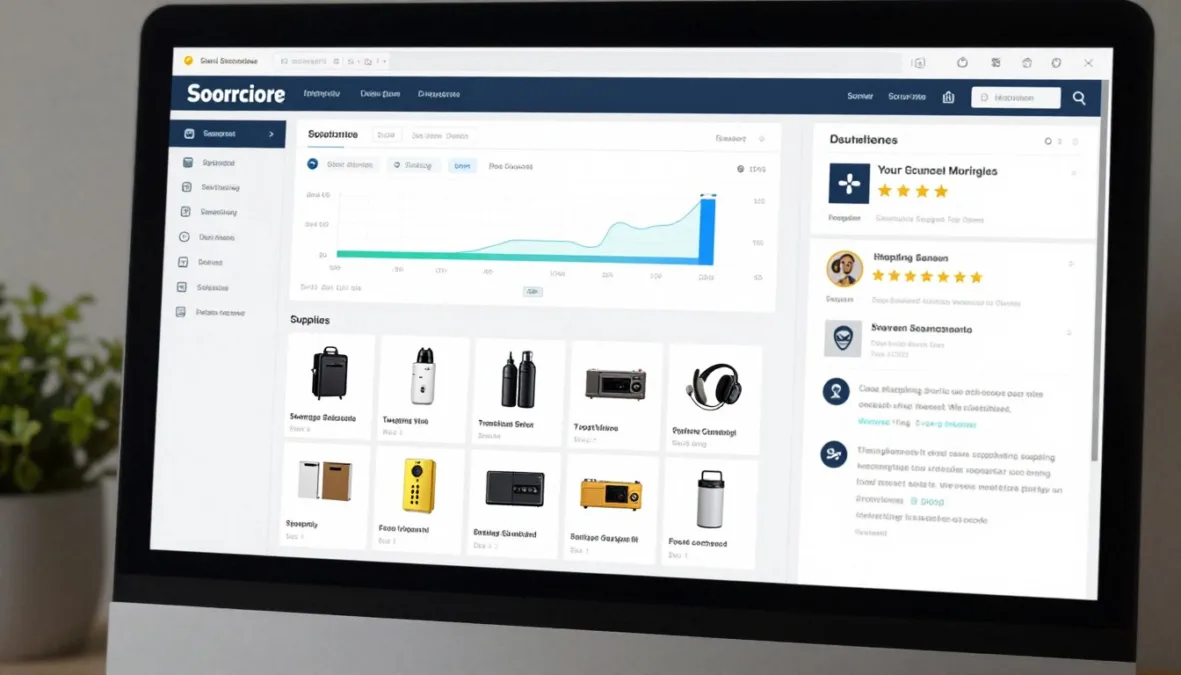
- Research supplier platforms like AliExpress, Oberlo, Spocket, or SaleHoo
- Review supplier ratings, response times, and customer feedback carefully
- Order sample products to assess quality and shipping speed firsthand
- Test communication responsiveness by asking detailed questions
- Verify shipping times to your primary customer locations
- Compare pricing across multiple suppliers for identical products
- Establish clear terms regarding returns, defects, and inventory updates
- Start with small test orders before scaling up volume
Important Consideration: Factor in total landed costs when calculating profits. Include product cost, shipping fees, payment processing fees (typically 2.9% + $0.30), platform fees, and advertising costs. Many beginners overestimate profits by ignoring these cumulative expenses.
Start Your Dropshipping Store
Download our comprehensive dropshipping startup guide including product research templates, supplier evaluation checklist, store setup tutorial, and proven marketing strategies for your first sales.
6. Graphic Design Services

Graphic design services offer creative entrepreneurs profitable business opportunities. Every business needs visual content for branding, marketing, and communication. This consistent demand creates steady work for talented designers willing to deliver quality results.
Understanding the Design Business Landscape
Businesses require diverse design services including logos, marketing materials, social media graphics, website elements, and packaging design. Small businesses especially need affordable design help but lack budgets for large agencies. This gap creates perfect opportunities for independent designers.
Success in graphic design requires both creative skills and business acumen. Technical proficiency in design software combines with understanding client needs, meeting deadlines, and communicating effectively. Many designers start part-time, building portfolios before transitioning to full-time independence.
Investment Requirements and Tools
Starting a graphic design business costs between four hundred and fifteen hundred dollars. Most expenses involve design software subscriptions and computer equipment. These tools represent essential investments enabling professional-quality deliverables.
| Tool Category | Options | Monthly Cost | Best For |
| Design Software | Adobe Creative Cloud | $54.99 | Professional complete toolkit |
| Design Software | Canva Pro | $12.99 | Beginner-friendly templates |
| Design Software | Affinity Designer | $54.99 one-time | Budget-conscious professionals |
| Computer Equipment | MacBook or PC | $800-$2,000 | Essential hardware investment |
| Stock Resources | Envato Elements | $16.50 | Unlimited stock assets |
| Portfolio Platform | Behance or Adobe Portfolio | Free | Showcasing work professionally |
Pricing and Income Potential
Graphic designers charge between twenty-five and one hundred fifty dollars per hour depending on experience and project complexity. Project-based pricing often works better than hourly rates. Logo design projects range from three hundred to five thousand dollars while comprehensive branding packages command ten thousand dollars or more.
Monthly income for freelance designers ranges from two thousand to ten thousand dollars working full-time. Specialized designers focusing on specific industries or design types often earn premium rates. Building a client base of five to ten regular businesses provides stable recurring income.
Essential Design Services to Offer
Successful design businesses typically offer complementary services that meet related client needs. Packaging services together creates more value and higher project values. Consider your strengths when determining your service menu.
Brand Identity
- Logo design and variations
- Color palette development
- Typography selection
- Brand guidelines documentation
- Business card design
Marketing Materials
- Social media graphics and templates
- Brochures and flyers
- Email newsletter designs
- Presentation templates
- Advertisement creatives
Digital Assets
- Website graphics and icons
- Infographic design
- E-book and report layouts
- Product packaging mockups
- App interface elements
Building Your Design Portfolio
A strong portfolio proves your capabilities and attracts quality clients. New designers often struggle without existing client work. Creating spec projects and offering discounted services to initial clients builds portfolio momentum quickly.
Portfolio Strategy: Create three to five complete project case studies showcasing different design styles and industries. Include the design brief, your creative process, final deliverables, and results achieved. This demonstrates problem-solving abilities beyond just aesthetic skills.

Launch Your Design Business
Get our complete graphic design business starter package including pricing calculator, project proposal templates, client contracts, and portfolio building guide to land your first paid projects.
7. Consulting and Coaching Services

Consulting transforms expertise into lucrative business opportunities. Organizations pay premium rates for specialized knowledge that solves problems or improves performance. This business model leverages your existing skills without requiring inventory, equipment, or significant capital investment.
Identifying Your Consulting Niche
Successful consultants possess deep expertise in specific areas. Your background, professional experience, and unique knowledge determine your consulting focus. Companies hire consultants to access specialized skills unavailable internally or to gain objective outside perspectives.
Consulting encompasses countless specialties including business strategy, marketing, operations, human resources, finance, technology, and industry-specific expertise. Choose niches where you offer genuine value and can demonstrate measurable results. Your credibility stems from proven track records and relevant credentials.
Startup Costs and Business Setup
Launching a consulting business requires minimal financial investment, typically three hundred to one thousand dollars. Most expenses involve professional positioning and basic infrastructure. The primary investment involves your time developing frameworks, methodologies, and marketing materials.
Essential Business Investments
- Professional website showcasing expertise: $200-$500
- Business cards and marketing materials: $50-$150
- Video conferencing and collaboration tools: $0-$30 monthly
- Proposal and contract templates: $50-$200
- Liability insurance coverage: $500-$1,500 annually
- Professional development and certifications: $200-$2,000
- LinkedIn Premium for networking: $30-$60 monthly
Many consultants initially work from home offices, eliminating commercial space costs. Invest in quality video conferencing equipment as most consulting occurs remotely, especially during relationship building phases.
Pricing Structures and Income Potential
Consultants typically charge between one hundred and five hundred dollars per hour based on expertise and client type. Project-based pricing often proves more profitable than hourly billing. Retainer agreements providing ongoing advisory services create predictable monthly revenue streams.
Experienced consultants earn five thousand to twenty thousand dollars monthly working part-time hours. Full-time consultants with established client bases achieve ten thousand to fifty thousand dollars monthly. Premium consultants serving enterprise clients command even higher rates, sometimes exceeding one thousand dollars hourly.
Common Consulting Specializations
Different consulting niches require varying expertise levels and command different pricing. Consider market demand, your background, and competitive landscape when selecting your specialty. Some areas offer easier entry while others require extensive credentials.
Business Consulting Areas
- Marketing strategy and implementation
- Sales process optimization
- Operations and efficiency improvement
- Financial planning and analysis
- Technology integration and digital transformation
- Human resources and talent development
- Customer experience enhancement
- Business plan development for startups
Specialized Consulting Niches
- Social media strategy for small businesses
- E-commerce optimization and growth
- Sustainability and environmental consulting
- Nonprofit management and fundraising
- Healthcare practice management
- Real estate investment analysis
- Career coaching and transition planning
- Leadership development and executive coaching
Landing Your First Consulting Clients
Client acquisition challenges most new consultants initially. Leverage existing networks, demonstrate expertise through content marketing, and deliver exceptional results that generate referrals. Your reputation becomes your most valuable marketing asset over time.
- Identify former colleagues or employers who might need your services
- Offer complimentary initial consultations to demonstrate value
- Publish articles and insights on LinkedIn showcasing expertise
- Join professional associations in your target industries
- Speak at industry events and local business organizations
- Create valuable free resources addressing common client problems
- Request introductions from satisfied clients to their networks
- Participate actively in online communities serving your target market
Credibility Builder: Develop a signature framework or methodology for solving client problems. Package your approach with a memorable name and clear process. This intellectual property differentiates you from competitors and justifies premium pricing while making your value easier to communicate.
Build Your Consulting Practice
Access our consulting business startup bundle including service package templates, discovery session framework, pricing strategies, client agreement templates, and proven marketing tactics for landing your first clients.
8. Content Creation and YouTube Channel

Content creation builds profitable businesses through video platforms, blogs, and social media channels. Creators monetize audiences through advertising, sponsorships, affiliate marketing, and digital products. This business model requires patience and consistency but offers unlimited scaling potential.
Understanding Content Creation Business Models
Content creators generate income through multiple revenue streams. YouTube advertising pays based on views and engagement. Brand sponsorships provide direct payments for product mentions or dedicated content. Affiliate marketing earns commissions recommending products. Digital products and courses create passive income from expertise.
Building sustainable content businesses takes six to eighteen months typically. Initial growth feels slow, but compound effects accelerate momentum. Successful creators focus on specific niches, maintain consistent publishing schedules, and deeply engage their communities.
Startup Investment for Content Creation
Launching a content creation business requires four hundred to two thousand dollars for quality equipment. Initial investments focus on production quality that retains viewer attention. Professional-looking content performs better algorithmically and attracts sponsors faster.
- Smartphone with quality camera: $0-$800 (if not owned)
- Basic lighting kit: $50-$150
- External microphone: $50-$150
- Tripod or phone mount: $20-$80
- Free editing software: $0
- Total: $120-$1,180
Basic Equipment Setup
- DSLR or mirrorless camera: $500-$1,500
- Professional lighting system: $200-$500
- Studio microphone and interface: $150-$400
- Editing software subscription: $20-$50 monthly
- Green screen and backdrop: $50-$200
- Total: $920-$2,650
Professional Setup
Revenue Potential and Monetization Timeline
YouTube Partner Program requires one thousand subscribers and four thousand watch hours for advertising eligibility. Most creators reach this milestone within six to twelve months of consistent posting. Ad revenue varies dramatically, averaging two to five dollars per thousand views.
Successful creators diversify income beyond advertising. Sponsorships pay fifty to five hundred dollars per thousand views depending on niche and engagement rates. Affiliate marketing generates ten to thirty percent commissions on sales. Digital products create highest profit margins, often exceeding ninety percent.
| Revenue Stream | Beginner Earnings | Intermediate Earnings | Advanced Earnings |
| YouTube Ad Revenue | $100-$500/month | $500-$3,000/month | $3,000-$20,000+/month |
| Brand Sponsorships | $50-$300/deal | $300-$2,000/deal | $2,000-$25,000+/deal |
| Affiliate Marketing | $50-$300/month | $300-$2,000/month | $2,000-$15,000+/month |
| Digital Products | $100-$500/month | $500-$5,000/month | $5,000-$50,000+/month |
Selecting Profitable Content Niches
Niche selection impacts monetization potential significantly. Some topics attract advertisers willing to pay premium rates. Consider your interests, expertise, and target audience purchasing power when choosing your focus.

High-Value Niches
- Personal finance and investing
- Business and entrepreneurship
- Technology reviews and tutorials
- Real estate and property
Moderate-Value Niches
- Health and fitness coaching
- Cooking and recipe content
- DIY and home improvement
- Travel and lifestyle vlogging
Passion Niches
- Gaming and entertainment
- Art and creative tutorials
- Music and performance
- Comedy and skits
Content Strategy and Growth Tactics
Successful content creation requires strategic planning beyond just filming videos. Understanding platform algorithms, optimizing content for discovery, and engaging audiences consistently drive growth. Quality matters more than quantity, though consistency remains essential.
- Research trending topics and keywords within your niche using tools like TubeBuddy
- Create compelling thumbnails and titles that encourage clicks without misleading viewers
- Structure videos with strong hooks in the first fifteen seconds
- Optimize video descriptions with relevant keywords and timestamps
- Engage with comments within the first hours after publishing
- Analyze performance data to understand what content resonates
- Collaborate with other creators in your niche for cross-promotion
- Maintain consistent publishing schedule that audiences anticipate
- Create content series that encourage viewers to watch multiple videos
- Repurpose successful content across multiple platforms for wider reach
Launch Your Content Creation Business
Get our YouTube creator startup kit including content planning templates, thumbnail design resources, monetization strategy guide, and equipment recommendations for every budget level.
9. Handmade Products and Crafts Business

Handmade products transform creative skills into profitable businesses. Consumers increasingly value unique, artisan-made items over mass-produced alternatives. This trend creates opportunities for crafters to monetize hobbies while maintaining creative control and flexible schedules.
Popular Handmade Product Categories
Successful handmade businesses focus on products with strong demand and reasonable production costs. Some categories consistently perform well across online marketplaces. Consider your skills, available time, and material costs when selecting your product focus.
Jewelry, home decor, personalized gifts, natural skincare, and accessories dominate handmade markets. These products offer good profit margins, ship easily, and appeal to broad audiences. Seasonal items like holiday decorations create revenue spikes during specific periods.
Startup Investment and Material Costs
Launching a handmade products business requires two hundred to one thousand dollars initially. Costs vary significantly based on your chosen product category. Jewelry making demands different investments than soap making or woodworking.
Typical Startup Costs by Category
Jewelry Making
- Basic tools and supplies: $150-$400
- Initial materials inventory: $200-$500
- Packaging and branding: $50-$150
- Photography equipment: $50-$200
Natural Skincare Products
- Raw ingredients and supplies: $200-$400
- Containers and labels: $100-$250
- Safety equipment: $50-$100
- Product liability insurance: $300-$600 annually
Additional expenses include marketplace fees (Etsy charges listing and transaction fees), shipping supplies, and business registration costs. Budget for ongoing material replenishment as you fulfill orders and grow inventory.
Pricing for Profit and Sustainability
Proper pricing ensures business sustainability while remaining competitive. Many crafters undervalue their work, leading to burnout and business failure. Calculate costs comprehensively including materials, time, overhead, and marketplace fees before setting prices.
The standard pricing formula multiplies material costs by three to four times for wholesale and six to eight times for retail. This accounts for labor, overhead, marketing, and profit margin. Premium handmade items justify higher multipliers based on uniqueness and craftsmanship quality.
Pricing Strategy: Track time spent creating each product initially to understand true labor costs. If a bracelet takes one hour to make and you value your time at $25 hourly, plus $5 in materials, your minimum price should be $30. Apply markup for overhead and profit, resulting in retail prices around $60-$75 depending on market positioning.
Sales Channels and Market Reach
Handmade businesses succeed by utilizing multiple sales channels. Online marketplaces provide immediate access to buyers actively seeking handmade products. Social media builds brand awareness and drives traffic to your shops. Local markets and events create personal connections with customers.

Online Marketplaces
- Etsy marketplace
- Amazon Handmade
- eBay crafts category
- Faire wholesale platform
Social Commerce
- Instagram Shopping
- Facebook Marketplace
- Pinterest product pins
- TikTok Shop
Direct Sales
- Personal website shop
- Local craft fairs
- Farmers markets
- Pop-up shop events
Wholesale Channels
- Local boutiques
- Gift shop consignment
- Hotel gift shops
- Museum stores
Scaling Your Handmade Business
Growing handmade businesses face unique challenges balancing production capacity with demand. You can’t simply work more hours indefinitely. Successful scaling strategies maintain handmade quality while increasing output and revenue.
- Streamline production processes to reduce time per item without compromising quality
- Batch similar tasks together for efficiency (cutting all pieces, then assembling all items)
- Invest in tools that speed production while maintaining handmade character
- Create product lines with varying price points and production time requirements
- Develop signature products with highest profit margins and fastest production
- Consider hiring part-time help for repetitive tasks during busy seasons
- Introduce limited edition or custom pieces at premium pricing
- Teach workshops or sell digital patterns as additional revenue streams
Quality Control: As production increases, maintain strict quality standards. Every item representing your brand must meet consistent expectations. Rushing to fulfill orders at the expense of quality damages reputation faster than growth benefits your business.
Start Your Handmade Business
Download our handmade business starter package including product photography guide, pricing calculator, Etsy optimization checklist, and inventory management templates designed for craft entrepreneurs.
10. Digital Marketing Agency for Small Businesses

Digital marketing agencies help small businesses navigate online advertising and customer acquisition. Most small business owners recognize marketing importance but lack expertise or time to execute effectively. This gap creates consistent demand for affordable marketing services.
Agency Service Offerings and Specializations
Successful marketing agencies typically specialize rather than offering everything to everyone. Focusing on specific services or industries improves results and simplifies marketing. Choose specializations matching your skills and target market needs.
Common service packages include social media management, search engine optimization, email marketing, content creation, and paid advertising management. Bundling complementary services creates comprehensive solutions that deliver better client results and higher monthly retainers.
Startup Costs and Infrastructure
Launching a digital marketing agency requires six hundred to two thousand dollars initially. Most expenses involve software subscriptions and professional positioning. You sell expertise and results rather than physical products, minimizing inventory costs.
Essential Agency Tools and Platforms
- Social media management platform (Hootsuite, Later): $25-$80 monthly
- SEO and analytics tools (SEMrush, Ahrefs): $99-$199 monthly
- Email marketing software (Mailchimp, ConvertKit): $15-$100 monthly
- Project management system (Asana, Monday.com): $10-$45 monthly
- Reporting and dashboard tools: $50-$150 monthly
- Professional website and branding: $300-$800 one-time
- Client relationship management software: $15-$50 monthly
- Design tools for ad creation: $13-$55 monthly
Many tools offer agency discounts or white-label options once you reach certain client counts. Start with essential platforms and expand as revenue grows and client needs diversify.
Pricing Models and Revenue Potential
Marketing agencies typically charge monthly retainers ranging from five hundred to five thousand dollars per client. Retainer pricing provides predictable revenue and aligns incentives for long-term relationship building. Project-based pricing works for specific campaigns or website builds.
Beginner agencies managing five clients at one thousand dollars monthly generate five thousand dollars revenue. Established agencies with ten to twenty clients earning two thousand to three thousand dollars monthly achieve twenty thousand to sixty thousand dollars revenue. Specialized agencies serving larger clients command premium pricing.
Service Package Examples
Structure tiered packages addressing different client needs and budgets.
Starter Package ($800-$1,200)
- Social media management (2 platforms)
- 3 posts per week with graphics
- Basic monthly reporting
- Email support
Growth Package ($1,500-$2,500)
- Social media management (3 platforms)
- 5 posts per week with custom content
- Email marketing (2 campaigns monthly)
- Basic SEO optimization
- Detailed analytics and reporting
Premium Package ($3,000-$5,000)
- Comprehensive social media management
- Content marketing and blog posts
- Email marketing campaigns
- Paid advertising management
- Advanced SEO and link building
- Weekly strategy calls
Additional Revenue Streams
Supplement retainer income with complementary offerings.
One-Time Projects
- Website design and development: $2,000-$10,000
- Brand strategy development: $1,500-$5,000
- Marketing audit and strategy: $1,000-$3,000
- Campaign setup and launch: $800-$2,500
Performance-Based Income
- Percentage of ad spend managed: 10-20%
- Commission on sales generated: 5-15%
- Bonuses for achieving KPI targets
- Revenue share agreements
Target Market Selection
Choosing specific industries or business types as your target market improves marketing effectiveness. Industry specialization allows you to develop deep expertise, create case studies, and command premium pricing. Consider local businesses initially before expanding geographically.

Service-Based Businesses
- Healthcare providers and practices
- Legal and professional services
- Home service contractors
- Fitness studios and gyms
- Salons and spa businesses
Local Retail and Hospitality
- Restaurants and cafes
- Boutiques and specialty retail
- Hotels and accommodations
- Event venues and planners
- Auto dealers and service centers
E-Commerce and Online Businesses
- Shopify and WooCommerce stores
- Amazon FBA sellers
- Digital product creators
- Subscription box companies
- Online course creators
Building Your Agency Team
Most marketing agencies start as solo operations before gradually building teams. Initially, you handle all client work while developing systems and processes. As client load increases, strategic hiring enables growth without sacrificing service quality.
- Begin as a solopreneur handling all aspects of client management and delivery
- Outsource specialized tasks to freelancers (graphic design, content writing) as needed
- Hire your first part-time assistant for administrative tasks and client communication
- Bring on a junior marketing specialist to handle routine campaign management
- Add specialized roles based on service offerings (SEO specialist, ad manager)
- Hire account managers to maintain client relationships as you focus on growth
- Build out creative team for content production and campaign development
- Develop clear processes and documentation enabling efficient team collaboration
Launch Your Marketing Agency
Get our complete digital marketing agency startup kit including service package templates, client proposal builder, pricing strategies, contract templates, and proven client acquisition playbook.
Essential Business Fundamentals for Beginners

Regardless of which business you choose, certain fundamentals determine success across all ventures. Understanding these core elements helps you build sustainable operations from the start. Neglecting basics creates problems that hinder growth and profitability.
Legal Structure and Business Registration
Choosing the right business structure affects taxes, liability protection, and administrative requirements. Most beginners start as sole proprietorships due to simplicity, though this offers no liability protection. Limited liability companies (LLCs) balance protection with reasonable complexity and costs.
Register your business name with appropriate authorities to establish legal operation. Obtain necessary licenses and permits specific to your industry and location. The Small Business Administration provides comprehensive guidance on registration requirements by state and business type.
Sole Proprietorship
Simplest structure where business and owner are legally identical. Easy to establish but provides no liability protection.
- Minimal paperwork and costs
- Complete control and decision-making authority
- Personal liability for business debts
- Income reported on personal tax return
- Best for very low-risk businesses
Limited Liability Company (LLC)
Hybrid structure offering liability protection with simpler operations than corporations. Recommended for most small businesses.
- Separates personal and business liability
- Flexible tax treatment options
- Professional credibility with clients
- Moderate setup costs ($100-$800)
- Annual reporting requirements vary by state
Financial Management and Accounting Systems
Proper financial management separates successful businesses from failures. Track income and expenses meticulously from day one. Open a dedicated business bank account keeping personal and business finances completely separate.
Invest in accounting software appropriate for your business size and complexity. Solutions like QuickBooks, FreshBooks, or Wave simplify bookkeeping, invoicing, and tax preparation. Understanding basic financial statements helps make informed business decisions and identify problems early.
Essential Financial Practices
- Separate business bank account immediately
- Track every business expense with receipts
- Invoice clients promptly and professionally
- Monitor cash flow weekly, not just monthly
- Set aside taxes quarterly to avoid surprises
- Review financial reports regularly
Recommended Accounting Software
- Wave: Free basic accounting for startups
- FreshBooks: $15-$50 monthly for service businesses
- QuickBooks: $25-$180 monthly comprehensive solution
- Xero: $13-$70 monthly for growing businesses
- Zoho Books: $10-$240 monthly scalable option
Tax Obligations
- Quarterly estimated tax payments for most structures
- Self-employment tax (15.3% of net profit)
- State and local business taxes vary by location
- Sales tax collection if selling physical products
- Annual tax filing and documentation
- Deductible business expense tracking
Customer Relationship Management
Building strong customer relationships drives repeat business and referrals. Implement systems tracking customer interactions, preferences, and purchase history. Customer relationship management software organizes this information, enabling personalized service and targeted marketing.
Respond to customer inquiries promptly and professionally. Exceed expectations consistently to generate positive reviews and testimonials. Happy customers become brand ambassadors, reducing marketing costs while driving growth through word-of-mouth referrals.
CRM Strategy: Start with simple spreadsheets or free tools like HubSpot CRM for basic contact management. Upgrade to paid platforms as your customer base grows and relationship complexity increases. The goal is knowing your customers well enough to anticipate needs and deliver exceptional experiences consistently.
Marketing and Customer Acquisition
Effective marketing generates consistent customer flow essential for business sustainability. Identify where your target customers spend time online and offline. Focus marketing efforts on those channels rather than trying everything simultaneously.
Content marketing through blogs, videos, and social media builds authority while attracting customers organically. Paid advertising accelerates growth when you understand customer acquisition costs and lifetime value. Track marketing performance meticulously, doubling down on effective channels while eliminating wasteful spending.

Organic Marketing Tactics
- Search engine optimization for website visibility
- Regular social media content and engagement
- Email marketing to nurture leads and customers
- Content creation establishing thought leadership
- Networking in industry groups and communities
- Partnership and cross-promotion opportunities
- Customer referral programs with incentives
- Local SEO optimization for service areas
Paid Marketing Channels
- Google Ads for search intent targeting
- Facebook and Instagram advertising
- LinkedIn ads for B2B targeting
- YouTube video advertising campaigns
- Retargeting ads to website visitors
- Influencer partnerships and sponsorships
- Local print or radio advertising
- Industry publication advertising
Time Management and Productivity
Effective time management determines how quickly you scale your business. Prioritize revenue-generating activities over busy work. Automate or delegate routine tasks allowing you to focus on strategy and growth.
Use project management tools organizing tasks, deadlines, and priorities. Block time for deep work on important projects without interruptions. Review how you spend time weekly, eliminating low-value activities that don’t advance business goals.
- Identify your three most important business tasks each day and complete those first
- Batch similar tasks together for efficiency (all calls, then all emails, then all content creation)
- Use time-tracking tools understanding where hours actually go versus perceived time allocation
- Eliminate distractions during focused work periods by turning off notifications
- Schedule specific times for email and social media rather than constant checking
- Delegate or outsource tasks outside your core competencies or earning potential
- Take regular breaks maintaining energy and focus throughout the day
- Review and optimize your schedule weekly based on what actually drives results
Master Business Fundamentals
Download our comprehensive business fundamentals guide including legal structure comparison, financial management templates, CRM setup guide, and time management frameworks for entrepreneurs.
Scaling Your Business for Long-Term Growth

Starting a business represents just the beginning of your entrepreneurial journey. Sustainable growth requires strategic planning, systems development, and careful resource allocation. Understanding when and how to scale prevents common pitfalls that derail promising ventures.
Recognizing the Right Time to Scale
Premature scaling kills more businesses than almost any other mistake. Scale only when you’ve established consistent demand, refined your operations, and achieved profitability. Strong indicators include waiting lists for your services, turning away customers due to capacity constraints, and sustainable profit margins.
Ensure your business model proves viable before expanding. Test different offerings, pricing structures, and marketing channels at small scale. Use data rather than optimism when making expansion decisions. Scaling amplifies both successful systems and broken processes equally.
Signs You’re Ready to Scale
- Consistent monthly revenue exceeding expenses by 30% or more
- Customer demand exceeding your current capacity
- Proven and documented business processes
- Strong cash reserves covering 6+ months of expenses
- Reliable income predictability from repeat customers
- Clear understanding of customer acquisition costs and lifetime value
- Established brand reputation and customer loyalty
Warning Signs to Wait
- Inconsistent monthly revenue with significant fluctuations
- Struggling to maintain current customer service quality
- Unclear or undocumented business processes
- Operating at break-even or slight losses regularly
- Heavy reliance on you personally for all operations
- Uncertain marketing ROI or customer acquisition economics
- Unresolved operational problems or customer complaints
Building Systems and Processes
Scalable businesses run on systems, not individual heroics. Document every repeatable process in your business. Create standard operating procedures for customer onboarding, service delivery, quality control, and customer support. Systems enable delegation and maintain quality as you grow.
Invest time creating templates, checklists, and workflows for common tasks. This upfront work pays exponential dividends when training team members or automating operations. Well-documented processes also increase business value if you eventually decide to sell.
Strategic Hiring and Team Building
Your first hires dramatically impact business trajectory. Resist hiring friends or family unless they genuinely possess required skills. Define roles clearly with specific responsibilities and success metrics. Start with contractors or part-time help before committing to full-time employees.
| Growth Stage | Team Structure | First Hires | Focus Areas |
| Solo (0-$5K monthly) | Just you, occasional contractors | Virtual assistant for admin tasks | Proving business model, establishing systems |
| Early Team ($5K-$20K monthly) | You plus 1-2 part-time contractors | Service delivery specialist or marketer | Scaling delivery, expanding customer base |
| Growing Business ($20K-$50K monthly) | Small team of 3-5 people | Operations manager, additional specialists | Delegation, process refinement, market expansion |
| Established Company ($50K+ monthly) | Structured departments and teams | Department heads, specialized roles | Strategic leadership, culture building, innovation |
Diversifying Revenue Streams
Relying on a single income source creates business vulnerability. Develop complementary revenue streams that leverage existing assets and customer relationships. Digital products, group programs, or passive income sources supplement primary services while improving business resilience.
Consider the value ladder approach. Create offerings at multiple price points serving customers at different commitment levels. Entry-level products attract new customers while premium services maximize revenue from established clients. This structure increases total customer lifetime value significantly.
Revenue Diversification Example: A freelance writer might offer hourly writing services as their foundation, monthly retainer packages for steady income, writing templates as digital products, group writing workshops, and one-on-one coaching at premium rates. Each offering serves different customer needs while utilizing the same core expertise.
Scale Your Business Successfully
Access our business scaling playbook including readiness assessment, hiring guides, process documentation templates, and revenue diversification strategies for growing your venture sustainably.
Common Mistakes to Avoid as a Beginner

Learning from others’ mistakes saves time, money, and frustration. New entrepreneurs commonly repeat predictable errors that slow progress or cause failure. Awareness of these pitfalls helps you navigate challenges more effectively and build stronger foundations.
Underpricing Services and Products
Charging too little represents the most common beginner mistake. Fear of losing customers or imposter syndrome drives artificially low pricing. This strategy attracts price-focused customers who don’t value your work, creates unsustainable workloads, and prevents business profitability.
Price based on value delivered rather than time invested or competitor rates. Research your market thoroughly but don’t default to being the cheapest option. Customers paying premium prices often treat you better, refer more frequently, and remain loyal longer than bargain hunters.
Pricing Reality Check: If you’re consistently booked solid and have waiting lists, your prices are too low. Raise rates by fifteen to twenty-five percent for new clients. Existing clients can continue at current rates or receive smaller increases. Monitor customer acquisition and adjust accordingly.
Neglecting Marketing and Visibility
Building a great product or service means nothing if nobody knows it exists. Many entrepreneurs assume quality alone drives success. Reality demands consistent marketing efforts to attract customers and build awareness regardless of how excellent your offering.
Dedicate twenty to thirty percent of your time to marketing activities weekly. This includes content creation, networking, social media engagement, and outreach. Marketing isn’t optional or something to do when you have extra time. It’s the lifeblood of customer acquisition and business growth.
Doing Everything Yourself
Solopreneurs often struggle to delegate, attempting to handle every task personally. This creates bottlenecks limiting growth and leads to burnout. Your time has specific value, and spending it on fifteen-dollar tasks when you could earn one hundred dollars hourly makes no financial sense.
Start delegating or outsourcing tasks outside your core expertise early. Virtual assistants, bookkeepers, or contractors handle routine work affordably. This frees your time for high-value activities only you can perform, like strategy, client relationships, and business development.
Tasks to Delegate Early
- Bookkeeping and expense tracking
- Social media scheduling and posting
- Email inbox management and filtering
- Calendar scheduling and coordination
- Data entry and administrative work
- Basic graphic design and editing
- Customer service inquiries
- Research and information gathering
Activities Requiring Your Focus
- Strategic planning and decision making
- High-value client relationship management
- Core service or product delivery
- Business development and partnerships
- Financial oversight and planning
- Brand positioning and messaging
- Team leadership and culture building
- Innovation and product development
Ignoring Cash Flow Management
Profitability on paper means nothing if you can’t pay bills when due. Cash flow problems sink profitable businesses regularly. Understanding the difference between profit and cash flow prevents this common failure mode.
Monitor cash flow weekly, not just monthly. Maintain reserves covering three to six months of operating expenses. Invoice promptly and follow up on late payments systematically. Consider requiring deposits or upfront payment for projects to improve cash position.
Lacking Clear Goals and Planning
Starting a business without clear goals is like driving without a destination. You’ll stay busy but never know if you’re making real progress. Set specific, measurable objectives for revenue, customers, and key business metrics.
Create a simple business plan outlining your target market, value proposition, revenue model, and growth strategy. Review and update this plan quarterly as you learn and adapt. Written plans increase accountability and provide frameworks for decision making.
“A goal without a plan is just a wish. A plan without goals is just busy work. Successful entrepreneurs combine clear objectives with actionable strategies and consistent execution.”
Failing to Validate Ideas Before Launching
Spending months building products or services before confirming market demand wastes resources. Talk to potential customers before investing significant time and money. Simple market validation prevents pursuing ideas nobody wants to buy.
Test concepts with minimal viable products or pilot programs. Gather feedback and iterate based on real customer responses rather than assumptions. This lean approach reduces risk and accelerates learning about what actually resonates with your target market.
Avoid Costly Beginner Mistakes
Download our comprehensive mistake-avoidance guide including pricing frameworks, marketing planning templates, delegation checklists, and cash flow management tools specifically designed for new business owners.
Taking Your First Steps Toward Business Success

Starting a business represents one of the most rewarding decisions you’ll make. Each of the ten opportunities explored offers genuine potential for beginners with limited investment. Success requires choosing the right business for your skills, committing to consistent effort, and learning continuously from both successes and setbacks.
Begin by selecting the business model that best aligns with your interests, abilities, and available time. Don’t wait for perfect conditions or complete knowledge. Start small, learn quickly, and adjust based on real market feedback. Most successful entrepreneurs began exactly where you are now, with more questions than answers but willingness to take action.
Your Next Steps
Choose one business idea from this guide that resonates most strongly. Research that specific opportunity deeper, understanding the market, competition, and requirements. Create a simple action plan outlining your first thirty days of activities focusing on setup, initial marketing, and securing your first customer.
Invest in the minimal tools and resources necessary to deliver professional results. Remember that starting small doesn’t mean starting poorly. Quality and professionalism matter from day one, establishing the foundation for your reputation and future growth.
Immediate Action Items
- Select your business idea from the ten options presented
- Research startup requirements and initial investment needed
- Create a simple business plan outlining your approach
- Set up necessary legal structure and business bank account
- Acquire essential tools and resources for your chosen business
- Identify your first five potential customers or clients
- Create basic marketing materials and online presence
- Launch and acquire your first paying customer within 30 days
Long-Term Success Principles
- Focus relentlessly on customer satisfaction and results
- Continuously improve your skills and knowledge
- Track metrics and make data-driven decisions
- Build systems and processes for scalability
- Network with other entrepreneurs and mentors
- Reinvest profits into business growth initially
- Maintain work-life balance preventing burnout
- Celebrate small wins while pursuing bigger goals
Resources and Support
Success rarely happens in isolation. Connect with other entrepreneurs facing similar challenges. Join online communities, attend local business meetups, and seek mentorship from those ahead of you on the journey. The Small Business Administration offers free counseling, workshops, and resources specifically designed for new business owners.
Invest in education continuously but avoid analysis paralysis. Take courses, read books, and consume content from successful entrepreneurs in your chosen field. Balance learning with action, applying new knowledge immediately rather than endlessly preparing to start.
Final Encouragement: Every successful business started with someone taking their first uncertain step. You have everything needed to begin right now. The businesses outlined in this guide have launched thousands of successful ventures by people just like you. Your unique perspective, skills, and determination make you capable of joining them.
The difference between dreamers and entrepreneurs is action. Choose your path, commit to the process, and take your first step today. Your future self will thank you for the courage to begin this transformative journey toward financial independence and personal fulfillment.
Complete Business Starter Resource Library
Access our comprehensive collection of templates, guides, calculators, and tools covering all ten business models. Everything you need to launch successfully, all in one complete package designed specifically for beginners starting their entrepreneurial journey.
Start small, but start today. Your business journey begins with a single decision followed by consistent action. The opportunities are real, the tools are available, and the time is now. Choose your path and take that first step toward the business and life you envision.

Priyanka Pandey
Senior Research Editor · Top10Sense
Priyanka specializes in tech, consumer products, and digital trends. She combines hands-on testing, vendor interviews, and database research to create trustworthy “Top 10” rankings. Her work has been referenced by industry blogs and brand report pages.




3. Social Media Management Business
Social media management presents exceptional opportunities for beginners with marketing interests. Small businesses desperately need professional social media presence but lack time or expertise to manage platforms effectively. This gap creates consistent demand for skilled social media managers.
Market Opportunity and Business Potential
Over four billion people use social media globally, making it essential for business marketing. Small business owners recognize this importance but struggle with consistent content creation, engagement, and strategy. Social media managers fill this critical gap, helping businesses build online presence and attract customers.
This business requires minimal financial investment but demands creativity, consistency, and understanding of platform algorithms. Success comes from delivering measurable results including increased followers, engagement, and ultimately customer conversions. Most businesses pay monthly retainers, creating predictable recurring revenue.
Startup Investment Requirements
Launching a social media management business costs between three hundred and one thousand dollars. Most expenses involve tools for scheduling, analytics, and content creation. These investments dramatically improve efficiency and service quality, justifying premium pricing.
Required Tools and Platforms
Many tools offer free versions with limited features, allowing you to start with minimal investment. Upgrade to paid plans as your client base grows and revenue increases.
Revenue and Pricing Models
Social media managers charge between five hundred and five thousand dollars monthly per client. Pricing depends on the number of platforms managed, content volume, and included services. Beginners typically start with smaller clients at lower rates, building portfolios before pursuing premium contracts.
Package-based pricing works well for this business. Basic packages might include three posts weekly on two platforms for eight hundred dollars monthly. Premium packages offering daily posts, stories, engagement management, and paid advertising across multiple platforms command three thousand dollars or more monthly.
Beginner Pricing Strategy
Start with competitive rates to build your portfolio and gather testimonials. Offer comprehensive packages that demonstrate value while remaining affordable for small businesses.
Advanced Pricing Strategy
After establishing credibility and results, increase rates based on demonstrated ROI. Specialize in specific industries or platforms to justify premium pricing.
Services and Deliverables
Successful social media management includes various interconnected services. Understanding these components helps structure compelling service packages. Each element contributes to overall social media strategy effectiveness and client satisfaction.
Launch Your Social Media Business
Get instant access to our social media manager starter bundle including client proposal templates, content calendar templates, pricing calculator, and proven client acquisition strategies.