

Cyber frauds in India have reached alarming levels. Over 10 lakh complaints were filed in recent months. Victims lost thousands of crores to scammers.
Digital arrest scams alone accounted for massive financial losses. Phishing attacks continue to rise. Investment fraud cases multiply daily.
This comprehensive guide reveals the top cyber fraud schemes targeting Indians. You will learn how these scams operate. More importantly, you will discover proven protection methods.
Report Cyber Crime Immediately
If you are a victim of cyber fraud, report it now through the National Cyber Crime Reporting Portal or call the helpline at 1930. Quick reporting increases recovery chances and helps law enforcement track criminals.
Understanding the Cyber Crime Landscape in India
Cybercrime has become a serious threat across the nation. The Ministry of Home Affairs reports unprecedented growth in fraud cases. Data from the Indian Cyber Crime Coordination Centre shows disturbing trends.
Financial cyber fraud represents the largest category. Scammers exploit digital transactions and online banking. They use sophisticated techniques to steal money and personal data.
Law enforcement agencies face enormous challenges. The dark web facilitates criminal activities. Scammers operate across borders, making investigations complex.
Key Statistics
- Over 10 lakh cyber crime complaints filed recently
- Financial losses exceeding Rs 10,000 crore reported
- Digital arrest scams caused Rs 120 crore in losses
- Phishing attacks increased by 40% year over year
- Investment fraud cases doubled in the past year
Most Affected States
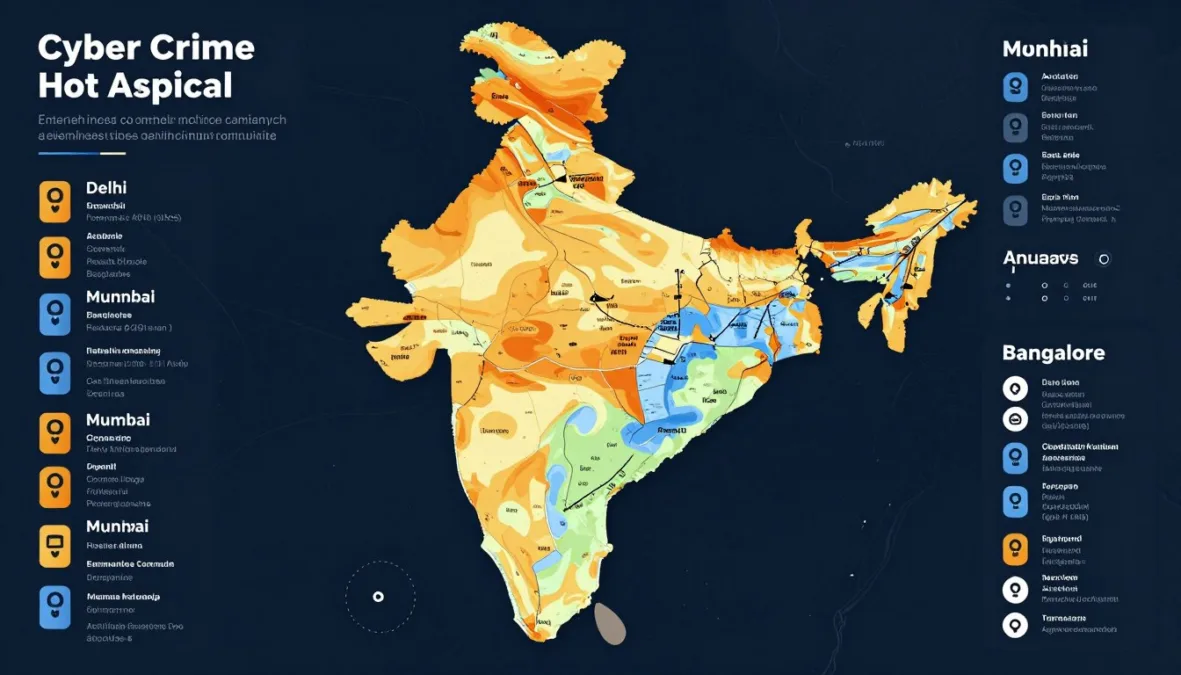
Uttar Pradesh reported the highest number of complaints. Karnataka and Maharashtra follow closely. Major cities like Delhi, Mumbai, and Bangalore see concentrated cyber crime activity.
The cyber crime reporting portal receives thousands of complaints daily. Many cases involve sophisticated social engineering tactics. Victims span all age groups and economic backgrounds.
1. Digital Arrest Scams: The Fastest Growing Threat
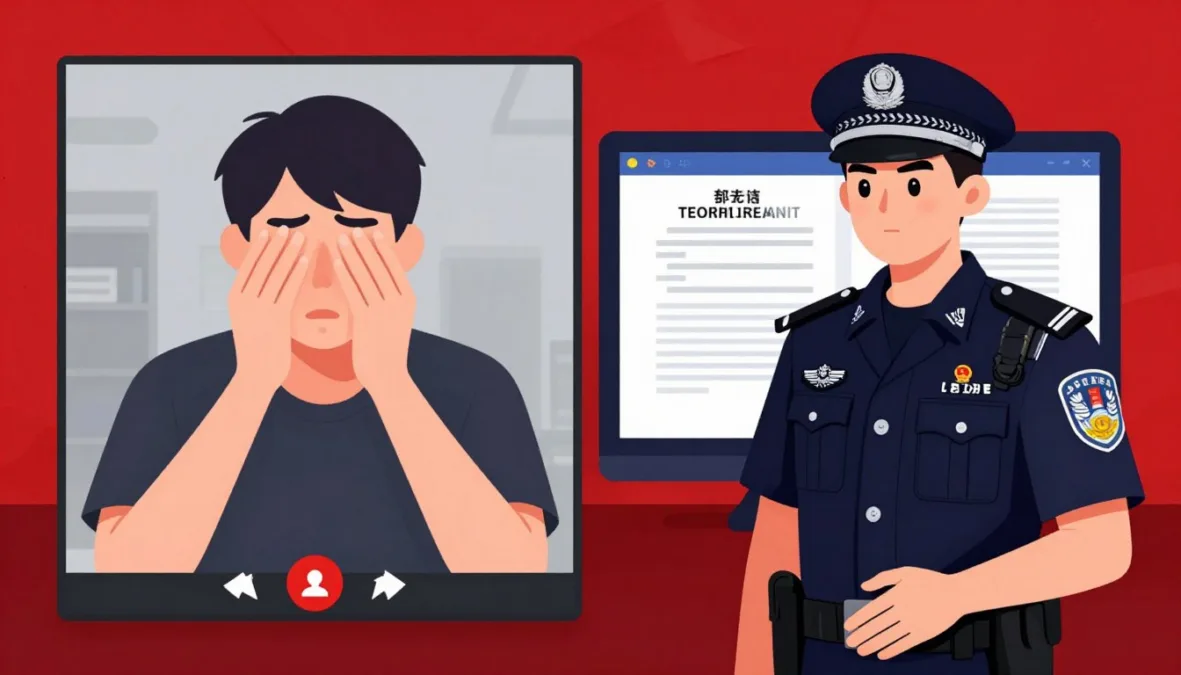
Digital arrest scams represent one of the most dangerous cyber frauds in India. Scammers impersonate law enforcement officials. They claim victims are involved in serious crimes.
These criminals use official-sounding language and fake documentation. They create panic by threatening immediate arrest. Victims are told they must pay money to avoid legal action.
Critical Warning: Digital Arrest Tactics
No genuine law enforcement agency conducts arrests over video calls. Police never demand money to cancel arrest warrants. Any such call is a scam. Disconnect immediately and report to authorities.
How Digital Arrest Scams Work
Fraudsters call victims claiming to be from police departments or government agencies. They accuse the victim of involvement in illegal activities. Common accusations include money laundering, drug trafficking, or customs violations.
The scammers often use video calls to appear more legitimate. They show fake police stations or government offices in the background. Some display forged identification cards and official documents.
Common Tactics
- Impersonating CBI, ED, or customs officials
- Using official-sounding terminology
- Creating urgency and fear
- Demanding immediate payment
- Threatening family members
Protection Measures
- Never share personal information over calls
- Verify caller identity independently
- Do not make payments under pressure
- Record details of suspicious calls
- Contact local police if threatened
Real Case Impact
Recent data shows digital arrest scams caused over Rs 120 crore in losses. Thousands of people fell victim nationwide. The average loss per victim exceeded Rs 2 lakh.
Law enforcement agencies have arrested several gangs. However, many criminals operate from outside India, making investigation difficult.
2. Phishing Attacks: Stealing Data Through Deception
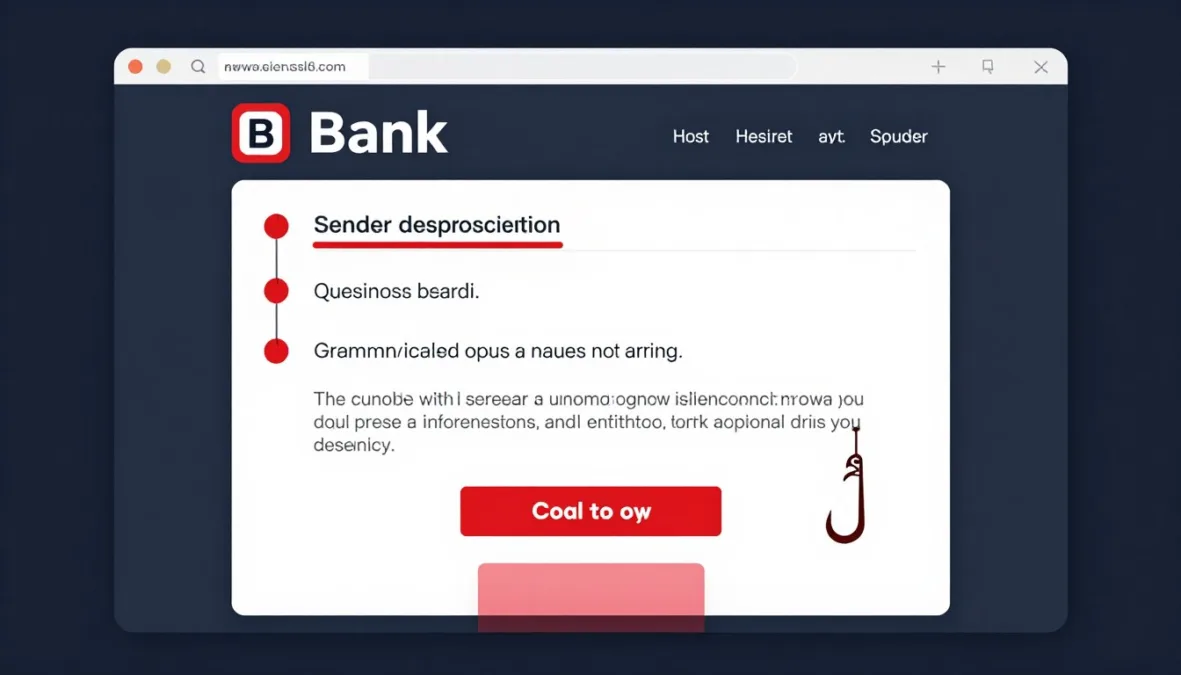
Phishing remains one of the most common cyber frauds targeting Indians. Scammers send fake emails, messages, or create fraudulent websites. Their goal is to steal login credentials, banking details, and personal data.
These attacks have become increasingly sophisticated. Criminals replicate official bank websites perfectly. They craft convincing emails that appear from legitimate organizations.
Types of Phishing Attacks
Email Phishing
Fraudsters send emails appearing from banks or government agencies. These messages contain links to fake websites. Users enter sensitive information, which criminals capture immediately.
Common themes include account verification, suspicious activity alerts, or prize notifications. The emails create urgency to bypass critical thinking.
SMS Phishing (Smishing)
Text messages claim problems with bank accounts or deliveries. They include shortened URLs leading to malicious sites. Many people trust SMS more than email, making this method effective.
Scammers often reference actual transactions or deliveries. They use publicly available information to seem credible.
Voice Phishing (Vishing)
Criminals call pretending to be bank officials or tech support. They request sensitive information over the phone. Some use caller ID spoofing to display legitimate numbers.
These scammers often claim urgent security issues. They pressure victims into revealing passwords or OTPs.
Spot Phishing Attempts
- Check sender email addresses carefully for misspellings
- Hover over links before clicking to see actual destinations
- Look for generic greetings instead of personalized ones
- Question urgent requests for personal information
- Verify website SSL certificates and correct URLs
- Never share OTPs or passwords with anyone
Protect Yourself From Phishing
The National Cyber Crime Reporting Portal provides detailed guides on identifying phishing attempts. Report suspicious emails and messages to help authorities track criminal networks.
3. Investment and Trading Scams
Investment fraud has exploded across India. Scammers promise unrealistic returns on stock market investments, cryptocurrency trading, or binary options. They use social media platforms to reach potential victims.
These schemes often start with small successful investments. Criminals allow initial withdrawals to build trust. Once victims invest larger amounts, the websites disappear.
Common Investment Scam Patterns
Fraudsters create professional-looking trading platforms. They show fake profit charts and testimonials. Many operate through Telegram or WhatsApp groups.
They claim to have insider information or proprietary algorithms. Some pose as successful traders offering mentorship. The promised returns far exceed legitimate market rates.
Stock Market Scams
Criminals recommend penny stocks they have already bought. They create artificial demand through coordinated buying. When prices rise, they sell, leaving victims with worthless shares.
- Pump and dump schemes targeting small stocks
- Fake trading tips from supposed experts
- Unregistered trading platforms
- Promises of guaranteed returns
Cryptocurrency Fraud
Scammers exploit confusion around digital currencies. They create fake exchanges or investment pools. Many promise multiplied returns on cryptocurrency deposits.
- Ponzi schemes using cryptocurrency
- Fake ICOs and token sales
- Mining investment scams
- Impersonation of legitimate exchanges
Binary Options Fraud
These platforms claim to offer simple trading opportunities. Users bet on price movements of assets. The platforms manipulate outcomes to ensure user losses.
- Rigged trading software
- Withdrawal blocking after profits
- Fake customer support
- Unregulated offshore operations
Forex Trading Scams
Fraudsters offer foreign exchange trading opportunities. They guarantee profits through automated systems. These platforms rarely execute real trades.
- Unregistered forex brokers
- Fake automated trading bots
- Manipulated trading results
- High-pressure sales tactics

Red Flags in Investment Offers
- Guaranteed returns with no risk
- Pressure to invest immediately
- Unregistered or unlicensed operators
- Complex strategies that are not clearly explained
- Difficulty withdrawing funds
- Unsolicited investment advice via social media
Verify Investment Platforms
Always verify investment opportunities with SEBI (Securities and Exchange Board of India). Check if the broker or platform is registered. Report suspicious investment schemes to protect others.
4. Loan App Fraud and Predatory Lending
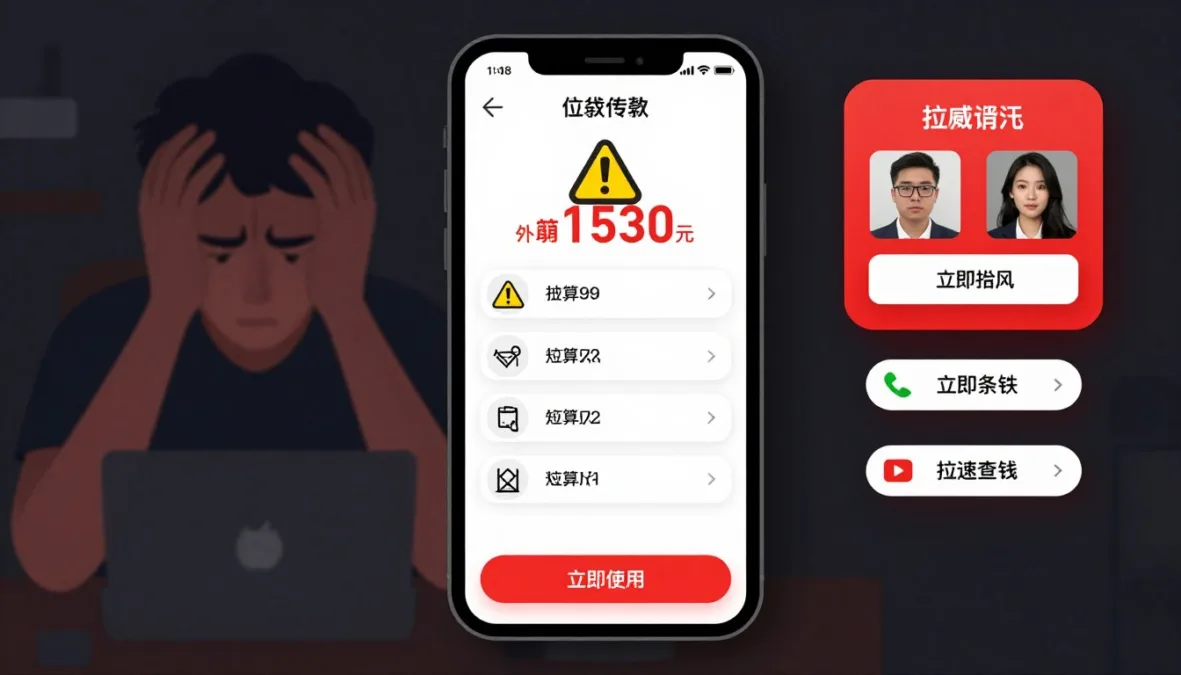
Loan app fraud has become a major concern across India. Unregulated lending applications exploit people in financial distress. These apps charge exorbitant interest rates and use harassment tactics for recovery.
Many operate without proper licenses from the Reserve Bank of India. They access personal data from users’ phones. This information is then used for extortion and blackmail.
How Loan App Scams Operate
Fraudulent apps advertise instant loans with minimal documentation. They approve applications quickly to hook desperate borrowers. Hidden charges and processing fees inflate the actual cost dramatically.
Once borrowers struggle with repayment, the harassment begins. Scammers call friends and family from contact lists. They send morphed images and threatening messages on social media.
Loan App Tactics
- Requesting unnecessary phone permissions
- Charging interest rates exceeding legal limits
- Deducting processing fees immediately
- Short repayment periods creating pressure
- Accessing contacts, photos, and messages
- Using threatening recovery methods
Harassment Methods
- Calling borrowers constantly throughout the day
- Contacting family members and employers
- Sending abusive messages via WhatsApp
- Creating fake social media profiles
- Threatening public shaming and exposure
- Morphing photos for blackmail
Safe Borrowing Practices
- Borrow only from RBI-registered lenders
- Read all terms and conditions carefully
- Calculate total repayment amount before accepting
- Avoid apps requesting excessive permissions
- Keep records of all transactions
- Report harassment to police immediately
Action Steps for Loan App Victims
If you are experiencing harassment from loan app operators, you have legal protection. File a complaint with the National Cyber Crime Reporting Portal. Contact local police about threats and blackmail. The Reserve Bank of India maintains a list of registered lending platforms.
24/7 Cyber Crime Helpline
Stop Loan App Harassment
Law enforcement takes loan app fraud seriously. Multiple arrests have been made. Do not suffer in silence. Report harassment and illegal lending practices immediately.
5. Banking and UPI Fraud
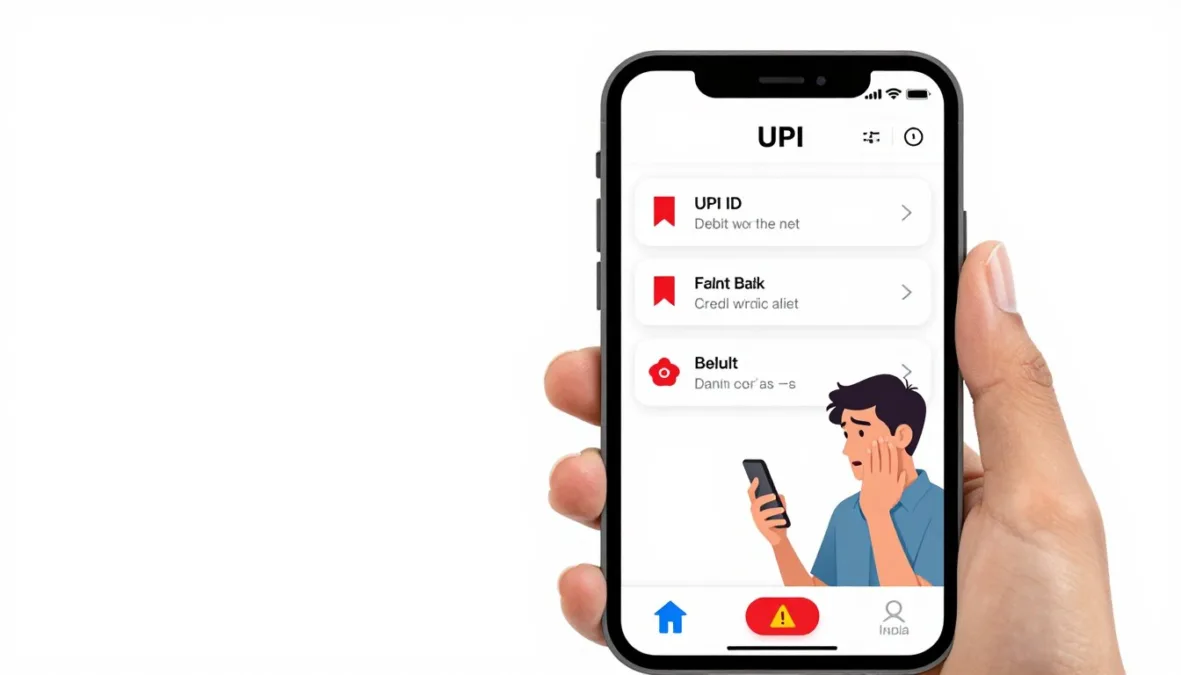
Financial cyber fraud through banking channels has surged dramatically. Criminals exploit UPI, internet banking, and debit card systems. They use various techniques to steal money directly from accounts.
UPI fraud alone accounts for thousands of complaints monthly. Scammers trick users into entering UPI PINs or scanning malicious QR codes. They exploit the convenience and speed of digital transactions.
Common Banking Fraud Methods
UPI Scams
Fraudsters send payment requests disguised as money receipts. Victims approve transactions thinking they are receiving money. Instead, funds get debited from their accounts.
Some scammers create fake UPI IDs similar to legitimate businesses. Others use QR code manipulation to redirect payments.
SIM Swap Fraud
Criminals obtain duplicate SIM cards by impersonating victims. Once they control the phone number, they bypass OTP security. This allows access to banking and UPI accounts.
They often gather personal information from social media or data breaches first. This makes their impersonation more convincing.
Fake Customer Care
Scammers create fake customer support numbers for banks. These appear in search results or social media. When customers call, they are asked to share account details and OTPs.
Some fraudsters contact victims pretending to be bank officials. They claim suspicious activity and request verification details.
Protect Your Banking Accounts
- Never share OTPs, passwords, or PINs with anyone
- Verify payment direction before approving UPI requests
- Use only official bank apps and websites
- Enable transaction alerts via SMS and email
- Set daily transaction limits on accounts
- Register for two-factor authentication
- Check account statements regularly for unauthorized transactions
- Save official bank helpline numbers
Immediate Actions After Banking Fraud
Time is critical when banking fraud occurs. Quick action can prevent further losses and help recovery efforts. Follow these steps immediately if you suspect unauthorized transactions.
- Call your bank’s official helpline immediately
- Request transaction blocking or account freeze
- Note down transaction reference numbers
- Change all passwords and PINs
- Disable online banking temporarily if needed
First 30 Minutes
- File written complaint at your bank branch
- Report on National Cyber Crime Reporting Portal
- File FIR at local police station
- Collect all transaction evidence and screenshots
- Contact mobile service provider if SIM swap involved
Within 24 Hours
- Monitor account for suspicious activity daily
- Request chargeback for unauthorized transactions
- Keep all complaint reference numbers safe
- Follow up with bank and police regularly
- Enable advanced security features on accounts
Follow-Up Actions
Report Banking Fraud Immediately
Banks have fraud reversal mechanisms for reported cases. The Ministry of Home Affairs coordinates with banks for fund recovery. Quick reporting significantly improves recovery chances.
6. Job and Work-From-Home Scams
Employment fraud has proliferated in recent years. Scammers post fake job listings promising high salaries for simple tasks. They target job seekers, students, and people seeking additional income.
These scams often begin with registration fees or refundable deposits. Victims pay money expecting employment. The promised jobs never materialize, and criminals disappear with the fees.
Types of Employment Fraud
Work-from-home scams promise easy money for minimal effort. Common schemes include data entry jobs, product packaging, and online survey completion. Victims pay for training materials or starter kits that prove worthless.
Some fraudsters pose as recruitment agencies for reputable companies. They conduct fake interviews and issue counterfeit offer letters. Registration or processing fees are mandatory before joining.
Common Job Scam Tactics
- Requests for upfront payment for job placement
- Unusually high salaries for simple tasks
- Vague job descriptions and responsibilities
- Urgent hiring without proper interviews
- Communication only through WhatsApp or Telegram
- No verifiable company address or website
- Pressure to pay immediately to secure position
Specific Scam Categories
Part-time Task Scams: Criminals ask users to complete simple online tasks. Initial small payments build trust. Later, victims are asked to invest money for higher-paying tasks. The platform then blocks withdrawals.
MLM and Pyramid Schemes: These require recruiting others to earn money. Only those at the top profit. Most participants lose their investment.
Fake Overseas Jobs: Scammers promise lucrative foreign employment. They charge for visa processing and documentation. Victims never receive jobs or travel opportunities.
Verify Job Opportunities
Legitimate employers never request money for job placement. Research companies thoroughly before applying. Check official websites and verify physical addresses. Be suspicious of jobs requiring significant upfront investment. Report fraudulent job postings to protect others.
Lost Money to Job Scams?
Employment fraud cases can be reported through the cyber crime reporting portal. Law enforcement tracks these criminal networks. Your complaint helps prevent others from falling victim.
7. Romance and Dating Scams
Romance scams exploit emotional vulnerability. Criminals create fake profiles on dating apps and social media. They build relationships with victims over weeks or months before requesting money.
These scammers are patient and psychologically manipulative. They claim emergencies, medical issues, or travel problems. Victims send money believing they are helping someone they love.
How Romance Scammers Operate
Fraudsters use stolen photos of attractive people for fake profiles. They express strong feelings quickly and shower targets with attention. Communication often moves from dating platforms to WhatsApp or email.
After establishing trust, they introduce financial problems. Common stories include medical emergencies, business opportunities, or travel costs to meet in person. They may also ask victims to receive and forward packages containing illegal items.
Warning Signs
- Professing love very quickly without meeting
- Refusing video calls with excuses
- Claiming to work abroad or in military
- Making plans to meet but canceling repeatedly
- Requesting money for emergencies
- Asking to receive packages on their behalf
- Stories that change or become inconsistent
Financial Requests
Scammers start with small amounts to test willingness. Once victims send money, requests increase. They create elaborate stories about being robbed, hospitalized, or arrested.
Some claim they need money to complete business deals. Others say they cannot access their own funds due to banking issues. The excuses are endless and creative.
Protection Strategies
- Never send money to online-only relationships
- Use reverse image search on profile photos
- Insist on video calls before developing feelings
- Be skeptical of people claiming overseas locations
- Share concerns with friends or family
- Trust your instincts if something feels wrong

Emotional Impact and Support
Romance scam victims often experience shame and embarrassment. This prevents many from reporting. Remember that these are sophisticated criminals who manipulate emotions professionally. You are not alone, and help is available.
Counseling services can help process the emotional trauma. Support groups connect victims who understand the experience. Reporting the crime helps authorities track these international criminal networks.
Report Romance Scams Confidentially
The National Cyber Crime Reporting Portal handles romance scam complaints with sensitivity. Your information remains confidential. Reporting helps law enforcement identify patterns and prevent future victims.
8. E-commerce and Online Shopping Fraud
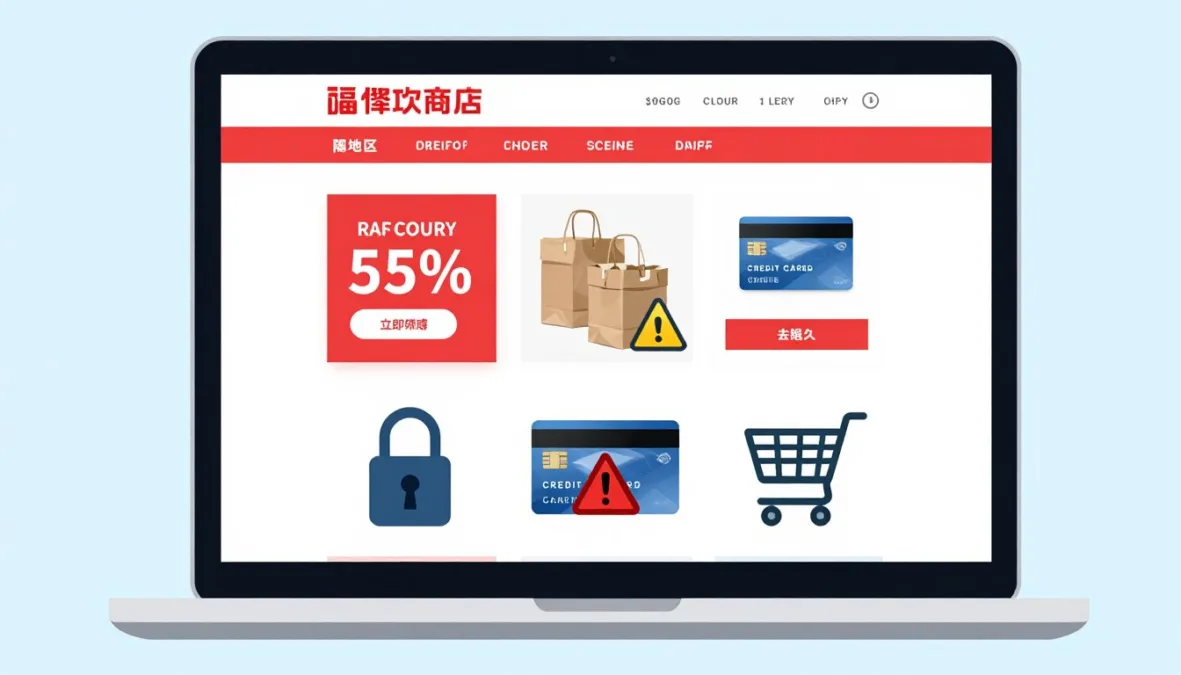
Online shopping fraud affects millions of Indian consumers annually. Scammers create fake websites selling products at attractive prices. They collect payments but never deliver goods.
Some fraudsters list items on legitimate marketplaces but send counterfeit or inferior products. Others manipulate delivery processes to claim refunds while keeping merchandise.
Common E-commerce Scam Methods
Fake Shopping Websites
Criminals create professional-looking e-commerce sites. They advertise heavily on social media platforms. Prices are significantly lower than market rates to attract buyers.
After receiving payment, they either send nothing or deliver cheap imitations. The websites shut down within weeks or months.
Social Media Marketplace Scams
Fraudsters sell products through Facebook, Instagram, or WhatsApp. They show pictures of genuine products but send fakes. Some never ship anything after receiving advance payment.
These sellers often have fake reviews and testimonials. They operate multiple accounts to appear legitimate.
Payment Gateway Fraud
Scammers send fake payment links that look like legitimate checkout pages. These capture credit card details and banking information. Victims believe they are making purchases but are actually sharing financial data.
Some create phishing pages mimicking popular e-commerce platforms. They steal login credentials along with payment information.
Safe Online Shopping Practices
- Shop only from established and verified sellers
- Check website security certificates before payment
- Read seller reviews from multiple sources
- Use credit cards or secure payment gateways
- Avoid deals that seem too good to be true
- Verify seller contact information and return policies
- Keep screenshots of product descriptions and prices
- Check domain age and registration details
Consumer Protection Rights
Indian consumers have legal protections against e-commerce fraud. The Consumer Protection Act covers online transactions. Victims can file complaints with consumer courts for non-delivery or misrepresentation.
Payment gateways often offer buyer protection for certain transactions. Contact your bank immediately if charged for products not received. Document all communication with sellers as evidence.
Got Scammed While Shopping Online?
Report e-commerce fraud to the cyber crime reporting portal. Also file complaints with the National Consumer Helpline. These actions help track fraudulent sellers and warn other consumers.
9. Identity Theft and Data Breach Exploitation
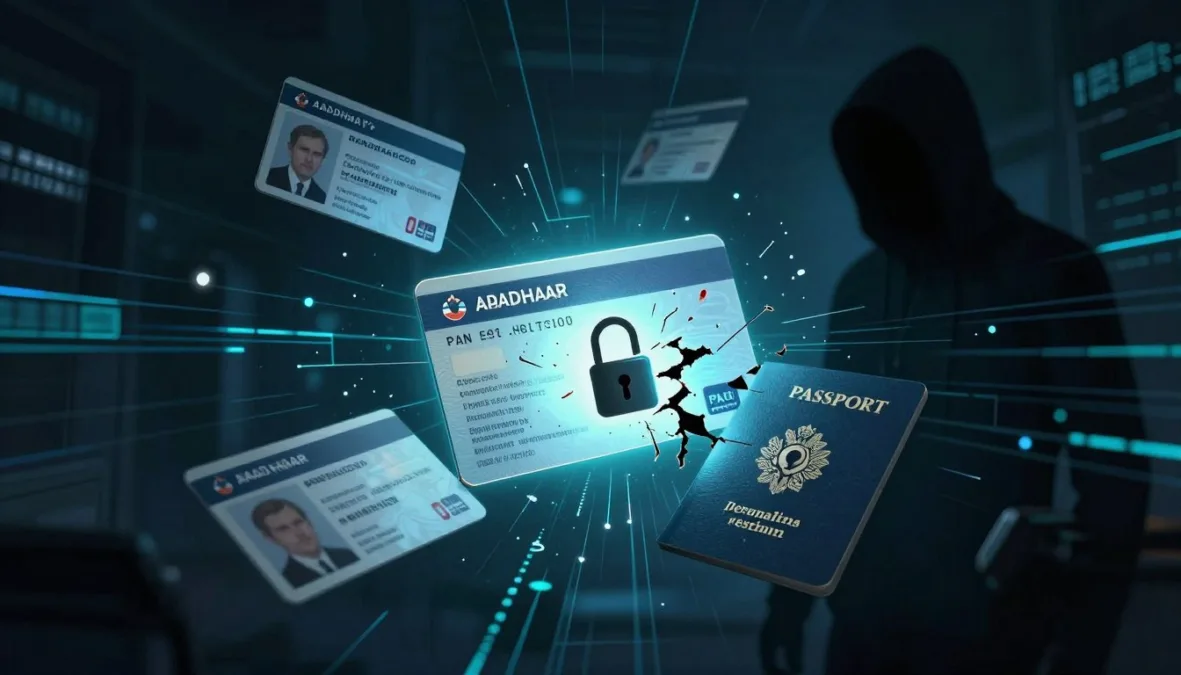
Identity theft represents one of the most serious cyber frauds facing Indians. Criminals steal personal information to open bank accounts, obtain loans, or commit crimes in victims’ names. The damage can persist for years.
Data breaches from companies expose millions of records. Fraudsters purchase this information on the dark web. They combine data from multiple sources to build complete identity profiles.
How Identity Theft Occurs
Personal data gets compromised through various channels. Phishing attacks capture login credentials and documents. Malware on devices steals stored information. Unsecured public WiFi networks allow interception of transmitted data.
The dark web markets trade in stolen Indian identity data. Criminals buy Aadhaar details, PAN information, and banking credentials. This data fuels numerous fraud schemes including loan applications and SIM card fraud.
Sources of Data Compromise
- Company database breaches and leaks
- Phishing emails capturing personal information
- Malware and spyware on computers
- Public WiFi interception attacks
- Social media oversharing
- Lost or stolen documents and devices
- Insider threats from employees
- Weak passwords on online accounts
Identity Theft Consequences
Victims discover unauthorized loans in their names. Credit scores drop due to unpaid fraudulent accounts. Bank accounts get drained through identity-based access.
Some face legal issues when criminals commit crimes using stolen identities. Clearing your name requires extensive documentation and time. The emotional stress compounds financial losses.
Business identity theft affects companies similarly. Fraudsters register fake businesses using stolen director information. They use these entities for money laundering and tax fraud.
Signs Your Identity May Be Compromised
- Unexpected credit card or loan statements arrive
- Calls from debt collectors about unknown debts
- Bank accounts show unfamiliar transactions
- Tax returns rejected due to duplicate filing
- Credit score drops unexpectedly
- Accounts locked due to suspicious activity
- Receive SIM cards or documents you did not request
Protecting Your Identity
Preventive Measures
- Use strong unique passwords for each account
- Enable two-factor authentication everywhere
- Regularly monitor credit reports and scores
- Secure physical documents properly
- Limit information shared on social media
- Update software and security patches regularly
- Use VPN on public WiFi networks
Recovery Actions
- Contact all banks and financial institutions
- File police complaint immediately
- Report to credit bureaus for fraud alert
- Change all passwords and security questions
- Request credit report freeze if needed
- Document all fraudulent activity thoroughly
- Monitor accounts closely for months afterward
Legal Recourse
Indian law provides frameworks for identity theft victims. The Information Technology Act addresses unauthorized data access and identity crimes.
File FIR under relevant sections for identity fraud. Notify Aadhaar authorities if Aadhaar details were compromised. Contact the Income Tax department for PAN-related fraud.
Report Identity Theft Immediately
Quick action limits damage from identity theft. The cyber crime coordination centre handles identity fraud cases. They coordinate with banks and government agencies for resolution.
10. Ransomware and Malware Attacks
Ransomware attacks have increased dramatically targeting Indian businesses and individuals. Criminals encrypt victim data and demand payment for decryption keys. These attacks cause operational shutdowns and massive financial losses.
Malware infections come through infected email attachments, compromised websites, or malicious software downloads. Once installed, malware can steal data, monitor activities, or provide remote access to criminals.
Types of Malicious Software
Ransomware
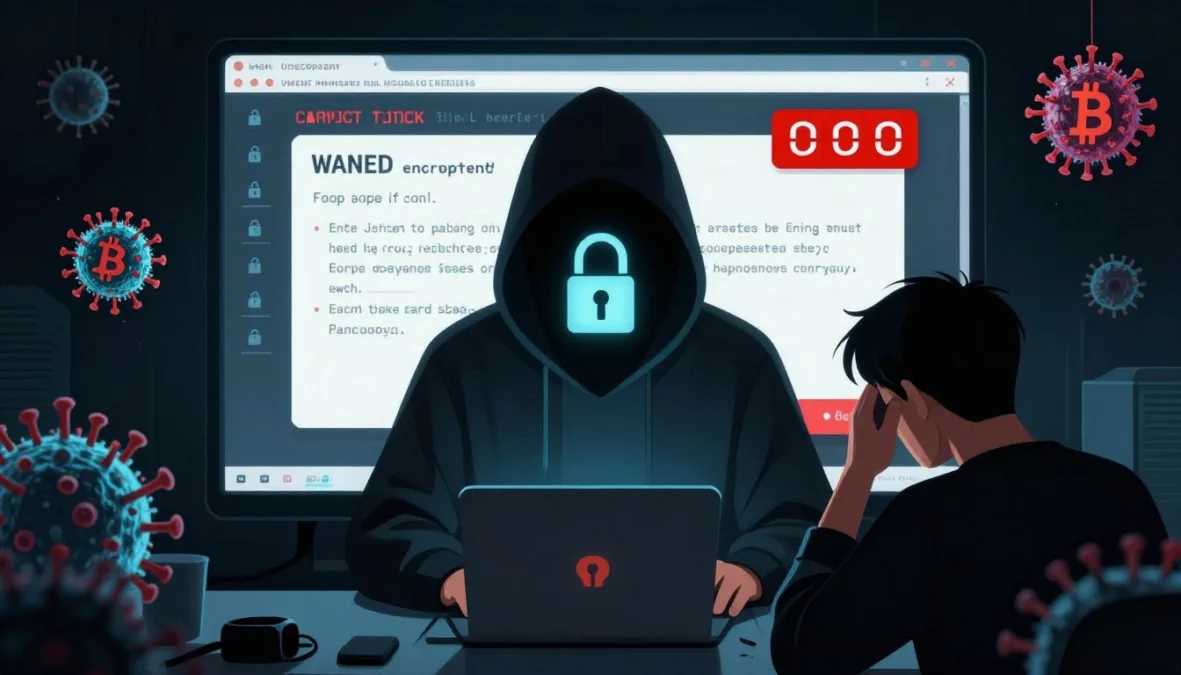
This malware encrypts files making them inaccessible. A ransom demand appears requesting payment in cryptocurrency. Victims face permanent data loss if they cannot decrypt or restore files.
Some ransomware variants also steal data before encryption. Criminals threaten to publish sensitive information if ransom is not paid.
Banking Trojans
These programs specifically target financial information. They capture banking credentials, credit card details, and transaction data. Some can intercept and modify banking sessions in real-time.
Banking trojans often hide in legitimate-looking apps. They activate when users access banking services.
Spyware and Keyloggers
Spyware monitors user activities secretly. It records keystrokes, screenshots, and browsing history. This information helps criminals steal passwords and sensitive data.
Mobile spyware can access messages, calls, location, and camera. Victims remain unaware of surveillance for extended periods.
Infection Methods and Prevention
Malware spreads through multiple vectors. Email attachments from unknown senders often contain infected files. Clicking links in phishing messages downloads malware automatically. Visiting compromised websites can trigger drive-by downloads.
Pirated software and cracked applications frequently include hidden malware. USB drives from untrusted sources may auto-execute malicious programs. Software vulnerabilities allow remote malware installation without user action.
Malware Protection Essentials
- Install reputable antivirus software and keep it updated
- Enable automatic operating system updates
- Avoid downloading files from untrusted sources
- Do not click links in suspicious emails
- Scan USB drives before accessing files
- Use firewall protection on all devices
- Backup important data regularly to offline storage
- Be cautious with software permissions on mobile devices
Response to Ransomware Attacks
Law enforcement agencies advise against paying ransoms. Payment does not guarantee data recovery. It also funds criminal operations and encourages further attacks.
Isolate infected systems immediately to prevent spread. Disconnect from networks and internet. Contact cybersecurity professionals for remediation assistance. Report the incident to authorities even if data is lost.
Immediate Response Steps
Take these actions within the first hour of discovering ransomware infection.
- Disconnect infected device from network
- Do not restart the computer
- Photograph or document ransom message
- Check if backups are clean and accessible
Recovery Options
Several approaches exist for ransomware recovery beyond paying criminals.
- Restore from clean backups if available
- Use free decryption tools for known variants
- Consult cybersecurity experts for analysis
- Contact law enforcement for guidance
Business Continuity
Organizations need robust security and backup strategies to survive attacks.
- Implement regular automated backups
- Store backups offline or in secure cloud
- Test backup restoration procedures
- Train employees on security awareness
Reporting Requirements
Multiple agencies should be notified about ransomware incidents.
- File complaint on cyber crime portal
- Report to local cyber cell
- Notify CERT-In for critical infrastructure
- Inform affected customers if data compromised
Report Ransomware and Malware Attacks
CERT-In (Indian Computer Emergency Response Team) coordinates responses to major cyber security incidents. They provide guidance and connect victims with security experts. The cyber crime coordination centre tracks ransomware campaigns.
Reporting Cyber Crimes: Your Legal Rights and Options
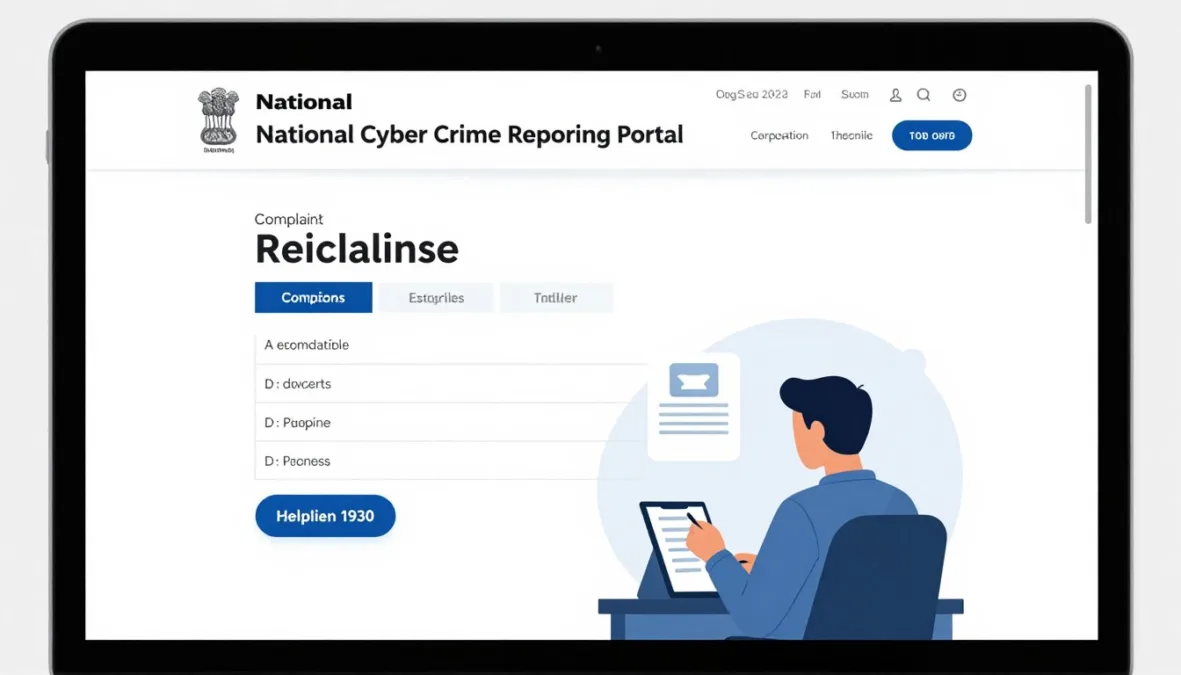
India has established comprehensive mechanisms for reporting cyber fraud. The National Cyber Crime Reporting Portal serves as the primary platform. Citizens can file complaints online 24 hours a day from anywhere.
The Ministry of Home Affairs oversees cyber crime responses through specialized units. The Indian Cyber Crime Coordination Centre connects law enforcement agencies nationwide. This coordination improves investigation efficiency and success rates.
How to Report Cyber Fraud
Reporting should happen immediately after discovering fraud. Early reports increase fund recovery chances and help track criminals. Multiple reporting channels exist depending on fraud type and urgency.
Legal Framework for Cyber Crimes
The Information Technology Act 2000 provides the primary legal framework. Section 66C addresses identity theft. Section 66D covers cheating by personation using computer resources. Section 43 deals with unauthorized access and data theft.
The Indian Penal Code also applies to cyber frauds. Sections 419 and 420 cover cheating and fraud. Section 463 addresses forgery. These laws work together to prosecute cybercriminals comprehensively.
Key Legal Provisions
- IT Act Section 66: Computer-related offenses
- IT Act Section 66C: Identity theft punishment
- IT Act Section 66D: Cheating by impersonation
- IT Act Section 43: Unauthorized access penalties
- IPC Section 420: Cheating and fraud
- IPC Section 468: Forgery for cheating
Penalties and Punishments
Cyber fraud convictions carry significant penalties. Identity theft can result in imprisonment up to three years and fines up to one lakh rupees. Cheating by impersonation may lead to three years imprisonment.
Financial fraud involving larger amounts attracts harsher sentences. Courts consider the scale of fraud and number of victims. Repeat offenders face enhanced penalties under law.
What Happens After Reporting
Law enforcement agencies investigate reported cases based on severity and evidence. Financial fraud receives priority due to potential fund recovery. The cyber crime coordination centre analyzes patterns across complaints to identify organized criminal networks.
Investigation timelines vary depending on case complexity. International cases take longer as they require coordination with foreign agencies. Victims receive updates through the complaint tracking system using their reference numbers.
Supporting the Investigation
Preserve all evidence carefully. Do not delete messages, emails, or transaction records. Take screenshots of all relevant communications. Maintain a detailed timeline of events. Cooperate fully with investigating officers. Your evidence determines case strength and prosecution success.
Take Action Against Cyber Fraud
Your report contributes to a safer digital India. Every complaint helps authorities understand criminal tactics and protect future victims. The government has made reporting simple and accessible for all citizens.
National Cyber Crime Helpline – Available 24/7
Comprehensive Protection Strategies Against Cyber Fraud
Preventing cyber fraud requires proactive measures across multiple areas. Education remains the most effective defense. Understanding scammer tactics helps recognize threats before they cause harm.
Technology solutions provide important protection layers. However, human awareness and caution prove most critical. Combining technical safeguards with informed behavior creates robust security.
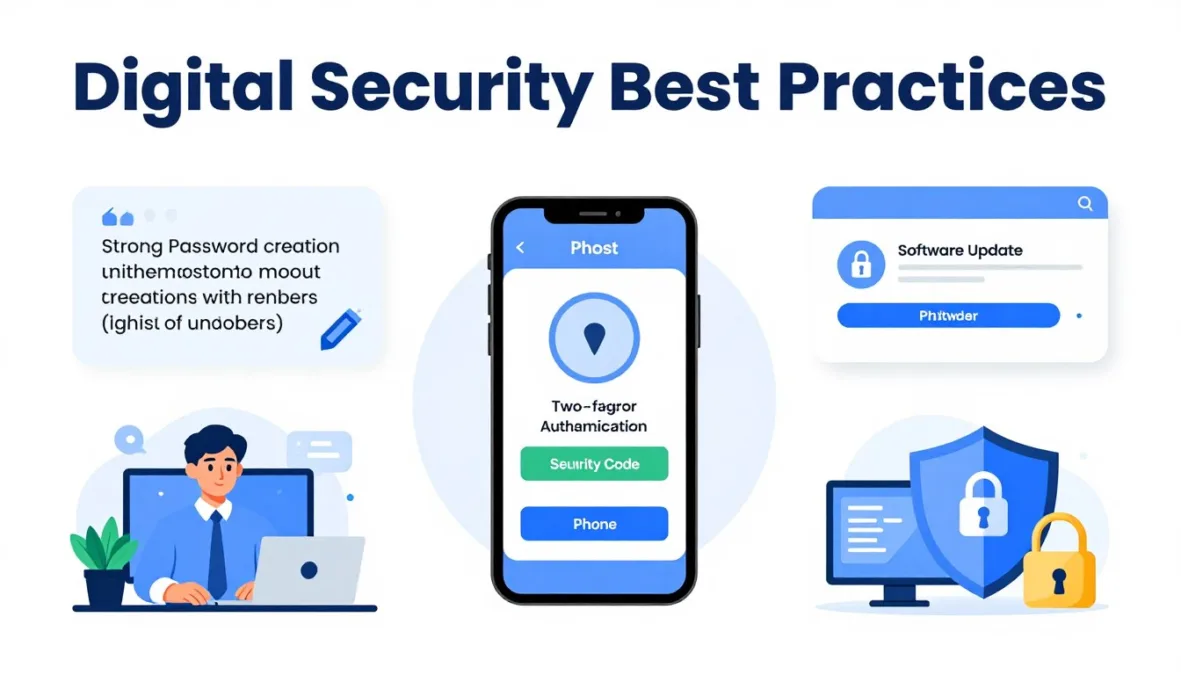
Digital Hygiene Best Practices
Password Security
Create unique strong passwords for each account. Use combinations of letters, numbers, and symbols. Avoid personal information like birthdates or names.
Password managers help generate and store complex passwords securely. Change passwords regularly, especially for financial accounts. Never reuse passwords across different services.
Two-Factor Authentication
Enable 2FA on all accounts that offer it. This adds a second verification layer beyond passwords. Even if passwords are compromised, 2FA prevents unauthorized access.
Use authenticator apps rather than SMS when possible. App-based 2FA is more secure than text messages. Backup codes should be stored securely offline.
Software Updates
Keep all devices and applications updated with latest security patches. Enable automatic updates where available. Outdated software contains vulnerabilities criminals exploit.
This applies to operating systems, web browsers, and apps. Security updates fix known weaknesses. Delaying updates leaves systems exposed to attacks.
Financial Transaction Safety
Securing financial transactions prevents most monetary losses from fraud. Banks and payment providers offer multiple security features. Activating and properly using these features significantly reduces risk.
Banking Security
- Set daily transaction limits on accounts
- Enable SMS and email alerts for all transactions
- Use separate accounts for online transactions
- Never save card details on websites
- Verify website security before entering payment info
- Check account statements regularly
UPI and Digital Wallet Safety
- Set UPI transaction limits appropriately
- Verify recipient details before sending money
- Never share UPI PIN with anyone
- Use PIN or biometric lock on payment apps
- Link only one account initially for testing
- Review transaction history frequently
Credit Card Protection
- Enable transaction notifications instantly
- Use virtual cards for online shopping
- Activate international transaction blocks when not traveling
- Set spending limits for different categories
- Block card immediately if lost or stolen
- Monitor credit reports for unauthorized accounts
Social Media and Communication Safety
Social media platforms serve as hunting grounds for scammers. Oversharing personal information provides criminals with data for targeted attacks. Privacy settings and cautious sharing habits reduce exposure.
Social Media Protection Guidelines
- Review and restrict privacy settings on all platforms
- Limit personal information visible to public
- Be cautious about friend requests from strangers
- Avoid sharing travel plans publicly in real-time
- Do not post financial information or account details
- Question suspicious messages even from known contacts
- Verify urgent requests through alternate communication
- Report fake profiles and suspicious accounts
Family and Community Protection
Cyber fraud prevention extends beyond individual actions. Educating family members, especially elderly parents and young children, creates broader security. Criminals often target vulnerable populations with less technical knowledge.
Protecting Elderly Family Members
Seniors face higher risk from phone and email scams. They may trust authority figures more readily. Scammers exploit this through impersonation.
- Explain common scam tactics in simple terms
- Set up fraud alerts on their accounts
- Encourage them to consult family before financial decisions
- Limit their exposure to unsolicited calls and emails
- Help them verify suspicious communications
Teaching Children Online Safety
Young people spend significant time online but may lack awareness of risks. They can fall victim to gaming scams, fake contests, and social engineering.
- Monitor their online activities appropriately
- Teach them never to share personal information
- Explain how to recognize suspicious links and messages
- Set parental controls on devices and accounts
- Encourage open communication about online experiences

Stay Informed About New Threats
Cyber fraud tactics evolve constantly. Government agencies and banks regularly publish security advisories. Subscribe to updates from the Ministry of Home Affairs and your banks to stay aware of emerging threats.
Government Initiatives and Resources Against Cybercrime
The Government of India has launched multiple initiatives to combat cyber fraud. These programs aim to prevent crime, assist victims, and prosecute offenders. Understanding available resources helps citizens protect themselves and seek help when needed.
National Cyber Crime Reporting Portal
This centralized platform streamlines complaint filing across the country. Citizens can report cyber fraud regardless of location. The portal categorizes complaints for appropriate investigation routing.
The system connects to law enforcement agencies nationwide. Complaints about financial fraud receive priority handling. The portal also provides resources for fraud prevention and victim support.
Portal Features
- 24/7 online complaint filing capability
- Complaint tracking through reference numbers
- Direct connection to investigating agencies
- Emergency response for financial fraud
- Multi-language support for accessibility
- Educational resources and safety tips
- Anonymous reporting options for certain crimes
How to Use Effectively
Provide complete accurate information when filing complaints. Upload all supporting evidence including screenshots and documents. Be as detailed as possible about the incident timeline.
For financial fraud, report within the golden hour for best recovery chances. The faster you report, the higher the likelihood of freezing criminal accounts and recovering funds.
Keep your complaint number safe for tracking. Check status regularly through the portal. Respond promptly to any requests for additional information from investigators.
Indian Cyber Crime Coordination Centre
The Ministry of Home Affairs established this coordination centre under the Cyber Crime Prevention scheme. It provides a framework for law enforcement collaboration across jurisdictions. The centre analyzes crime data to identify patterns and criminal networks.
I4C Functions
The centre coordinates between state and central agencies. It provides technical and forensic support for investigations. Training programs enhance law enforcement capabilities in handling cybercrime.
National Helpline
The 1930 helpline connects to this coordination infrastructure. Trained operators provide immediate guidance. They can initiate emergency procedures for financial fraud cases.
Data Analysis
The centre maintains databases of reported crimes. Pattern analysis helps predict and prevent future attacks. This intelligence supports proactive enforcement actions.

State-Level Cyber Crime Cells
Every state has established dedicated cyber crime investigation units. These cells handle complex cases requiring specialized technical expertise. They work with the national coordination centre for interstate cases.
Citizens can approach state cyber cells directly for assistance. Many offer walk-in complaint facilities in addition to online reporting. Some states have mobile cyber crime units for outreach and education.
Additional Support Services
CERT-In provides incident response for critical cyber security events. The agency assists organizations with major breaches and attacks. They publish security advisories about emerging threats regularly.
The National Consumer Helpline addresses e-commerce fraud complaints. They mediate between consumers and sellers. This service complements cyber crime reporting for shopping-related fraud.
Awareness and Education Programs
Government agencies conduct regular awareness campaigns. These programs target different demographics with tailored messages. Schools, colleges, and senior citizen groups receive specific guidance about relevant threats.
- Cyber safety workshops in educational institutions
- Community awareness programs in neighborhoods
- Social media campaigns highlighting common scams
- Collaboration with banks for customer education
- Training programs for law enforcement officers
Educational Initiatives
- Downloadable guides on fraud prevention
- Video tutorials on safe digital practices
- Infographics explaining common scam types
- Case studies of actual fraud incidents
- Best practice documents for businesses
Resource Materials
- Collaboration with tech companies for security
- Banking sector coordination for fraud prevention
- Telecom operator partnerships for SIM swap prevention
- E-commerce platforms implementing buyer protection
- Payment gateway security enhancements
Industry Partnerships
Access Government Cyber Security Resources
The Ministry of Home Affairs website provides comprehensive information about cyber crime prevention. CERT-In offers technical advisories and security bulletins. Use these official resources to stay informed and protected.
Frequently Asked Questions About Cyber Fraud in India
What should I do immediately after realizing I am a cyber fraud victim?
Act quickly to minimize damage. First, call your bank’s customer service if financial fraud occurred. Request immediate blocking of affected accounts or cards. Second, call the national helpline 1930 for financial cyber fraud. Third, file a complaint on the National Cyber Crime Reporting Portal at cybercrime.gov.in within hours of the incident.
Collect all evidence including screenshots, transaction details, messages, and emails. Change passwords for all potentially compromised accounts. Document a detailed timeline of events. Visit your local police station to file an FIR if the amount is substantial. The faster you act, the better your chances of fund recovery.
Can I recover money lost to cyber fraud?
Recovery is possible but depends on how quickly you report. If you report within the first hour, law enforcement can request banks to freeze criminal accounts before money is withdrawn. Many victims have recovered substantial amounts through this mechanism.
For UPI and card fraud, contact your bank immediately. Banks have chargeback procedures for unauthorized transactions. You may need to submit written complaints and evidence. The success rate decreases significantly after 24 hours as criminals quickly move funds through multiple accounts.
How do I verify if a website or app is legitimate?
Check multiple indicators before trusting any platform. First, verify the website URL carefully for misspellings or unusual domains. Legitimate sites use HTTPS with valid SSL certificates. Look for the padlock symbol in your browser’s address bar.
Research the company through independent sources. Check reviews on multiple platforms, not just the company website. For apps, download only from official app stores. Read recent reviews and check the developer’s credentials. For financial services, verify registration with appropriate regulatory bodies like RBI or SEBI.
What information should I never share online or over phone?
Never share OTPs, CVV numbers, debit or credit card PINs, UPI PINs, or complete card details with anyone. No bank or government agency will ever ask for these. Do not share full Aadhaar or PAN numbers publicly on social media.
Avoid sharing passwords, security question answers, or account access details. Do not provide remote access to your computer or phone to unknown callers claiming to be tech support. Be cautious about sharing your exact location, travel plans, or details about valuable possessions on social media.
How can I identify a digital arrest scam?
Remember that no law enforcement agency conducts arrests through video calls or phone calls. Police never demand money to cancel arrest warrants or close cases. If someone calls claiming to be from CBI, ED, customs, or police demanding immediate payment, it is definitely a scam.
Real police will send official notices through proper channels. They will never ask you to stay on video calls for hours or demand cryptocurrency payments. If threatened, disconnect immediately. Call the local police station directly using officially published numbers to verify any such claims.
Are investment schemes promising high returns safe?
No investment can guarantee high returns without risk. Promises of guaranteed returns exceeding normal market rates are always fraudulent. Legitimate investments carry clearly disclosed risks. Be extremely suspicious of schemes promising to double your money quickly.
Verify any investment platform with SEBI before investing. Check if the company or individual is registered and authorized. Avoid investments promoted through unsolicited messages on WhatsApp, Telegram, or social media. Never invest based solely on testimonials or screenshots of profits shown by promoters.
What makes a strong password and how often should I change it?
Strong passwords should be at least 12 characters long. Use a combination of uppercase and lowercase letters, numbers, and special symbols. Avoid dictionary words, personal information, or predictable patterns. Each account should have a unique password.
Change passwords every three to six months for important accounts like banking and email. Change immediately if you suspect any compromise. Use a reputable password manager to generate and store complex passwords securely. Enable two-factor authentication on all accounts that offer it for additional security.
How do phishing emails and messages look different from legitimate ones?
Phishing messages often contain grammar and spelling errors. They create urgency with threats of account closure or legal action. Sender email addresses may look similar to legitimate ones but contain misspellings or unusual domains. Generic greetings like “Dear Customer” instead of your name are common.
Check links carefully before clicking. Hover over links to see the actual destination URL. Legitimate organizations rarely ask for sensitive information via email. They will not send unsolicited attachments or ask you to click links to verify accounts. When in doubt, contact the organization directly using official contact information from their website.
What should I do if I receive harassment from loan app operators?
Document all harassment including calls, messages, and threats. Take screenshots of abusive content. File a complaint on the National Cyber Crime Reporting Portal immediately. Also file a complaint with local police about the harassment and extortion attempts.
Block the numbers and report them to your mobile service provider. Inform friends and family that scammers may contact them using your information. Check if the lending app is registered with RBI. Report unregistered apps to RBI’s complaint portal. You have legal protection against such harassment under law.
How can I protect elderly parents from cyber fraud?
Educate them about common scams in simple language. Explain that no legitimate organization demands immediate payment over phone calls. Help them set up fraud alerts and transaction limits on their accounts. Encourage them to consult family before making any financial decisions based on calls or messages.
Consider limiting their exposure to unknown callers by registering on Do Not Disturb lists. Set up their devices with security software. Regularly review their bank statements together. Create a list of official contact numbers for their bank and important services they can verify calls against.
Taking Action Against Cyber Frauds in India
Cyber fraud poses a serious threat to every Indian citizen. The types and sophistication of these crimes continue to evolve. However, awareness and proper precautions provide strong protection against most attacks.
This guide has covered the top ten cyber frauds affecting India. Digital arrest scams, phishing attacks, investment fraud, loan app harassment, banking fraud, job scams, romance scams, e-commerce fraud, identity theft, and malware attacks represent the most prevalent threats. Understanding how these frauds work is your first line of defense.
The government has created comprehensive infrastructure for reporting and combating cybercrime. The National Cyber Crime Reporting Portal makes filing complaints simple and accessible. The 1930 helpline provides immediate assistance for financial fraud. Law enforcement agencies are becoming increasingly effective at investigating and prosecuting these crimes.
Protection requires vigilance across all digital activities. Strong passwords, two-factor authentication, software updates, and cautious behavior prevent most fraud attempts. Verify before trusting. Question urgent requests for money or information. No legitimate organization demands immediate payment through unusual channels.
Essential Protection Principles
- Verify identity and legitimacy before sharing information
- Never share OTPs, PINs, or passwords with anyone
- Question offers that seem too good to be true
- Report suspicious activity immediately
- Keep software and security features updated
- Educate family members about common scams
- Maintain regular backups of important data
- Monitor financial accounts for unauthorized activity
If you become a victim, act immediately. Time is critical for fund recovery and evidence preservation. Report to multiple channels – the cyber crime portal, helpline 1930, your bank, and local police. Do not feel ashamed or embarrassed. These are sophisticated criminals who successfully deceive many people.
Share this knowledge with others. Many people remain unaware of these threats. Your awareness can protect friends, family, and community members. The fight against cyber fraud requires collective action from citizens, government, law enforcement, and industry.
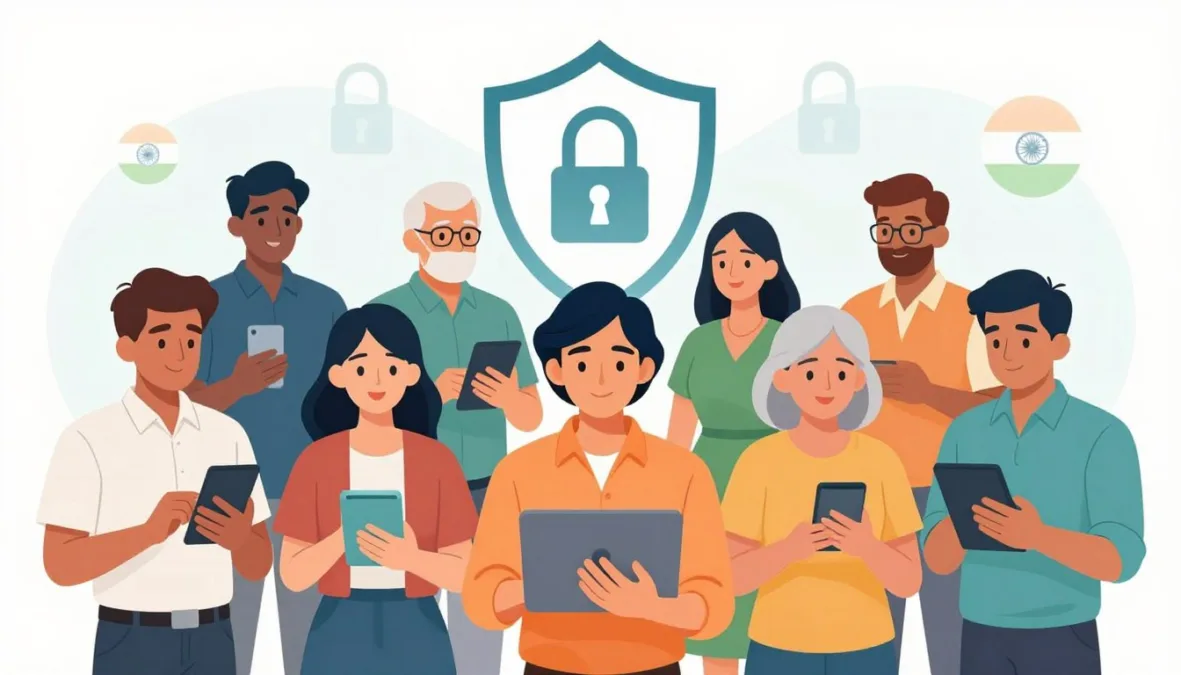
Technology offers tremendous benefits for India’s development. Digital payments increase financial inclusion. E-commerce expands business opportunities. Online education reaches remote areas. We can enjoy these benefits while staying protected from fraud through informed awareness and responsible behavior.
Stay updated on emerging threats. Follow official government advisories from the Ministry of Home Affairs. Subscribe to security alerts from your banks and service providers. Cyber fraud tactics change constantly, requiring continuous learning.
Remember that prevention is always better than cure. The time invested in securing accounts and educating yourself prevents potentially devastating losses. Strong security practices become habitual with practice. They soon require minimal extra effort while providing significant protection.
Report Cyber Fraud and Protect Others
Your report helps build a safer digital ecosystem for all Indians. Every complaint provides valuable data to law enforcement. Together we can reduce the success rate of cyber criminals and make fraud less profitable. Take action today to protect yourself and your community.
Call Immediately for Financial Cyber Fraud
Available 24 hours a day, 7 days a week. Multilingual support available. Your call helps stop criminals and may recover your funds.
India’s digital future depends on security awareness among all citizens. By staying informed, taking precautions, and reporting fraud, you contribute to this important mission. Protect yourself, protect your family, and protect India from cyber fraud.

Priyanka Pandey
Senior Research Editor · Top10Sense
Priyanka specializes in tech, consumer products, and digital trends. She combines hands-on testing, vendor interviews, and database research to create trustworthy “Top 10” rankings. Her work has been referenced by industry blogs and brand report pages.