
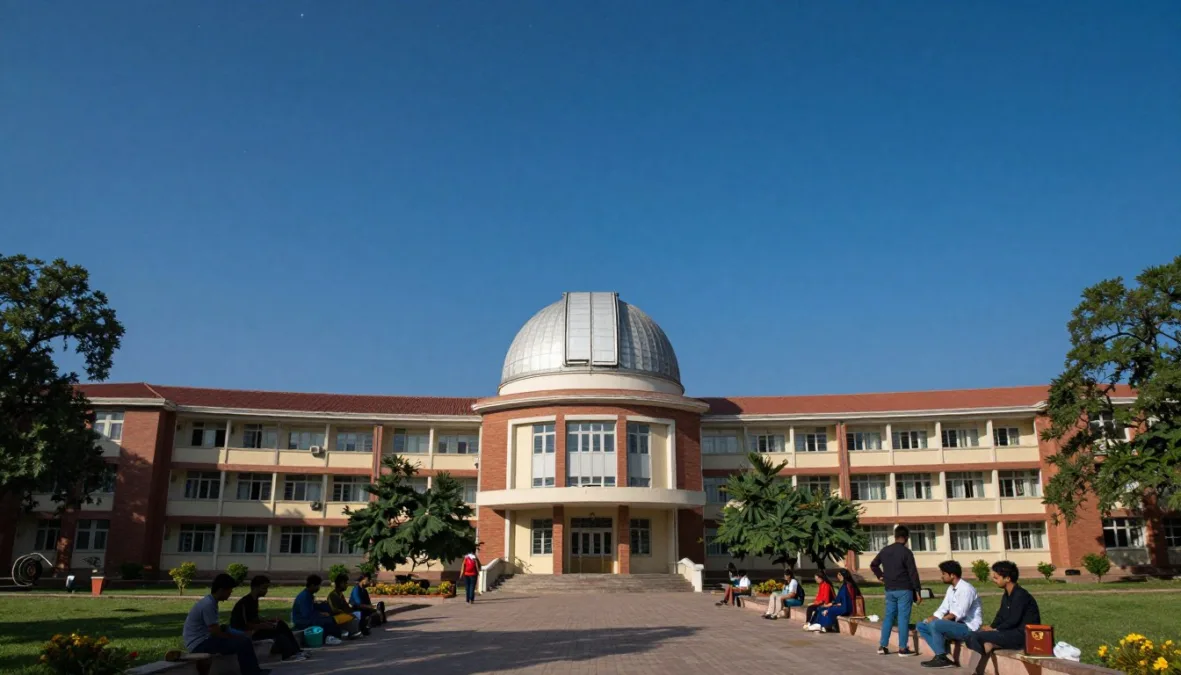
Choosing a master’s in astronomy is not only about finding the most famous name. The right course should match your physics background, research goals, budget, entrance exam plan, and interest in space science. This guide compares leading Indian universities and institutes that offer astronomy, astrophysics, space science, or closely related physics routes.
How this ranking was prepared
The ranking weighs academic strength, astronomy astrophysics research, faculty access, observatories, national reputation, programme fit, admission clarity, and career opportunities. A dedicated astronomy degree receives extra weight. However, a strong physics master’s can be an excellent route into astrophysics India research institutes.
Start with the official admission source
Admission rules, fees, dates, and entrance exams change. Use the official website before submitting an application.
Quick comparison of the leading options
| Institute | Best route | Admission signal | Research strength |
| Indian Institute of Science | Physics or related master’s research route | Current programme notice | Very high |
| Tata Institute of Fundamental Research | Graduate research pathway | Very high | |
| Indian Institute of Astrophysics | Astrophysics and astronomy training | Very high | |
| IUCAA | Astronomy and astrophysics research | Very high | |
| NCRA-TIFR | Radio astronomy research | Very high | |
| Raman Research Institute | Physics and astronomy research | Very high | |
| University of Delhi | M.Sc. Physics | High | |
| Jawaharlal Nehru University | Physics and astrophysics research | High | |
| Pune University | M.Sc. Physics route | High | |
| National Institute of Science Education and Research | Integrated and research-led science | Very high |
1. Indian Institute of Science, Bengaluru
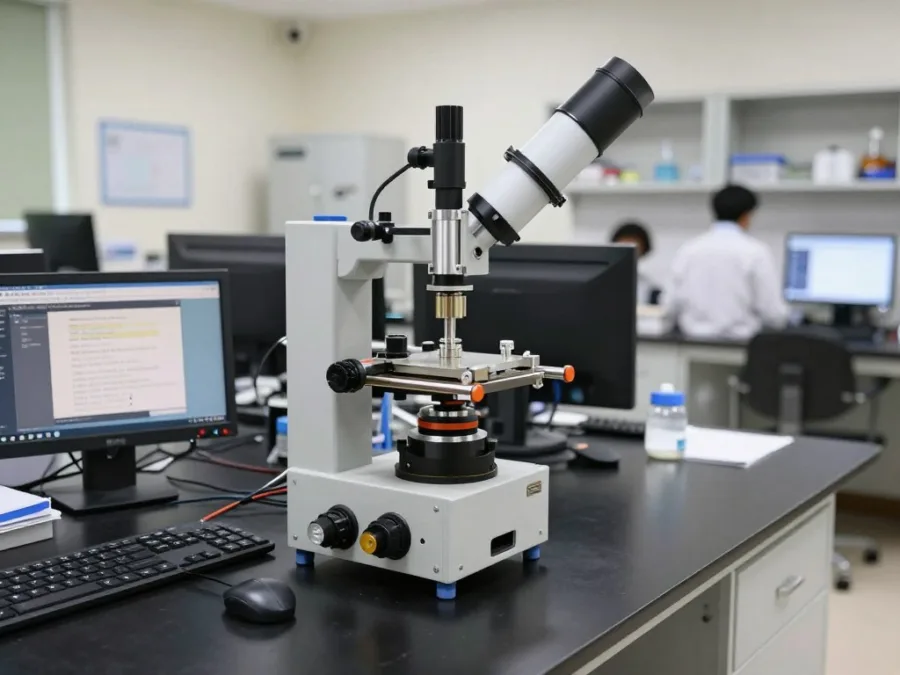
The Indian Institute of Science is among the best universities for students who want a research-heavy route. The usual entry point is a relevant physics programme or research degree rather than a simple standalone astronomy master’s. Students can build expertise in astrophysics through advanced physics, computation, instrumentation, and faculty research.
Eligibility normally requires a strong bachelor’s degree in physics or a related discipline. The institute may consider national-level scores and interviews, depending on the programme. Check the current IISc website for accepted scores, application dates, and documents.
Course highlights include mathematical physics, quantum theory, computational methods, astronomy astrophysics seminars, and project work. Research may connect with space science, gravitational physics, high-energy astrophysics, or instrumentation. Fees and scholarships vary by programme and funding status.
Best for
Students seeking rigorous research education and doctoral preparation.
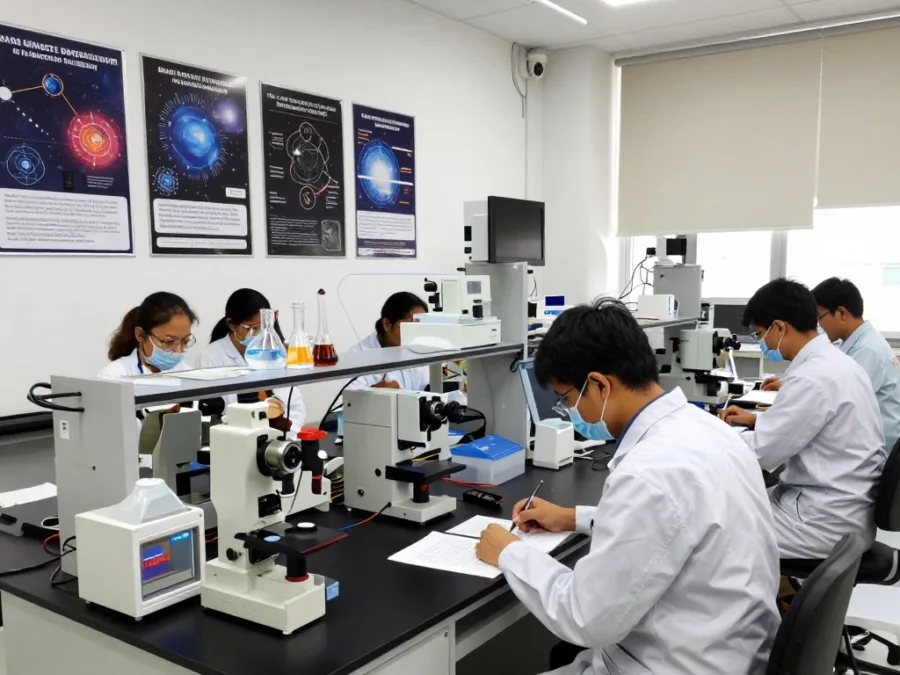
Facilities
Advanced laboratories, computing facilities, and research groups.
2. Tata Institute of Fundamental Research
The Tata Institute of Fundamental Research is a premier institute fundamental research destination. Its Mumbai and associated centres support work across theoretical physics, observational astronomy, cosmology, and high-energy science. It is a strong choice for students who prefer research over a conventional classroom-only master’s.
Applicants should study the current graduate school notice. Eligibility, written tests, interviews, and accepted national scores differ by department. Some routes may use JEST scores or an institute test followed by interview. Do not rely on an old brochure.
The learning experience is demanding. Students work with research groups, seminars, scientific computing, and advanced physics. TIFR has strong links with national and international research institutes. Funding may be available through assistantships or fellowships, subject to the programme.

Check the TIFR route before preparing
Use the current notice to confirm eligibility, entrance exam stages, JEST scores, and interview rules.
3. Indian Institute of Astrophysics
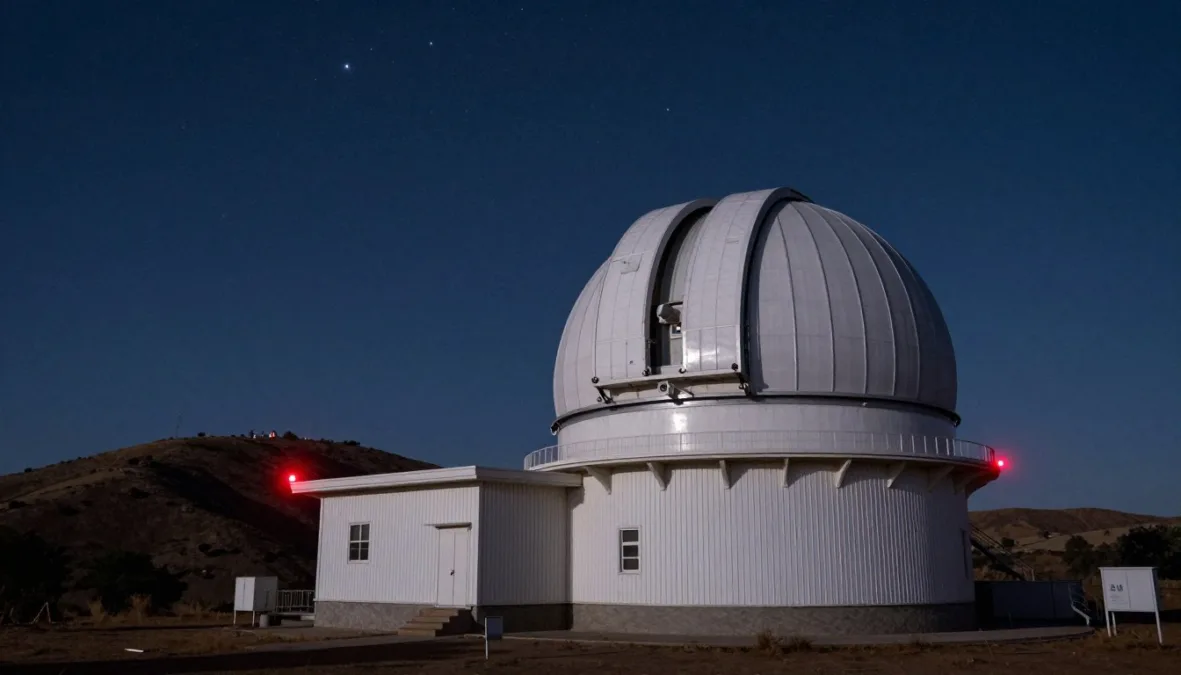
The Indian Institute of Astrophysics is one of the clearest choices for dedicated astronomy astrophysics exposure. Based in Bengaluru with observing facilities in India, the institute works across solar physics, stellar astronomy, galactic studies, instrumentation, and space science.
Applicants should distinguish an institute research programme from a standard M.Sc. Confirm the current eligibility rules, degree structure, entrance exam, and interview process on the official website. A physics or astronomy bachelor’s background is commonly relevant, but the exact requirement must be checked each year.
Students can gain exposure to observatories, telescope operations, data analysis, detector systems, and research education. Career opportunities include doctoral research, observatory work, scientific programming, instrumentation, and roles in science technology organisations.
Explore astrophysics research options
Review the programme page and research areas before deciding whether a dedicated institute astrophysics route fits your goals.
4. Inter-University Centre for Astronomy and Astrophysics
The Inter-University Centre for Astronomy and Astrophysics in Pune is a major national centre for astronomy astrophysics research. It supports university students, doctoral scholars, visiting researchers, seminars, and collaborative education.
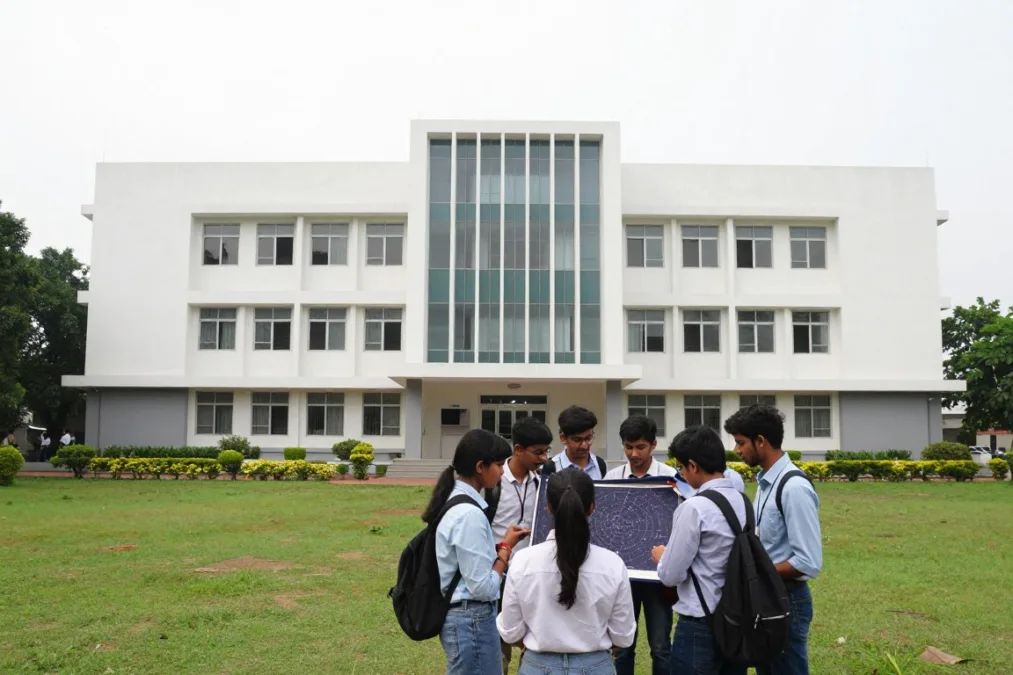
IUCAA is not always a conventional standalone master’s university. Many students reach its research ecosystem through a partner university, a physics programme, project work, or a research admission route. This distinction matters when comparing universities India.
Its strengths include cosmology, gravitational waves, galaxies, instrumentation, astronomy data, and scientific computing. Students should identify the degree-awarding institution first, then confirm whether IUCAA facilities or faculty participation are available.
Confirm the degree-awarding university
IUCAA research access may depend on your university, programme, and project route.
5. National Centre for Radio Astrophysics
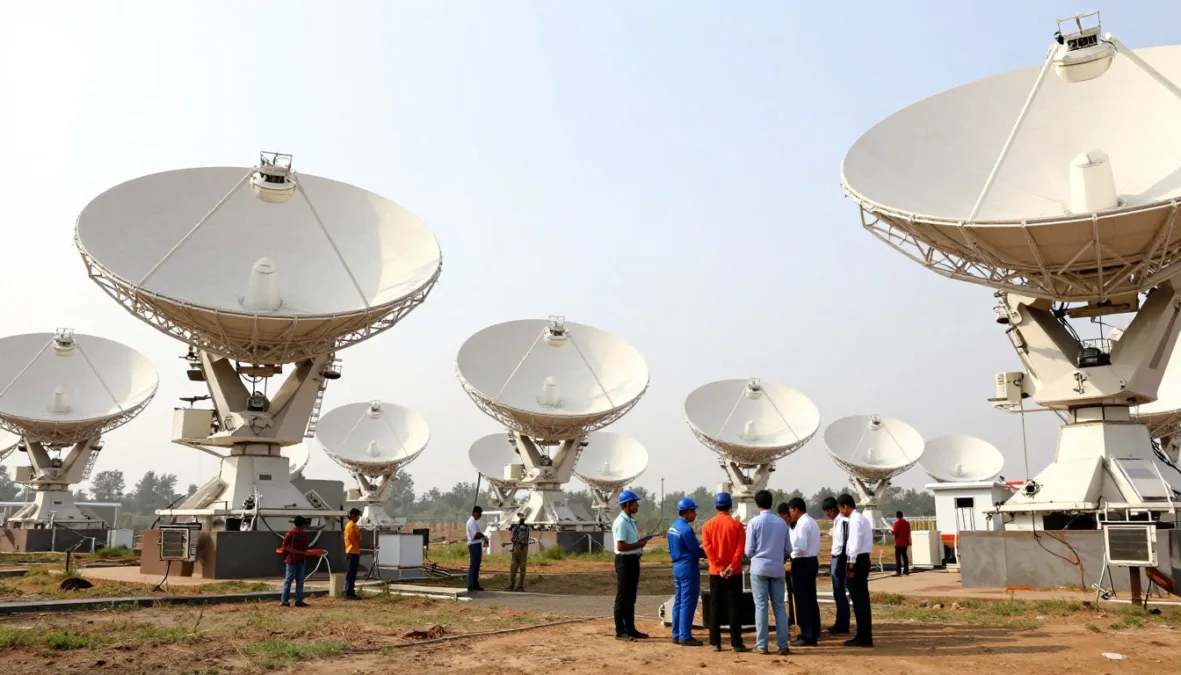
The National Centre for Radio Astrophysics, operated under the Tata Institute of Fundamental Research, is ideal for students interested in radio astronomy, antennas, signal processing, pulsars, galaxies, and large scientific instruments.
There may not be a conventional M.Sc. called radio astronomy. Instead, students often enter through a physics, engineering, or research programme and develop radio astronomy expertise through projects. Check the current TIFR or NCRA admission information.
Research exposure can include telescope systems, data pipelines, electronics, calibration, and computational astrophysics. This path suits students who enjoy both physics and technology. It can lead to doctoral research, scientific software, instrumentation, and science technology careers.
Match your interests with radio astronomy
Read the current research and admission pages if you enjoy electronics, computation, and observational physics.
6. Raman Research Institute
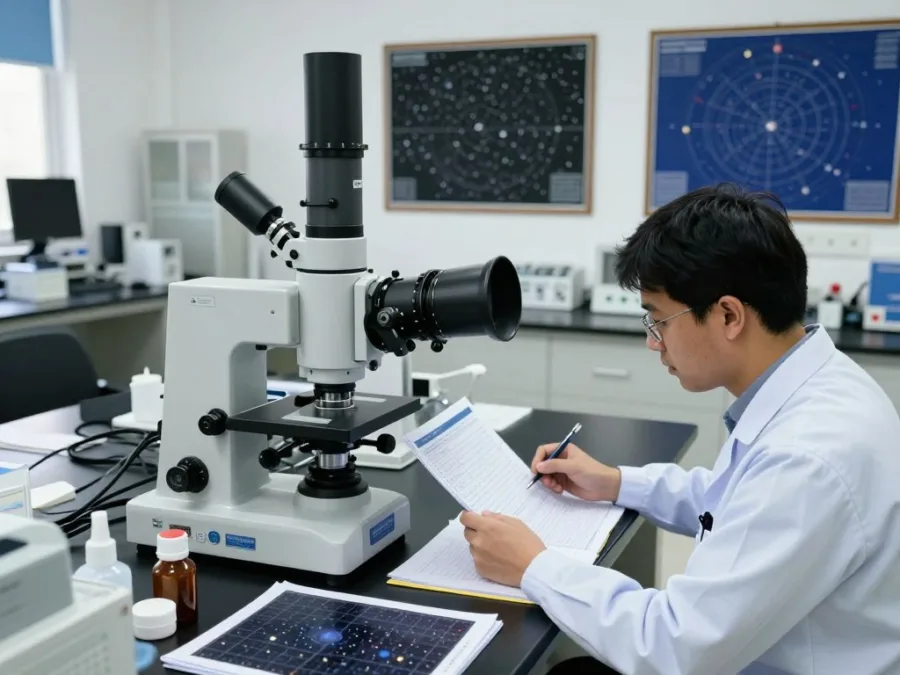
Raman Research Institute in Bengaluru is a respected institute fundamental research centre with work in astronomy, astrophysics, cosmology, quantum science, and instrumentation. It is well suited to students considering a research-led future.
Admission may be linked to research programmes rather than a conventional master’s degree. Applicants should review the institute website for qualifications, entrance exams, national test scores, interview stages, and funding details.
Research environments can include observational projects, theoretical work, data analysis, detectors, and scientific instrumentation. The institute’s reputation makes it valuable for students who want to progress toward a Ph.D. or specialist research career.
Review research eligibility
Research institutes may use different admission rules from universities. Verify every requirement on the current notice.
7. University of Delhi
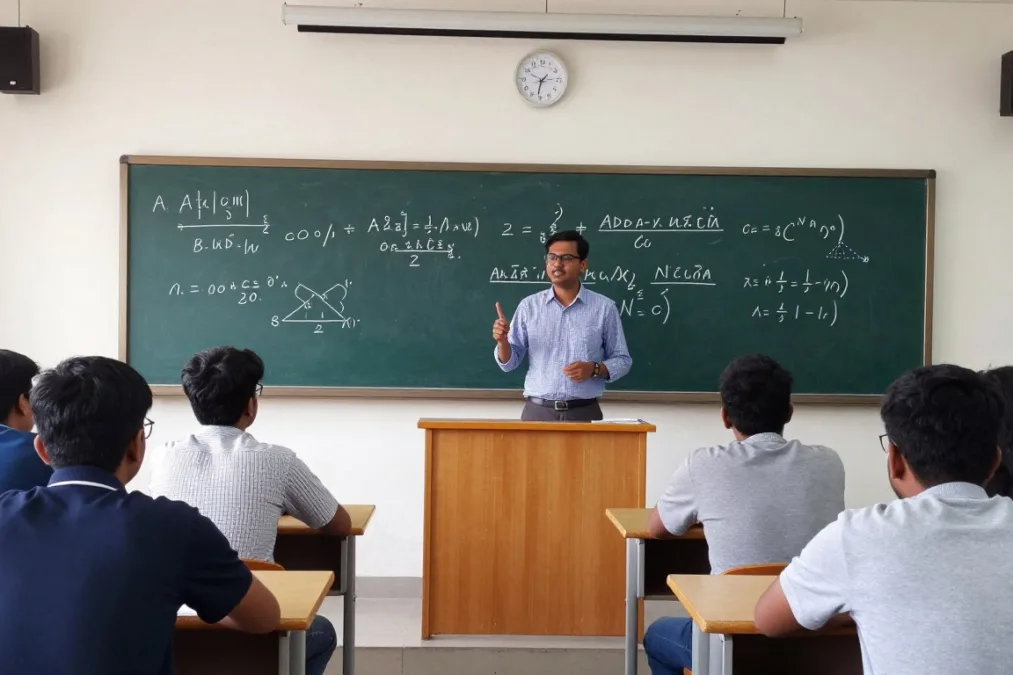
The University of Delhi is a practical option for students seeking a recognised M.Sc. Physics route with access to advanced topics and research projects. Students can shape their study toward astrophysics through electives, dissertations, seminars, and faculty interests.
Eligibility normally depends on a bachelor’s degree with the required physics and mathematics background. Admission may involve the university’s stated entrance process and score rules. Confirm the current bulletin, subject requirements, and reservation details before applying.
Course highlights can include classical mechanics, quantum mechanics, electromagnetic theory, mathematical methods, laboratory work, and project training. A physics master’s can support later applications to astronomy astrophysics Ph.D. programmes and research institutes.
Check the current M.Sc. Physics route
Compare the syllabus with your astronomy goals before treating a related physics degree as a dedicated astronomy programme.
8. Jawaharlal Nehru University
Jawaharlal Nehru University offers a strong research culture and a useful route through physics and related science programmes. It can suit students who want astrophysics India exposure but are comfortable entering through a broader physics curriculum.
Applicants should check the current JNU prospectus for eligibility, entrance exam rules, scores, and interview requirements. The exact process can change, so older coaching pages should not be the final source.
Students may benefit from advanced physics, computational work, seminars, and research projects. Career opportunities include teaching, doctoral study, scientific computing, data analysis, and public or private research roles.

Compare physics and astrophysics fit
A broad physics degree may offer flexibility, while a dedicated institute astrophysics route may offer earlier specialisation.
9. Savitribai Phule Pune University
Pune University, formally Savitribai Phule Pune University, is a useful choice for students who want an M.Sc. Physics foundation near a strong astronomy ecosystem. Its location also makes it relevant to students exploring the Inter-University Centre for Astronomy and Astrophysics.
Check the department website for bachelor’s subject requirements, entrance exams, application dates, and fee notices. Course structure and admission methods can vary across departments and academic years.
A physics master’s may include theory, laboratory work, numerical methods, and dissertation training. Students can use projects and seminars to develop astronomy astrophysics skills before applying to research institutes or doctoral programmes.

Use Pune’s research ecosystem
Look beyond the degree title. Project access, faculty interests, and nearby research institutes can shape your experience.
10. National Institute of Science Education and Research
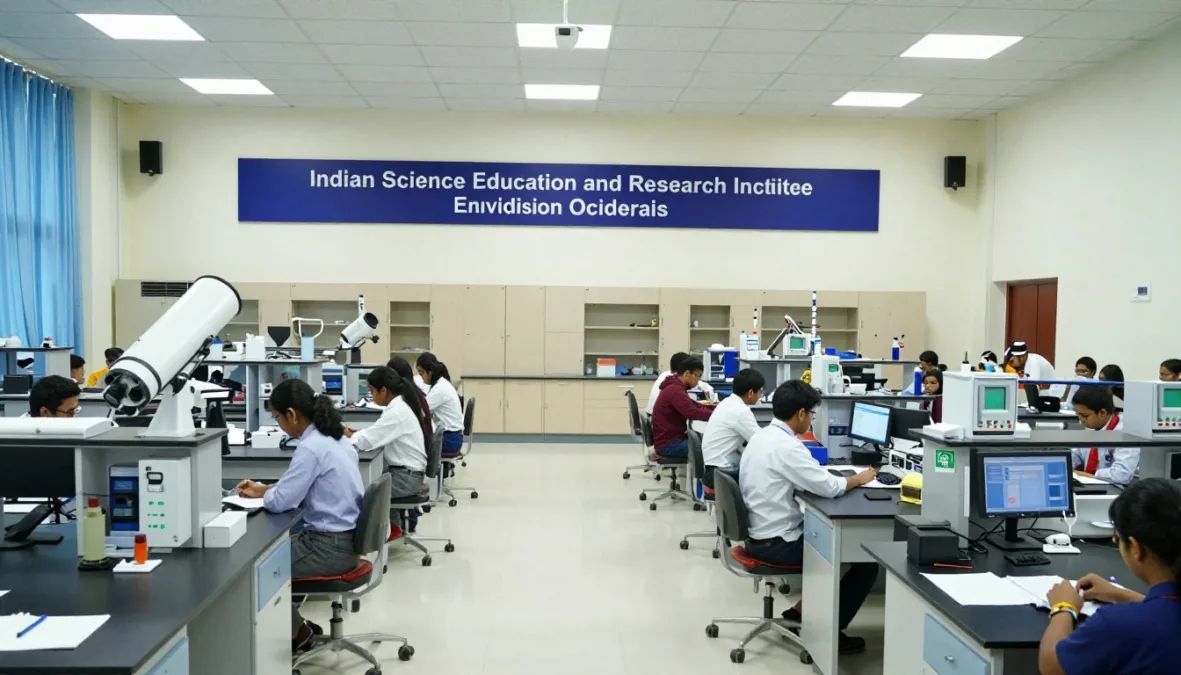
The National Institute of Science Education and Research offers an integrated, research-focused science environment. It is especially suitable for students who want strong foundations in physics, mathematics, laboratory science, and later astronomy astrophysics research.
NISER is not simply a standard two-year astronomy master’s. Its programme structure may be integrated or research-led. Students must check the current admission route, national entrance exam, aptitude test, eligibility, and academic calendar.
Students gain access to modern laboratories, scientific computing, seminars, and research groups. The institute supports career opportunities in doctoral research, teaching, laboratories, space science, and science technology organisations.
Check whether the programme format suits you
Integrated research education can be rewarding, but it may not match every student seeking a short master’s degree.
Admission requirements and entrance exams
Most applicants need a bachelor’s degree with physics and mathematics. Some programmes ask for a minimum percentage, while research institutes may focus on national scores, written tests, aptitude test performance, and interview quality.
Common routes can include university entrance exams, JEST scores, institute tests, national eligibility examinations, and interviews. Requirements differ widely. Confirm the latest notice from the degree-awarding institution.

- Revise mechanics, electromagnetism, quantum physics, and mathematics.
- Practise numerical problems under time limits.
- Read the official syllabus and sample pattern.
Prepare academically
- Keep marksheets and identity documents ready.
- Track application dates and score validity.
- Prepare a clear research interest statement.
Prepare your application
Fees, scholarships, and research funding
Fees vary by university, category, hostel choice, laboratory charges, and programme type. A conventional M.Sc. may have a predictable semester fee. Research institutes may offer fellowships, assistantships, or stipends instead of a standard commercial fee model.
Do not publish one fixed number without checking the latest prospectus. Students should compare tuition, hostel costs, travel, equipment, examination charges, and the availability of funded research positions.

Build a realistic study budget
Shortlist programmes only after checking tuition, living costs, hostel availability, and scholarship conditions.
Research, observatories, and facilities
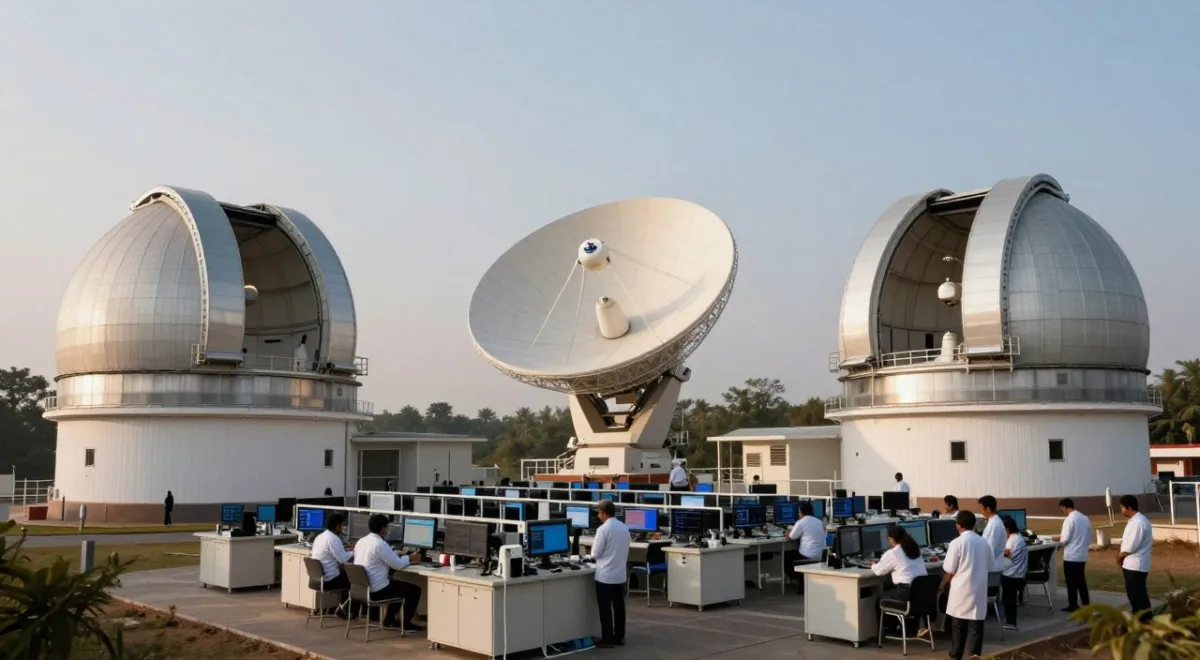
Facilities can make a major difference. Ask whether students receive telescope time, access to observatory data, laboratory training, high-performance computing, internships, or a supervised dissertation.
Dedicated institutes such as the Indian Institute of Astrophysics, IUCAA, NCRA, TIFR, and RRI offer specialist environments. Universities such as IISc, Delhi University, JNU, and Pune University can offer broader physics foundations with research opportunities through departments and collaborations.
How to choose the best university for your goals
First, decide whether you need a dedicated astronomy degree or a physics master’s with astrophysics options. The first offers earlier specialisation. The second may provide wider career flexibility and a simpler route to several physics research areas.
Next, compare faculty interests, dissertation rules, entrance exams, costs, location, facilities, and graduate outcomes. Read recent programme notices rather than relying on rankings alone.

Career opportunities after a master’s
Graduates can pursue Ph.D. study, observatory operations, scientific programming, data analysis, instrumentation, teaching, science communication, and roles in space science organisations. An astrophysicist in India often begins with a physics or astronomy master’s and then completes research training.
Strong mathematics, coding, statistics, technical writing, and research experience improve employability. A dissertation, internship, or published project can help students stand out in competitive research admissions.

Frequently asked questions
Is there a dedicated astronomy master’s in India?
Some institutes offer specialist astronomy or astrophysics routes, while many students enter through an M.Sc. Physics or research programme. Always check the degree title and awarding institution.
Are JEST scores accepted everywhere?
No. JEST scores may be relevant to some research admissions, but each institute sets its own rules. Confirm the current notice.
Can a physics graduate become an astrophysicist in India?
Yes. A strong physics background can lead to astrophysics research through projects, entrance exams, doctoral study, and specialist training.
Which option is best for research?
Research-focused institutes such as IISc, TIFR, IIA, IUCAA, NCRA, RRI, and NISER are strong choices, subject to eligibility and programme availability.
Conclusion
The top 10 astronomy universities in India for masters include both specialist research institutes and broad physics universities. IIA, IUCAA, NCRA, TIFR, RRI, IISc, and NISER are compelling for research-led students. Delhi University, JNU, and Pune University can provide strong physics foundations and useful routes into astrophysics.
Before applying, verify the latest eligibility, entrance exams, fees, scholarships, and programme structure on the official website. The best choice is the one that matches your preparation, research interest, budget, and long-term career plan.
Make your final shortlist with current information
Compare the official notices, programme pages, and research areas before submitting an application.

Priyanka Pandey
Senior Research Editor · Top10Sense
Priyanka specializes in tech, consumer products, and digital trends. She combines hands-on testing, vendor interviews, and database research to create trustworthy “Top 10” rankings. Her work has been referenced by industry blogs and brand report pages.