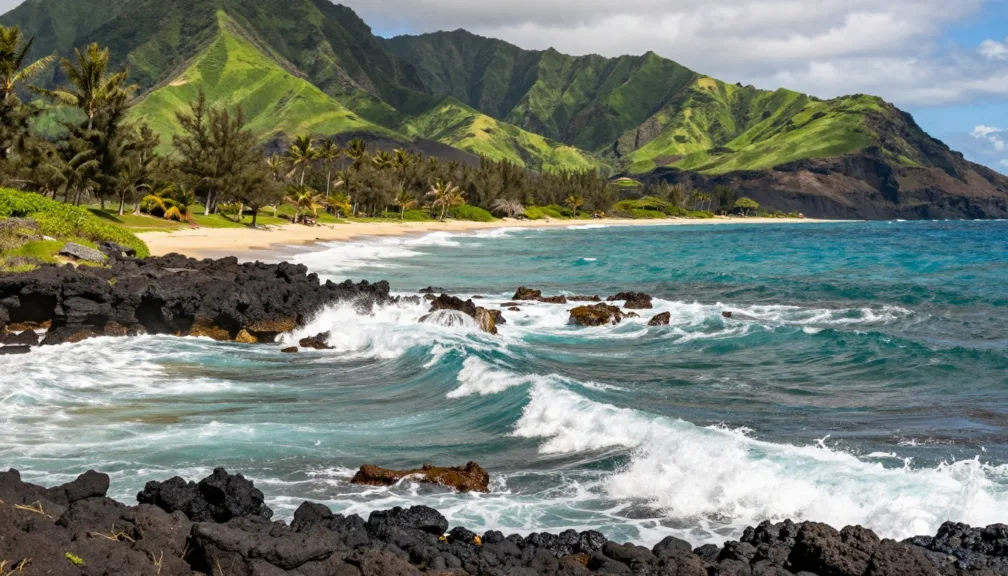
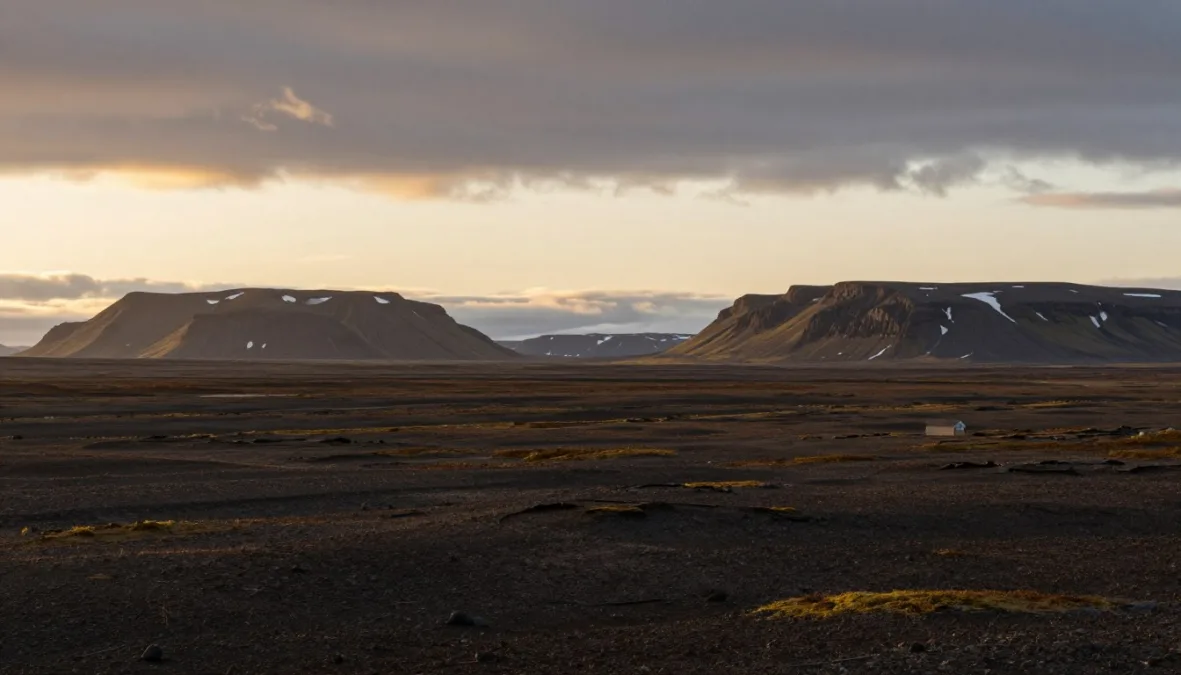
The constant hum of traffic feels relentless in our cities. The buzz of conversations never stops in crowded places. Modern life surrounds us with noise pollution that drains our energy.
But silence exists in corners of our world. Real silence lives in countries where population density remains low. These places offer something precious to weary travelers.
This guide reveals the most silent countries to visit across our planet. You will discover destinations where tranquility replaces the steel and concrete chaos. Each location provides genuine escape from the constant noise of everyday life.
Find Your Perfect Silent Destination
Not sure which peaceful country matches your travel style? Take our quick quiz to discover your ideal silent escape based on your preferences for landscape, climate, and activities.
Why Seek Silence in Your Travels
Noise pollution damages more than our hearing. Research shows constant sound exposure increases stress hormones in our bodies. Our mental health suffers when we never experience true quiet.
The lack of silence affects sleep quality. It raises blood pressure over time. Many people feel the weight of auditory overload without recognizing the cause.
Silent countries offer restoration for exhausted minds. These places let you hear wind moving through valleys. You notice birds calling across empty air. The absence of human-made sound creates space for reflection.
Travelers who visit the quietest countries report deeper relaxation. They sleep better during their trips. The tranquility of these destinations provides benefits that last beyond the vacation itself.
Physical Benefits of Silence
- Lower blood pressure and reduced cardiovascular stress
- Improved sleep patterns and deeper rest cycles
- Decreased cortisol levels throughout the day
- Enhanced immune system function
- Reduced headache frequency and tension
Mental and Emotional Benefits
- Greater mental clarity and focus
- Reduced anxiety and racing thoughts
- Enhanced creativity and problem-solving
- Deeper connection with nature and self
- Improved emotional regulation
What Makes a Country Truly Silent
Several factors create genuine silence in a country. Population density matters most. Nations with fewer people per square mile produce less noise overall.
Geography plays a crucial role in quietness. Mountains absorb sound rather than reflect it. Desert terrain lacks the vegetation that rustles in wind. These natural features contribute to peaceful environments.
Infrastructure development affects noise levels significantly. Countries with limited road networks have less traffic hum. Places without major airports avoid constant jet engine roar overhead.
Cultural attitudes toward noise shape national soundscapes. Some societies value quiet as part of daily life. These countries enforce noise regulations more strictly than others.
Key Silence Indicators: When evaluating true silence in a destination, consider population density below 10 people per square kilometer, absence of major highways within 50 kilometers, limited air traffic corridors, natural sound barriers like mountains or forests, and cultural emphasis on tranquility.
Natural Sound Barriers
Mountain ranges create exceptional quiet zones. The terrain blocks noise from distant settlements. Snow coverage dampens sound even further in winter months.
Vast desert areas produce profound silence. The lack of water means no flowing streams. Minimal plant life eliminates rustling leaves and swaying branches.
Remote island nations benefit from ocean isolation. Water acts as a natural buffer against continental noise. The distance from major shipping lanes preserves tranquility.
Cultural Factors in National Quietness
Some cultures prioritize silence as a social value. People speak more softly in public spaces. Communities discourage loud behavior out of respect for neighbors.
Religious traditions influence noise levels in certain countries. Meditation practices encourage quiet contemplation. These spiritual values extend into everyday life.
Urban planning in quiet nations considers sound impact. Cities limit vehicle traffic in residential zones. Green spaces separate noisy commercial areas from homes.
The 10 Most Silent Countries to Visit
These destinations represent the quietest places on Earth. Each offers unique landscapes and experiences. All share the gift of profound silence.
1. Iceland: Land of Fire, Ice, and Absolute Quiet
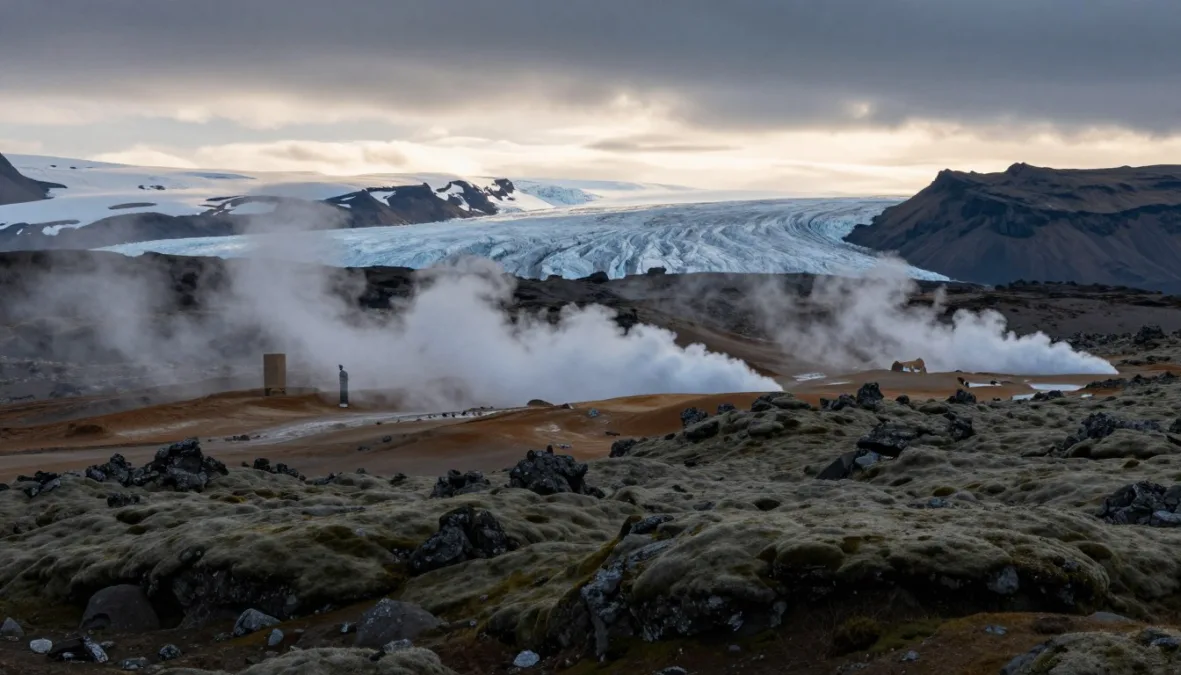
Iceland stands as one of the most silent countries in the world. The island nation holds only 350,000 people across its entire landmass. Most residents live in Reykjavik, leaving vast areas completely uninhabited.
The country features dramatic volcanic landscapes that absorb sound. Black sand beaches stretch for miles without footfall. Glaciers cover approximately eleven percent of the land, creating zones of profound quiet.
Winter brings even deeper silence to Iceland. Snow muffles every sound across the terrain. The limited daylight hours mean fewer people venture outdoors.
Where to Experience Silence in Iceland
The Highlands region offers the most intense quiet. This central part of the country remains inaccessible during much winter months. Only specialized vehicles can reach these areas in summer.
Westfjords Peninsula provides coastal silence. Tiny fishing villages dot the landscape with minimal population. Days can pass without encountering another person on remote trails.
Þingvellir National Park combines history with tranquility. The rift valley between tectonic plates creates natural sound dampening. Early morning visits guarantee solitude.
Best Time to Visit for Maximum Silence
September through April delivers peak quietness. Tourist crowds disappear after summer ends. The weather becomes more challenging but rewards visitors with solitude.
January and February offer the deepest winter silence. Snow coverage reaches maximum extent. The brief daylight hours limit outdoor activity.
2. Mongolia: Endless Steppe and Nomadic Peace
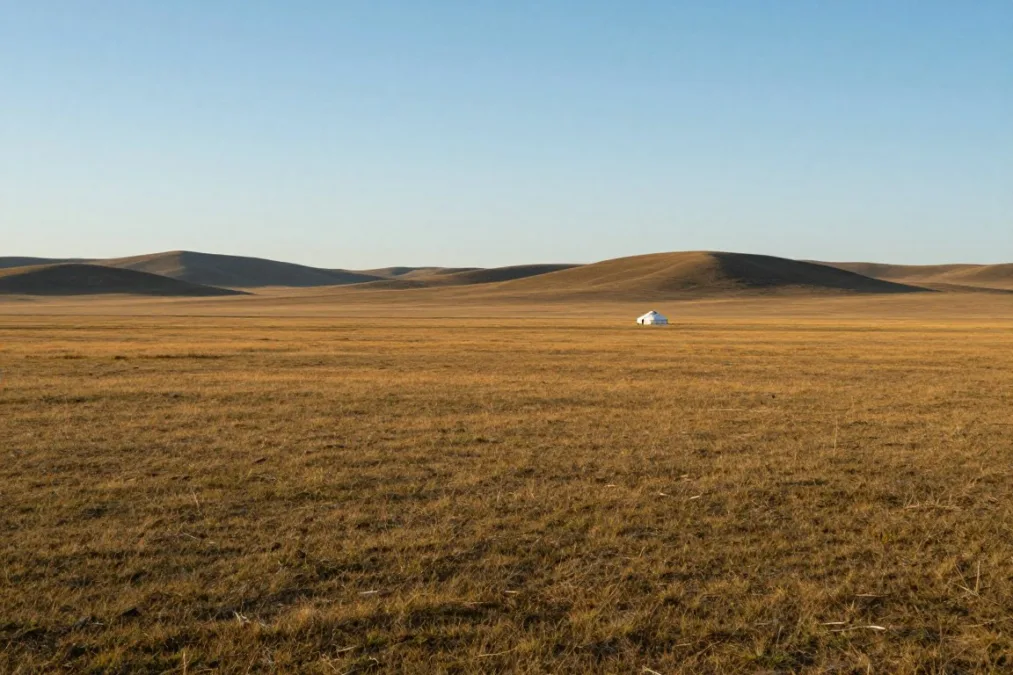
Mongolia ranks among the quietest countries on our planet. It has the lowest population density of any independent nation. Approximately three million people inhabit an area larger than Alaska.
The country consists mainly of empty grasslands. These steppes extend for hundreds of miles without settlements. The Gobi Desert covers the southern part with absolute silence.
Traditional nomadic culture values space and quiet. Herders live far from neighbors by choice. Modern urban noise exists only in Ulaanbaatar, the capital.
Silent Destinations Across Mongolia
The Gobi Desert provides otherworldly quiet. Sand dunes rise hundreds of feet without producing sound. Wind occasionally whistles across the landscape but brings no human noise.
Khövsgöl Lake in the north offers mountain silence. The deep blue water sits surrounded by forests. Few tourists reach this remote area despite its beauty.
Central steppe regions deliver pure grassland tranquility. You can travel for days seeing only occasional ger camps. The night sky reveals stars without light pollution interference.
What Makes Mongolia Silent
- Just 2 people per square kilometer nationally
- No major highways crossing most of the country
- Limited industrial development outside the capital
- Vast uninhabited desert and steppe regions
- Cultural preference for solitude and space
Experiences in Mongolian Silence
Stay with nomadic families in traditional gers. Wake to silence broken only by livestock bells. Ride horses across empty grasslands for hours.
Visit Buddhist monasteries in remote valleys. Meditation practices emphasize quiet contemplation. The architecture itself encourages peaceful reflection.
Camp under star-filled skies far from settlements. Experience darkness and silence simultaneously. The absence of light and sound pollution creates profound peace.
Planning Your Silent Mongolian Journey
May through September offers the best travel weather. The steppe blooms green after spring rains. Temperatures become comfortable for camping and hiking.
Hire local guides familiar with remote areas. GPS often fails in empty regions. Traditional knowledge ensures safe travel through silent landscapes.
Free Download: Silent Travel Planning Checklist
Get our comprehensive checklist for planning trips to the world’s quietest destinations. Includes packing essentials, booking timeline, and tips for maximizing tranquility during your journey.
3. Namibia: Desert Silence Under African Skies
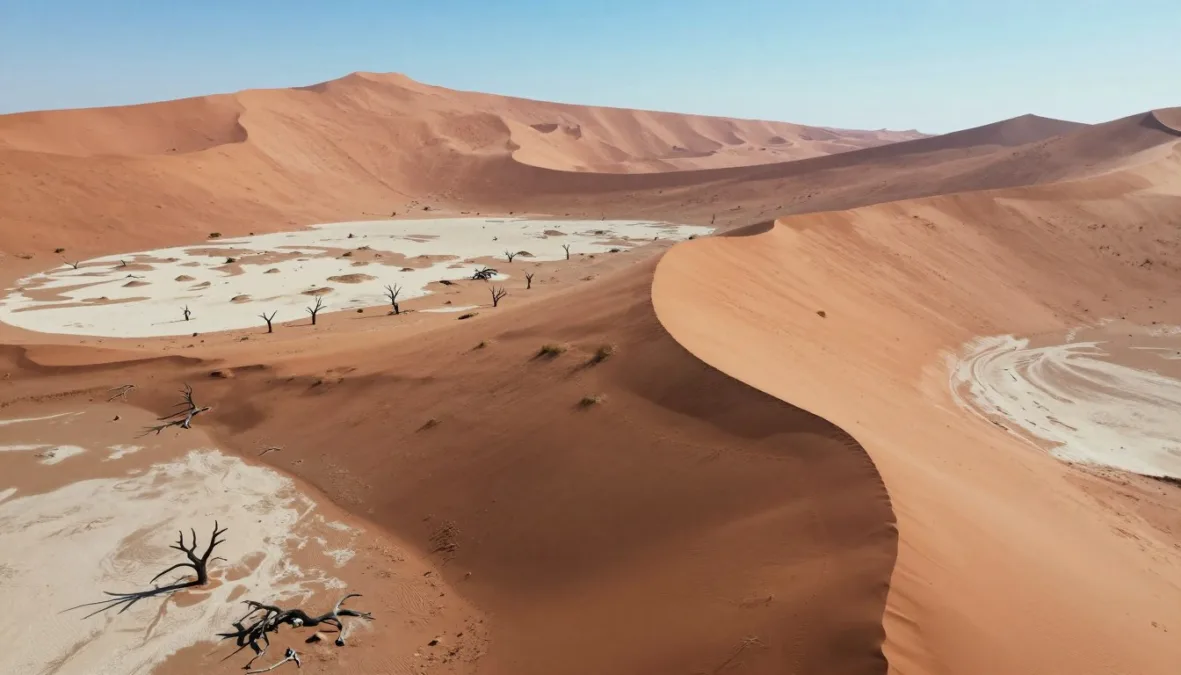
Namibia offers African silence on a grand scale. The country has one of the continent’s lowest population densities. Desert terrain covers most of the nation.
The Namib Desert ranks as one of Earth’s oldest deserts. It has existed for approximately 55 million years. This ancient landscape produces profound quiet.
Coastal areas feature fog-shrouded silence. The cold Benguela Current creates mysterious morning mist. Sound disappears completely in these conditions.
Namibia’s Quietest Regions
Sossusvlei presents towering red dunes in silence. The sand absorbs all sound perfectly. Climbing these dunes at sunrise offers meditation in motion.
Skeleton Coast lives up to its haunting name. Ship wrecks dot empty beaches for miles. Fog rolls in most mornings creating ghostly quiet.
Damaraland provides rocky desert tranquility. Ancient rock art decorates silent valleys. Desert-adapted elephants roam without human interference.
Wildlife in Silent Landscapes
Etosha National Park combines animals with peace. The salt pan creates open space and quiet. Game viewing happens without crowds found elsewhere in Africa.
Desert species adapted to silence move quietly. Oryx antelope cross dunes without sound. Even lion prides hunt in near-complete quiet.
Bird life adds occasional calls to silence. These sounds enhance rather than disturb tranquility. The contrast makes you appreciate both sound and quiet.
Advantages of Namibian Silence
- Extreme desert quiet unmatched elsewhere
- Dark sky reserves for stargazing
- Low tourist numbers compared to other African destinations
- Year-round silence availability
- Unique landscapes that enhance tranquility
Considerations
- Remote locations require careful planning
- High temperatures in summer months
- Limited public transportation
- Need for 4×4 vehicle in many areas
- Water scarcity requires preparation
4. Greenland: Arctic Silence on the Ice Sheet
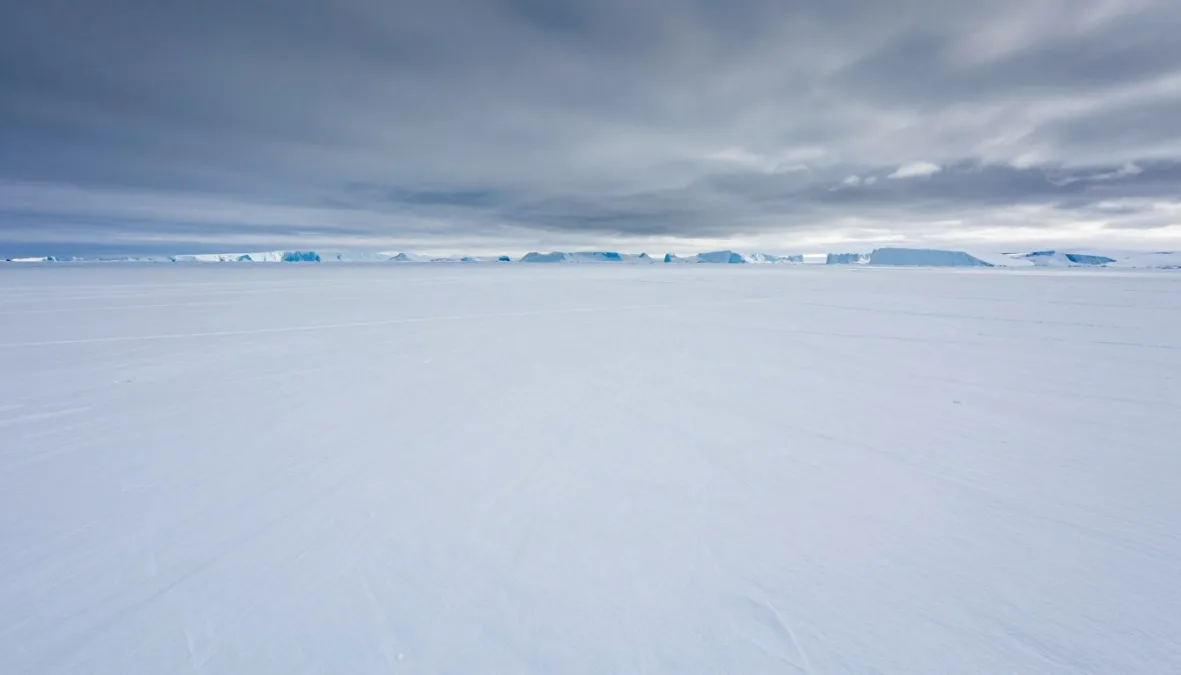
Greenland stands as the world’s largest island. It maintains one of Earth’s smallest populations. About 56,000 people inhabit this massive landmass.
The ice sheet covers roughly eighty percent of the country. This frozen landscape produces absolute silence. No roads connect most settlements.
Arctic conditions create unique quiet. Snow absorbs sound completely. The cold air itself carries less noise than warmer climates.
Experiencing Greenlandic Silence
Ilulissat offers access to the ice fjord. Massive icebergs calve in slow motion. The cracking ice provides the only sound for miles.
East Greenland remains extraordinarily remote. Villages like Tasiilaq see few tourists yearly. The journey requires significant planning but delivers unmatched tranquility.
Dog sledding expeditions cross silent ice. The only sounds come from panting dogs and sliding runners. These trips offer multi-day immersion in quiet.
Seasonal Silence Variations
Winter darkness enhances the sense of quiet. The polar night lasts for months in northern regions. Communities slow their pace during this time.
Summer brings midnight sun but maintains silence. Extended daylight allows hiking in peaceful landscapes. Wildlife becomes more active but remains relatively quiet.
The aurora borealis appears in silent displays. Northern lights dance without sound overhead. This phenomenon deepens the sense of arctic peace.
5. Botswana: Wilderness Silence in Southern Africa
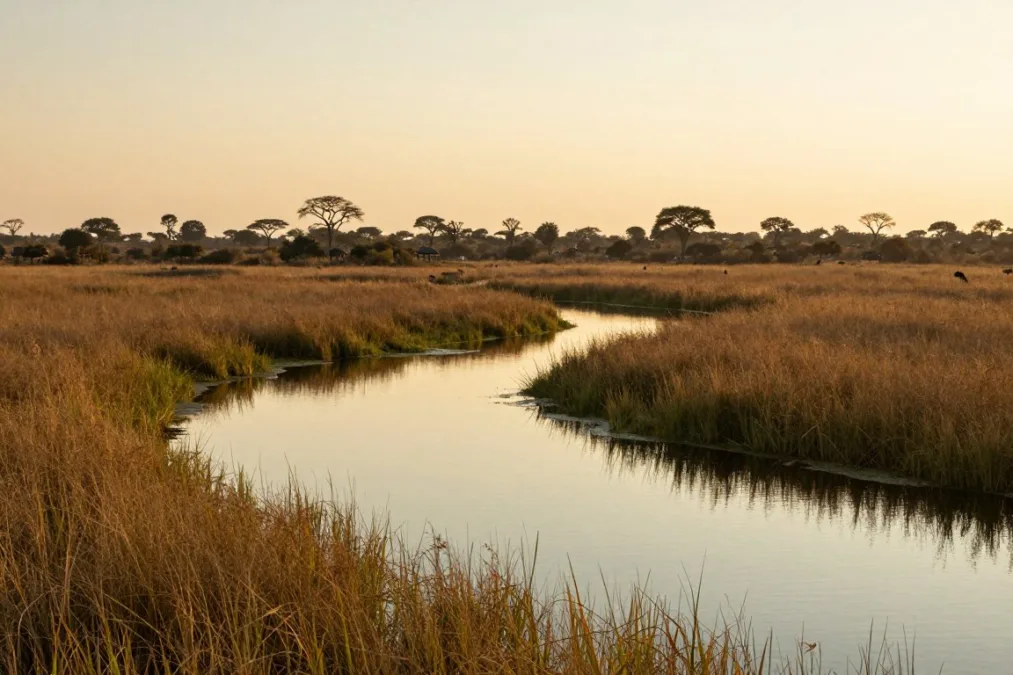
Botswana prioritizes low-impact tourism. The country limits visitor numbers intentionally. This policy preserves silence across national parks.
The Okavango Delta creates water-based tranquility. Channels flow quietly through papyrus. Traditional mokoro canoes glide without engine noise.
The Kalahari Desert occupies much of the country. This semi-arid region supports sparse population. Traditional San people maintain quiet hunting practices.
Silent Safari Experiences
Moremi Game Reserve restricts vehicle numbers. Game drives happen without crowds. Animals behave naturally without constant human pressure.
Chobe National Park offers riverfront silence. Elephants drink at water’s edge peacefully. Boat safaris drift quietly past wildlife.
Central Kalahari Game Reserve provides extreme remoteness. This vast protected area sees minimal visitors. The landscape offers desert quiet and night sky clarity.
Botswana’s Unique Approach: The government maintains a “high value, low impact” tourism model. Expensive park fees limit visitor numbers. This strategy protects silence while supporting conservation. Most camps accommodate fewer than twenty guests at a time.
6. Mauritania: Saharan Silence and Ancient Caravan Routes
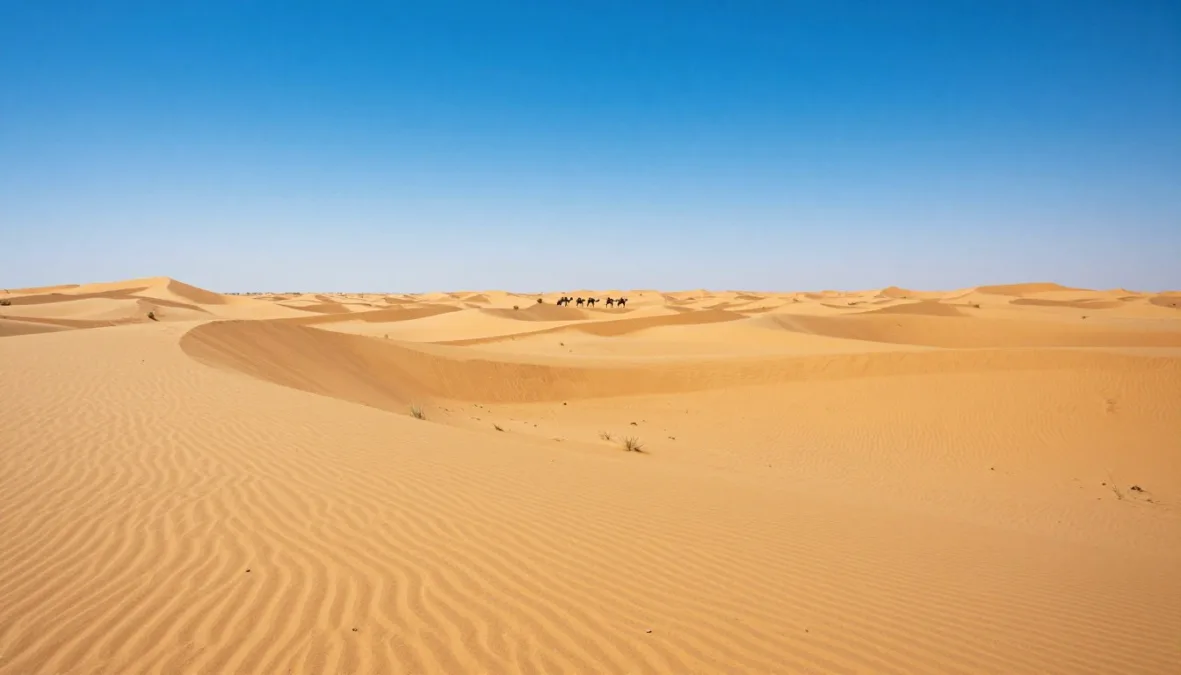
Mauritania remains one of Africa’s least visited countries. The nation consists primarily of Sahara Desert. Population concentrates along the southern border.
Ancient trading cities sit silent in the sand. Chinguetti once thrived as a caravan stop. Now libraries and mosques stand in profound quiet.
The desert interior holds some of Earth’s most remote terrain. Days pass without encountering other humans. This isolation creates perfect silence.
Desert Silence Destinations
The Adrar region offers historical quiet. Stone villages blend into rocky landscape. Desert winds provide the only consistent sound.
Banc d’Arguin National Park protects coastal silence. Millions of migratory birds visit this wetland. The protected area limits human access strictly.
The Eye of the Sahara creates geological wonder in silence. This massive formation sits in empty desert. Scientists still debate its origin.
Cultural Elements of Quiet
Berber traditions value contemplative silence. Tea ceremonies proceed slowly with minimal conversation. This cultural practice enhances the peaceful atmosphere.
Islamic prayer calls punctuate desert quiet. These sounds emphasize surrounding silence. The contrast creates spiritual moments.
Nomadic Moorish culture moves through landscape quietly. Traditional tents appear and disappear like mirages. This lifestyle respects desert tranquility.
7. Suriname: Rainforest Silence in South America
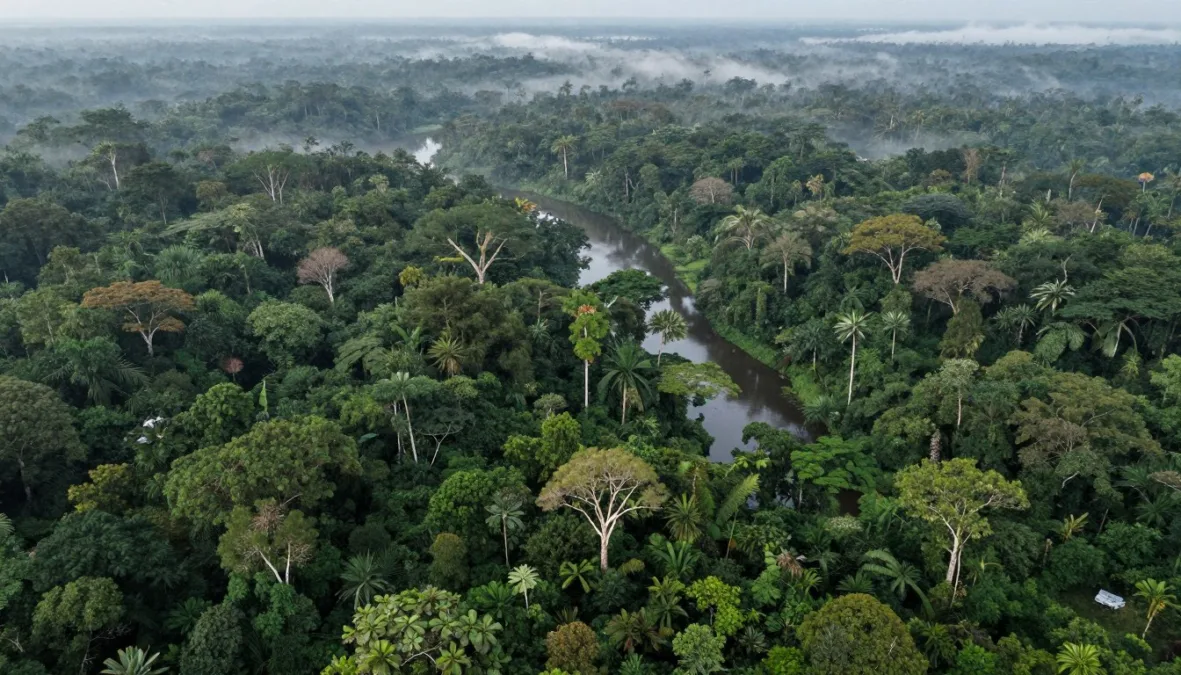
Suriname holds the highest forest coverage percentage globally. Over ninety percent of the country remains forested. Population concentrates heavily in coastal Paramaribo.
The interior rainforest sees minimal human presence. Indigenous communities maintain traditional quiet lifestyles. Roads penetrate only a fraction of the nation.
Rivers provide the main transportation into silent regions. Motorized boats travel between scattered villages. Away from these routes, profound jungle quiet prevails.
Accessing Suriname’s Silent Interior
The Central Suriname Nature Reserve protects vast wilderness. This UNESCO World Heritage site covers 1.6 million hectares. Few tourists reach this remote area annually.
Brownsberg Nature Park offers accessible rainforest peace. The plateau rises above surrounding jungle. Hiking trails lead to quiet viewpoints.
Upper Suriname River expeditions provide multi-day silence. Traditional villages welcome respectful visitors. The journey itself offers contemplative quiet.
Rainforest Sound Environment
Tropical forests create different silence than deserts. The dense vegetation absorbs human noise quickly. Natural sounds like rainfall and bird calls enhance rather than disturb peace.
- Vegetation dampens sound within meters
- Natural sounds mask distant human activity
- Humidity affects sound propagation
- Canopy creates acoustic barriers
Wildlife and Tranquility
Suriname’s biodiversity exists in relative quiet. Jaguars hunt silently through undergrowth. Harpy eagles nest in remote forest canopy.
- Over 700 bird species, many quiet dwellers
- Nocturnal animals create nighttime soundscapes
- River dolphins surface without disturbance
- Minimal human-wildlife conflict
Indigenous Quiet Culture
Native communities practice sustainable silence. Traditional hunting uses quiet techniques. Villages maintain low population density by choice.
- Respect for forest spirits encourages quiet
- Traditional medicine gathering requires patience
- Fishing methods minimize disturbance
- Storytelling traditions value listening
Conservation and Silence
Protected areas preserve both ecosystem and quiet. Conservation programs limit development. This protection ensures future silence.
- Strict regulations on logging and mining
- Eco-lodges follow quiet operation standards
- Research stations maintain minimal impact
- International recognition supports preservation
8. Bhutan: Himalayan Silence and Spiritual Peace
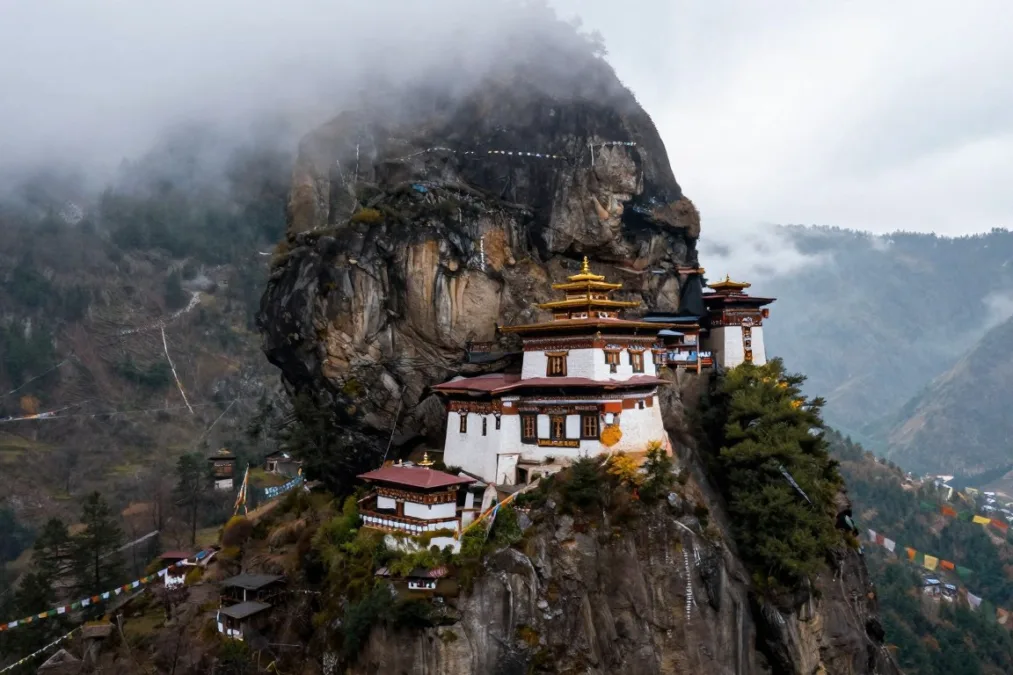
Bhutan measures success through Gross National Happiness. This philosophy prioritizes peace over development. The country limits tourism to preserve tranquility.
Buddhist values permeate Bhutanese culture. Meditation and contemplation hold central importance. This spiritual focus creates naturally quiet environments.
The Himalayan terrain provides natural sound barriers. Mountain valleys isolate villages from outside noise. High altitude means thinner air carries less sound.
Sacred Silence in the Mountains
Paro Valley offers monastery quiet. The Tiger’s Nest clings to cliffsides in peace. Pilgrims climb in contemplative silence.
Punakha Valley provides agricultural tranquility. Rice paddies stretch between river confluences. Farmers work without mechanical equipment noise.
Bumthang region holds spiritual significance. Ancient temples dot peaceful valleys. The area feels removed from modern time.
Cultural Practices That Preserve Quiet
Prayer flags flutter silently on mountain passes. These colorful banners carry blessings on wind. Their movement creates visual peace without sound.
Archery competitions provide national sport entertainment. Even these events maintain relative quiet. Spectators watch respectfully without excessive noise.
Traditional festivals emphasize dance and color. While music plays, the scale remains human. No amplification disturbs mountain tranquility.
“In Bhutan, silence is not the absence of sound, but the presence of peace. Our mountains teach us that true wealth lies in tranquility, not in the noise of endless wanting.”
Silent Destination Photography Guide
Learn techniques for capturing the essence of silence in your travel photography. This free guide includes camera settings, composition tips, and post-processing advice specifically for peaceful landscapes.
9. Faroe Islands: North Atlantic Isolation and Quiet
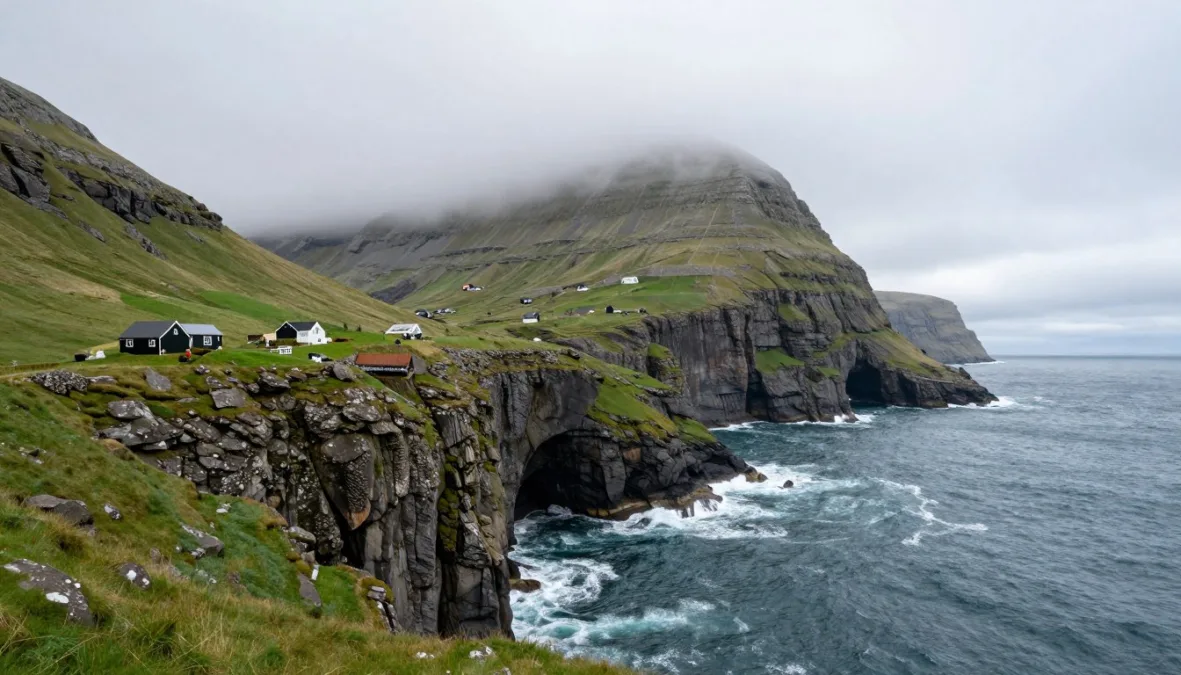
The Faroe Islands float between Iceland and Norway. This Danish territory holds approximately 50,000 residents. Eighteen islands create pockets of profound isolation.
Dramatic cliffs rise from the Atlantic Ocean. Seabirds nest in colonies but most island areas remain empty. The ocean provides constant but soothing background sound.
Traditional villages maintain small populations. Stone and turf houses blend into landscape. Modern development occurs slowly and thoughtfully.
Island Silence Experiences
Mykines island offers the most remote tranquility. The westernmost inhabited island requires boat or helicopter access. Puffins outnumber humans significantly.
Kalsoy island features tunnel-connected villages. The dramatic landscape includes waterfalls and peaks. Hiking trails traverse empty terrain.
Streymoy provides accessible peace near the capital. Rural areas maintain traditional quiet. Coastal walks offer solitude despite proximity to Tórshavn.
Weather and Silence
Fog creates mysterious quiet conditions. Sound dampens significantly in heavy mist. These weather patterns occur frequently throughout the year.
Winter storms bring dramatic but natural sound. Waves crash against cliffs powerfully. This reminds visitors of nature’s force while maintaining isolation from human noise.
Summer brings extended daylight to silent landscapes. The sun barely sets during peak season. Hiking continues late into peaceful evenings.
10. Pitcairn Islands: The Ultimate Pacific Silence
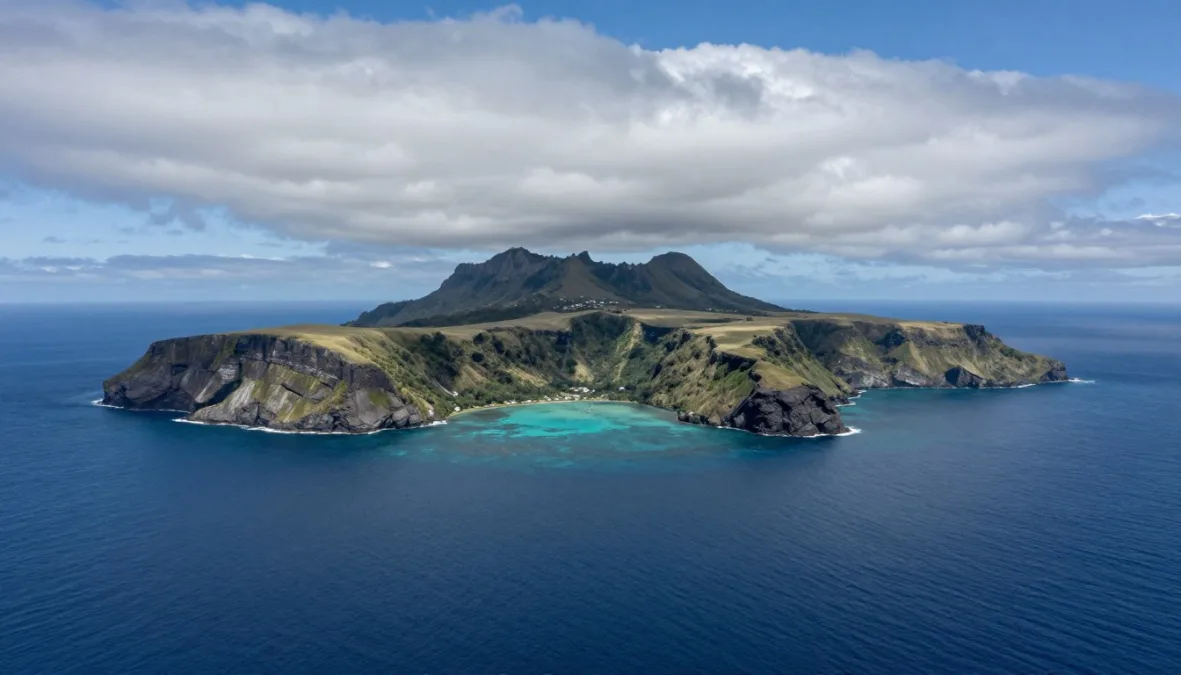
Pitcairn represents Earth’s most remote inhabited place. The British territory sits in the Pacific Ocean far from any continent. Only about 50 people call this island home.
The Bounty mutineers settled here in 1790. Their descendants maintain the tiny community today. No airport exists on the island.
Reaching Pitcairn requires multi-day boat journey. Supply ships visit only several times yearly. This extreme isolation creates unmatched silence.
Life in Extreme Quietness
Adamstown serves as the only settlement. The village occupies a small plateau area. Everyone knows everyone in this tight community.
Daily life proceeds without modern noise pollution. No cars disturb the peace. Generators provide electricity for limited hours.
The ocean surrounds the island with natural sound. Waves provide rhythmic background to silence. This water music enhances rather than disturbs tranquility.
Why Pitcairn Represents Ultimate Silence
The island lacks air traffic overhead. No flight paths cross this remote area. The sky remains empty except for seabirds.
Communication with the outside world happens via satellite. Internet exists but social media feels distant. The physical isolation creates mental space.
Visitor numbers remain extremely low. Tourism infrastructure barely exists. Those who make the journey commit to genuine disconnection.
| Silence Factor | Pitcairn Islands | Faroe Islands | Iceland |
| Population Density | Lowest globally | Very low | Low |
| Accessibility | Extremely difficult | Moderate | Easy |
| Air Traffic | None | Minimal | Limited to routes |
| Vehicle Noise | None | Very low | Low outside capital |
| Tourist Impact | Nearly zero | Growing but controlled | Significant in popular areas |
| Natural Sound Barriers | Ocean isolation | Cliffs and ocean | Mountains and glaciers |
Comparing the World’s Quietest Countries
Each silent country offers unique characteristics. Understanding these differences helps match destinations to preferences. Climate, accessibility, and landscape vary significantly.
Desert Silence vs Mountain Quiet vs Ocean Tranquility
Desert countries like Namibia and Mauritania provide absolute quiet. The lack of vegetation means minimal natural sound. This creates profound but stark silence.
Mountain nations such as Bhutan and Iceland offer vertical tranquility. Peaks absorb and deflect sound waves. Altitude affects how noise travels through thinner air.
Island destinations including Pitcairn and Faroe Islands blend water sounds with silence. Ocean waves provide constant gentle background. This rhythmic sound differs from complete quiet.
Best for Complete Silence
- Pitcairn Islands
- Mongolia (Gobi Desert)
- Namibia (Namib Desert)
- Greenland (Ice Sheet)
These destinations offer the closest experience to absolute silence. Minimal natural sounds combine with virtually no human noise pollution.
Best for Accessible Peace
- Iceland
- Faroe Islands
- Bhutan
- Botswana
These countries balance tranquility with reasonable travel logistics. Infrastructure exists without compromising the silent atmosphere.
Best for Adventurous Silence
- Mauritania
- Suriname
- Mongolia (Steppe)
- Greenland (East Coast)
These destinations require more planning and effort. The reward includes unmatched remoteness and profound quiet for experienced travelers.
Climate Considerations for Silent Travel
Arctic destinations provide winter silence but challenge comfort. Greenland and Iceland require cold weather preparation. Summer offers easier conditions with extended daylight.
Tropical silence in places like Suriname means heat and humidity. Rainforest quiet comes with different demands. Insect protection becomes necessary unlike desert travel.
Desert countries feature extreme temperature swings. Days burn hot while nights freeze. This contrast requires versatile packing strategies.
Budget and Accessibility Factors
Pitcairn Islands demand significant financial investment. The journey costs thousands due to boat charter requirements. Few travelers can justify this expense.
Iceland offers commercial flights and developed tourism. Rental cars provide independence for exploring. This accessibility comes at moderate European prices.
Mongolia and Mauritania provide affordable silence. Budget travelers find reasonable costs for food and accommodation. However, guided tours often prove necessary for safety.
Planning Your Journey to Silence
Successful silent travel requires different preparation than typical vacations. Understanding unique challenges prevents disappointment. Proper planning enhances the experience significantly.
Essential Preparations
Research visa requirements thoroughly. Many remote countries have complex entry procedures. Some require applications months in advance.
Physical fitness matters for accessing silent areas. Hiking to remote locations demands conditioning. Altitude adaptation needs time in mountain countries.
Mental preparation proves equally important. Genuine silence can feel uncomfortable initially. Urban dwellers may need adjustment periods.
Pre-Trip Checklist
- Verify passport validity (6+ months)
- Research and obtain necessary visas
- Book accommodations in advance for remote areas
- Purchase comprehensive travel insurance
- Get required vaccinations and health clearances
- Download offline maps and GPS coordinates
- Notify bank of international travel plans
- Pack emergency communication devices
Packing for Silent Destinations
- Layered clothing for temperature extremes
- Quality hiking boots broken in before travel
- Headlamp with extra batteries
- Water purification system or tablets
- First aid kit with altitude medication
- Satellite phone or emergency beacon
- Journal for contemplative moments
- Camera with extra memory cards
Health and Safety
- Consult travel medicine specialist
- Carry prescription medications with documentation
- Understand altitude sickness symptoms and treatment
- Learn basic wilderness first aid
- Register with embassy in destination country
- Share detailed itinerary with someone home
- Research local emergency services
- Prepare for limited medical facilities
Respecting Silence and Local Culture
Silent destinations often have fragile ecosystems. Leave no trace principles apply strictly. Pack out everything you bring into remote areas.
Local communities chose quiet lifestyles deliberately. Respect their preferences for minimal noise. Avoid bringing unnecessary technology that disrupts peace.
Photography should happen quietly and respectfully. Drones violate the spirit of silent travel. Their noise pollution contradicts the purpose of visiting these places.
Managing Expectations
True silence includes natural sounds. Wind, water, and wildlife create soundscapes. These differ from human-made noise pollution.
Weather affects silence quality. Rain amplifies sound temporarily. Fog and snow enhance quiet conditions significantly.
Other travelers may appear in popular silent areas. Research timing to avoid peak seasons. Weekdays offer more solitude than weekends.
Frequently Asked Questions About Silent Countries
What is the quietest place on Earth?
Pitcairn Islands in the Pacific Ocean holds the title for inhabited places. With only 50 residents and extreme isolation, it offers unmatched silence. However, Antarctica’s interior provides absolute quiet in uninhabited areas. For accessible destinations, Mongolia’s Gobi Desert and Namibia’s Namib Desert rank among the quietest.
How does silence benefit health?
Medical research shows silence reduces stress hormones like cortisol. Blood pressure decreases in quiet environments. Sleep quality improves significantly without noise pollution. Brain function benefits from periods of silence, enhancing creativity and problem-solving. Even short exposure to genuine quiet provides measurable health improvements.
Can I find silence without traveling to remote countries?
Yes, though the quality differs from truly remote locations. National parks in most countries offer quiet zones. Early morning hours provide temporary silence in normally busy places. Meditation retreats create silent environments through community agreement. However, destinations listed in this article offer the most profound and consistent quiet available.
What is the best time of year for silent travel?
The answer varies by destination. Arctic countries offer deepest silence in winter despite harsh conditions. Desert nations provide comfortable temperatures and quiet in spring and fall. Rainforest destinations maintain consistent silence year-round. Generally, shoulder seasons between peak tourist periods deliver the best balance of weather and tranquility.
Are silent destinations safe for solo travelers?
Safety depends on specific locations and preparation. Iceland and Bhutan welcome solo travelers with good infrastructure. Mongolia and Namibia require guides for remote areas. Pitcairn Islands have small communities where everyone knows visitors. Research each destination thoroughly. Hire reputable guides for challenging terrain. Share your itinerary with contacts at home.
How much does it cost to visit the quietest countries?
Costs range dramatically. Mongolia offers budget-friendly silence with daily expenses under . Iceland requires European-level budgets of 0-300 daily. Bhutan mandates minimum daily tariffs around 0. Pitcairn Islands demand several thousand dollars just for boat access. Remote areas generally cost more due to logistics, but accommodations themselves may be affordable.
Do I need special equipment for silent destinations?
Basic equipment suffices for most locations. Quality hiking boots matter everywhere. Arctic destinations require serious cold weather gear. Desert travel needs sun protection and water systems. Satellite communication devices provide safety in extremely remote areas. Photography equipment should match your interests. Most importantly, bring mental preparation for genuine disconnection from technology.
Will I have internet access in silent countries?
Internet availability varies significantly. Iceland offers excellent connectivity nationwide. Bhutan provides WiFi in hotels but limited mobile data. Mongolia has coverage only near towns. Pitcairn Islands rely on slow satellite connections. Greenland’s remote areas lack internet entirely. Consider this digital detox as part of the silent experience. Download necessary information before traveling to remote regions.
Plan Your Perfect Silent Escape
Ready to experience true tranquility? Our travel specialists have personally visited each destination in this guide. We create custom itineraries that maximize silence while ensuring safety and comfort. Book a free 30-minute consultation to discuss your ideal peaceful journey.
Available Monday-Friday, 9 AM – 6 PM EST. Weekend appointments by request.
Embracing the Journey to Silence
The most silent countries to visit offer more than quiet. They provide perspective on modern life. Distance from constant noise reveals how much sound we tolerate daily.
Each destination presents unique silence characteristics. Desert quiet differs fundamentally from mountain tranquility. Ocean-surrounded peace creates distinct experiences from rainforest calm.
These countries share common threads despite geographic differences. Low population density underlies all genuine silence. Cultural respect for quiet enhances natural tranquility. Geographic isolation protects these places from encroaching noise.
Planning silent travel requires intention. The journey demands more preparation than typical vacations. Physical, mental, and logistical preparation ensures success.
The rewards justify the effort involved. Visitors report lasting benefits from silent travel. Stress reduction continues long after returning home. Appreciation for quiet moments deepens permanently.
Modern life will continue generating noise. Cities grow larger and louder each year. This makes silent destinations increasingly precious.
The world still holds places where silence prevails. These ten countries protect tranquility within their borders. They welcome travelers seeking respite from constant stimulation.
Your journey to silence begins with a single decision. Choose one destination that calls to your spirit. Start planning your escape from the noise of modern life.
The quietest countries await your footsteps. Their silence offers healing you might not know you need. Take the first step toward profound peace today.

Priyanka Pandey
Senior Research Editor · Top10Sense
Priyanka specializes in tech, consumer products, and digital trends. She combines hands-on testing, vendor interviews, and database research to create trustworthy “Top 10” rankings. Her work has been referenced by industry blogs and brand report pages.