
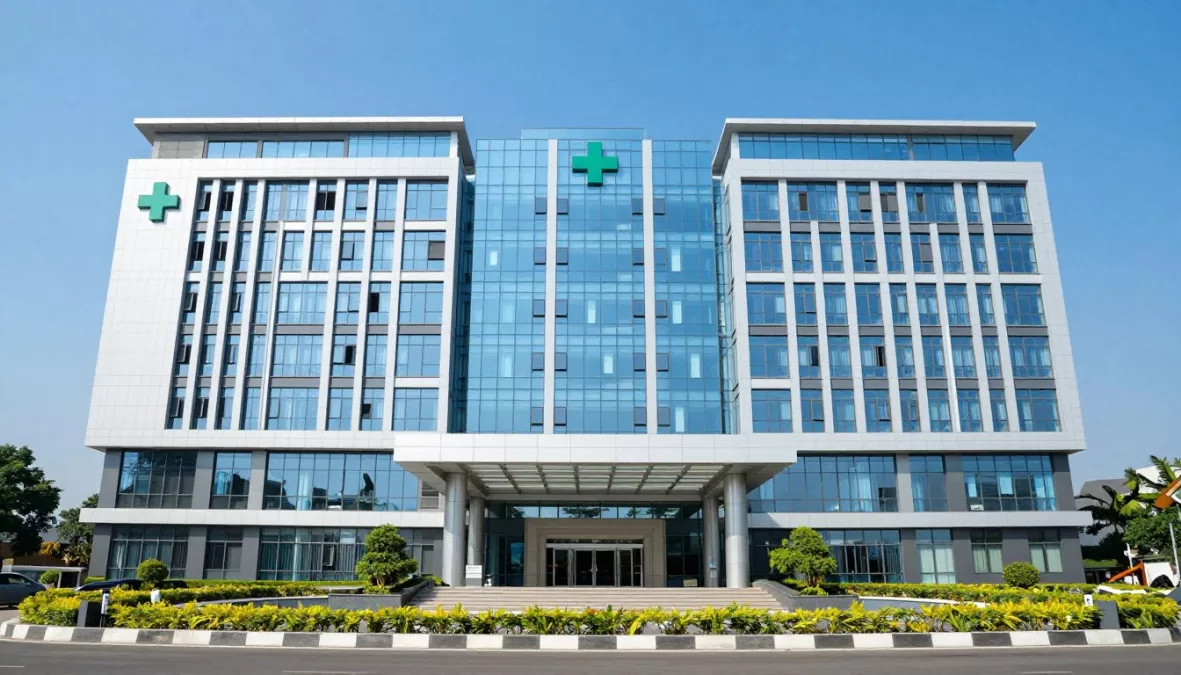
Finding the right hospital can be life-changing. India has emerged as a global healthcare destination, offering world-class medical services at a fraction of international costs. Whether you’re seeking specialized treatment or routine medical care, the country hosts some of the finest medical institutions in the world.
This comprehensive guide explores the top 10 best hospitals in India for 2026. We’ve analyzed facilities based on medical expertise, technology, patient outcomes, and international accreditations. Each hospital offers exceptional care across multiple specialties.
India’s healthcare system combines ancient wisdom with cutting-edge technology. From robotic surgeries to traditional Ayurvedic treatments, these hospitals provide comprehensive medical solutions. International patients choose India for affordable excellence and compassionate care.
Call for immediate medical assistance and hospital recommendations
Why India Has Become a Global Healthcare Destination

India’s healthcare sector has witnessed remarkable transformation over the past two decades. The country now attracts over 500,000 international patients annually. This growth stems from a unique combination of factors that set Indian healthcare apart globally.
Cost-effectiveness remains a primary draw for medical tourists. Complex procedures like heart surgeries cost 70-80% less than Western countries. Yet quality standards match or exceed international benchmarks. This value proposition makes India irresistible for patients worldwide.
World-Class Medical Expertise
Indian doctors train at prestigious institutions globally. Many return home bringing international expertise. The medical talent pool includes specialists who pioneered innovative treatments. These experts practice at top hospitals across major cities.
Medical professionals in India perform thousands of complex procedures annually. This high volume translates to exceptional skill levels. Surgeons here often have more hands-on experience than counterparts in developed nations.
Advanced Medical Technology
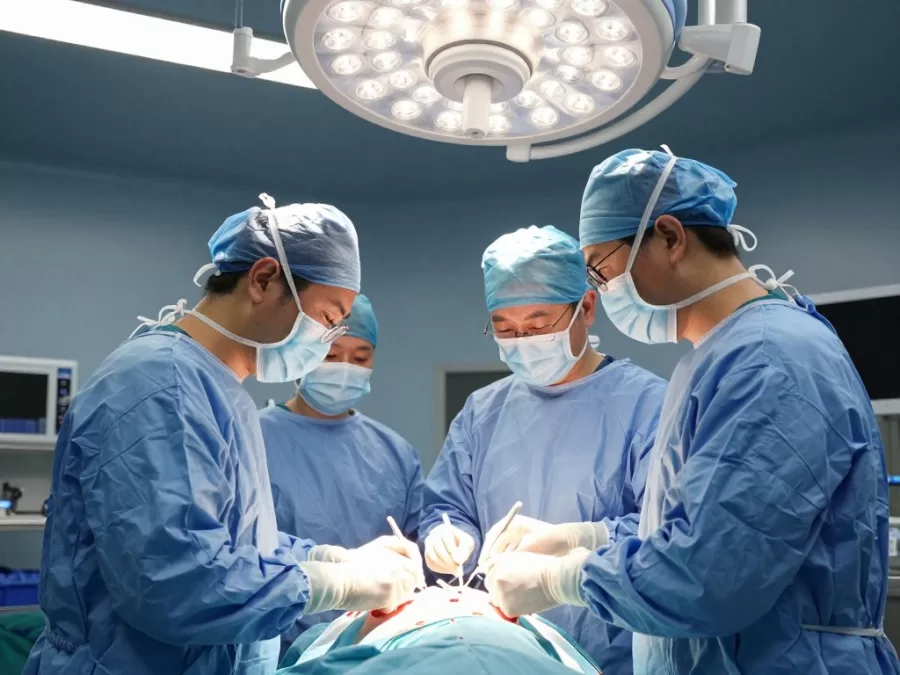
Leading hospitals invest heavily in state-of-the-art equipment. You’ll find the latest diagnostic imaging systems, robotic surgical platforms, and radiation therapy machines. These technological capabilities rival the best medical centers worldwide.
Many Indian hospitals adopted electronic health records early. Digital integration streamlines patient care coordination. Telemedicine capabilities connect specialists across cities for collaborative treatment planning.
International Accreditation Standards
Top Indian hospitals hold prestigious international certifications. Joint Commission International (JCI) and National Accreditation Board for Hospitals (NABH) accreditations validate quality standards. These rigorous evaluations ensure patient safety and care excellence.
Hospitals undergo regular audits to maintain accreditation status. Compliance with international protocols protects patient welfare. This commitment to standardization builds trust among international patients seeking treatment.
Cost Advantages
Treatment costs in India remain significantly lower than Western nations while maintaining quality standards.
- Heart surgery costs 60-70% less than USA
- Orthopedic procedures at 40-50% savings
- Cancer treatment substantially more affordable
- No compromise on quality or safety
Minimal Wait Times
Unlike many developed countries, Indian hospitals offer quick appointment scheduling and treatment initiation.
- Consultations within days, not months
- Surgery scheduling within weeks
- Emergency care immediately available
- Flexible treatment timeline options
Comprehensive Care
Multi-specialty hospitals provide complete care under one roof with coordinated treatment approaches.
- Multiple specialists collaborate seamlessly
- Integrated diagnostic facilities on-site
- Post-treatment rehabilitation programs
- Holistic wellness approaches available
Cultural Hospitality
Indian healthcare combines medical excellence with warm, personalized patient care and family involvement.
- English widely spoken by medical staff
- Family-centered care philosophy
- Dietary accommodation for all cultures
- Dedicated international patient services
Specialized Treatment Centers of Excellence
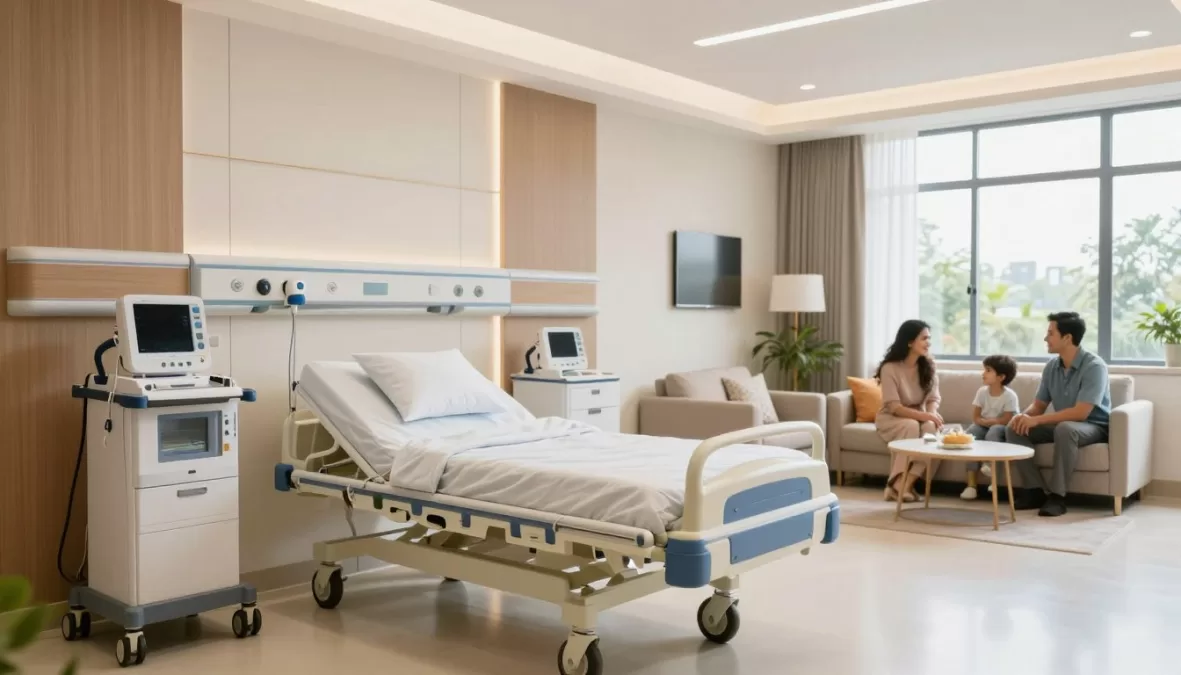
Many hospitals establish centers of excellence for specific conditions. These departments concentrate expertise, technology, and research in targeted areas. Cardiac care, oncology, and orthopedics lead as specialty strengths.
These specialized centers achieve remarkable outcomes. Success rates often exceed global averages. Focused expertise translates to better patient results and faster recovery times.
India’s Top 10 Best Hospitals for 2026: Comprehensive Rankings
We’ve carefully evaluated hundreds of hospitals across India using stringent criteria. Our rankings consider medical outcomes, technological capabilities, specialist expertise, and patient satisfaction. Each hospital on this list represents healthcare excellence.
These institutions serve both domestic and international patients with equal dedication. They’ve earned their positions through consistent performance and innovation. Let’s explore what makes each hospital exceptional.
1. Kokilaben Dhirubhai Ambani Hospital, Mumbai
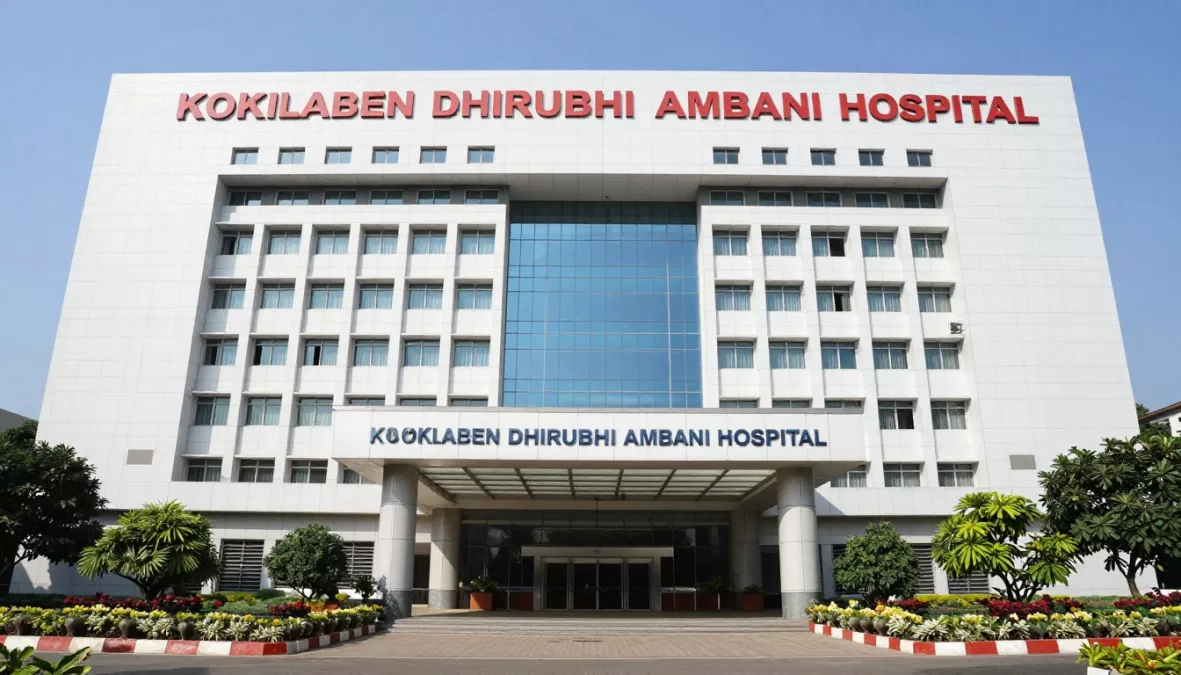
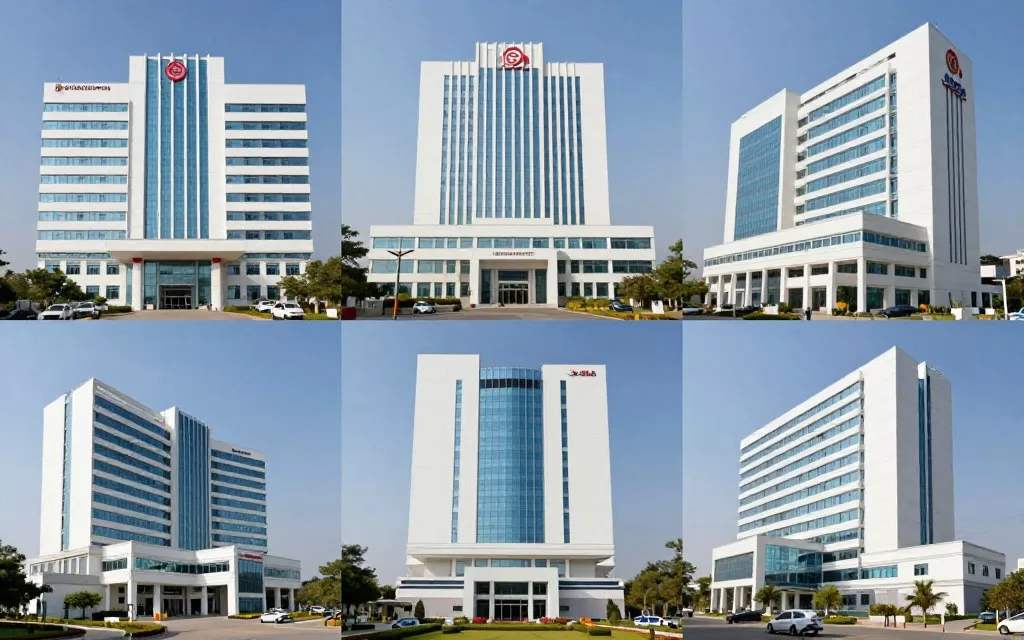
Kokilaben Dhirubhai Ambani Hospital stands as Mumbai’s premier healthcare institution. This multispecialty hospital opened in 2009 and quickly established itself among India’s best. Located in Andheri, it serves patients from across the globe with exceptional medical services.
The hospital spans over 600,000 square feet of advanced medical space. It houses 750 beds including specialized intensive care units. The infrastructure supports the most complex medical procedures with world-class facilities.
Medical Specialties and Departments
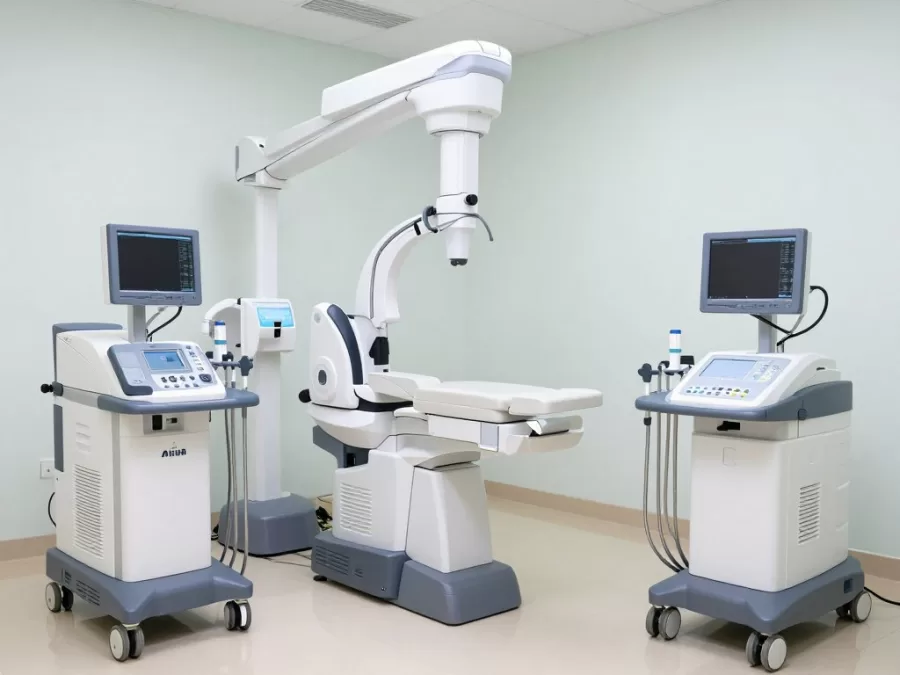
The hospital offers comprehensive medical care across 40+ specialties. Cardiac sciences, oncology, and neurosciences represent flagship departments. Each specialty unit operates with dedicated teams of experts and cutting-edge technology.
Cancer care at Kokilaben ranks among India’s finest programs. The hospital offers advanced radiation therapy including CyberKnife and TomoTherapy. Comprehensive cancer treatment combines surgery, chemotherapy, and targeted therapies under one roof.
- Cardiac Sciences and Interventional Cardiology
- Comprehensive Cancer Care and Oncology
- Neurosciences and Spine Surgery
- Orthopedics and Joint Replacements
- Kidney Transplant and Nephrology
- Gastroenterology and Hepatology
Core Specialties
- Robotic Surgery Systems (Da Vinci)
- CyberKnife Radiosurgery Platform
- 3 Tesla MRI Imaging
- 128-Slice CT Scanner
- Advanced Catheterization Labs
- Hybrid Operating Theaters
Advanced Technologies
- 24/7 Emergency and Trauma Care
- International Patient Assistance
- Language Interpretation Services
- Airport Pick-up and Drop
- Visa and Travel Assistance
- Post-Discharge Follow-up Care
Patient Services
Notable Achievements and Accreditations
Kokilaben Dhirubhai Ambani Hospital holds multiple prestigious certifications. NABH and JCI accreditations validate their quality standards. These recognitions ensure adherence to international healthcare protocols.
The hospital pioneered several medical firsts in India. Their bone marrow transplant program achieves success rates comparable to leading global centers. The kidney transplant program has performed thousands of successful procedures.
Why Kokilaben Ranks Among the Best
This hospital Mumbai location offers unparalleled convenience for international patients. The facility’s proximity to Mumbai airport simplifies travel logistics. The hospital offers comprehensive support services for overseas visitors.
Medical care quality consistently exceeds expectations. Patient testimonials highlight compassionate treatment and successful outcomes. The combination of expertise and technology delivers exceptional results across all specialties.
Schedule Your Consultation at Kokilaben Hospital
Connect with our international patient coordinators to discuss your treatment options. Get expert medical opinions and personalized care plans from India’s leading specialists.
2. Apollo Hospitals, Chennai
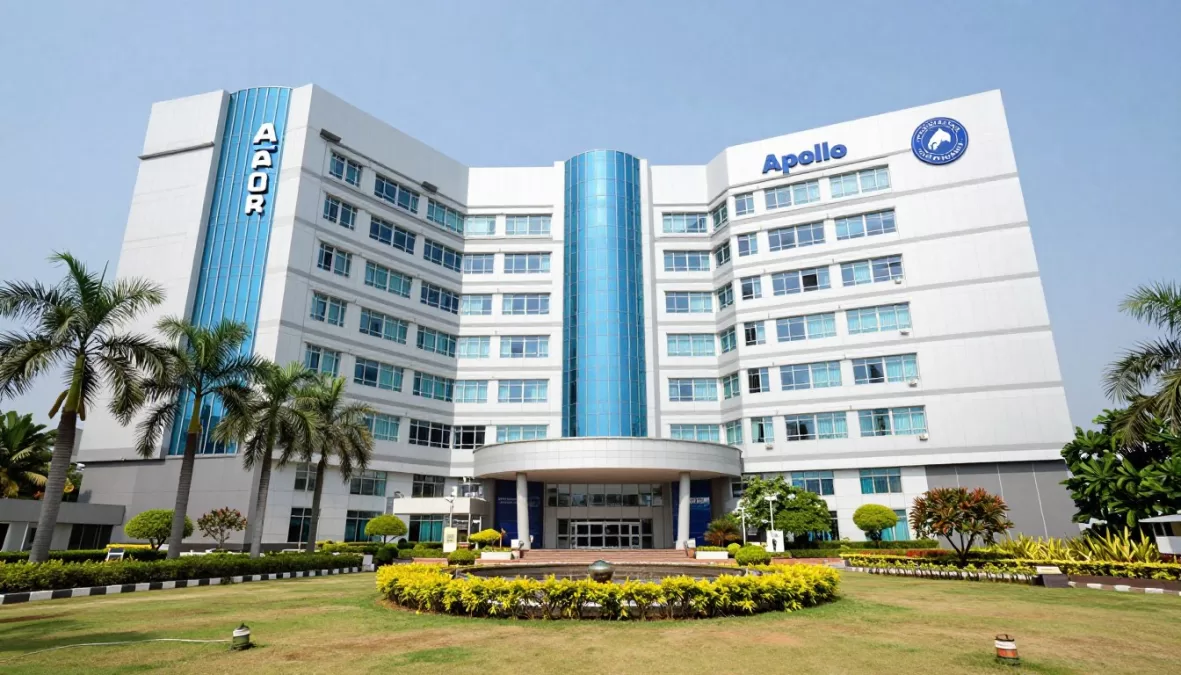
Apollo Hospitals Chennai pioneered private healthcare in India when it opened in 1983. This flagship facility remains the crown jewel of the Apollo Hospitals network. It set standards that transformed Indian healthcare delivery forever.
The hospital treats over 200,000 patients annually from 140 countries. International patients choose Apollo for its proven track record and comprehensive services. Medical care here combines Indian hospitality with Western medical standards.
Comprehensive Multi-Specialty Services
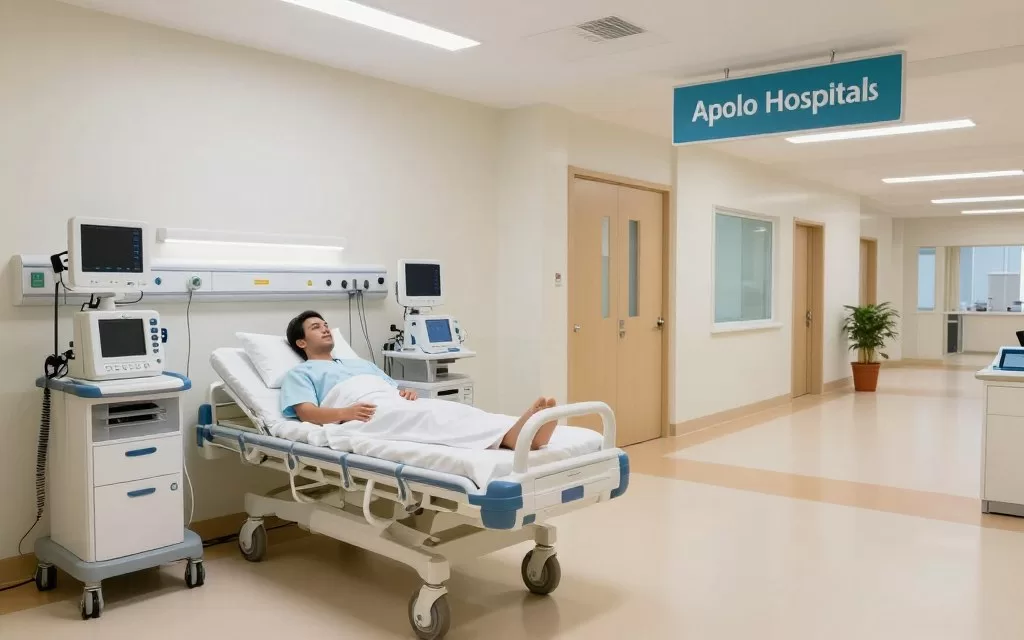
Apollo Hospitals offers treatment across virtually every medical specialty. The institution operates as a multispecialty hospital with over 500 beds. Each department functions as a center of excellence with specialized teams.
Cardiac care at Apollo Chennai pioneered many firsts in India. The hospital performed India’s first coronary angioplasty and numerous complex procedures. The cardiac sciences department handles thousands of interventions yearly with exceptional success rates.
Cancer Care Excellence
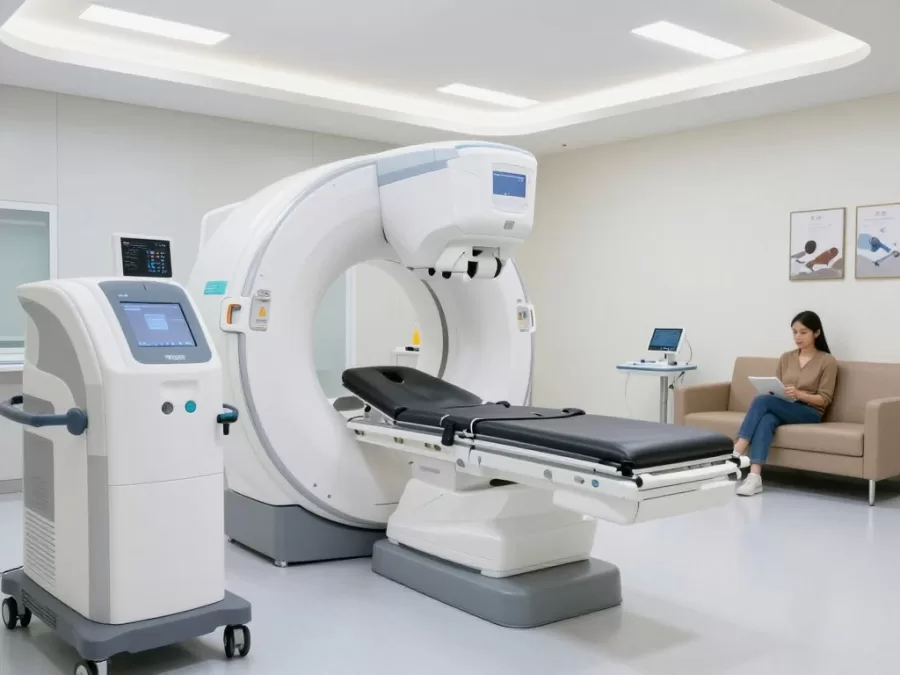
Apollo’s cancer treatment program ranks among Asia’s finest. The comprehensive cancer care center provides diagnosis through survivorship care. Advanced radiation therapy options include proton therapy and precision radiation techniques.
Oncology specialists at Apollo develop personalized treatment plans for each patient. Multidisciplinary tumor boards review complex cases collaboratively. This team approach ensures optimal treatment outcomes and quality of life.
Key Strengths
- Pioneering legacy with 40+ years experience
- Advanced heart and cancer treatment programs
- Extensive international patient services
- Multiple international accreditations
- Comprehensive organ transplant programs
- 24/7 emergency and critical care
- Network connectivity across 70+ hospitals
Considerations
- Premium pricing compared to some competitors
- High patient volume may affect wait times
- Large facility can feel impersonal
Transplant Programs and Advanced Procedures
Apollo Hospitals excels in organ transplantation procedures. The kidney transplant program has performed over 3,000 successful transplants. Liver transplants, bone marrow procedures, and heart transplants are routine here.
The hospital equipped modern operation theaters with robotic surgical systems. Minimally invasive procedures reduce recovery times significantly. Patients benefit from faster healing and better cosmetic outcomes.
| Specialty Department | Annual Procedures | Success Rate | International Patients |
| Cardiac Sciences | 12,000+ | 98.5% | 45% |
| Oncology Services | 25,000+ | 85% | 35% |
| Organ Transplants | 800+ | 95% | 40% |
| Neurosciences | 8,500+ | 92% | 30% |
| Orthopedics | 15,000+ | 96% | 25% |
International Patient Services

Apollo Hospitals provides dedicated support for international patients throughout their journey. Services begin with initial inquiry and continue through post-treatment follow-up. Coordinators assist with visa documentation, travel arrangements, and accommodation.
Language barriers don’t exist at Apollo Chennai. The hospital employs interpreters for multiple languages. Medical staff communicate effectively in English and coordinate care seamlessly for overseas patients.
Accreditations and Quality Recognition
The hospital holds NABH and JCI accreditations validating international quality standards. These certifications require rigorous compliance with safety and care protocols. Regular audits ensure continuous improvement and excellence maintenance.
Apollo Hospitals pioneered many medical tourism standards in India. Their international patient program serves as a model for other institutions. This experience translates to smooth, worry-free experiences for overseas visitors.
3. Fortis Memorial Research Institute, Gurugram
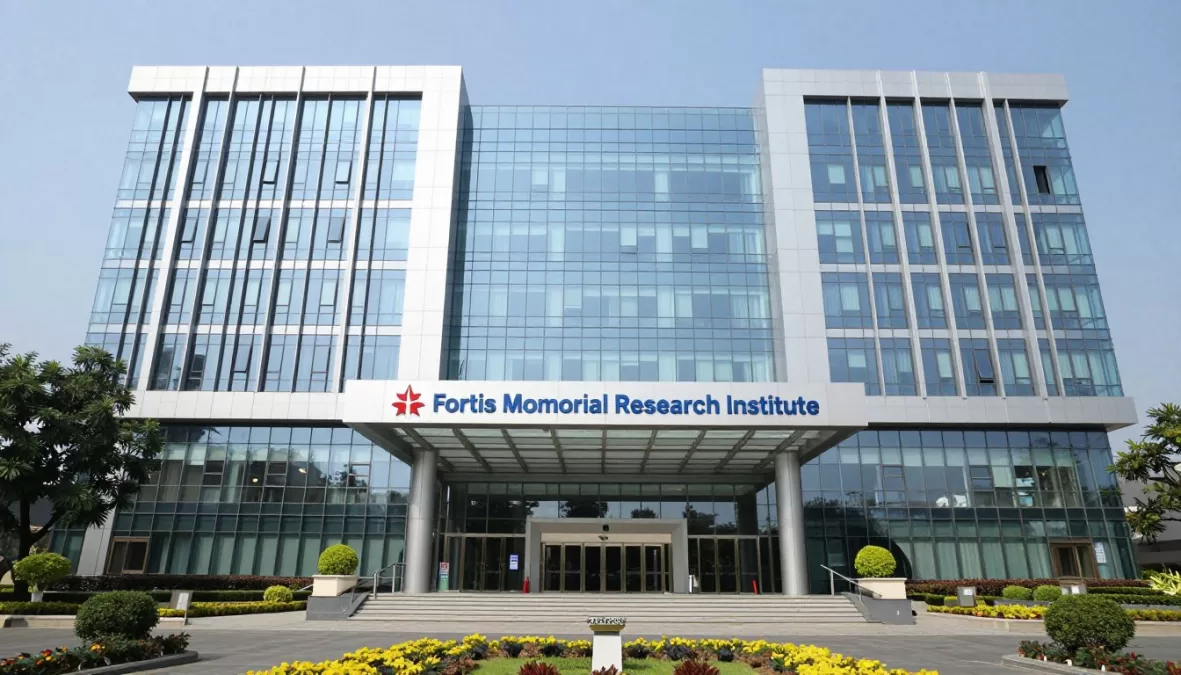
Fortis Memorial Research Institute represents India’s commitment to medical innovation. Located in Gurugram near Delhi, this hospital combines research with clinical excellence. The facility opened with a vision to transform healthcare delivery through technology.
This multispecialty hospital spans 11 acres with over 1,000 beds. The infrastructure supports the most advanced medical procedures available globally. Fortis invested heavily in creating a healing environment that promotes patient wellness.
Advanced Medical Technology
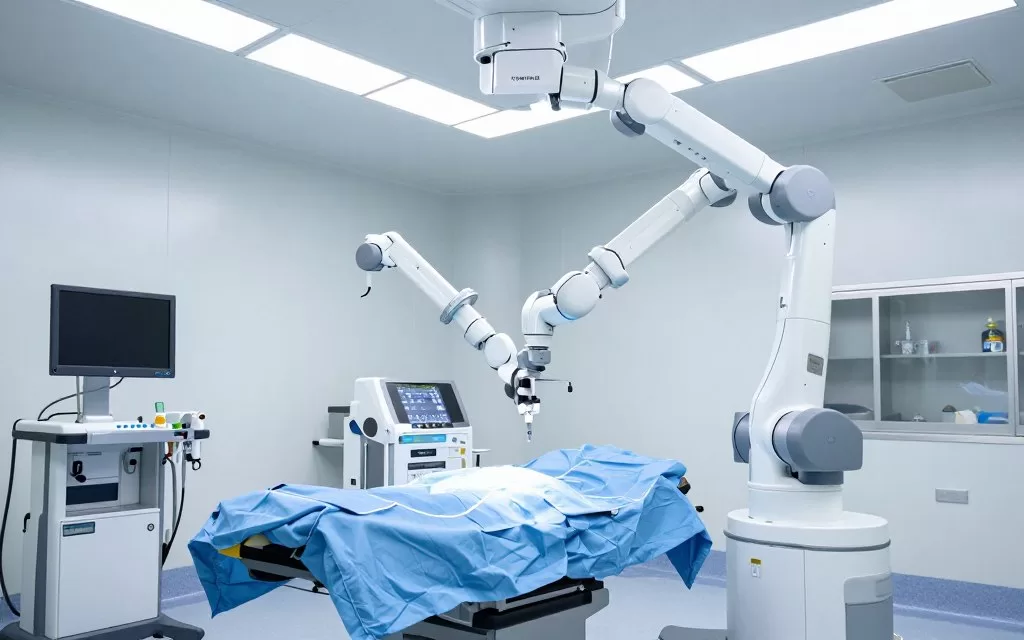
Fortis Memorial boasts some of Asia’s most advanced medical equipment. The hospital offers robotic surgery, advanced imaging, and precision treatment technologies. These capabilities enable treatments previously unavailable in India.
The hospital equipped operation theaters rival those in top Western institutions. Hybrid operating rooms combine imaging with surgical capabilities. This integration enables complex procedures with enhanced precision and safety.
Specialty Care Programs
Cancer treatment at Fortis utilizes cutting-edge radiation and surgical techniques. The comprehensive cancer care program addresses all malignancy types. Specialists collaborate to deliver personalized treatment protocols.
Cardiac sciences represent another flagship program. The hospital performs complex heart procedures including minimally invasive surgeries. Success rates for cardiac interventions match international benchmarks consistently.
Orthopedic Excellence
Joint replacement surgeries at Fortis utilize computer navigation and robotics. These technologies ensure precise implant positioning. Patients experience faster recovery and better long-term outcomes.
The spine surgery program handles complex deformity corrections. Minimally invasive techniques reduce surgical trauma significantly. Recovery times improve dramatically compared to traditional approaches.
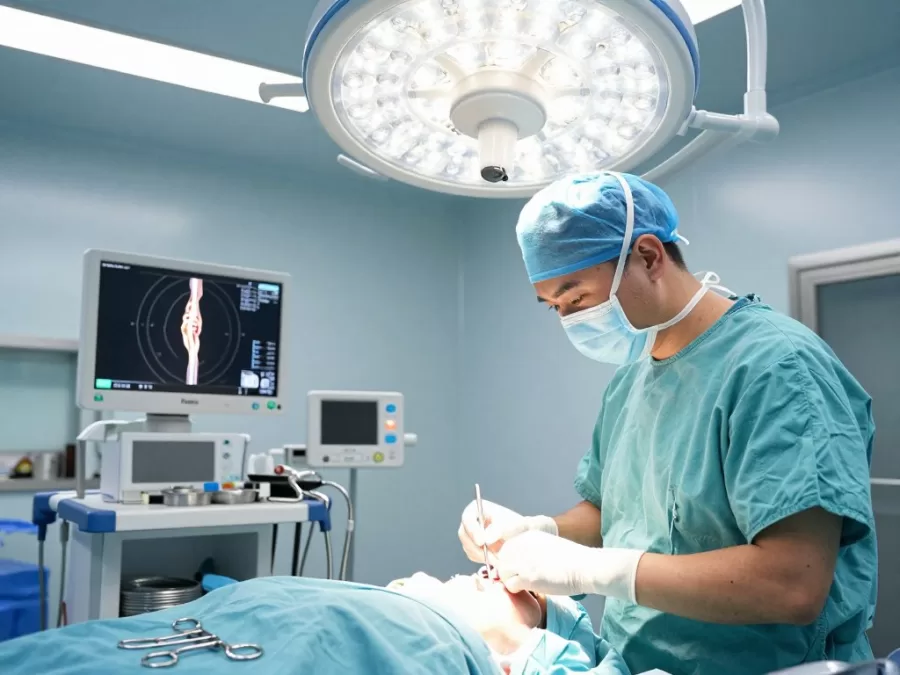
Research and Innovation Focus
Fortis Memorial maintains active research programs across specialties. Clinical trials offer patients access to innovative treatments. The research institute component drives continuous improvement in care delivery.
Medical professionals at Fortis publish extensively in international journals. This academic rigor ensures practices align with latest evidence. Patients benefit from treatment protocols based on cutting-edge research.
Medical Tourism Excellence: Fortis Memorial Research Institute welcomes thousands of international patients annually. Their dedicated International Patient Services department handles all aspects of medical travel. From airport transfers to post-discharge follow-up, comprehensive support ensures stress-free treatment experiences.
Explore Treatment Options at Fortis Memorial
Our medical coordinators can arrange virtual consultations with specialists. Discuss your condition, treatment options, and cost estimates before traveling to India.
Get Personalized Hospital Recommendations
Choosing the right hospital depends on your specific medical needs. Our healthcare advisors help match you with the best facility for your condition. Complete this form for personalized recommendations and cost estimates.

4. All India Institute of Medical Sciences (AIIMS), New Delhi
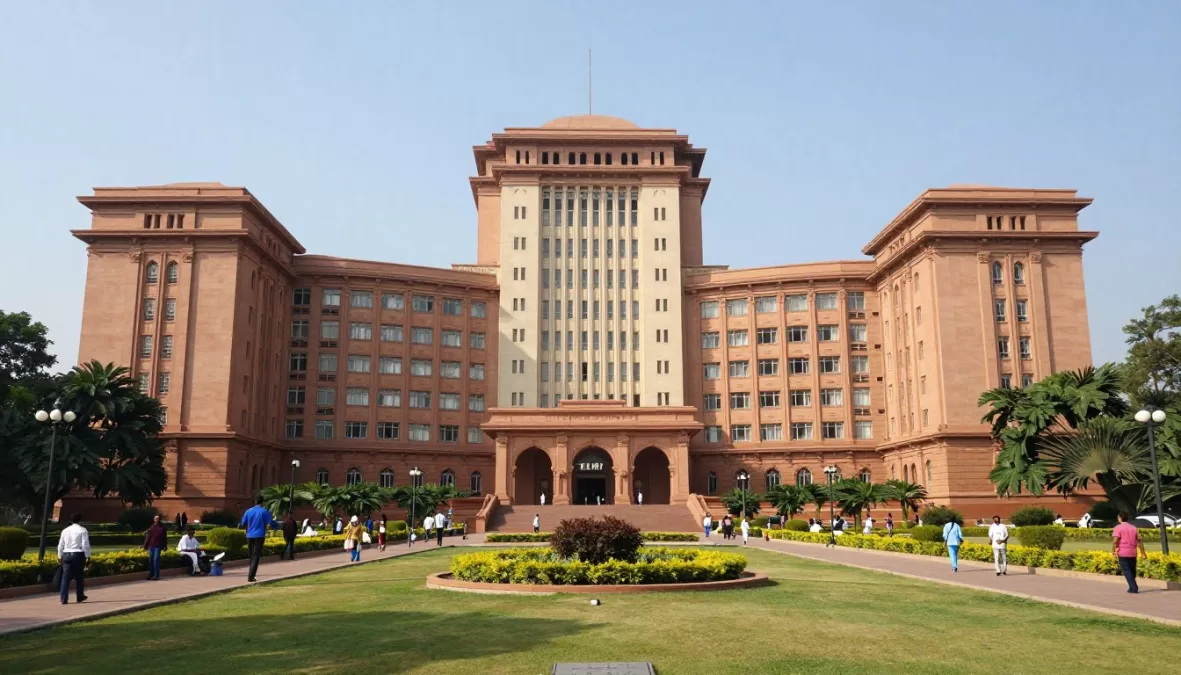
AIIMS Delhi stands as India’s premier government medical institution. Established in 1956, it combines world-class medical education with patient care. This autonomous institution sets benchmarks for medical excellence across the nation.
The hospital treats hundreds of thousands of patients annually. Despite being a public facility, medical care quality rivals the best private hospitals. AIIMS offers advanced treatments at highly subsidized rates for Indian citizens.
Academic and Clinical Excellence
AIIMS serves as India’s top medical research and teaching institution. The best medical minds in India train and practice here. This academic environment fosters innovation and evidence-based practice.
Research conducted at AIIMS influences medical practice globally. The institution publishes thousands of research papers annually. Clinical trials here provide access to cutting-edge experimental treatments.

Comprehensive Specialty Care
AIIMS offers treatment across every medical specialty imaginable. The hospital handles the most complex cases referred from across India. Specialists here possess unmatched expertise gained through high patient volumes.
Cardiac sciences at AIIMS perform thousands of procedures annually. The department handles complex congenital heart defects and advanced heart failure cases. Success rates remain impressive despite treating the most challenging patients.
- Cardiothoracic and Vascular Surgery
- Neurosciences and Brain Surgery
- Medical Oncology and Cancer Care
- Gastroenterology and Liver Sciences
- Nephrology and Kidney Transplants
- Trauma and Emergency Medicine
- Pediatric Specialties
Major Departments
- Top medical talent in the country
- Extensive research programs
- Advanced rare disease treatment
- Complex case management expertise
- Affordable treatment costs
- Government-backed quality assurance
- Highly subsidized medications
Unique Strengths
Cancer Treatment Programs
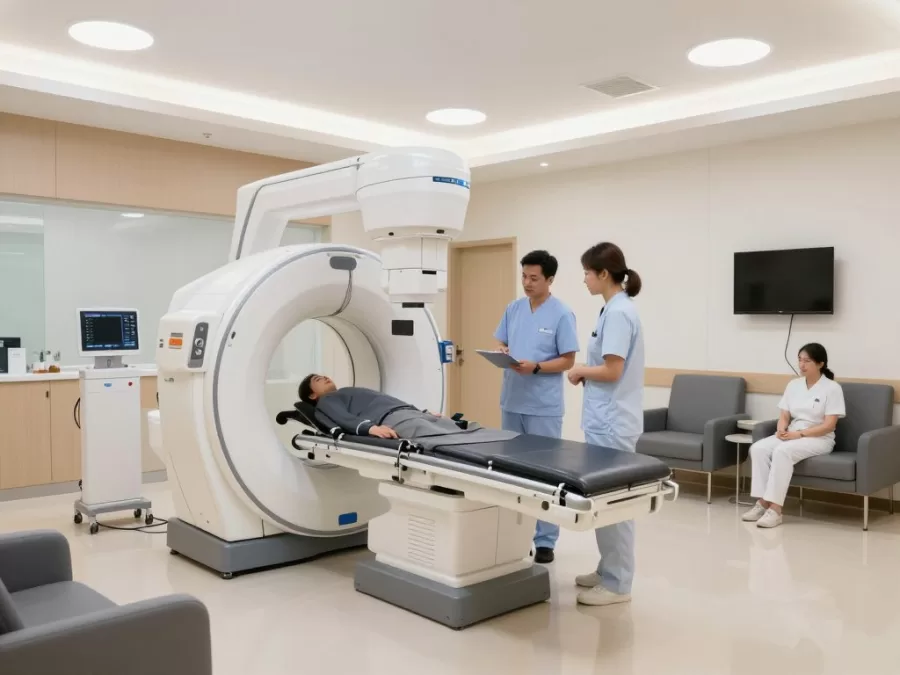
The cancer care program at AIIMS treats thousands of patients from across India. Comprehensive services span diagnosis through survivorship care. Advanced treatment options include targeted therapies and immunotherapy.
Bone marrow transplantation at AIIMS achieves excellent outcomes. The program handles both autologous and allogeneic transplants. Survival rates compare favorably with leading international centers.
Access and Affordability
AIIMS makes world-class healthcare accessible to all economic strata. Treatment costs remain minimal for Indian citizens. This social mission ensures excellent medical care isn’t limited to the wealthy.
International patients can receive treatment at AIIMS through specific channels. While costs are higher than for Indian citizens, they remain far below private hospital rates. The value proposition remains extremely attractive.
Important Note for International Patients: AIIMS primarily serves Indian citizens with highly subsidized care. International patients can access services through the International Patient Services office. Appointments may require longer wait times compared to private hospitals. However, the medical expertise and affordability make it worth considering for complex cases.
5. Medanta – The Medicity, Gurugram
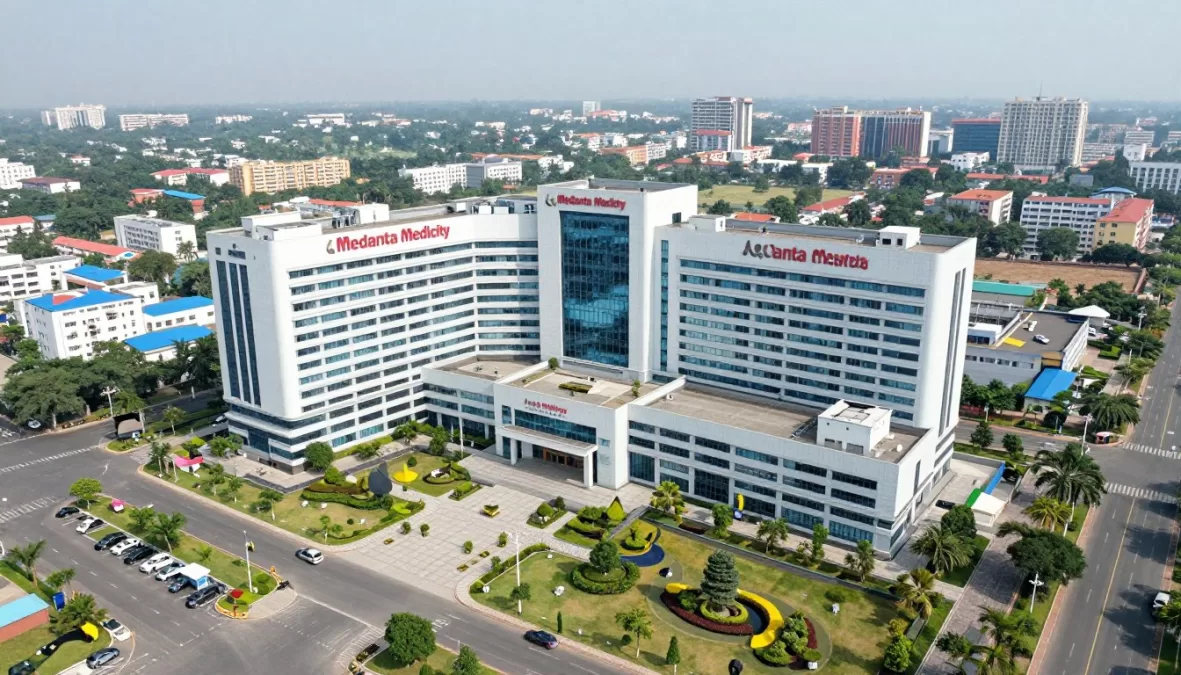
Medanta represents a revolutionary concept in Indian healthcare delivery. Founded by renowned cardiac surgeon Dr. Naresh Trehan, it operates as a complete medical city. The 43-acre campus houses comprehensive medical services under one roof.
This multispecialty hospital features 1,600 beds and 45 operation theaters. The infrastructure supports simultaneous complex procedures across specialties. Medanta’s integrated approach streamlines patient care and improves outcomes.
Cardiac Sciences Leadership
Dr. Trehan’s expertise established Medanta as India’s premier cardiac care destination. The heart institute performs over 8,000 cardiac surgeries annually. Complex procedures include pediatric cardiac surgeries and heart transplants.
Minimally invasive cardiac procedures represent a specialty strength. The team performs robotic cardiac surgeries with exceptional precision. Recovery times decrease significantly compared to traditional open-heart approaches.
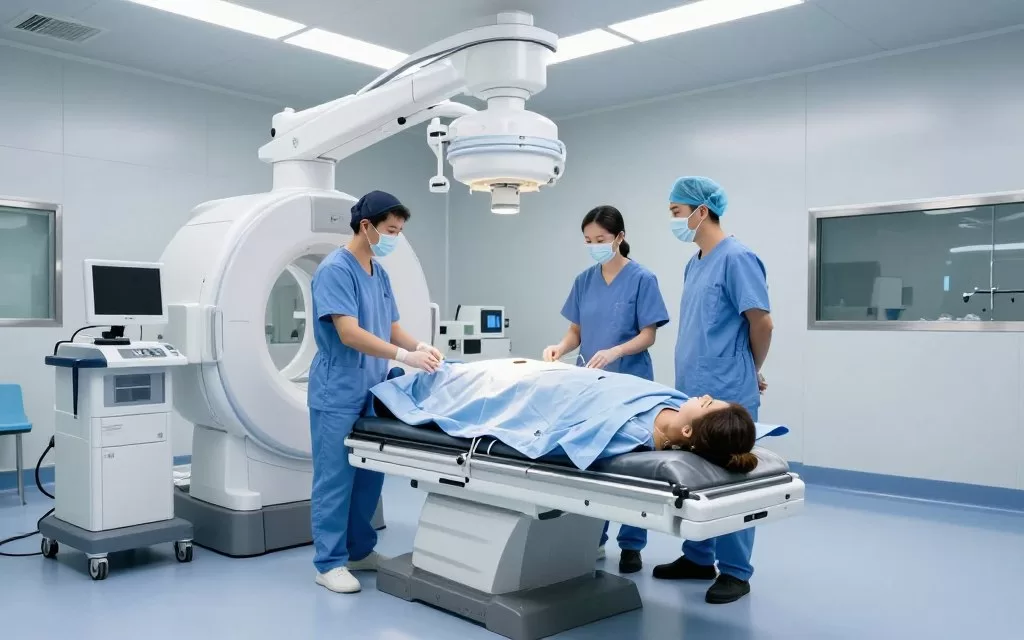
Multi-Organ Transplant Program
Medanta excels in organ transplantation across multiple organs. The hospital performs kidney transplants, liver transplants, and heart transplants routinely. Success rates exceed national averages consistently.
The kidney transplant program handles complex cases including ABO-incompatible transplants. Advanced immunosuppression protocols minimize rejection risks. Post-transplant care ensures optimal long-term graft survival.
Cancer Care and Oncology Services
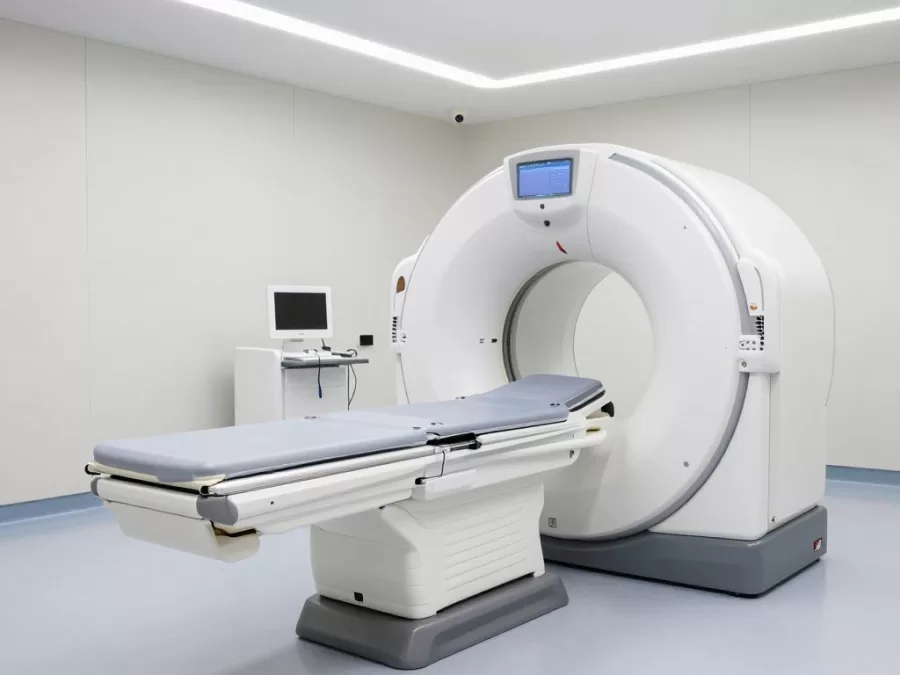
The cancer institute at Medanta offers comprehensive oncology services. Treatment modalities include surgery, chemotherapy, radiation therapy, and immunotherapy. Multidisciplinary tumor boards ensure optimal treatment planning.
Advanced radiation therapy technologies include TomoTherapy and stereotactic radiosurgery. These precision techniques target tumors while sparing healthy tissue. Patients experience fewer side effects and better quality of life.
Institute of Neurosciences
Neurosciences at Medanta handle complex brain and spine conditions. The team performs delicate neurosurgical procedures with advanced imaging guidance. Outcomes for brain tumor surgery and spine surgery remain excellent.
The stroke program provides 24/7 emergency neurovascular care. Time-sensitive interventions save lives and prevent disability. Advanced imaging enables rapid diagnosis and treatment initiation.
Schedule a Second Opinion at Medanta
Uncertain about your diagnosis or treatment plan? Get expert second opinions from Medanta’s world-renowned specialists. Virtual consultations available for international patients.
6. Tata Memorial Hospital, Mumbai
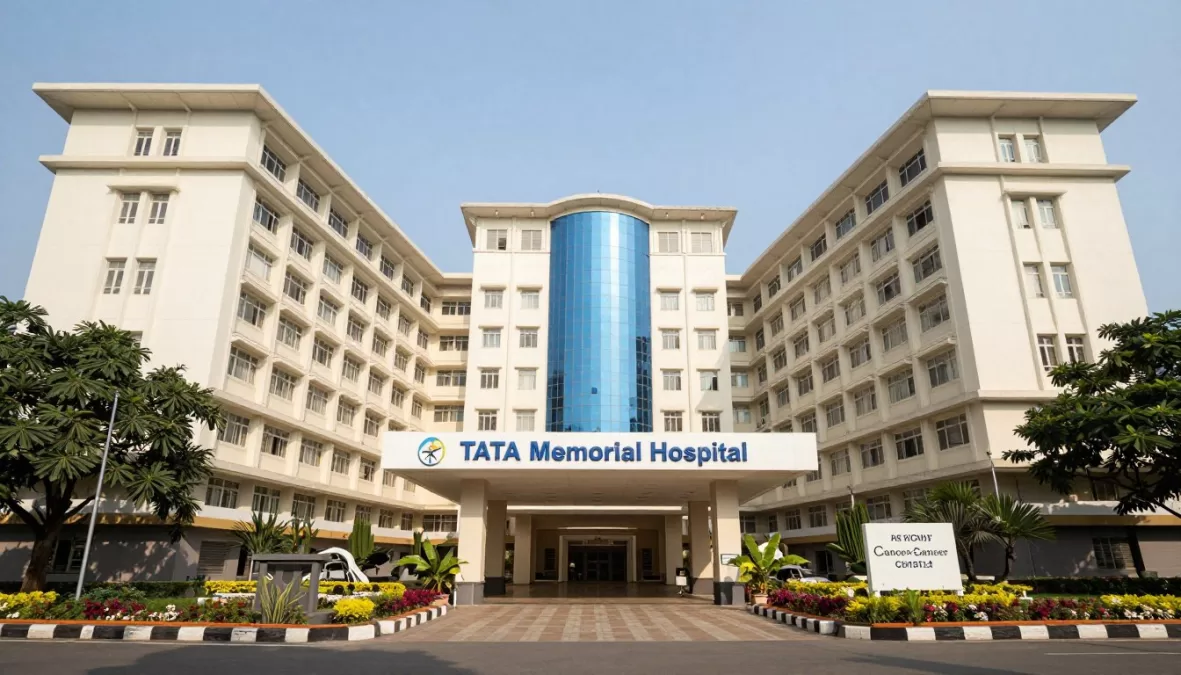
Tata Memorial Hospital specializes exclusively in cancer treatment and research. Established in 1941, it pioneered comprehensive cancer care in India. This institution remains the country’s largest and most respected cancer hospital.
The hospital treats over 70,000 new cancer patients annually. Despite being a charitable institution, it offers world-class cancer treatment. Tata Memorial makes advanced oncology accessible to all economic backgrounds.
Comprehensive Cancer Treatment
Every cancer type finds specialized expertise at Tata Memorial. Disease-specific teams handle breast cancer, lung cancer, head and neck cancers, and rare malignancies. This focused approach ensures optimal treatment outcomes.
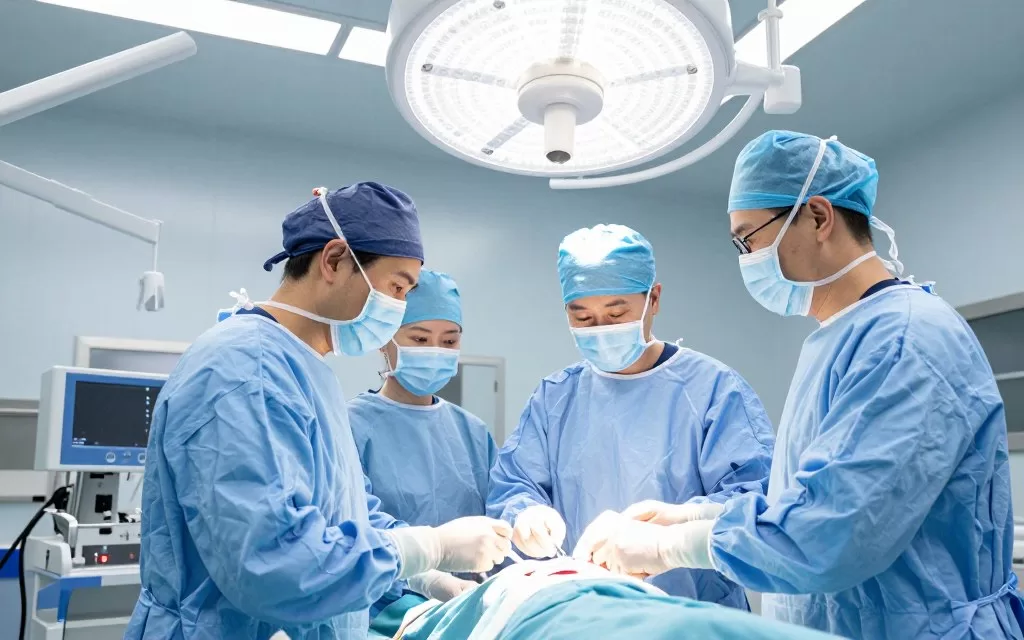
Surgical oncology at Tata Memorial performs thousands of cancer surgeries yearly. Complex procedures include organ-preserving surgeries and reconstructive procedures. Minimally invasive techniques reduce recovery time when appropriate.
Advanced Radiation Oncology
The radiation oncology department operates multiple linear accelerators and advanced equipment. Treatment techniques include IMRT, IGRT, and stereotactic radiosurgery. These precision methods maximize tumor control while protecting healthy tissues.
Brachytherapy programs treat gynecological and other cancers with internal radiation. This specialized technique delivers high doses directly to tumors. Outcomes rival the best international cancer centers.
Medical Oncology Services
Chemotherapy protocols at Tata Memorial follow international guidelines while incorporating research findings. Targeted therapy and immunotherapy expand treatment options dramatically.
Clinical trials provide access to experimental treatments. Patients benefit from cutting-edge therapies years before general availability. Research participation contributes to global cancer knowledge.
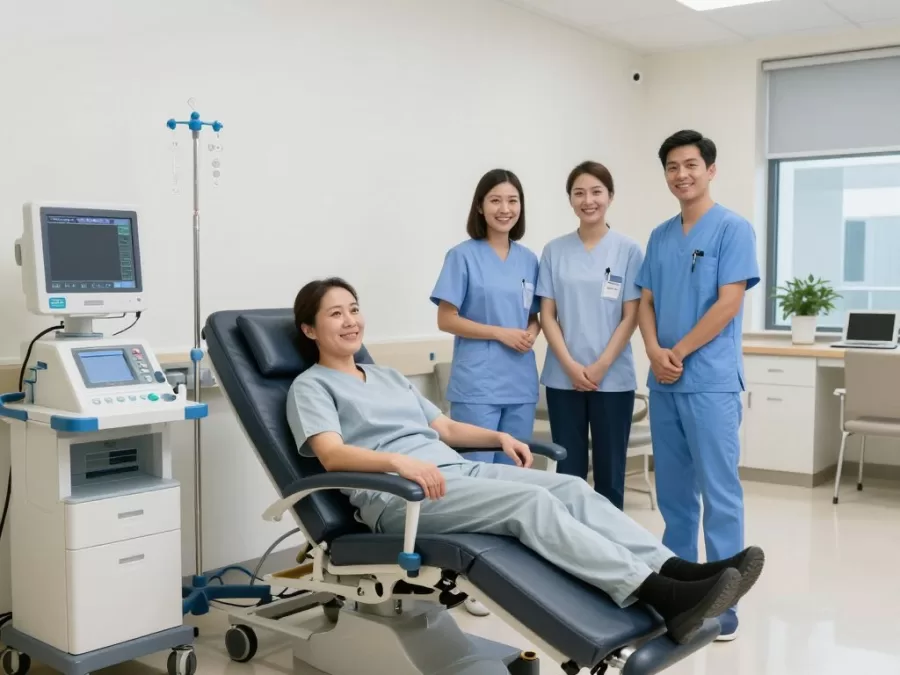
Pediatric Oncology Excellence
Childhood cancer treatment achieves remarkable cure rates at Tata Memorial. The pediatric oncology department handles leukemias, brain tumors, and solid tumors. Child-friendly facilities ease the treatment journey for young patients.
Bone marrow transplantation for childhood cancers saves countless lives. The program handles both matched and mismatched donor transplants. Survival rates exceed national and international benchmarks.

Research and Education Mission
Tata Memorial Advanced Centre for Treatment, Research and Education (ACTREC) drives cancer research. Discoveries here influence treatment protocols globally. The institution trains oncologists who practice across India and internationally.
Preventive oncology programs educate communities about cancer risk reduction. Early detection initiatives improve survival through timely diagnosis. This holistic approach addresses cancer at population levels.
Charitable Care Mission: Tata Memorial Hospital provides highly subsidized or free cancer treatment to economically disadvantaged patients. This charitable mission ensures advanced cancer care reaches those who need it most. International patients can also access services, though at standard rates. The quality of care remains exceptional regardless of payment status.
7. Manipal Hospitals, Bangalore
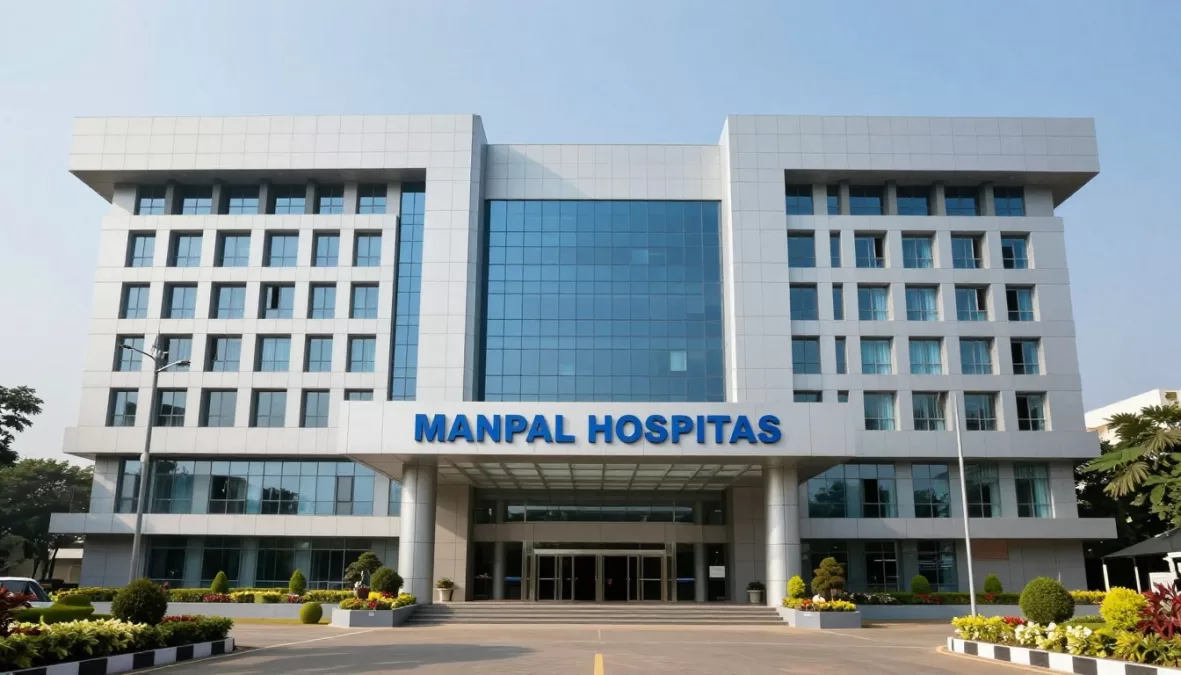
Manipal Hospitals operates India’s third-largest healthcare network. The Bangalore flagship facility exemplifies the group’s commitment to excellence. This multispecialty hospital serves as the network’s premier treatment center.
The hospital features over 600 beds across multiple specialties. Modern infrastructure supports advanced medical and surgical treatments. Manipal combines technology with patient-centered care philosophy.
Multi-Specialty Excellence
Manipal Hospitals offers comprehensive medical services across all major specialties. Each department operates with dedicated teams and modern equipment. The integrated approach ensures seamless care coordination.
Cardiac sciences at Manipal perform complex interventional and surgical procedures. The department handles pediatric cardiac cases alongside adult cardiac conditions. Outcomes consistently meet international quality standards.
Organ Transplantation Programs
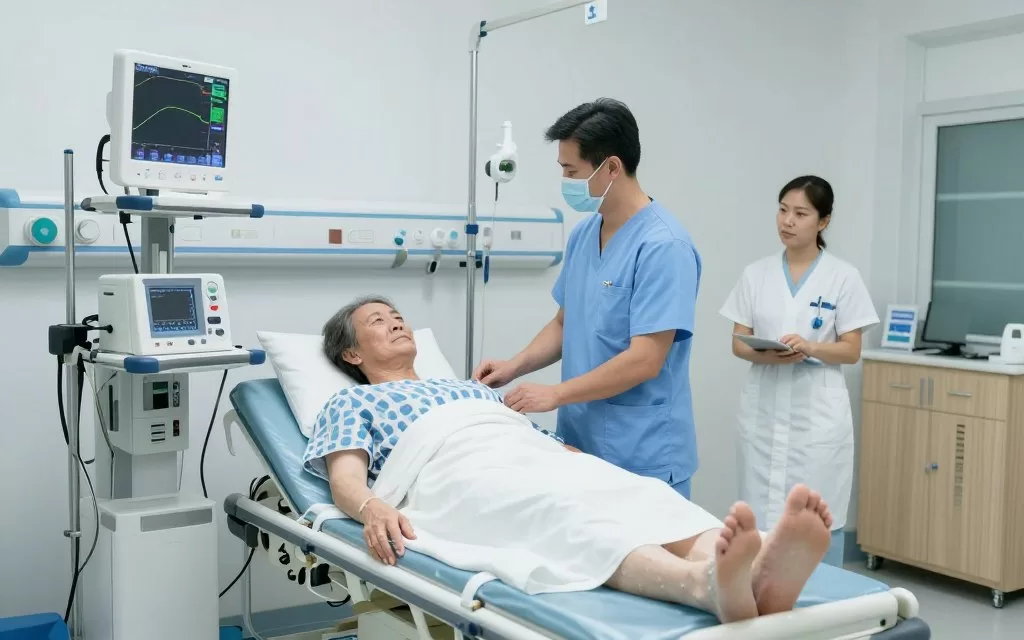
Manipal excels in kidney transplants and liver transplantation. The transplant team handles complex cases including paired kidney exchanges. Post-transplant management ensures optimal long-term outcomes.
Living donor transplants form the majority of kidney transplant procedures. The hospital maintains ethical standards while facilitating life-saving transplants. Comprehensive donor evaluation protects donor safety.
- Cardiac and Vascular Sciences
- Neurosciences and Spine Care
- Orthopedics and Joint Replacements
- Cancer Diagnosis and Treatment
- Kidney and Liver Transplants
- Gastroenterology and Hepatology
Core Services
- Advanced robotic surgery systems
- 3 Tesla MRI and 128-slice CT
- Digital operation theaters
- Electronic medical records
- Telemedicine capabilities
- Advanced laboratory automation
Technology Infrastructure
- Private and deluxe room options
- International patient lounges
- In-house pharmacy services
- 24/7 cafeteria and dining
- Airport transfer services
- Accommodation assistance
Patient Amenities
Orthopedic and Joint Replacement Services
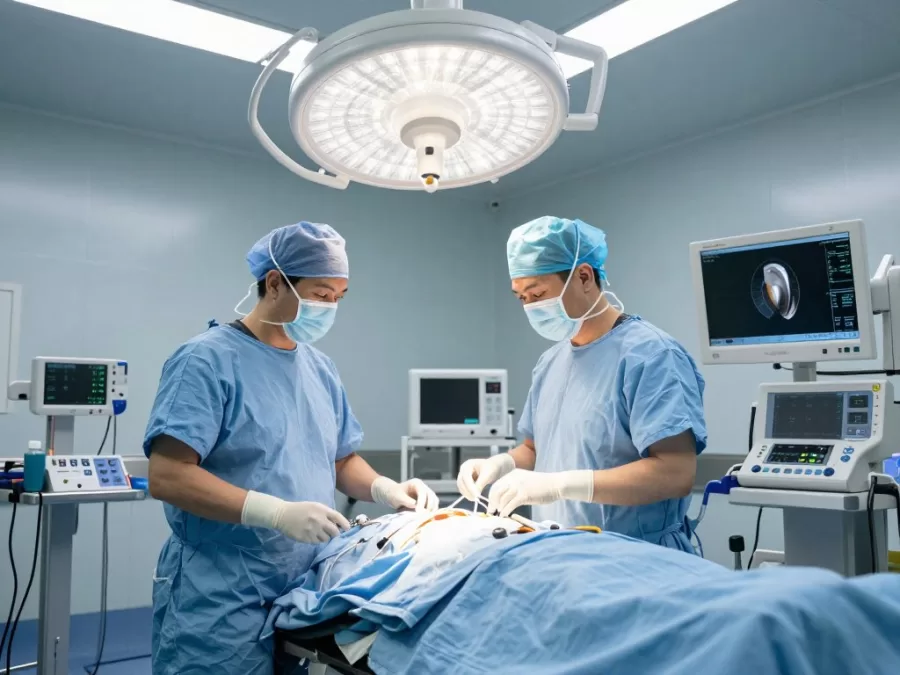
The orthopedic department specializes in joint replacements and sports medicine. Knee and hip replacement surgeries use minimally invasive approaches. Computer navigation ensures precise implant positioning.
Spine surgery programs handle complex deformities and degenerative conditions. Minimally invasive spine procedures reduce post-operative pain. Patients return to normal activities faster than traditional approaches.
Network Advantage
Manipal Hospitals’ network spans multiple cities across India. Patients access consistent quality regardless of location. The network facilitates referrals and continuity of care.
Post-discharge follow-up becomes easier with multiple hospital locations. Patients can continue care at nearby Manipal facilities. This convenience particularly benefits those traveling from distant locations.
8. Max Super Speciality Hospital, Saket, New Delhi
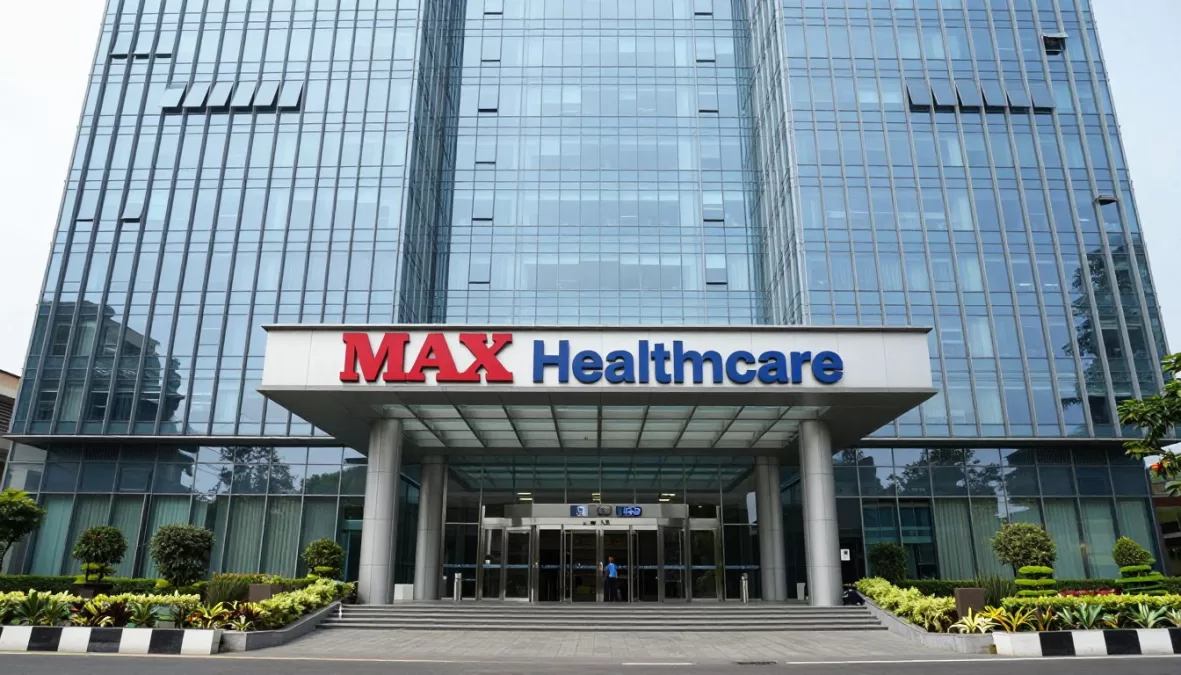
Max Super Speciality Hospital in Saket represents Delhi’s premier private healthcare facility. Part of the Max Healthcare network, this hospital offers comprehensive tertiary care. The facility combines luxury amenities with medical excellence.
The hospital houses over 500 beds with state-of-the-art infrastructure. Each specialty department operates as a center of excellence. Max Healthcare’s reputation attracts top medical talent from across India.
Cancer Care Leadership
Max Cancer Care provides comprehensive oncology services. The hospital offers advanced cancer treatment across all tumor types. Multidisciplinary care teams develop personalized treatment protocols.
Radiation oncology utilizes TrueBeam and TomoTherapy systems. These advanced platforms deliver precise radiation doses. Surrounding healthy tissue receives minimal exposure, reducing side effects.

Cardiac Sciences Excellence
The heart institute performs thousands of cardiac procedures annually. Complex surgeries include valve replacements and coronary artery bypass grafts. Minimally invasive cardiac procedures reduce recovery time significantly.
Interventional cardiology services handle emergency heart attacks 24/7. The catheterization labs operate continuously for urgent cases. Door-to-balloon times meet international guidelines consistently.
Neurosciences and Brain Surgery
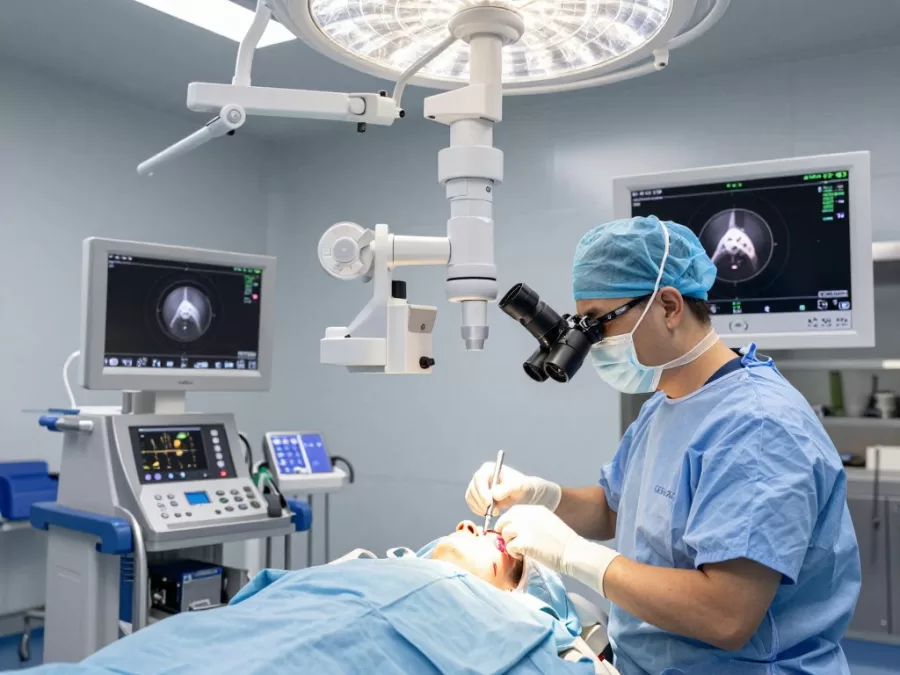
The neurosciences department handles complex brain and spine conditions. Neurosurgeons perform delicate procedures using advanced imaging guidance. Outcomes for brain tumor surgery remain consistently excellent.
Minimally invasive spine surgery reduces tissue damage and scarring. Patients experience less post-operative pain and faster recovery. The spine program treats degenerative conditions and traumatic injuries.
Bone Marrow Transplantation
Max Hospital’s bone marrow transplant program treats blood cancers and disorders. Both autologous and allogeneic transplants are performed routinely. The dedicated BMT unit maintains strict infection control protocols.
Pediatric bone marrow transplants achieve excellent survival rates. The program handles complex cases including haplo-identical transplants. Comprehensive supportive care ensures optimal patient outcomes.
International Patient Services
Max Healthcare maintains dedicated international patient departments. Services include visa assistance, airport transfers, and accommodation arrangements. Language interpreters facilitate communication for non-English speaking patients.
The hospital offers video consultations for overseas patients. Initial assessments can occur remotely before travel. This convenience helps patients plan treatment journeys effectively.
Connect with Max Healthcare Specialists
Our international patient coordinators provide end-to-end assistance. From initial consultation to post-treatment care, we ensure a smooth medical journey.
9. Narayana Health City, Bangalore
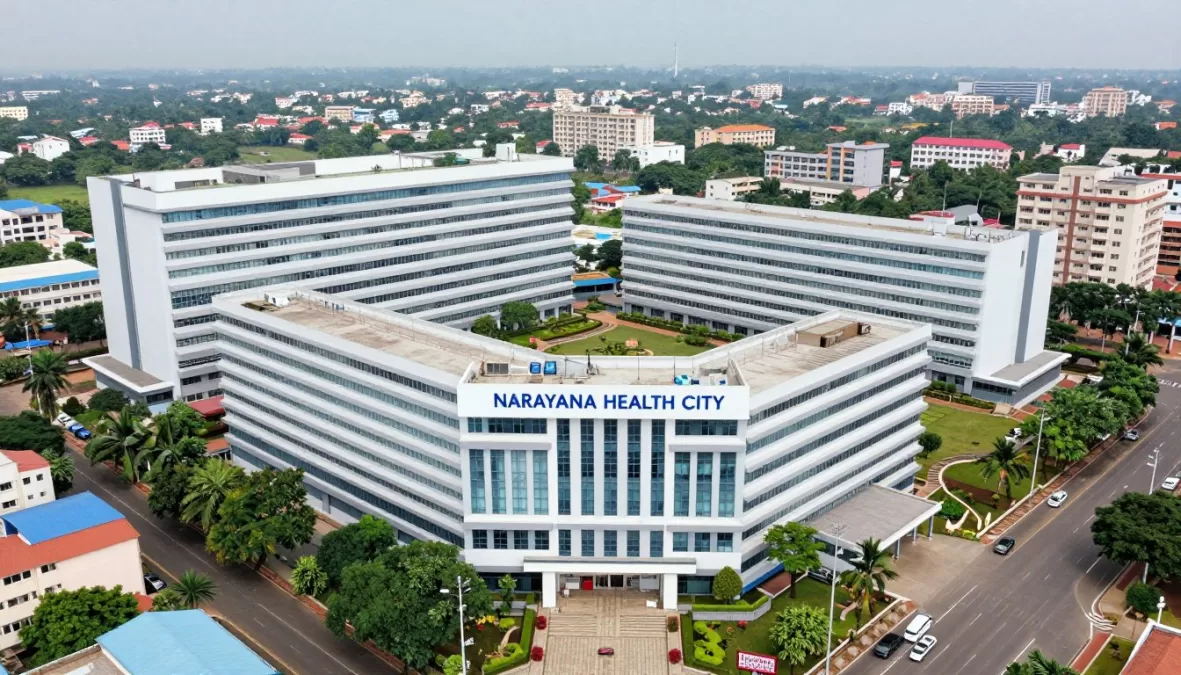
Narayana Health pioneered affordable quality healthcare in India. Founded by renowned cardiac surgeon Dr. Devi Shetty, this institution proves excellent care needn’t be expensive. The Health City concept integrates multiple hospitals on one campus.
The Bangalore campus spans 25 acres housing several specialty hospitals. This integrated model creates economies of scale reducing costs. Patients access world-class care at prices significantly below competitors.
Cardiac Sciences Pioneer
Narayana Health performs more cardiac surgeries than most hospitals globally. Volume creates expertise that translates to exceptional outcomes. The cardiac team handles the most complex congenital and acquired heart conditions.
Pediatric cardiac surgery represents a particular strength. The program treats children from across India and neighboring countries. Success rates for complex pediatric cardiac procedures match leading international centers.
Affordable Excellence Model
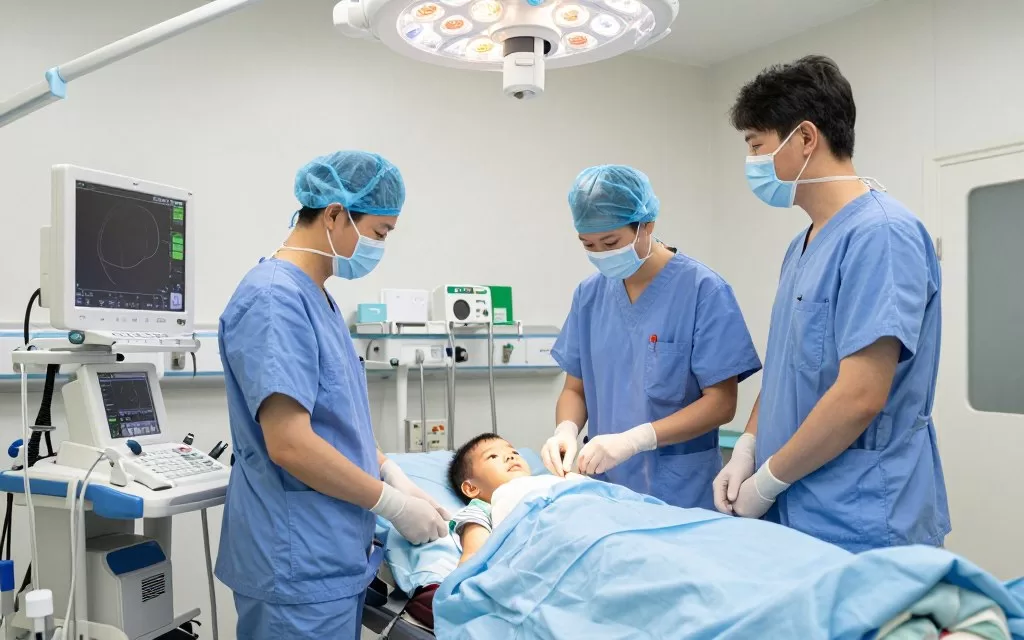
Narayana Health demonstrates that quality and affordability can coexist. Operational efficiencies reduce costs without compromising care. Treatment prices remain 30-50% below other private hospitals.
Insurance partnerships expand access to private healthcare. The hospital works with government schemes making care accessible. This social mission aligns profit with public health goals.
Multi-Specialty Integration
The Health City houses hospitals for different specialties. Mazumdar Shaw Medical Centre focuses on oncology. The Eye Hospital handles ophthalmology cases. This specialization improves outcomes.
Cross-consultation between specialists occurs seamlessly. Complex cases benefit from multidisciplinary expertise. Patients receive coordinated care across specialty boundaries.
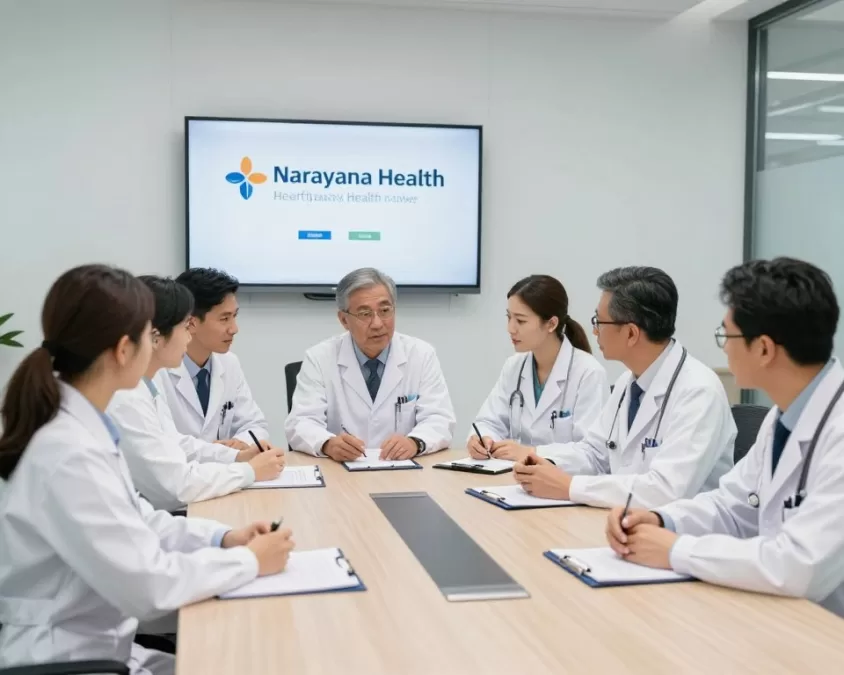
Cost Leadership: Narayana Health offers treatment plans that cost 60-70% less than Western countries while maintaining international quality standards. This makes advanced procedures accessible to middle-class families.
Cancer Care Excellence
Mazumdar Shaw Medical Centre provides comprehensive cancer treatment. The facility offers medical oncology, surgical oncology, and radiation therapy. Advanced techniques include robotic cancer surgery and precision radiation.
Clinical trials provide access to novel cancer treatments. Research collaborations with international institutions bring cutting-edge therapies. Patients benefit from innovations years before general availability.
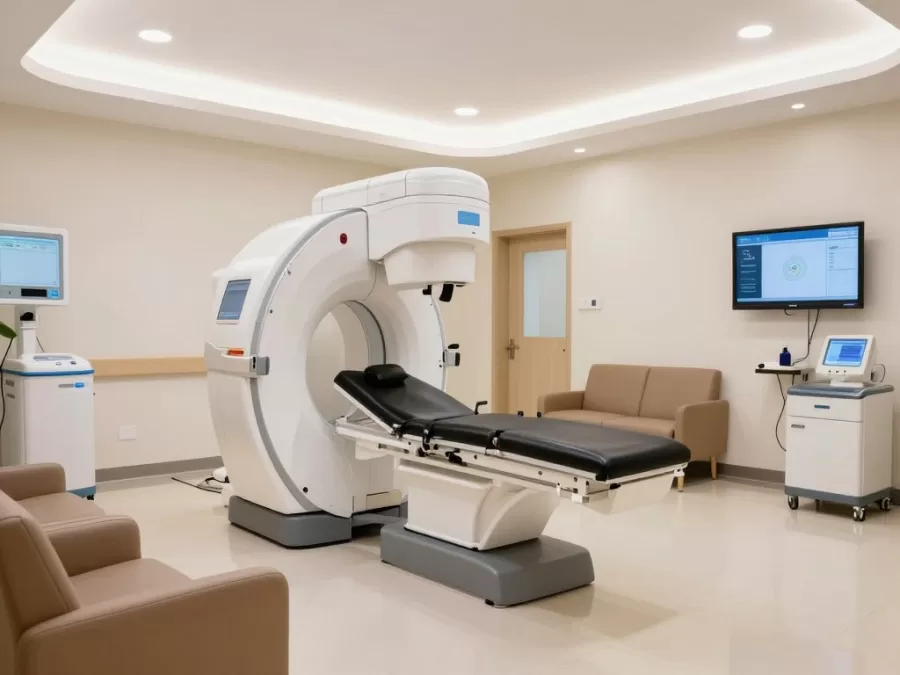
International Reach
Narayana Health operates hospitals across India and internationally. The network extends to Cayman Islands serving Caribbean patients. This expansion spreads the affordable quality healthcare model globally.
Telemedicine connects rural areas with specialist expertise. Remote consultations expand access beyond urban centers. Technology bridges geographical barriers to quality healthcare.
10. Post Graduate Institute of Medical Education and Research (PGIMER), Chandigarh
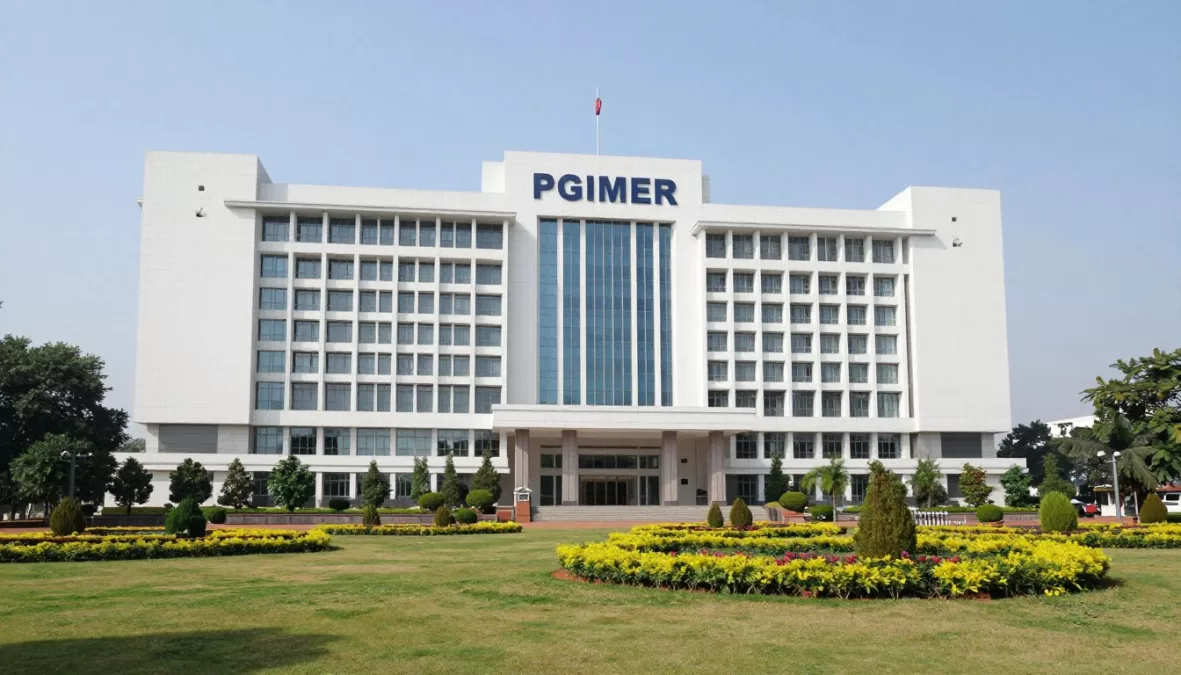
PGIMER Chandigarh ranks among India’s premier medical institutions. This autonomous institute combines medical education with advanced patient care. Established in 1962, it serves as a referral center for North India.
The institute operates as both teaching facility and tertiary care hospital. Super-specialty services handle complex cases from across the region. PGIMER makes advanced treatments accessible at minimal costs.
Academic and Clinical Excellence
PGIMER trains postgraduate doctors across all medical specialties. This academic environment fosters evidence-based practice and innovation. Faculty members lead research advancing medical knowledge.
Clinical care benefits from the academic mission. Patients access cutting-edge treatments developed through research. Teaching rounds ensure multiple expert opinions on complex cases.
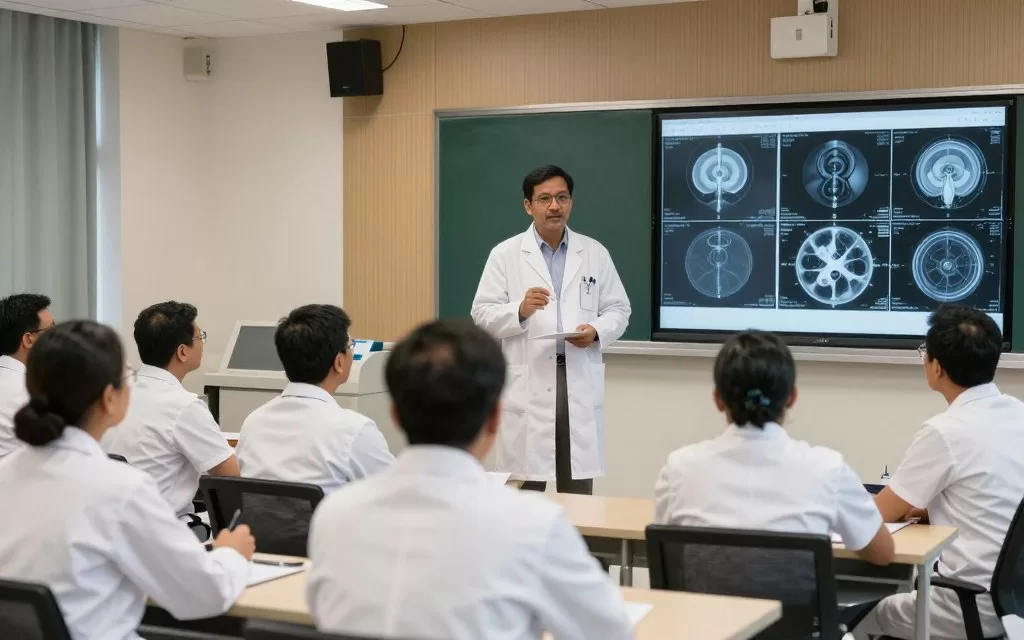
Comprehensive Specialty Services
PGIMER offers treatment across virtually all medical specialties. Advanced departments include neurosciences, cardiology, and gastroenterology. Each specialty operates at super-specialty level with expert teams.
The neurosciences department handles complex brain and spine conditions. Sophisticated imaging guides delicate neurosurgical procedures. Outcomes rival leading international neuroscience centers.
- Advanced Cardiac Sciences
- Neurosciences and Neurosurgery
- Medical and Surgical Gastroenterology
- Nephrology and Renal Transplant
- Hematology and Bone Marrow Transplant
- Endocrinology and Diabetes
- Pulmonary Medicine
Major Departments
- Extensive clinical research programs
- Innovative treatment protocols
- Drug trials and development
- Medical device research
- Epidemiological studies
- Genetic research initiatives
- Public health research
Research Strengths
Liver Transplant Program
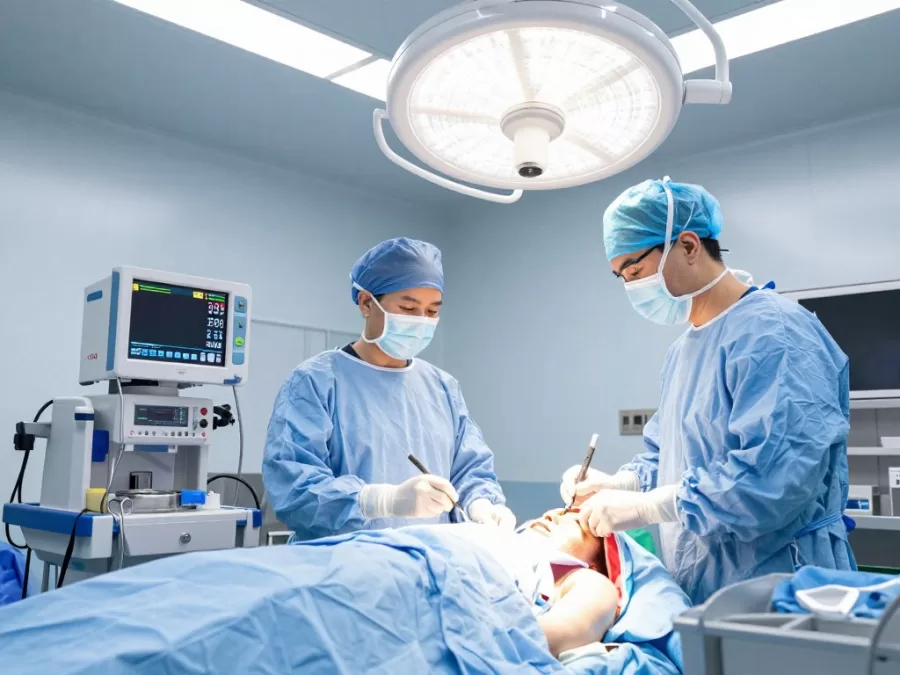
PGIMER pioneered liver transplantation in North India. The program performs both deceased donor and living donor transplants. Success rates match international benchmarks consistently.
Comprehensive hepatology services support transplant programs. Advanced liver disease management extends beyond transplantation. The integrated approach improves overall patient outcomes.
Affordable Government Healthcare
As a government institution, PGIMER provides highly subsidized care. Treatment costs remain minimal for Indian citizens. This accessibility ensures quality healthcare reaches all economic strata.
International patients can access services through designated channels. While costs exceed rates for Indian citizens, they remain far below private hospitals. The expertise and outcomes justify choosing PGIMER.
Advanced Diagnostics
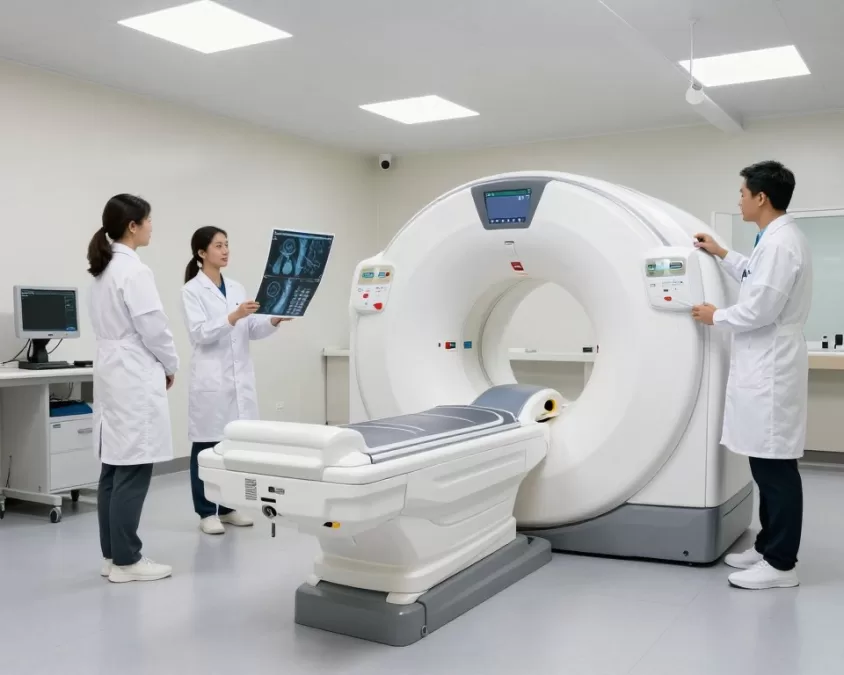
PGIMER maintains state-of-the-art diagnostic facilities. Advanced imaging includes high-field MRI, multi-slice CT, and nuclear medicine. Laboratory services provide comprehensive testing capabilities.
Molecular diagnostics enable precise disease characterization. Genetic testing guides personalized treatment approaches. These advanced diagnostics improve treatment selection and outcomes.
What Makes These Hospitals Stand Out Among India’s Best
These top hospitals share common characteristics that distinguish them from others. Understanding these factors helps patients make informed choices. Excellence emerges from multiple elements working together.
Advanced Medical Technology
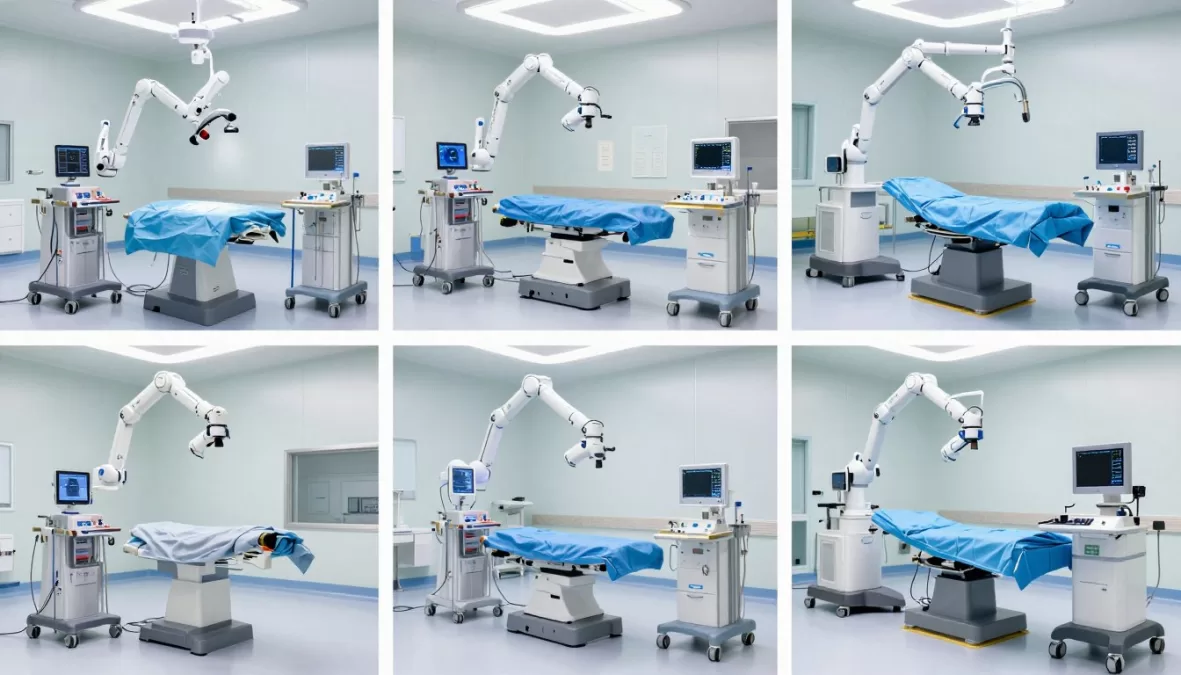
Investment in cutting-edge equipment separates leading hospitals from competitors. These institutions acquire the latest diagnostic and treatment technologies. Patients benefit from capabilities matching the best hospitals worldwide.
Robotic surgery systems enable minimally invasive procedures. Advanced imaging provides precise disease diagnosis. Radiation therapy platforms deliver targeted cancer treatment. These technologies improve outcomes while reducing complications.
Expert Medical Professionals
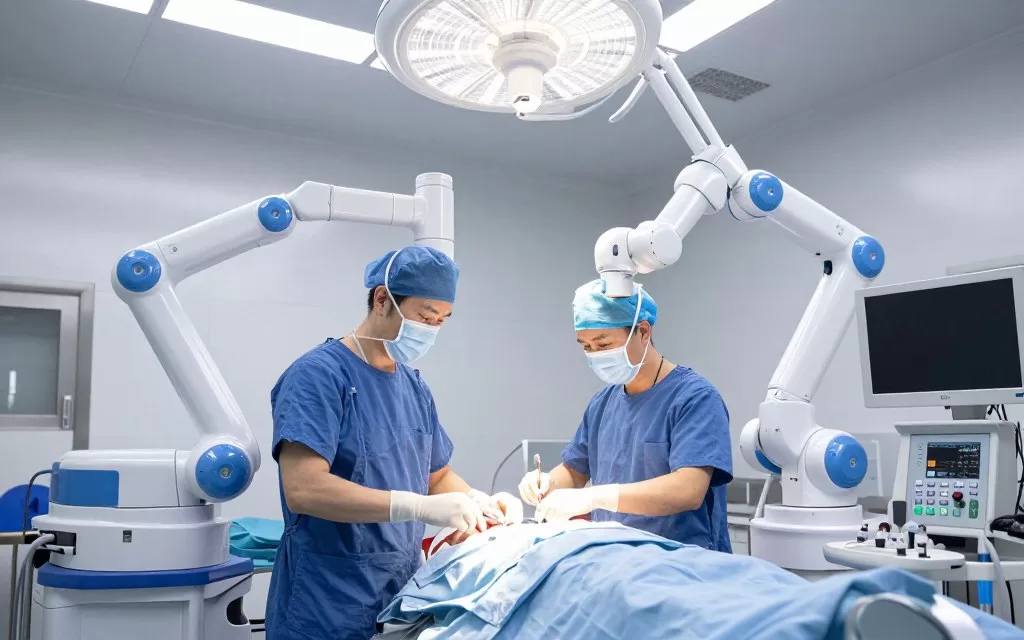
Top hospitals attract the finest medical talent. Doctors here often trained at prestigious international institutions. Many pioneered innovative treatments and techniques.
High procedure volumes create exceptional expertise. Surgeons performing hundreds of complex operations annually develop superior skills. This experience translates directly to better patient outcomes.
International Accreditations
NABH and JCI certifications validate quality standards that protect patient safety and ensure excellence.
- Rigorous quality control processes
- Regular independent audits
- Continuous improvement programs
- International protocol compliance
Patient-Centered Care
Focus on comprehensive patient experience extends beyond medical treatment to emotional support.
- Family involvement in care decisions
- Compassionate nursing staff
- Comfortable hospital environments
- Holistic wellness approaches
Research and Innovation
Active research programs keep hospitals at the forefront of medical advances and treatment options.
- Clinical trials for novel therapies
- Medical device development
- Treatment protocol optimization
- Academic publications
Comprehensive Services
True multispecialty hospitals provide integrated care across all medical disciplines under one roof.
- Coordinated multidisciplinary teams
- On-site diagnostic facilities
- Integrated electronic records
- Seamless care transitions
Affordability Without Compromise
Indian hospitals deliver world-class care at dramatically lower costs. This value proposition attracts international patients globally. Quality standards match Western hospitals while prices remain 60-80% lower.
Cost savings don’t mean compromised care. These hospitals maintain international standards rigorously. Patients receive identical or superior treatment at fraction of Western costs.
Minimal Wait Times
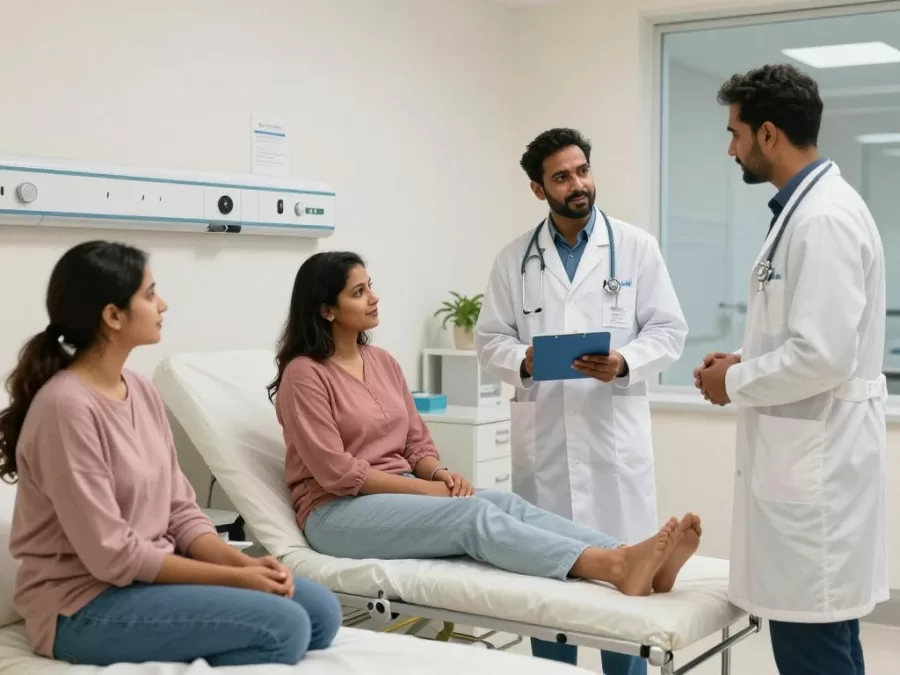
Unlike many developed countries, Indian hospitals offer rapid access. Consultations happen within days rather than months. Surgeries get scheduled within weeks for non-emergency cases.
This responsiveness particularly benefits international patients. Treatment can begin shortly after arrival. Shorter wait times mean faster recovery and return home.
Holistic Treatment Approaches
Many leading hospitals integrate traditional and modern medicine. Ayurveda, yoga, and meditation complement conventional treatments. This holistic approach addresses physical and emotional healing.
Rehabilitation programs ensure comprehensive recovery. Physical therapy, occupational therapy, and counseling support patients. The goal extends beyond survival to optimal quality of life.

Essential Tips for International Patients Seeking Treatment in India

Planning medical treatment abroad requires careful preparation. These practical tips help international patients navigate the process smoothly. Proper planning ensures successful treatment experiences.
Initial Research and Hospital Selection
Start by researching hospitals specializing in your condition. Review accreditations, specialist credentials, and patient testimonials. Contact multiple hospitals to compare treatment approaches and costs.
Request detailed treatment plans and cost estimates upfront. Transparent pricing helps budget accurately. Ask about package deals that include accommodation and transportation.
Visa and Travel Documentation

Medical visas simplify entry for treatment purposes. Hospitals provide supporting letters for visa applications. Apply well in advance to avoid last-minute complications.
Carry complete medical records including imaging and test results. Previous treatment documentation helps doctors understand your case. Organize records chronologically for easy reference.
Medical Visa Requirements: India offers special medical visas (M visa) for foreign patients seeking treatment. These visas allow up to one year stay with multiple entries. Two attendants can accompany the patient on medical attendant visas (MX visa). Process applications through Indian embassies or online e-visa portals.
Financial Planning and Payment
Understand payment requirements before traveling. Some hospitals require deposits before treatment begins. Clarify payment methods – credit cards, wire transfers, or cash.
Check if your insurance covers treatment in India. Some international policies include overseas medical care. Hospital billing departments can assist with insurance documentation.
| Expense Category | Estimated Cost Range (USD) | Planning Tips |
| Medical Treatment | $3,000 – $30,000+ | Get detailed estimates from multiple hospitals |
| Accommodation (per night) | $30 – $200 | Book near hospital; ask about hospital partnerships |
| Local Transportation | $200 – $500 | Use hospital transfer services for reliability |
| Meals and Incidentals | $300 – $800 | Hospital cafeterias offer economical options |
| Post-Treatment Medications | $100 – $500 | Medications significantly cheaper than Western countries |
Accommodation and Logistics

Book accommodation near the hospital for convenience. Many hospitals have guest houses or partner hotels. These options simplify transportation for appointments and emergencies.
Plan for family members accompanying you. Consider cooking facilities if dietary restrictions exist. Longer stays may warrant serviced apartments over hotels.
Communication and Language
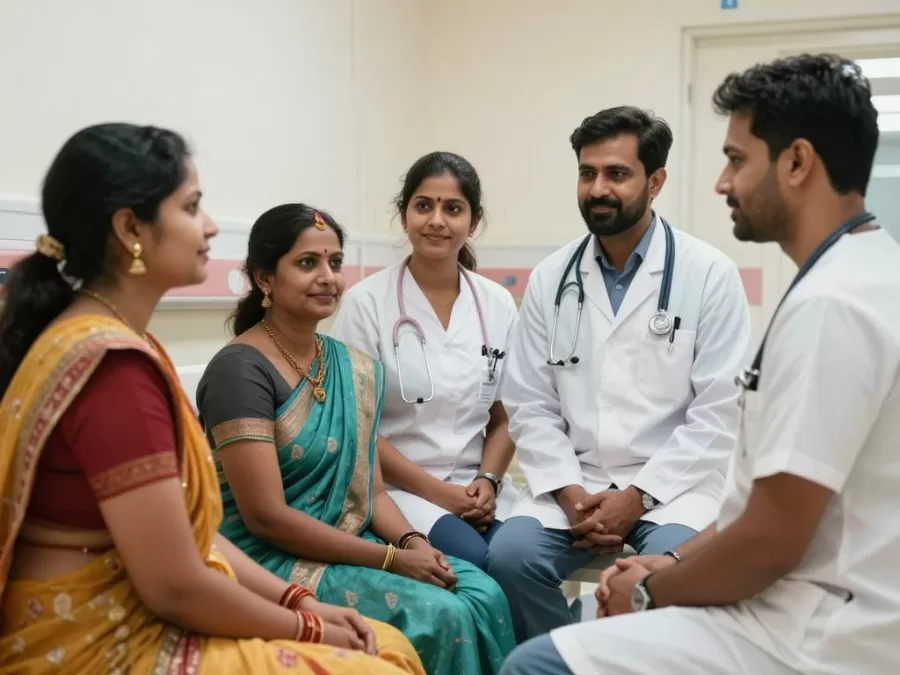
English is widely spoken in top Indian hospitals. Medical staff communicate effectively in English. However, learning basic Hindi phrases enhances daily interactions.
Hospital coordinators bridge any communication gaps. They translate medical terminology and cultural nuances. Don’t hesitate to ask for clarification on anything unclear.
Cultural Considerations
Understanding Indian culture enriches your experience. Indians generally show warm hospitality to foreign guests. Respect for elders and doctors runs deep in the culture.
Dietary accommodations are readily available for all preferences. Indian hospitals cater to international, vegetarian, and religious dietary needs. Communicate preferences clearly to hospital staff.
Post-Treatment Care Planning
Discuss follow-up care requirements before treatment. Understand what follow-up can happen remotely versus requiring return visits. Many hospitals offer telemedicine for post-treatment monitoring.
Obtain detailed discharge summaries and medical records. These documents help your home doctors continue care. Request prescriptions written in generic drug names for easier continuation.
Emergency Contact Information
Save hospital emergency numbers in your phone. Keep your coordinator’s contact information readily accessible. Know the location of the nearest embassy or consulate.
Register with your embassy upon arrival in India. This creates a safety net for emergencies. Embassies can assist if serious problems arise during your stay.
Need Help Planning Your Medical Journey to India?
Our experienced international patient coordinators guide you through every step. We assist with hospital selection, visa support, travel arrangements, and treatment planning. Free consultation with no obligations.
India’s Medical Tourism Advantages: Why Patients Choose Indian Hospitals
India has emerged as the world’s leading medical tourism destination. Over 500,000 international patients visit annually for treatments. This growth reflects genuine advantages beyond cost savings alone.
Exceptional Cost-Quality Ratio
Medical procedures in India cost 60-80% less than Western countries. A heart bypass surgery costing $100,000 in the US costs $8,000-$12,000 in India. The quality of care remains identical or superior.
These savings include world-class facilities and expert surgeons. Hospitals don’t compromise on safety or outcomes. International accreditations validate quality standards matching global benchmarks.
Treatment Cost Comparisons
Understanding cost differences helps appreciate India’s value proposition. These examples represent typical savings for common procedures.
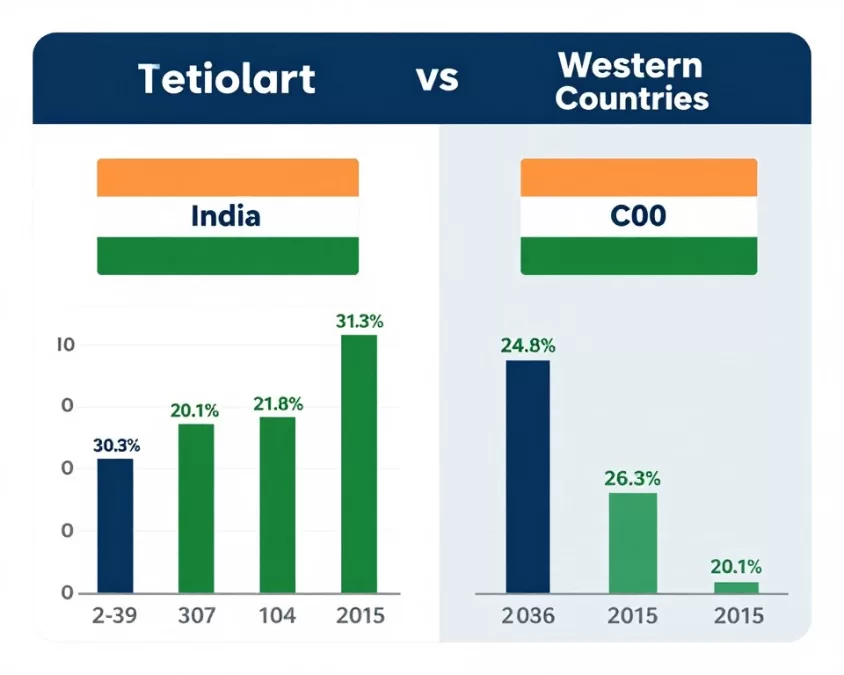
- Heart Bypass Surgery: $8,000 vs $100,000 in USA
- Knee Replacement: $7,000 vs $35,000 in USA
- Hip Replacement: $8,500 vs $40,000 in USA
- Liver Transplant: $35,000 vs $300,000 in USA
- Spinal Fusion: $6,500 vs $75,000 in USA
- Cataract Surgery: $1,500 vs $5,000 in USA
- IVF Treatment: $3,500 vs $12,000 in USA
No Extended Wait Times
Public healthcare systems in many countries impose long waiting periods. Canada, UK, and Australia patients wait months for procedures. India offers immediate access to specialists and treatments.
Consultations get scheduled within days of inquiry. Surgeries happen within weeks for elective procedures. Emergency treatments begin immediately upon arrival.
Comprehensive Treatment Options
Leading Indian hospitals offer virtually every medical specialty. Multi-specialty facilities provide comprehensive care under one roof. Patients don’t need to travel between different facilities for consultations.
Advanced treatments unavailable in many countries are routine here. Robotic surgeries, proton therapy, and complex transplants happen daily. Access to these cutting-edge treatments draws international patients.
English Language Advantage
English serves as the primary language in medical education and practice. Doctors, nurses, and administrative staff communicate fluently in English. This eliminates language barriers facing patients in other Asian destinations.
Medical documentation, consent forms, and discharge summaries come in English. This simplifies sharing information with home healthcare providers. Communication clarity reduces misunderstandings and errors.
Cultural Hospitality and Care
Indian culture emphasizes hospitality toward guests. This translates to warm, personalized patient care. Staff go beyond medical duties to ensure patient comfort.
Family involvement in care decisions is welcomed and encouraged. Hospitals accommodate family members staying with patients. This family-centered approach provides emotional support during treatment.
Combine Treatment with Tourism
India’s rich cultural heritage offers unique recovery experiences. Patients can combine treatment with sightseeing once medically cleared. The Taj Mahal, Kerala backwaters, and Rajasthan palaces provide enriching experiences.
Wellness tourism complements medical treatment perfectly. Ayurvedic spas, yoga retreats, and meditation centers support healing. This holistic approach to recovery appeals to many international patients.
How to Choose the Right Hospital for Your Medical Needs

Selecting the appropriate hospital requires careful evaluation of multiple factors. Your specific condition, treatment complexity, and personal preferences all matter. These guidelines help make informed decisions.
Specialty Match and Expertise
Identify hospitals with strong programs in your required specialty. A hospital’s overall reputation doesn’t guarantee excellence in all areas. Research department-specific expertise and outcomes.
Review specialist credentials and experience levels. Surgeons performing hundreds of procedures annually develop superior skills. Ask about surgeon-specific success rates for your procedure.
Evaluation Criteria
- Specialty-specific accreditations and certifications
- Volume of procedures performed annually
- Success rates and complication statistics
- Surgeon training and international experience
- Availability of advanced treatment technologies
- Multidisciplinary team collaboration
- Published research in relevant specialty
Red Flags to Watch
- Reluctance to provide outcome statistics
- Lack of international accreditations
- Limited specialist availability
- Unclear or changing cost estimates
- Poor communication responsiveness
- Absence of emergency care capabilities
Accreditation and Quality Standards
NABH (National Accreditation Board for Hospitals) and JCI (Joint Commission International) certifications validate quality. These rigorous evaluations ensure safety protocols and care standards. Always verify current accreditation status.
International accreditations matter more for overseas patients. They guarantee standardized protocols familiar globally. These certifications require regular re-evaluation maintaining continuous quality improvement.
Technology and Infrastructure Assessment
Modern equipment enables better diagnosis and treatment. Inquire about specific technologies relevant to your condition. Robotic surgery, advanced imaging, and specialized equipment improve outcomes.
Infrastructure quality affects comfort and safety. Private rooms, modern ICUs, and clean facilities matter. Visit hospital websites for virtual tours understanding the environment.
Location and Accessibility Considerations
Hospital location impacts convenience and stress levels. Proximity to international airports simplifies travel. Urban locations offer better accommodation and amenity access.
Consider local climate during recovery periods. Some regions offer more comfortable weather for healing. Mumbai, Bangalore, and Delhi each present different climate considerations.
| City | Climate | Best Hospitals | Travel Advantages |
| Mumbai | Tropical, humid year-round | Kokilaben, Tata Memorial, Lilavati | Major international airport, coastal location |
| Delhi/Gurugram | Extreme summers, cold winters | AIIMS, Fortis, Medanta, Max | Capital city, well-connected, cultural attractions |
| Bangalore | Pleasant year-round | Narayana Health, Manipal, Fortis | IT hub, cosmopolitan, good weather |
| Chennai | Hot, humid, monsoon season | Apollo, MIOT, Sankara Nethralaya | Major medical tourism hub, coastal |
Cost Transparency and Financial Planning
Request detailed cost breakdowns before committing. Understand what’s included in quoted prices. Hidden costs can significantly impact budgets.
Compare packages across multiple hospitals. Some offer all-inclusive rates covering treatment, stay, and meals. Others charge separately for each component.

Patient Reviews and Testimonials
Real patient experiences provide valuable insights. Read reviews from international patients specifically. Their perspectives better match your likely experience.
Look beyond star ratings to detailed comments. Specific feedback about communication, care quality, and outcomes matters most. Contact former patients directly if hospitals facilitate connections.
International Patient Services Evaluation
Dedicated international patient departments significantly ease the process. These teams handle visa letters, airport transfers, and accommodation. Their support reduces stress during an already challenging time.
Test responsiveness by asking questions during initial contact. Quick, thorough responses indicate good support quality. Communication breakdowns before treatment suggest potential issues later.
Common Treatment Specialties: What India’s Top Hospitals Offer

India’s leading hospitals excel across numerous medical specialties. Understanding available treatment options helps patients identify suitable facilities. These hospitals offer comprehensive care across all major medical disciplines.
Cardiac Care and Heart Surgery
Indian hospitals perform over 200,000 cardiac procedures annually. Success rates match or exceed international benchmarks. Complex procedures include valve replacements, bypass surgeries, and pediatric cardiac corrections.
Interventional cardiology handles heart attacks and blockages without surgery. Catheterization labs operate 24/7 for emergency cases. Minimally invasive approaches reduce recovery time significantly.
Cancer Treatment and Oncology
Comprehensive cancer care combines surgery, chemotherapy, and radiation therapy. Multi-disciplinary teams develop personalized treatment protocols. Advanced options include immunotherapy, targeted therapy, and precision medicine.
Radiation oncology utilizes cutting-edge equipment for precise tumor targeting. Techniques like IMRT, IGRT, and stereotactic radiosurgery minimize damage to healthy tissue. These technologies improve outcomes while reducing side effects.
Orthopedics and Joint Replacement
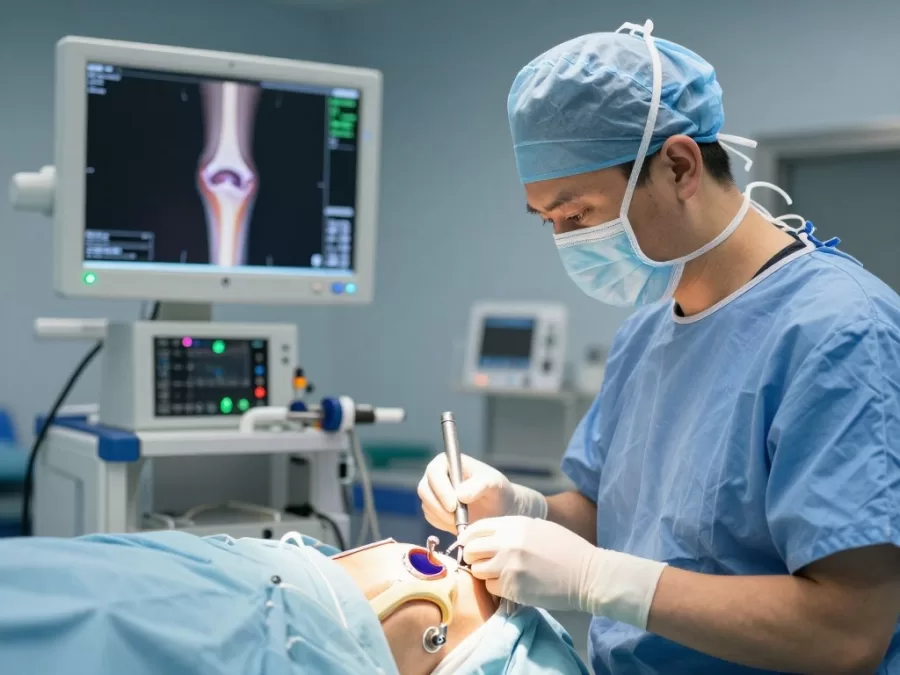
Joint replacement surgeries restore mobility and quality of life. Knee replacements, hip replacements, and shoulder surgeries are routine. Computer navigation and robotic assistance ensure precise implant positioning.
Sports medicine programs treat athletic injuries comprehensively. Arthroscopic procedures enable faster recovery. Rehabilitation programs restore full function after surgery.
Organ Transplantation
Kidney transplants represent the most common transplant procedure. Success rates exceed 95% for living donor transplants. Both related and unrelated donor programs operate successfully.
Liver transplantation saves lives from end-stage liver disease. Both deceased donor and living donor transplants are performed. Outcomes compare favorably with leading global transplant centers.
Neurosciences and Brain Surgery
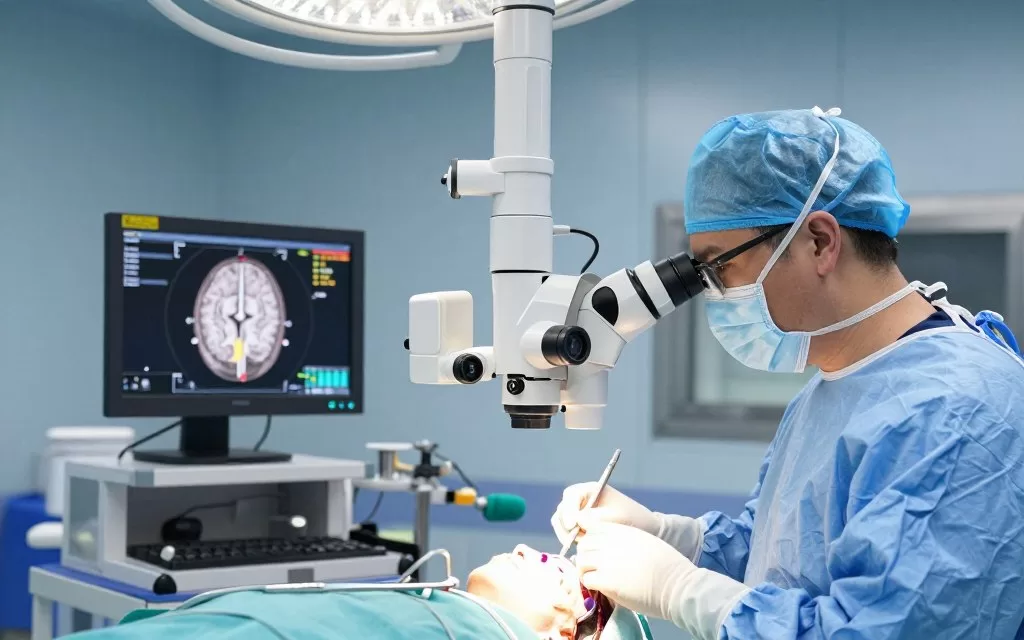
Advanced neurosurgery treats brain tumors, aneurysms, and spinal conditions. Minimally invasive techniques reduce surgical trauma. Intraoperative imaging guides delicate procedures with precision.
Stroke programs provide comprehensive emergency and rehabilitation care. Time-sensitive interventions prevent disability and save lives. Multidisciplinary teams ensure optimal recovery outcomes.
Fertility and Reproductive Medicine
IVF and assisted reproduction technologies help couples achieve parenthood. Success rates compare favorably with Western clinics at fraction of costs. Advanced techniques include ICSI, PGD, and egg freezing.
Comprehensive fertility evaluation identifies treatable causes. Personalized protocols optimize success chances. Emotional support accompanies medical treatment throughout the journey.
Frequently Asked Questions About India’s Best Hospitals

How do I choose between private hospitals and government hospitals in India?
Private hospitals like Kokilaben Dhirubhai Ambani Hospital and Apollo Hospitals offer faster access, modern amenities, and comprehensive international patient services. Government institutions like AIIMS and PGIMER provide excellent care at lower costs but may have longer wait times.
For international patients, private hospitals typically offer better coordination and English-speaking staff throughout. However, government hospitals often have more research-focused approaches and handle the most complex cases. Consider your timeline, budget, and need for personalized services when deciding.
What accreditations should I look for in Indian hospitals?
NABH (National Accreditation Board for Hospitals & Healthcare Providers) and JCI (Joint Commission International) are the most important certifications. NABH is India’s premier quality standard, while JCI represents international recognition.
These accreditations ensure hospitals meet rigorous safety and quality protocols. They validate infection control, patient safety measures, and standardized care processes. Top hospitals like Medanta and Fortis Memorial maintain both certifications, demonstrating commitment to international standards.
How much can I save by getting treatment in India compared to Western countries?
Medical treatment in India typically costs 60-80% less than in the United States, UK, or Australia. A heart bypass surgery costing $100,000 in the US costs approximately $8,000-$12,000 in India. Knee replacement surgery runs $7,000 versus $35,000 in the US.
These savings include world-class facilities and experienced surgeons. Quality isn’t compromised despite lower costs. Hospitals like Narayana Health specifically focus on providing excellent care at affordable prices. Even accounting for travel expenses, total costs remain significantly lower than home country treatment.
Do Indian hospitals have English-speaking doctors and staff?
Yes, all major hospitals in India have English-speaking medical professionals. English is the primary language of medical education and practice in India. Doctors, nurses, and administrative staff communicate fluently in English.
All medical documentation, consent forms, and discharge summaries are provided in English. This eliminates language barriers that might exist in other Asian medical tourism destinations. International patient coordinators at hospitals like Apollo and Max further ensure clear communication throughout your treatment journey.
What is the typical wait time to schedule treatment in India?
Consultations can typically be scheduled within 3-7 days of initial contact. Non-emergency surgeries are usually scheduled within 2-4 weeks. Emergency treatments begin immediately upon arrival.
This rapid access contrasts sharply with wait times in countries like Canada or the UK, where patients might wait months for specialist consultations. The quick turnaround makes India particularly attractive for patients needing timely treatment. Hospitals prioritize international patient scheduling to accommodate travel planning.
How do I verify the credentials and success rates of hospitals and doctors?
Request specific information directly from hospitals about surgeon credentials, training background, and procedure volumes. Ask for success rates and complication statistics for your specific procedure. Reputable hospitals like Tata Memorial and Fortis provide transparent outcome data.
Verify accreditations through NABH and JCI websites. Check if doctors have international training or certifications. Read patient testimonials, particularly from international patients with similar conditions. Medical tourism facilitators can also help verify credentials and compare hospitals objectively.
What should I include in my medical travel budget besides treatment costs?
Beyond treatment costs, budget for international airfare ($800-$2,000), accommodation ($30-$200 per night), local transportation ($200-$500), meals and incidentals ($300-$800), post-treatment medications ($100-$500), and visa fees ($80-$200).
Plan for a companion’s expenses if traveling with attendant. Some hospitals offer package deals including accommodation and transportation. Budget extra for extended stays if complications occur. Travel insurance covering medical evacuation provides additional security. Total costs including these factors still remain far below Western treatment costs.
Can I get second opinions from Indian hospitals before traveling?
Yes, most leading hospitals offer virtual consultations and second opinion services. Send your medical records electronically for review by specialists. Hospitals like Kokilaben and Medanta provide detailed treatment recommendations remotely.
These consultations typically cost $50-$150 and help you make informed decisions before traveling. Specialists review imaging, pathology reports, and previous treatment records. Virtual consultations enable comparing treatment approaches across multiple hospitals. This service particularly benefits patients evaluating whether to travel for treatment.
What happens if complications arise after I return home?
Hospitals provide comprehensive discharge summaries and follow-up protocols. Many offer telemedicine consultations for post-treatment concerns. Your discharge paperwork enables local doctors to continue care seamlessly.
Serious complications requiring readmission are rare but addressed through hospital protocols. Some hospitals maintain international partnerships for emergency follow-up care. Medical travel insurance can cover unexpected complications. Discuss contingency plans with your surgeon before discharge to understand available support.
Are cancer treatment outcomes in India comparable to Western countries?
Yes, leading cancer centers like Tata Memorial Hospital and Kokilaben achieve outcomes matching top international institutions. Survival rates for common cancers meet or exceed global benchmarks. Advanced technologies and experienced oncologists ensure excellent results.
India performs over 1 million cancer treatments annually, creating significant expertise. Multidisciplinary tumor boards ensure optimal treatment planning. Access to latest therapies through clinical trials provides cutting-edge options. Cost savings enable comprehensive treatment that might be financially prohibitive elsewhere.
India’s Position in Global Healthcare: A Conclusion

India has firmly established itself among the world’s premier healthcare destinations. The country’s best hospitals deliver medical care matching or exceeding international standards. This achievement reflects decades of investment in medical education, infrastructure, and technology.
The hospitals profiled in this guide represent healthcare excellence at its finest. From Kokilaben Dhirubhai Ambani Hospital’s cutting-edge technology to AIIMS Delhi’s academic rigor, each institution offers unique strengths. Patients can confidently choose among these facilities knowing they’ll receive world-class care.
Value Beyond Cost Savings
While affordability attracts initial attention, value extends far deeper. Minimal wait times mean timely treatment when it matters most. Access to advanced technologies unavailable elsewhere expands treatment options. Expert specialists with vast experience deliver superior outcomes.
The combination creates exceptional value propositions. Patients receive best-in-class medical care at fraction of Western costs. This democratizes access to advanced healthcare globally.
Continuous Innovation and Improvement
India’s top hospitals continue investing in advancement. New technologies are adopted rapidly once proven effective. Research programs drive medical knowledge forward. Clinical trials provide access to experimental treatments showing promise.
This commitment to progress ensures India remains at healthcare’s cutting edge. Patients benefit from innovations implemented years before general availability. The future holds even greater promise as Indian healthcare continues evolving.
Making Your Decision
Choosing to seek treatment in India requires careful consideration. Research thoroughly, ask questions, and communicate openly with hospitals. The preparation investment pays dividends in successful outcomes and positive experiences.
Trust your instincts when selecting hospitals and doctors. Comfort with your care team significantly impacts recovery. The best hospital is one that meets your medical needs while making you feel secure.
Your Journey Starts Here
Armed with this comprehensive guide, you’re prepared to navigate Indian healthcare confidently. These top 10 hospitals offer proven excellence across specialties. Whether you need cardiac care, cancer treatment, or complex surgery, exceptional options exist.
Take the next step toward better health. Contact hospitals directly, request consultations, and explore your options. The path to healing begins with informed decisions. India’s best hospitals stand ready to provide the care you need.

Begin Your Healthcare Journey to India Today

Don’t let uncertainty delay the care you need. Our experienced medical coordinators help match you with the perfect hospital for your condition. We provide free consultations, treatment cost estimates, and comprehensive planning assistance.
Thousands of international patients have successfully received life-changing treatment at India’s best hospitals. Join them in experiencing medical excellence combined with affordability and compassion. Your path to better health starts with a single conversation.
Start Your Free Consultation Now
Connect with our medical tourism experts who guide you through every step. Get personalized hospital recommendations, transparent cost estimates, and complete travel planning assistance. No obligations, completely free service.
What We Provide
- Free initial medical consultation
- Hospital and specialist recommendations
- Detailed treatment cost estimates
- Medical visa support documentation
- Travel and accommodation arrangements
- Airport pickup and transportation
- 24/7 support throughout your stay
- Post-treatment follow-up coordination
Why Choose Our Service
- 15+ years medical tourism experience
- Partnerships with all top hospitals
- No hidden fees or commissions
- Multilingual support staff
- Transparent pricing guaranteed
- Personalized care coordination
- Emergency assistance available
- Thousands of satisfied patients
Special Offer for 2026: Contact us this month and receive complimentary airport transfers, accommodation assistance, and extended post-treatment telemedicine follow-up worth $500. Limited time offer for serious inquiries. Your journey to world-class affordable healthcare begins with one call or message.

Priyanka Pandey
Senior Research Editor · Top10Sense
Priyanka specializes in tech, consumer products, and digital trends. She combines hands-on testing, vendor interviews, and database research to create trustworthy “Top 10” rankings. Her work has been referenced by industry blogs and brand report pages.