The most consequential astronomical discoveries share a common characteristic: they dismantle long-standing theoretical assumptions and force physicists to re-evaluate the governing laws of the cosmos. Across decades of spaceflight, orbital observatories and planetary probes have transformed celestial mechanics from speculative mathematics into verifiable physical realities. The Top 10 Space Discoveries by NASA as of 2026 reflect breakthroughs that altered human understanding of cosmic history, planetary evolution, and the distribution of matter.
Determining the scientific weight of these milestones requires balancing empirical verification against long-term influence on theoretical physics. Observational instruments must gather unambiguous physical evidence, whether through photon spectroscopy, particle telemetry, or gravitational measurements, before an anomaly qualifies as an enduring discovery. The ranked findings below highlight how spaceborne platforms isolated key physical mechanisms across our solar system and the distant universe.
Criteria for the Top 10 Space Discoveries by NASA as of 2026
Scientific ranking systems must rely on transparent metrics rather than institutional prestige or popular acclaim. The assessments compiled here evaluate findings documented through 2026, incorporating post-mission telemetry analyses, subsequent peer-reviewed confirmations, and observational cross-checks from independent observatories. This classification does not represent an official institutional ranking established by the National Aeronautics and Space Administration, but rather an objective, evidence-based synthesis of modern astrophysics.
A rigorous methodology separates historic breakthroughs from transient observational anomalies by measuring their structural impact on astronomy. Many landmark discoveries also stem from collaborative programs where NASA partnered closely with international space agencies, requiring clear differentiation between agency-led initiatives and joint multi-agency efforts. Three primary standards govern the evaluation of each finding across distinct observational epochs.
Empirical Verification
Findings require corroboration across multiple instruments, direct physical sampling, or independent spectroscopic measurements that eliminate terrestrial instrumentation artifacts.
Theoretical Shift
Priority falls on observations that invalidated prevailing cosmological assumptions, proved long-standing mathematical hypotheses, or necessitated new physics.
Programmatic Legacy
Each milestone must demonstrate a lasting influence on subsequent mission design, sensor engineering, and global astronomical research priorities.
Applying these standards establishes an equitable balance among planetary science, observational cosmology, high-energy astrophysics, and exoplanetary research. Evaluating data through 2026 provides the benefit of hindsight, allowing scientists to confirm whether early observational assertions survived secondary scrutiny. The following selections trace humanity’s most transformative physical encounters with the wider cosmos.
1. Acceleration of Cosmic Expansion and Dark Energy
Astronomers spent much of the twentieth century seeking to determine whether gravitational attraction would eventually slow, halt, or reverse cosmic expansion. In 1998, observations of distant Type Ia supernovae conducted using the Hubble Space Telescope alongside ground-based observatories yielded an entirely unexpected result: the expansion rate of the universe is accelerating. This revelation indicated that an unknown repulsive pressure, designated dark energy, constitutes roughly seventy percent of the total cosmic energy density.
The discovery emerged from two independent research groups, the High-z Supernova Search Team and the Supernova Cosmology Project, both utilizing Hubble to calibrate the light curves of standard candles across cosmological distances. Subsequent verification arrived through microwave background surveys, large-scale galaxy clustering mappings, and independent measurements from spaceborne platforms. The finding upended the standard deceleration parameter and forced the reintroduction of Albert Einstein’s cosmological constant into the equations of general relativity.
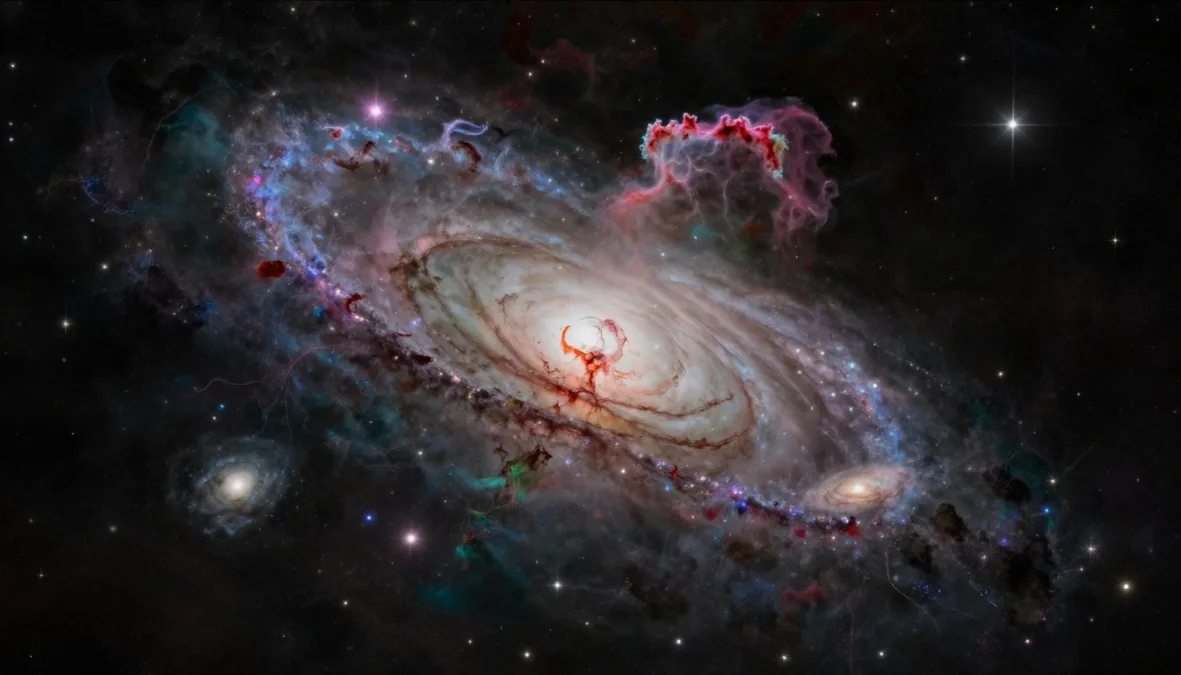
Hubble calibrated Type Ia supernovae across distant galaxies to reveal accelerating expansion rates.
Dark energy remains an empirical reality whose underlying particle or quantum mechanics remain uncharacterized. Ongoing wide-field infrared surveys continue testing whether the cosmological constant remains static over billions of years or evolves dynamically.
The acceleration of cosmic expansion fundamentally reoriented cosmological research toward understanding the vacuum energy of space. Rather than culminating in a gravitational collapse, the universe faces an open, accelerating trajectory where distant galactic structures will eventually pass beyond the observable horizon. This milestone stands as the most consequential cosmological discovery of the modern space age.
2. Precision Mapping of the Cosmic Microwave Background
The early universe left an indelible thermal imprint in the form of relic radiation produced roughly 380,000 years after the Big Bang. NASA’s Cosmic Background Explorer (COBE), launched in 1989, provided the first definitive measurement of the cosmic microwave background’s blackbody spectrum and detected minute temperature anisotropies in 1992. A decade later, the Wilkinson Microwave Anisotropy Probe (WMAP) mapped these fluctuations with unprecedented angular resolution from the second Sun-Earth Lagrange point.
COBE’s Far Infrared Absolute Spectrophotometer recorded an exquisite blackbody curve matching thermal equilibrium at 2.725 Kelvin, confirming the core prediction of hot Big Bang nucleosynthesis. WMAP expanded upon these data points by tracing fluctuations as small as millionths of a degree across the entire sky. These variations mapped the primordial seeds of cosmic structure, delineating the gravitational density wells that later collapsed into galaxy clusters.
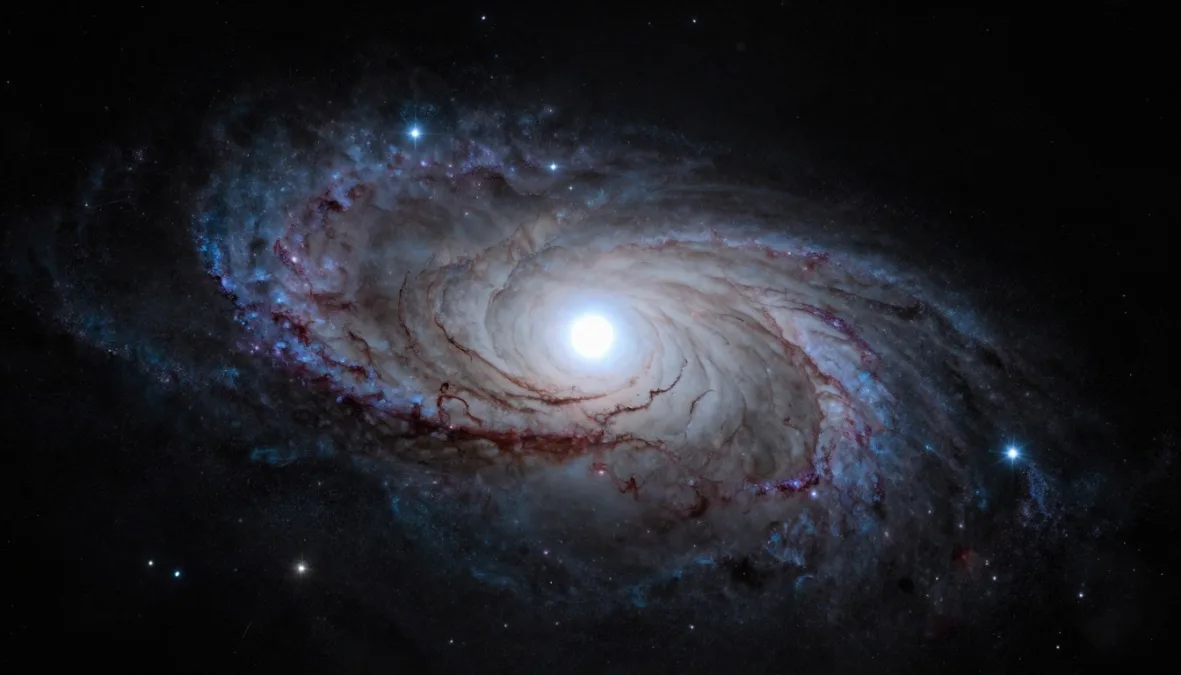
Spaceborne microwave radiometers mapped density variations that seeded the large-scale structure of the universe.
| Mission | Launch Year | Primary Instrument | Key Cosmological Metric Determined |
| COBE | 1989 | FIRAS and DMR | Confirmed blackbody spectrum and detected primordial temperature variations. |
| WMAP | 2001 | Differential Radiometers | Constrained the age of the universe to 13.77 billion years. |
The empirical constraints provided by WMAP settled long-standing debates regarding the flat geometry of spatial curvature and the baryonic matter ratio. While European missions like Planck later achieved higher angular resolution, NASA’s pioneering orbital radiometers provided the foundational datasets that established the standard cosmological model. Limitations remain rooted in cosmic variance, which restricts statistical sampling at the largest angular scales across the celestial sphere.
3. Ubiquity of Exoplanetary Systems Across the Galaxy
Before the launch of the Kepler Space Telescope in 2009, astronomy lacked sufficient statistical evidence to determine whether planetary architectures like our solar system were common or exceptionally rare. Operating with a high-precision optical photometer trained on a fixed field of stars in the Cygnus-Lyra region, Kepler monitored minute dips in stellar brightness caused by transiting planets. Over its primary and extended K2 campaigns, the spacecraft discovered over 2,600 verified exoplanets and thousands of candidate worlds.
Confirmation required exhaustive follow-up observations through radial velocity measurements from ground-based spectrographs and space-based infrared checks. Kepler’s findings established that the Milky Way hosts more planets than stars, demonstrating that planetary formation is an inevitable byproduct of stellar accretion. The mission revealed unexpected planet classes unseen in our own solar system, such as super-Earths and sub-Neptunes, fundamentally altering orbital migration models.
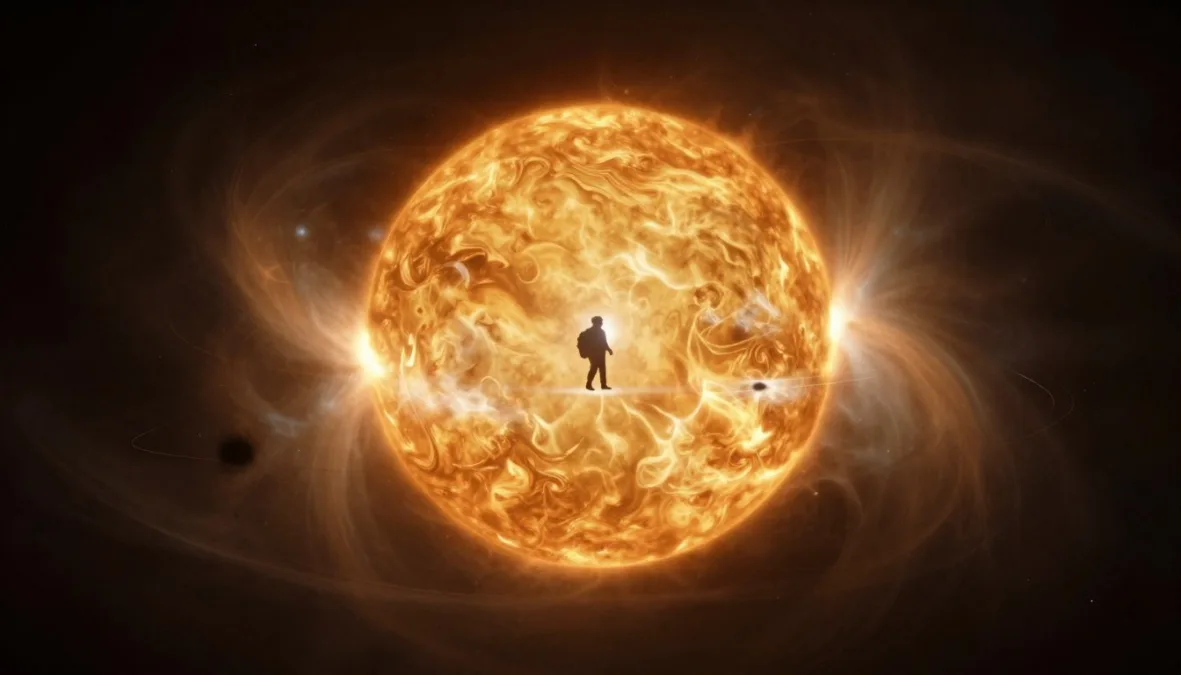
Transit photometry revealed that multi-planet systems represent the standard configuration across the Milky Way.
Statistical Revelations
- Demonstrated that rocky planets frequently occupy circumstellar habitable zones around M-dwarf stars.
- Provided the first robust statistical sample of planetary radii and multi-body orbital resonances.
- Proved that compact planetary architectures are far more prevalent than dispersed systems like our own.
Observational Caveats
- Geometric transit alignments introduce intrinsic detection biases toward short-period, tightly bound orbits.
- Stellar variability and magnetic spot crossings produced false-positive signals requiring prolonged ground vetting.
- Mass determinations remained incomplete for smaller worlds lacking measurable transit timing variations.
Kepler revolutionized exoplanet demographics by shifting the scientific focus from isolated discoveries to systemic statistical analyses. Its findings informed the design of subsequent search platforms, including the Transiting Exoplanet Survey Satellite (TESS). Today, planetary population syntheses rely directly on the distribution curves established by Kepler’s photometric catalogue.
4. Subsurface Oceans and Hydrothermal Activity on Enceladus
The search for habitable environments beyond Earth underwent a profound conceptual shift during the Cassini-Huygens mission to Saturn, a joint partnership between NASA, the European Space Agency (ESA), and the Italian Space Agency (ASI). In 2005, Cassini detected active cryovolcanic plumes erupting from tectonic fractures, known as tiger stripes, in the south polar region of the small moon Enceladus. The plumes continuously eject water vapor, volatile gases, sodium salts, and complex organic molecules directly into the Saturnian magnetosphere.
Cassini confirmed the presence of a global subsurface liquid ocean decoupled from the moon’s silicate core by measuring its physical libration in orbit. During low-altitude flybys through the plumes, the spacecraft’s Ion and Neutral Mass Spectrometer detected molecular hydrogen (H2) alongside methane and organic compounds. The coexistence of native hydrogen and carbon dioxide provided geochemical evidence of serpentinization and active hydrothermal vents on the seafloor, resembling environments that support chemoautotrophic ecosystems on Earth.
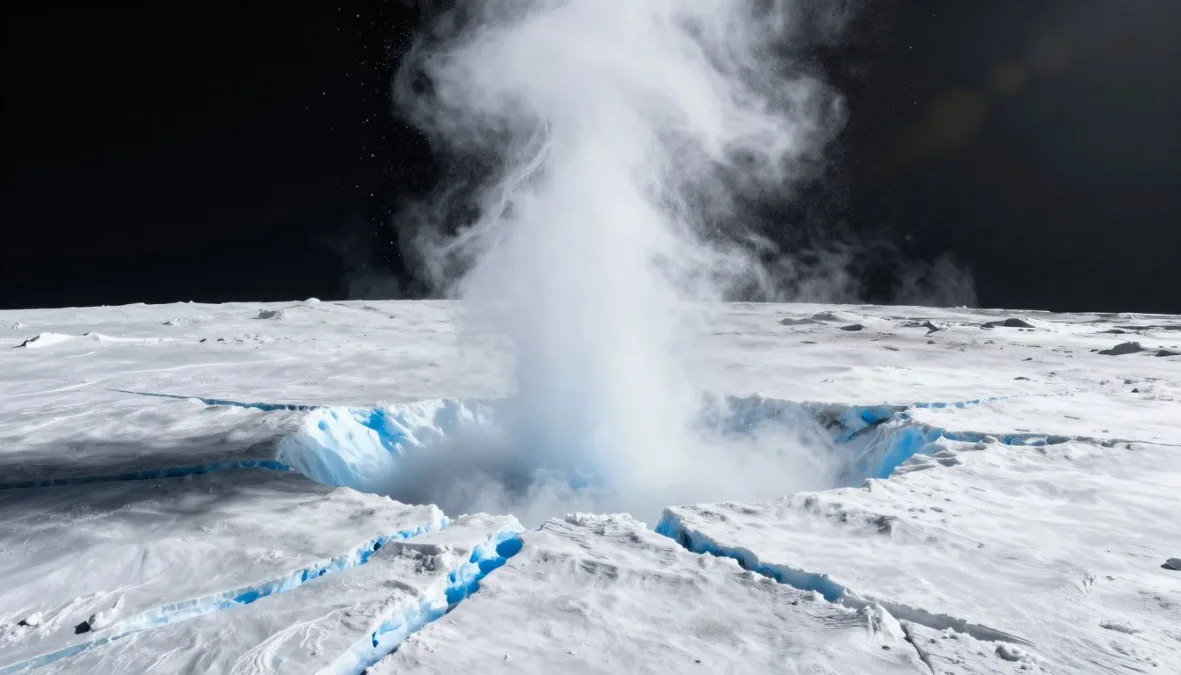
Cassini sampled active cryovolcanic plumes that deliver interior ocean material directly into orbit.
The discovery of hydrothermal activity beneath Enceladus’s ice crust established that habitable aquatic zones can thrive far beyond the classical circumstellar habitable zone, energized by tidal dissipation rather than direct solar irradiance.
Later evaluations of Cassini data confirmed the presence of native phosphorus, an essential biological building block, completing the inventory of known biogenic elements on Enceladus. While the mission gathered comprehensive geochemical data, its onboard instruments lacked the specialized biosignature detectors needed to confirm living organisms. Future mission architectures to the outer solar system build directly upon Cassini’s plume sampling methodology.
5. Ancient Aqueous Environments and Organic Carbon on Mars
For decades, orbital imagery revealed dried valley networks across the Martian surface, but validating whether those formations hosted persistent, neutral-pH water required in situ analytical chemistry. In 2012, NASA’s Mars Science Laboratory (Curiosity rover) touched down inside Gale Crater to investigate its sedimentary strata. Curiosity discovered fine-grained mudstones deposited within an ancient, long-lived lake system that exhibited neutral acidity, low salinity, and essential bio-essential elements.
The rover’s Sample Analysis at Mars (SAM) instrument suite heated drill powders extracted from Sheepbed mudstone, detecting sulfur, nitrogen, hydrogen, oxygen, phosphorus, and carbon. Furthermore, Curiosity isolated refractory, thiophenic, and aromatic organic molecules preserved in three-billion-year-old rock beds. In 2021, the Mars 2020 Perseverance rover began investigating Jezero Crater, confirming a past river delta system rich in carbonates, clays, and potential biosignature-preserving silica deposits.
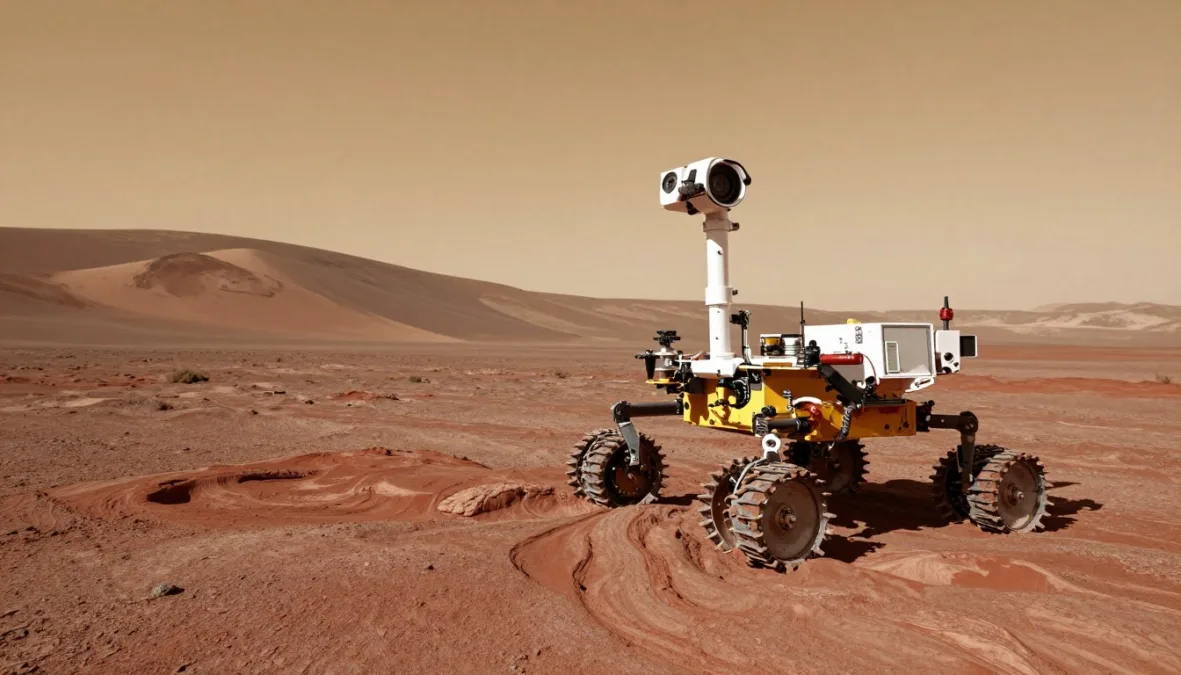
Rover analyses revealed that Martian lacustrine systems possessed environmental conditions suitable for microbial life.
- Confirmed long-lived, neutral-pH freshwater lacustrine environments across stratified lacustrine deposits.
- Detected indigenous macromolecular organic carbon within ancient mudstones via pyrolysis gas chromatography.
- Measured background cyclical methane variations within the lower planetary atmosphere.
Gale Crater Discoveries
- Documented river delta boulder deposits indicating periodic, high-energy fluvial flooding events.
- Isolated diverse organic molecules correlated with primary sulfate and carbonate minerals via deep UV spectroscopy.
- Sealed sedimentary drill cores for subsequent geochemical and isotopic laboratory return to Earth.
Jezero Crater Discoveries
These findings established that ancient Mars satisfied the geochemical prerequisites to support microbial habitability over hundreds of thousands of years. However, proving biogenicity remains a critical limitation; abiogenic processes can synthesize organic molecules, requiring complex isotopic verification. The returned sample cache gathered by Perseverance represents the necessary empirical step to establish whether life ever emerged on the planet.
6. Empirical Separation of Dark Matter in the Bullet Cluster
While dark matter had been inferred through galactic rotation curves since the mid-twentieth century, competing hypotheses proposed modified gravity frameworks to explain the observed dynamical anomalies without invoking unobserved particles. In 2006, astronomers observing the colliding galaxy cluster 1E 0657-56, commonly called the Bullet Cluster, achieved a definitive empirical breakthrough. NASA’s Chandra X-ray Observatory and the Hubble Space Telescope mapped the distribution of visible baryonic matter against the cluster’s total gravitational potential.
As the two subclusters collided, the hot, diffuse intracluster gas—which constitutes the vast majority of ordinary baryonic mass—interacted hydrodynamically, slowing down due to ram pressure and emitting intense X-rays detected by Chandra. In contrast, weak gravitational lensing maps produced via Hubble showed that the dominant centers of gravitational mass passed directly through the collision zone without slowing down. The spatial separation between the baryonic gas and the gravitational mass peaks provided direct evidence of collisionless dark matter.
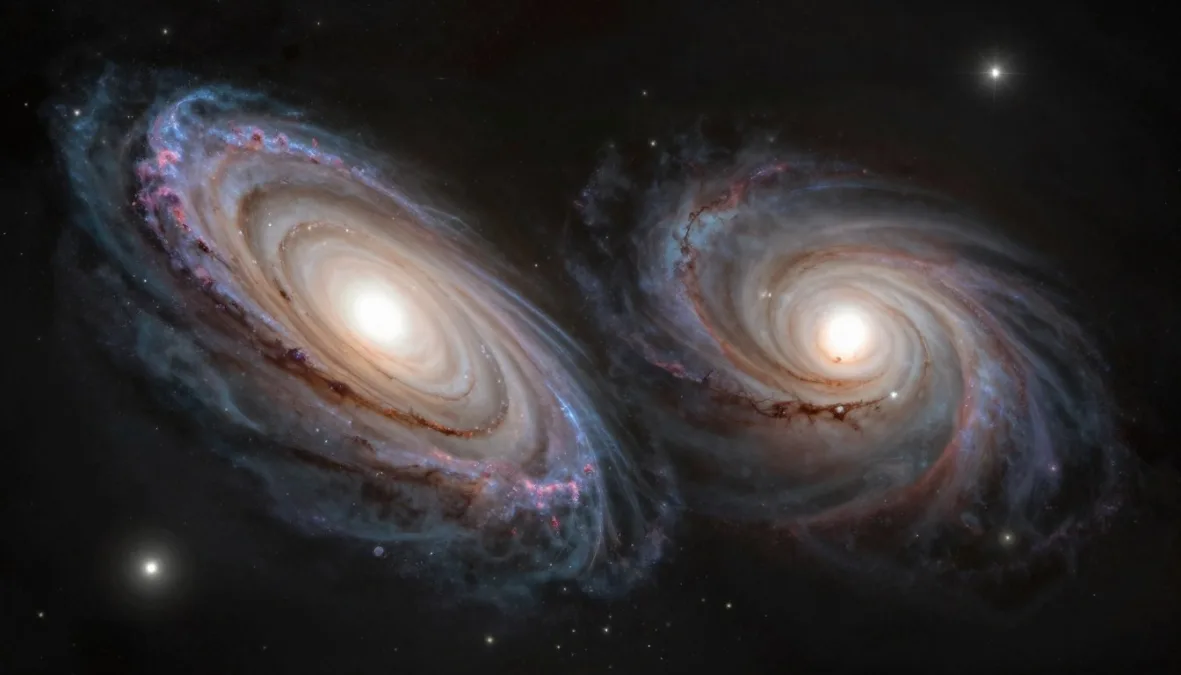
Gravitational lensing and X-ray observations demonstrated that mass peaks detached from interacting baryonic gas.
The Bullet Cluster observations severely constrained alternative theories of gravity, such as Modified Newtonian Dynamics (MOND), demonstrating that non-luminous, weakly interacting matter must exist regardless of potential adjustments to gravitational force laws at galactic scales.
Despite this observational milestone, the fundamental particle identity of dark matter remains unconfirmed. Space-based gamma-ray searches and underground particle detectors have ruled out wide parameter spaces for hypothetical Weakly Interacting Massive Particles (WIMPs). Nevertheless, the physical separation observed in the Bullet Cluster established the standard astrophysical reality of non-baryonic matter.
7. Molecular Fingerprinting of Exoplanetary Atmospheres
Analyzing the chemical composition of atmospheres around worlds orbiting distant stars represents a central pillar of modern exoplanetary research. Following its operational deployment in 2022, the James Webb Space Telescope (JWST)—a flagship mission led by NASA in collaboration with the European Space Agency and the Canadian Space Agency—transformed this observational domain. Through transmission and emission spectroscopy, JWST isolated molecular fingerprints across the atmospheres of hot gas giants and rocky terrestrial targets.
A historic milestone occurred during observations of WASP-39b, a Saturn-mass exoplanet orbiting a sun-like star roughly 700 light-years away. Utilizing the Near Infrared Spectrograph (NIRSpec), JWST detected unambiguous absorption lines for carbon dioxide (CO2), marking the first definitive detection of this molecule in an exoplanetary atmosphere. Subsequent analyses of the transmission spectra revealed sulfur dioxide (SO2), providing the first real-world confirmation of active photochemistry driven by stellar ultraviolet irradiation on an exoplanet.
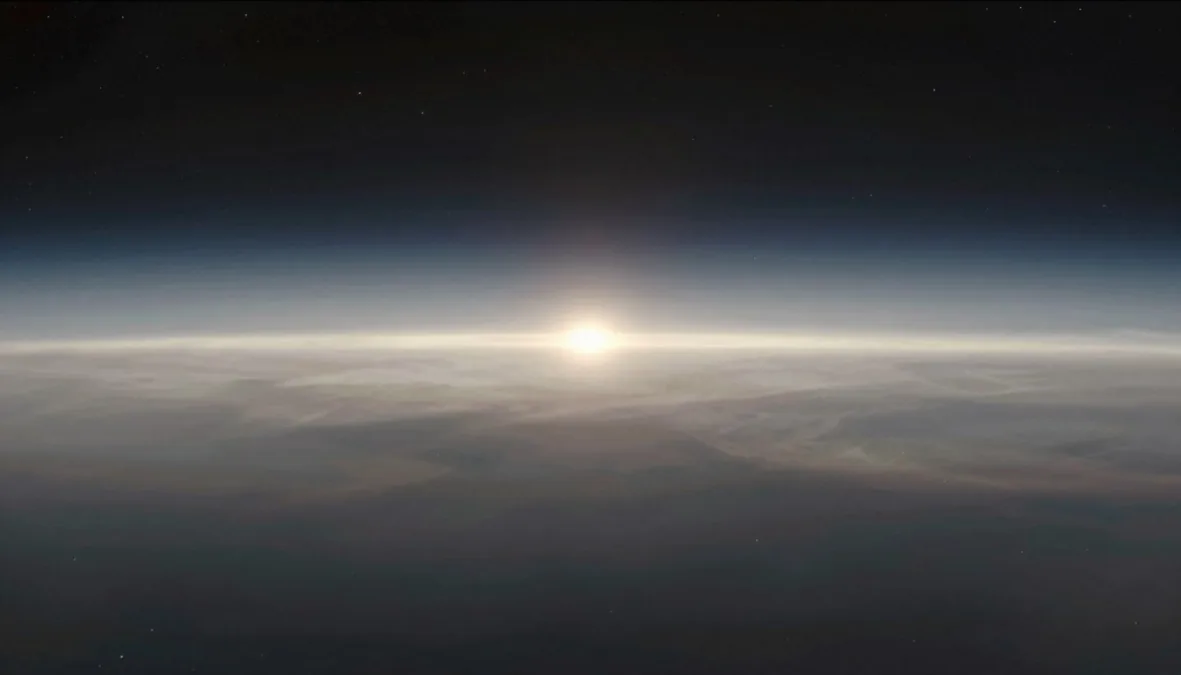
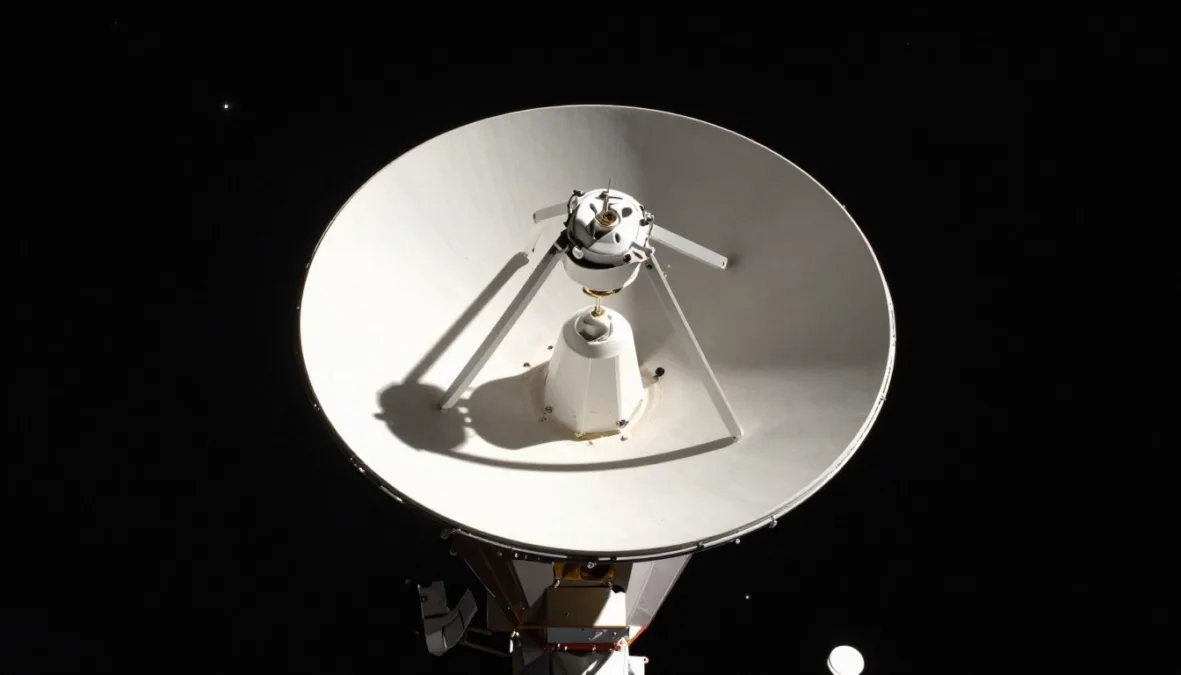
Transmission spectroscopy measures how exoplanetary atmospheric molecules absorb specific infrared wavelengths.
- NIRSpec and NIRISS instruments delivered detailed spectral inventories of atmospheric water vapor, carbon monoxide, and atmospheric clouds.
- Photochemical production of sulfur dioxide proved that stellar irradiation actively shapes atmospheric equilibrium states on giant worlds.
- Observational sweeps of the TRAPPIST-1 system constrained atmospheric thickness and outgassing signatures around rocky Earth-sized planets.
Characterizing planetary atmospheres at parts-per-million sensitivity marks a necessary prerequisite for detecting atmospheric disequilibrium biosignatures. A continuing technical limitation involves unmasking subtle molecular signals beneath high-altitude clouds, photochemical hazes, and starspot contamination. As spectroscopic catalogues expand through 2026, JWST’s atmospheric surveys set the chemical baseline for all future searches for habitable biospheres.
8. Dynamical Confirmation of Supermassive Black Holes
Throughout the early operational history of the Hubble Space Telescope, astrophysicists sought direct observational confirmation that supermassive black holes anchoring galactic centers were real physical entities rather than mathematical conveniences. In 1994, Hubble deployed its Faint Object Spectrograph to examine the nuclear core of giant elliptical galaxy M87. The instrument mapped the rotational velocity of a rapidly spinning disk of ionized gas orbiting within the galaxy’s innermost central region.
The resulting spectral data revealed that gas on one side of the nucleus was approaching Earth at extreme speeds, while gas on the opposing side was rapidly receding. Keplerian orbital mechanics dictated that a mass equivalent to several billion suns was compressed into a volume no larger than our solar system, providing the first decisive dynamic evidence for a central supermassive black hole. Later, NASA’s Chandra X-ray Observatory confirmed this model by detecting characteristic iron K-alpha emission lines warped by general relativistic effects within black hole accretion flows.
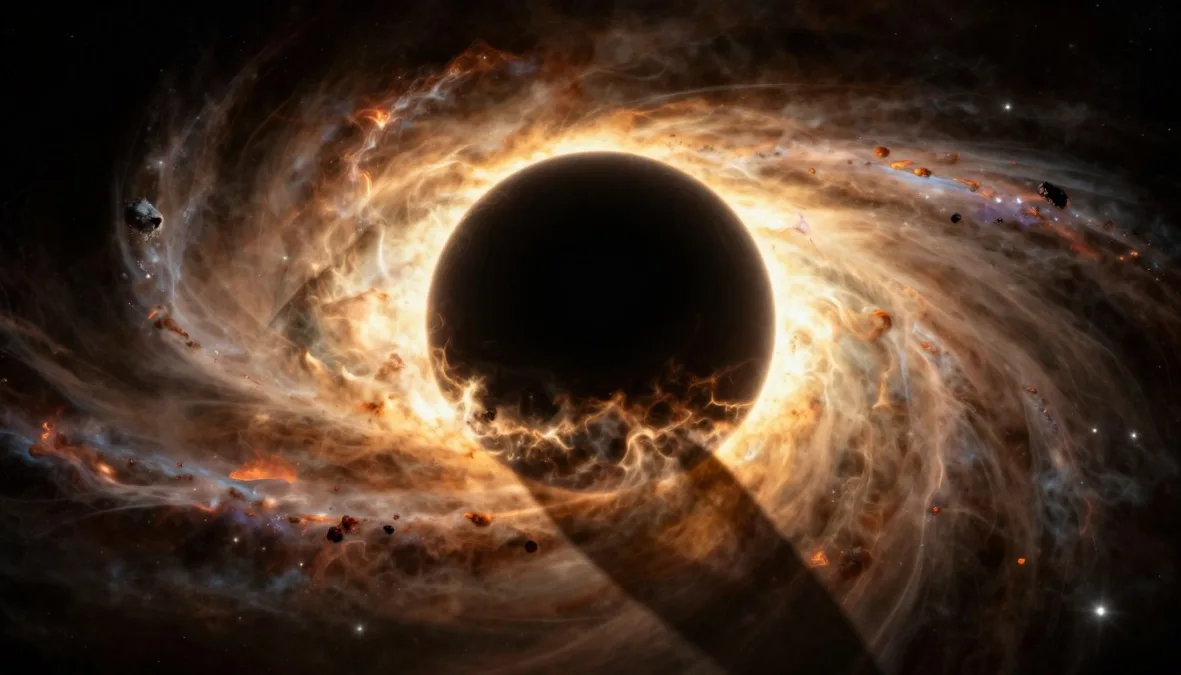
High-resolution spectroscopy confirmed extreme central mass concentrations driving relativistic galactic dynamics.
These findings established that supermassive black holes co-evolve alongside their host galaxies. Feedback mechanisms, driven by relativistic jets and radiation pressure, actively regulate star formation rates across entire galactic bulges.
NASA’s space-based spectroscopic and high-energy observations laid the structural groundwork that enabled the global Event Horizon Telescope (EHT) collaboration to resolve the direct shadow of M87* in 2019 and Sagittarius A* in 2022. While event horizon imaging requires millimeter-wavelength ground arrays, orbital observatories provided the physical velocity mappings and X-ray diagnostics that validated black hole thermodynamics. Current research focuses on how these gravitational engines formed so rapidly in the early cosmos.
9. In Situ Measurements Beyond the Heliopause
Launched in 1977 to complete a grand tour of the outer planets, the twin Voyager probes embarked on an extended interstellar mission that pushed deep-space telemetry to its physical limits. In August 2012, Voyager 1 achieved a historic engineering and scientific threshold by crossing the heliopause, the boundary where the supersonic solar wind is halted by the interstellar medium. In November 2018, Voyager 2 crossed the heliopause at a different trajectory, providing independent in situ confirmation of the boundary structure.
Confirmation of the crossing arrived when Voyager 1’s Plasma Wave Subsystem detected an abrupt surge in electron plasma density, jumping by more than an order of magnitude. Concurrently, onboard solid-state particle detectors recorded a sudden drop in low-energy solar energetic particles alongside a dramatic increase in high-energy galactic cosmic rays. The probes established that the heliosphere acts as a critical cosmic shield, deflecting the majority of interstellar radiation away from the inner planetary system.
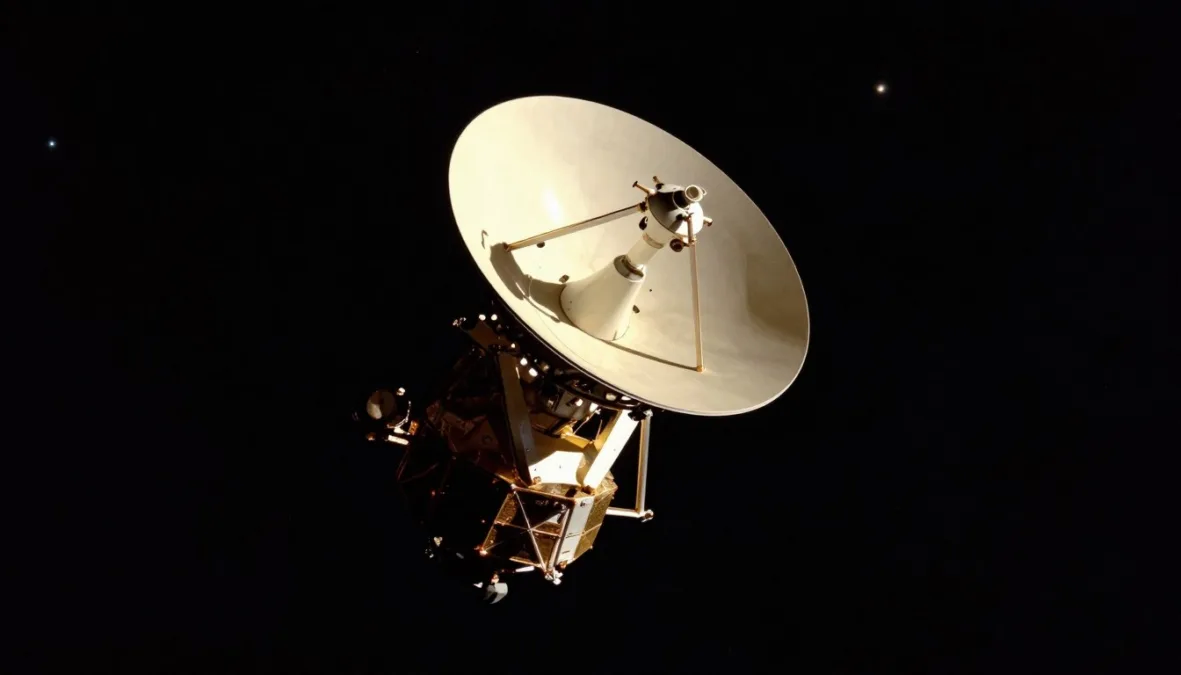
Voyager telemetry provided the first direct physical measurements of the undisturbed local interstellar medium.
| Measurement Domain | Inside the Heliosheath | Interstellar Medium | Scientific Significance |
| Plasma Density | Low | High | Confirmed the sharp transition into the dense local interstellar cloud. |
| Solar Particles | High Flux | Near Zero | Demonstrated the containment boundary of solar wind ion flows. |
| Galactic Rays | Attenuated | Unshielded | Quantified the heliosphere’s protective filtration of cosmic rays. |
The Voyager crossings revealed unexpected complexity in magnetic field orientations, as the local interstellar magnetic field proved closely aligned with the solar magnetic field rather than exhibiting dramatic shear angles. Power constraints from decaying radioisotope thermoelectric generators limit ongoing telemetry operations through 2026. Nevertheless, the Voyagers remain the only human-made instruments to directly sample the medium between the stars.
10. Galaxy Assembly During the Cosmic Dawn
The early epochs of the cosmos—specifically the era between 200 and 400 million years after the Big Bang—remained largely hidden from optical telescopes due to extreme cosmological redshift. Designed to observe deep infrared wavelengths, the James Webb Space Telescope breached this observational barrier following its deployment. Surveys such as the JWST Advanced Deep Extragalactic Survey (JADES) identified luminous, structured galaxies shining during the cosmic dawn at redshifts exceeding z = 10 to z = 14.
Spectroscopic confirmation of objects such as JADES-GS-z14-0 revealed that massive, bright galaxies assembled far more rapidly than predicted by standard hierarchical structure formation models. The high intrinsic luminosity and substantial stellar masses observed in these primordial systems indicate either higher star-formation efficiencies or top-heavy stellar initial mass functions dominated by massive Population III stars. Furthermore, the detection of significant dust and chemical enrichment in these early epochs demonstrated rapid stellar nucleosynthesis within primordial gas clouds.
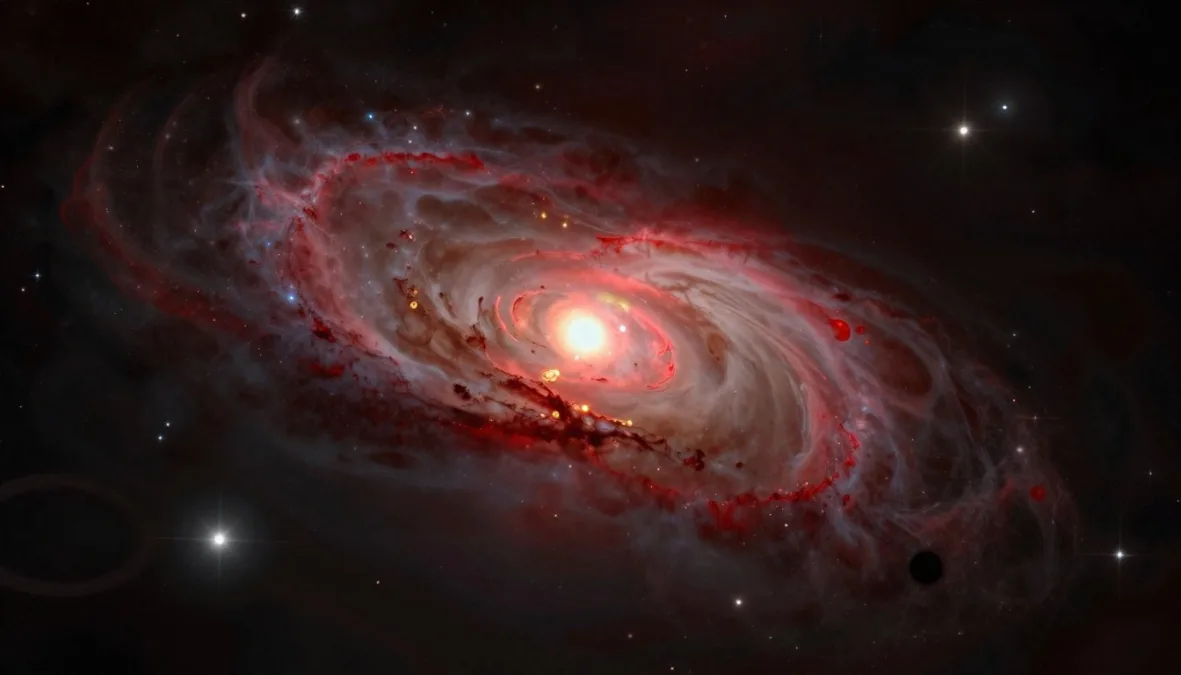
Deep infrared surveys confirmed that massive, chemically enriched galaxies emerged rapidly in the early universe.
These early galactic observations have challenged existing theoretical frameworks for early universe reionization and dark matter halo growth, driving astrophysicists to update cosmological simulations through 2026.
These findings do not invalidate the core Big Bang paradigm, but they mandate significant adjustments to galaxy evolution parameters and feedback mechanisms in nascent halos. Ongoing deep-field campaigns continue to refine redshift estimates and stellar mass models using multi-band infrared photometry. JWST’s identification of these early structures has opened a new observational window into the transition from pristine cosmic gas to complex galactic architectures.
Frequently Asked Questions About NASA Space Discoveries
Are these top 10 space discoveries an official NASA ranking?
No, this ranking is not an official list issued by NASA. The classification represents an evidence-based assessment developed from peer-reviewed scientific literature, historical research influence, and astronomical consensus through 2026.
What does as of 2026 mean for this list of discoveries?
The designation indicates that the evaluation incorporates verified observational datasets, operational mission telemetry, and published astrophysics research available through 2026. This timeframe allows proper inclusion of modern findings from the James Webb Space Telescope alongside historical missions.
How are international collaborations distinguished from NASA-led missions?
NASA frequently leads flagship missions while collaborating with international partners who contribute key instrumentation, launch services, or orbital tracking. For instance, the James Webb Space Telescope and Cassini-Huygens represent joint partnerships with ESA, CSA, and ASI, whereas Kepler and Voyager were NASA-directed missions.
Did the Bullet Cluster discovery prove what dark matter is made of?
The Bullet Cluster confirmed the physical reality of collisionless dark matter by separating it from visible gas clouds, but it did not identify the underlying particle. Determining whether dark matter consists of axions, sterile neutrinos, or other subatomic particles remains an active research challenge.
Has any NASA mission discovered definitive evidence of extraterrestrial life?
NASA missions have discovered past habitable aquatic environments on Mars and active hydrothermal ocean worlds in the outer solar system, but no verified biological organisms have been found. Current findings confirm the geochemical ingredients for habitability rather than living organisms.
The Continuing Trajectory of Space Exploration
The scientific breakthroughs documented across these missions illustrate how spaceborne observations systematically transform theoretical mathematics into verifiable physical realities. As emerging observatories join existing orbital arrays through 2026 and beyond, empirical astrophysics continues to expand the known boundaries of cosmic history, planetary habitability, and fundamental physics.

Priyanka Pandey
Senior Research Editor · Top10Sense
Priyanka specializes in tech, consumer products, and digital trends. She combines hands-on testing, vendor interviews, and database research to create trustworthy “Top 10” rankings. Her work has been referenced by industry blogs and brand report pages.