Your wedding photos should feel like more than a collection of poses. They should bring back the noise of your family, the calm before the ceremony, the look between two friends, and the small details you almost missed. These top 10 wedding photography ideas 2026 combine honest storytelling with bold creative choices that work for Indian weddings and modern celebrations.
Some ideas need extra planning. Others depend on timing, light, permission, or a photographer who can move quietly. Use this list to shape your wedding photo plan without losing the real feeling of the day.
1. Candid Storytelling That Feels Unscripted
Let the day unfold in small scenes
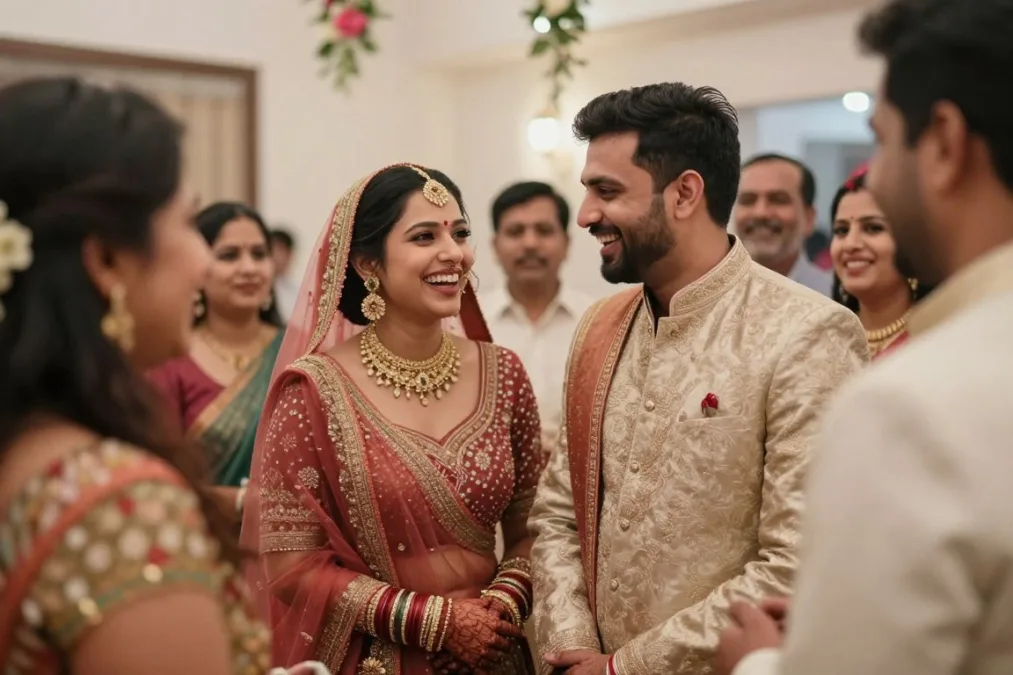
Candid storytelling is one of the most lasting wedding photo ideas because it records how the day felt. Instead of asking everyone to look at the camera, the photographer watches for movement and connection. A bride may laugh while fixing her veil. A groom may squeeze his parent’s hand before the ceremony. Guests may dance before the music officially begins.
This style is popular because it feels personal. Couples often remember the big portraits, but they also treasure the quiet parts between them. A full gallery should show the pace of the day, from getting ready photos to the final goodbye.
How to achieve it
- Give the photographer a short list of important people and relationships.
- Leave small pockets of unplanned time between formal events.
- Ask guests to stay present instead of watching every moment through a phone.
- Use a longer lens when the photographer needs to work from a respectful distance.
A practical example is a three-photo sequence during the wedding ceremony: the couple listening, a parent reacting, and guests sharing the emotion. The sequence tells more than one perfect frame.
Planning tip: Tell your wedding photographer about family dynamics before the day. This helps them notice meaningful moments without interrupting them.
2. Editorial Portraits With a Strong Point of View
Turn portraits into a visual statement
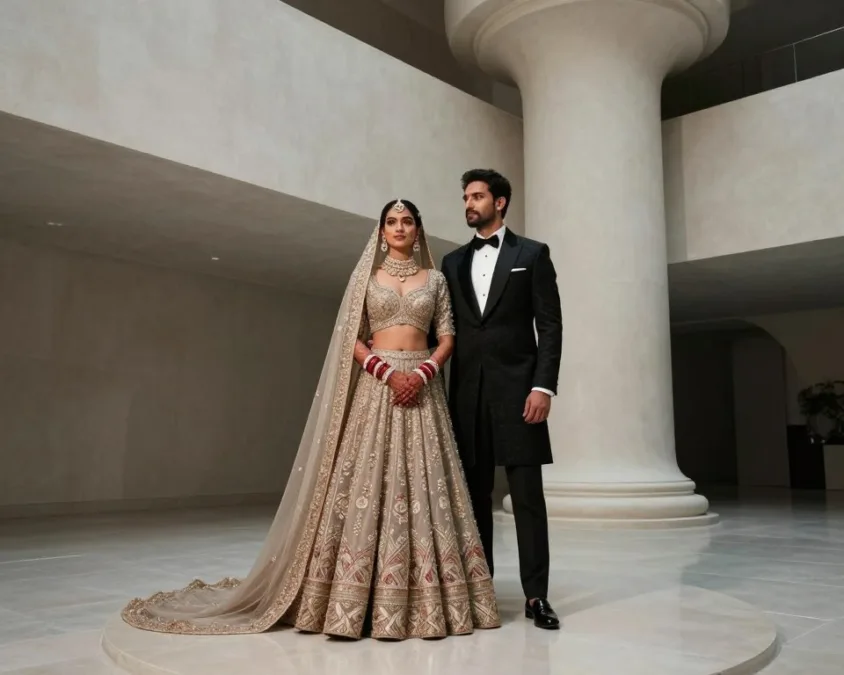
Editorial portraits bring fashion thinking into wedding photography. The couple is still the focus, but the image also uses shape, color, texture, and space. A grand staircase, a quiet corridor, or a simple wall can become part of the composition.
This idea works well for couples who want an album with a polished, magazine-like feel. It is also useful when the wedding location has strong architecture or carefully designed décor. The portrait does not need to look stiff. A small movement, such as turning toward the light or walking together, can keep it alive.
How to achieve it
- Choose one portrait location before the wedding day.
- Keep the background clean and remove visual distractions.
- Coordinate clothing colors with the location rather than matching everything.
- Reserve ten to fifteen minutes for portraits after the ceremony or before the reception.
For example, the couple could stand beneath a venue arch while the photographer uses the repeating lines to frame them. One close photo can show expression, while a wider image can show the full place.
Planning tip: Ask your wedding photographer to create one safe portrait and one more experimental frame. You get a timeless photo and a bold image without taking a major risk.
3. Film-Inspired Imagery With Texture and Emotion
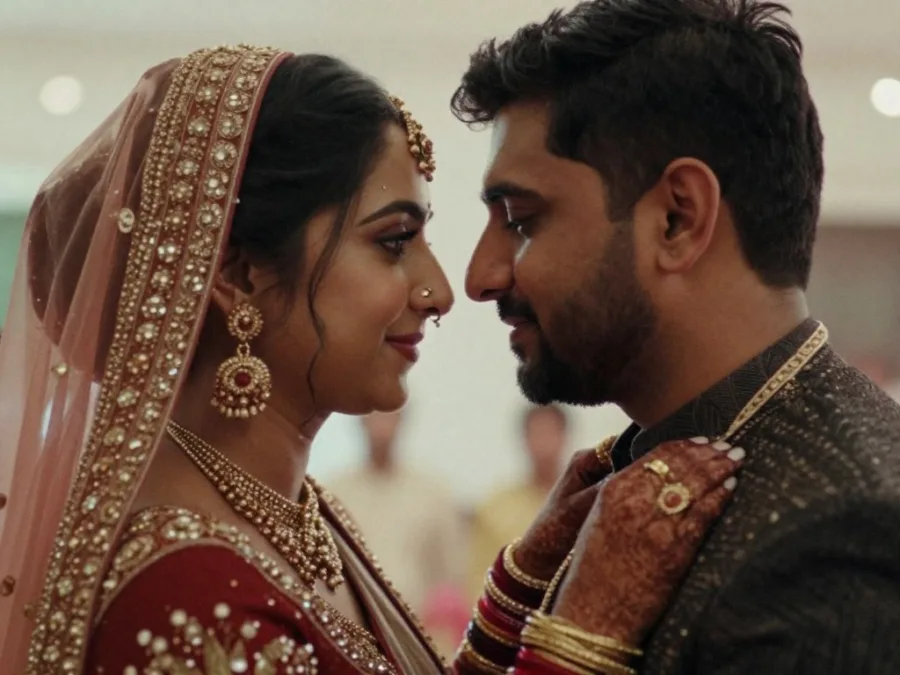
Use softness without losing important detail
Film-inspired photography is not only about adding grain to a digital photo. It is a complete visual mood. Colors may be softer, highlights may glow, and the frame may feel less perfect. This look suits couples who want romance, nostalgia, and a sense of touch in their album.
Film can be captured with an analog camera, created with digital tools, or blended with both methods. Each choice has a different workflow. Analog film requires careful exposure, extra cost, and processing time. Digital photography offers faster review and more control during a busy wedding day.
How to achieve it
- Discuss whether you want true film, a film-inspired edit, or both.
- Request a full gallery from the photographer, not only selected social media images.
- Check that skin tones remain natural in indoor and outdoor light.
- Keep a digital backup for family groups and fast-moving events.
A practical example is using film for getting ready photos, portraits, and quiet details while using digital equipment for the wedding ceremony and dance floor. This creates texture without placing every important photo at risk.
Planning tip: Ask to see a complete wedding album in the proposed style. Editing can look different across skin tones, clothing colors, and lighting conditions.
4. Drone Photography Where It Is Legal and Safe
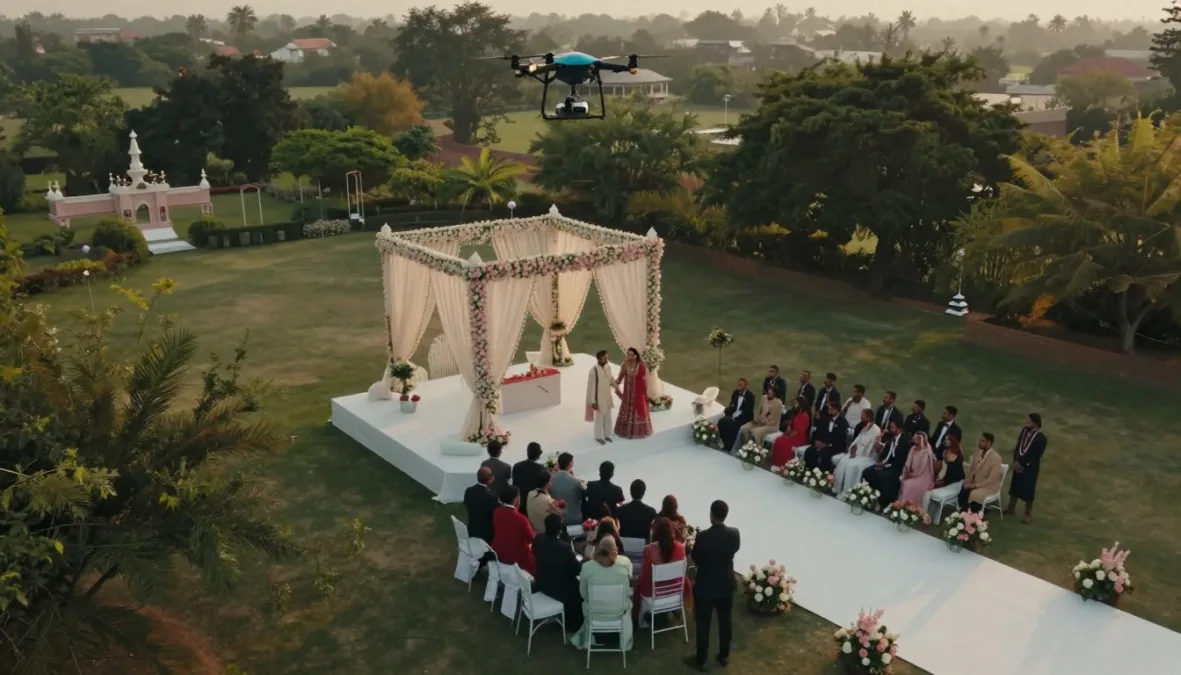
Show the place as part of the story
Drone photography can add scale to a wedding album. It may show a palace courtyard, a garden ceremony, a beach venue, or the pattern of guests around a decorated stage. The image is most effective when the location has meaning and the aerial view adds context.
Drone work must never be treated as a casual extra. In India, the operator should follow current aviation rules, use the correct permissions where required, and respect venue restrictions, privacy, and crowd safety. Rules and local conditions can change, so the photographer must confirm them before the wedding.
How to achieve it
- Ask whether the operator is legally allowed to fly at the chosen location.
- Confirm the venue’s written policy before booking drone coverage.
- Avoid flying directly over guests, ceremonies, or crowded dance areas.
- Plan the aerial shot during a calm part of the day.
For example, a drone can capture the couple walking through a garden before guests arrive. The frame shows the route, flowers, and architecture while keeping the people small and safe within the scene.
Planning tip: Make drone approval part of the contract. If weather, airspace, or venue rules prevent the flight, your photographer should offer a ground-based alternative.
5. Creative Lighting for Reception Energy
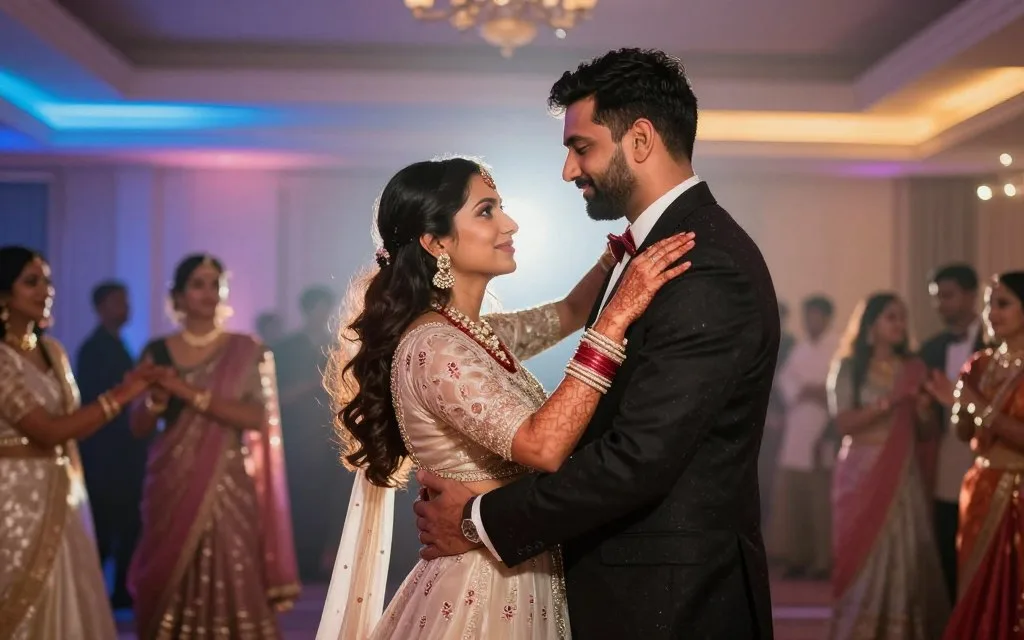
Shape the mood with light
Creative lighting can make familiar wedding photos feel new. A flash behind the couple may create a bright outline. A small lamp can bring attention to a ring or invitation. Colored light can add energy to the reception, while soft window light can make getting ready photos feel calm.
The goal is not to use every lighting effect at once. Good lighting supports the mood of the moment. It should never make people look unnatural or distract from the wedding ceremony, family, or couple.
How to achieve it
- Show the photographer photos of lighting styles you already like.
- Ask where lights will be placed and whether they affect guests.
- Use soft light for family photos and more dramatic light for the party.
- Test the reception space before guests enter.
A practical example is a backlit first dance. The photographer places a light behind the couple, lowers the room exposure, and captures the movement of the dress without losing the audience’s reaction.
Planning tip: Ask your wedding photographer to make a lighting plan for each major place. This reduces setup time and helps the day stay on schedule.
Want these ideas to fit your wedding day?
Share your date, city, venue, and preferred style. A wedding photographer can turn inspiration into a realistic shot plan that protects time for family, ceremony, portraits, and guests.
6. Motion Blur That Shows Movement
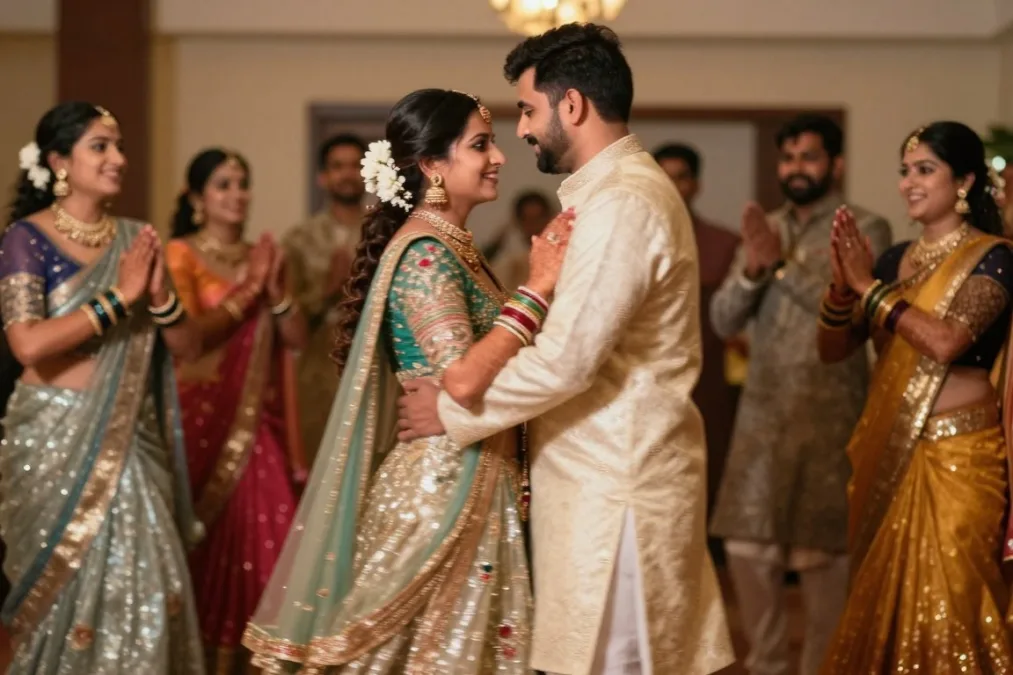
Make movement part of the frame
Motion blur can show speed, excitement, and the feeling of a crowded dance floor. It works when some part of the photo stays sharp while another part moves. The result is less formal than a standard portrait and more connected to the energy of the wedding party.
This wedding photo idea is especially useful during dancing, a joyful entrance, a flower toss, or a fast walk through a location. It can also capture the groom getting ready when friends are moving around the room.
How to achieve it
- Use a slower shutter speed while keeping the couple in one place.
- Ask the wedding party to move naturally rather than repeat a stiff action.
- Combine motion blur with flash or a second curtain technique when suitable.
- Take several frames because movement is difficult to predict.
For example, the couple can stand still while groomsmen move across the frame. The couple remains recognizable, while the blur shows the noise and excitement around them.
Planning tip: Tell the photographer which dance or entrance matters most. They can prepare equipment before the moment begins instead of experimenting during it.
7. Documentary Coverage of the Moments Between Events
Photograph what happens between the schedule lines
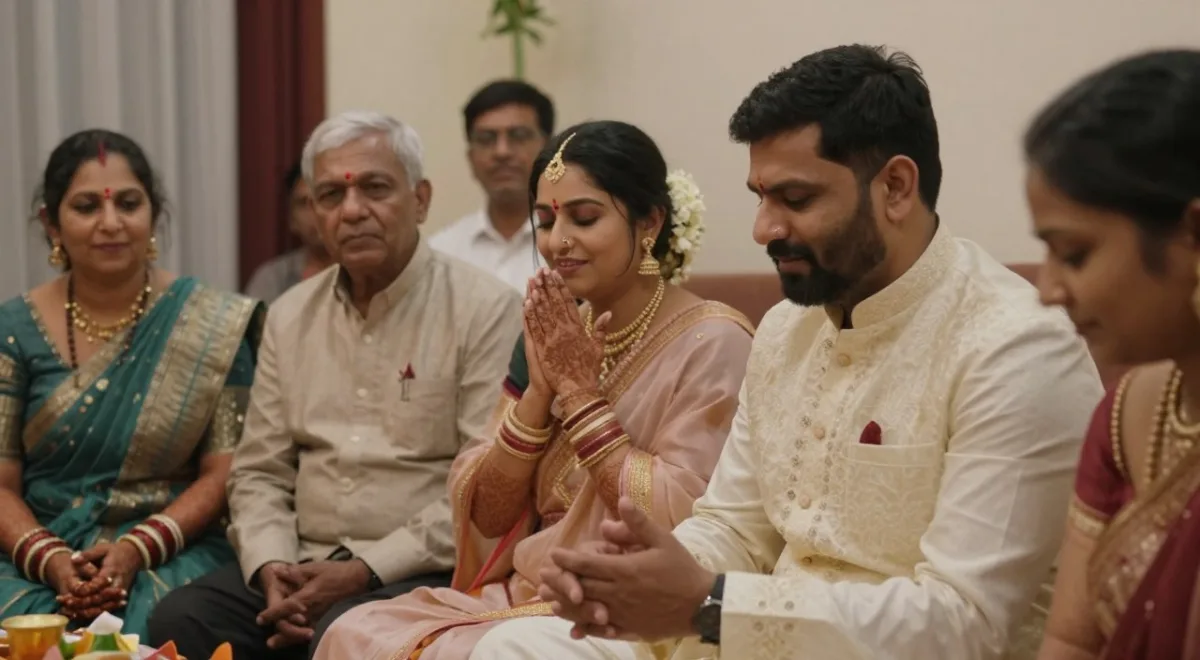
Documentary photography is wider than candid portraiture. It records the setting, the people, the rituals, and the small changes in mood. The photographer does not only look for a perfect expression. They build a visual record of how the day moved from one event to another.
This approach is valuable for large weddings because many important moments happen away from the main stage. A grandparent may rest before the ceremony. Friends may help with jewelry. A child may fall asleep during the reception. These are part of the wedding story.
How to achieve it
- Give the photographer access to preparation rooms and family spaces.
- Identify rituals or people that should be handled with extra respect.
- Allow the photographer to move through the venue quietly.
- Explain any privacy rules before the wedding day.
A practical example is a short set of photos around the wedding ceremony: the empty space before guests arrive, a ritual detail, a family reaction, and the room after the couple leaves. Together, the images provide a sense of place and time.
Planning tip: Ask your wedding photographer how they handle private moments. A good documentary approach should be observant, respectful, and guided by consent.
8. Personalised Details That Tell Your Shared Story
Give the small objects a place in the album
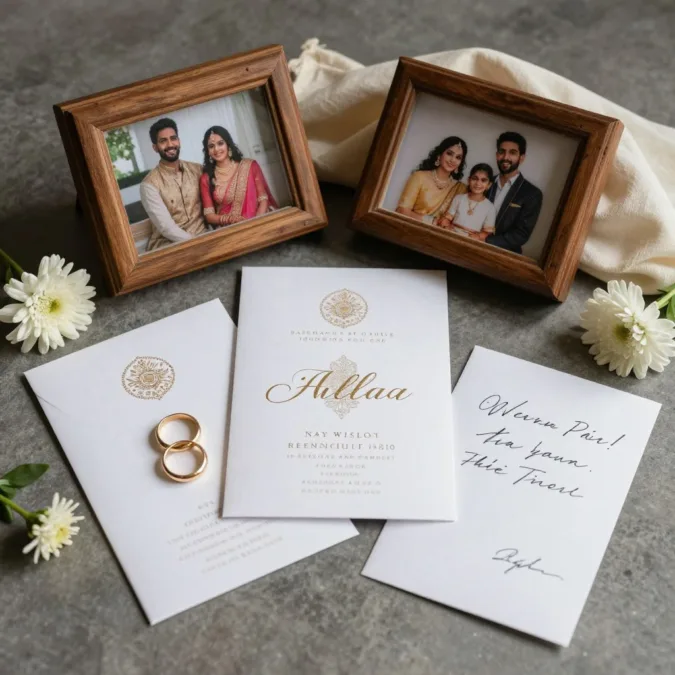
Details become meaningful when they connect to the couple. A ring may have an inscription. An invitation may use a family design. A scarf may belong to a grandparent. A table card may include a line from a favorite poem. These objects add context to the larger wedding story.
Personalized detail photos are popular because they make the album feel less generic. They also give the photographer a quiet creative task while the bride, groom, and wedding party are getting ready.
How to achieve it
- Collect rings, invitations, jewelry, shoes, flowers, and heirlooms in one place.
- Include objects from both families when possible.
- Use a clean surface near good natural light.
- Tell the photographer the story behind any unusual item.
A practical example is a flat-lay with the ring, invitation, fabric from a family outfit, and a small photograph of a loved one. The arrangement gives the photographer a visual way to connect past and present.
Planning tip: Assign one trusted person to gather details. This saves time and prevents the couple from searching for small items during getting ready photos.
9. Sustainable Wedding Photography With Less Waste
Make thoughtful choices without reducing quality
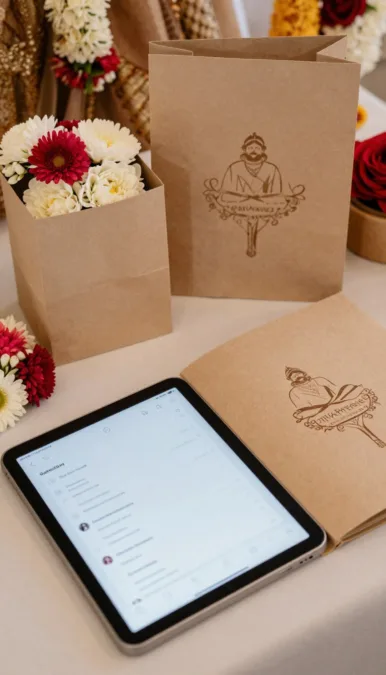
Sustainability can influence photography in simple ways. Couples may choose a smaller printed album, local products, reusable styling, shared transport, or a digital delivery system. The wedding photographer can reduce unnecessary travel, manage batteries carefully, and avoid producing duplicate products that will not be used.
This does not mean giving up printed photos. A well-made album can last for decades and become a family object. The goal is to choose products and processes with intention rather than ordering every possible format.
How to achieve it
- Ask about album materials, printing partners, and packaging.
- Choose a location that reduces travel between events.
- Combine family photo sessions where the schedule allows.
- Deliver a clear digital gallery instead of several duplicate drives.
A practical example is using one locally designed album for the couple, a digital gallery for guests, and a small set of prints for parents. This keeps the important physical photos while limiting waste.
Planning tip: Include sustainability preferences in your first inquiry. A photographer can then suggest an album, travel, and delivery plan that matches your values.
10. Smart Use of Technology Without Losing the Human Moment
Use tools that support the story
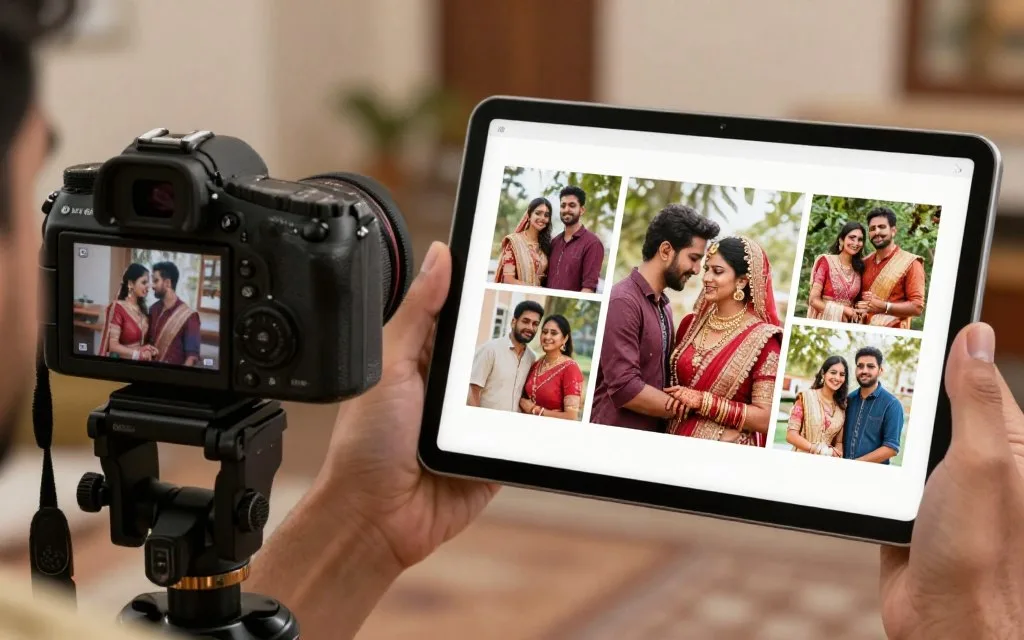
Technology can improve the wedding photo experience when it solves a real problem. Online galleries make it easier to share photos. Guest-upload tools can collect phone images from different viewpoints. AI-assisted culling may help a photographer review a large set, while cloud backups protect files during a busy wedding day.
Technology should not replace judgment, consent, or human editing. Couples should understand how images are stored, who can access them, and whether any automated tool is used. The final gallery should still reflect the photographer’s eye and the couple’s wishes.
How to achieve it
- Ask how the photographer backs up images during the wedding day.
- Confirm the delivery date, gallery access, and download rights.
- Set a private gallery option for sensitive family photos.
- Use guest-upload links only after explaining privacy expectations.
A practical example is a private online gallery with separate folders for the wedding ceremony, family photos, portraits, and party. The couple can share selected folders while keeping personal images restricted.
Planning tip: Ask wedding photographer candidates how they protect files and personal information. Reliability matters as much as camera equipment.
Questions to Ask Before Choosing a Wedding Photographer
Style and coverage
Look beyond a photographer’s favorite social media images. Ask for a complete wedding gallery that shows different light, family groups, ceremony moments, and reception photos.
- How would you describe your photography?
- How do you balance candid and planned photos?
- How many hours are included?
- Will you photograph getting ready photos?
Planning and timing
A strong photographer should help the couple build a realistic schedule. The plan must include travel, family combinations, portraits, meal breaks, and time for unexpected moments.
- When should portraits happen?
- How much time is needed for family photos?
- What happens if rain changes the location?
- Who helps organize group shots?
Safety and privacy
Drone work, guest images, and online galleries require clear boundaries. The photographer should explain permissions, storage, access, and backup processes in simple language.
- Are drone flights legal at the venue?
- How are files backed up?
- Can private photos stay off social media?
- How long will the gallery remain online?
Delivery and value
Price is only one part of the decision. Ask what is included, how the album is made, and what support you receive before and after the wedding day.
- How many edited photos are delivered?
- When will the gallery be ready?
- What album options are available?
- Is there a backup photographer?
Ready to turn ideas into a real shot list?
A short consultation can help you select the right locations, lighting, family combinations, and creative shots for your wedding day.
Send Your Wedding Photography Brief
Use this short request to explain what matters most. The details help a photographer suggest a useful plan instead of sending a generic package.
Conclusion: Choose Photos That Feel Like Your Wedding
The strongest wedding photography is not always the most complicated. It is the work that notices the right people, respects the pace of the wedding day, and gives each important moment enough space. Use candid storytelling for connection, editorial portraits for style, film-inspired images for texture, and technology for safer delivery and sharing.
Choose the ideas that suit your location, family, culture, and comfort level. Then discuss them early with your wedding photographer. A clear plan leaves room for real moments, which is where the most meaningful photos often begin.

Priyanka Pandey
Senior Research Editor · Top10Sense
Priyanka specializes in tech, consumer products, and digital trends. She combines hands-on testing, vendor interviews, and database research to create trustworthy “Top 10” rankings. Her work has been referenced by industry blogs and brand report pages.