The top 10 photography in 2026 are not defined by one camera or one look. They reflect a wider shift toward honest stories, useful technology, careful craft, and images that feel personal. From family moments to fine art, today’s photographer has more ways to connect with people and show an artistic vision.
This guide explains what is shaping photography now. Each trend includes a clear reason to watch it and a practical way to use it in real work.
How to use this top 10 photography in 2026 guide
A trend is useful only when it improves the work. Do not copy every popular style. Instead, test one idea against your subject, audience, and artistic vision. A portrait photographer may gain more from better storytelling than from buying a new lens. A landscape photographer may gain more from careful light than from adding heavy effects.
Keep a short test record. Note the setting, light, mood, audience response, and time needed. After several projects, you will see which methods fit your style and which ones feel forced.
1. Authentic documentary photography
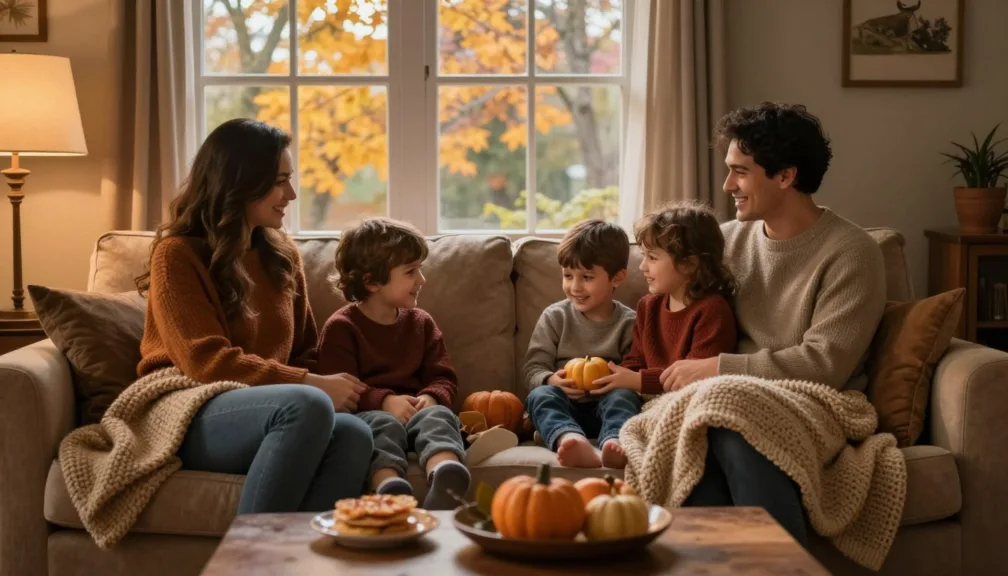
Documentary photography continues to move toward honest, close-to-life imagery. People respond to photographs that show real emotion, imperfect spaces, and unplanned moments. This style is strong in family work, weddings, editorial projects, and community stories.
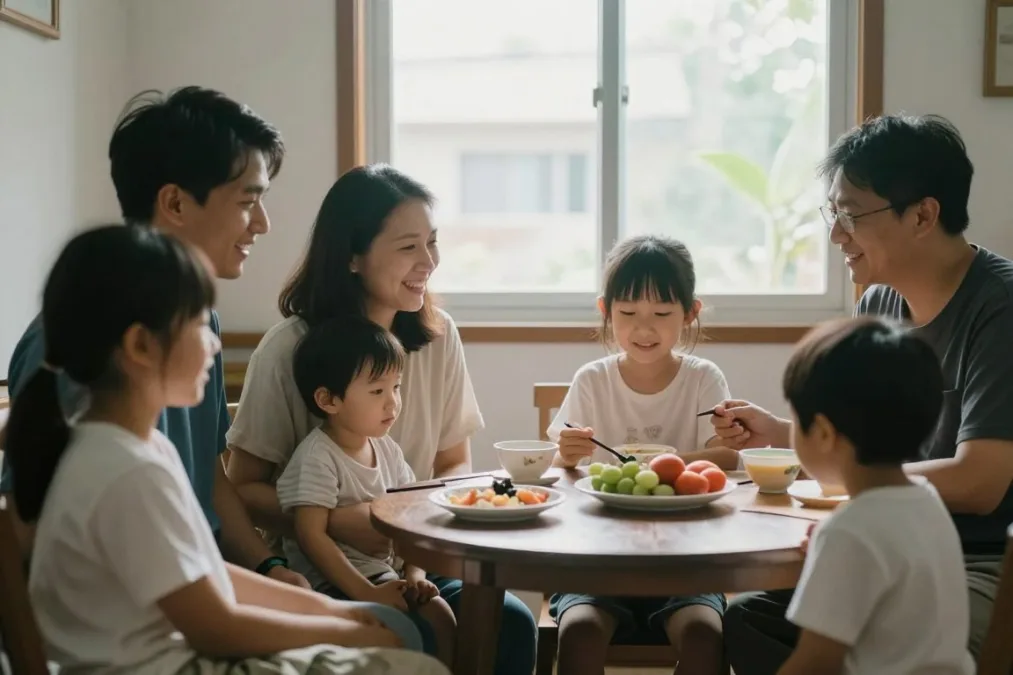
Practical use: spend more time observing before you direct. Ask open questions, allow silence, and make photographs between formal poses. The result can feel more human.
2. Fine art photography with personal meaning
Fine art photography remains relevant because it gives photographers room to explore ideas, memory, beauty, and time. Instead of recording only what is in front of the lens, the fine art photographer builds a visual language.
Start with one question. It could involve family, place, loss, nature, or identity. Use repeated colors, shapes, or subjects across a series. A consistent project often has more impact than one attractive image.
Do not confuse fine art with heavy editing. The key is intention. Every image should support the story and the emotional direction of the work.
3. AI-assisted photography with clear authorship
Artificial intelligence is changing image planning, selection, retouching, and production. Used with care, it can help a photographer sort photos, remove distractions, create a mood board, or test a color direction.
Trust remains central. Keep records of major edits, ask permission when people are represented, and label created or altered imagery when the context requires it. The photographer’s judgment should remain visible. Tools can speed up work, but they do not replace an artistic vision.
4. Mobile-first vertical imagery
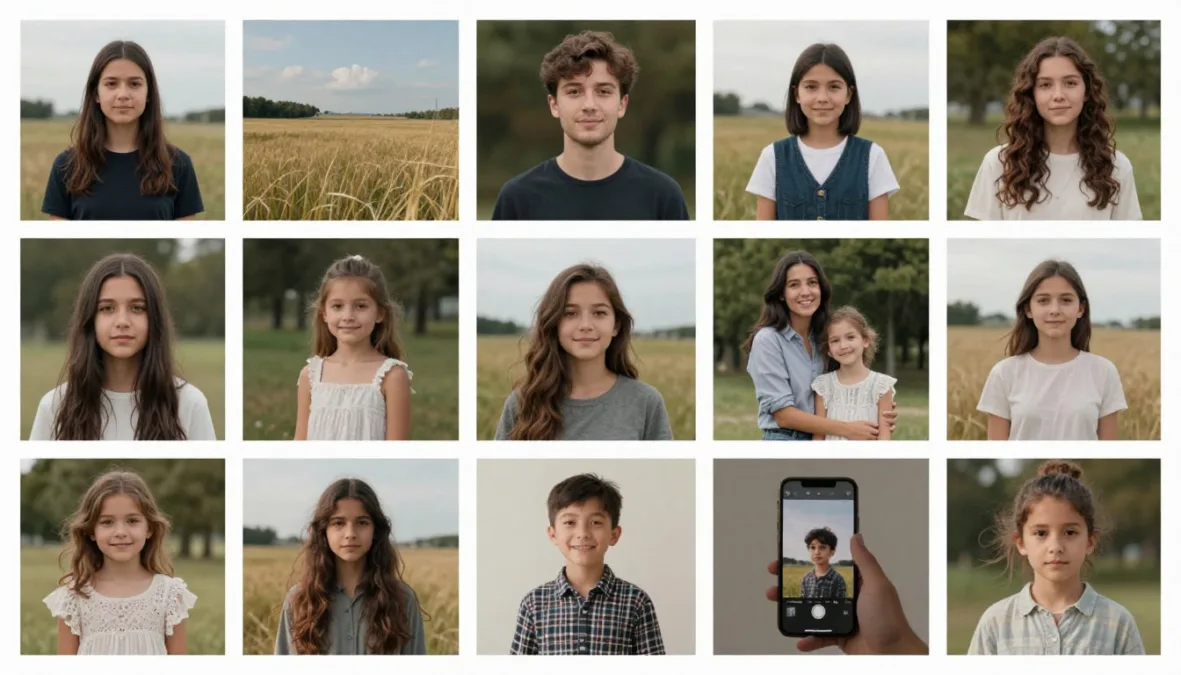
Vertical photography is now central to social feeds, mobile pages, short video covers, and digital campaigns. This does not mean every photograph should be cropped tightly. It means photographers should consider how an image will appear on a phone before the shoot begins.
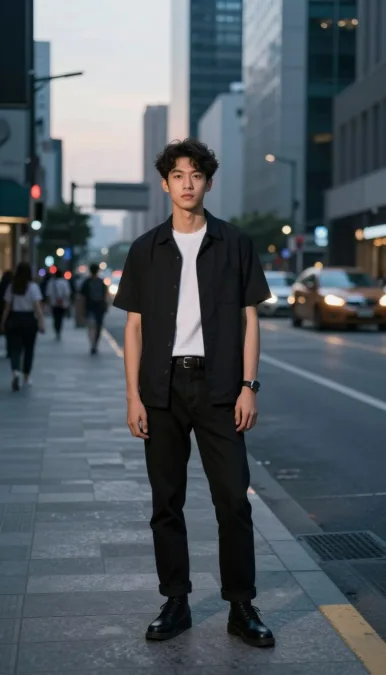
Practical use: leave safe space near the top and bottom of the frame. Test both a full-screen crop and a square crop so the same project can serve several channels.
5. Natural light portraits and quiet direction
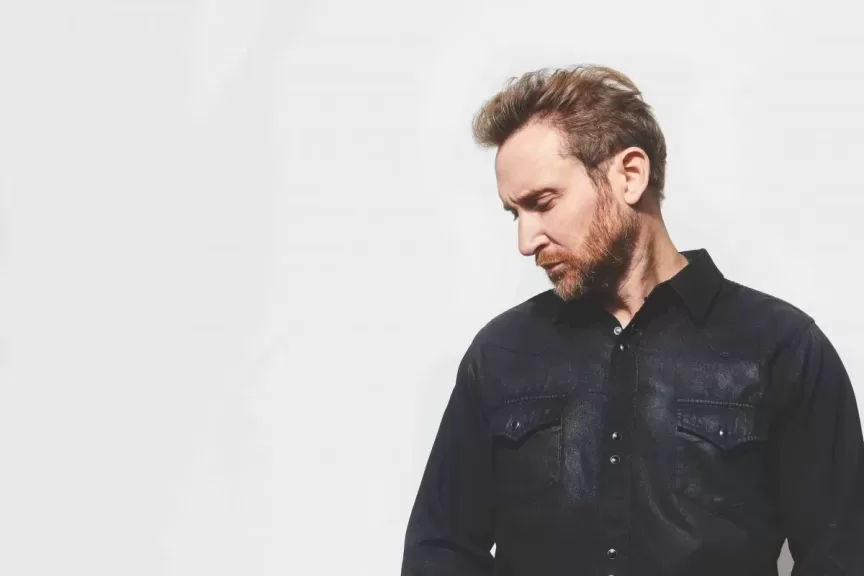
Natural light portraits continue to appeal because they feel accessible and sincere. Soft window light, open shade, and late-day light can show skin, texture, and emotion without making the image look overproduced.
A portrait photographer should focus on connection. Give the subject a simple action, such as walking, reading, or speaking to someone nearby. This creates movement and helps the person feel less aware of the camera.
Build a stronger portrait plan
Download a short planning checklist for light, location, direction, and image delivery.
6. Women-led stories and broader representation
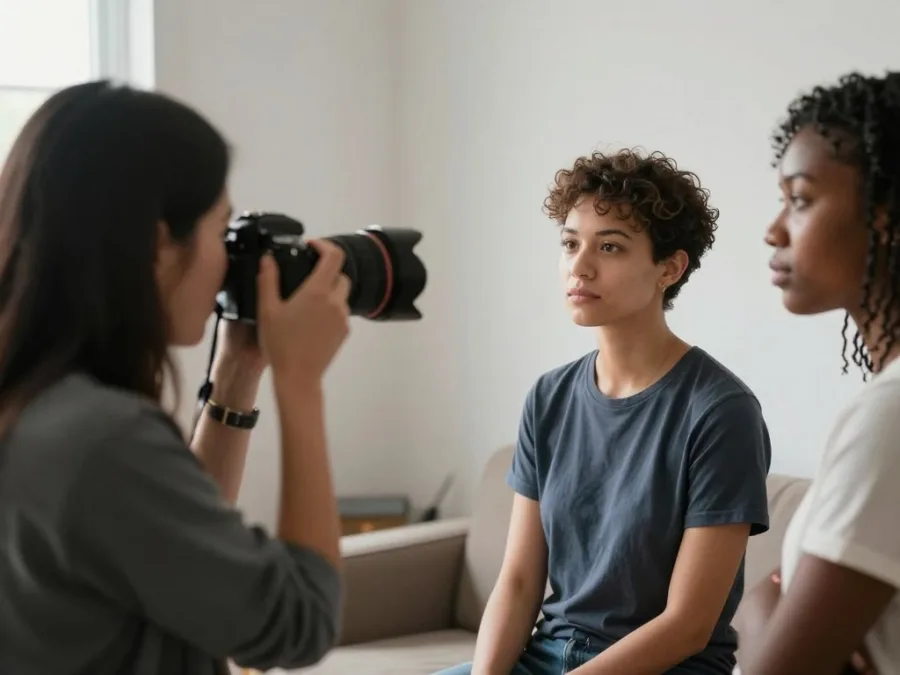
Audiences want photography that reflects more people and more lived experiences. Women photographers, local artists, and underrepresented creators are shaping subjects, methods, and visual culture across the world.
Representation should be part of the full process, not only the final image. Pay attention to who tells the story, who appears in it, and who benefits from the project. Credit collaborators and avoid using a person’s life as a visual shortcut.
7. Nature, climate, and responsible field work
Nature photography is moving beyond beauty alone. Many projects now connect landscape images with conservation, climate, access, and the changing relationship between people and place.
Work responsibly. Follow local rules, keep distance from wildlife, avoid fragile areas, and do not reveal sensitive locations without a reason. A powerful landscape image should not damage the subject it celebrates.
Benefits
- Creates a strong sense of place
- Supports educational stories
- Builds long-term personal projects
Risks to manage
- Overcrowded locations
- Unsafe access or weather
- Harm to wildlife or habitats
8. Fashion portrait photography with narrative
Fashion portrait photography is becoming more story-led. Clothing still matters, but the strongest imagery also communicates place, character, movement, and mood. This approach works for editorial work, personal branding, and campaign imagery.
A fashion portrait photographer can begin with a short story brief. Define the subject’s role, the emotional tone, the location, and the reason for each outfit. Use light and framing to support that story rather than distract from it.
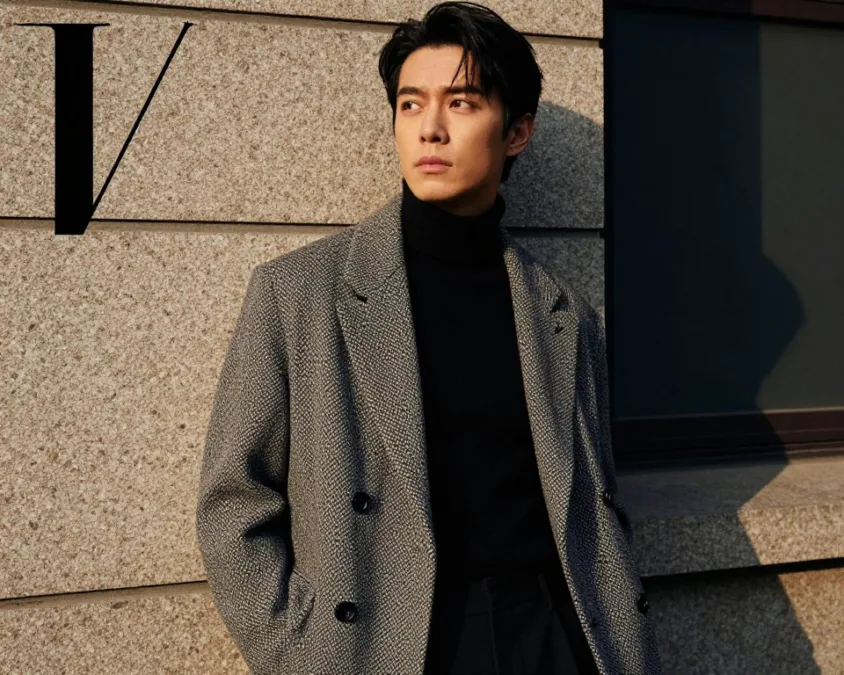
Practical use: create one wide scene, one close portrait, and one detail image. This gives the project rhythm and supports visual storytelling.
9. Small-format prints and physical photo experiences
Digital images are easy to share, but physical photographs still create emotional value. Small prints, books, wall art, and family albums turn temporary moments into objects people can keep.
Photographers can design collections instead of delivering only a large folder of files. Group images by story, season, or relationship. A clear edit makes the work easier to view and gives families a stronger way to remember their life.
Turn photographs into a finished story
Explore a simple photo-book or print consultation for family, portrait, and fine art projects.
10. Community, collaboration, and visual storytelling
Photography is increasingly collaborative. A project may include a photographer, writer, designer, subject, editor, and local group. This wider process can create richer stories and help a project reach the right audience.
Make expectations clear at the start. Discuss credit, usage, deadlines, payment, safety, and image approval. Good collaboration protects relationships and gives everyone space to contribute.
Tools that support the trends without controlling the work
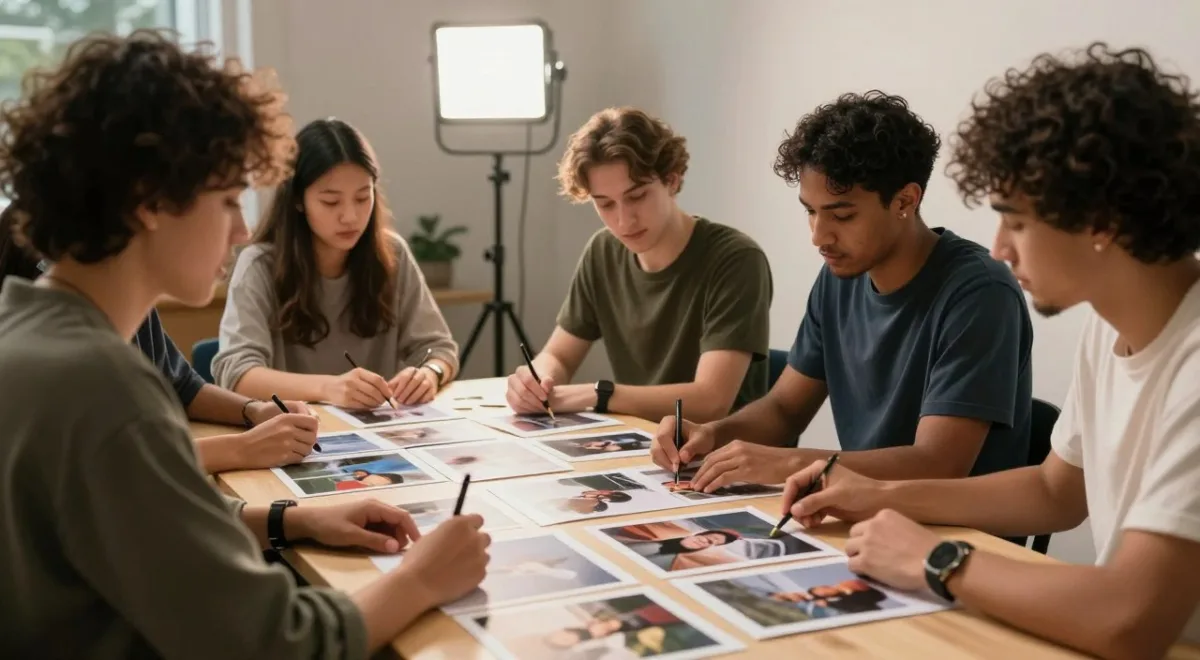
The best equipment is the equipment that helps you work with confidence. A modern kit may include a camera, one flexible lens, a phone, a small light, backup storage, and editing software. Expensive gear is not a substitute for timing or observation.
Organize files with consistent names and backups. Save original photographs before major edits. Build a small reference board for each project so color, light, and composition remain connected.
For portraits
Prioritize reliable autofocus, soft light, and comfortable direction.
For nature
Prioritize weather protection, patience, and responsible access.
For fine art
Prioritize a clear concept, repeated motifs, and careful sequencing.
CTA lessons for this photography search intent
Readers of a trend article are usually exploring. They may not be ready to book a photographer or buy a product. A forceful sales message can break trust. The better path is to offer a small, useful action first.
Use a checklist for cold visitors, a portfolio link for readers seeking inspiration, and a consultation form for people who have a clear project. Each CTA should state what happens next. This reduces uncertainty and makes the action feel safe.
Want guidance for your next project?
Share your subject, location, and goal. A portrait or fine art photographer can suggest a practical direction.
Questions about photography trends in 2026
What is the biggest photography trend in 2026?
The strongest broad trend is meaningful, human storytelling. Technology matters, but audiences still respond to clear emotion, honest moments, and a distinct point of view.
Does a photographer need new gear to follow these trends?
No. Better observation, light, editing, and project planning can create more progress than a new camera. Buy equipment only when it solves a clear work problem.
How can a beginner find a personal style?
Choose one subject and photograph it over time. Review the images for repeated colors, distances, emotions, and moments. Those patterns can reveal a natural style.
Request a photography direction
Use this short form when you need help shaping a portrait, family, fashion, nature, or fine art project. A clear request helps match the right photographer and approach.
Conclusion: choose the trend that fits your voice
The top 10 photography in 2026 show a field that is both technical and deeply human. Authentic documentary work, fine art, responsible AI, vertical imagery, natural light, representation, nature, fashion portrait photography, physical prints, and collaboration all offer useful paths.
You do not need to follow every direction. Choose one idea, test it with real people or places, and review the result. The strongest photography will be the work that uses new tools with care while keeping attention on meaning, beauty, and life.

Priyanka Pandey
Senior Research Editor · Top10Sense
Priyanka specializes in tech, consumer products, and digital trends. She combines hands-on testing, vendor interviews, and database research to create trustworthy “Top 10” rankings. Her work has been referenced by industry blogs and brand report pages.