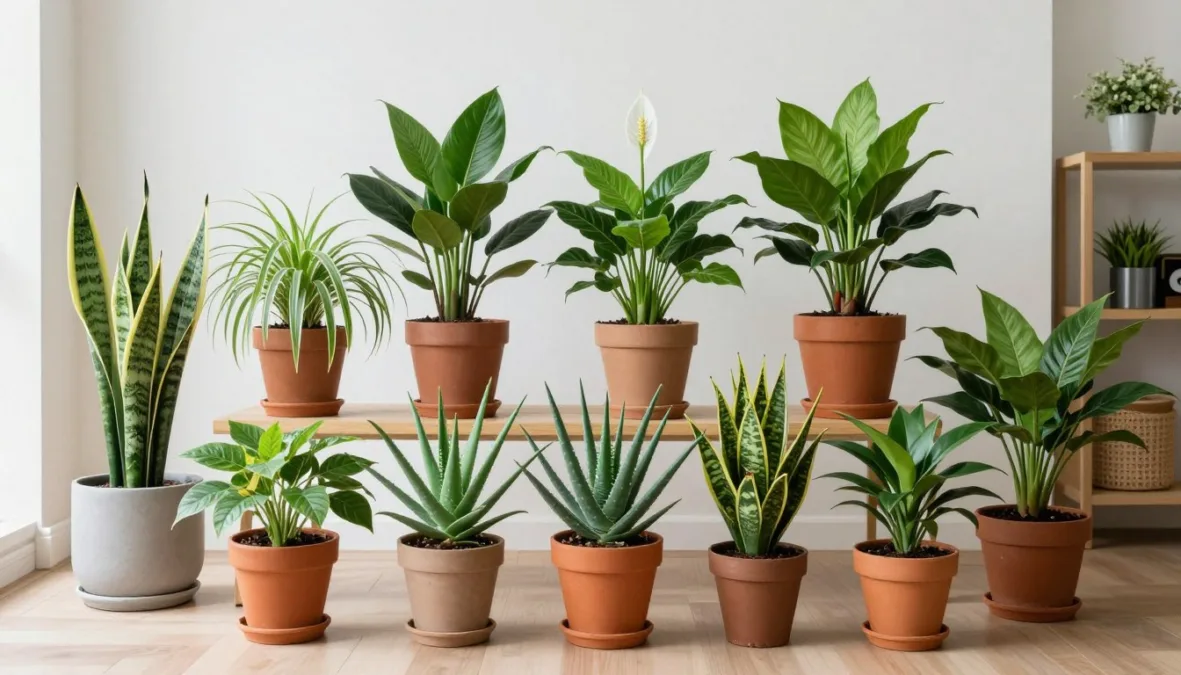
Starting with plants can feel simple until a new leaf turns yellow or the soil stays wet for days. The right plant removes much of that stress. These ten options can handle common beginner mistakes, adapt to indoor spaces, and help you build better care habits.
This guide focuses on useful facts, not exaggerated claims. You will find light conditions, watering needs, mature size, easy care advice, and pet-safety notes for every plant.
Ready to compare your options?
Use the quick table first, then choose a plant that matches the light and space in your home.
What Makes a Good Beginner Houseplant?
Good plants for beginners are forgiving, easy to find, and clear about their needs. They should cope with normal indoor temperatures and a short delay between watering sessions. That does not mean they can survive neglect forever. Every plant still needs suitable light, a pot with drainage, and regular checks.
In India, indoor conditions vary widely. A cool room in Bengaluru may differ from a warm balcony in Delhi or a humid home in Kochi. Use the plant’s needs as a guide, then adjust watering based on the soil and the season.
Simple light needs
Plants with flexible light levels are easier to place. Bright indirect light is useful for many indoor plants.
- Check the room during the day.
- Keep delicate leaves away from harsh glass-filtered heat.
- Move the pot slowly when changing light.
Forgiving watering habits
Plants that prefer the soil to dry slightly are often easier for new owners.
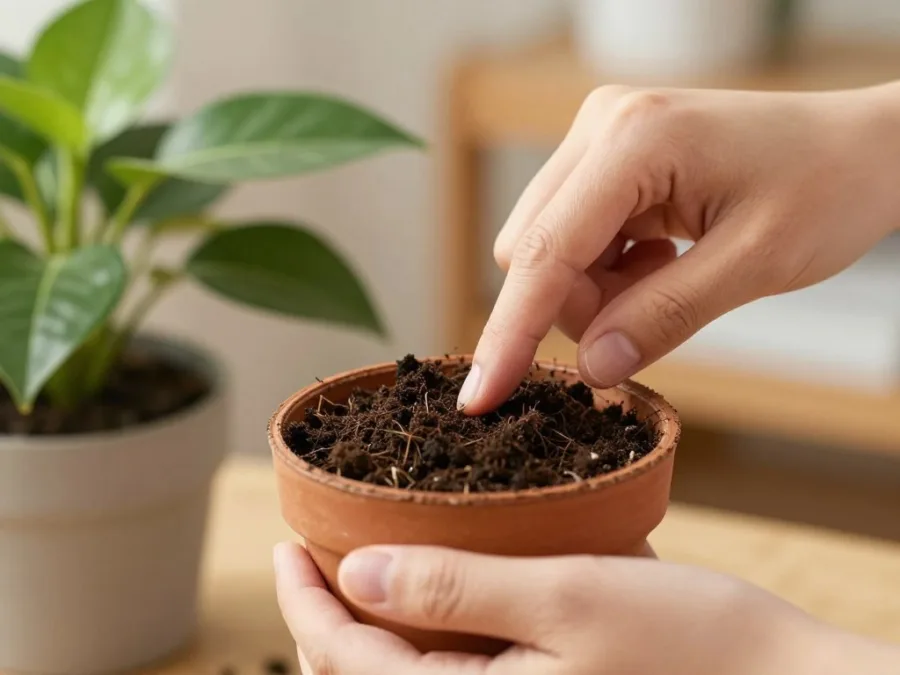
- Test the soil before adding water.
- Empty standing water from saucers.
- Use less water in a dim room.
Manageable growth
A plant should fit the room now and have space to grow later.
- Measure the available space.
- Check the mature height.
- Allow room around spreading leaves.
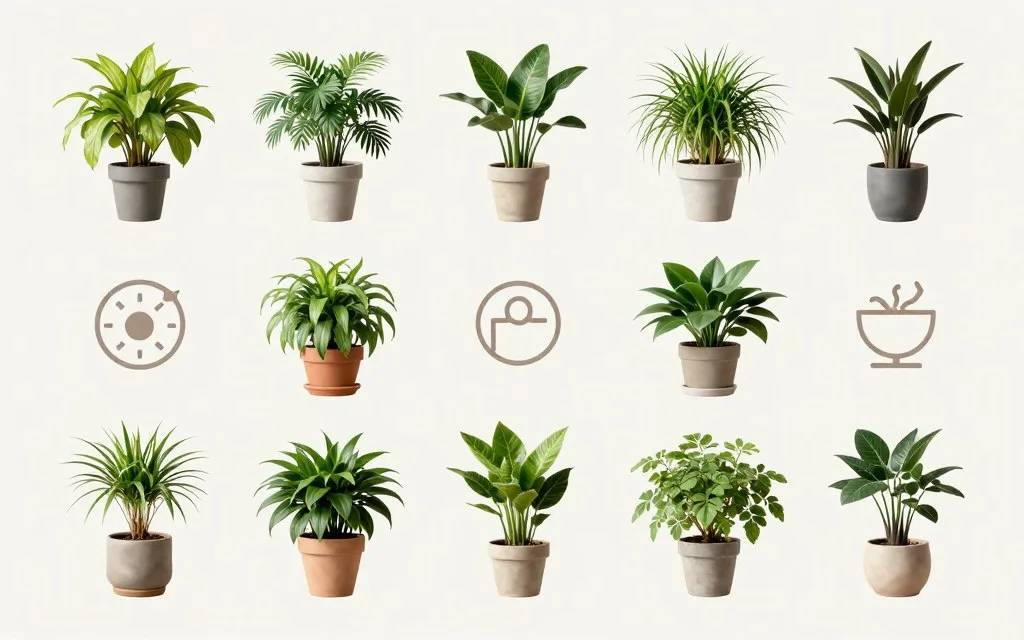
Quick Comparison of the Top 10 Houseplants for Beginners
This table gives you a fast starting point. “Weekly” is only an estimate. Watering changes with pot size, temperature, airflow, season, and light. Always check the soil before you water.
| Plant | Light | Watering frequency | Care difficulty |
| Snake plant | Low to bright indirect light | Every 2–4 weeks | Very easy |
| Pothos | Low to bright indirect light | Every 1–2 weeks | Very easy |
| Spider plant | Bright indirect light | About weekly | Easy |
| ZZ plant | Low to bright indirect light | Every 2–4 weeks | Very easy |
| Rubber plant | Bright indirect light | Every 1–2 weeks | Easy |
| Peace lily | Medium to bright indirect light | About weekly | Moderate |
| Aloe vera | Bright light | Every 2–4 weeks | Easy |
| Jade plant | Bright light | Every 2–3 weeks | Easy |
| Dracaena | Low to bright indirect light | Every 1–2 weeks | Easy |
| Prayer plant | Bright indirect light | About weekly | Moderate |
Choose by room, not by trend
Match the plant to your available light, your watering routine, and the people or pets who share your home.
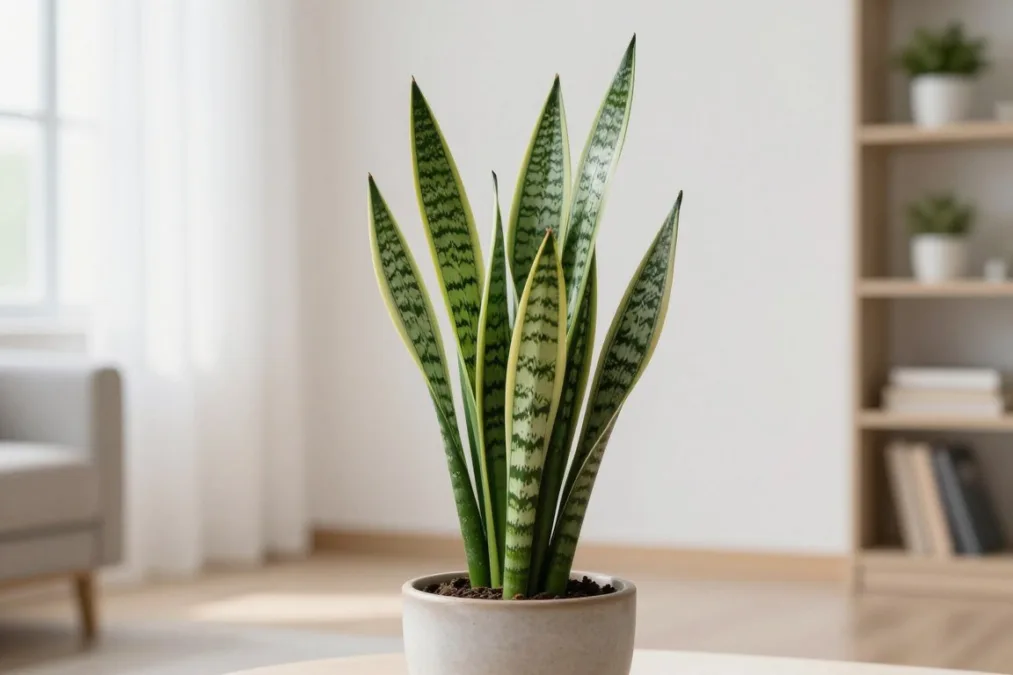
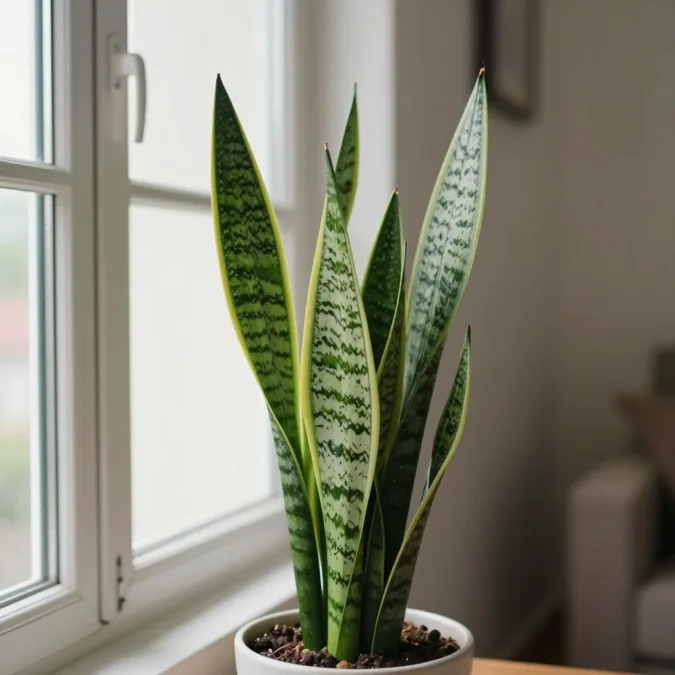
1. Snake Plant
Why it suits beginners
The snake plant is one of the easiest indoor plants for a new owner. Its thick leaves store water, so it does not need frequent watering. It also handles a range of light levels, although growth is usually stronger in brighter indirect light.
Light conditions
Place it in low, medium, or bright indirect light. Avoid sudden exposure to strong direct sunlight, especially through hot glass.
Watering needs
Let the soil dry fully or nearly fully before watering. This may take two to four weeks. Water less often in a cool or dim room.
Basic care and size
- Use a pot with drainage holes.
- Wipe dust from the leaves.
- Expect a mature height of about 30 cm to 1.2 m, depending on type.
- Pet safety: the snake plant can be harmful if cats or dogs chew it.
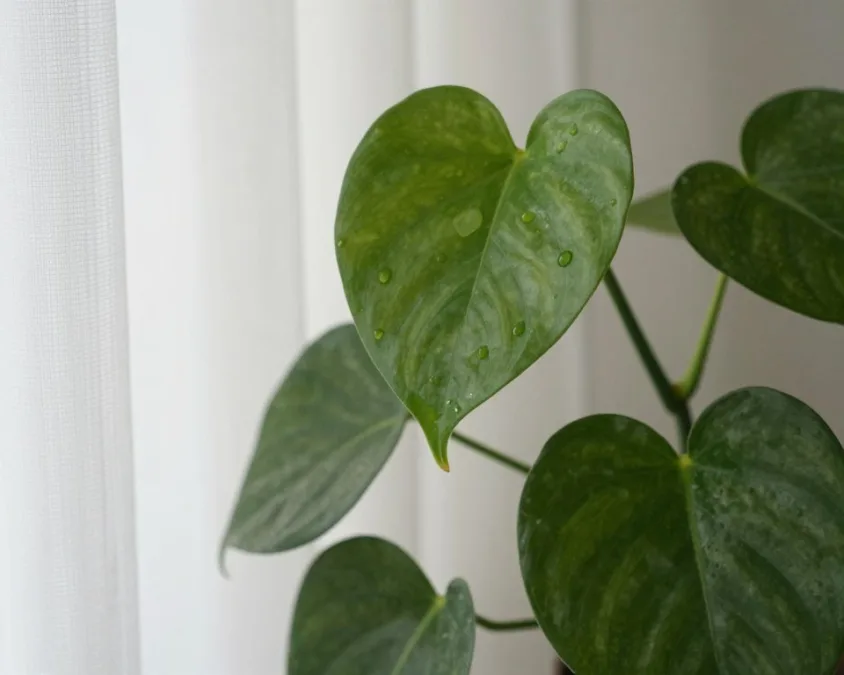
2. Pothos
Why it suits beginners
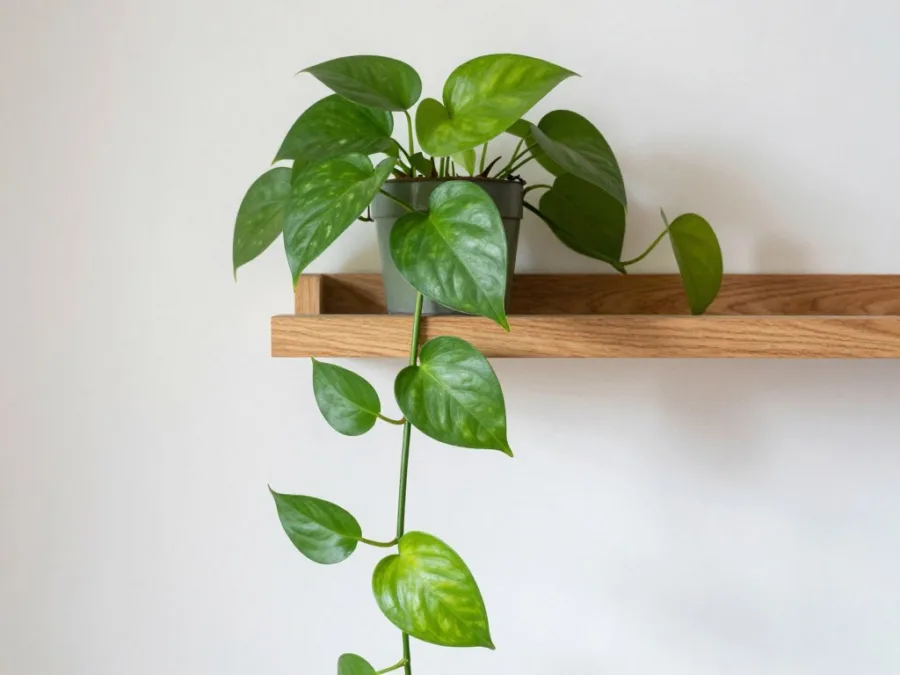
Pothos grows quickly and shows clear signs when it needs attention. Its trailing stems work well on shelves, cabinets, or hanging planters. It can tolerate lower light, but bright indirect light helps maintain fuller growth.
Light conditions
Choose medium to bright indirect light. Low light may slow growth and reduce leaf variation in variegated types. Keep it away from strong direct sunlight.
Watering needs
Water when the top few centimetres of soil feel dry. In many homes, this means once every one to two weeks. Do not keep the soil constantly moist.
Basic care and size
- Trim long stems above a leaf node.
- Rotate the pot for even growth.
- Trails can reach 1.5 m or more indoors if supported.
- Pet safety: pothos is harmful if chewed by cats or dogs.
3. Spider Plant
Why it suits beginners
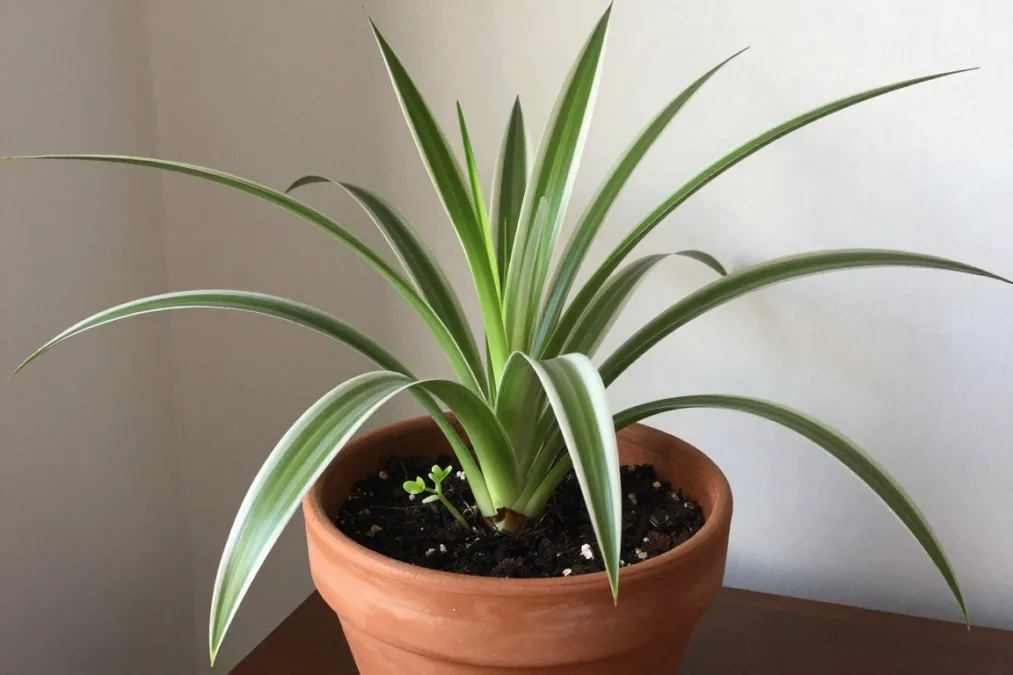
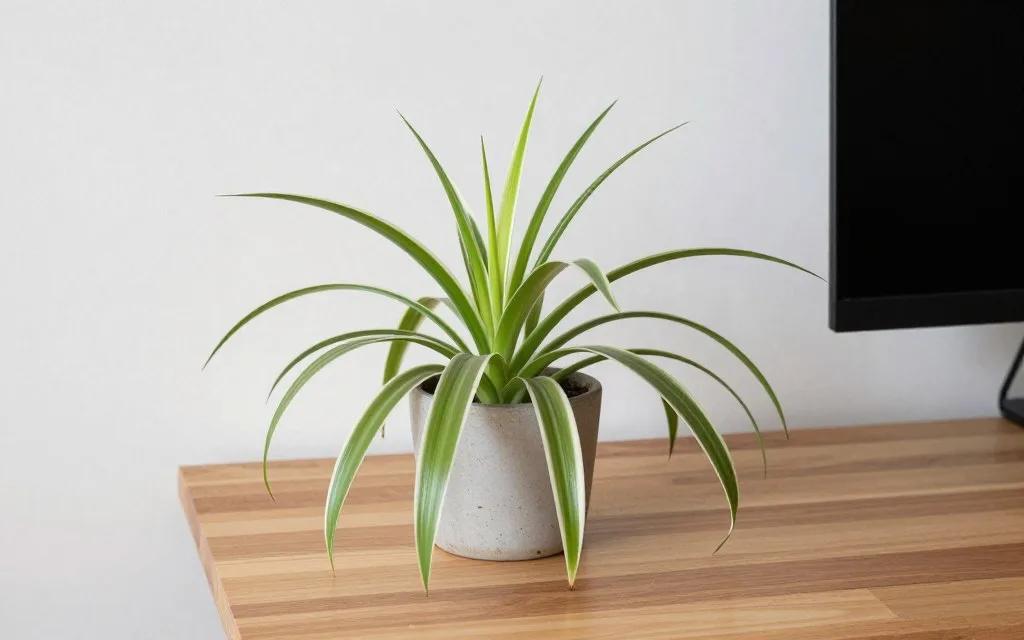
The spider plant is a forgiving choice with narrow, arching leaves. Mature plants may produce small offshoots, making them interesting to watch and easy to share. It prefers steady moisture but can recover from a short dry period.
Light conditions
Give it bright indirect light. It can manage medium light, but harsh direct sunlight may scorch the leaf tips.
Watering needs
Water when the top layer of soil feels dry. Keep the root ball lightly moist during active growth, while avoiding waterlogged soil.
Basic care and size
- Use filtered or rested water if leaf tips turn brown.
- Remove dry tips with clean scissors.
- Expect a height of about 30–60 cm and a similar spread.
- Pet safety: spider plants are generally considered non-toxic to cats and dogs, but chewing can still upset the stomach.
4. ZZ Plant
Why it suits beginners
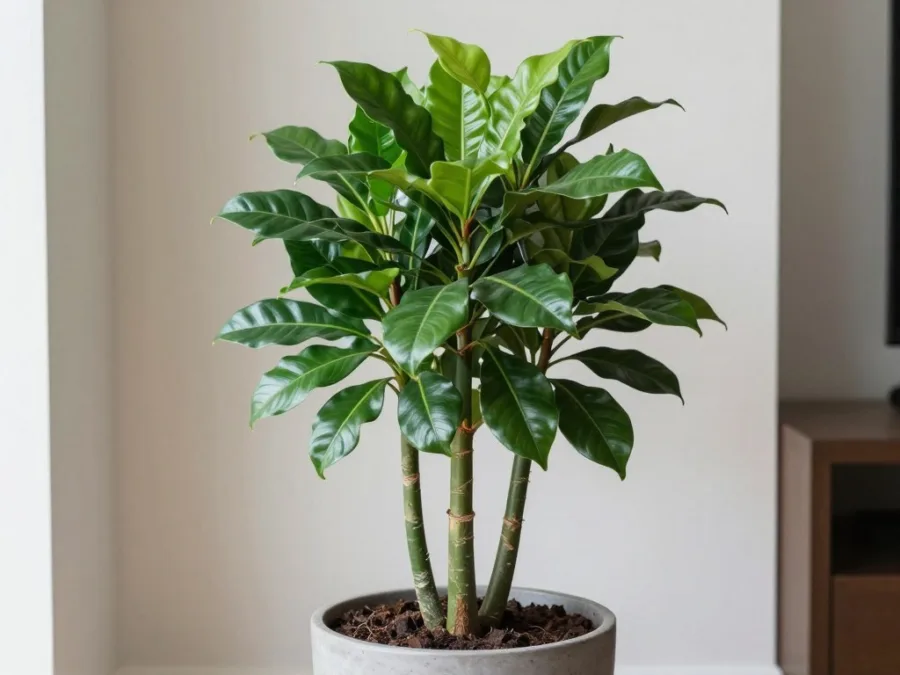
The ZZ plant has thick stems and underground storage organs that help it manage dry periods. It is a practical option for people who travel or forget occasional watering. Growth is slow, which also makes it easier to fit into a small room.
Light conditions
It tolerates low light and grows better in medium to bright indirect light. Avoid intense direct sunlight on the leaves.
Watering needs
Allow the soil to dry well between waterings. A two-to-four-week interval is common, but check the pot instead of following a fixed calendar.
Basic care and size
- Do not leave the pot in a tray of water.
- Dust glossy leaves gently.
- Indoor plants may reach 60–120 cm.
- Pet safety: the ZZ plant can irritate the mouth and stomach if eaten.
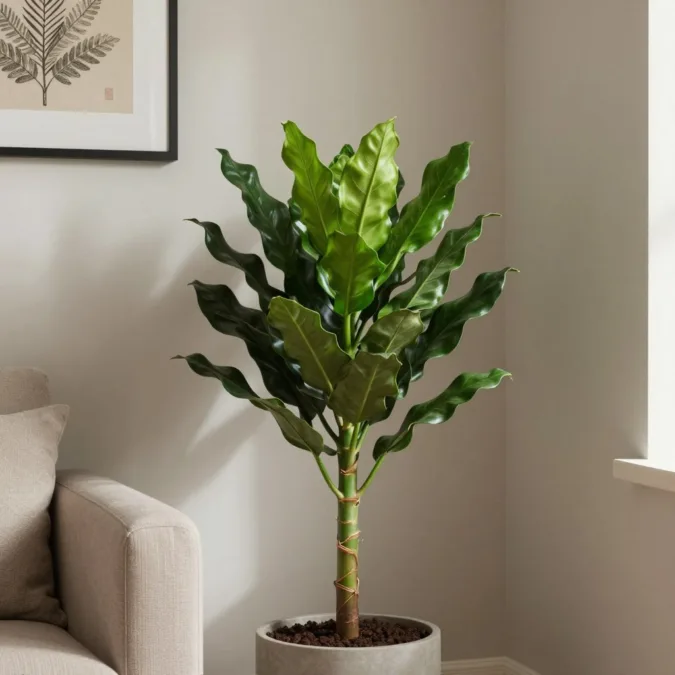
5. Rubber Plant
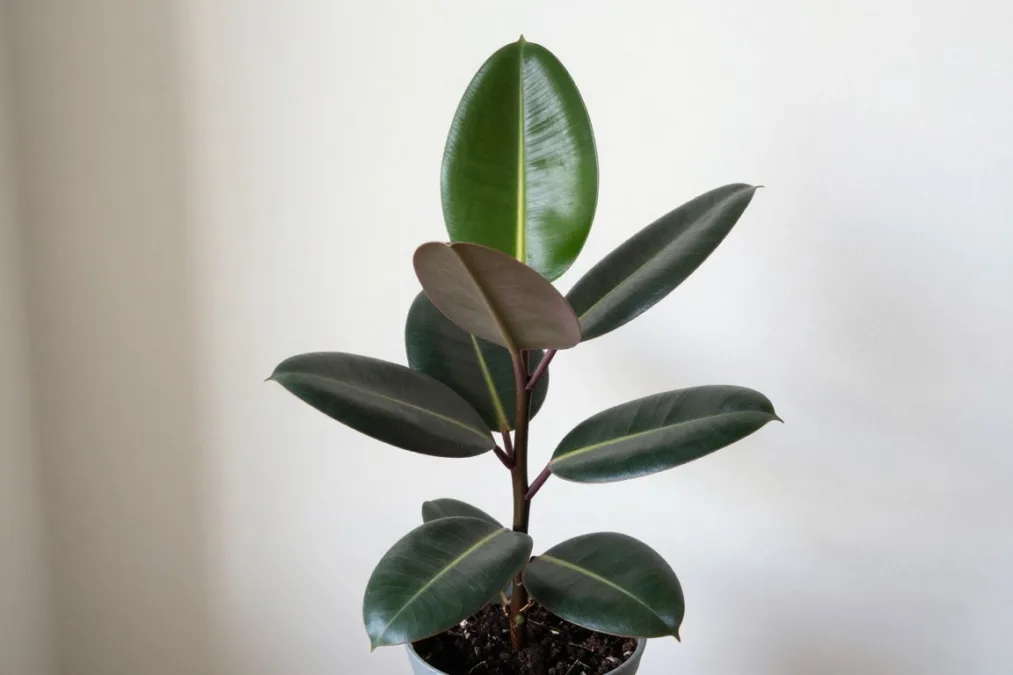
Why it suits beginners
The rubber plant adds height and bold leaves without needing complex routines. It is a good choice when you want a statement plant for a living room or work area. Young plants are easier to place than mature trees.
Light conditions
Provide bright indirect light for strong growth. A little gentle morning sun may be suitable, but protect the leaves from hot afternoon direct sunlight.
Watering needs
Water when the upper soil feels dry. Water deeply enough to moisten the root area, then let excess drain away.
Basic care and size
- Rotate the pot so the trunk grows evenly.
- Clean large leaves with a damp cloth.
- Indoor height can range from 1–3 m if allowed to grow.
- Pet safety: rubber plant sap may irritate pets and people.
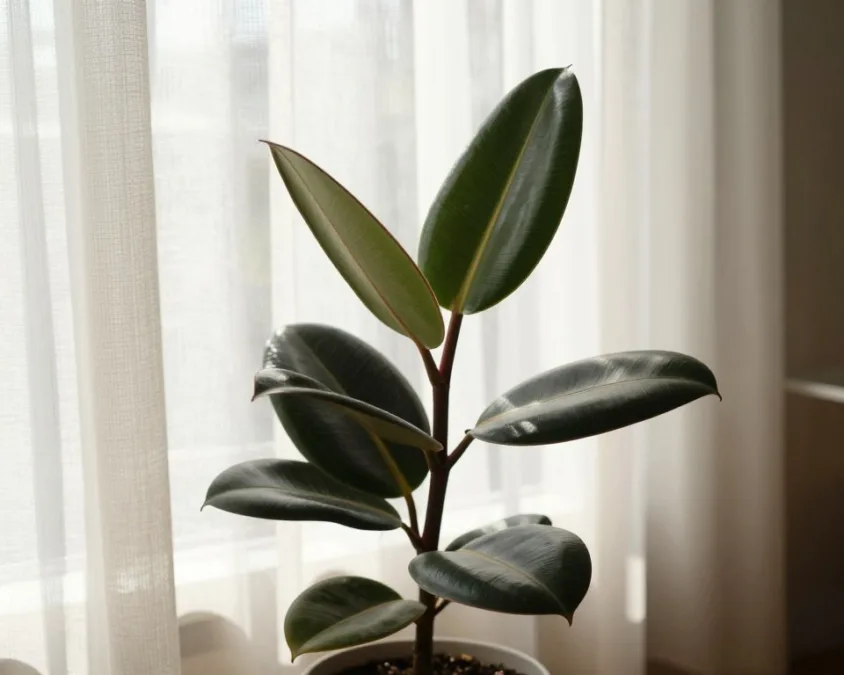
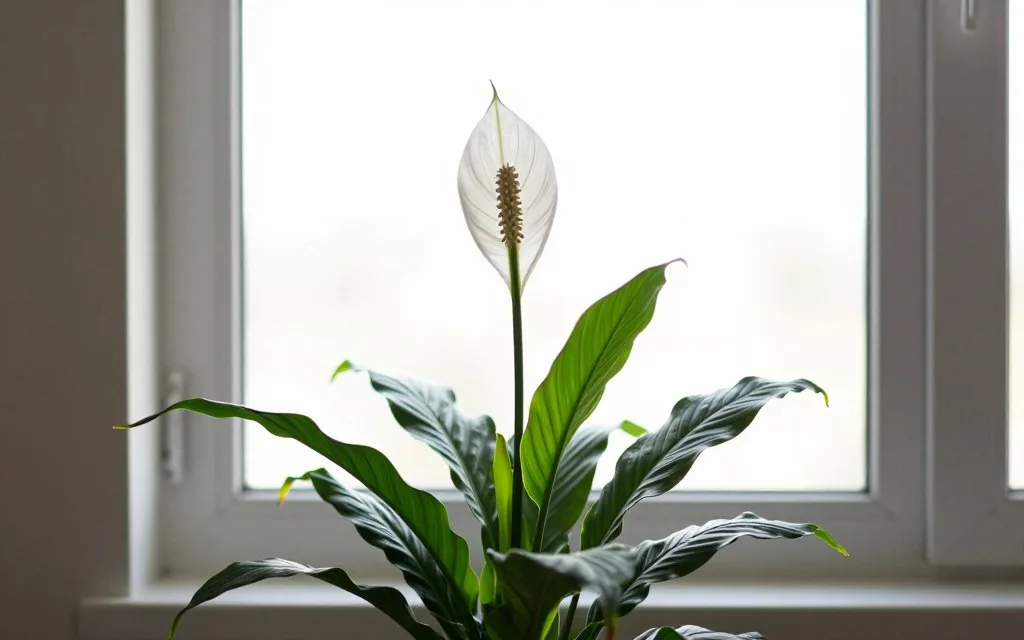
6. Peace Lily
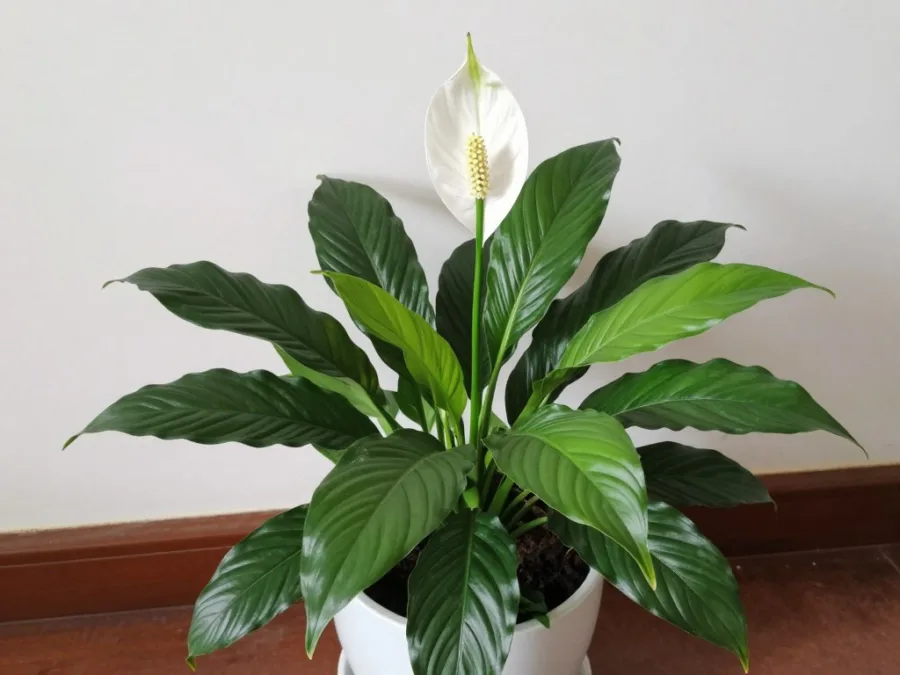
Why it suits beginners
The peace lily communicates thirst by drooping. That signal can help a beginner learn when to check the soil. It also produces white flowers in suitable indoor conditions, although flowering depends on light and general care.
Light conditions
Use medium to bright indirect light. Low light can keep the leaves alive but may reduce flowers. Strong direct sunlight can scorch the foliage.
Watering needs
Keep the soil lightly moist but not saturated. Water when the top layer begins to dry, then drain the pot fully.
Basic care and size
- Increase humidity if leaf edges become dry.
- Remove old flowers near the base.
- Most indoor plants reach 40–90 cm.
- Pet safety: peace lilies are toxic if chewed and may cause mouth irritation.
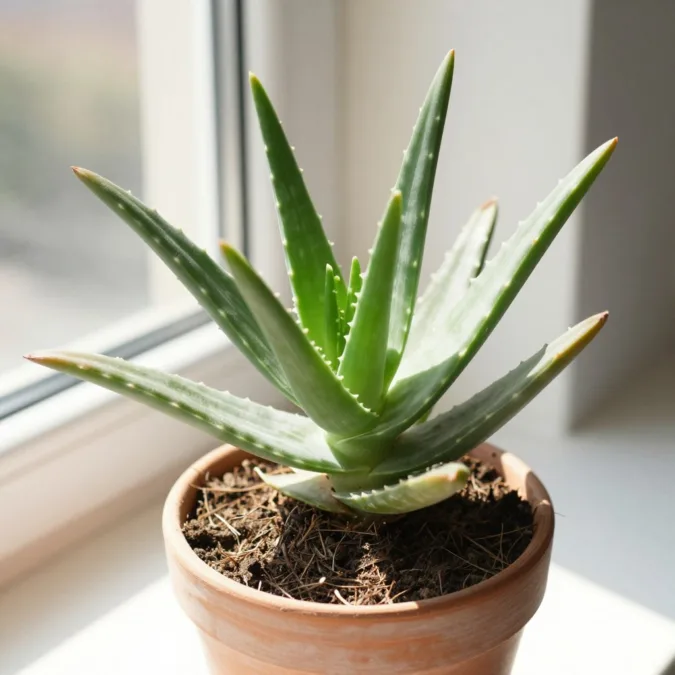
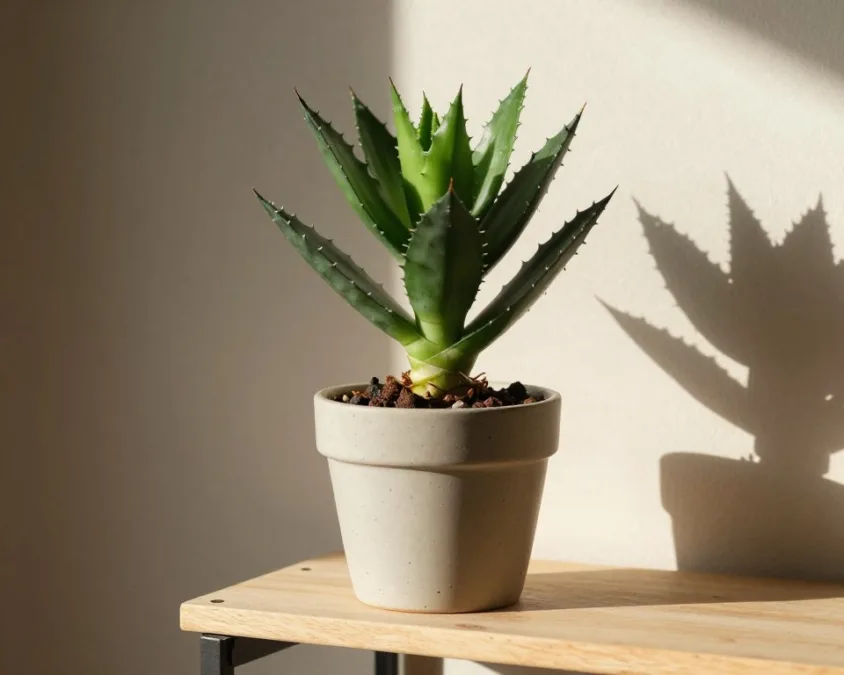
7. Aloe Vera
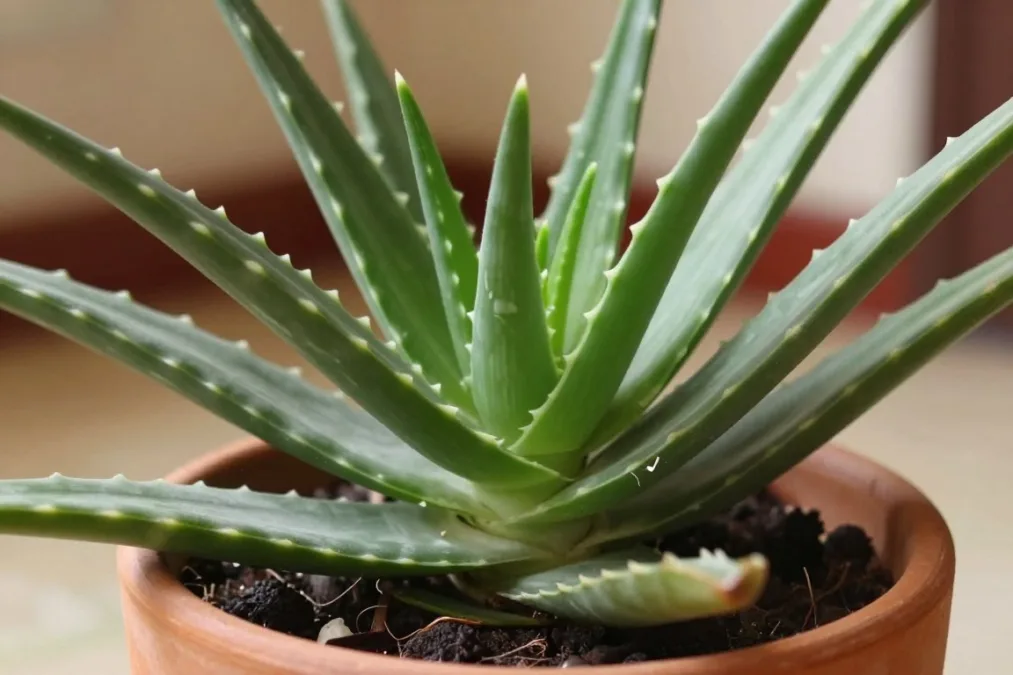
Why it suits beginners
Aloe vera is a succulent that stores water in its leaves. That makes it suitable for people who prefer a plant with a slower watering routine. Its main risk is excess water, so drainage matters more than frequent attention.
Light conditions
Give aloe vera bright light. A few hours of gentle morning direct sunlight can work, but introduce stronger sunlight gradually to prevent leaf stress.
Watering needs
Let the soil dry fully before watering. In a humid or rainy season, the interval may be longer than two weeks.
Basic care and size
- Use a gritty, fast-draining soil mix.
- Do not mist the leaves.
- Plants often reach 30–60 cm wide.
- Pet safety: aloe vera can be harmful to cats and dogs if eaten.
8. Jade Plant
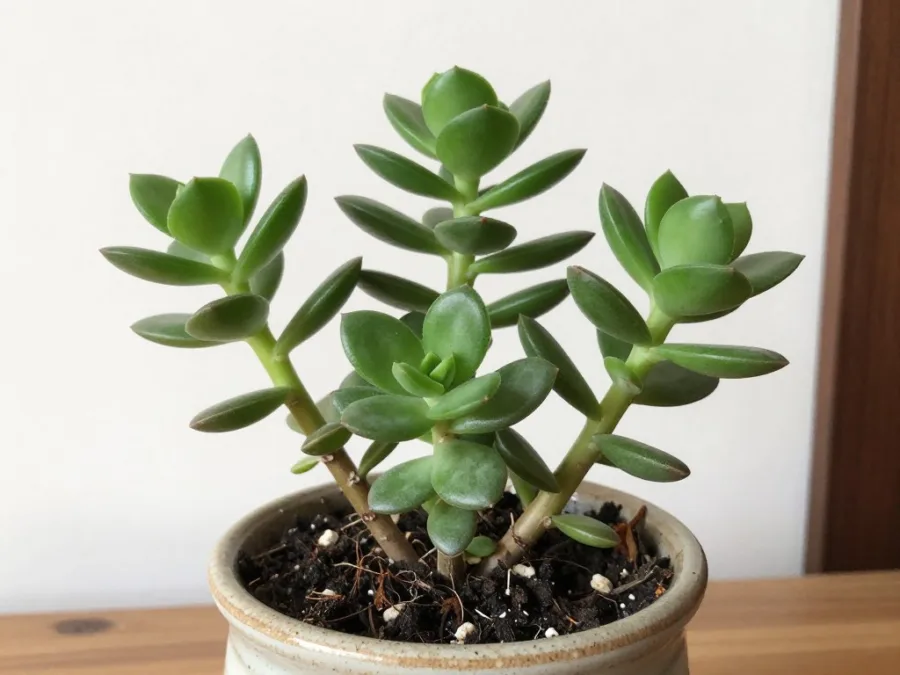
Why it suits beginners
The jade plant is a small succulent with thick leaves and woody stems. It suits a sunny desk, balcony edge, or bright window. Its slow growth means it usually does not need frequent repotting.
Light conditions
Give it bright light. Gentle direct sunlight is useful, but protect a plant that has been growing in shade until it adjusts.
Watering needs
Wait until the soil is dry before watering. A two-to-three-week interval is common, though heat and pot size can change it.
Basic care and size
- Use a heavy pot to support the stems.
- Prune lightly to shape the plant.
- Indoor specimens may reach 30–90 cm.
- Pet safety: jade plants may be toxic to cats and dogs.
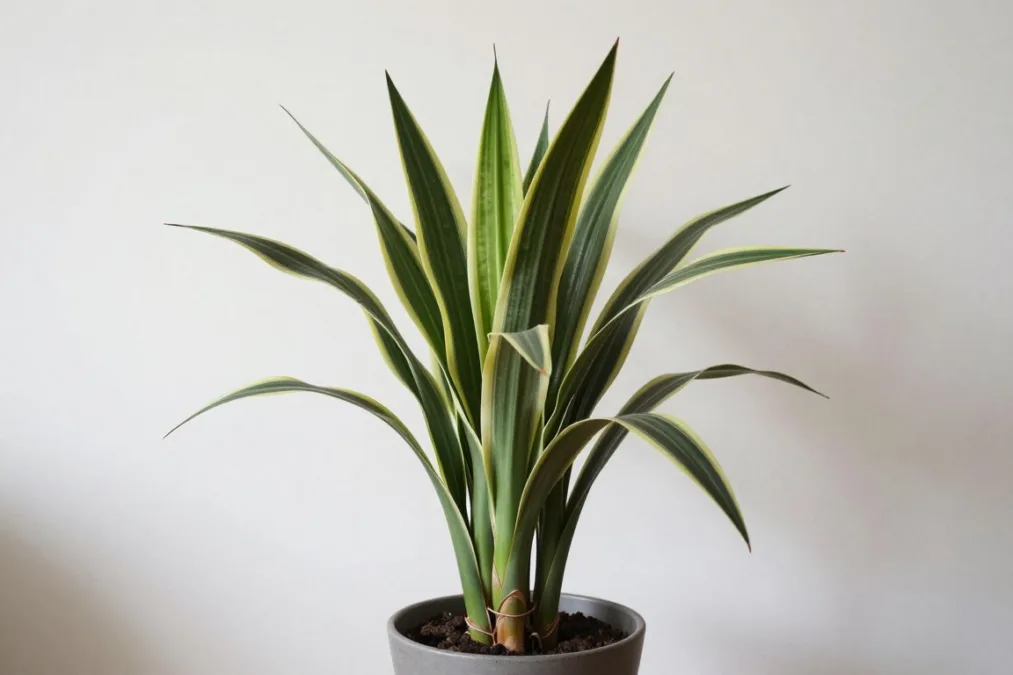
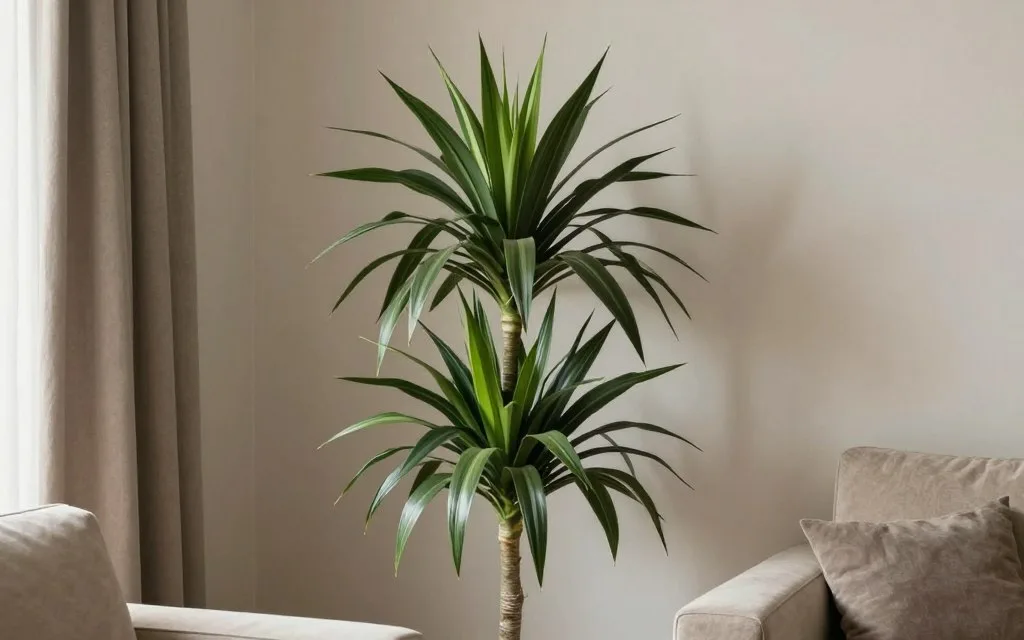
9. Dracaena
Why it suits beginners
Dracaena offers height and structure while tolerating a range of indoor light levels. It is useful for filling an empty corner without demanding daily care. Several types have striped or colourful leaves.
Light conditions
Use low to bright indirect light. Variegated types often keep better colour with more light, but strong direct sun may damage the leaves.
Watering needs
Let the top layer of soil dry before watering. Use a pot with drainage and avoid leaving the roots in standing water.
Basic care and size
- Turn the plant every few weeks.
- Trim brown leaf tips with clean scissors.
- Indoor plants commonly reach 60 cm to 2 m.
- Pet safety: dracaena can be harmful to cats and dogs if eaten.
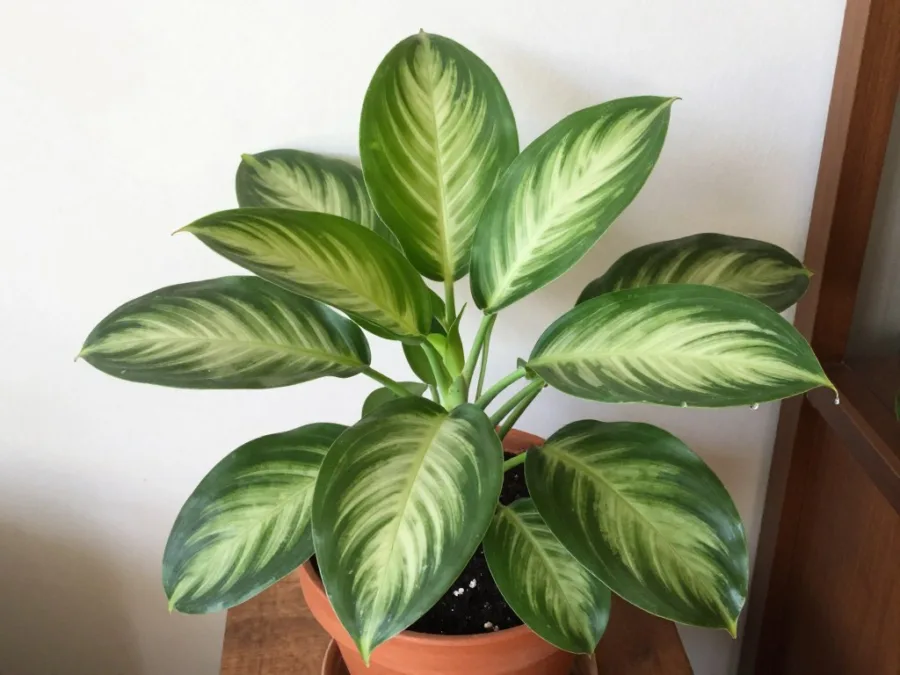
10. Prayer Plant
Why it suits beginners
The prayer plant has colourful leaf patterns and a spreading growth habit. It needs more consistent moisture than a snake plant or ZZ plant, so it suits beginners who enjoy checking plants regularly.
Light conditions
Place it in bright indirect light. Too much direct sunlight can fade the pattern and scorch the leaves.
Watering needs
Water when the surface begins to dry, while keeping the root area lightly moist. Do not allow the pot to sit in water.
Basic care and size
- Keep it away from hot drafts and air-conditioner vents.
- Provide moderate to high humidity when the air is dry.
- Most indoor plants reach about 20–40 cm tall.
- Pet safety: prayer plants are generally considered non-toxic to cats and dogs.
How to Choose Your First Indoor Plant
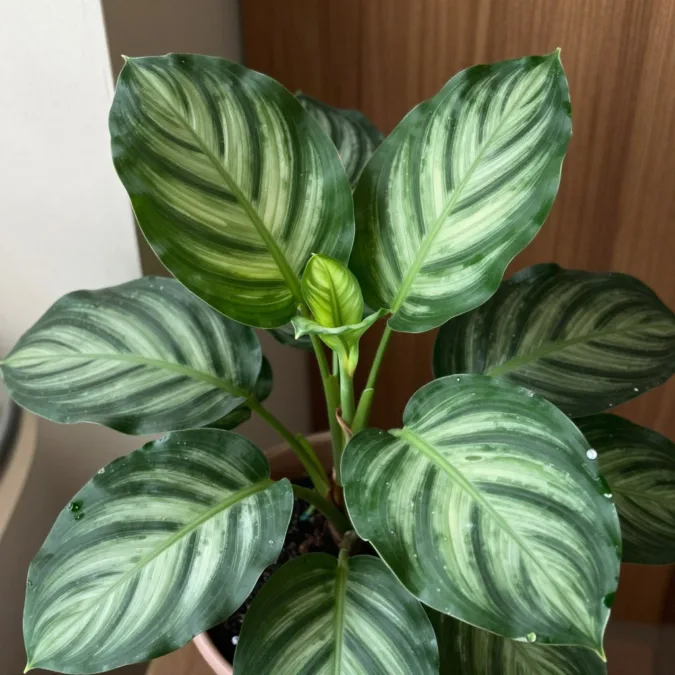
Start with the room, not the plant name. Observe the spot for a full day. Is the light bright, moderate, or dim? Does direct sunlight fall on the leaves? Is the area close to an air-conditioner, fan, or hot kitchen window?
For low light
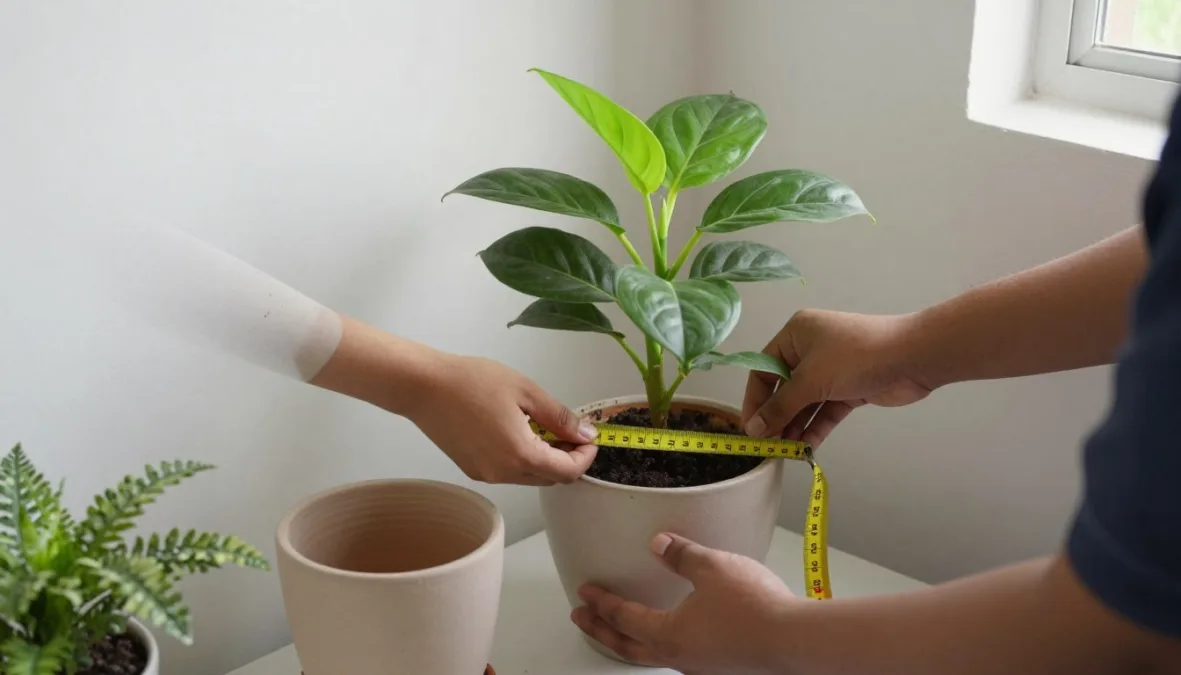
Choose a snake plant, ZZ plant, pothos, or dracaena. Growth may be slower, so do not expect a dark corner to produce dense new leaves.
- Use a snake plant for a dry routine.
- Use pothos for a trailing shape.
- Use dracaena for height.
For bright indirect light
Spider plants, rubber plants, peace lilies, and prayer plants can work well when the light is strong but filtered.
- Use a sheer curtain when needed.
- Keep leaves away from hot glass.
- Rotate plants for even growth.
For sunny spots
Aloe vera and jade plants prefer brighter conditions. Acclimatise them slowly if they have been growing in shade.
- Check for leaf scorch.
- Use gritty soil for succulents.
- Water only when the soil is dry.
How to Avoid Overwatering
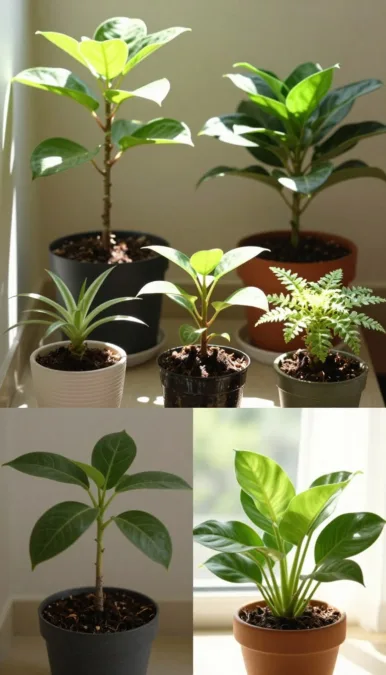
Overwatering is one of the most common problems for plants beginners choose. It usually means watering too often, not simply using too much water once. Roots need air as well as moisture. Soil that stays wet for too long can lead to root damage, fungus, and yellow leaves.
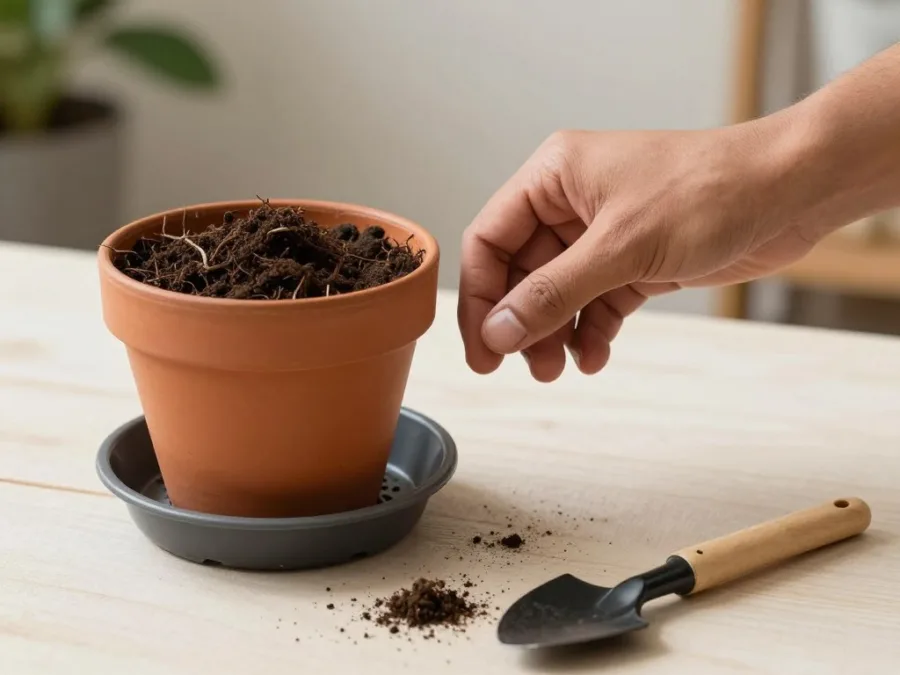
- Check the top soil with a finger or wooden stick.
- Lift the pot if possible. Dry soil often feels much lighter.
- Water slowly until a little water leaves the drainage holes.
- Empty the saucer after several minutes.
- Reduce the watering frequency in low light, cool weather, or humid conditions.
Do not follow a strict weekly schedule for every houseplant. A small pot in bright light may dry faster than a large pot in a dim room. Soil type also changes the watering interval.
Warning: yellow leaves are not always a thirst signal
Yellow leaves may result from excess water, poor light, natural ageing, pests, or root stress. Check the soil and the whole plant before adding more water.
Light and Placement Tips for Indoor Plants
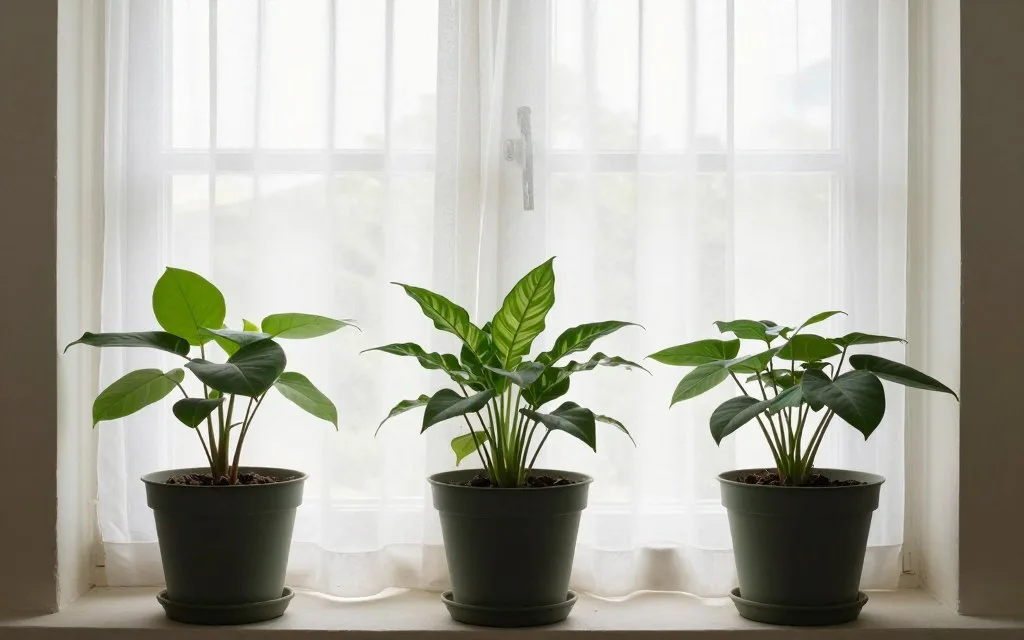
Light is energy for plants. A room that looks bright to people may still be dim for a plant. Place plants near a window when possible, but use curtains to soften intense direct sunlight. Bright indirect light usually means strong daylight that does not fall harshly on the leaves.
Signs of too little light
Growth may become slow, stretched, or pale. Variegated leaves may lose their pattern.
- Long spaces between leaves
- Small new growth
- Soil staying wet for many days
Signs of too much light
Leaves may develop pale patches, brown edges, or dry spots after strong direct sunlight.
- Move the plant farther from the glass.
- Add a sheer curtain.
- Change the position gradually.
Useful placement habits
Keep plants away from hot appliances, strong fans, and sudden temperature changes.
- Rotate pots every few weeks.
- Leave space for air movement.
- Keep leaves off cold or hot glass.
Humidity, Soil, and General Care
Many tropical house plants enjoy high humidity, but a humid room does not replace good watering. A pebble tray can raise local humidity slightly, while grouping plants may create a more comfortable microclimate. Keep enough space between pots for air movement.
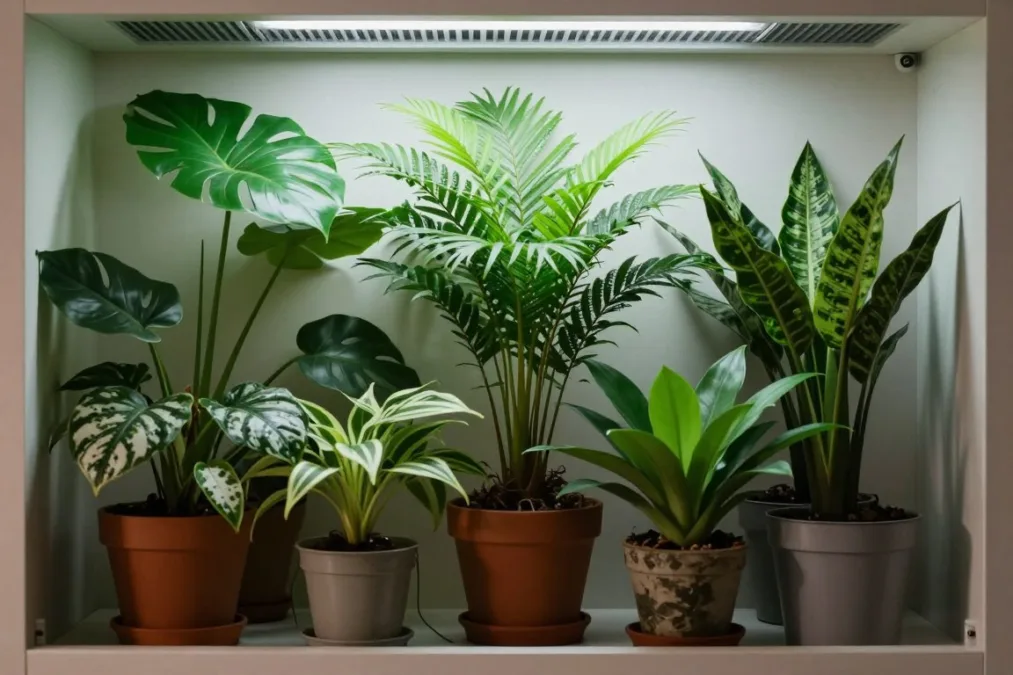
Use fresh, suitable soil when repotting. Succulents such as aloe vera and jade need faster drainage. Peace lilies and prayer plants prefer more moisture, but their soil should still not remain saturated.
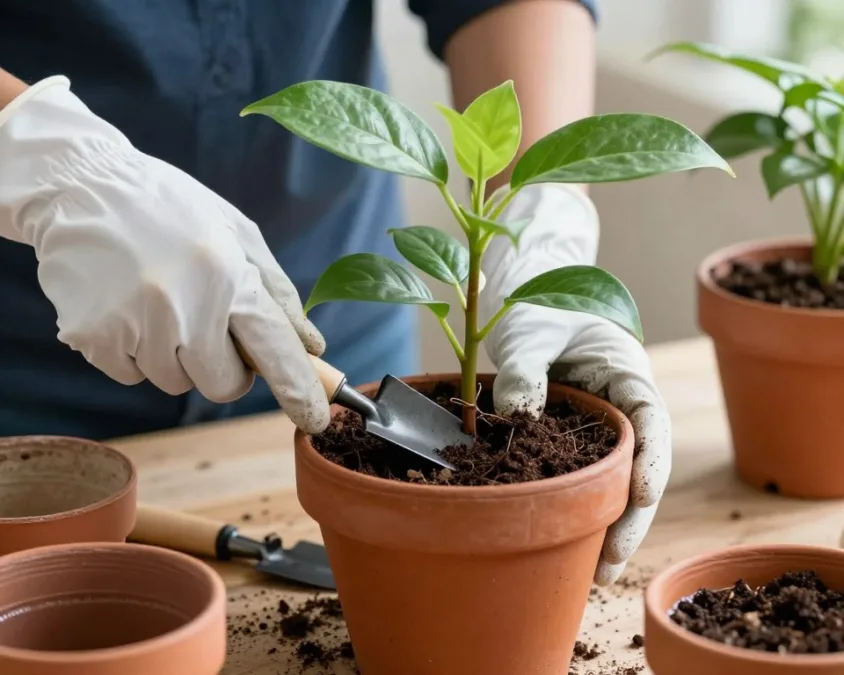
- Choose a container with drainage holes.
- Repot when roots circle the pot or water runs straight through.
- Feed lightly during active growth if the plant needs it.
- Inspect leaves and stems for pests each week.
- Remove dead leaves so the plant stays tidy.
- Keep toxic plants away from children and pets.
Build a simple care routine
Start with one plant, one suitable spot, and one weekly check. Consistency is more useful than complicated products.
Which Beginner Plant Should You Choose?
If you want the easiest starting point, choose a snake plant or ZZ plant. Both tolerate dry soil and a range of indoor light conditions. If you prefer a fast-growing trailing plant, pothos is a practical choice. For a sunny window, aloe vera or jade may be a better fit.
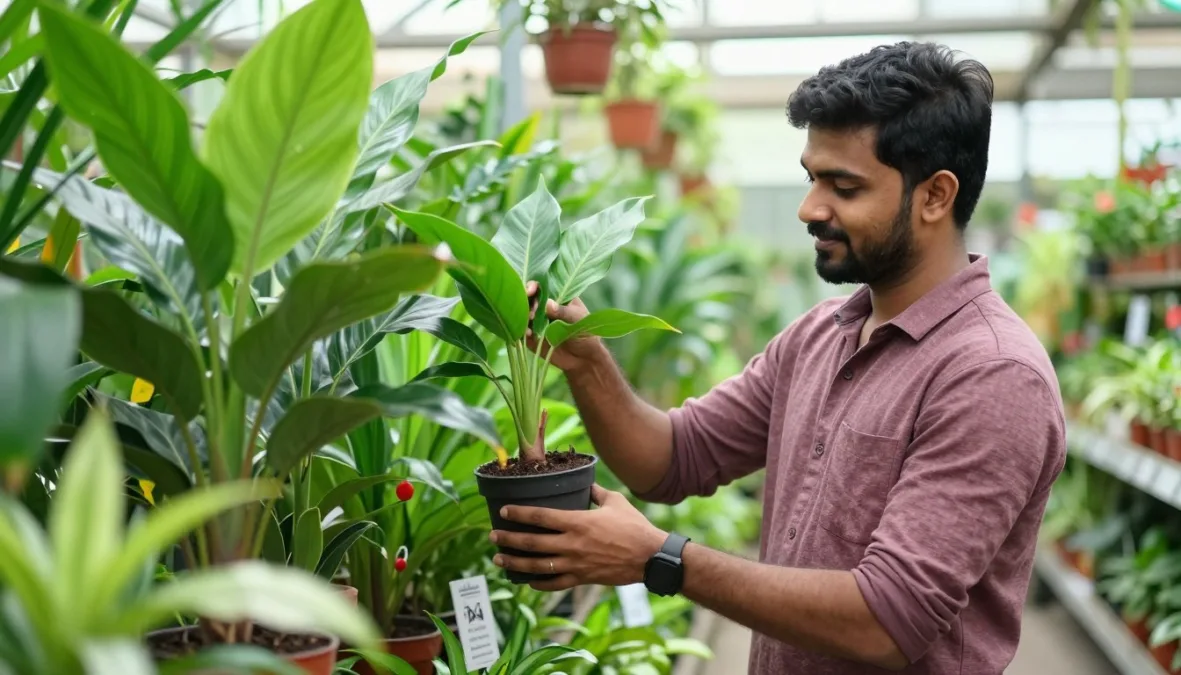
Before buying, inspect the leaves, stems, and soil. Avoid plants with widespread pests, mushy stems, or soil that smells sour. Select a pot size that suits the root ball and place the new plant in a stable spot at home.
A good first choice should
- Match the light in your room.
- Fit your watering routine.
- Have healthy leaves and firm stems.
- Be safe for pets when needed.
Avoid choosing only because
- The plant is popular online.
- The pot looks attractive.
- The label promises no care.
- The plant is too large for your space.
Make your first plant an easy win
Compare the light, watering, size, and pet-safety details above, then choose the plant that fits your real home and routine.
The best beginner plant is not the one with the boldest promise. It is the one you can place correctly, check regularly, and enjoy as it grows.

Priyanka Pandey
Senior Research Editor · Top10Sense
Priyanka specializes in tech, consumer products, and digital trends. She combines hands-on testing, vendor interviews, and database research to create trustworthy “Top 10” rankings. Her work has been referenced by industry blogs and brand report pages.